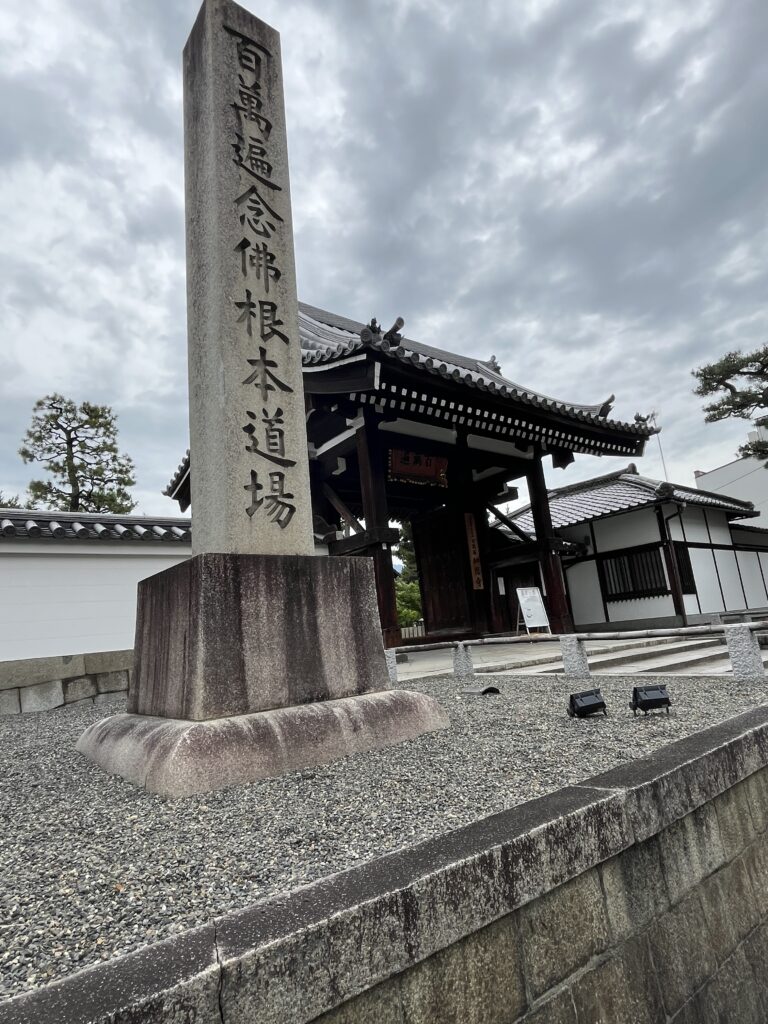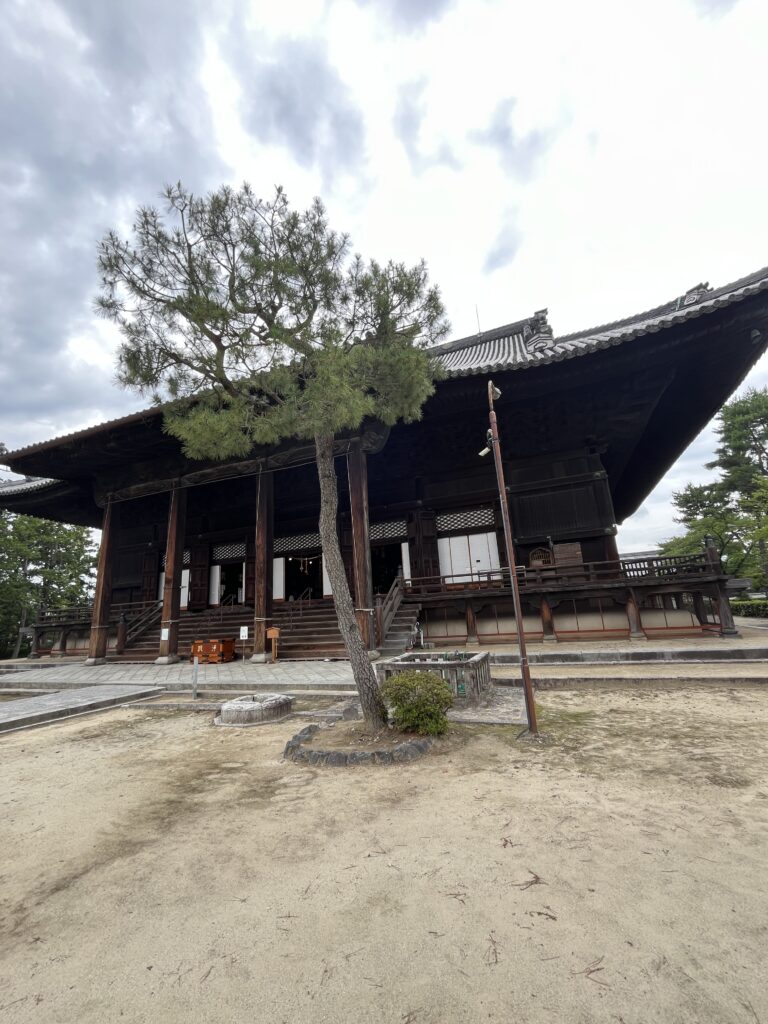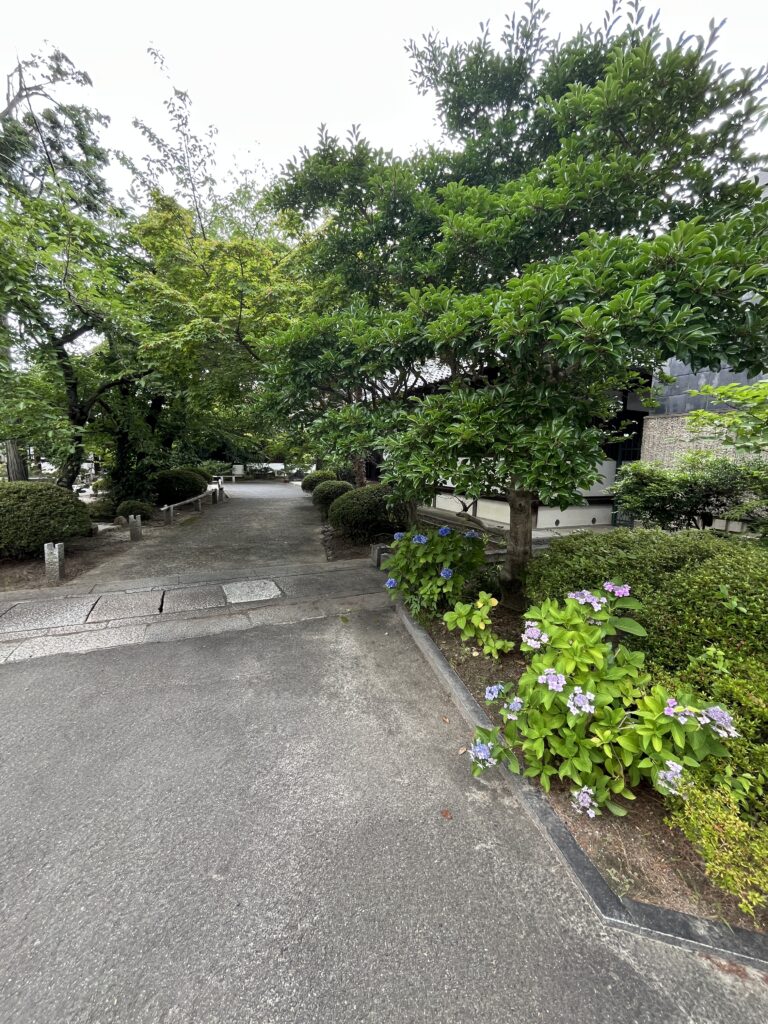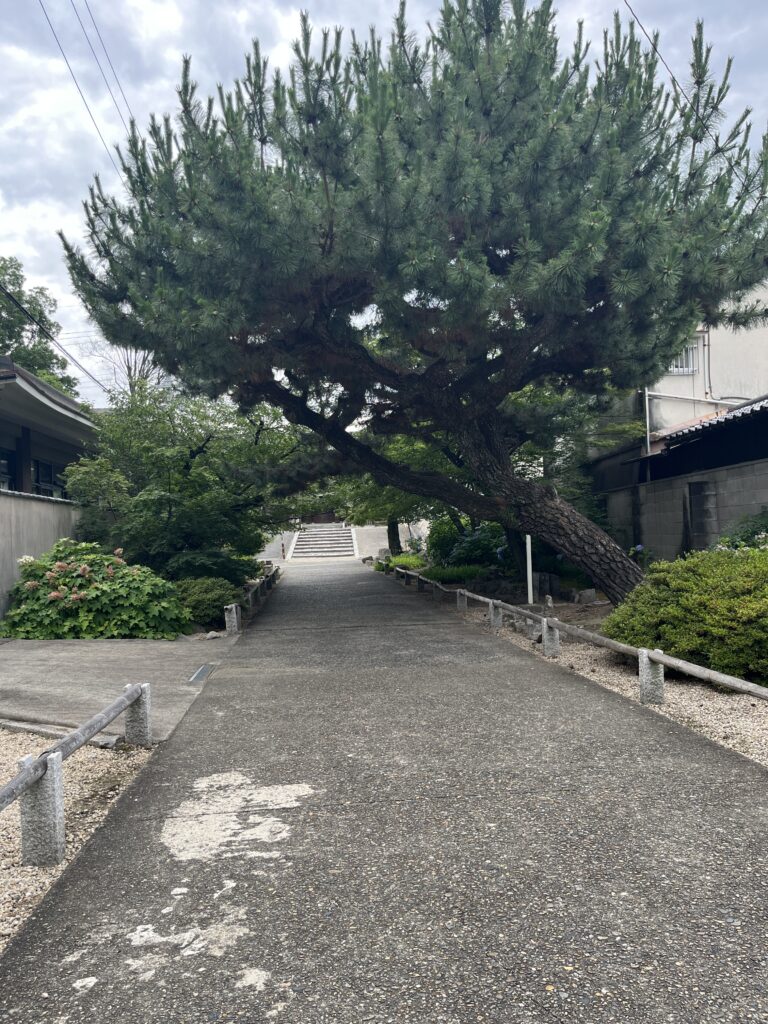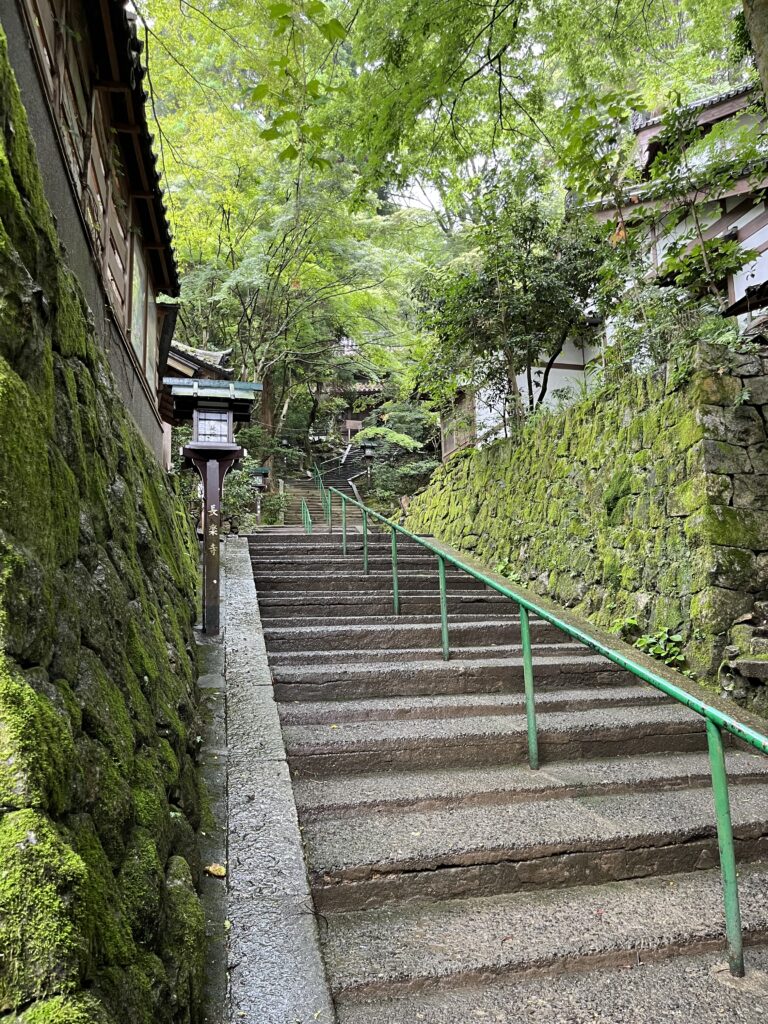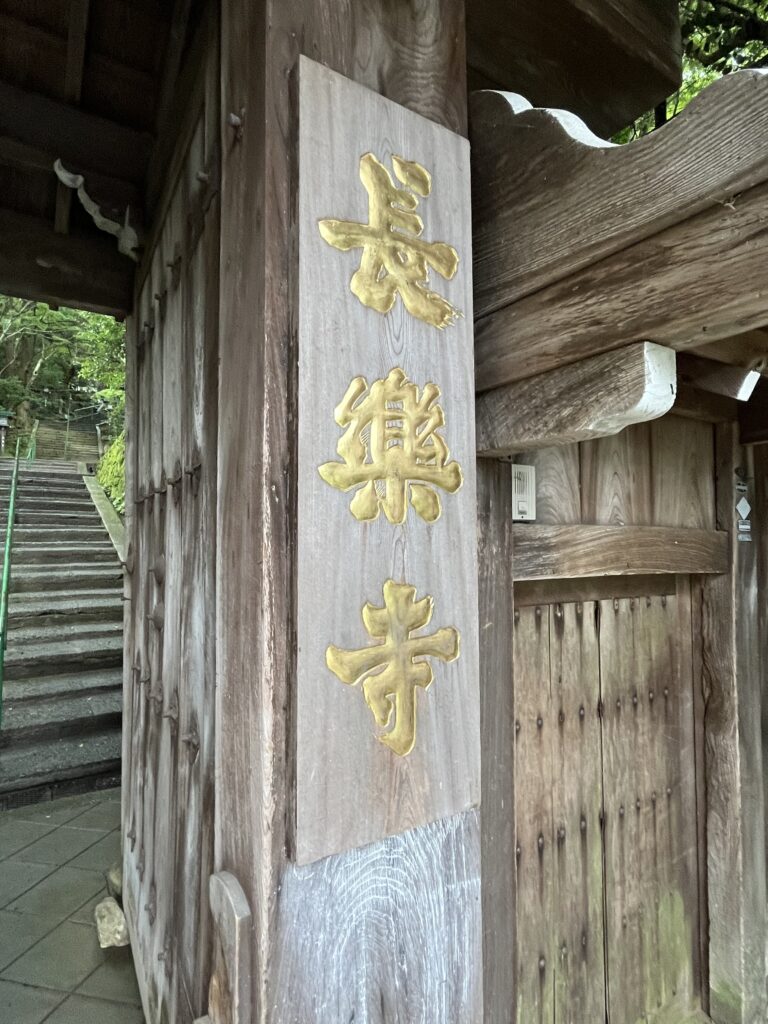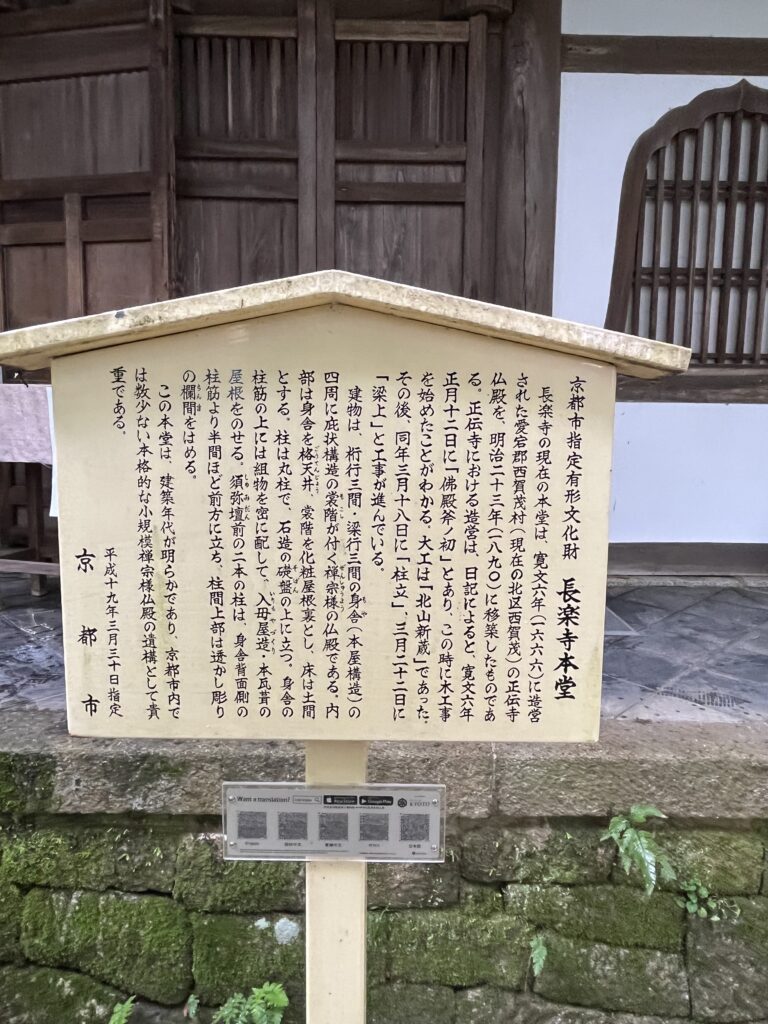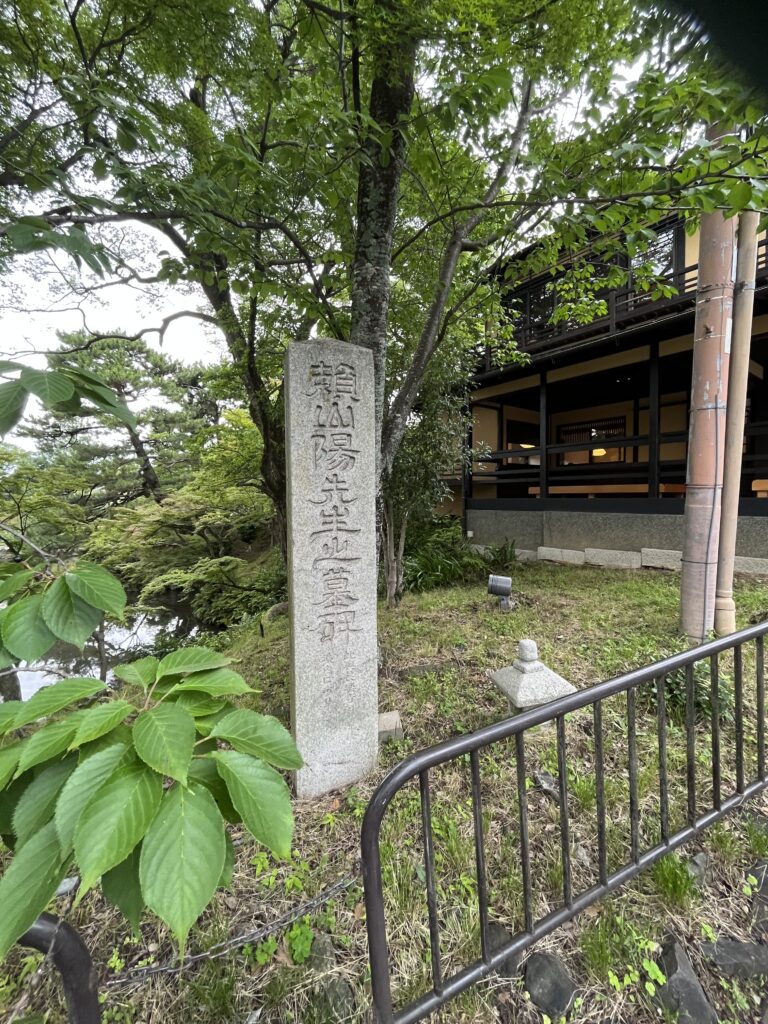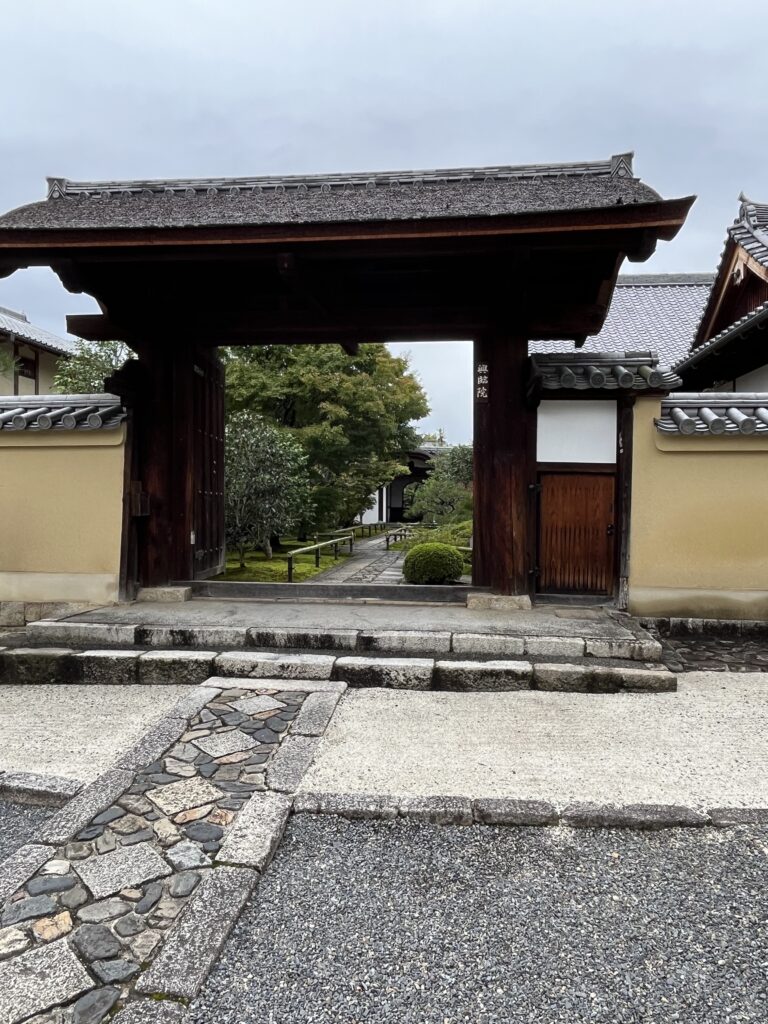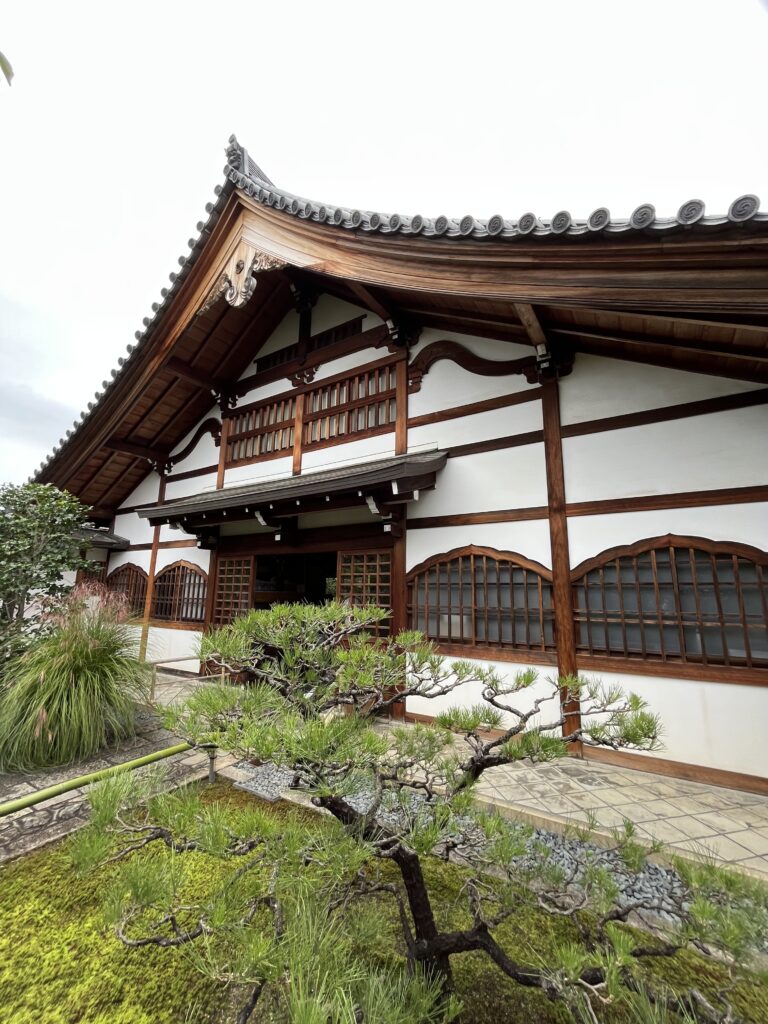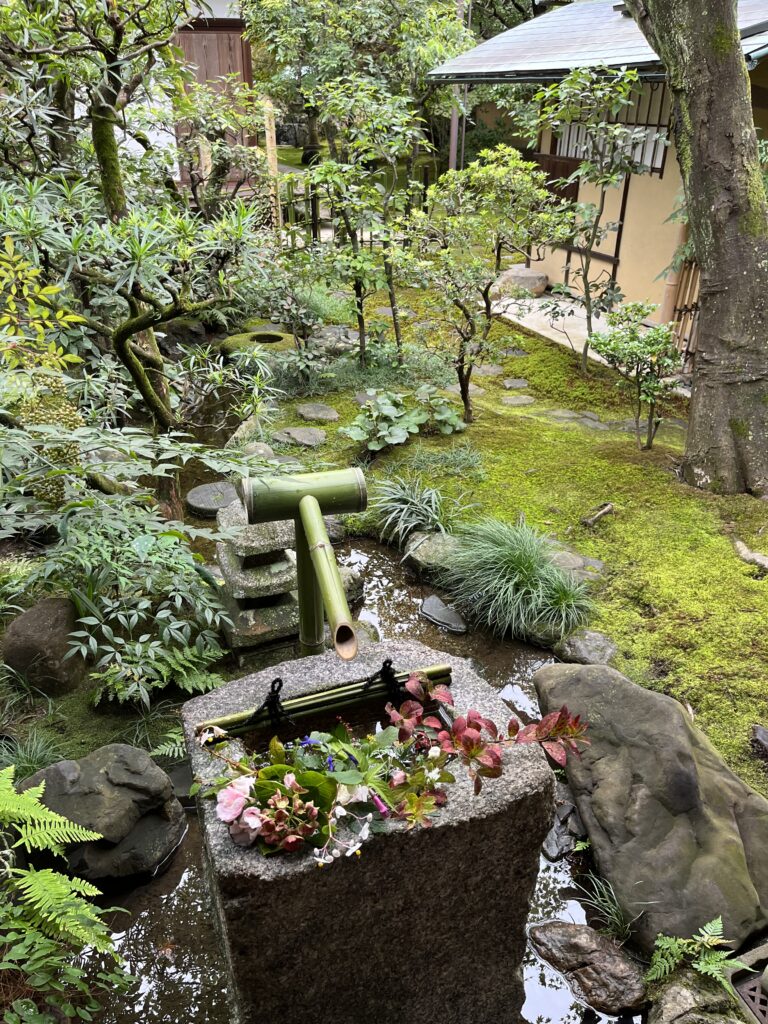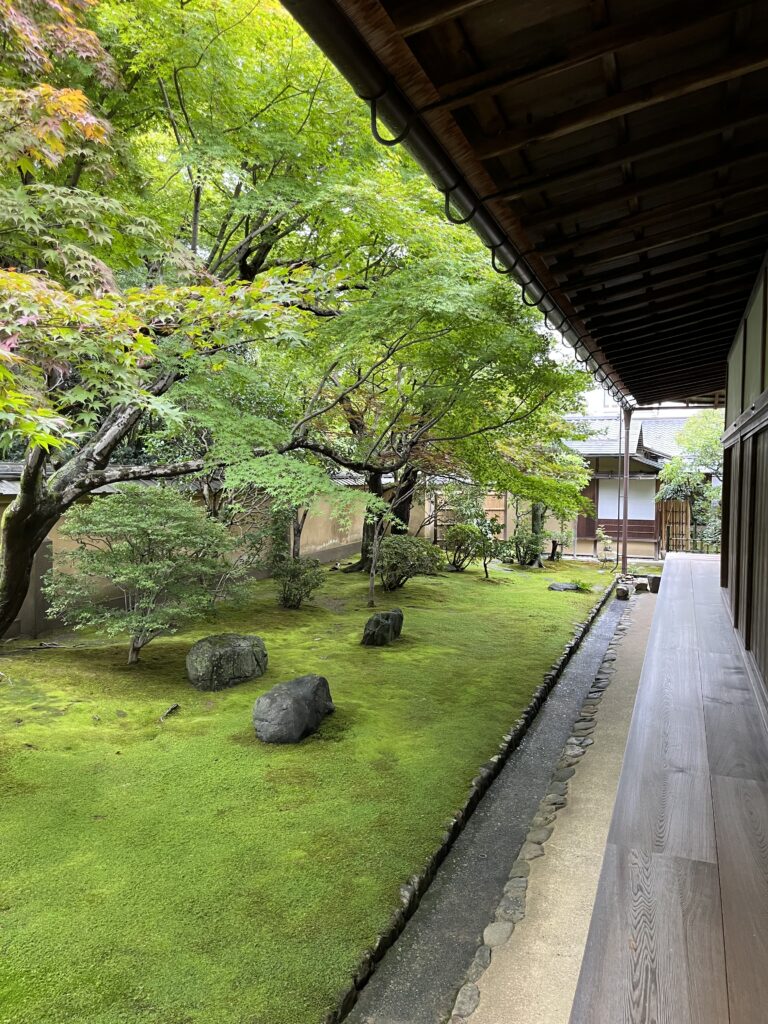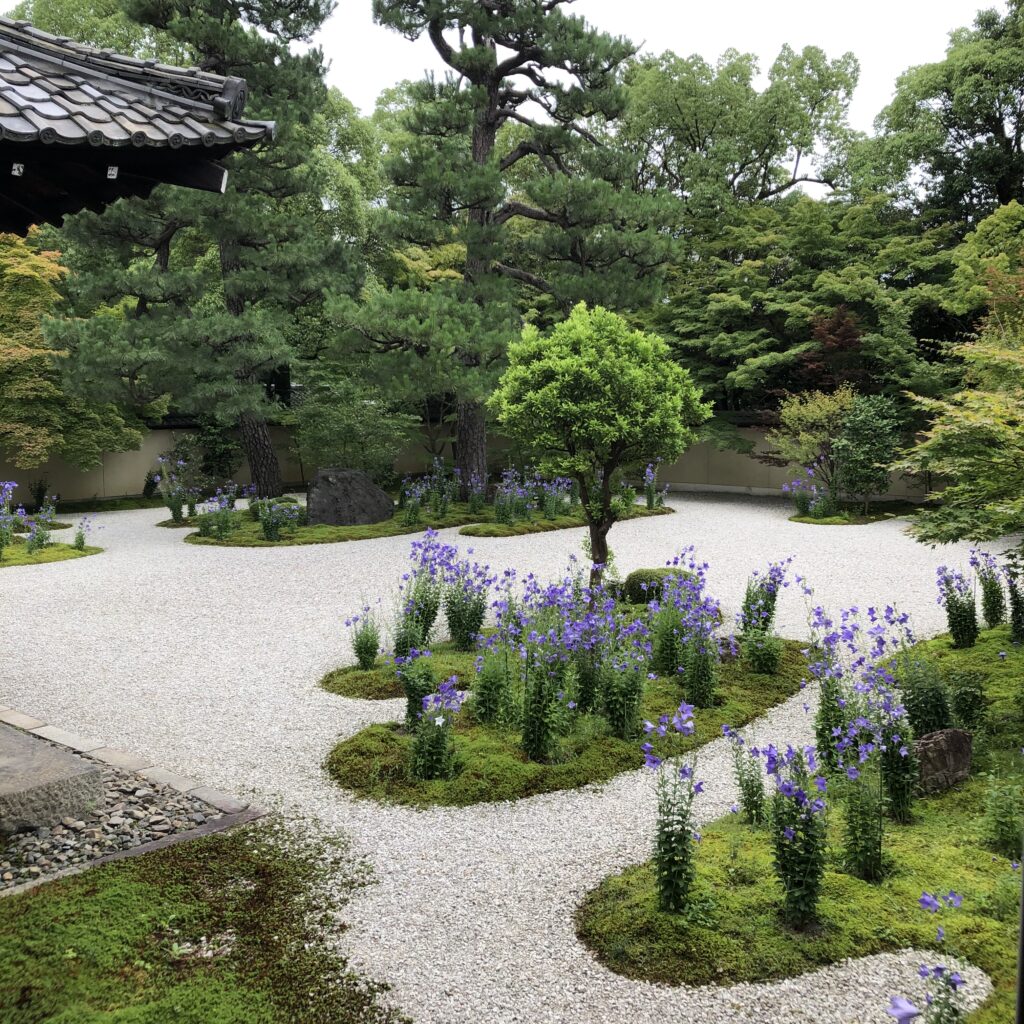
Sinnyo-do Temple

Its official name is Shinsho Gokuraku-ji, and it is a Tendai sect temple with Enryaku-ji Temple on Mount Hiei as its head temple.
The spacious grounds are famous for their autumn foliage, but visitors can enjoy strolling through them throughout the year, with cherry blossoms and green maple leaves also in bloom. The temple houses numerous structures, including a three-story pagoda, as well as many Buddhist statues and cultural artifacts, including a standing statue of Amida Buddha.

Location

Shinsen-en Garden

Shinsen-en Garden was built over 1,230 years ago, in 794 AD, when Emperor Kanmu constructed Heian-kyo (Kyoto). This area originally had many ponds and marshes, and was created as a garden for the emperor’s leisure activities, in line with the urban planning of Heian-kyo. In 812 AD, Emperor Saga visited the garden, and the first imperial cherry blossom viewing banquet in Japan took place there.
This representative garden of Heian-kyo can still be visited in the heart of the capital.


Location

Myoshin-ji Temple

Myoshin-ji Temple is located in Ukyo-ku, Kyoto City. Its vast grounds contain 46 sub-temples, and it boasts 3,400 branch temples throughout Japan and around the world, making it the largest Zen temple in Japan.
Each sub-temple has its own unique history and beautiful gardens (such as Taizo-in and Keishun-in).
It also features the rare Akechi Bath, a bathhouse said to have been built to commemorate Akechi Mitsuhide.

Location

Mimuroto-ji Temple

In Uji, Kyoto, there is Mimuroto-ji Temple, known as the “Hydrangea Temple.”
The approximately 10,000 hydrangea plants of 50 different varieties create a magnificent sight.
This temple is also famous for its flowers in each of the four seasons, and is known as the “Temple of Flowers.”


Location

Imamiya Shrine

Imamiya Shrine is a shrine located in Murasakino Imamiya-cho, Kita-ku, Kyoto City.
It is said that a shrine dedicated to the god of plague existed on the site even before the founding of Heian-kyo (Kyoto). In 994, a portable shrine was constructed and the Murasakino Goryo-e festival was held to pray for the eradication of plagues in the capital, which is considered the origin of Imamiya Shrine.
In front of the east gate, “Aburi Mochi,” a traditional gate-side confectionary that has been sold since the Heian period, is available.
“Ichiwa” is said to have been founded in the Heian period, around 1000 AD, and is considered one of the oldest Japanese confectionery shops.

Location