Toyokuni Shrine

This is the head shrine of the Toyokuni Shrine, dedicated to Toyotomi Hideyoshi. Within the grounds is also the Teisho Shrine, dedicated to Kita-no-Mandokoro One, and is revered as a deity of career advancement, good fortune, and successful relationships.
The National Treasure Karamon Gate, believed to be a remnant of Fushimi Castle, stands majestically in front of the shrine.

Location
 

Daihoonji Temple

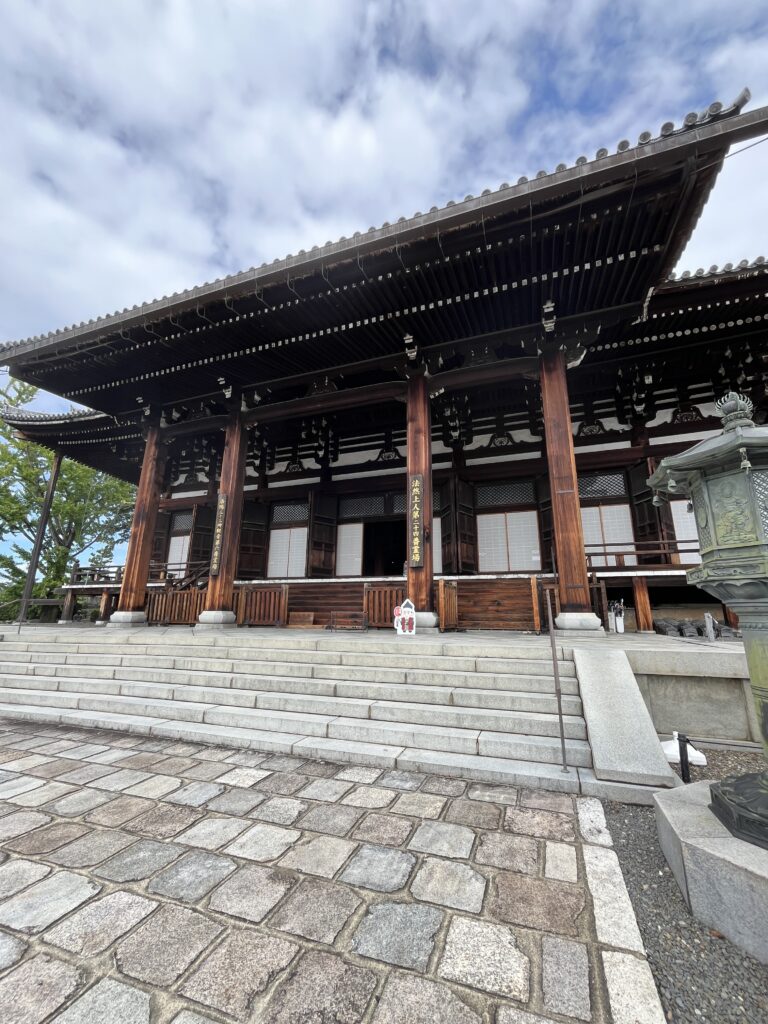
A Shingon sect Chizan school temple located in Kamigyo Ward, Kyoto City. It is known as “Senbon Shakado.”
The main hall, completed in 1227, survived numerous wars, including the Onin War, and is designated a National Treasure as the oldest wooden building in Rakuchu (Kyoto City).
It is a quiet place despite being in the middle of the city.

Location

Shisendo Temple

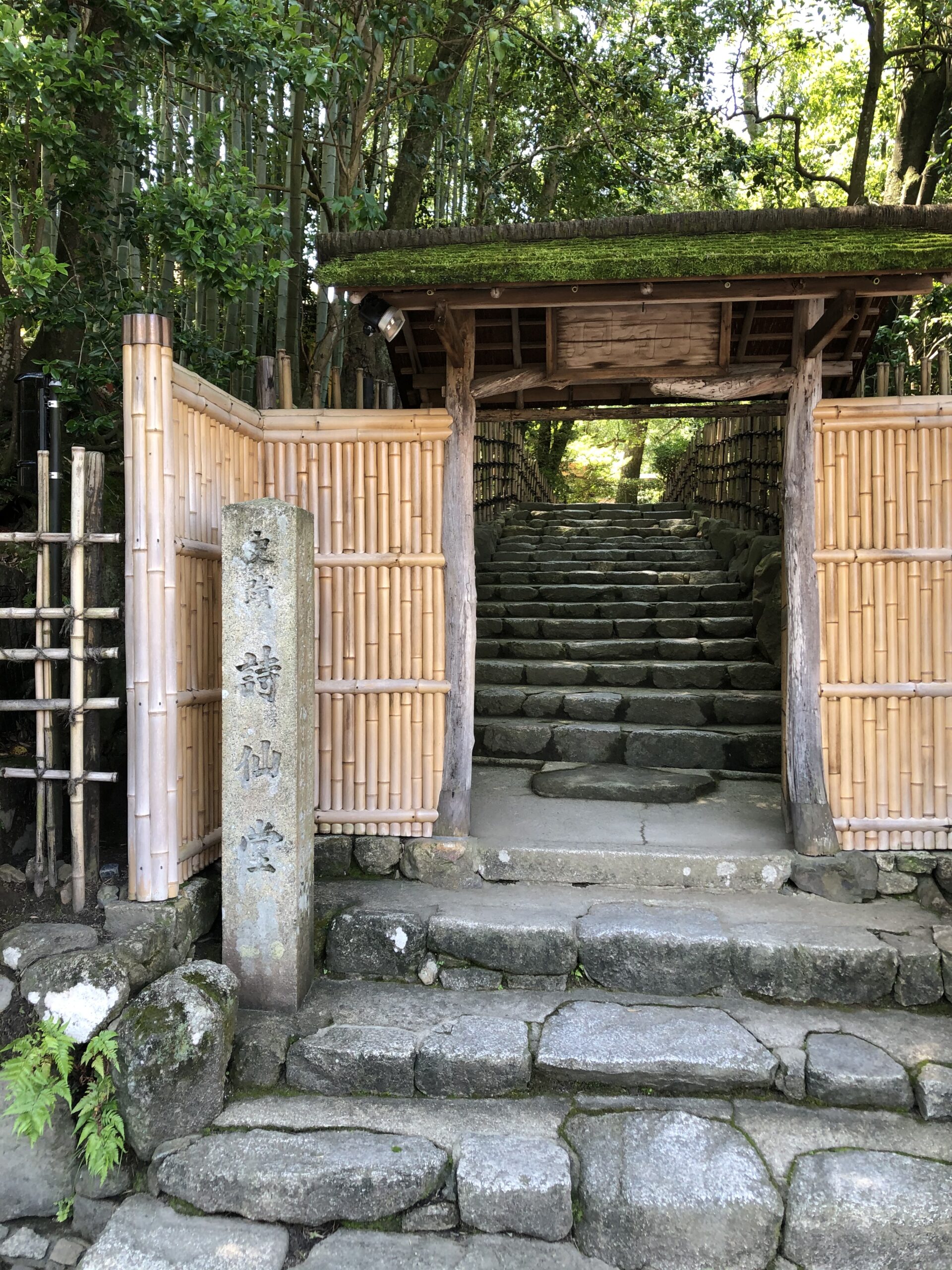
Shisendo Temple, located in Sakyo Ward, Kyoto City, is the place where Ishikawa Jozan, a literary figure of the Edo period and former retainer of Tokugawa Ieyasu, lived in seclusion. It is a Soto Zen temple where the sound of a shishi-odoshi (deer scarer) quietly resonates, and is famous for its space adorned with portraits of Chinese poets.
I have also used a photo of the entrance to Shisendo Temple on the cover of this blog.

Location

Honen-in Temple

Honen-in Temple is a Jodo sect mountain temple located along the Philosopher’s Path in Higashiyama Ward, Kyoto City. It is a reconstruction of the hermitage where Honen Shonin and his disciples once performed the Six-Time Praise. The temple gate of Honen-in has a thatched roof and is surrounded by tranquil, lush greenery, creating a very picturesque atmosphere.


Location


Seimei Shrine

Seimei Shrine is a shrine located in Kamigyo-ku, Kyoto City, dedicated to Abeno Seimei, a renowned Onmyoji (diviner).
It is said to be a power spot for warding off evil and misfortune.
Abeno Seimei was a figure who was well-versed in astronomy, calendars, and divination, and enjoyed the deep trust of the imperial court. It is said that he interpreted good and bad fortune from the movements of stars and clouds, and his great achievements have been frequently depicted in movies, dramas, and novels.
Throughout the shrine grounds, the five-pointed star “Seimei Kikyo,” the shrine’s crest and a symbol of protection against evil, can be seen in various places.

On June 11th, the day I visited, the bellflowers were in full bloom.

Location