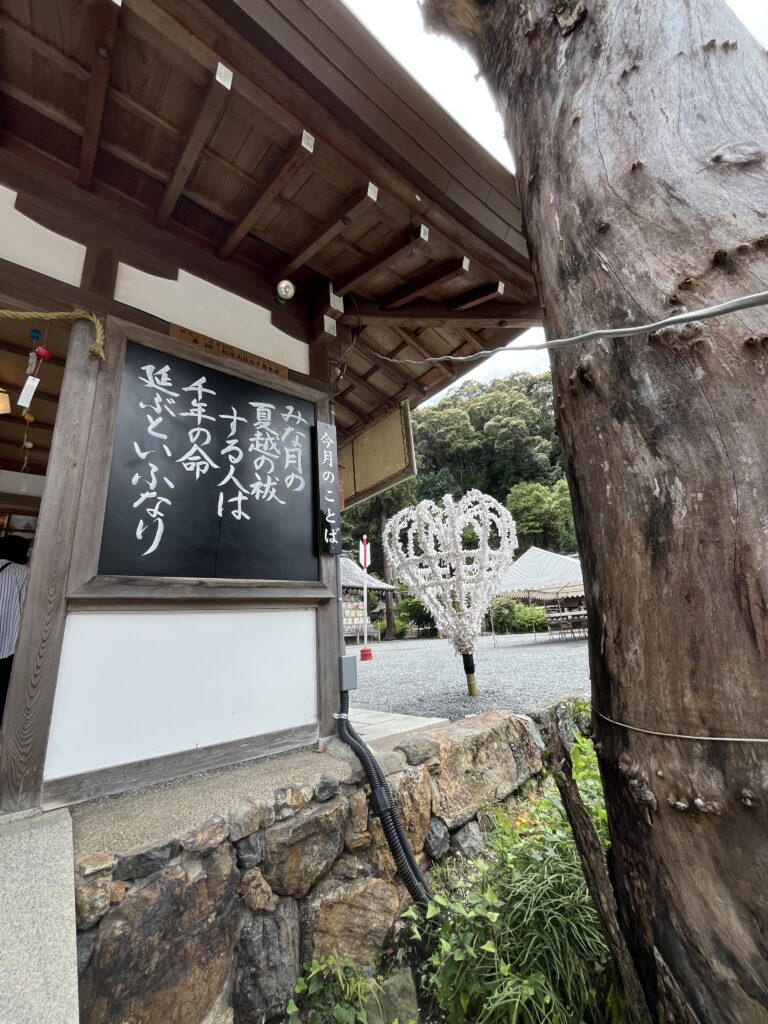
Matsunootaisya Shrine (1)(松尾大社)

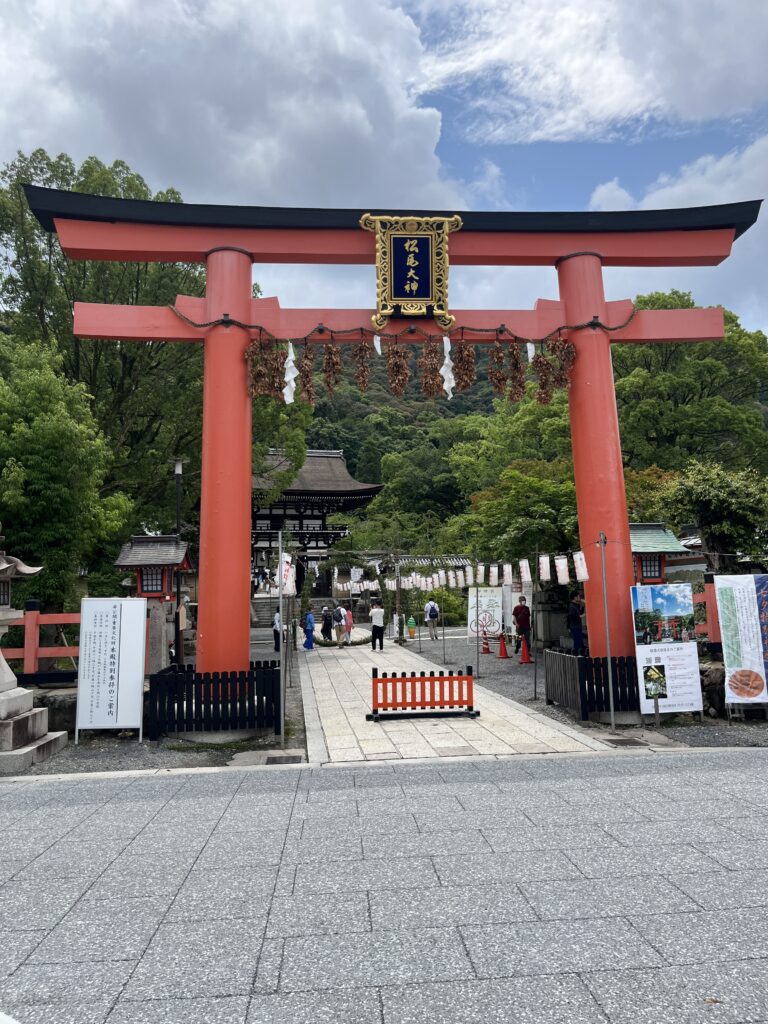
Matsunoo-taisha Shrine, located in the Nishikyo Ward of Kyoto City, is primarily known as the “God of Sake” (the ancestral deity of brewing).
This reputation stems from the fact that the Hata clan—who originally developed this area—included many skilled sake brewers, and from a legend stating that sake would not spoil if mixed with water from “Kame-no-i,” a spring located within the shrine grounds.
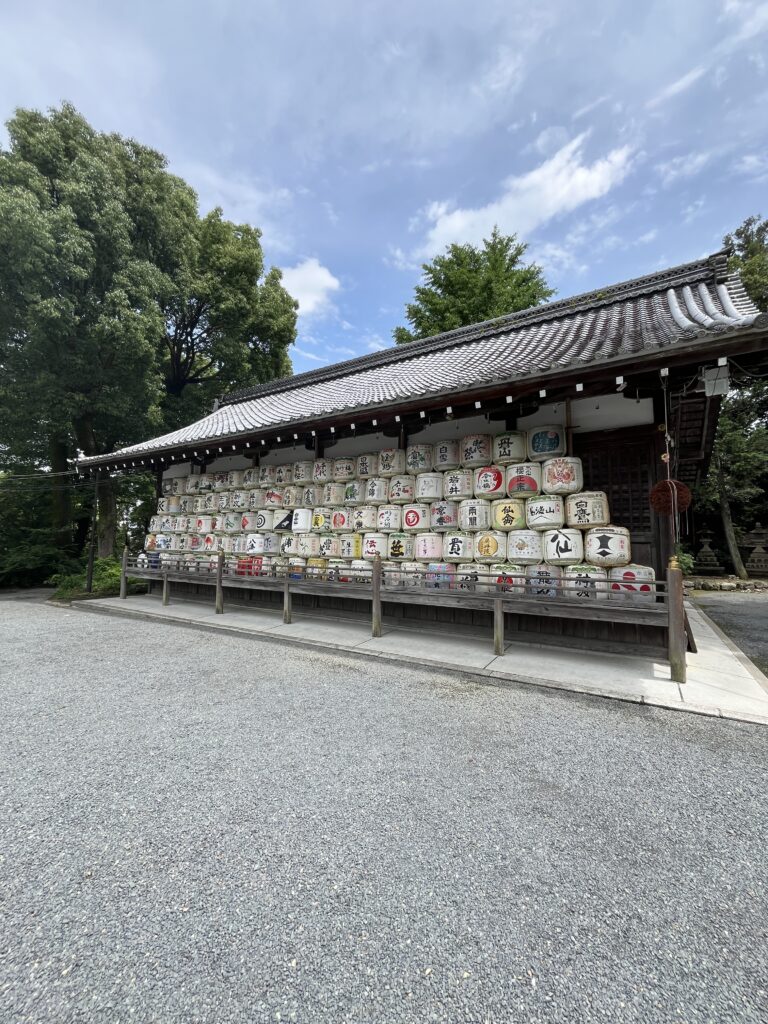
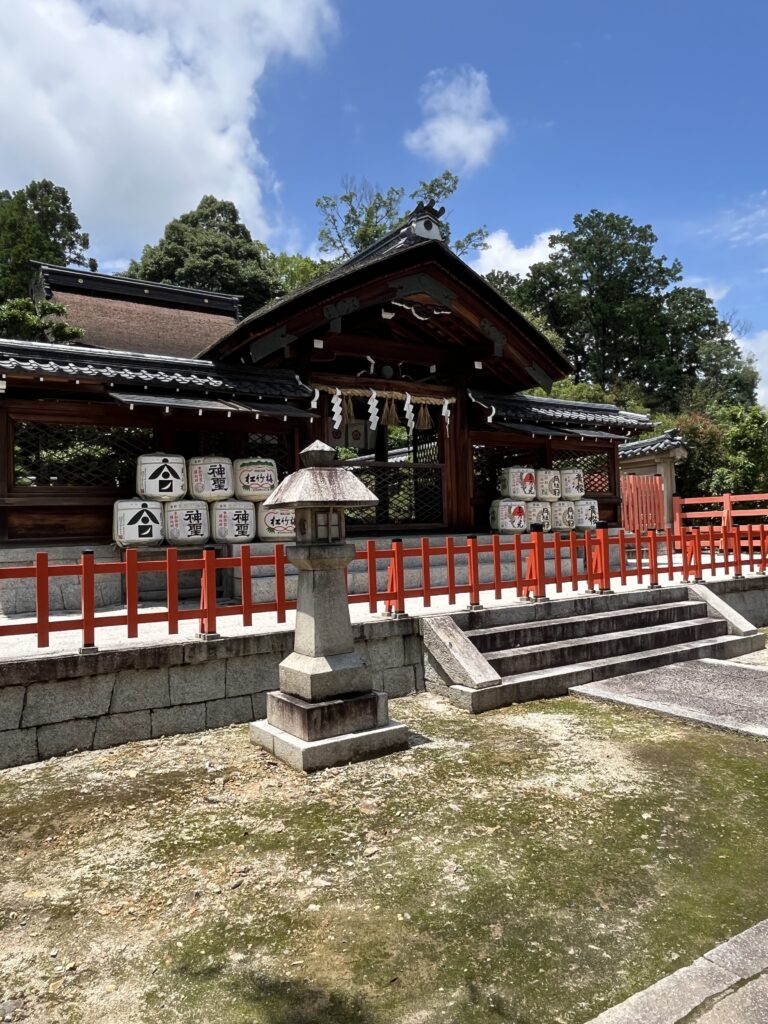
The shrine precincts feature numerous sake barrels dedicated by brewing companies from across Japan.
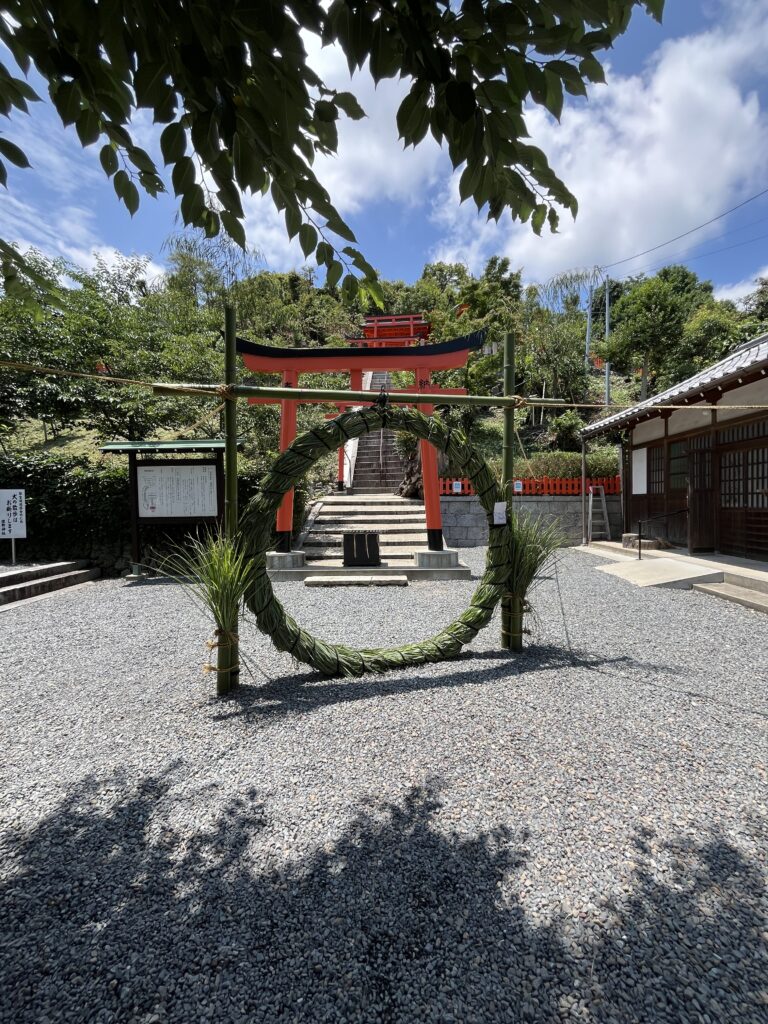
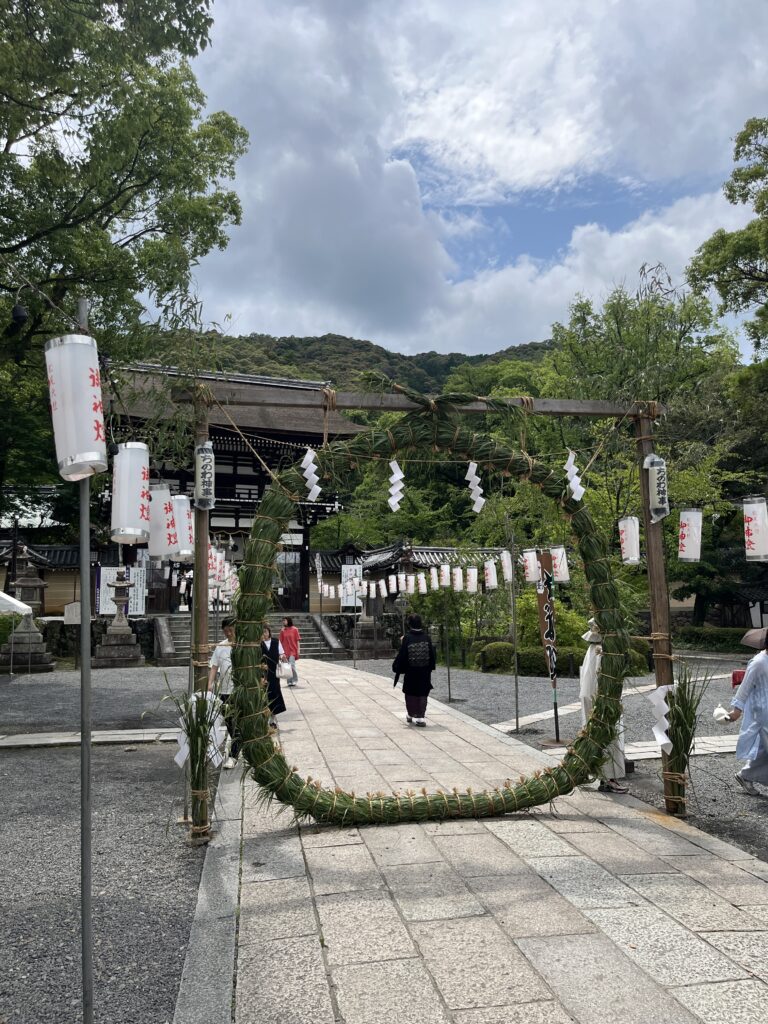
I also participated in the *Chinowa-kuguri* (passing through a large ring of woven grass) ritual held there on that day (June 28).


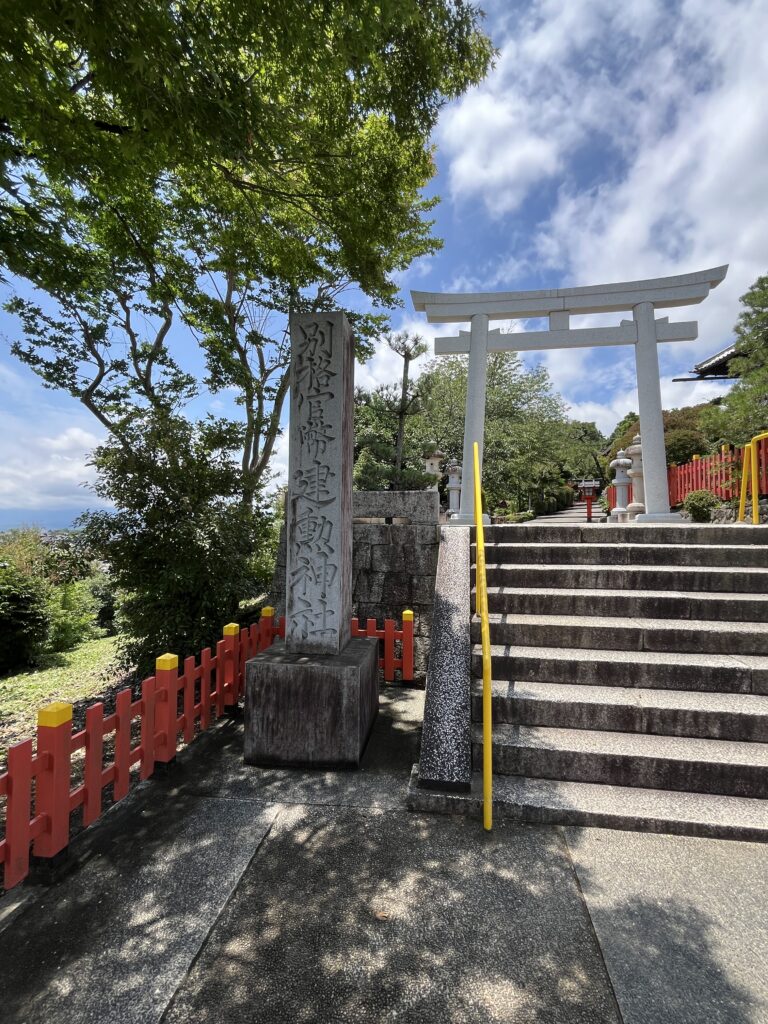
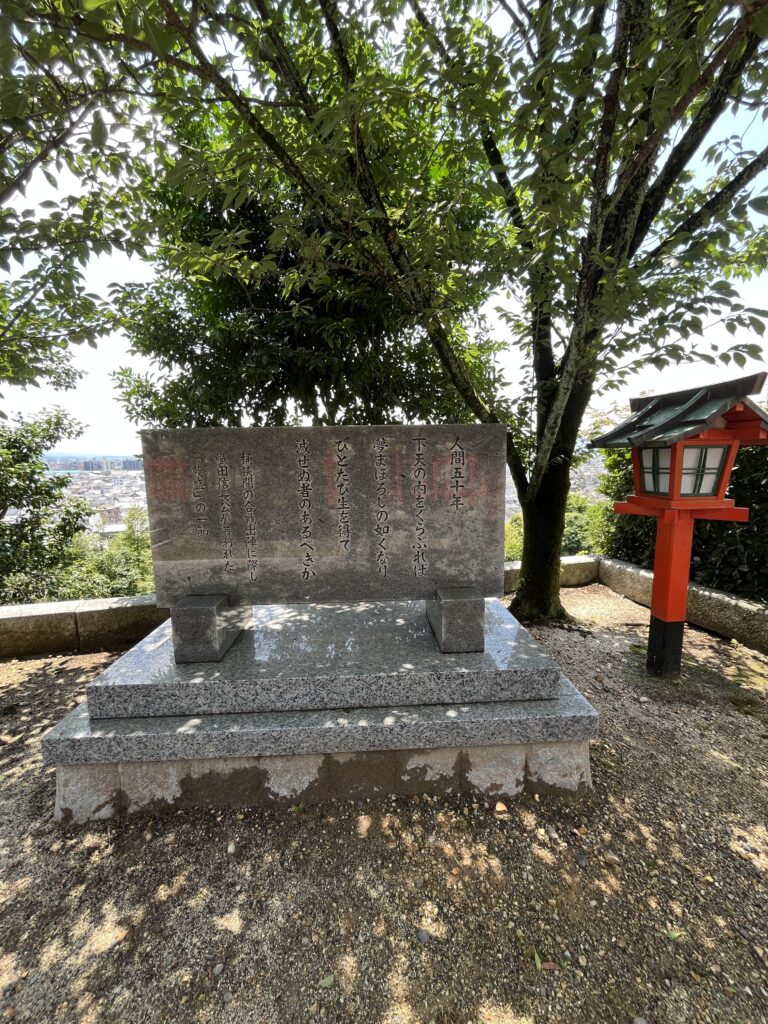
Kenkunjinjya Shrine ( Officially as known as Takeisao Shrine.)(建勲神社)

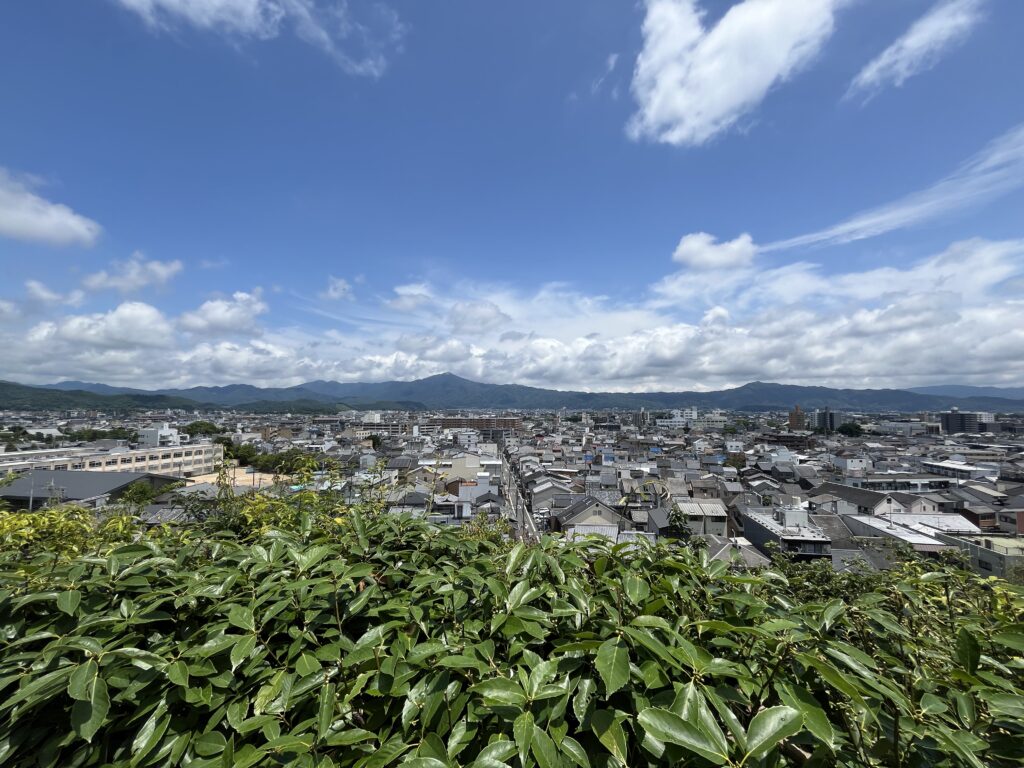
Kenkun Shrine is located on Mt. Funaoka in Kyoto’s Kita Ward.
Its formal name is Takeisao Shrine.
The principal deity enshrined there is Oda Nobunaga, who is worshipped alongside his son, Nobutada.
“Chinowa-kuguri” is a ritual that involves passing through a large ring made of cogon grass (*chinowa*) to purify one’s body and mind while praying for protection against misfortune, good health, and the safety of one’s family. Since ancient times in Japan, it has been believed that passing through this ring—set up at shrines during the “Nagoshi no Sekku” (Summer Purification Festival) in June—helps ward off calamity.

“Chinowa-kuguri”

Location

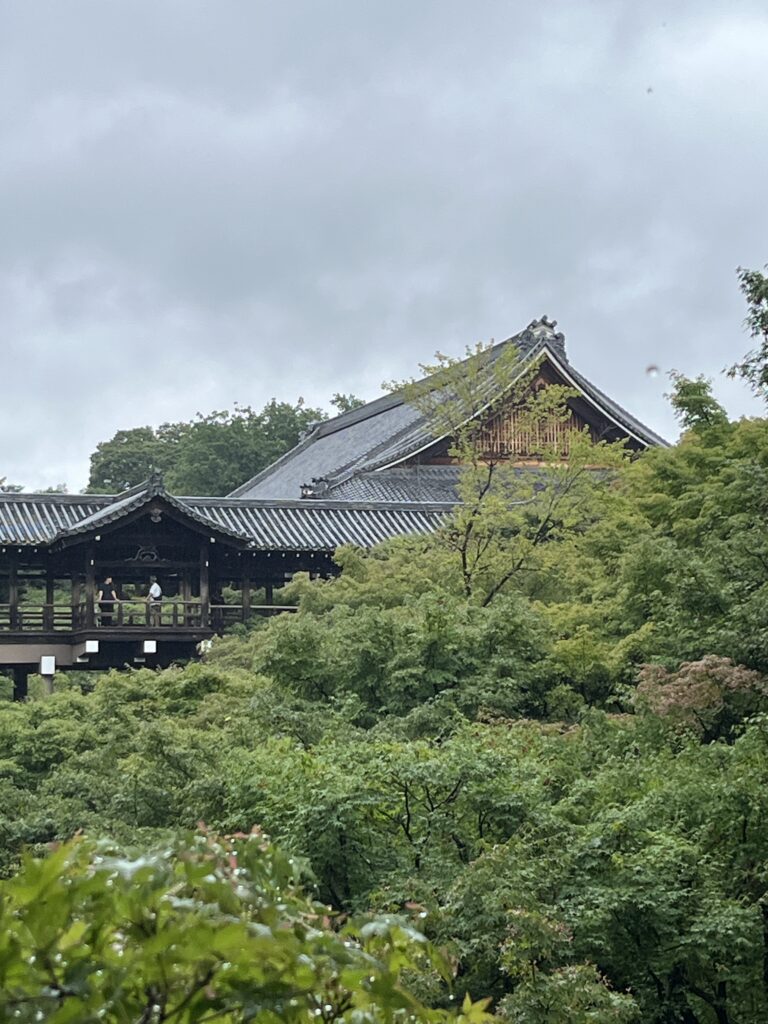
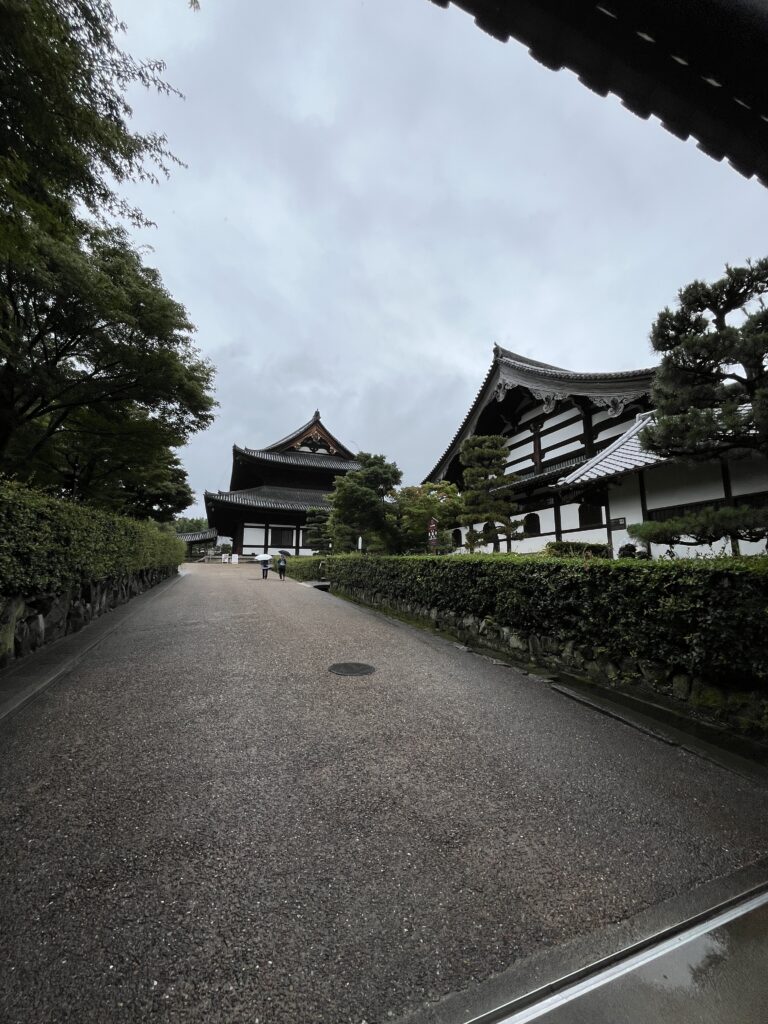
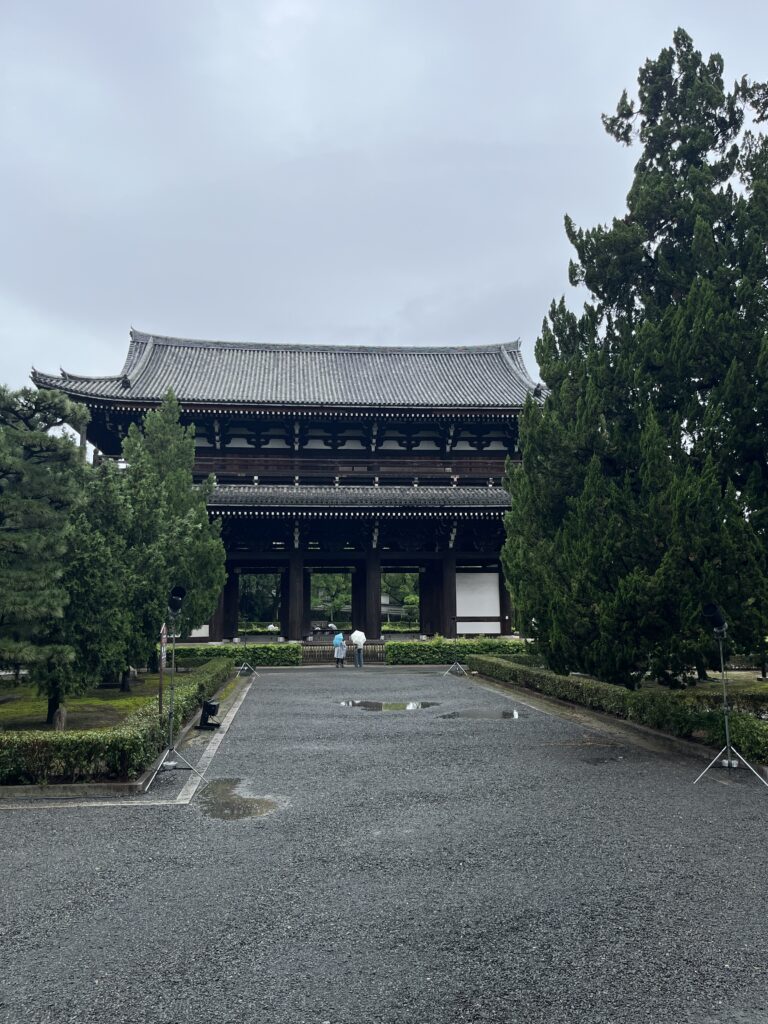
Tofukuji Temple(2)(東福寺)

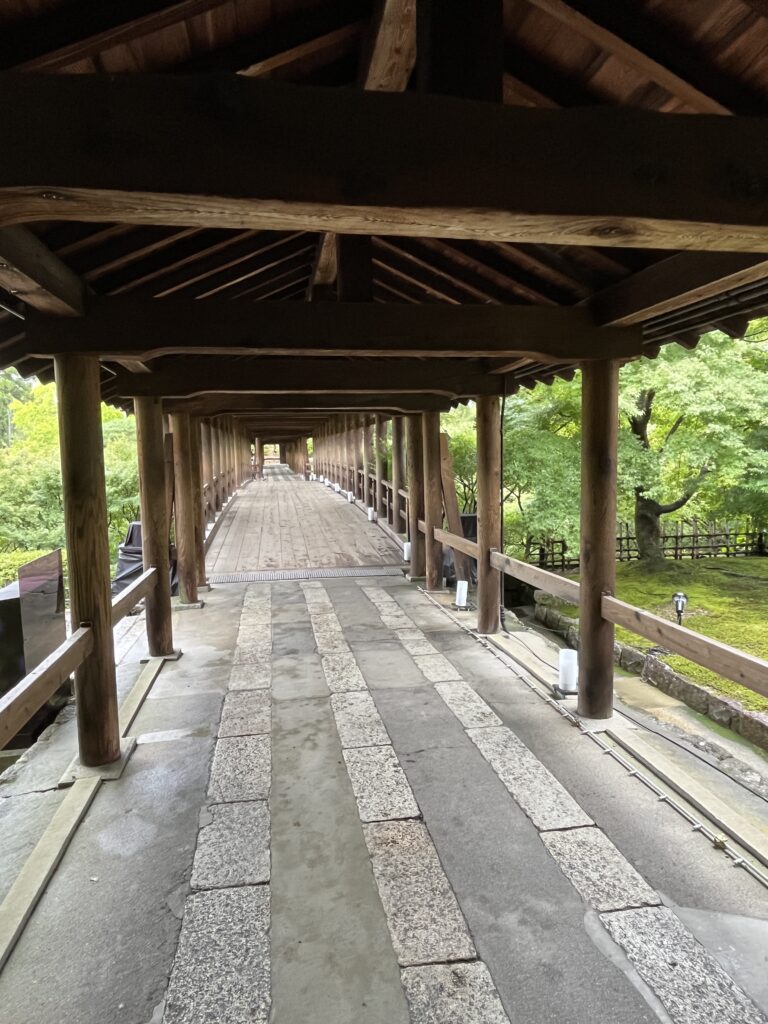
The following photos were also taken within the grounds of Tofuku-ji Temple.
Due to the impact of a typhoon, visits to one of the sub-temples (Tentoku-in Temple) had been suspended; since I was unable to view the *kikyo* (balloon flower) garden, I decided to visit again.
Nevertheless, I was able to enjoy the vibrant green scenery within the temple grounds.

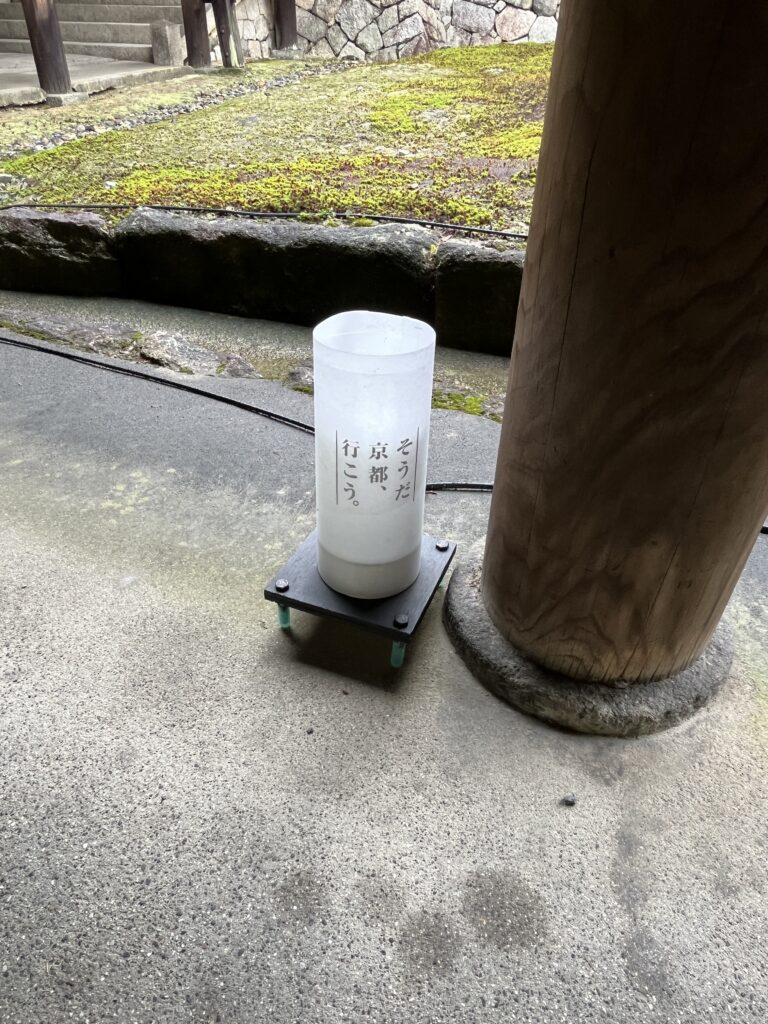
※The *andon* (paper lantern) at Tofuku-ji Temple bore the text of the once-famous catchphrase: “Yes, let’s go to Kyoto.”

Location

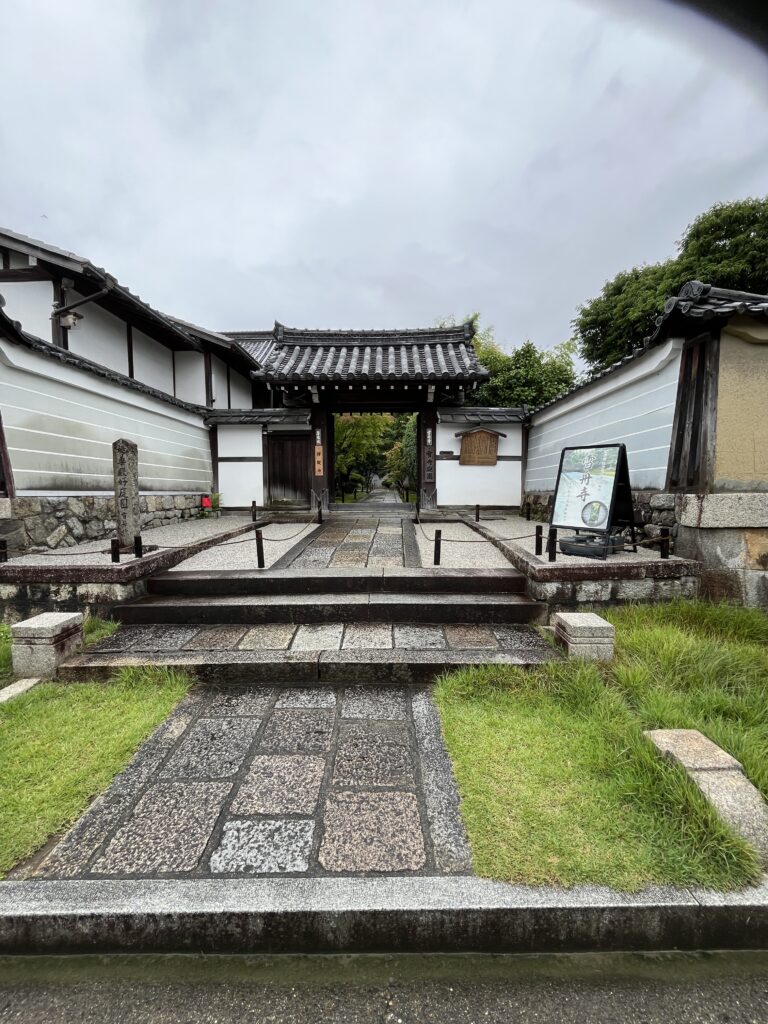
Funda-in Temple in Tofukuji Temple (The typhoon has passed…. ) (芬陀院 東福寺)

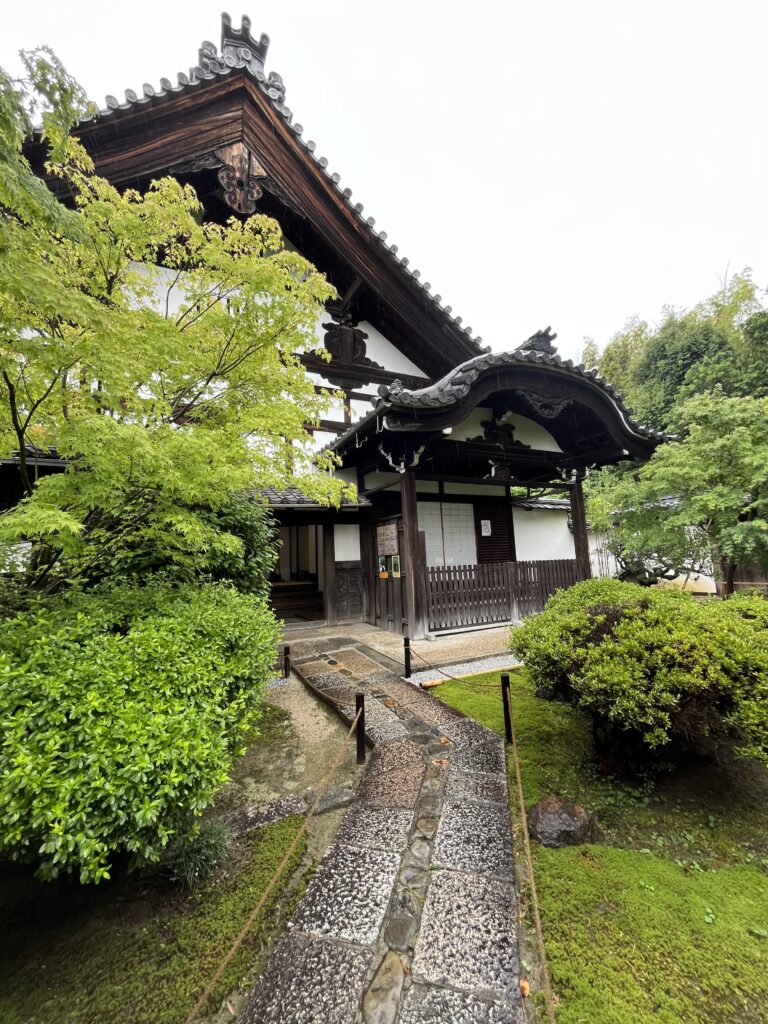
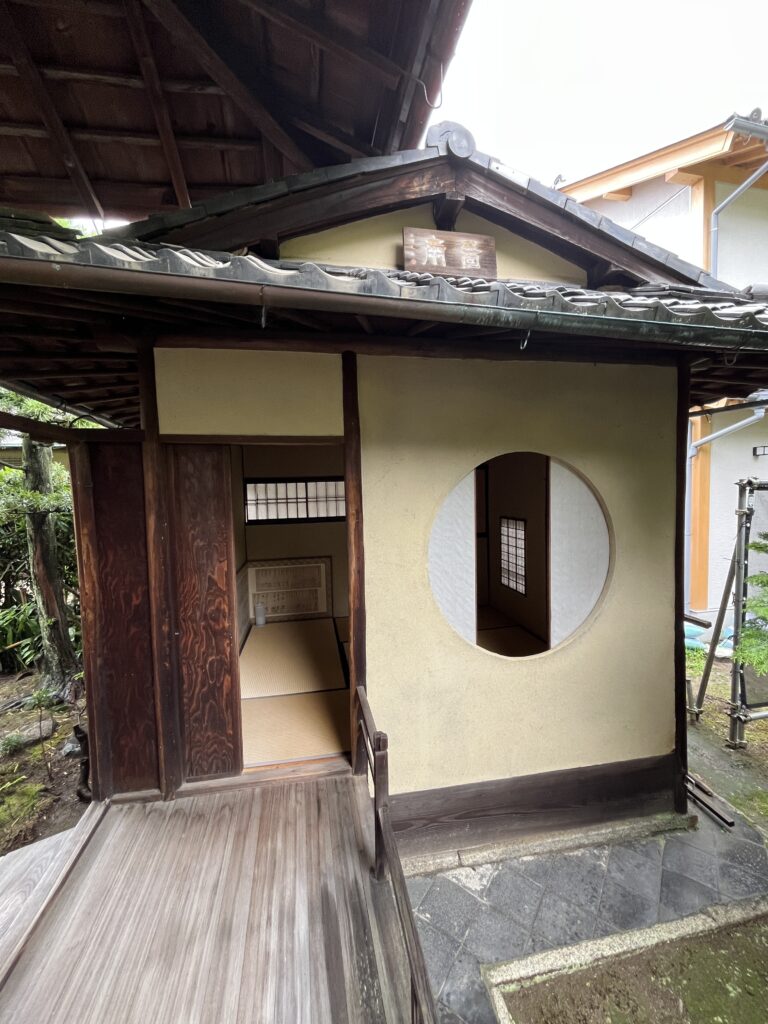
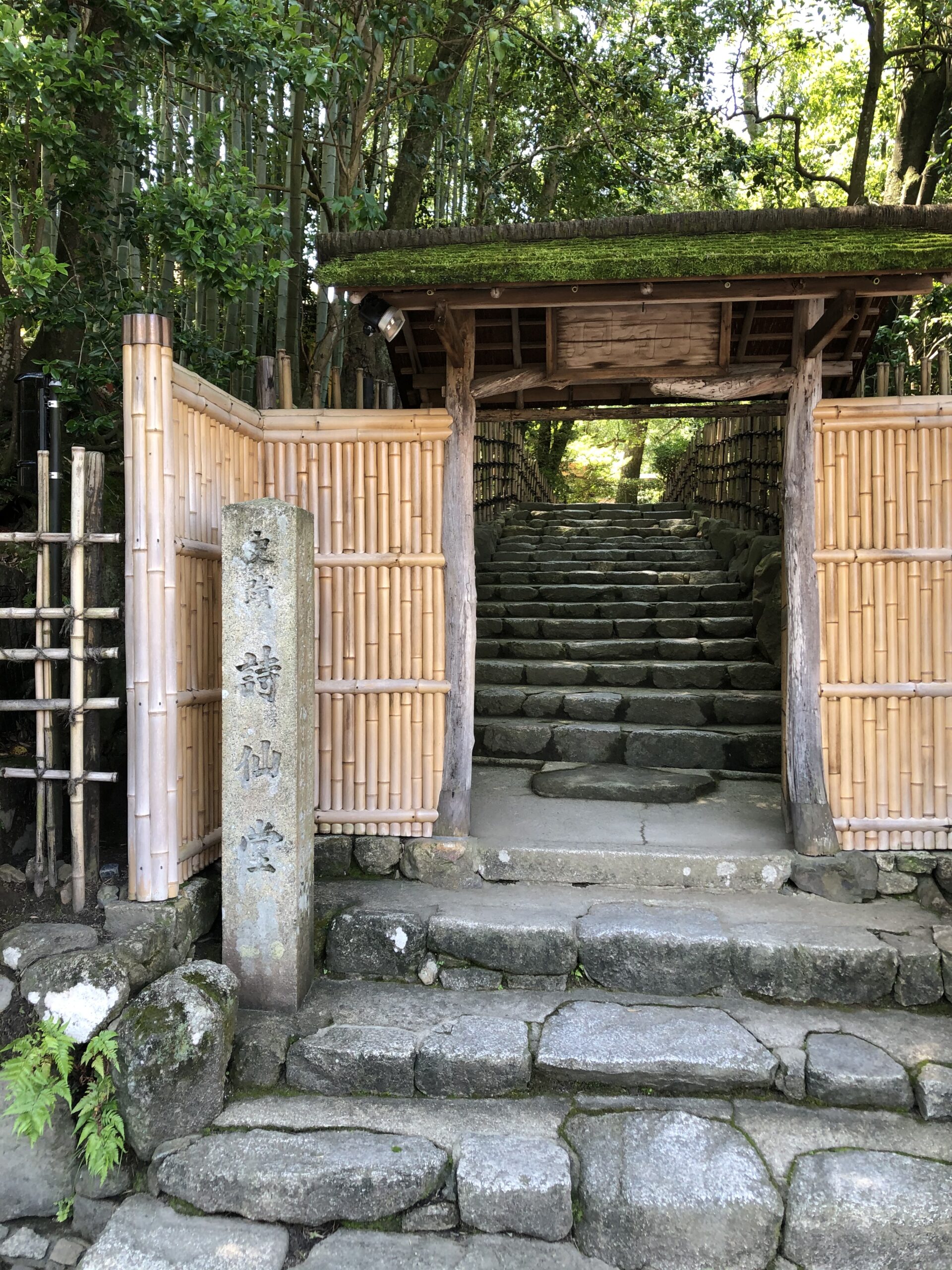
After the typhoon has passed, I visited Funda-in (also known as Sesshu-ji)—one of the sub-temples of Tofuku-ji Temple this morning.
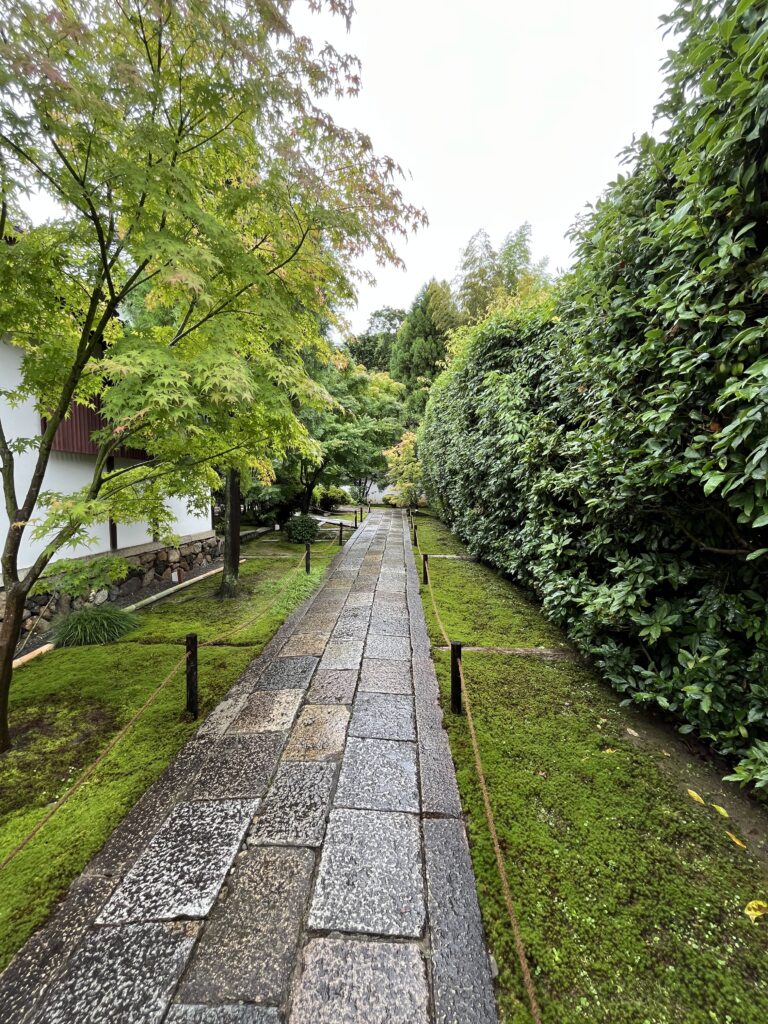
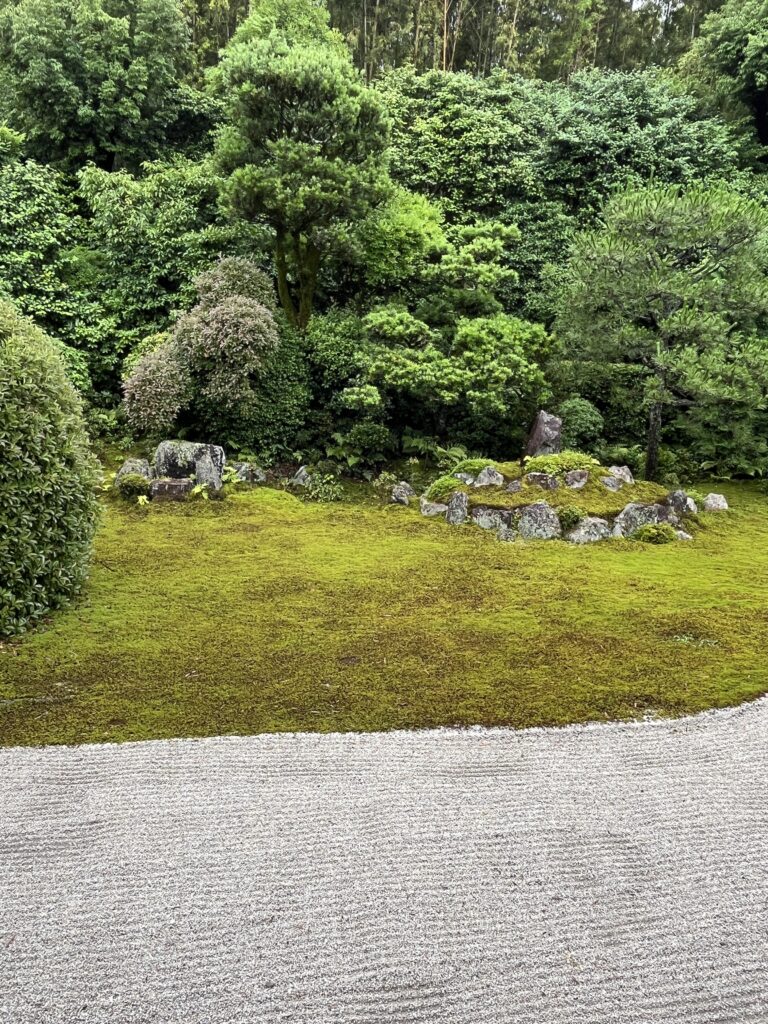
I was able to admire a beautiful garden featuring fresh greenery and moss.
Funda-in is also known as Sesshu-ji temple because its garden was designed by Sesshu, a master of ink-wash painting.
Stones representing a crane and a turtle are arranged amidst beautiful moss, and the area is known as the Crane and Turtle Garden.


Location

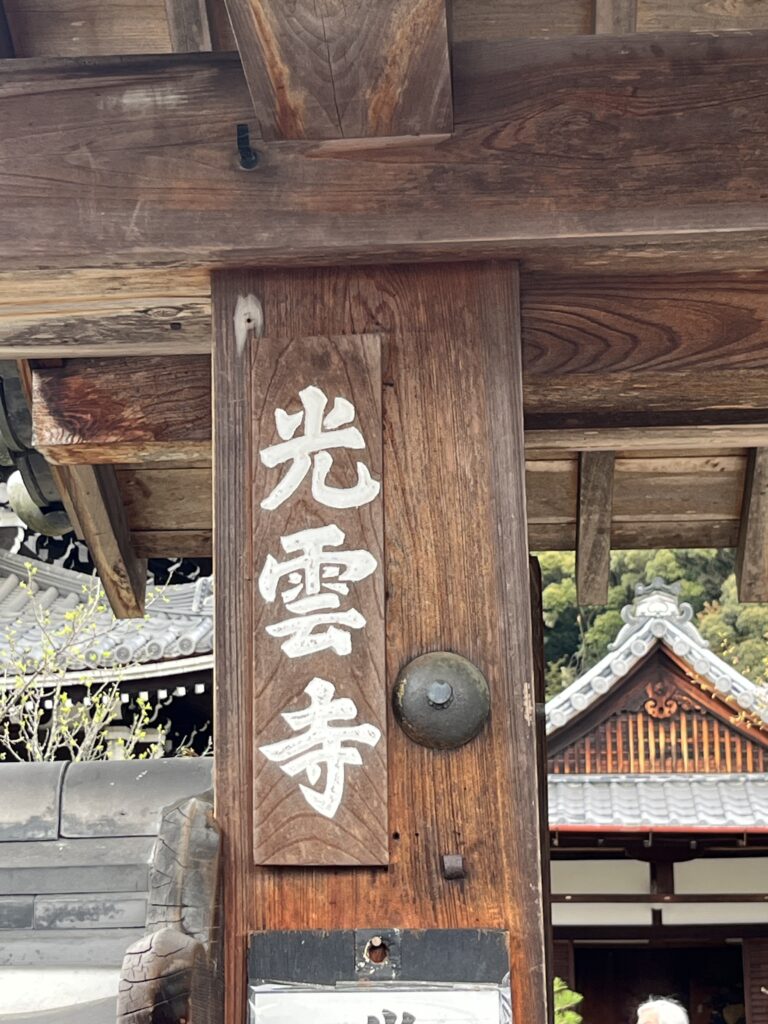
Koun-ji Temple (光雲寺)

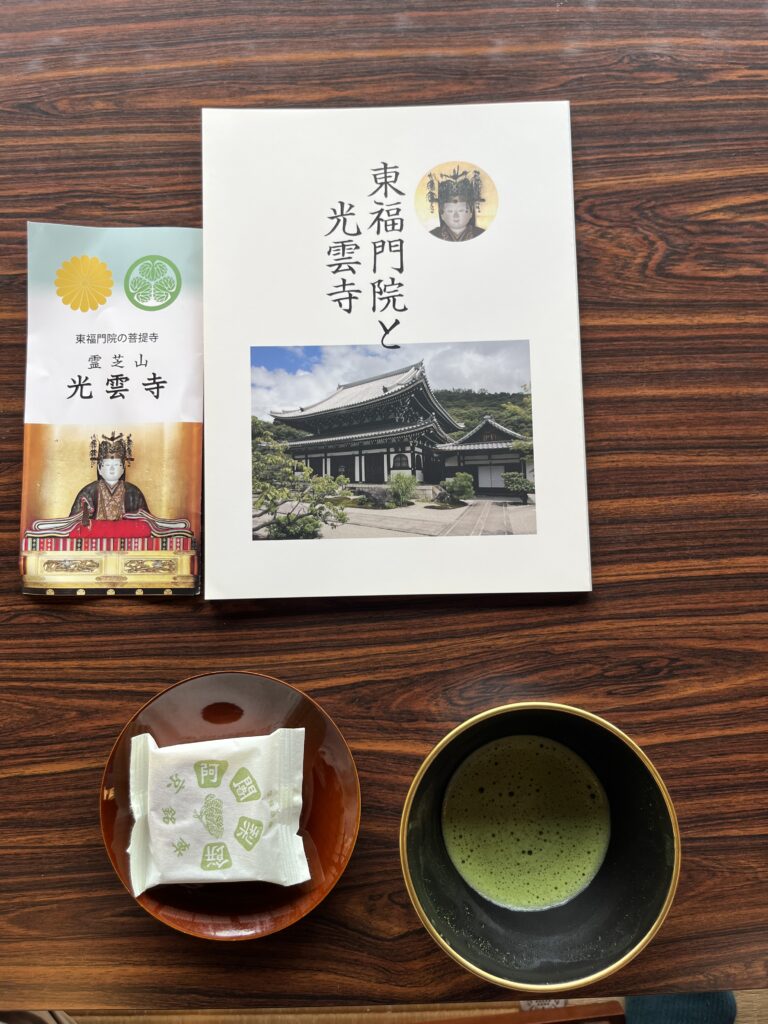
Koun-ji Temple is an off-site sub-temple of the Nanzen-ji school of the Rinzai sect. It served as the family mortuary temple for Tofukumon-in—consort to Emperor Go-Mizunoo and daughter of Tokugawa Hidetada—who personally oversaw its reconstruction.
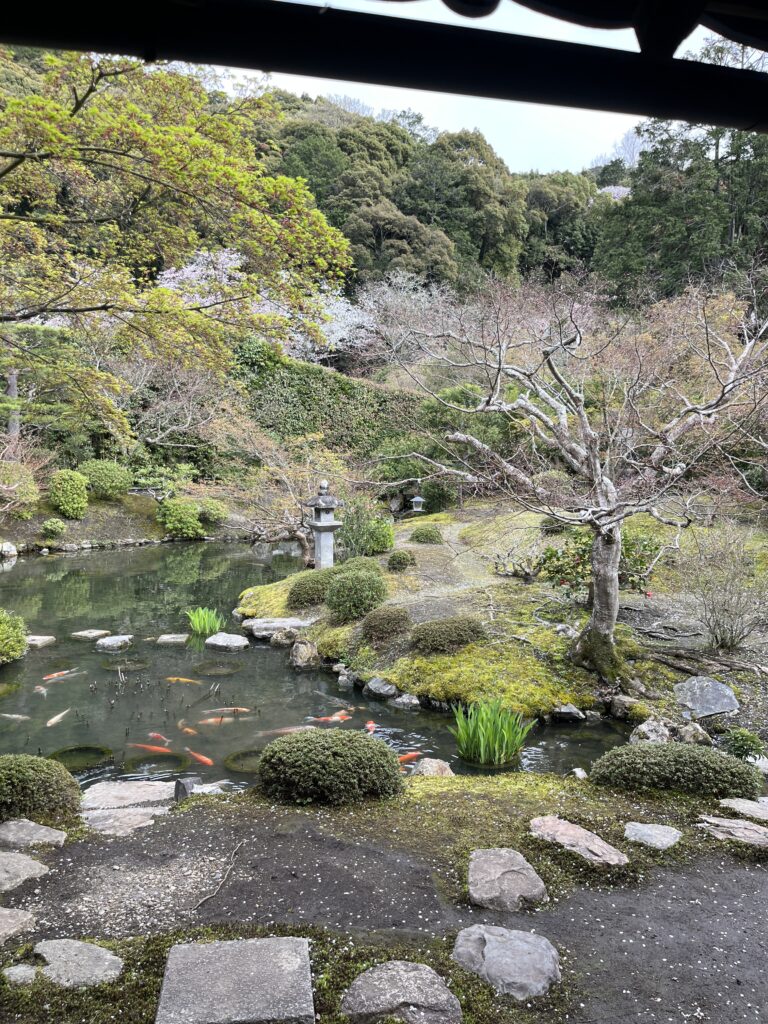
Its garden was designed by the seventh-generation Jihei Ogawa, a leading figure in modern Japanese landscape gardening.
Although the temple is not usually open to the public, the Buddha Hall can be glimpsed from the “Philosopher’s Path.”

※This year marks the 400th anniversary of the “Kan’ei Imperial Visit”, and various events are scheduled in Kyoto.

Location