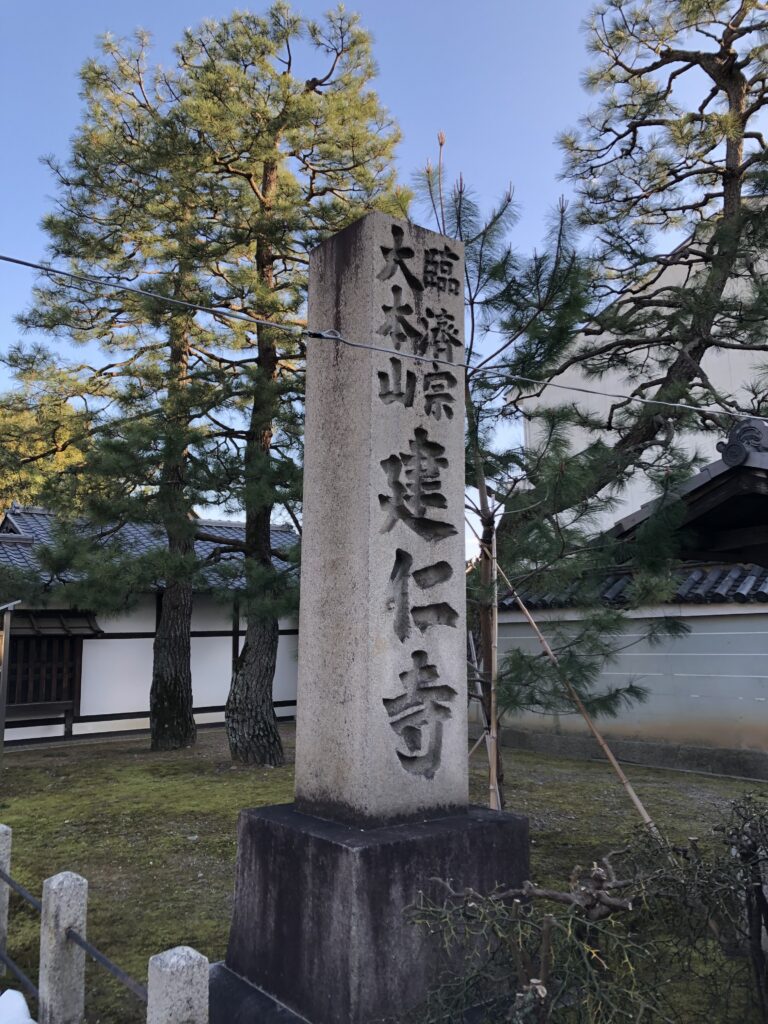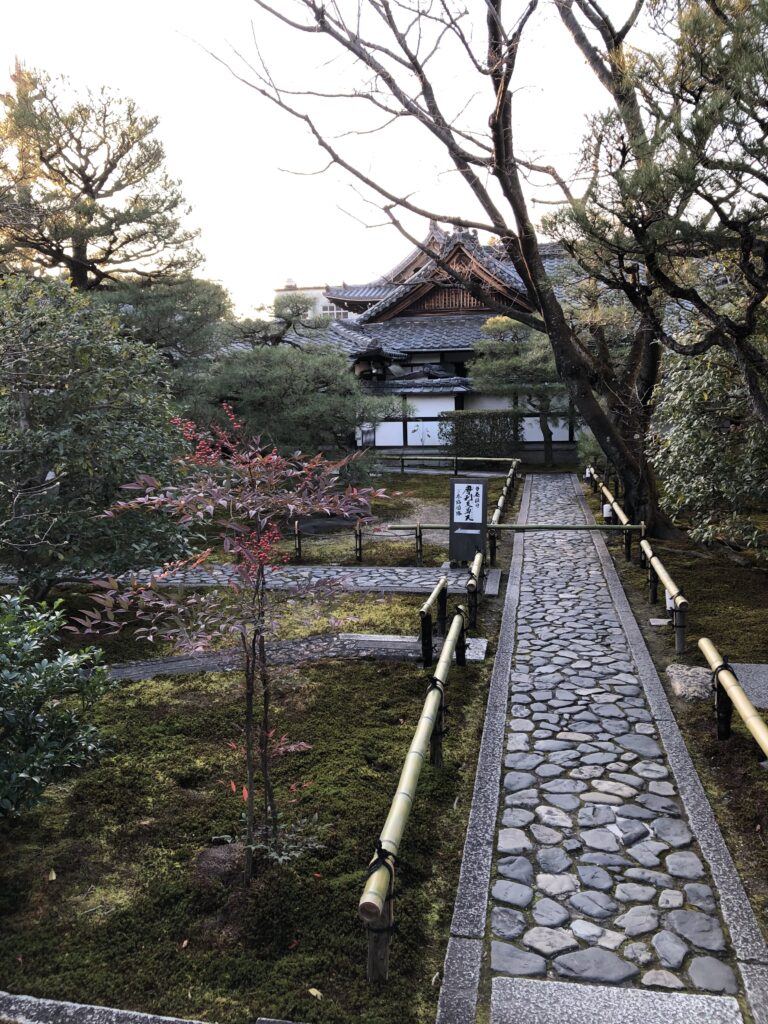
Kenninji Temple (建仁寺)2

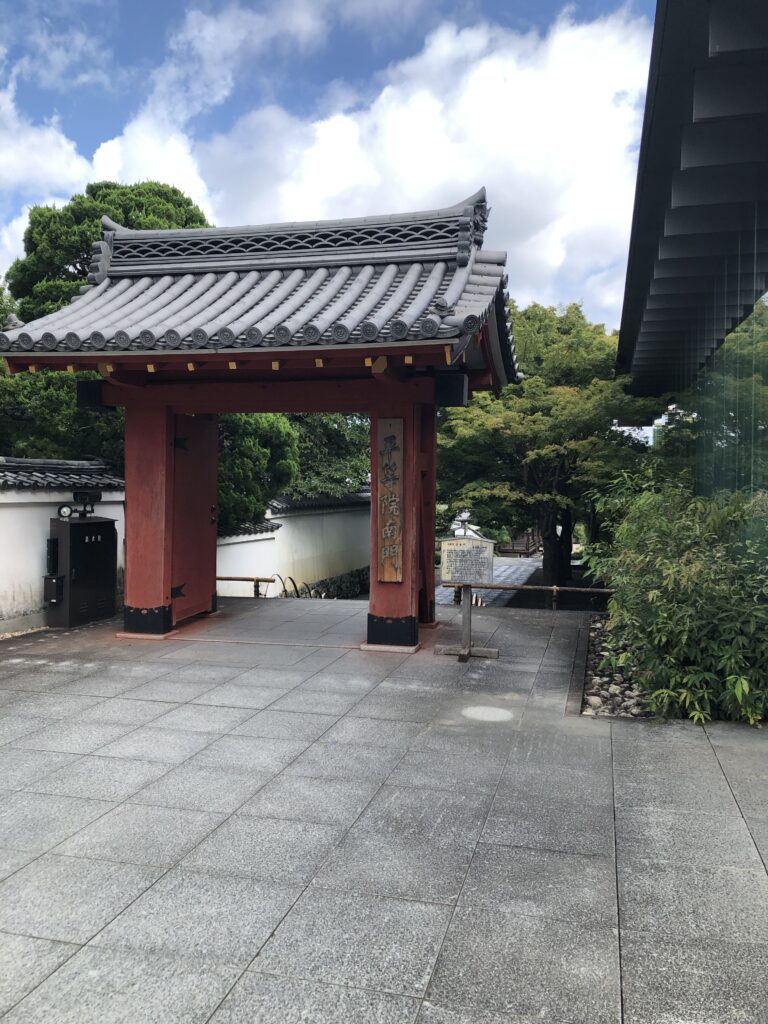
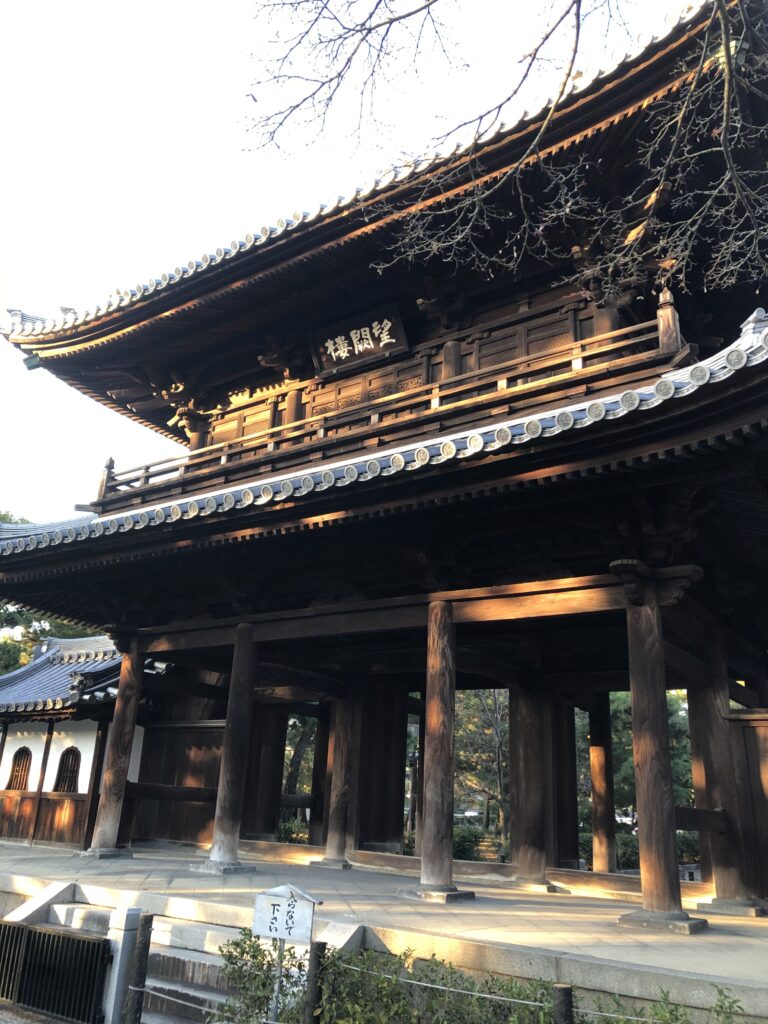
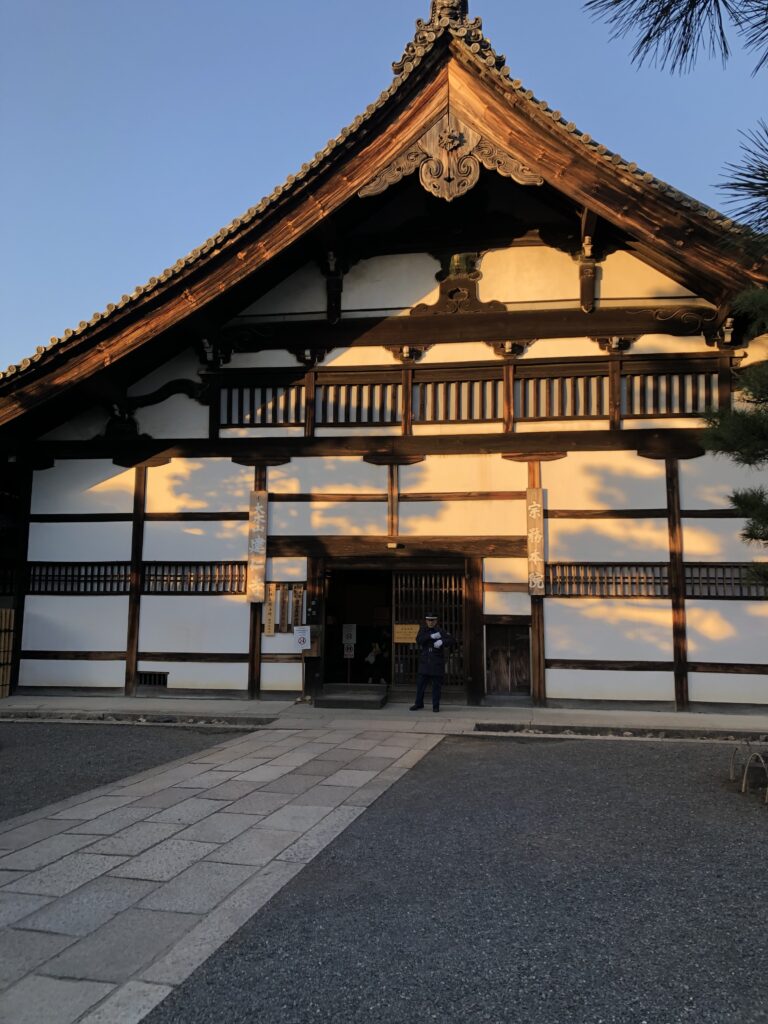
Kennin-ji is renowned as Japan’s oldest Zen temple and is famous for the National Treasure *Wind God and Thunder God* folding screens by Tawaraya Sōtatsu.
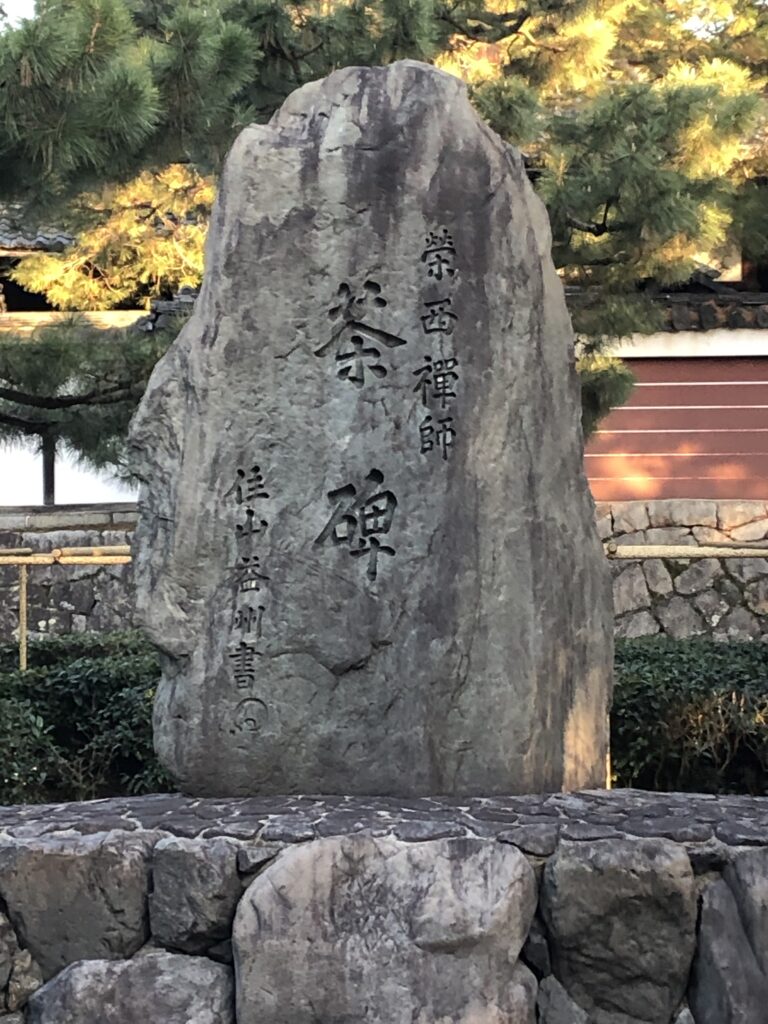
Its founder, Zen Master Eisai, is the figure who brought tea from China to Japan, and a “Tea Monument” stands within the temple grounds.
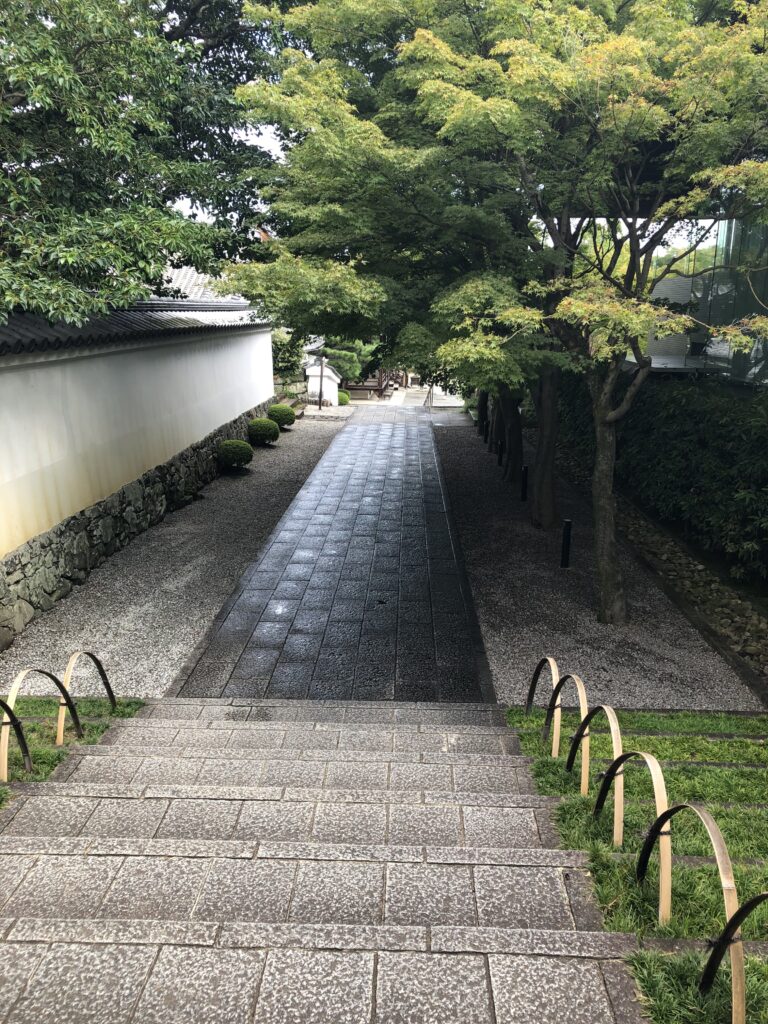
Although located in the bustling Gion district, the temple is quiet and highly recommended for an early morning visit.


Location

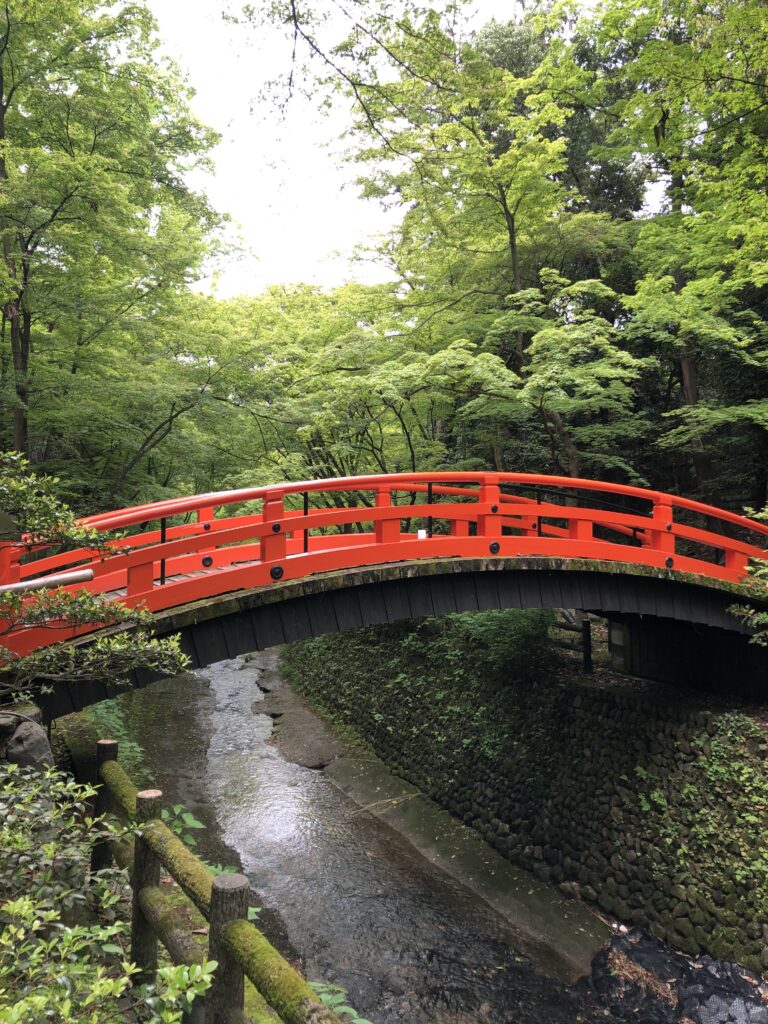
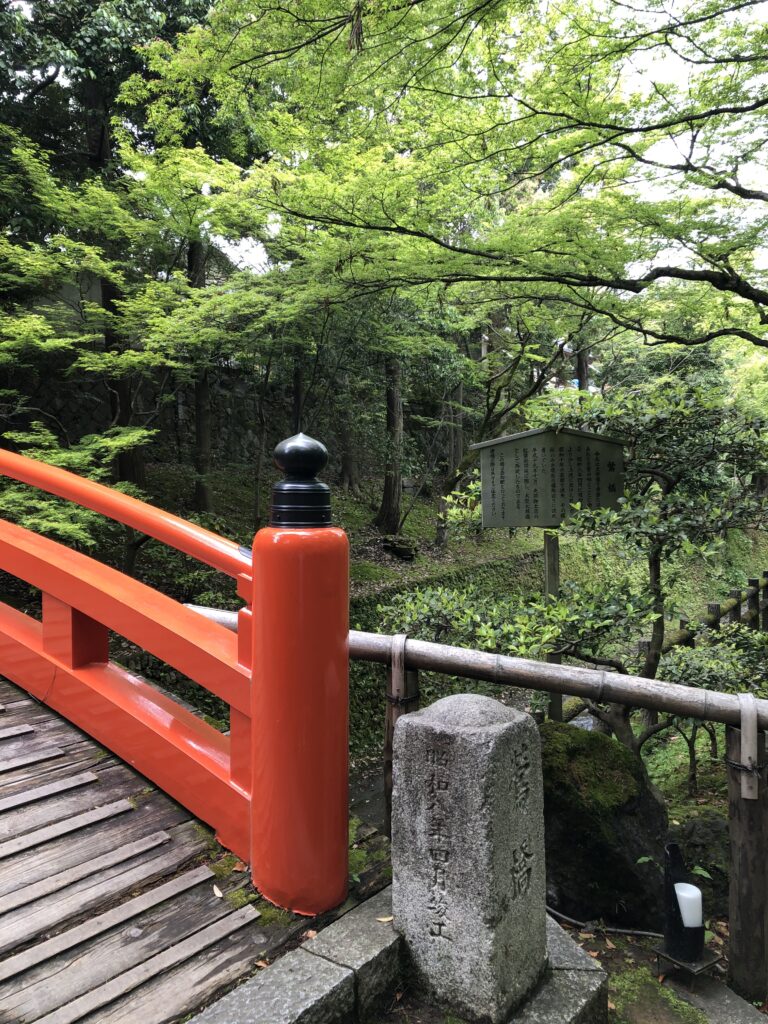
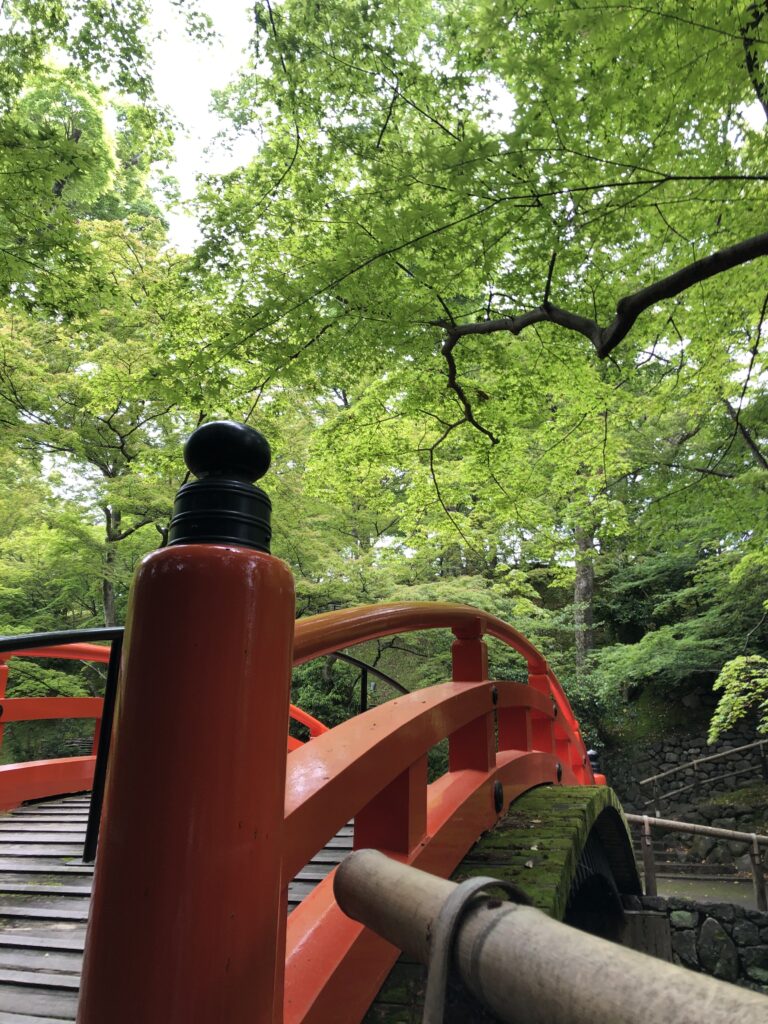
Kitano Tenmangu Shrine The Maple Garden at the Odoi Historic Site (北野天満宮 史跡御土居のもみじ苑)

During the Momoyama period, Toyotomi Hideyoshi constructed an earthen rampart known as the “Odoi” to mark the boundary between the city and its outskirts and to provide flood protection.
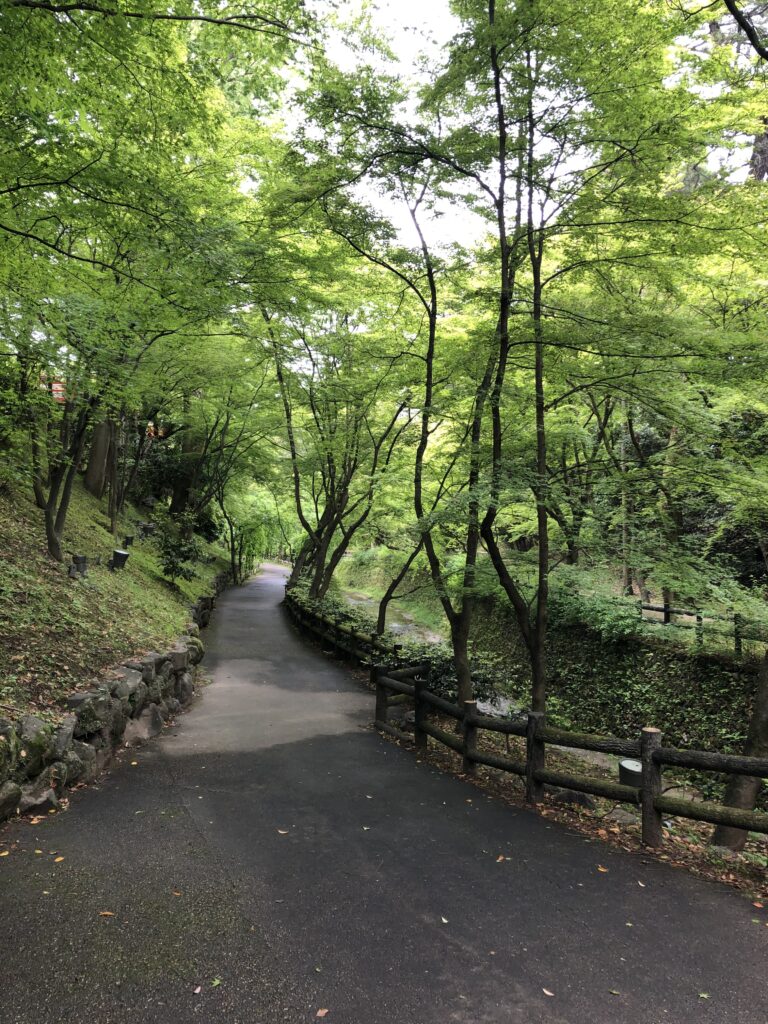
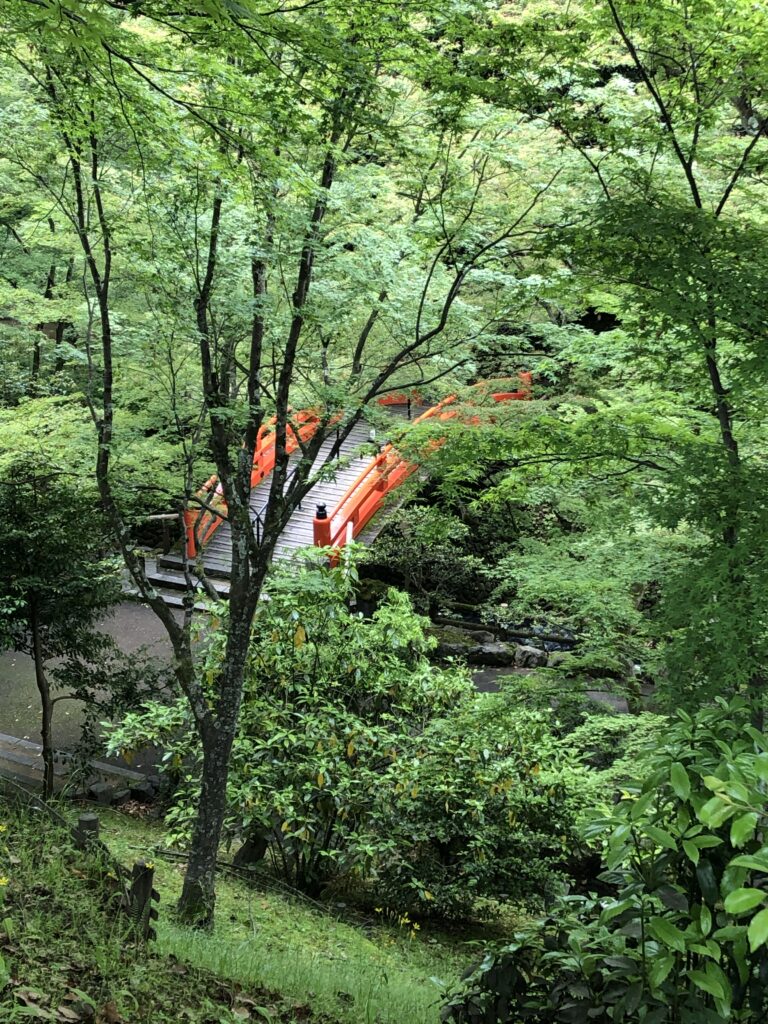
A section of this rampart still remains on the western side of the Kitano Tenmangu Shrine grounds, preserved as the “Odoi Maple Garden” (a designated historic site).
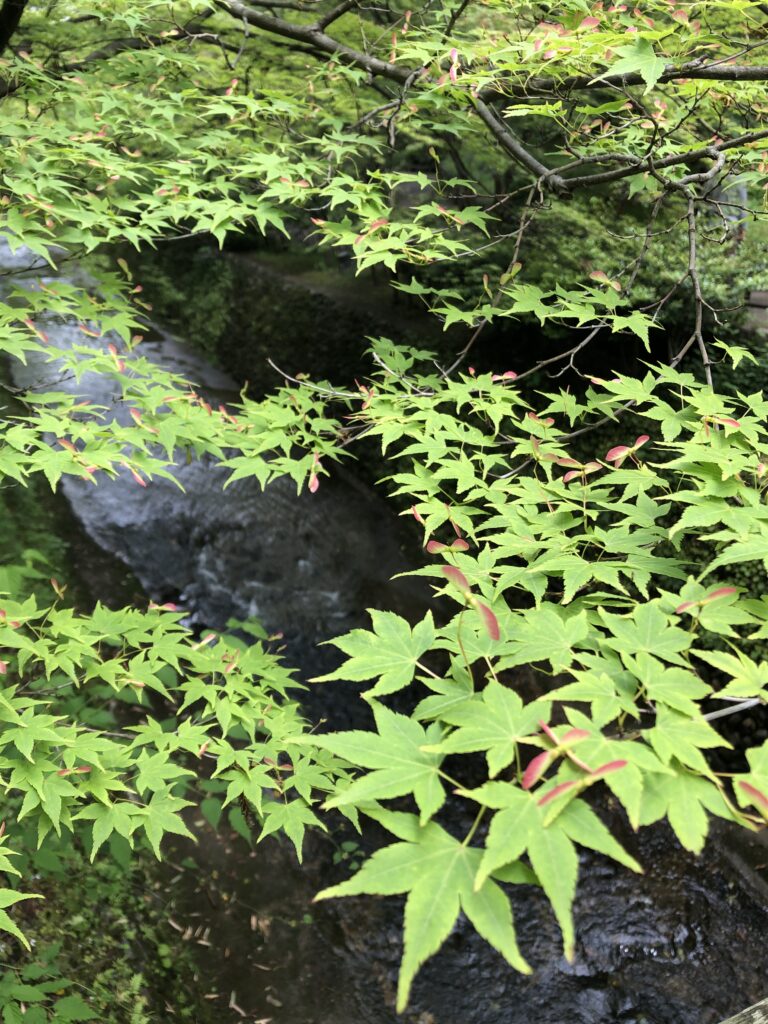
The view featuring the vermilion bridge spanning the Kamiya River set against the fresh green maple leaves is truly magnificent.

Location

Rurikoin Temple(瑠璃光院)

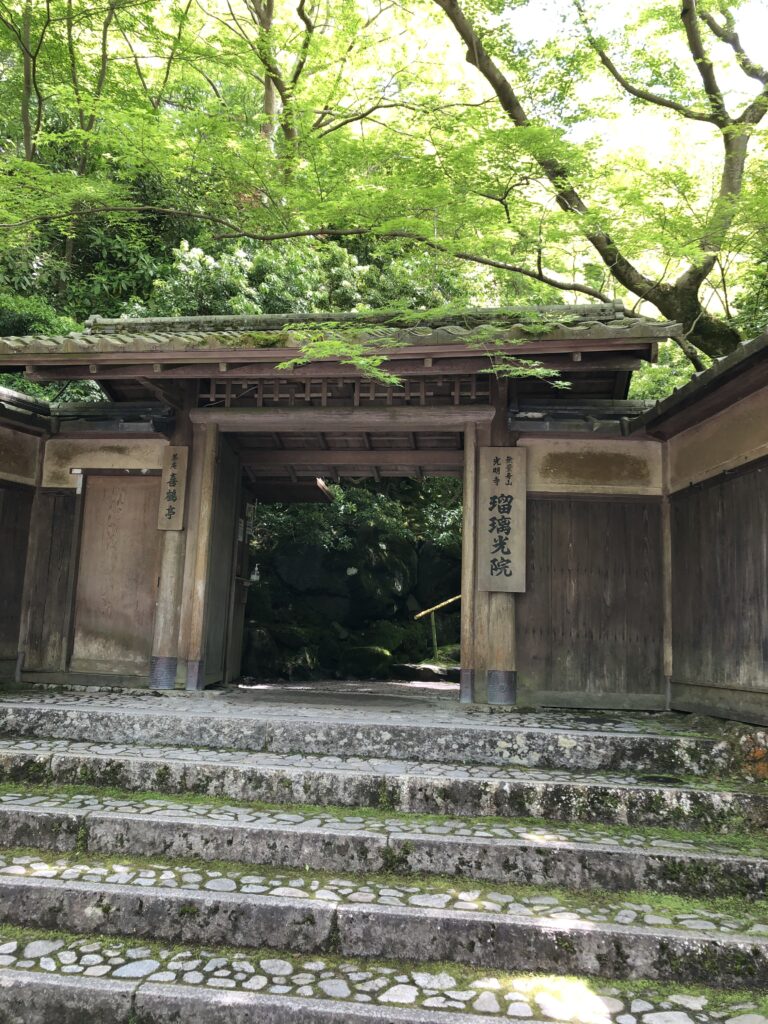
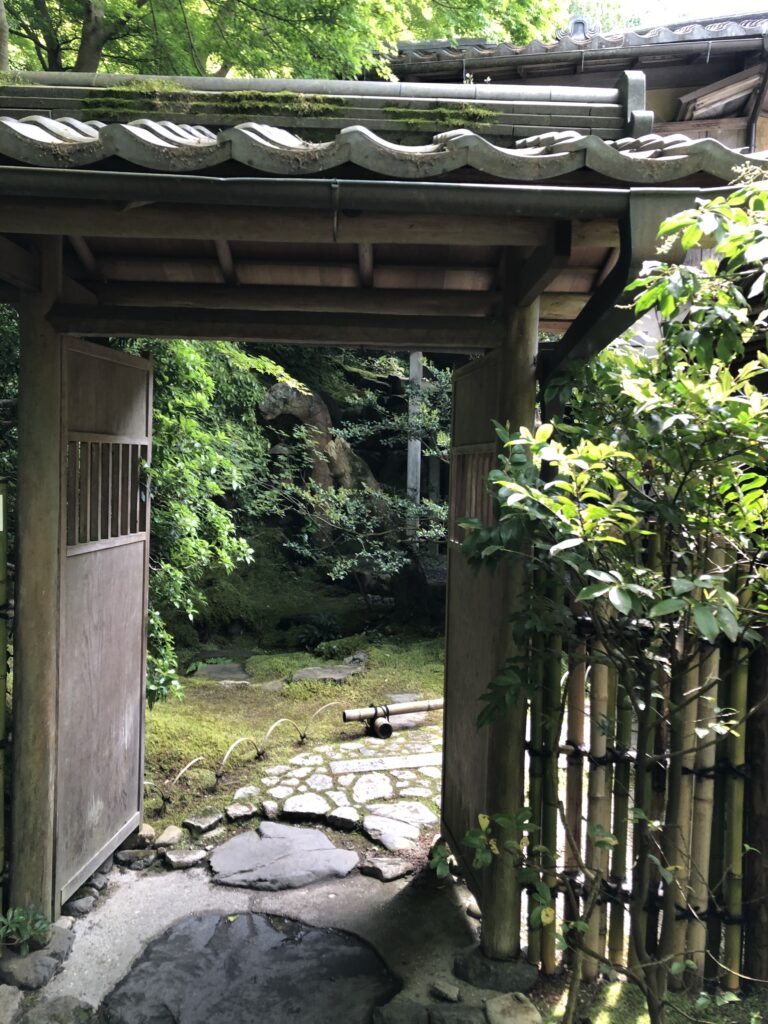
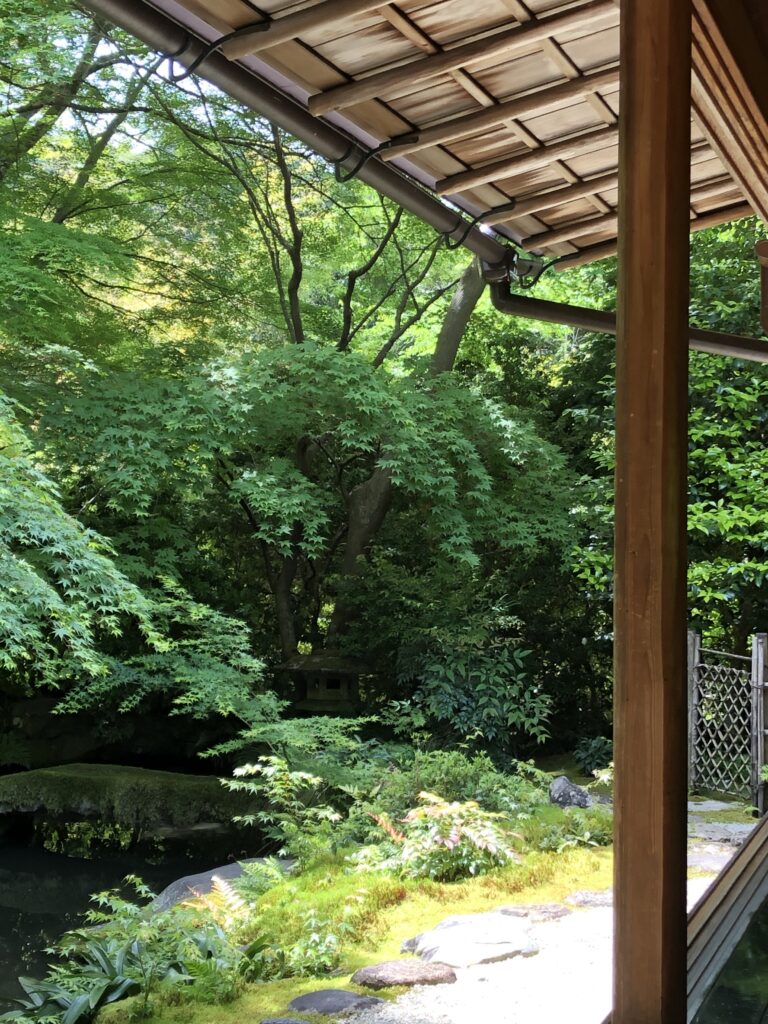
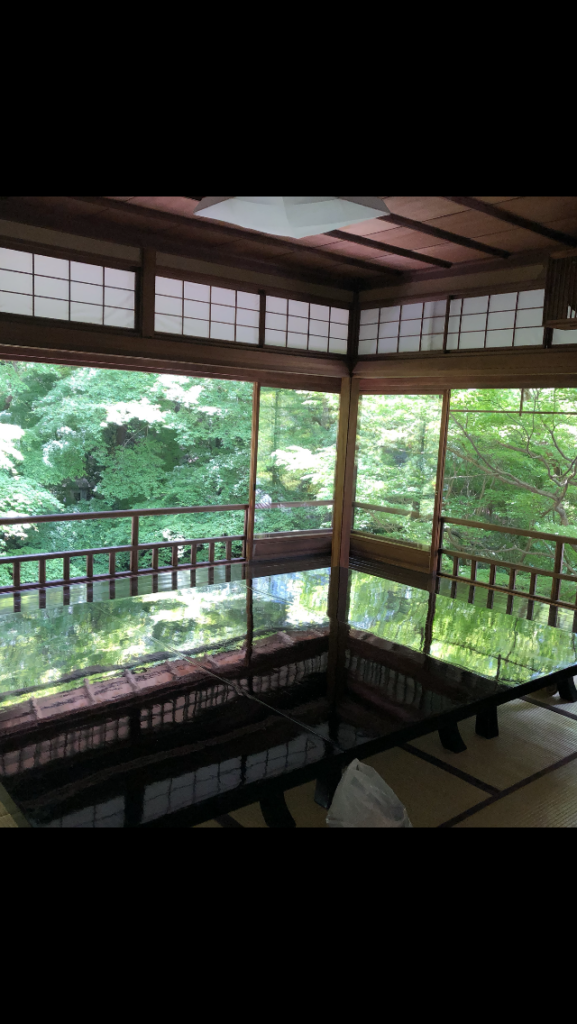
Located in Yase at the foot of Mount Hiei, this Jodo Shinshu temple offers a breathtaking sight: the fresh green maple leaves of the garden reflected on the floors and tables.
The temple building is renowned for its *sukiya-zukuri* style *shoin* (study hall).

Location

Kifune jinjya shrine (貴船神社)

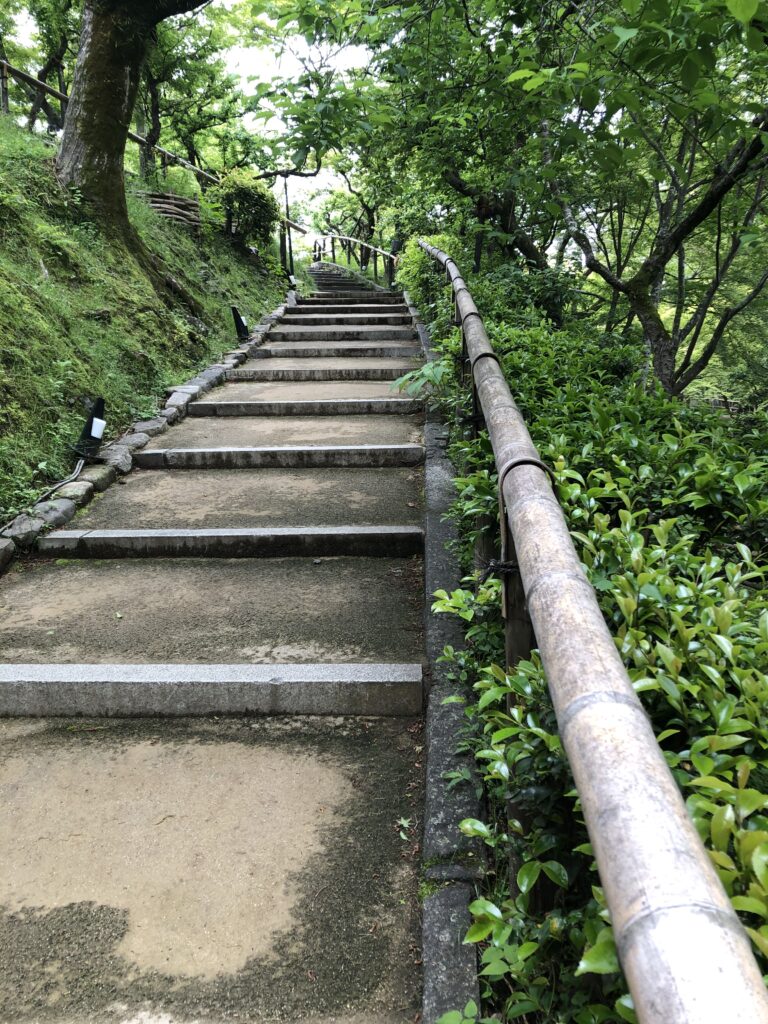
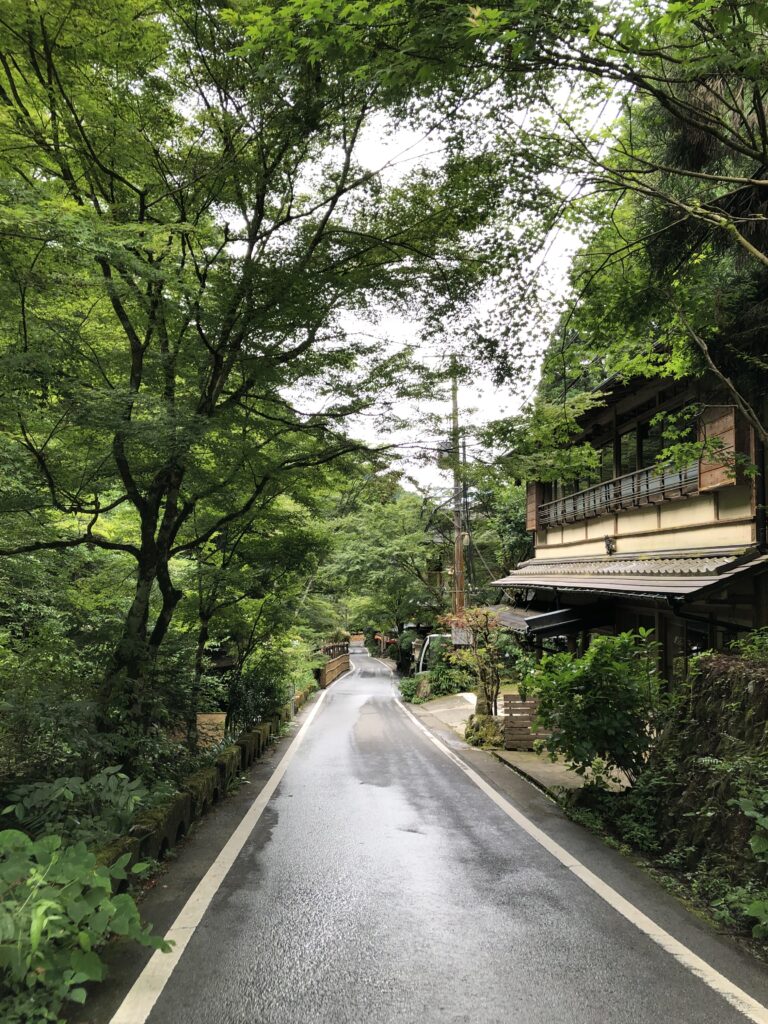
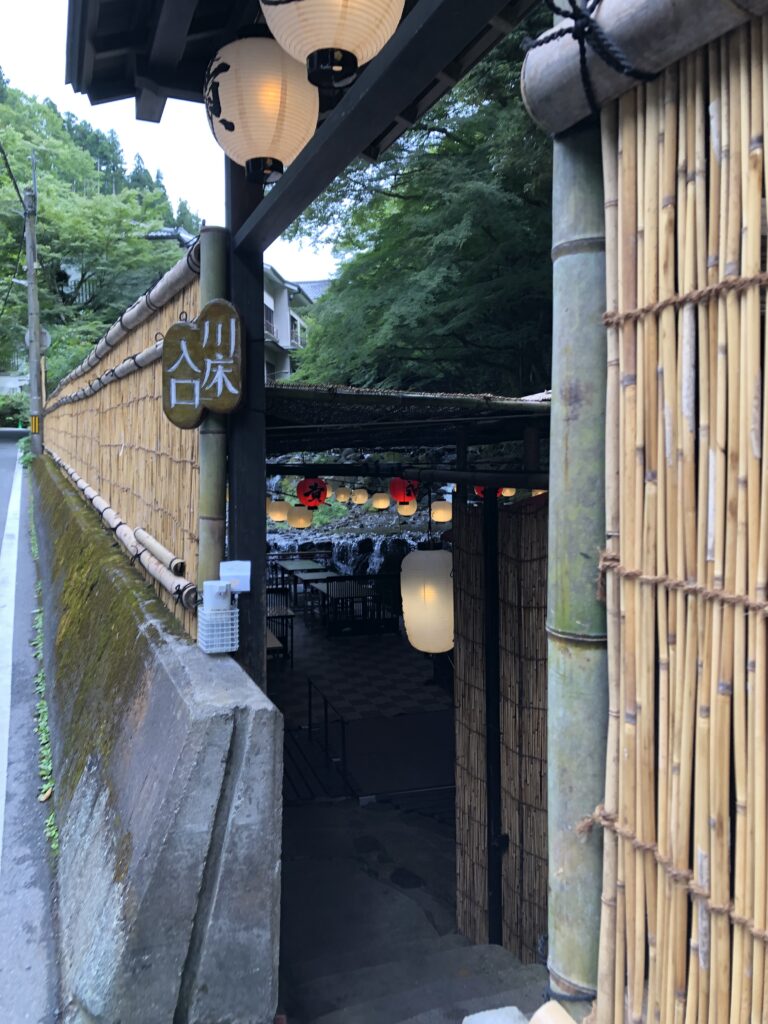
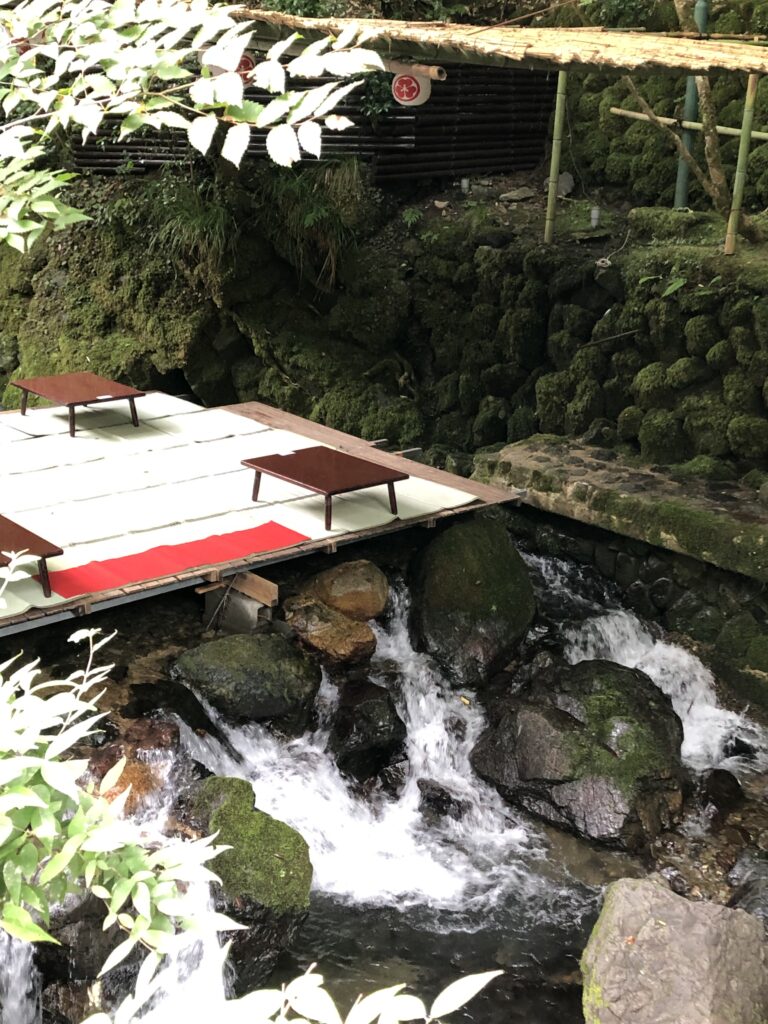
The Kibune area, a popular summer retreat, is located about 30 minutes from central Kyoto and features restaurants along the river that offer *kawadoko* dining—meals served on platforms built over the flowing water.
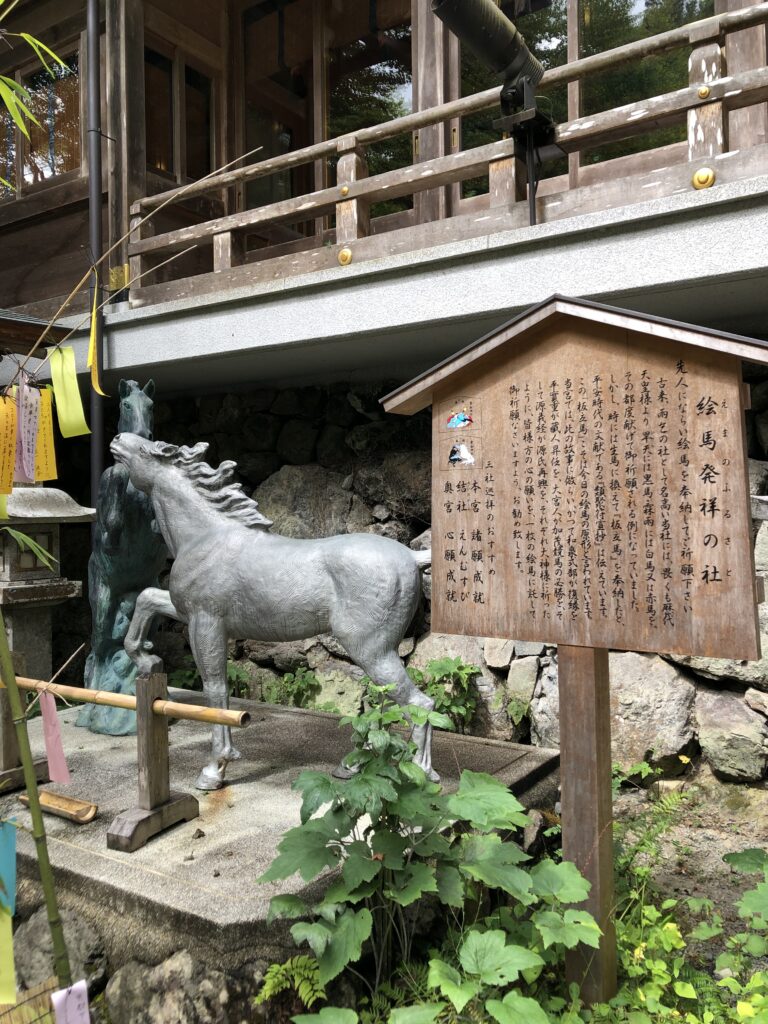
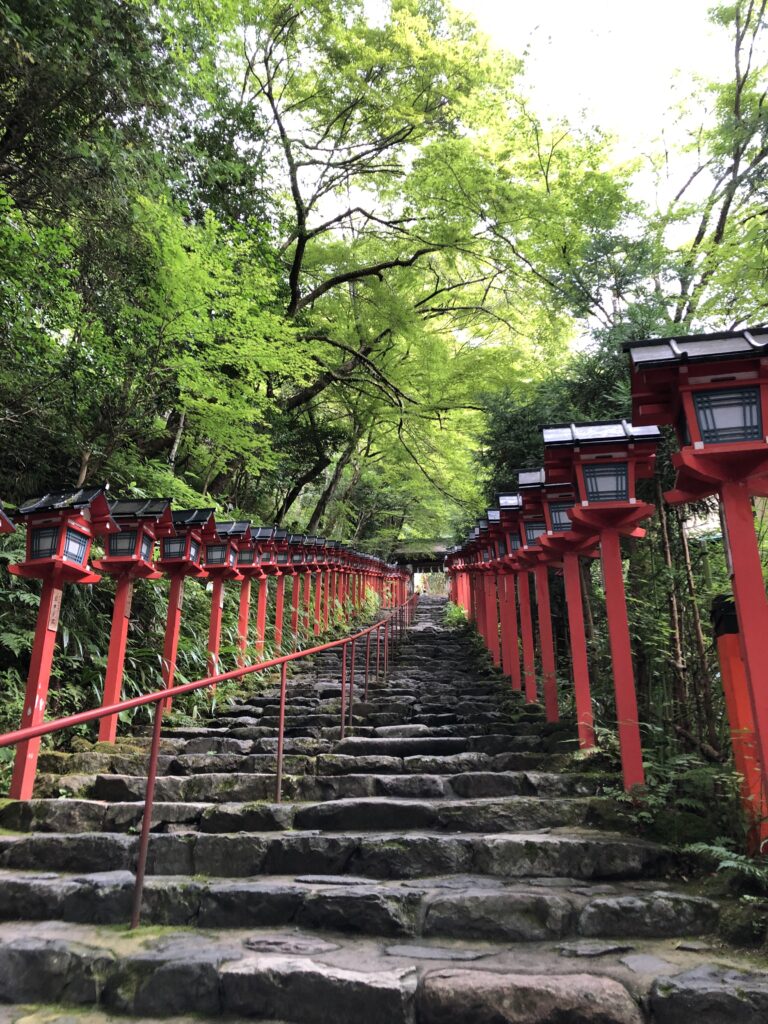
Kifune Shrine, dedicated to the deity of water, is considered one of the oldest shrines in Kyoto.

Location