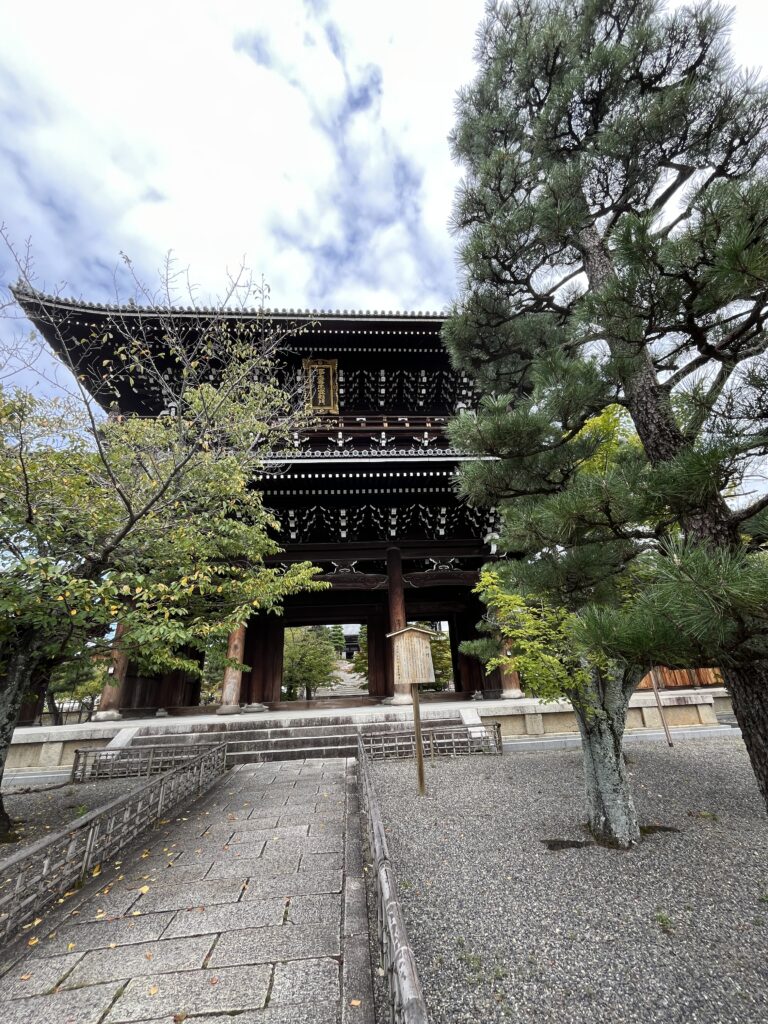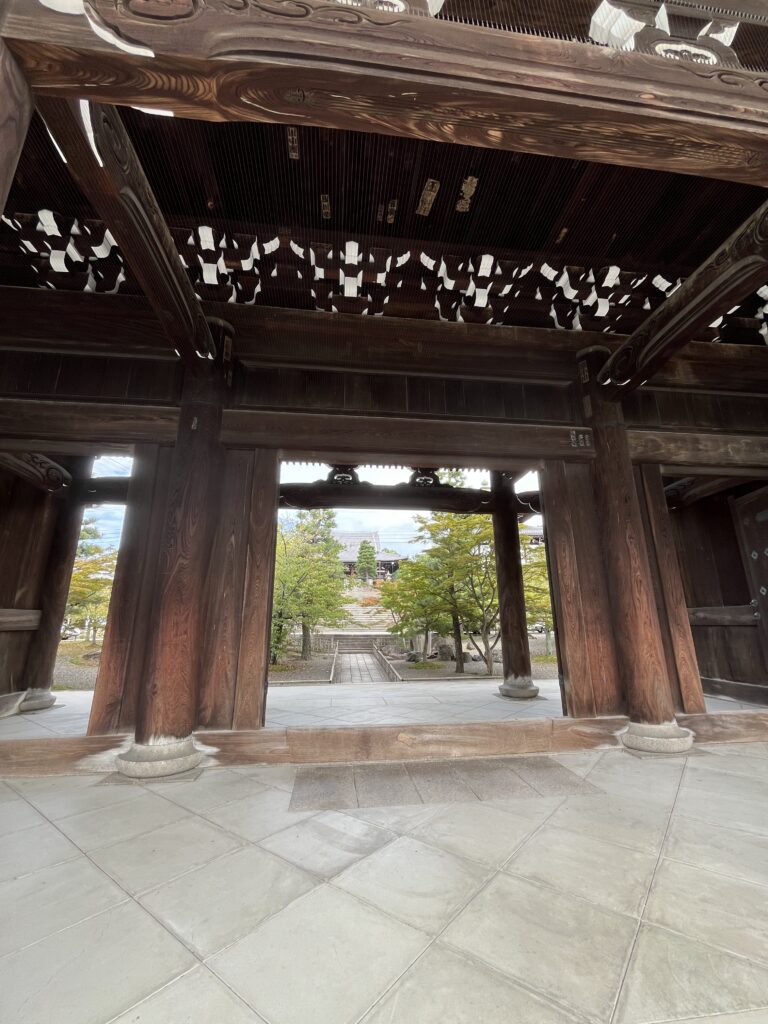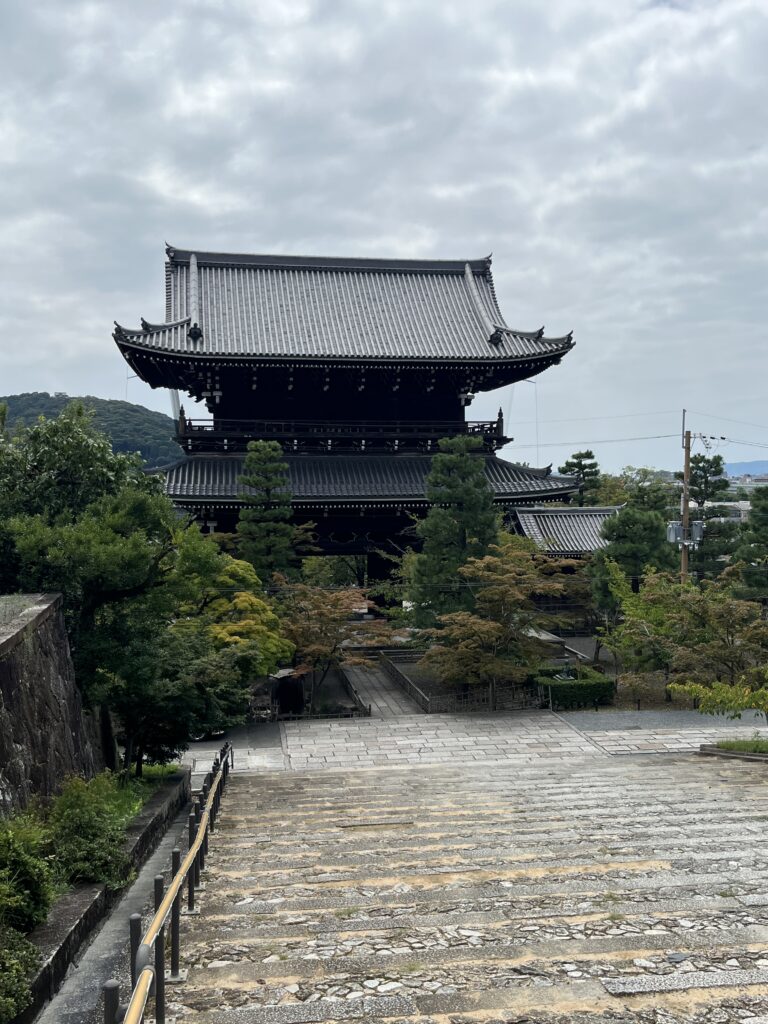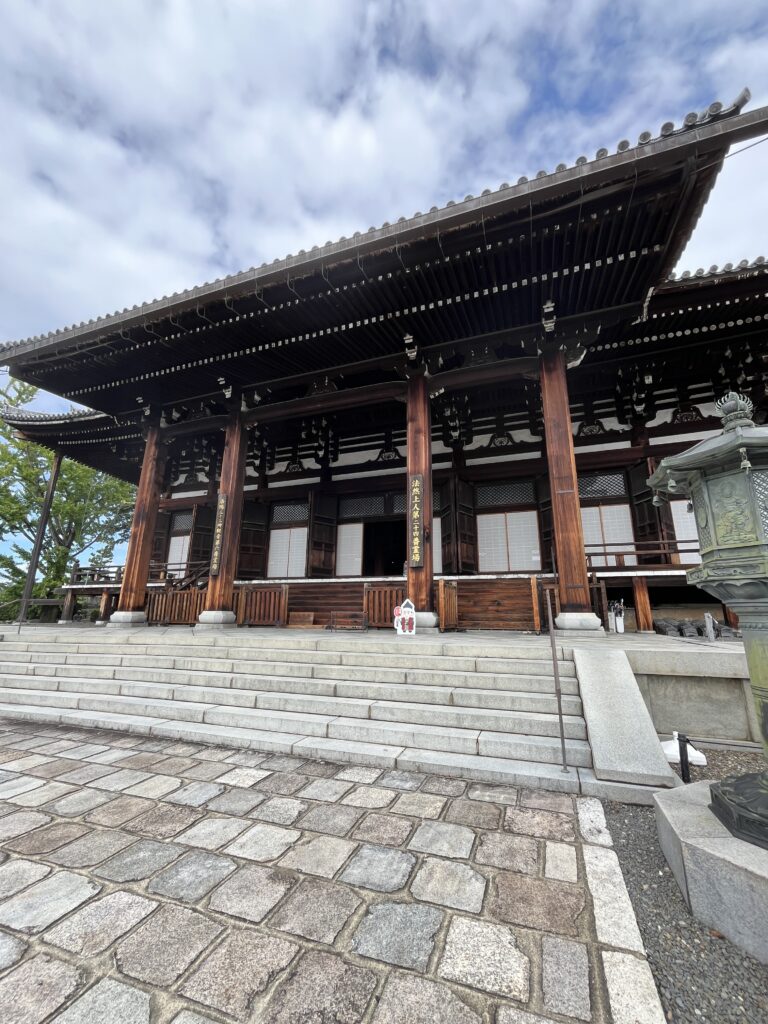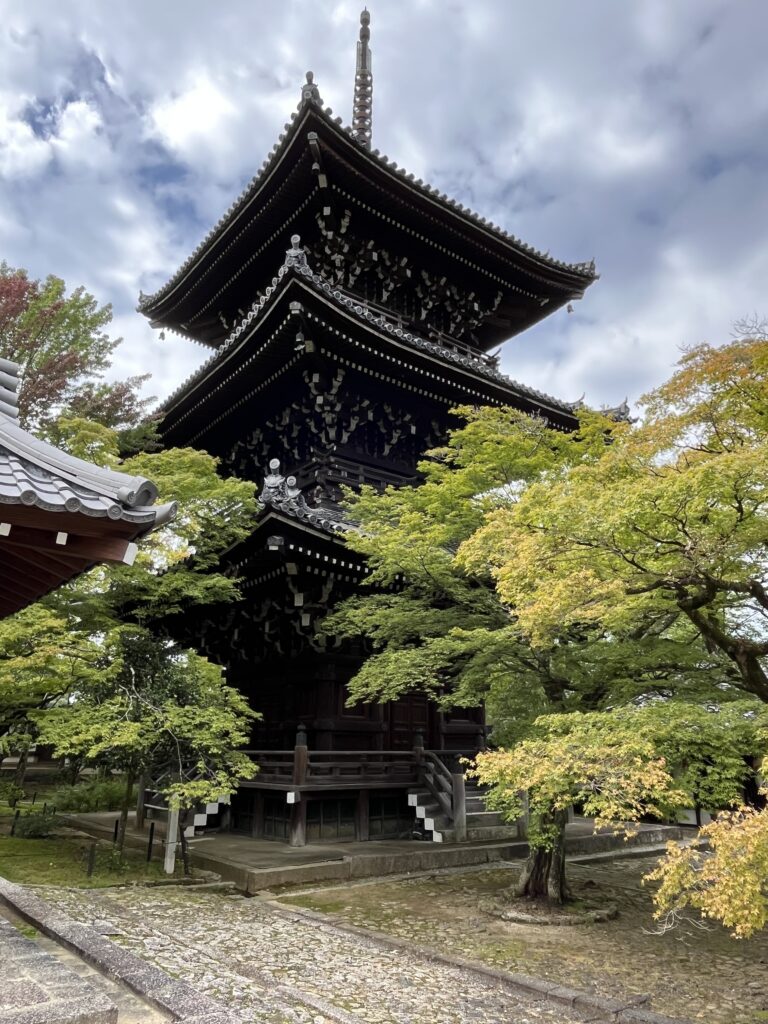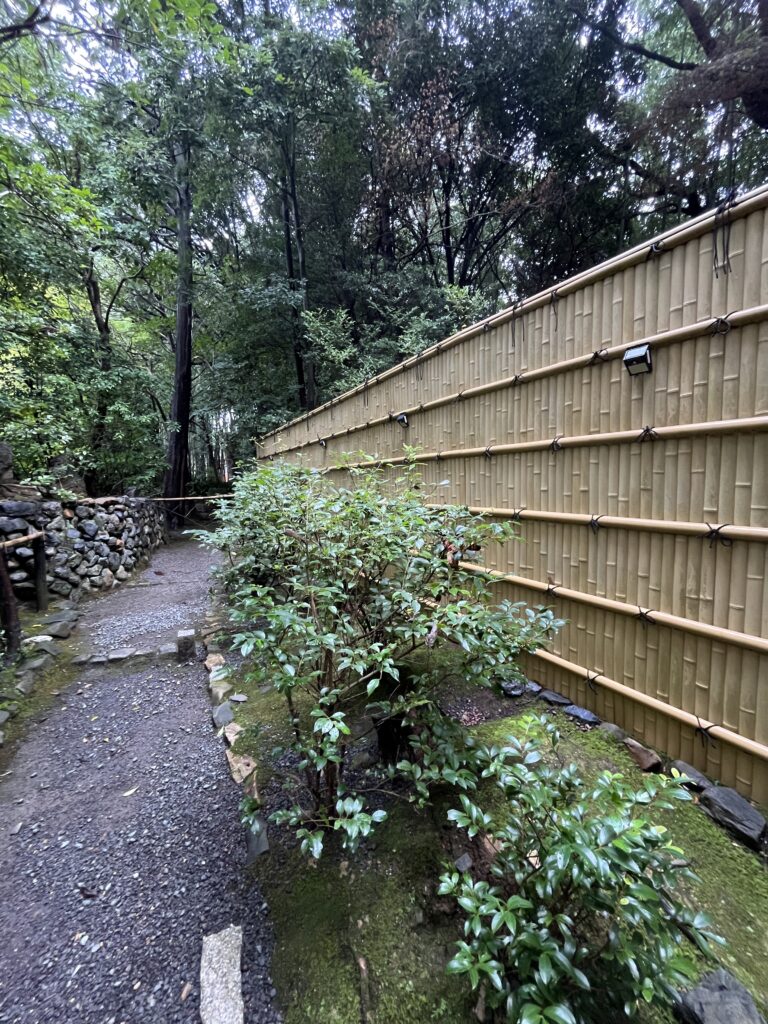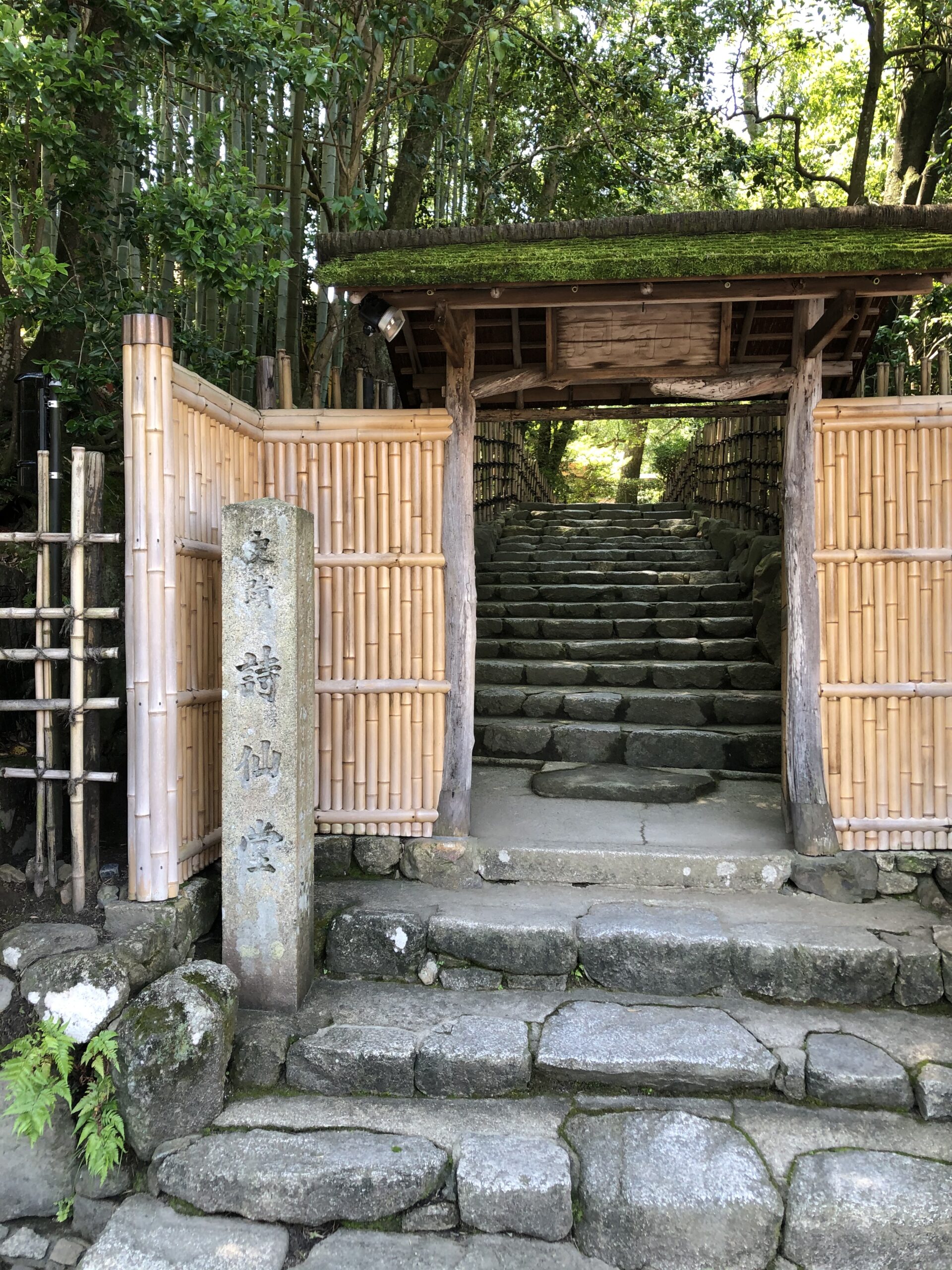
Entsuji-Temple(円通寺)

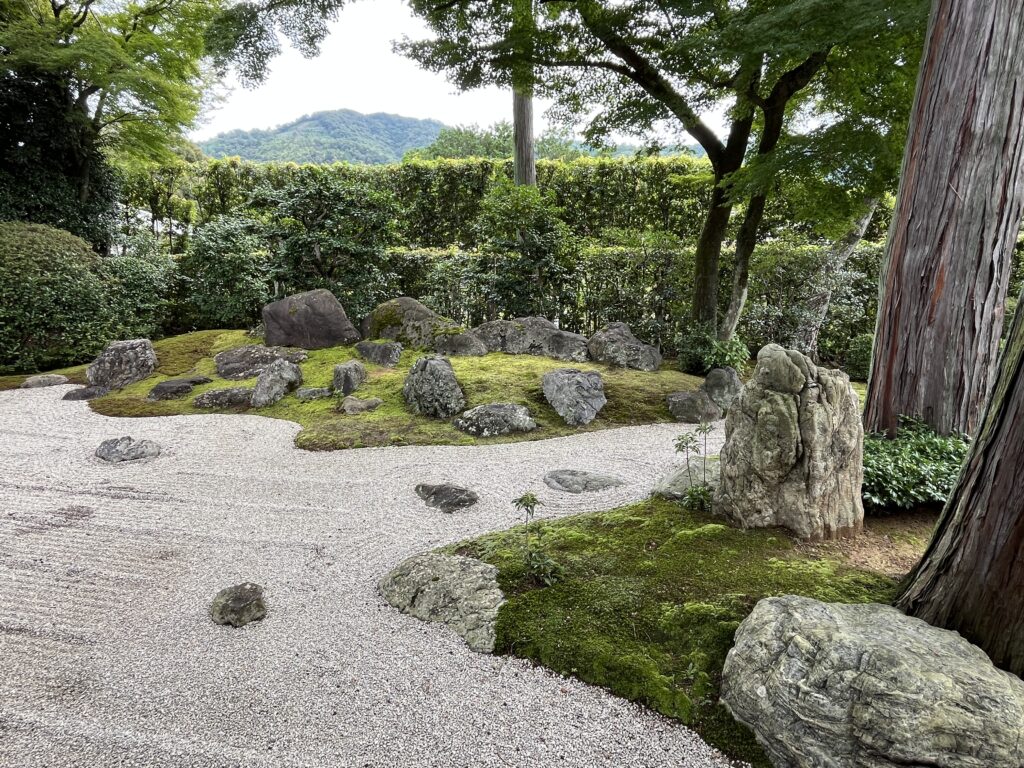
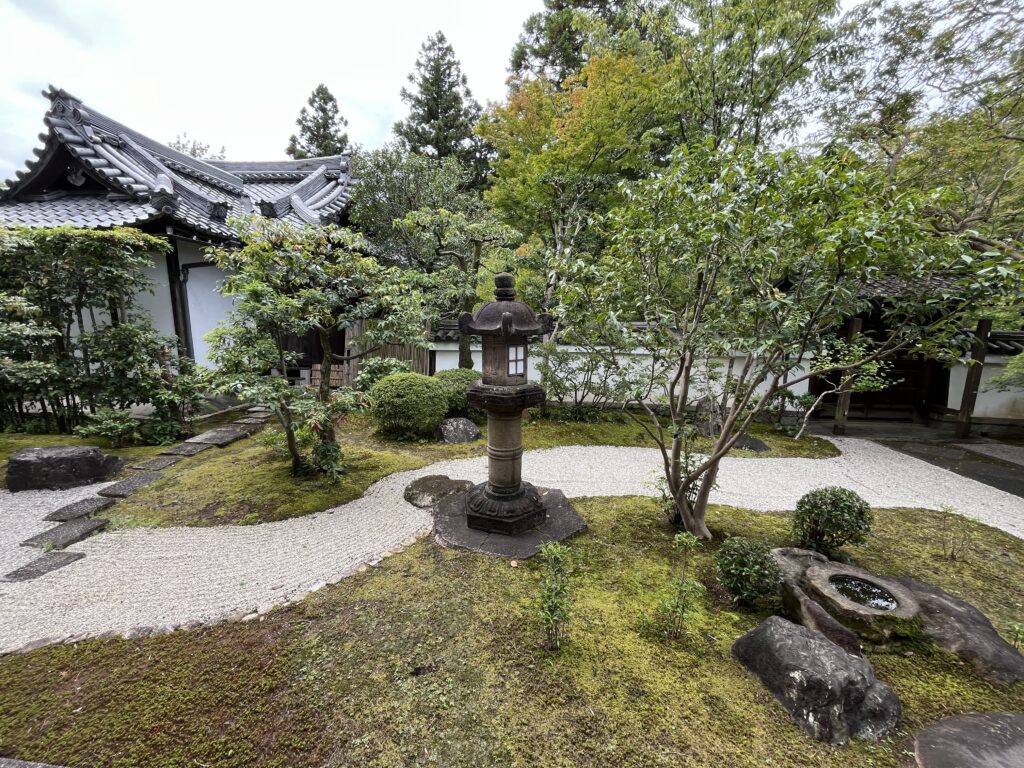
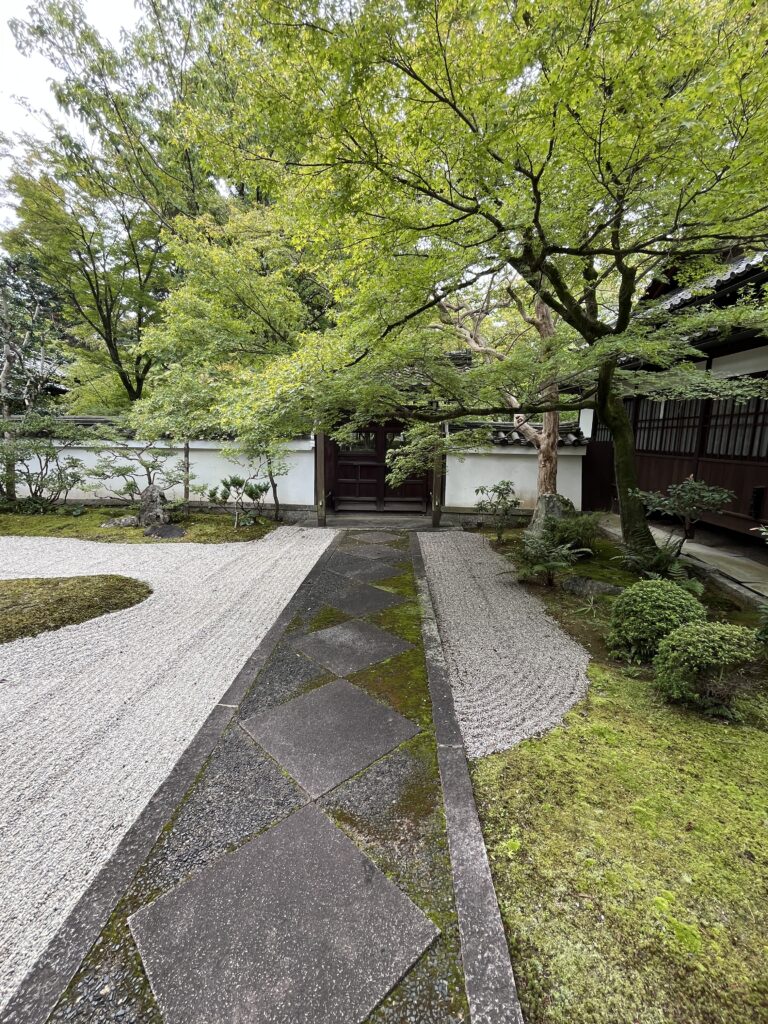
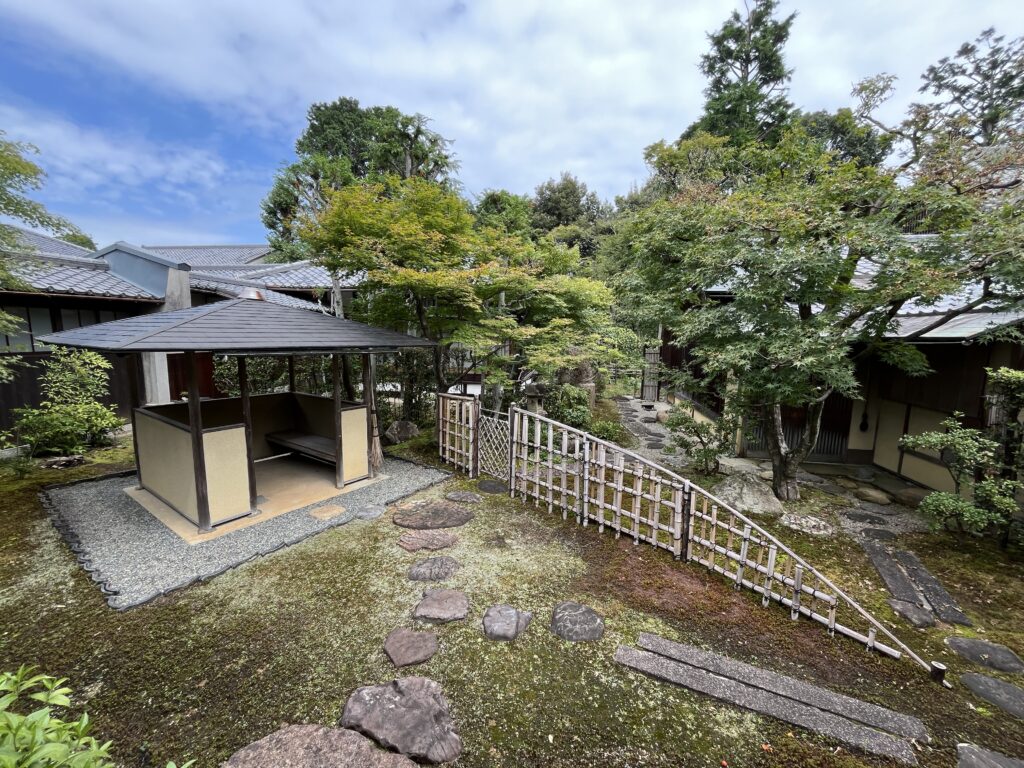
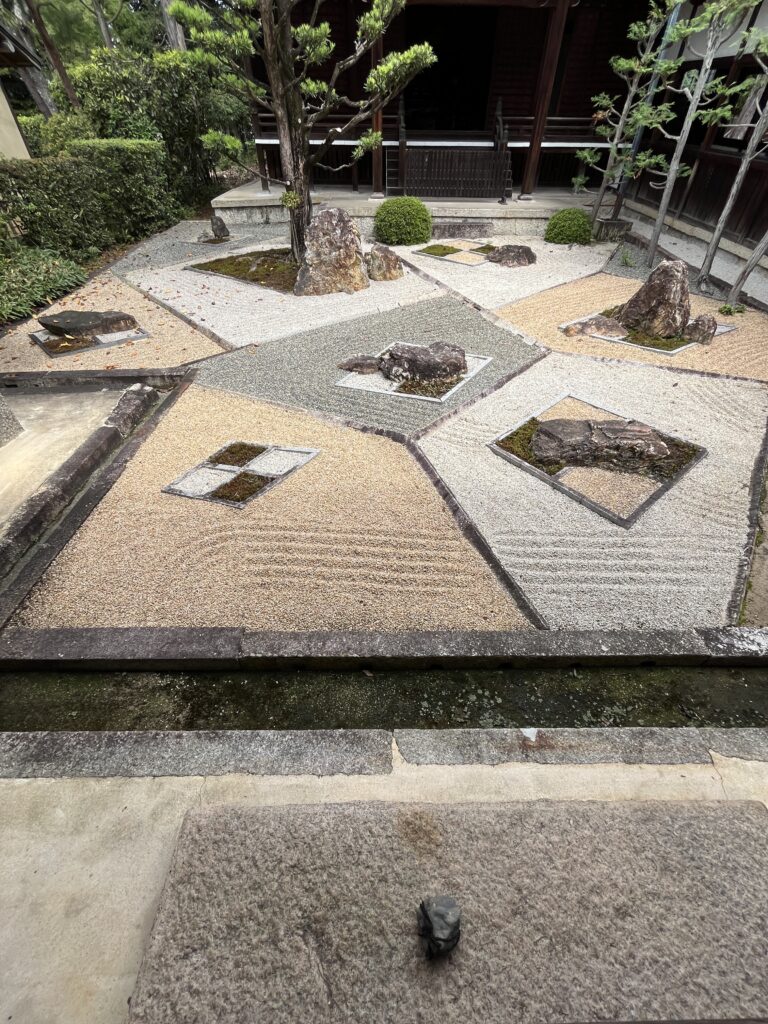
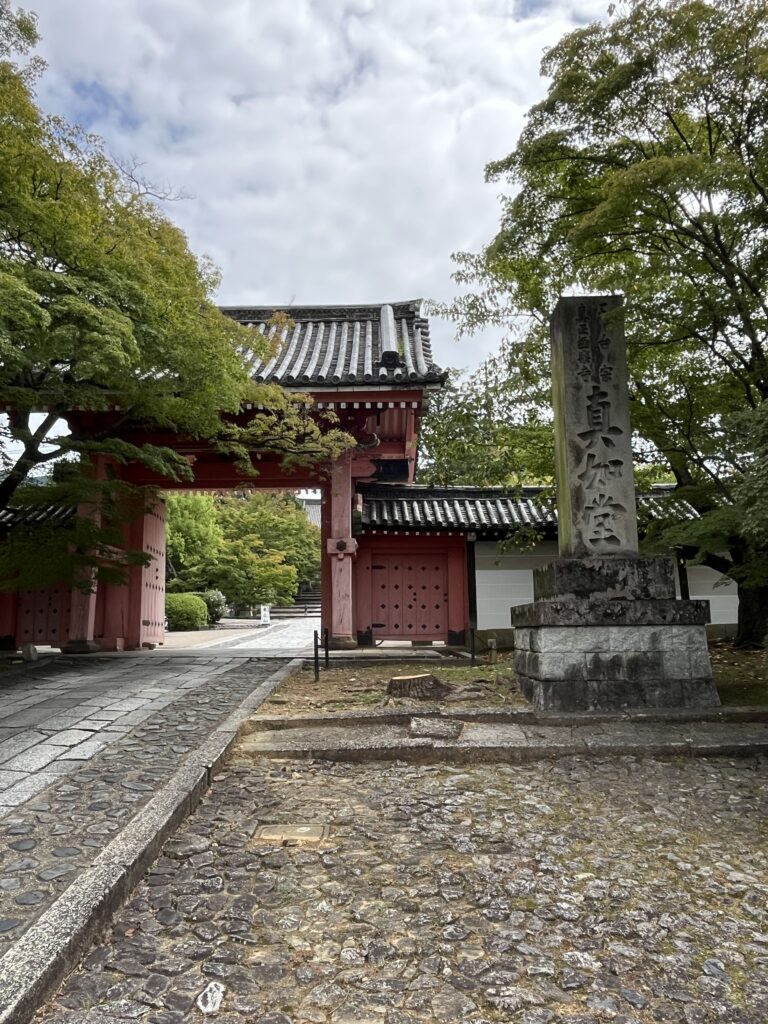
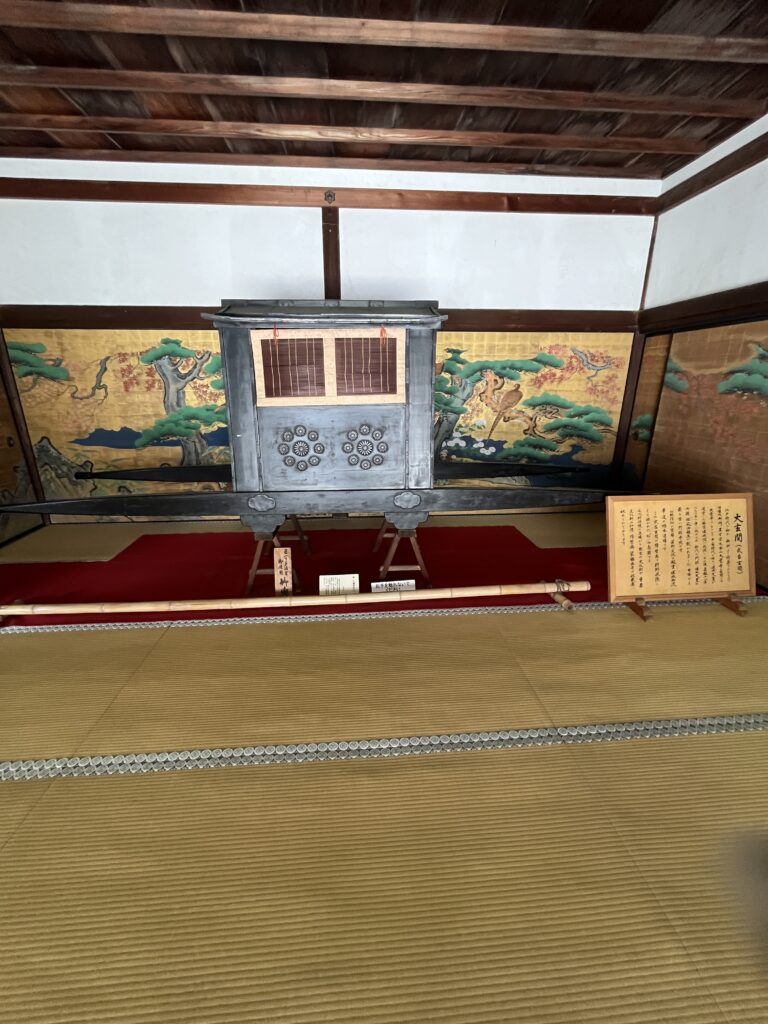
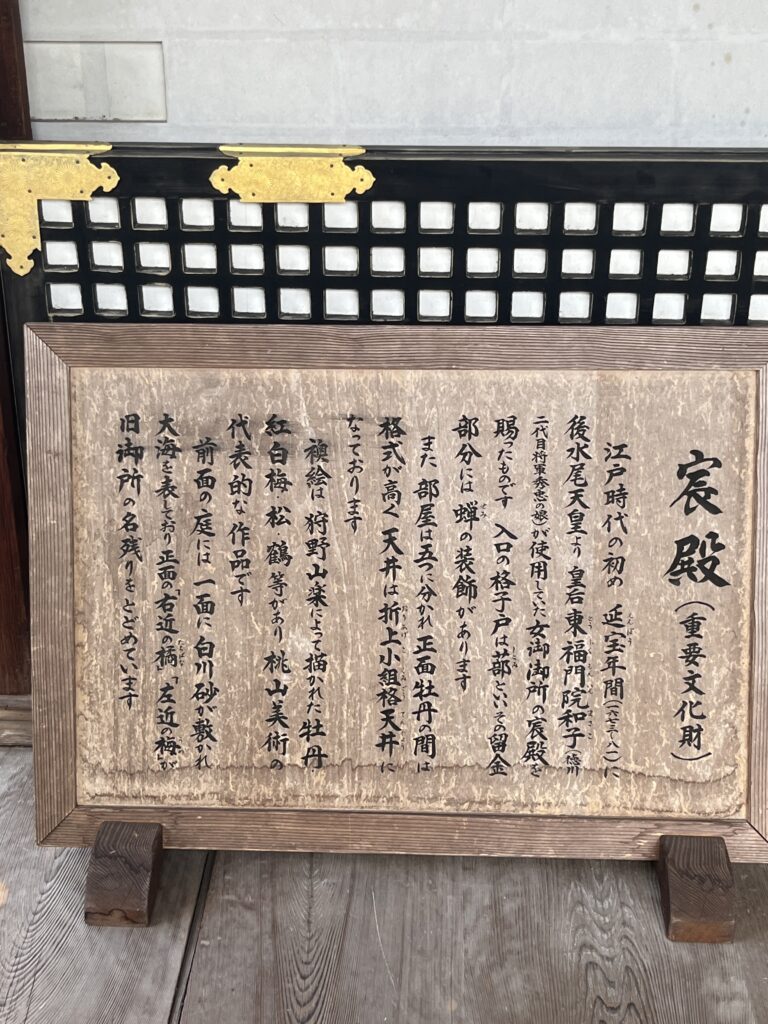
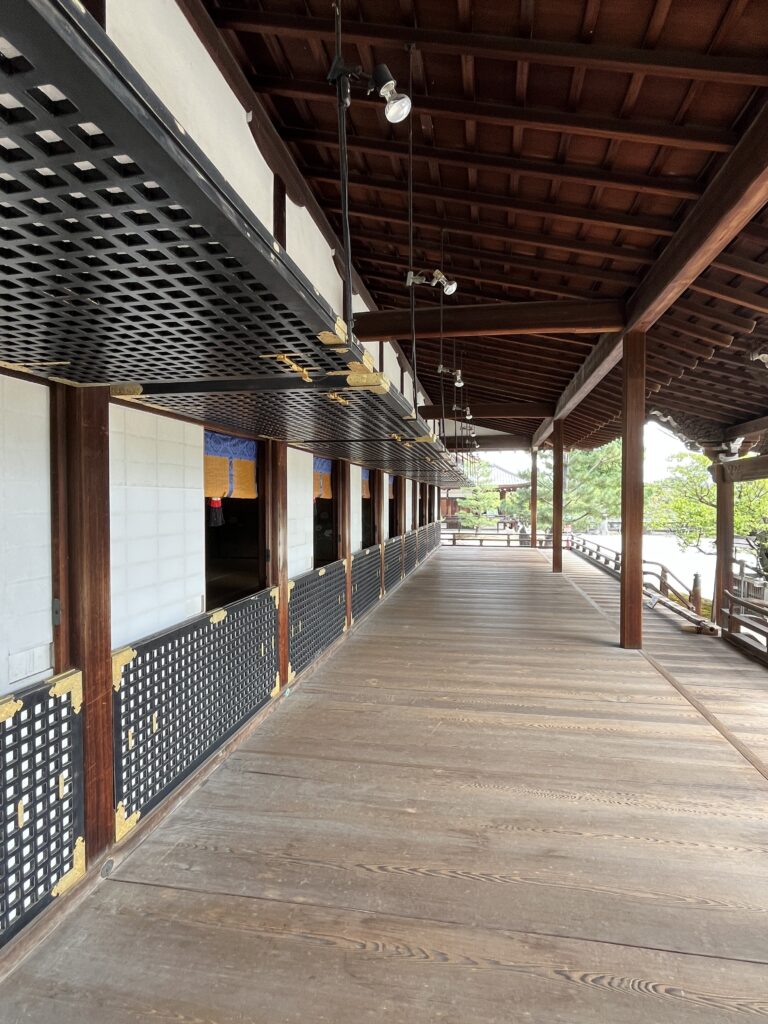
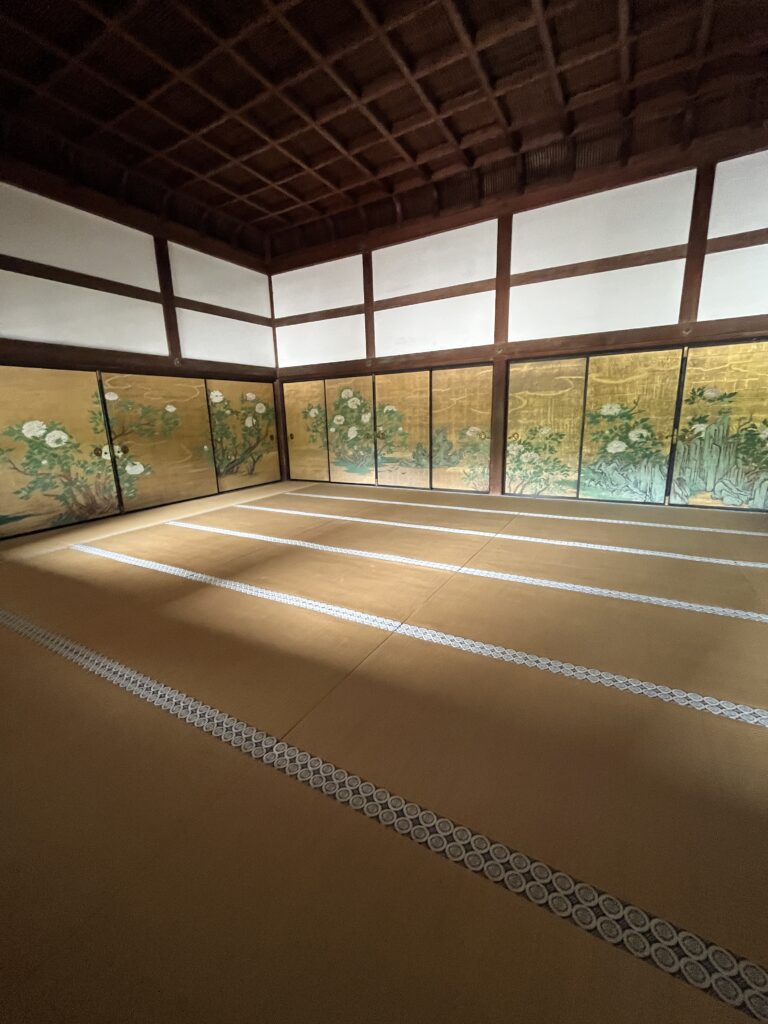
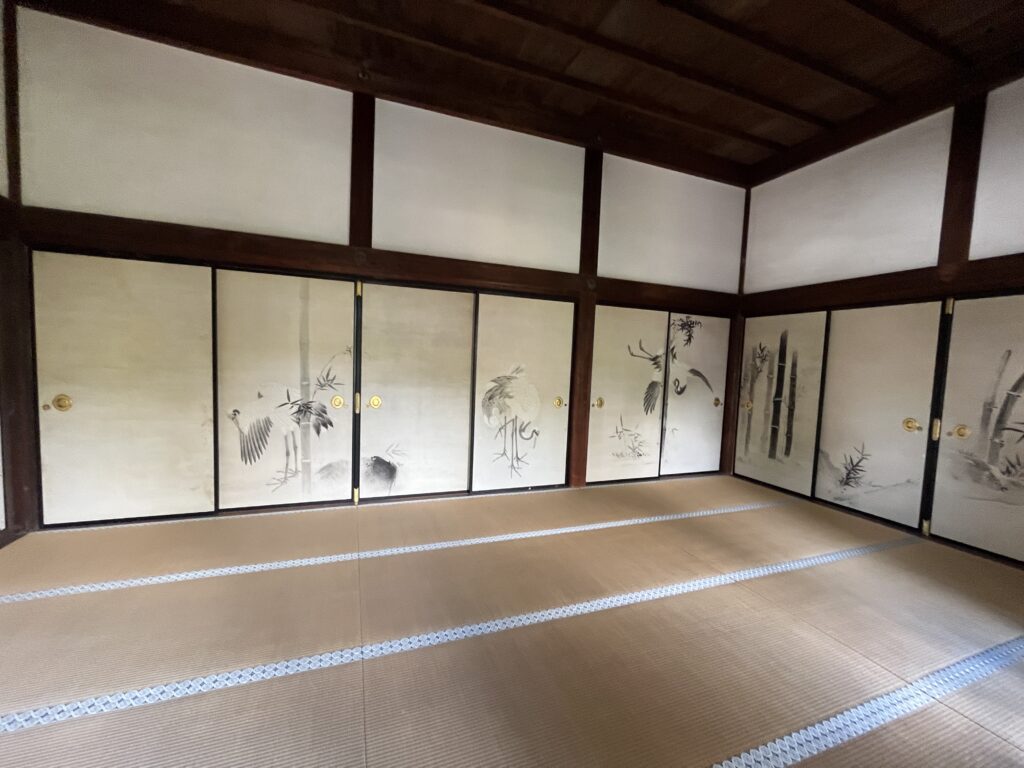
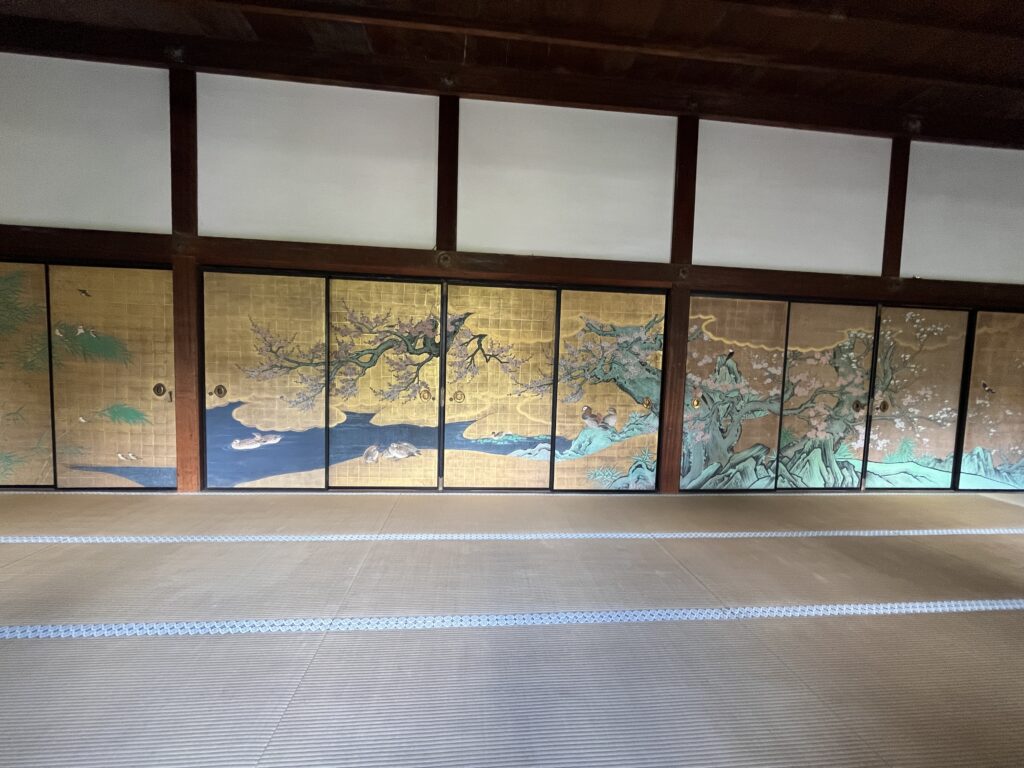
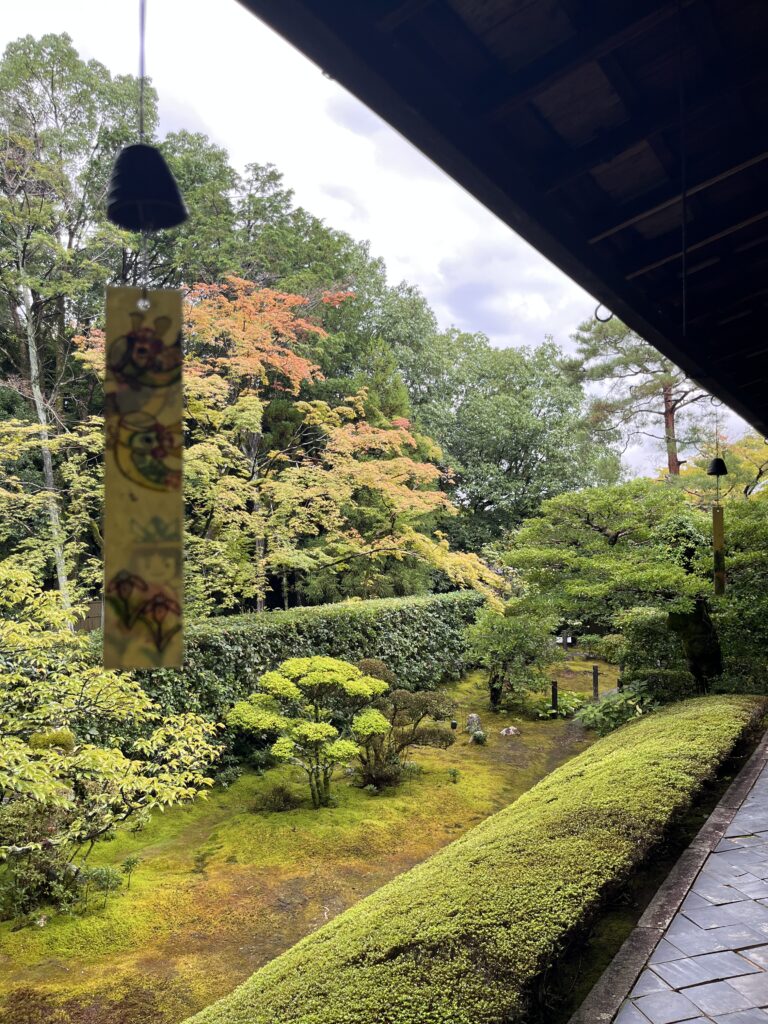
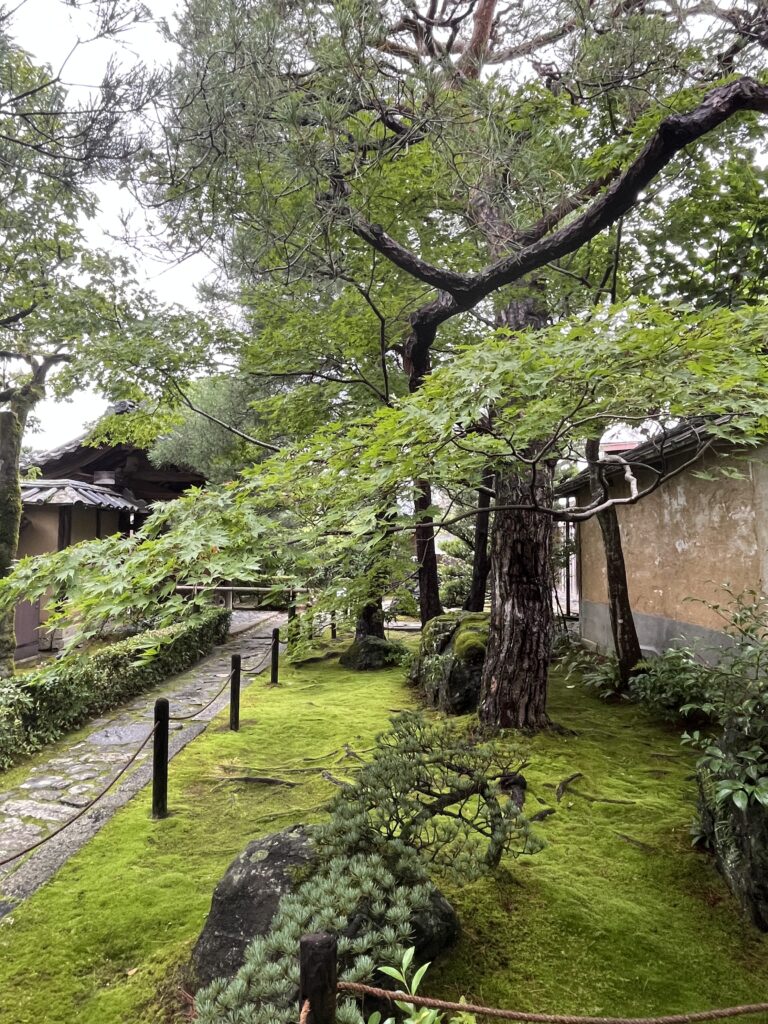
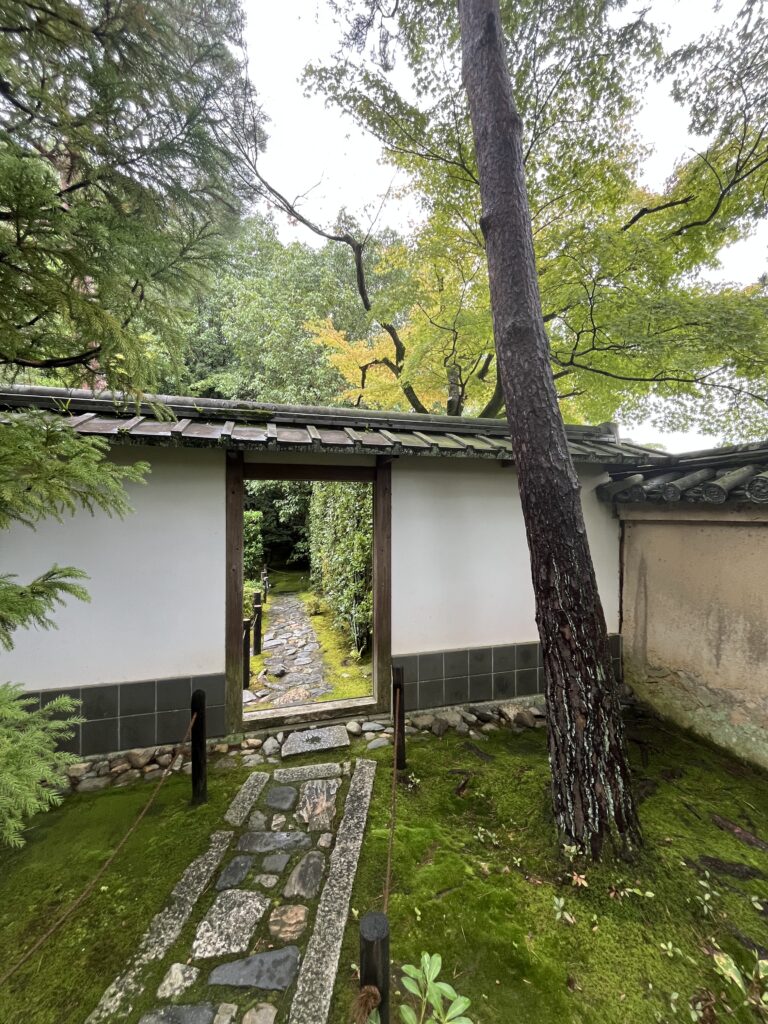
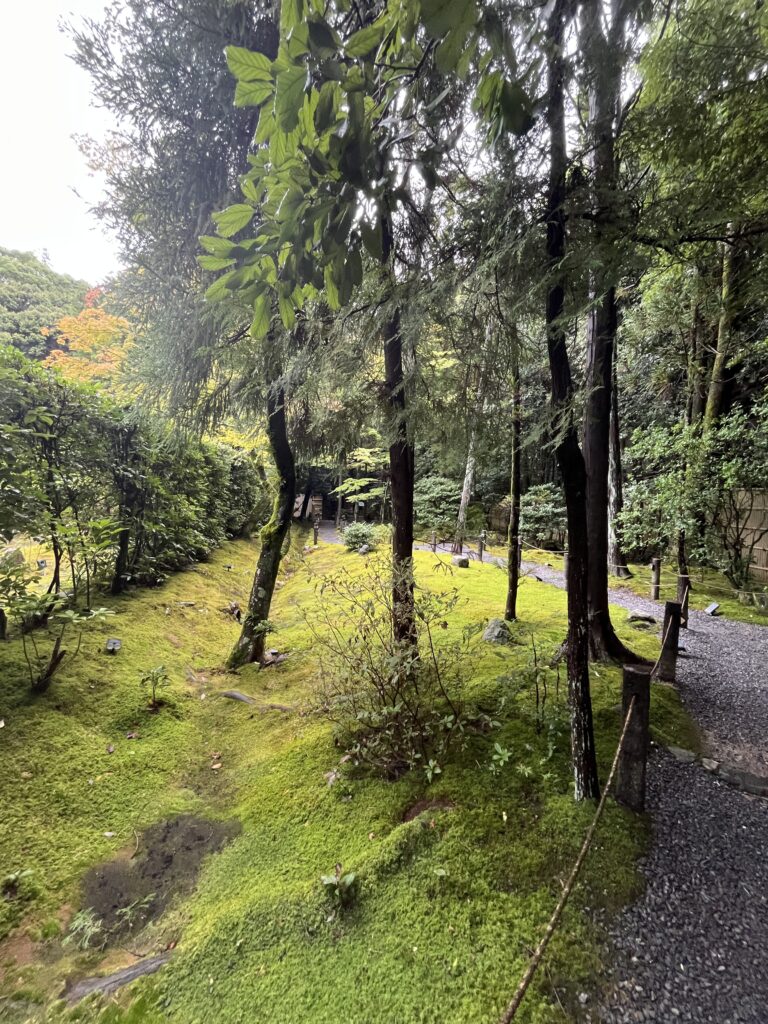
This was the Hataeda Detached Palace, constructed by Emperor Go-Mizunoo and also known as the Hataeda Kogosho.
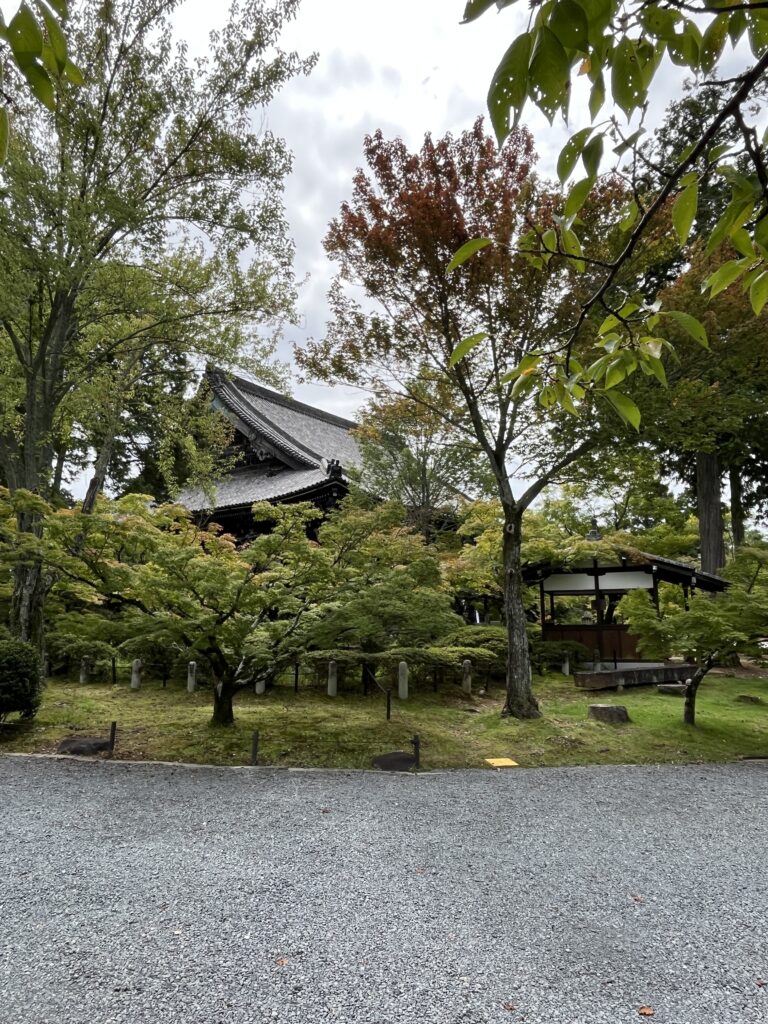
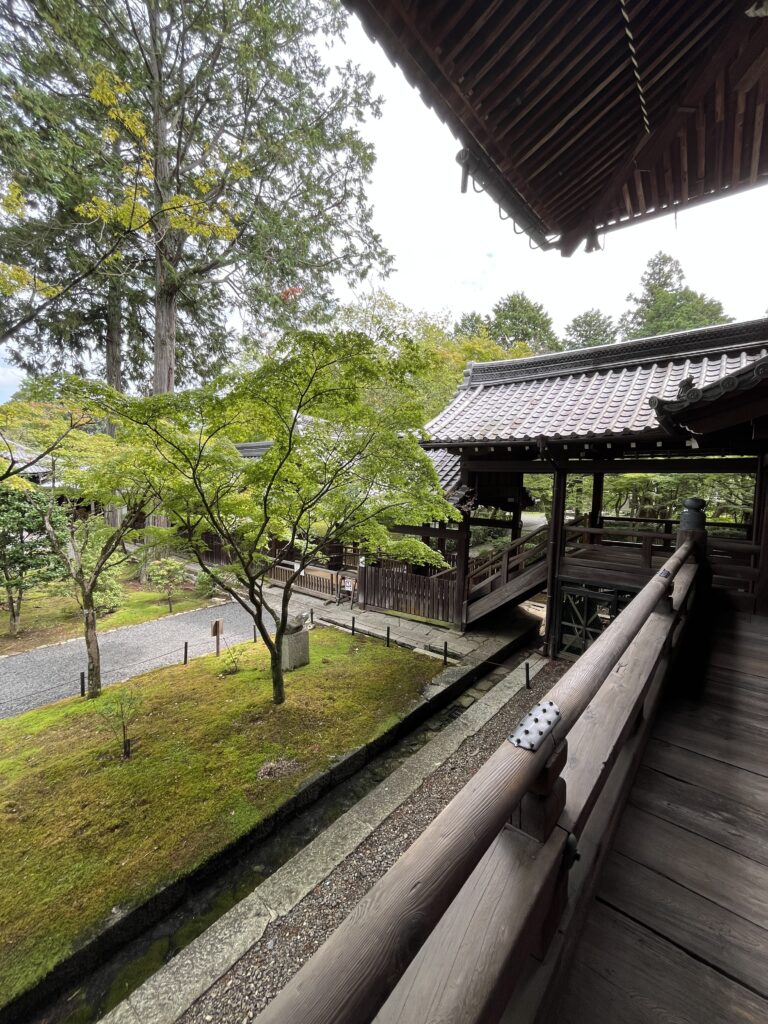
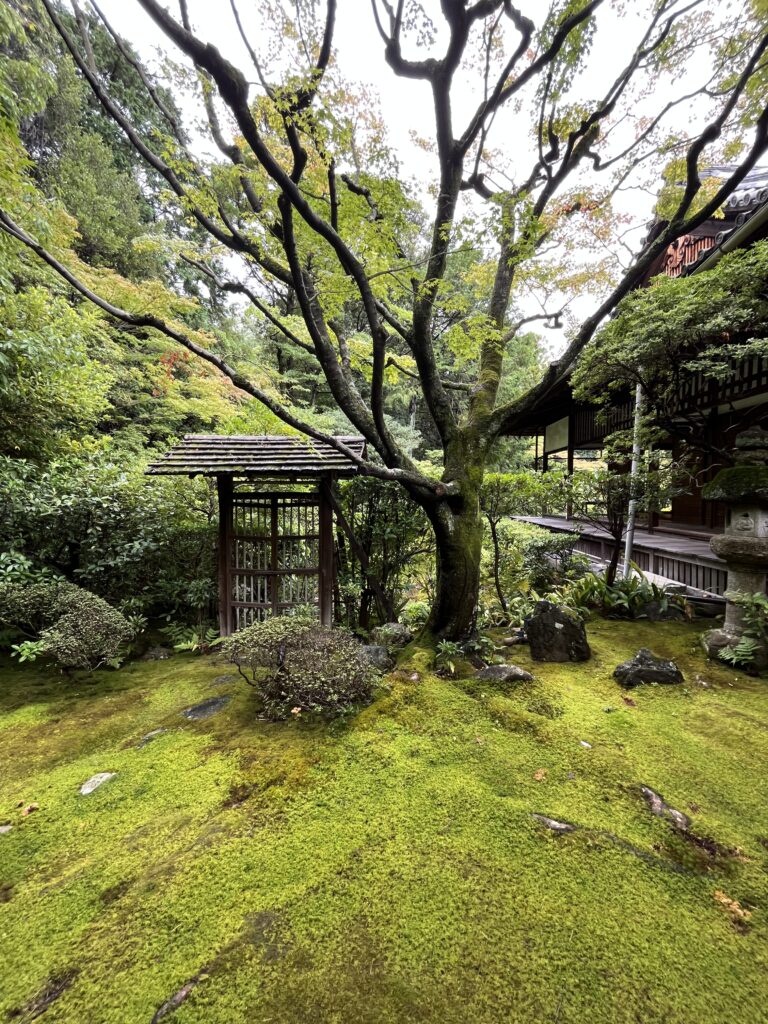
The garden, which incorporates Mount Hiei—visible from the front of the guest hall—as “borrowed scenery,” offers a unique charm in every season: *satsuki* azaleas in spring, vibrant foliage in autumn, and snowy landscapes in winter.

Location
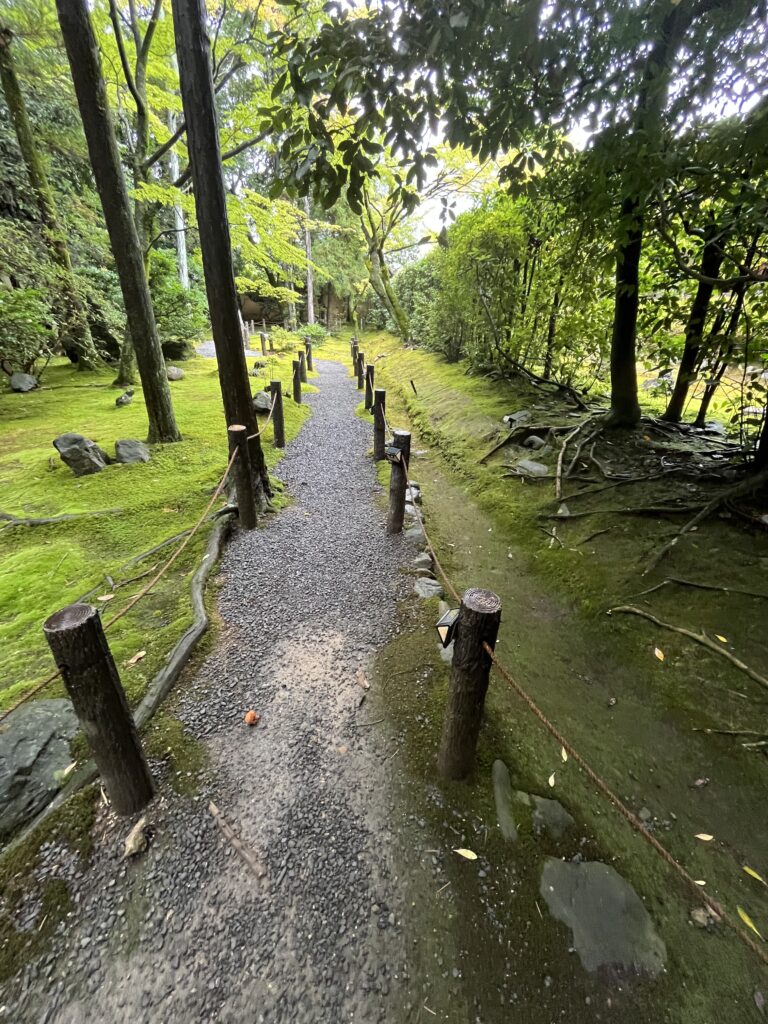
Kitano Tenmangu Shrine The Maple Garden at the Odoi Historic Site (北野天満宮 史跡御土居のもみじ苑)

During the Momoyama period, Toyotomi Hideyoshi constructed an earthen rampart known as the “Odoi” to mark the boundary between the city and its outskirts and to provide flood protection.
A section of this rampart still remains on the western side of the Kitano Tenmangu Shrine grounds, preserved as the “Odoi Maple Garden” (a designated historic site).
The view featuring the vermilion bridge spanning the Kamiya River set against the fresh green maple leaves is truly magnificent.

Location
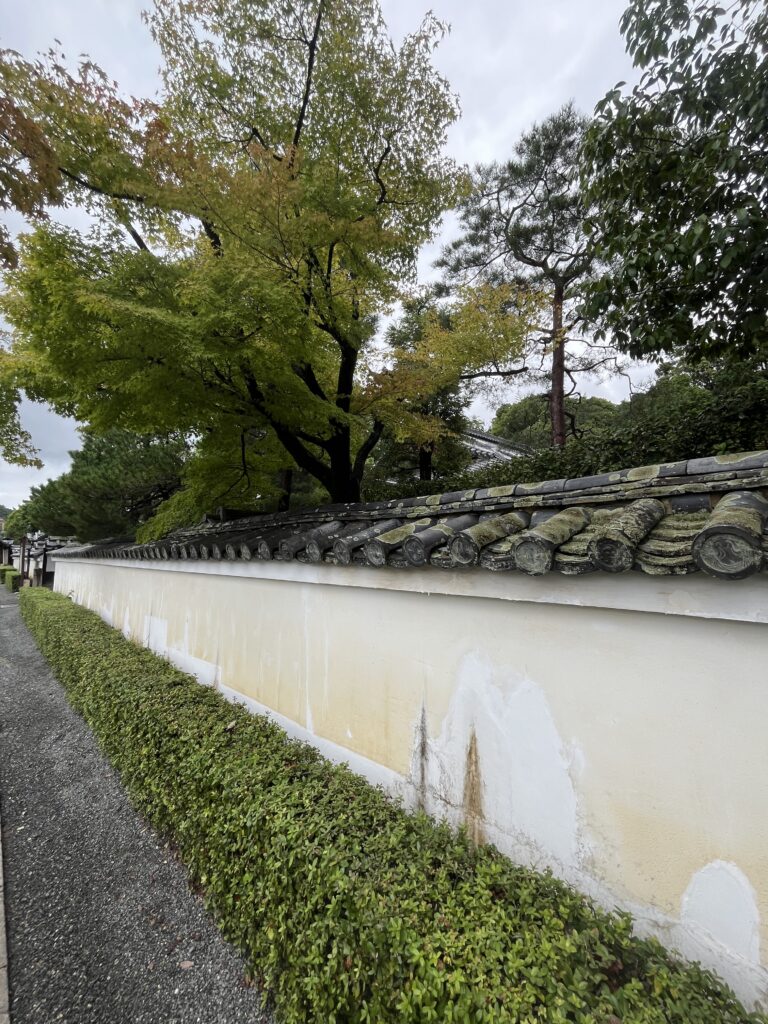
Syorinin Temple(勝林院)

After leaving Sanzen-in Temple in Ohara and crossing the bridge over the Ritsu River, you will find Shorin-in Temple.
This temple is the birthplace of *Tendai Shomyo* (Buddhist chanting), which is considered the origin of Japanese music; it was established as a training ground for the Tendai sect’s *Nembutsu* practices involving this chanting. In the main hall, you can listen to *Shomyo* by pressing a button.
Nearby, there is also a stone known as the “Sitting Stone” of the priest Honen.

Location

Mansyuin Temple(曼殊院)

Located in the Ichijoji area of ​​Kyoto’s Sakyo Ward, this Tendai sect temple traces its origins to a foundation established at the summit of Mount Hiei by Saicho, the founder of the sect.
It is a prestigious *monzeki* temple—one with a history of having members of the Imperial family serve as its head priests.
The temple offers many highlights, including gardens and sliding door paintings (*fusuma-e*) created by renowned artists.

Location

Myoukakuji-Temple (妙覚寺)

Myokaku-ji temple is a Nichiren-sect temple located in Kamigyo Ward; the Sengoku-period warlord Oda Nobunaga frequently stayed there when visiting Kyoto, and tea ceremonies hosted by Sen no Rikyu were also held on the premises.
It is a place where one can quietly experience the changing seasons, despite its location in the city.

Location