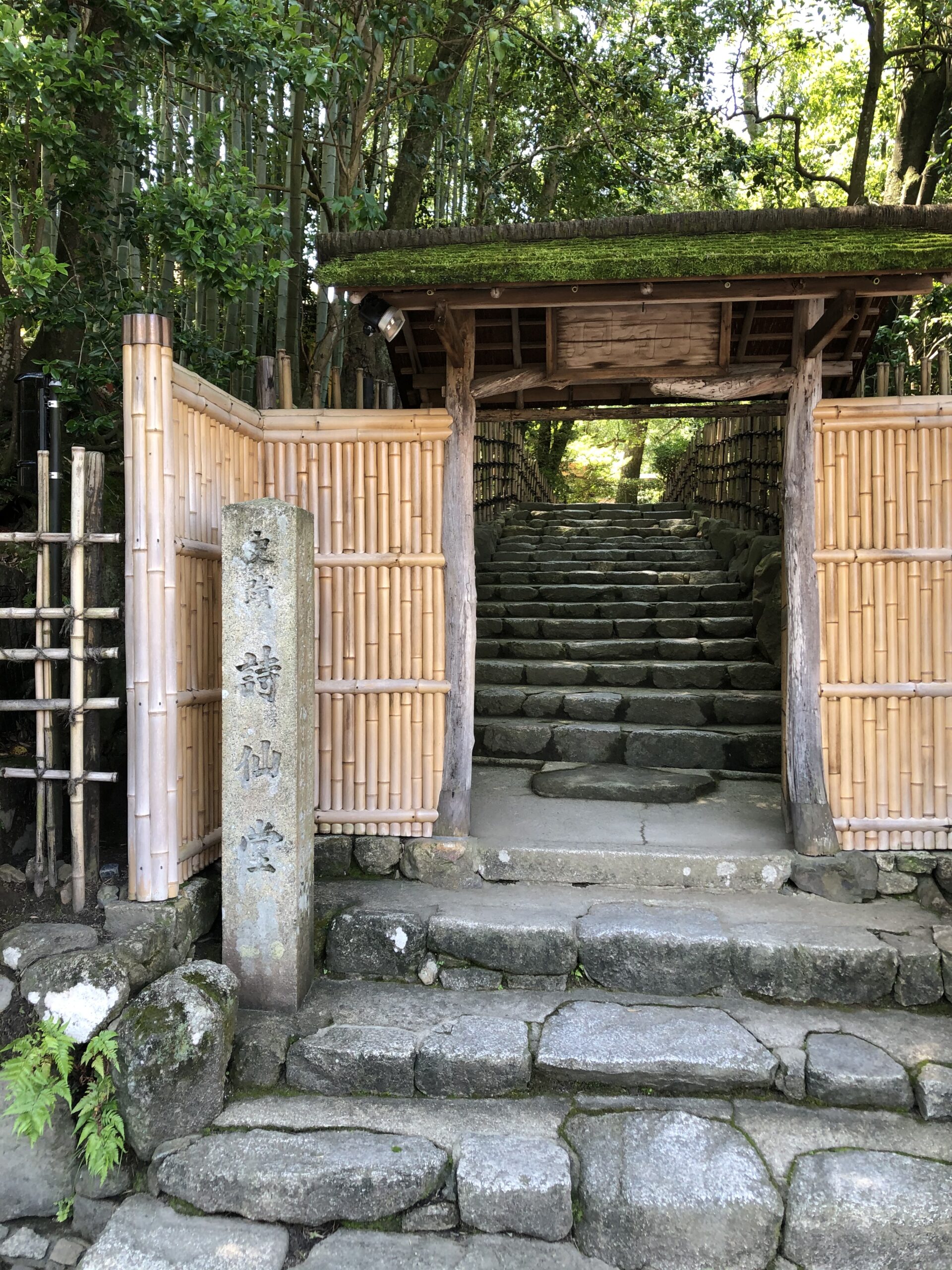
Myoshin-ji Temple(妙心寺)

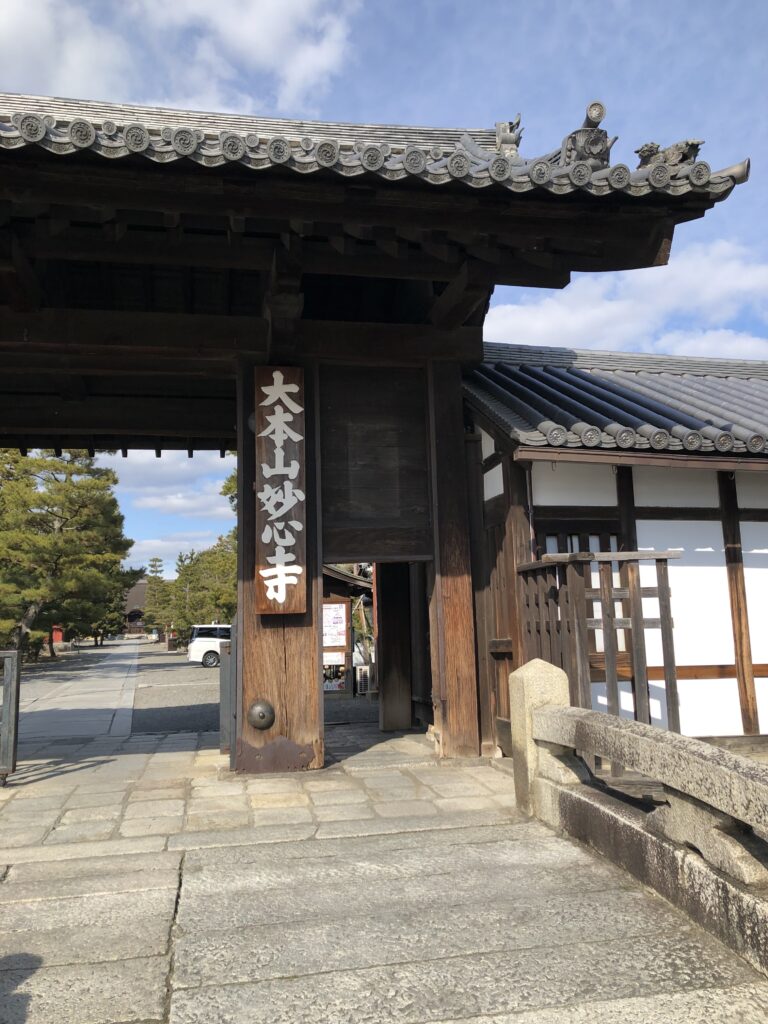
Myoshin-ji Temple is located in Ukyo-ku, Kyoto City. Its vast grounds contain 46 sub-temples, and it boasts 3,400 branch temples throughout Japan and around the world, making it the largest Zen temple in Japan.
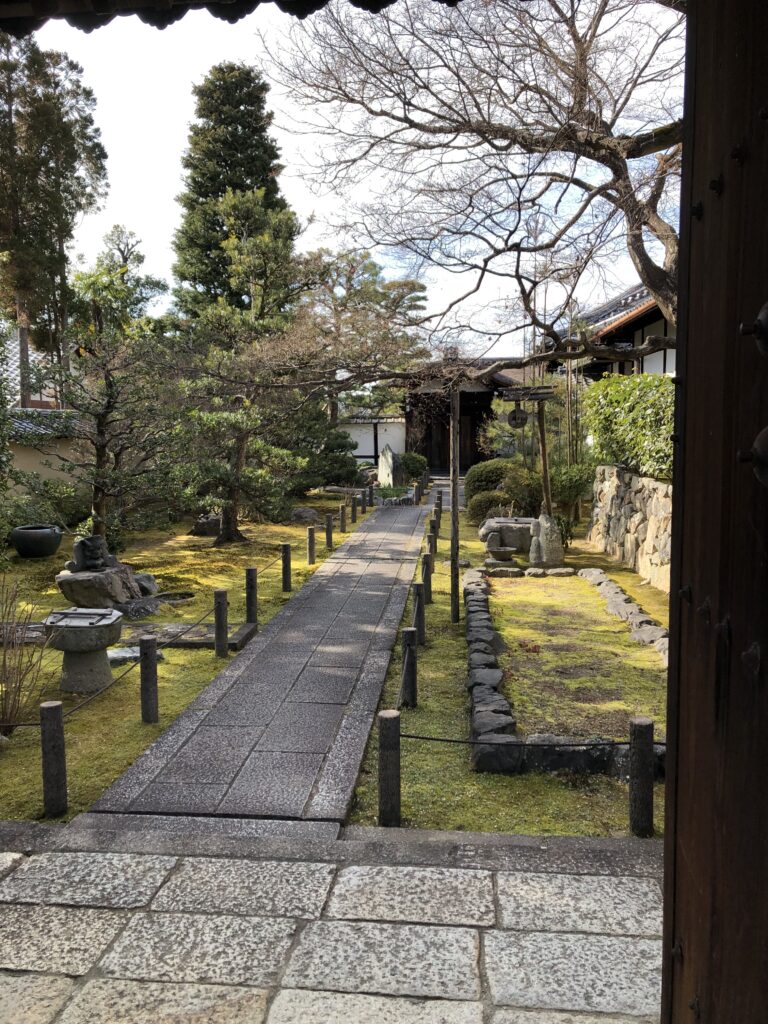
Each sub-temple has its own unique history and beautiful gardens (such as Taizo-in and Keishun-in).
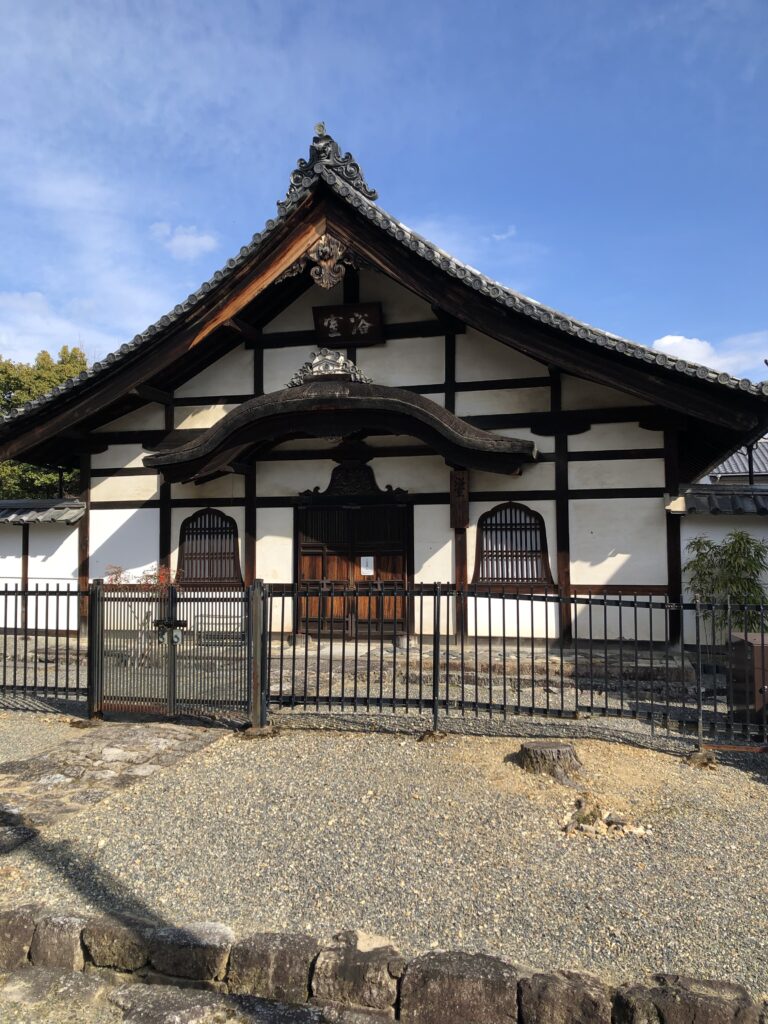
It also features the rare Akechi Bath, a bathhouse said to have been built to commemorate Akechi Mitsuhide.
Location
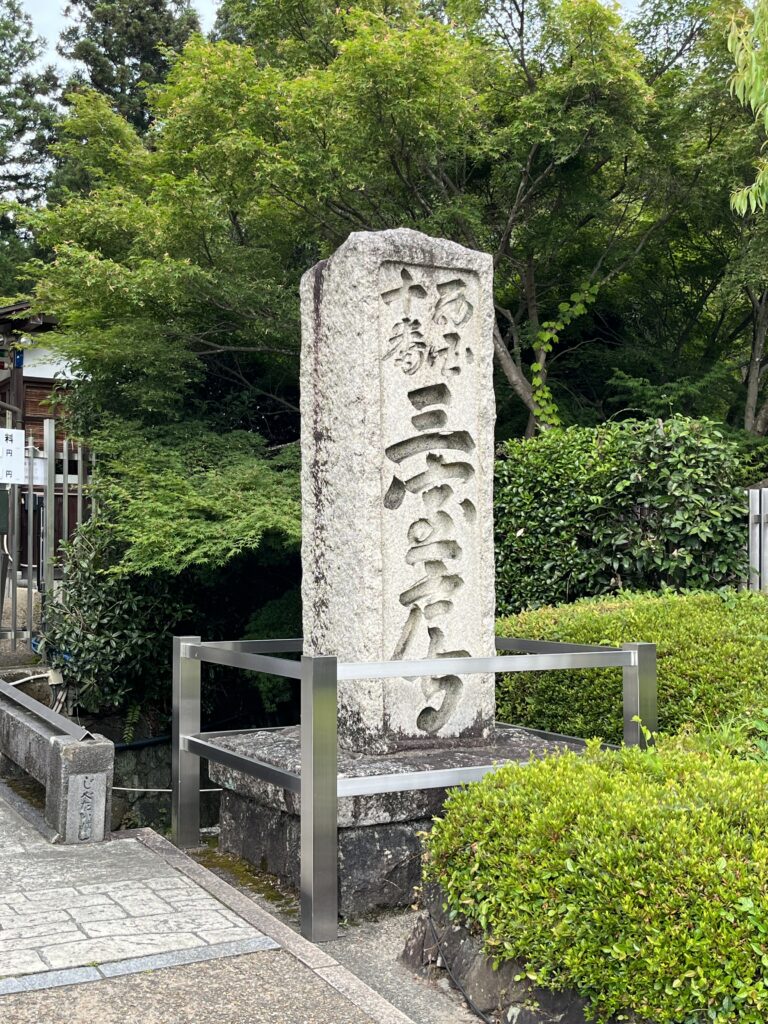
Mimuroto-ji Temple(三室戸寺)

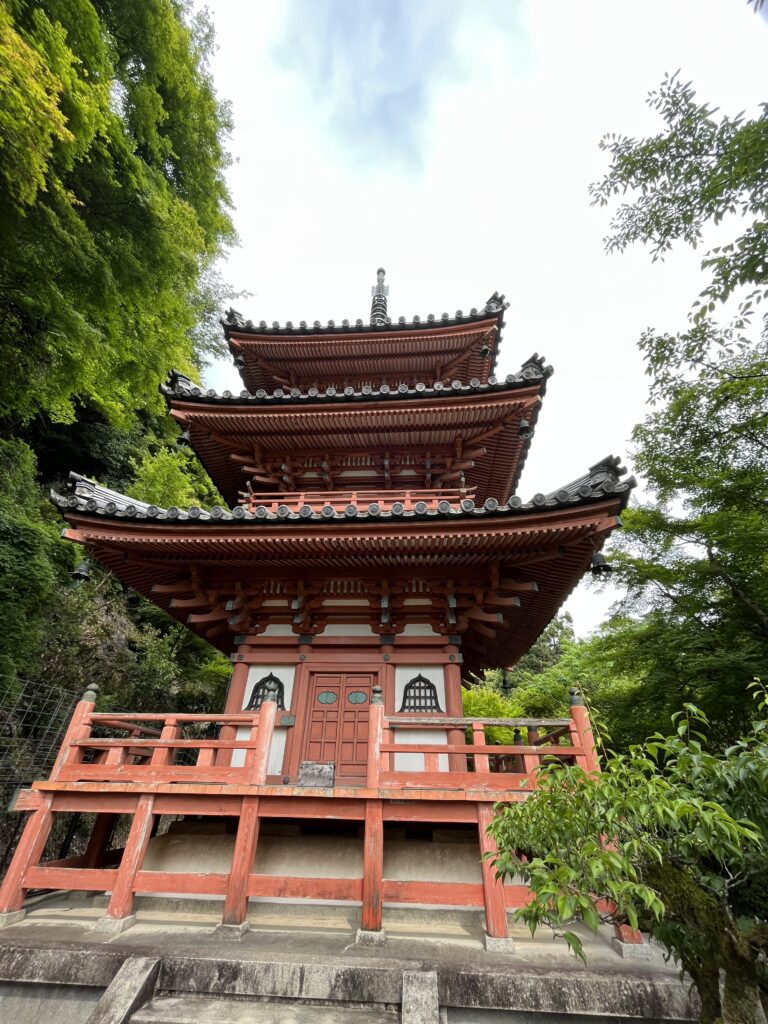
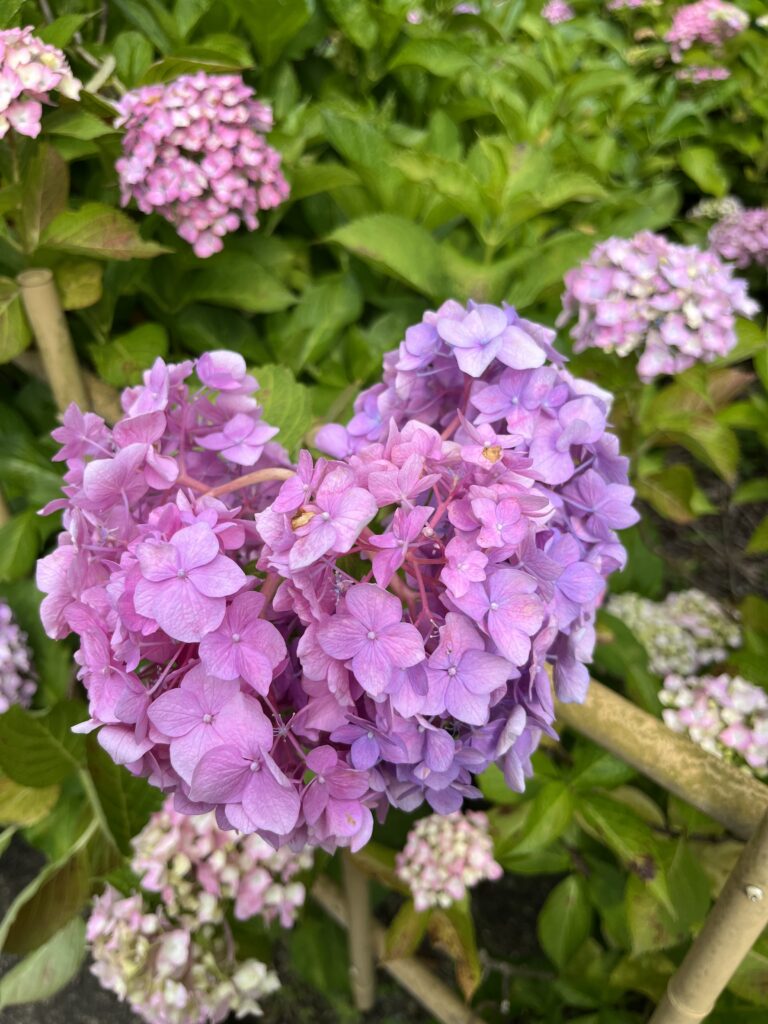
In Uji, Kyoto, there is Mimuroto-ji Temple, known as the “Hydrangea Temple.”
The approximately 10,000 hydrangea plants of 50 different varieties create a magnificent sight.
This temple is also famous for its flowers in each of the four seasons, and is known as the “Temple of Flowers.”


Location

Imamiya Shrine(今宮神社)

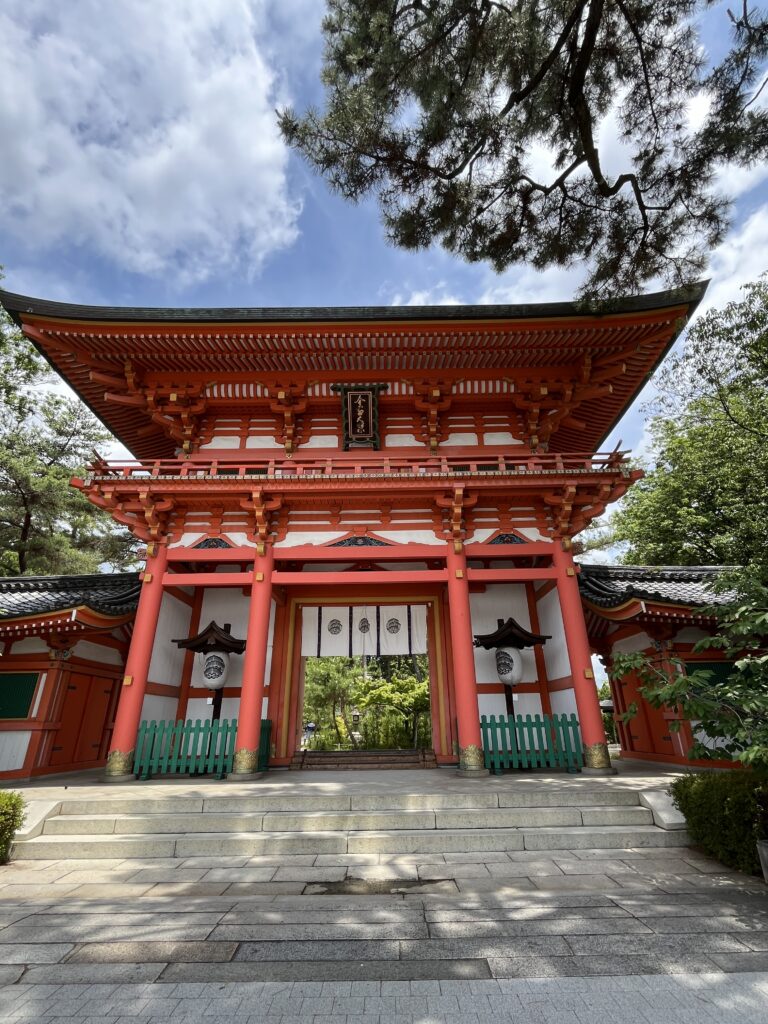
Imamiya Shrine is a shrine located in Murasakino Imamiya-cho, Kita-ku, Kyoto City.
It is said that a shrine dedicated to the god of plague existed on the site even before the founding of Heian-kyo (Kyoto). In 994, a portable shrine was constructed and the Murasakino Goryo-e festival was held to pray for the eradication of plagues in the capital, which is considered the origin of Imamiya Shrine.
In front of the east gate, “Aburi Mochi,” a traditional gate-side confectionary that has been sold since the Heian period, is available.
“Ichiwa” is said to have been founded in the Heian period, around 1000 AD, and is considered one of the oldest Japanese confectionery shops.

Location

Ninna-ji Temple(仁和寺)

This temple, deeply connected to the Imperial family (a monzeki temple), was called “Omuro Gosho” because Emperor Uda resided there after becoming a monk.
The main hall, a national treasure, is the oldest existing structure, a relocated building from the Shishinden Hall of the Kyoto Imperial Palace.
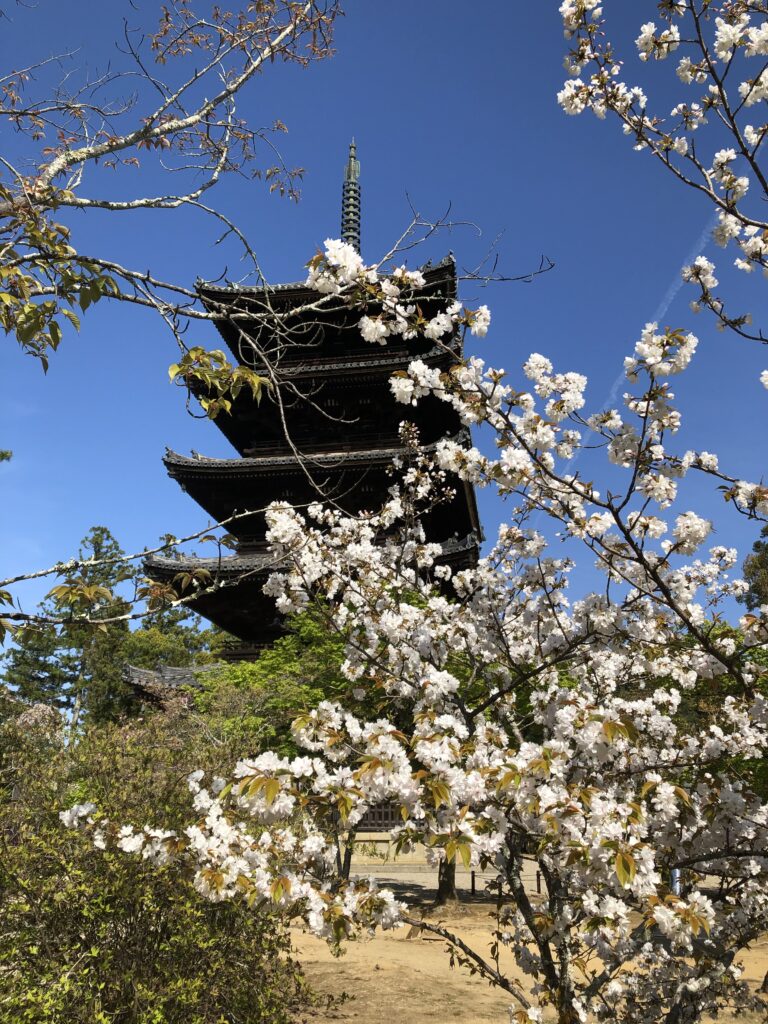
In spring, the cherry blossoms are the latest blooming in the capital and are famous as “Omuro Cherry Blossoms,” attracting many visitors.


Location

Daikaku-ji Temple(大覚寺)

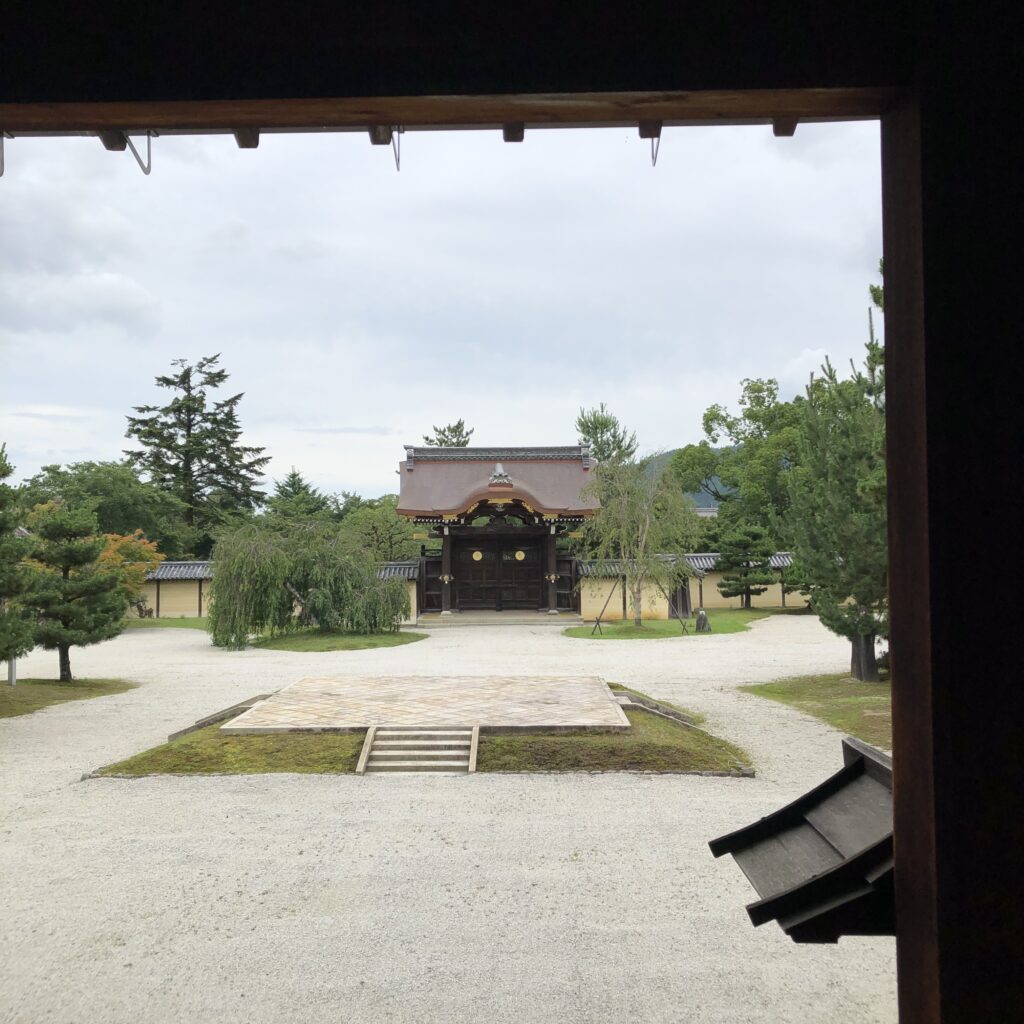
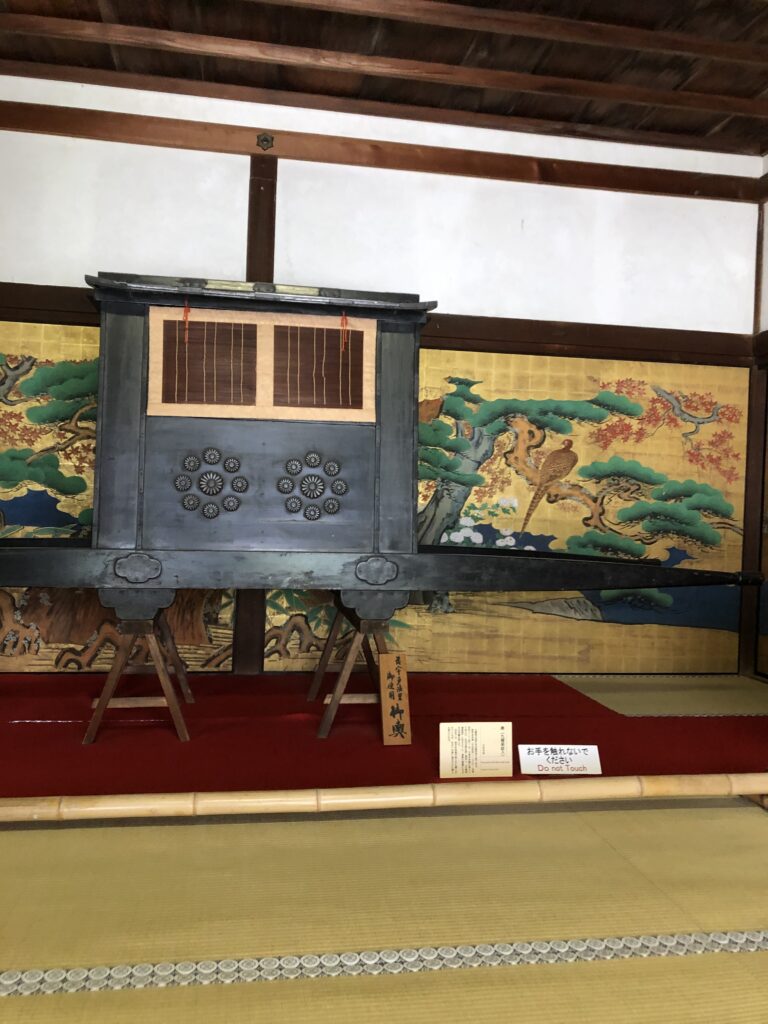
Daikaku-ji Temple, located in Ukyo-ku, Kyoto City, was originally a detached palace built by Emperor Saga in the early Heian period.
Later converted into a temple, it is a prestigious monzeki temple with ties to the imperial family.
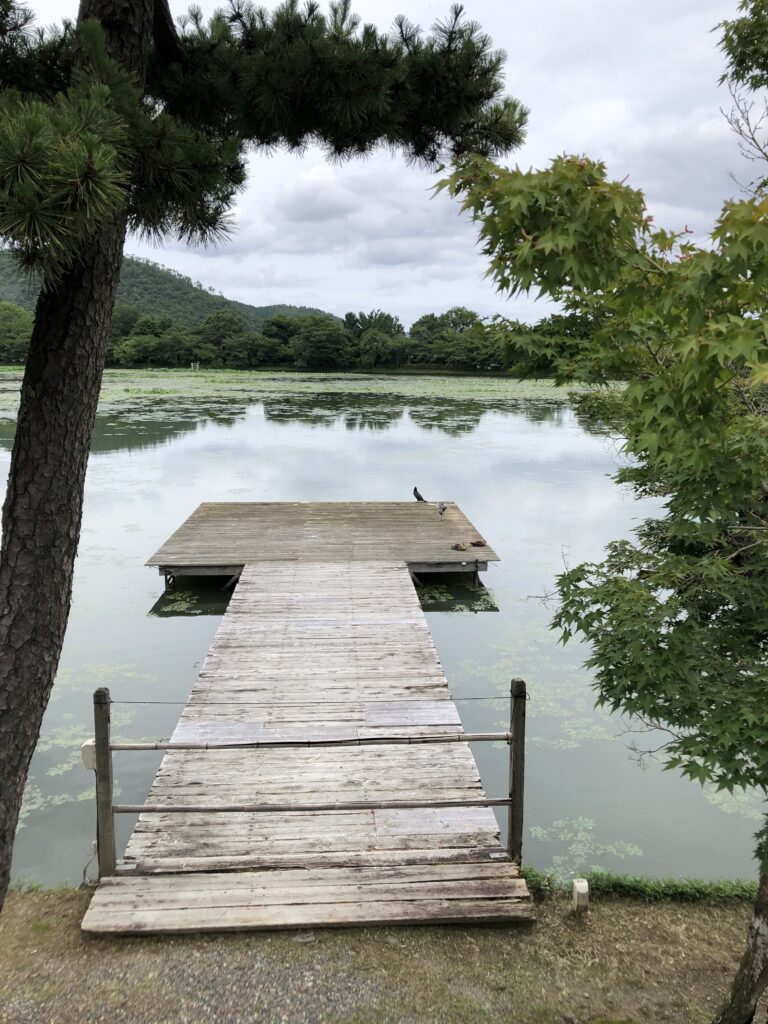
It is also famous as the birthplace of ikebana (Saga-goryu school) and for having Japan’s oldest artificial forest pond (Osawa Pond).

Location