Manpukuji Temple2 (萬福寺2)

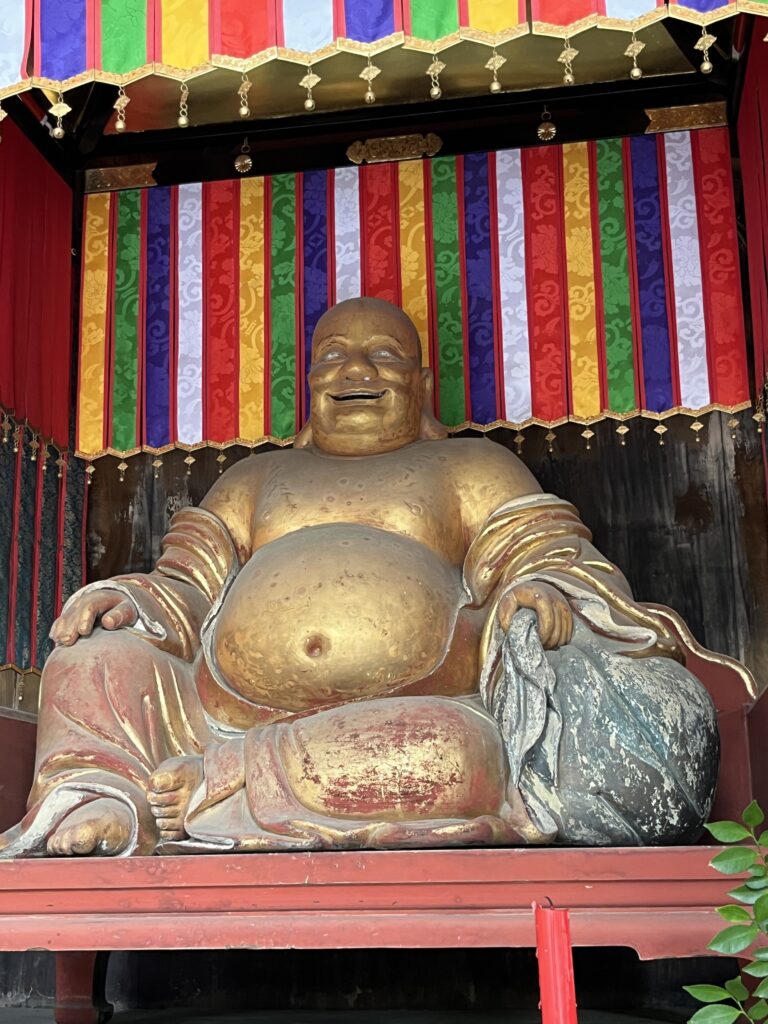
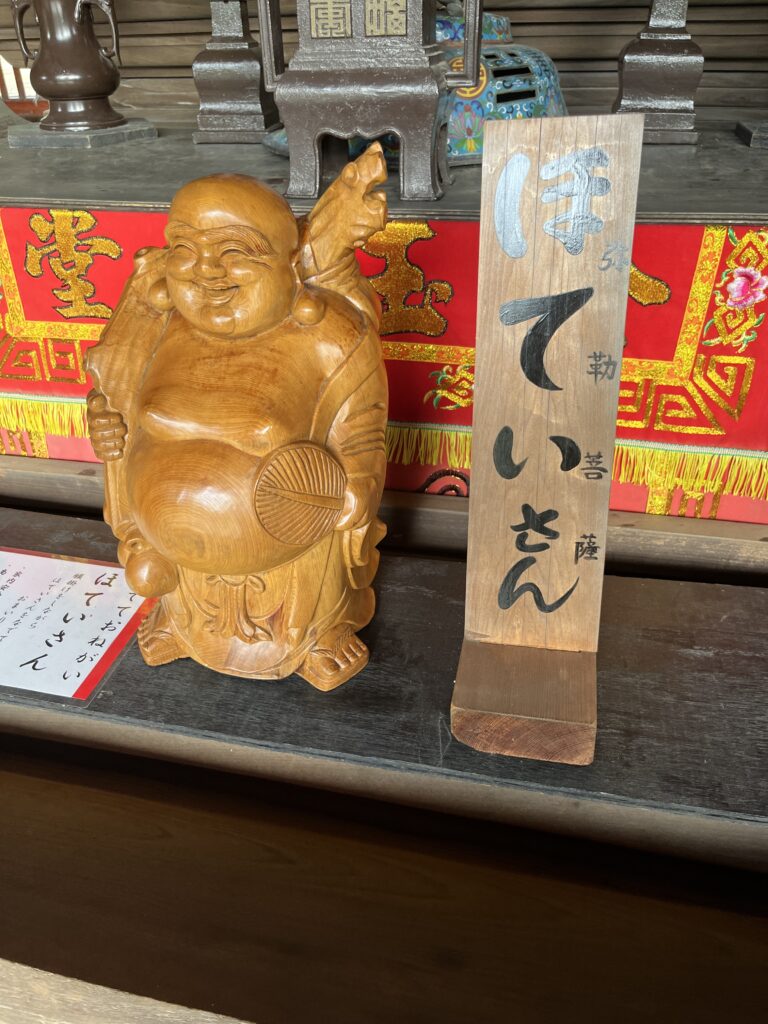
Enshrined at the front of the Tennouden (Hall of the Heavenly Kings)—a National Treasure—is a golden statue of Hotei-son, depicted with a broad smile and a large belly. In China, Hotei-son is regarded as an incarnation of Maitreya Bodhisattva and serves as a symbolic figure of Manpuku-ji Temple.
Location
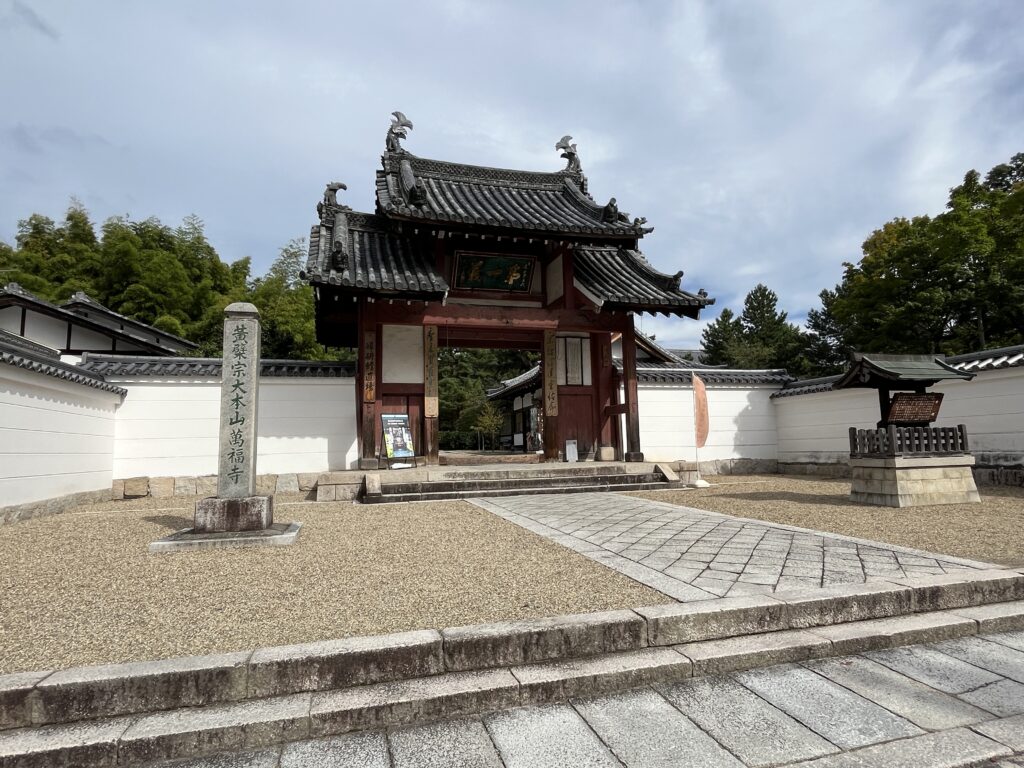
Manpukuji Temple (萬福寺)

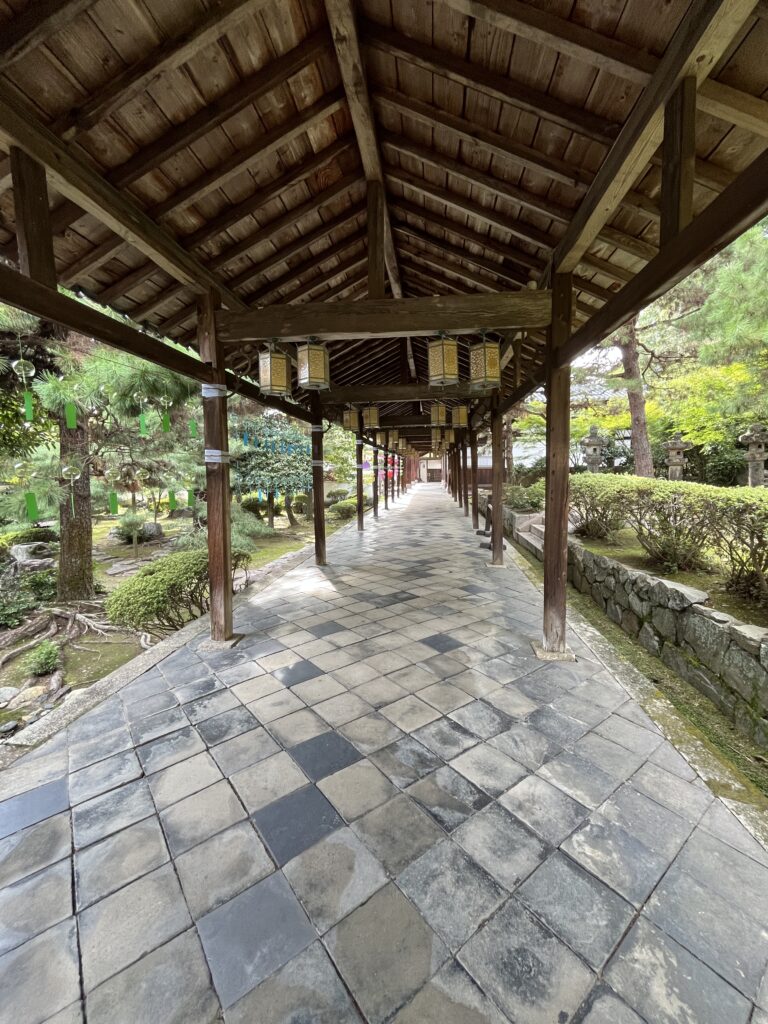
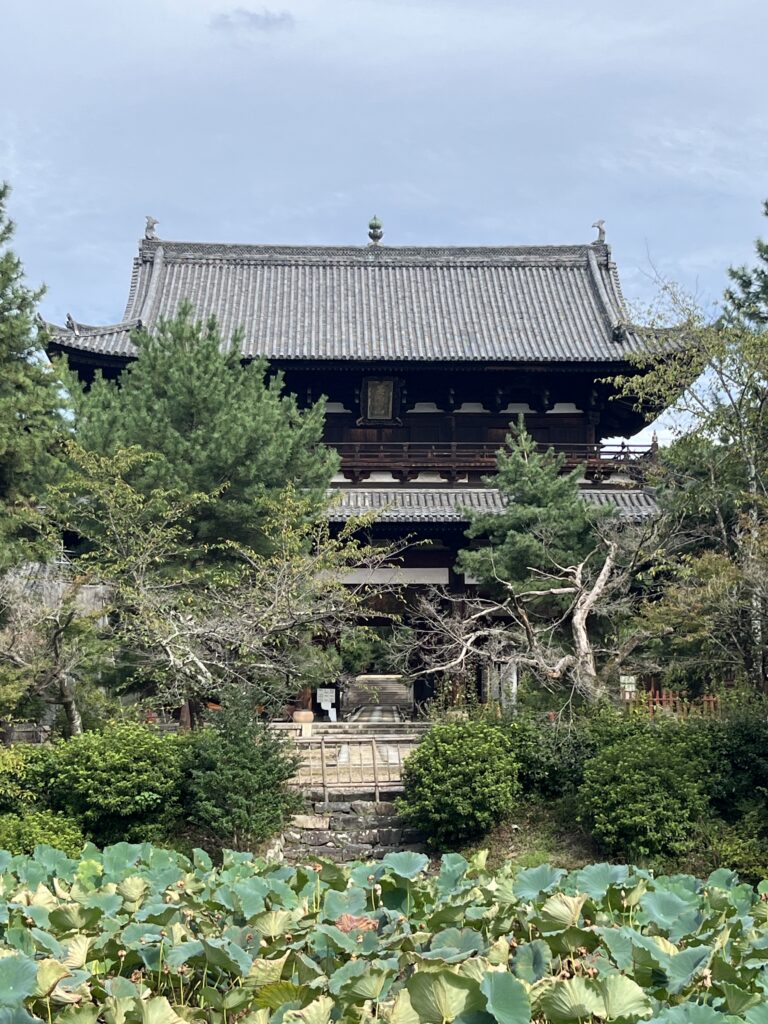
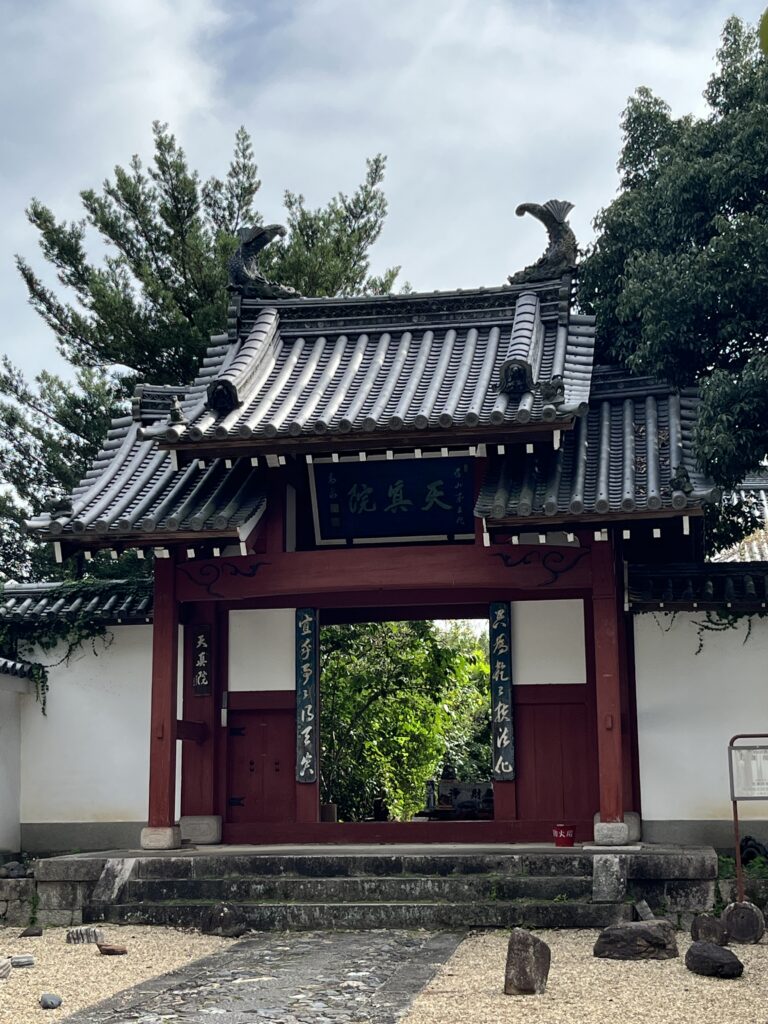
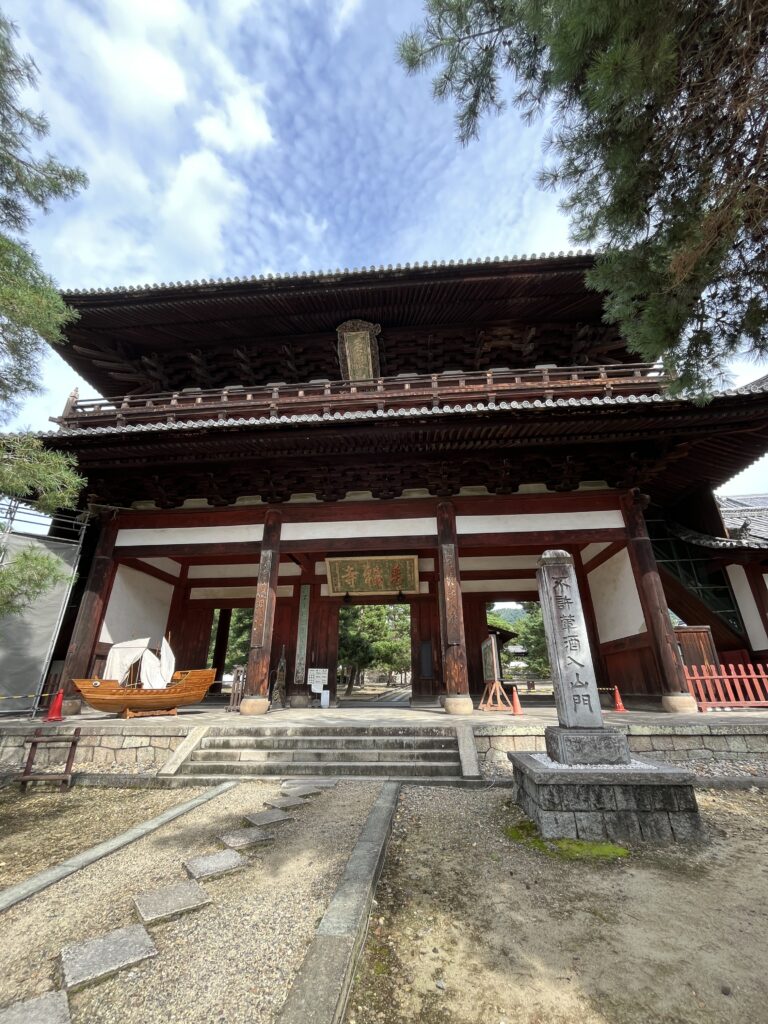
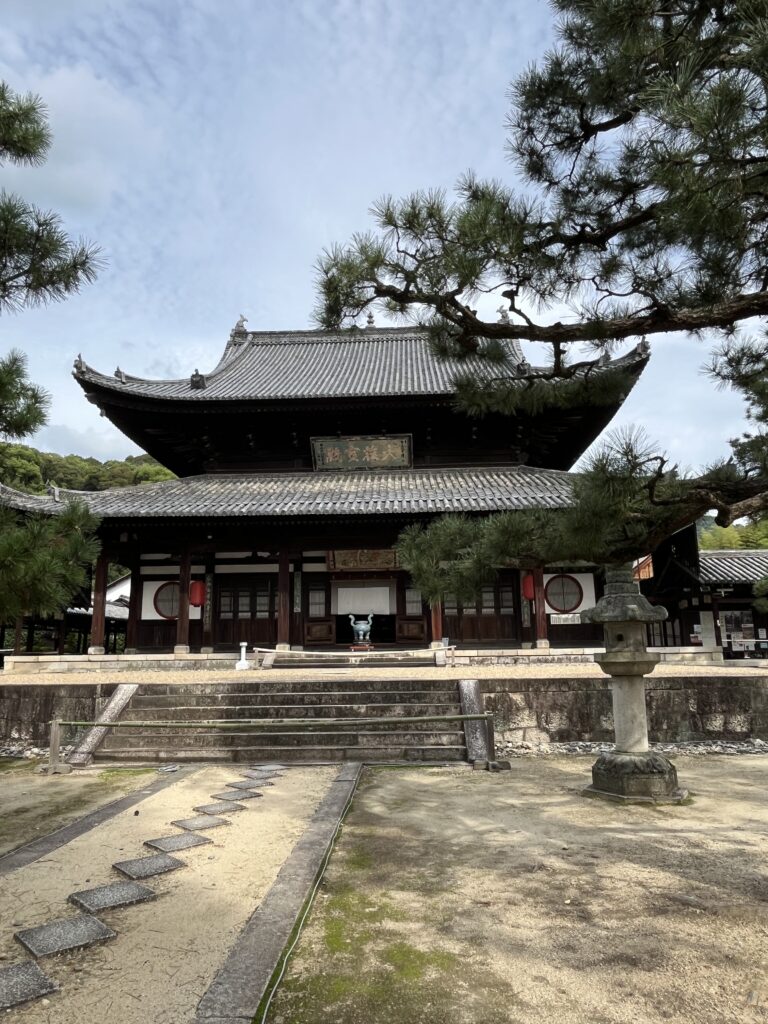
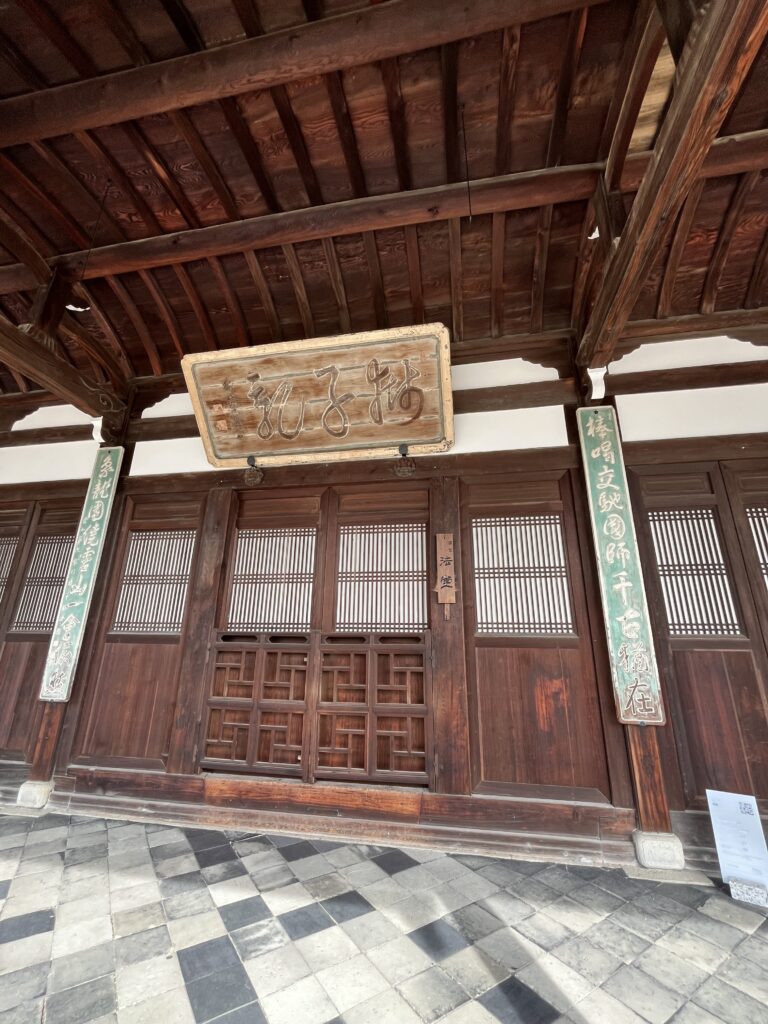
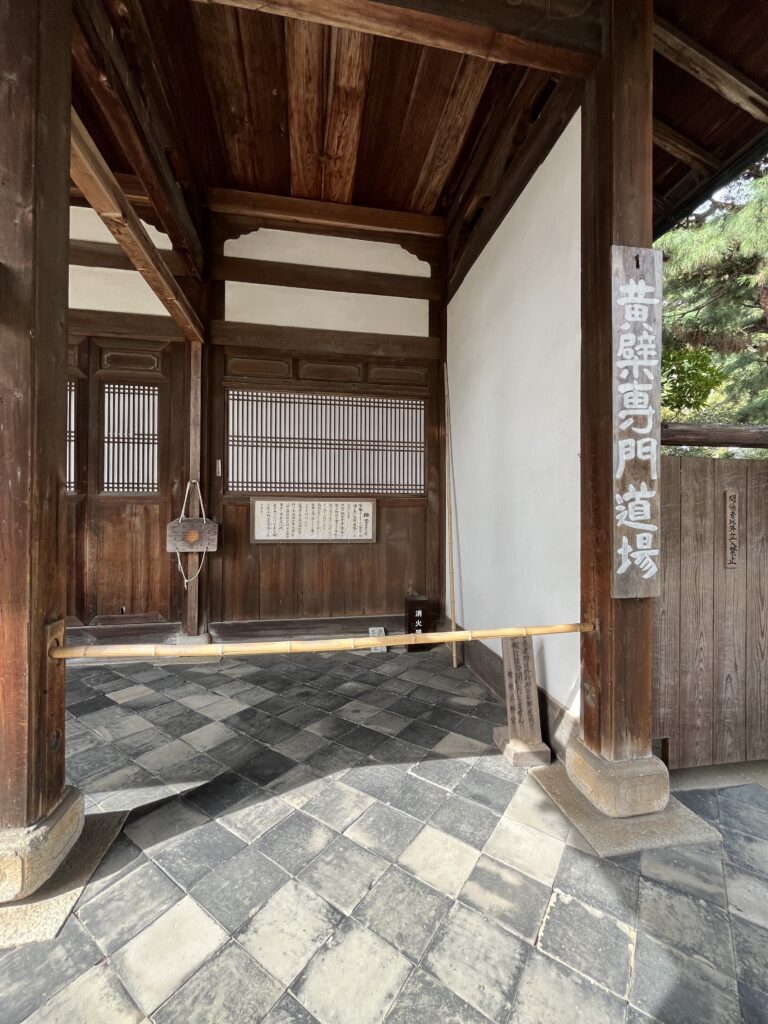
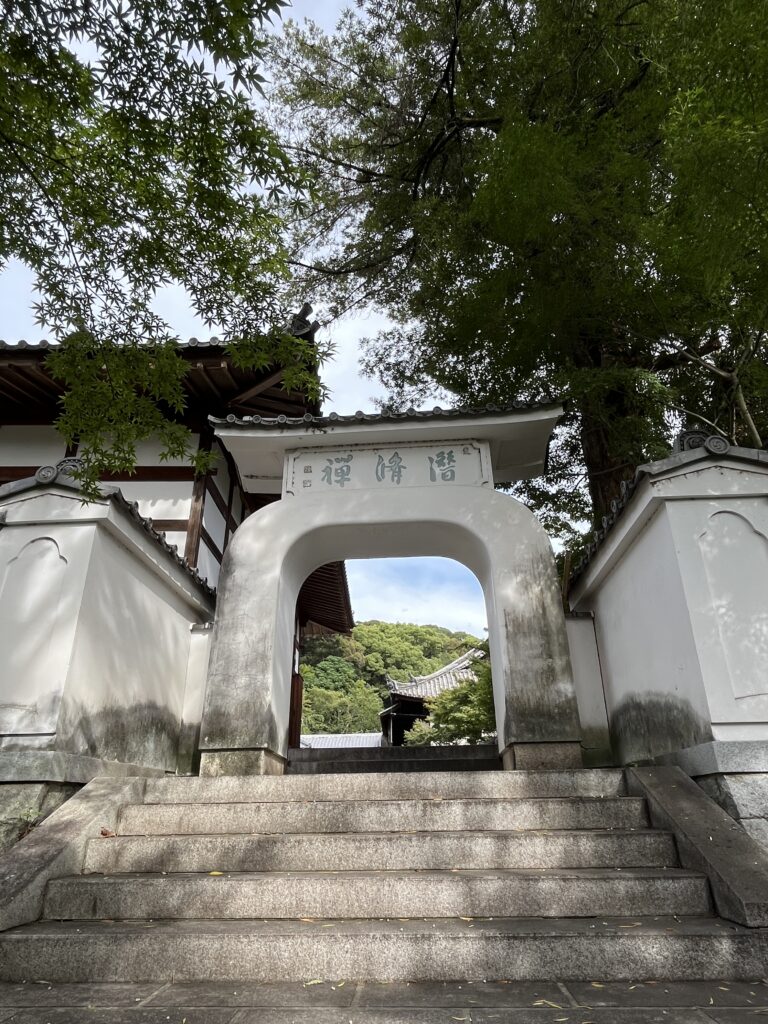
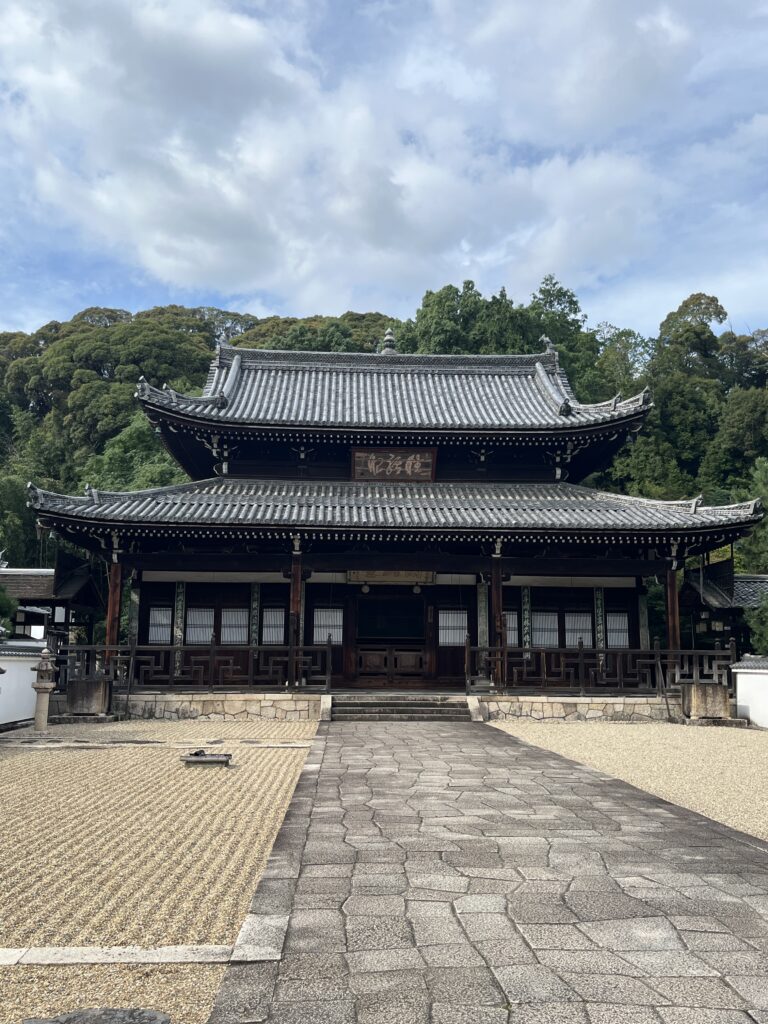
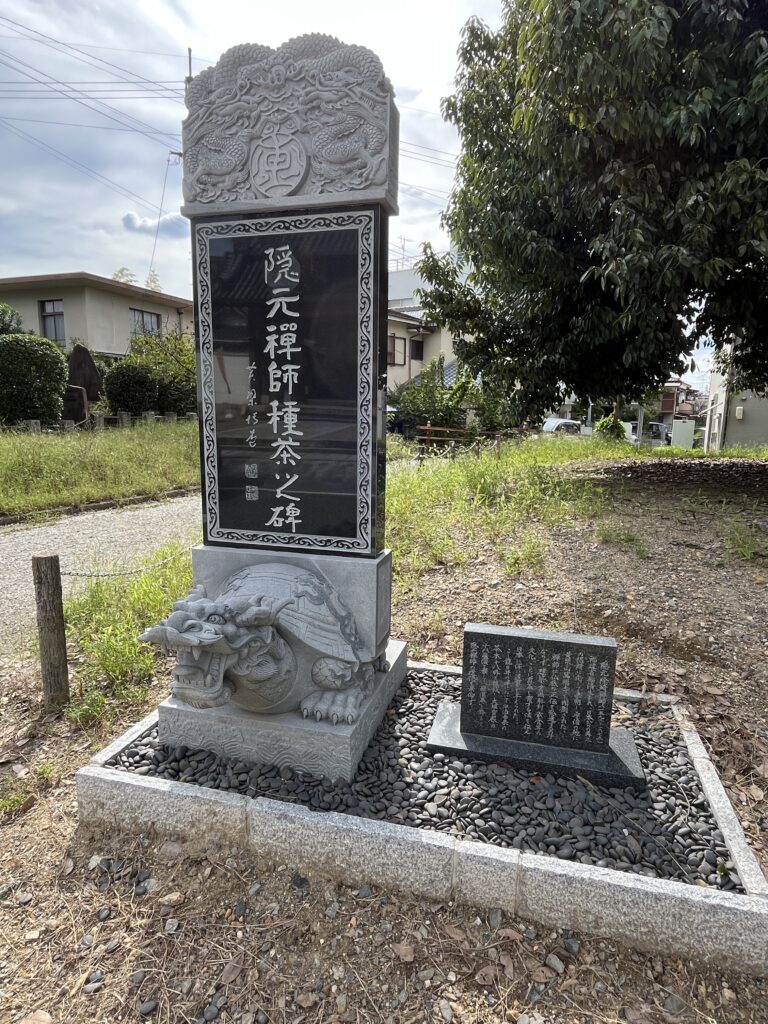
As the head temple of the Obaku school—founded by the eminent Chinese Zen master Ingen Ryūki—it retains the atmosphere of China’s Ming Dynasty, distinguishing it from typical Japanese temples.
Three of its main structures, including the *Hattō* (Dharma Hall), have been designated as National Treasures.
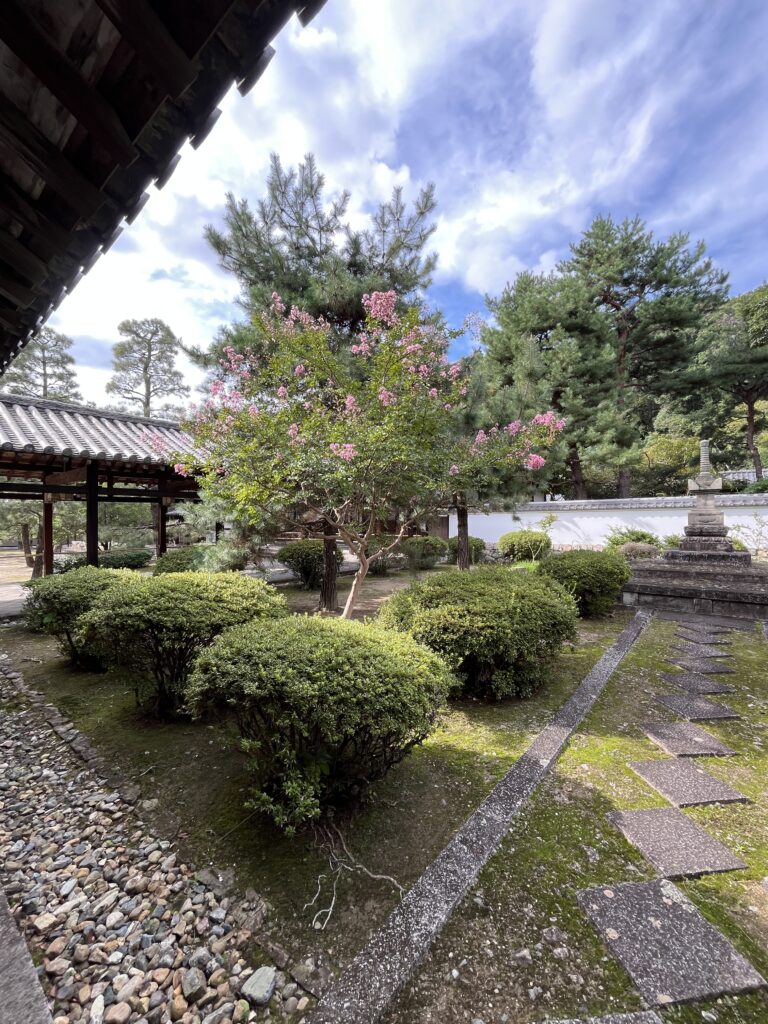
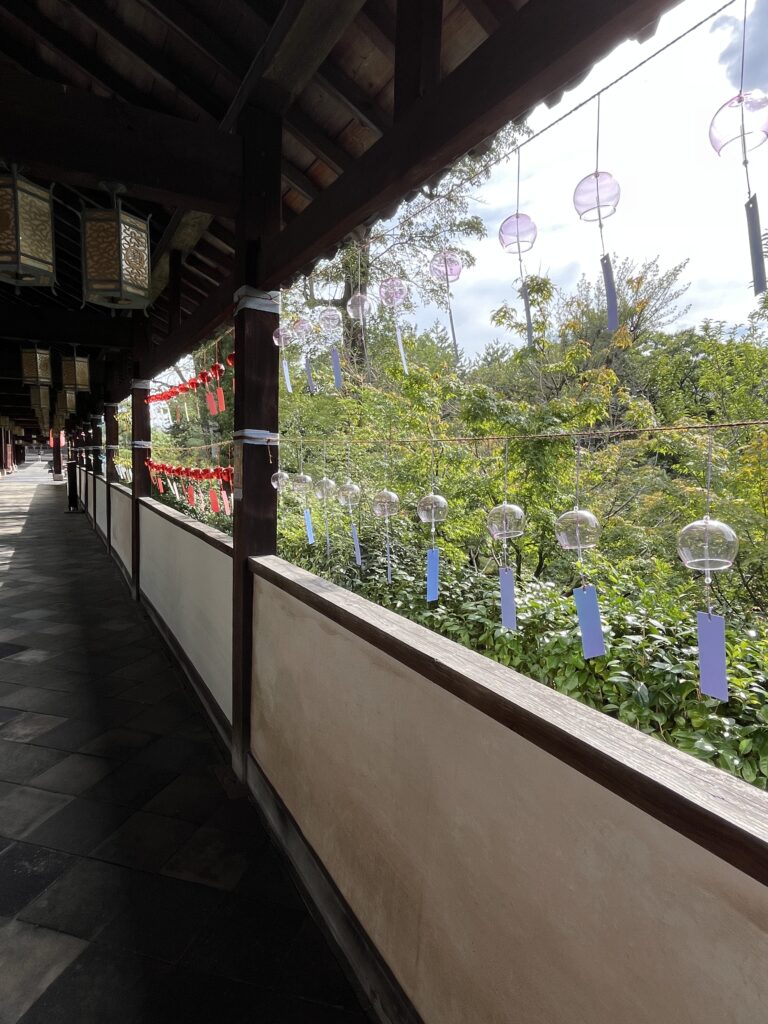
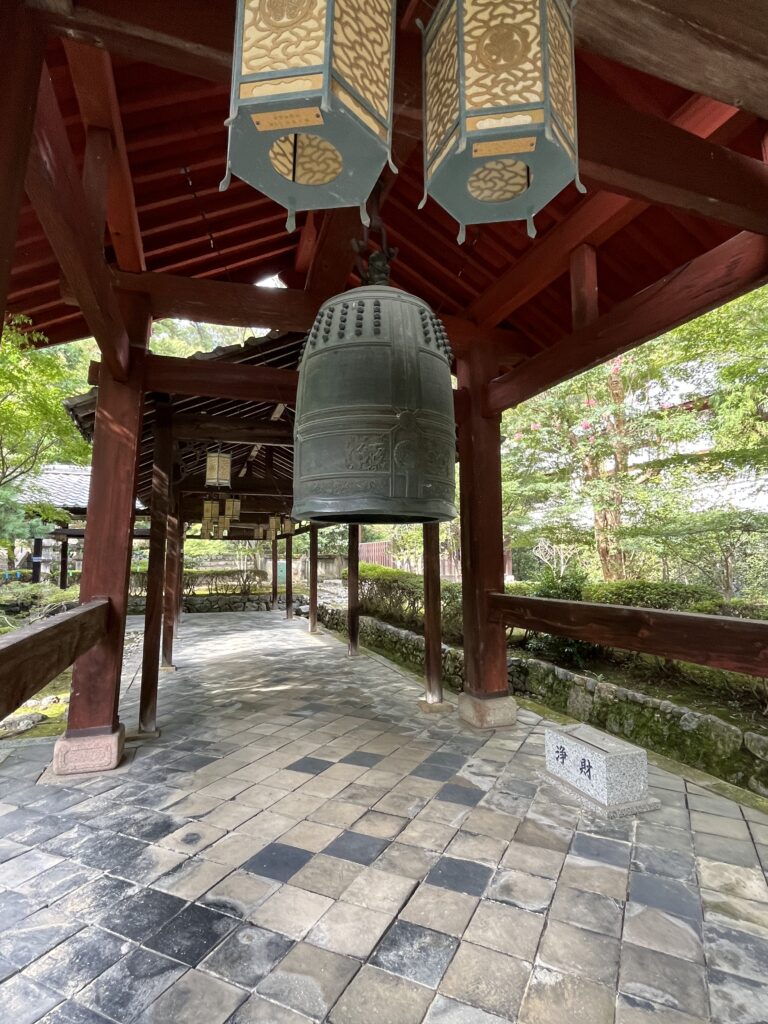
The temple grounds are expansive and offer many sights to see; I was able to tour the site in a wonderfully tranquil atmosphere.

Location
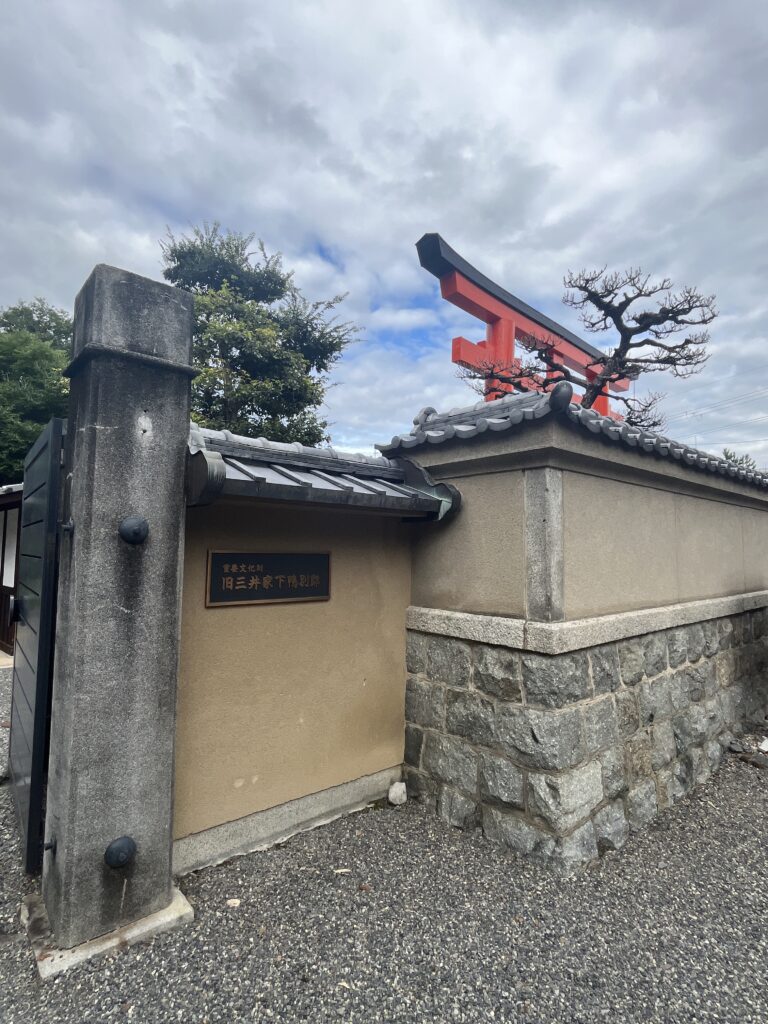
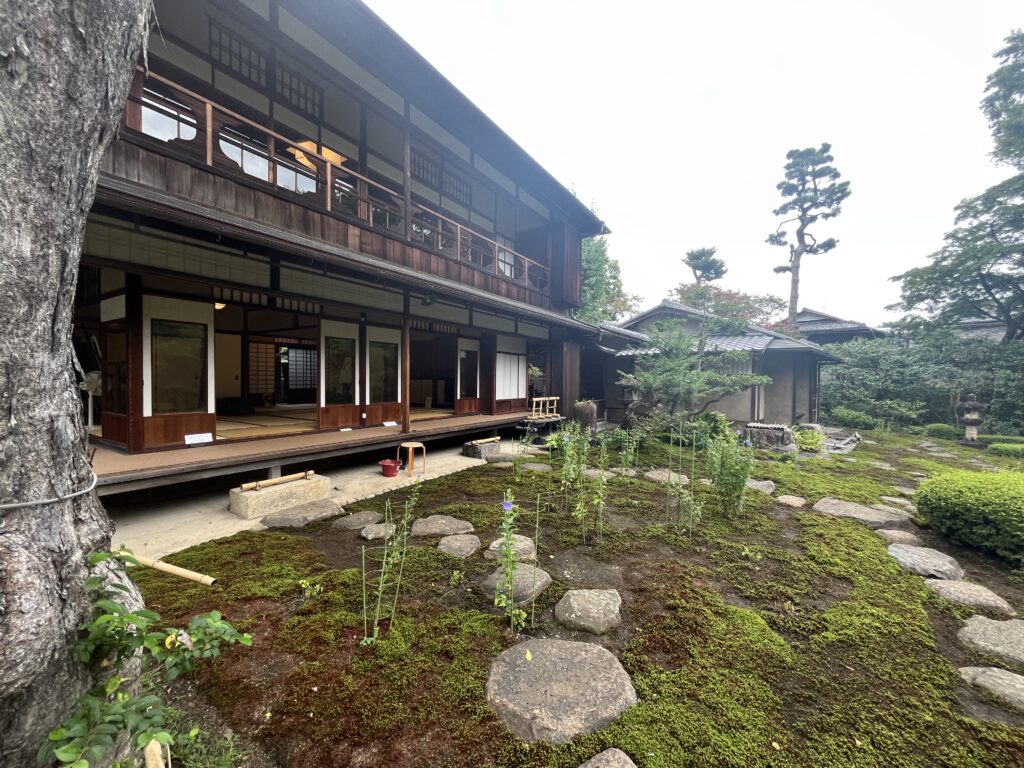
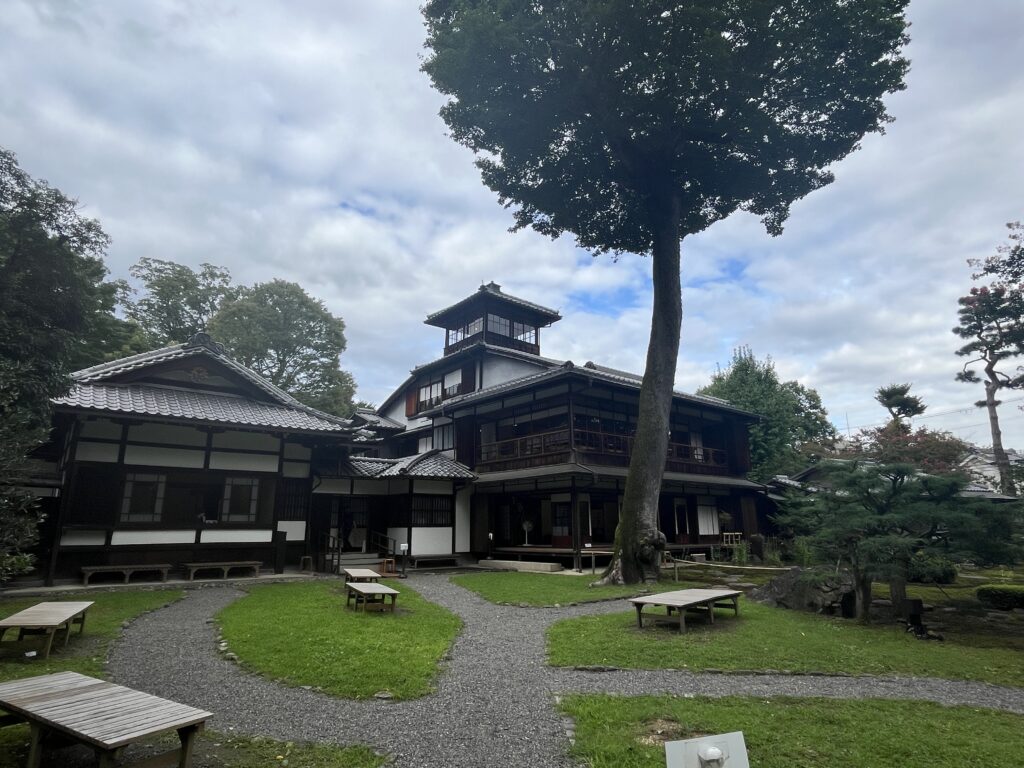
Old Mitsui Family Shimogamo Villa (旧三井家下鴨別邸)

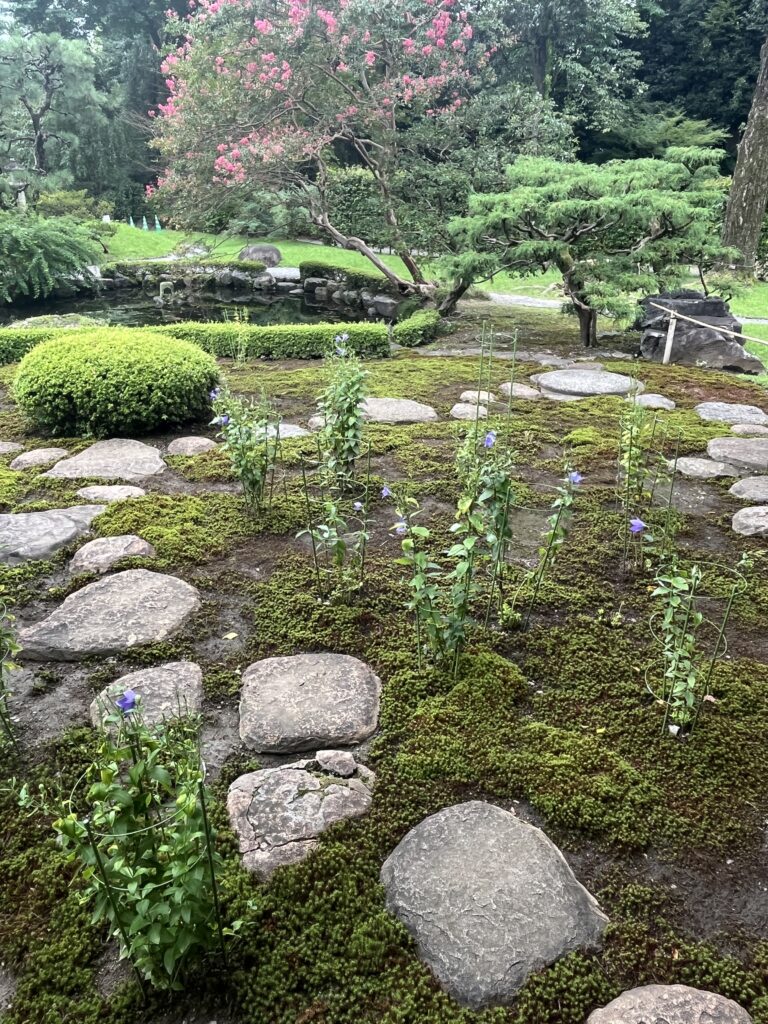
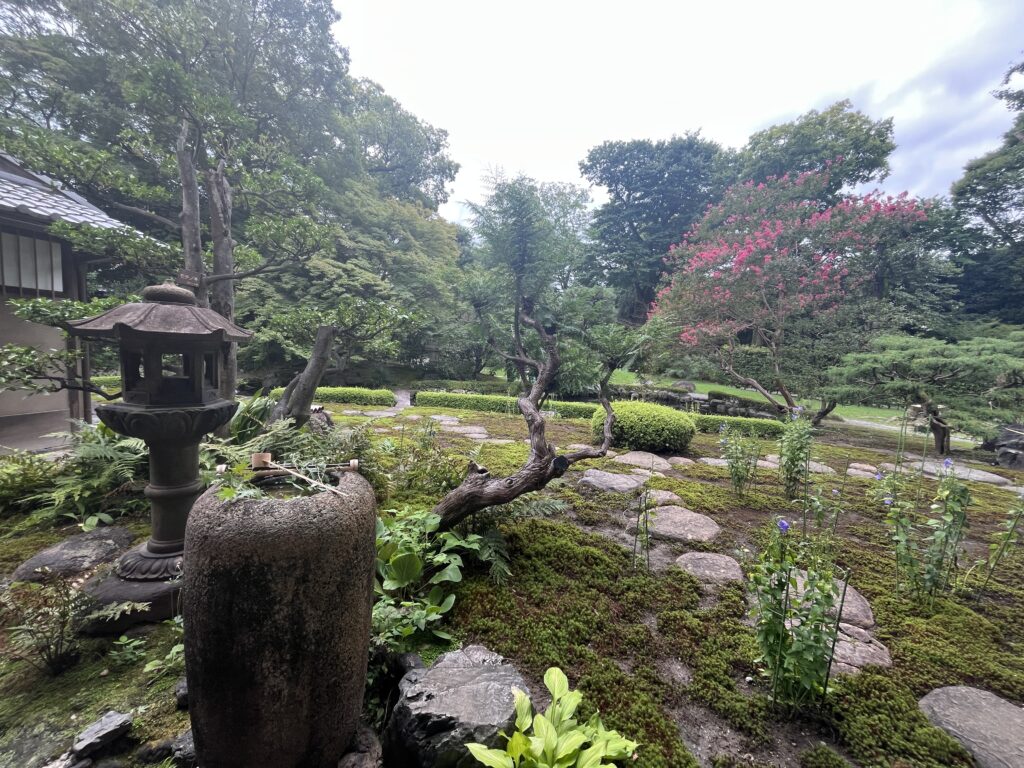
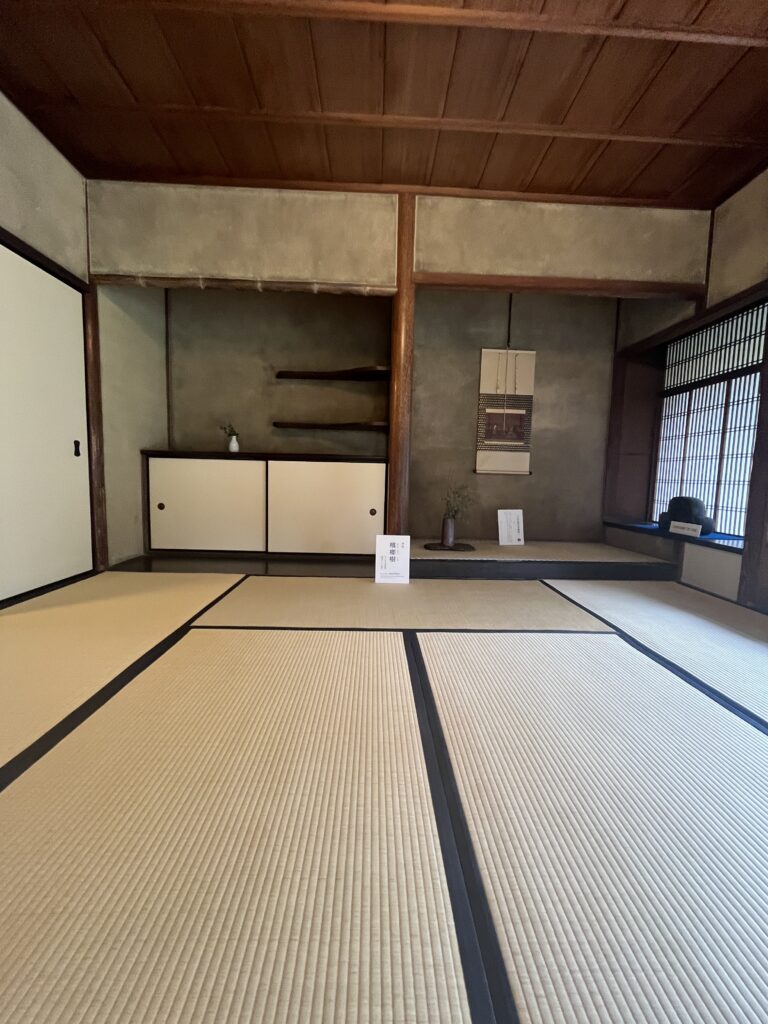
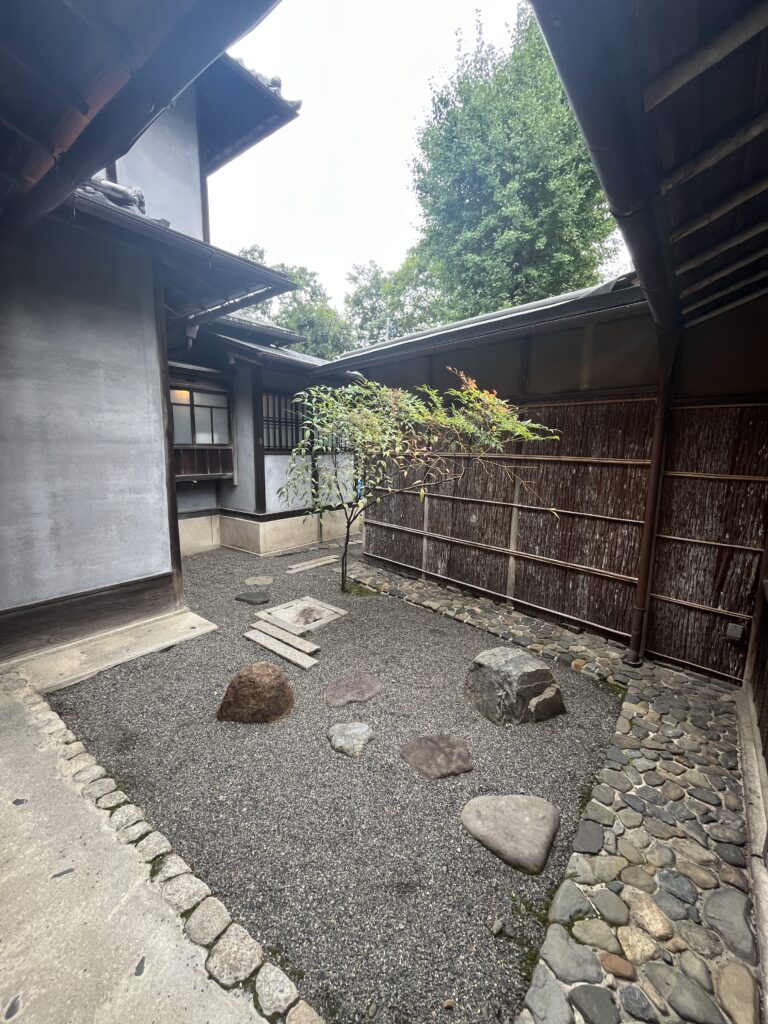
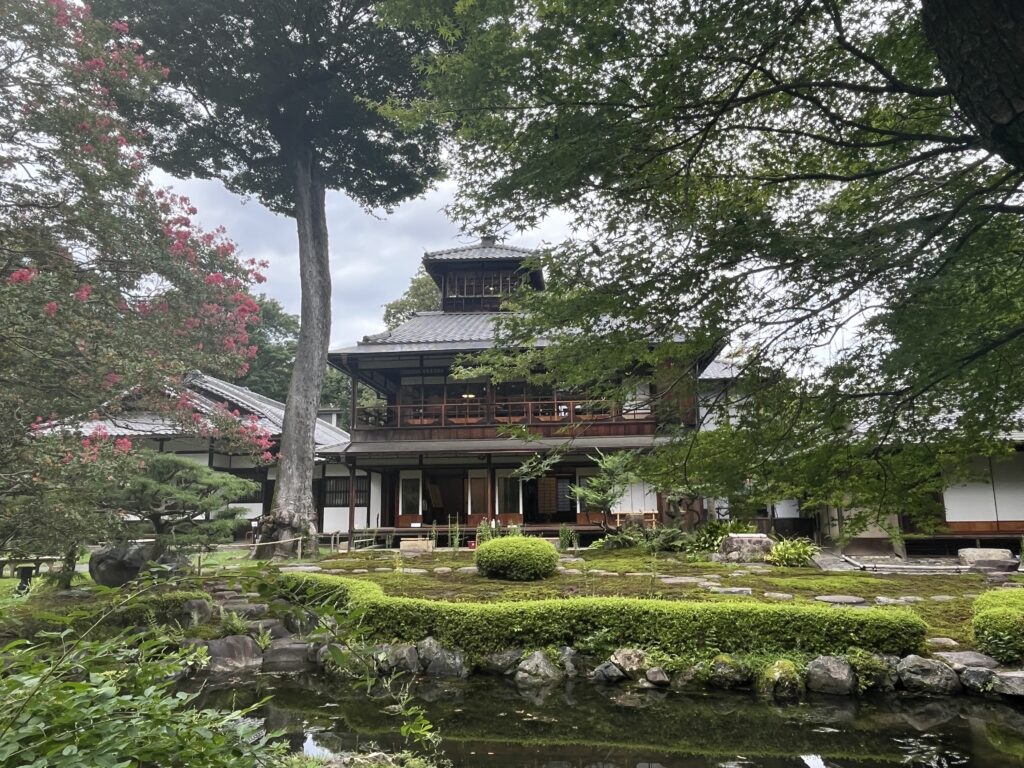
Located south of Shimogamo Shrine, this site features a quiet garden and a traditional Japanese house that evokes a sense of nostalgia.
It is open to the public as the former villa of the wealthy Mitsui merchant family.
When I visited, the bellflowers were in beautiful bloom.

Location
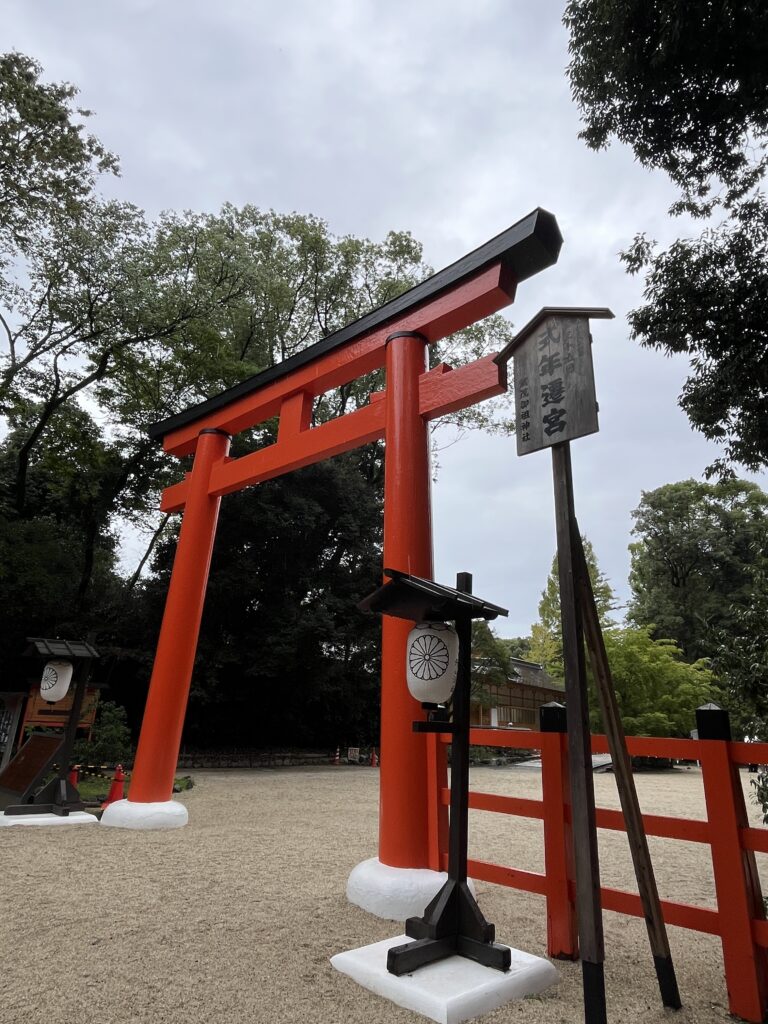
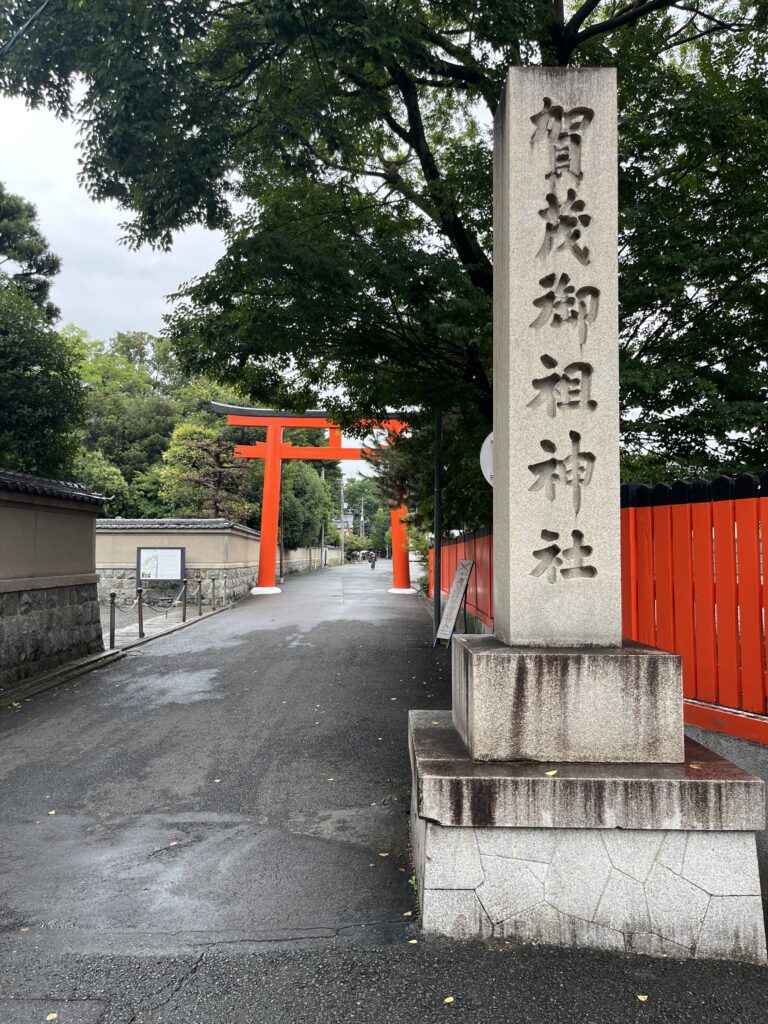
Shimogamo Jinjya Shrine3 (下鴨神社3)

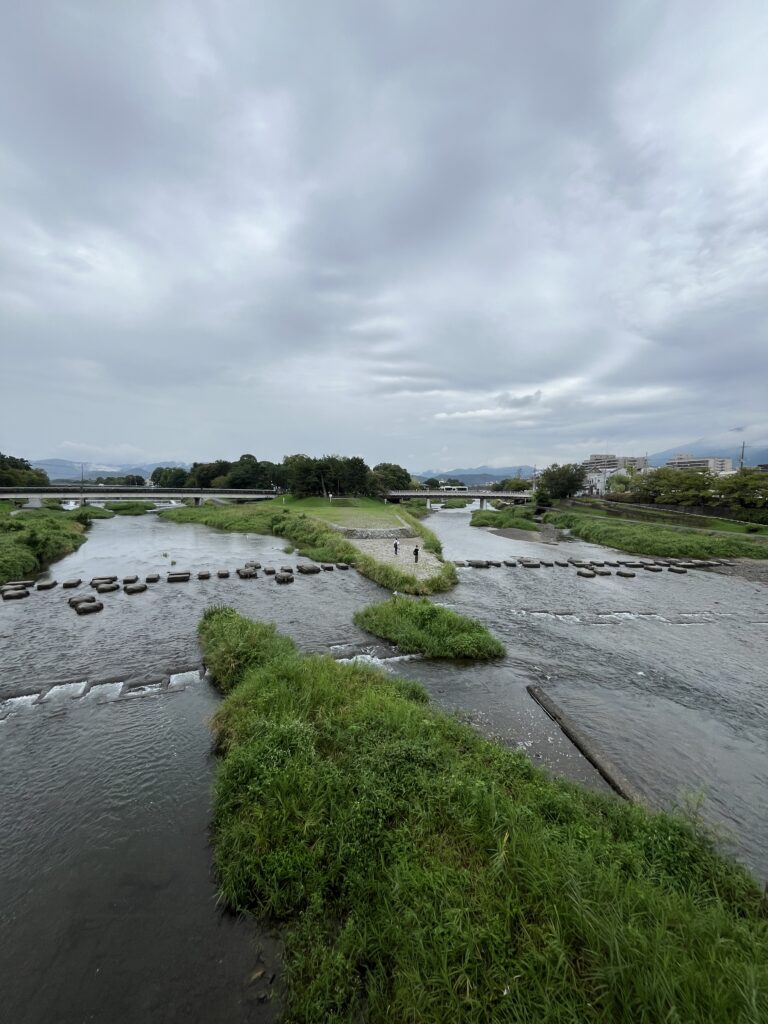
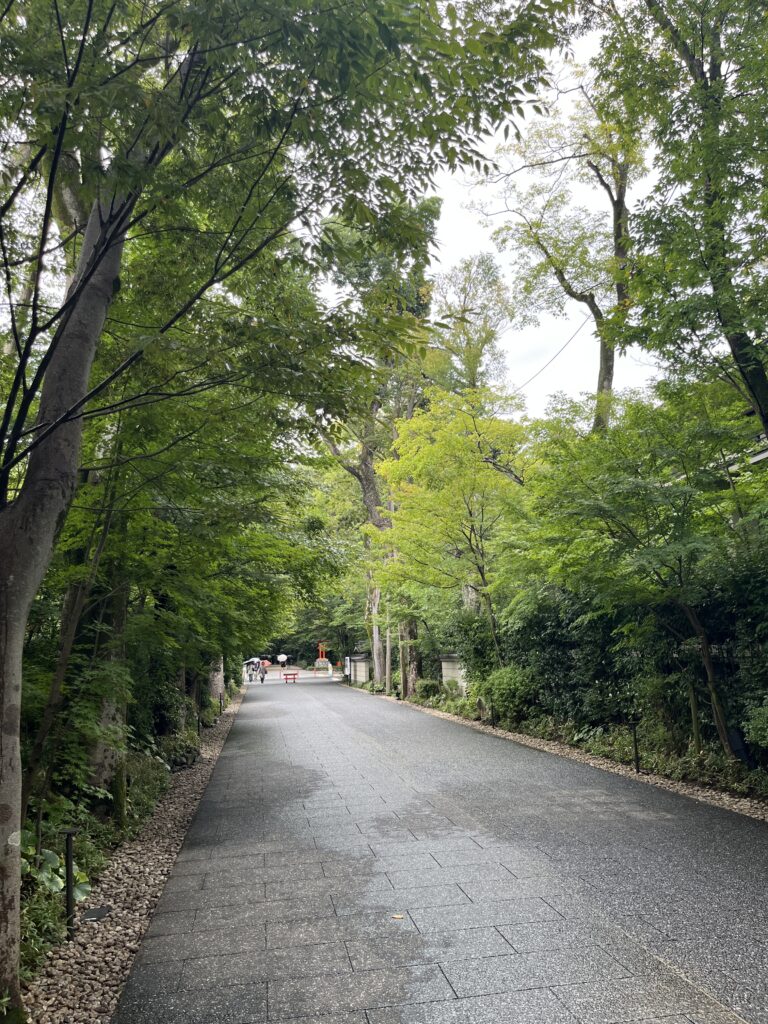
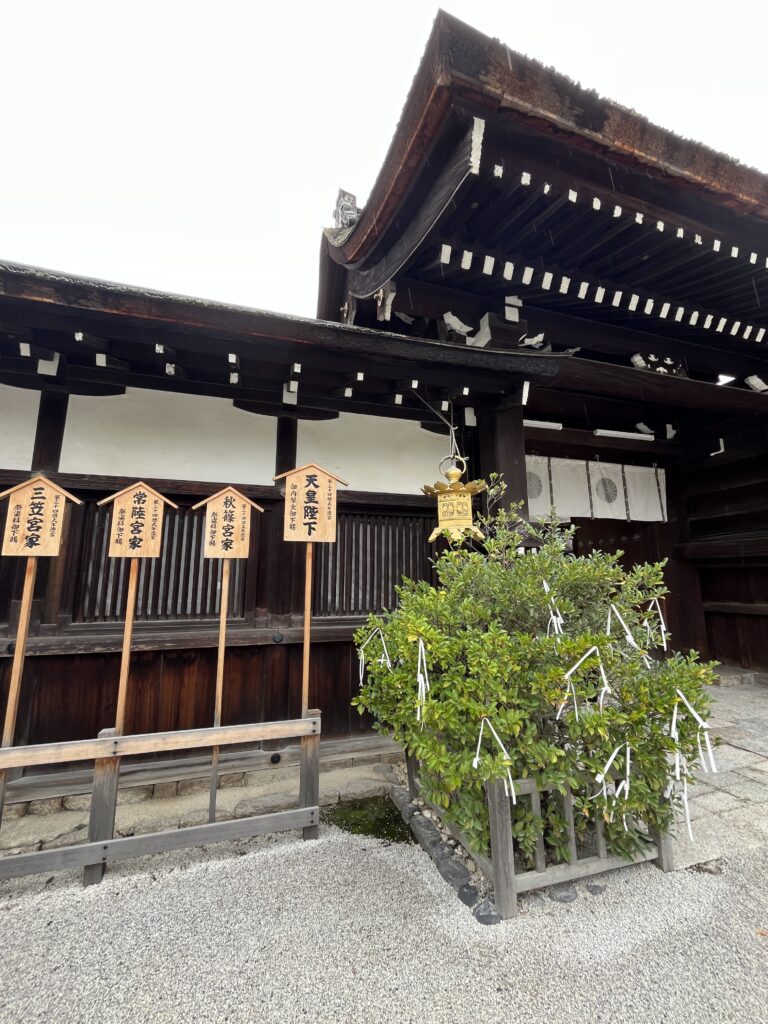
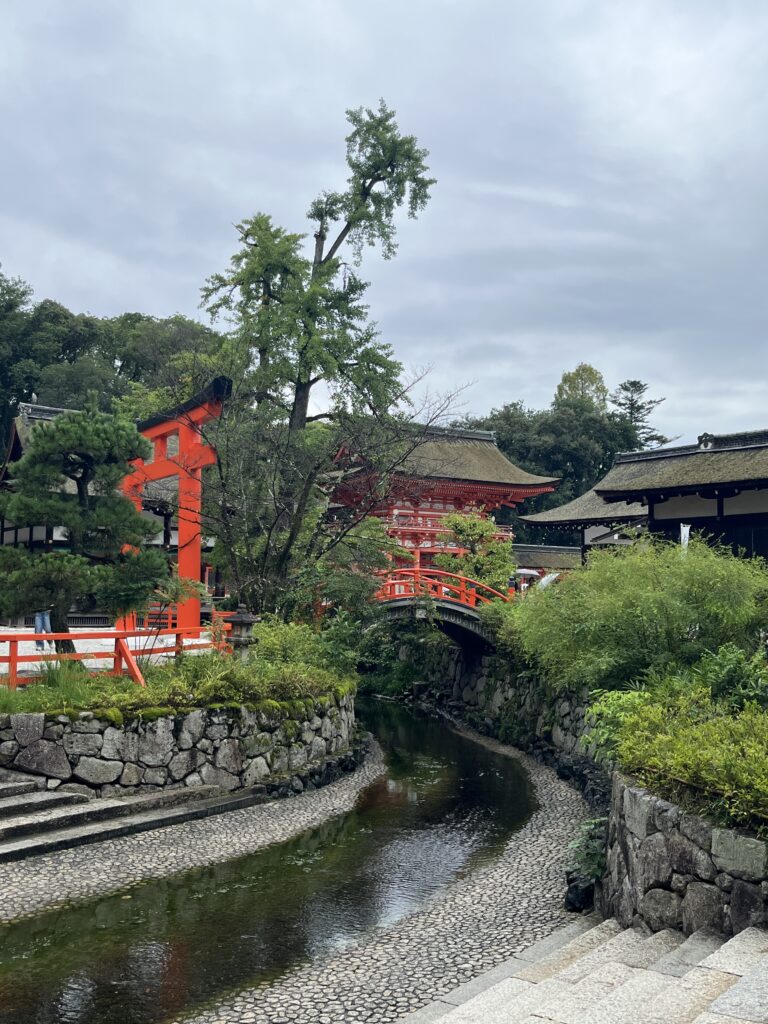
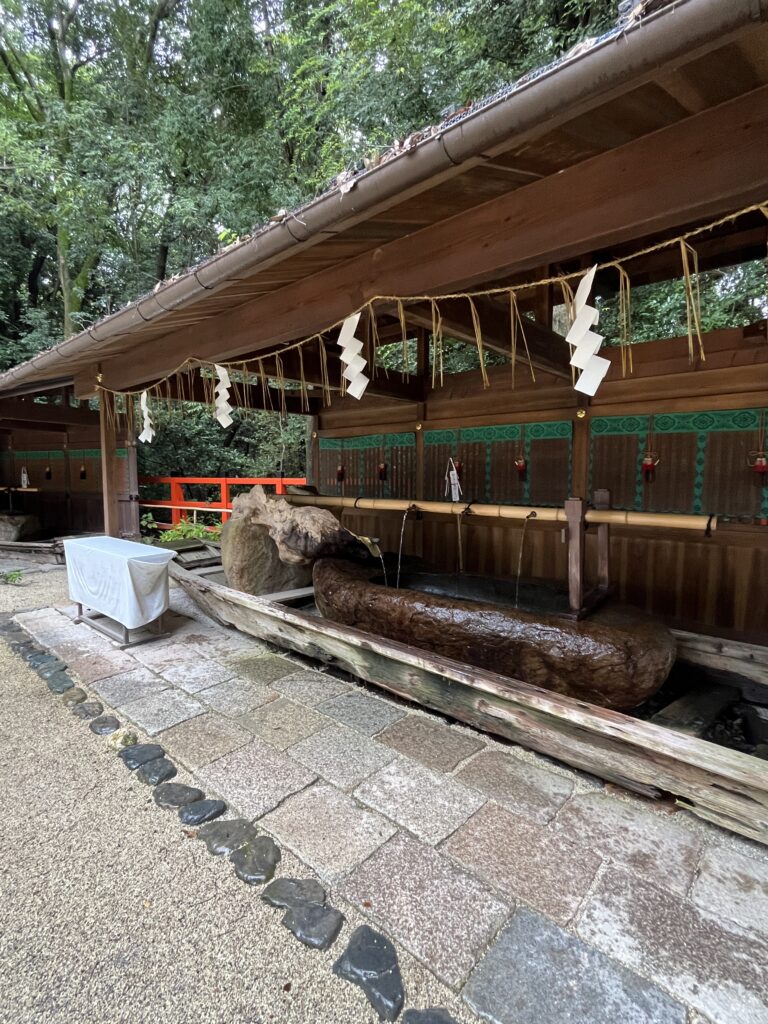
After passing the “Kamogawa Delta”—where the Kamo (or Kamogawa) and Takano Rivers converge—you proceed along an approach through the Tadasu-no-Mori (Forest of Tadasu) to reach Shimogamo Shrine. This forest preserves the same type of primeval vegetation found there as far back as the 3rd century BC. Shimogamo Shrine is considered one of Kyoto’s oldest shrines, with origins dating back to before the Heian period.


Location
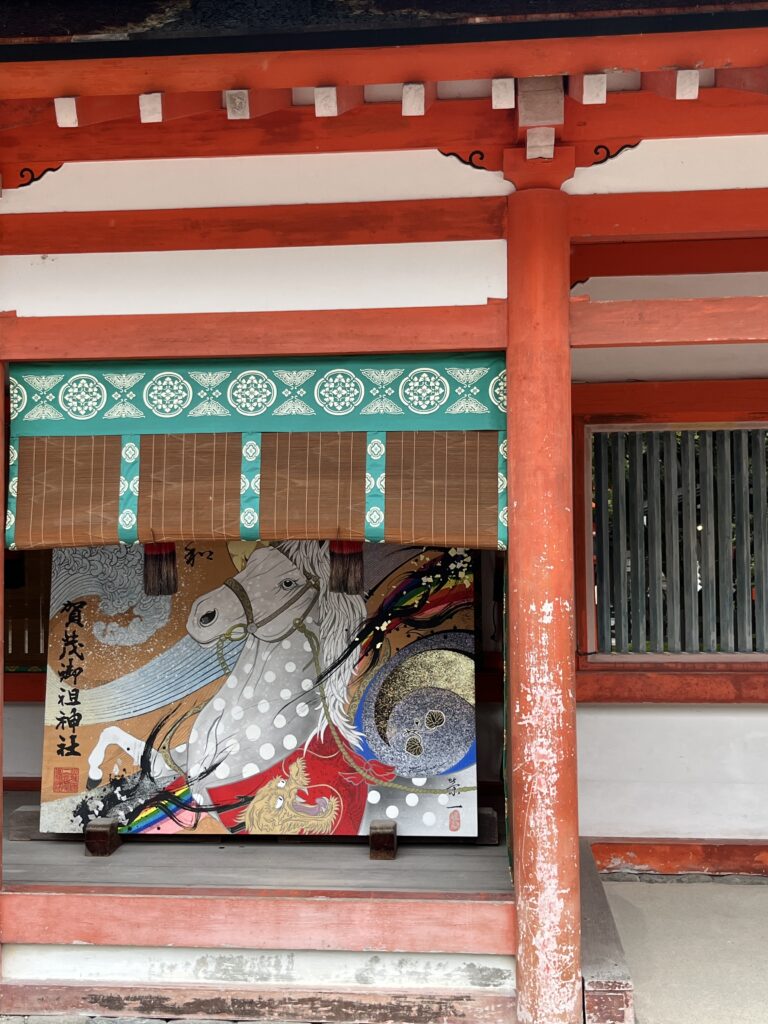
 

Housyun in Temple 芳春院

Hoshun-in is one of the sub-temples of Daitoku-ji Temple, but it is usually closed to the public.
On this day, a bonsai exhibition was being held within the temple grounds.
Every bonsai on display was beautifully maintained.
Beyond the bonsai garden, Mount Hiei looked stunning.

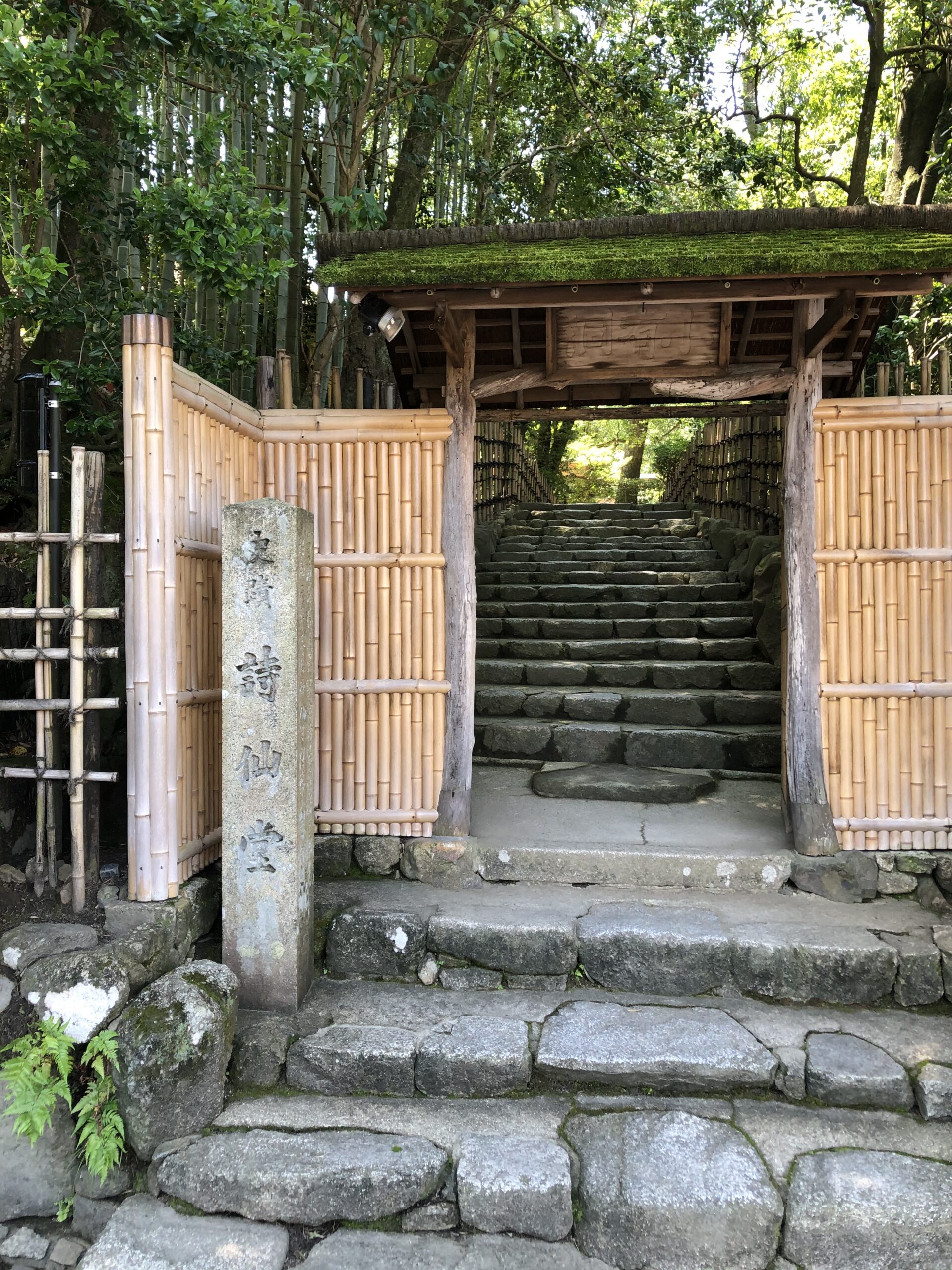
Entrance gate of Hoshun-in Temple in Kyoto

Location