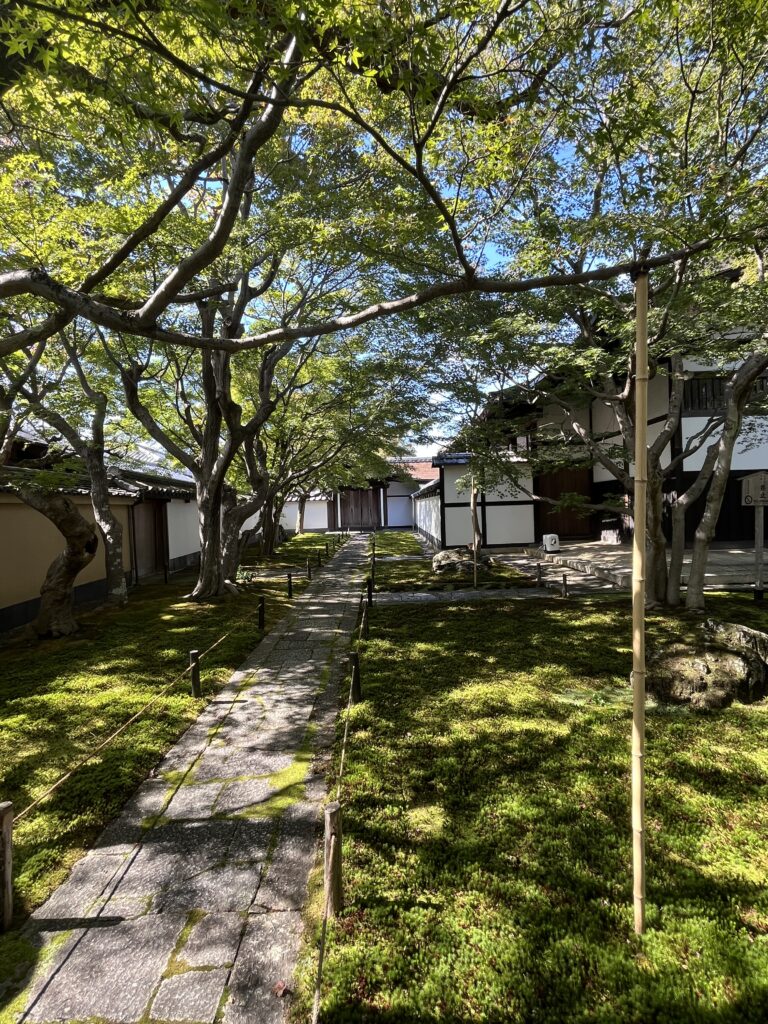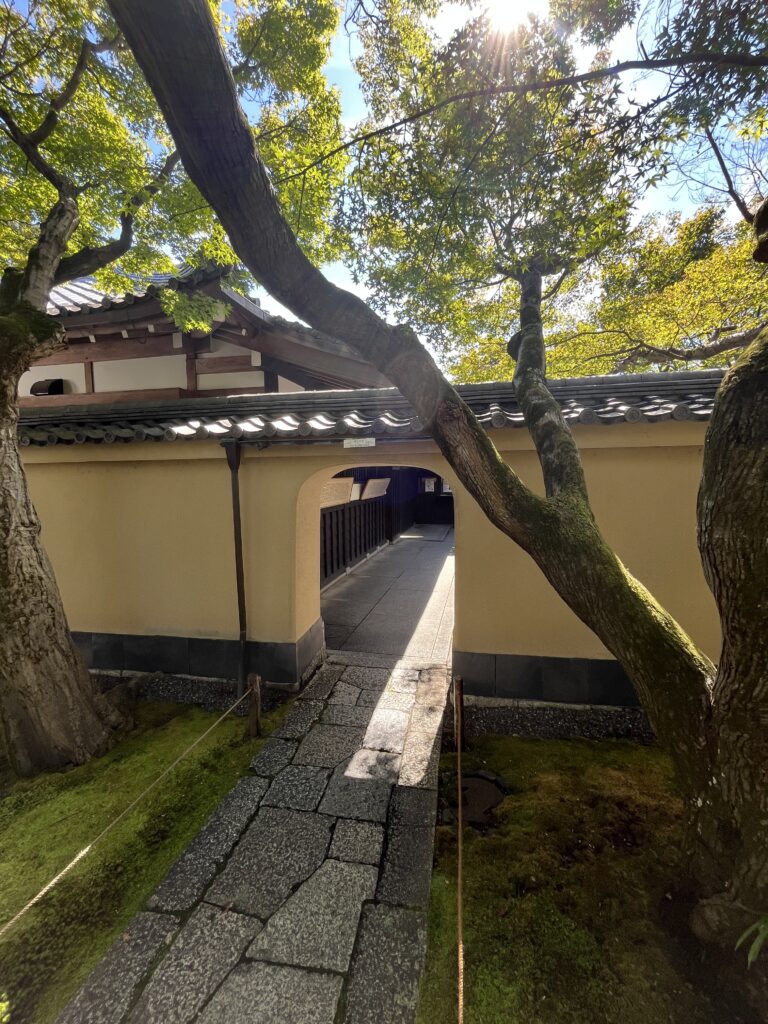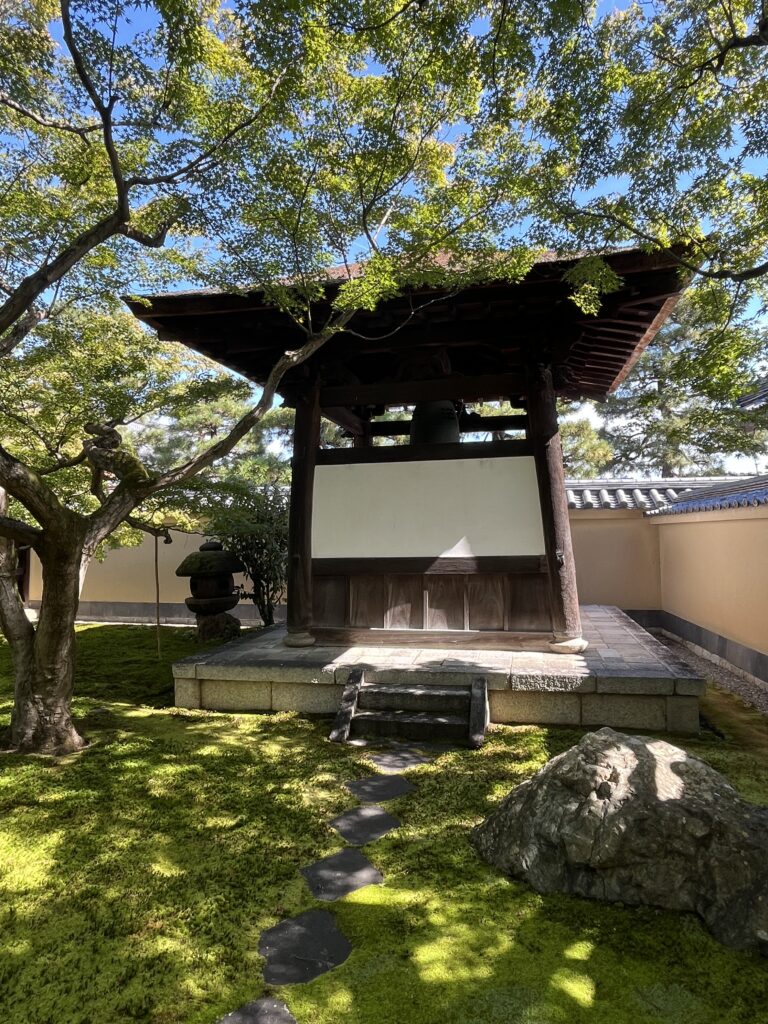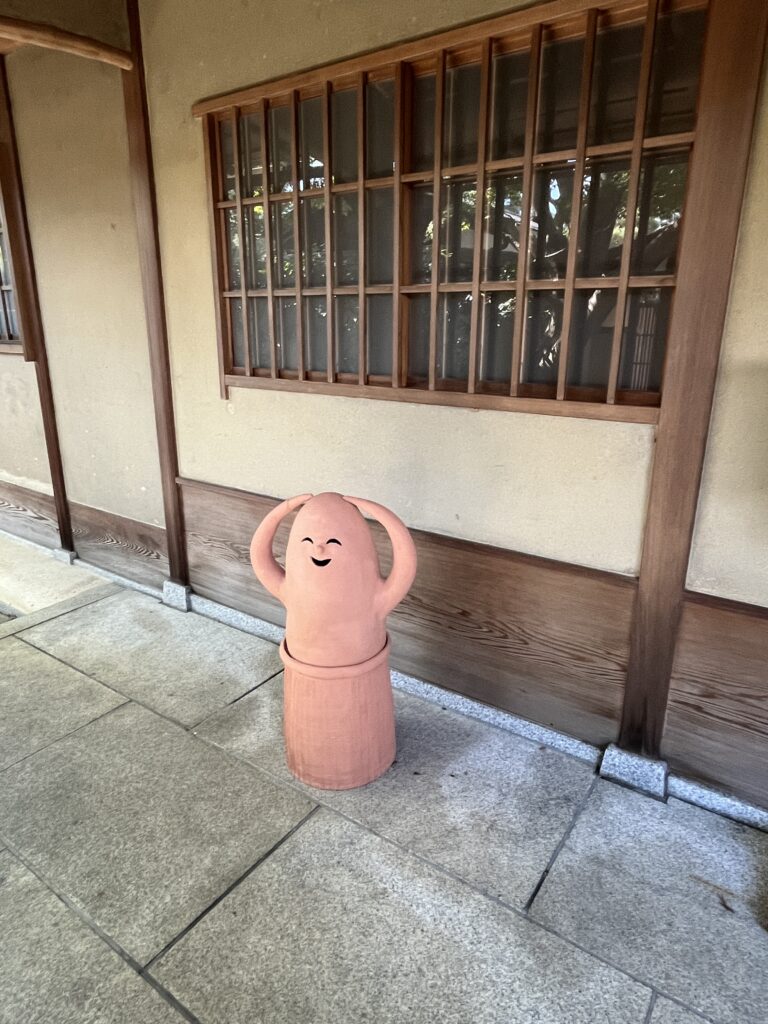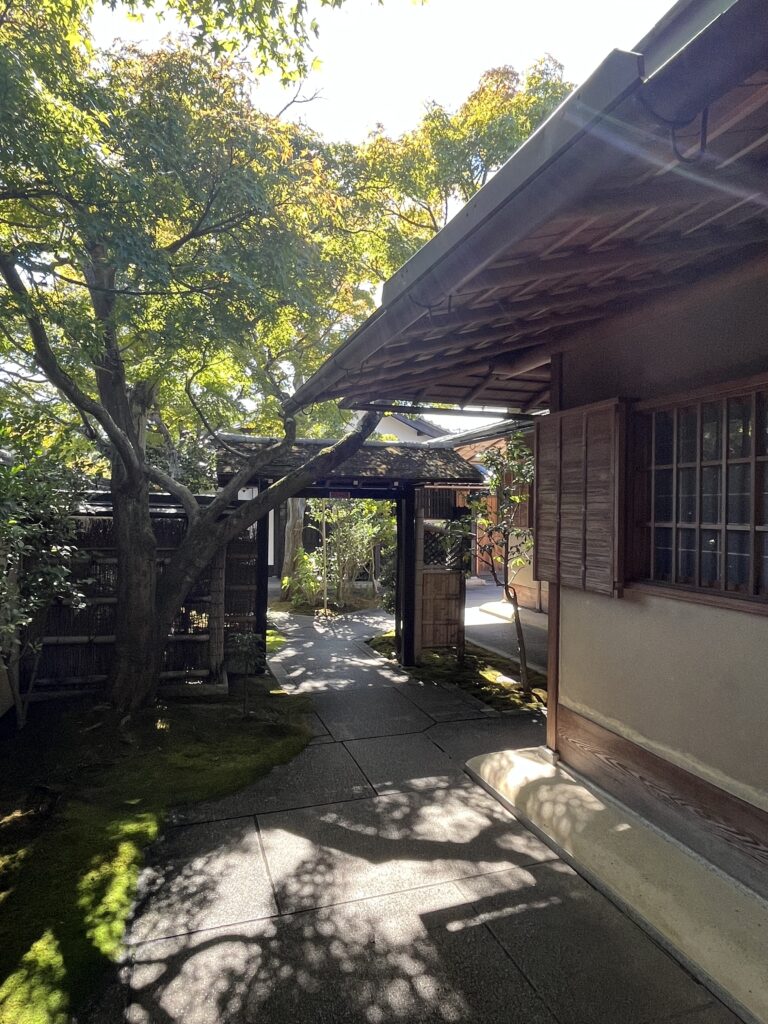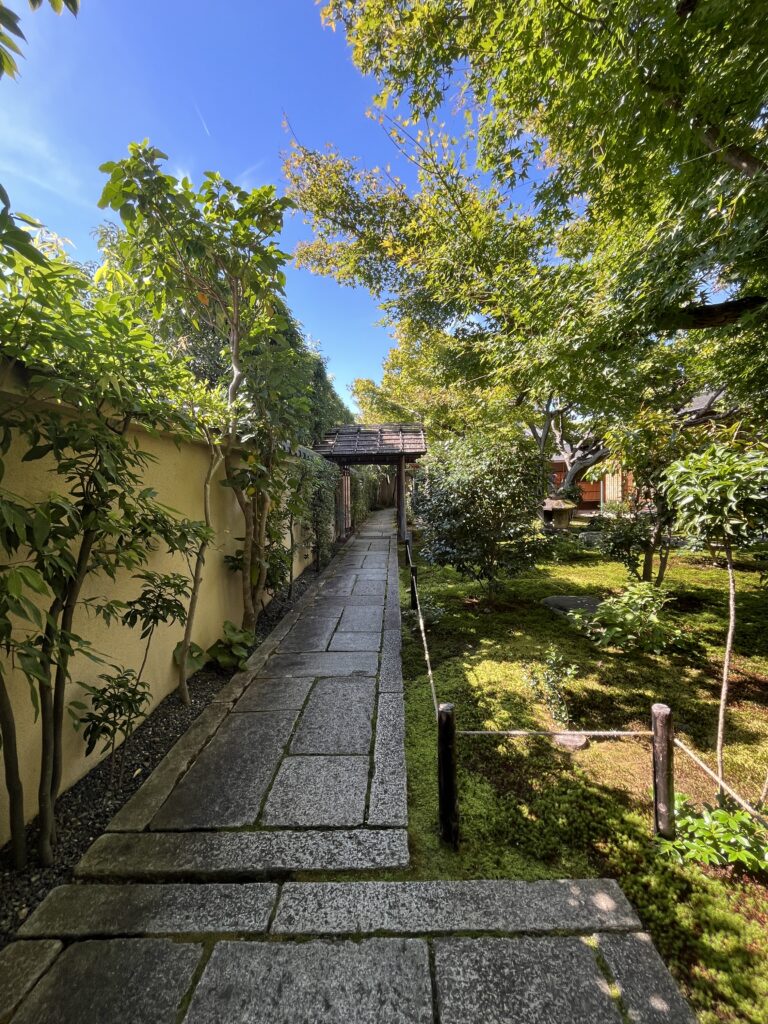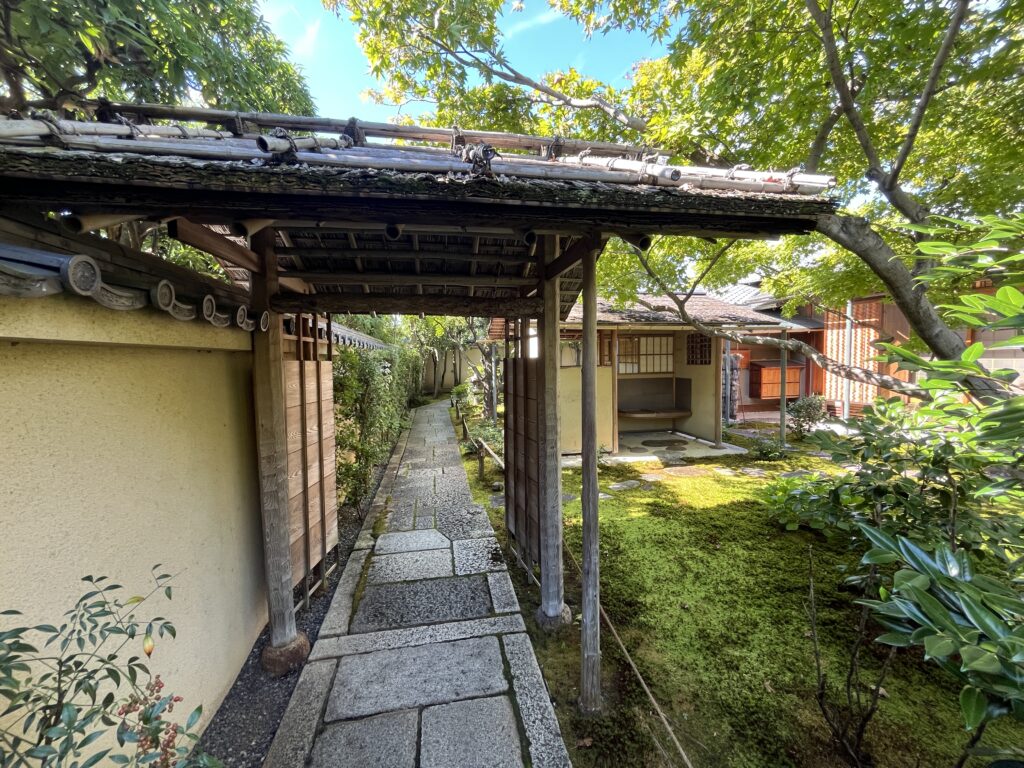
Oubai-in Temple (黄梅院)

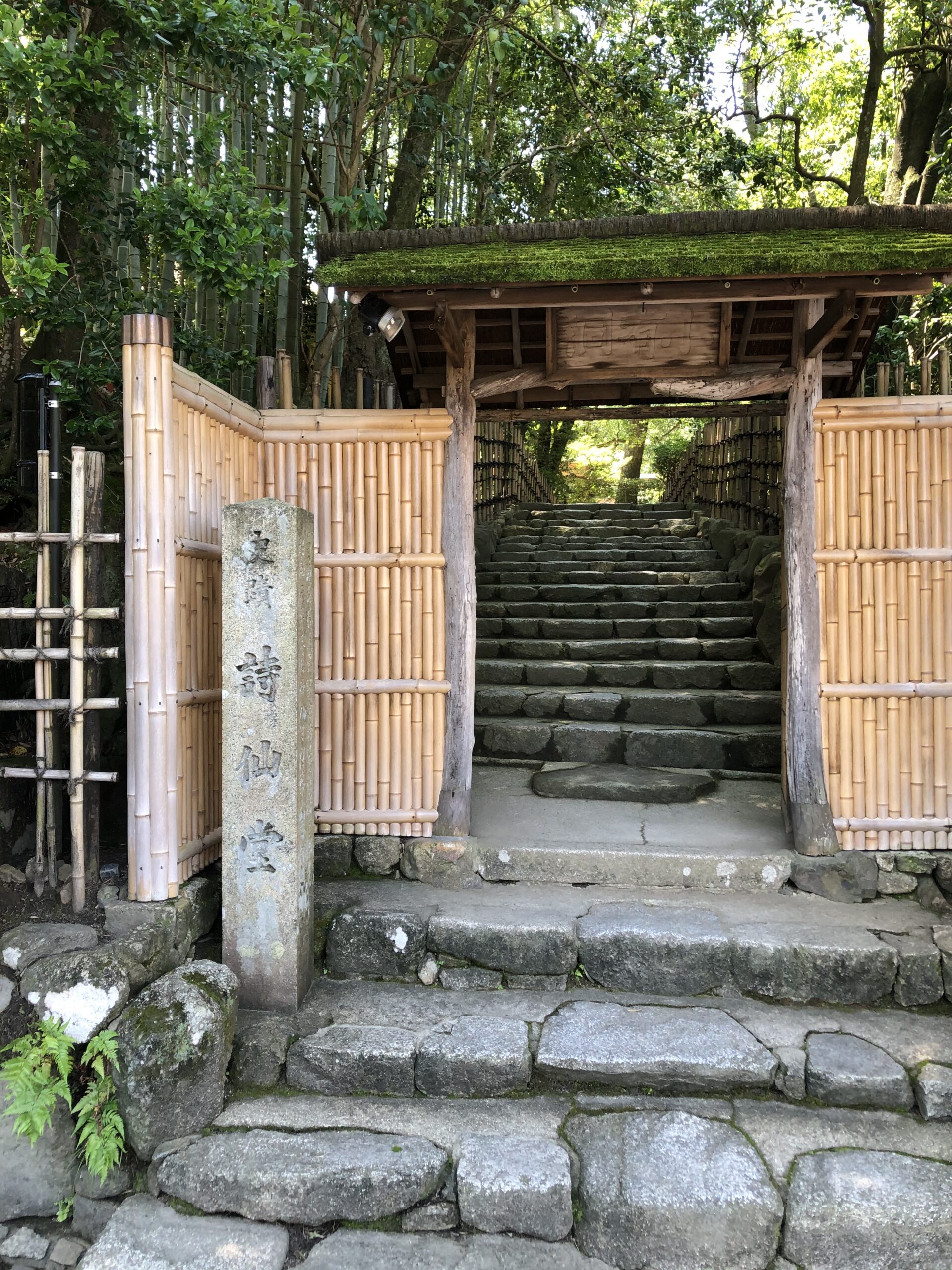
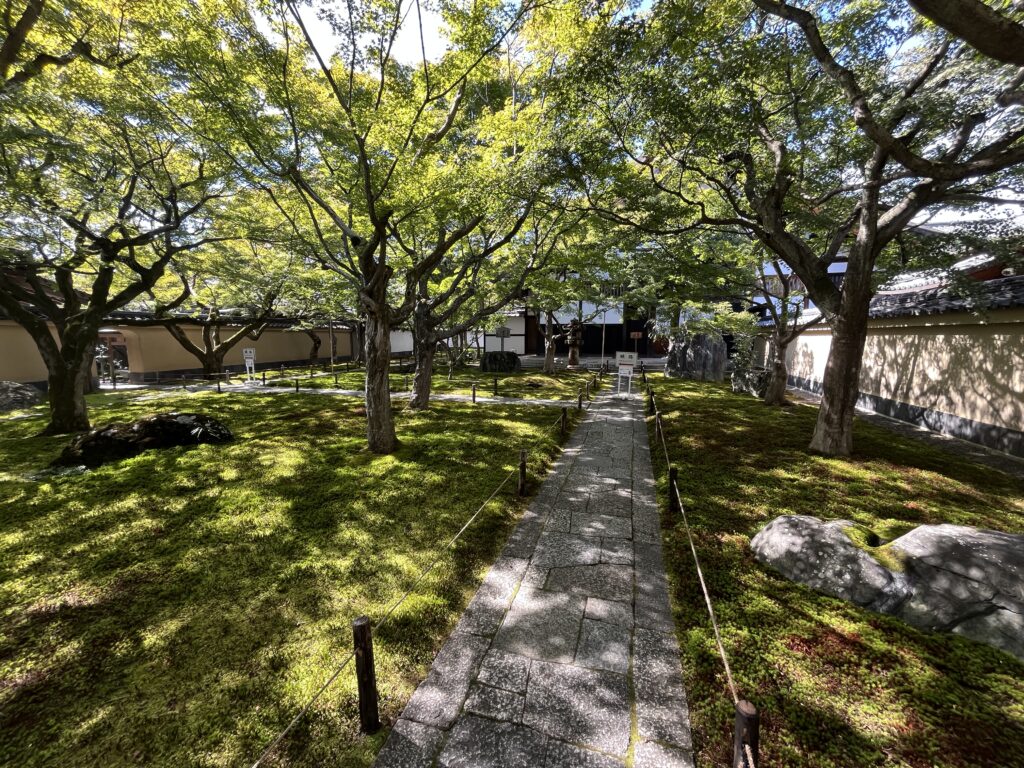
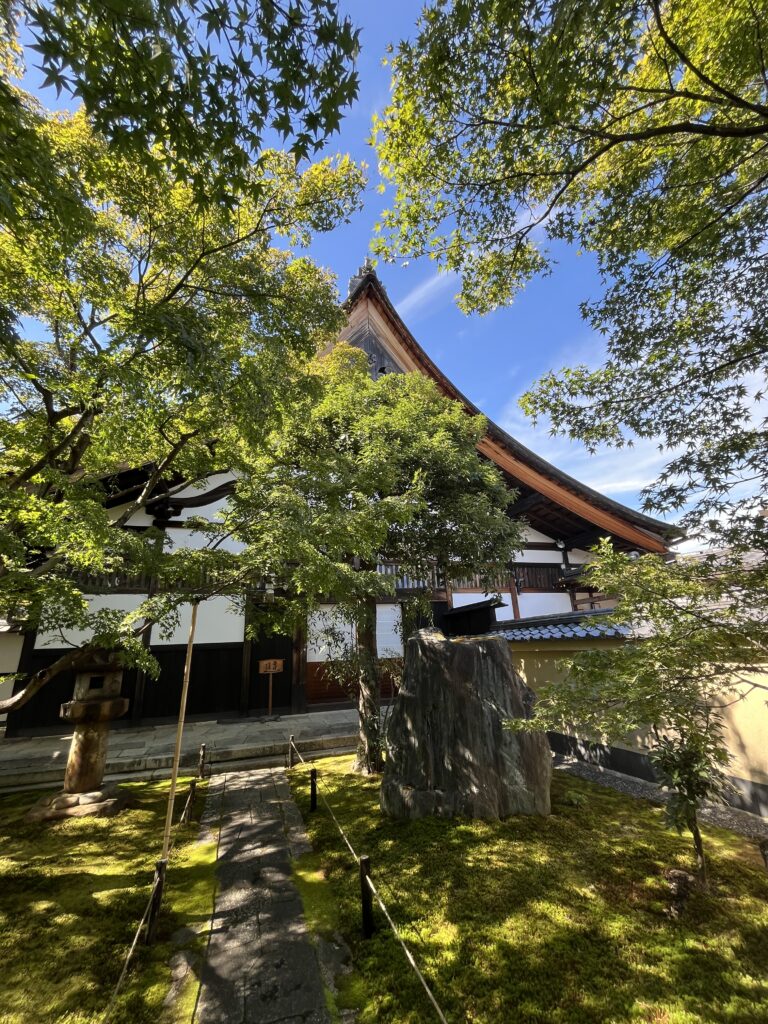
Oubai-in, a sub-temple of Daitoku-ji—a head temple of the Rinzai school—is currently open to the public for a special autumn viewing.
The temple features many highlights, including the “Jikichu-tei” (Jikichu Garden), which is said to have been designed by Sen no Rikyu at the behest of Toyotomi Hideyoshi.
Location
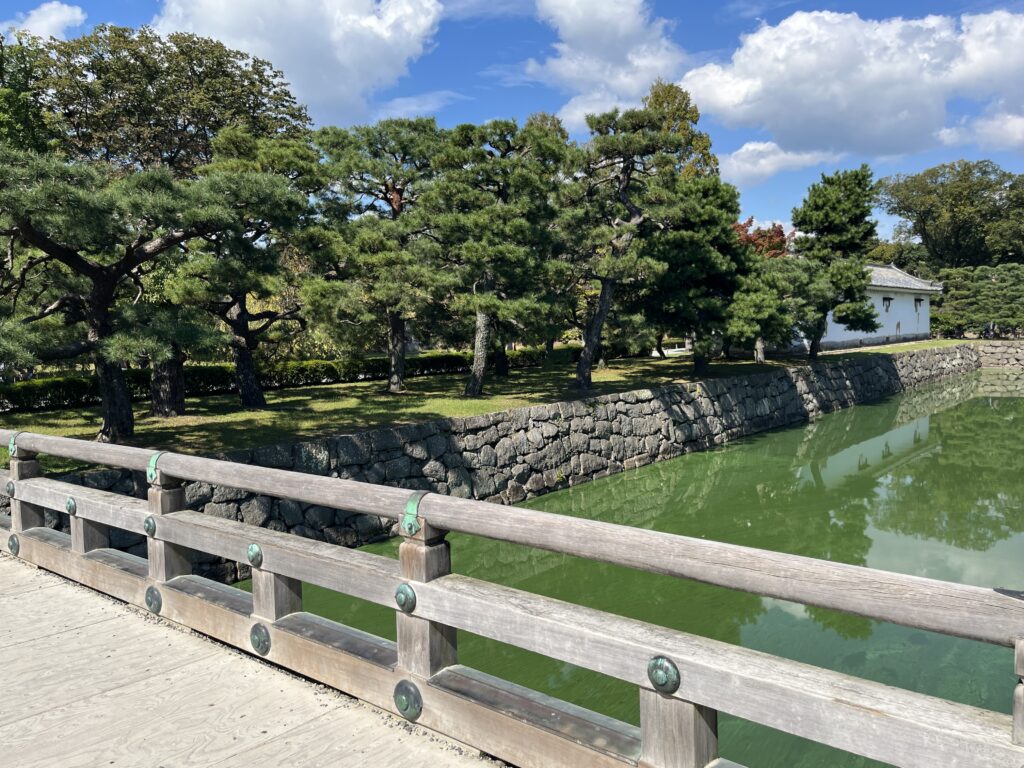
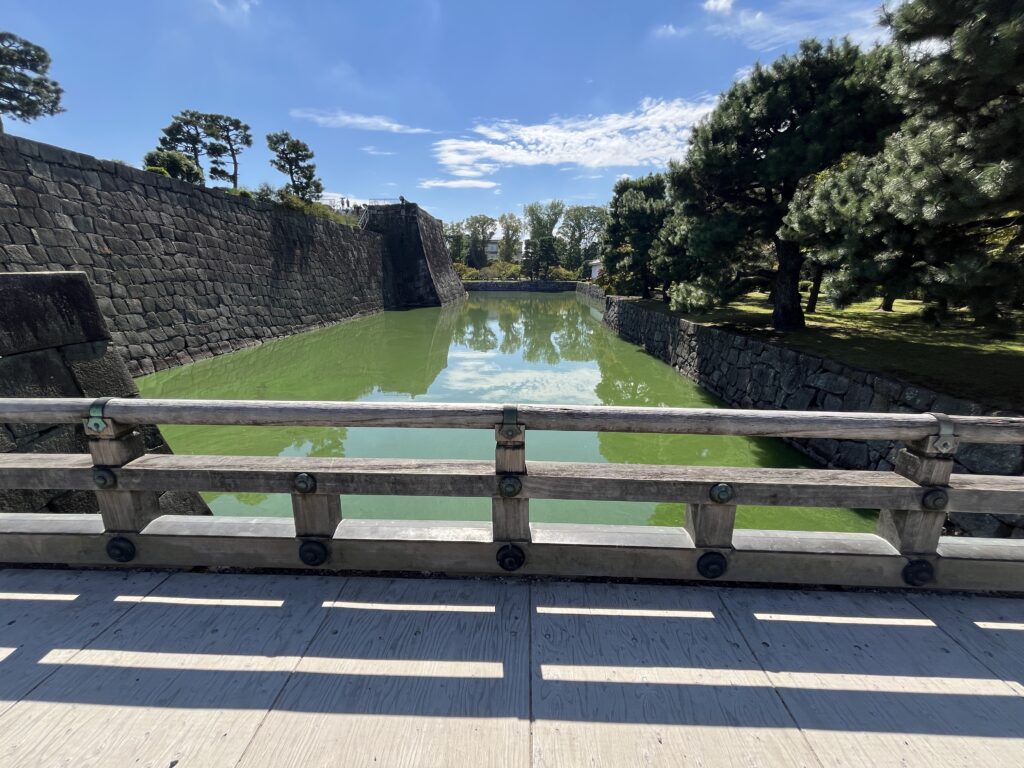
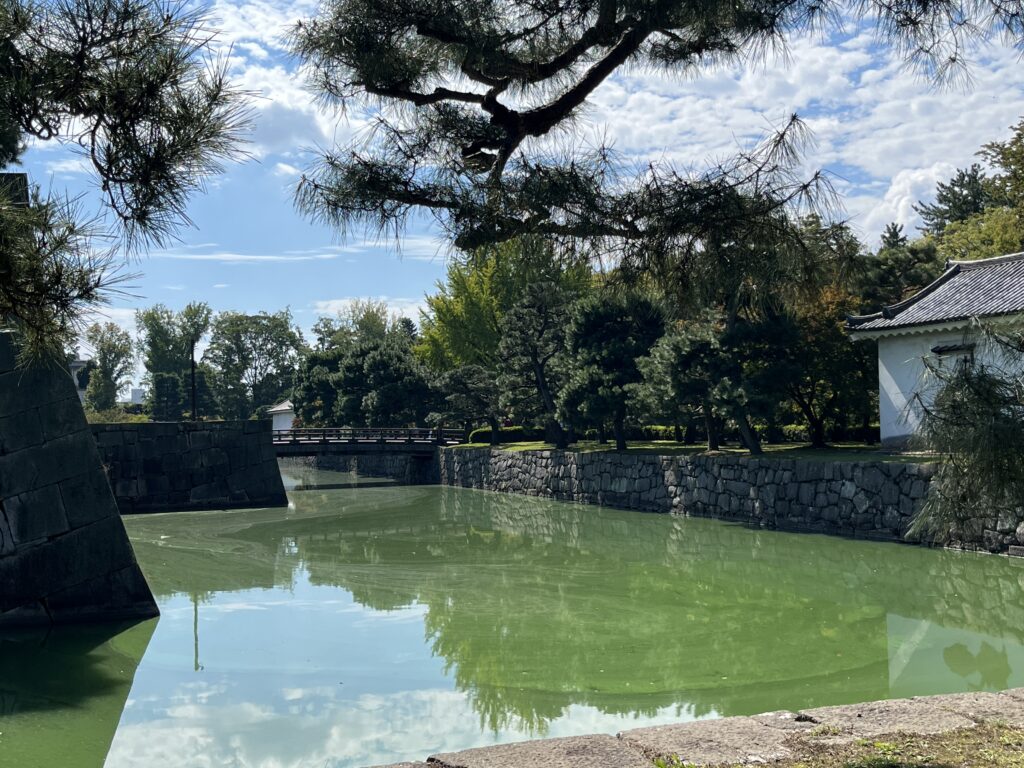
Nijho Castle4 (二条城4)

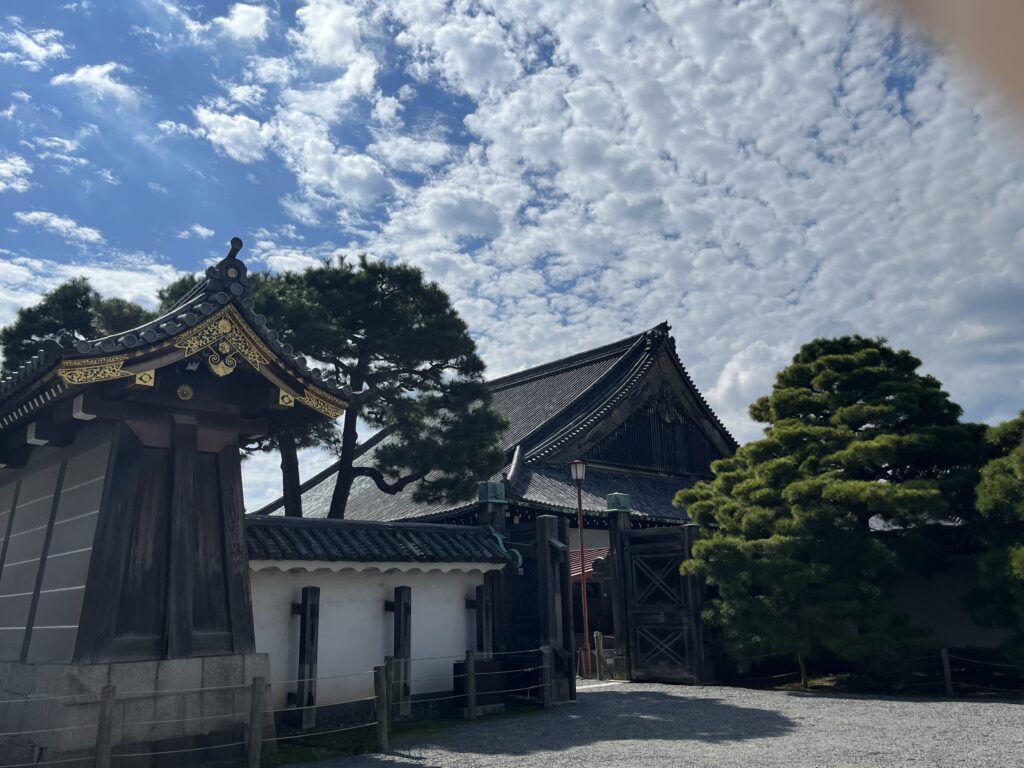
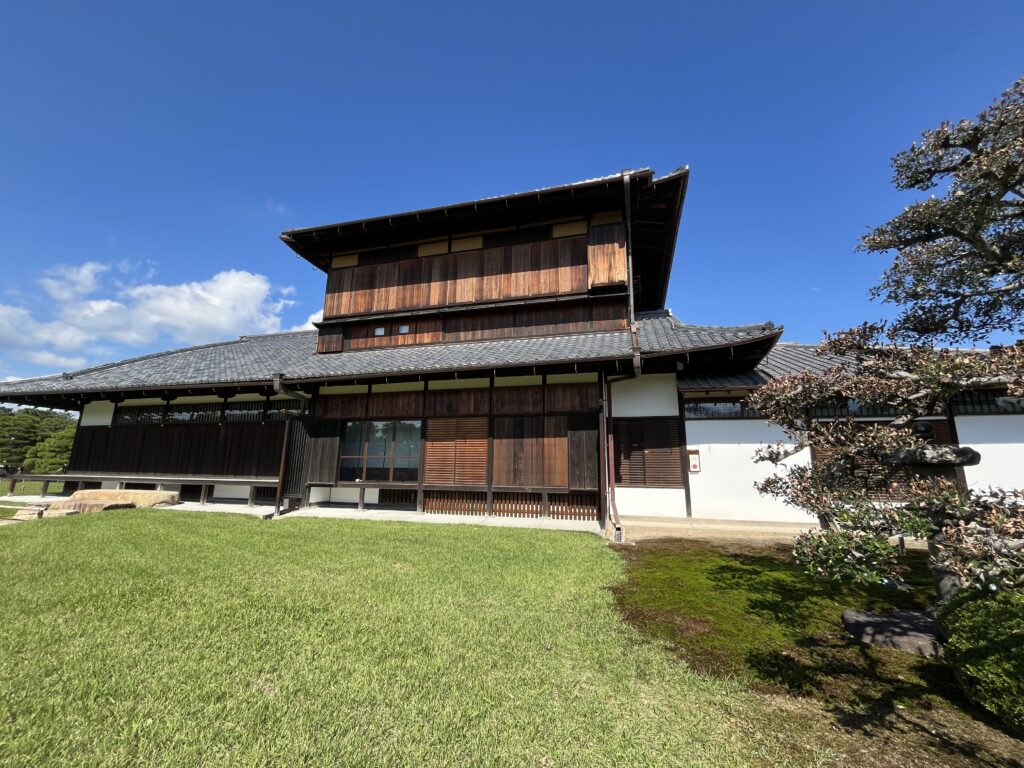
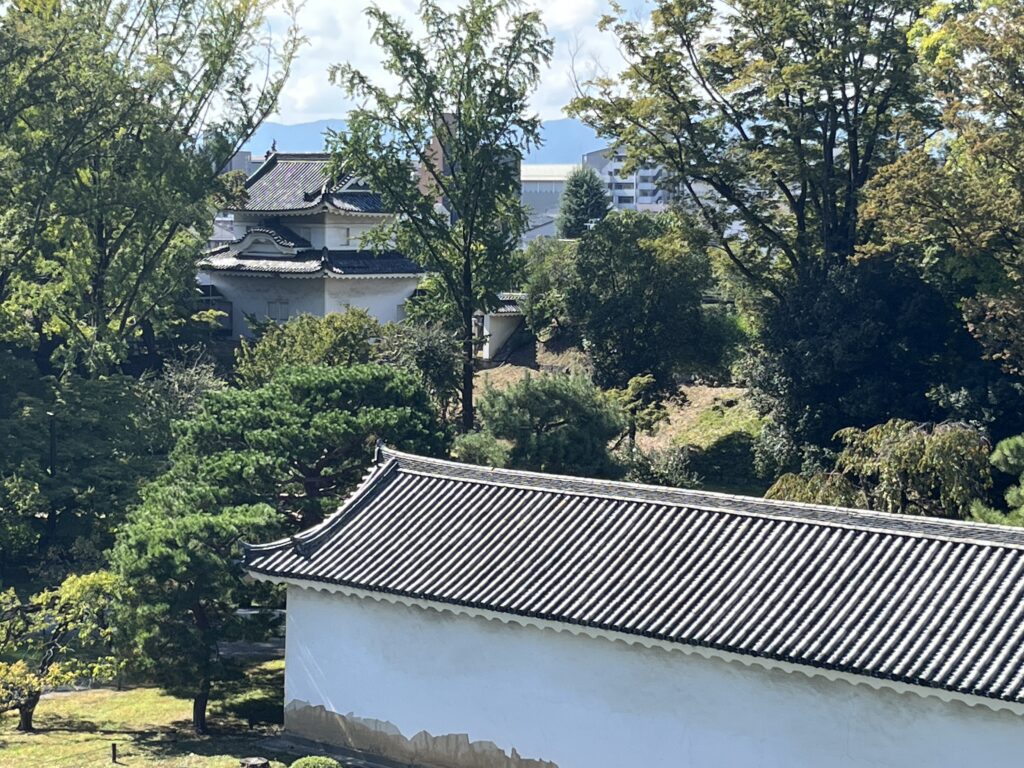
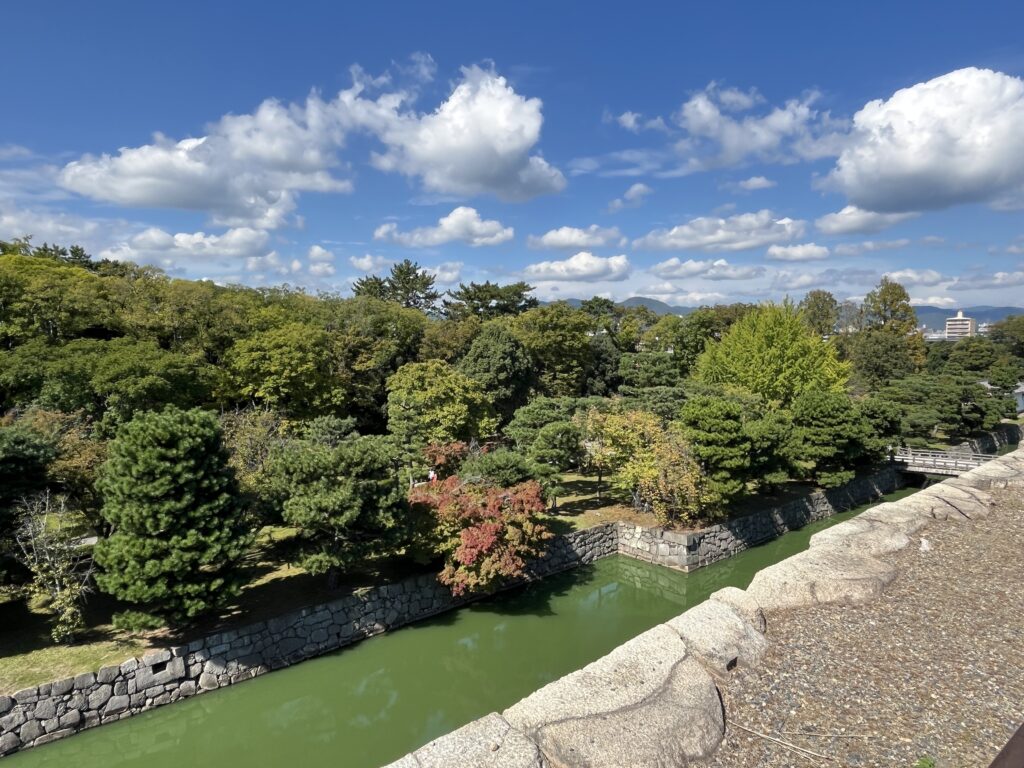
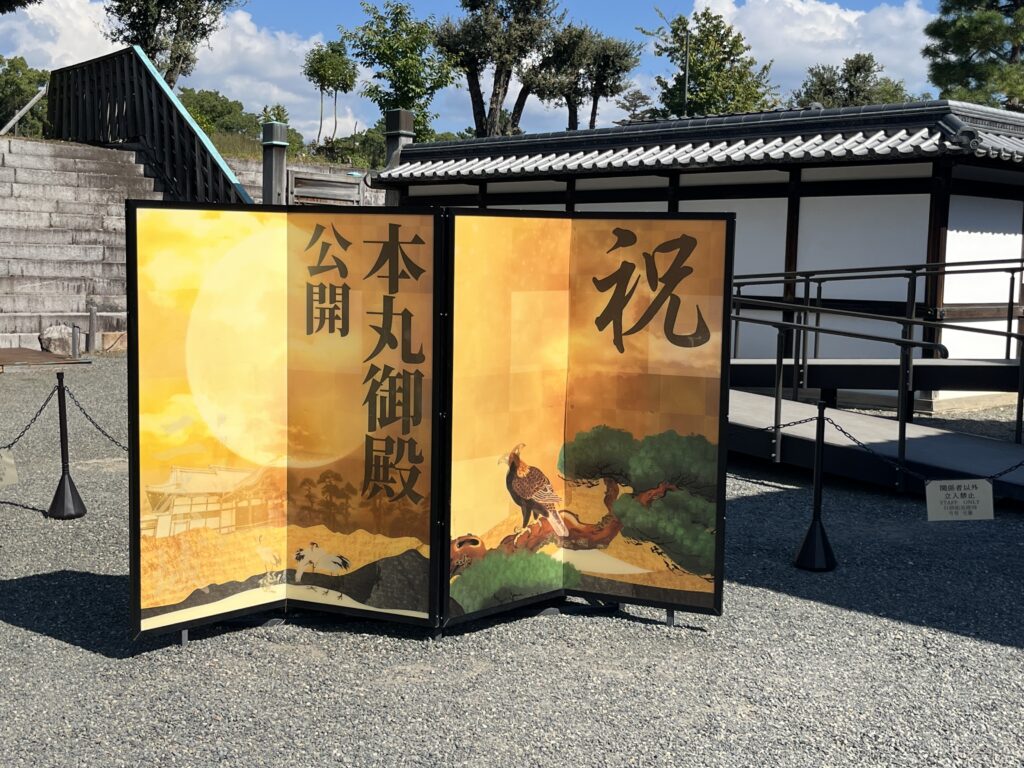
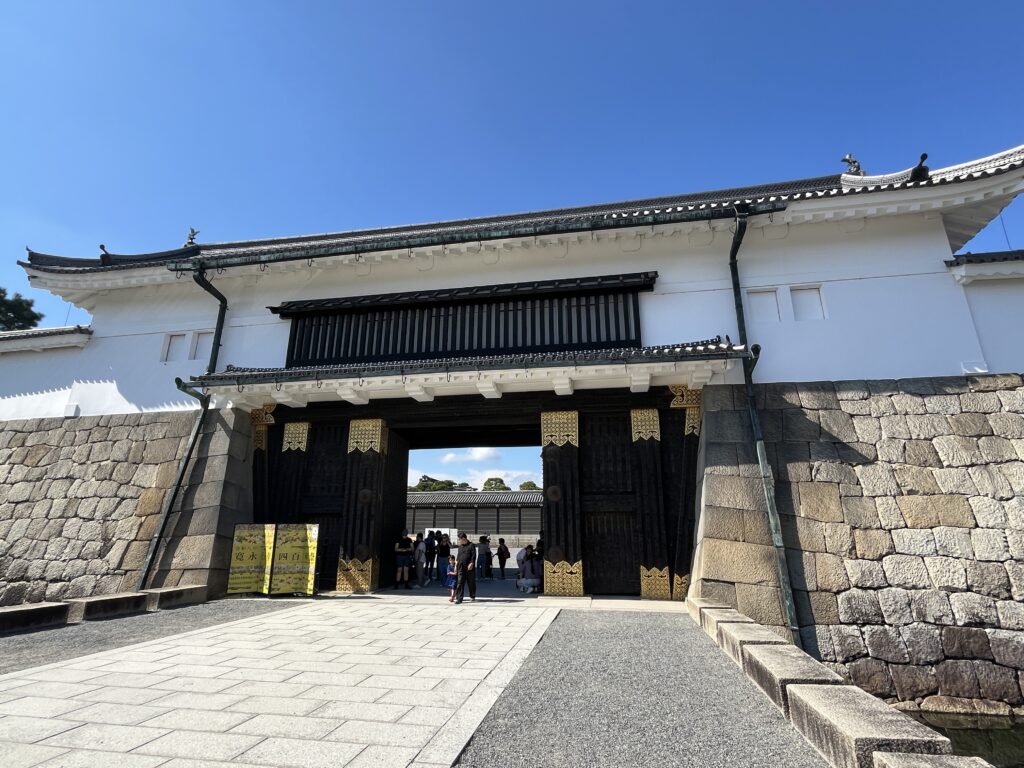
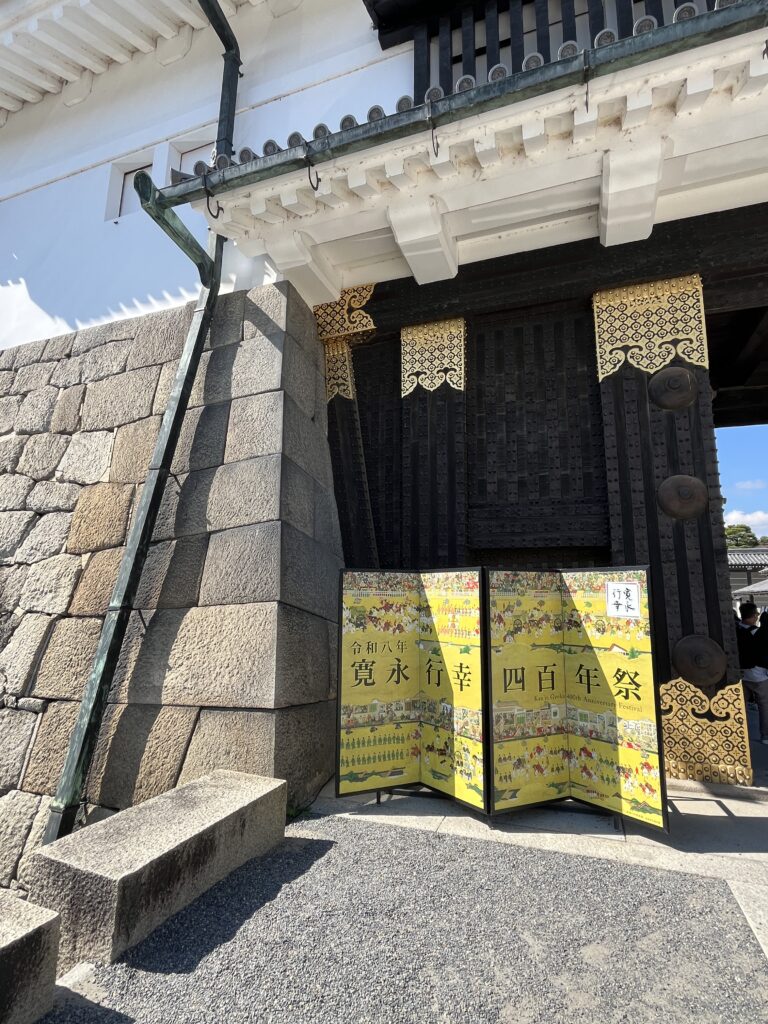
Nijo Castle is located in the center of Kyoto, and its expansive, beautiful Japanese garden is admired by many tourists. This year also marks the 400th anniversary of the Imperial visit during the Kan’ei era, and a number of related events are planned.

Location
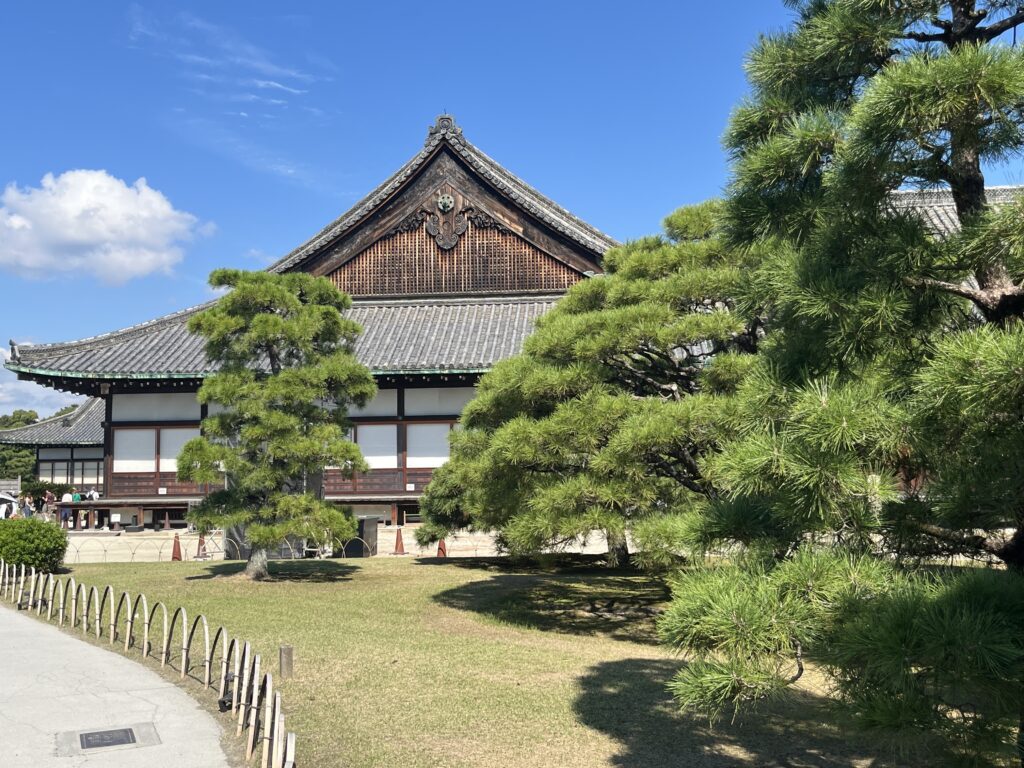
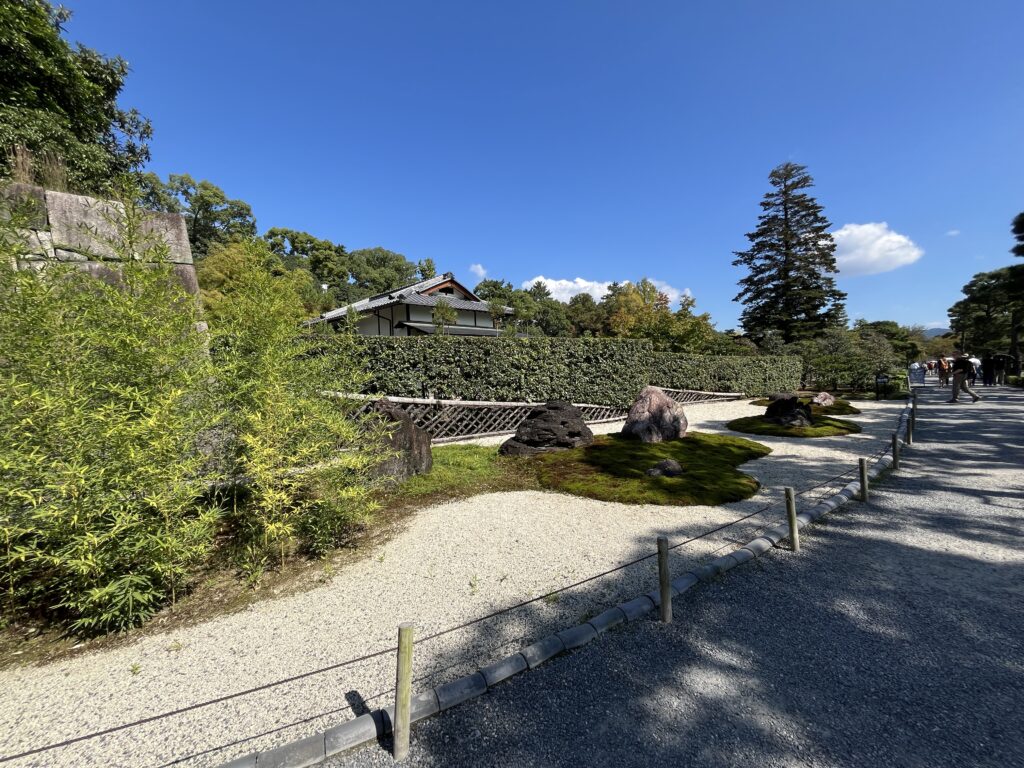
Nijho Castle3 (二条城3)

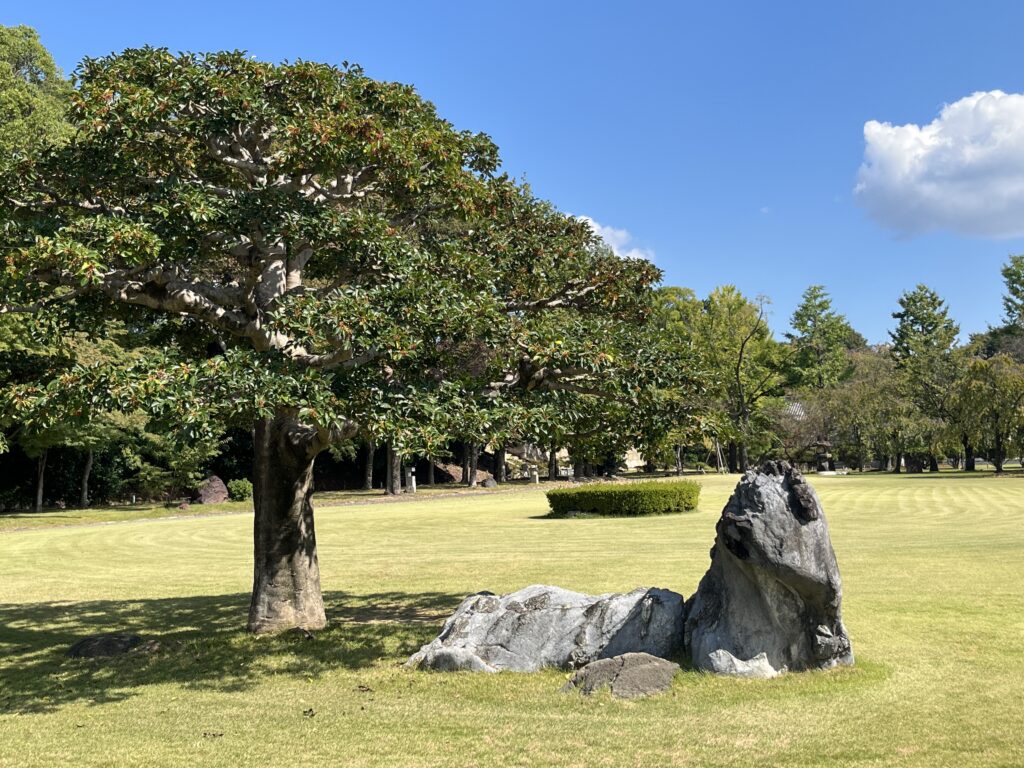
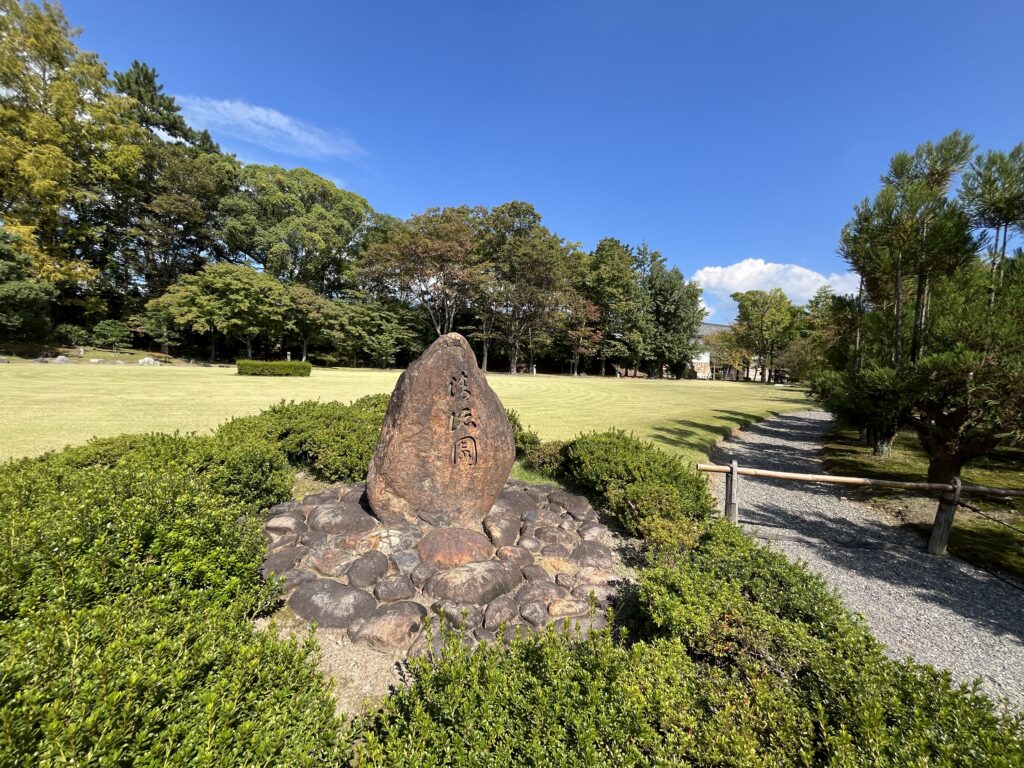
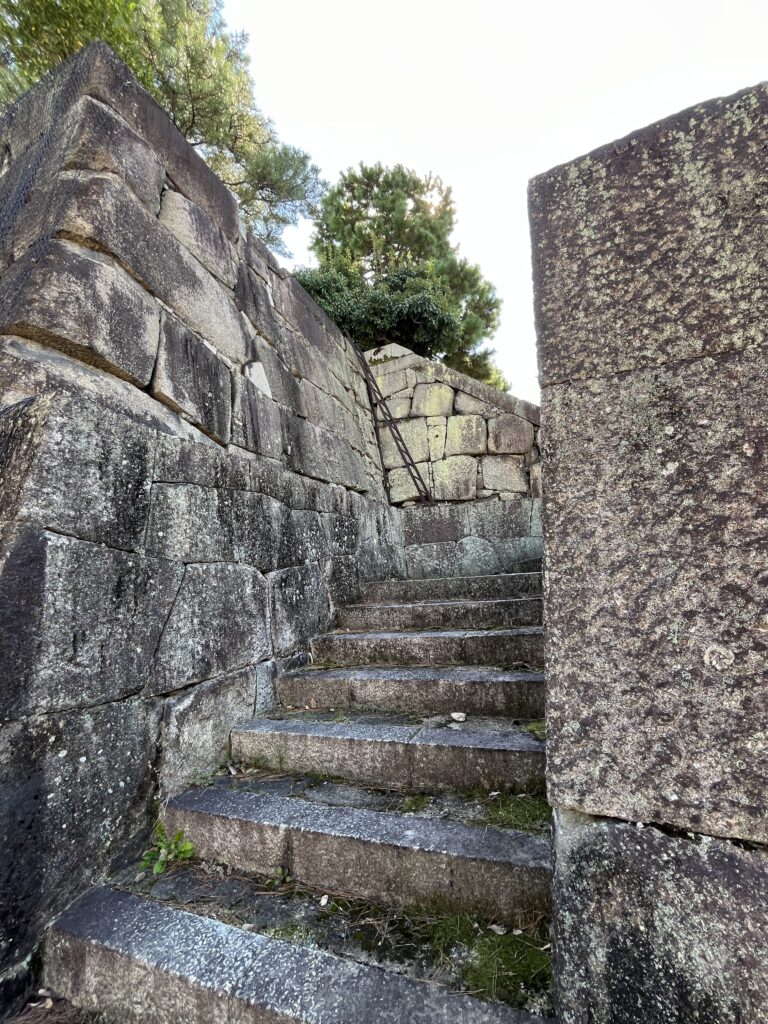
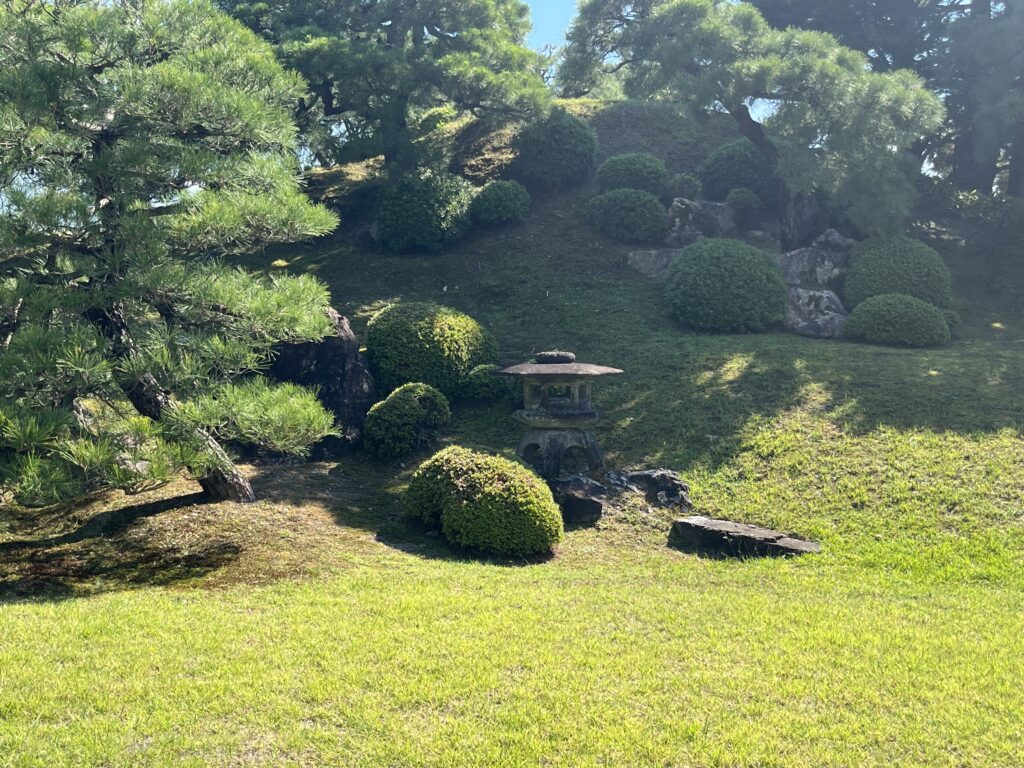
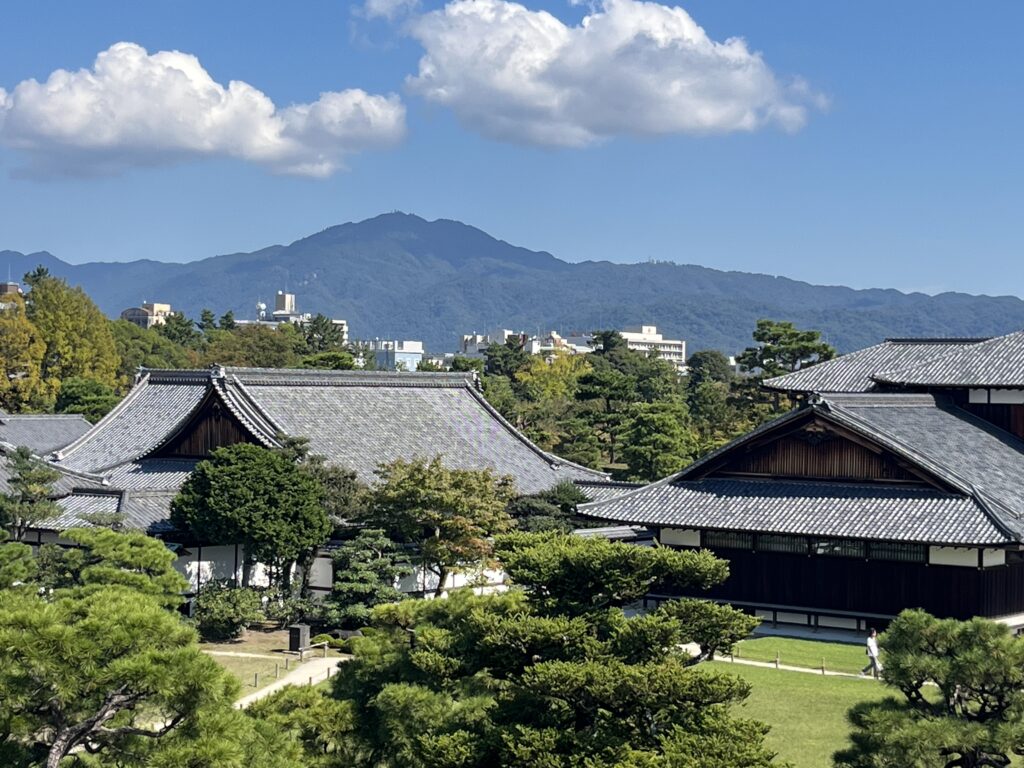
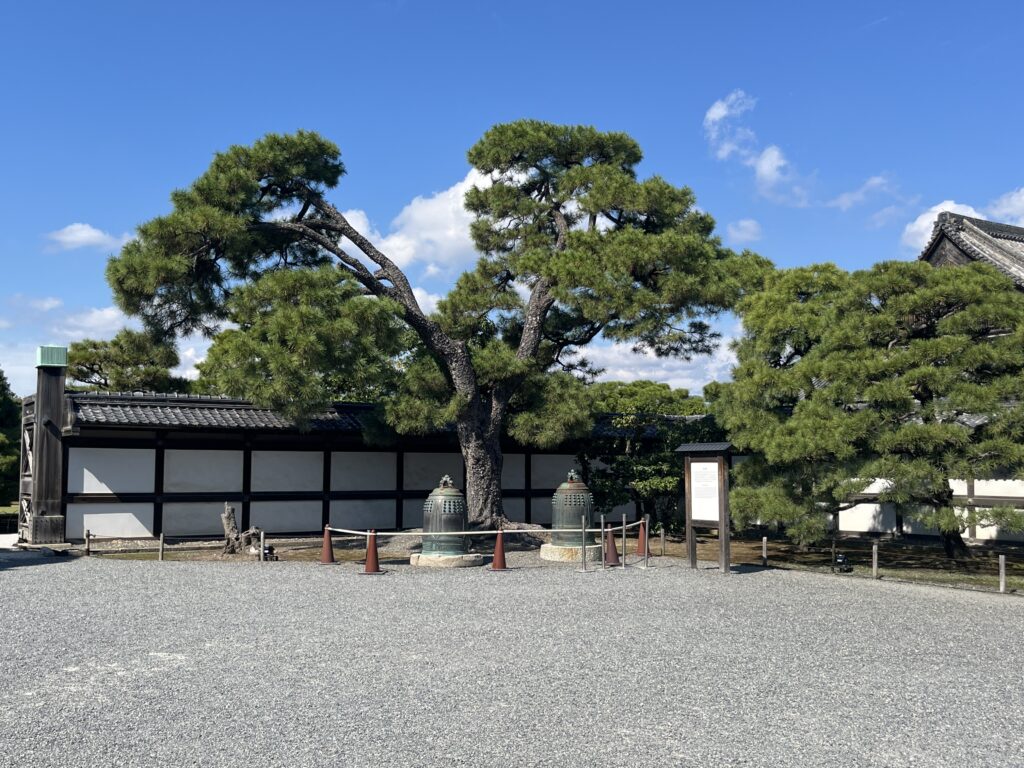
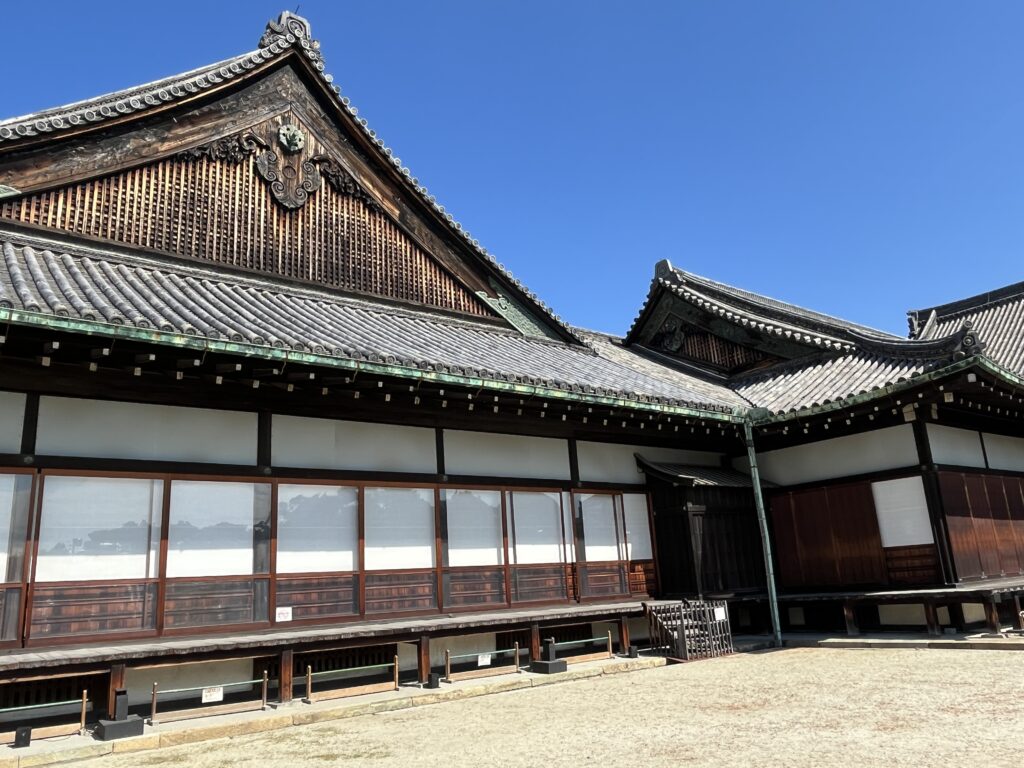
The “Honmaru Garden,” located on the south side of the Honmaru Palace, is said to have been extensively remodeled from its original form as a *karesansui* (dry landscape) garden on the occasion of a visit by Emperor Meiji; furthermore, from the site of the former castle keep, you can enjoy a panoramic view of the Honmaru Garden and the mountain ranges of Kyoto.


Location
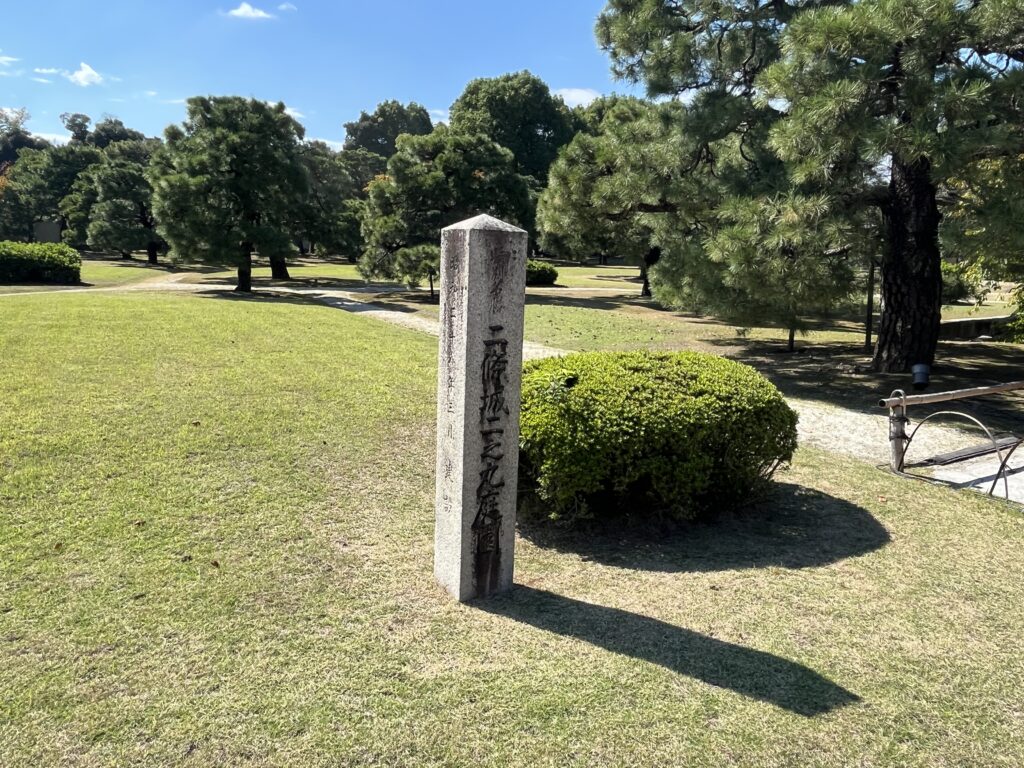
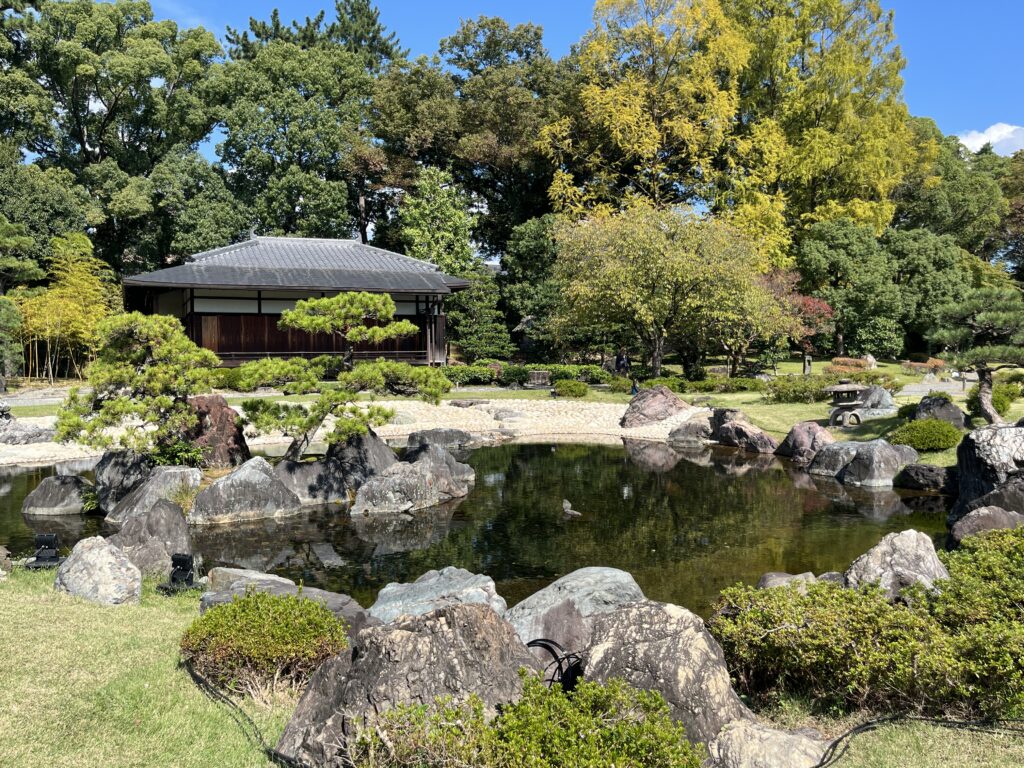
Nijho Castle2 (二条城2)

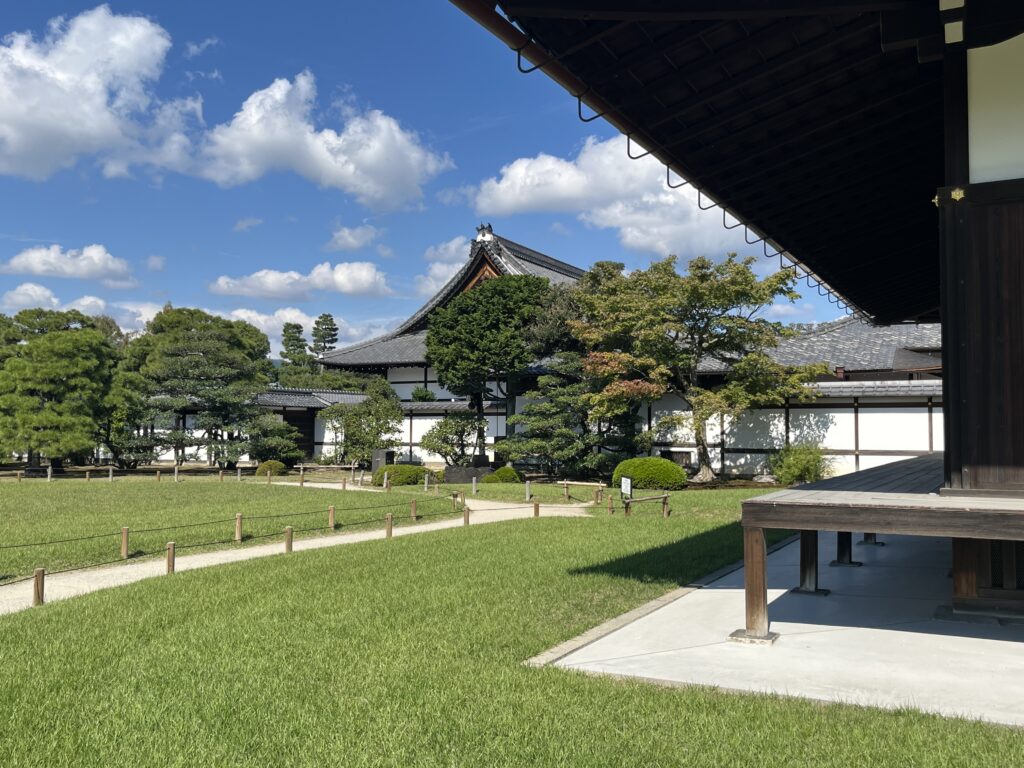
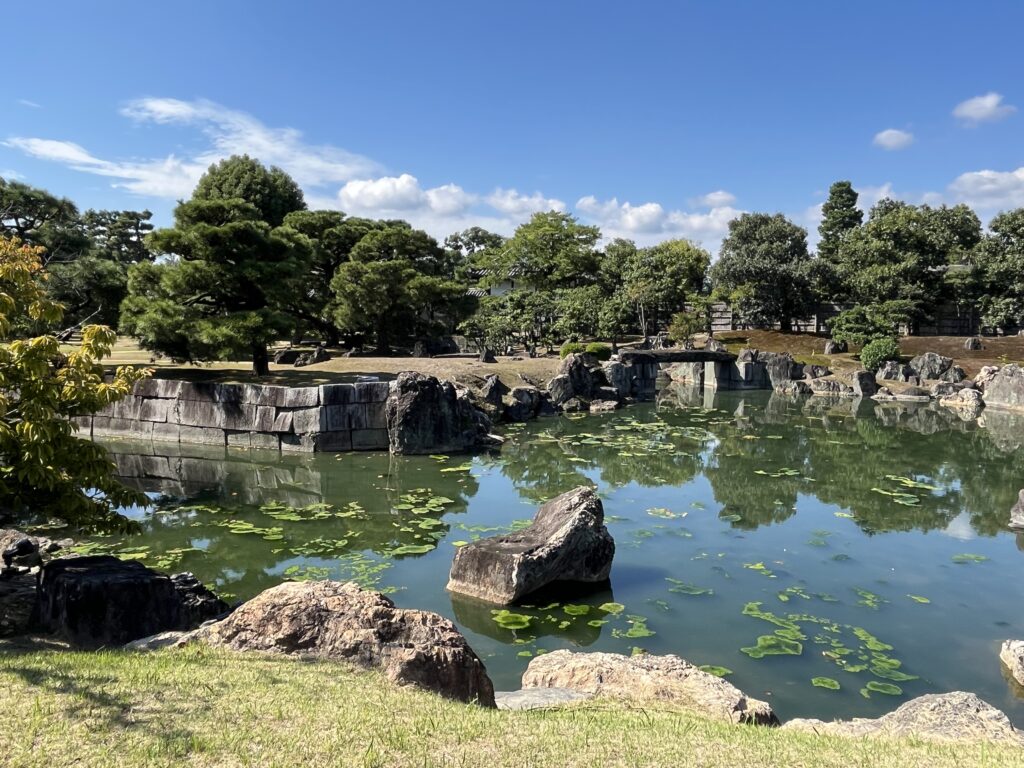
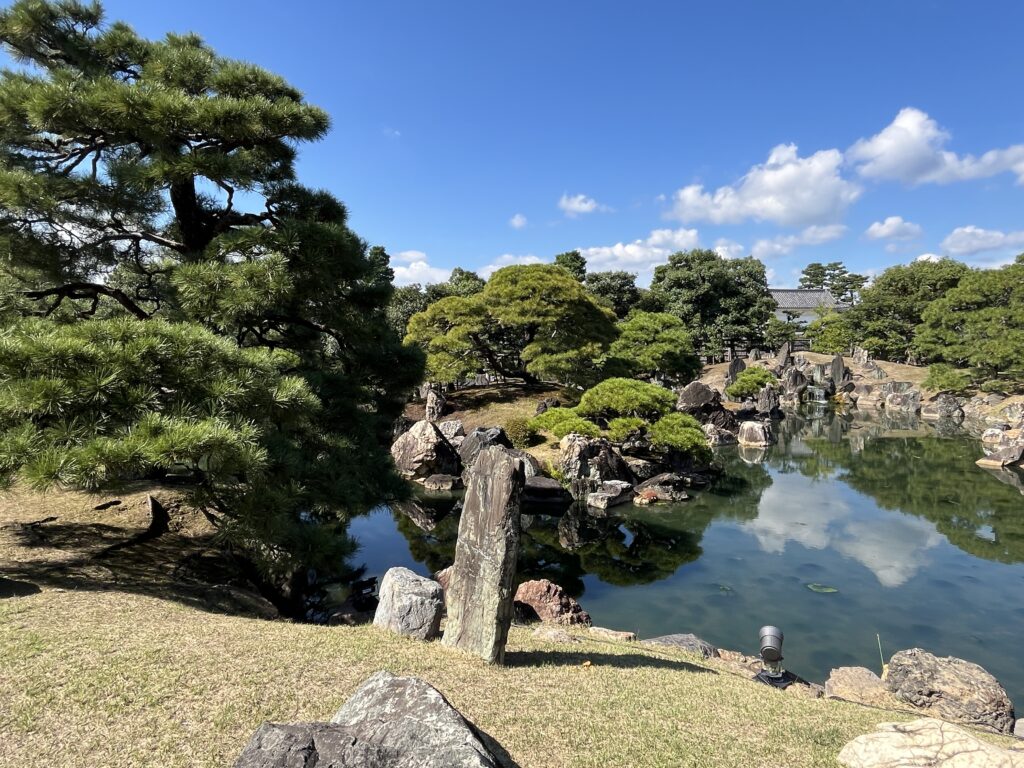
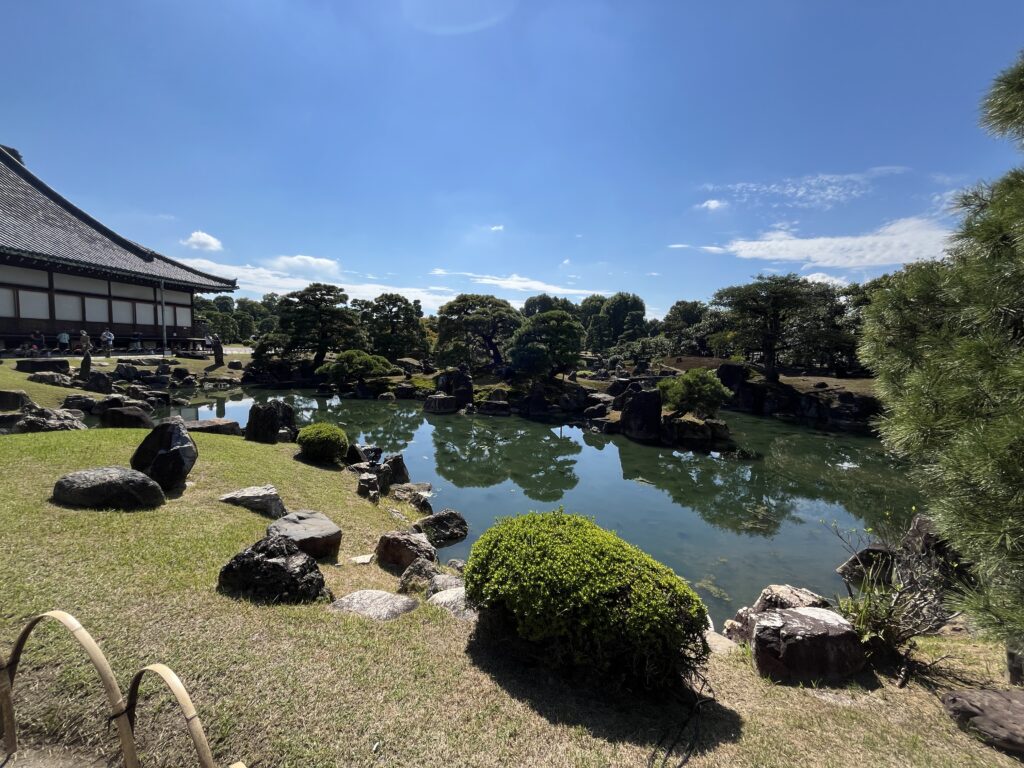
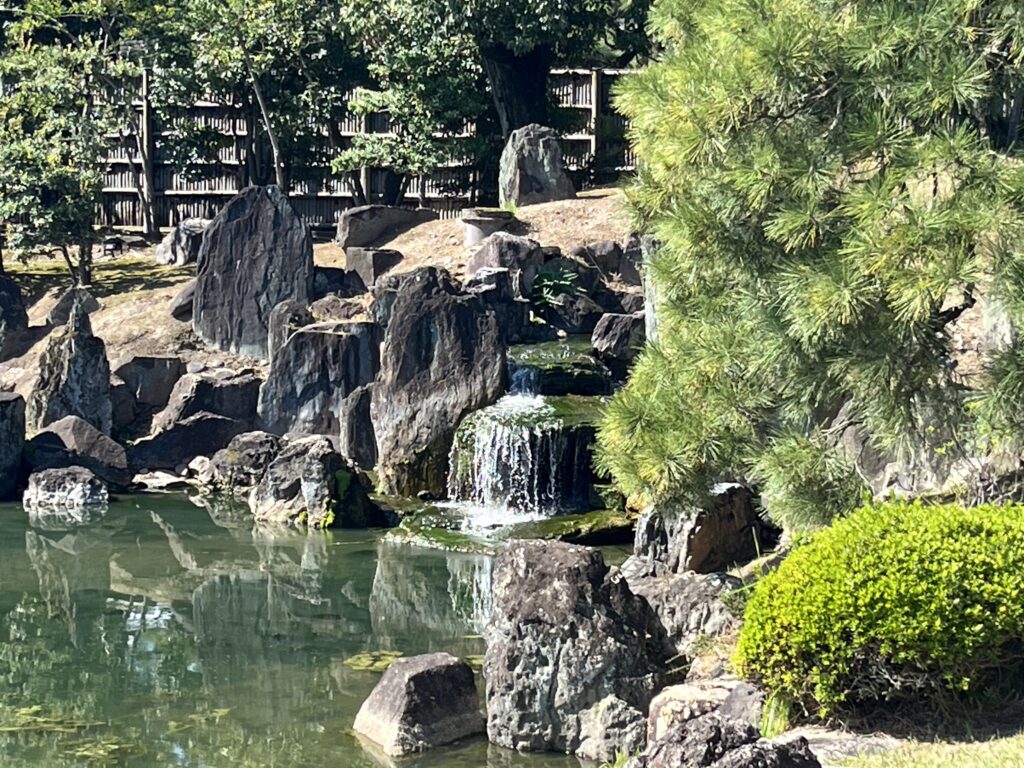
The Ninomaru Garden at Nijo Castle is a strolling pond garden, designed so that the palace buildings and the garden can be viewed as an integrated whole. It is considered a rare, surviving example of a garden associated with the *shoin-zukuri* (samurai residential) architectural style.

LOcation
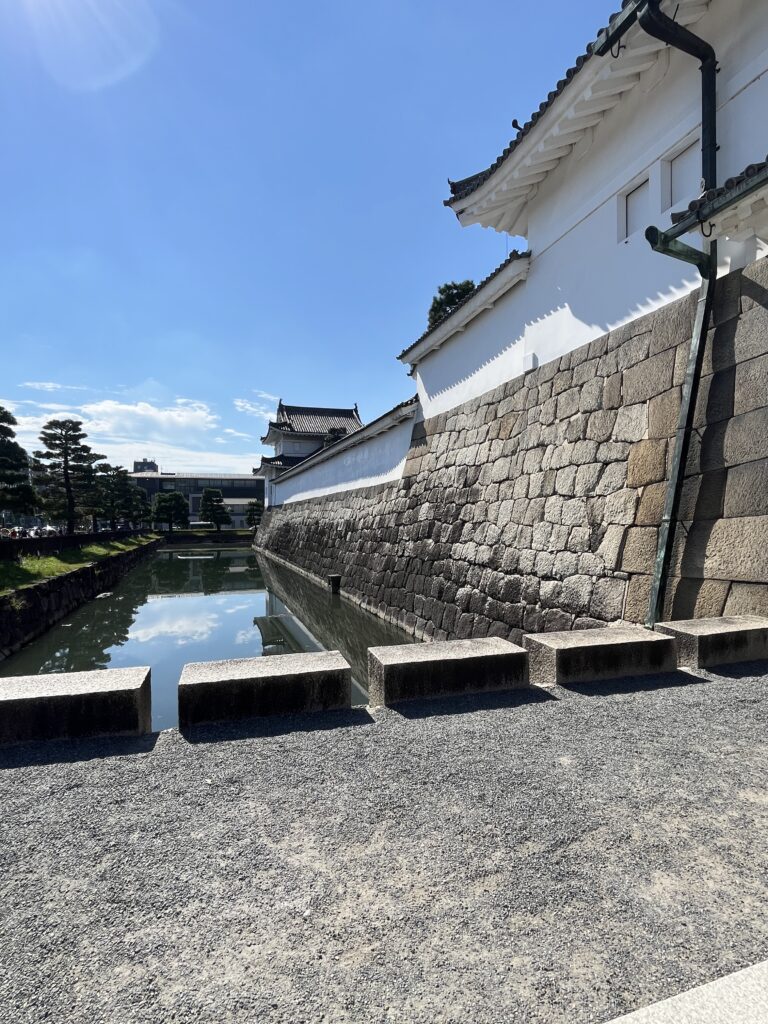
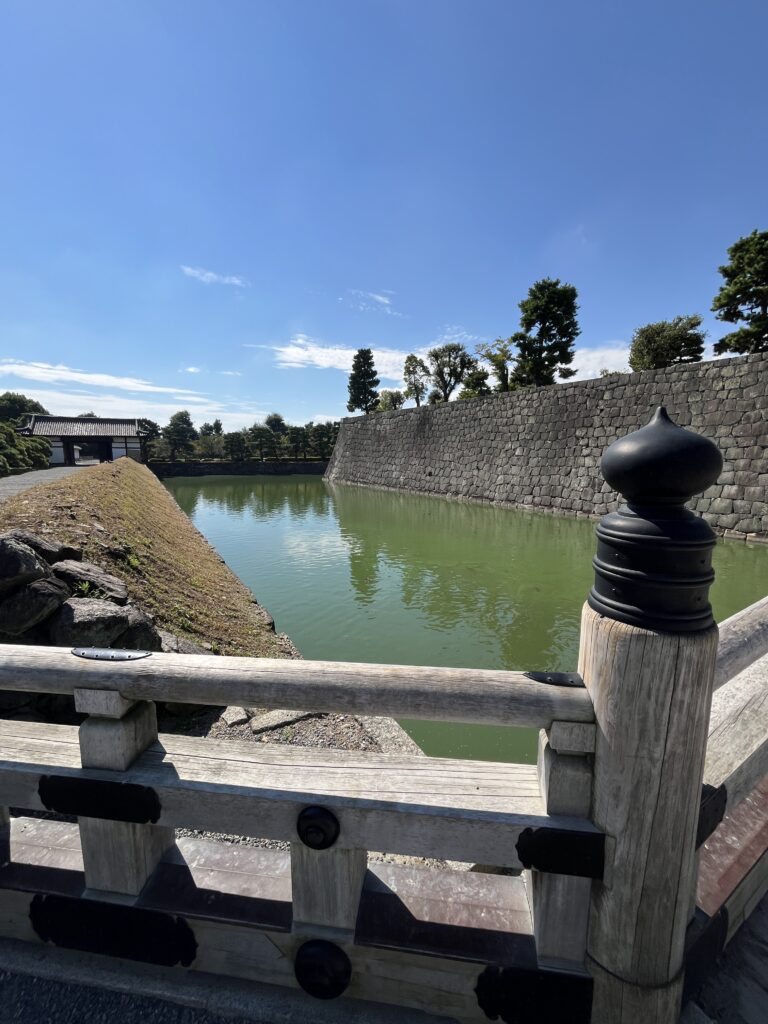
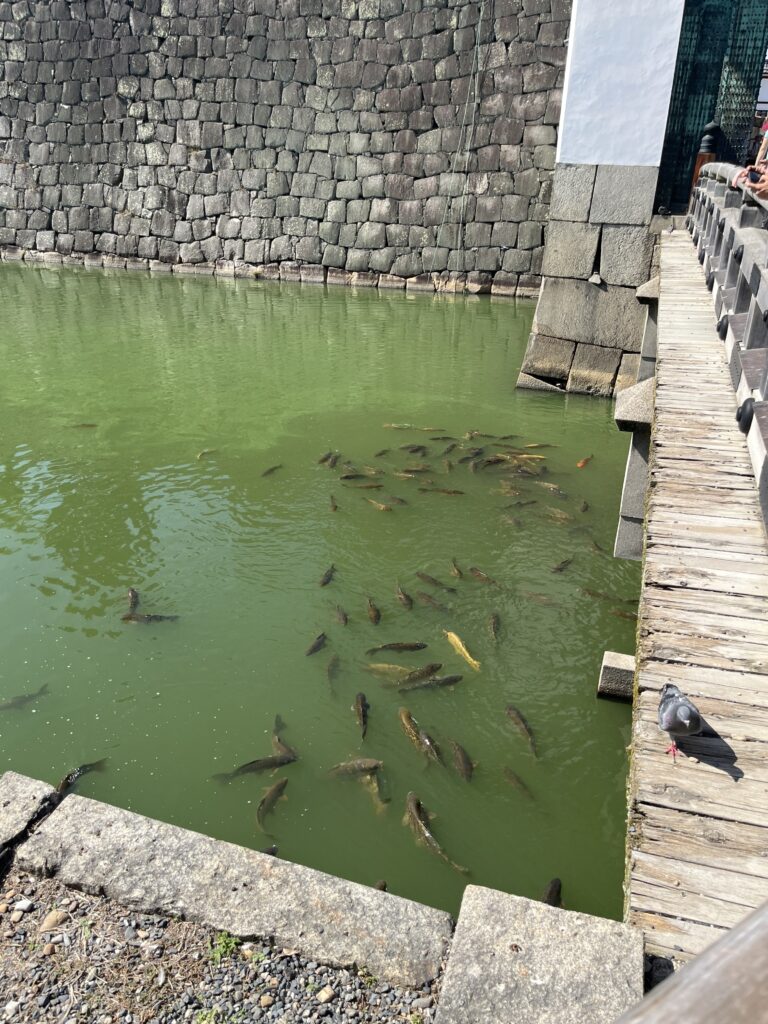
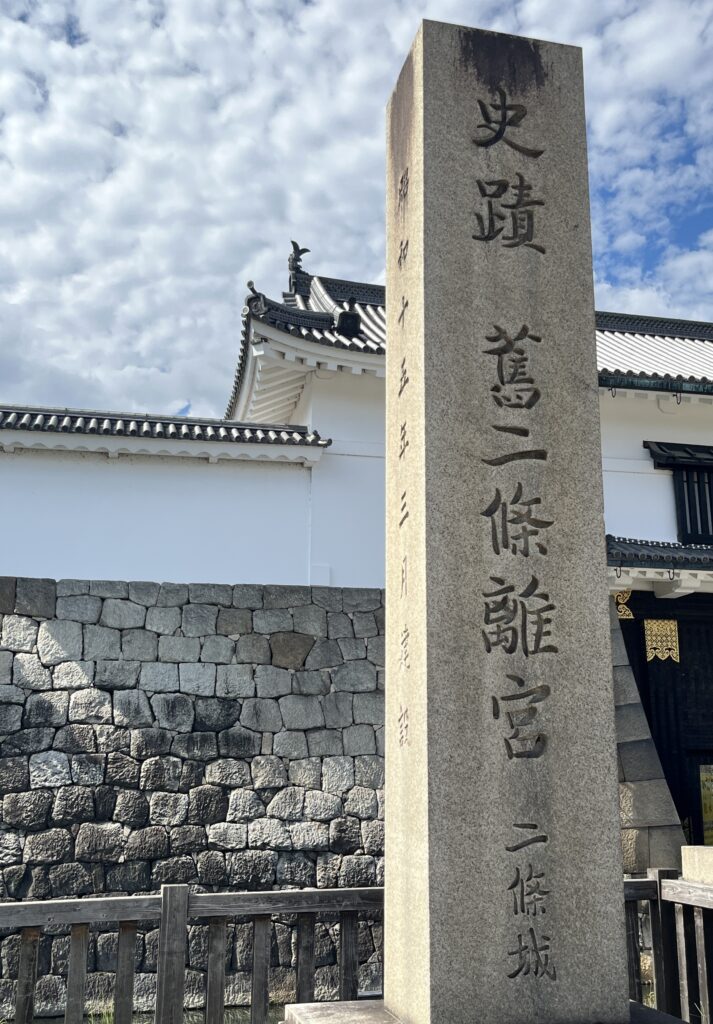
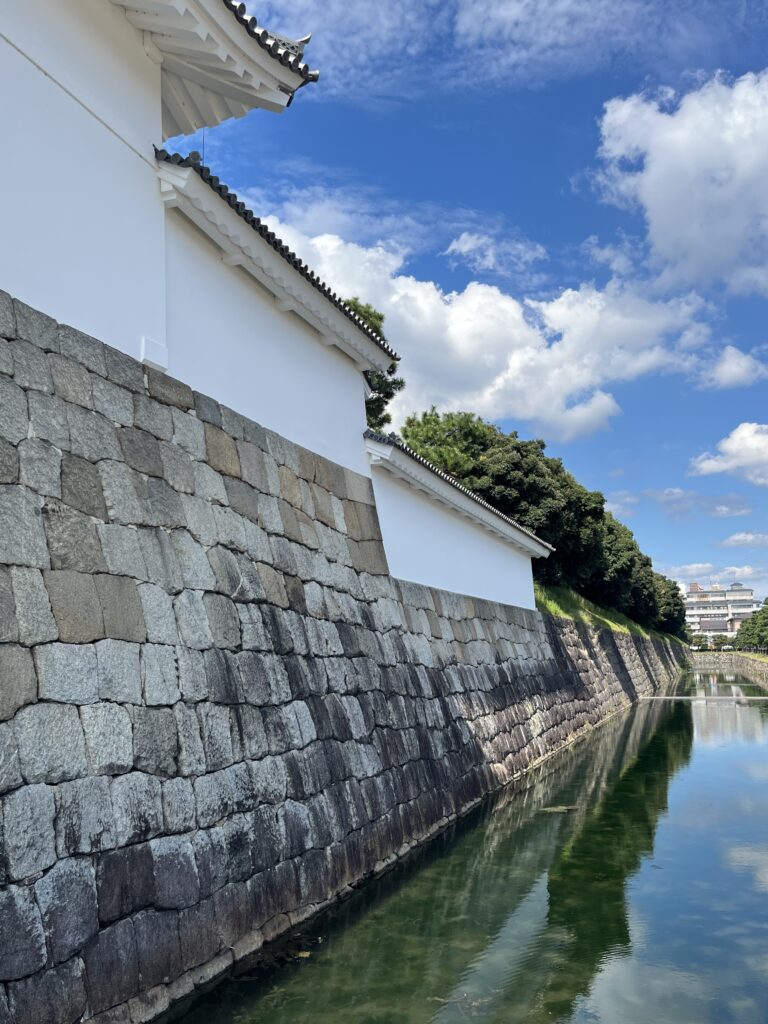
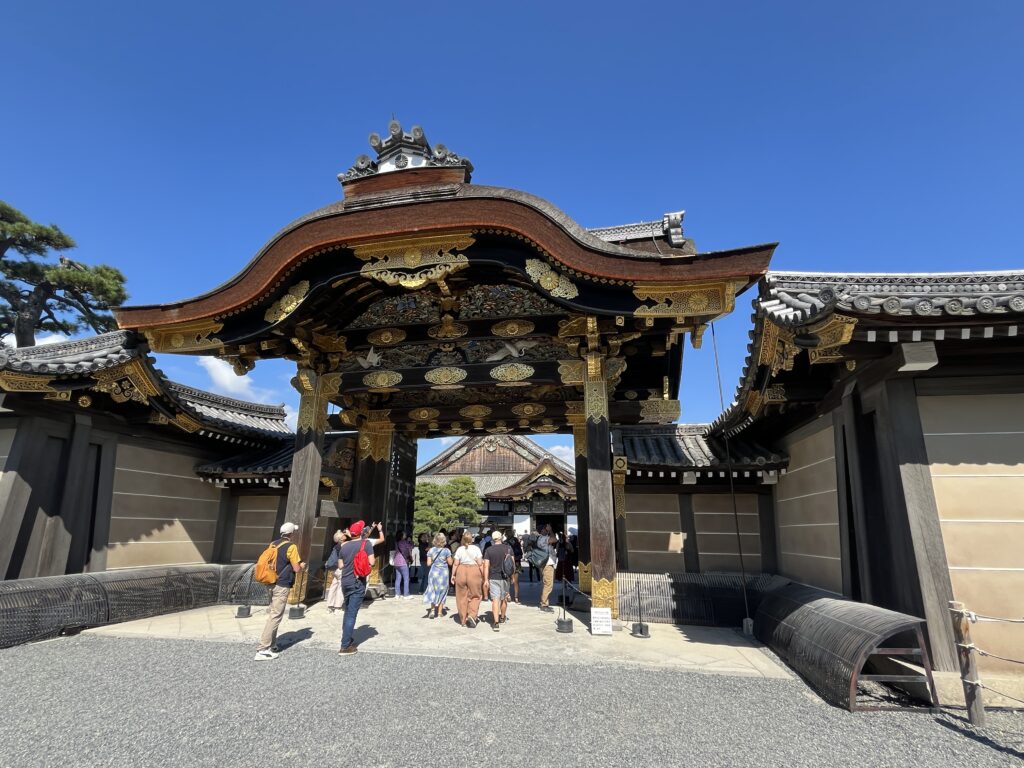
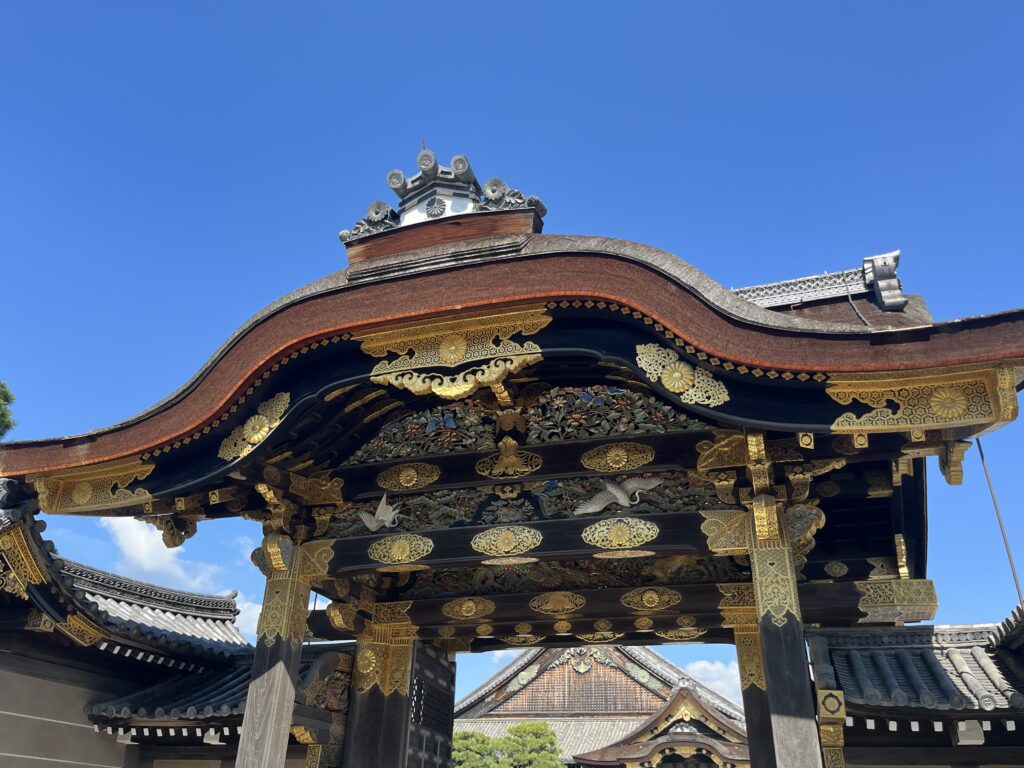
Nijho Castle (二条城)

Nijo Castle
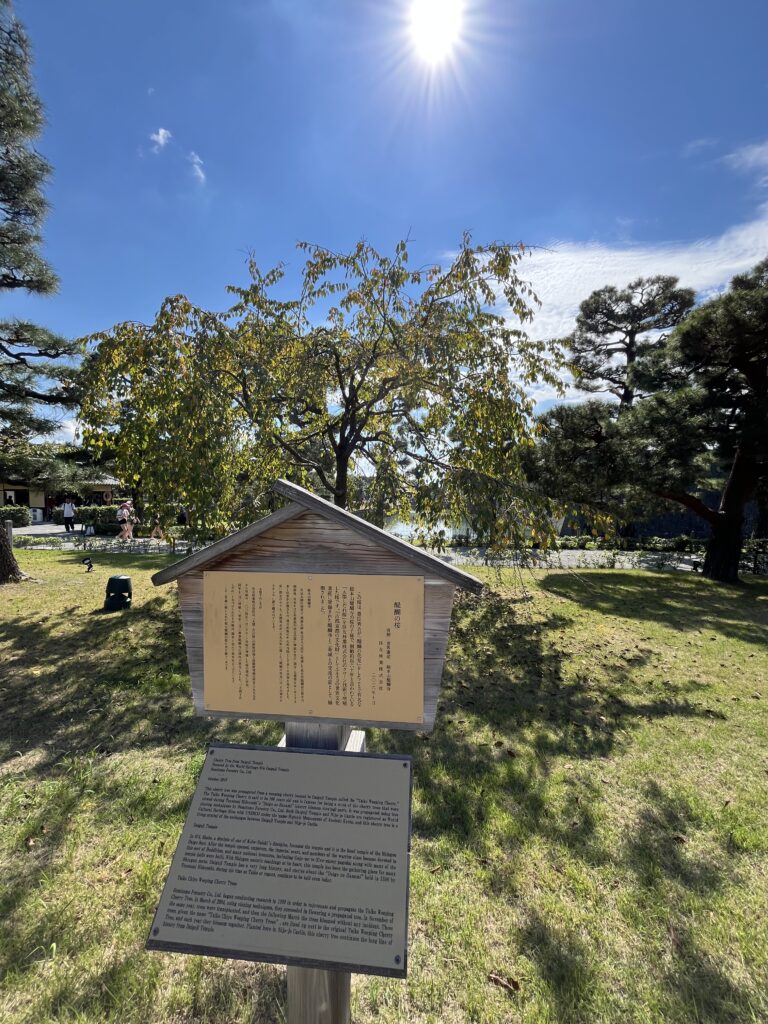
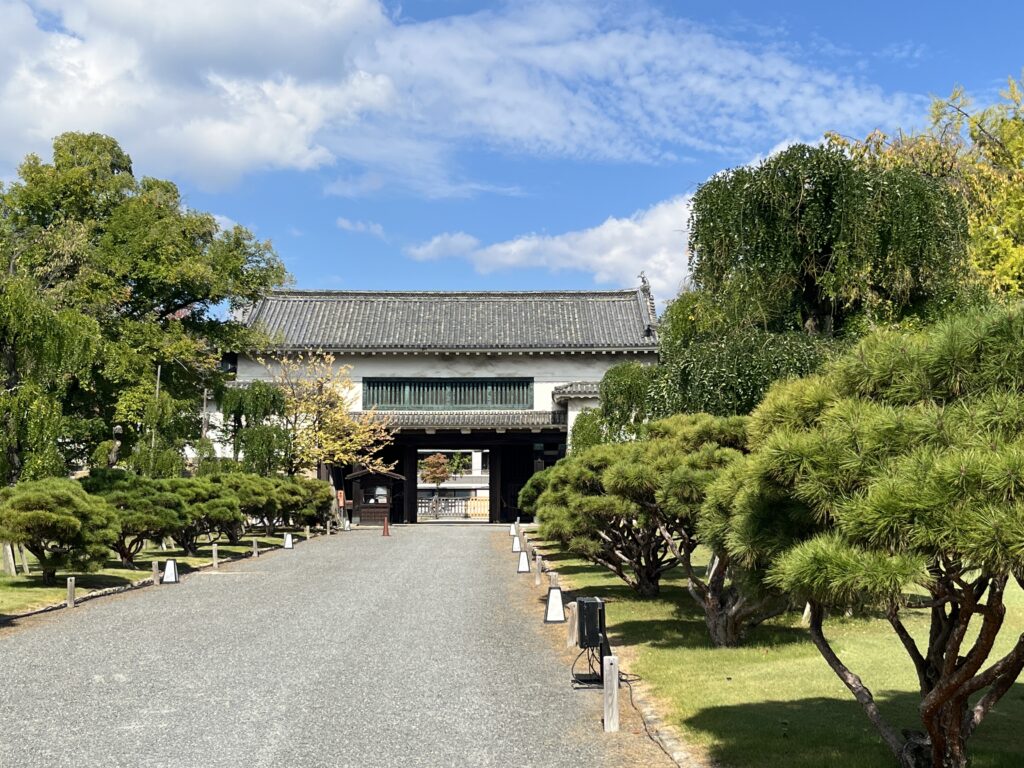
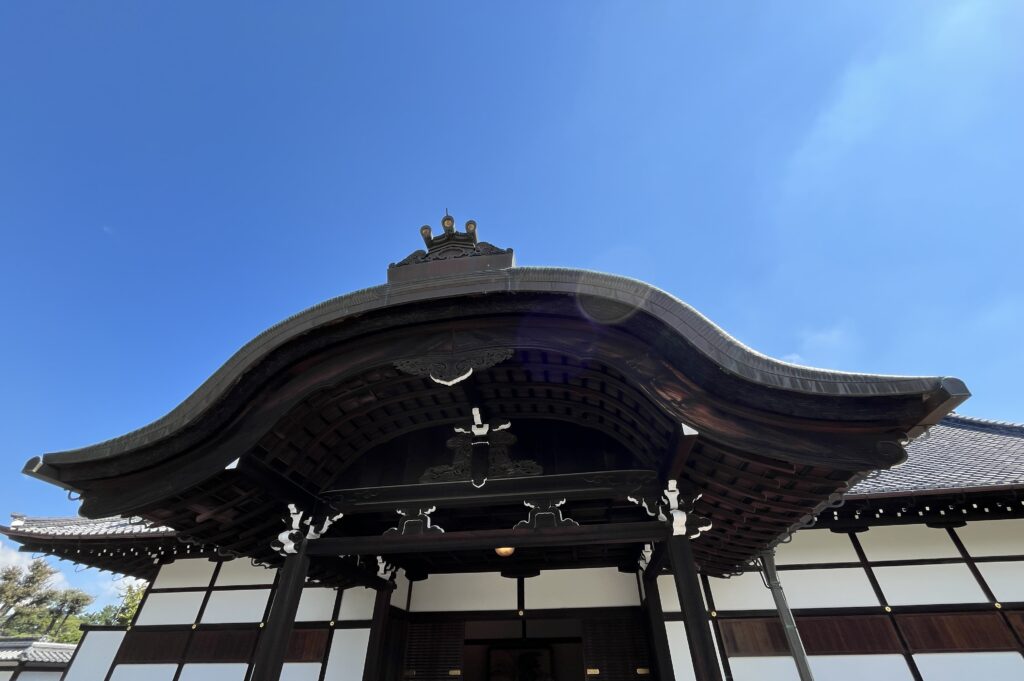
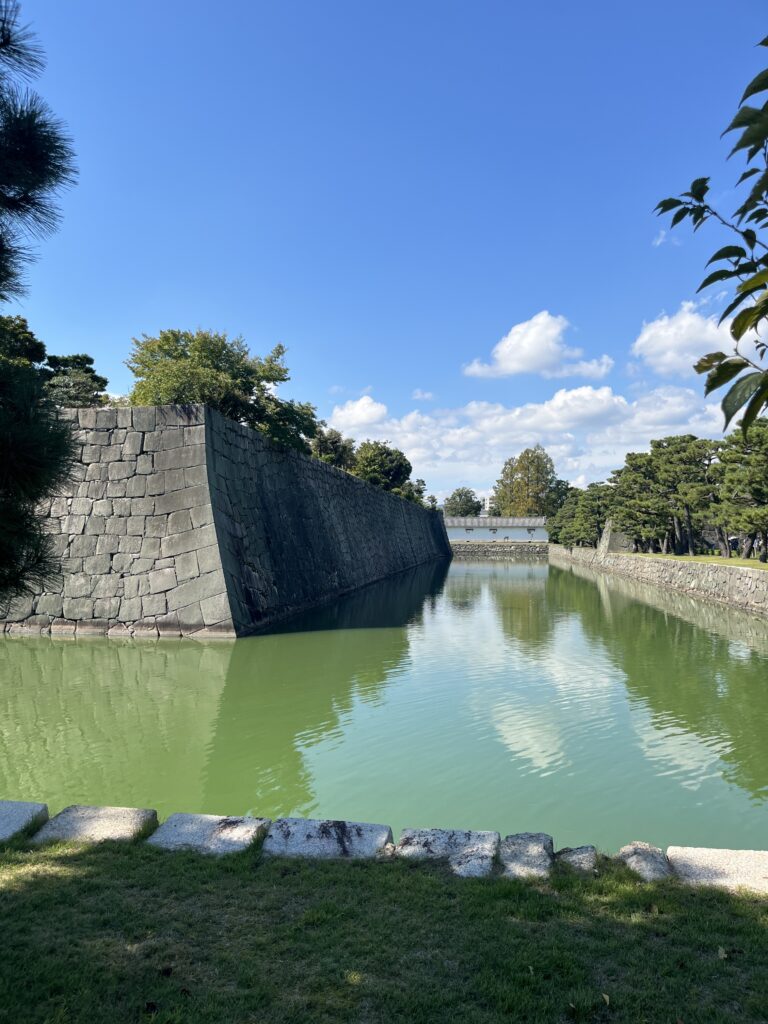
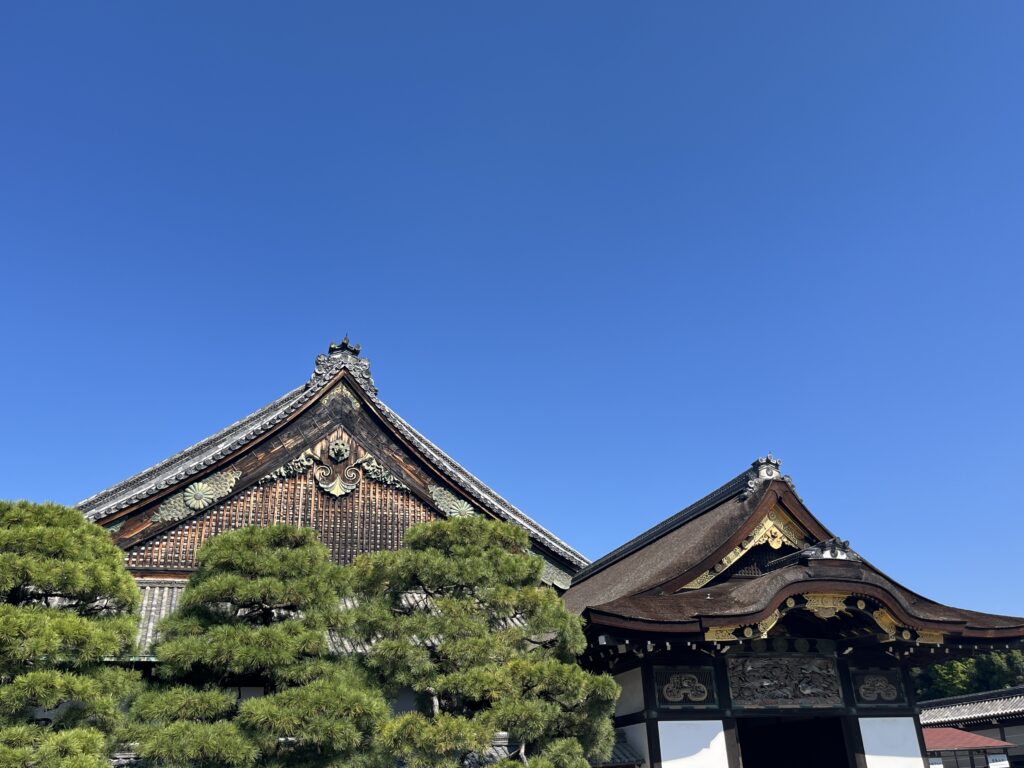
The Former Nijo-jo Palace—a World Heritage site located in Kyoto—has served as the venue for numerous historical events. The year 2026 is particularly significant, marking the 400th anniversary of the *Kanei Gyoko* (the Imperial visit by the Emperor from the Imperial Palace to Nijo Castle), and a variety of commemorative events are planned to mark the occasion.

Location