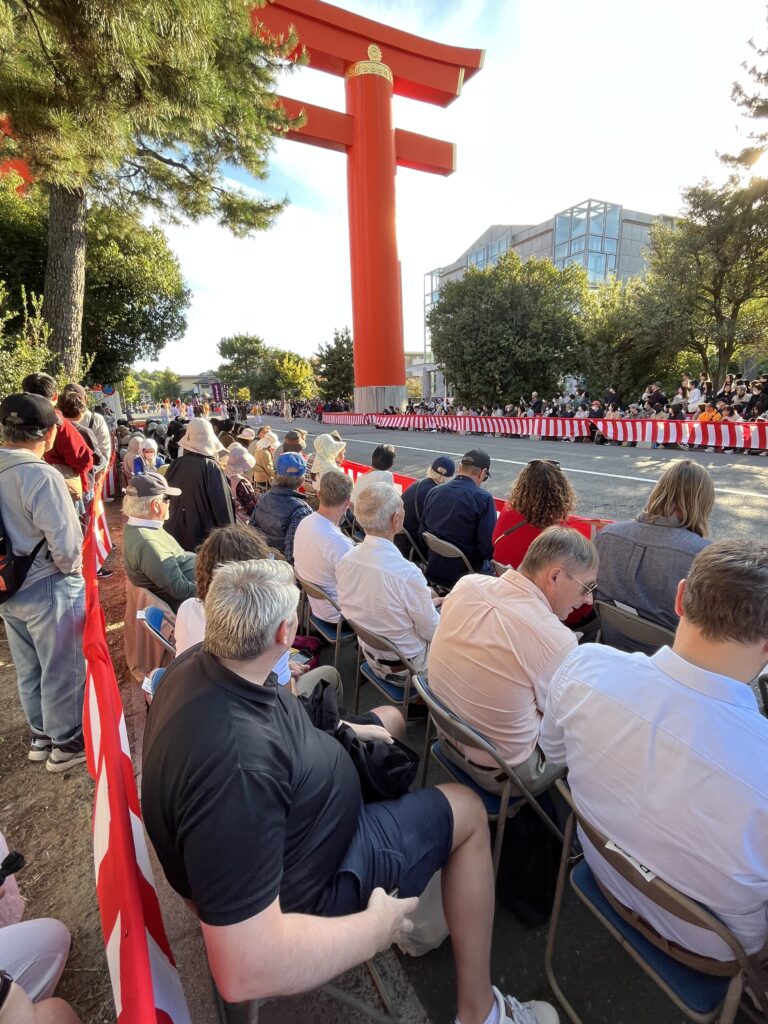
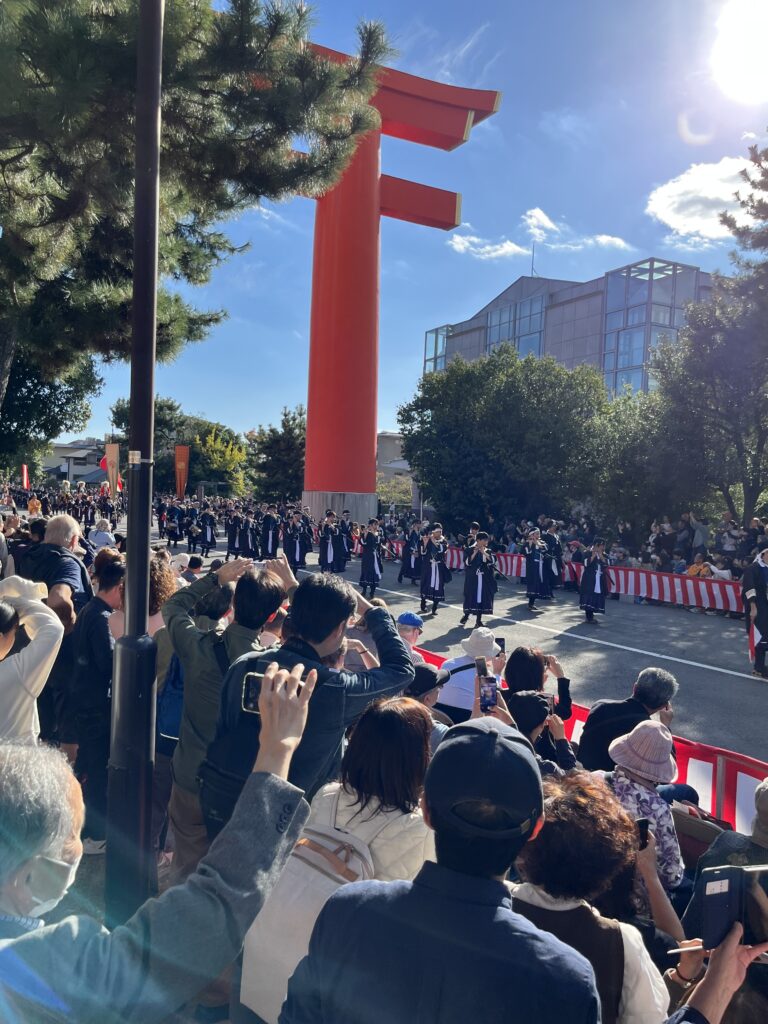
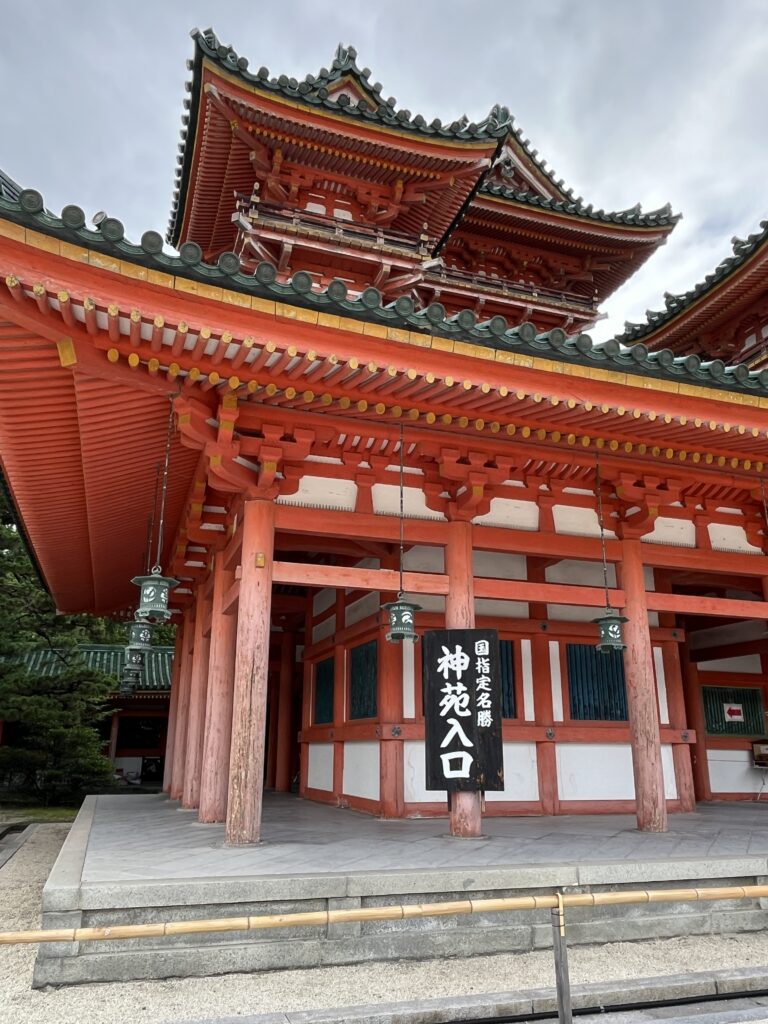
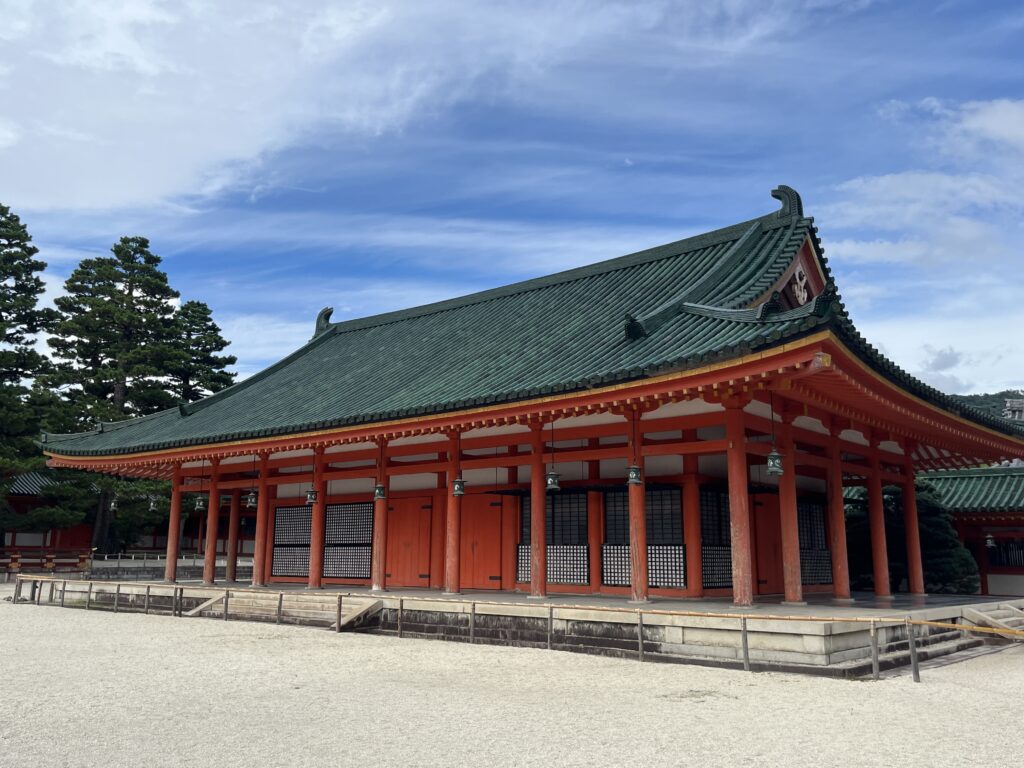
A parade is held every year to commemorate the establishment of Heian-kyo in Kyoto on October 22, 794.
Many tourists from abroad come to enjoy this historical pageant.
Location
Discover a Quiet and Peaceful side of Kyoto
A parade is held every year to commemorate the establishment of Heian-kyo in Kyoto on October 22, 794.
Many tourists from abroad come to enjoy this historical pageant.
Location
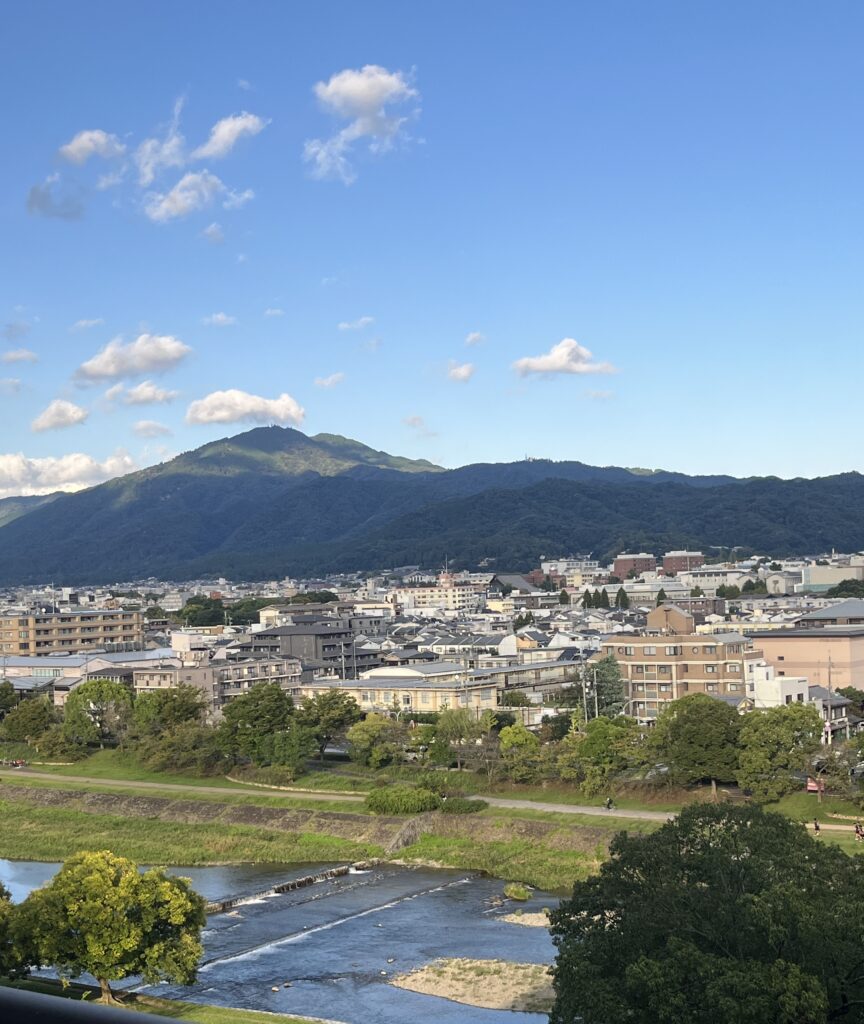
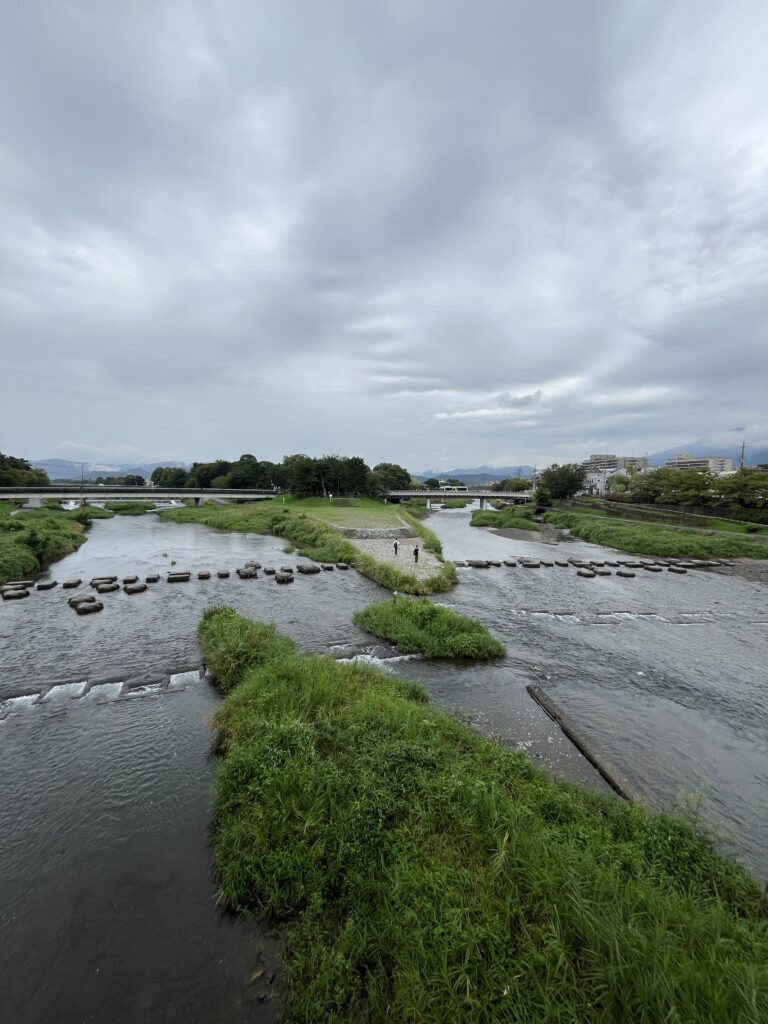
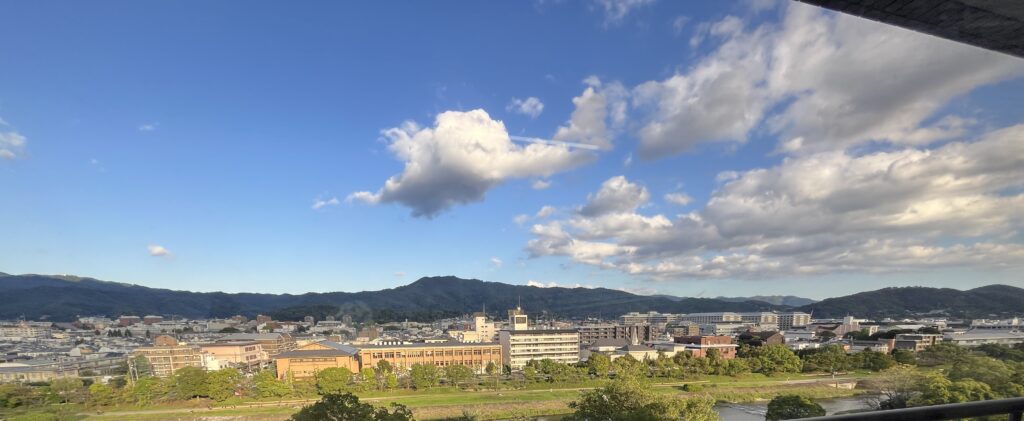
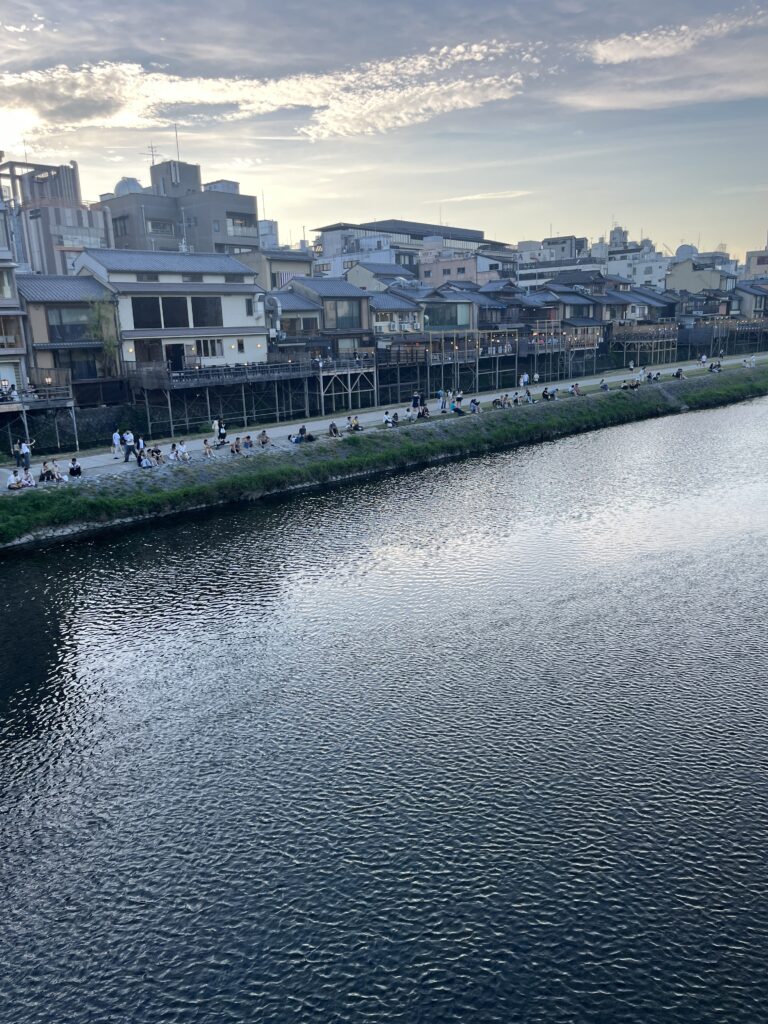
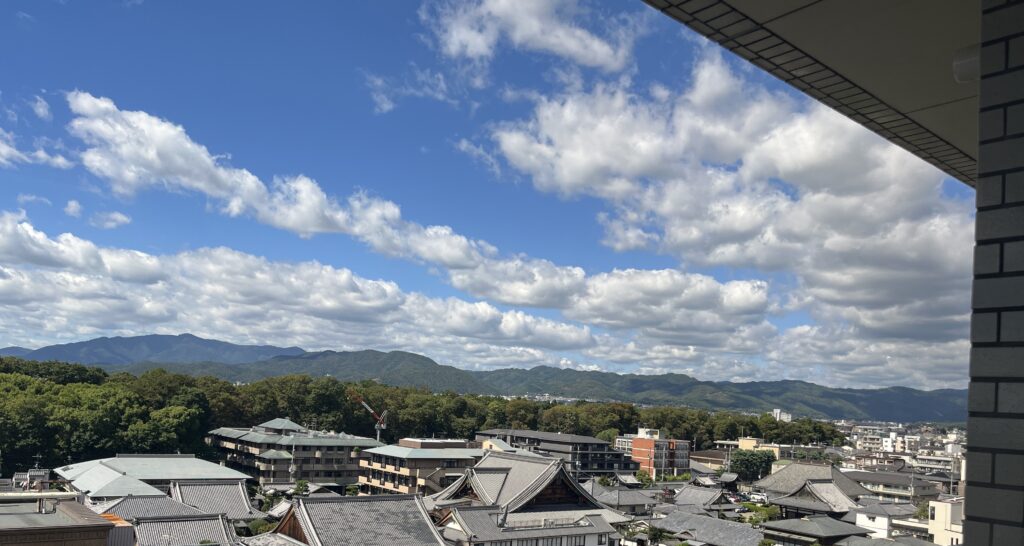
The Kamo River flows north-to-south through Kyoto City and stands as one of the defining features of the city’s landscape.To the east, Mount Hiei and Nyoigatake—famous for the “Gozan no Okuribi” (Five Mountain Bonfire) festival—tower in the background, while to the west, mountains such as Mount Atago form the boundaries of the Kyoto Basin.
Location
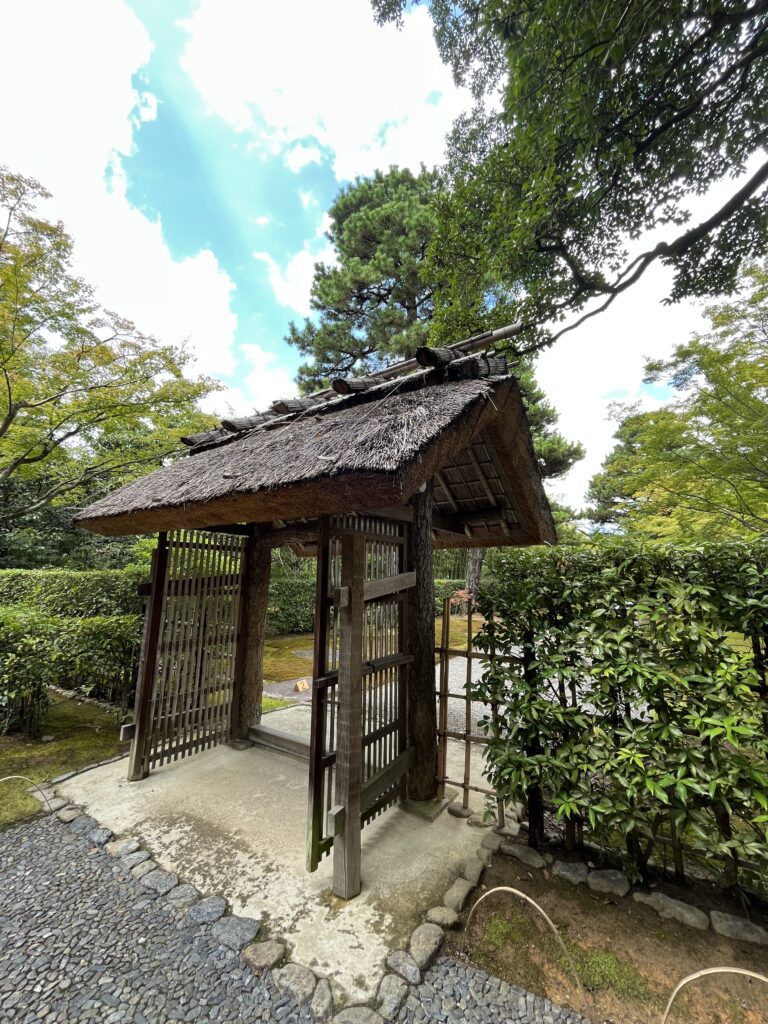
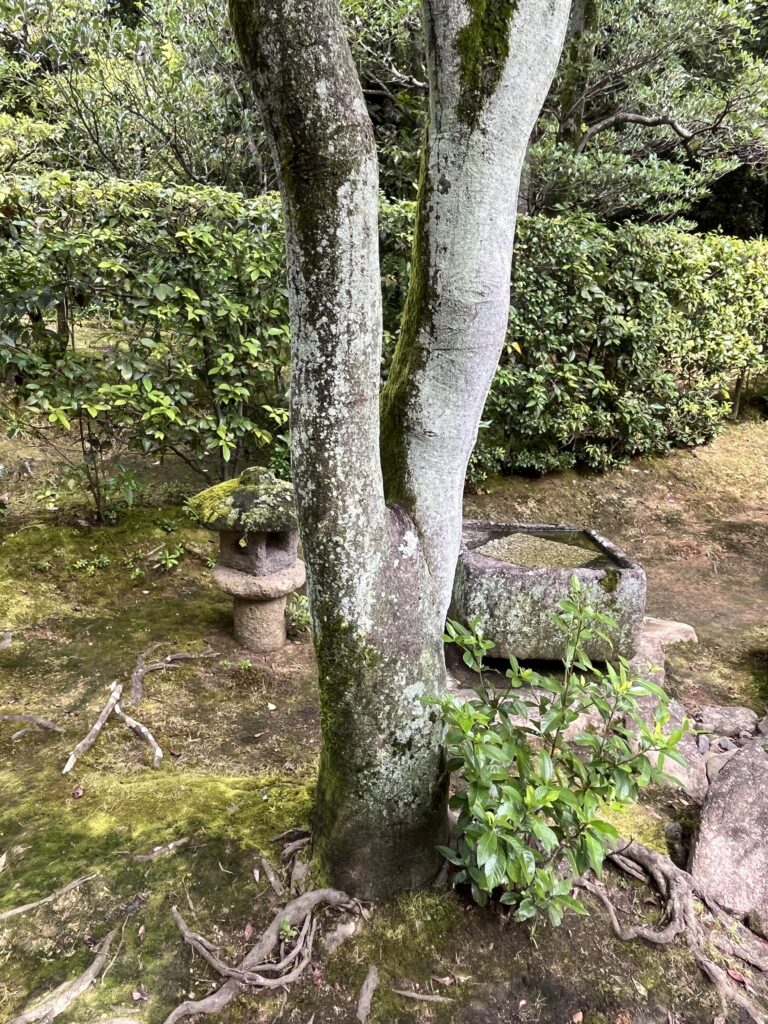
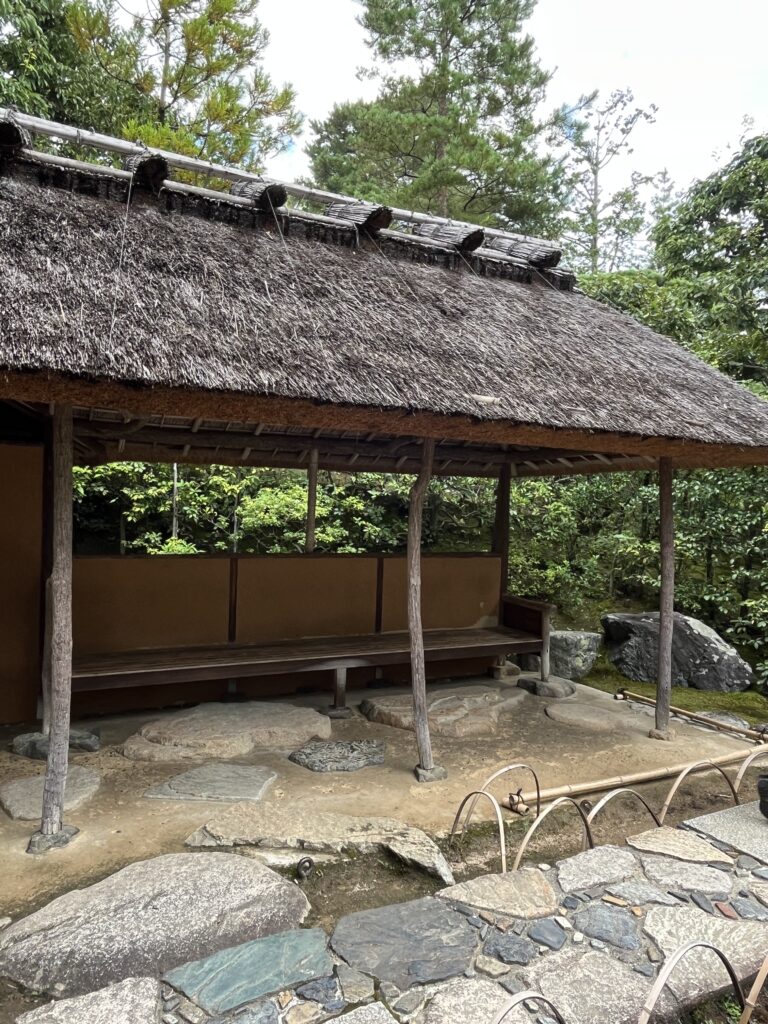
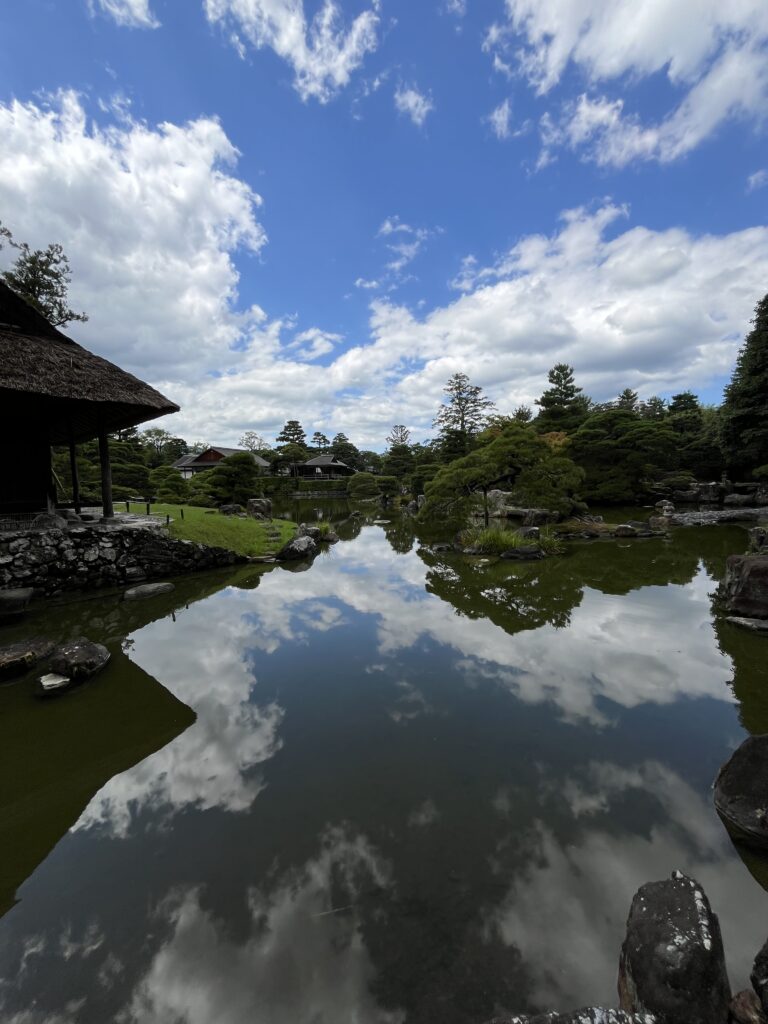
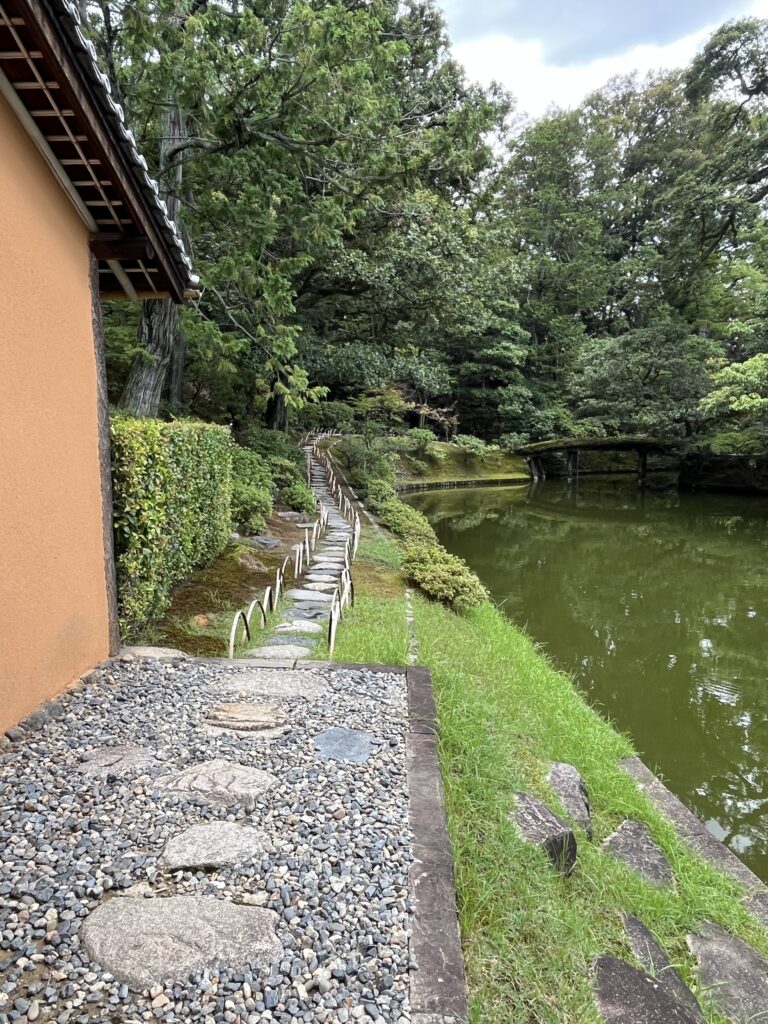
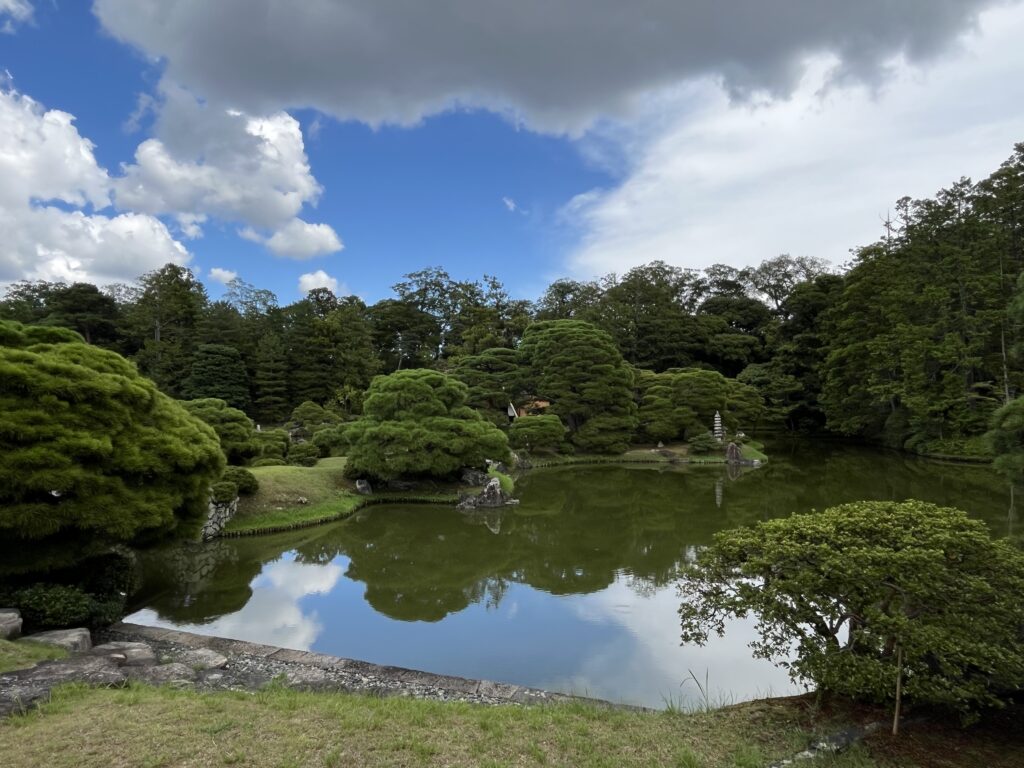
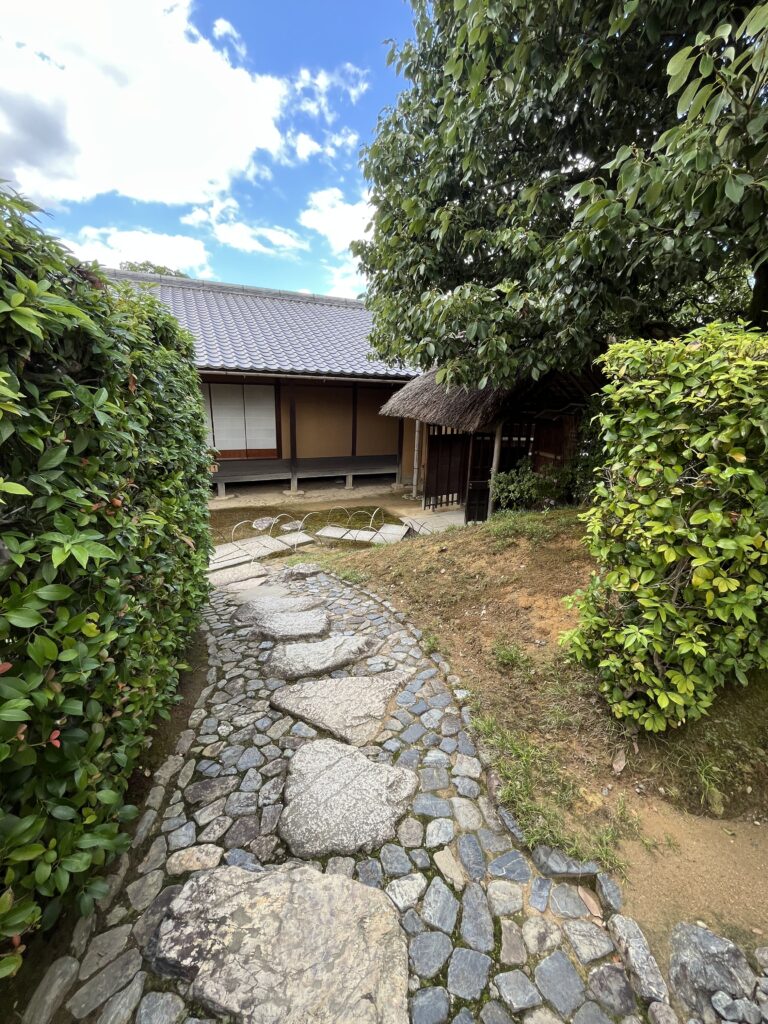
The buildings of the Katsura Imperial Villa are primarily designed in the *shoin-zukuri* style and are said to be integrated with the garden through features such as moon-viewing platforms facing the pond.
Additionally, *sukiya-zukuri* style tea houses are scattered throughout the grounds; these are believed to have been used for activities such as boating excursions, tea gatherings, and moon-viewing parties.
Location
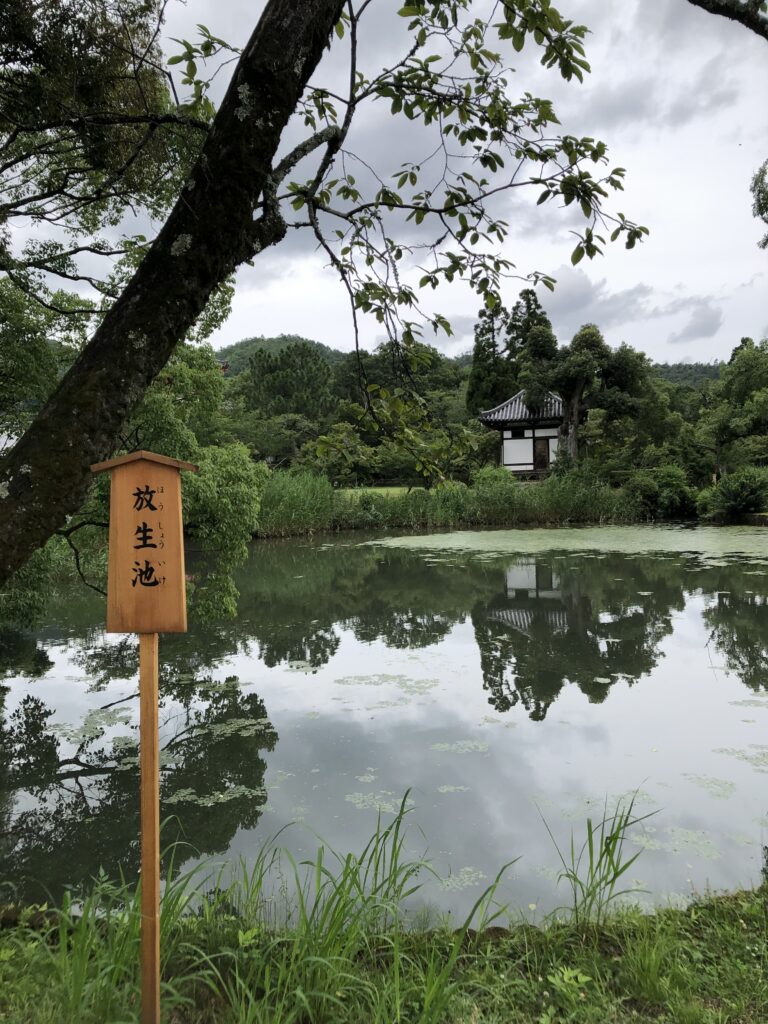
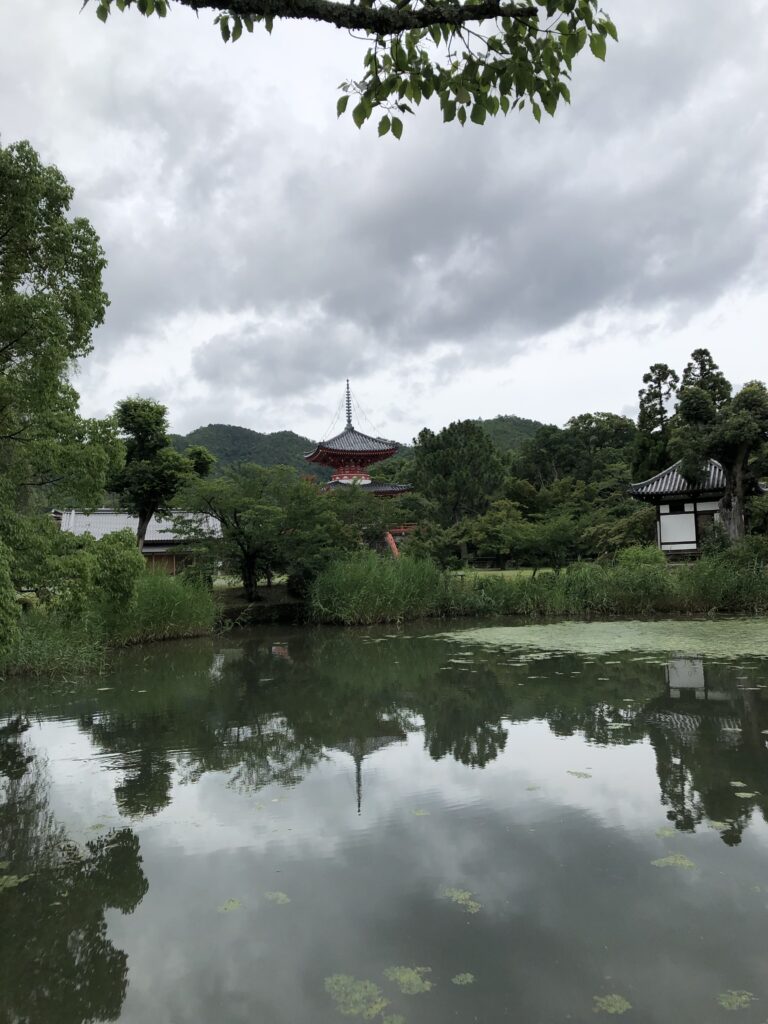
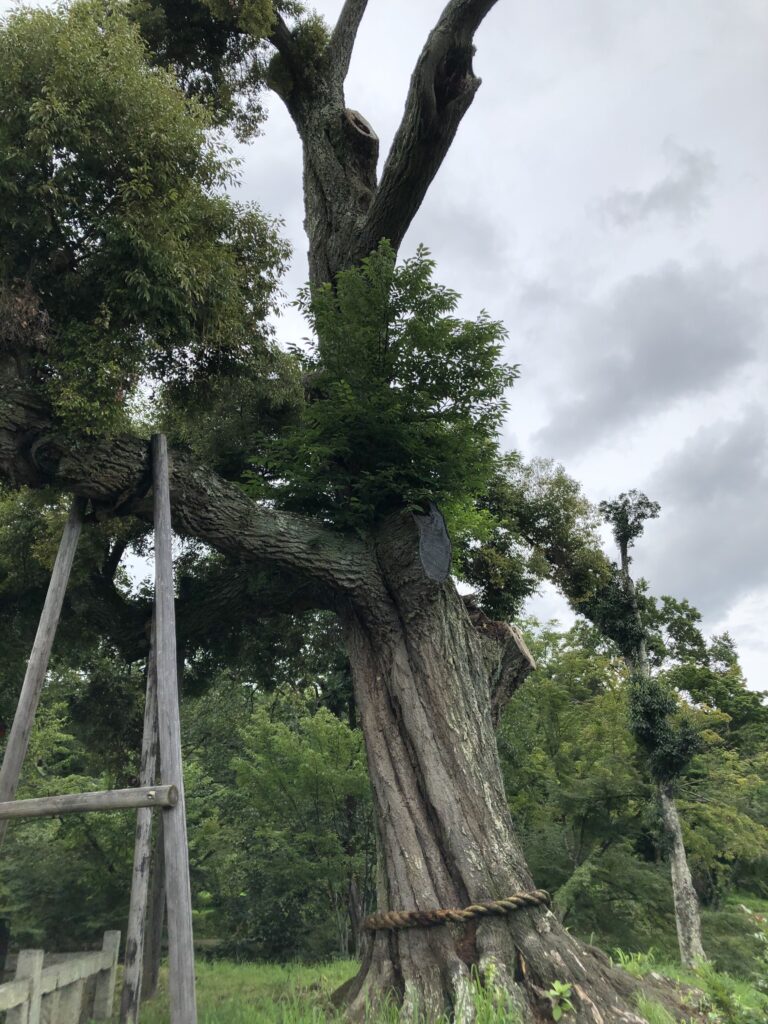
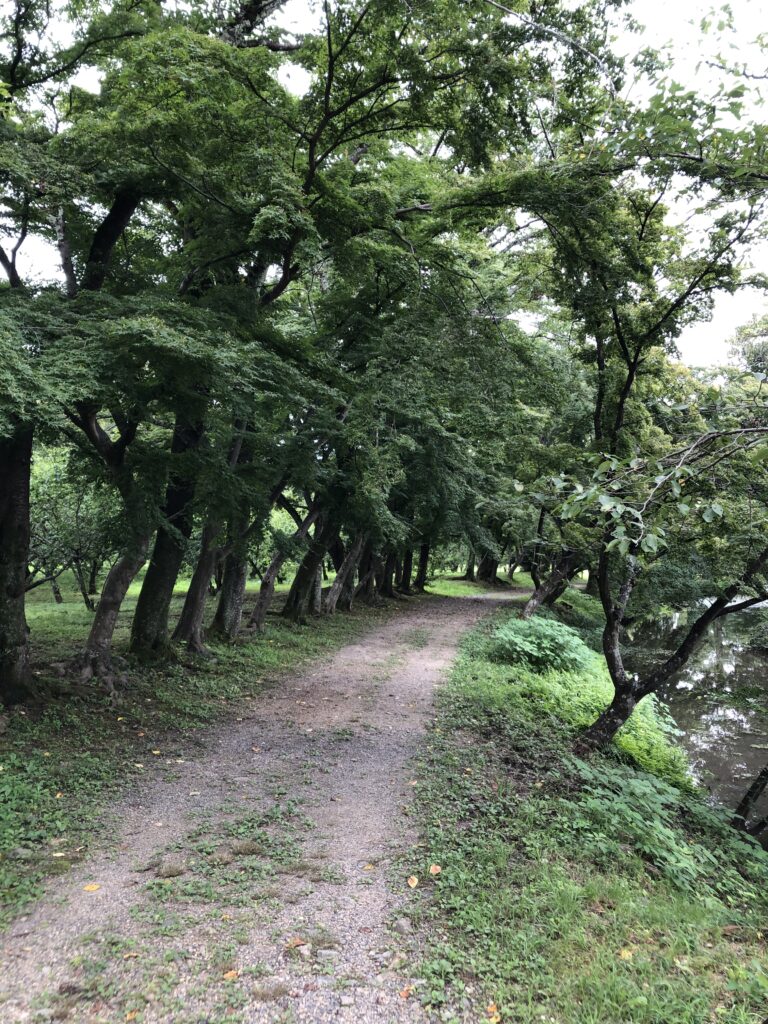
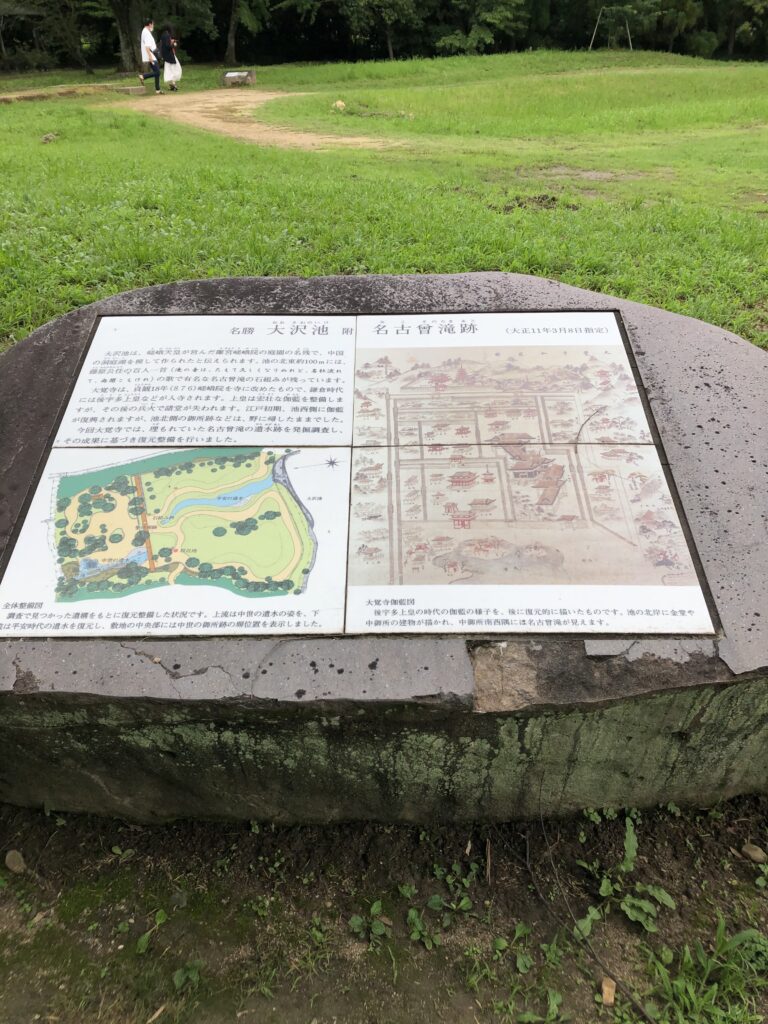
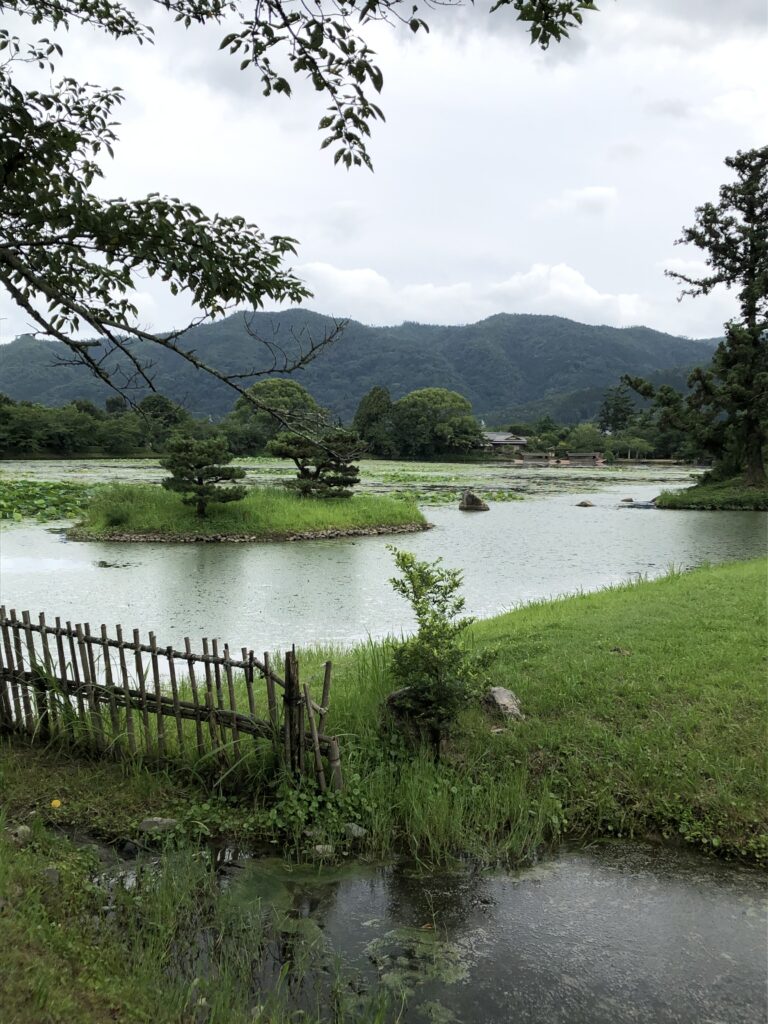
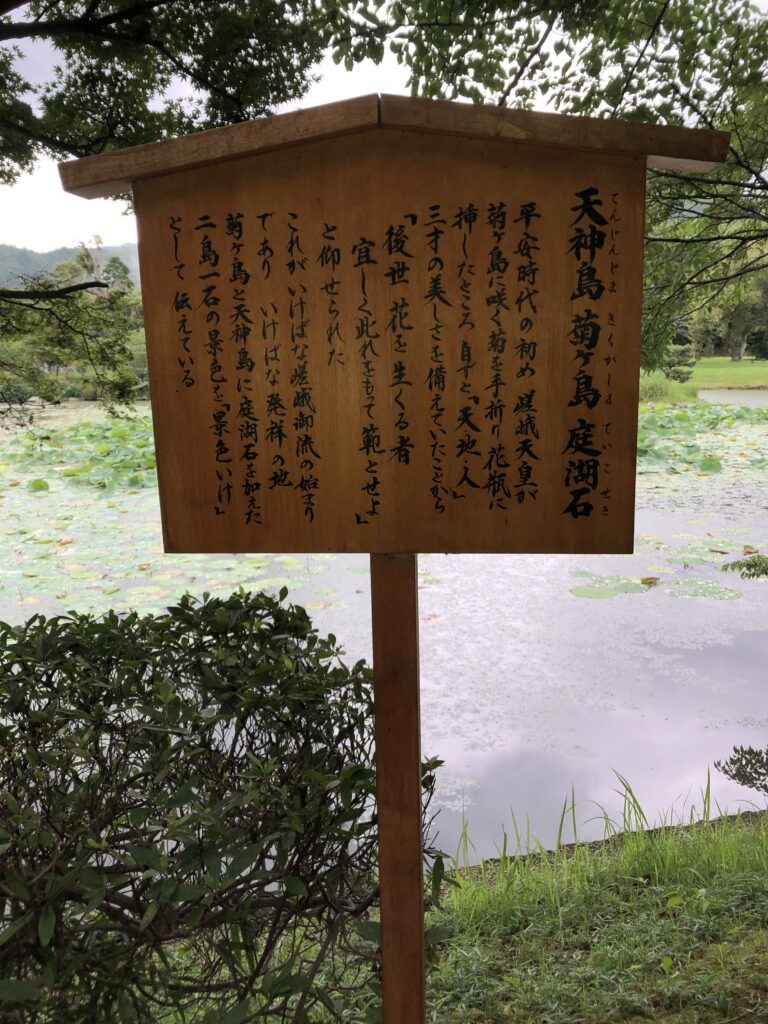
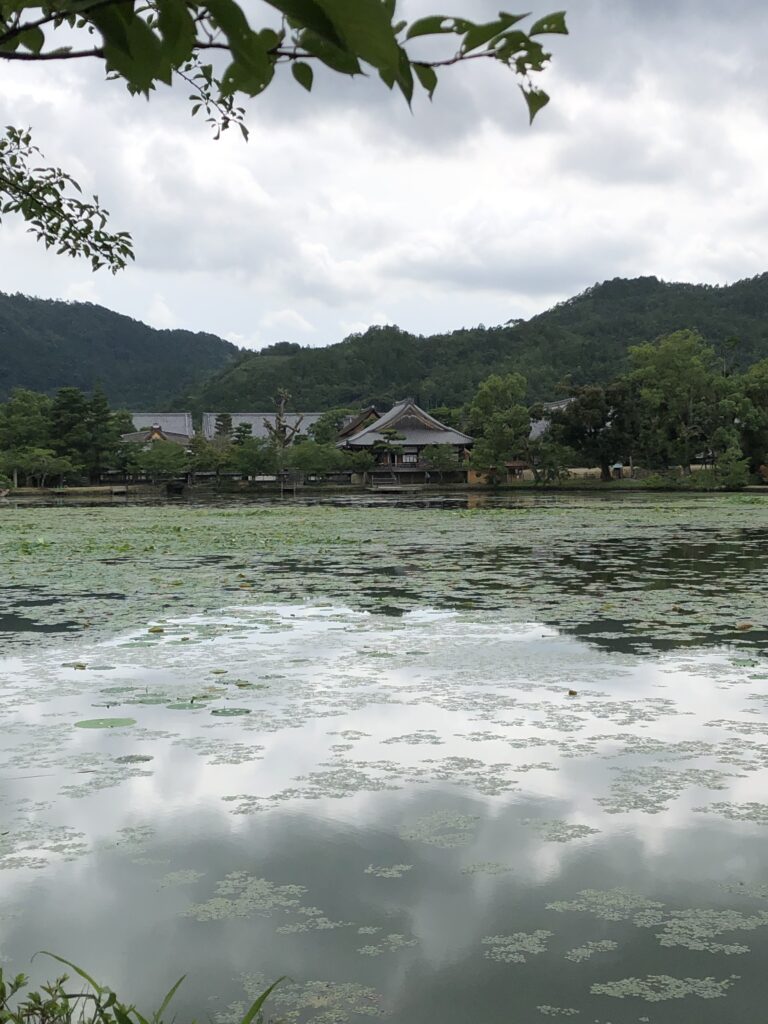
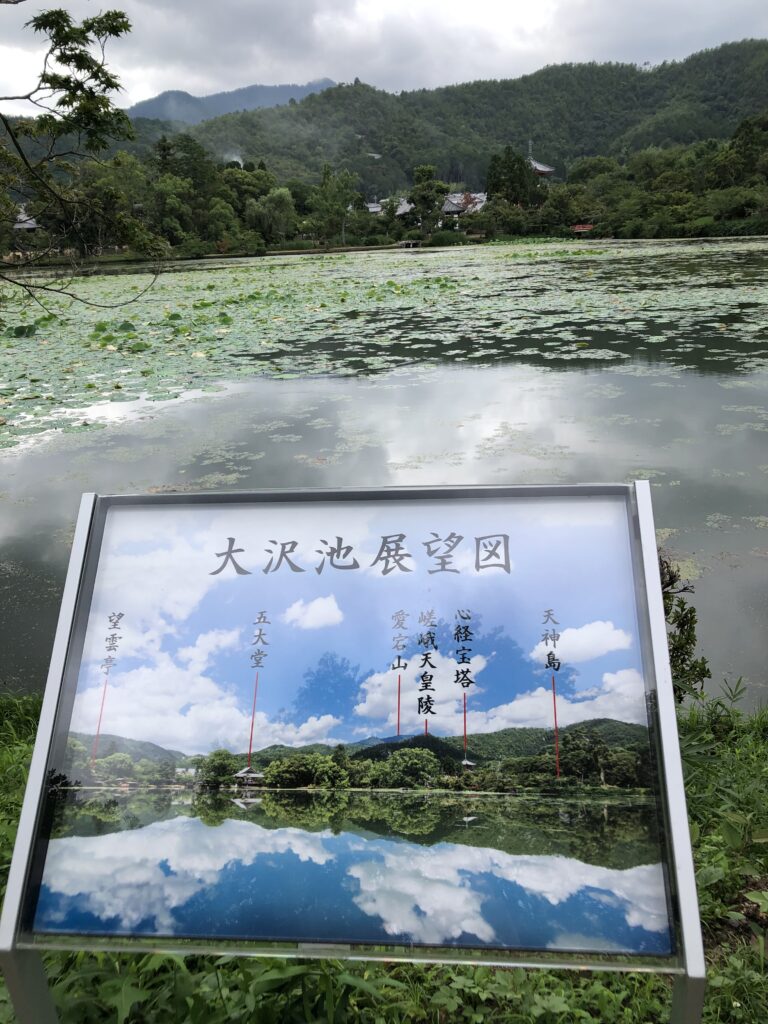
Osawa Pond is part of Sagain—an imperial detached palace built by Emperor Saga in the early Heian period—and is renowned as a scenic spot, featuring seasonal flowers and trees planted around the pond and on the island within it.
Location
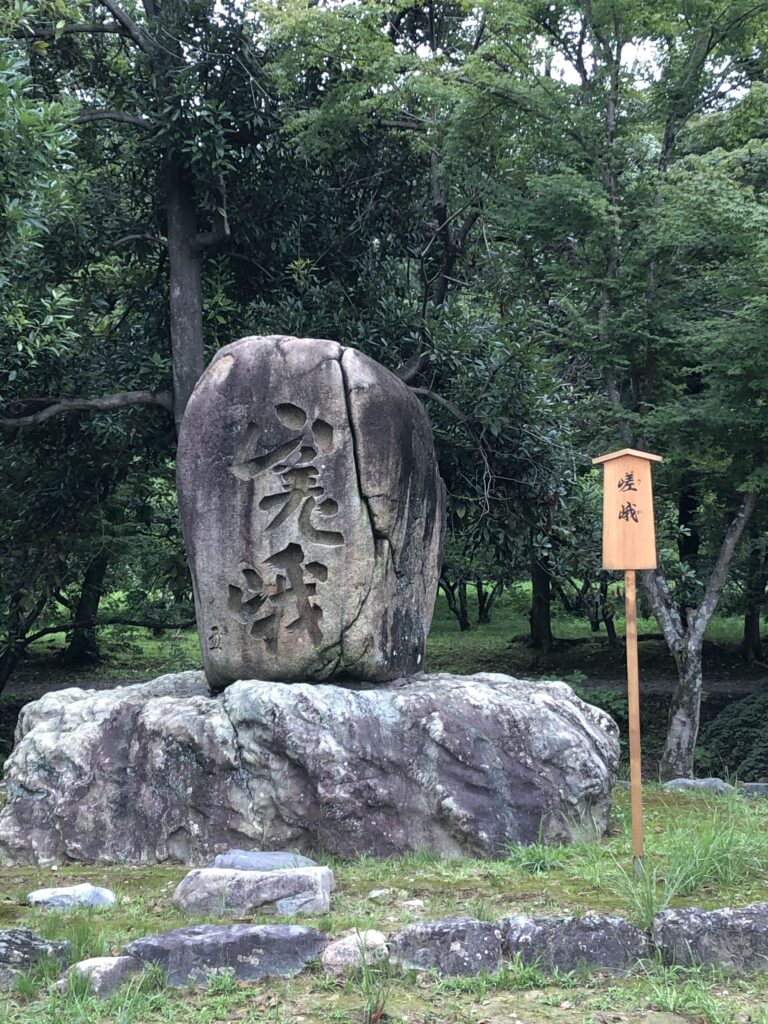
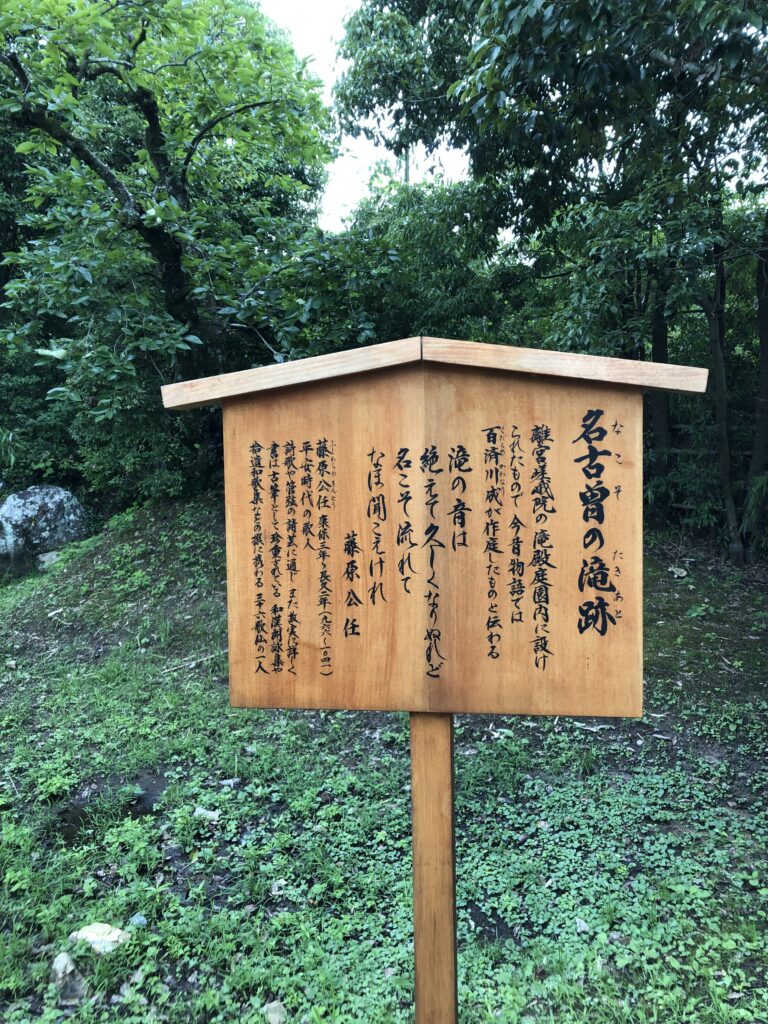
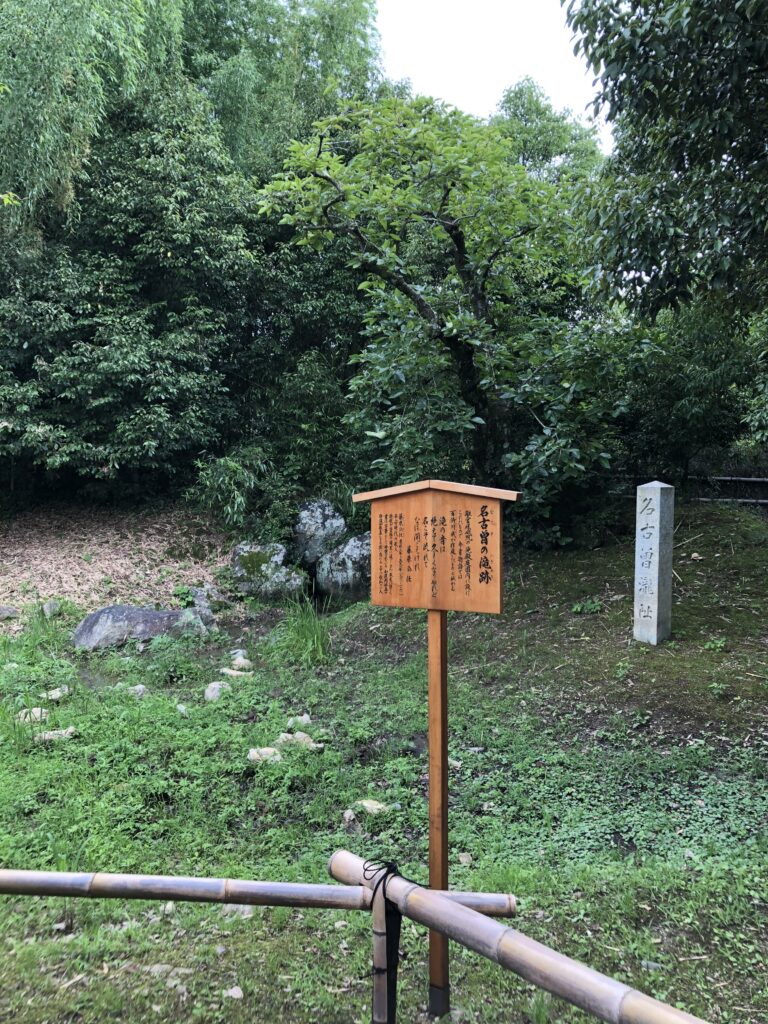
Nagoso Waterfall: When Emperor Saga established Daikaku-ji Temple, an artificial waterfall was constructed—utilizing a change in elevation—along the watercourse feeding into Osawa Pond, which had been created as part of the temple’s garden. However, the flow of water eventually ceased, and the waterfall is said to have dried up by the mid-Heian period.
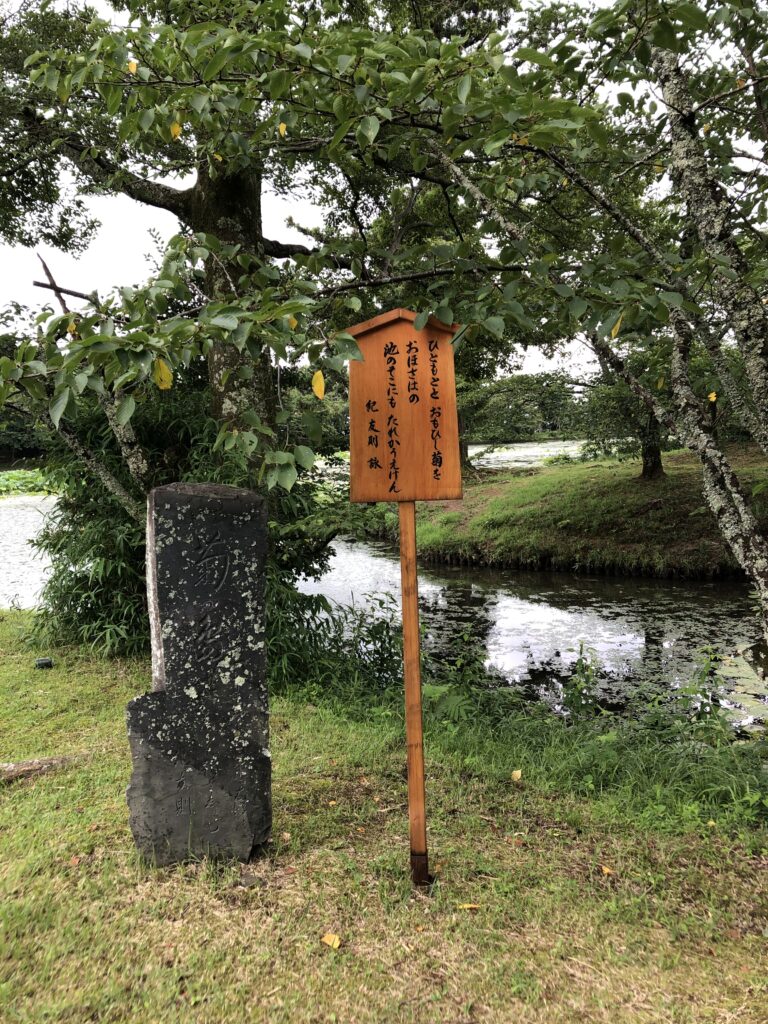
Fujiwara no Kintō composed a famous poem upon seeing this waterfall that had run dry; that poem has been preserved in the *Hyakunin Isshu* anthology.
Location