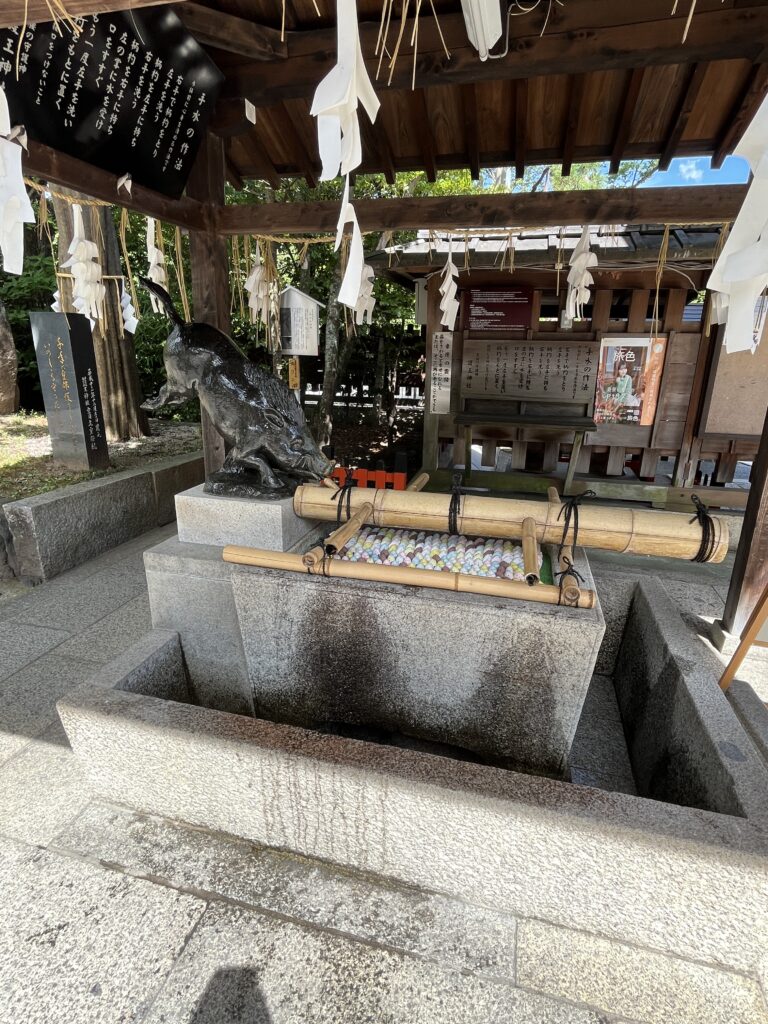
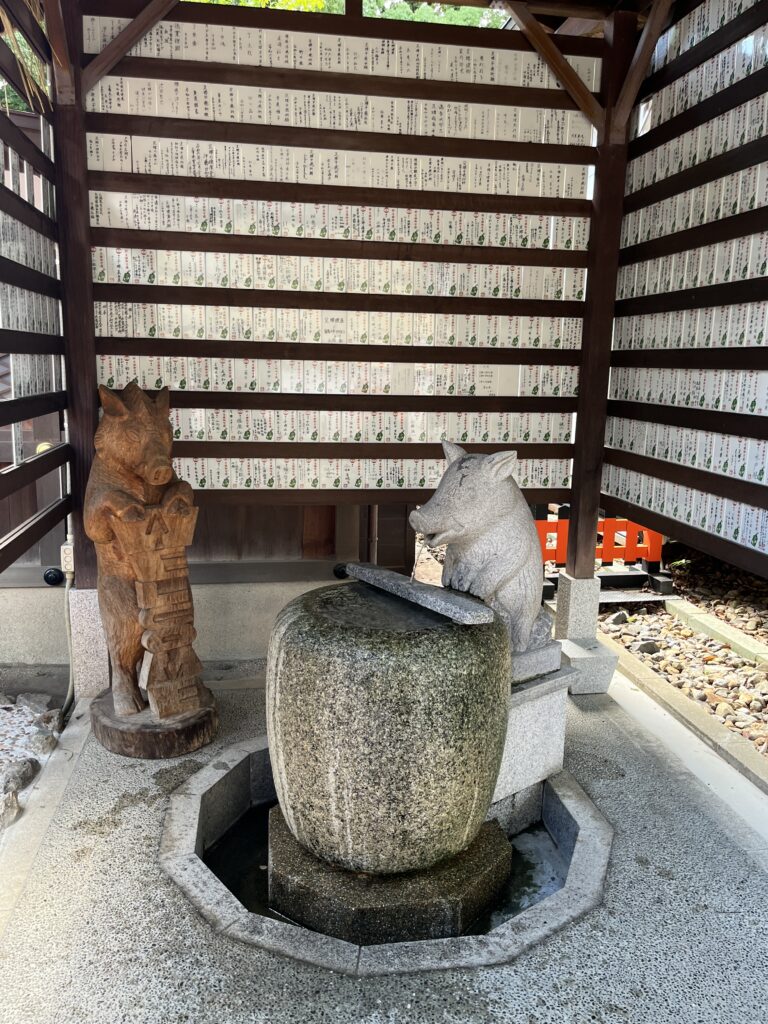
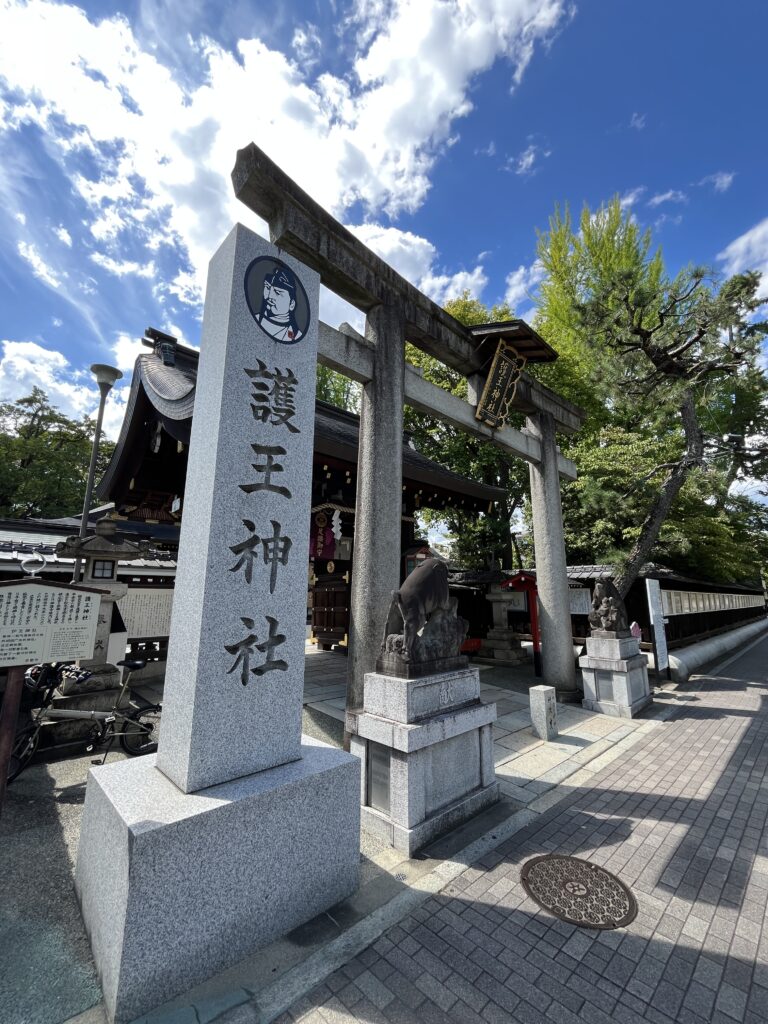
You can see wild boar statues in place of the usual guardian dogs, a boar-themed purification fountain, and boar figures scattered throughout the shrine grounds.
Location
Discover a Quiet and Peaceful side of Kyoto
You can see wild boar statues in place of the usual guardian dogs, a boar-themed purification fountain, and boar figures scattered throughout the shrine grounds.
Location
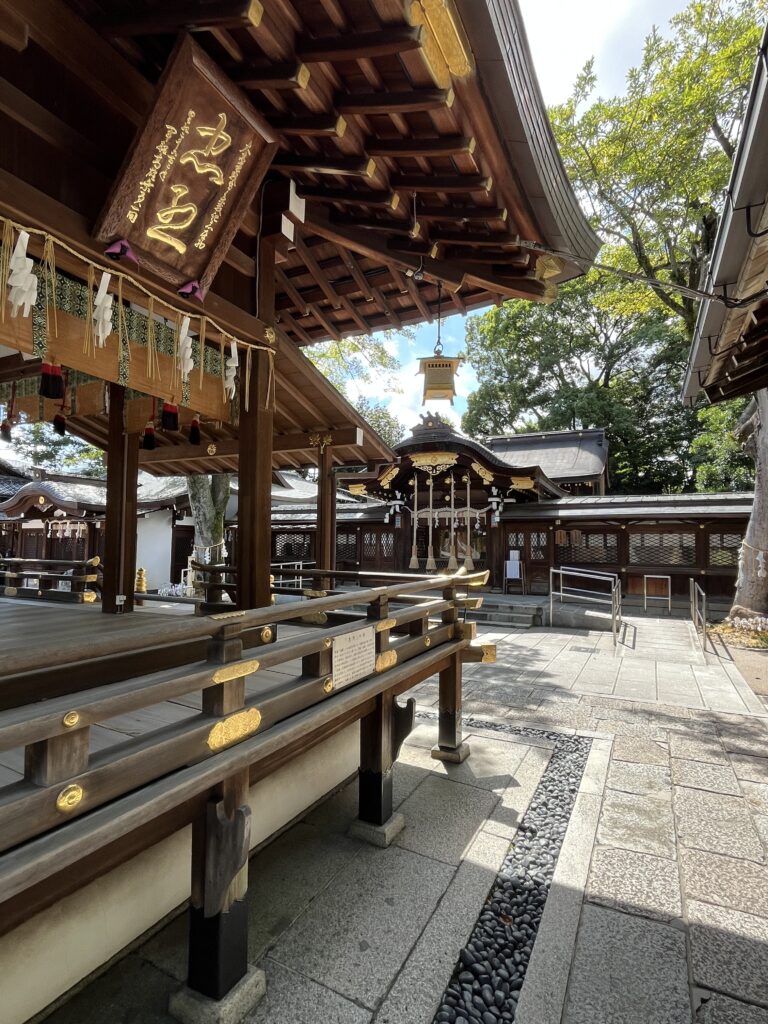
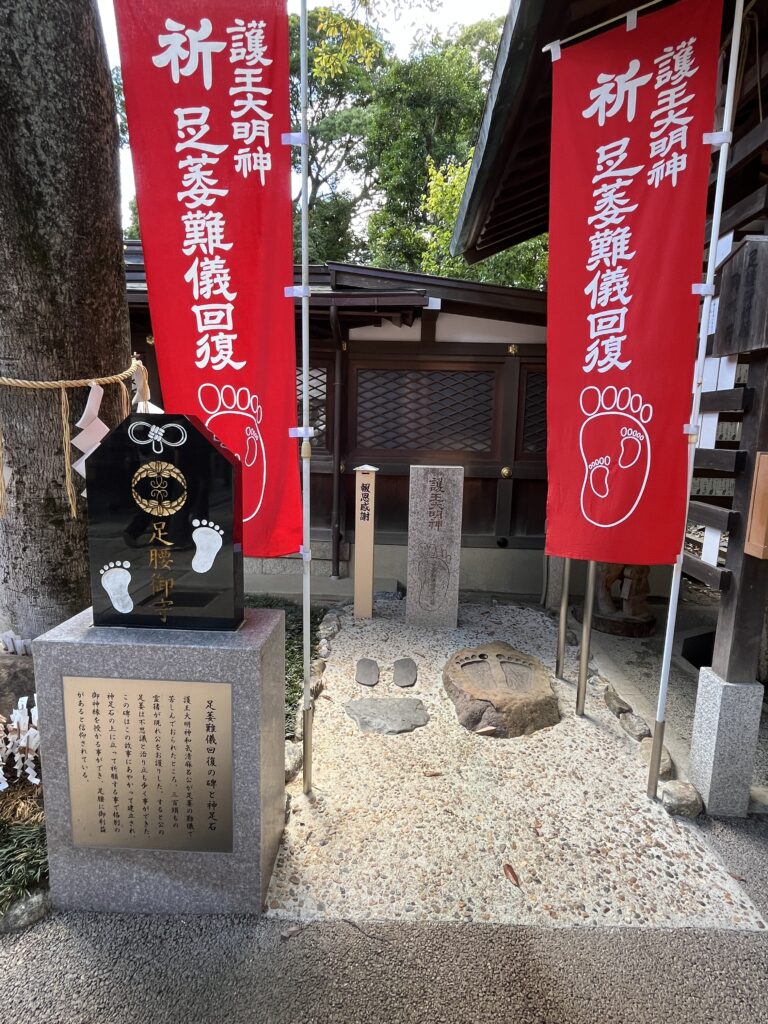
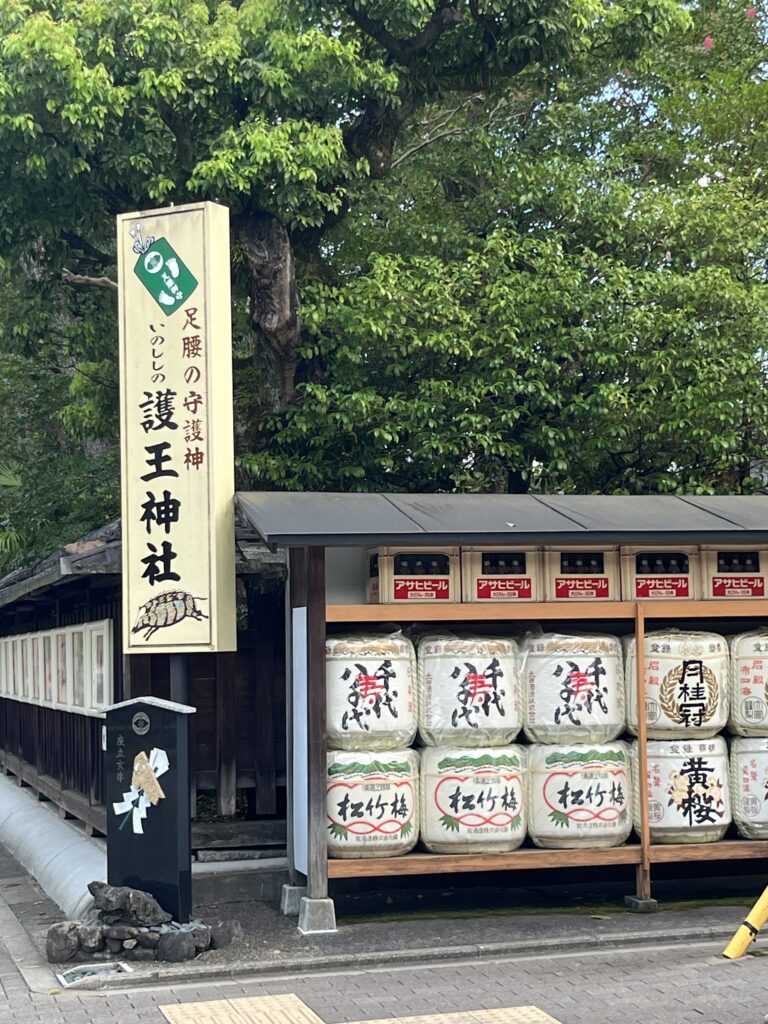
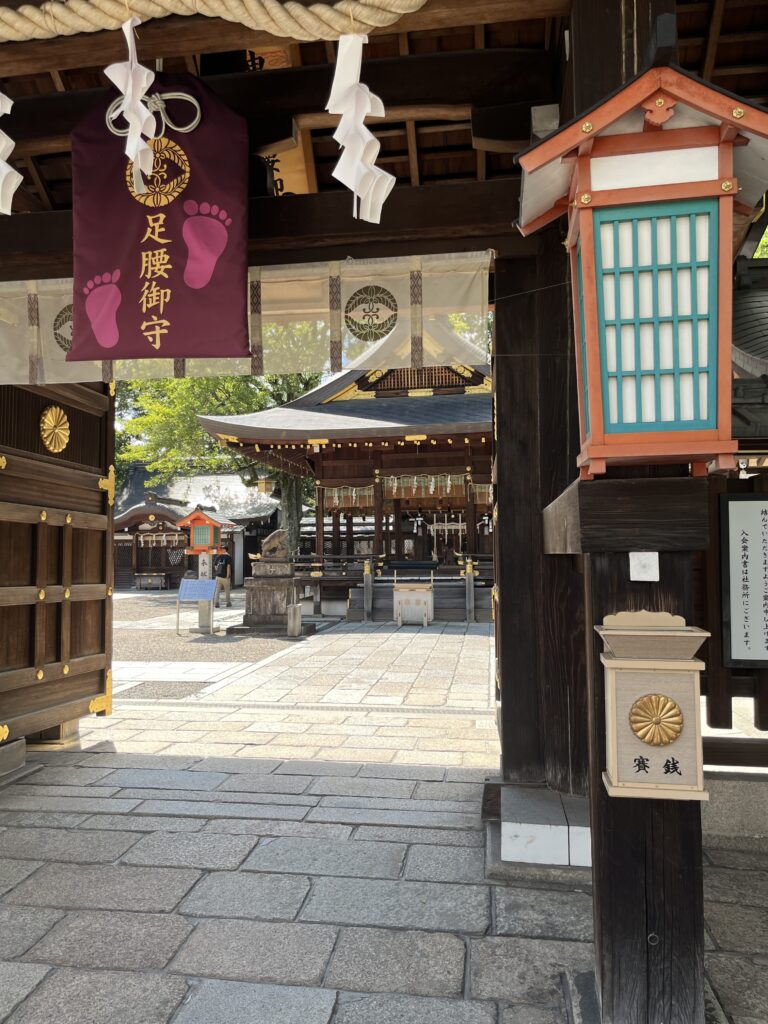
Located on the west side of the Kyoto Imperial Palace, opposite the Hamaguri-gomon Gate, Go-o Shrine is known as the “Wild Boar Shrine” and is believed to offer blessings for recovery from ailments and injuries affecting the legs and lower back.
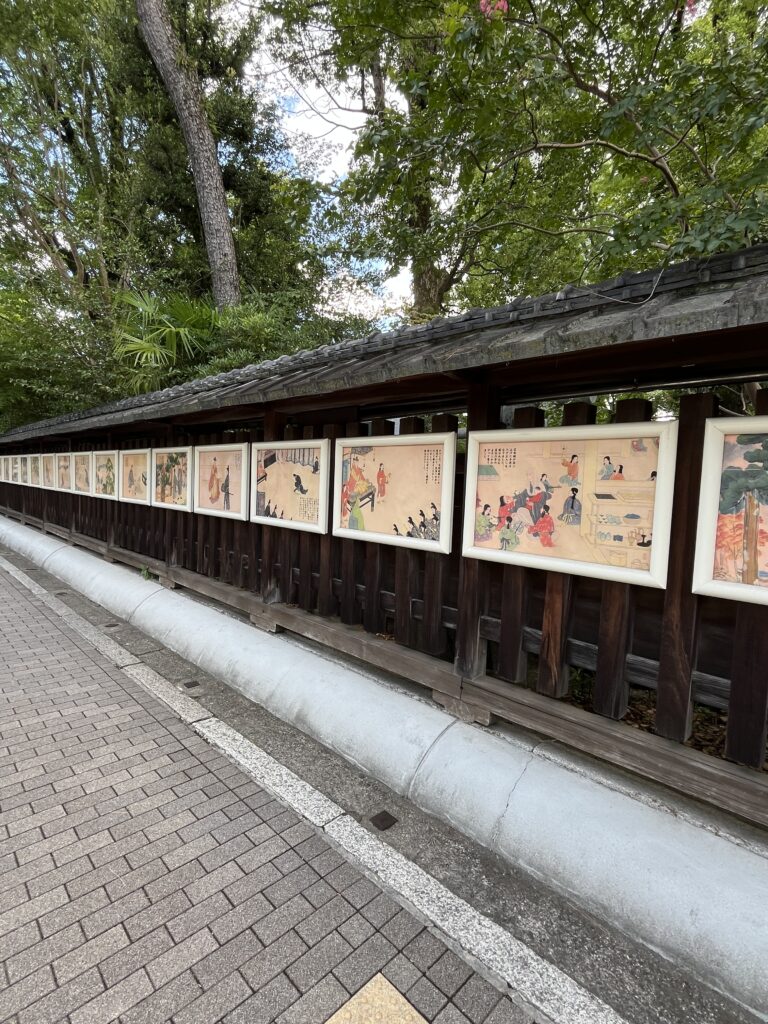
The shrine enshrines Wake no Kiyomaro—who played a pivotal role in Emperor Kanmu’s relocation of the capital to Heian-kyo—and his older sister, Wake no Hiromushi; images illustrating this history are displayed along Karasuma-dori Street.
Location
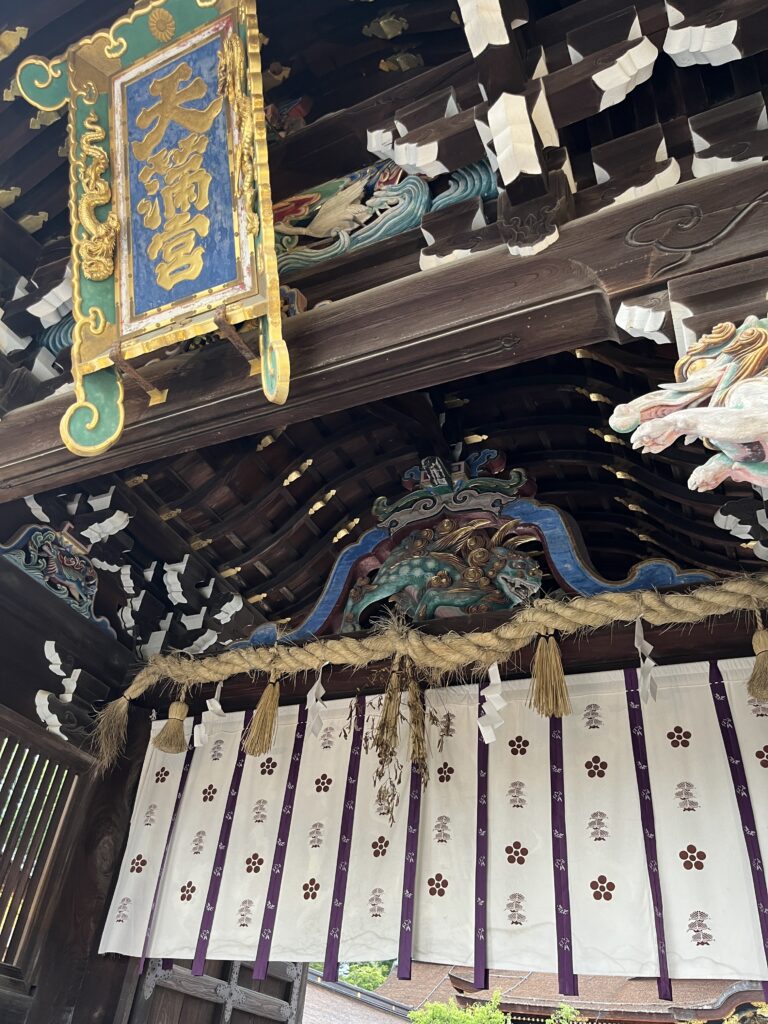
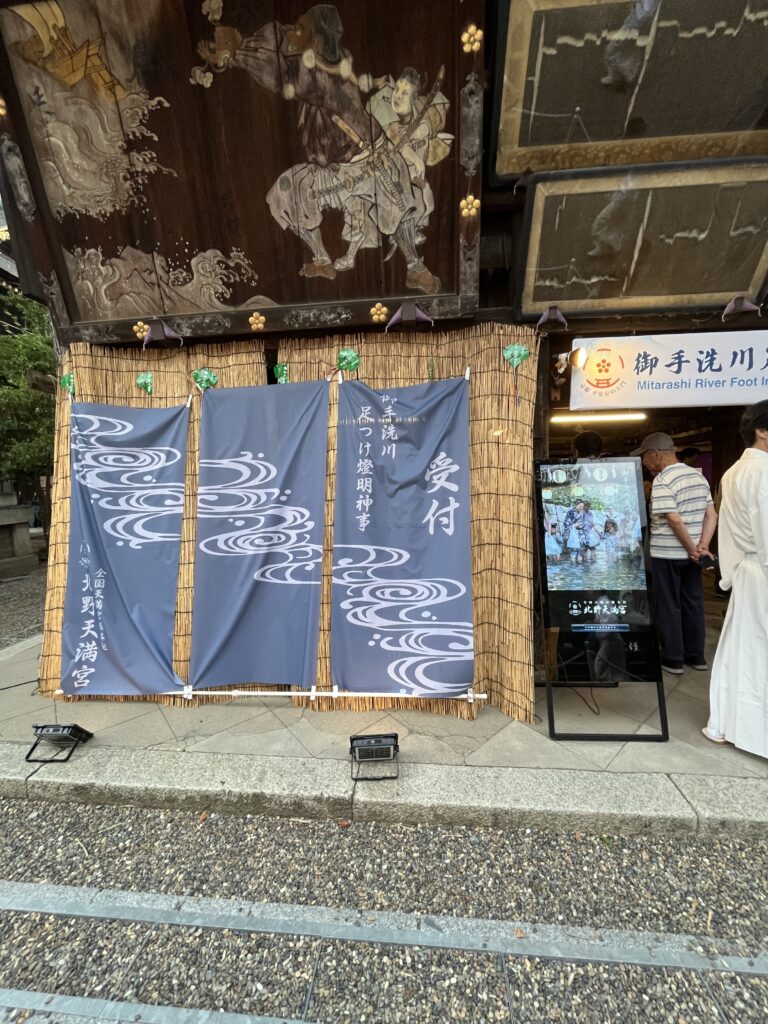
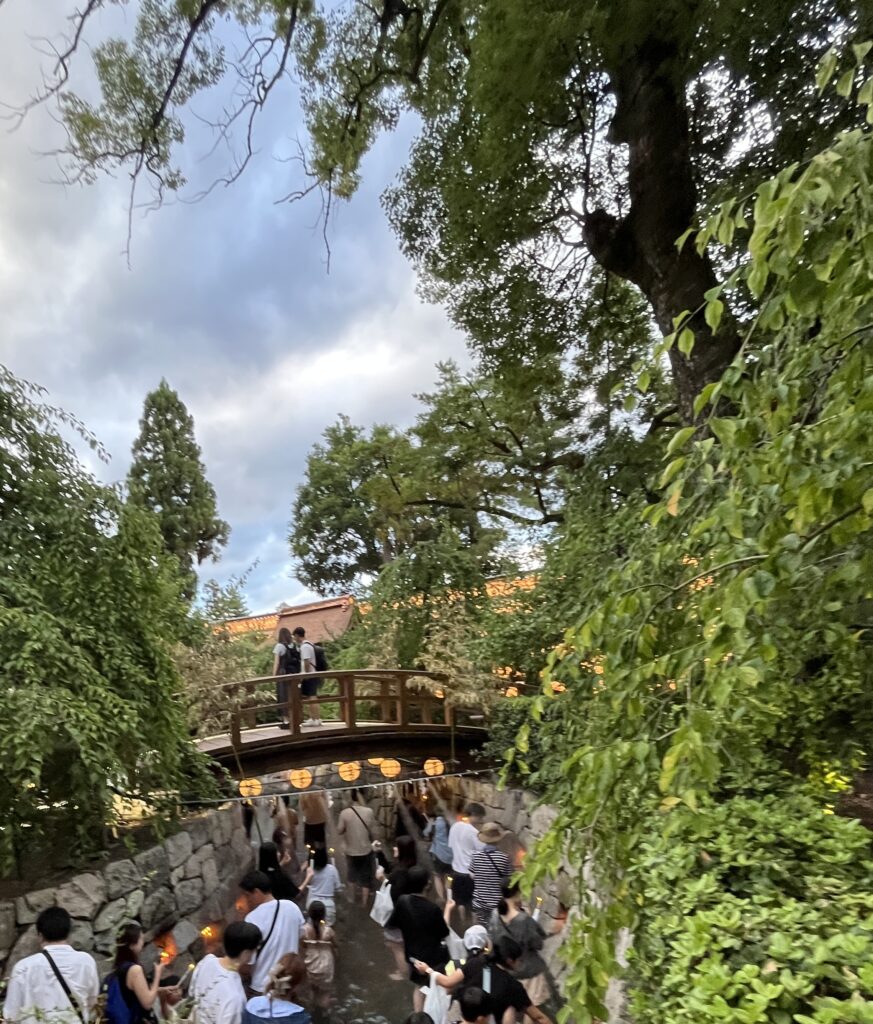
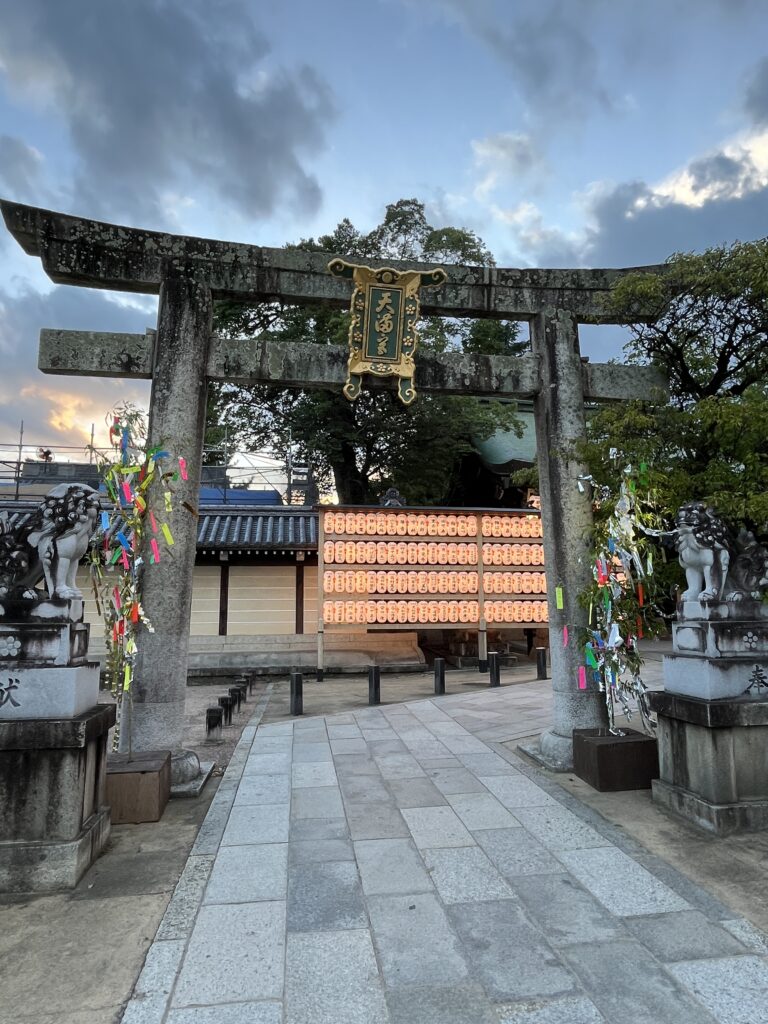
Choose one of five colored candles—each corresponding to a different type of blessing—and step into the Mitarashi River; there, use the pure water to cleanse your body and spirit of negative energy before lighting and offering your candle.
Location
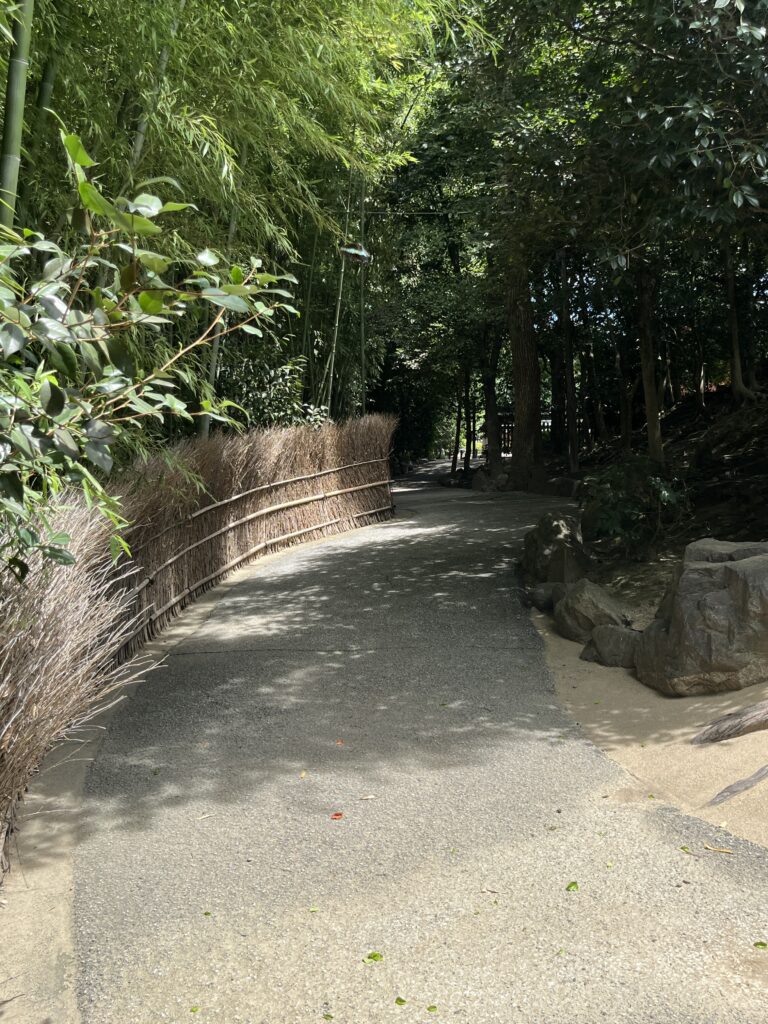
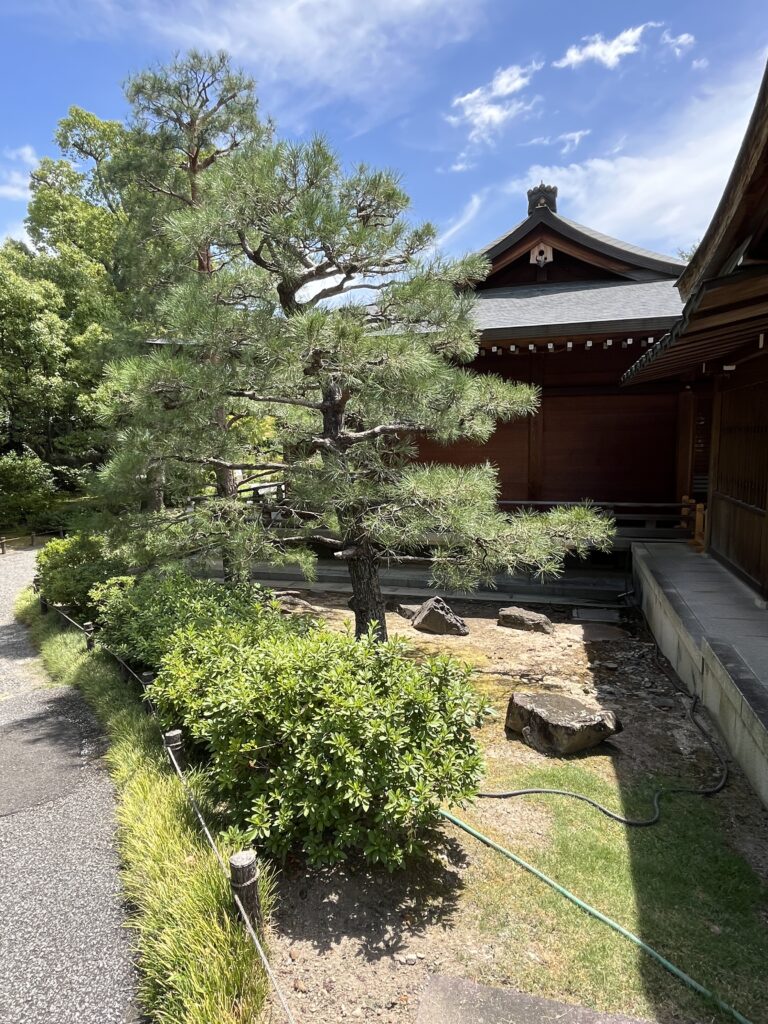
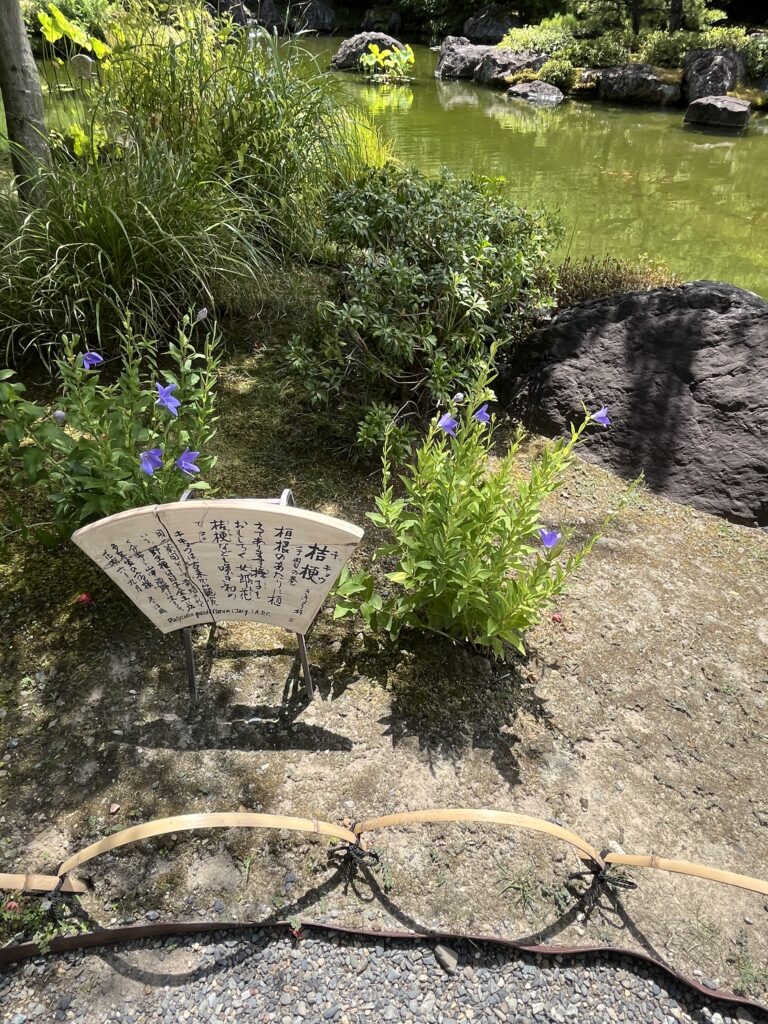
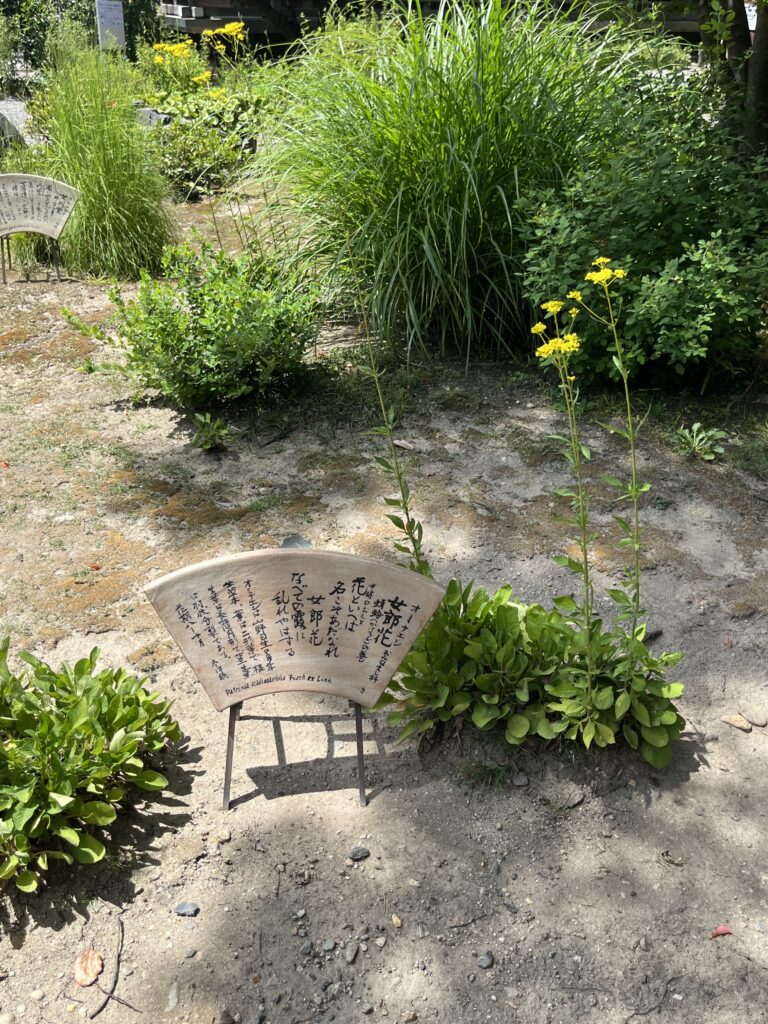
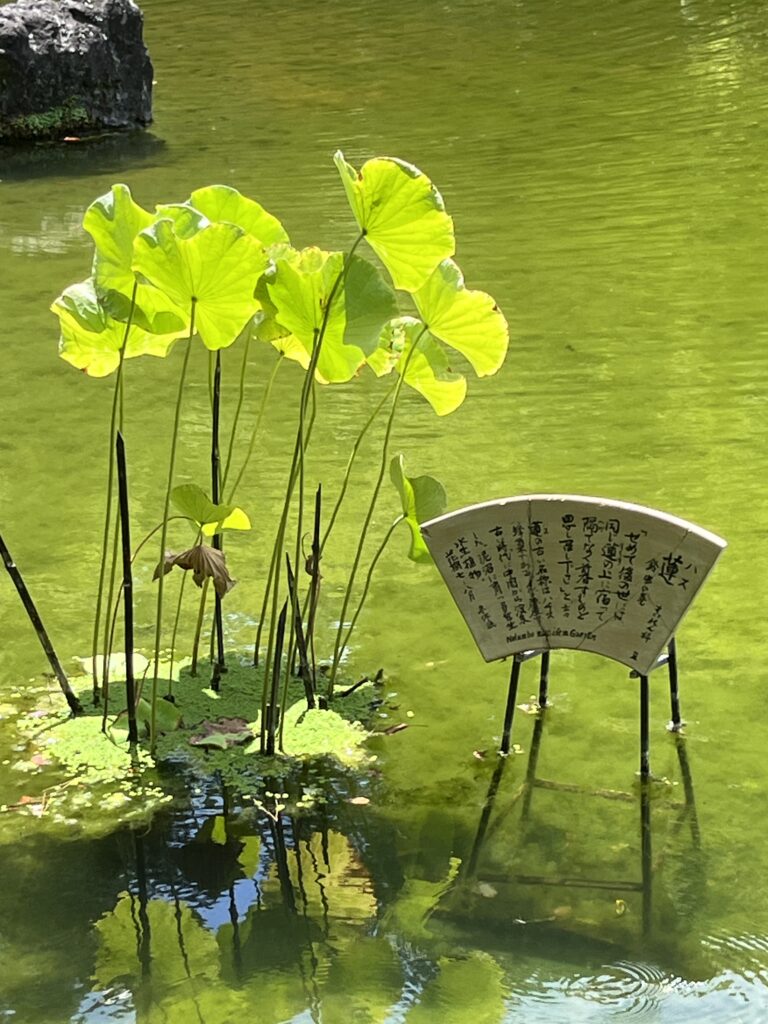
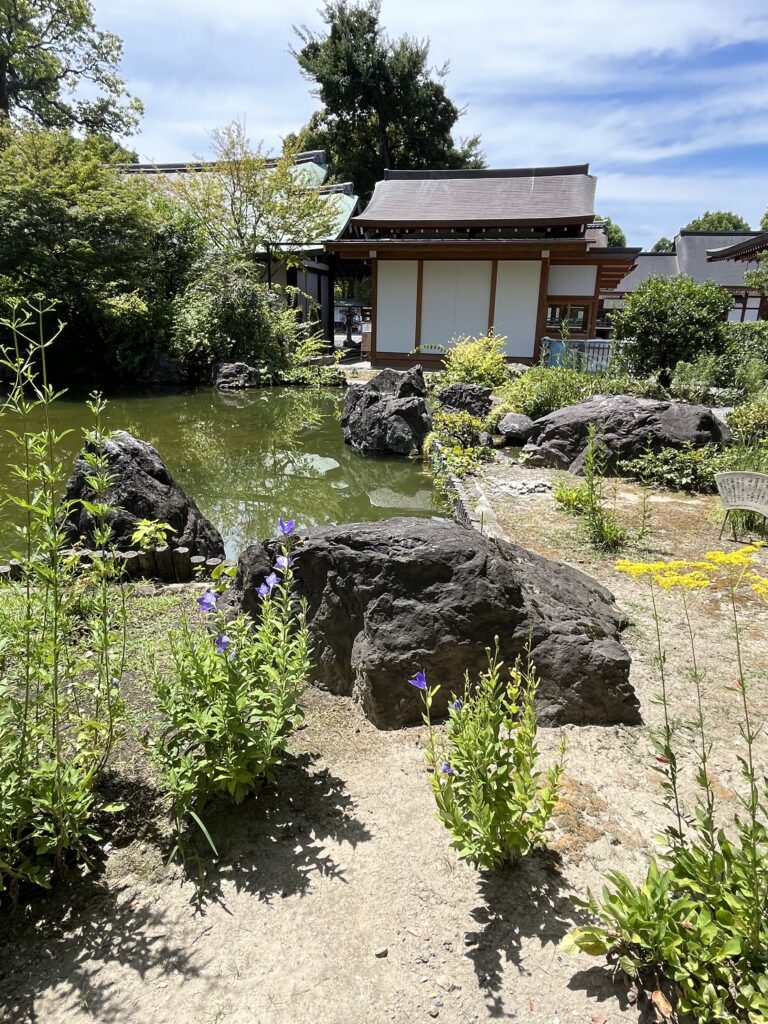
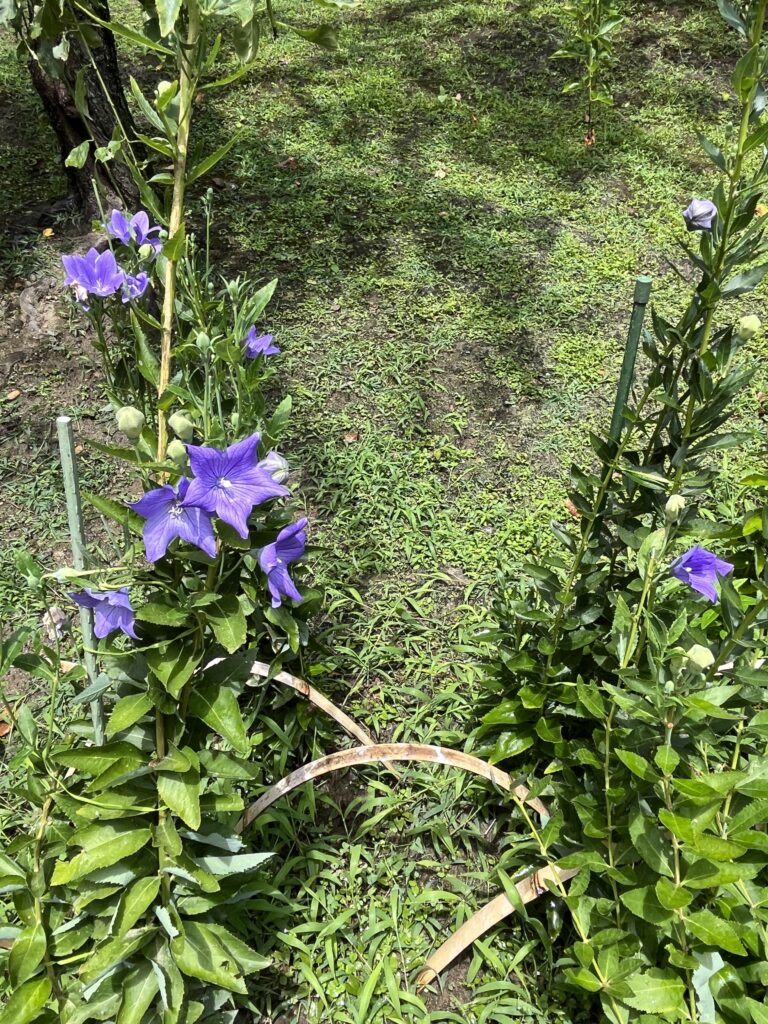
Jonangu Shrine features a sacred garden known as “Rakusuien,” where visitors can enjoy flowers that bloom throughout the seasons.
The garden includes the flowers and trees depicted in *The Tale of Genji*, earning it the nickname “The *Tale of Genji* Flower Garden.”
It is also known as the “Heian Garden” and serves as the venue for the famous *Kyokusui no En* (Winding Stream Banquet).
Location
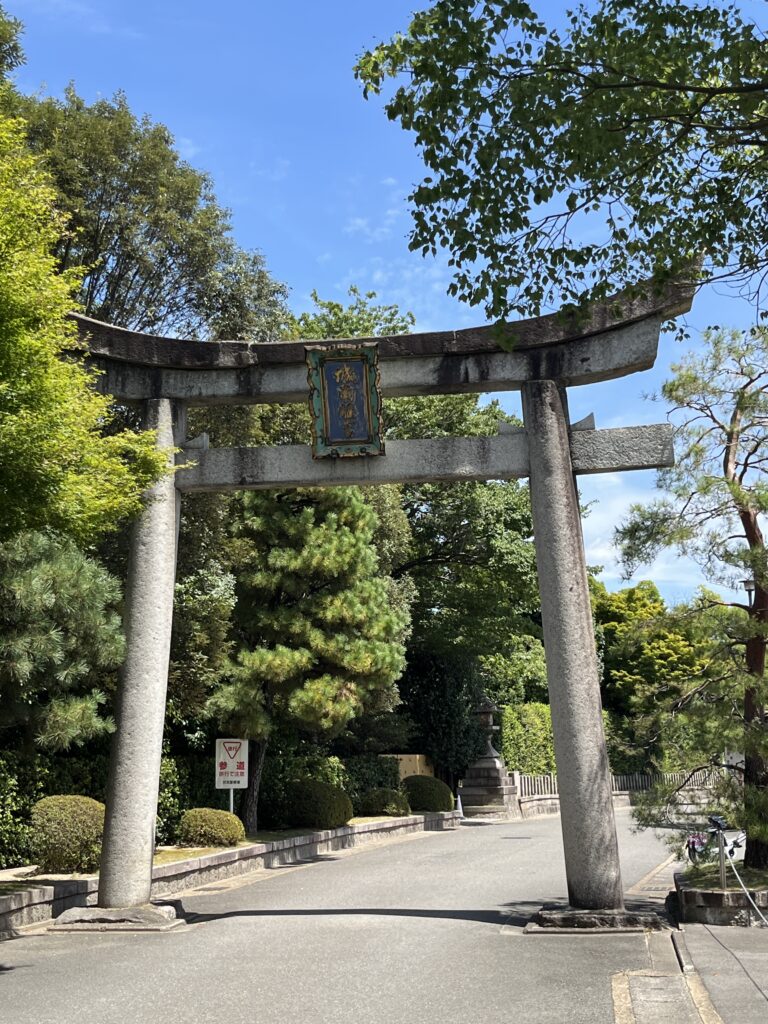
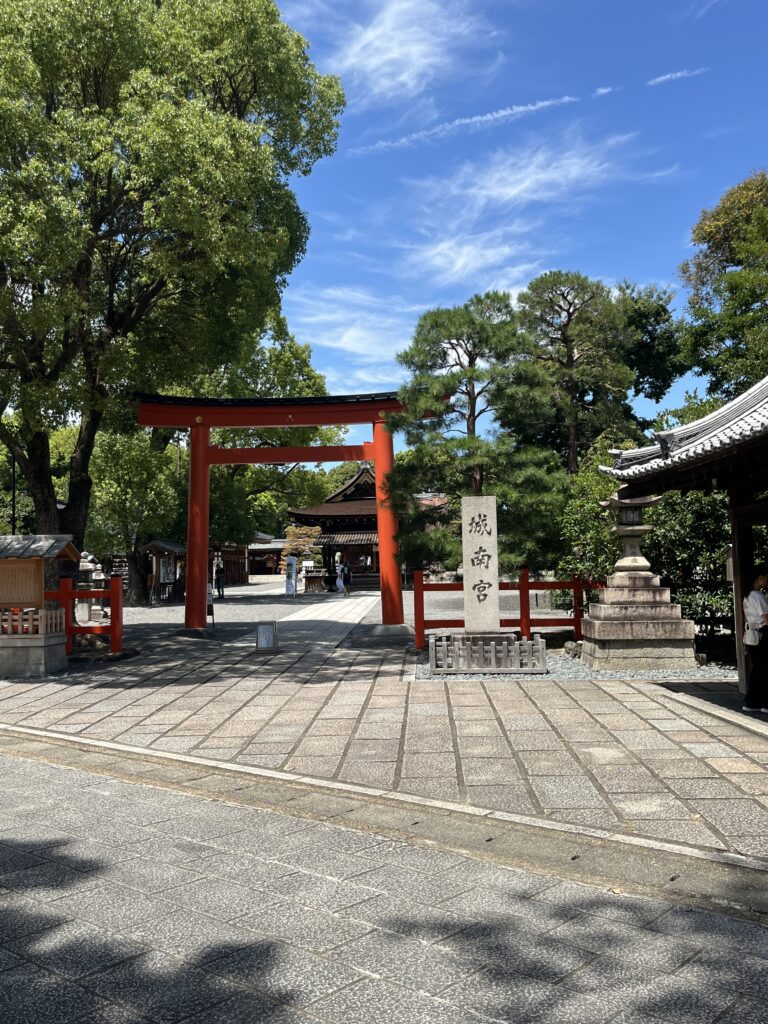
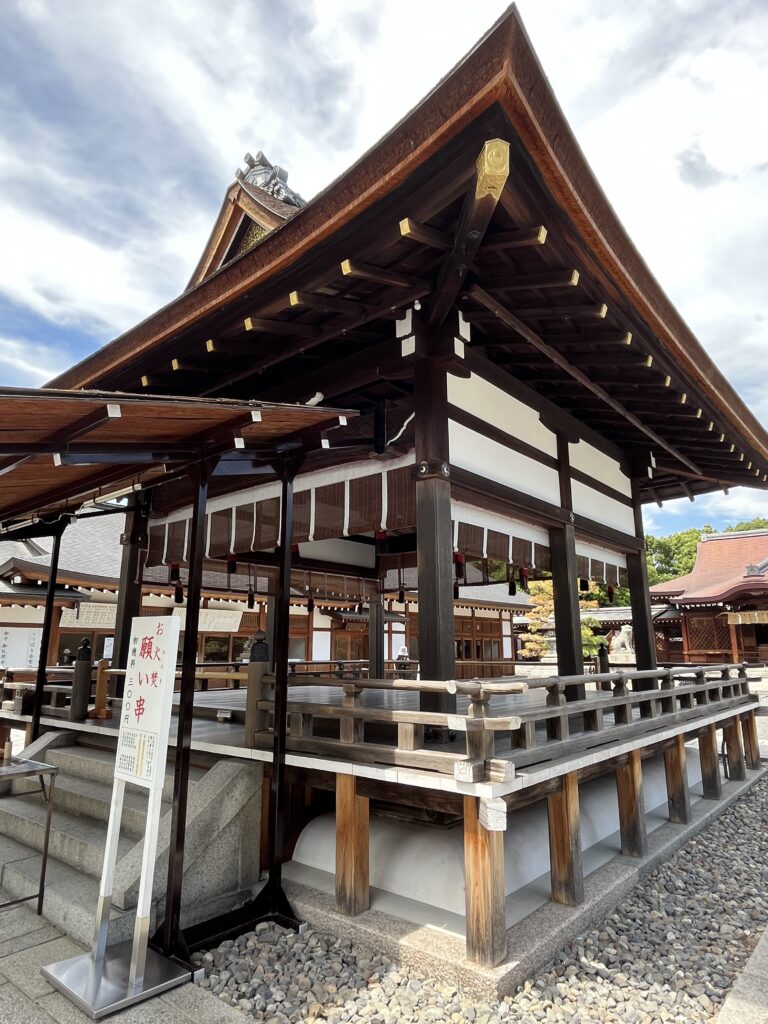
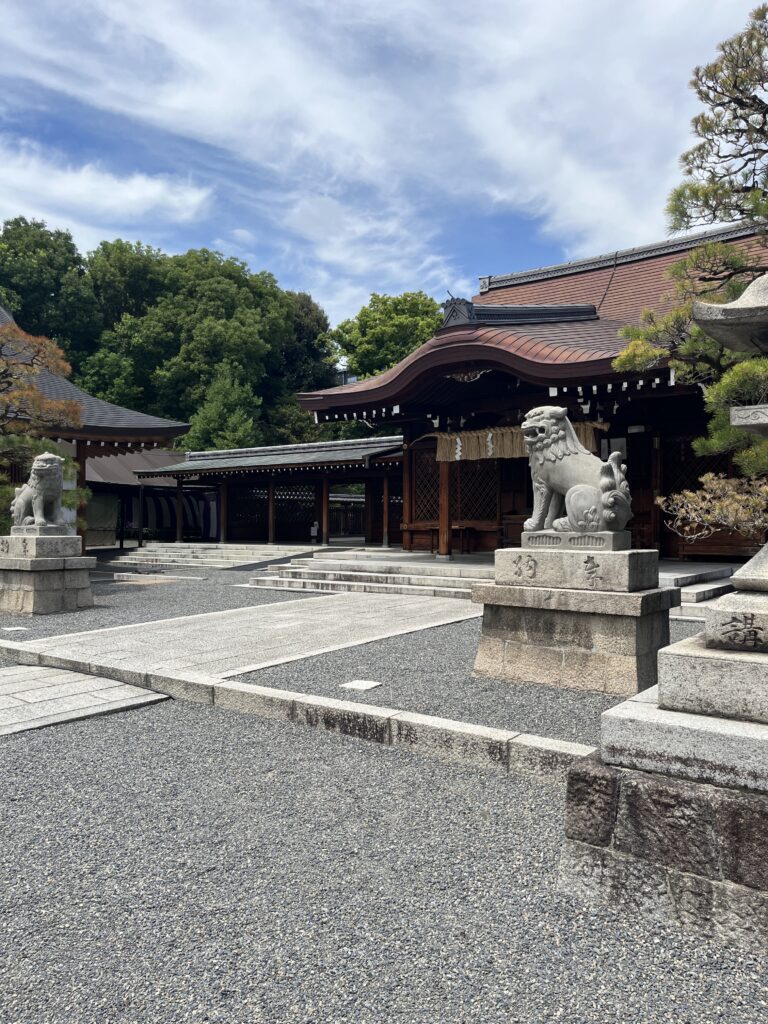
Jonangu Shrine, located in Fushimi Ward, Kyoto City, was founded at the time of the capital’s relocation to Heian-kyo and boasts a history spanning 1,200 years.
It is revered as a major shrine for protection against directional misfortune.
The shrine is famous for the “Kyokusui no En” (Winding Stream Banquet) ceremony held in its garden, which recreates a pastime of Heian-period aristocrats; the event revives an elegant tradition where participants float sake cups down a small stream, compose *waka* poetry, and partake of the sake.
Location