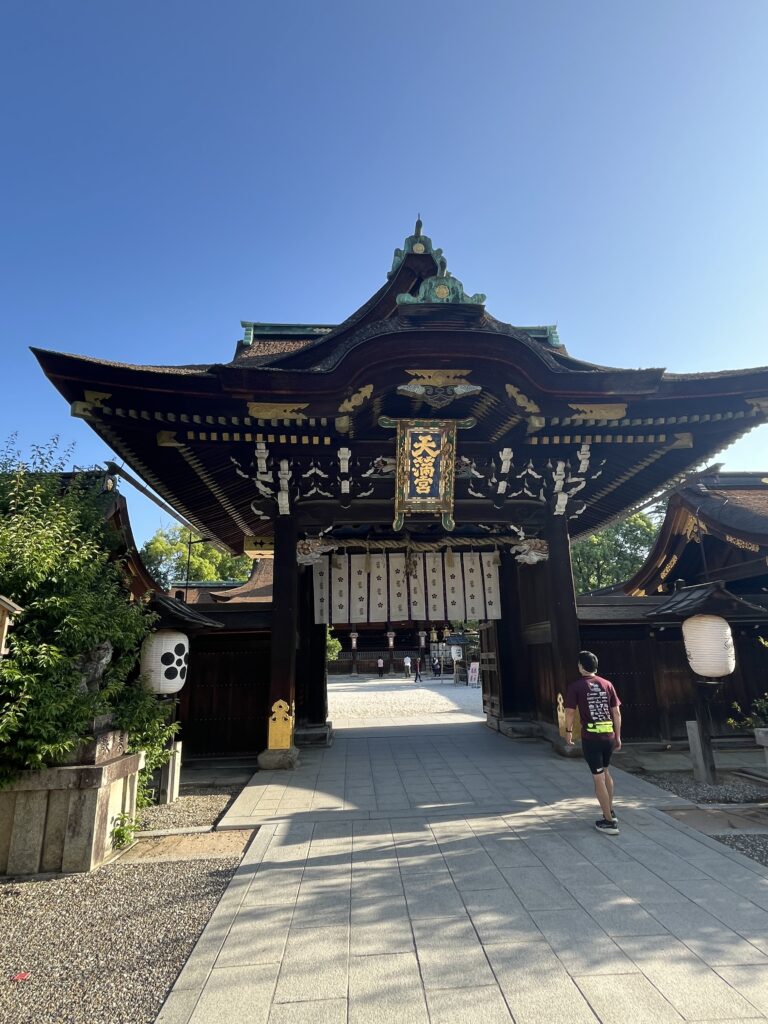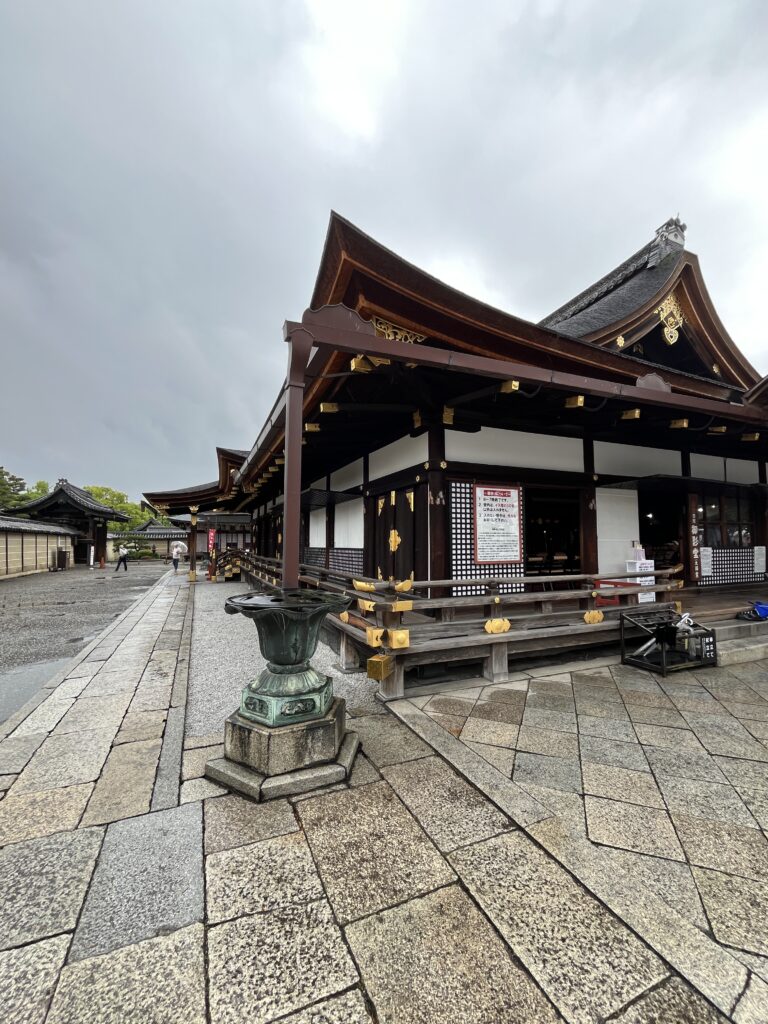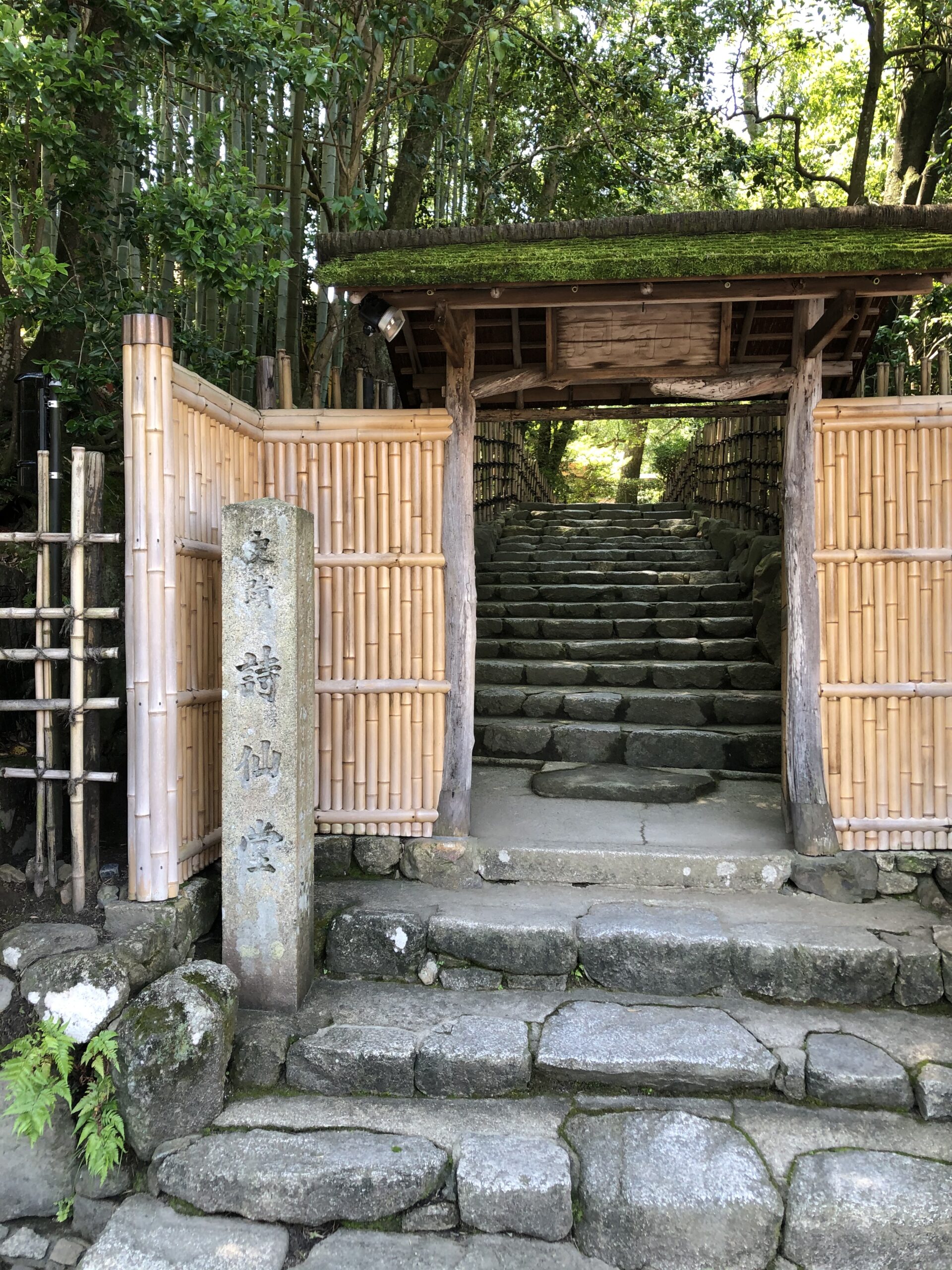
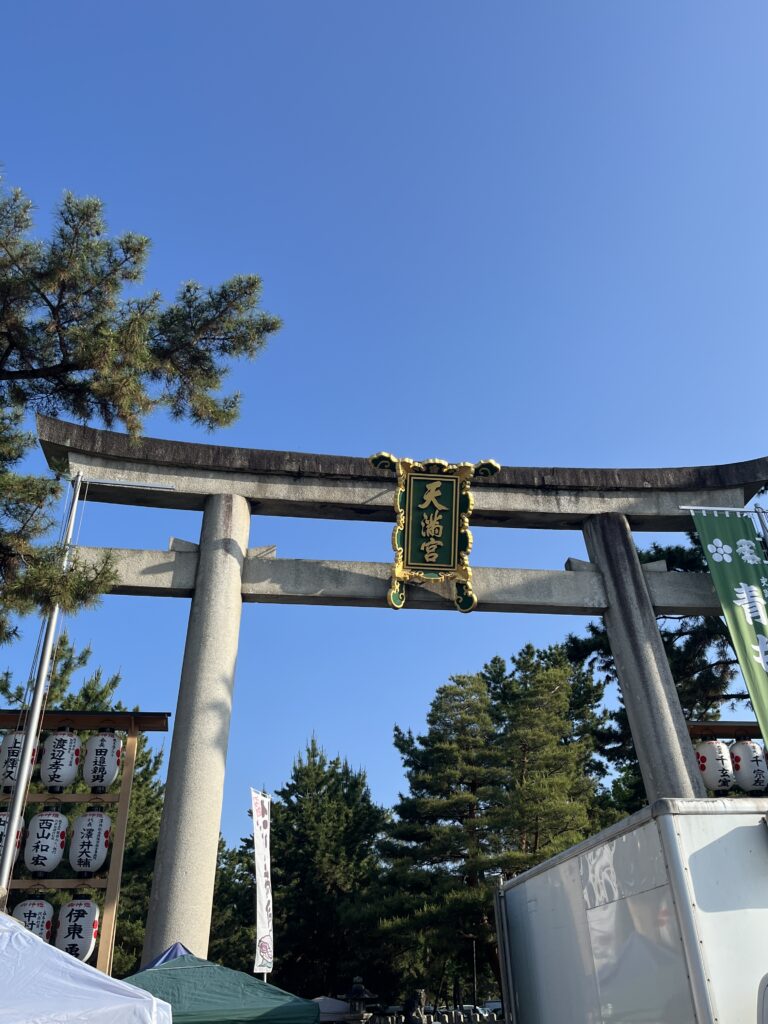
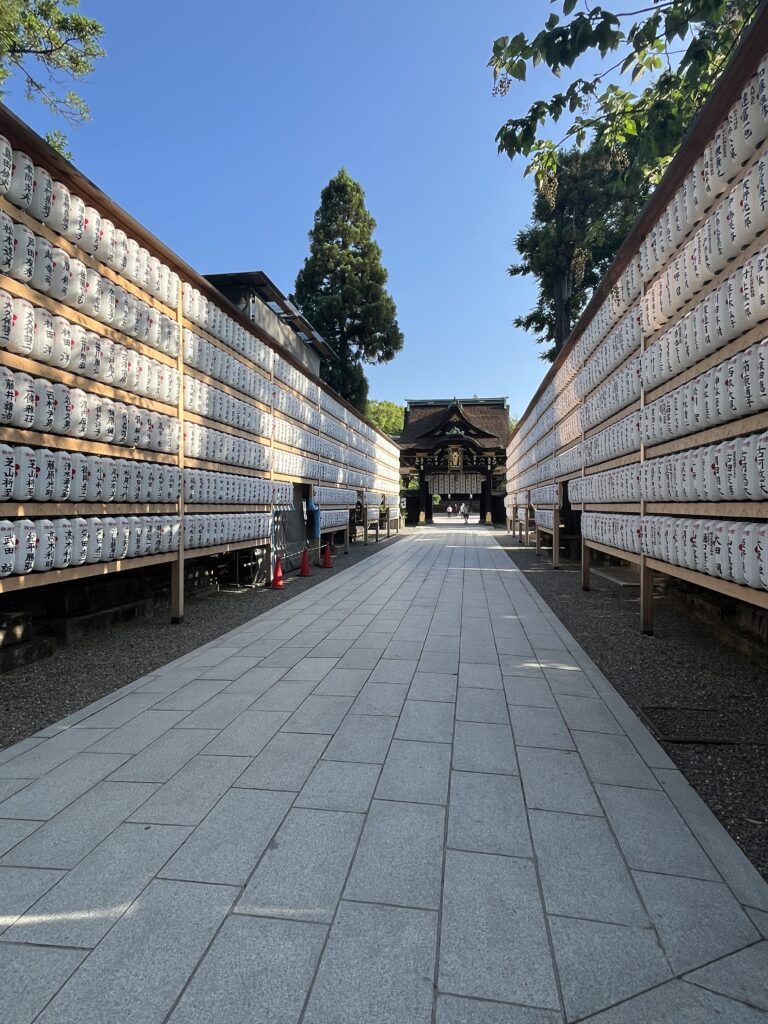
Kitano Tenmangu Shrine(北野天満宮)

It is considered the head shrine of the 12,000 Tenmangu and Tenjin shrines throughout Japan that enshrine Sugawara no Michizane as their principal deity.
The 25th of every month is known as Tenjin-san’s Day and is a special day for worship.
This is derived from June 25th, the birthday of Sugawara no Michizane, and February 25th, the day of his death.
The photo was taken early in the morning of May 25th, 2026, at Kitano Tenmangu Shrine.
Currently, the “Kitano Tenjin” exhibition is being held at the Kyoto National Museum.
Location

▶ Japanese Note

この季節の北野天満宮は青もみじが有名です。
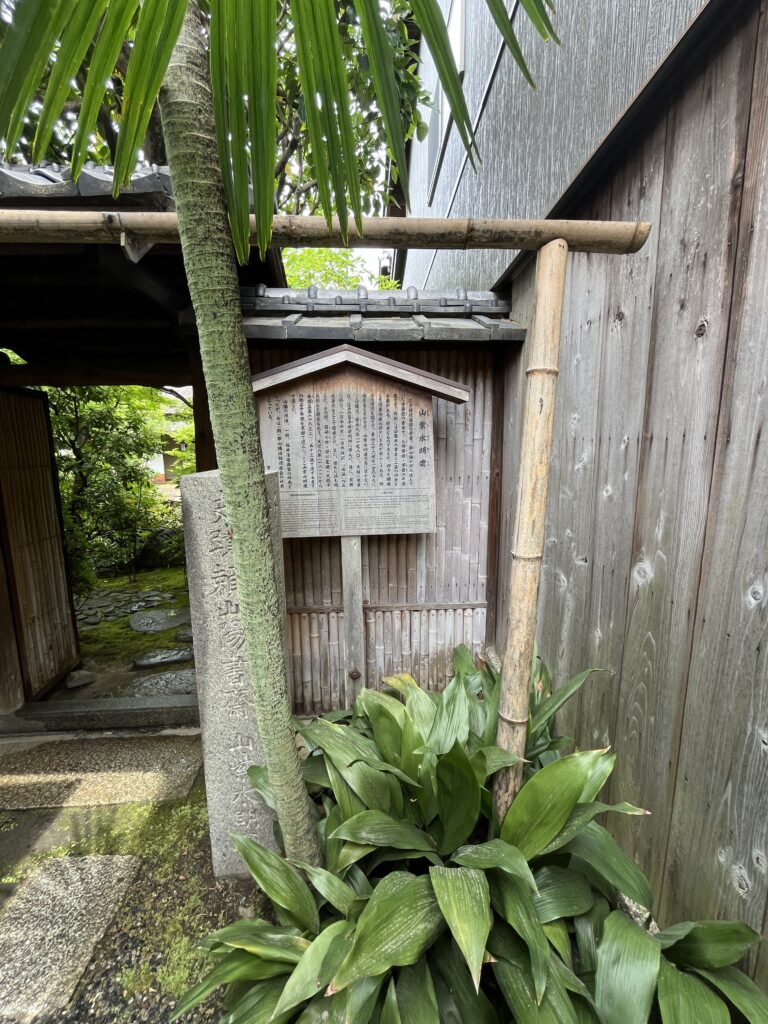
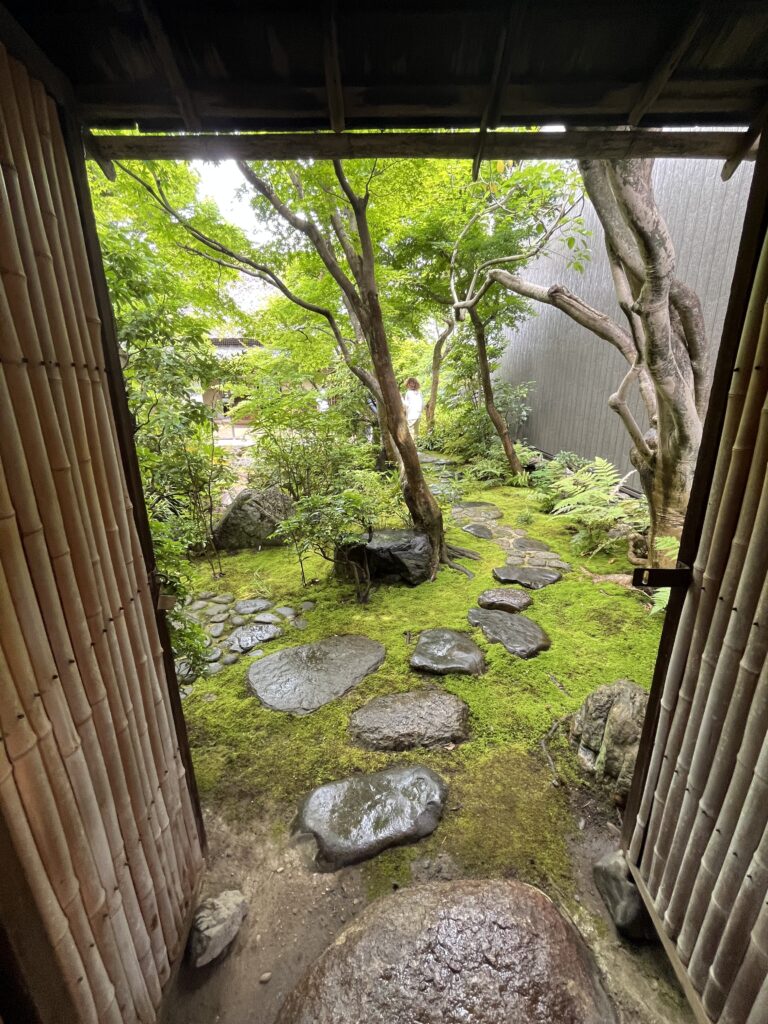
Rai Sanyo’s Sanshi Suimeisho(頼山陽 山紫水明処)

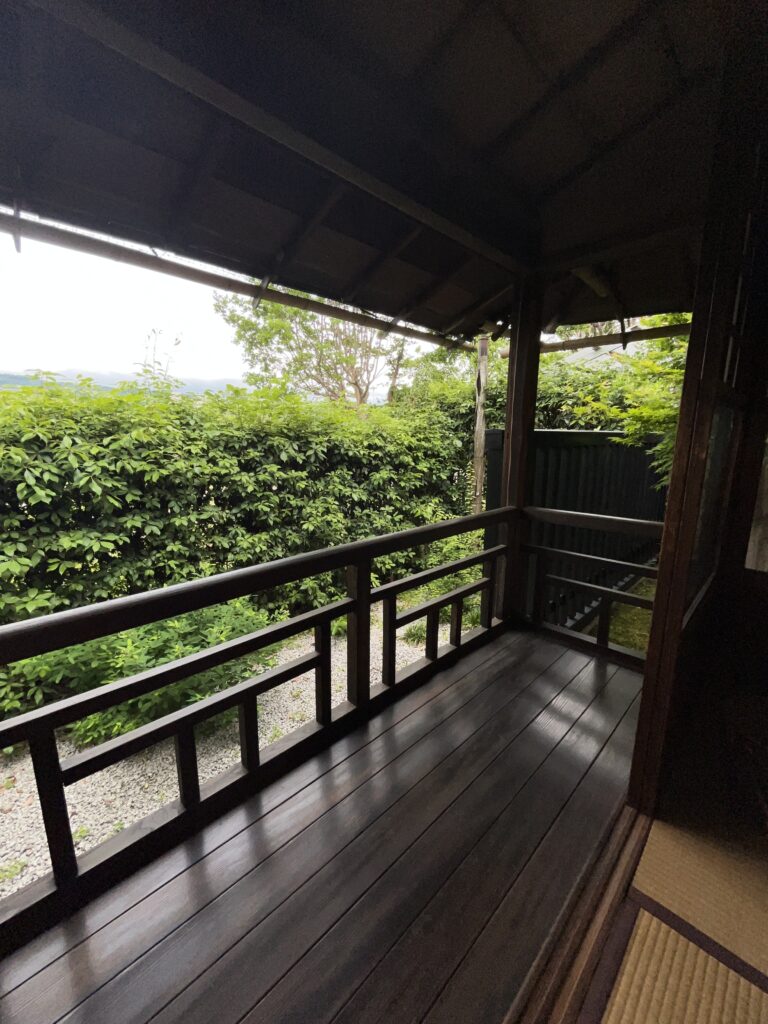
“Sanshi Suimeisho” is a building facing the west bank of the Kamo River, used as Rai Sanyo’s study and tea ceremony room.
Rai Sanyo was a Confucian scholar and historian who was active in the late Edo period, famous for his book “Nihon Gaishi” (Unofficial History of Japan).
Advance reservations are required for visits, but it is a quiet place in the middle of the city where you can feel the beauty of nature in all four seasons, and it is easy to see why Rai Sanyo called it a place of scenic beauty and clear waters.

Location

▶ Japanese Note

「山紫水明」 という言葉は頼山陽がこの書斎で称したのが初めてということです。
実際に書斎では窓を開けて頂くと鴨川からの涼風がとても心地良かったです。

Ryōsoku-in temple(両足院 建仁寺)

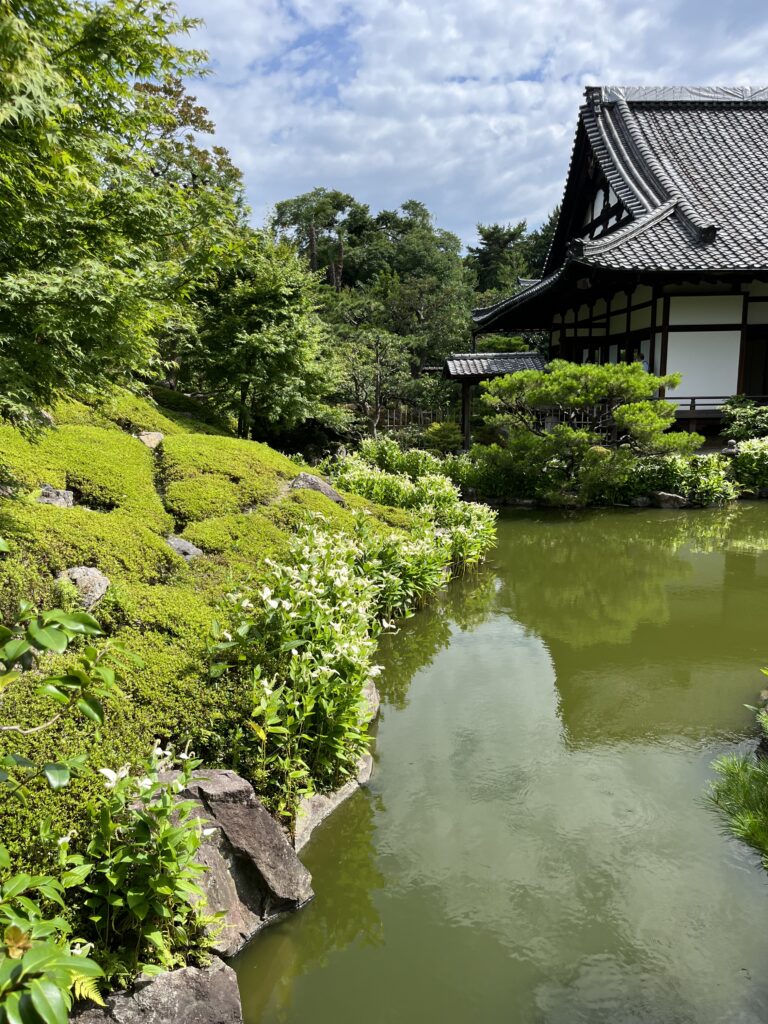
Ryōsoku-in temple is a Rinzai Zen temple of the Kennin-ji school, located adjacent to Gion.
At Ryōsoku-in, you can experience Zen meditation, sutra copying, and tea ceremonies.
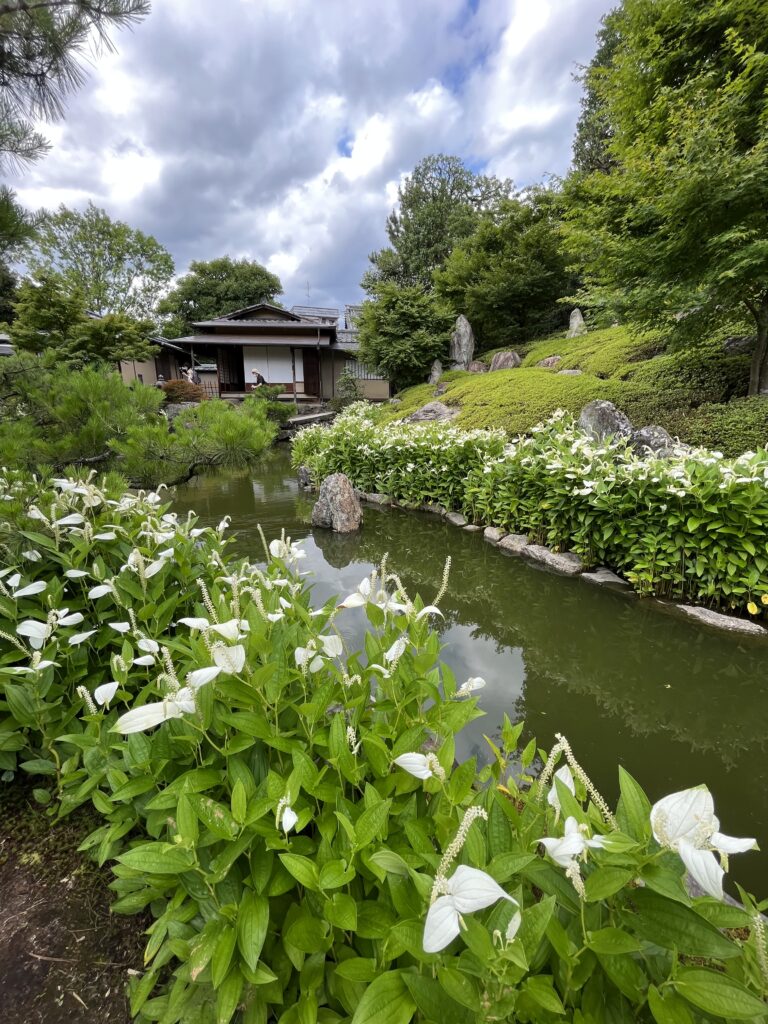
Also, from late May to early July, you can admire the beautiful Hangeshō flower in the garden.

Location

▶ Japanese Note

座禅は、経験がなくても親切に座禅の仕方を教えて頂けました。

Hongan-ji Temple(本願寺)

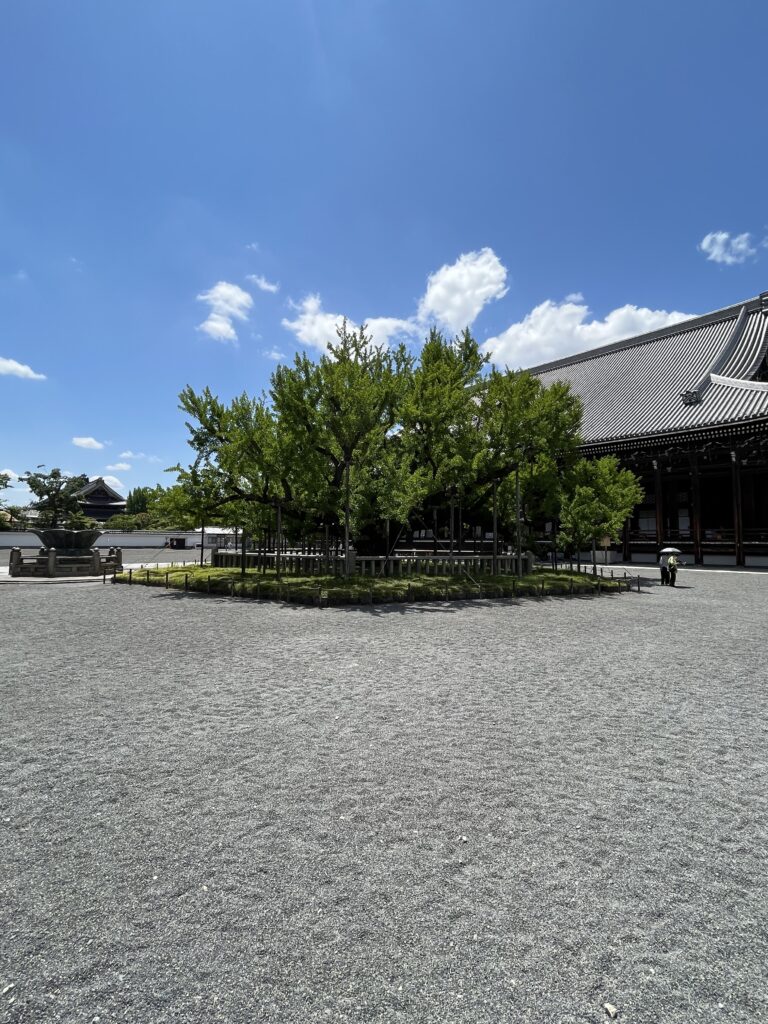
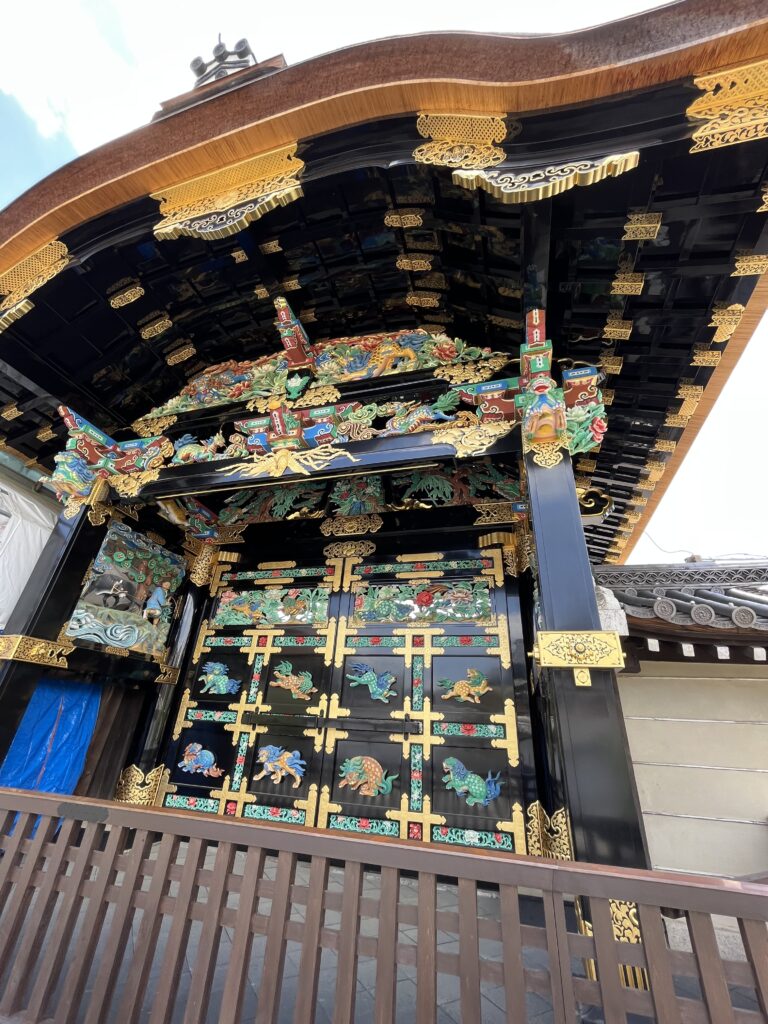
Hongan-ji Temple, founded by Shinran Shonin, is known for its numerous important cultural properties of high religious and historical value. It boasts many national treasures and important cultural properties of the magnificent Momoyama culture. It is also registered as a World Cultural Heritage site.
It’s close to Kyoto Station, yet it’s a place where you can enjoy a peaceful visit.

Location

▶ Japanese Note

本願寺の御影堂、阿弥陀堂は 自由拝観であり、静かで広大な空間でお参りできます。
一方、写真の唐門は桃山文化の豪華絢爛な建築や彫刻が圧巻のスポットになっています。
何れも、静かな環境で拝観できます。

Toji Temple (Kyo-o-gokoku-ji Temple) (東寺 教王護国寺)

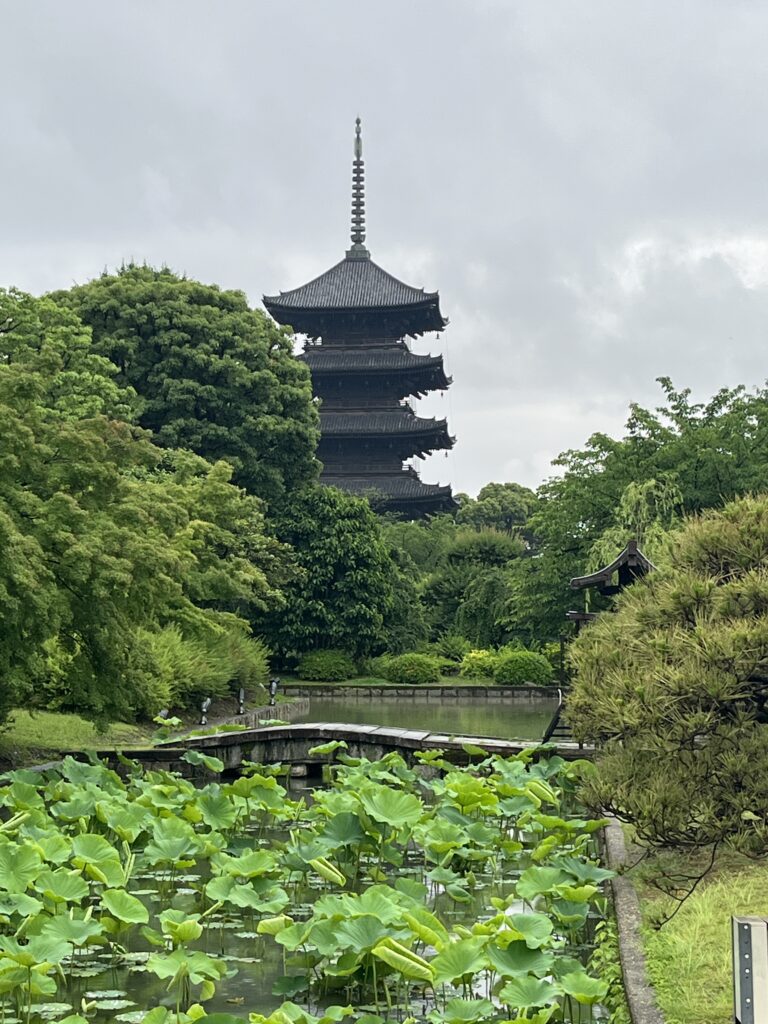
Toji Temple, located in the south of Kyoto City, is a temple associated with Kobo Daishi and is also a World Cultural Heritage site. North of the National Treasure five-story pagoda is a pond with a circular layout, where lotus flowers are reflected on the water’s surface in early summer, creating a vibrant spectacle.
The 21st of each month is the anniversary of Kobo Daishi’s death, and the temple is bustling with many worshippers on this day.


Location

▶ Japanese Note

2026年5月21日は雨でしたが、境内の木々がより緑が映えて綺麗でした。