Tanukidani-san Fudoin Temple

Tanukidani-san Fudōin Temple
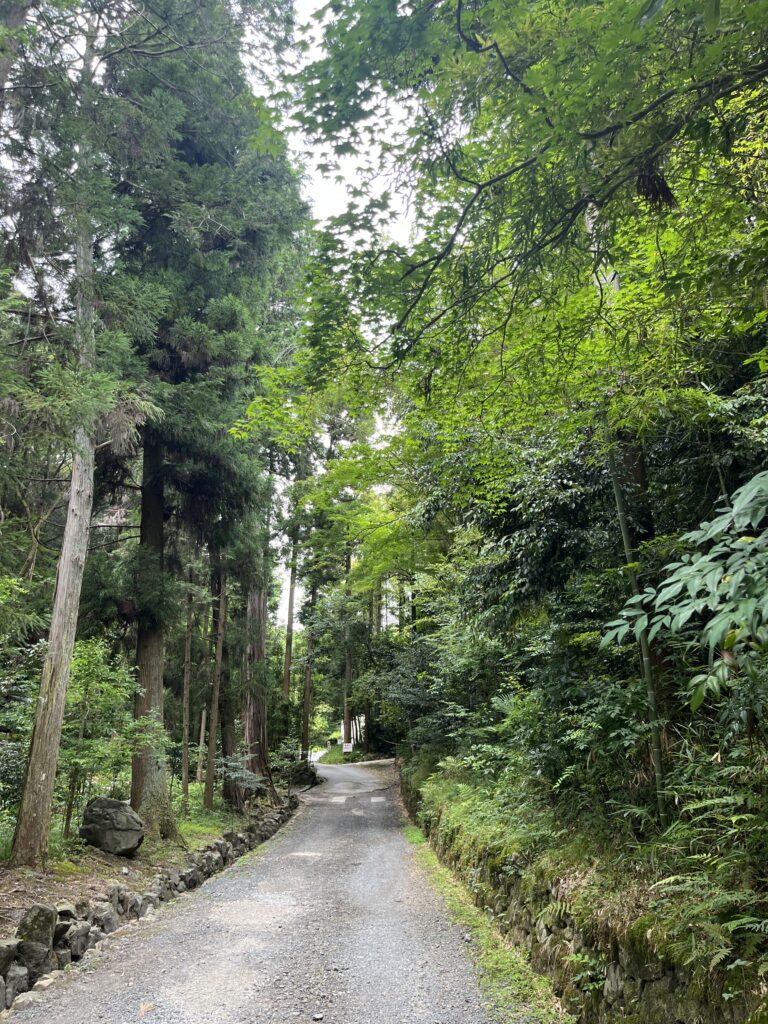
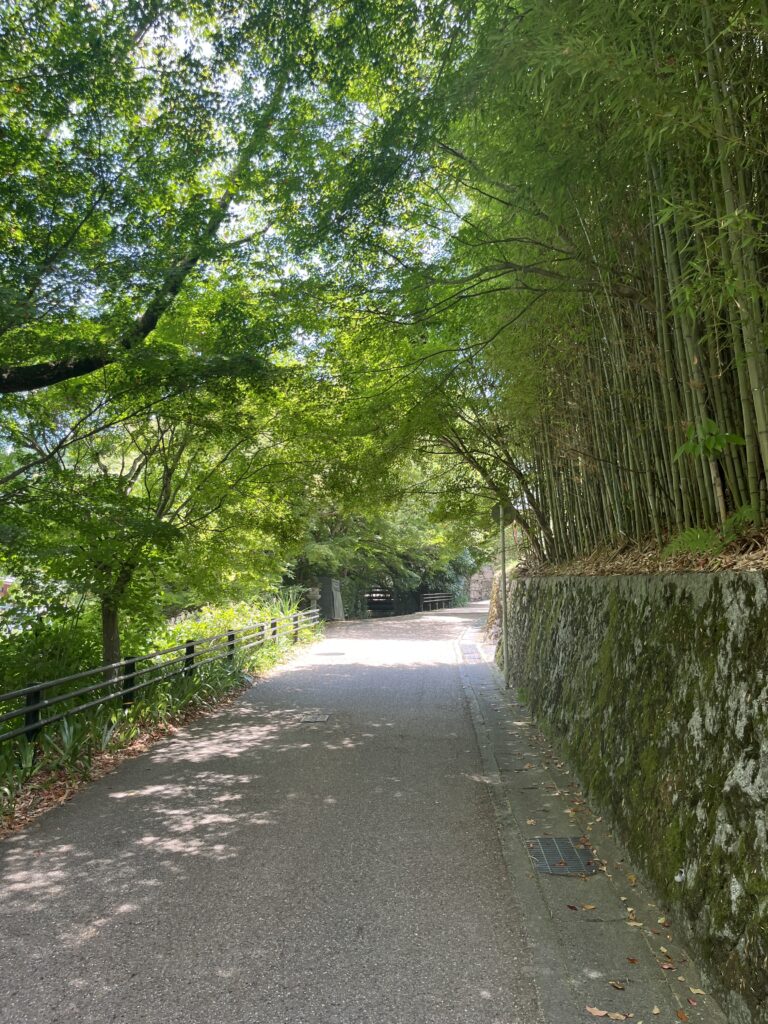
Located in Ichijōji, northeast of Kyoto, this is a Shugendō temple known for prayers for traffic safety, protection from evil, and cancer prevention.
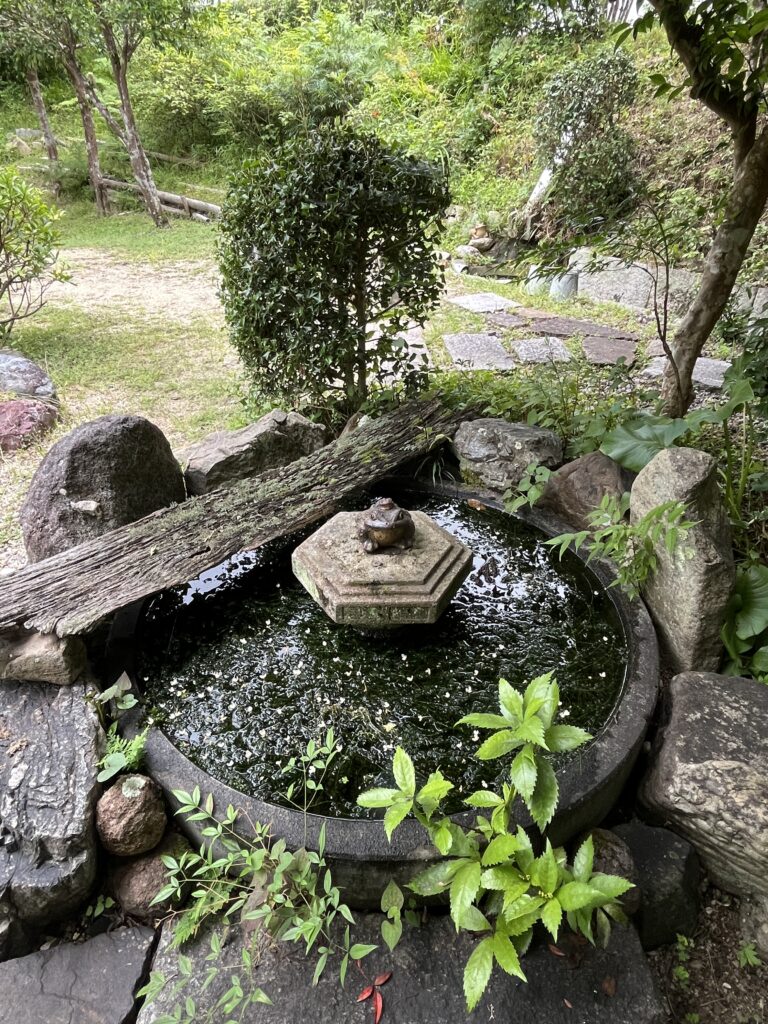
It features Musashi-no-Taki waterfall, where the legendary swordsman Miyamoto Musashi is said to have trained, and many tanuki (raccoon dog) statues are dedicated along the approach to the temple.


Location

Koetsu-ji Temple

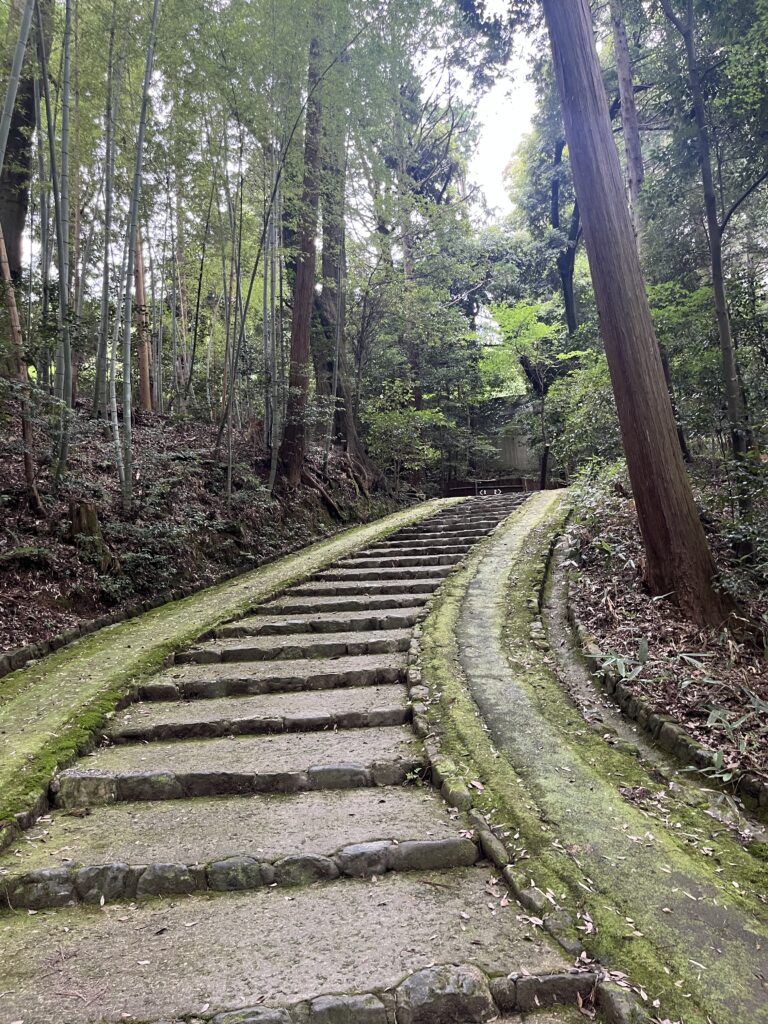
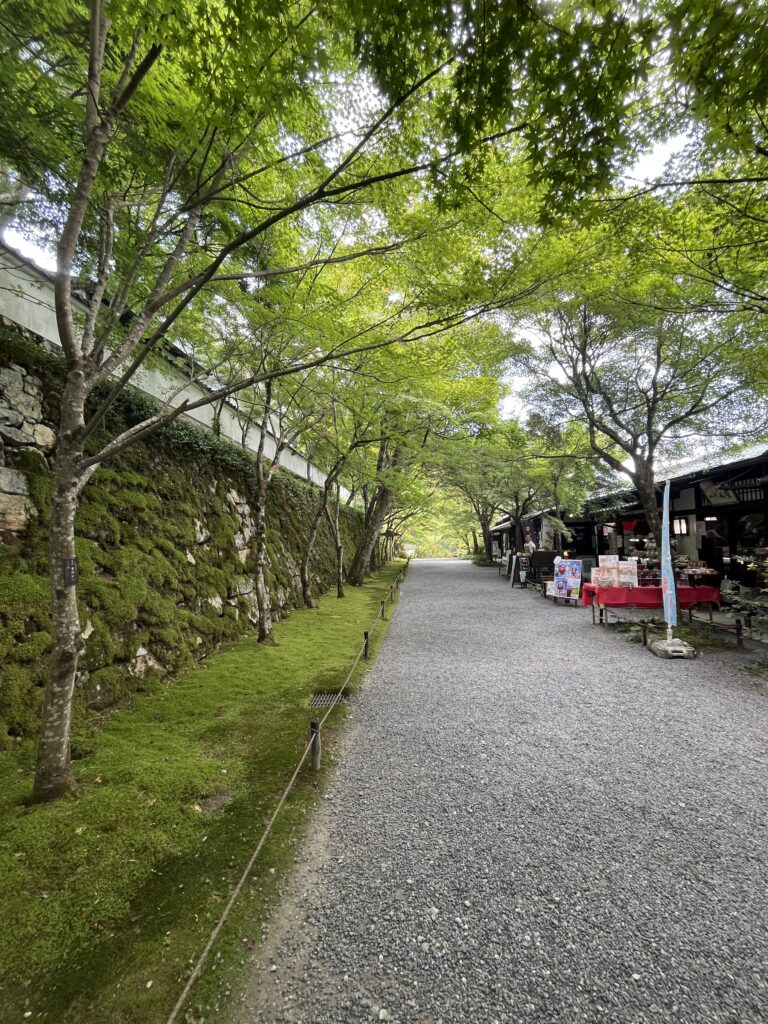
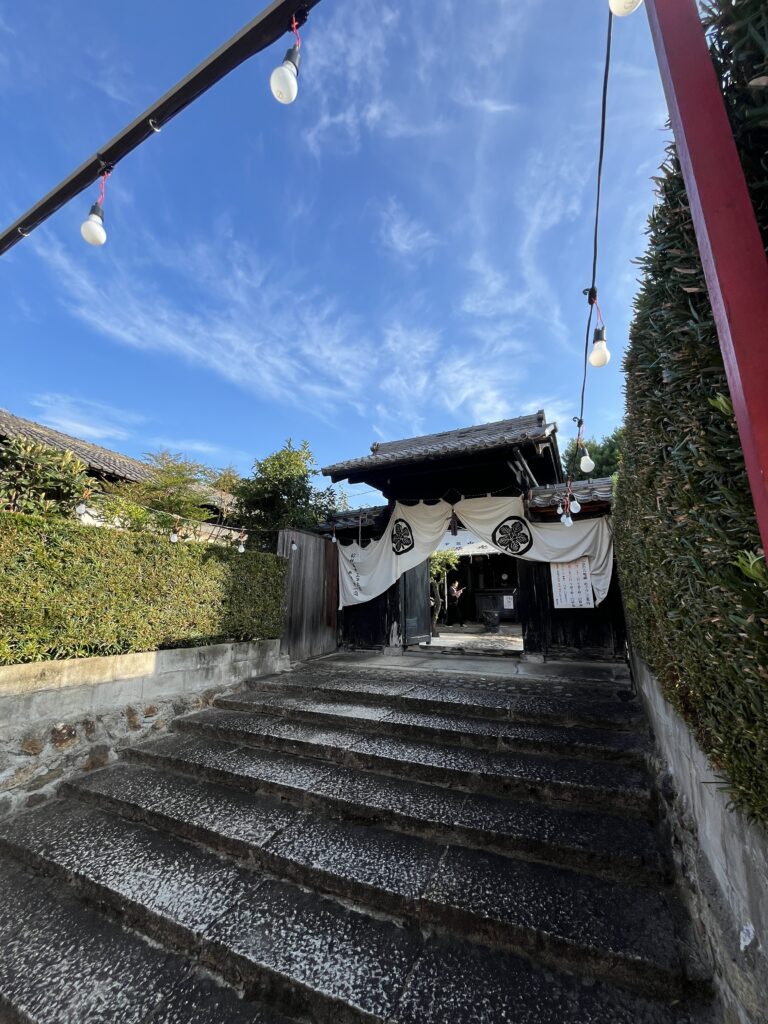
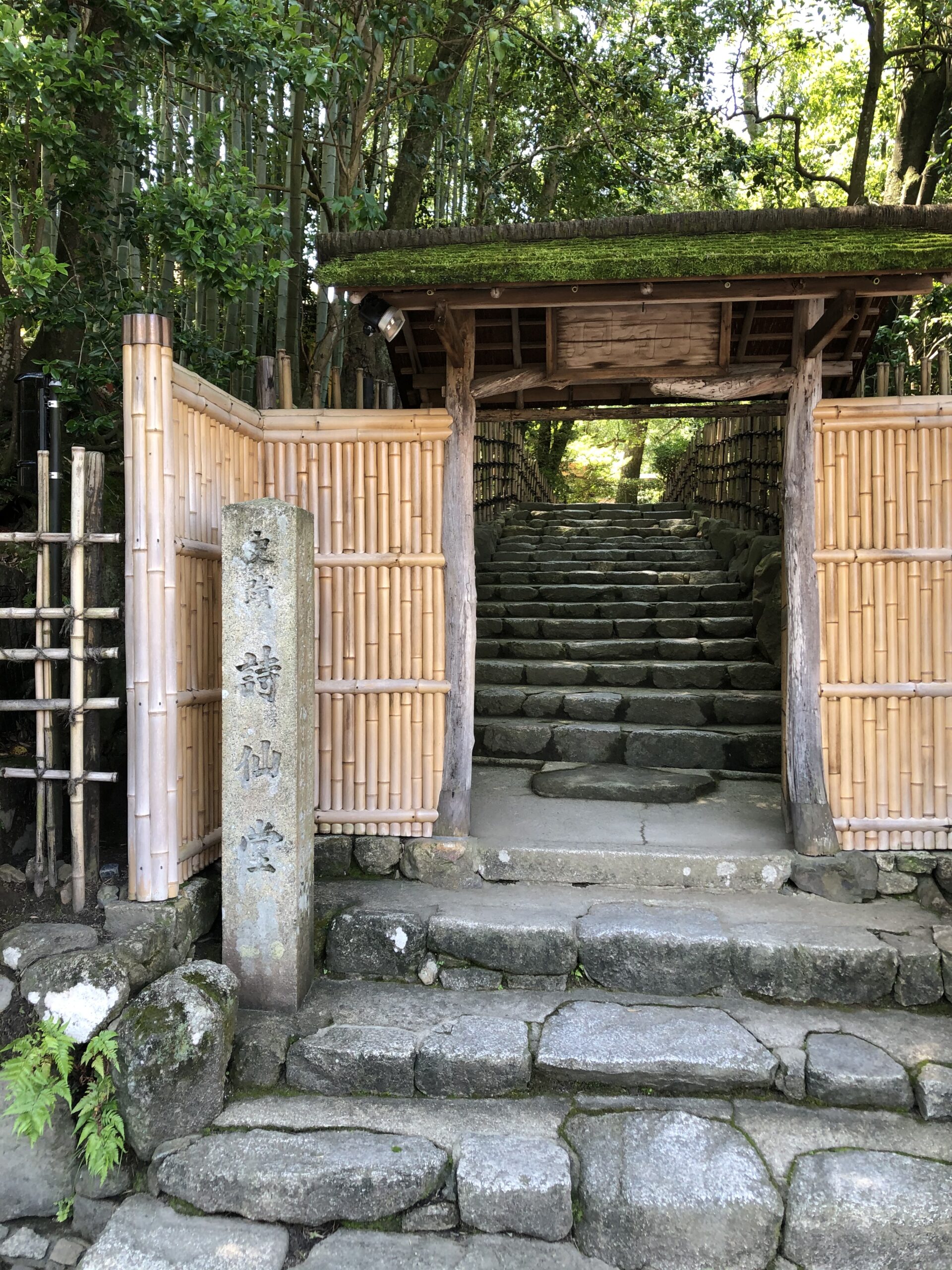
Koetsu-ji Temple is a quiet temple located in Takagamine, Kita Ward, Kyoto City. It was given to Hon’ami Koetsu by Shogun Tokugawa Ieyasu, and his family moved there,which led to the development of an arts village in the area. After Koetsu’s death, Koetsu-ji Temple was founded in this place associated with him. The stone-paved entrance to the temple is very picturesque.


Location

▶ Japanese Note

光悦寺の近くには源光庵、常照寺など静かで見所の多いお寺があります。

Shimogamo Shrine

Its official name is Kamo Mioya Shrine, and it is worshipped as the deity who founded Kyoto.
Since the relocation of the capital to Heian-kyo,
it has received fervent reverence from the Imperial Family as a shrine protecting the nation.
Shimogamo Shrine is registered as a World Cultural Heritage site.

Location

▶ Japanese Note

下鴨神社は賀茂川と高野川が合流する場所に位置するとされ、太古からの糺の杜を有する京都の古社になります。

Kitano Tenmangu Shrine

It is considered the head shrine of the 12,000 Tenmangu and Tenjin shrines throughout Japan that enshrine Sugawara no Michizane as their principal deity.
The 25th of every month is known as Tenjin-san’s Day and is a special day for worship.
This is derived from June 25th, the birthday of Sugawara no Michizane, and February 25th, the day of his death.
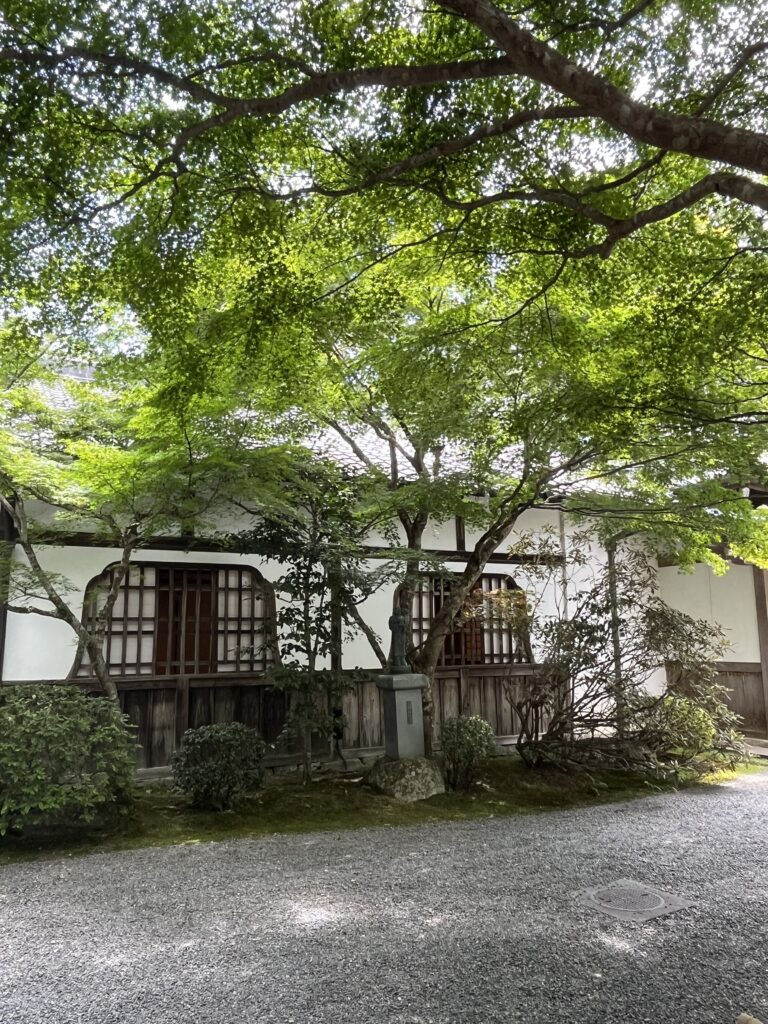
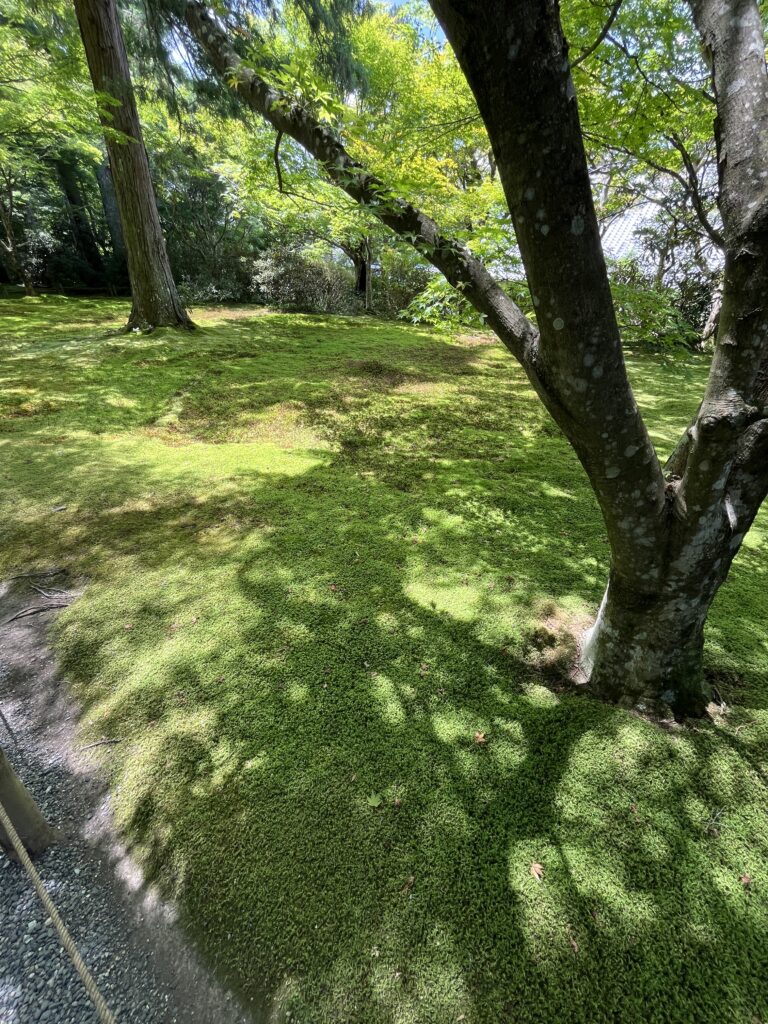
The photo was taken early in the morning of May 25th, 2026, at Kitano Tenmangu Shrine.
Currently, the “Kitano Tenjin” exhibition is being held at the Kyoto National Museum.

Location

▶ Japanese Note

この季節の北野天満宮は青もみじが有名です。

Rai Sanyo’s Sanshi Suimeisho

“Sanshi Suimeisho” is a building facing the west bank of the Kamo River, used as Rai Sanyo’s study and tea ceremony room.
Rai Sanyo was a Confucian scholar and historian who was active in the late Edo period, famous for his book “Nihon Gaishi” (Unofficial History of Japan).
Advance reservations are required for visits, but it is a quiet place in the middle of the city where you can feel the beauty of nature in all four seasons, and it is easy to see why Rai Sanyo called it a place of scenic beauty and clear waters.

Location
▶ Japanese Note

「山紫水明」 という言葉は頼山陽がこの書斎で称したのが初めてということです。
実際に書斎では窓を開けて頂くと鴨川からの涼風がとても心地良かったです。