Chion-ji Temple (知恩寺)

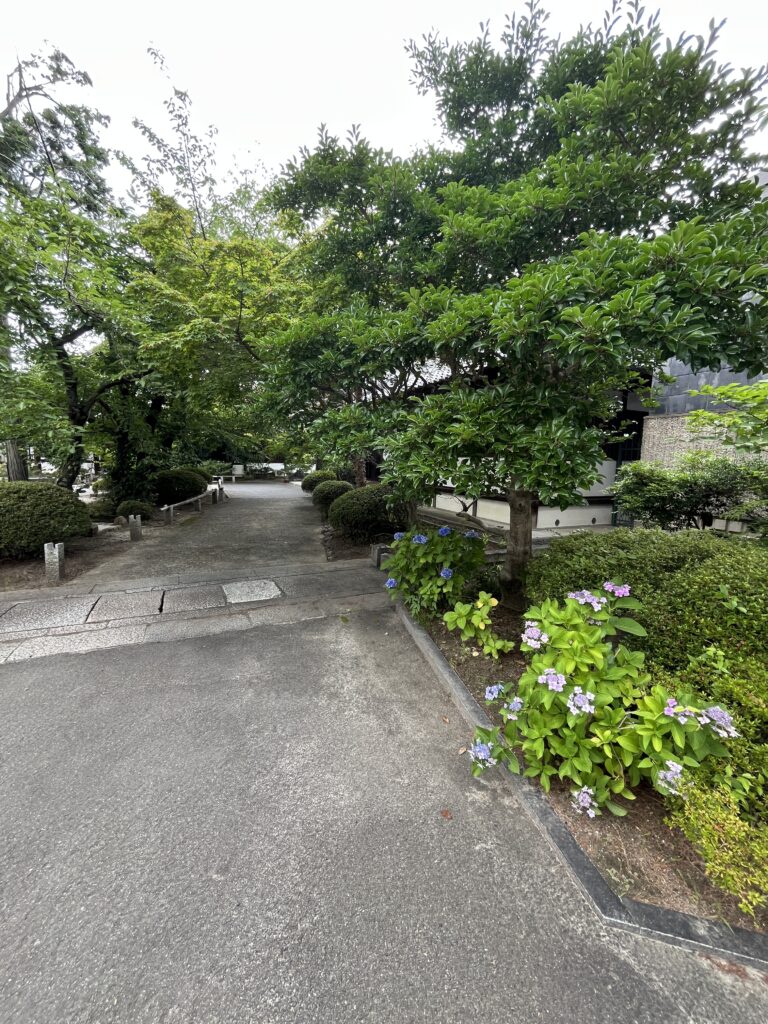
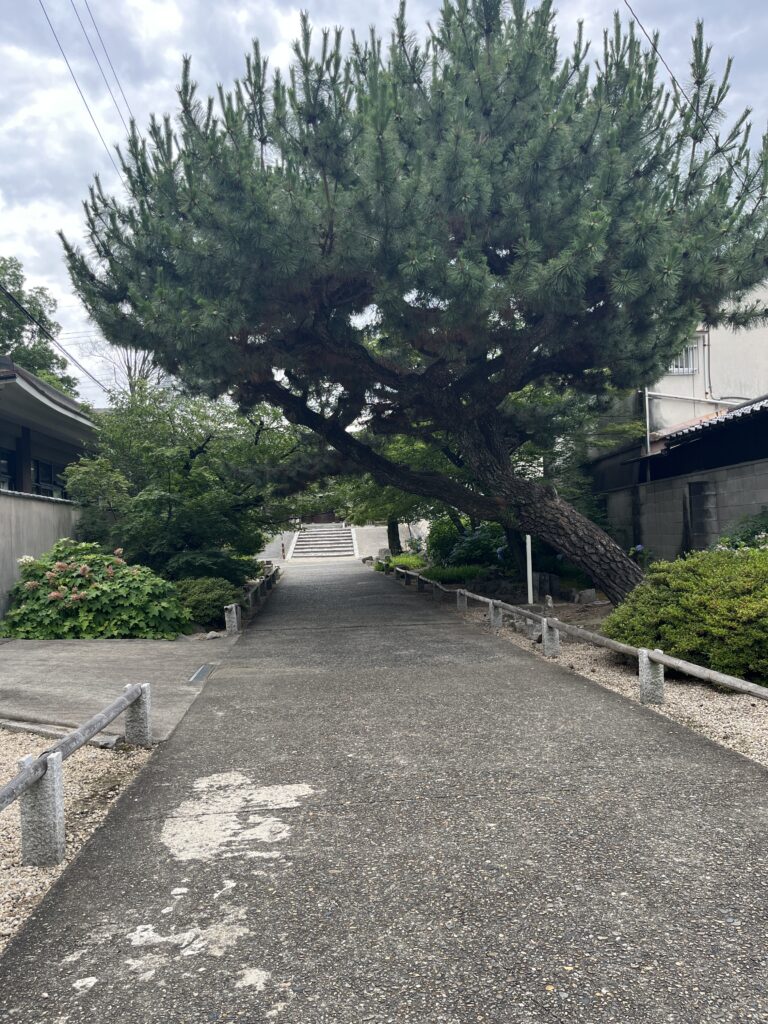
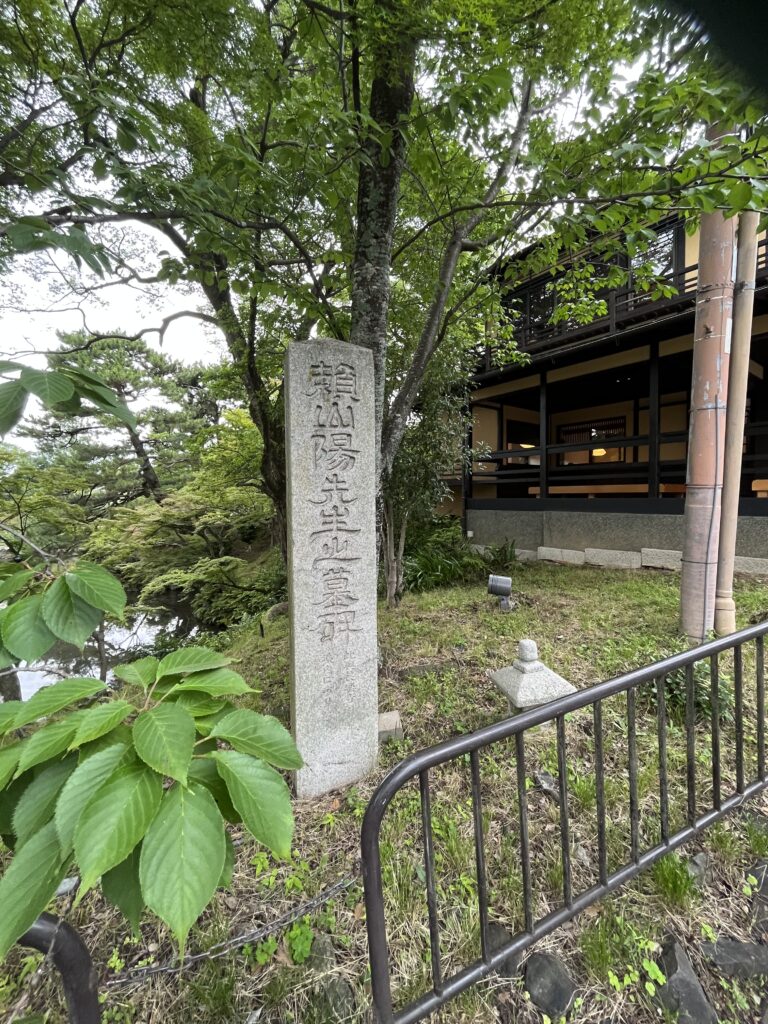
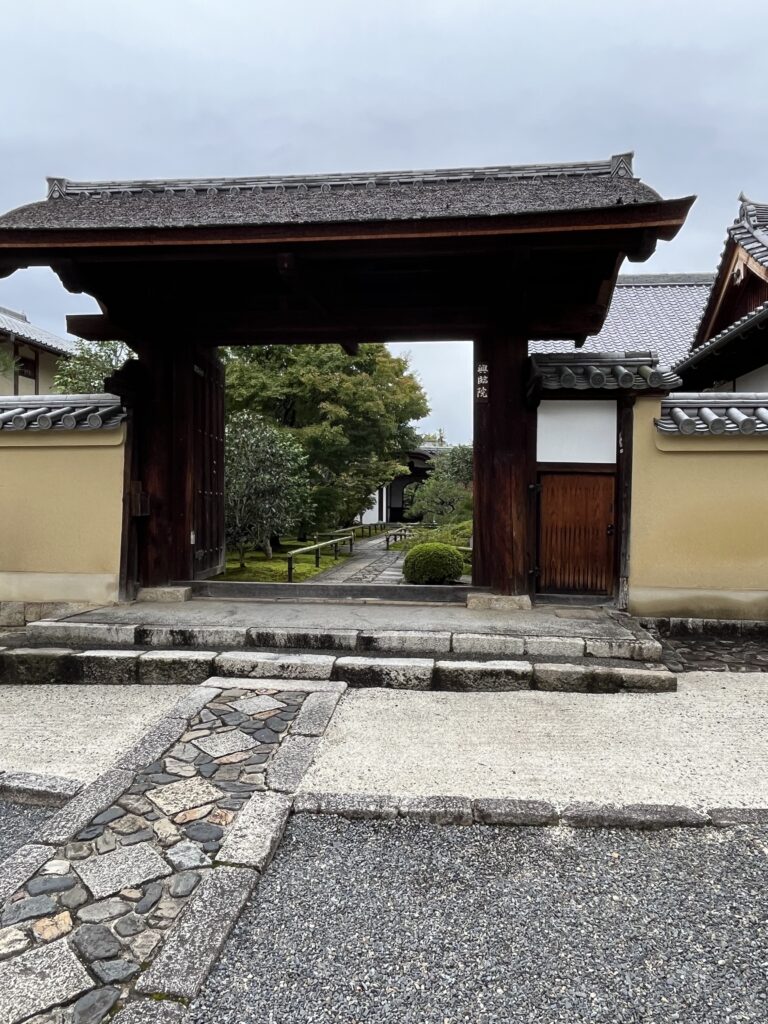
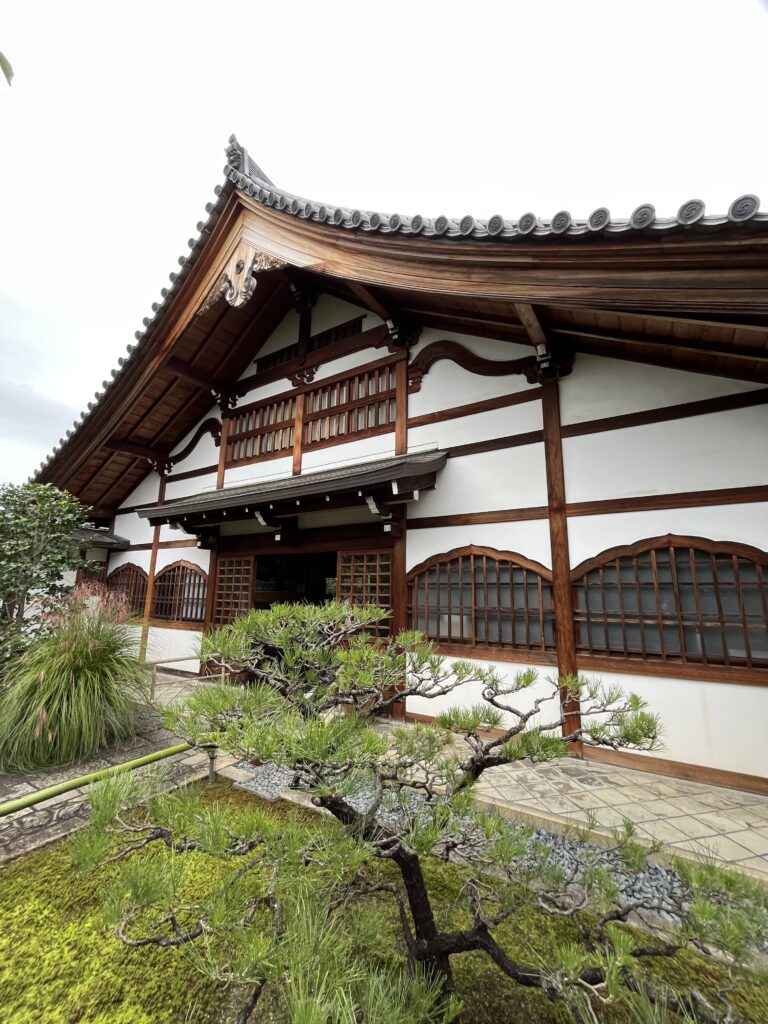
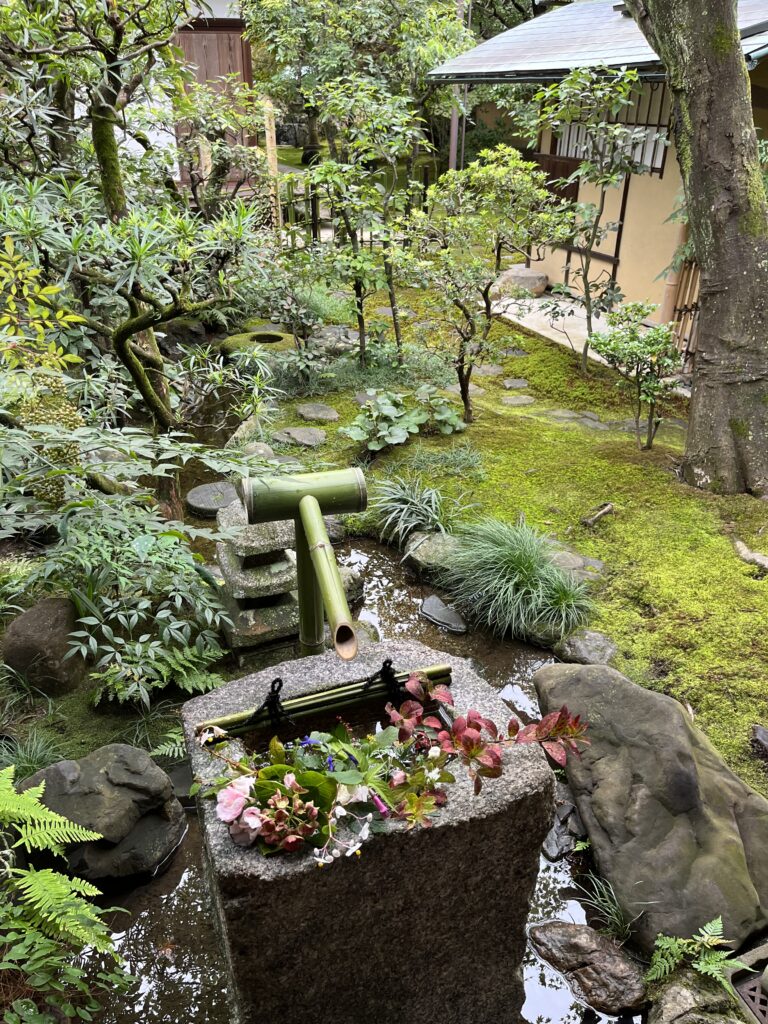
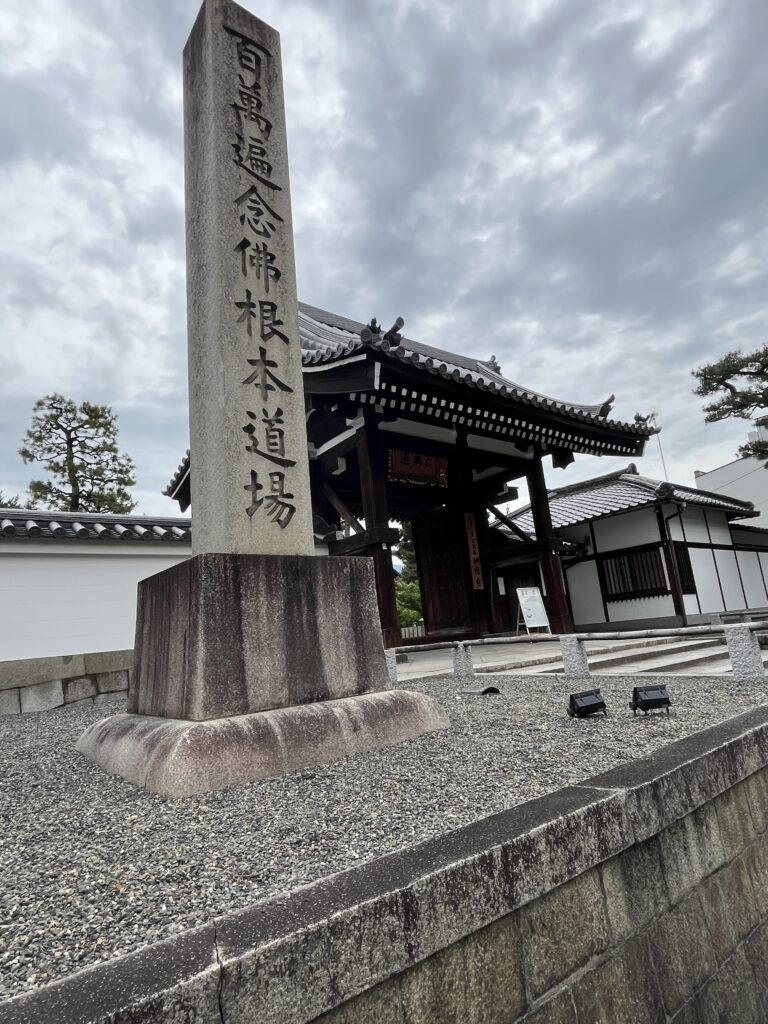
Chion-ji Temple, located in the Hyakumanben area of ​​Higashiyama Ward, Kyoto, is one of the seven major head temples of the Jodo (Pure Land) sect.
When an epidemic broke out, the priest Kūen quelled the disease through the “Hyakumanben Nenbutsu” (recitation of the Buddha’s name one million times), and was subsequently granted the title “Hyakumanben” by Emperor Go-Daigo.
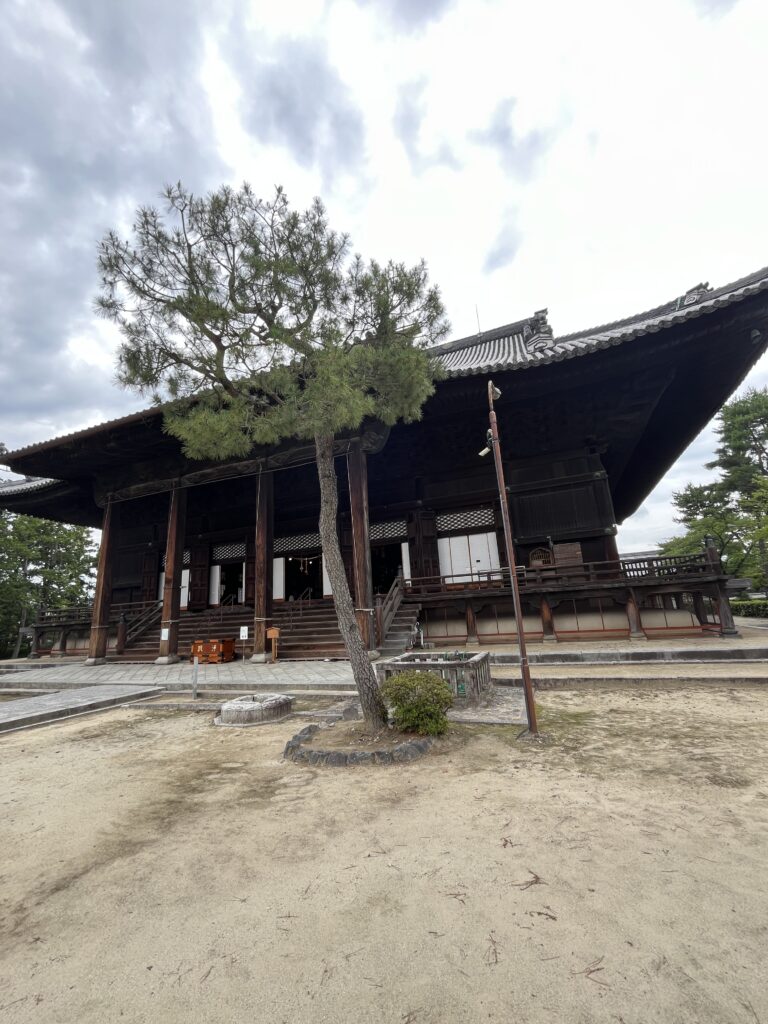
Within the temple precincts, the Mie-dō (Founder’s Hall)—enshrining an image of the priest Hōnen—stands at the front, while the Shakadō (Main Hall) is located to the east and the Amidadō (Amida Hall) to the west.
Location
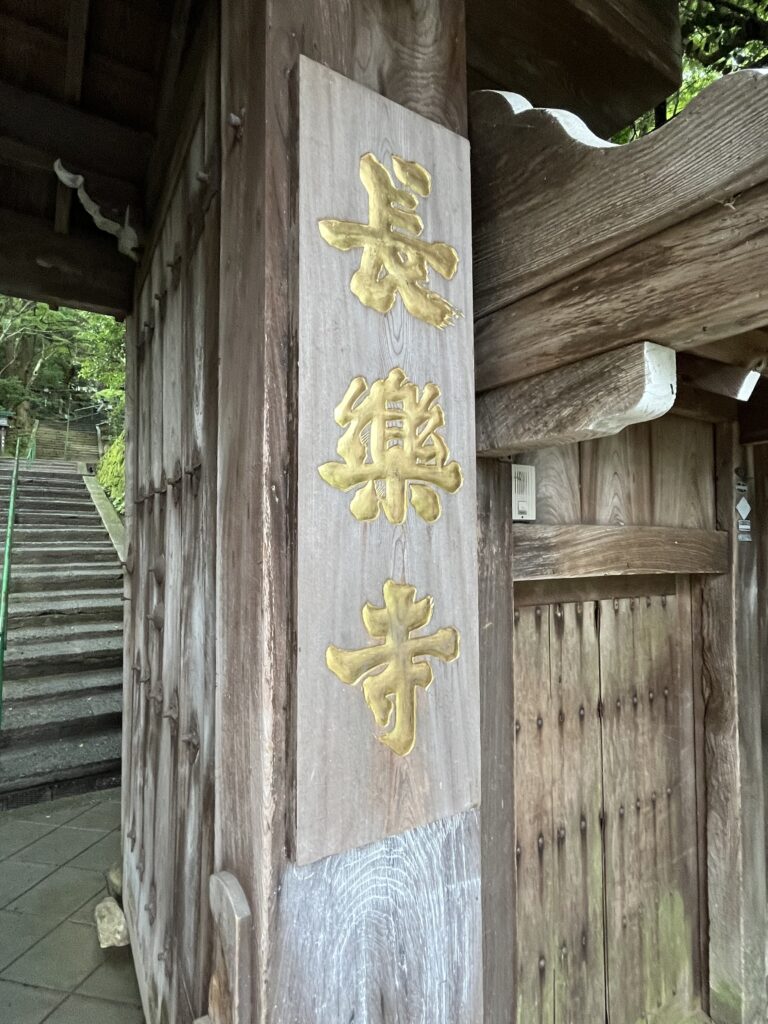
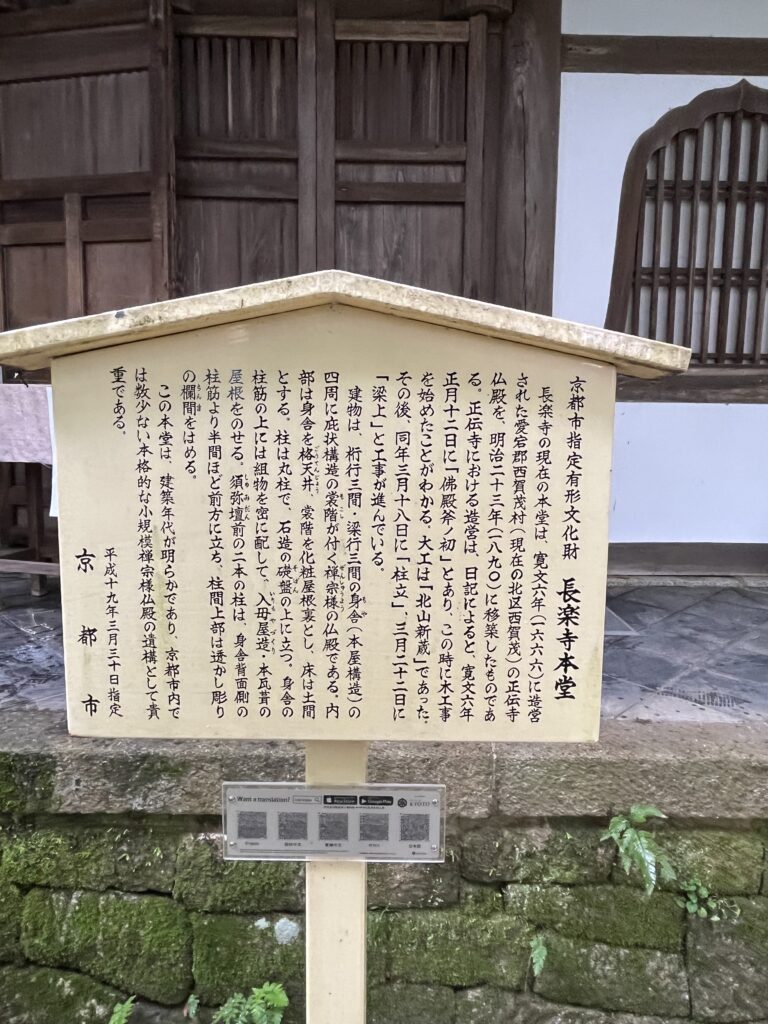
Choraku-ji Temple (長楽寺)

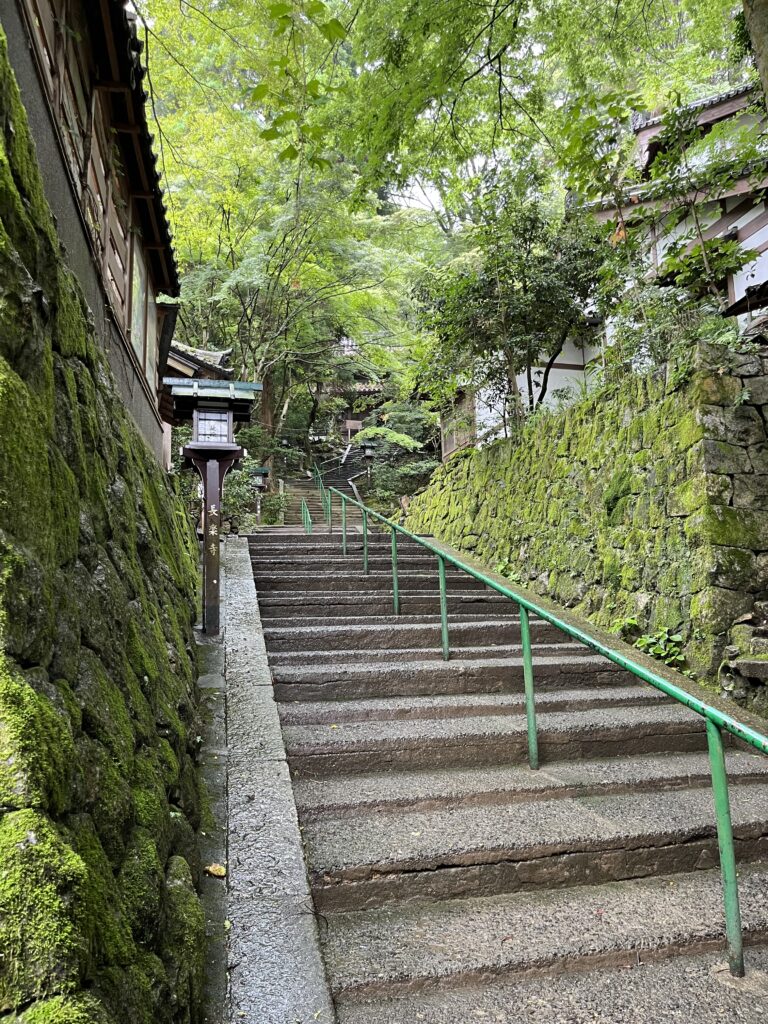
Choraku-ji Temple is located in Maruyama-cho, east of Gion Yasaka Shrine in Kyoto’s Higashiyama Ward.
It is a Tendai sect temple founded in 805—following the relocation of the capital to Heian-kyo—by Saicho under the imperial decree of Emperor Kanmu; it was later converted to the Ji sect.
Kenreimon-in, a daughter of Taira no Kiyomori, is said to have taken Buddhist vows at this temple.

Location

Kōrin-in Temple ( Daitoku-ji Temple) (興臨院 大徳寺)

Kōrin-in is one of the sub-temples of Daitoku-ji Temple, a Rinzai Zen temple located in Kita-ku, Kyoto.
It was founded approximately 500 years ago by Hatakeyama Yoshisō,
the governor of Noto (present-day Ishikawa Prefecture),
and its name, Kōrin-in, was derived from his posthumous Buddhist name.
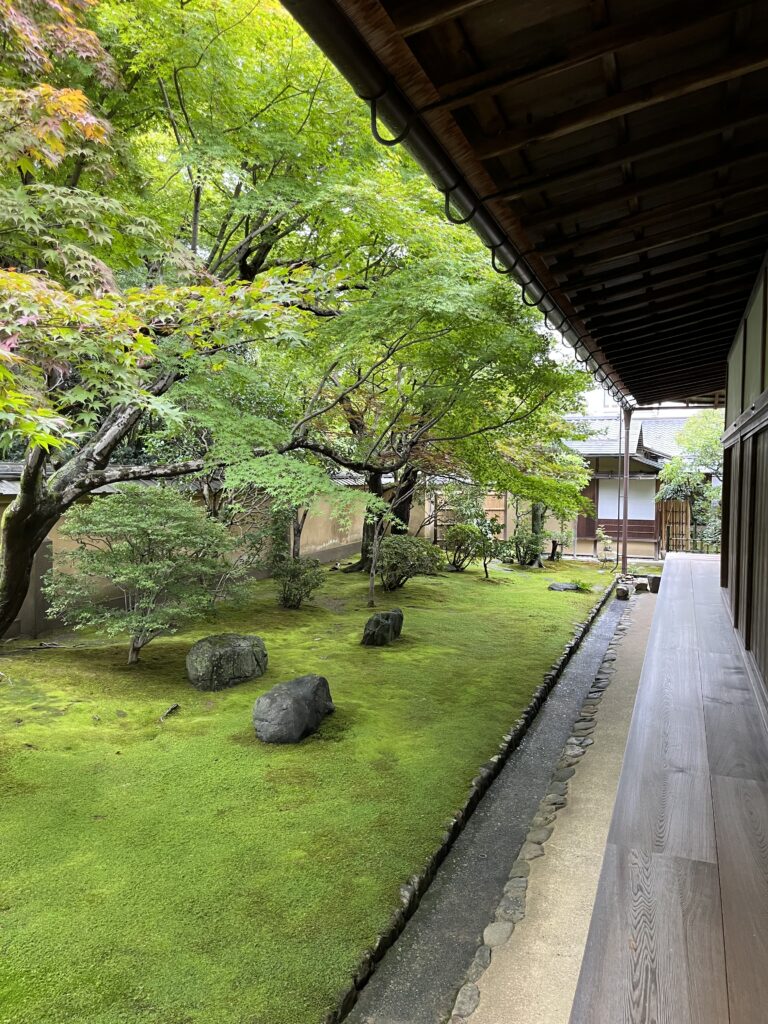
It features a magnificent Momoyama-style stone garden restored by Nakane Kinsaku,
a landscape architect sometimes called the “Showa-era Kobori Enshū,” as well as the tea house “Kankyo-tei.”
Special viewings are available from September 5th to 27th and from October 3rd to December 15th, 2026.

Location

Rozan-ji Temple (廬山寺)

Rozan-ji Temple is located on Teramachi Street in Kamigyo Ward, Kyoto City, east of the Kyoto Imperial Palace.
It is said to be the site of Murasaki Shikibu’s residence and where “The Tale of Genji” was written.
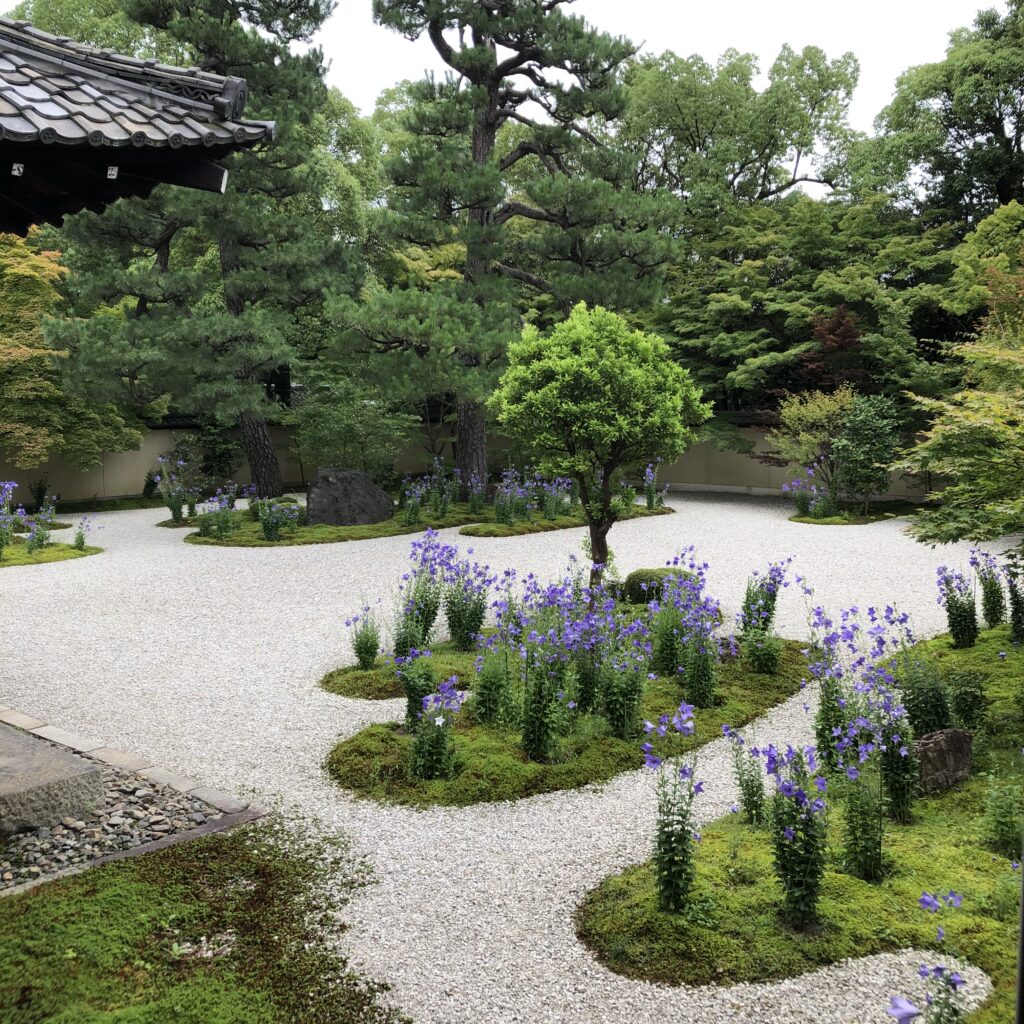
The garden of the main hall is called “Genji’s Garden,” a beautiful dry landscape garden with a vivid contrast of white sand and moss.
From the beginning of June to the beginning of September, the bellflowers are in full bloom.
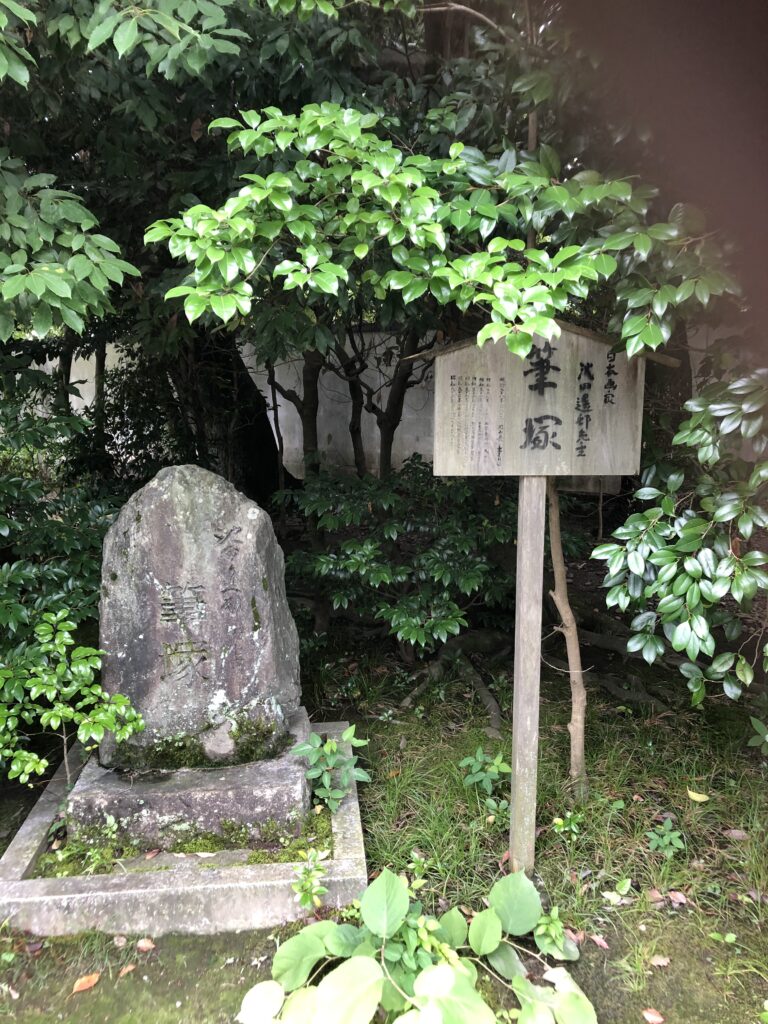
A stone monument marking the “site of Murasaki Shikibu’s residence” stands here.
It is one of the places where you can appreciate the tranquility of Kyoto.

Location


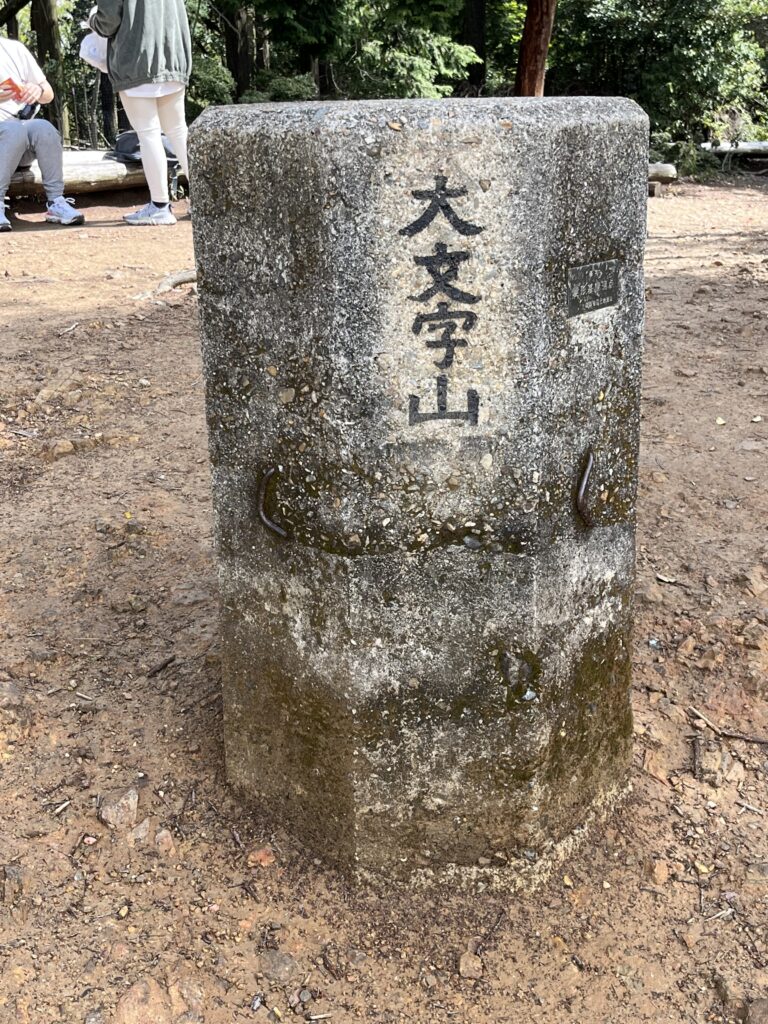
Mt. Daimonji-yama (大文字山)

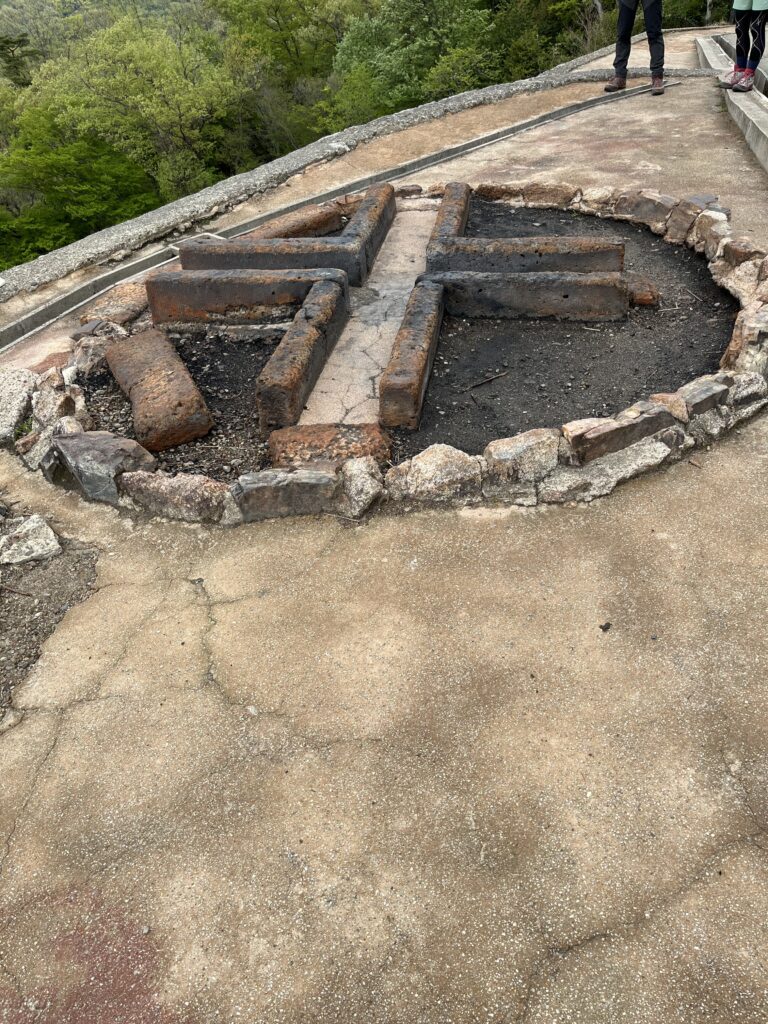
Kyoto has a tradition called Gozan no Okuribi (Five Mountains Bonfire), a ceremony held during the Obon festival to send off ancestors.
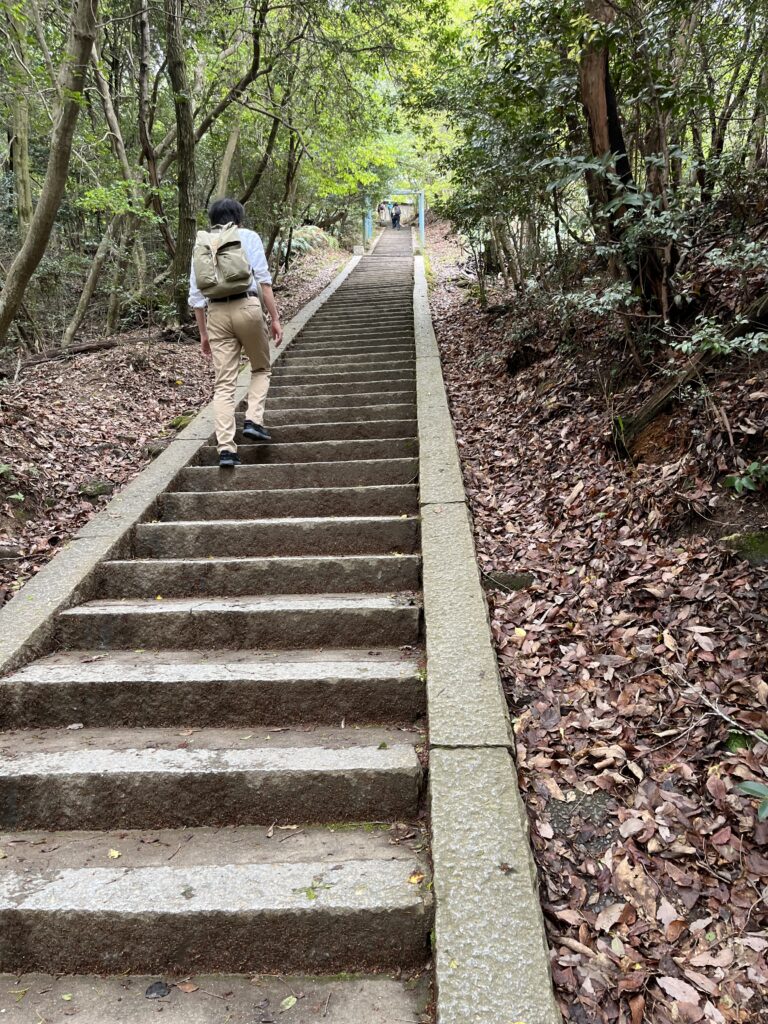
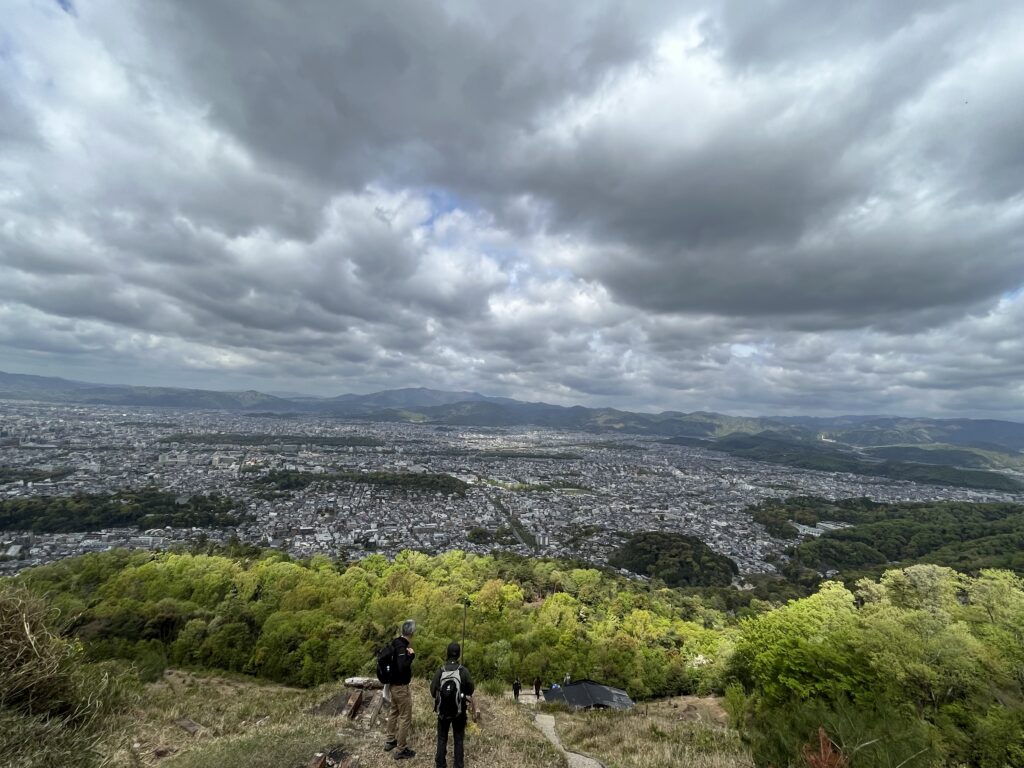
One of the mountains is Mt. Daimonji-yama, which is also a hiking trail.
Near the summit are the bonfire sites used for the Okuribi.
You can enjoy a panoramic view of Kyoto City and breathe in quiet, refreshing air.

Location