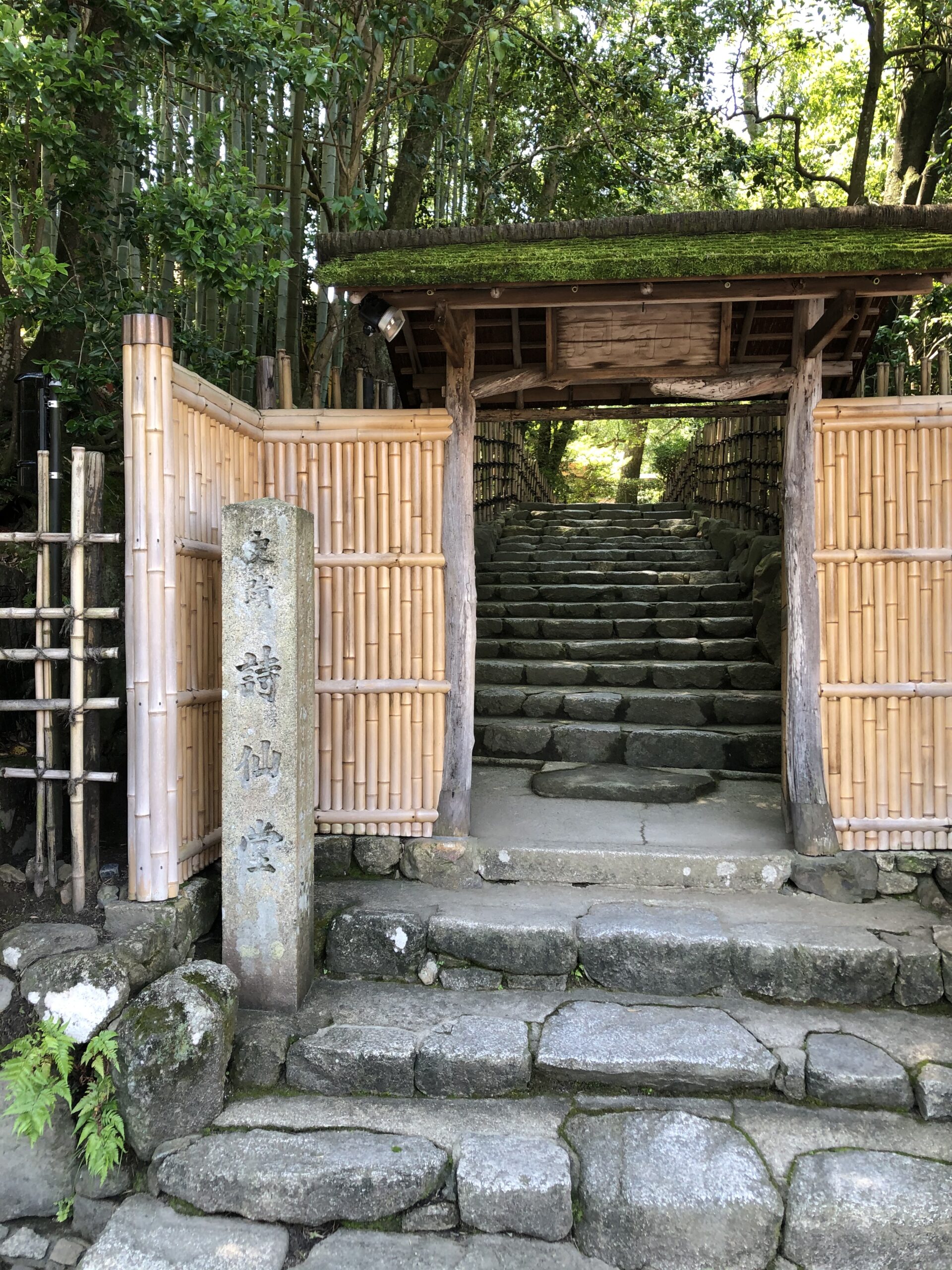
Imamiya Shrine(今宮神社)

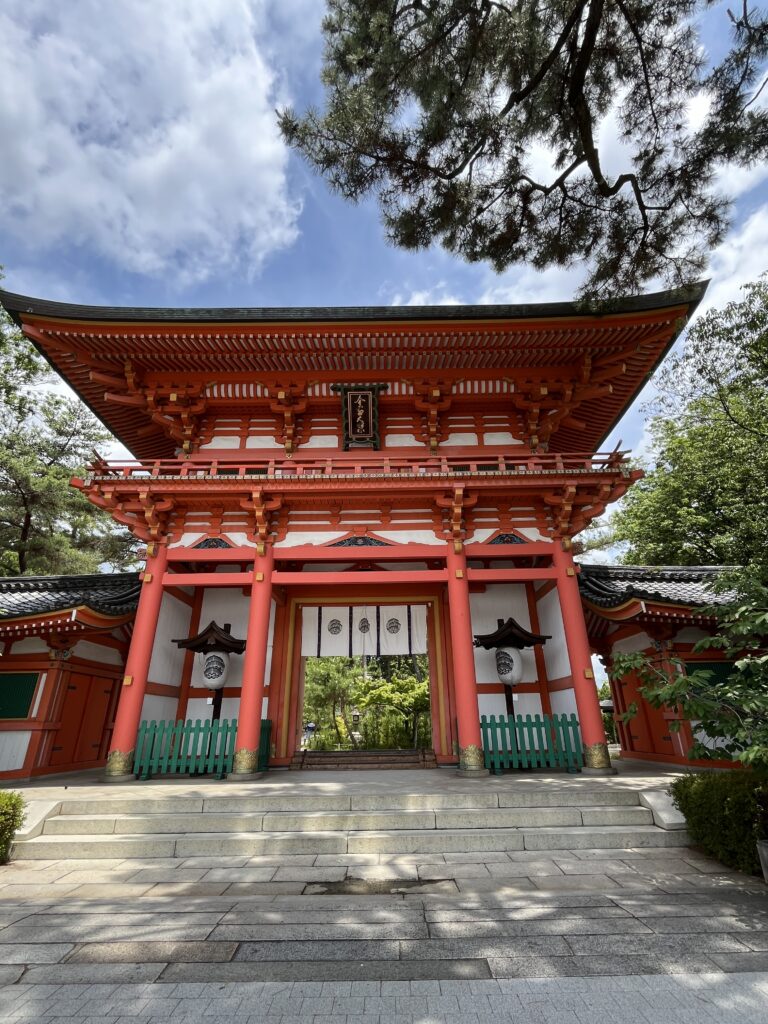
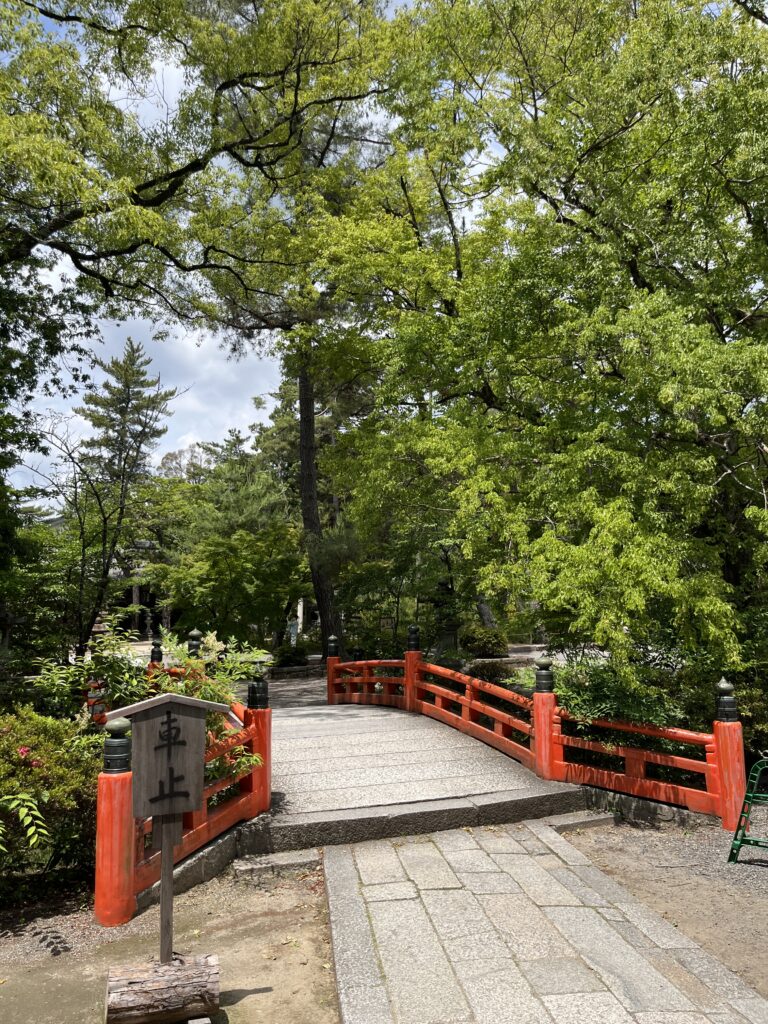
Imamiya Shrine is a shrine located in Murasakino Imamiya-cho, Kita-ku, Kyoto City.
It is said that a shrine dedicated to the god of plague existed on the site even before the founding of Heian-kyo (Kyoto). In 994, a portable shrine was constructed and the Murasakino Goryo-e festival was held to pray for the eradication of plagues in the capital, which is considered the origin of Imamiya Shrine.
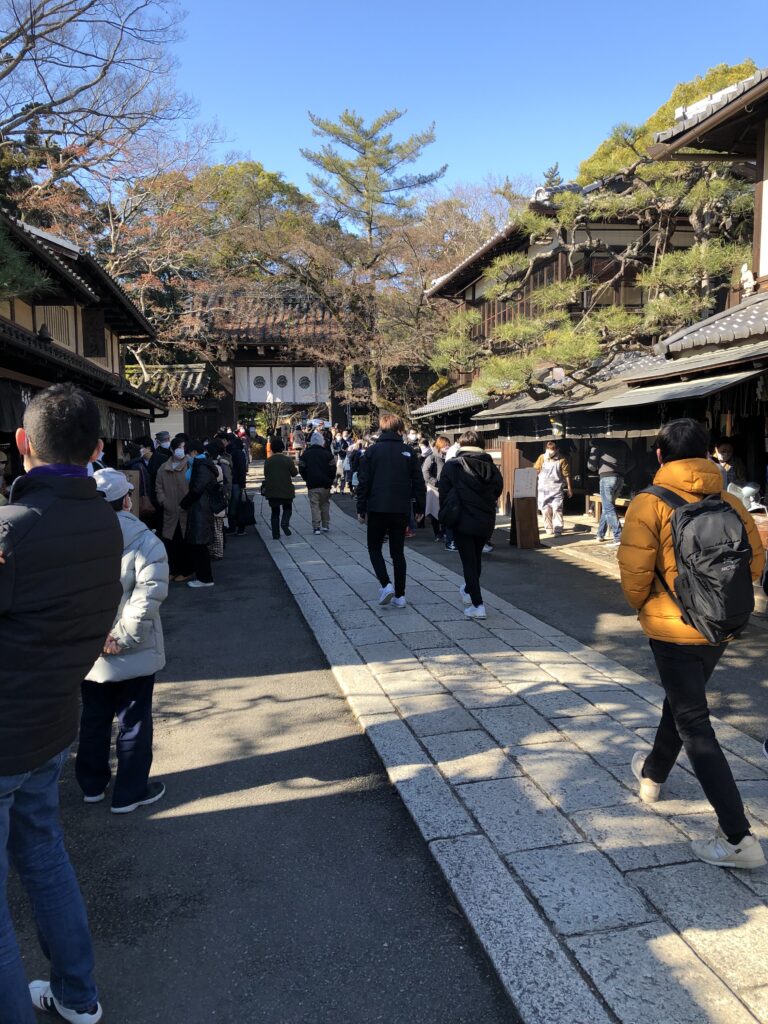
In front of the east gate, “Aburi Mochi,” a traditional gate-side confectionary that has been sold since the Heian period, is available.
“Ichiwa” is said to have been founded in the Heian period, around 1000 AD, and is considered one of the oldest Japanese confectionery shops.
Location
Ninna-ji Temple(仁和寺)

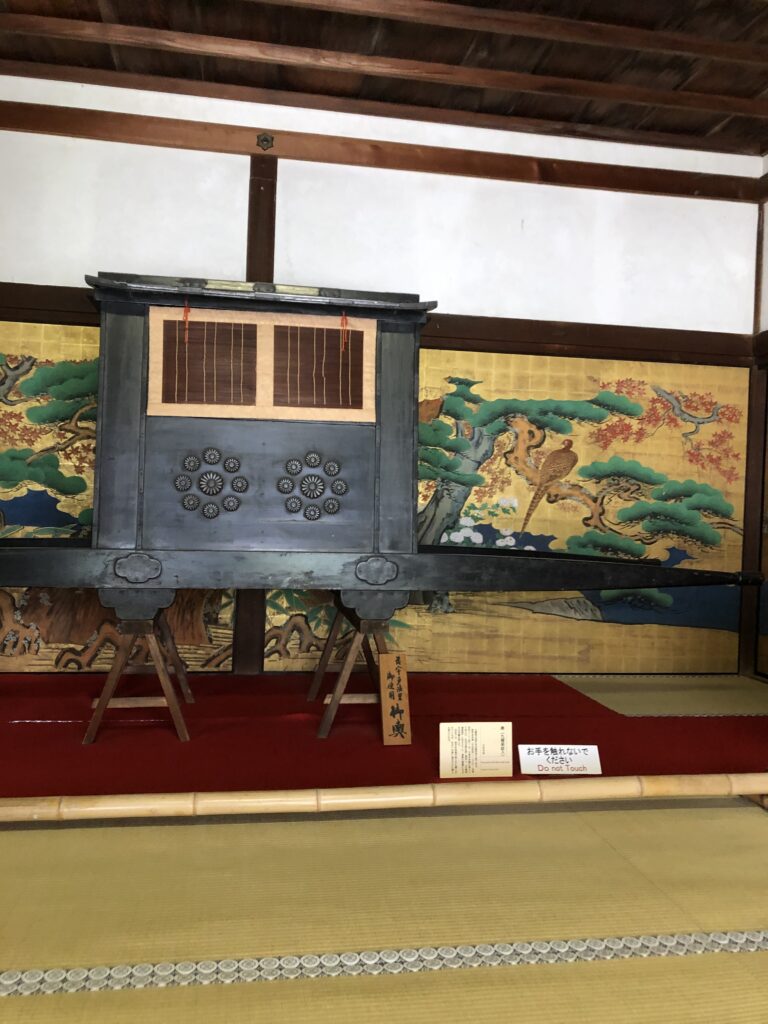
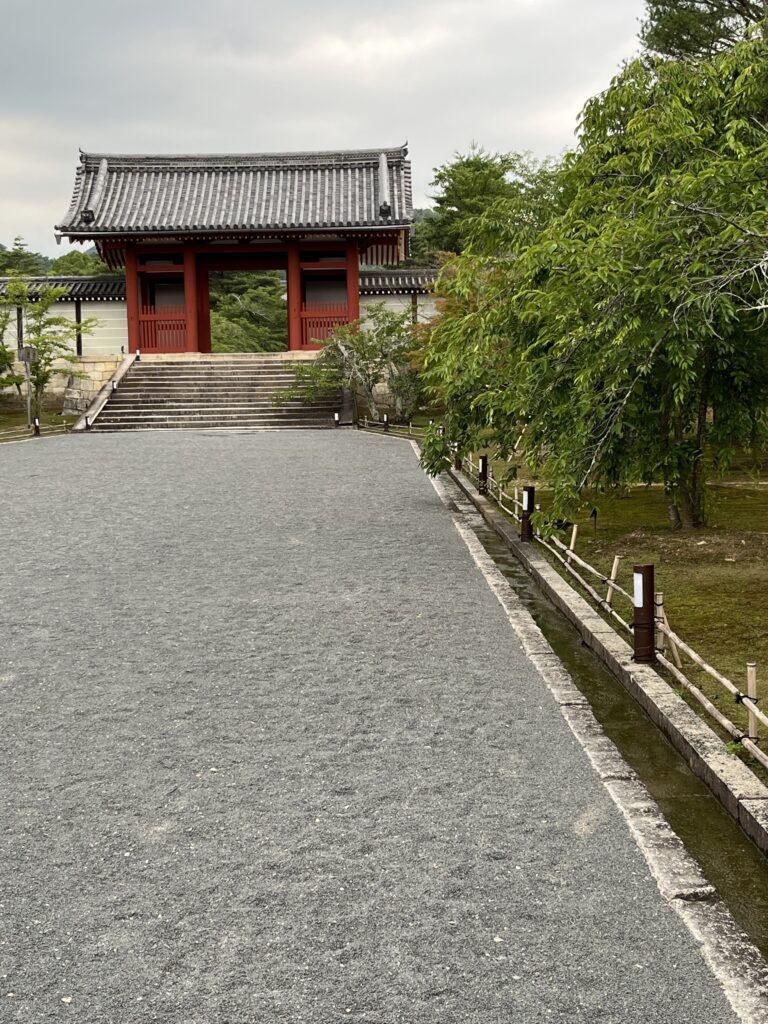
This temple, deeply connected to the Imperial family (a monzeki temple), was called “Omuro Gosho” because Emperor Uda resided there after becoming a monk.
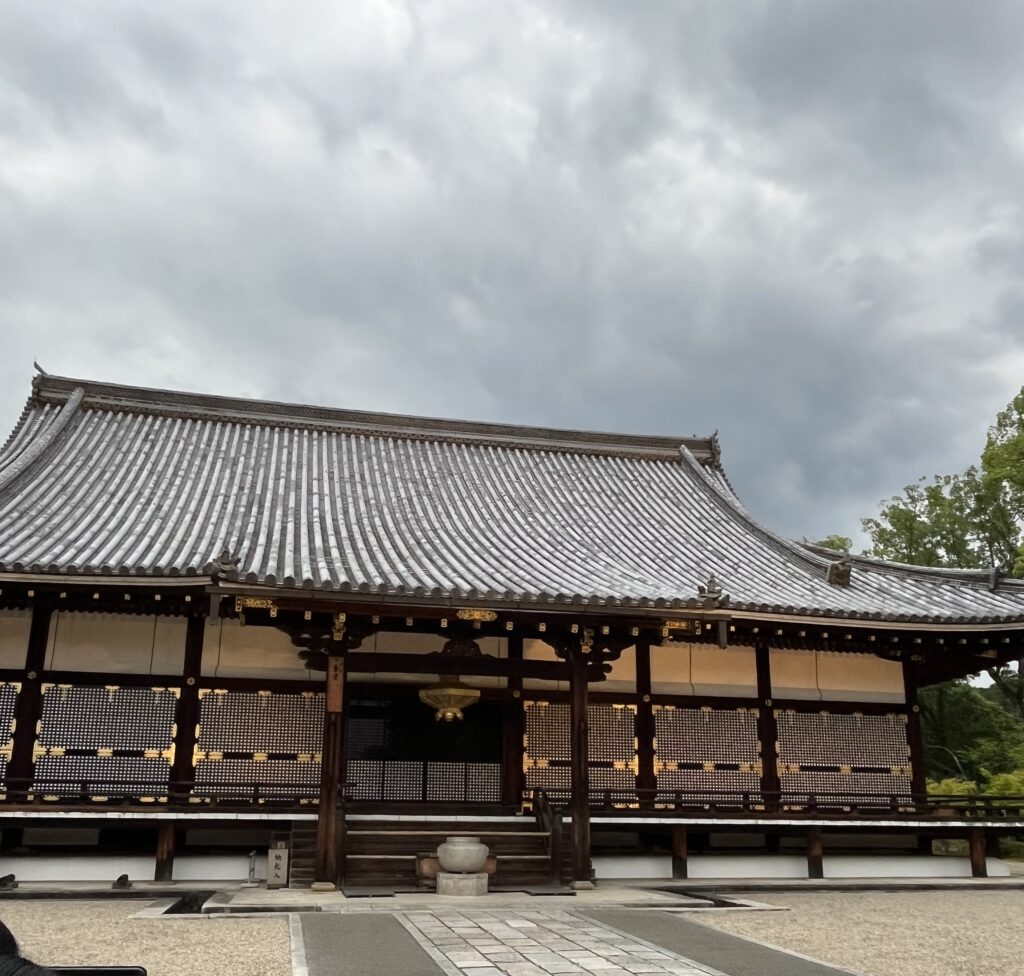
The main hall, a national treasure, is the oldest existing structure, a relocated building from the Shishinden Hall of the Kyoto Imperial Palace.
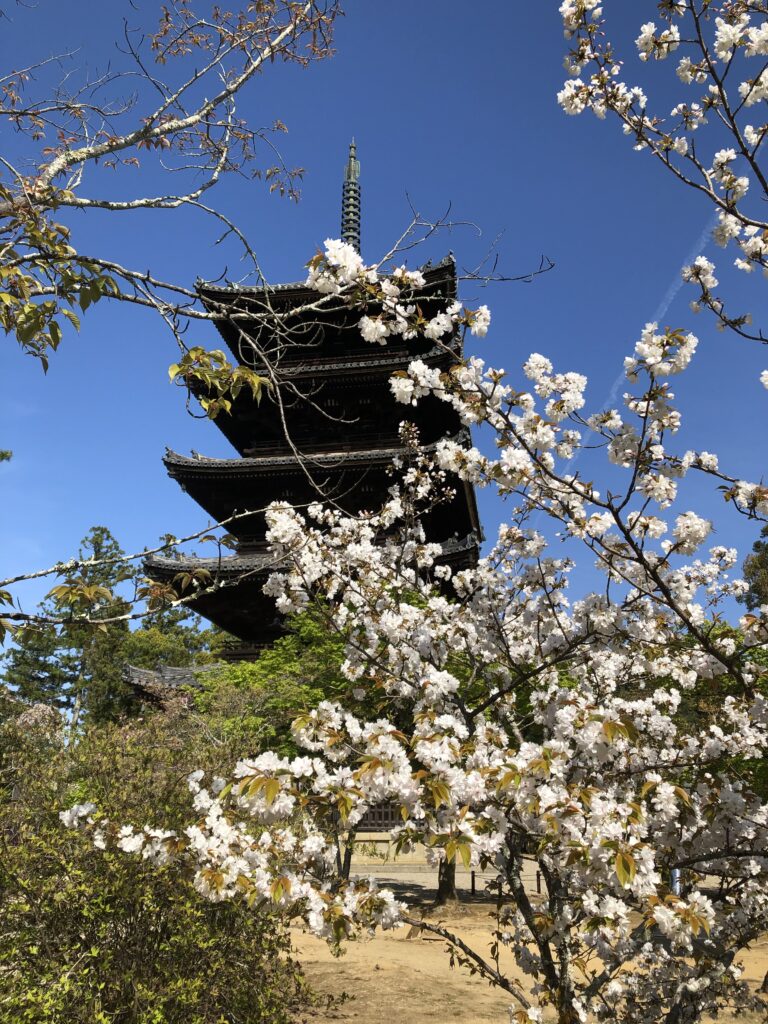
In spring, the cherry blossoms are the latest blooming in the capital and are famous as “Omuro Cherry Blossoms,” attracting many visitors.


Location

Daikaku-ji Temple(大覚寺)

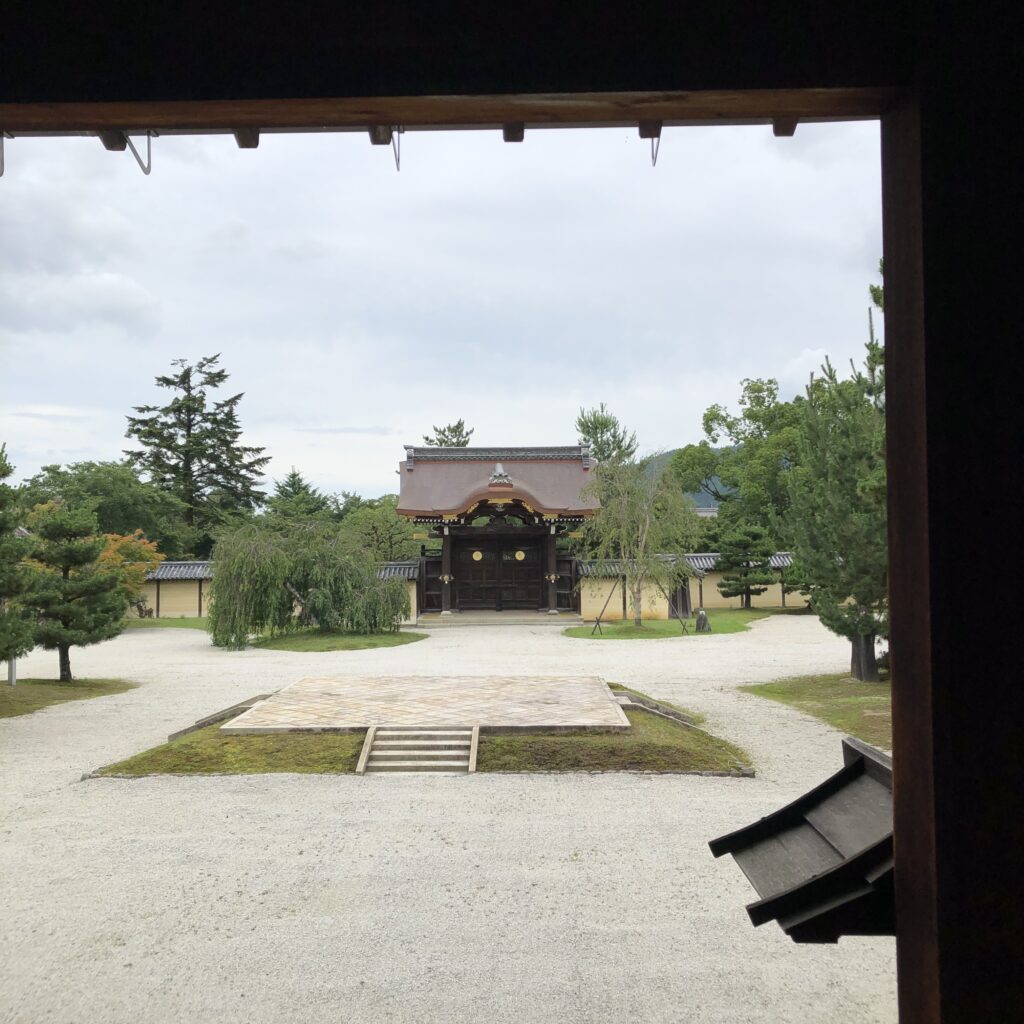
Daikaku-ji Temple, located in Ukyo-ku, Kyoto City, was originally a detached palace built by Emperor Saga in the early Heian period.
Later converted into a temple, it is a prestigious monzeki temple with ties to the imperial family.
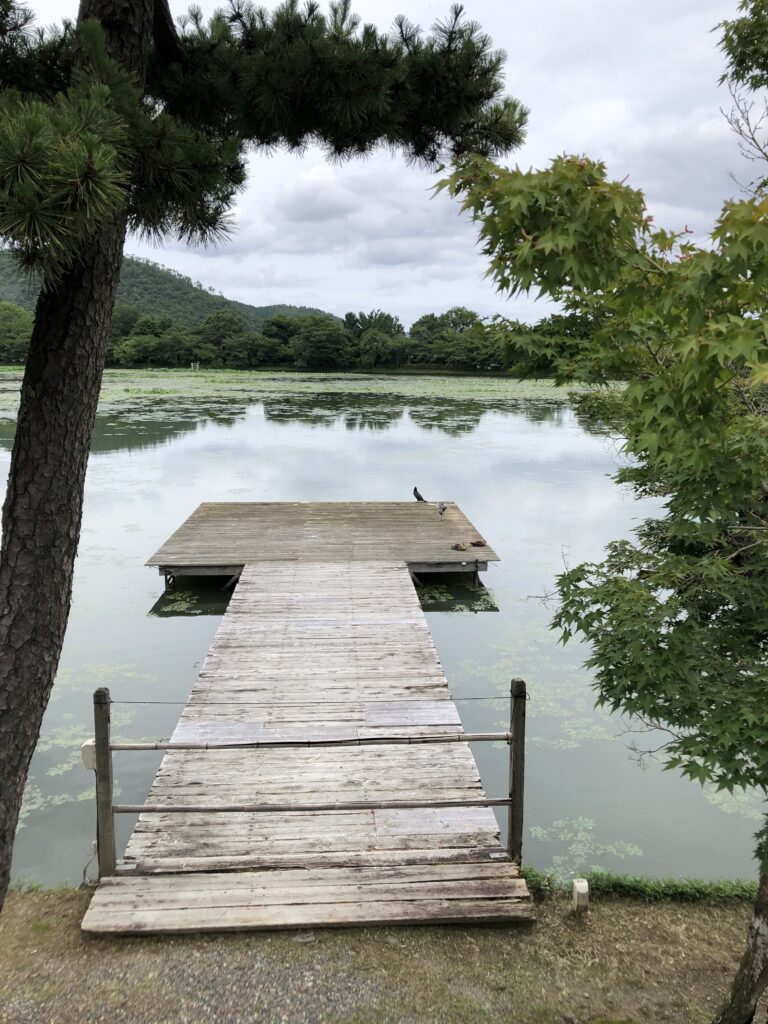
It is also famous as the birthplace of ikebana (Saga-goryu school) and for having Japan’s oldest artificial forest pond (Osawa Pond).

Location

Murin-anーgarden(無鄰菴)

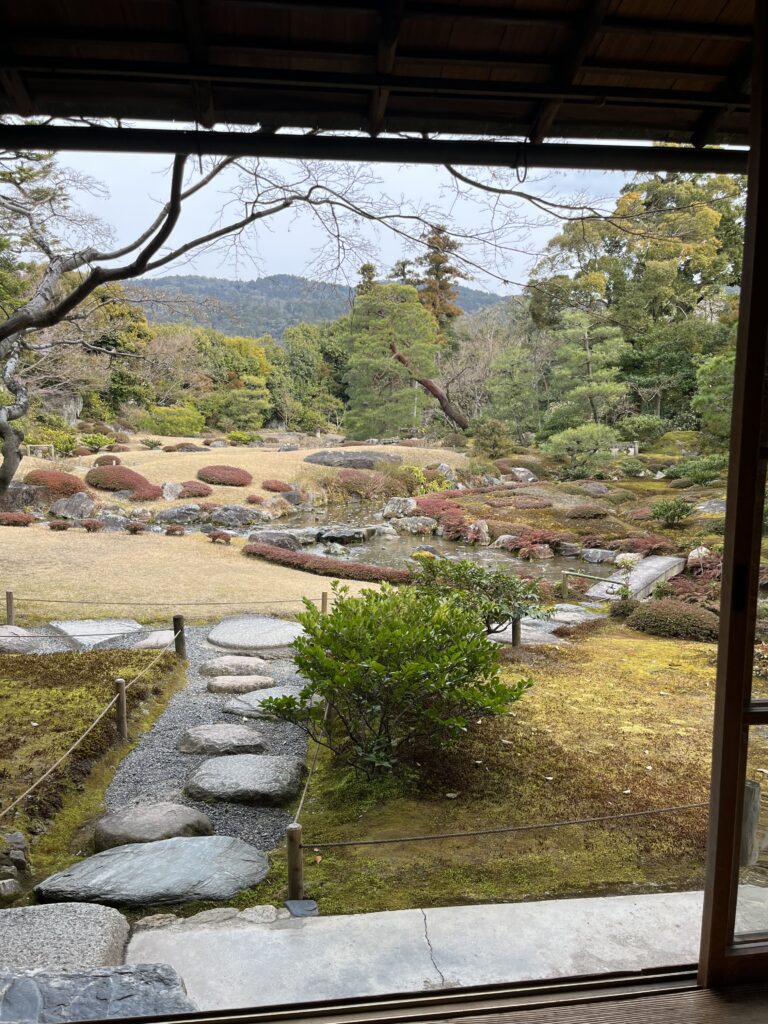
Following the opening of the Lake Biwa Canal during the Meiji era, many residences with gardens incorporating water from the canal were built around Nanzenji Temple. Murin-an is one such example. It was the villa of Yamagata Aritomo, a politician of the Meiji and Taisho periods, and is considered a masterpiece of modern Japanese garden design, created by the gardener Jihei Ogawa VII.
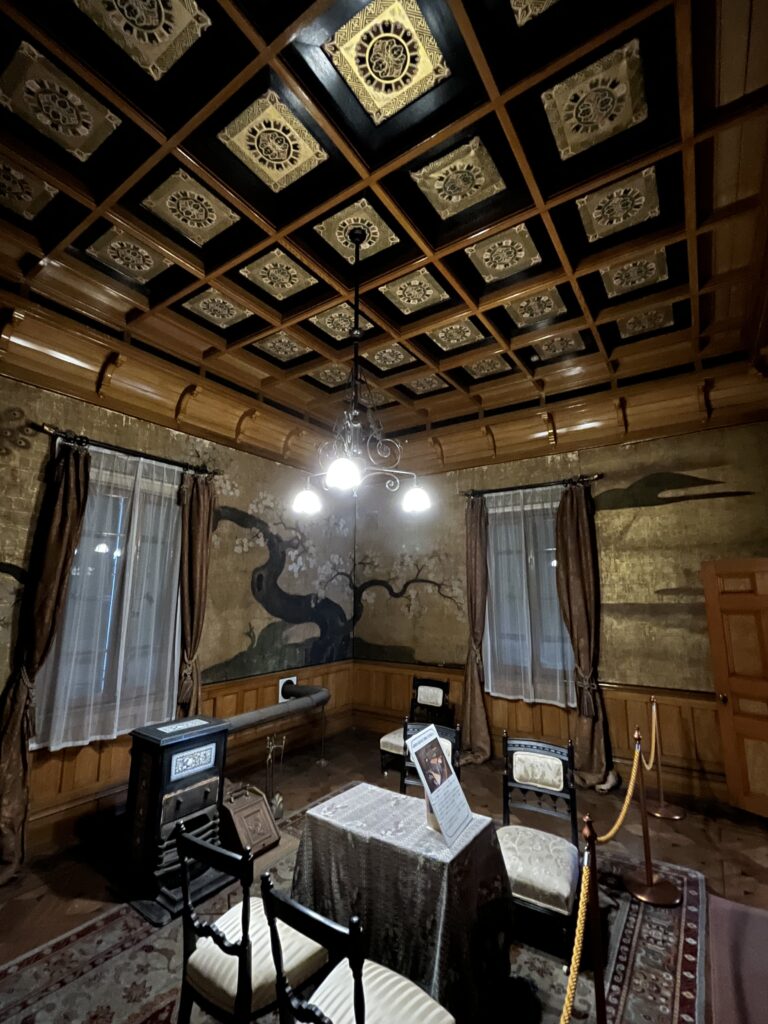
The room used for the “Murin-an Conference,” where diplomatic negotiations before the Russo-Japanese War were discussed, has been preserved as it was.


Location

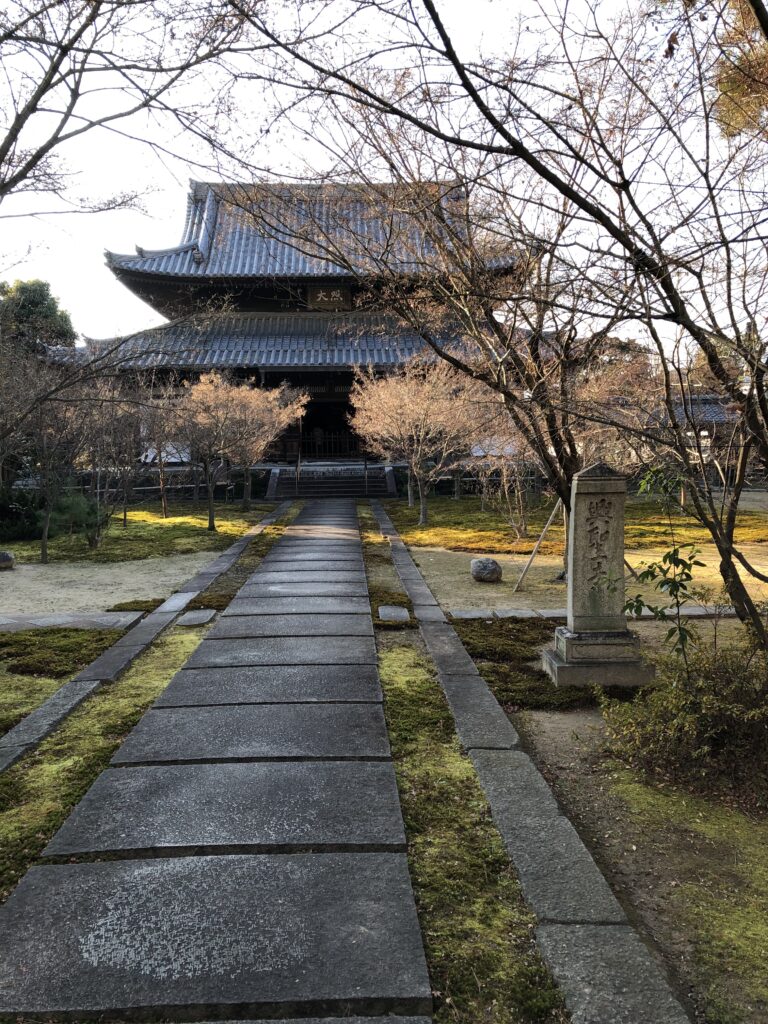
Kōshōji Temple (Oribe Temple) (興聖寺 織部寺)

Kōshōji Temple is a Rinzai Zen temple located in Nishijin, Kyoto.
It is associated with Furuta Oribe, a daimyo (feudal lord) and tea master, and is also known as Oribe-dera (Oribe Temple).
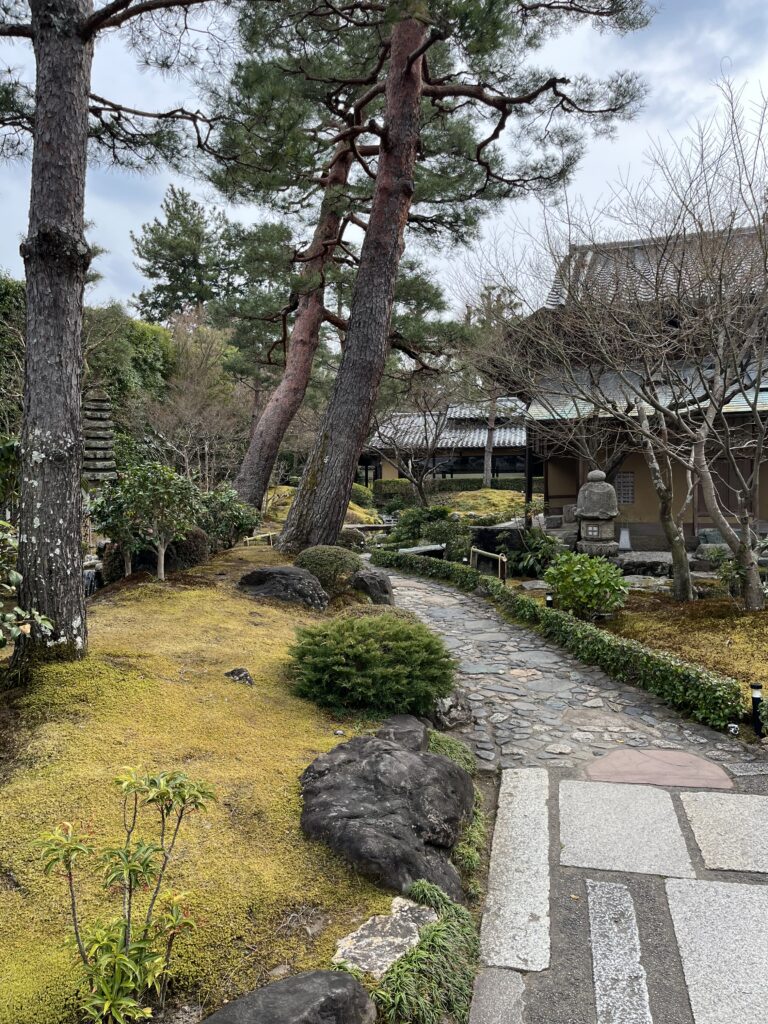
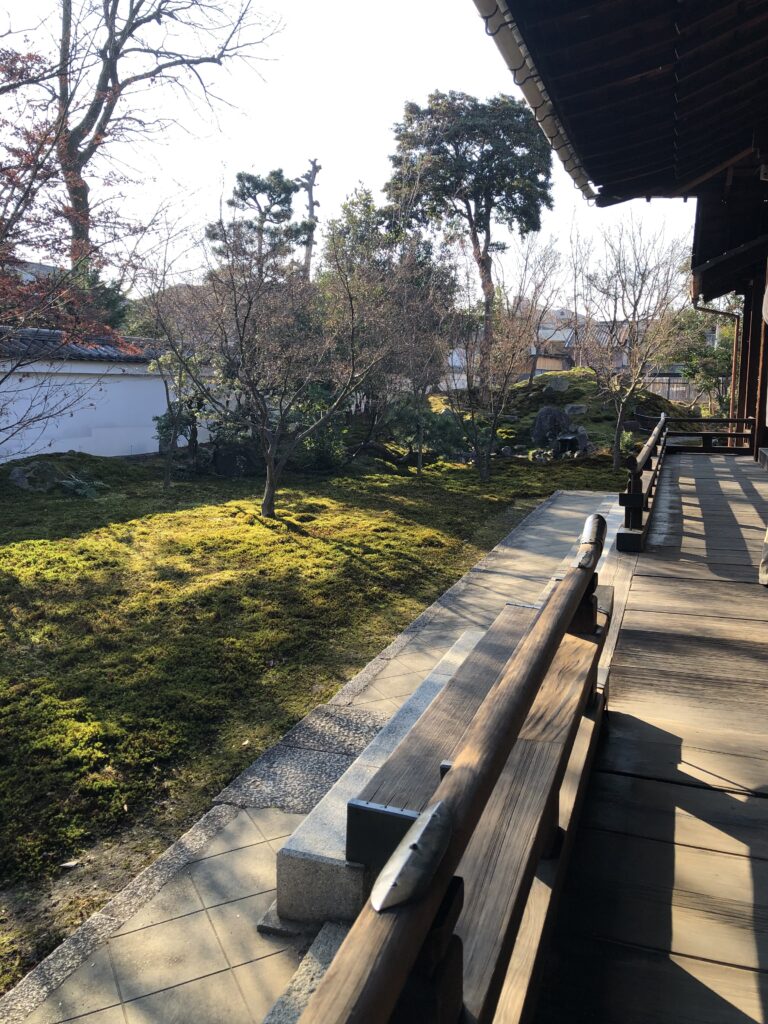
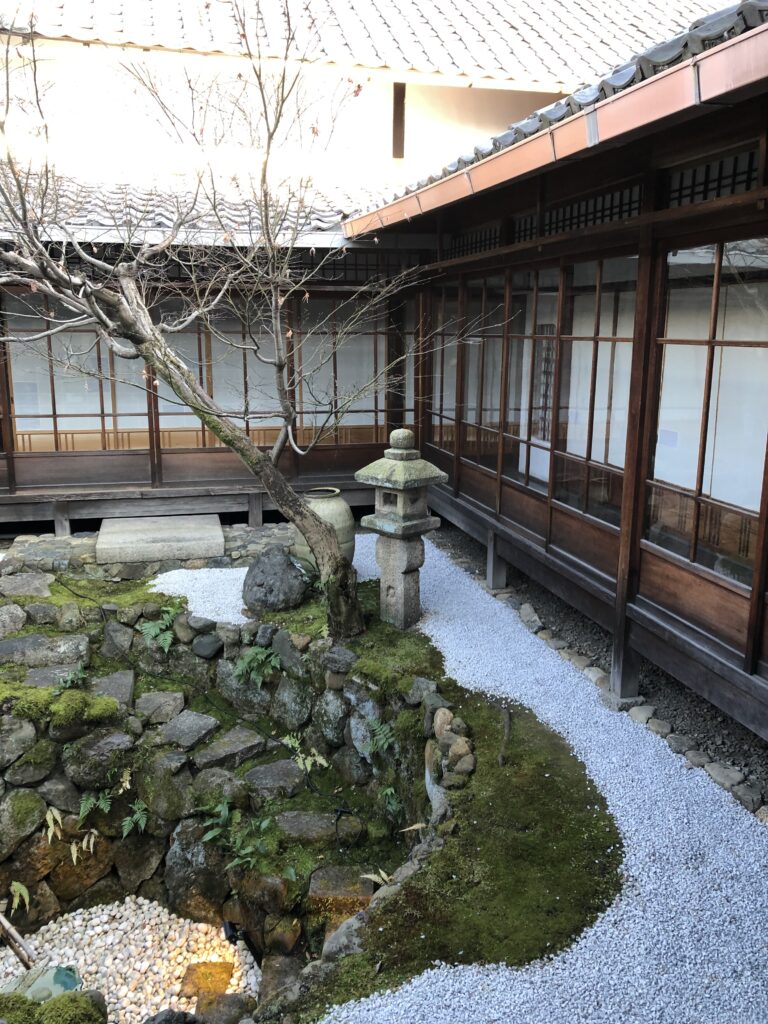
Although it is located in the middle of town, its quiet garden with beautiful moss is highly recommended.
Here, you’ll find a unique feature: a “descending tsukubai,” a type of water basin where the ground is deeply dug out, and a spiral stone staircase leads down to the top where the water basin is placed.

Location