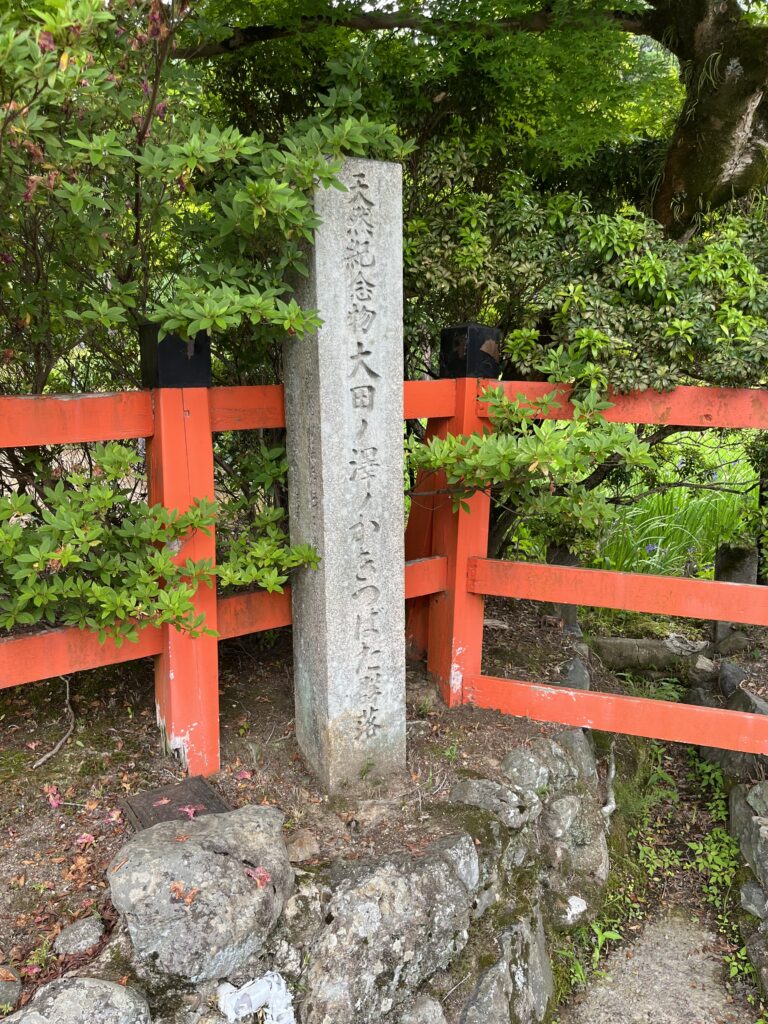
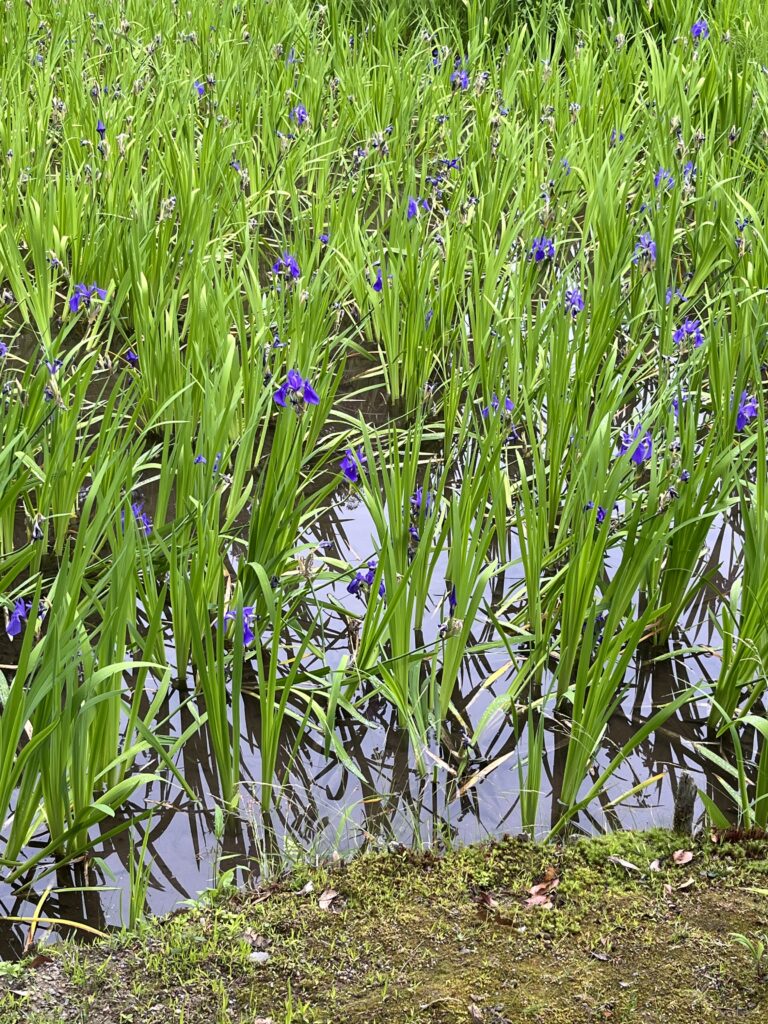
Here, in “Ota-no-Sawa,” located on the approach to Ota Shrine,irises grow wild.
They are in full bloom from early to mid-May.
Ota Shrine is a subsidiary shrine of Kamigamo Shrine and is
located in Kita Ward, Kyoto City.
Ota Shrine
Location
Discover a Quiet and Peaceful side of Kyoto
Here, in “Ota-no-Sawa,” located on the approach to Ota Shrine,irises grow wild.
They are in full bloom from early to mid-May.
Ota Shrine is a subsidiary shrine of Kamigamo Shrine and is
located in Kita Ward, Kyoto City.
Ota Shrine
Location
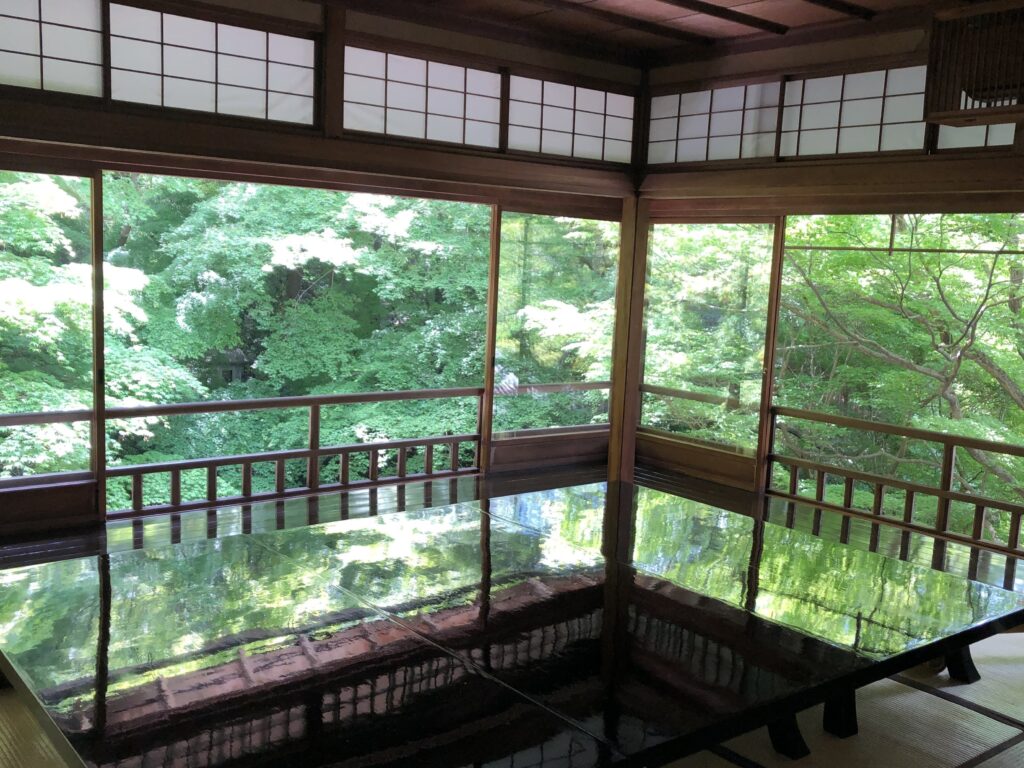
This is Ruriko In Temple, located in the northeastern part of Kyoto City,
at the foot of Mt. Hiei.
While it’s also famous as a place to admire the fresh greenery,
it’s particularly renowned for allowing visitors to simultaneously appreciate the reflections of the greenery on the floor and on the tables.
Ruriko In Temple
Location
This photo shows Arashiyama, famous for its symbolic “Togetsukyo Bridge.”
The bridge was named after the emperor, who long ago saw the moon
appearing to cross it.
It’s a popular tourist spot that’s bustling with people during the day,
so early morning is recommended.
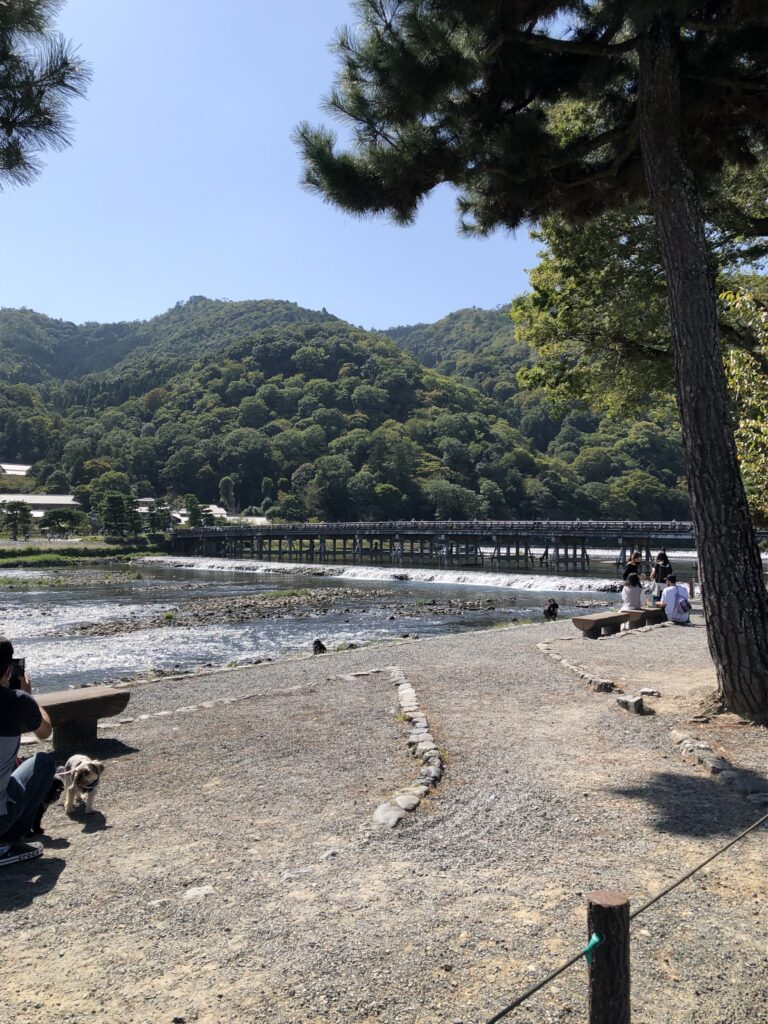
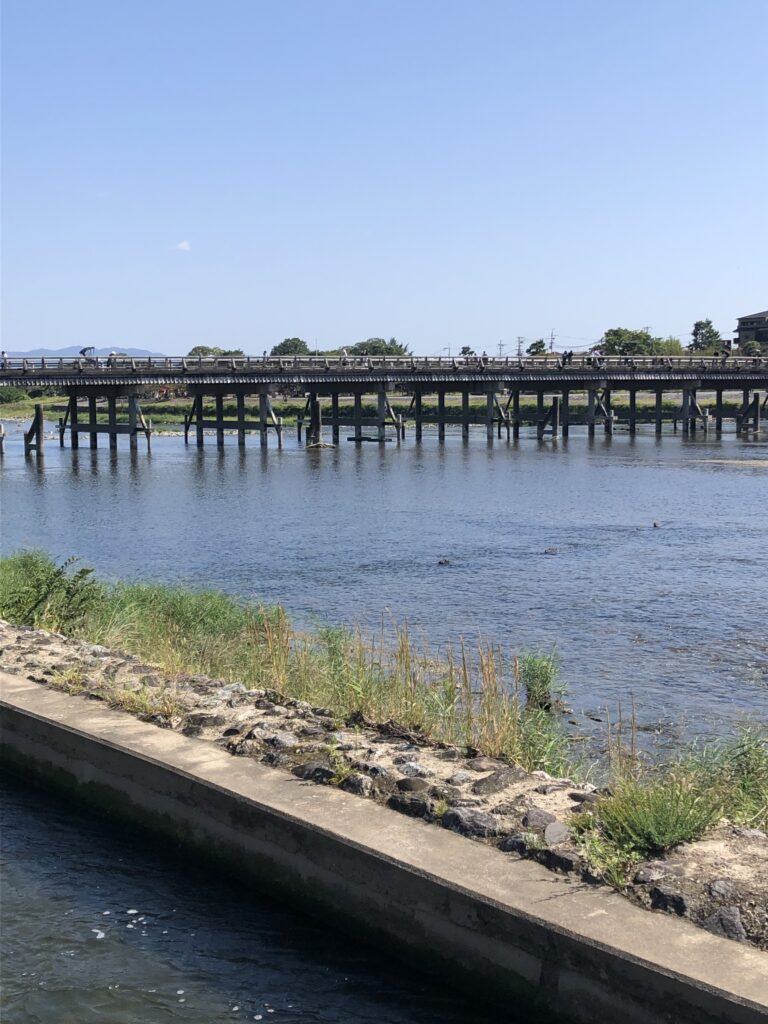
Togetsu-kyo Bridge
Location
This is a tsukubai (stone basin) located at Ryōan-ji Temple, a Zen Buddhist temple in the northwest of Kyoto City.
A tsukubai is a stone basin filled with water used to purify one’s hands
and mouth before entering a tearoom.
The inscription here reads “吾唯足知,” which translates to “I learn only to be contented” or “I am content with what I have (am)” in English. This is a Zen teaching. 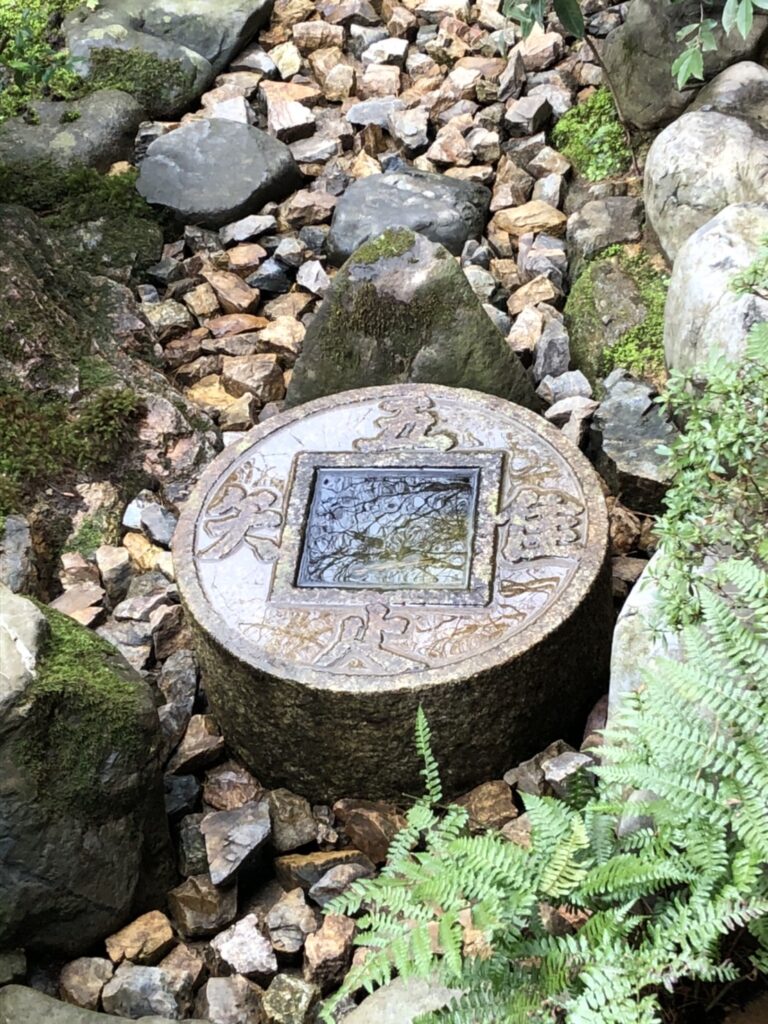
Ryoan-ji Temple
Location
Kyoto has many ancient festivals, and one of the three major festivals of Kyoto is the Aoi Festival, which is held at Kamigamo Shrine and Shimogamo Shrine. This photo shows a stream that flows through the grounds of Kamigamo Shrine.
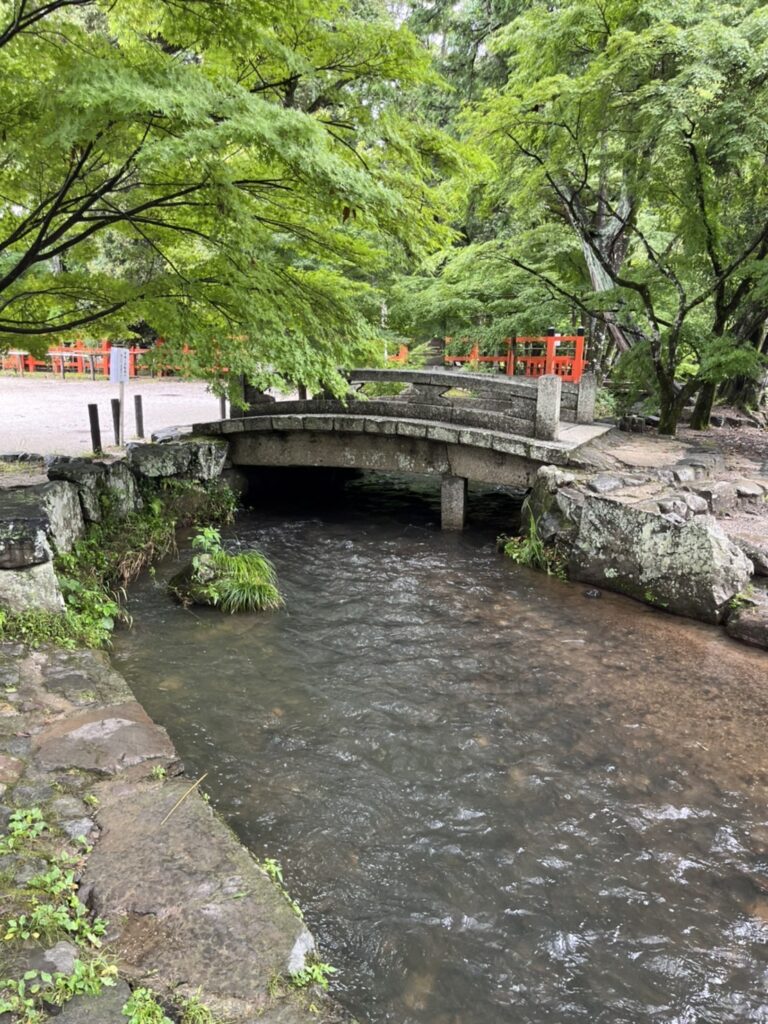
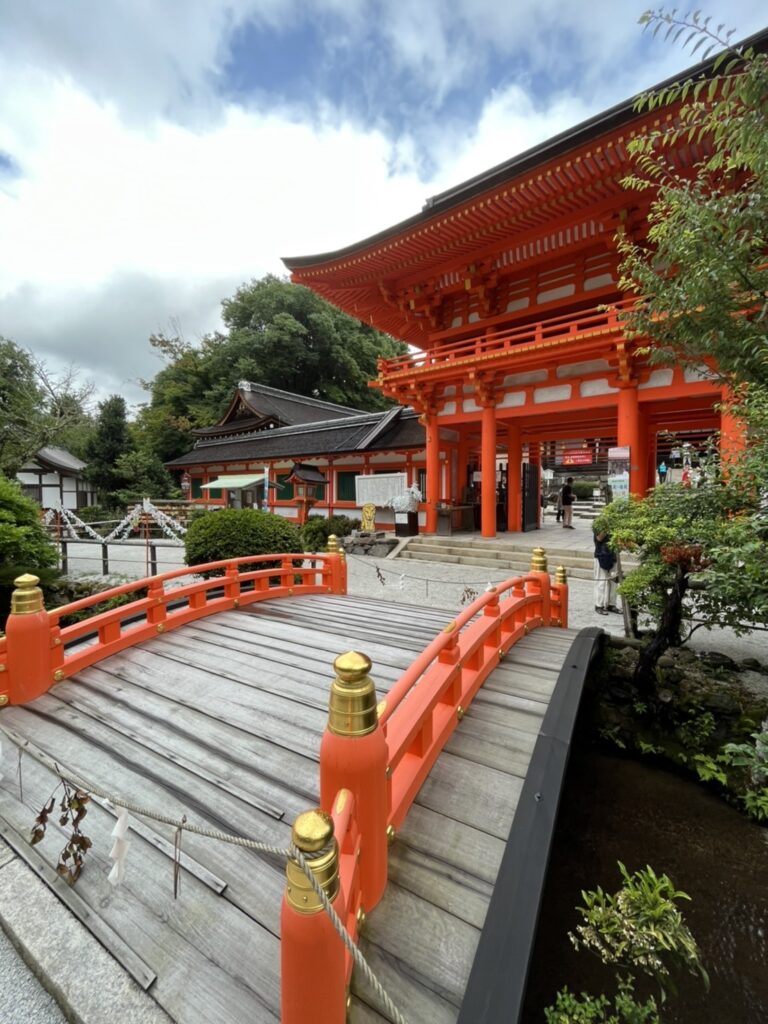
Kamigamo Jinjya Shrine
Location