Shisendo Temple(詩仙堂)

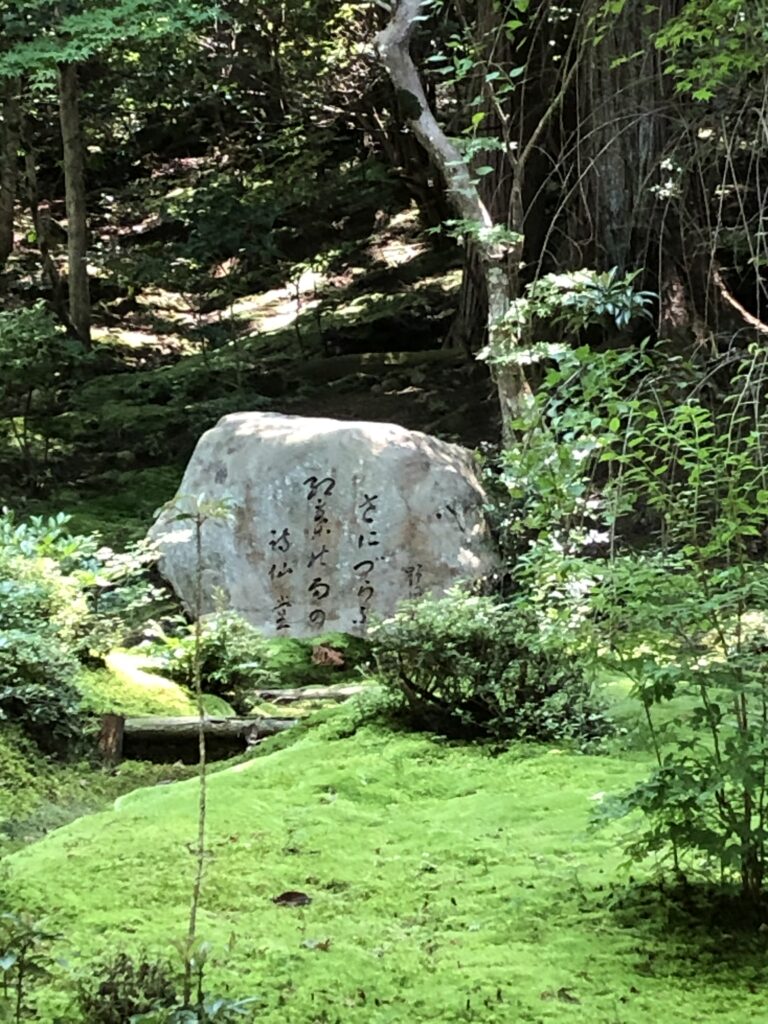
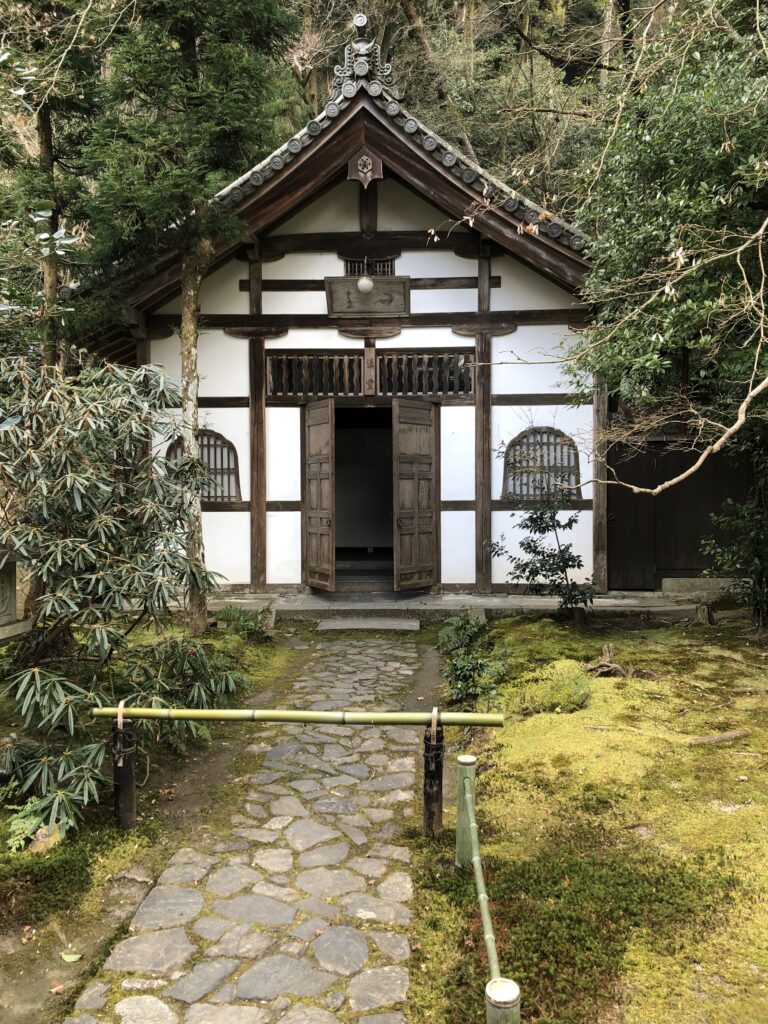
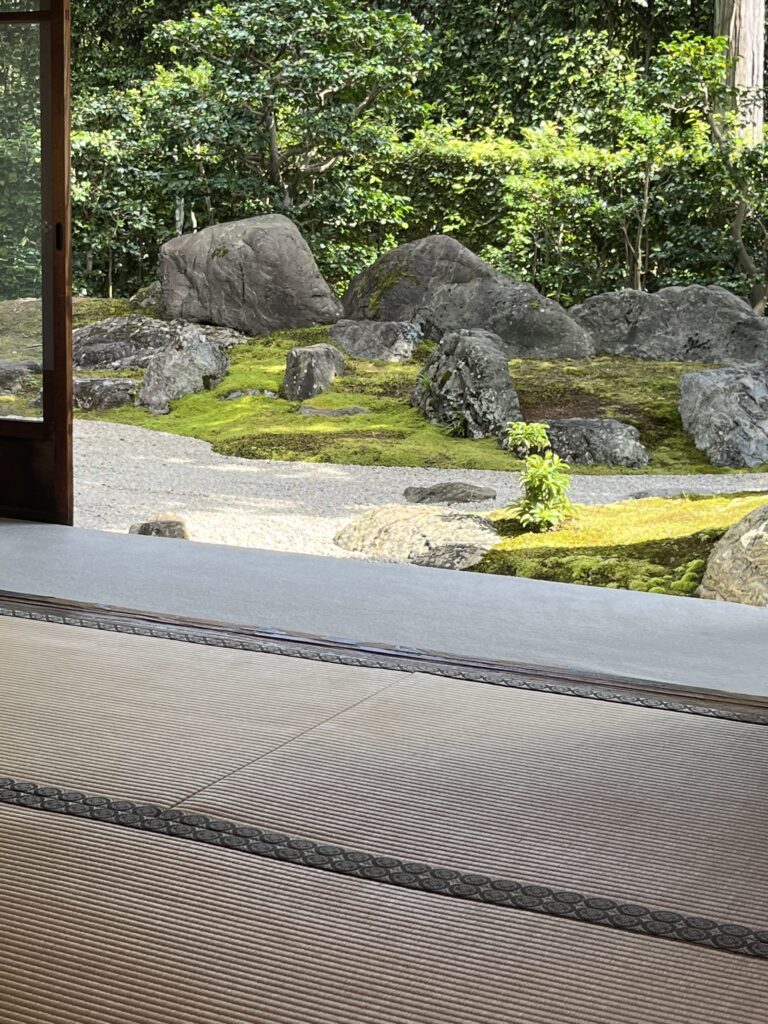
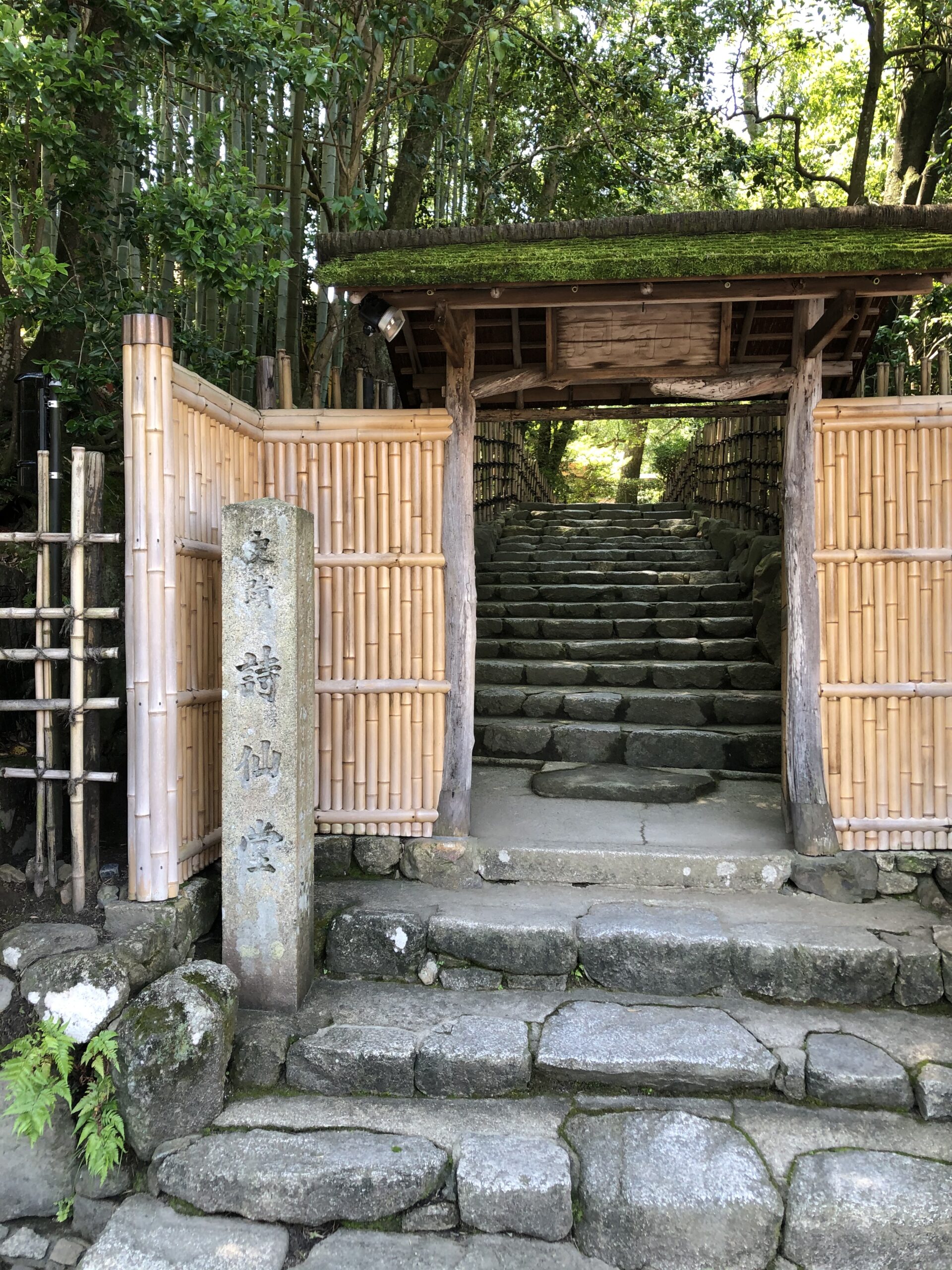
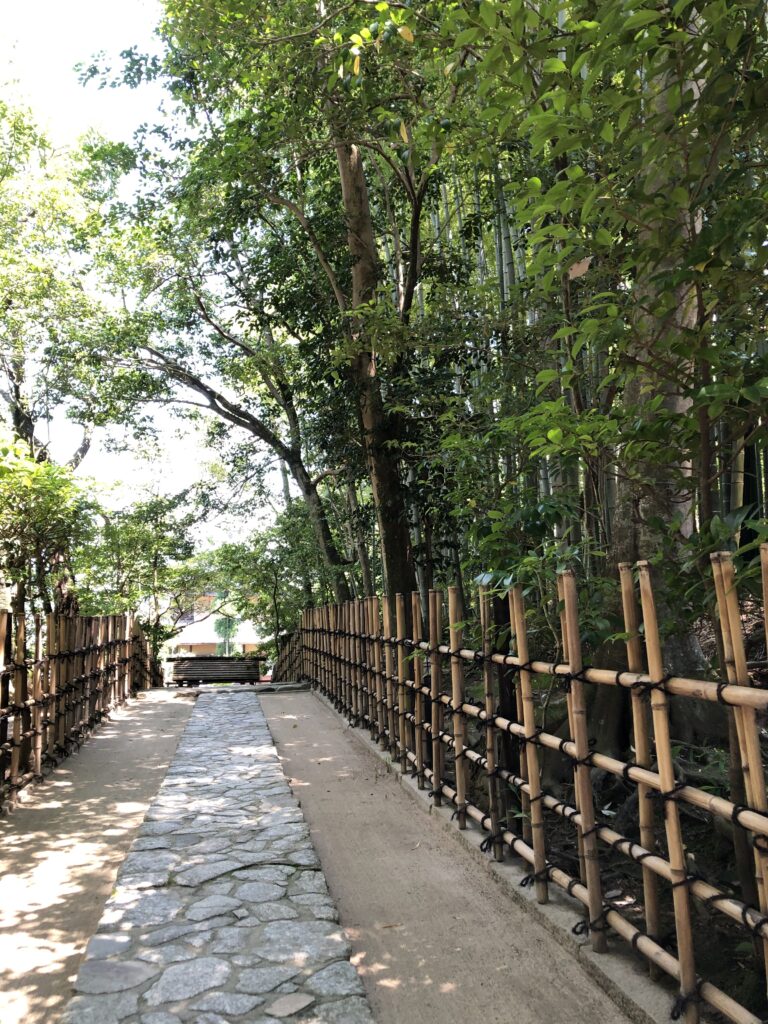
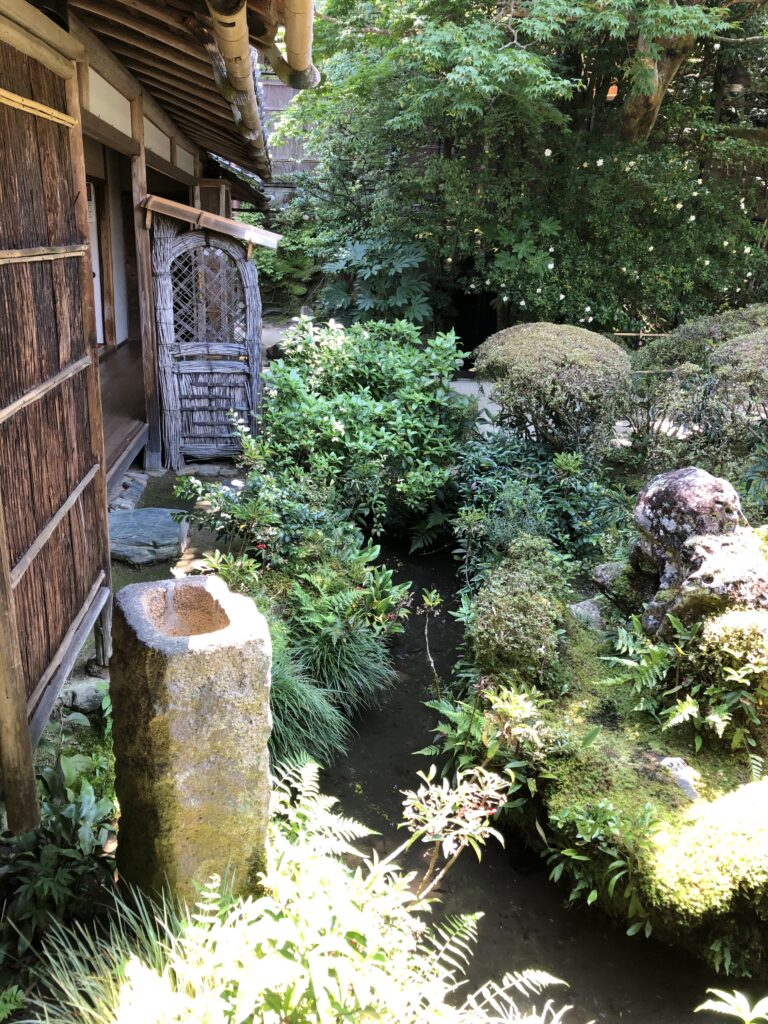
Shisendo Temple, located in Sakyo Ward, Kyoto City, is the place where Ishikawa Jozan, a literary figure of the Edo period and former retainer of Tokugawa Ieyasu, lived in seclusion. It is a Soto Zen temple where the sound of a shishi-odoshi (deer scarer) quietly resonates, and is famous for its space adorned with portraits of Chinese poets.
I have also used a photo of the entrance to Shisendo Temple on the cover of this blog.
Location
Honen-in Temple(法然院)

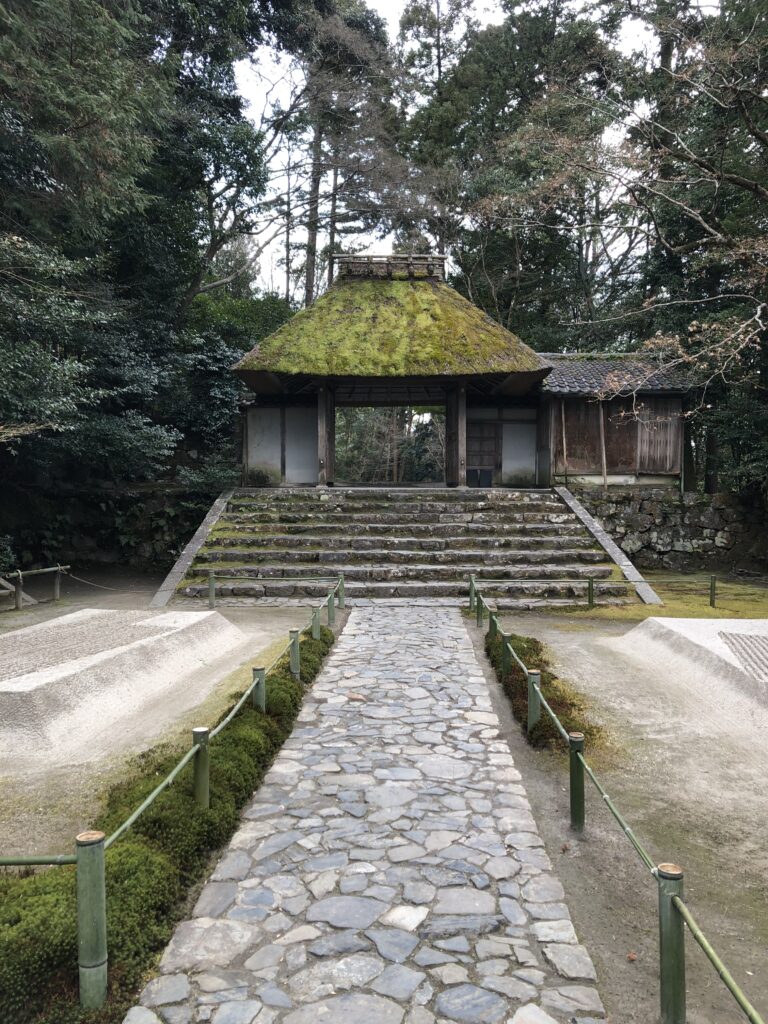
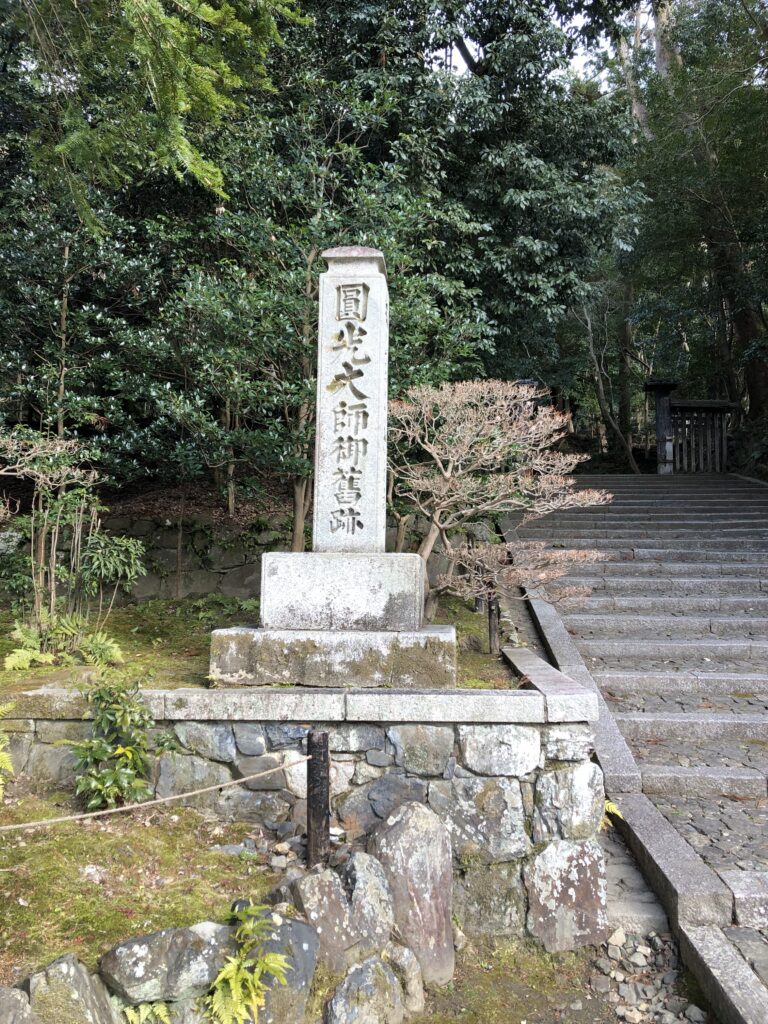
Honen-in Temple is a Jodo sect mountain temple located along the Philosopher’s Path in Higashiyama Ward, Kyoto City. It is a reconstruction of the hermitage where Honen Shonin and his disciples once performed the Six-Time Praise. The temple gate of Honen-in has a thatched roof and is surrounded by tranquil, lush greenery, creating a very picturesque atmosphere.


Location

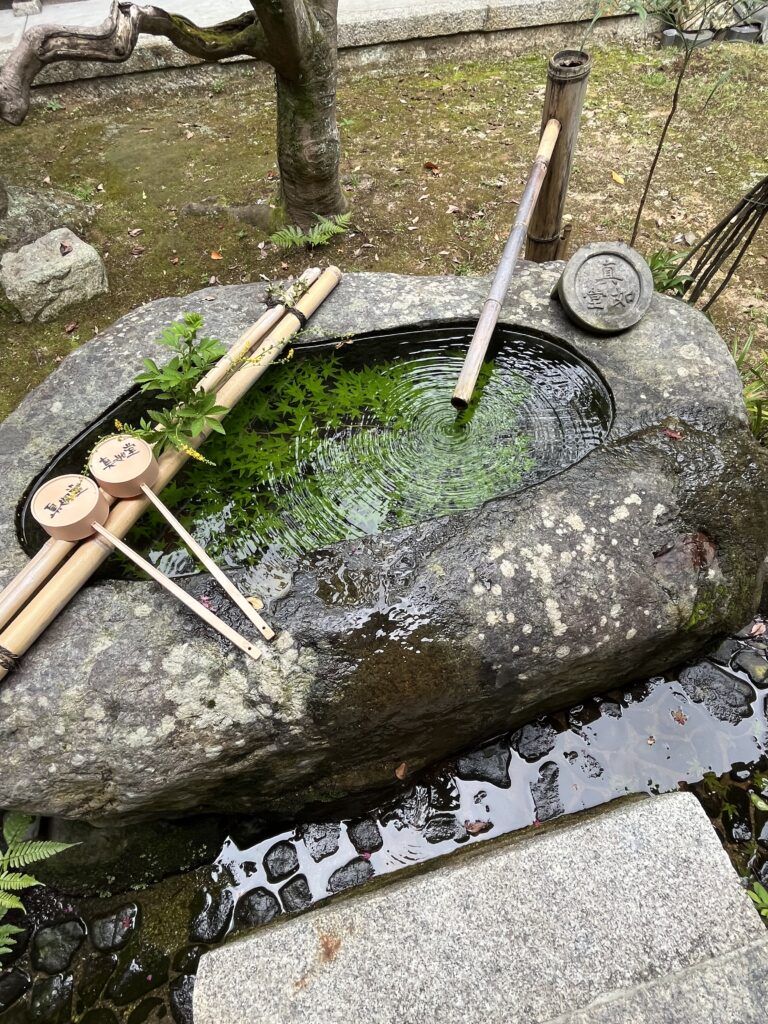
Sinnyo-do Temple(真如堂)

Its official name is Shinsho Gokuraku-ji, and it is a Tendai sect temple with Enryaku-ji Temple on Mount Hiei as its head temple.
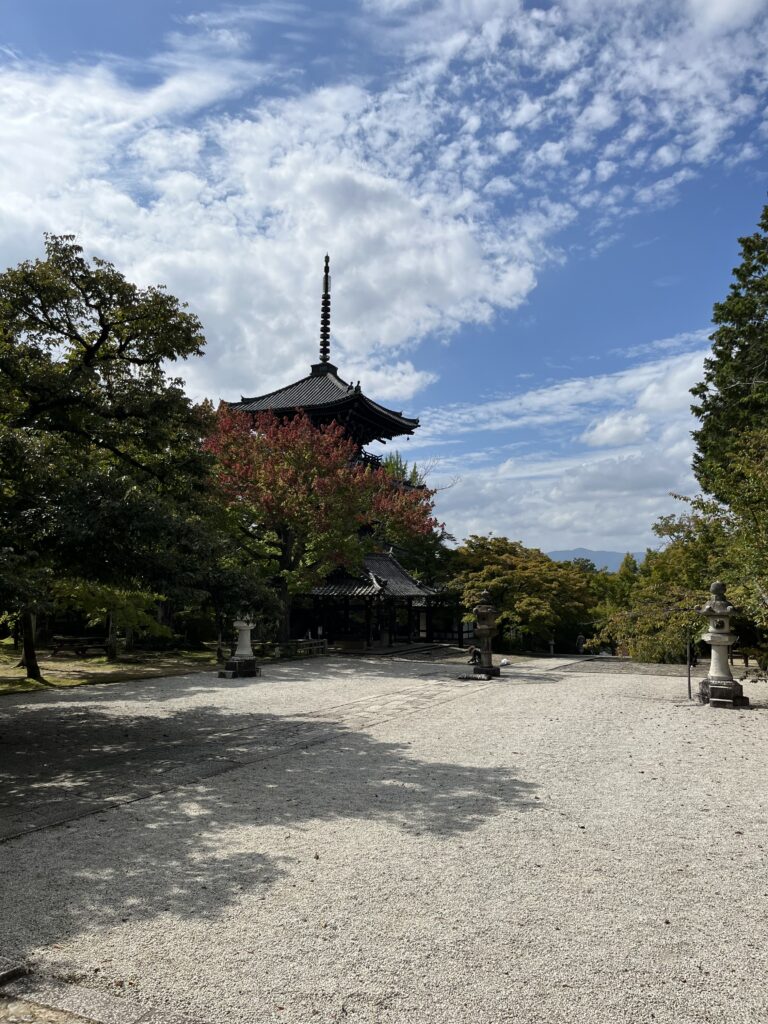
The spacious grounds are famous for their autumn foliage, but visitors can enjoy strolling through them throughout the year, with cherry blossoms and green maple leaves also in bloom. The temple houses numerous structures, including a three-story pagoda, as well as many Buddhist statues and cultural artifacts, including a standing statue of Amida Buddha.

Location

Shinsen-en Garden(神泉苑)

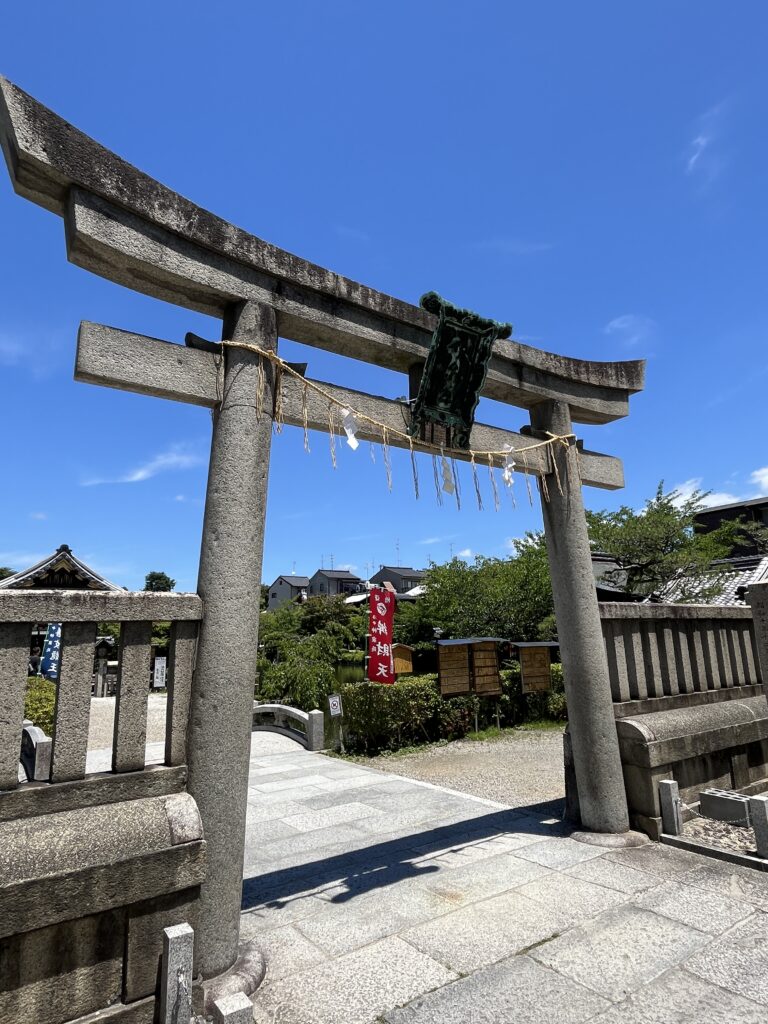
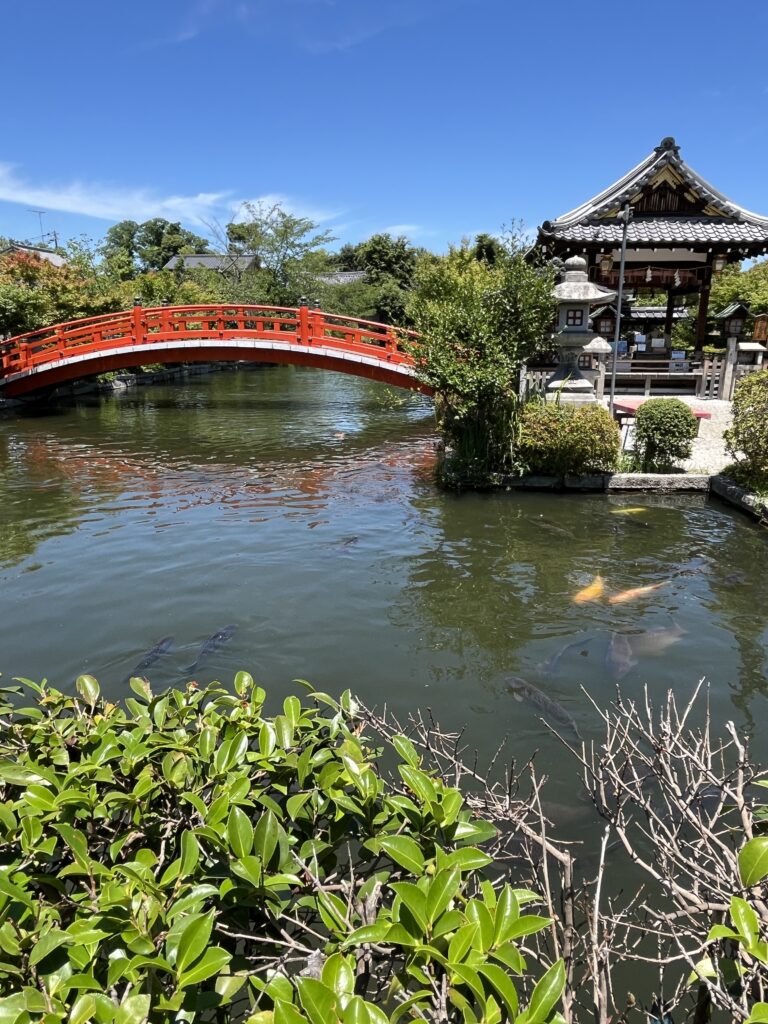
Shinsen-en Garden was built over 1,230 years ago, in 794 AD, when Emperor Kanmu constructed Heian-kyo (Kyoto). This area originally had many ponds and marshes, and was created as a garden for the emperor’s leisure activities, in line with the urban planning of Heian-kyo. In 812 AD, Emperor Saga visited the garden, and the first imperial cherry blossom viewing banquet in Japan took place there.
This representative garden of Heian-kyo can still be visited in the heart of the capital.


Location

Myoshin-ji Temple(妙心寺)

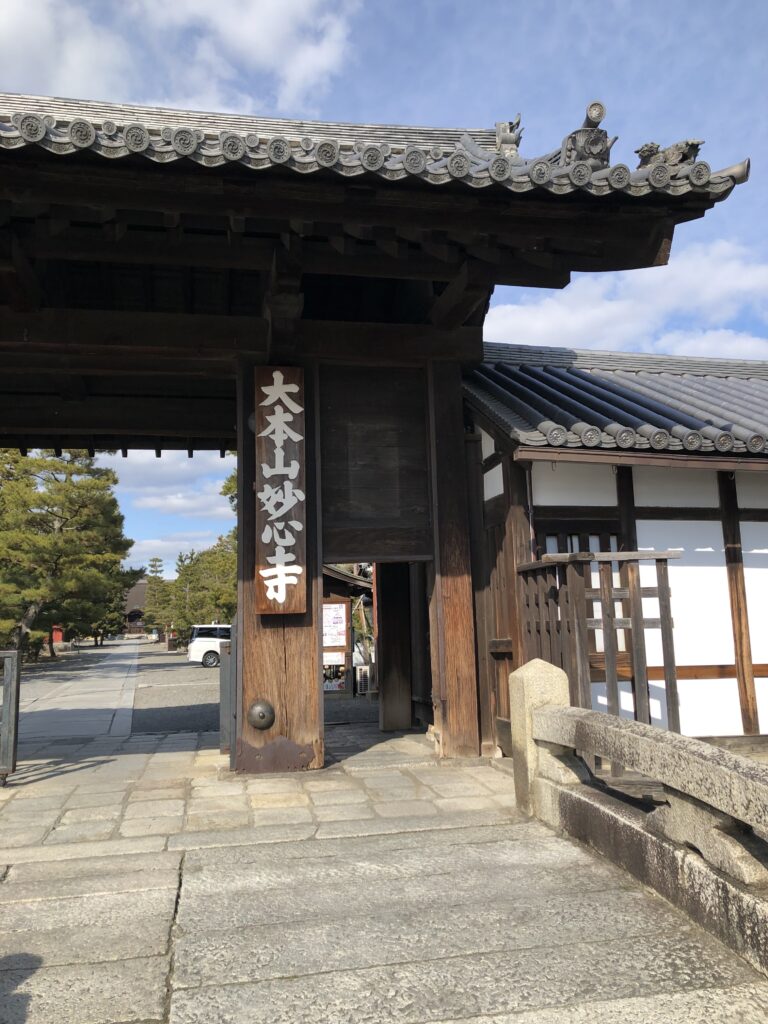
Myoshin-ji Temple is located in Ukyo-ku, Kyoto City. Its vast grounds contain 46 sub-temples, and it boasts 3,400 branch temples throughout Japan and around the world, making it the largest Zen temple in Japan.
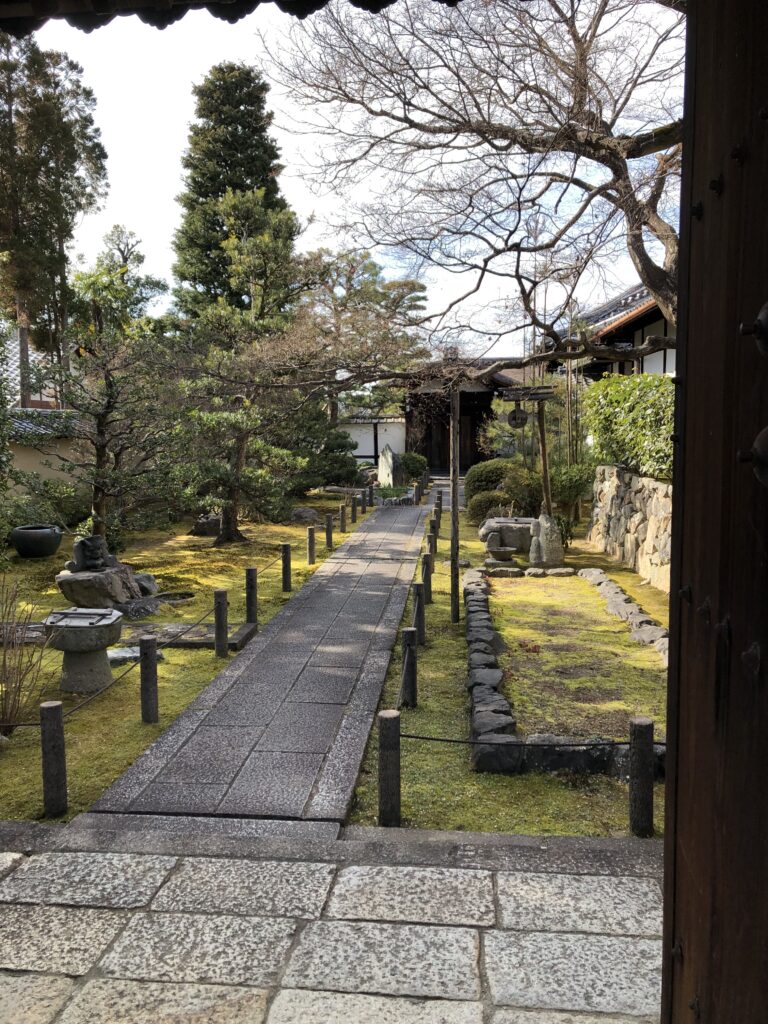
Each sub-temple has its own unique history and beautiful gardens (such as Taizo-in and Keishun-in).
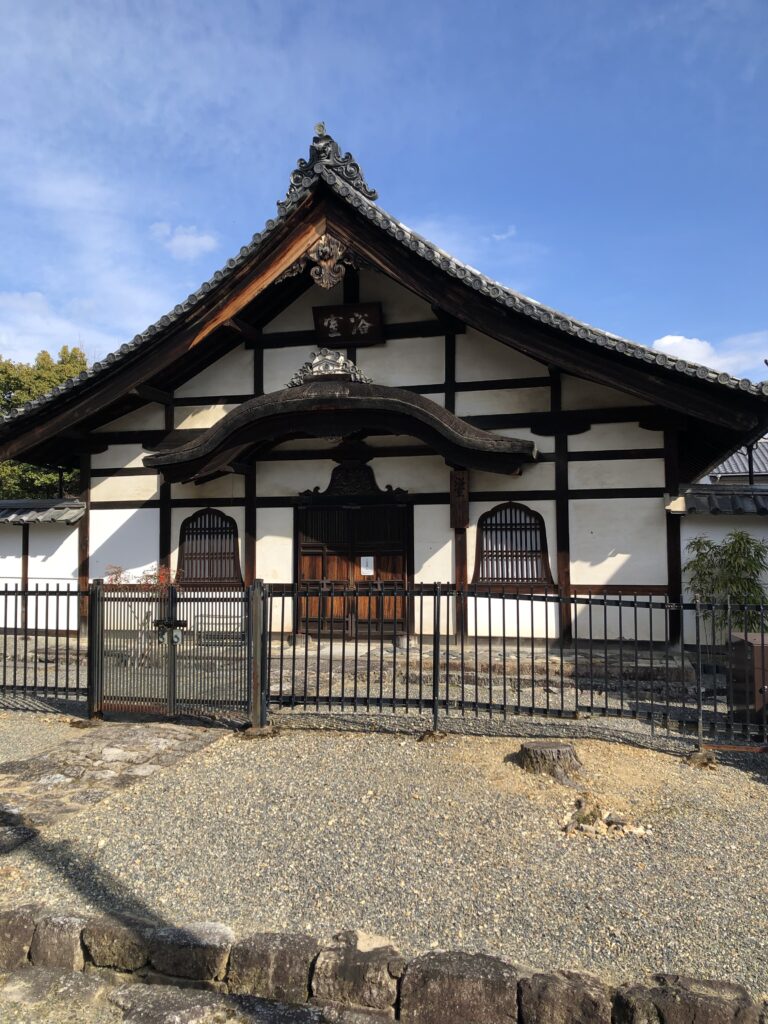
It also features the rare Akechi Bath, a bathhouse said to have been built to commemorate Akechi Mitsuhide.

Location