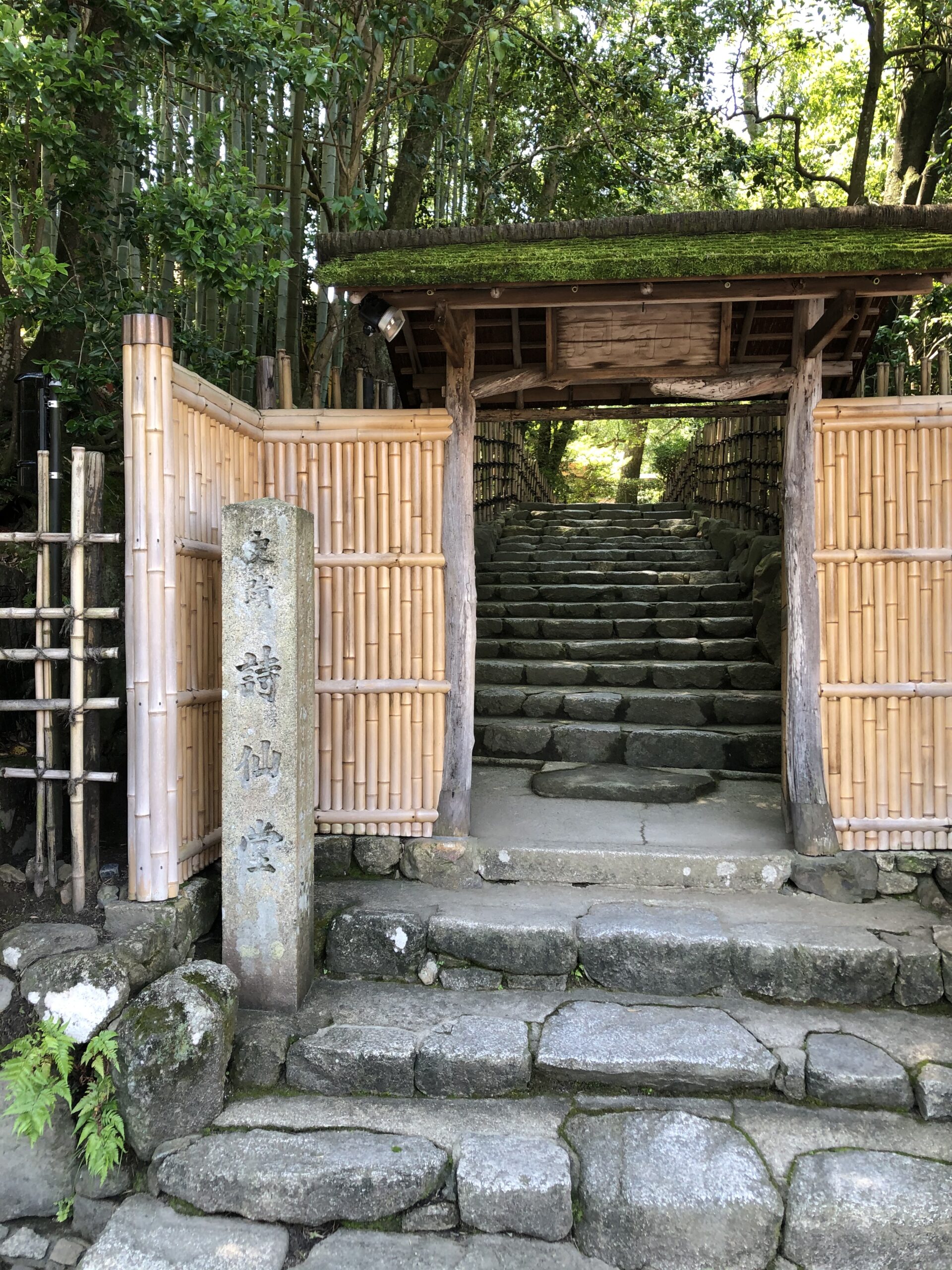
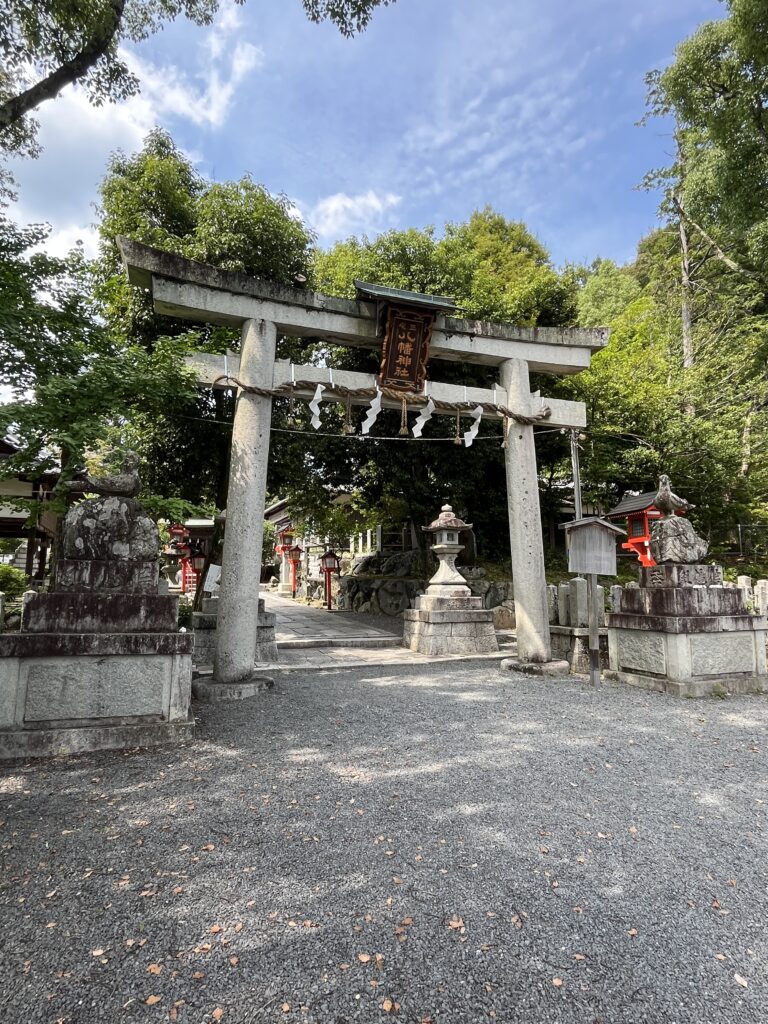
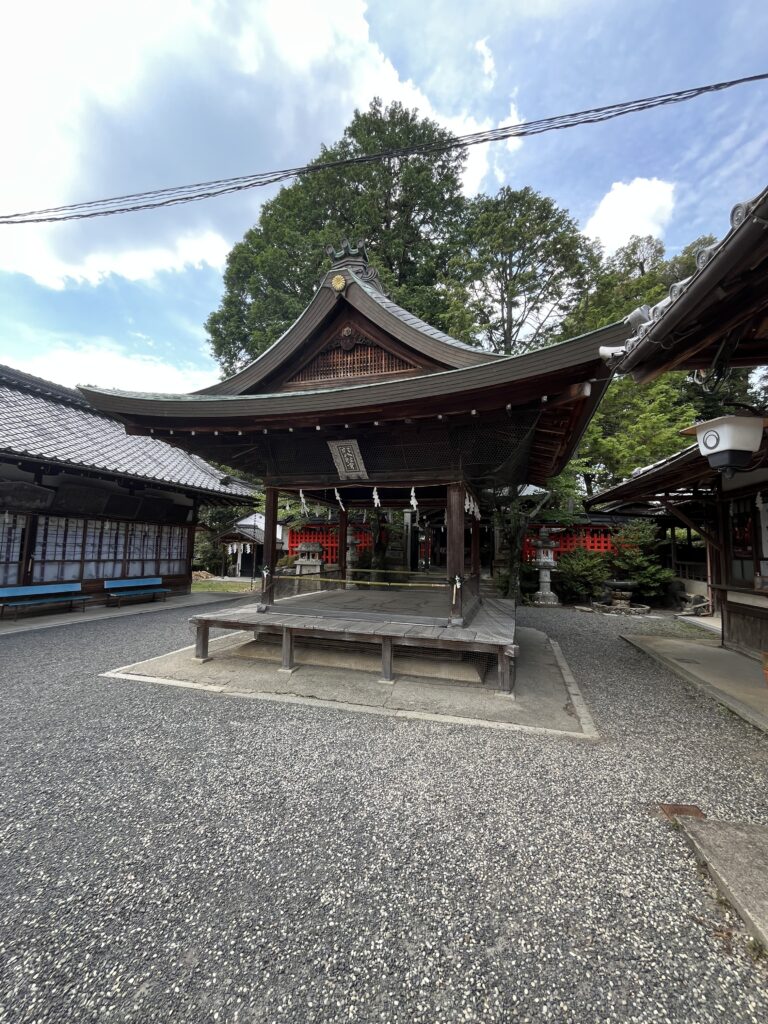
Miyake Hachimangu Shrine(三宅八幡宮)

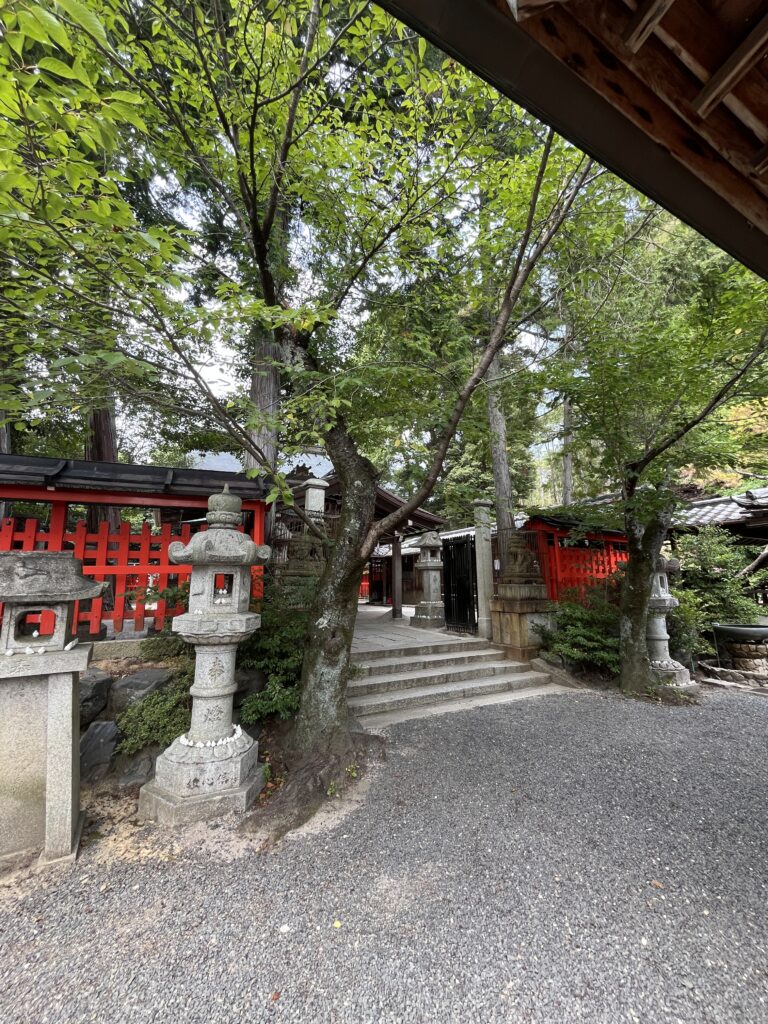
Miyake Hachiman-gu Shrine originated from a shrine founded by Ono no Imoko, an envoy to the Zui Dynasty.
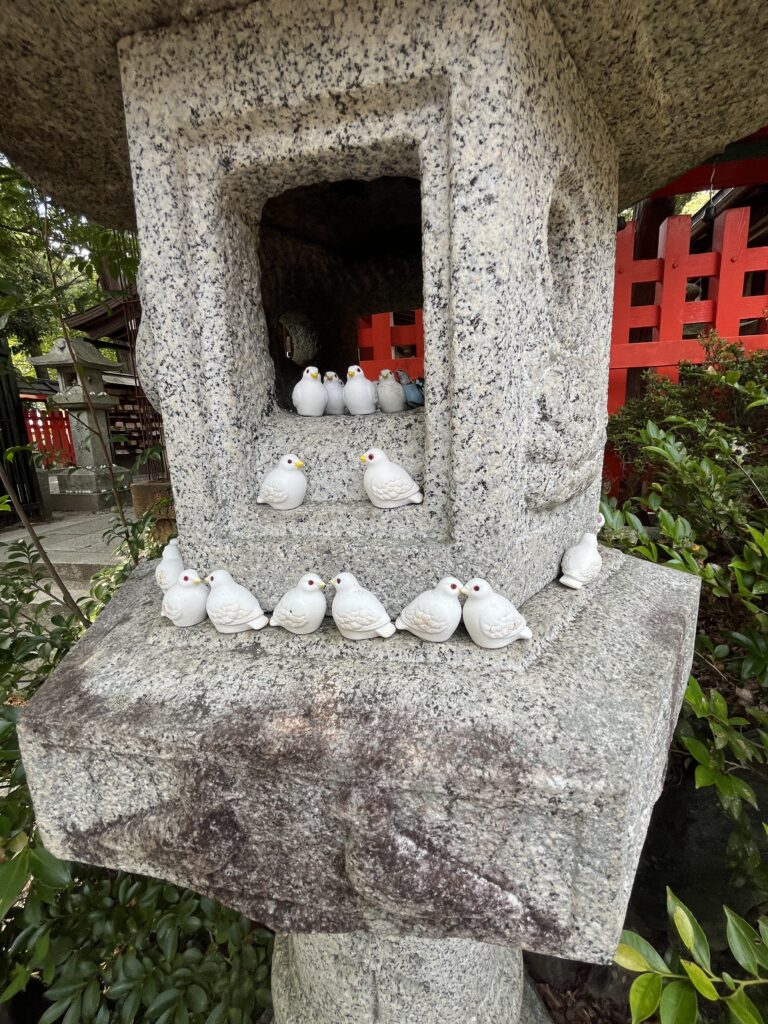
As the dove is considered the messenger of the deity Hachiman, statues of guardian doves stand on the shrine grounds, and dove motifs can be found throughout the site.
The shrine is revered as a place to pray for the healing of various childhood illnesses.
The teahouse along the approach to the shrine is highly recommended; it sells “hato-mochi” (dove-shaped rice cakes) and delicious, freshly harvested vegetables.
Location
Konpukuji Temple(金福寺)

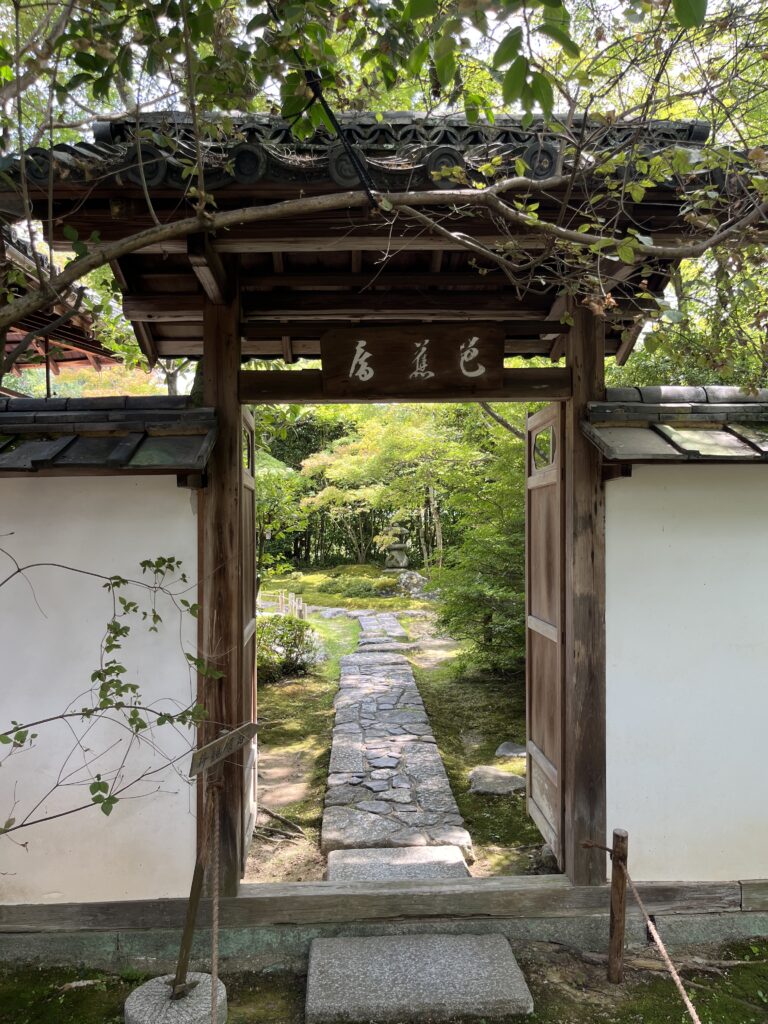
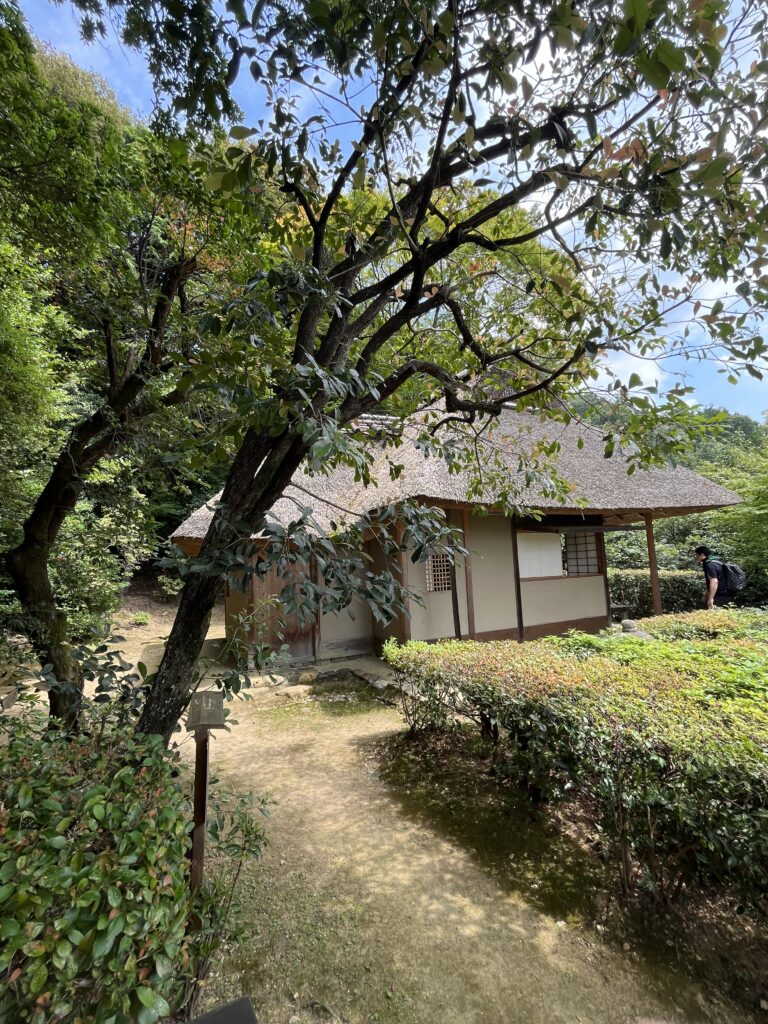
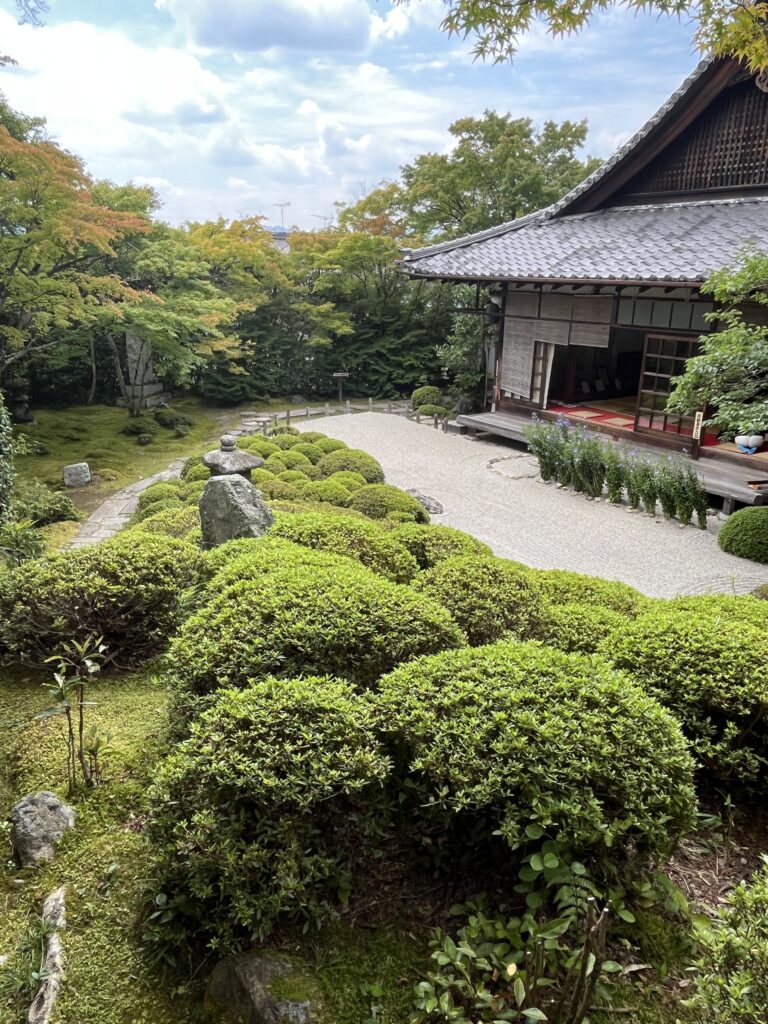
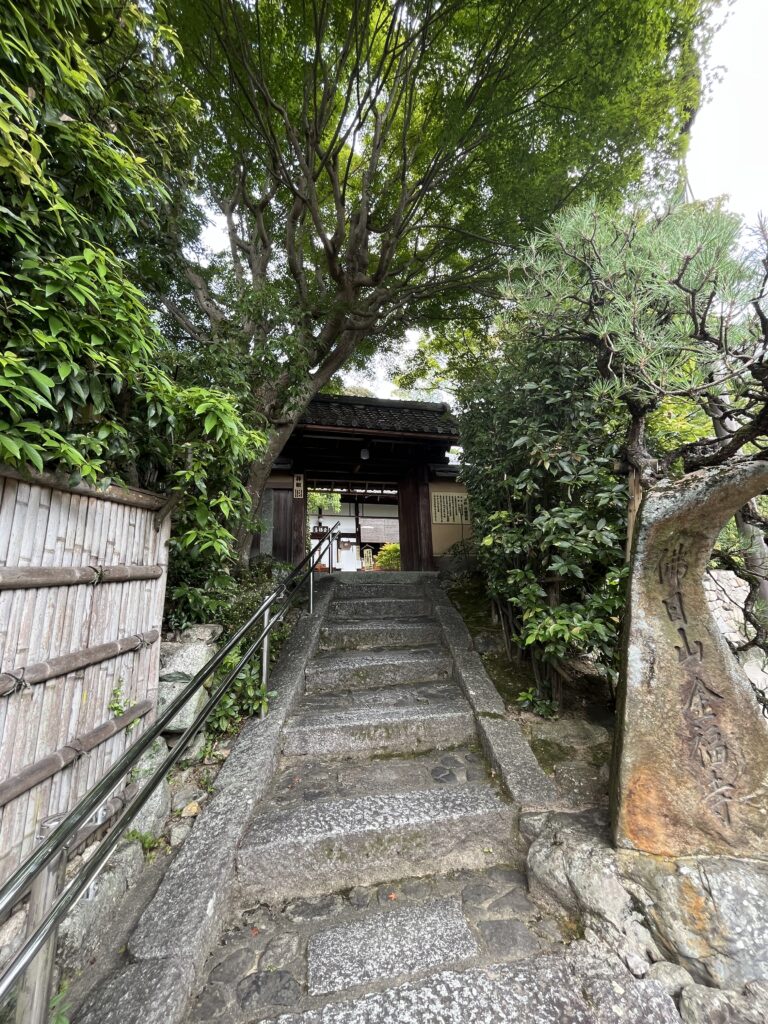
This is a temple belonging to the Nanzen-ji school of the Rinzai sect. It is said that the renowned haiku poet Matsuo Basho stayed here, and the grounds feature the “Basho-an” (Basho’s Hermitage), which was restored by Yosa Buson—a poet who deeply admired Basho—and his school of followers.
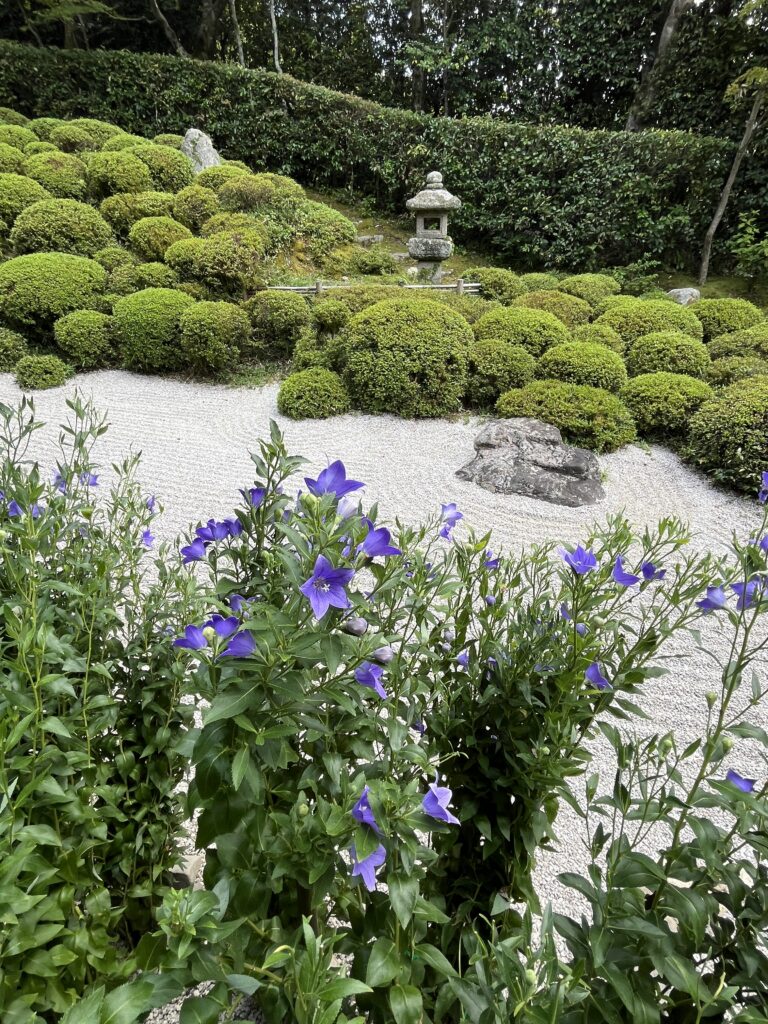
When I visited on July 17th, the balloonflowers were in beautiful bloom.

Location

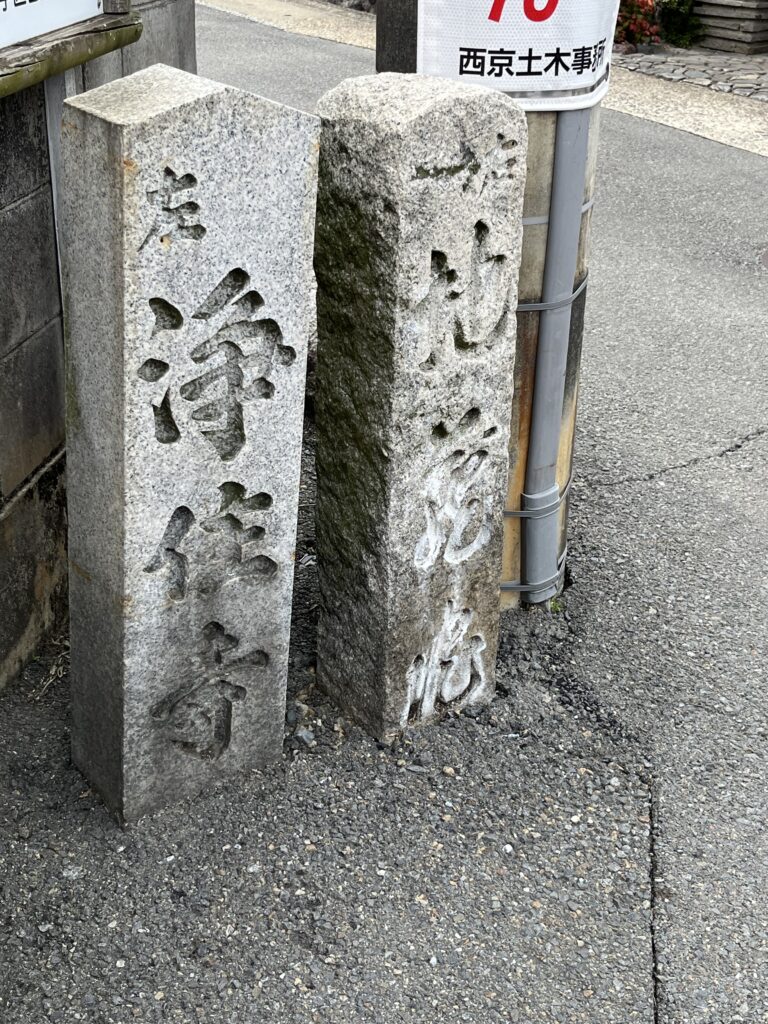
Jyojyu-ji Temple (浄住寺)

Joju-ji Temple is located in Kyoto City’s Nishikyo Ward, an area home to a cluster of temples—including Jizo-in (famous as the “Bamboo Temple”), Koke-dera (Moss Temple), and Suzumushi-dera.
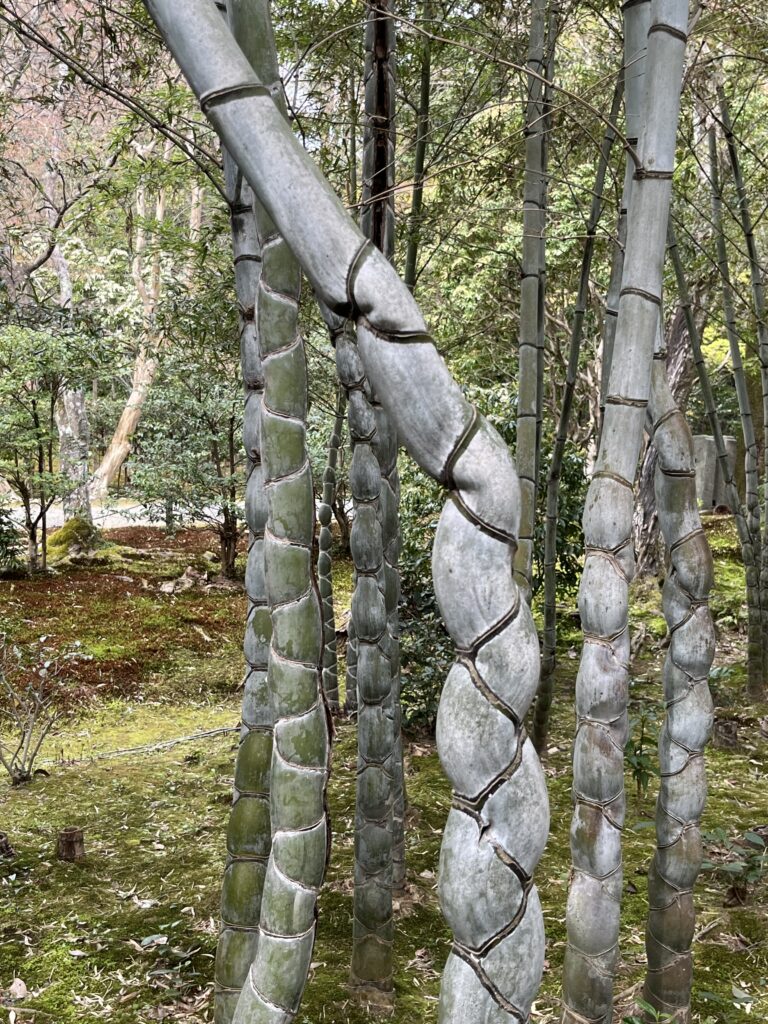
Within the temple grounds, visitors can view *kikkōchiku* (tortoiseshell bamboo), a rare variety of bamboo unique to Kyoto.
It is a place where you can enjoy a quiet, peaceful moment.


Location

Shokoku-ji Temple(相国寺)

Shokoku-ji is the head temple of the Shokoku-ji branch of the Rinzai sect of Zen Buddhism; founded by Ashikaga Yoshimitsu, the third shogun of the Muromachi Shogunate, it is a temple of high prestige that counts Kinkaku-ji (the Golden Pavilion) and Ginkaku-ji (the Silver Pavilion) among its sub-temples.
The temple grounds are spacious and tranquil, and the complex houses the Jotenkaku Museum, where various artworks are exhibited from time to time.

Location

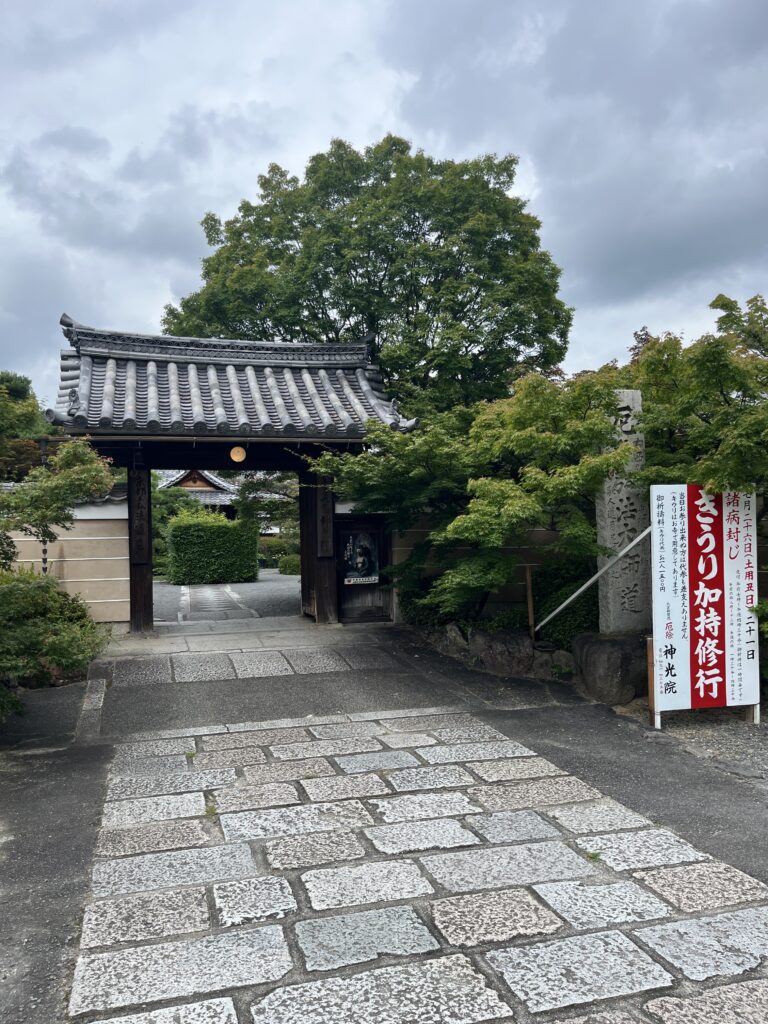
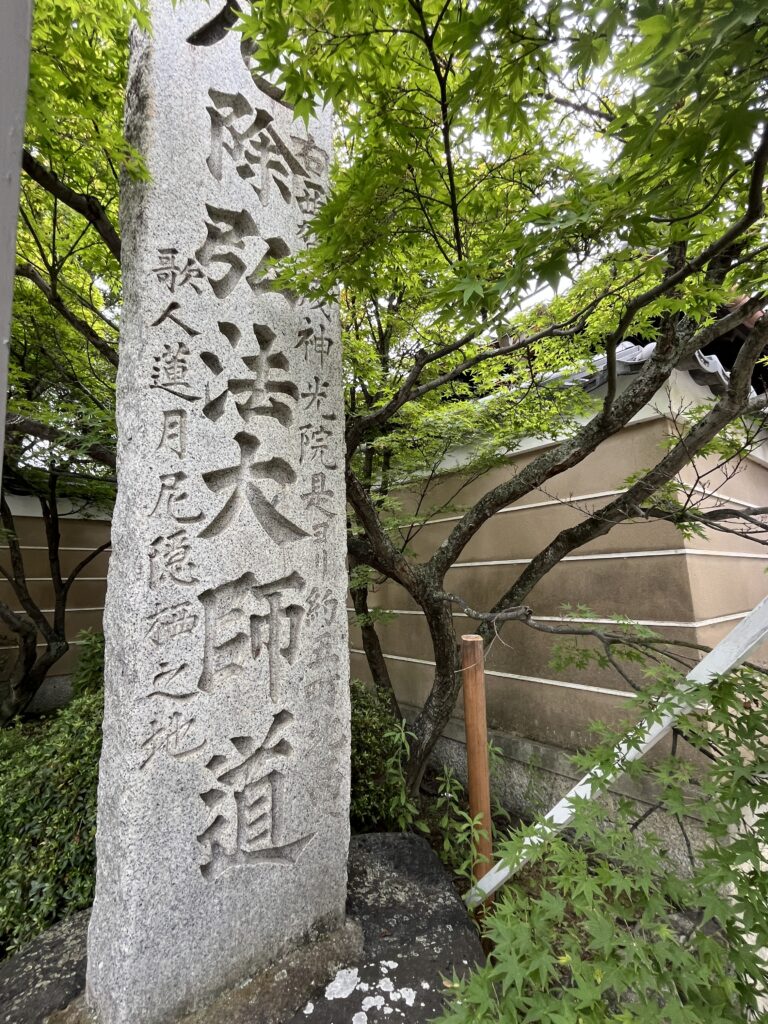
Jinko-in Temple (神光院)

Jinkō-in is a Shingon Buddhist temple located in Kyoto’s Kita Ward. Its principal image is a wooden statue of Kūkai (Kōbō Daishi), said to have been carved by the monk himself when he was 42 years old. Along with Tō-ji and Ninna-ji, it is known in Kyoto as one of the “Three Kōbō” temples; while it is not a typical tourist destination, it possesses a dignified and tranquil atmosphere.

Locatiom