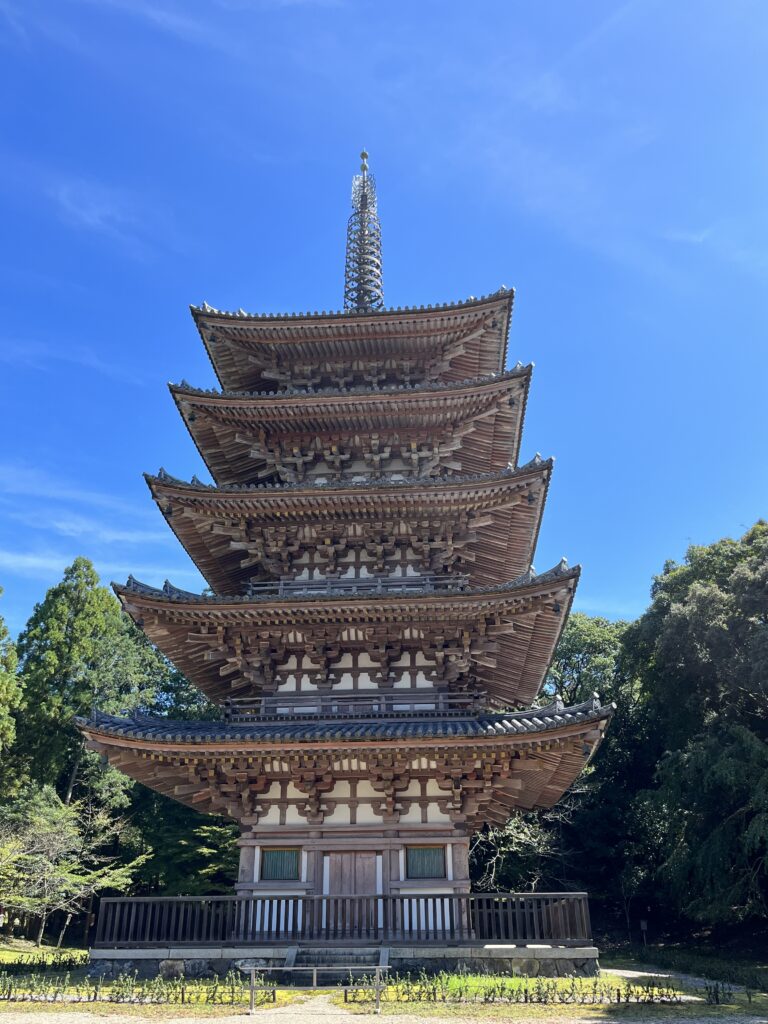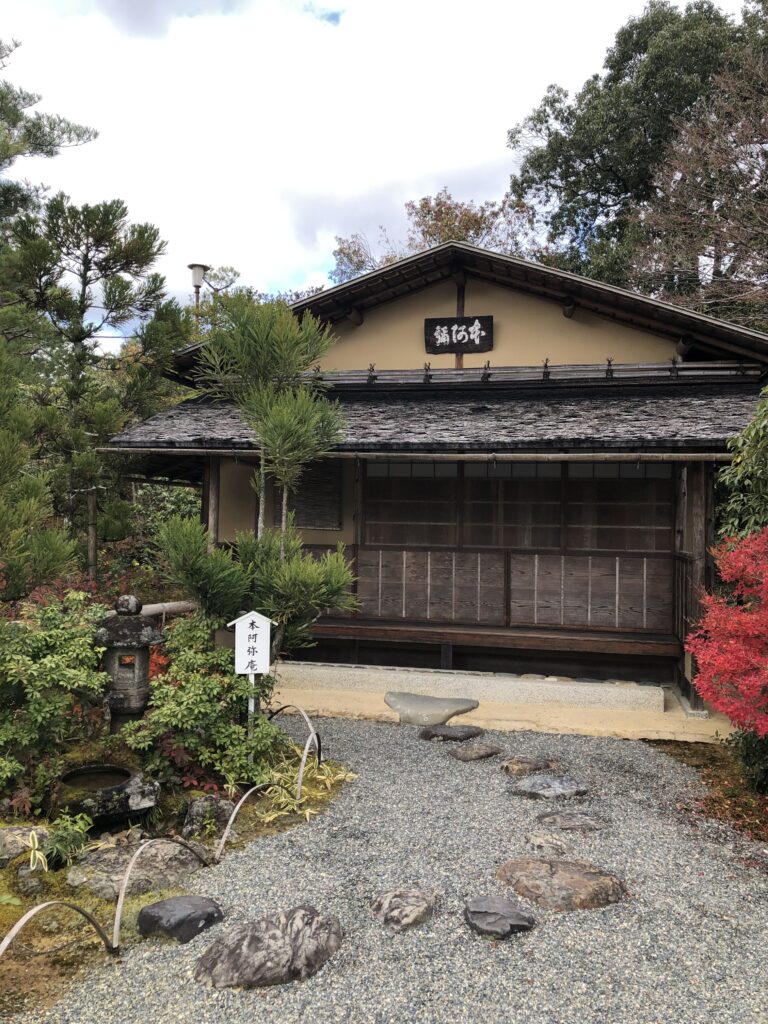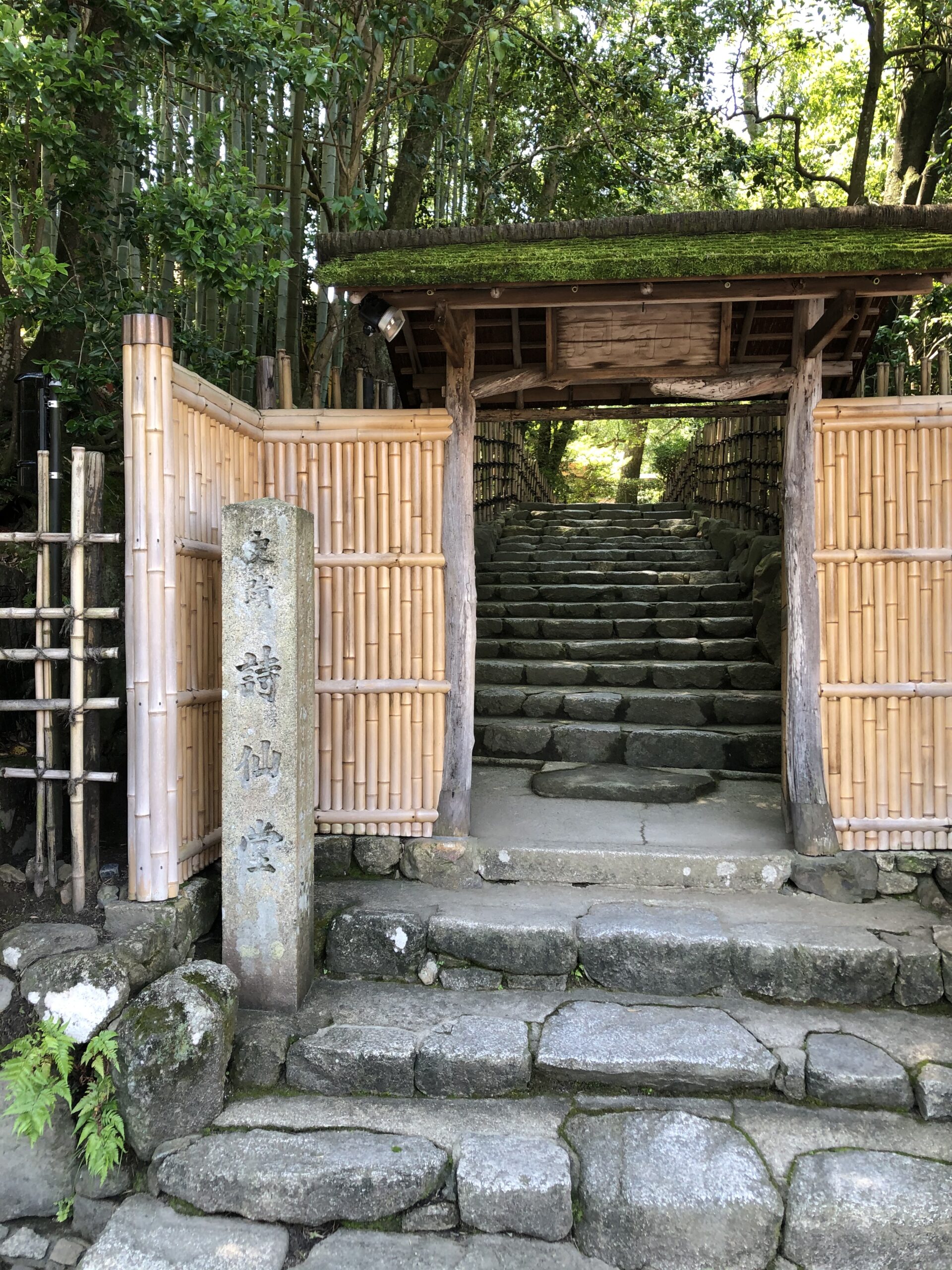
Daigo-ji Temple(醍醐寺)

Daigo-ji Temple is a Shingon Buddhist temple located in Fushimi Ward, Kyoto City, and is one of Kyoto’s World Heritage Sites.
It houses a large collection of Buddhist statues, paintings, and historical documents, with an estimated 70,000 items designated as National Treasures and 100,000 as Important Cultural Properties.
The five-story pagoda is the oldest wooden structure in Kyoto Prefecture, retaining its original form for over 1,000 years.
It is also famous for the “Daigo no Hanami” cherry blossom viewing event, once hosted by a renowned warlord.
Location
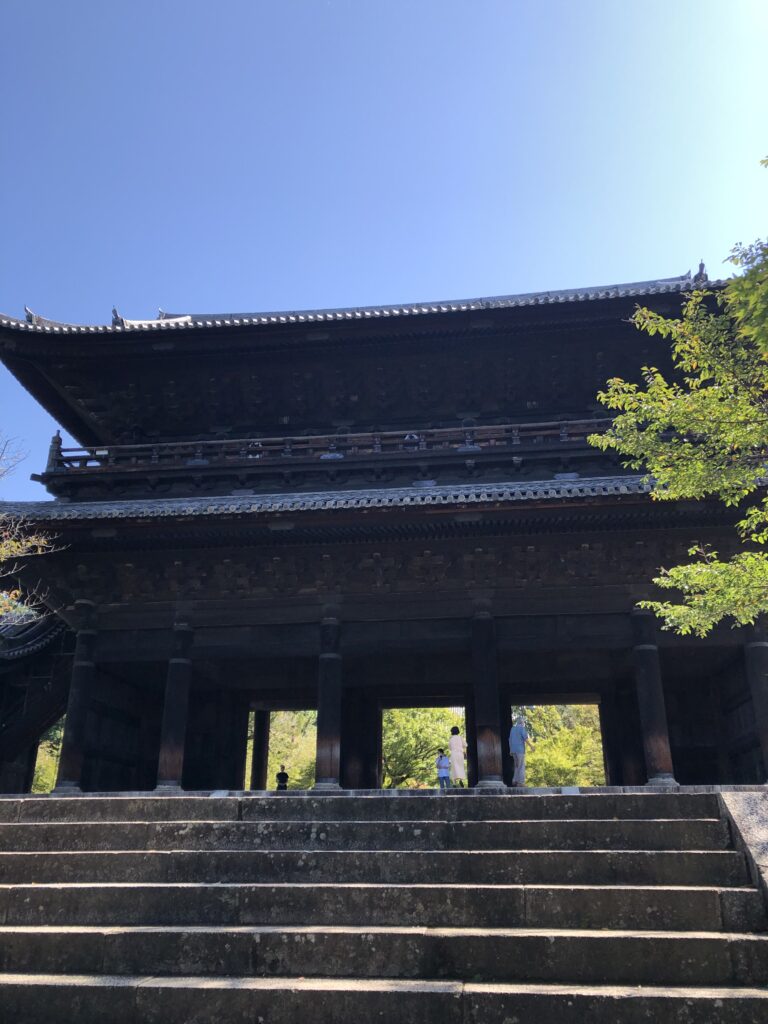
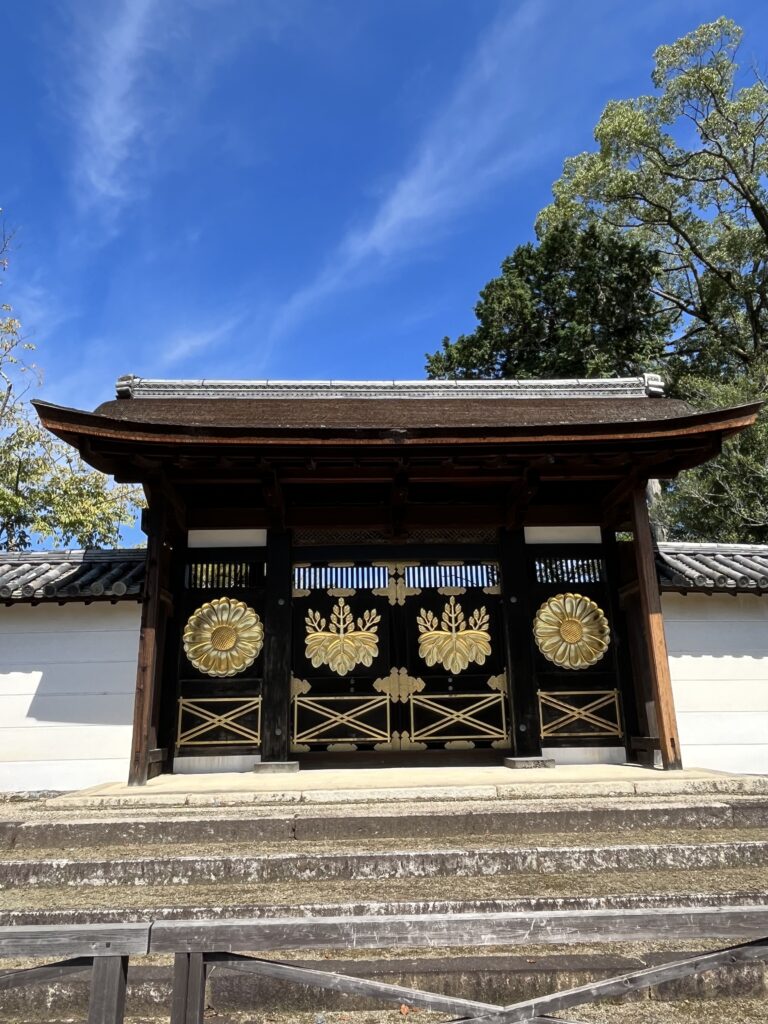
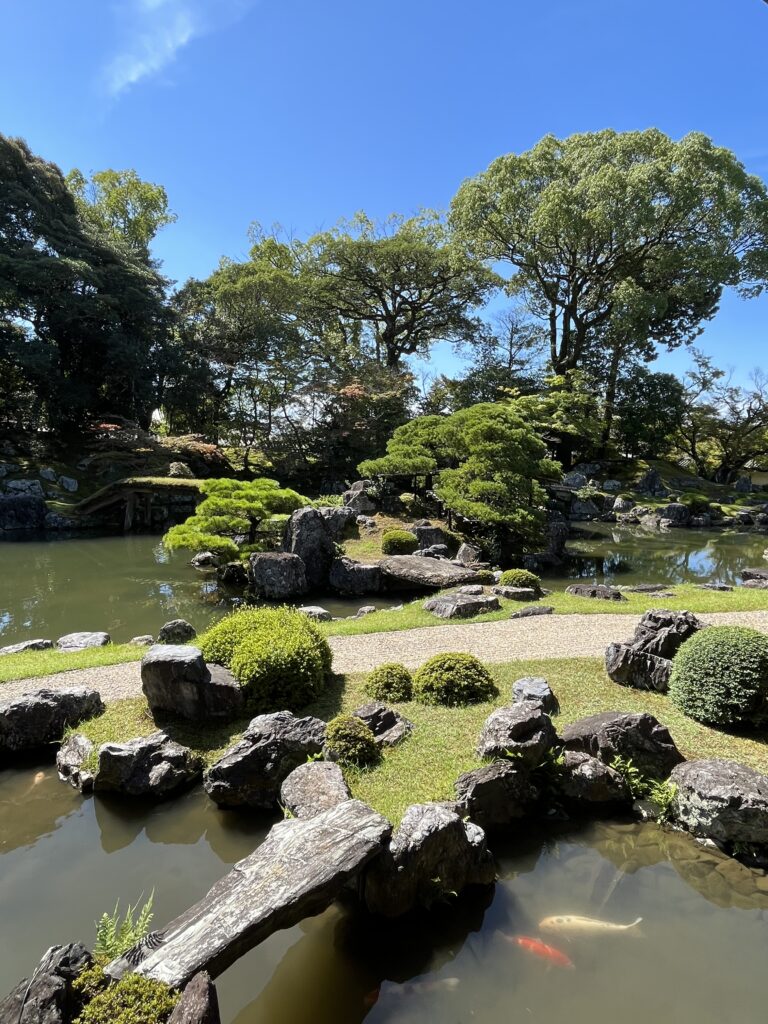
Nanzen-ji Temple(南禅寺)

Nanzen-ji Temple, located in Sakyo-ku, Kyoto Prefecture, is the head temple of the Nanzen-ji branch of the Rinzai school of Zen Buddhism.
During the Muromachi period, it was ranked among the highest of the Kyoto Five Mountains and Kamakura Five Mountains, established by Shogun Ashikaga Yoshimitsu as a ranking system for Rinzai Zen temples.
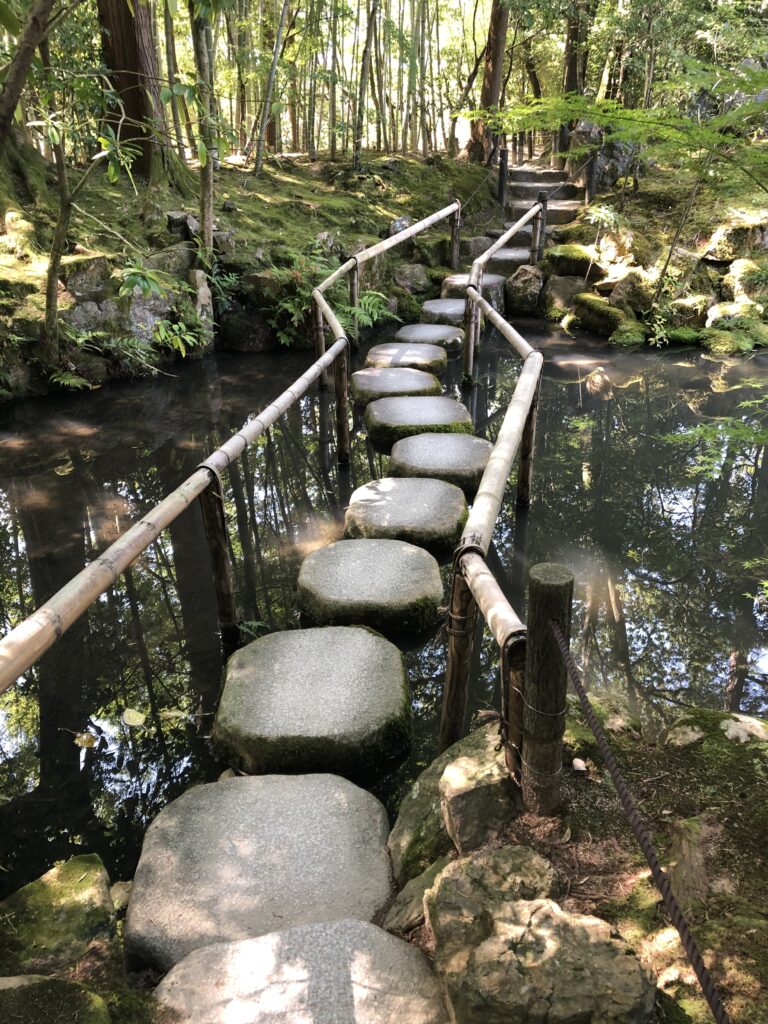
The spacious temple grounds are surrounded by abundant nature, offering visitors the opportunity to enjoy the beauty of nature throughout the seasons.

Location

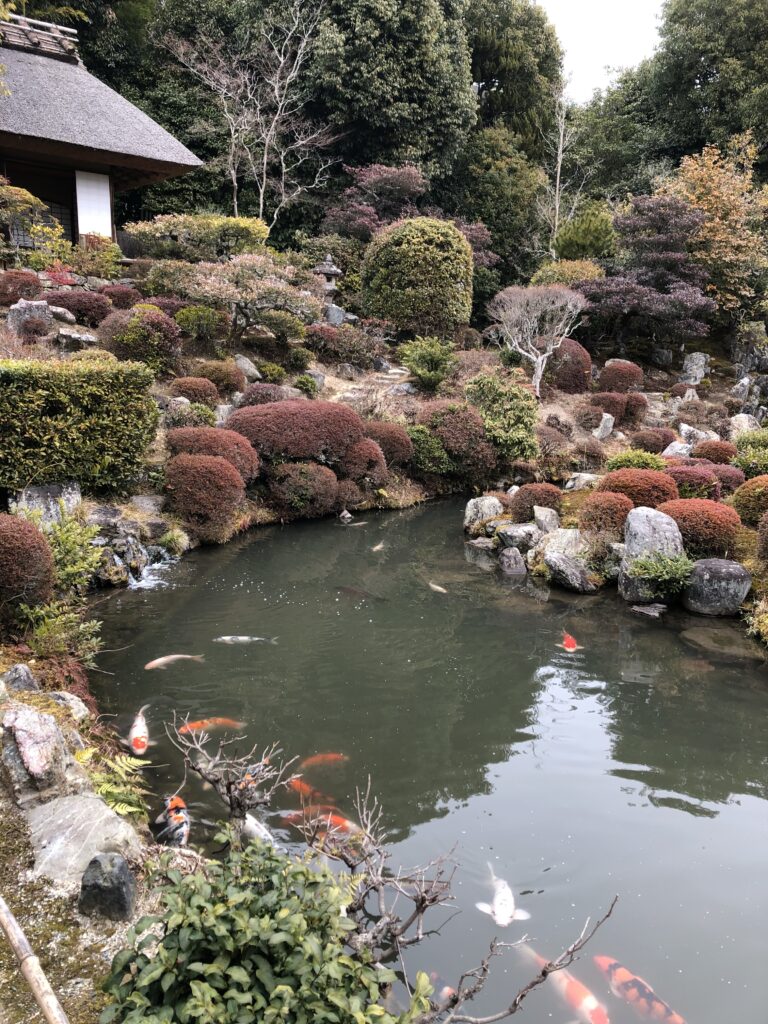
Giō-ji Temple(祇王寺)

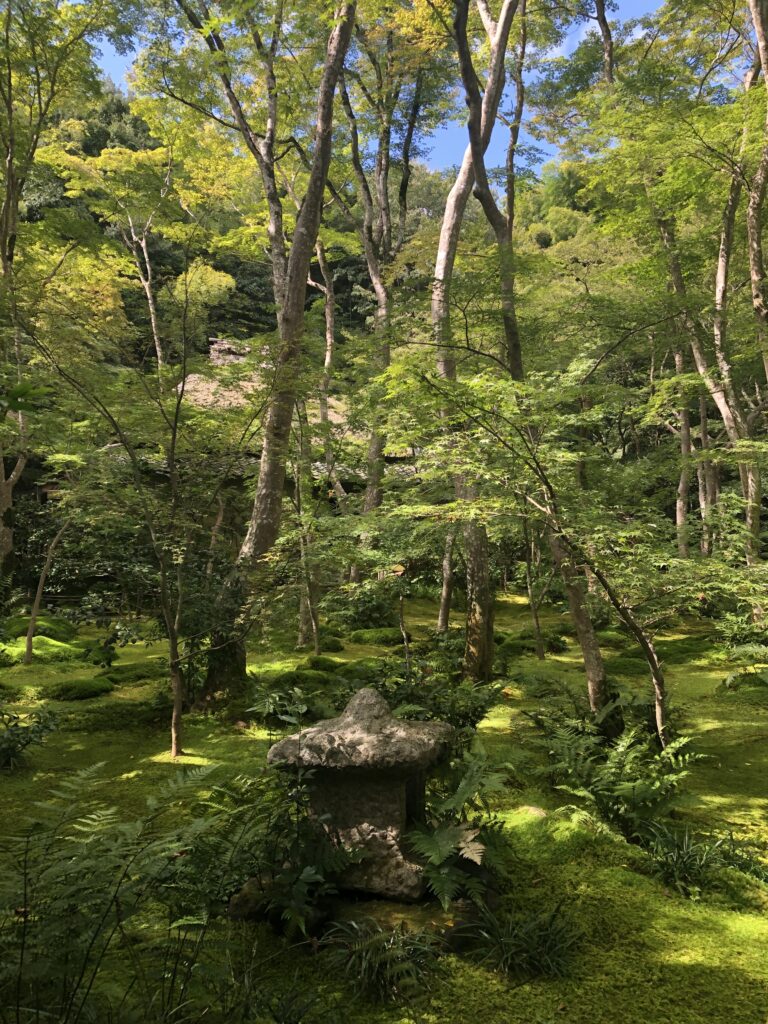
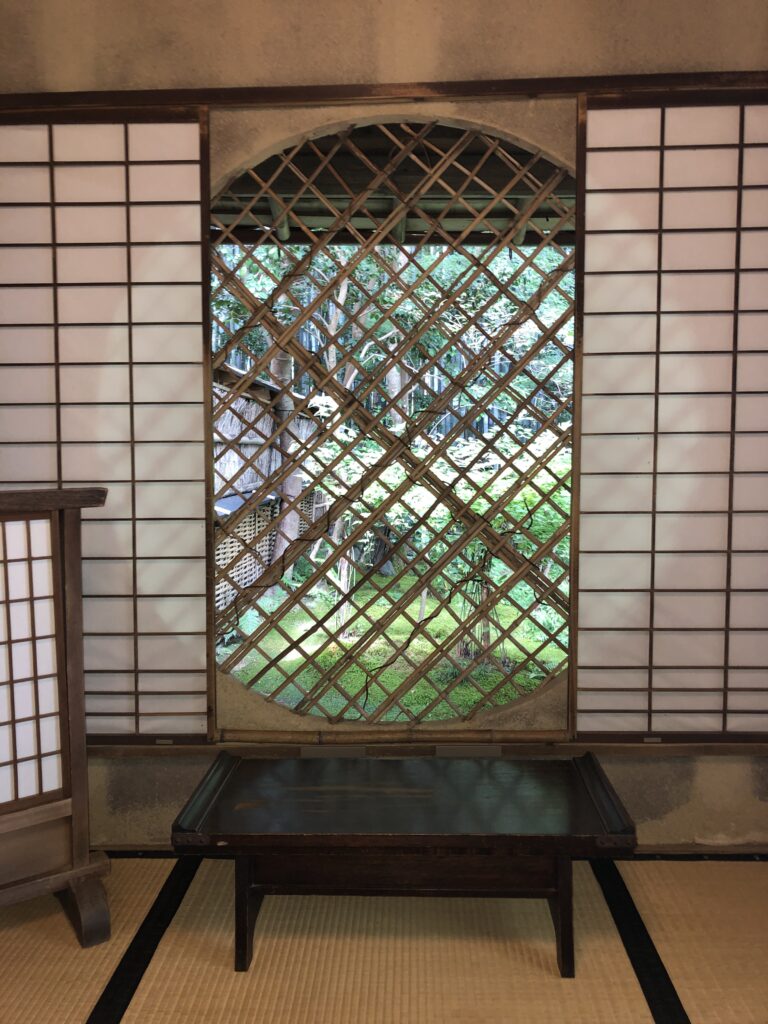
Giō-ji Temple is a Shingon sect Daikaku-ji branch temple (nunnery) located in Saga, Ukyo-ku, Kyoto City.
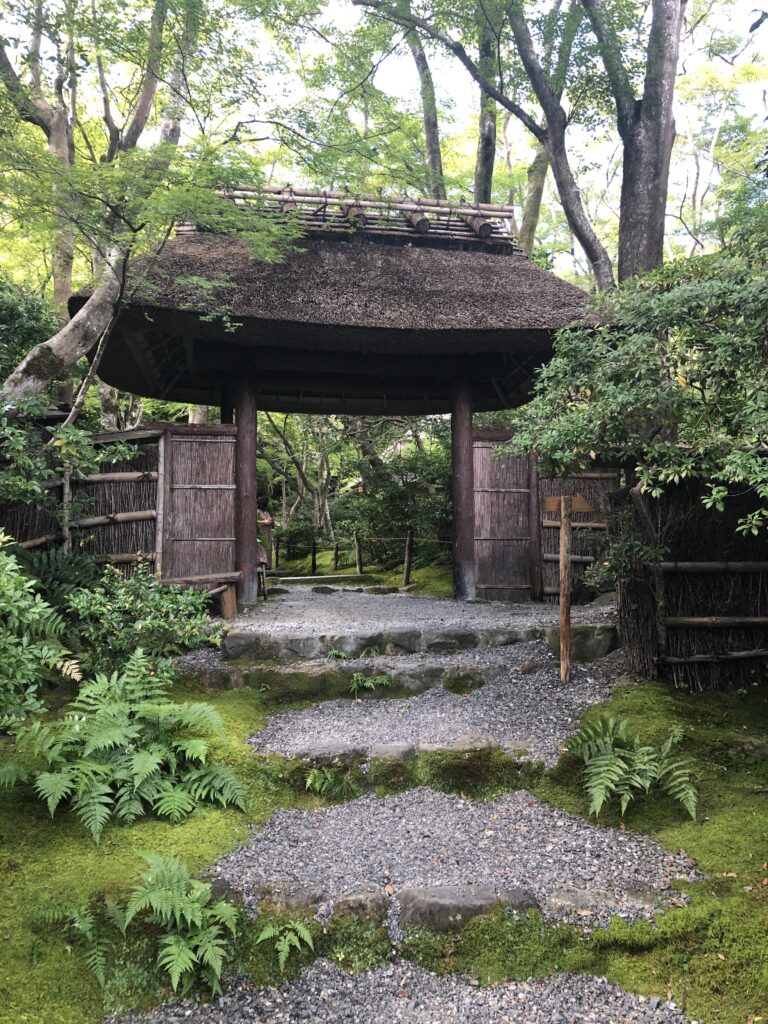
It is a thatched-roof hut that appears in “The Tale of the Heike.” It is said that Giō, who lost the favor of Taira no Kiyomori, became a nun with her sister and mother and spent the rest of her life there.


Location

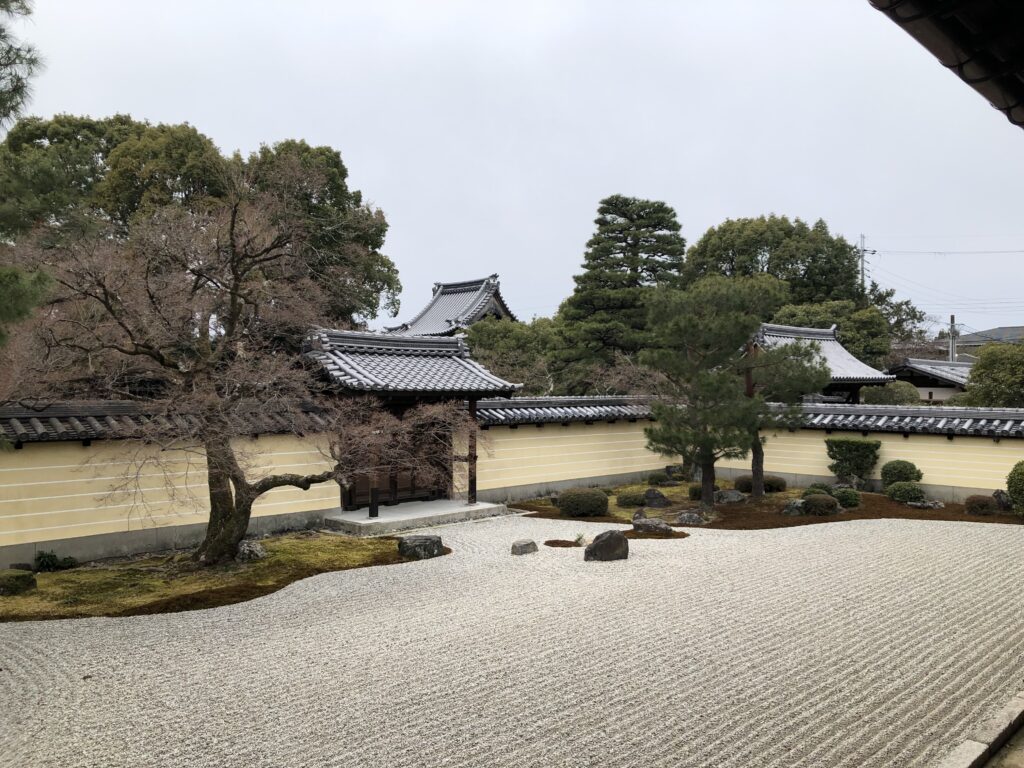
Tōji-in Temple(等持院)

Tōji-in Temple is located in the northwest of Kyoto City. It is a Rinzai Zen Buddhist temple and the family temple of the Ashikaga shogunate.
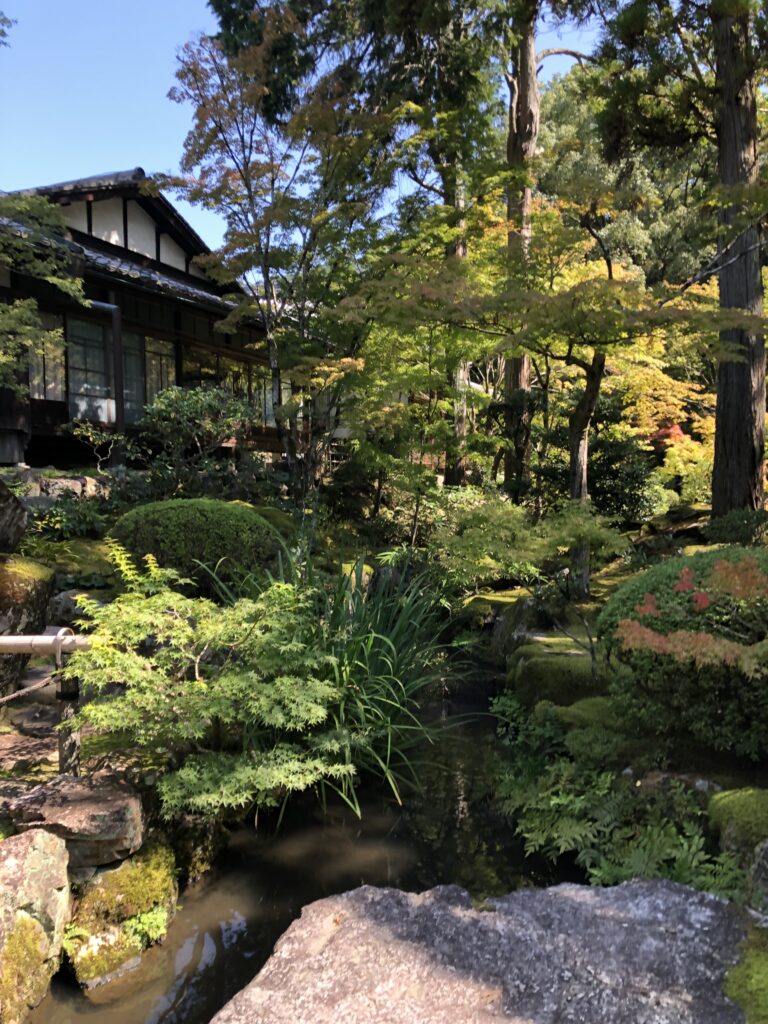
Its garden is particularly beautiful, offering stunning scenery throughout the four seasons.
There are relatively few visitors, allowing for a peaceful and quiet visit.


Location

Koetsu-ji Temple(光悦寺)

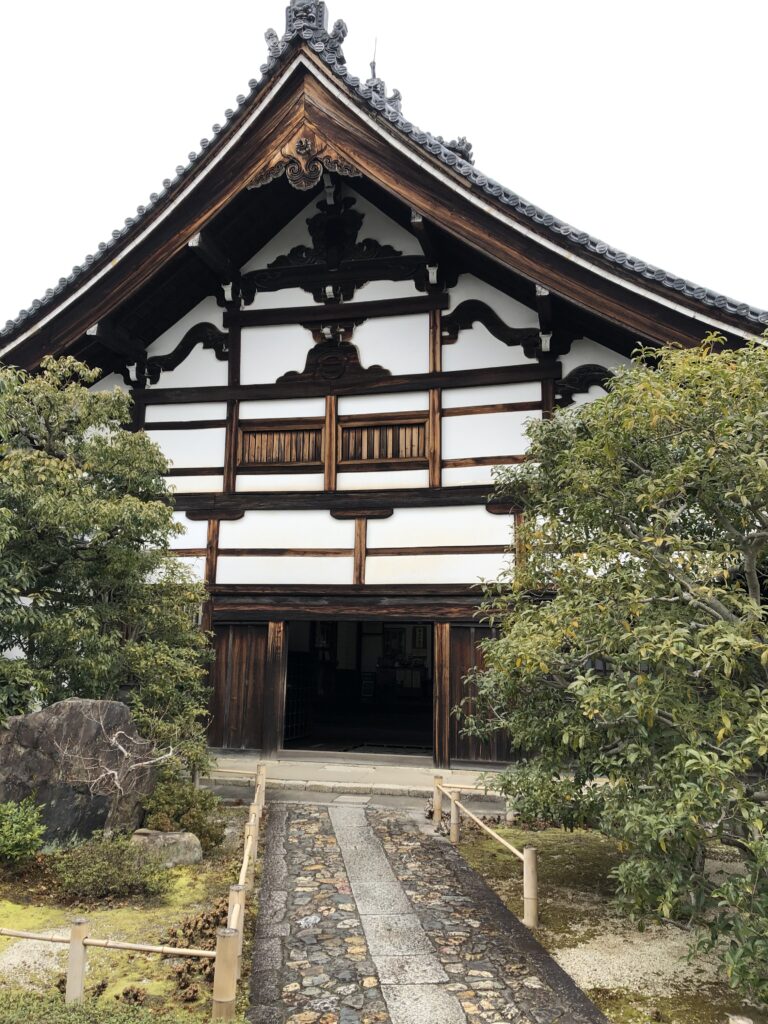
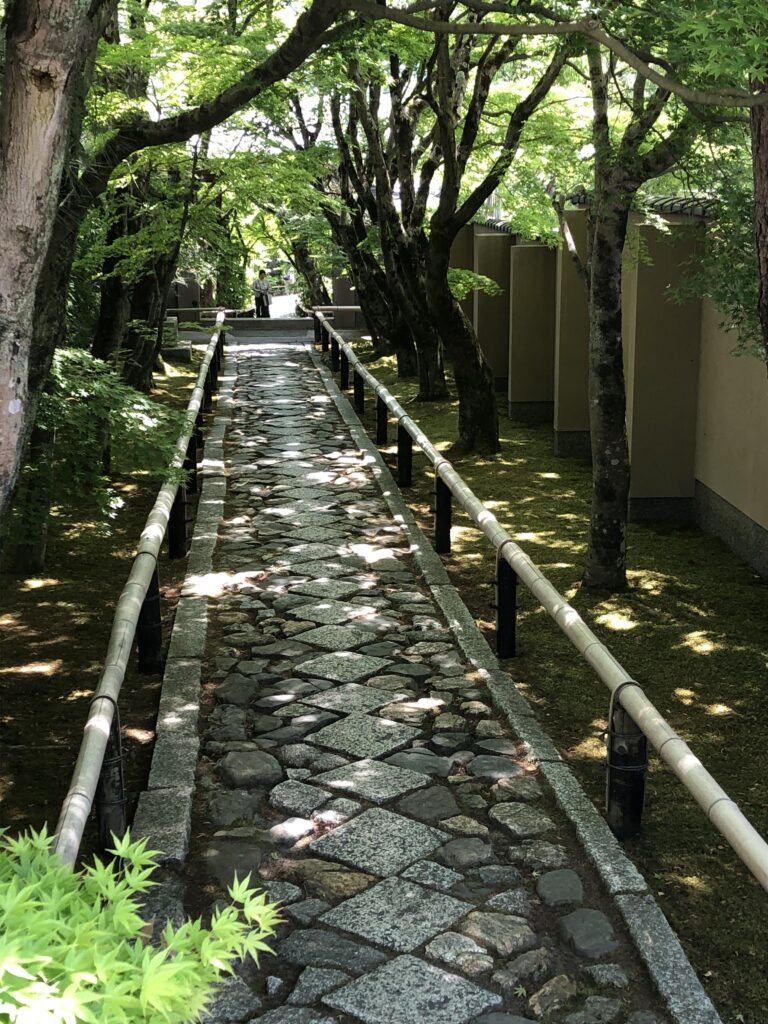
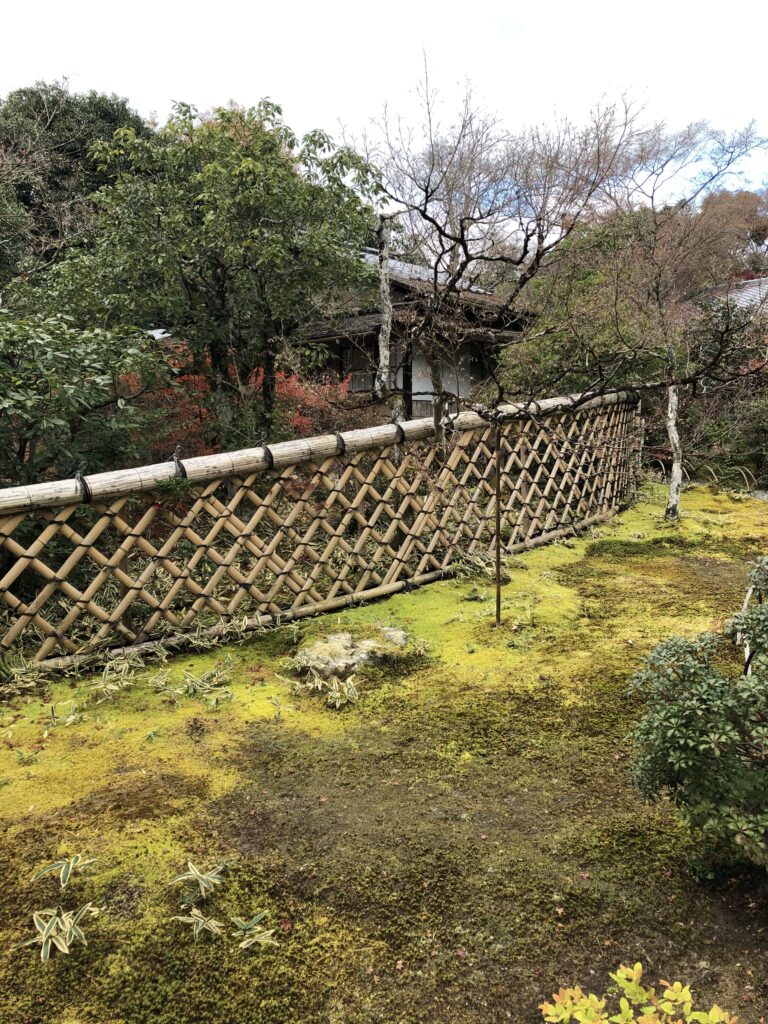
Koetsu-ji Temple is a quiet temple located in Takagamine, Kita Ward, Kyoto City. It was given to Hon’ami Koetsu by Shogun Tokugawa Ieyasu, and his family moved there,which led to the development of an arts village in the area. After Koetsu’s death, Koetsu-ji Temple was founded in this place associated with him. The stone-paved entrance to the temple is very picturesque.


Location

▶ Japanese Note

光悦寺の近くには源光庵、常照寺など静かで見所の多いお寺があります。