Kamigamo Jinjya shrine(上賀茂神社)

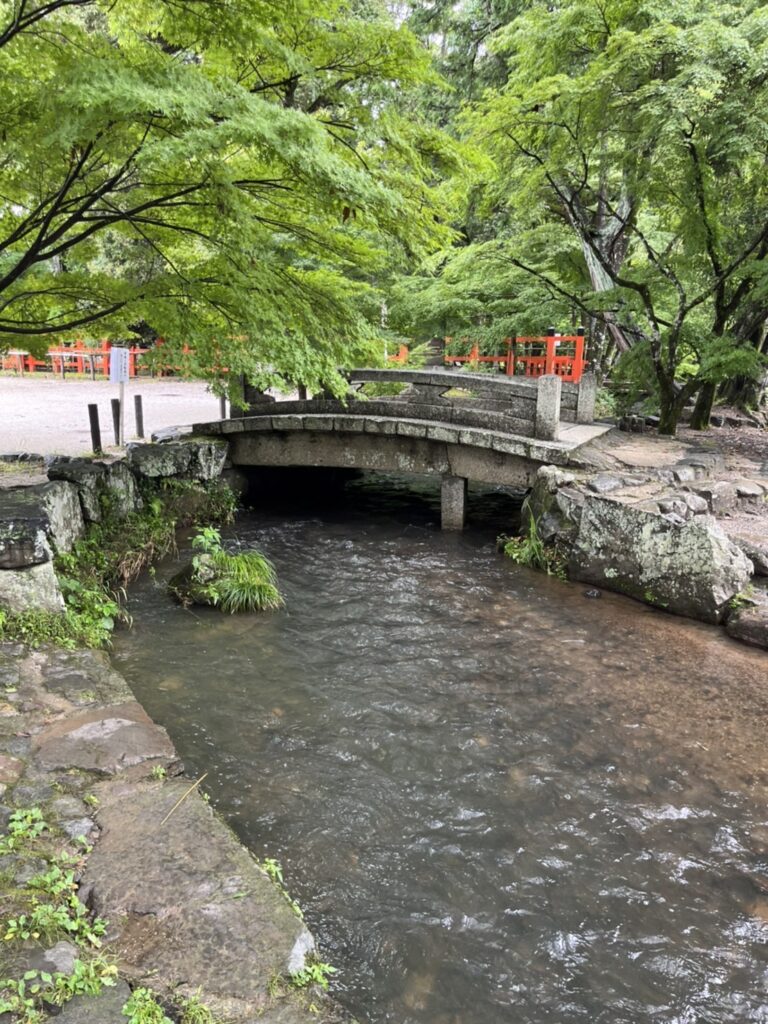
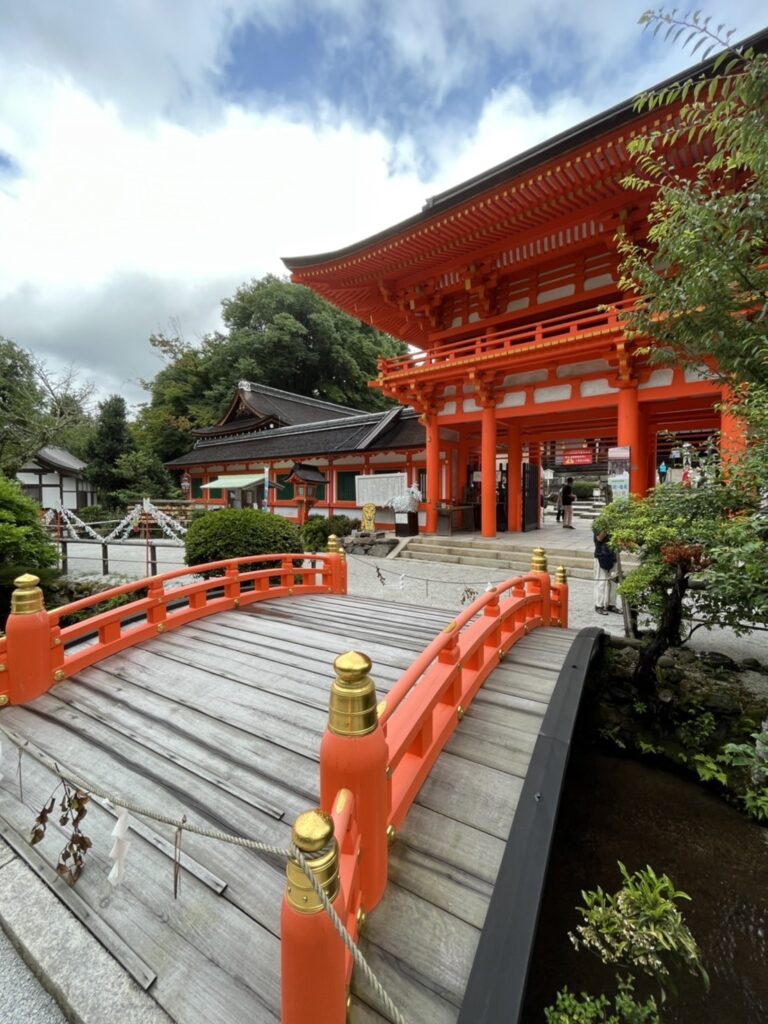
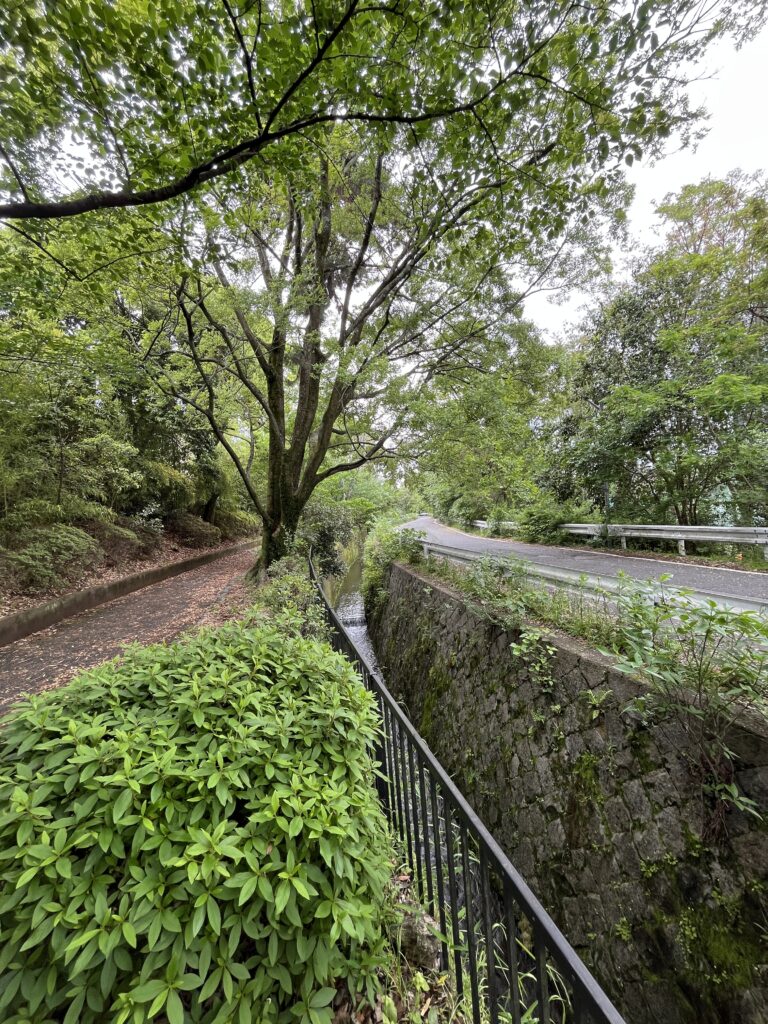
Kyoto has many ancient festivals, and one of the three major festivals of Kyoto is the Aoi Festival, which is held at Kamigamo Shrine and Shimogamo Shrine. This photo shows a stream that flows through the grounds of Kamigamo Shrine.


Kamigamo Jinjya Shrine


Location

Green maple leaves (2) 青紅葉(北野天満宮)

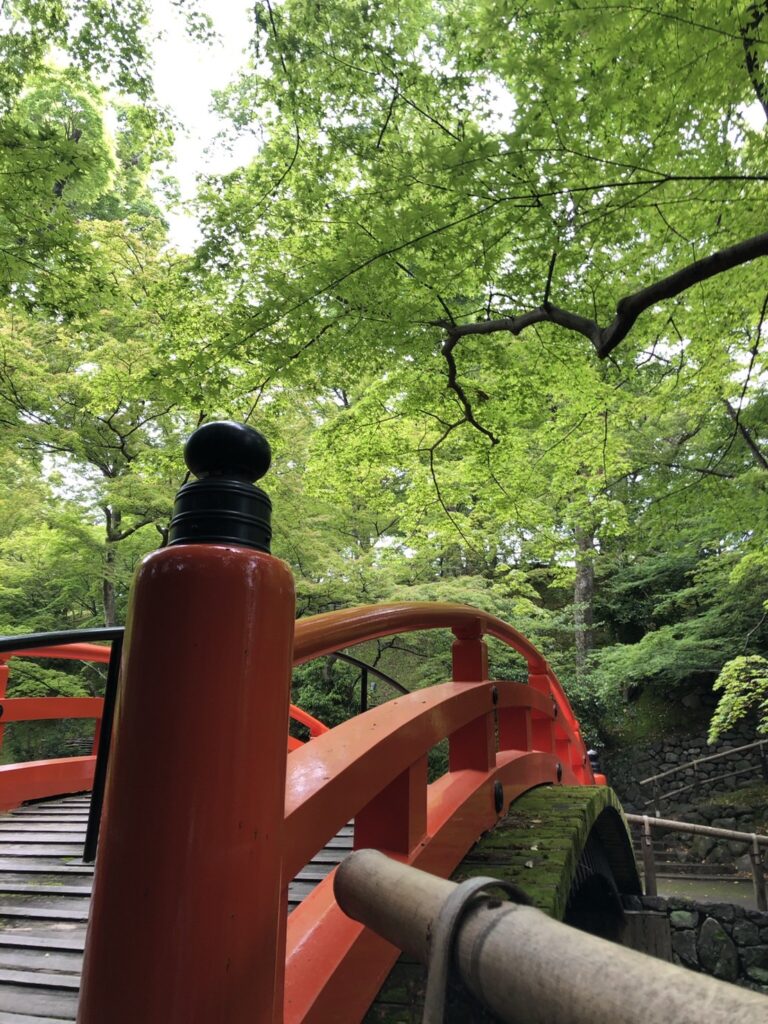
Alongside the cherry blossoms of spring and the autumn leaves, the green maple leaves of early summer are equally beautiful.
The season of being enveloped in fresh greenery along with a refreshing breeze is one of Kyoto’s charms.
This is a photo of the green maple leaves at Kitano Tenmangu Shrine.

Kitano Tenmangu  Shrine

Location

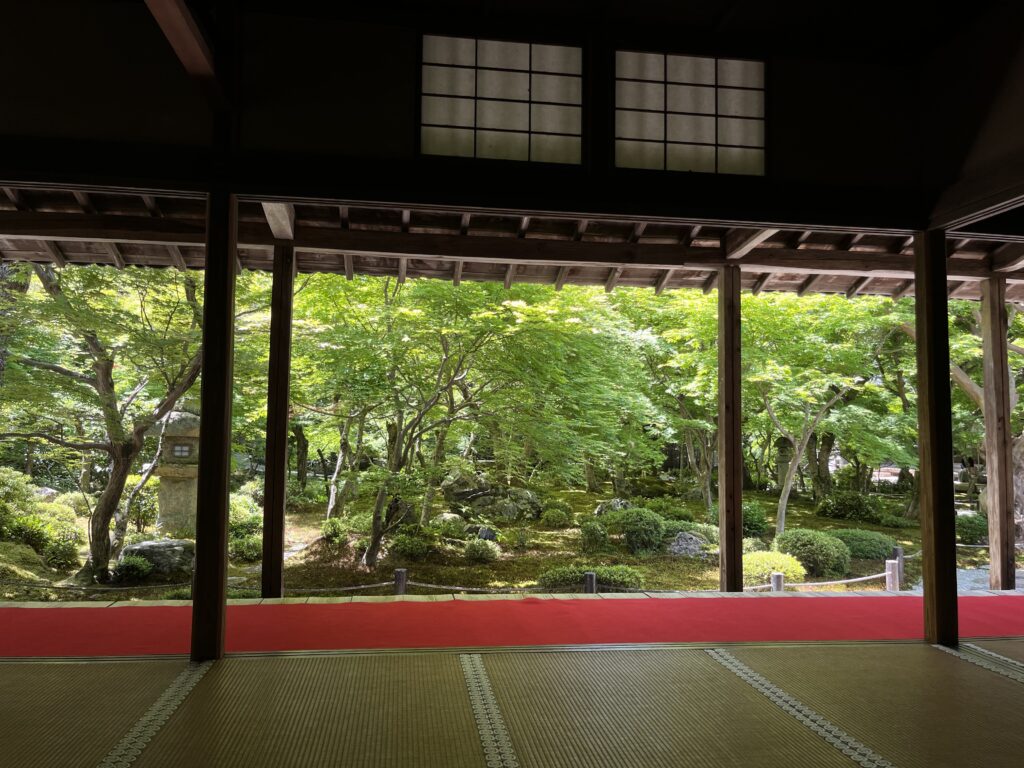
Green maple leaves (1) (青紅葉 圓光寺)

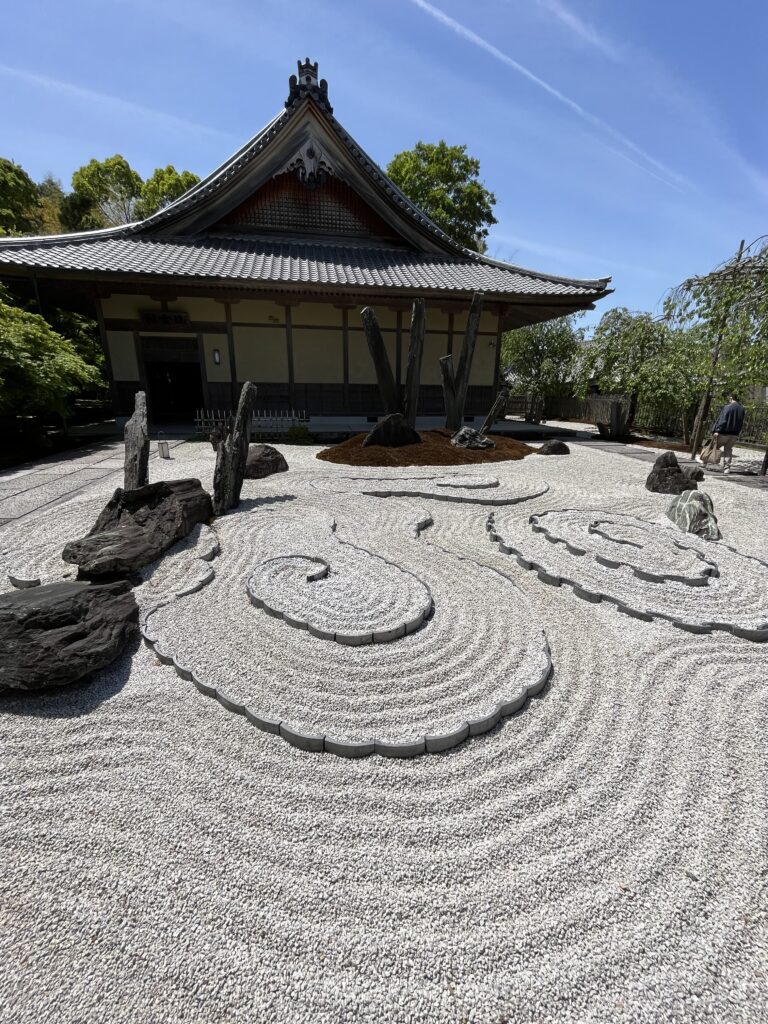
This is Enko-ji Temple, located in the northeast of Kyoto City.
In May, the fresh green leaves are incredibly beautiful, known as “green maple leaves.”
This temple is said to have been founded by Tokugawa Ieyasu, who established the Edo Shogunate.
He established this Temple in Fushimi as a place of learning to promote the development of education within Japan,  and later moved it to this location.
Here, we can experience Zen meditation.


Enko-ji Temple

Location

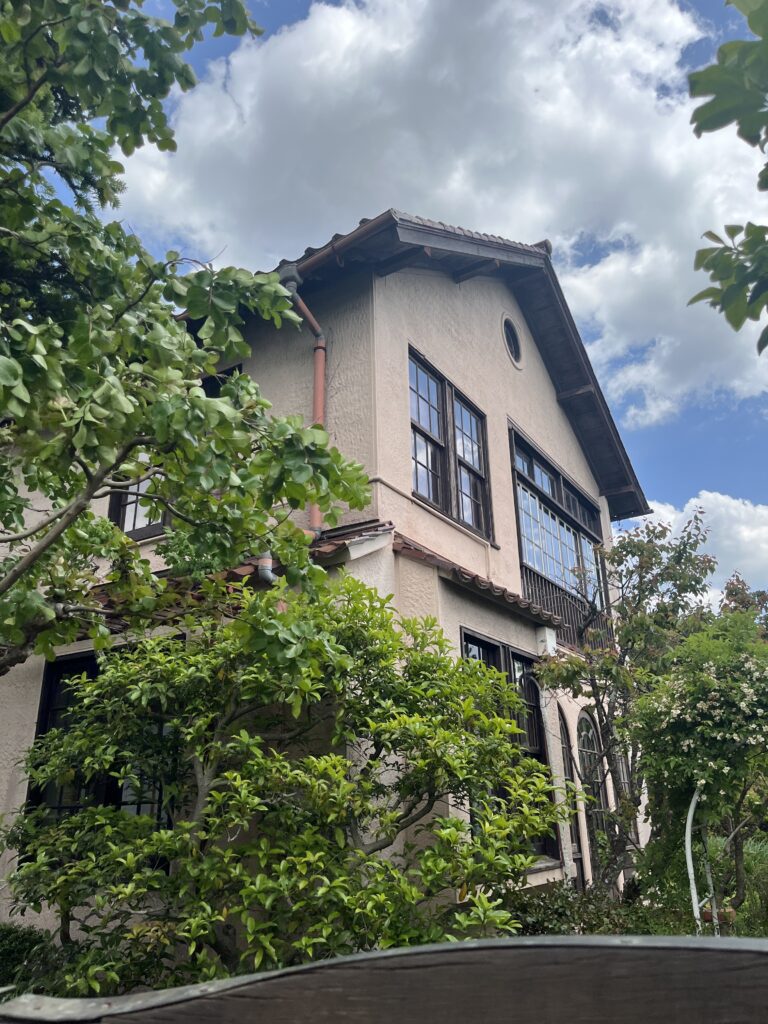
Komai Family Residence(駒井家邸宅)

This building is the former residence of Professor Komai, known as the
“Dawin of Japan.”
It is located in a quiet area along the beautiful Shirakawa Canal.
In Kyoto, many historical buildings like this one, which were the residences of famous people, are preserved.


Komai Family Residence

Location

Nanzen-ji Temple Aqueduc (Suirokaku) (南禅寺 水路閣)

This is an aqueduct bridge on the Lake Biwa Canal, located within the grounds of Nanzen-ji Temple.
During its construction, the design was handled by Sakuro Tanabe, with careful consideration given to the landscape of the temple grounds.
This aqueduct is also a popular tourist spot, attracting many visitors.
You can also see the water flowing in the aqueduct above.
In this way, Kyoto offers a variety of architectural styles, from the Heian period to the modern architecture of the Meiji and Taisho eras.
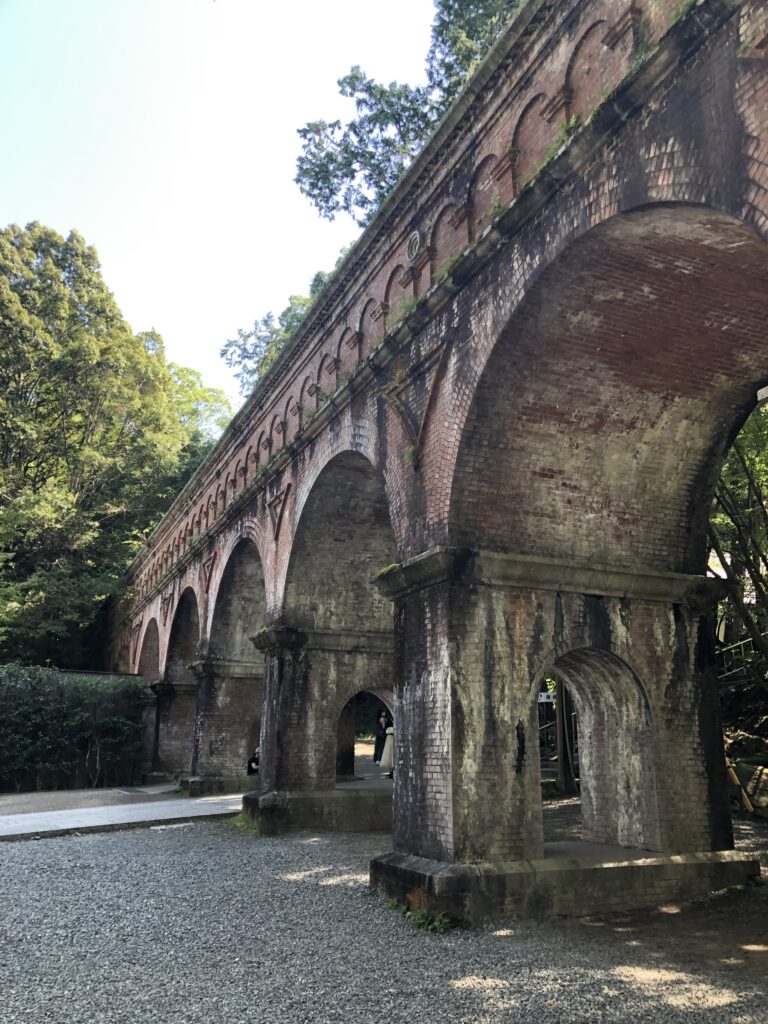
Nanzen-ji Temple “Suirokaku”

Location