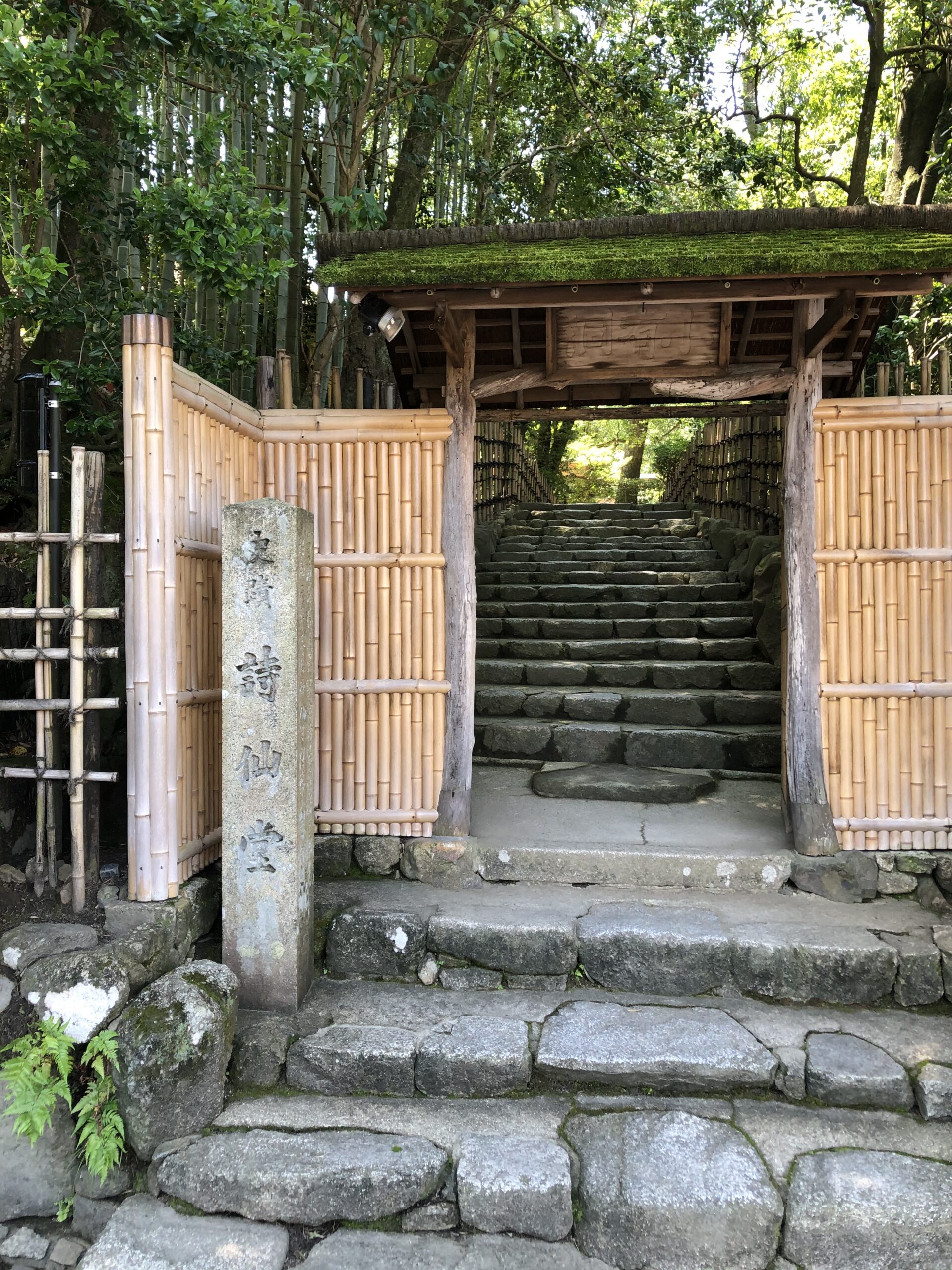
Kifune jinjya shrine (貴船神社)

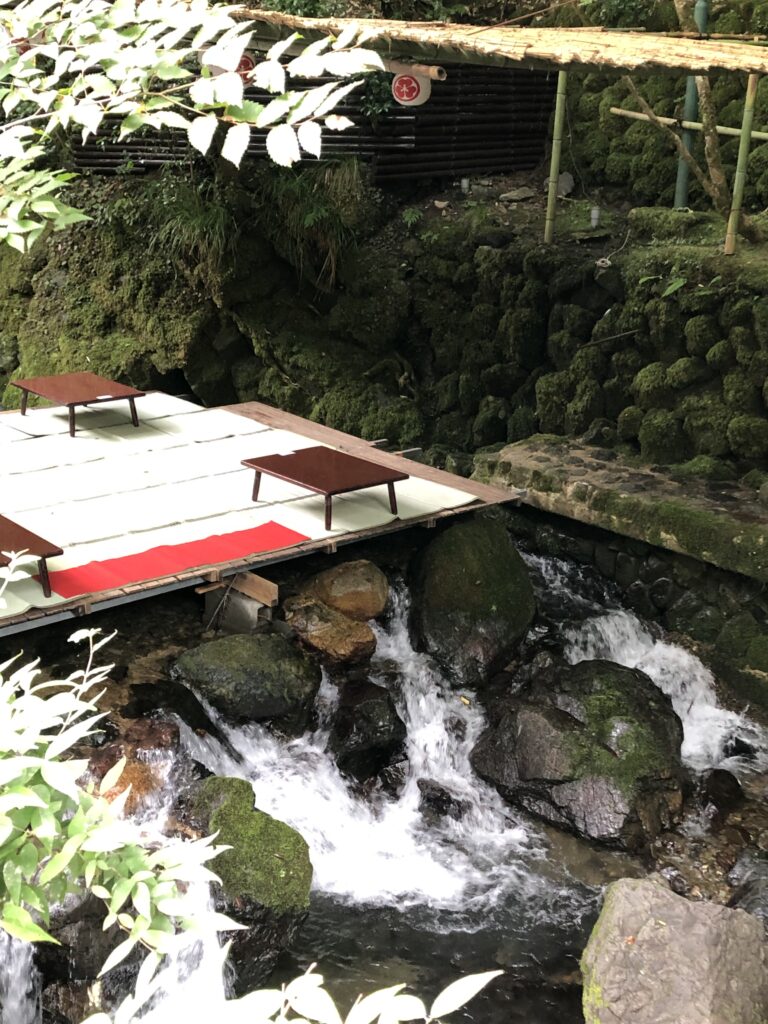
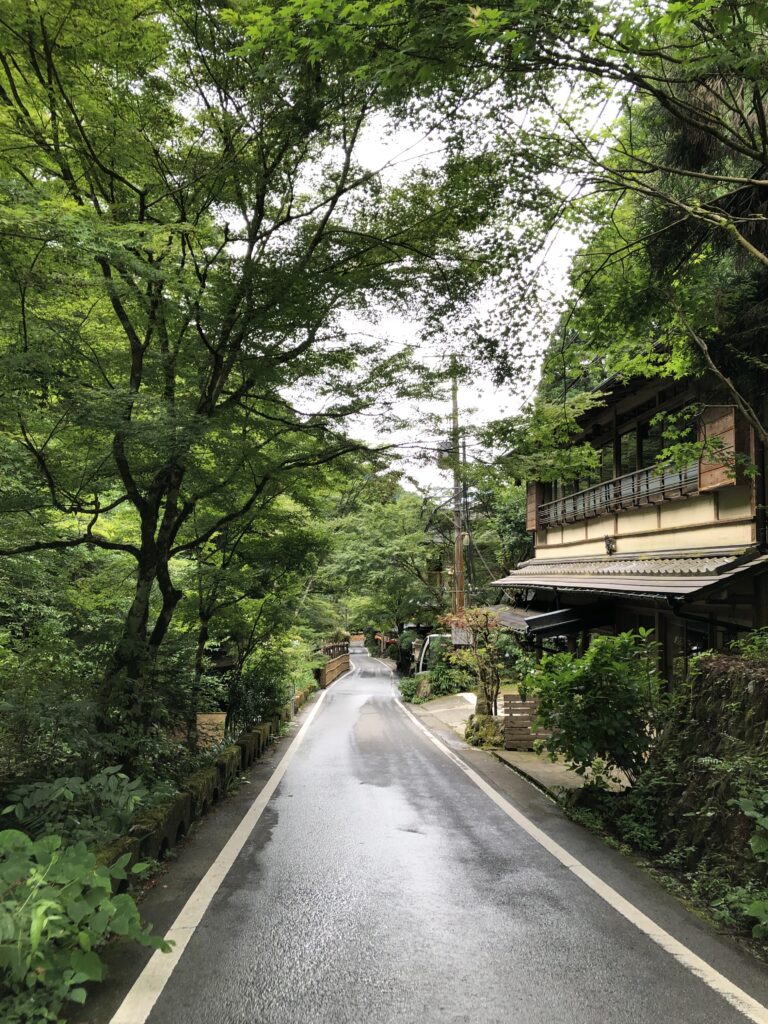
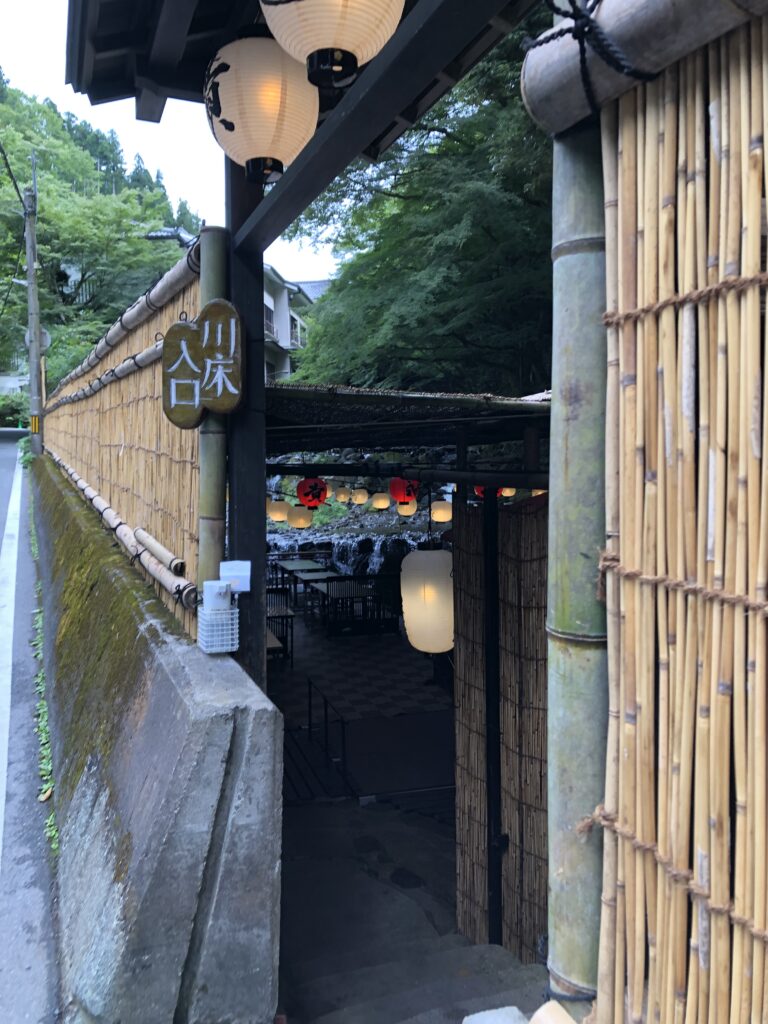
The Kibune area, a popular summer retreat, is located about 30 minutes from central Kyoto and features restaurants along the river that offer *kawadoko* dining—meals served on platforms built over the flowing water.
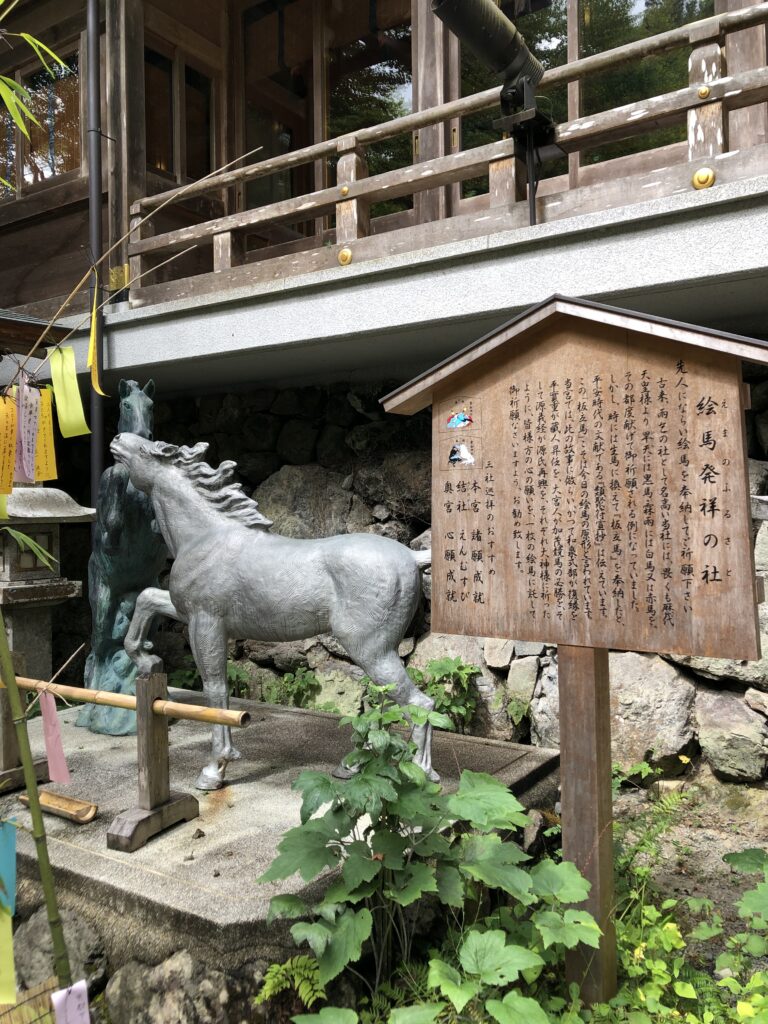
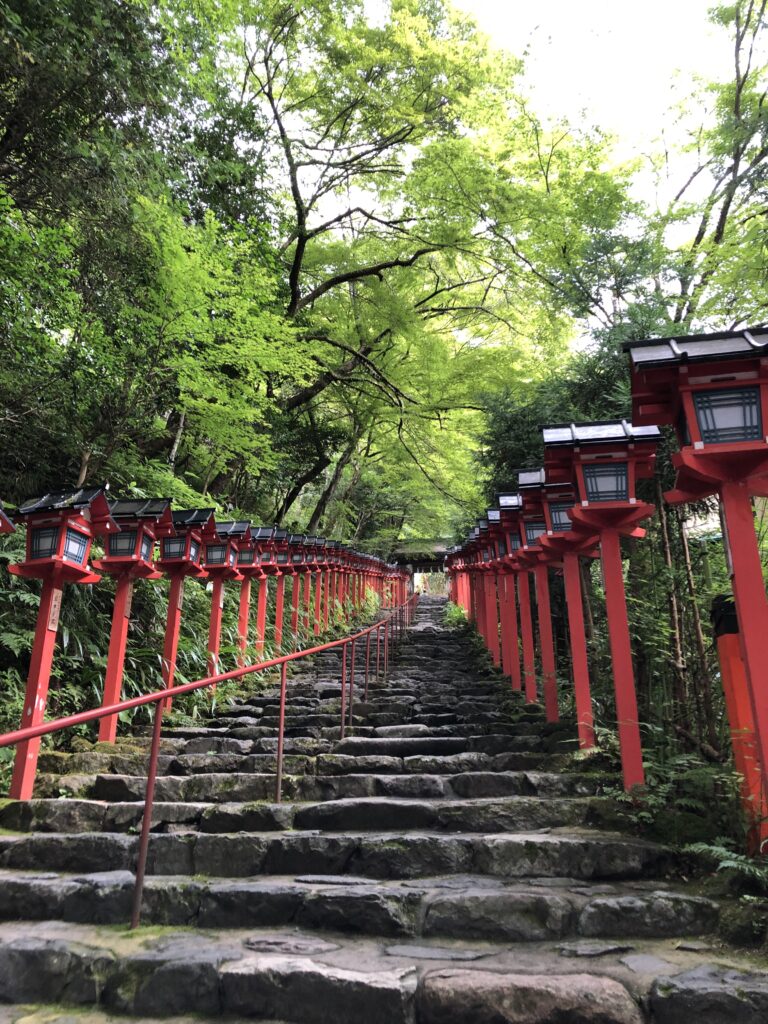
Kifune Shrine, dedicated to the deity of water, is considered one of the oldest shrines in Kyoto.
Location
Syorinin Temple(勝林院)

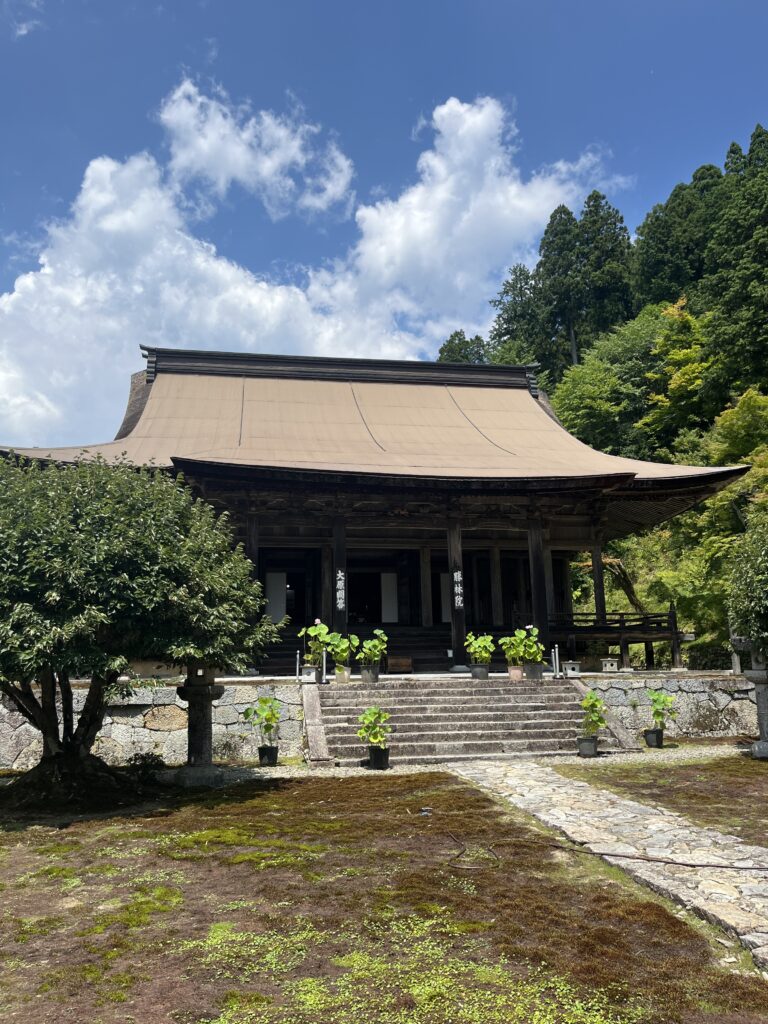
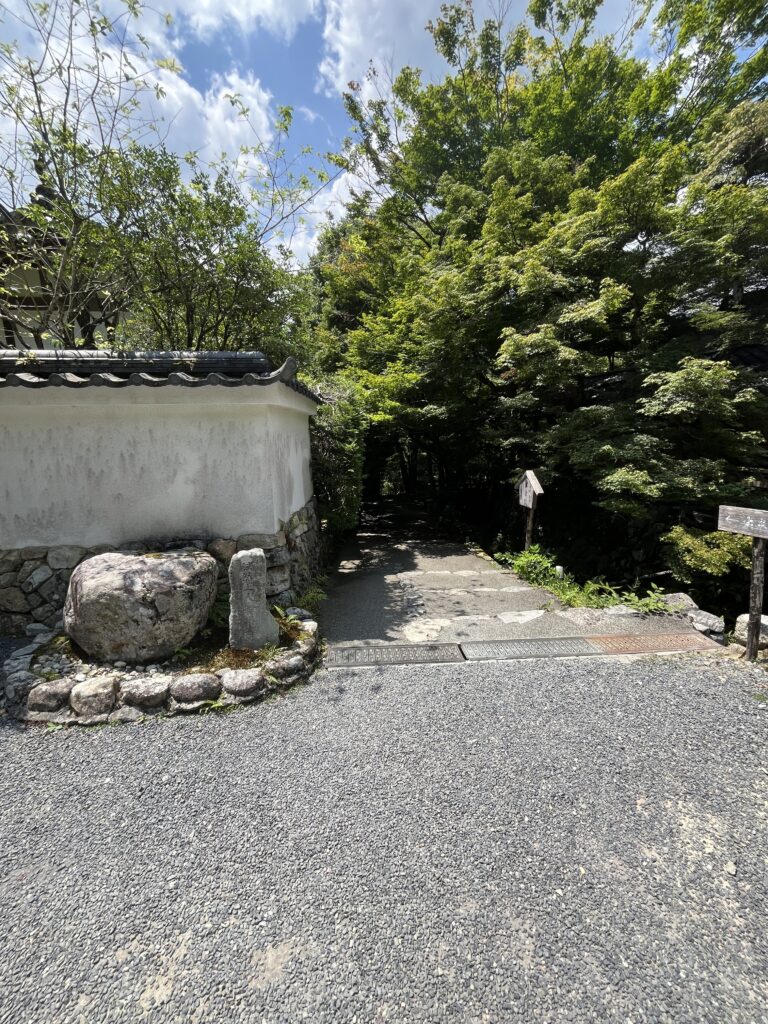
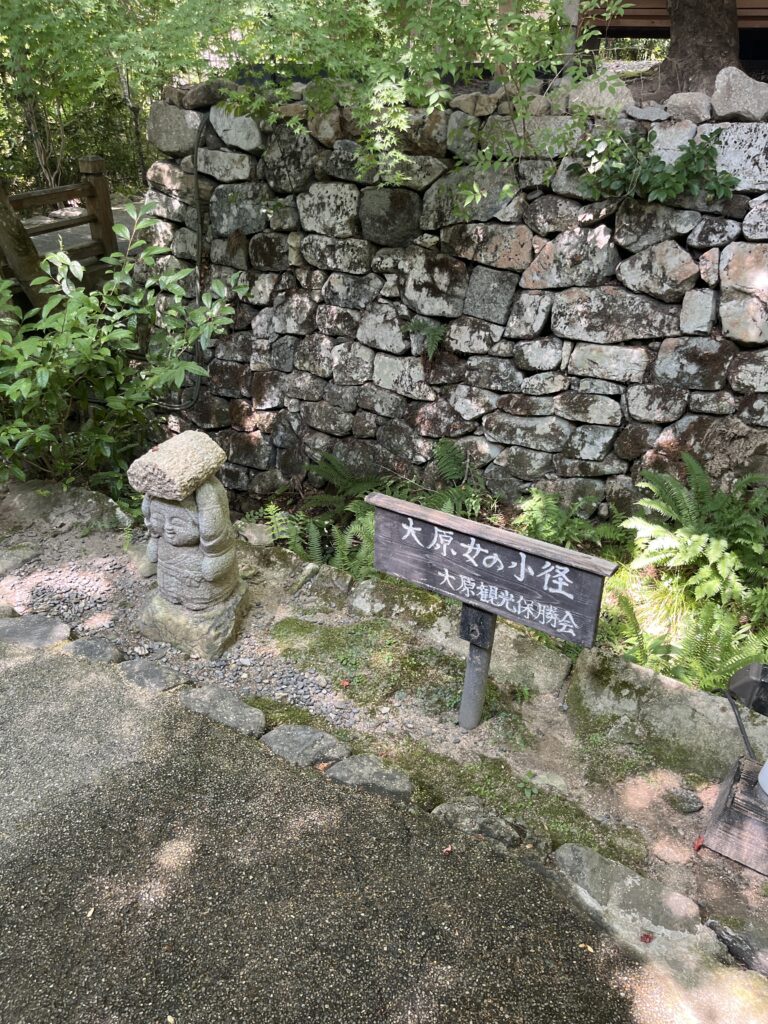
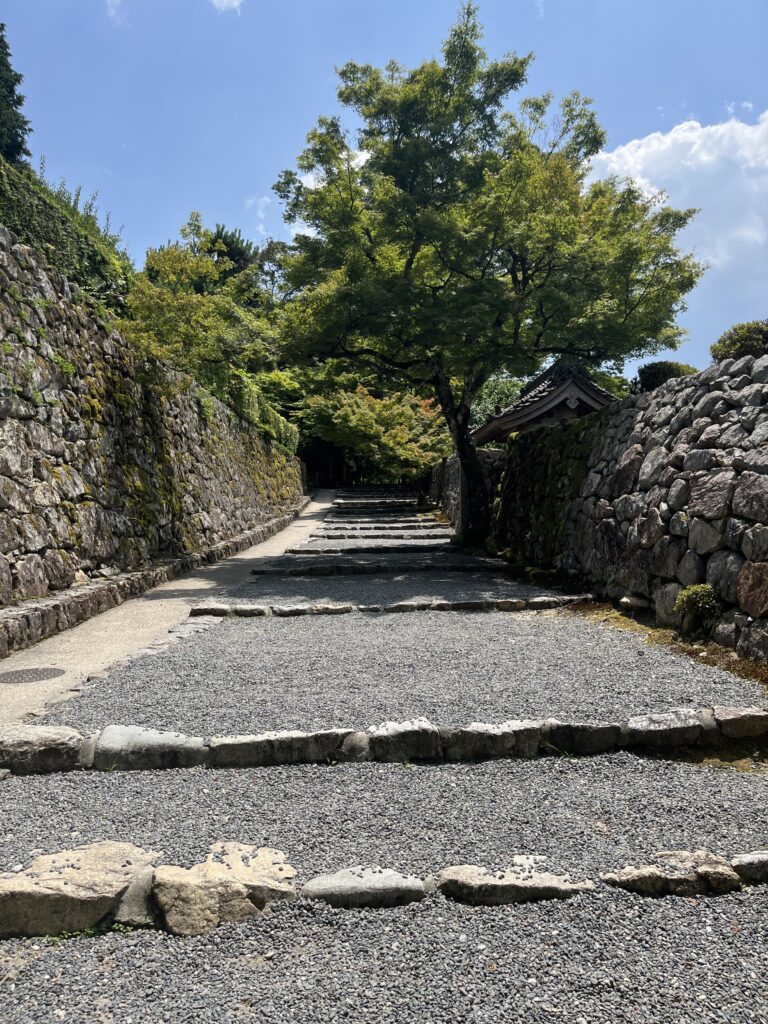
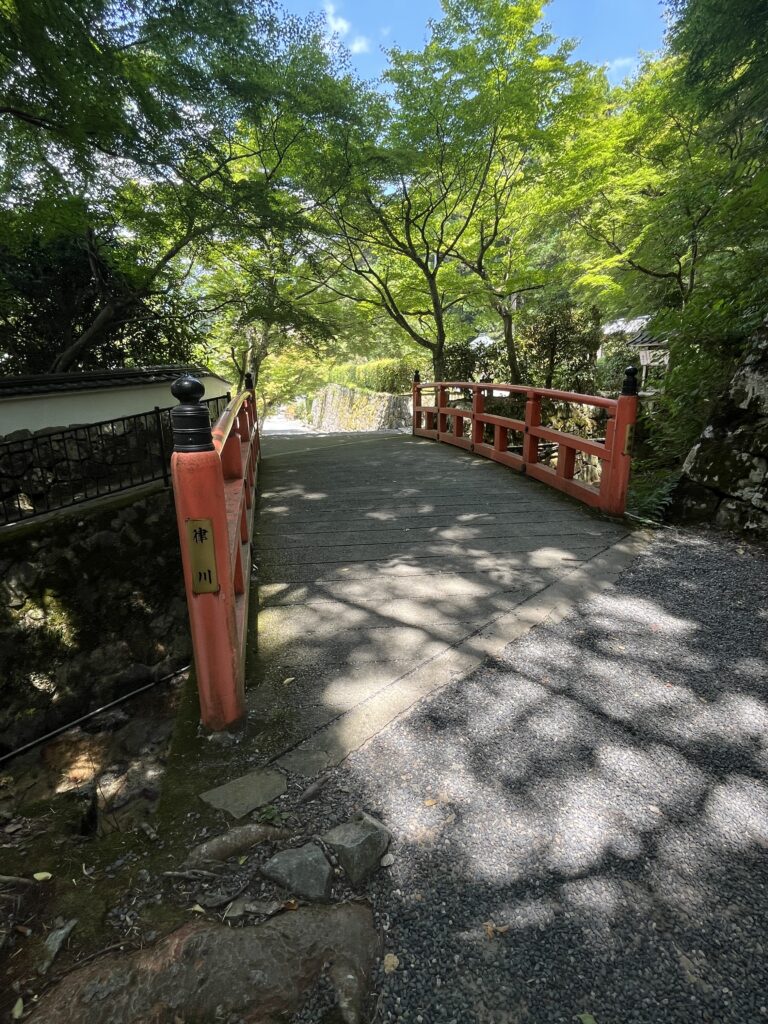
After leaving Sanzen-in Temple in Ohara and crossing the bridge over the Ritsu River, you will find Shorin-in Temple.
This temple is the birthplace of *Tendai Shomyo* (Buddhist chanting), which is considered the origin of Japanese music; it was established as a training ground for the Tendai sect’s *Nembutsu* practices involving this chanting. In the main hall, you can listen to *Shomyo* by pressing a button.
Nearby, there is also a stone known as the “Sitting Stone” of the priest Honen.

Location
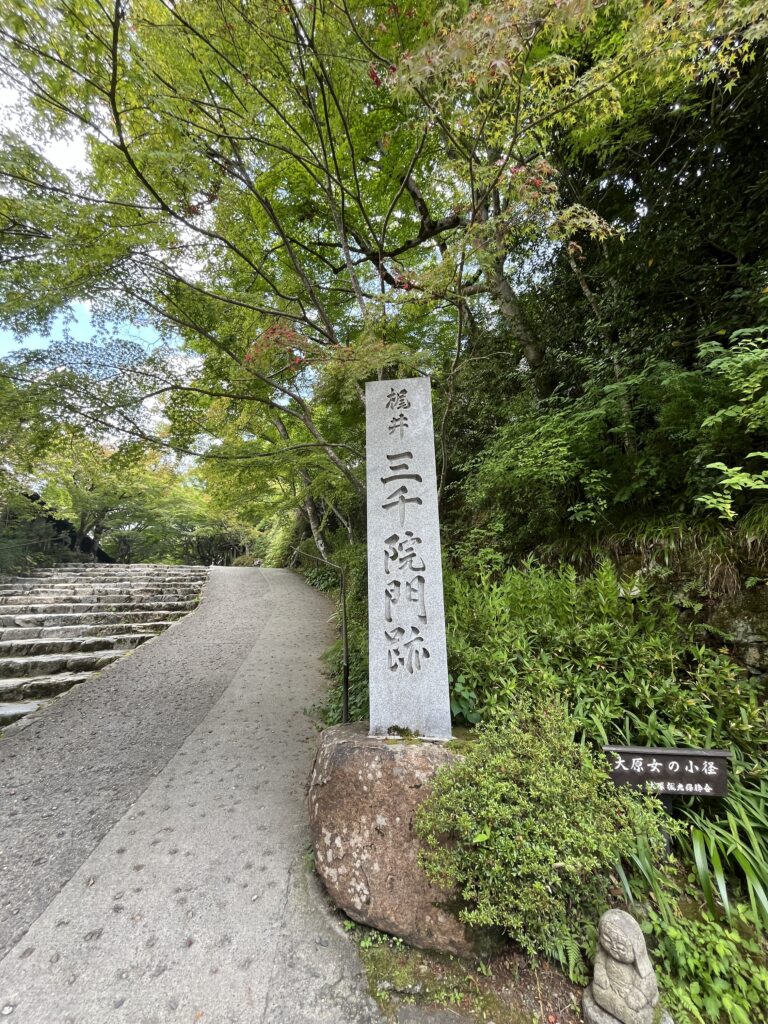
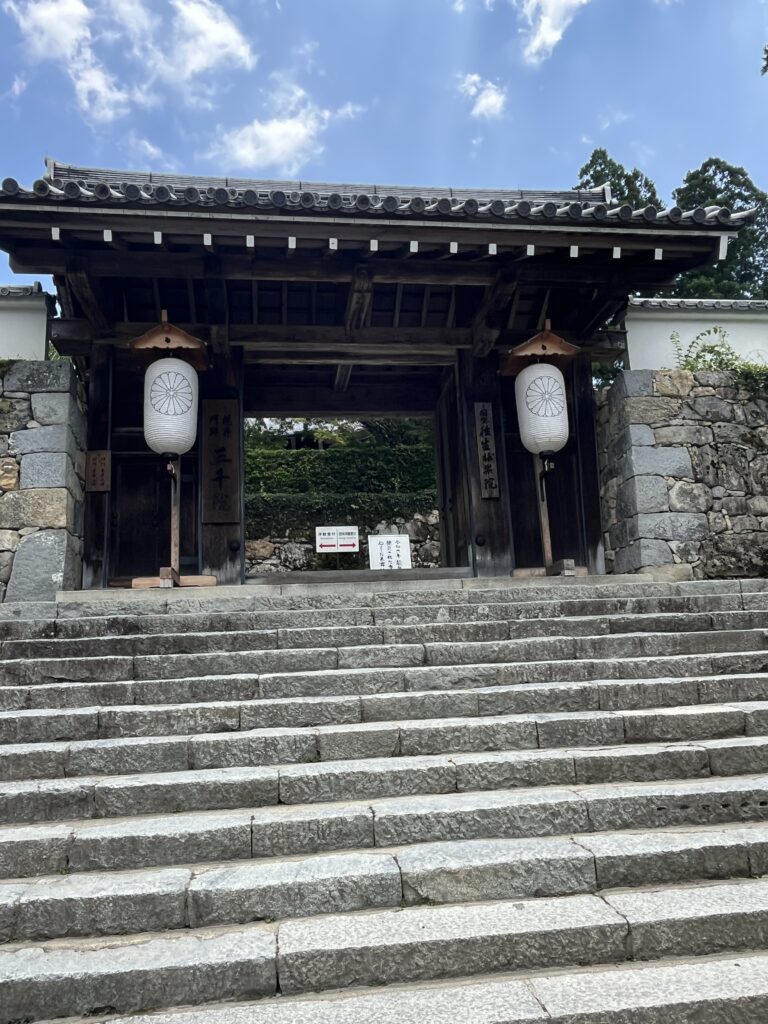
Sanzen-in Temple (三千院門跡)

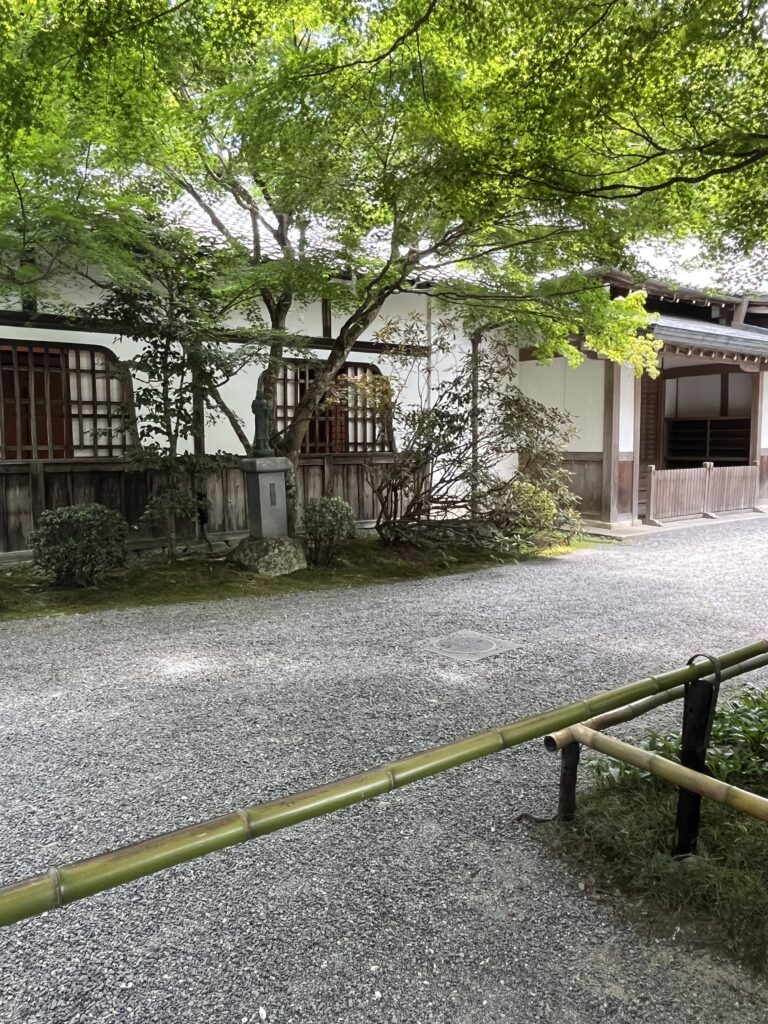
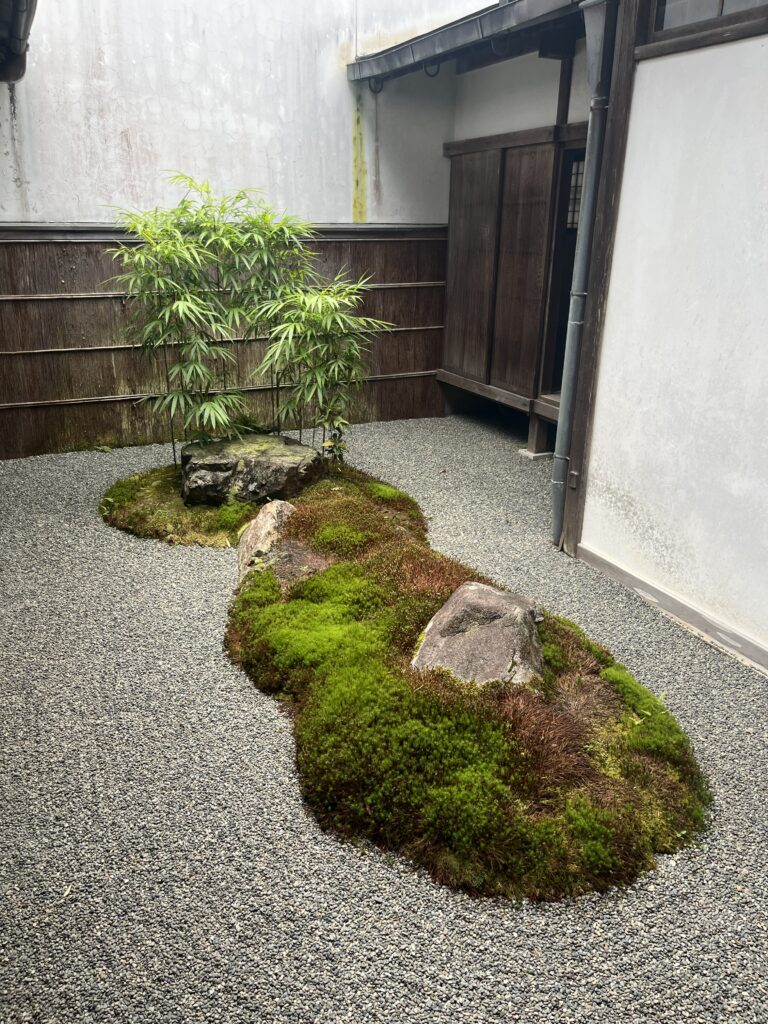
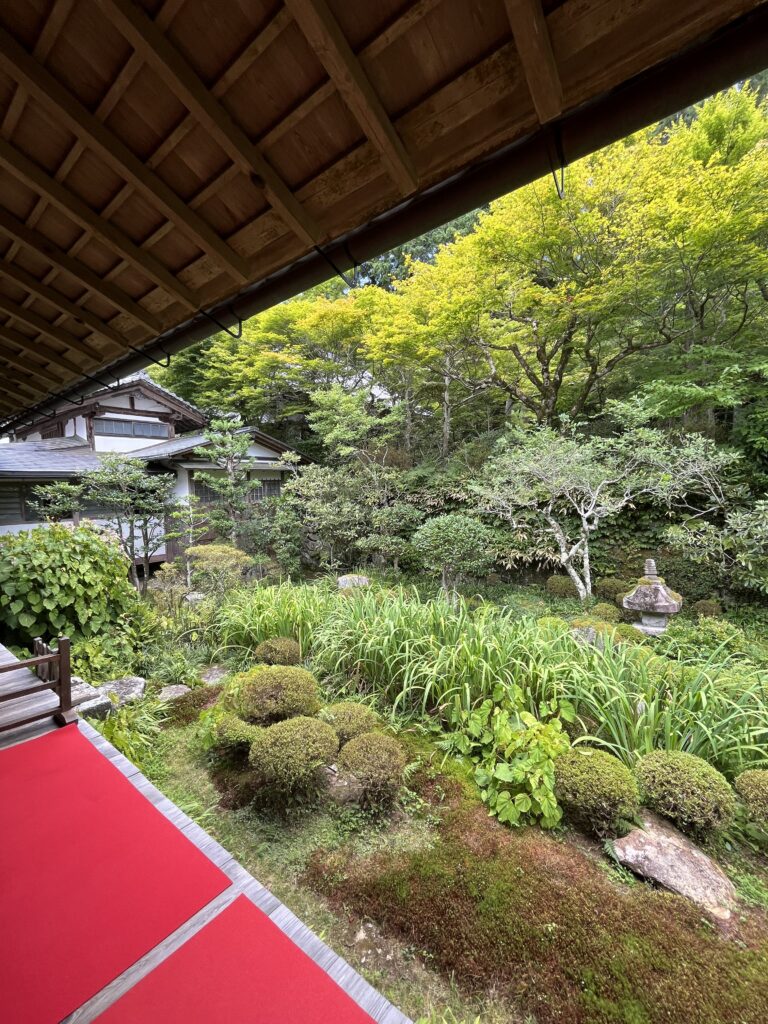
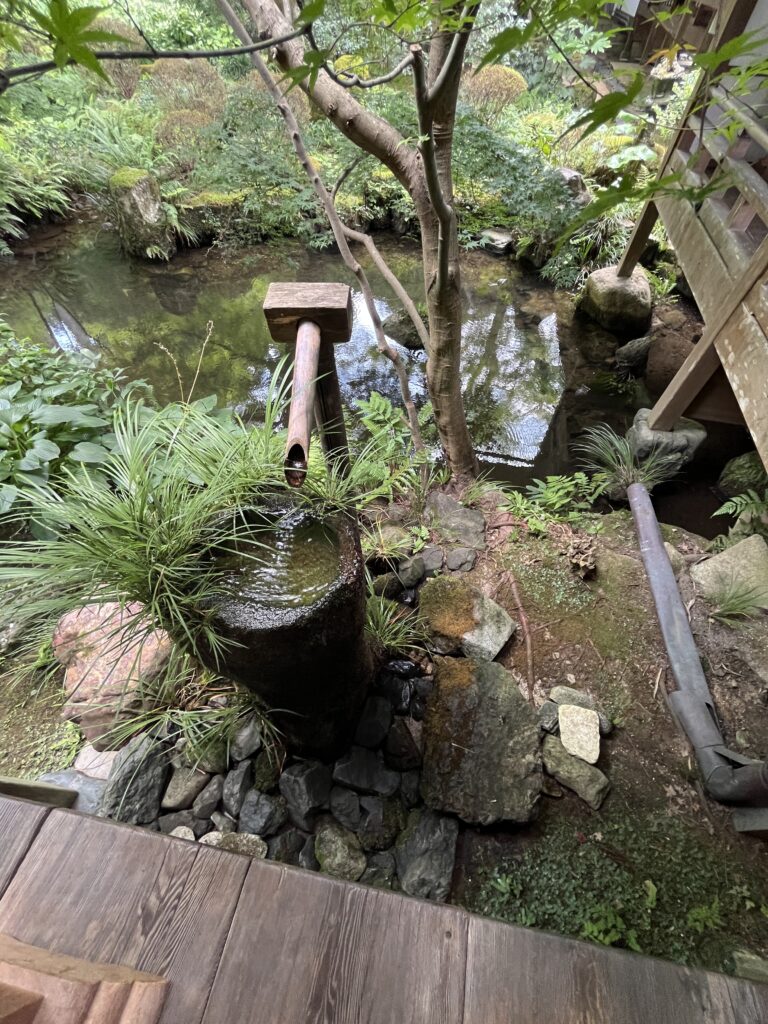
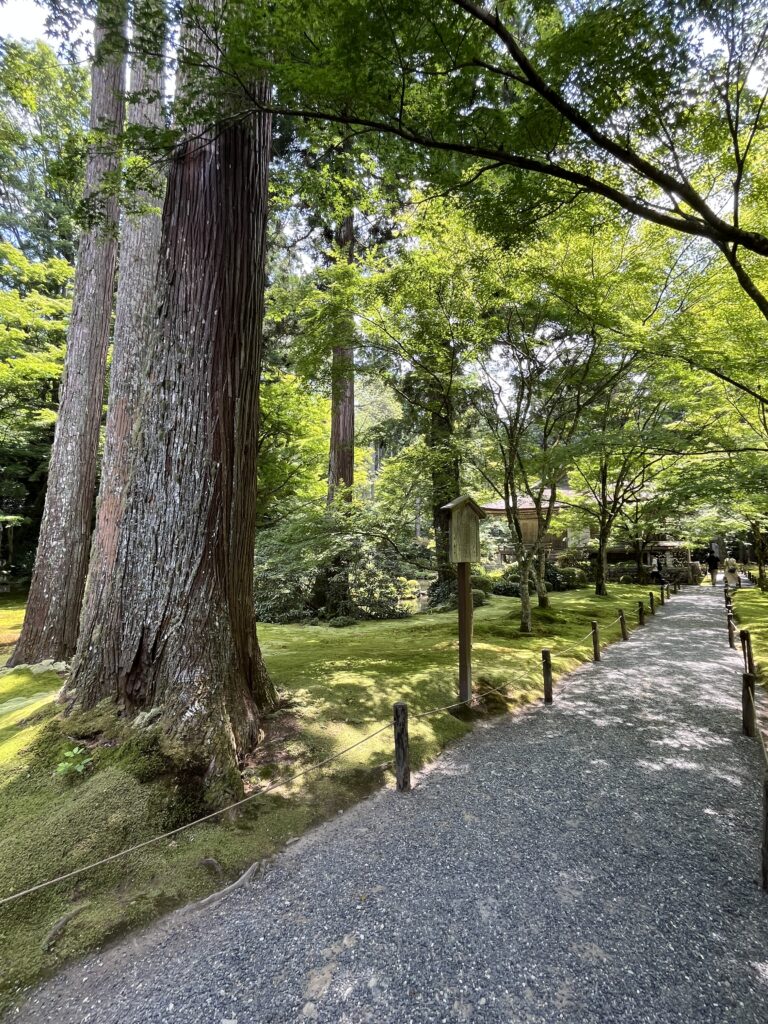
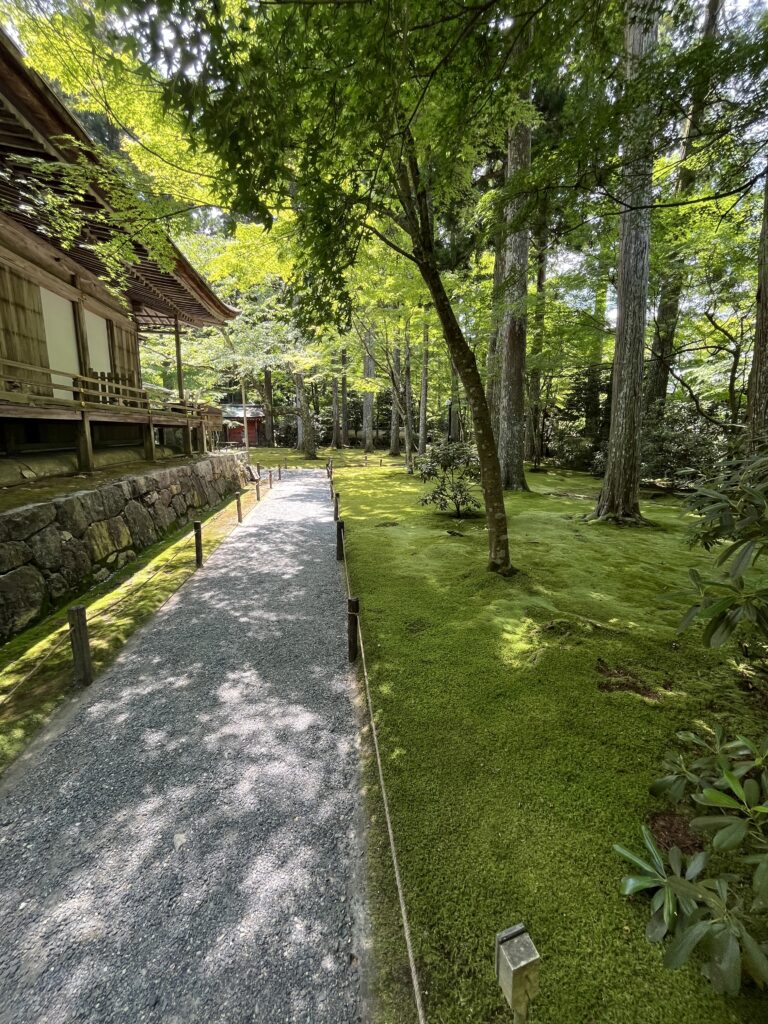
Sanzen-in is a Tendai sect temple located in Ohara, Sakyo Ward—about a 30-minute drive from central Kyoto—yet it is enveloped in tranquility, and the garden of cedar trees and moss spreading out before the Ojo Gokuraku-in Hall is truly beautiful.

Location

Myoumanji-Temple (妙満寺)

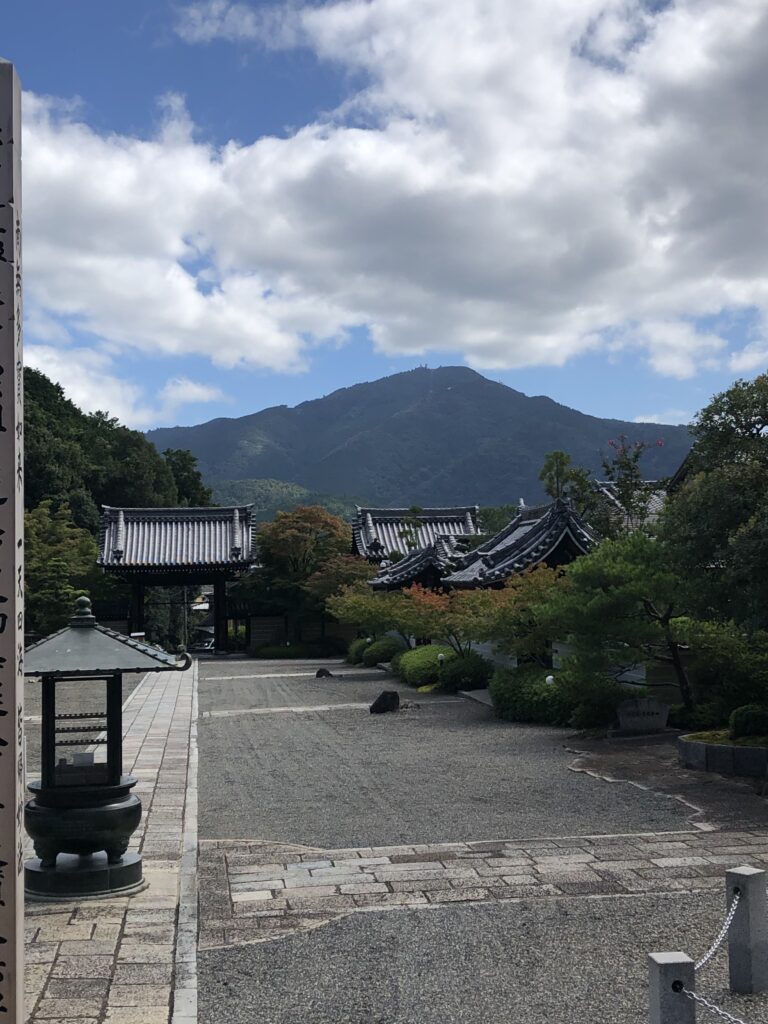
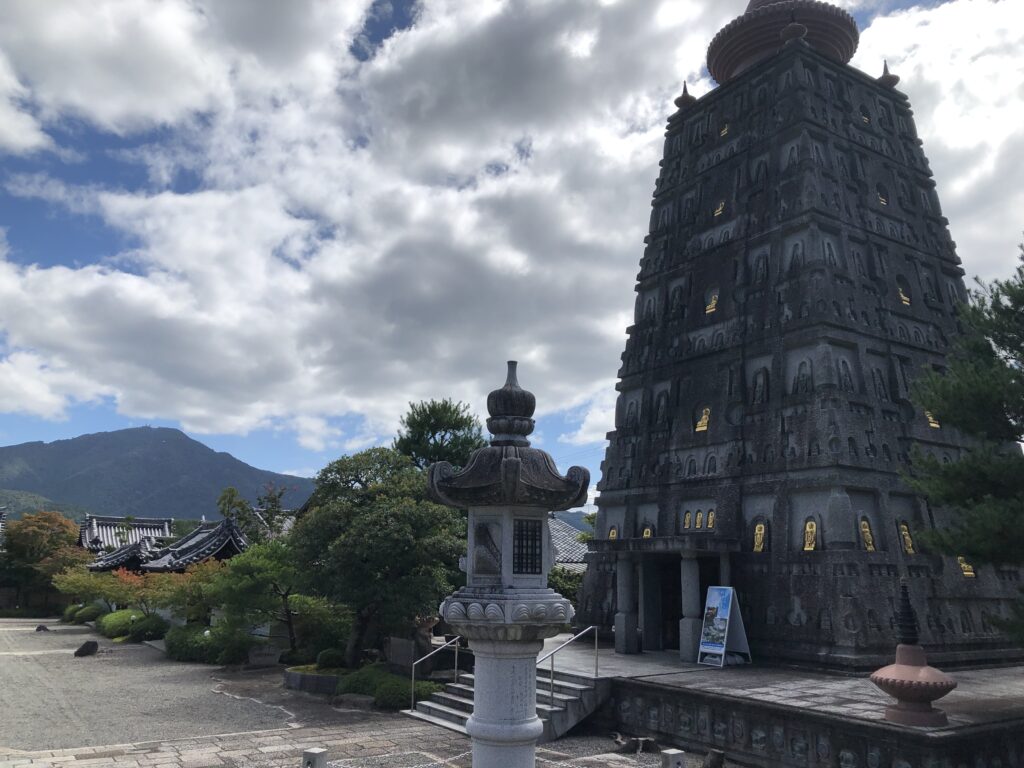
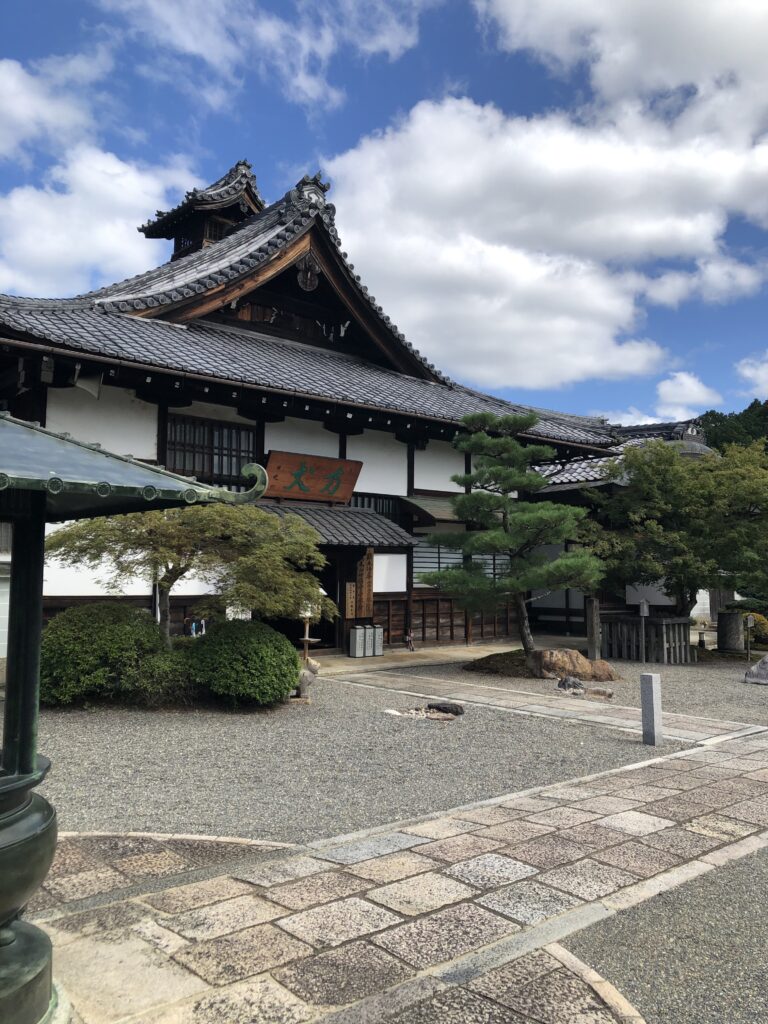
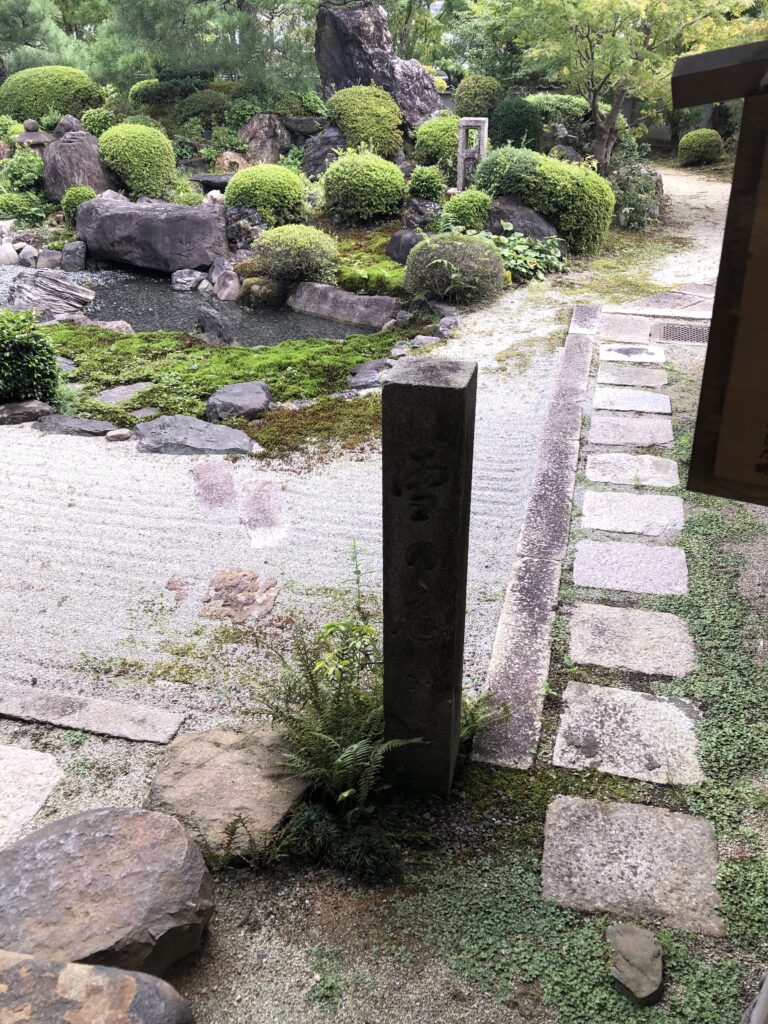
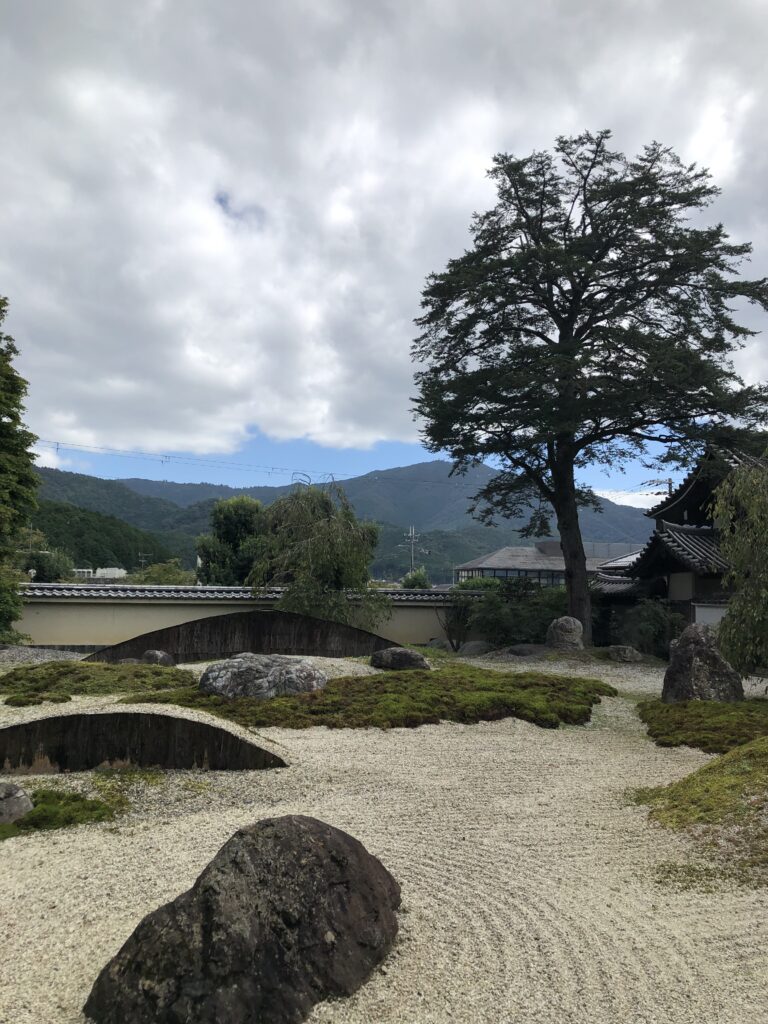
Myoman-ji Temple is located in the Iwakura area of ​​Sakyo Ward, Kyoto, and is famous for its “Snow Garden” (*Yuki no Niwa*). This is a dry landscape garden designed by Matsunaga Teitoku—considered the father of *haikai* poetry—and it offers a beautiful view that incorporates the snow-capped Mount Hiei as “borrowed scenery.”

Location

Ninna-ji Temple(仁和寺)2

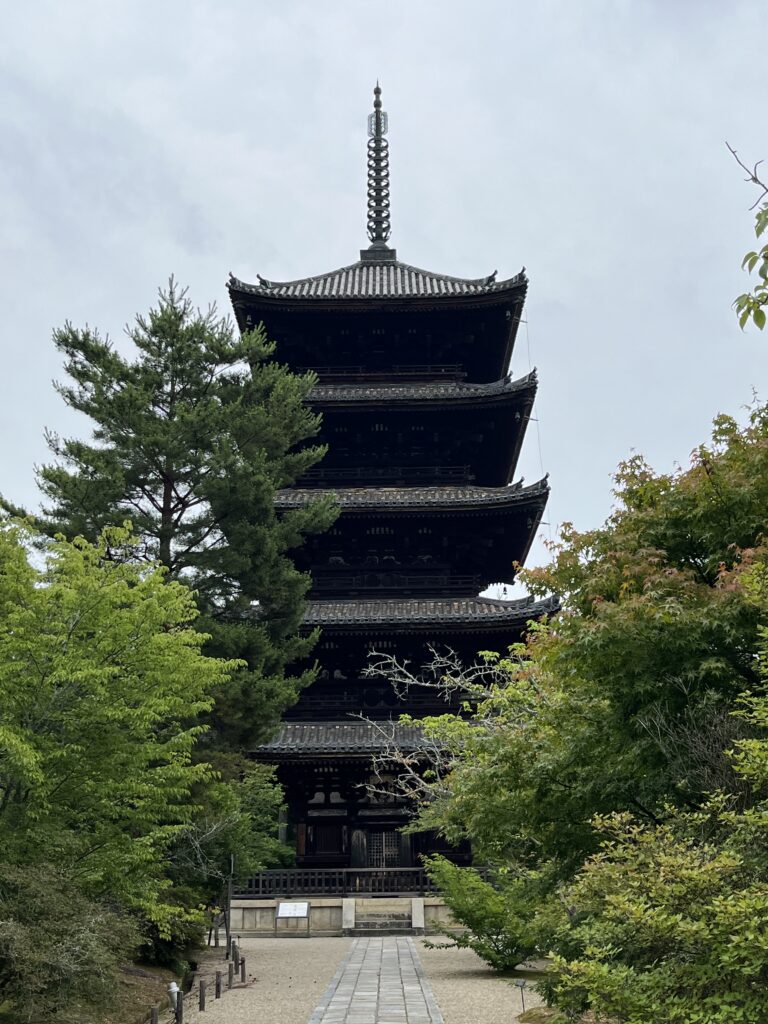
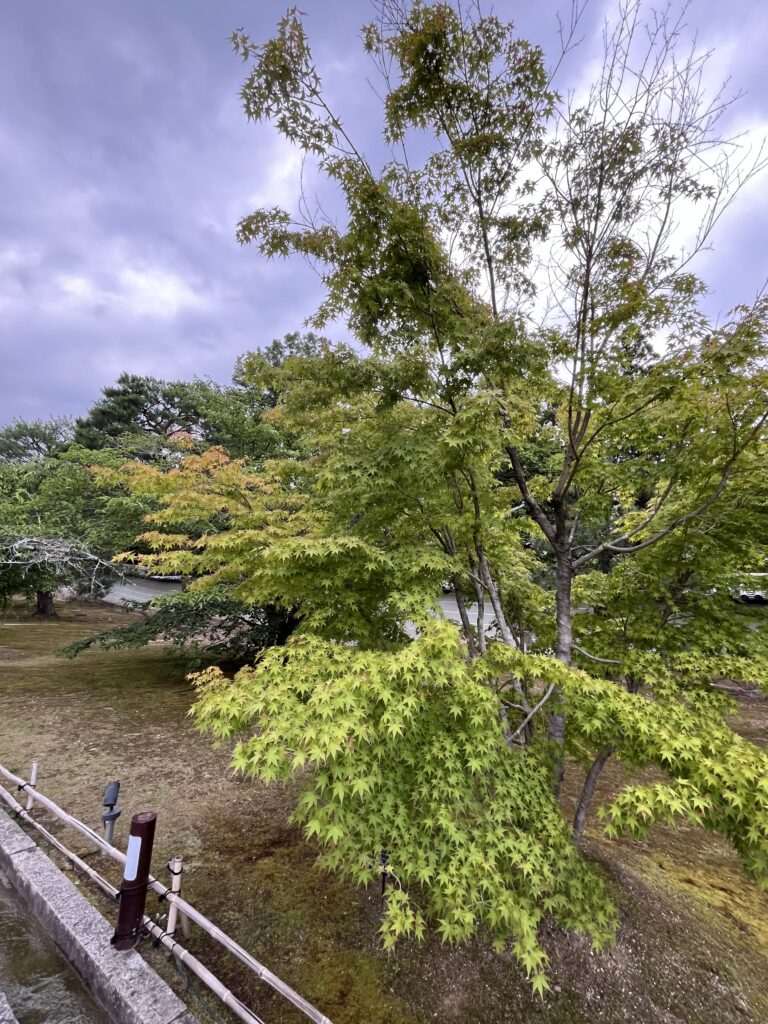
Ninna-ji Temple is famous for its late-blooming “Omuro cherry blossoms,” but the fresh greenery of early summer is also stunningly beautiful.
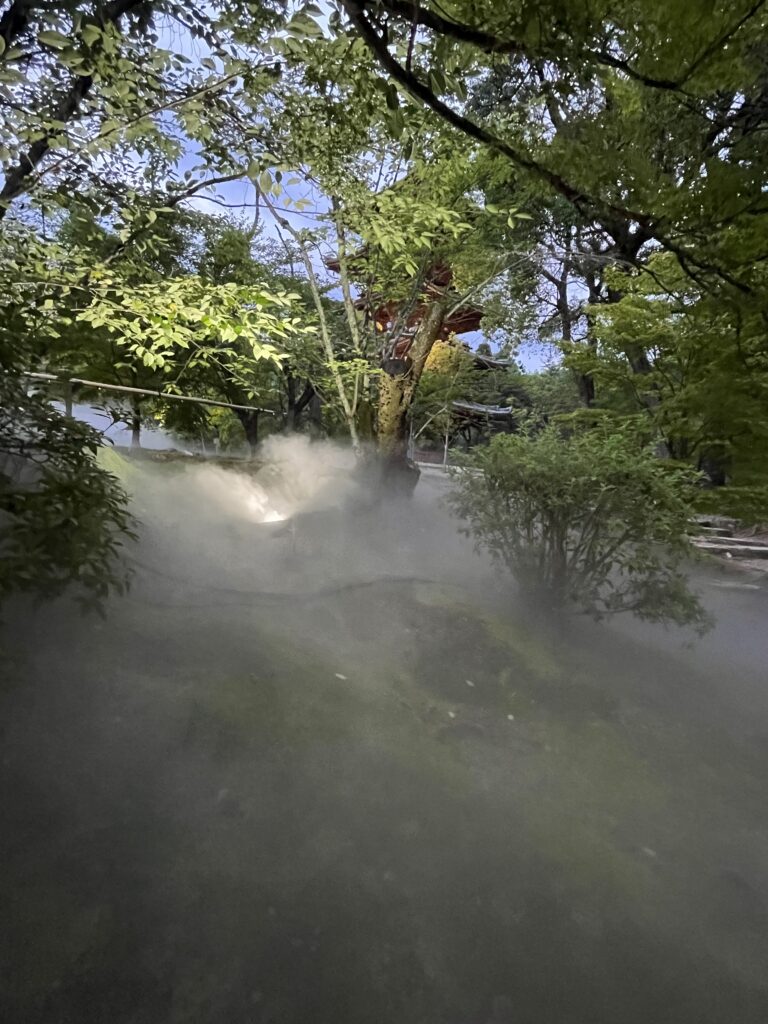
The temple grounds offer a serene atmosphere, with the fresh foliage and the five-story pagoda creating a truly beautiful scene.
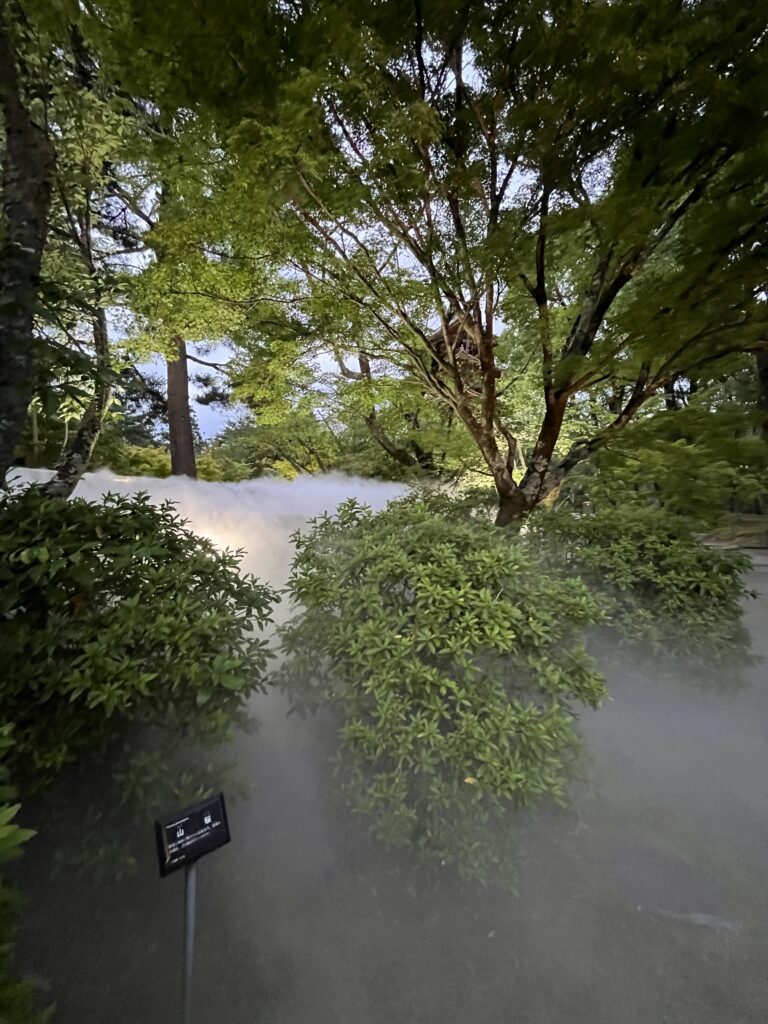
On this particular day, special effects—such as the use of smoke—added an even more mystical air to the setting.