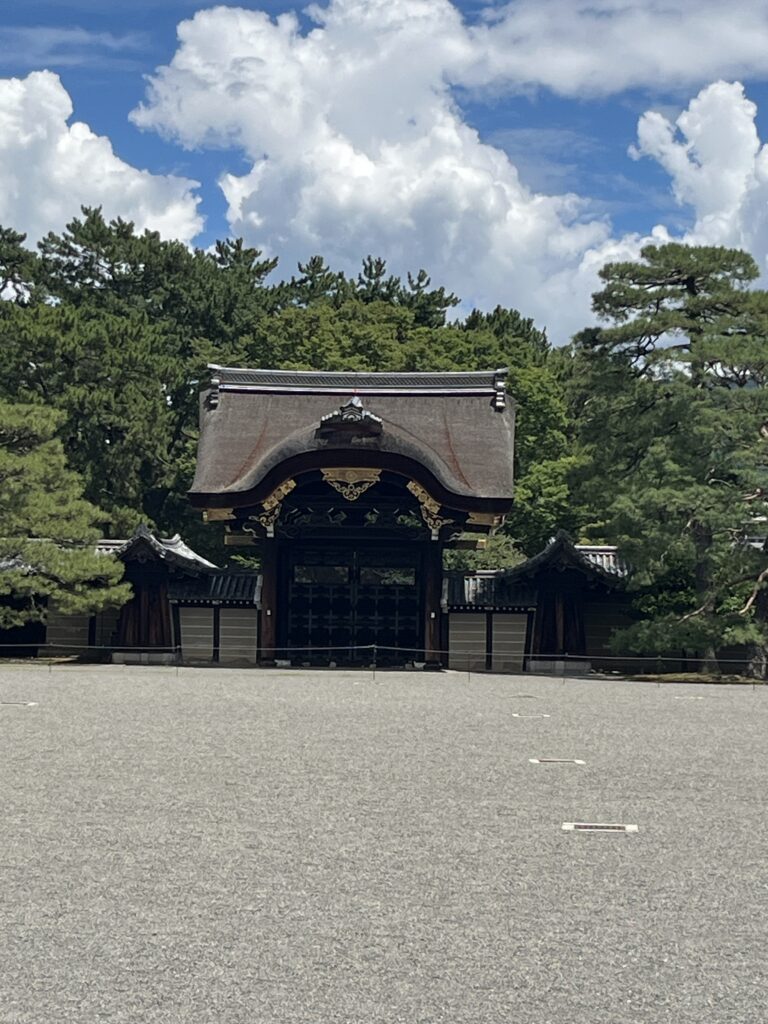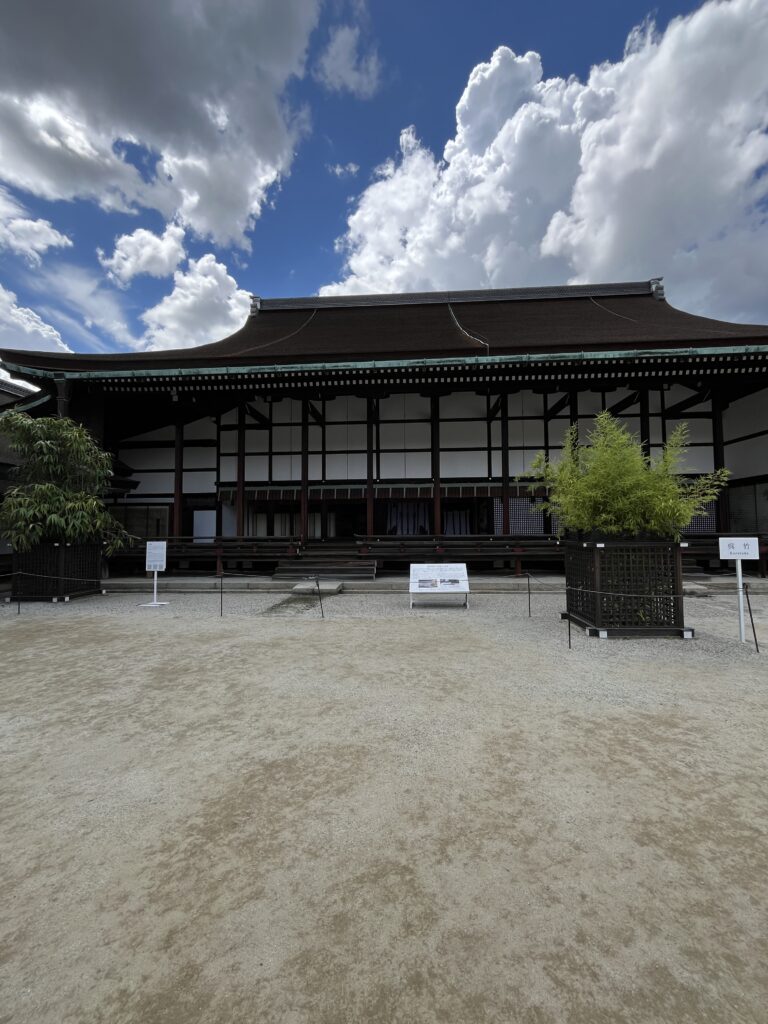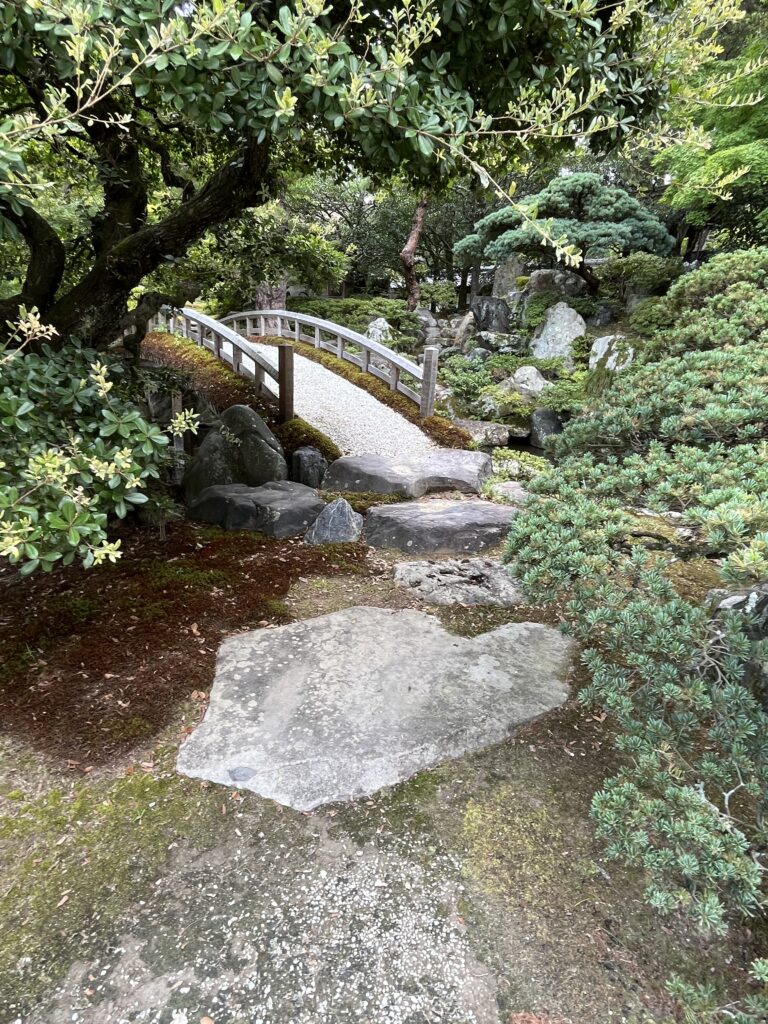
Kyoto Imperial Palace1 (Overview)  京都御所1

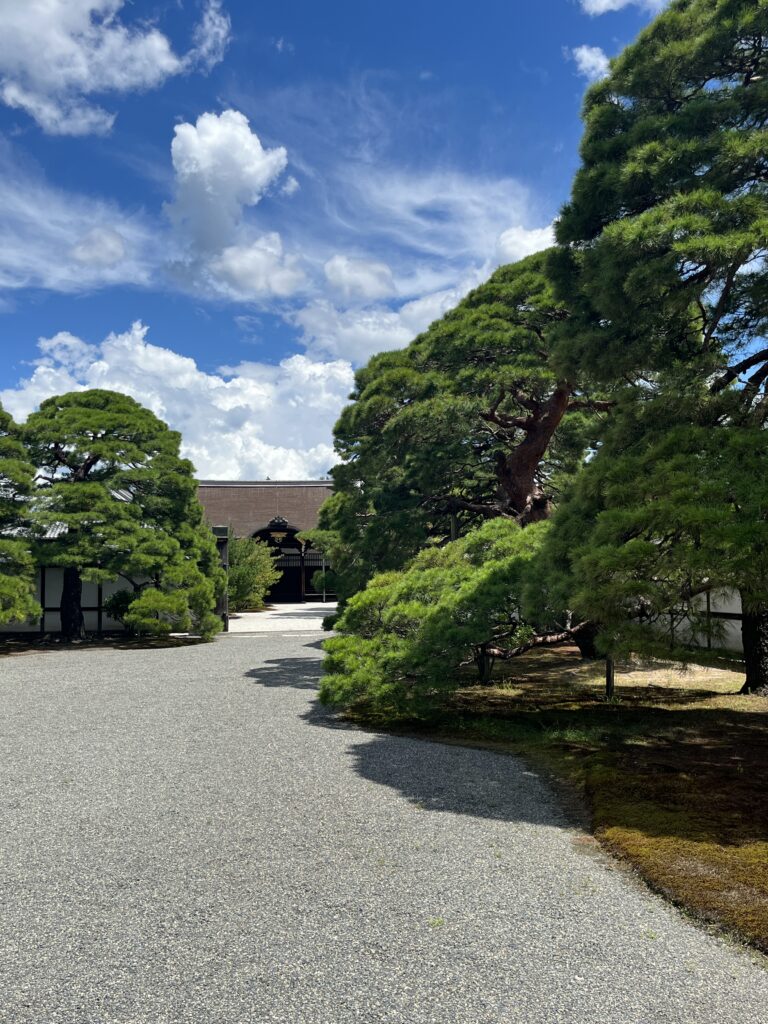
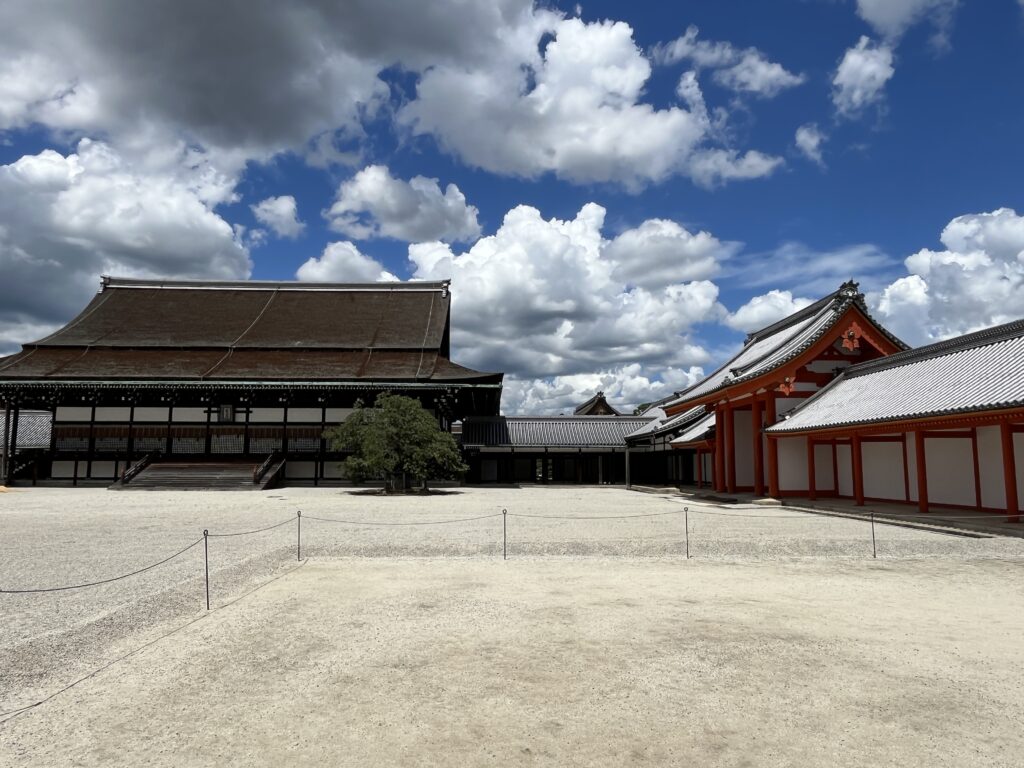
You can visit the Kyoto Imperial Palace for free without a reservation, and a tour of the grounds takes approximately 50 minutes.
Free multilingual audio guide apps are available for use at various points along the tour route. Starting now, I’ll introduce the site by categorizing the tour highlights into four areas: the overall grounds, gates, buildings, and gardens.
Location
Johnangu Shrine (2)  城南宮(2)

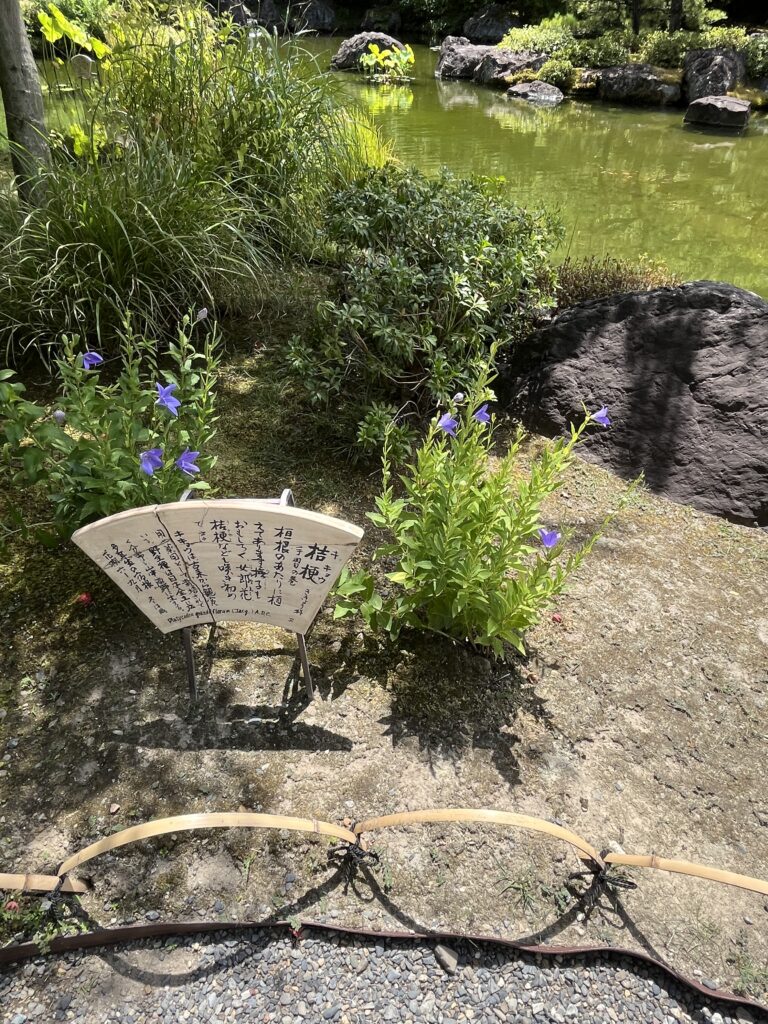
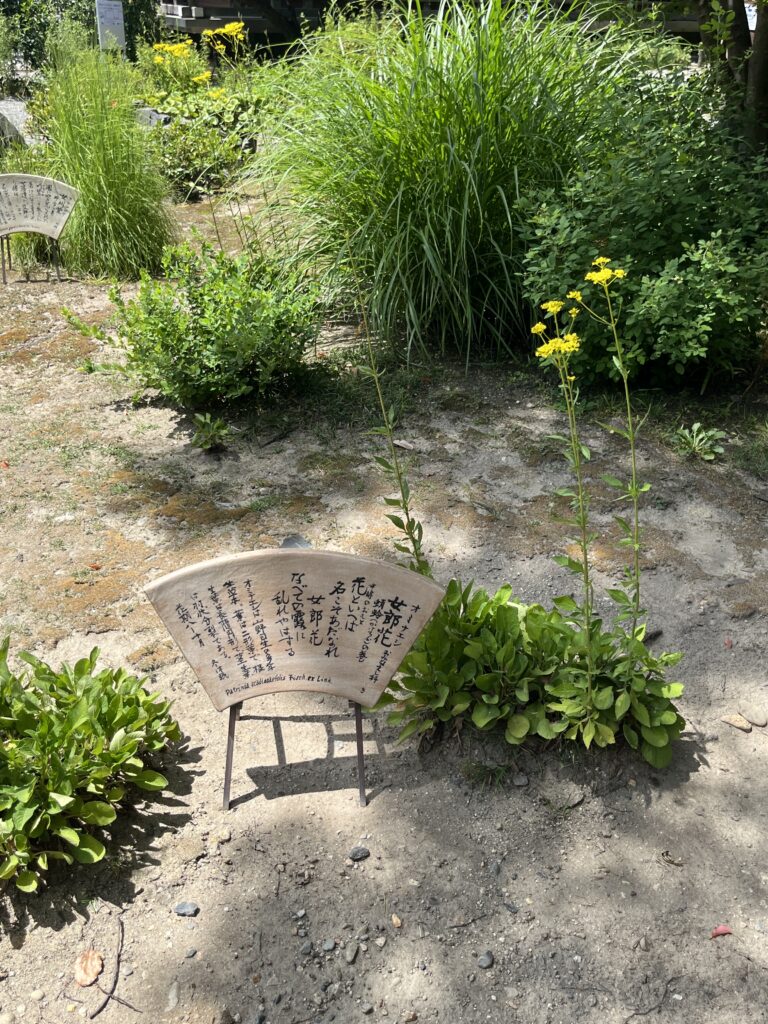
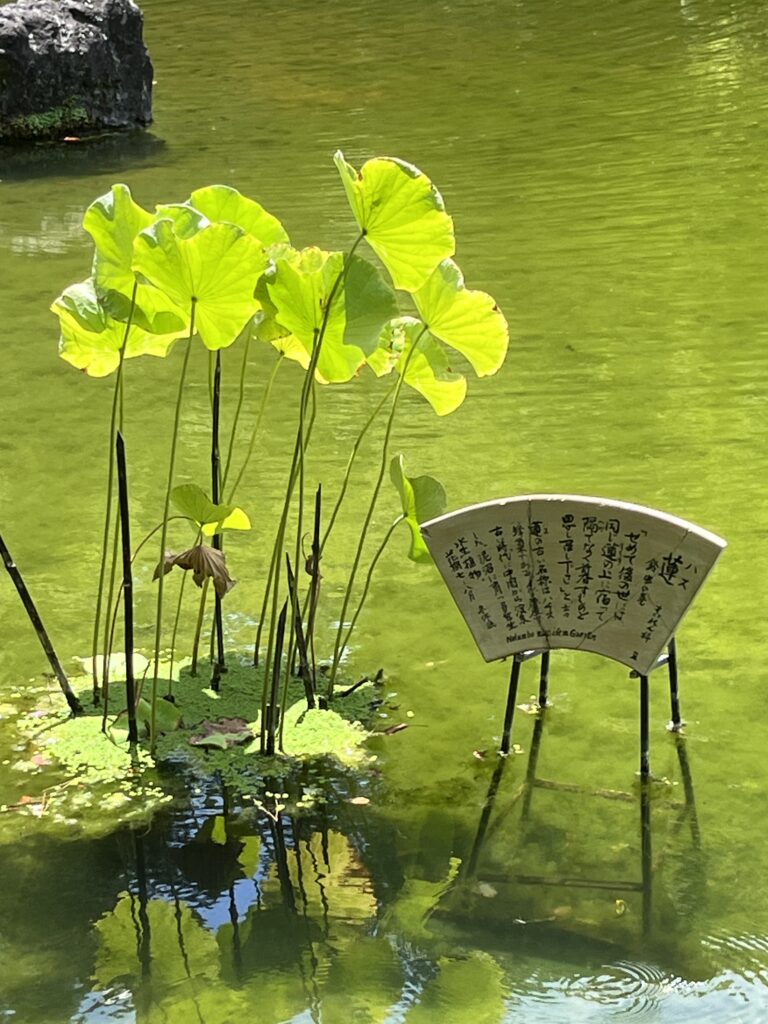
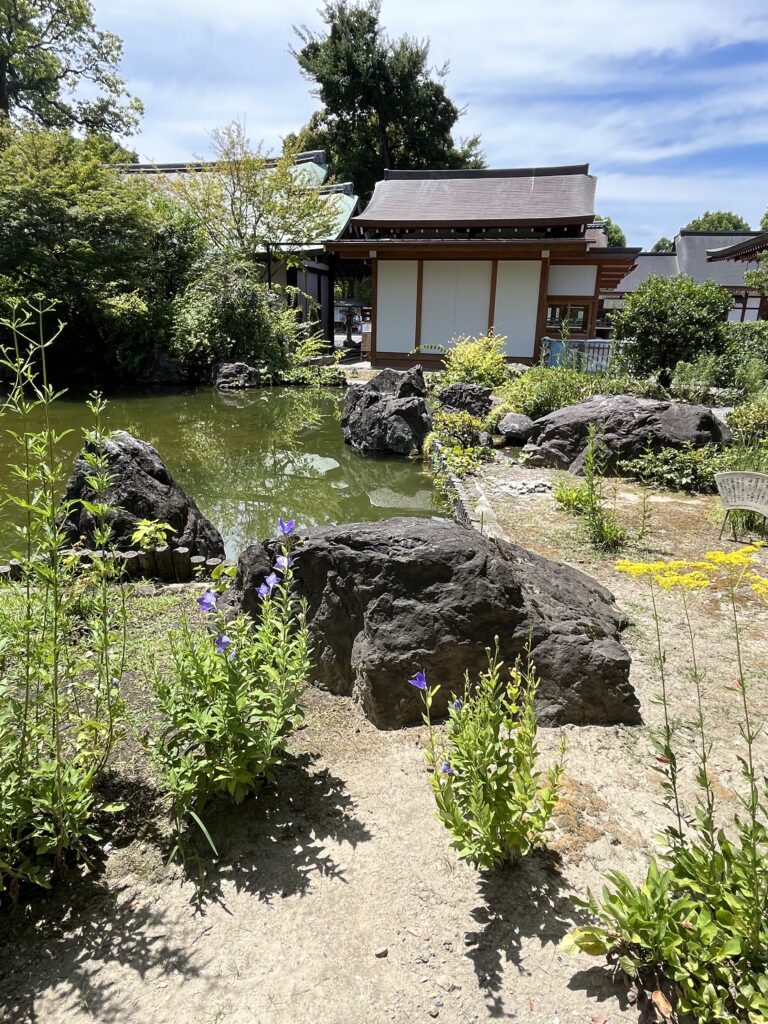
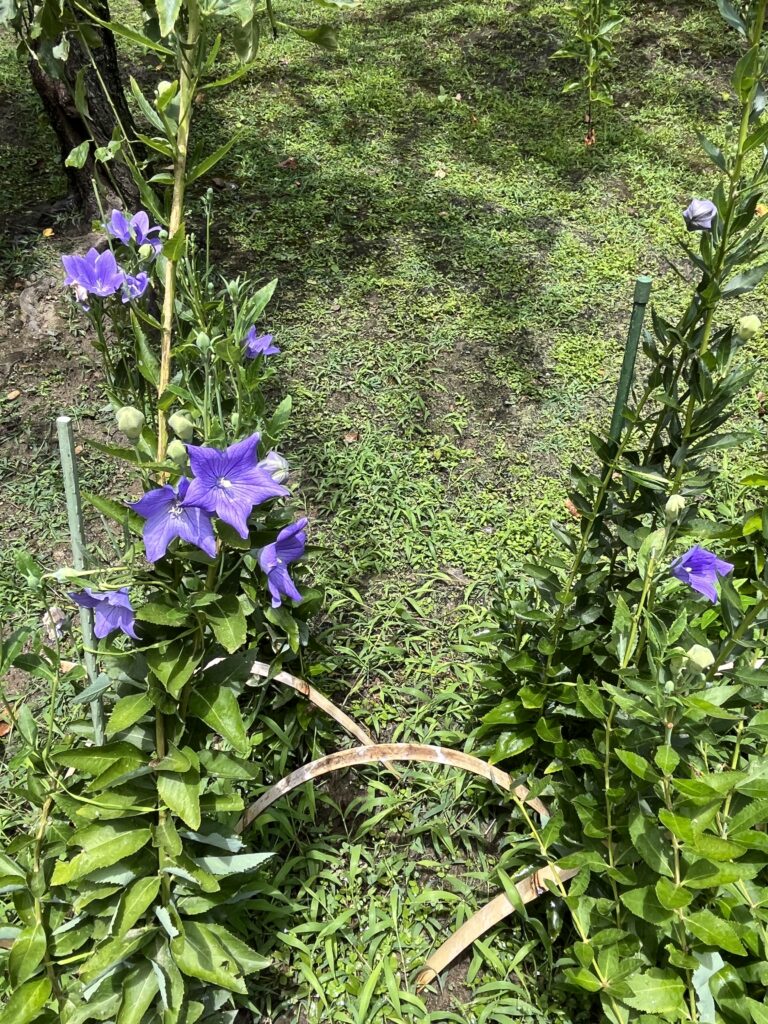
Jonangu Shrine features a sacred garden known as “Rakusuien,” where visitors can enjoy flowers that bloom throughout the seasons.
The garden includes the flowers and trees depicted in *The Tale of Genji*, earning it the nickname “The *Tale of Genji* Flower Garden.”
It is also known as the “Heian Garden” and serves as the venue for the famous *Kyokusui no En* (Winding Stream Banquet).

Location

Johnannguu Shrine (1) 城南宮

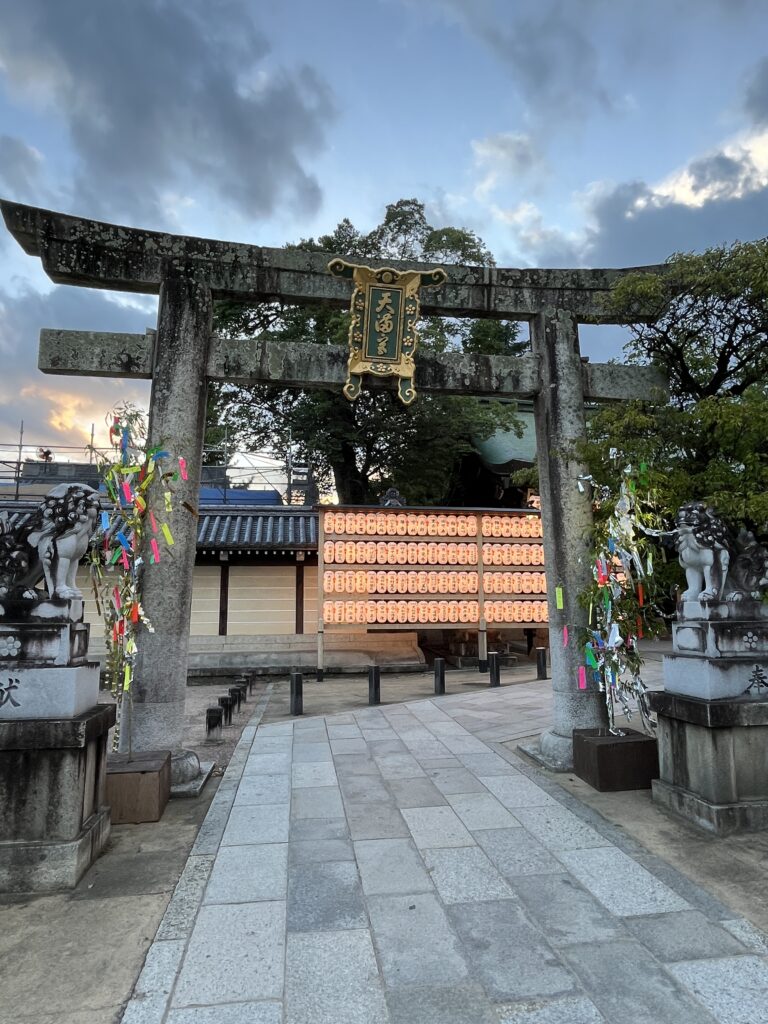
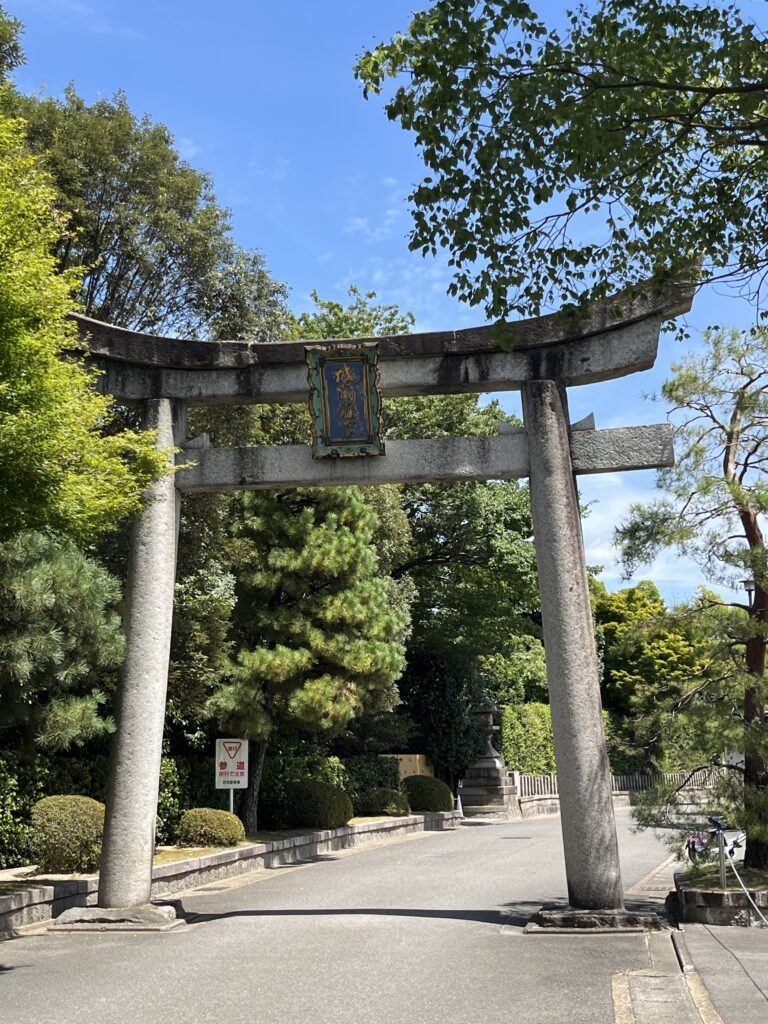
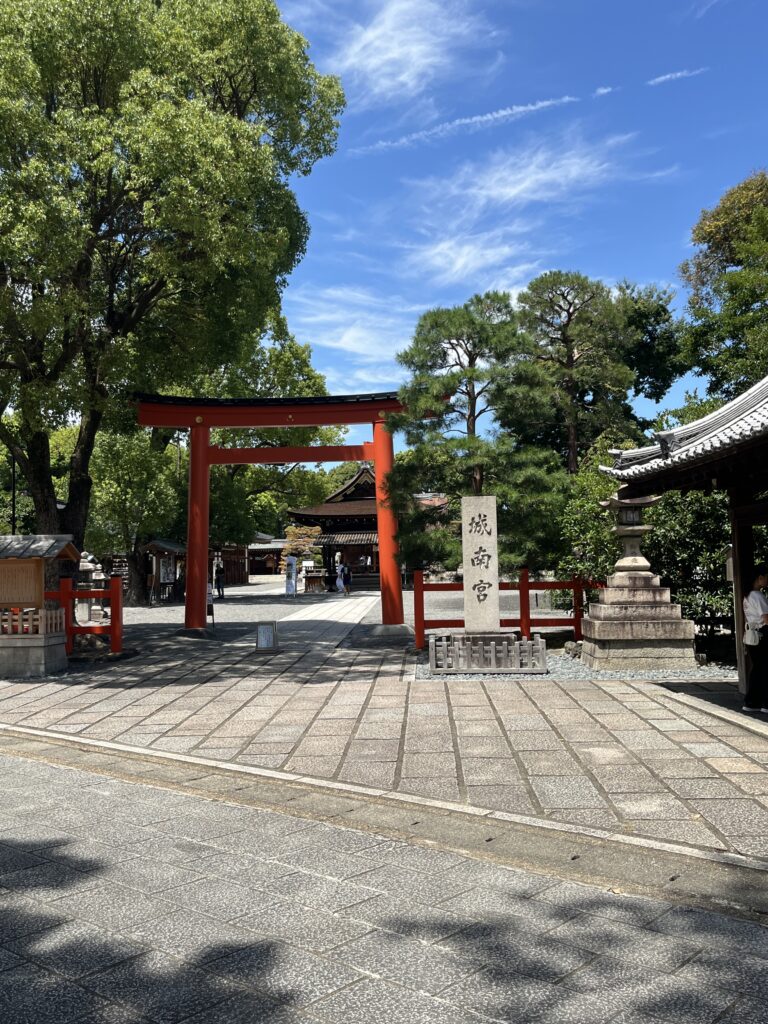
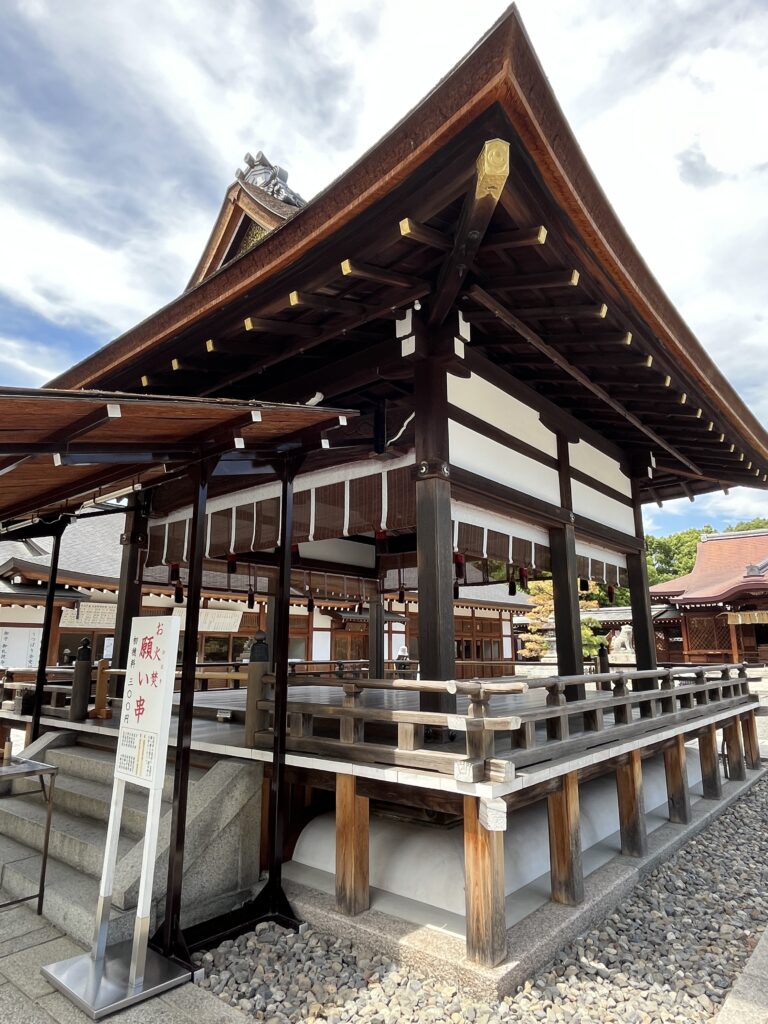
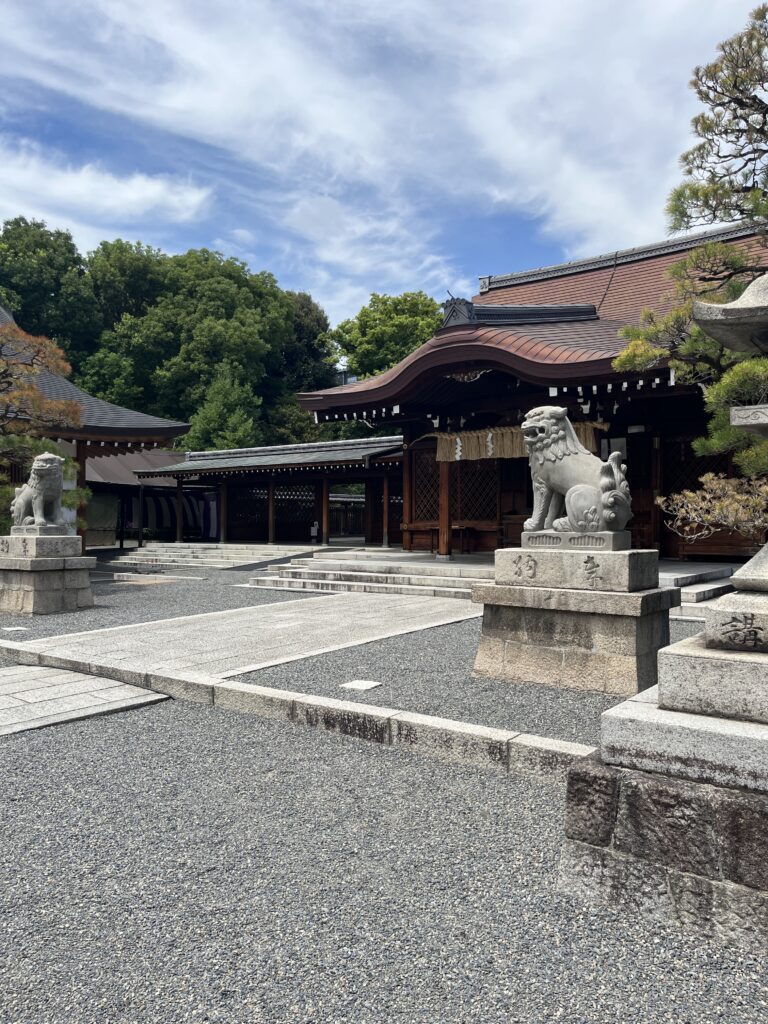
Jonangu Shrine, located in Fushimi Ward, Kyoto City, was founded at the time of the capital’s relocation to Heian-kyo and boasts a history spanning 1,200 years.
It is revered as a major shrine for protection against directional misfortune.
The shrine is famous for the “Kyokusui no En” (Winding Stream Banquet) ceremony held in its garden, which recreates a pastime of Heian-period aristocrats; the event revives an elegant tradition where participants float sake cups down a small stream, compose *waka* poetry, and partake of the sake.

Location

Arashiyama 2 (嵐山2)

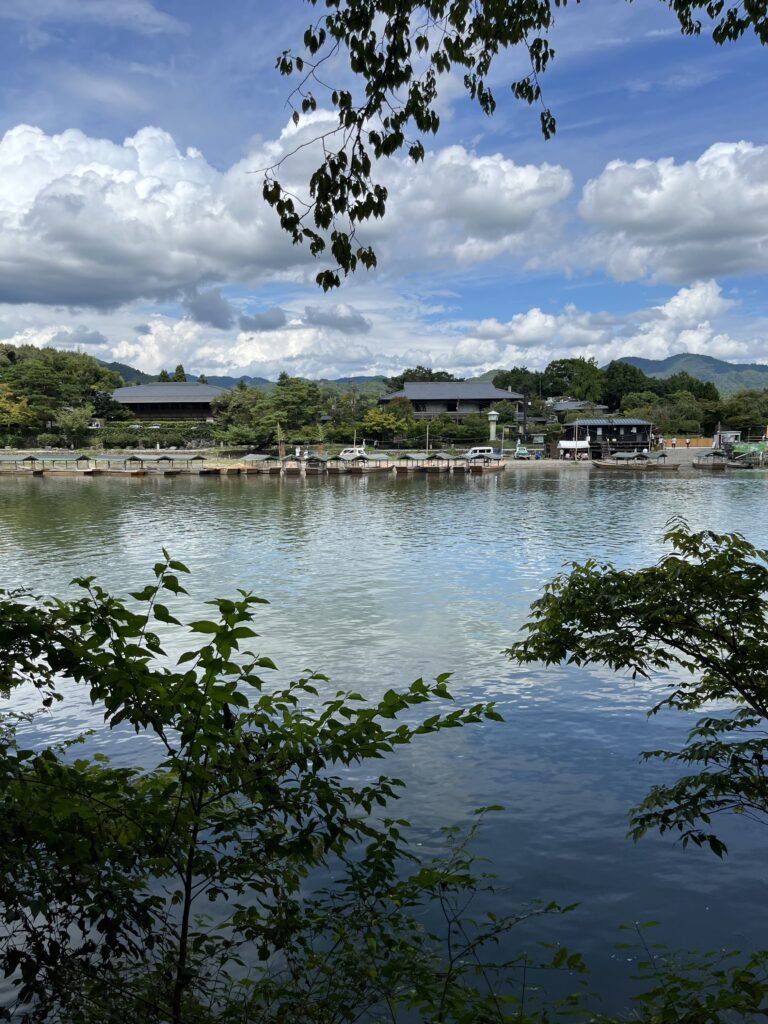
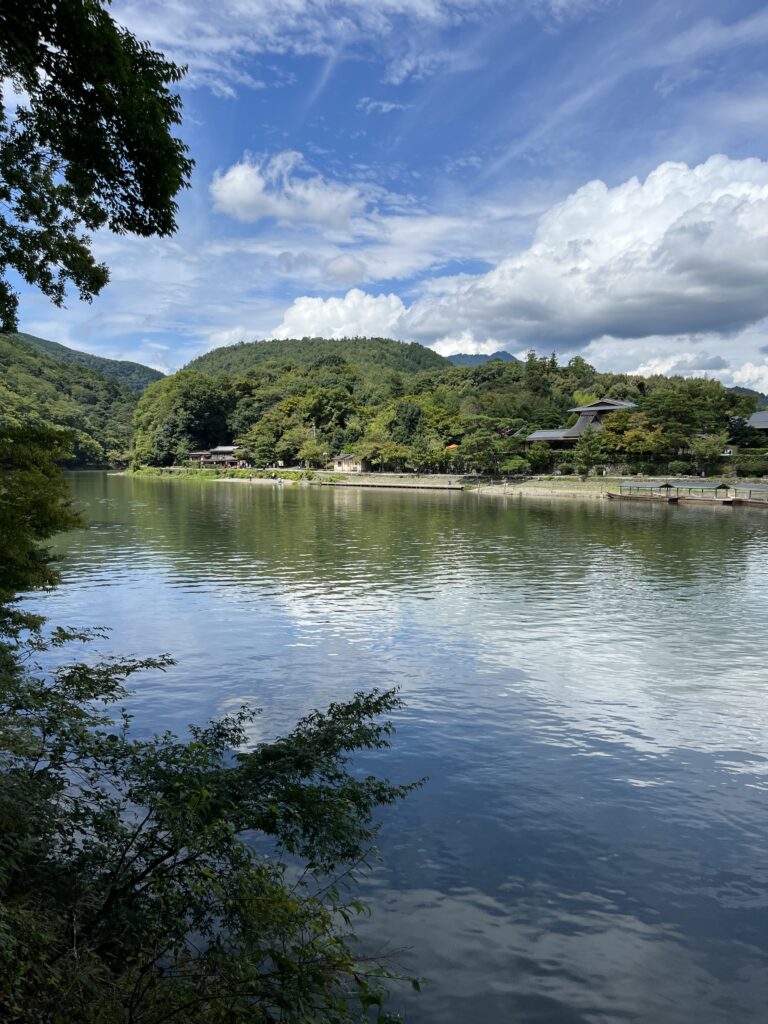
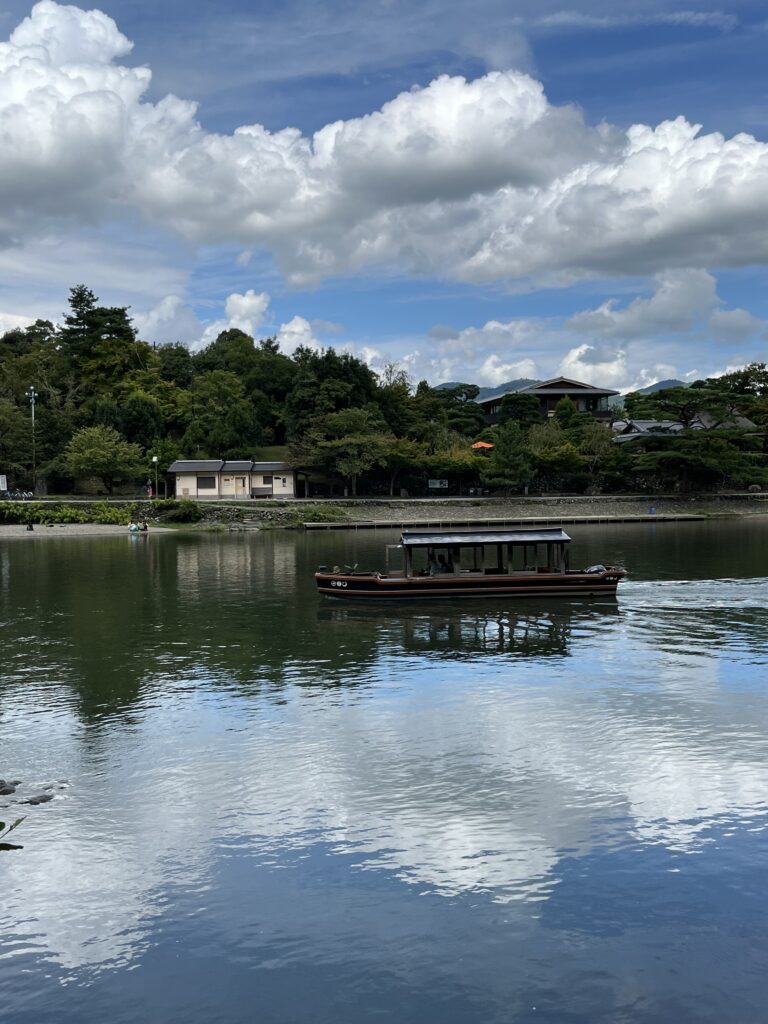
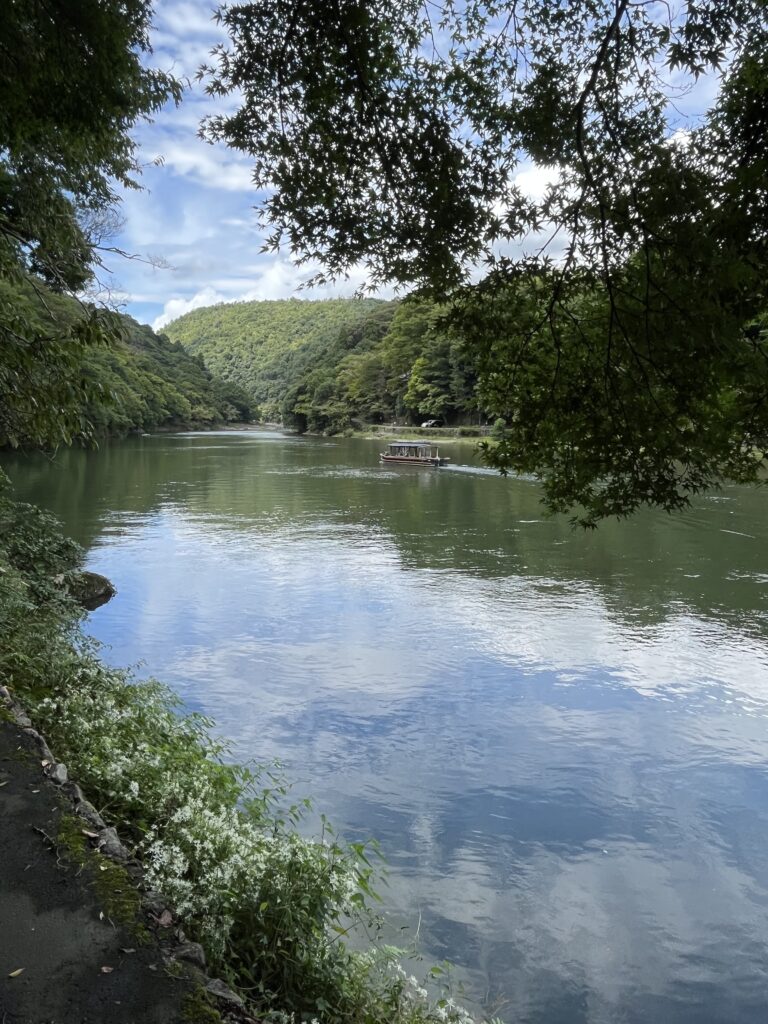
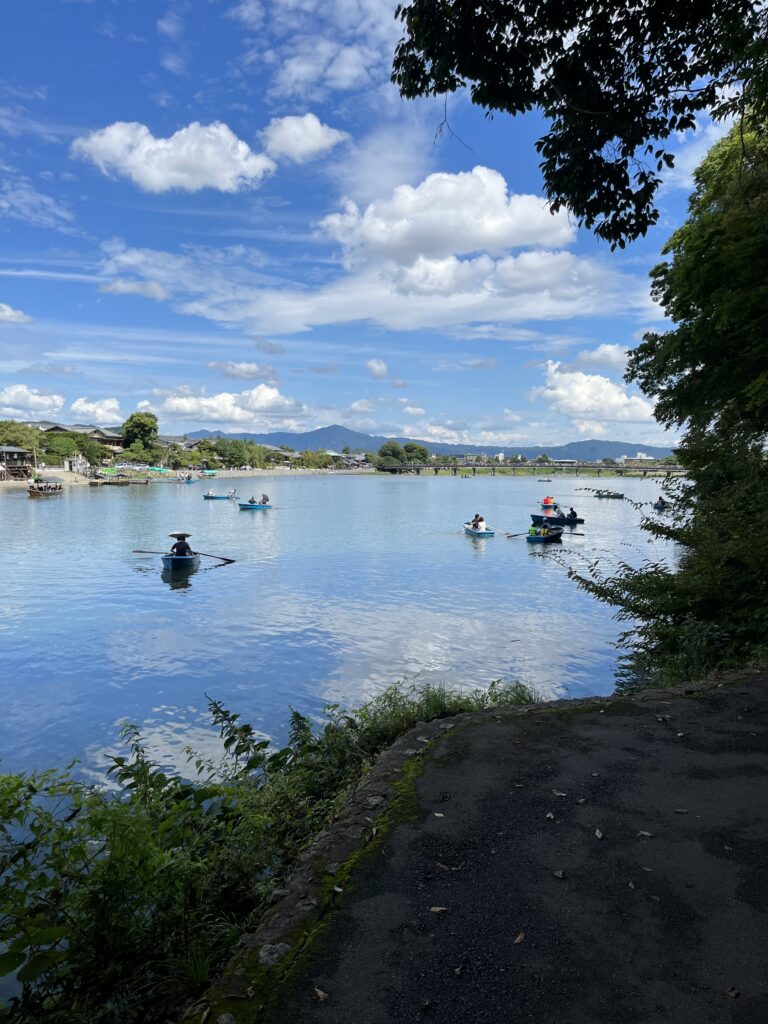
If you walk from Arashiyama toward the Oi River—which connects to the Hozu River upstream of the Togetsukyo Bridge—the bustling atmosphere of the tourist area gives way to a serene landscape.
This area holds a rich history; in the Heian period, nobles would float boats on the river to compose *waka* poetry and admire the scenery—a tradition that lives on today, as sightseeing *yakatabune* (roofed pleasure boats) can still be seen here.

Location