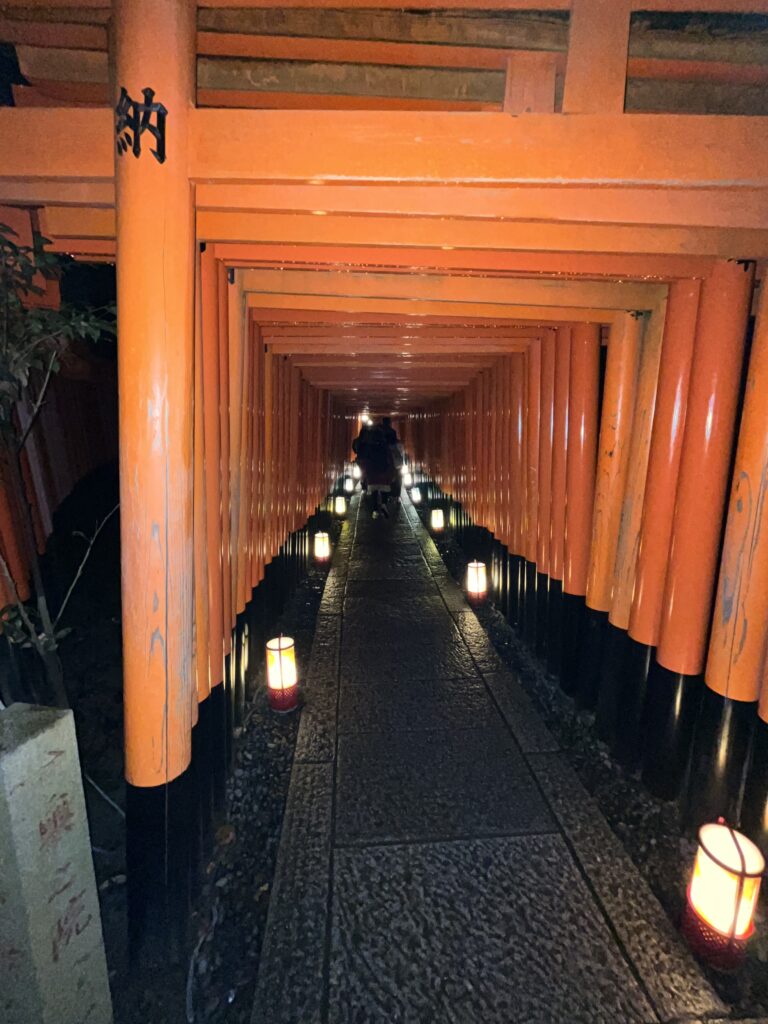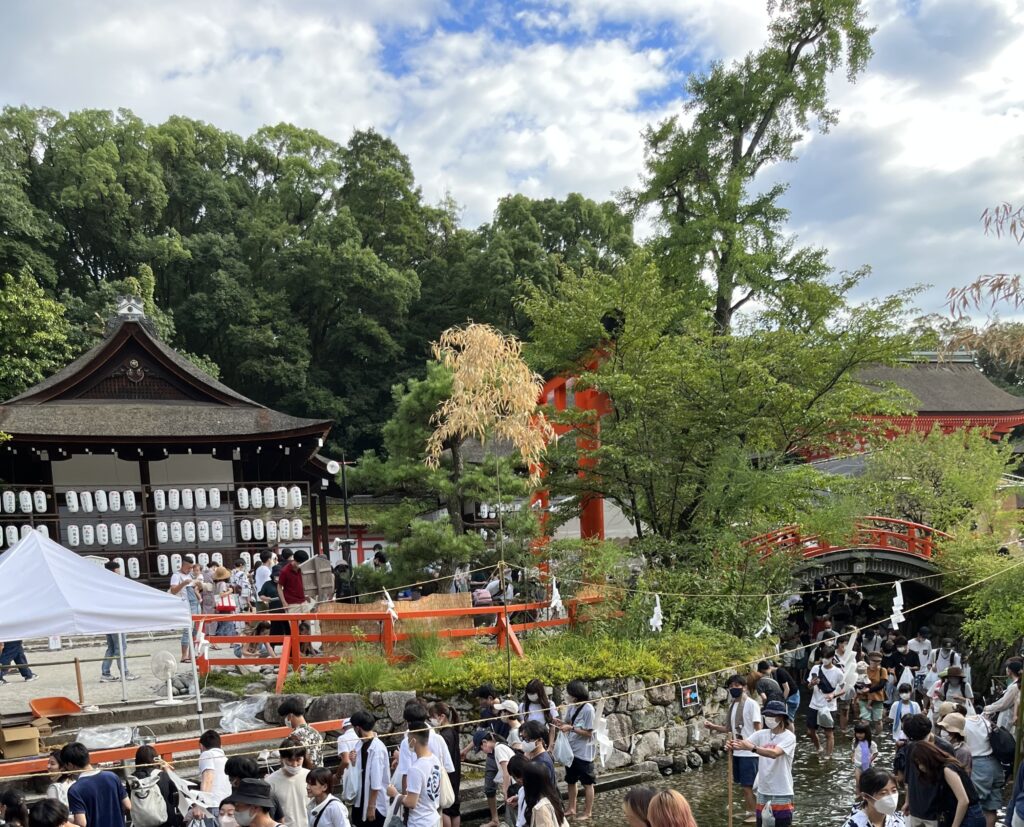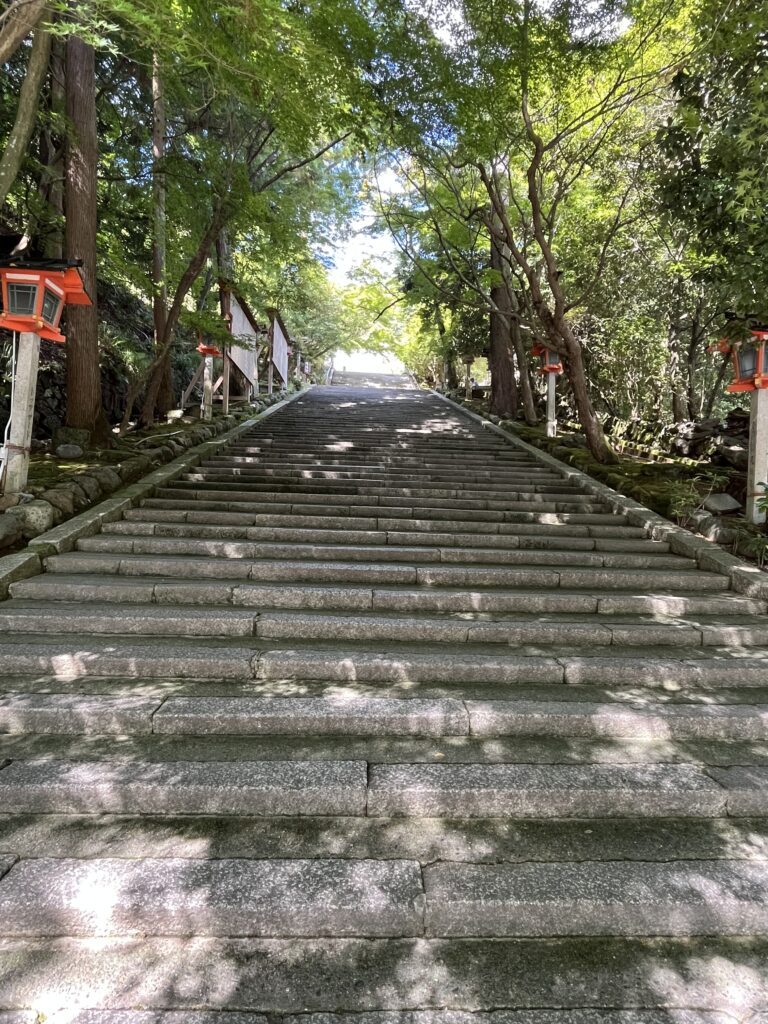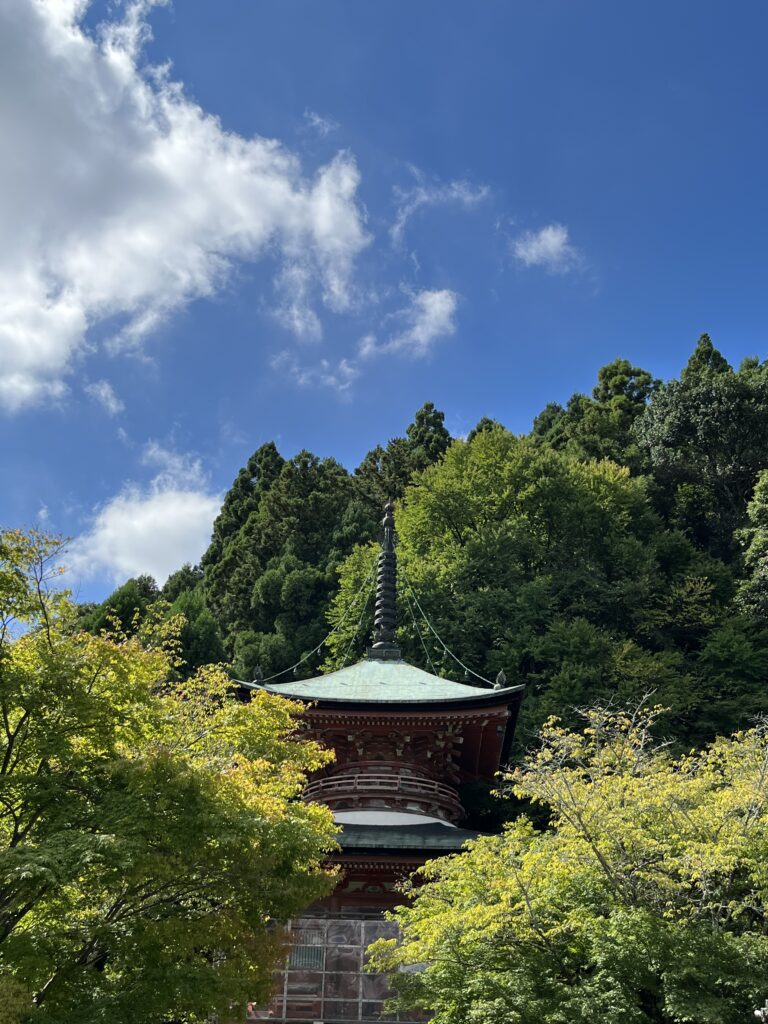
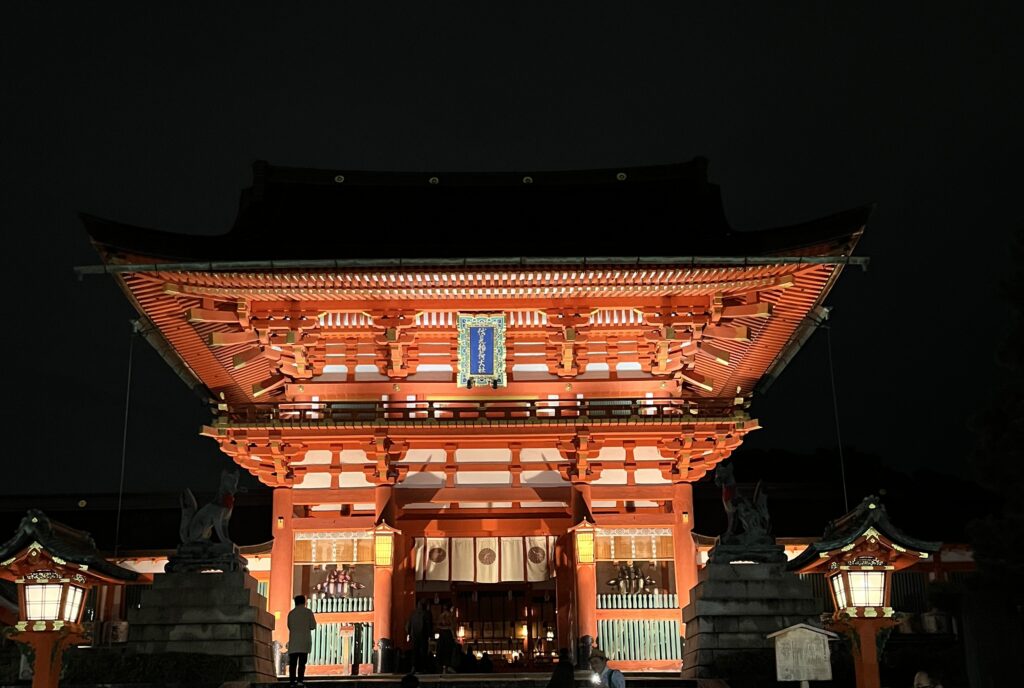
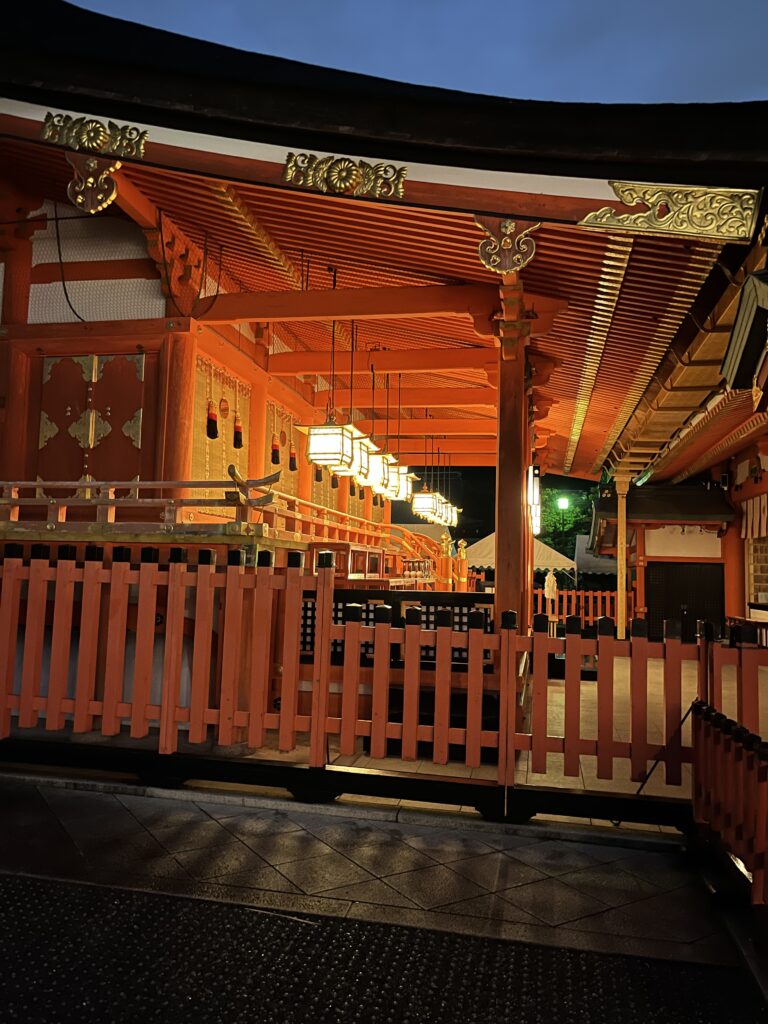
Fushimi Iinari Taisya shrine (伏見稲荷大社)

As one of Kyoto’s premier tourist destinations, it is particularly popular among international visitors, though it is often crowded. However, visiting early in the morning or at night is highly recommended. During certain periods, the site is illuminated at night, creating a truly magical atmosphere.
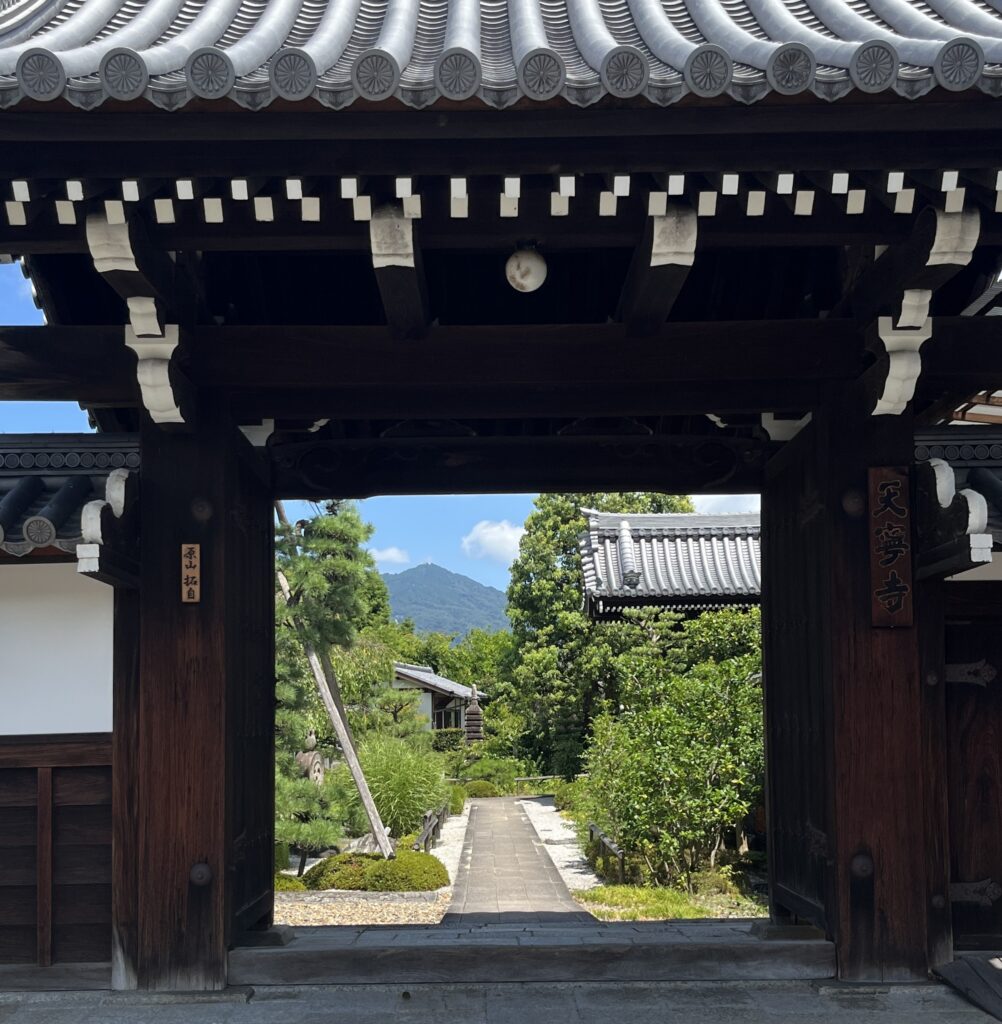
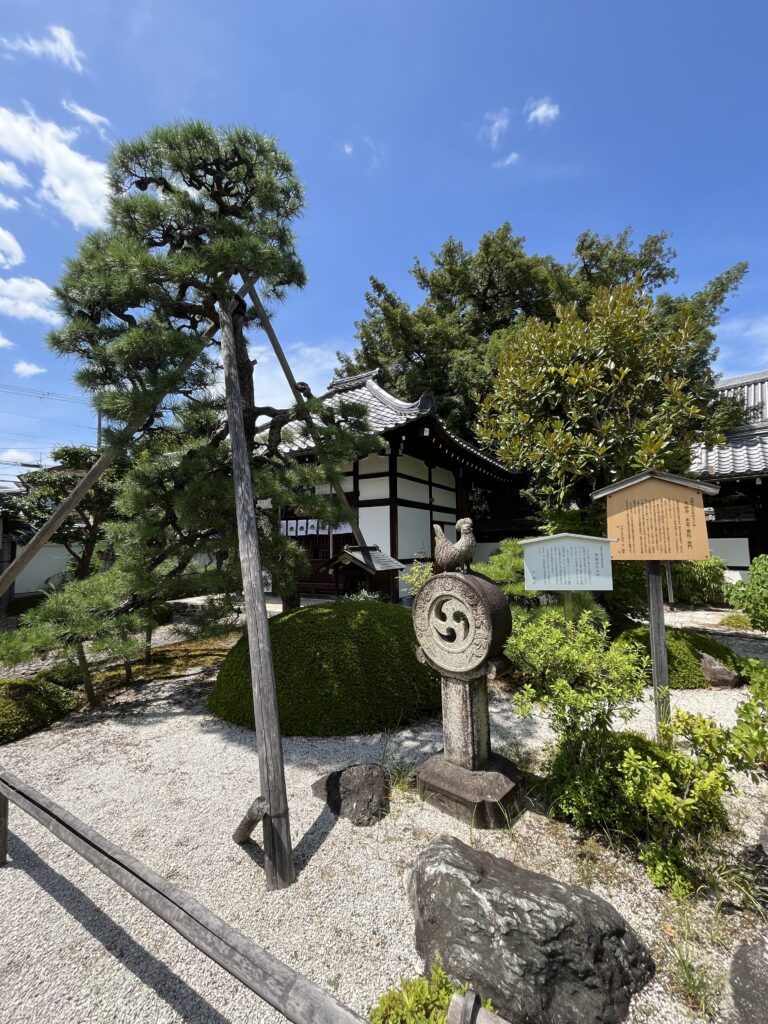
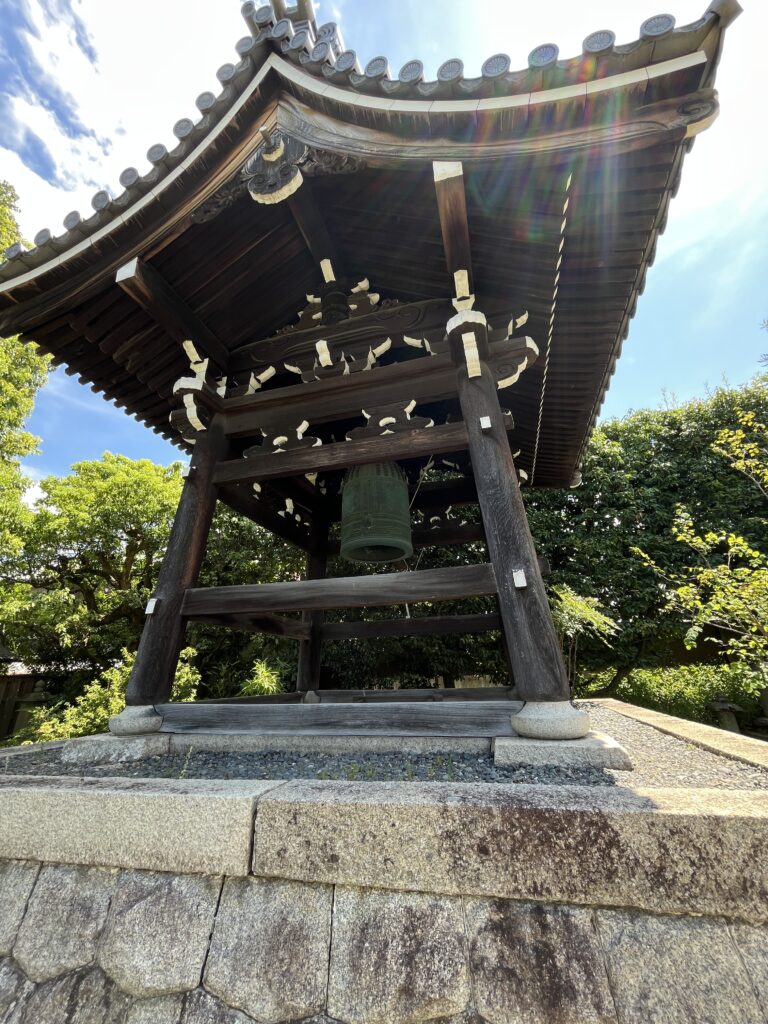
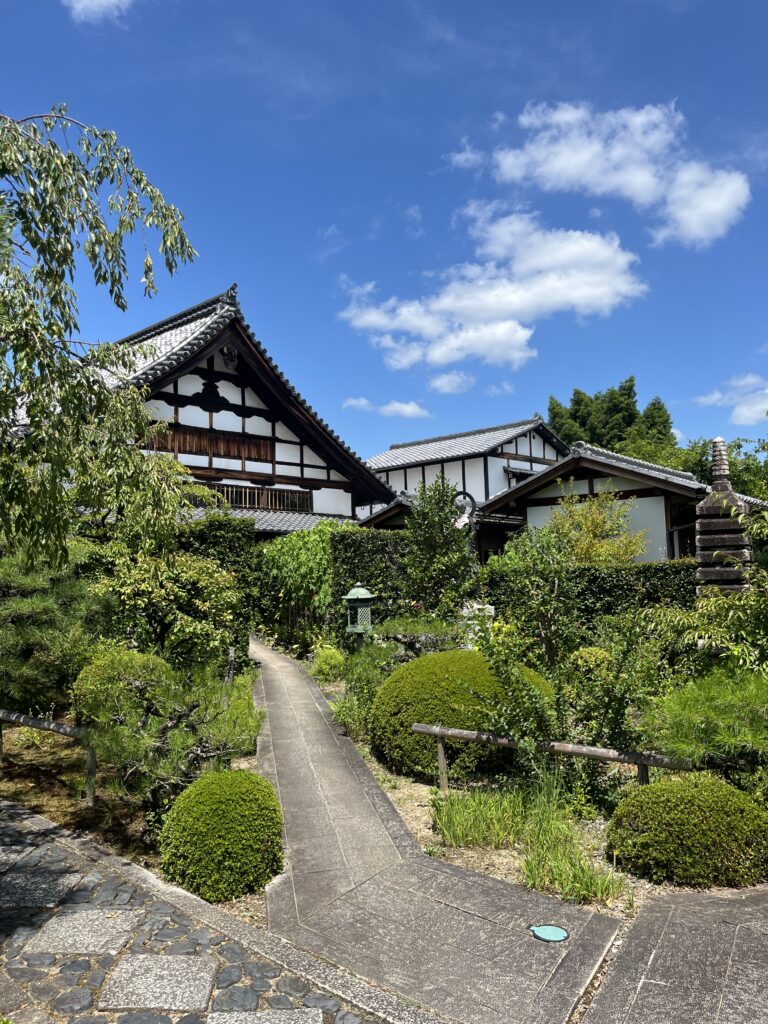
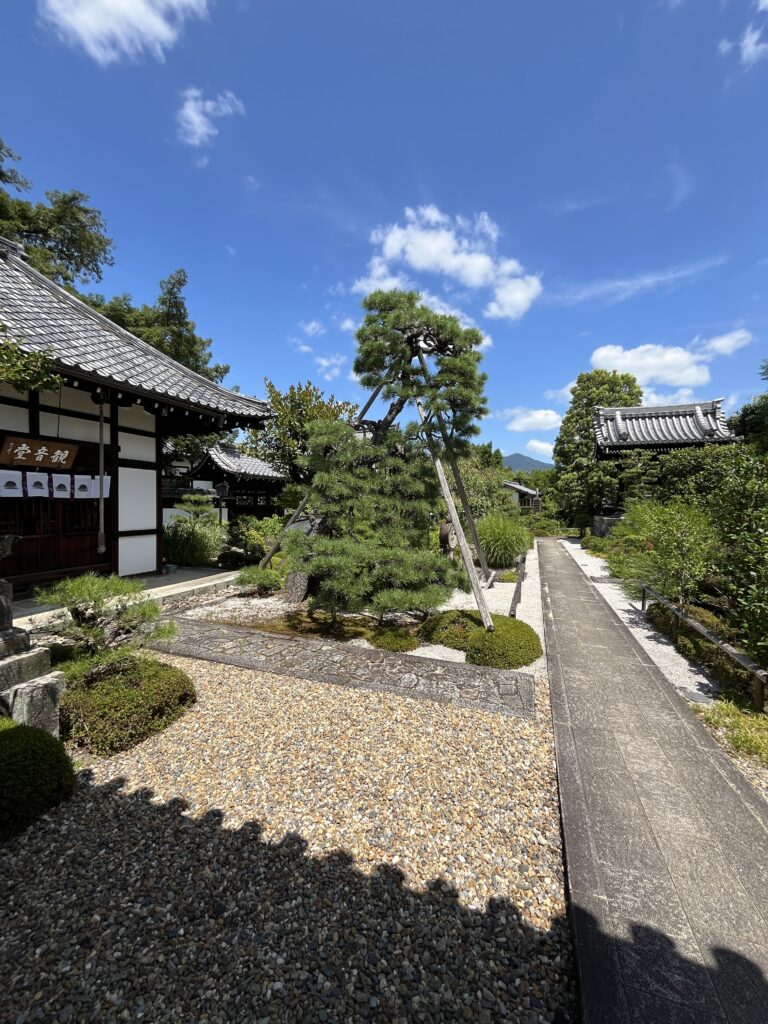
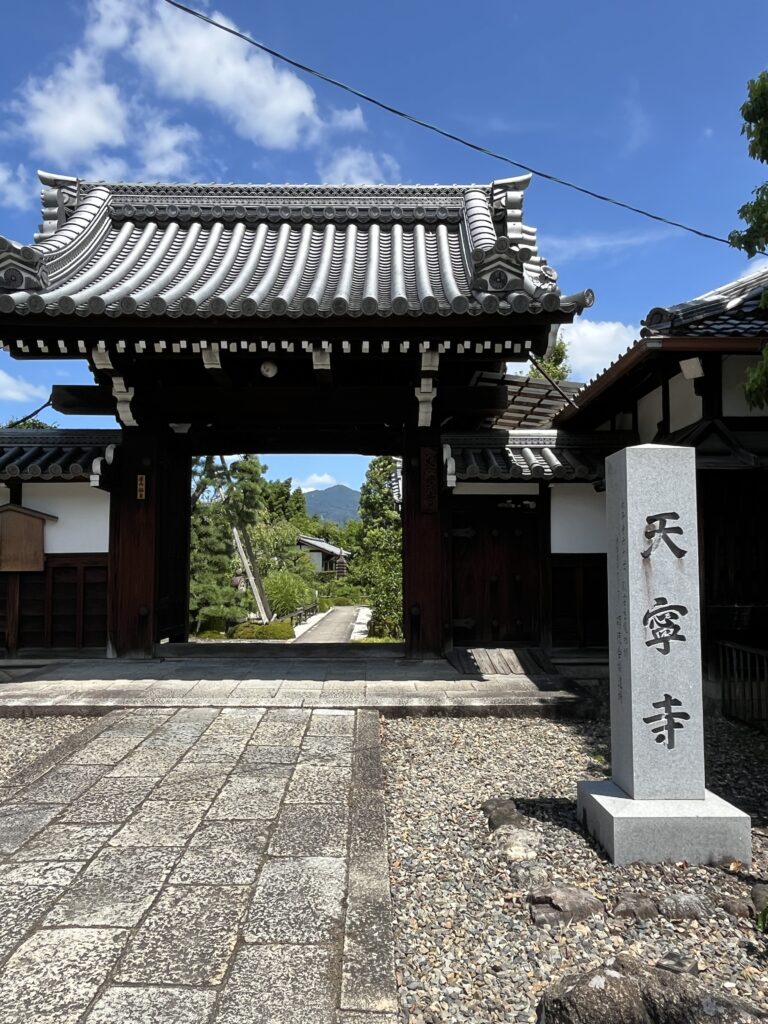
Tennei ji Temple(天寧寺)

Despite its location in the city, Tennei-ji is a tranquil temple; its main gate is known as the “Picture Frame Gate,” as Mount Hiei, viewed through the opening, appears as if it were set within a frame—a truly beautiful sight.

Location

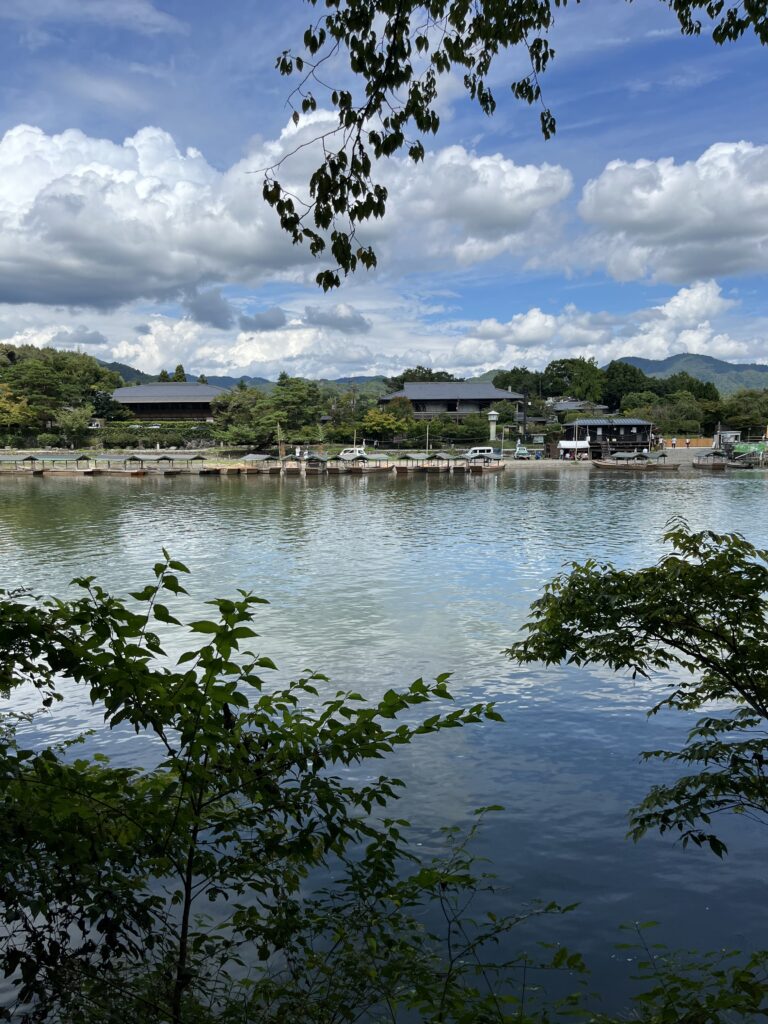
Arashiyama 2 (嵐山2)

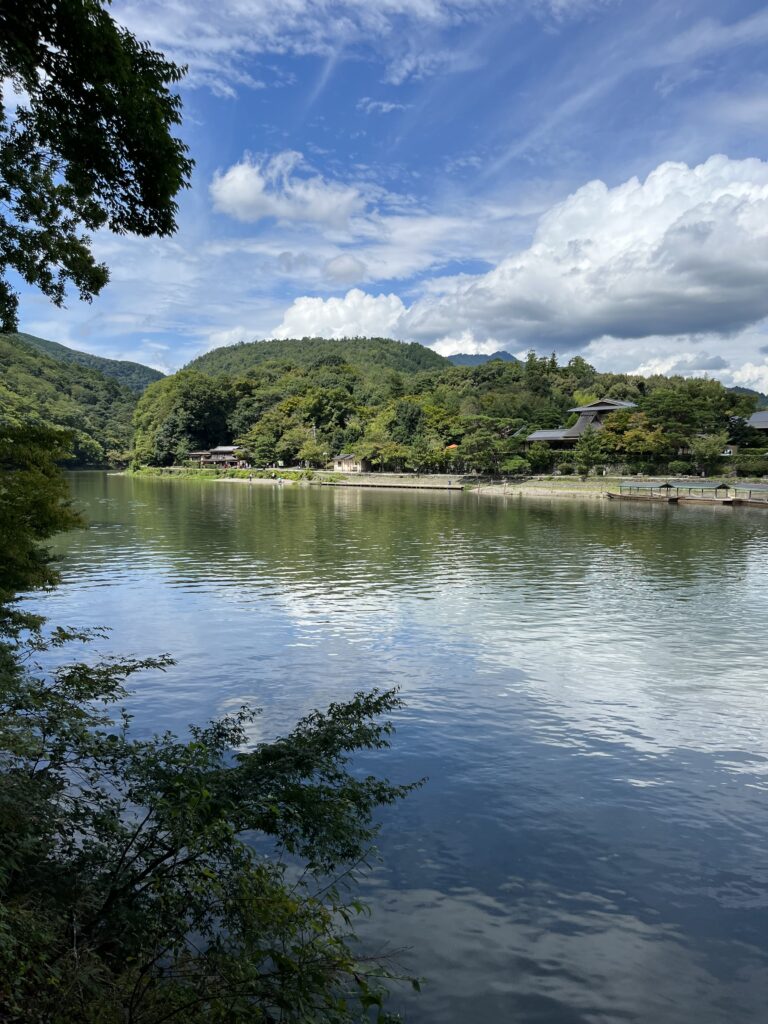
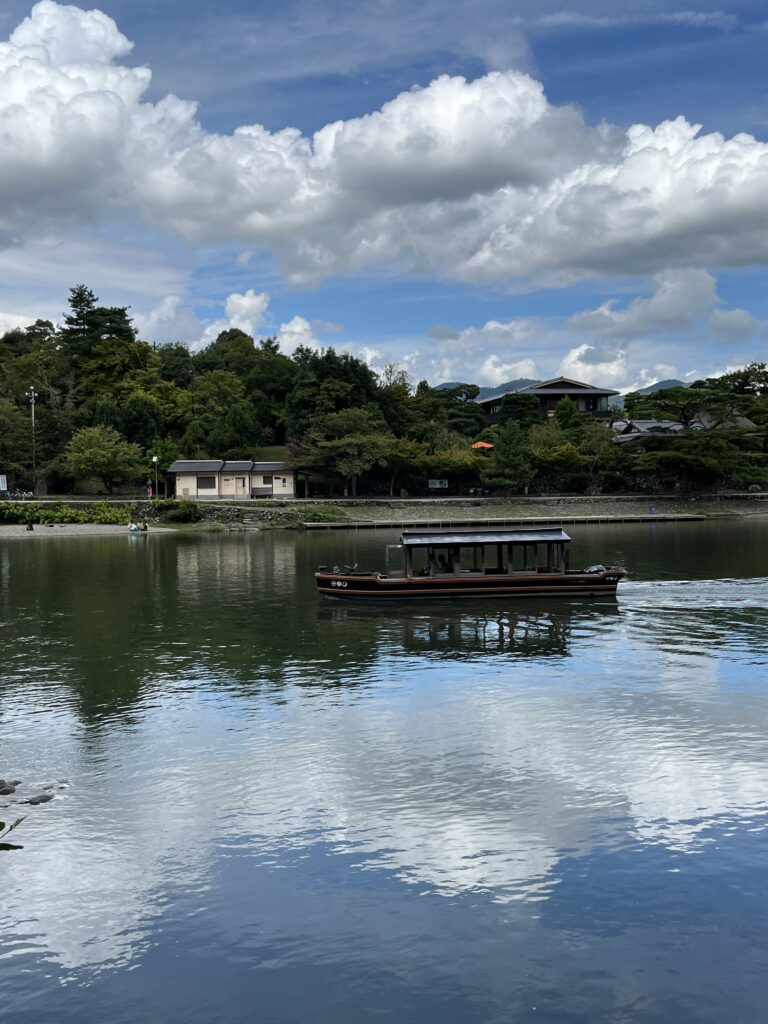
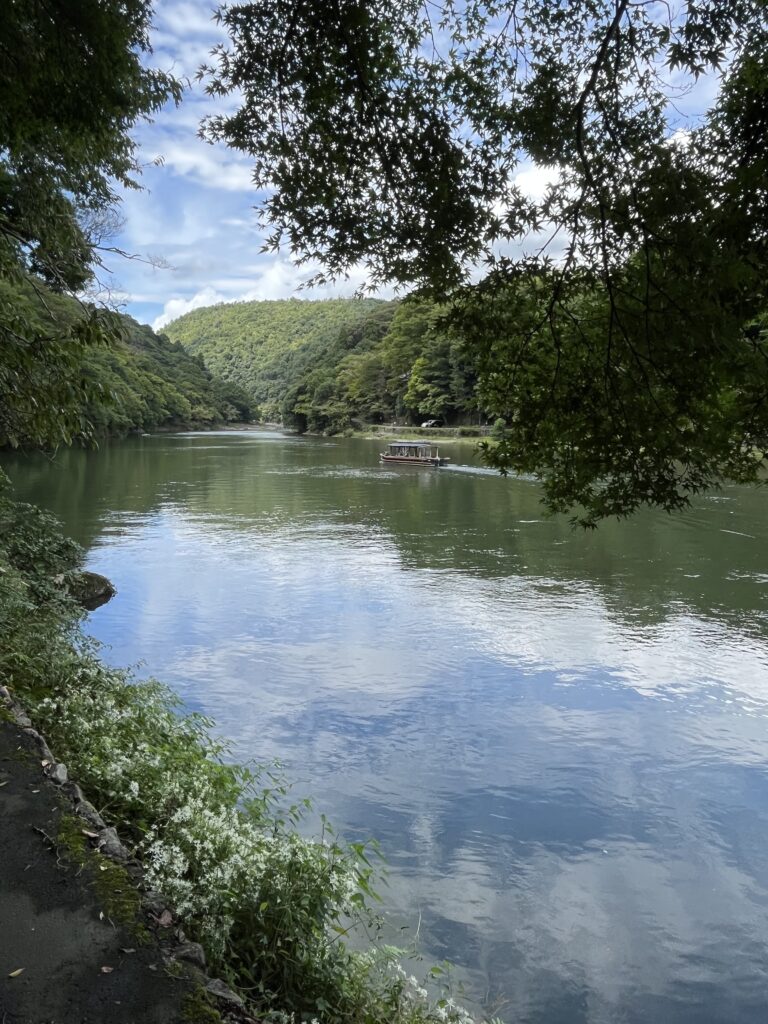
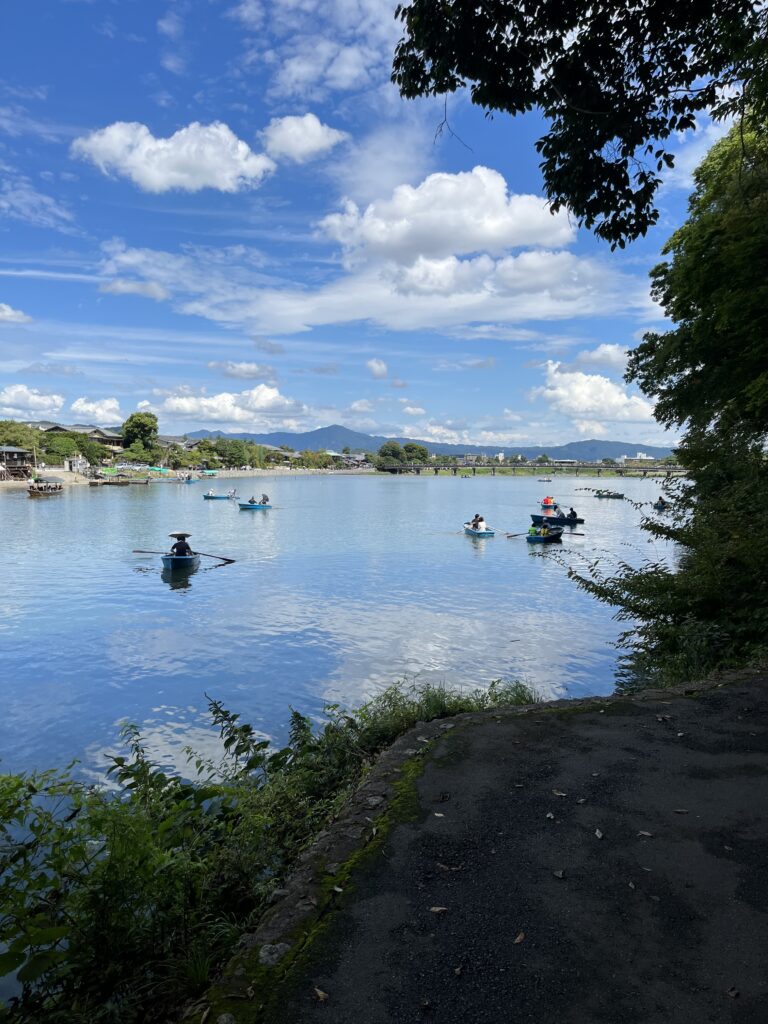
If you walk from Arashiyama toward the Oi River—which connects to the Hozu River upstream of the Togetsukyo Bridge—the bustling atmosphere of the tourist area gives way to a serene landscape.
This area holds a rich history; in the Heian period, nobles would float boats on the river to compose *waka* poetry and admire the scenery—a tradition that lives on today, as sightseeing *yakatabune* (roofed pleasure boats) can still be seen here.

Location

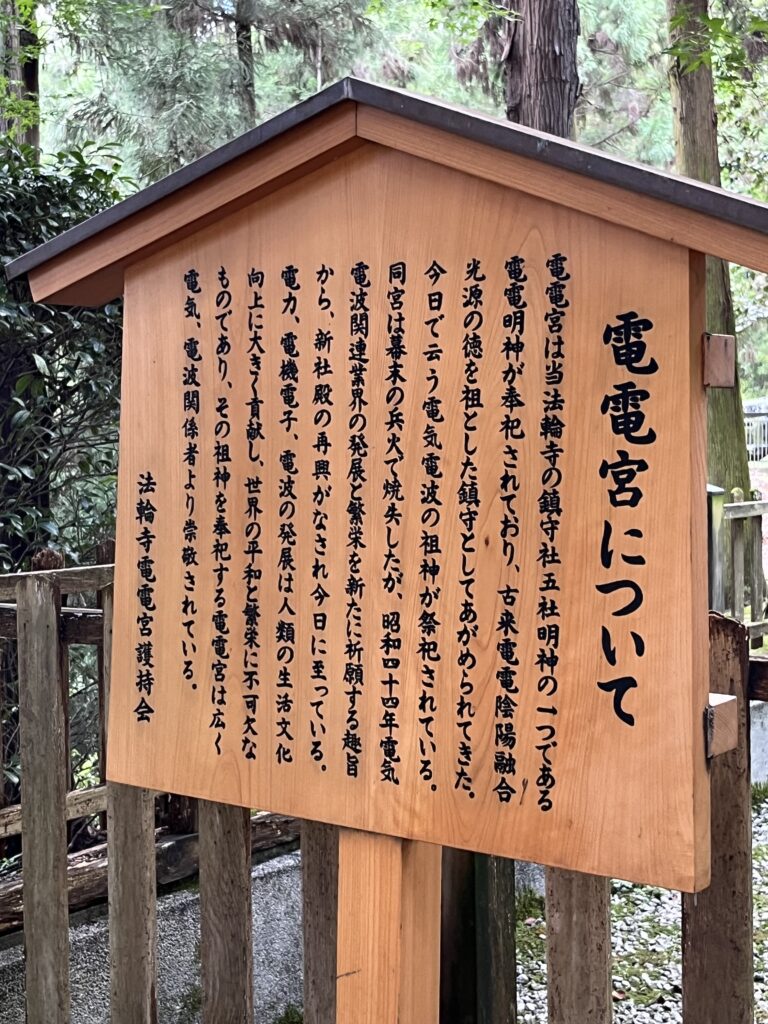
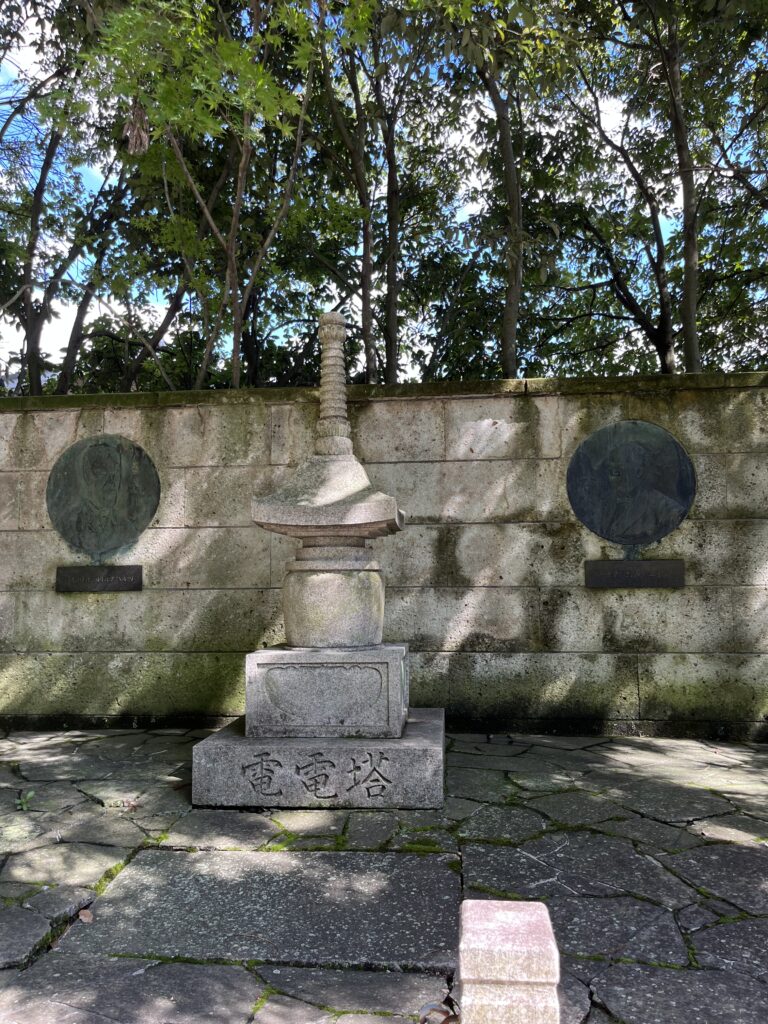
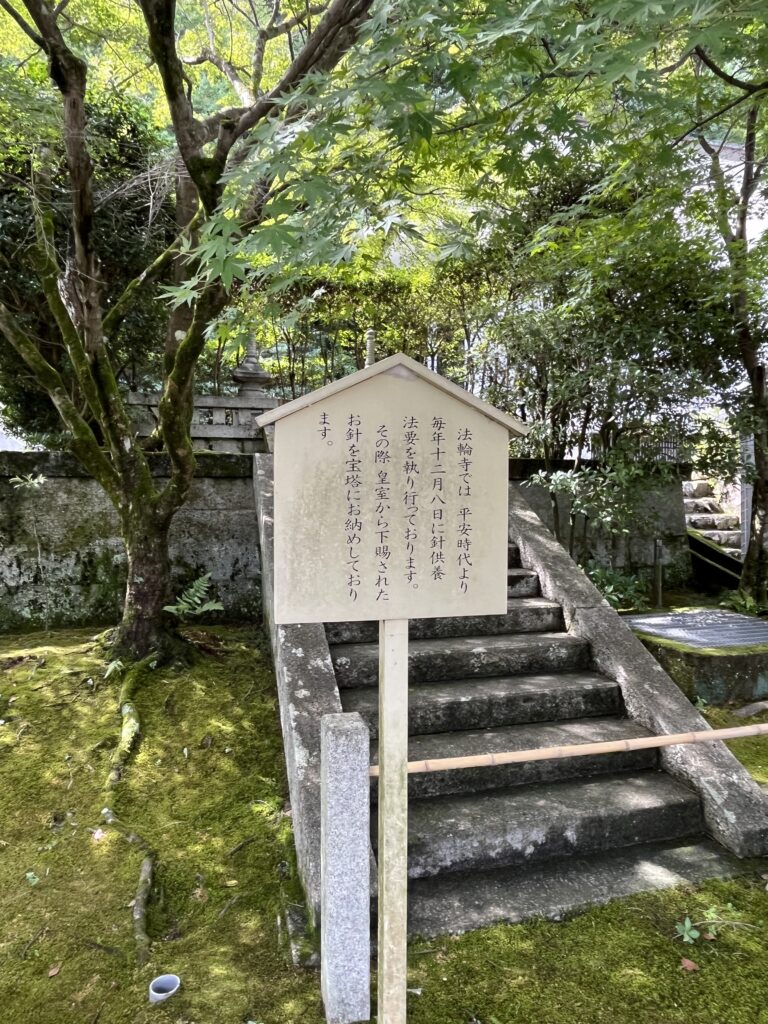
Hourinji Temple(法輪寺)

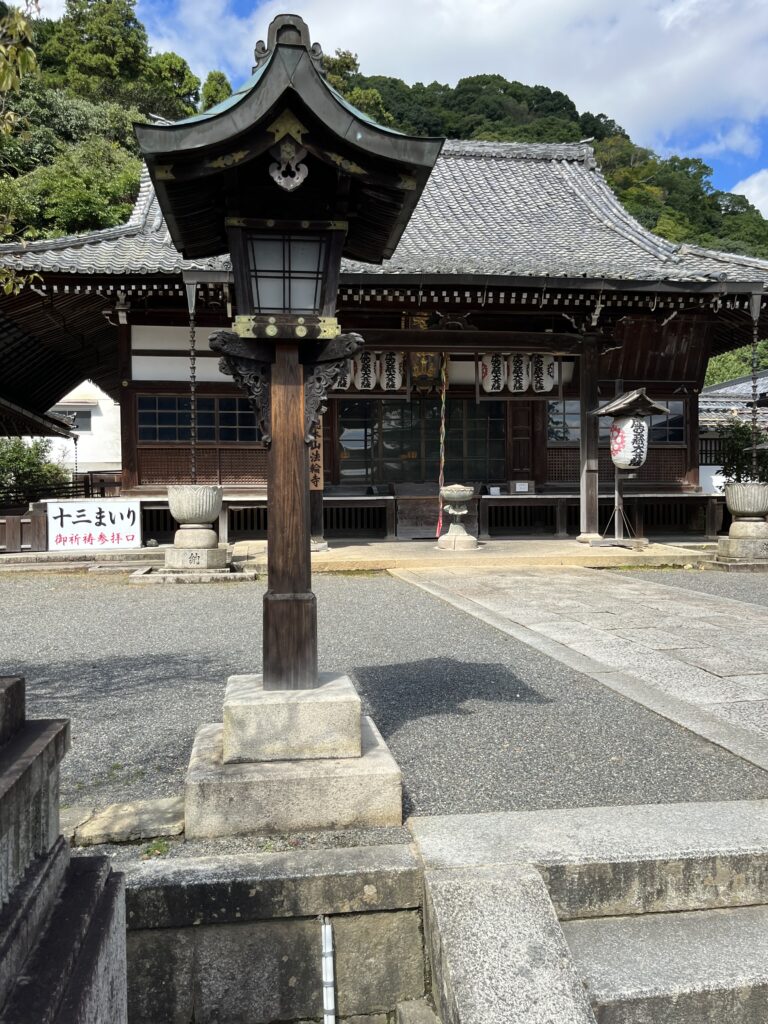
Horin-ji Temple in Arashiyama is particularly well-known for the “Jusan-mairi” (Thirteen-Year-Olds’ Pilgrimage), a coming-of-age ritual where boys and girls who have turned thirteen visit the temple to pray for the warding off of misfortune and the granting of wisdom.
Additionally, the Togetsukyo Bridge—a symbol of Arashiyama—was originally built by a monk from Horin-ji during river improvement works; it is said to have once been known as the Horin-ji Bridge.

Location