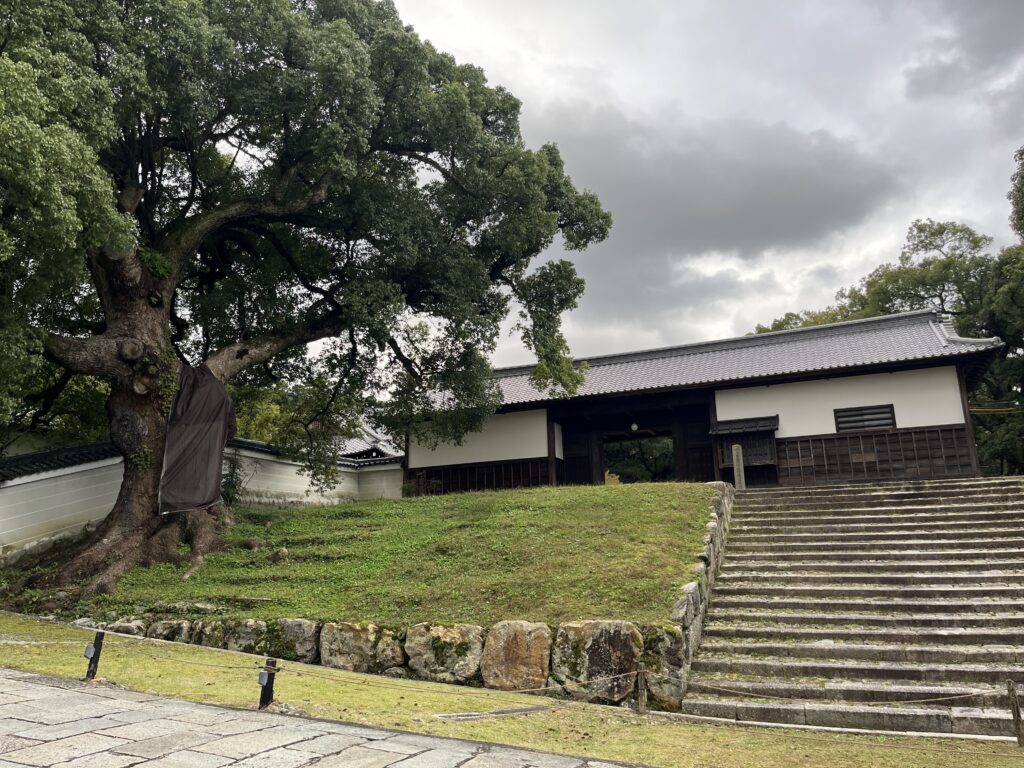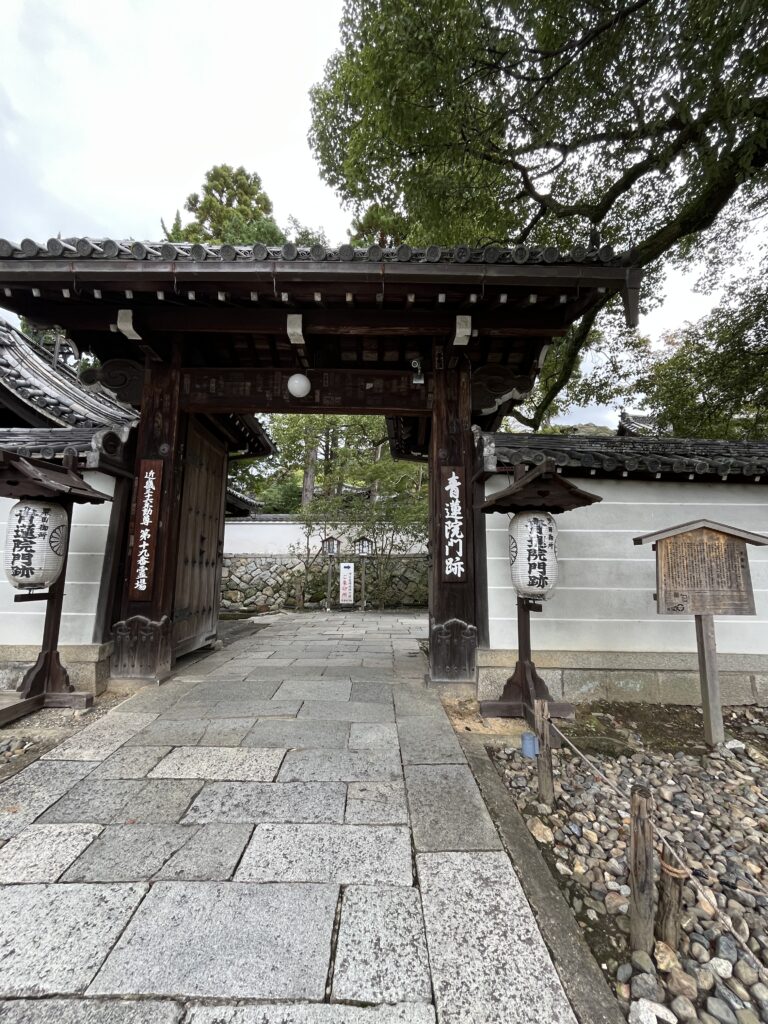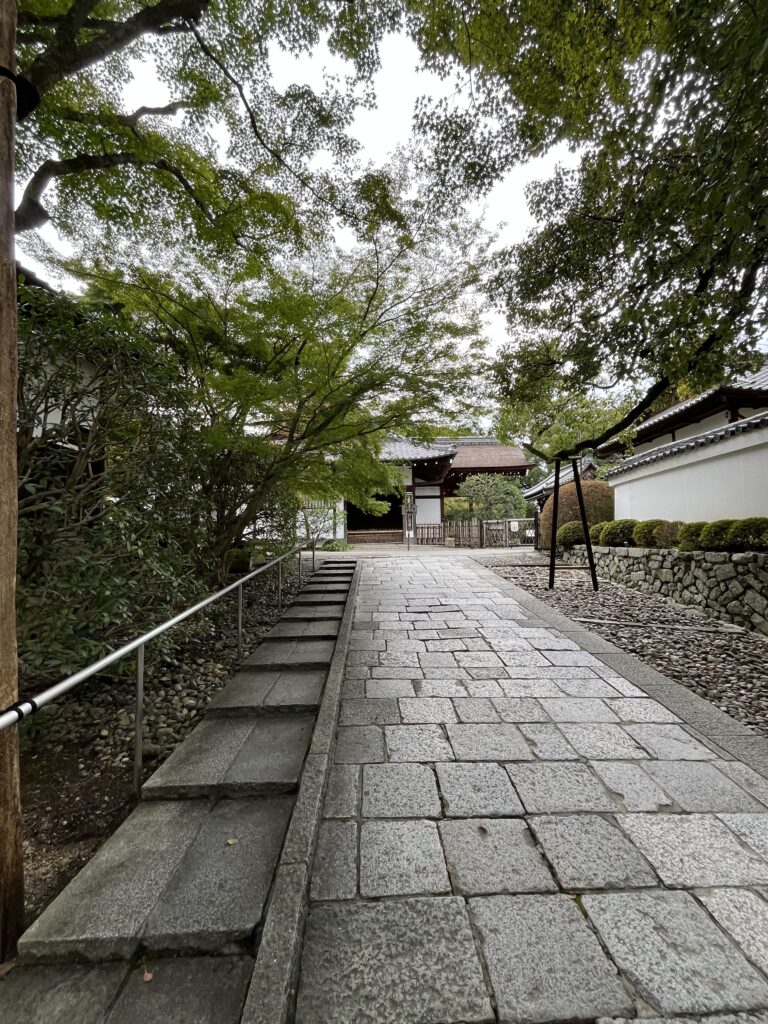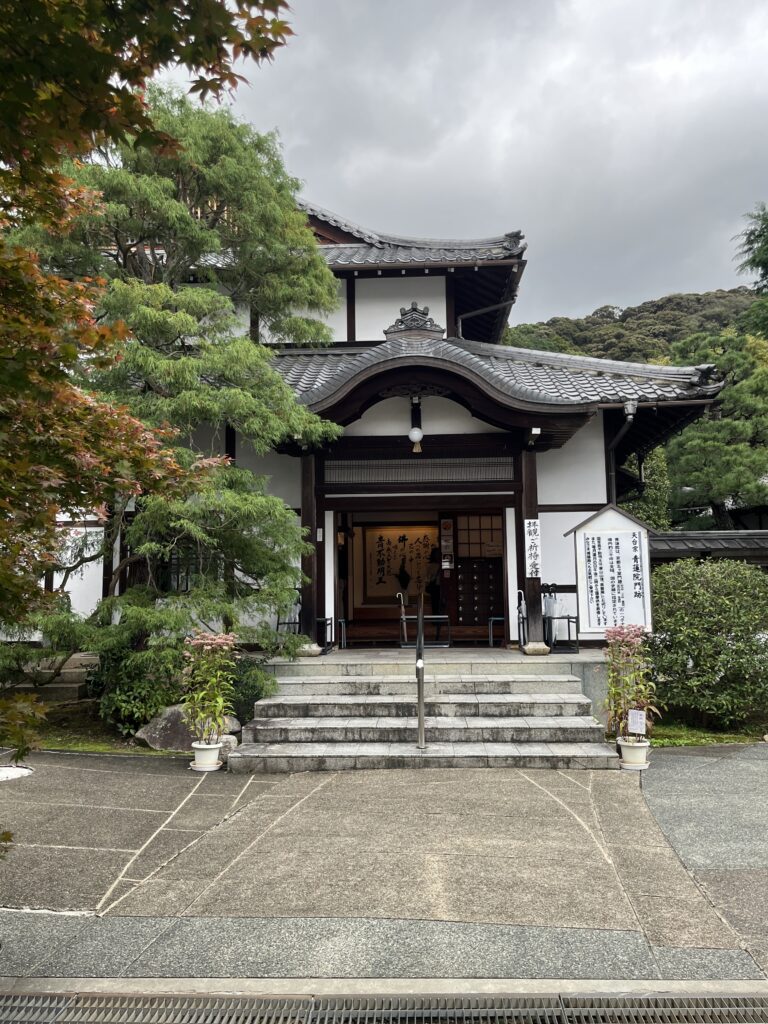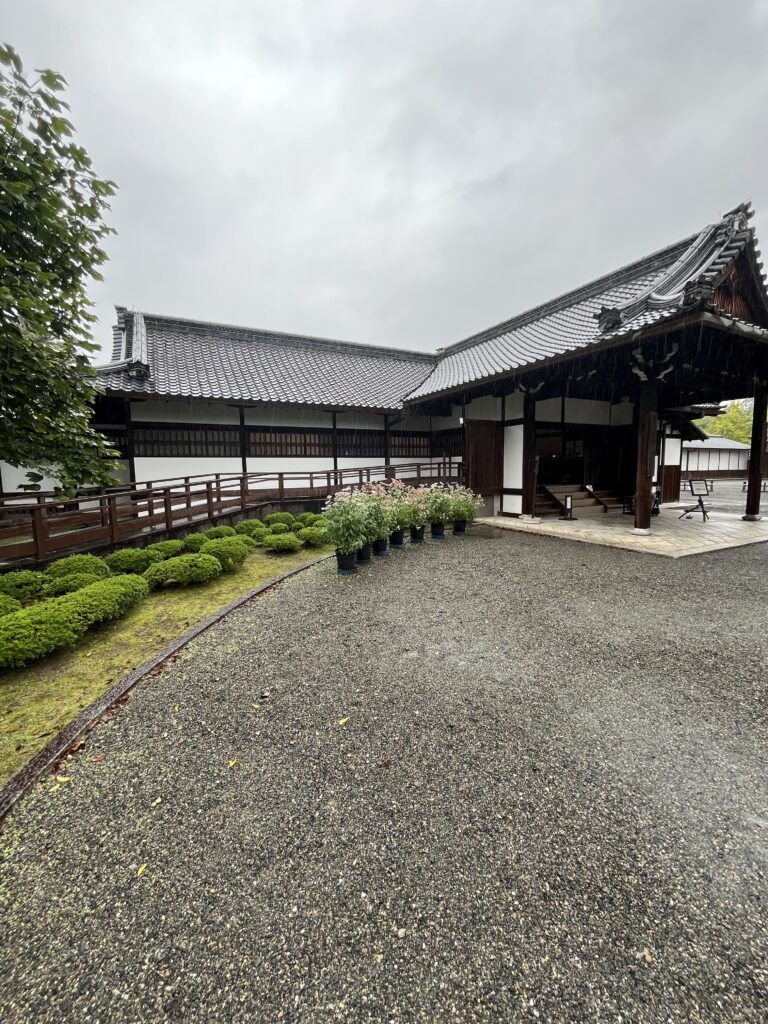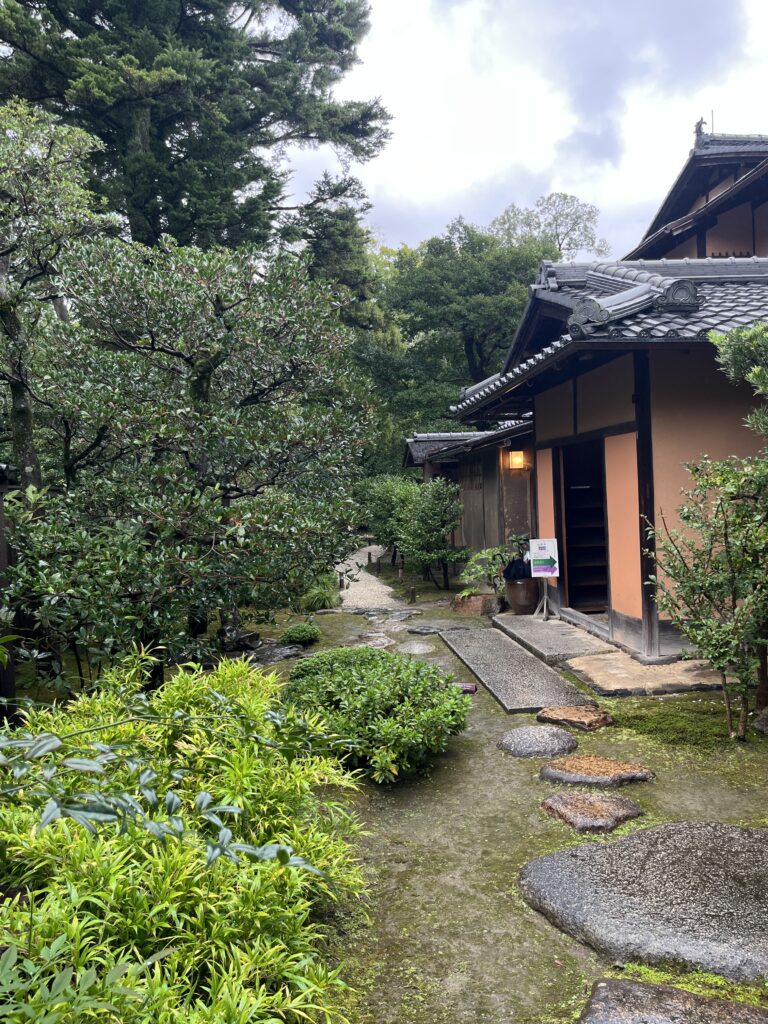
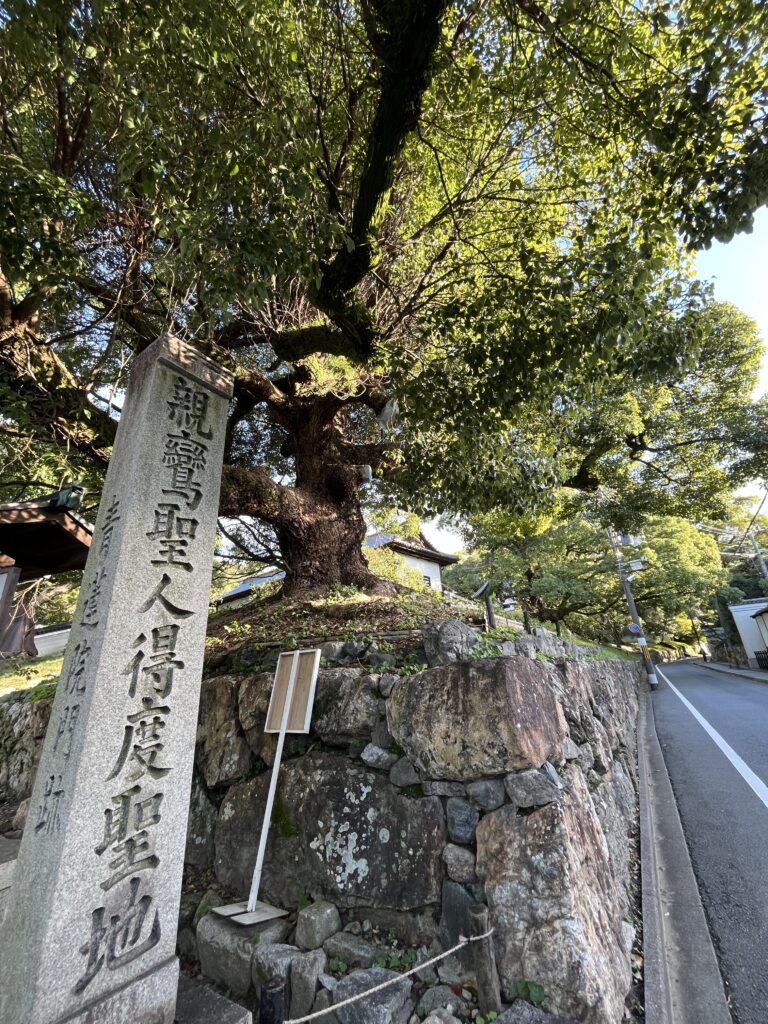
Syoren-in temple (青蓮院門跡)

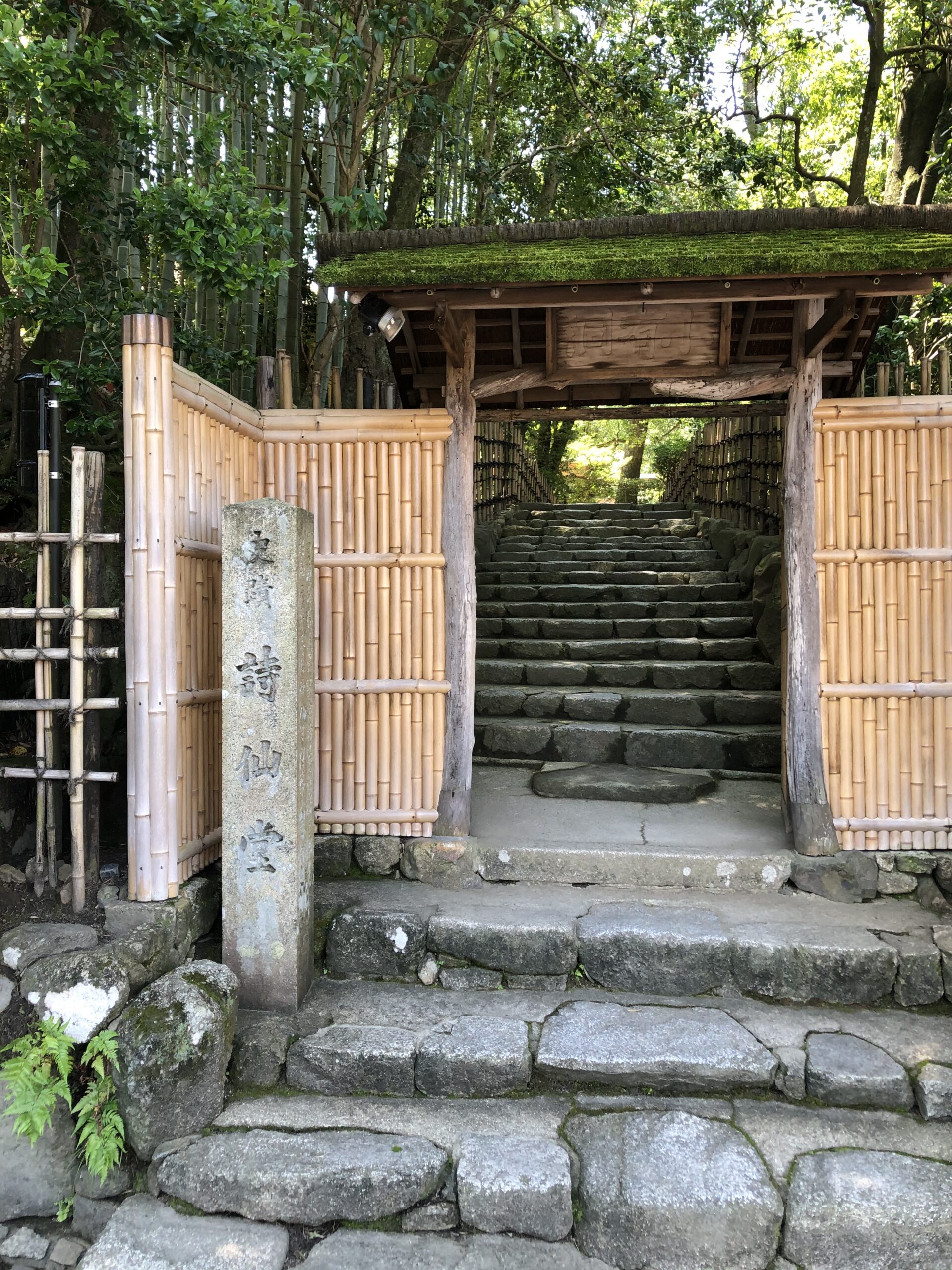
As a *monzeki* (imperial-lineage) temple of the Tendai sect, it has long maintained deep ties with the Imperial Family. It is also known as “Awata Gosho” (Awata Imperial Palace), as it served as a temporary imperial residence when the actual palace burned down during the Edo period.
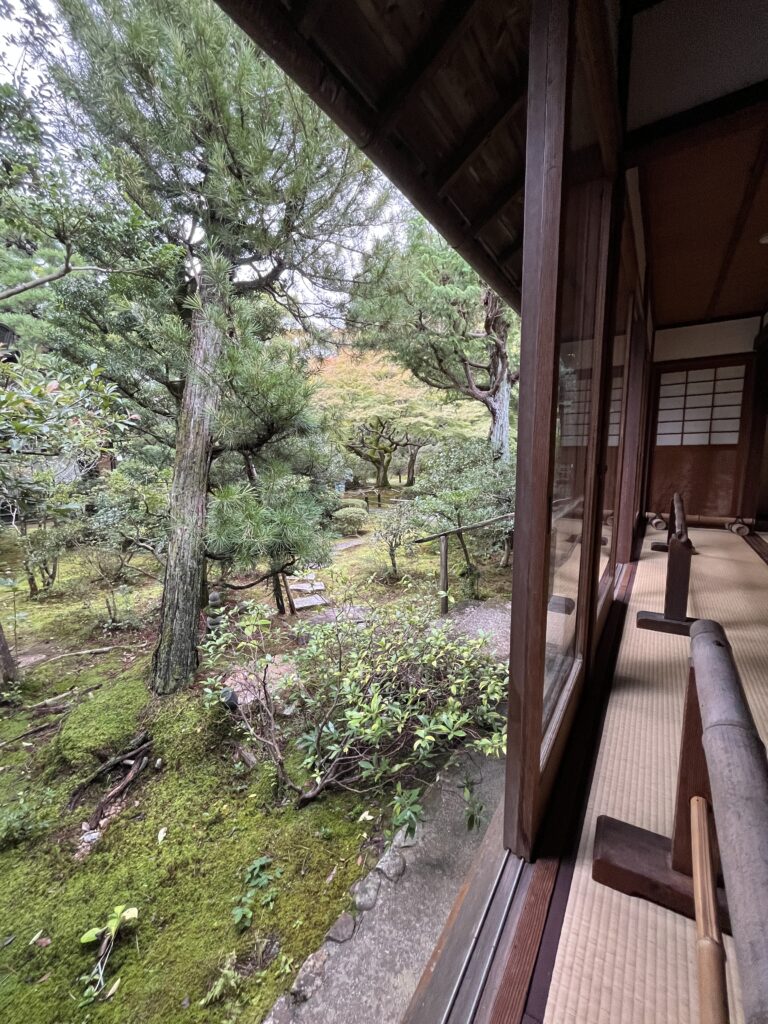
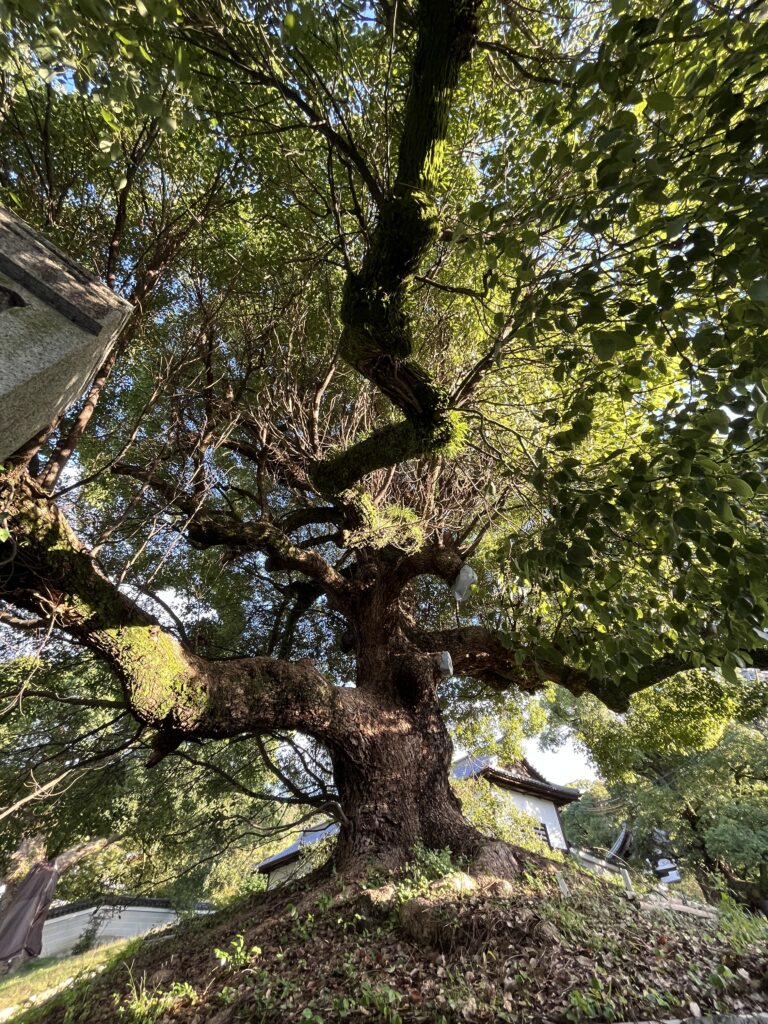
The temple is renowned for the beauty of its garden, which offers a chance to enjoy the distinct charms of each of the four seasons.
Location
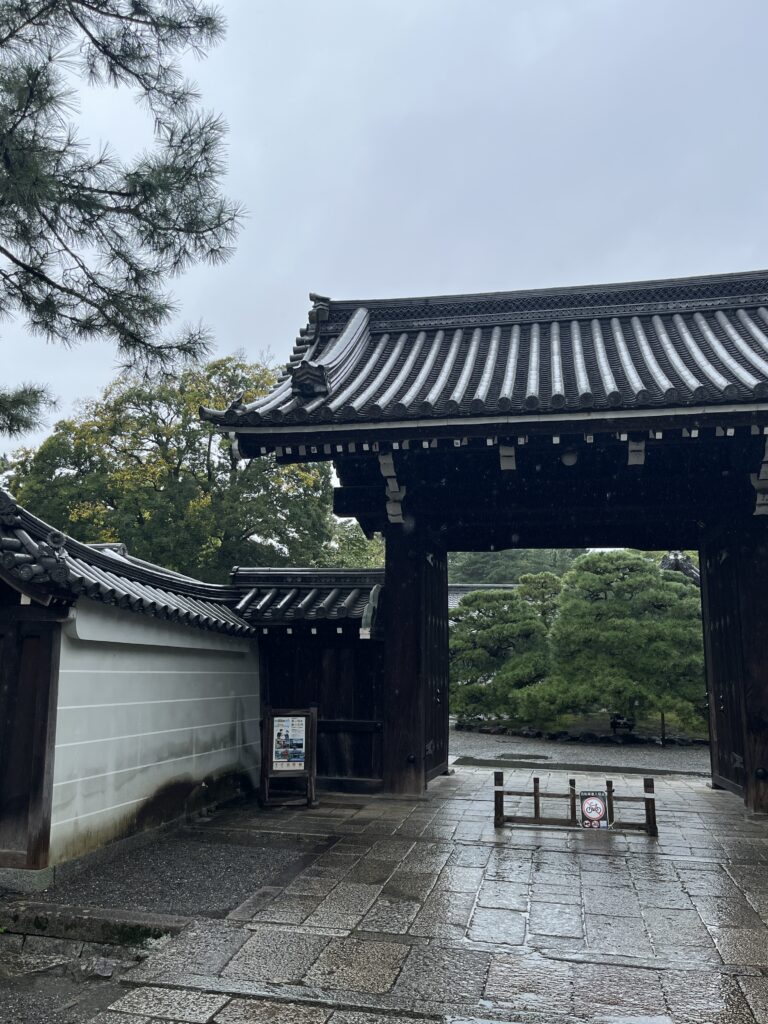
Remains of the Kan-in-no-miya Residence 閑院宮邸跡

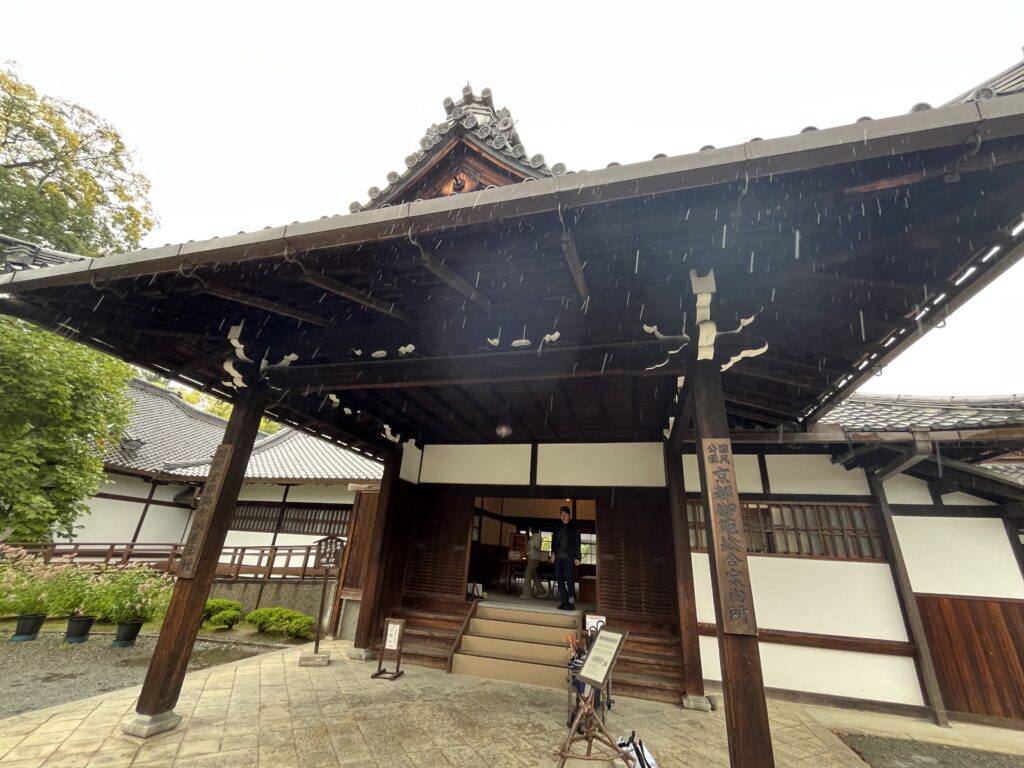
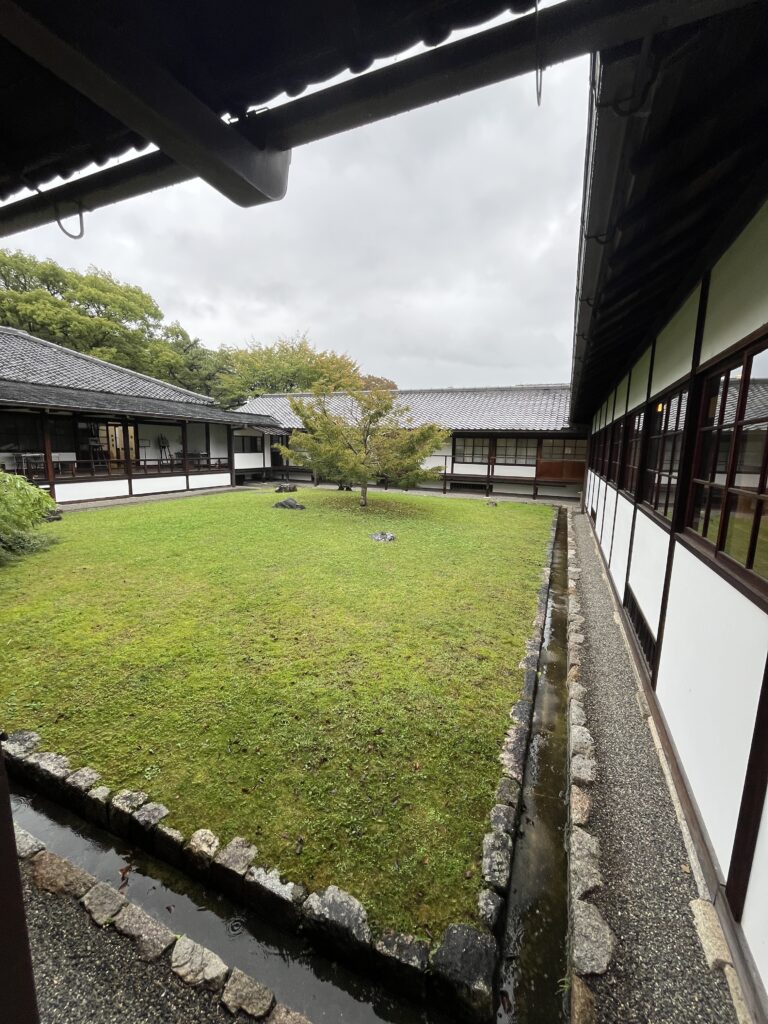
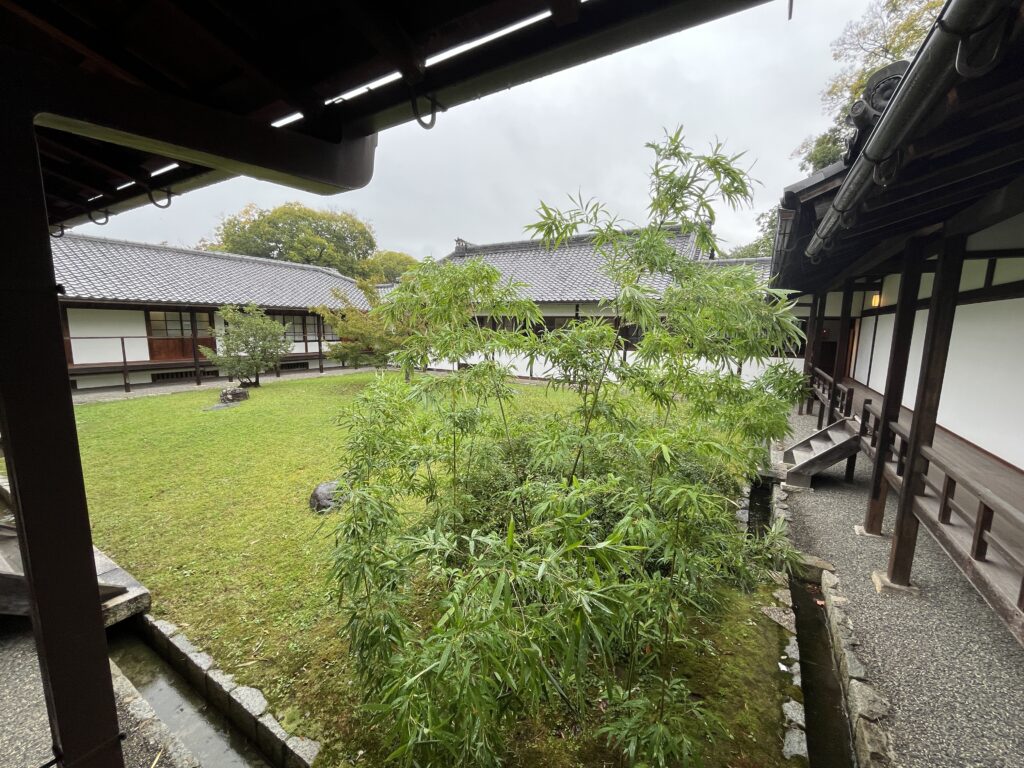
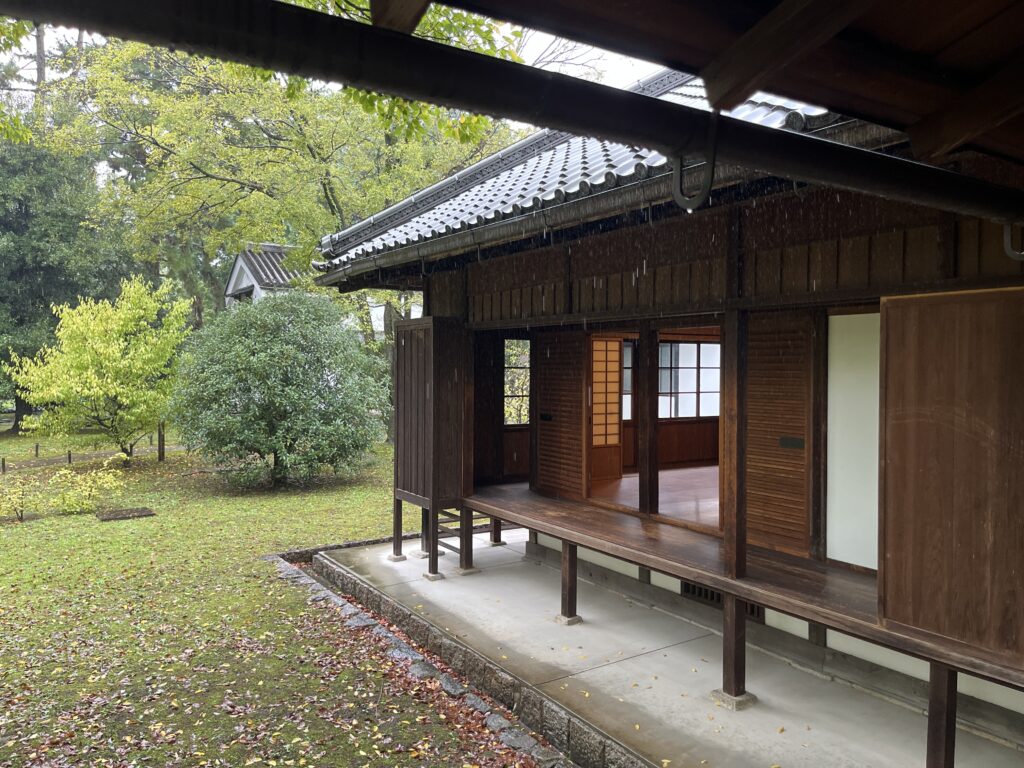
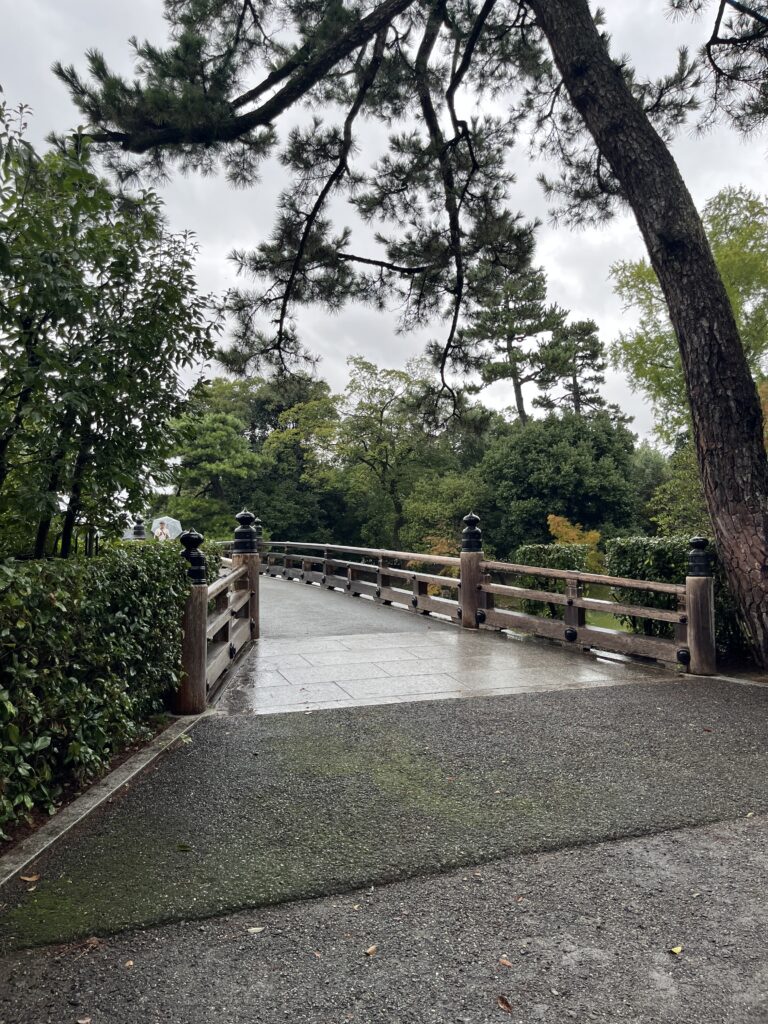
Located in the southwestern part of the Kyoto Imperial Palace Park (Kyoto Gyoen), this is the site of the former residence of the Kan’in-no-miya family—a branch of the Imperial family.
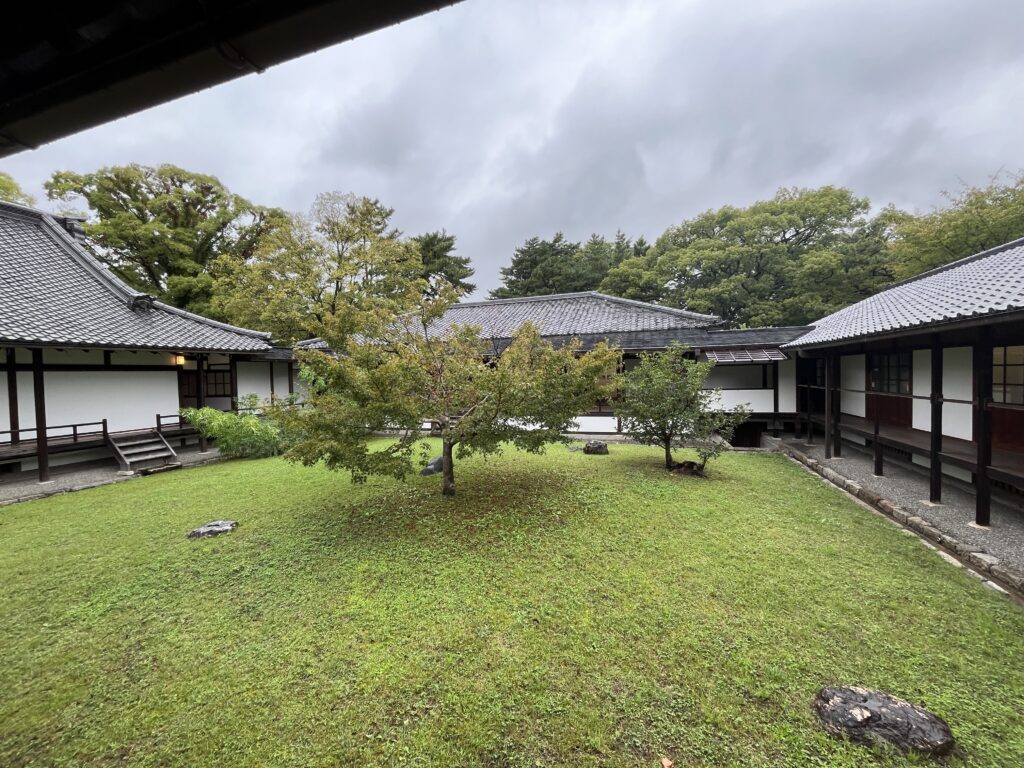
The stroll-style garden with a central pond, which can be viewed from the residence, is believed to have been created during the mid-Edo period.


Location
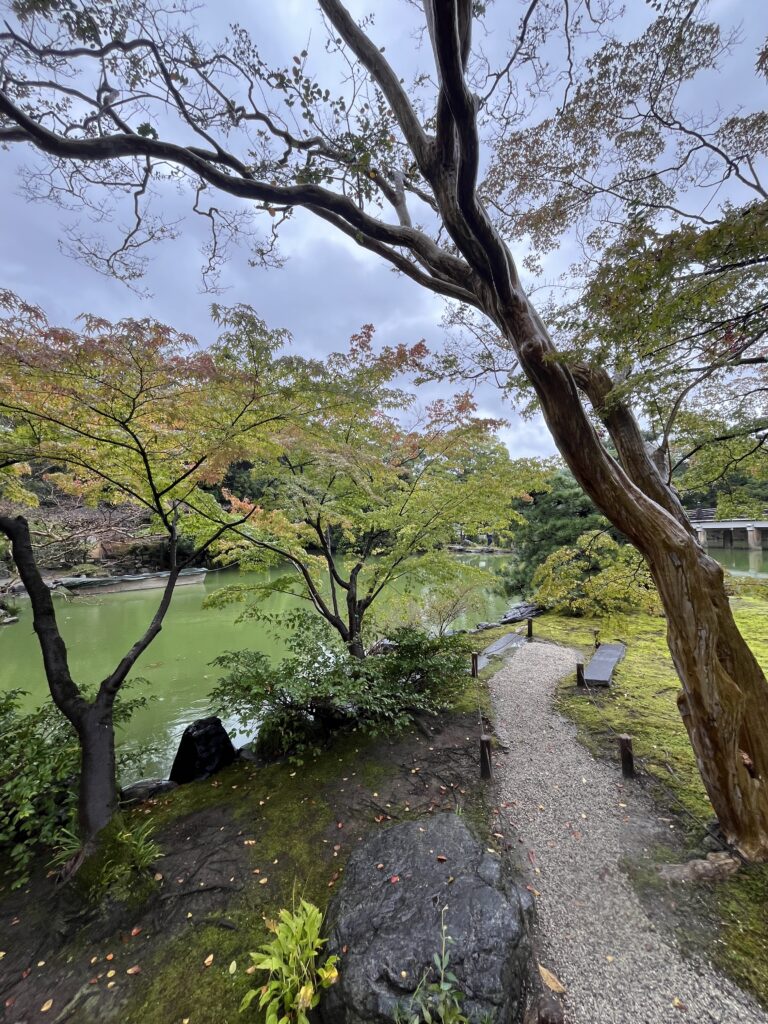
Syusui-tei Tea house 2 拾翠亭2

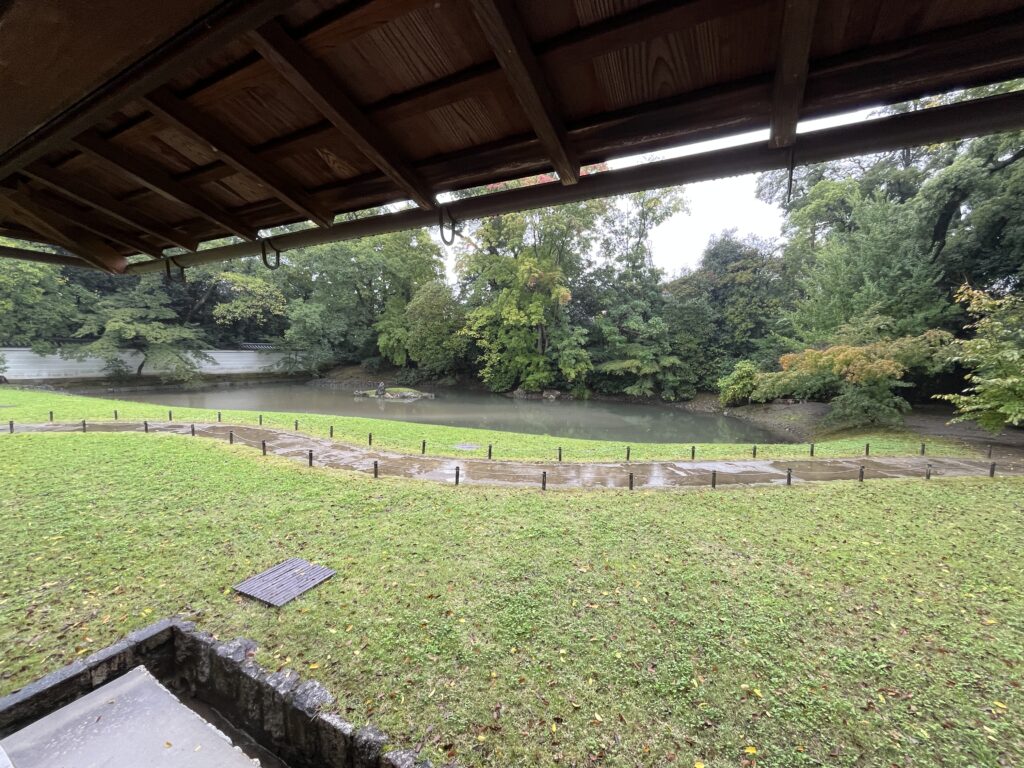
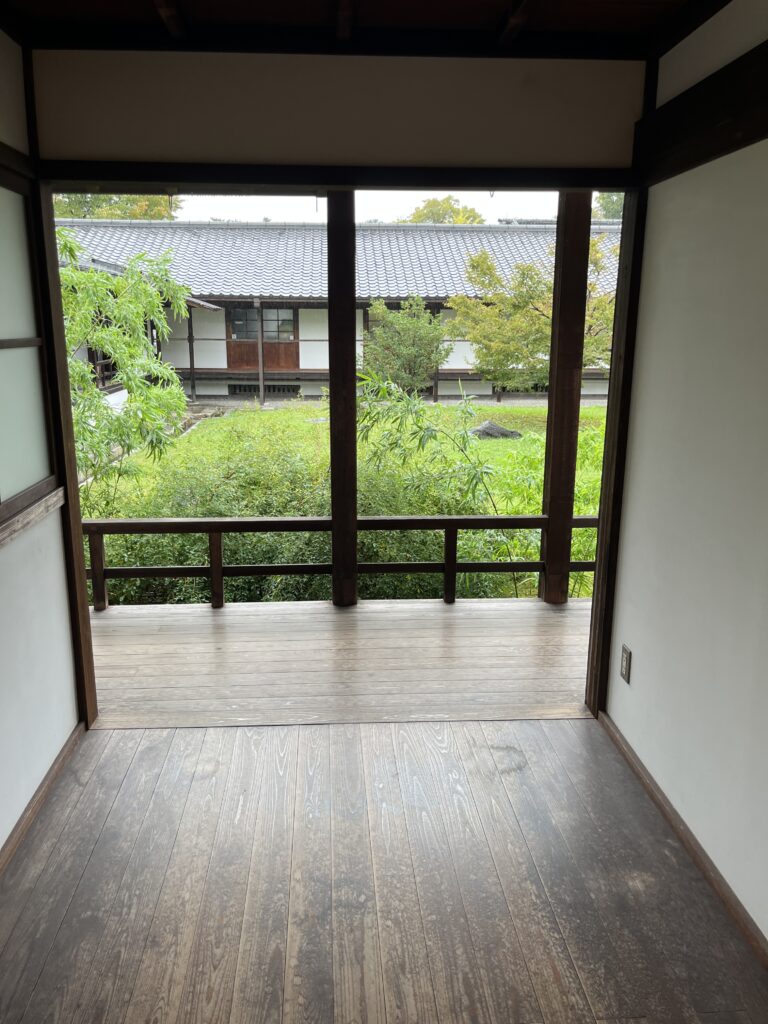
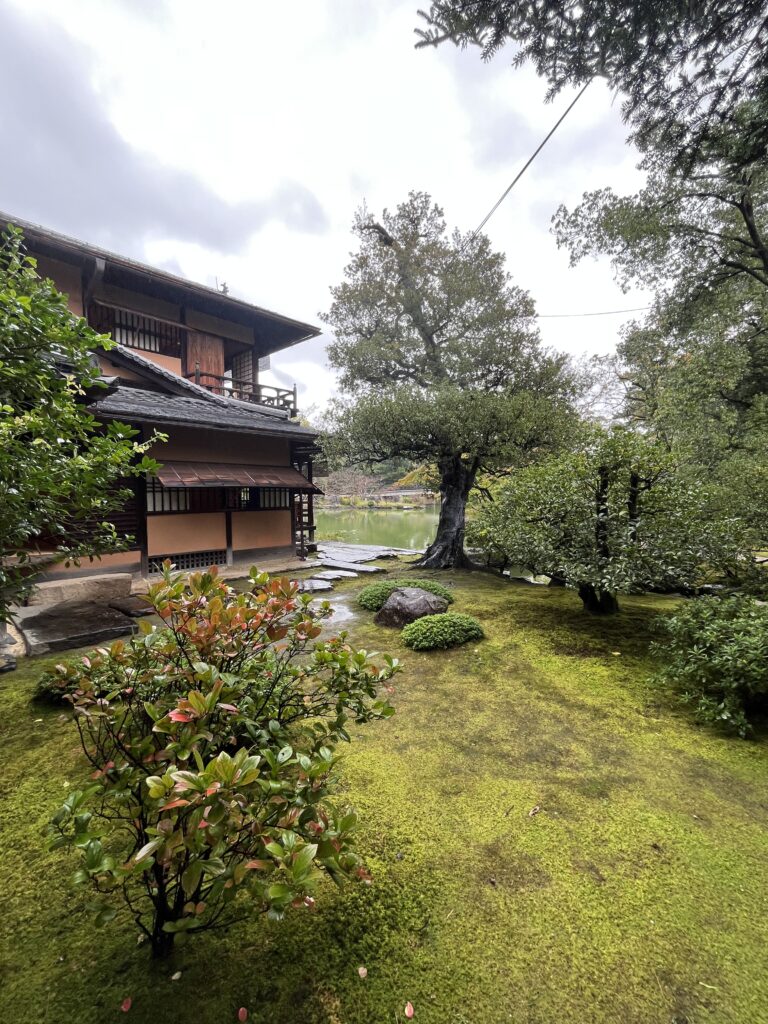
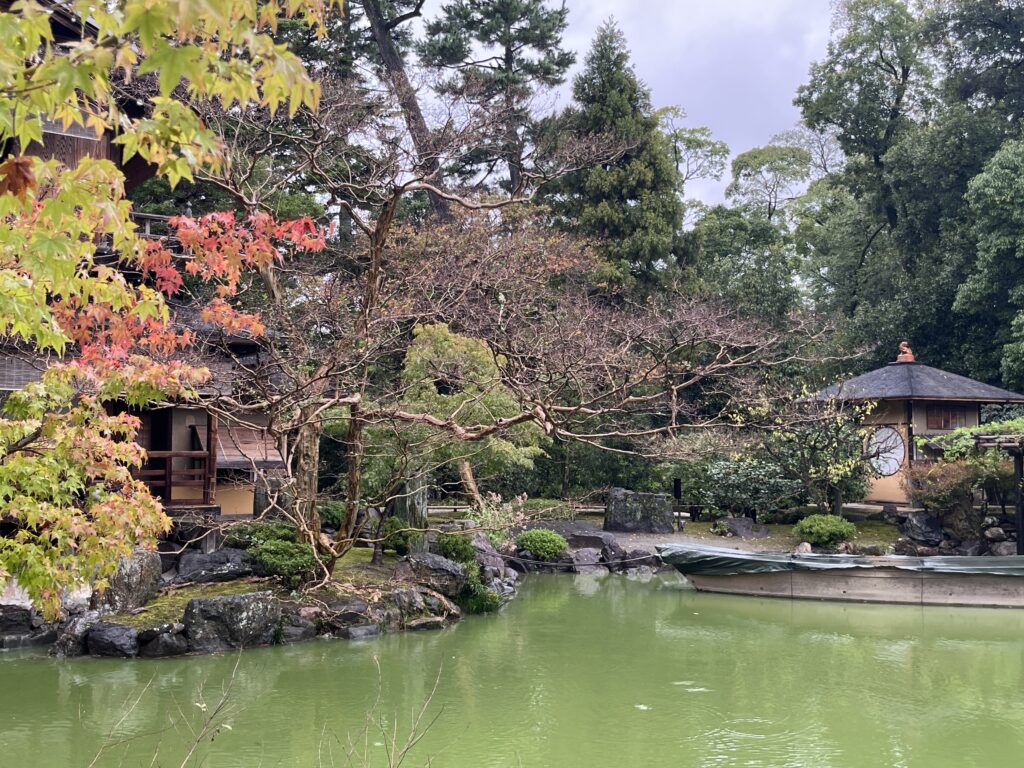
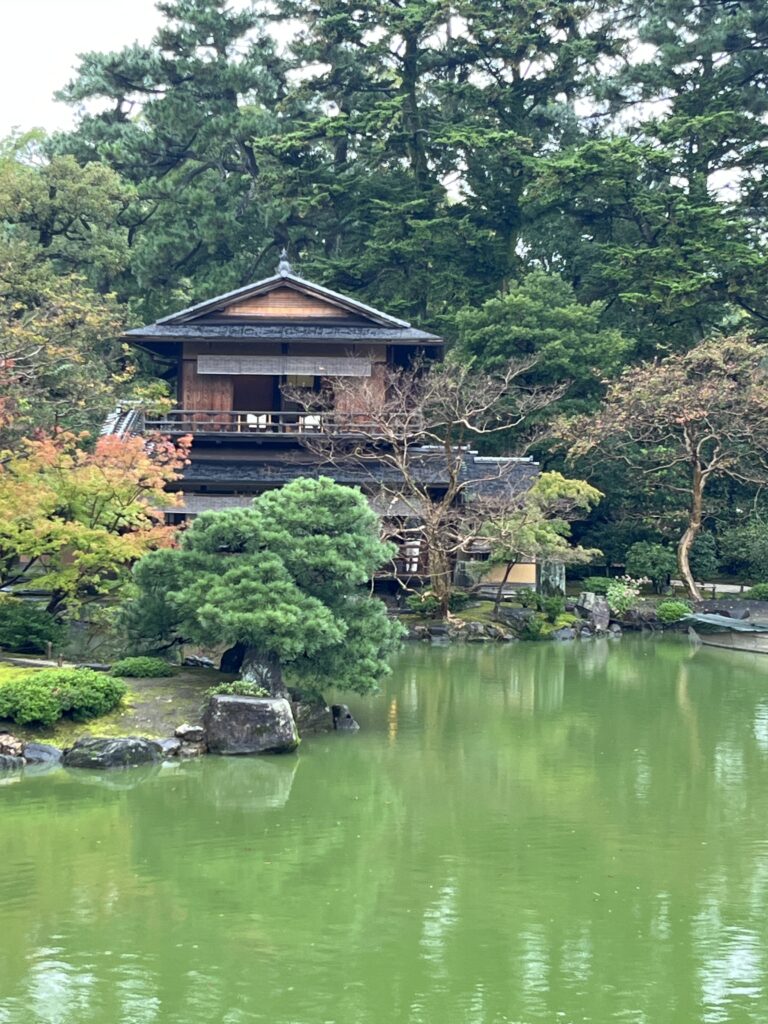
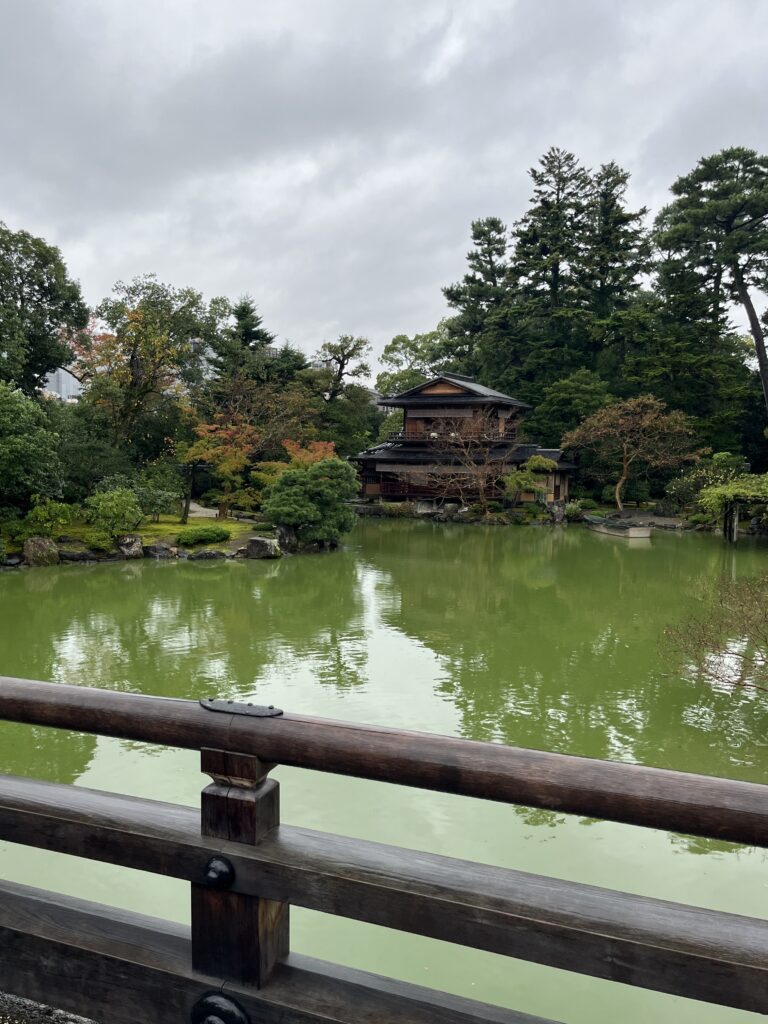
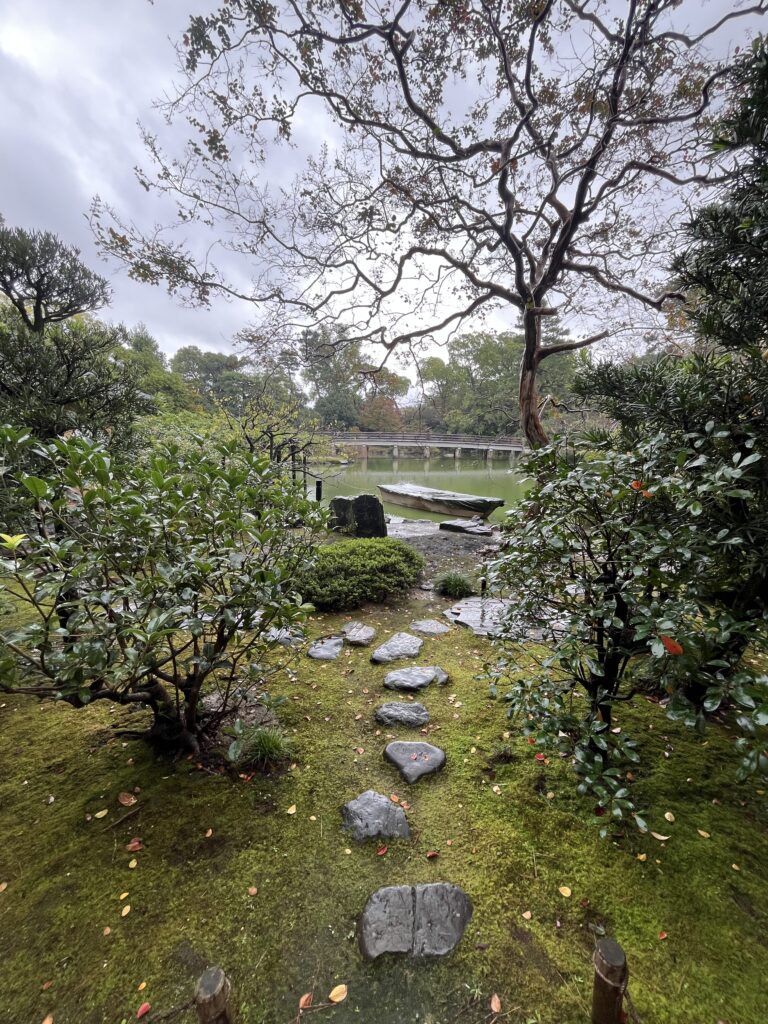
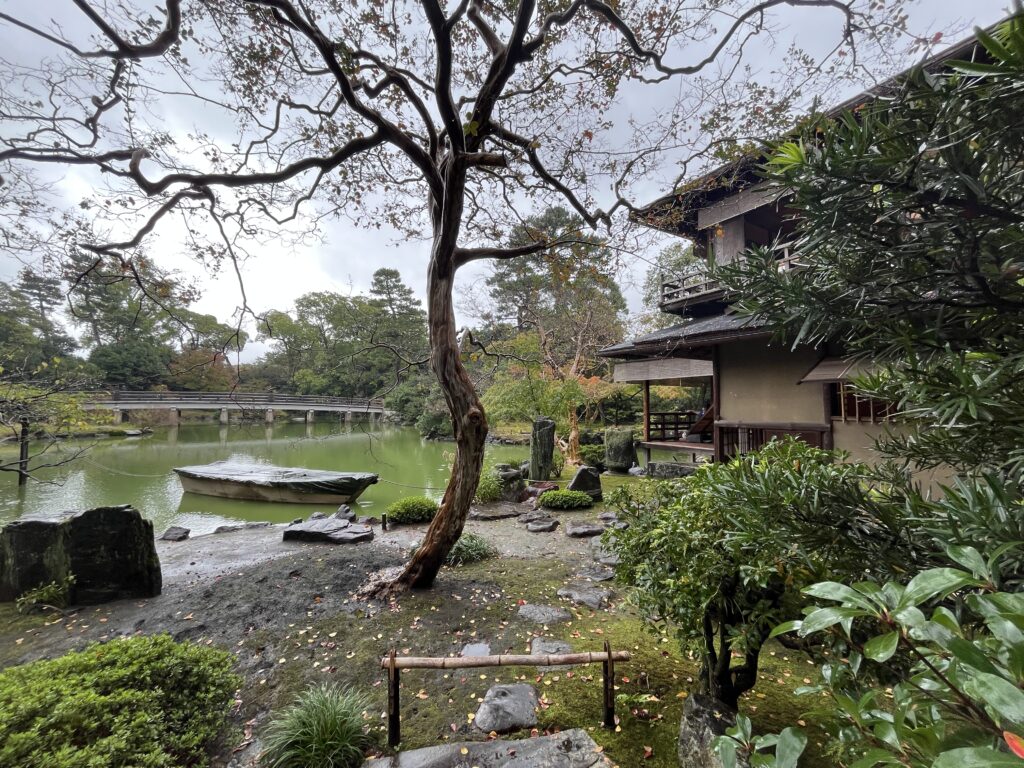
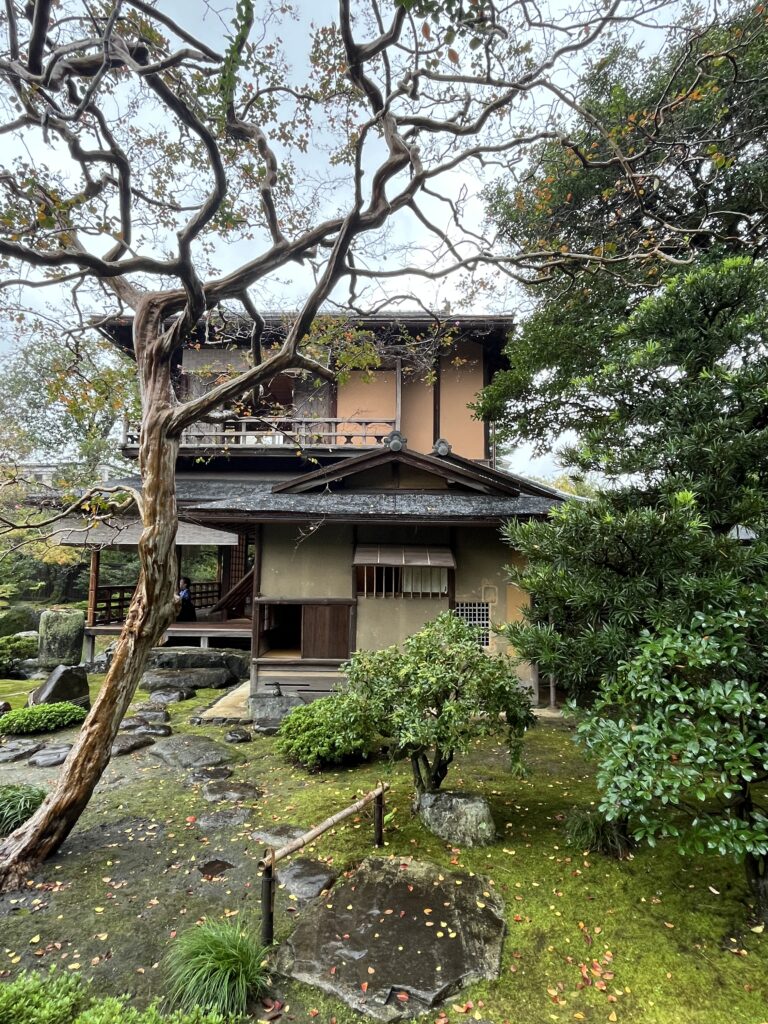
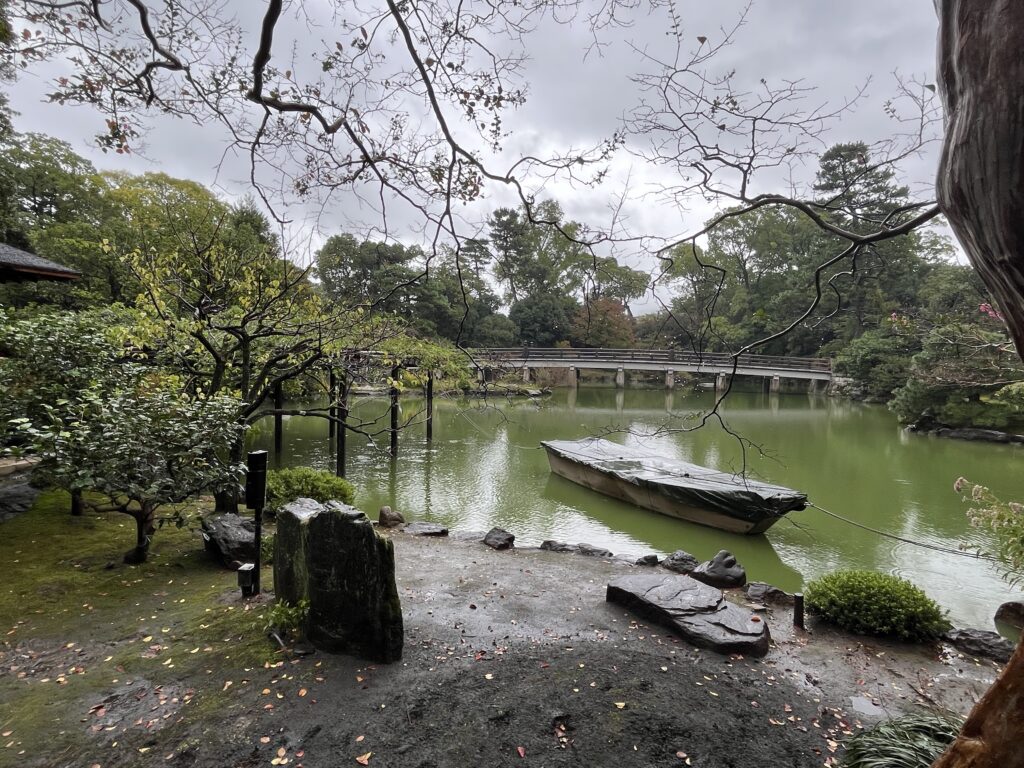
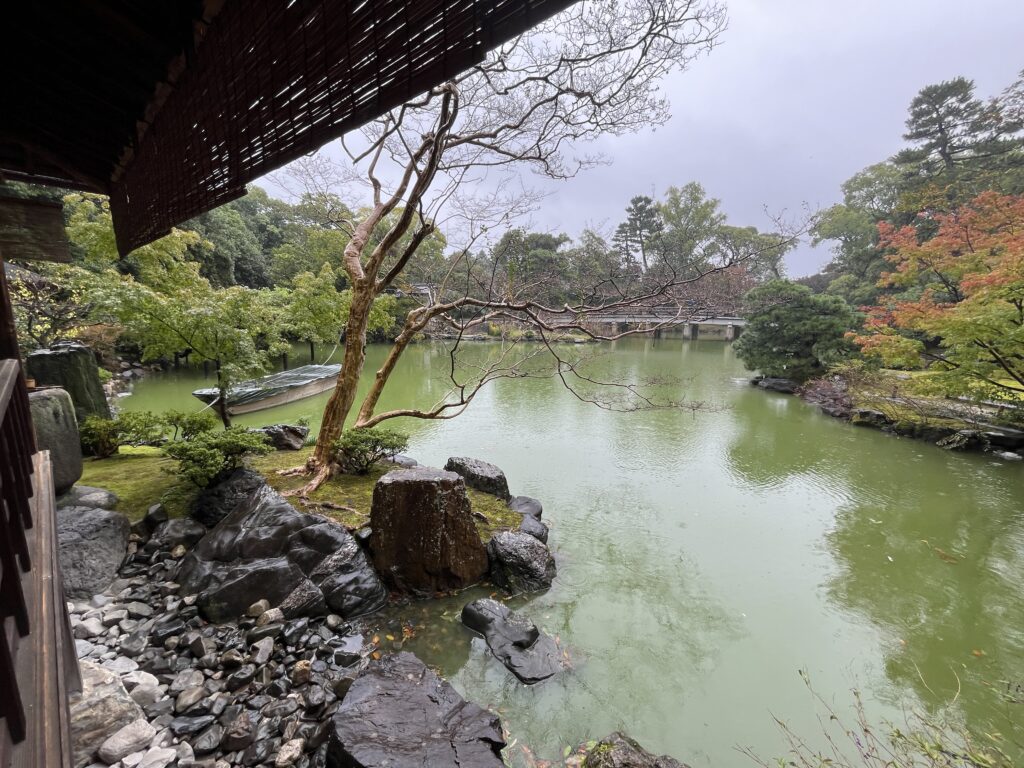
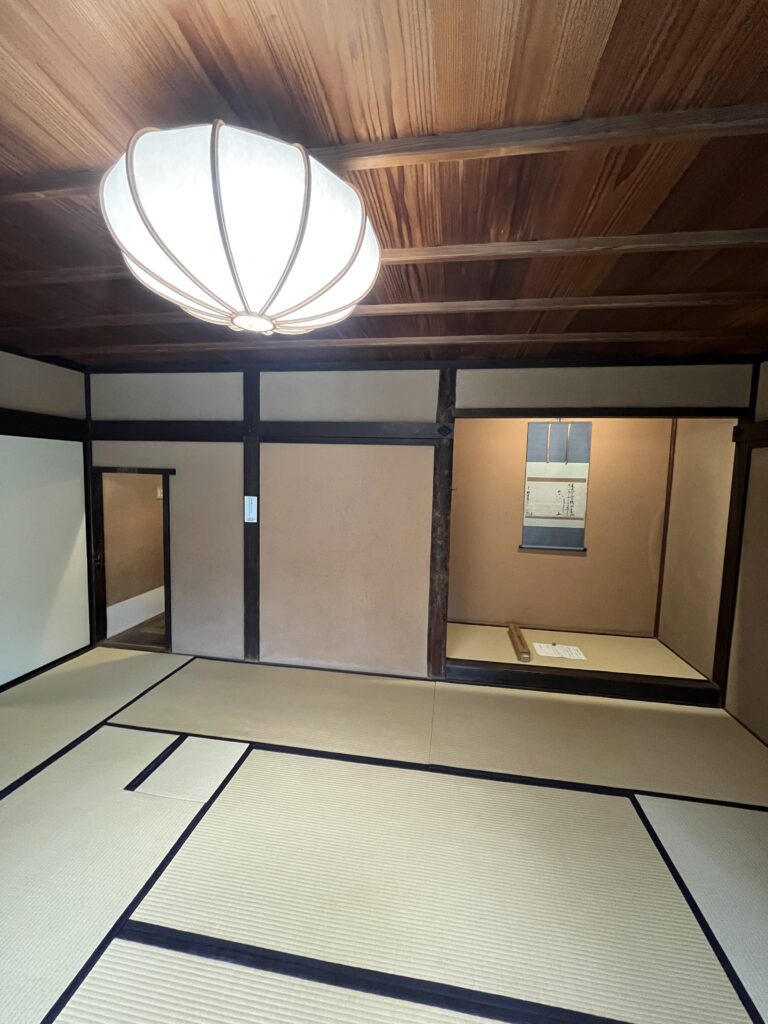
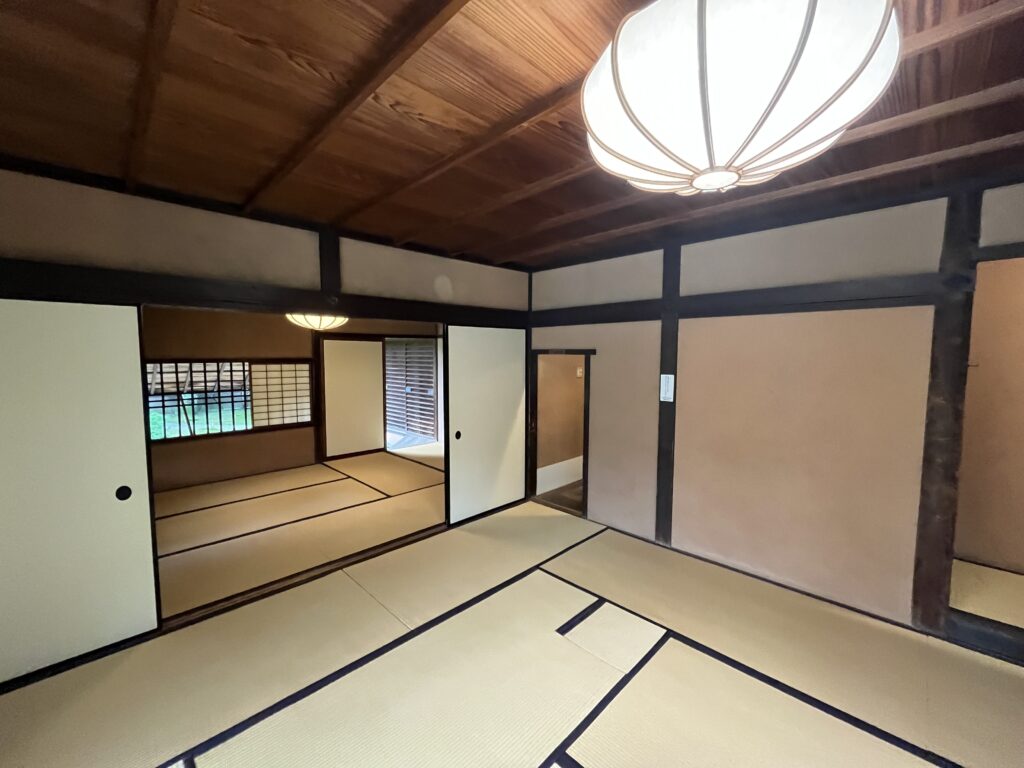
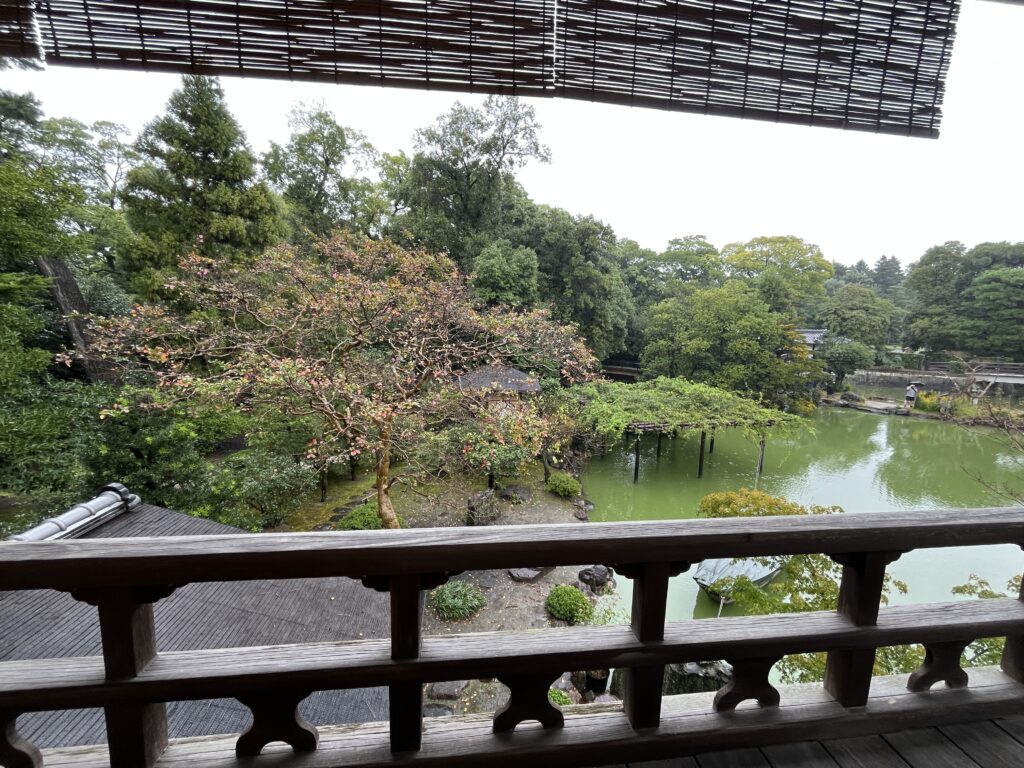
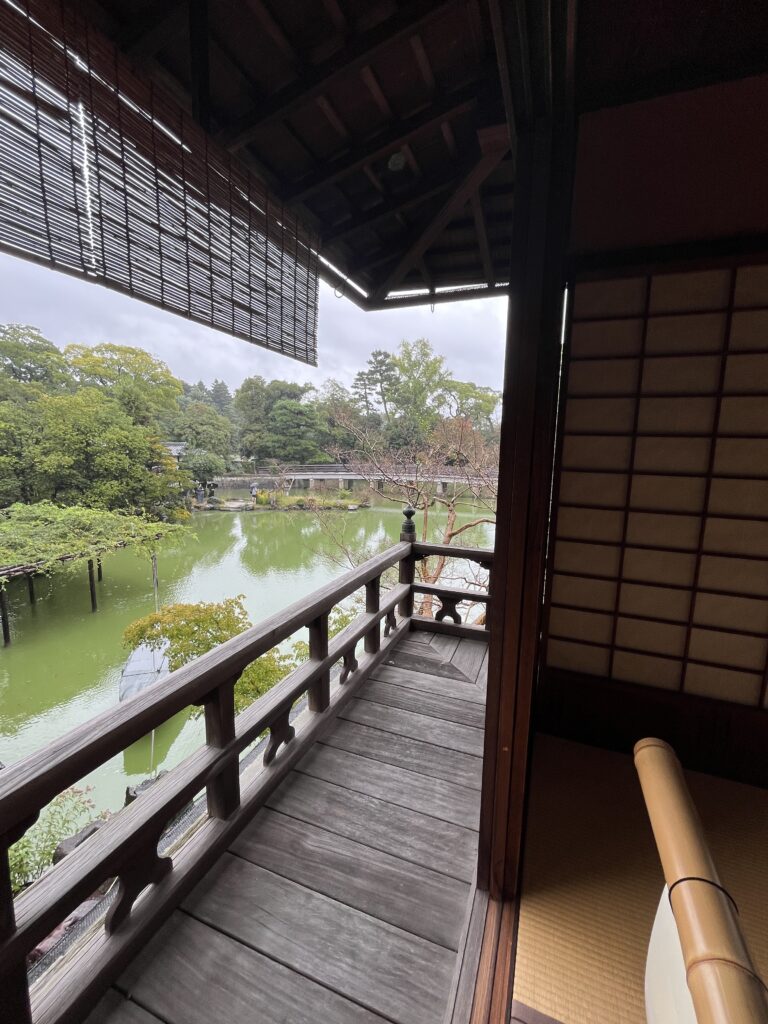
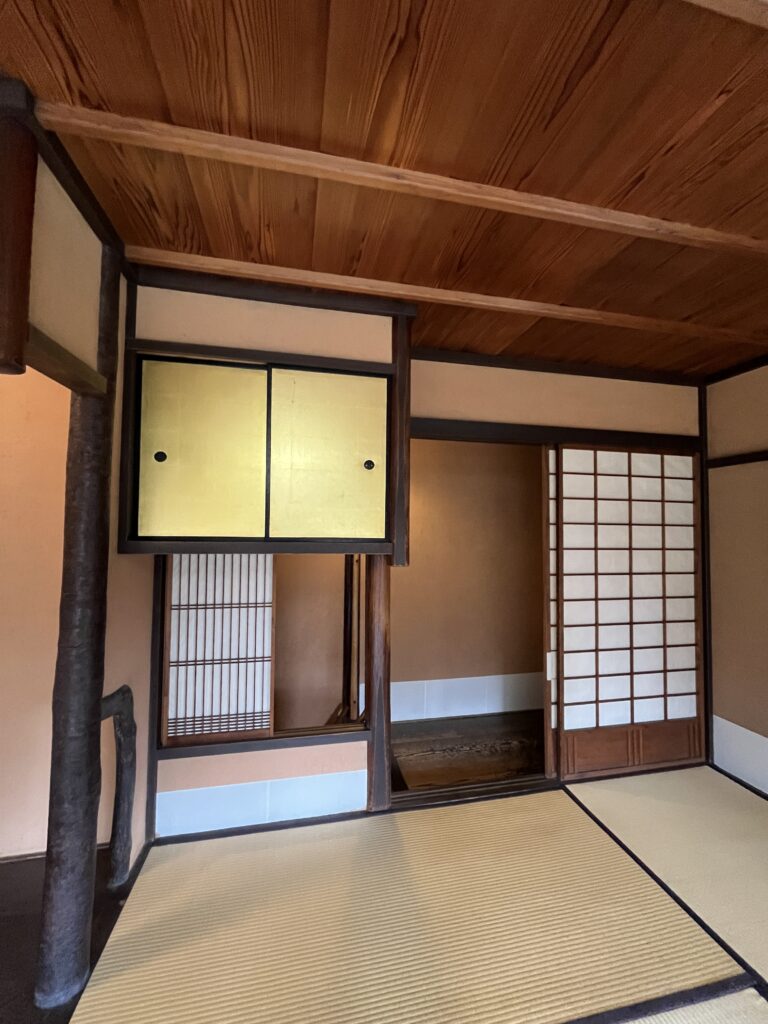
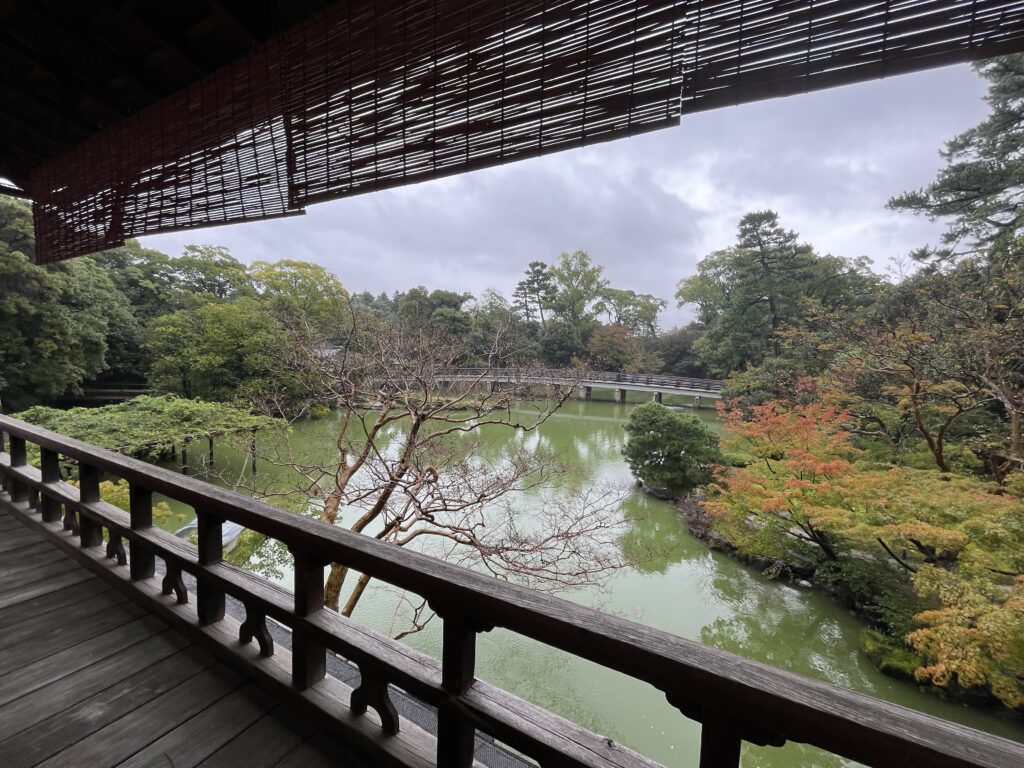
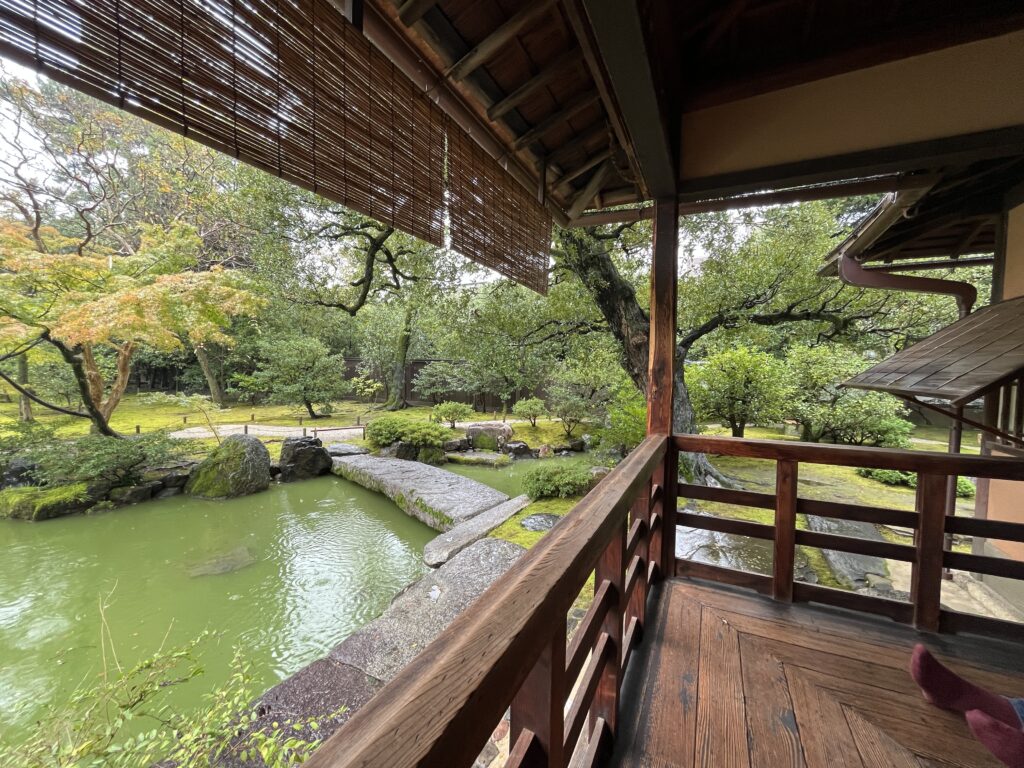
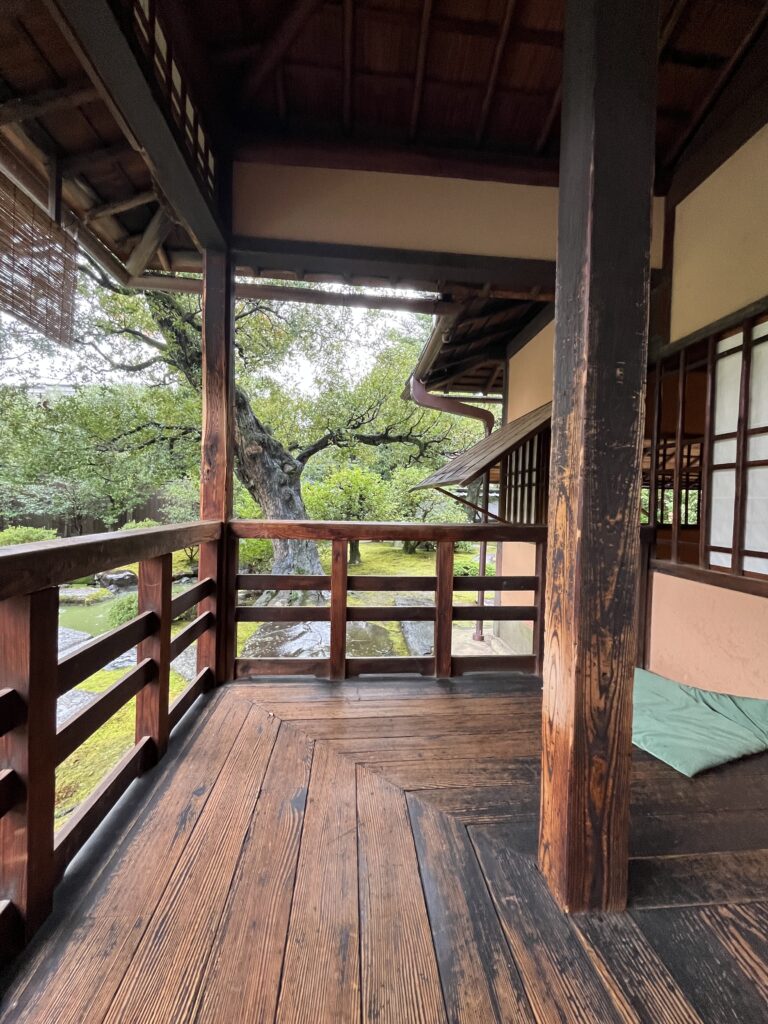
Syusui-tei, a two-story structure built in the *sukiya*-influenced *shoin* style, overlooks a pond known as Kujo-ike; it is said that the building was designed with a primary focus on the view, incorporating the Higashiyama mountains into its backdrop.

Location
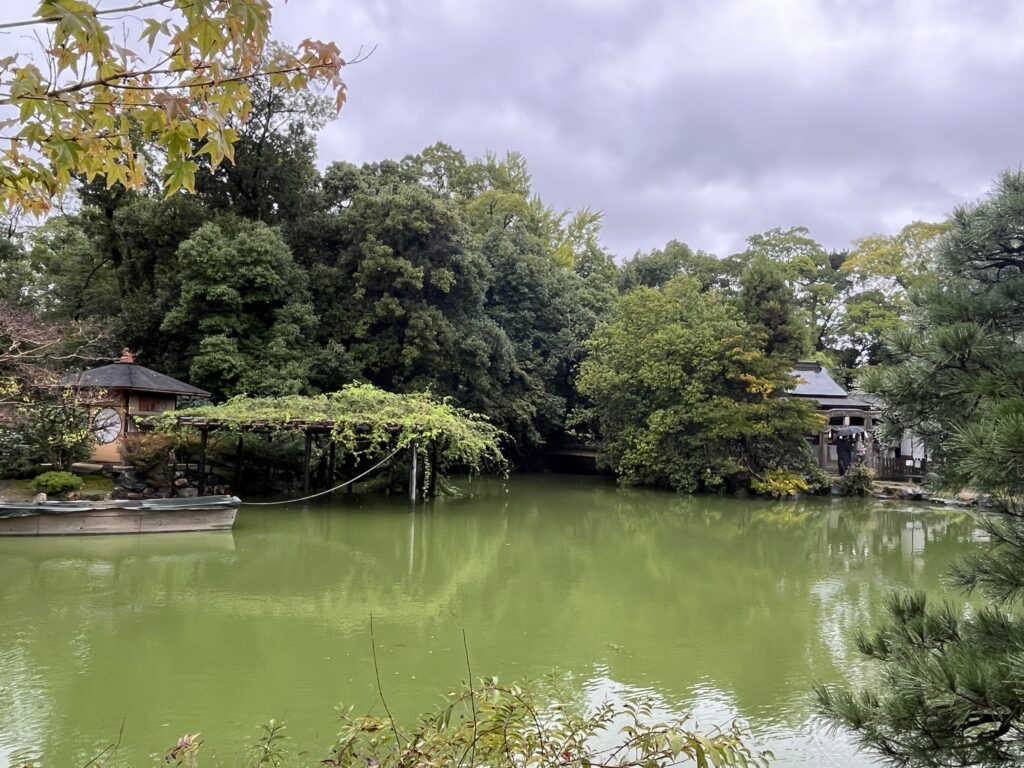
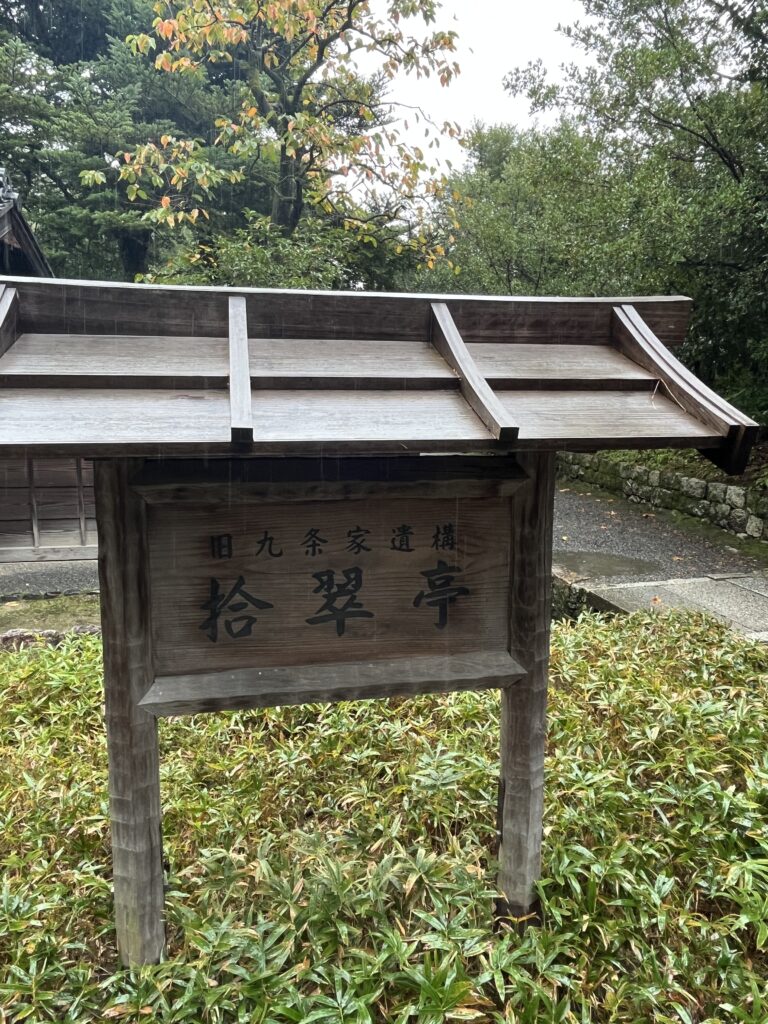
Syuusui-tei Tea house 拾翠亭

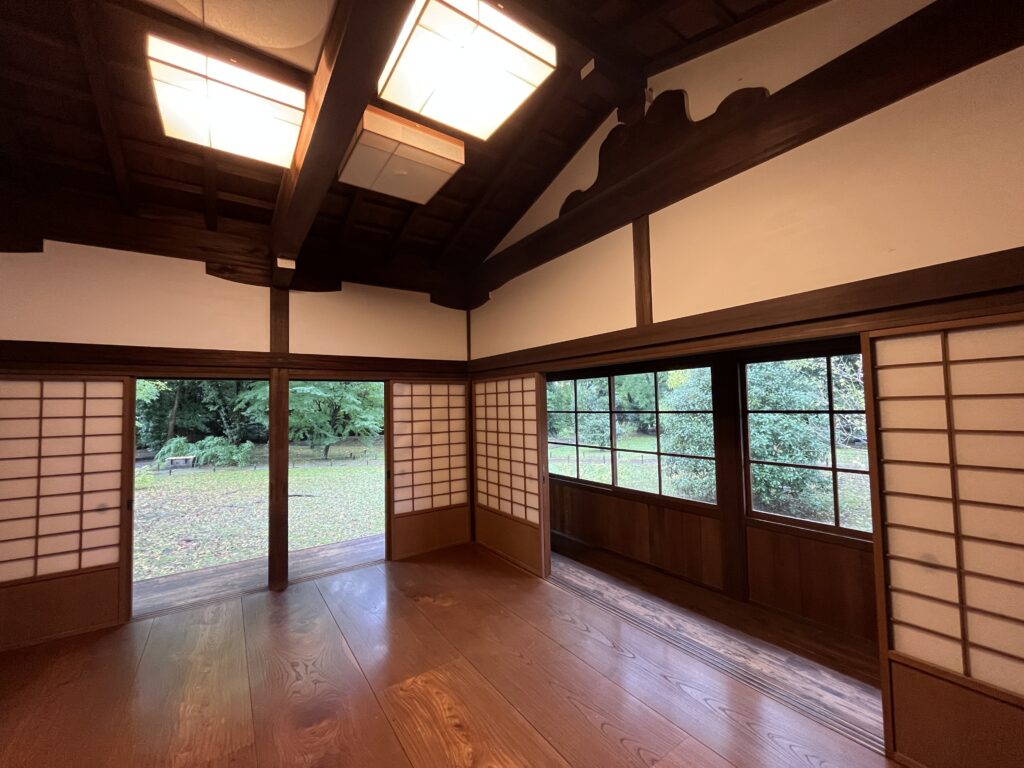
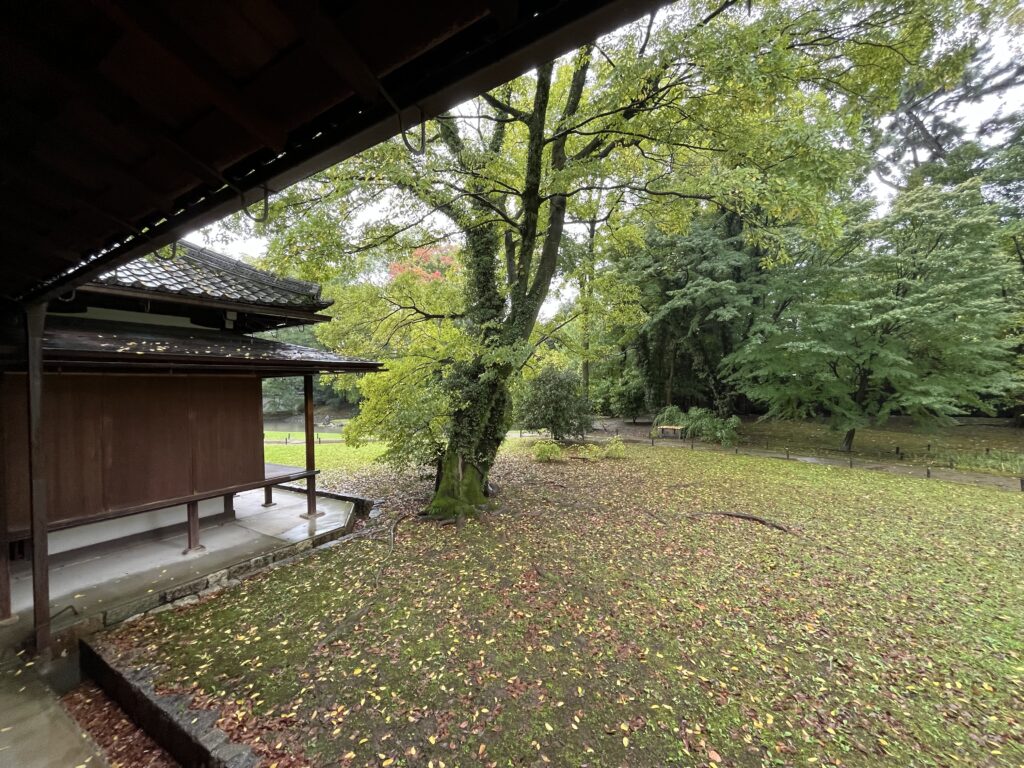
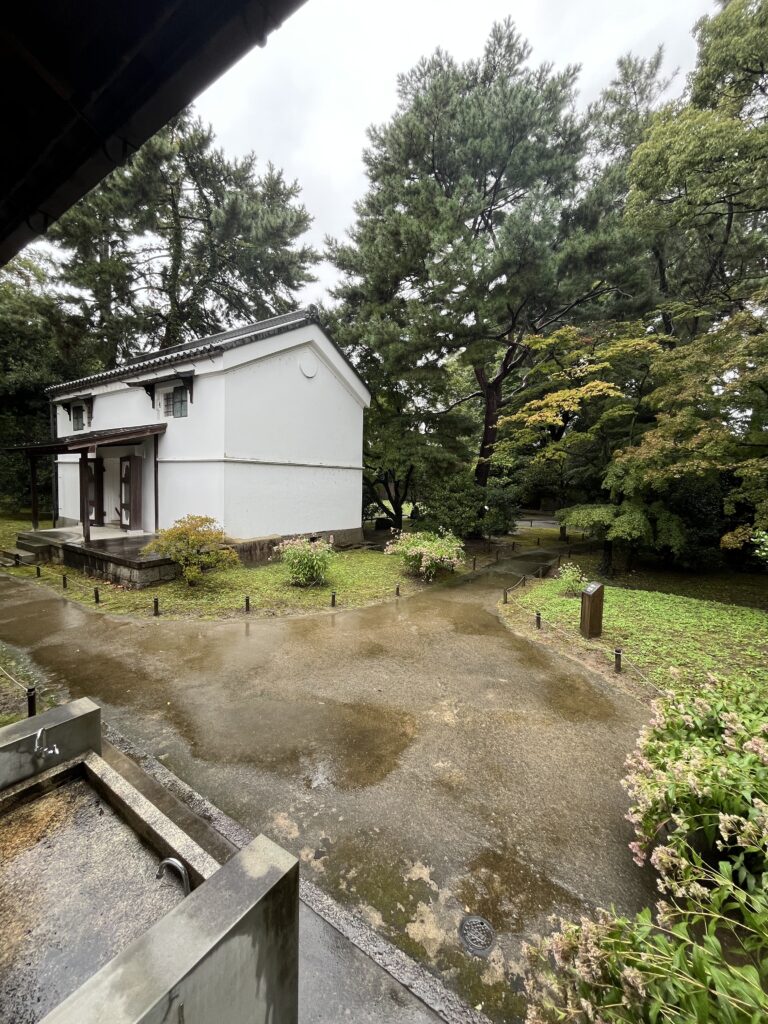
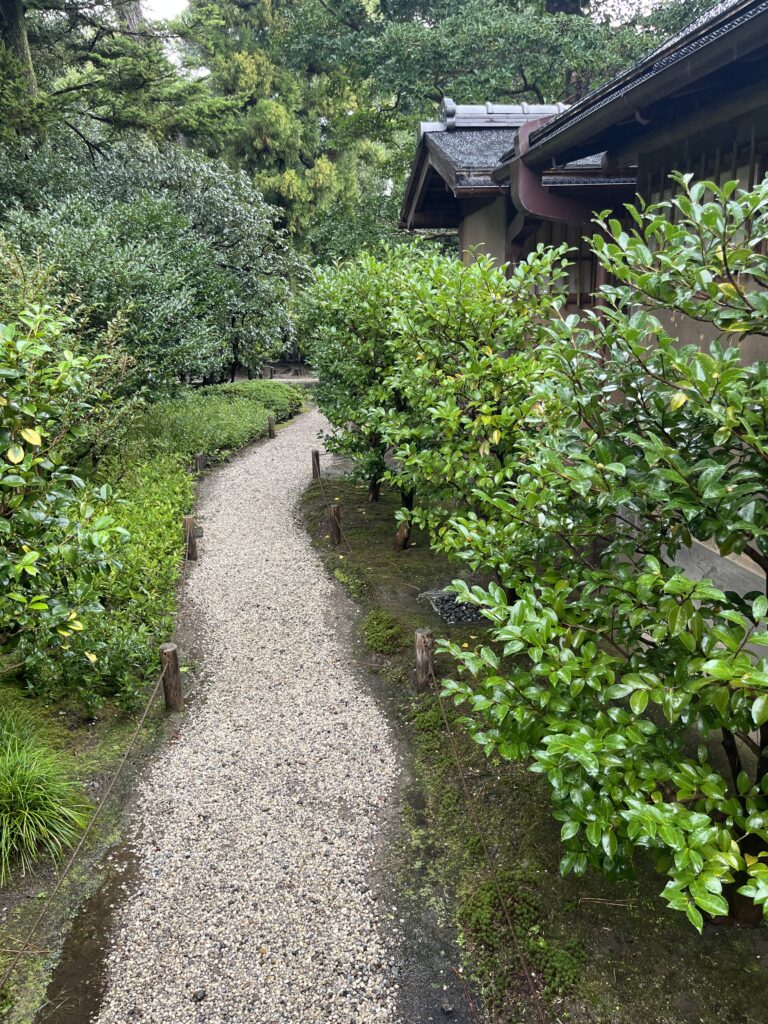
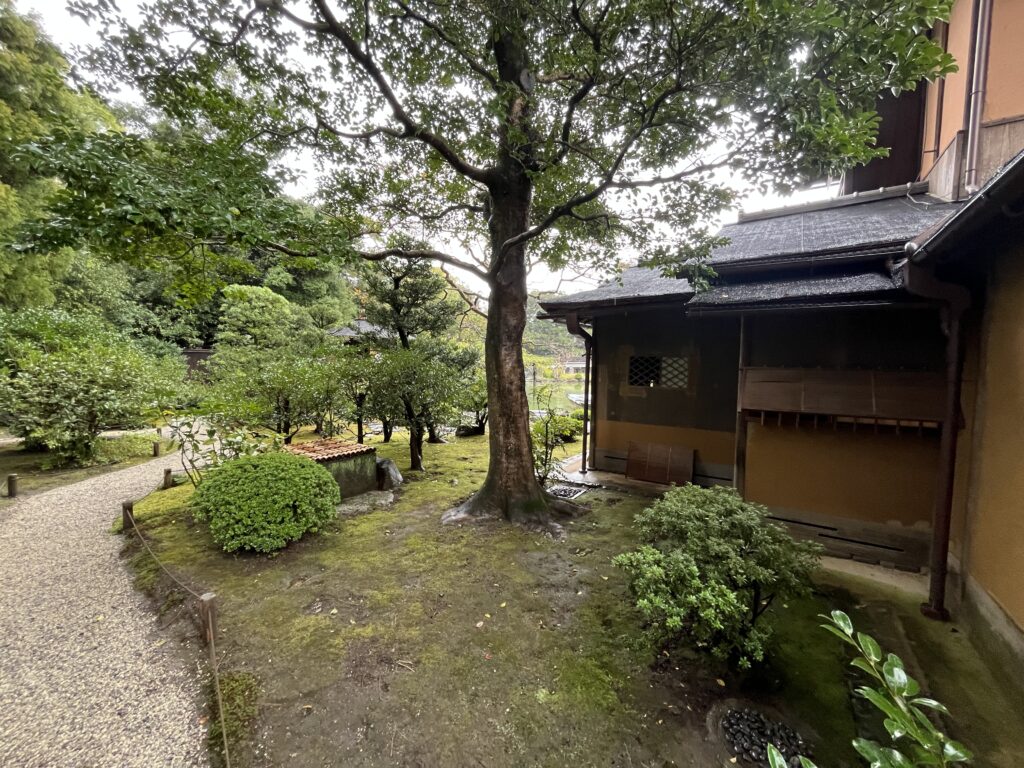
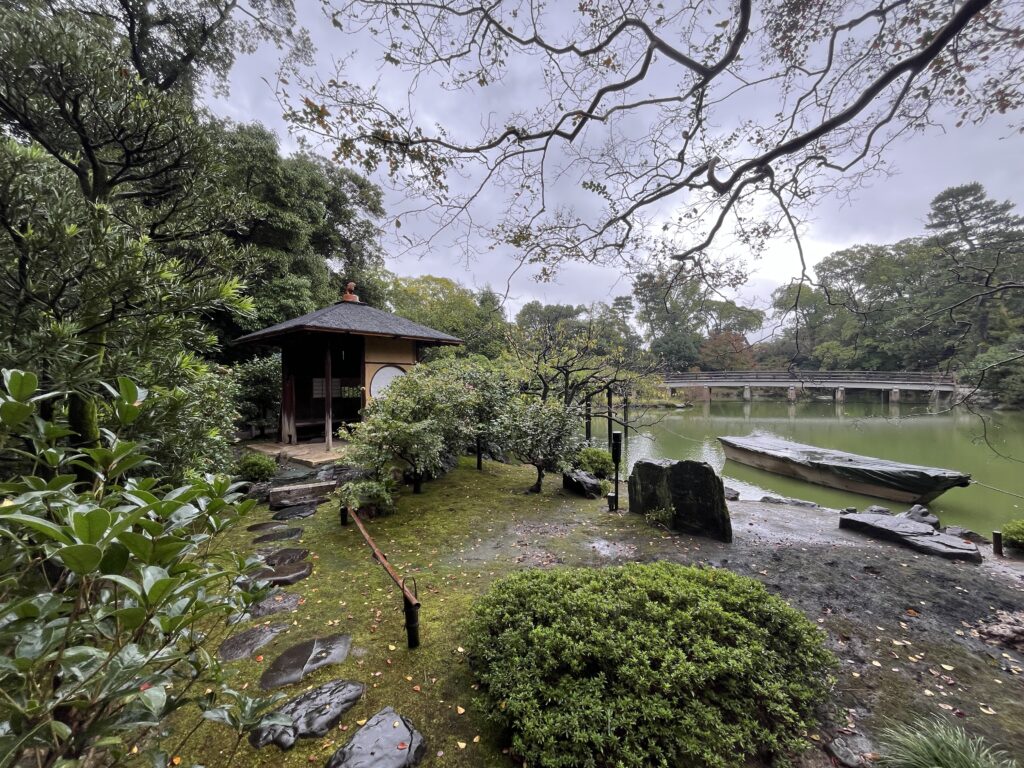
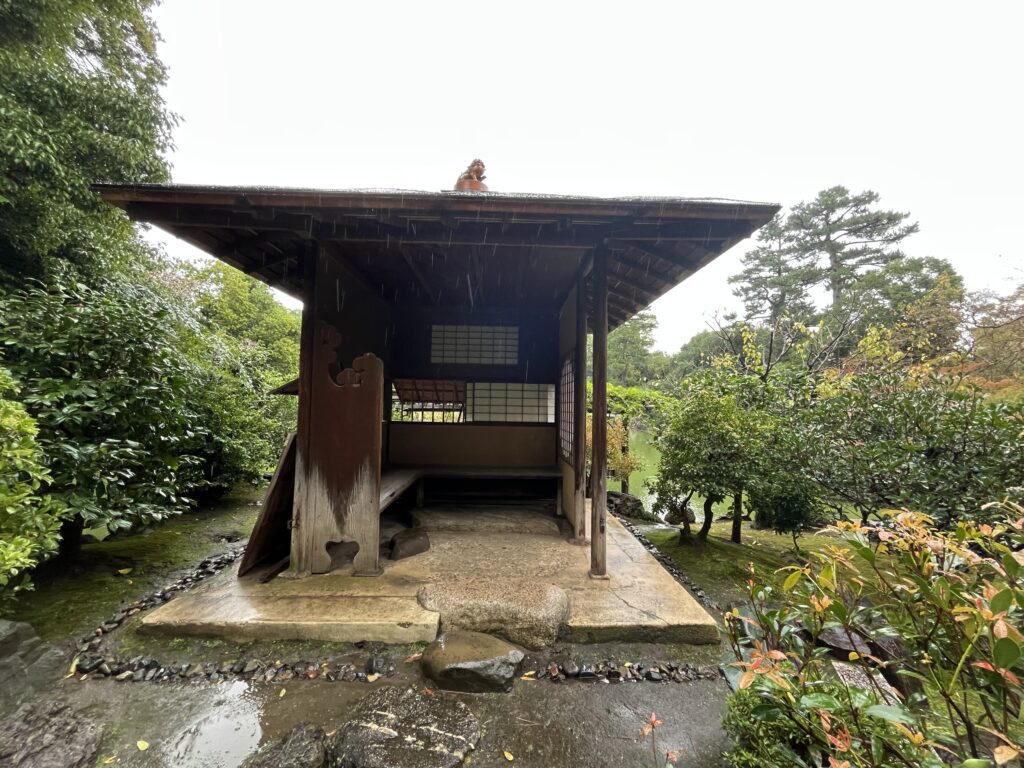
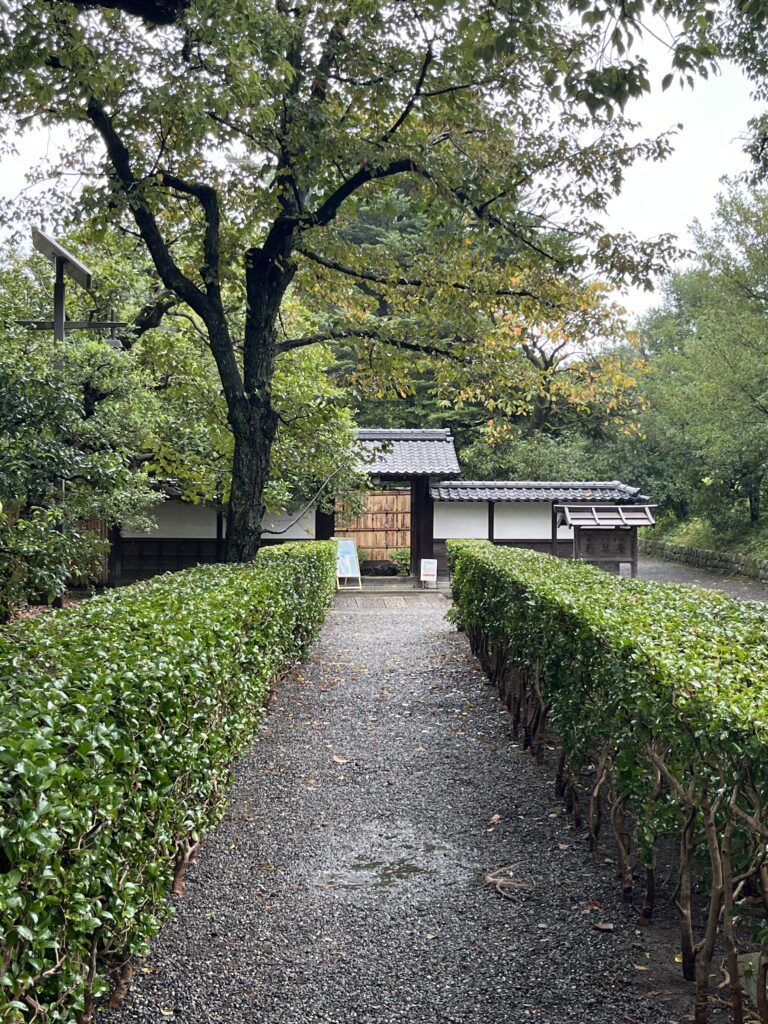
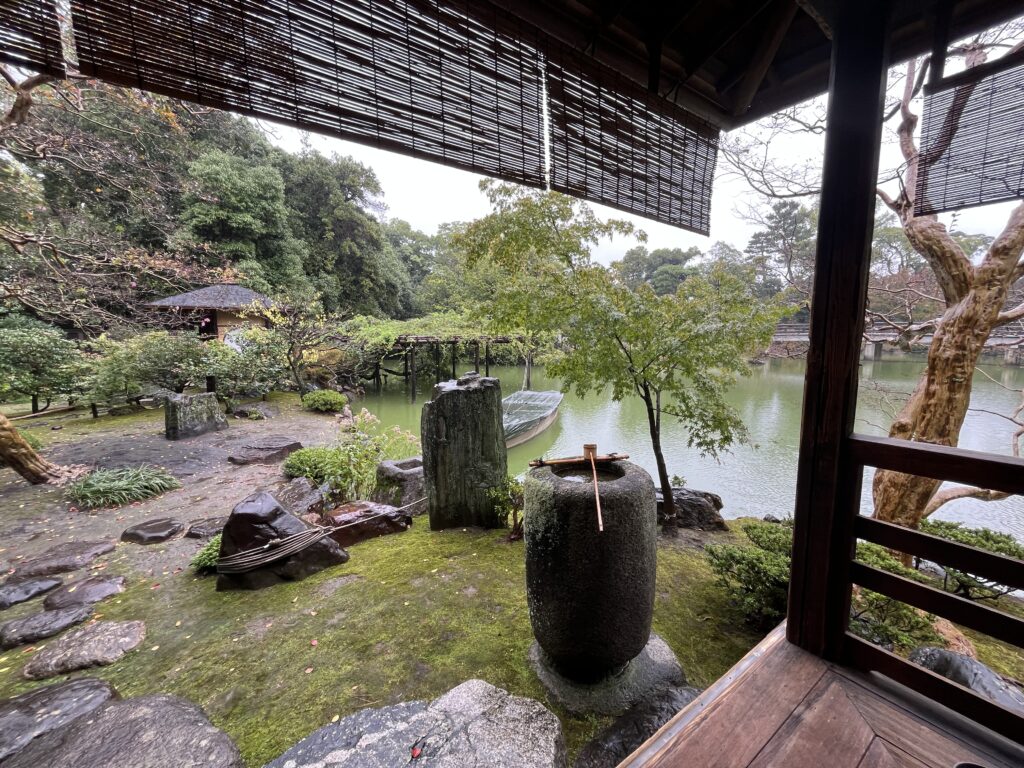
Shusuitei, located in the southwestern part of the Kyoto Imperial Palace Park (Kyoto Gyoen), was built as a secondary residence for the Kujo family—a prominent aristocratic house—and is considered a valuable cultural heritage site that offers insight into the lifestyle of that era and the *sukiya-shoin* architectural style.

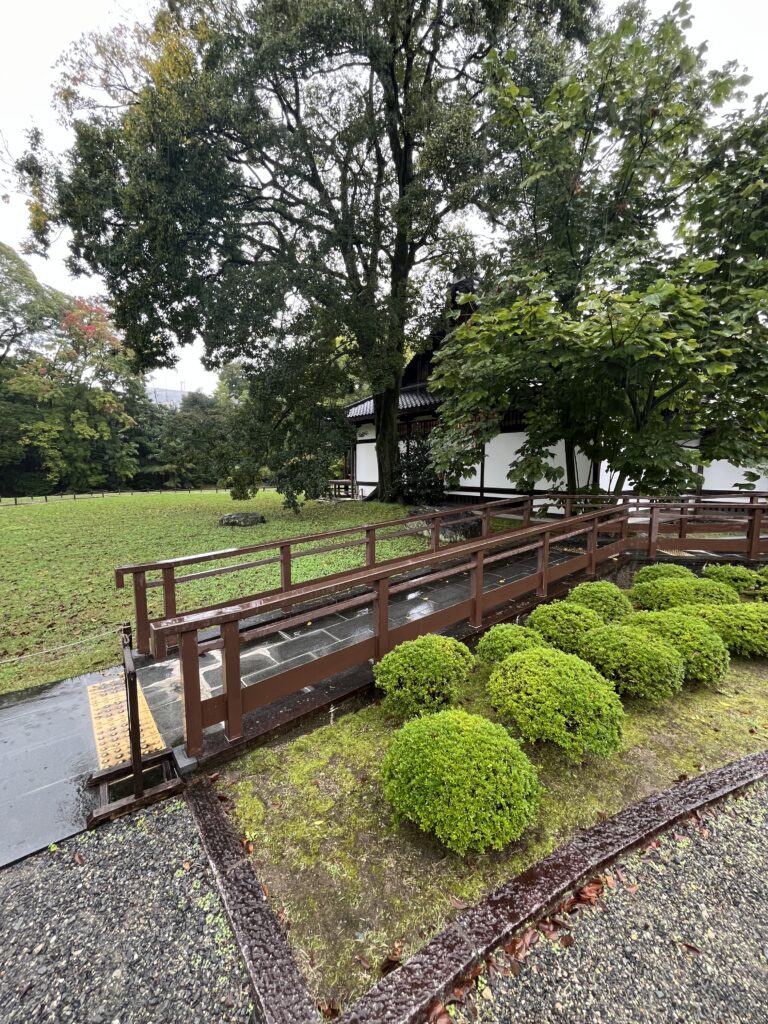
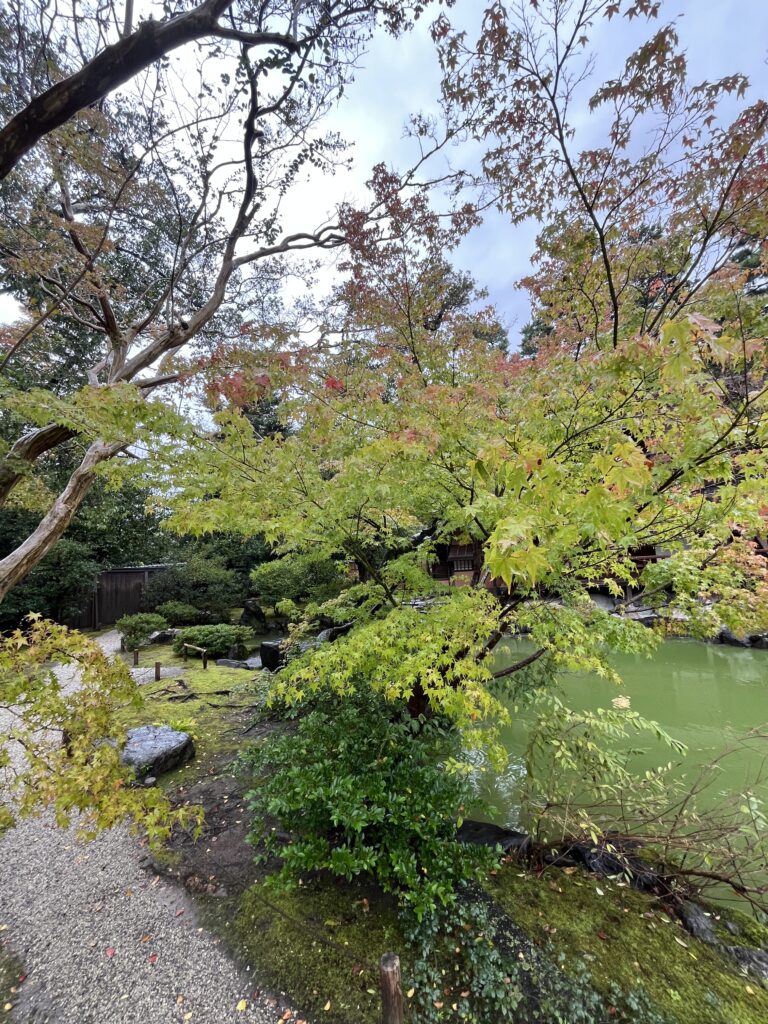
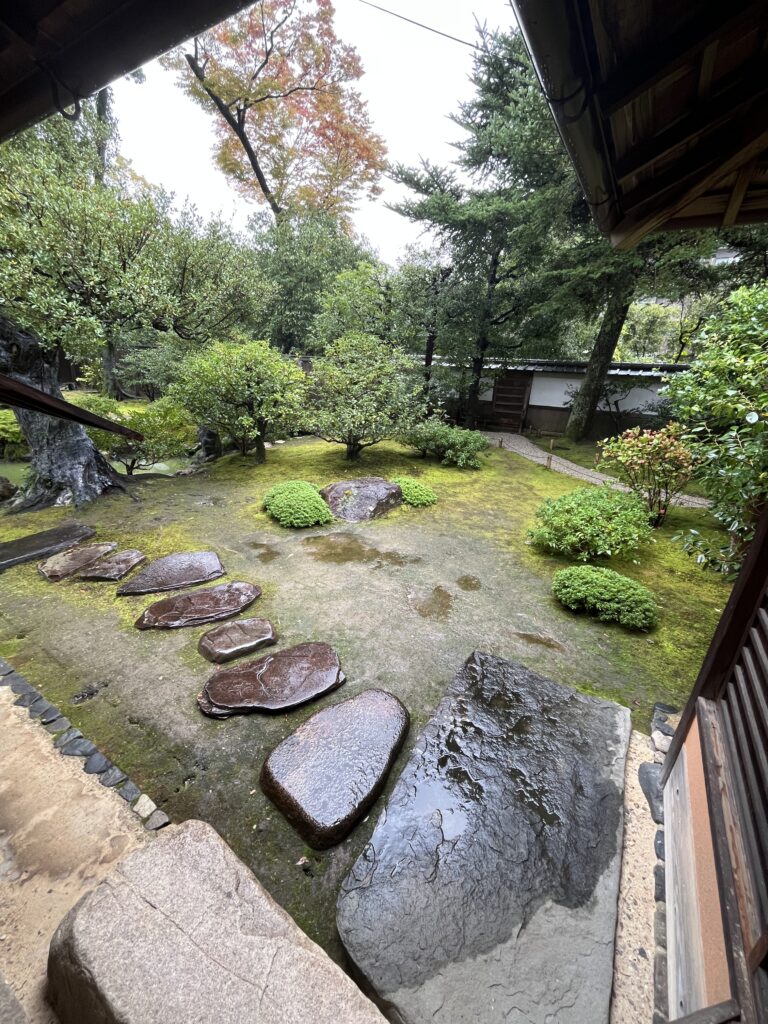
Although it was drizzling on the day of my visit, the quiet garden—with its foliage just beginning to turn autumn colors—was truly beautiful.
Location