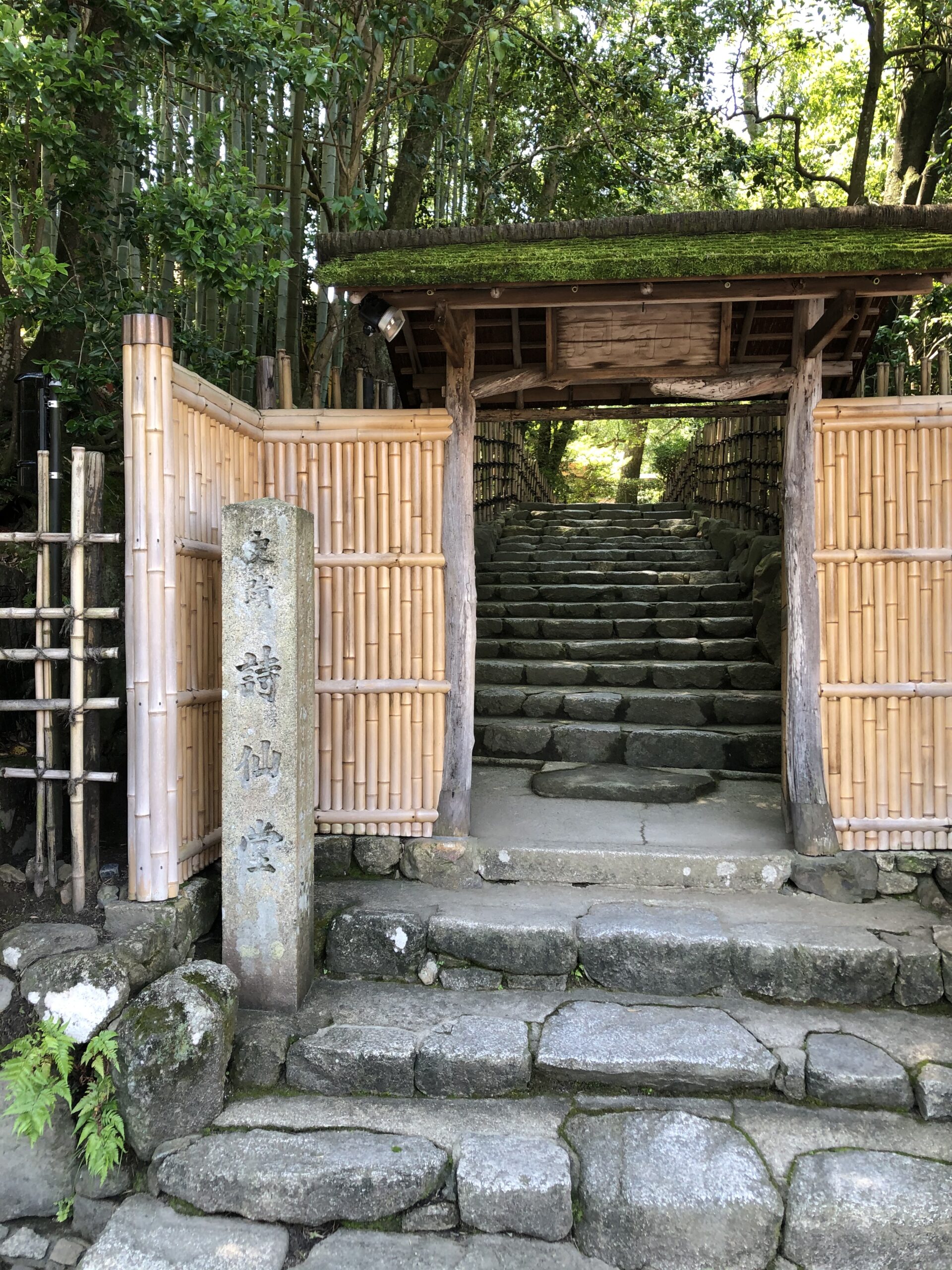
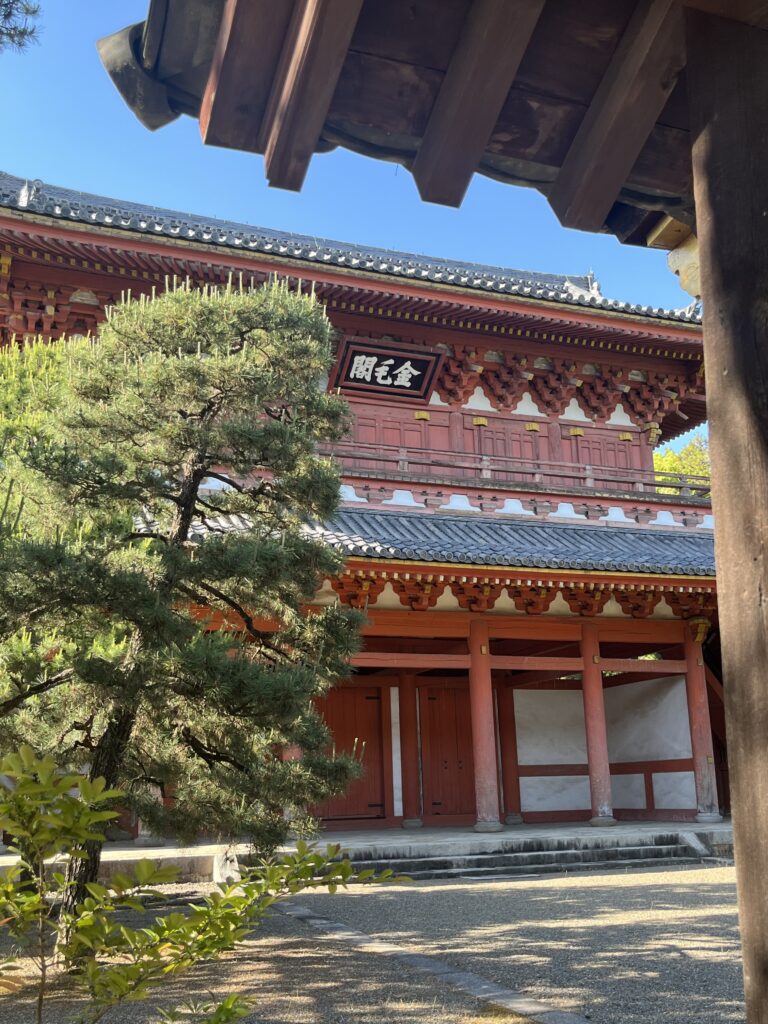
Daitoku-ji Temple (1) (大徳寺)

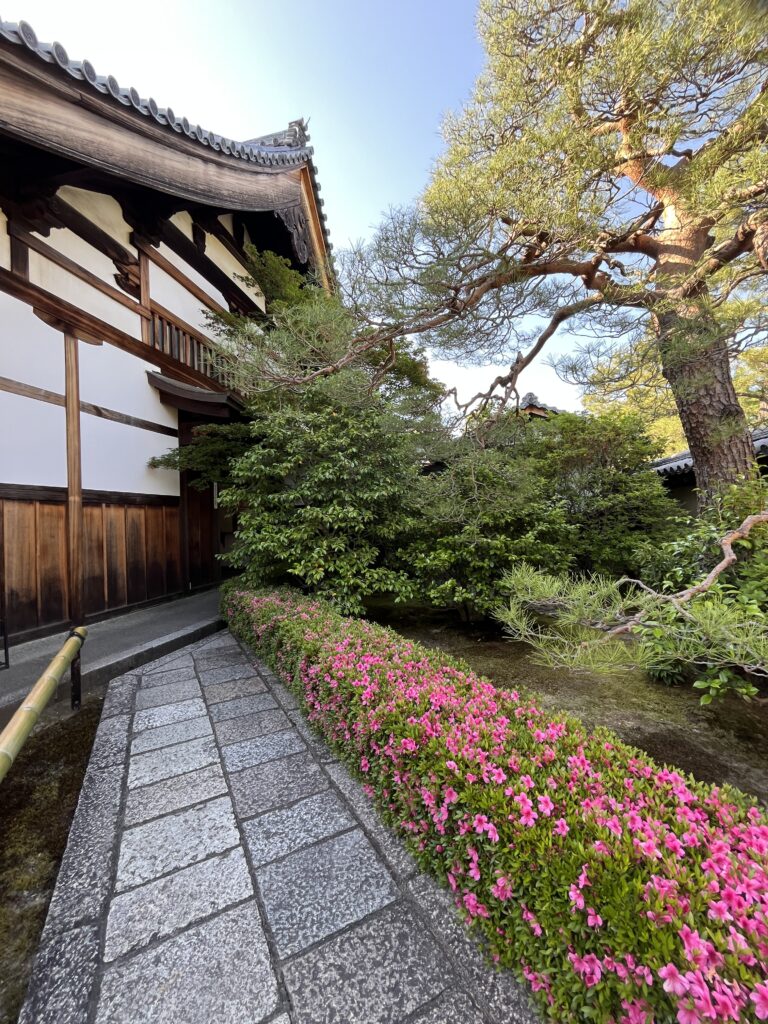
Daitoku-ji Temple is a temple located in Kita Ward, Kyoto City, and has 24 sub-temples.
It is a Zen temple that conveys the spirit of wabi-sabi.
Daitoku-ji Temple is deeply knowledgeable about the tea ceremony, and is particularly famous as the place where Sen no Rikyu, a renowned tea master, trained.
Furthermore, many feudal lords of the Sengoku period had close ties with Daitoku-ji Temple.
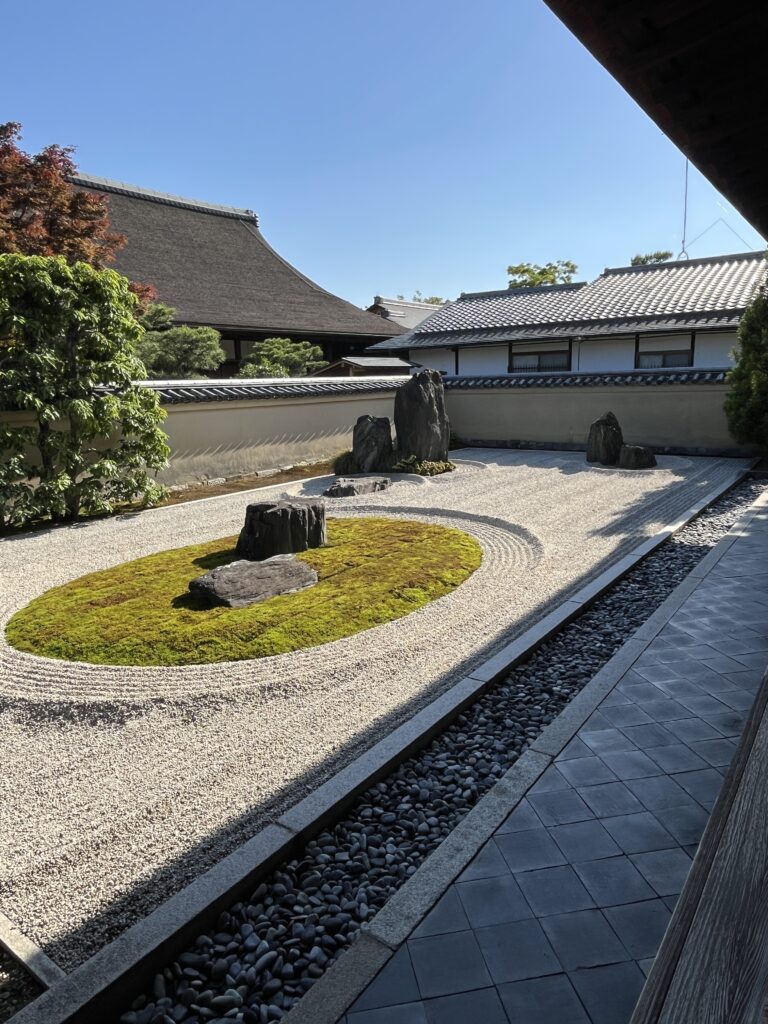
Dry Landscape Garden in Ryogen-in Temple

Location
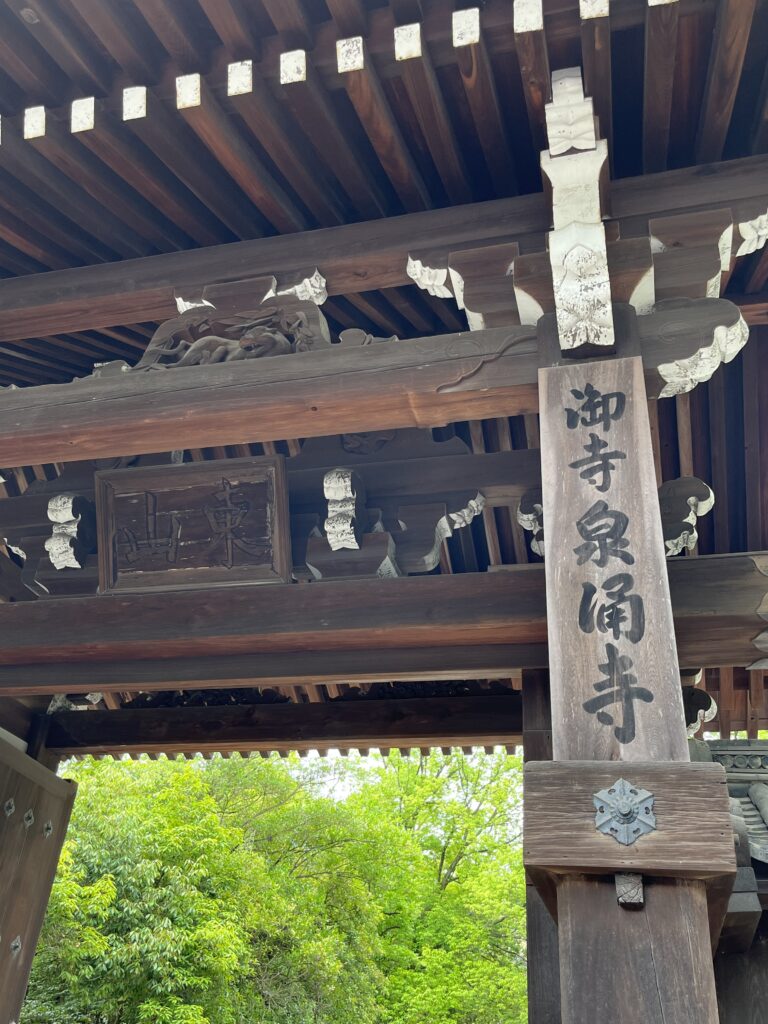
“Mitera” (Imperial Temple) Sennyu-ji Temple (御寺 泉涌寺)

Sennyu-ji Temple has deep ties to the Imperial family and is also known as “Mitera” (Imperial Temple).
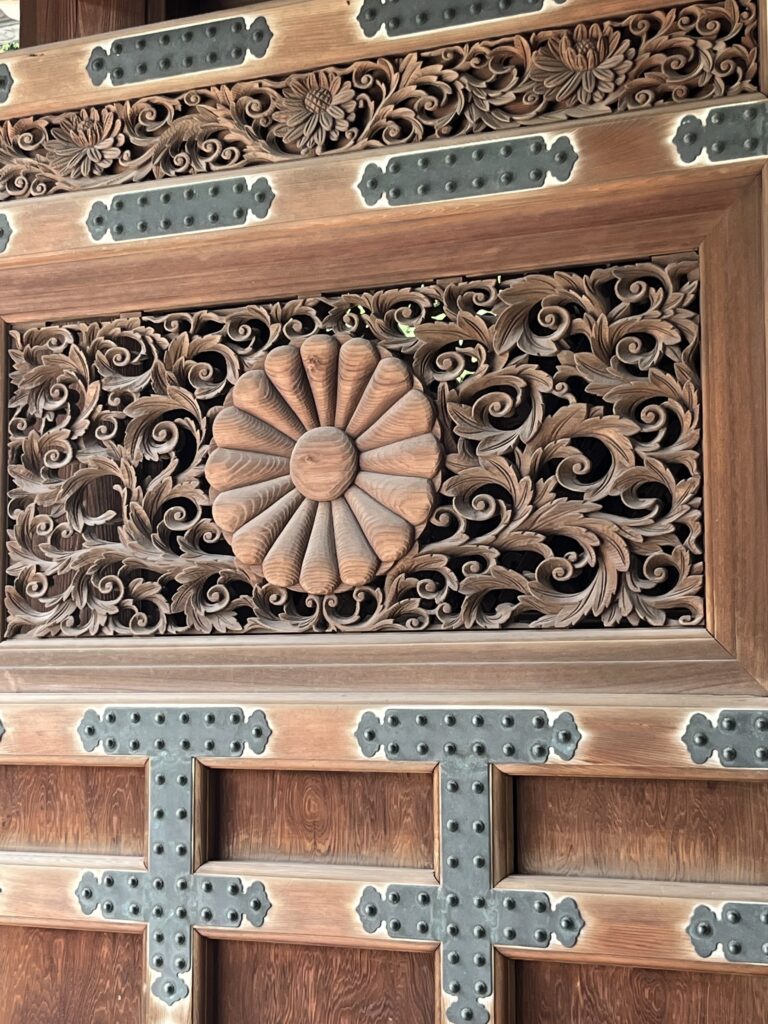
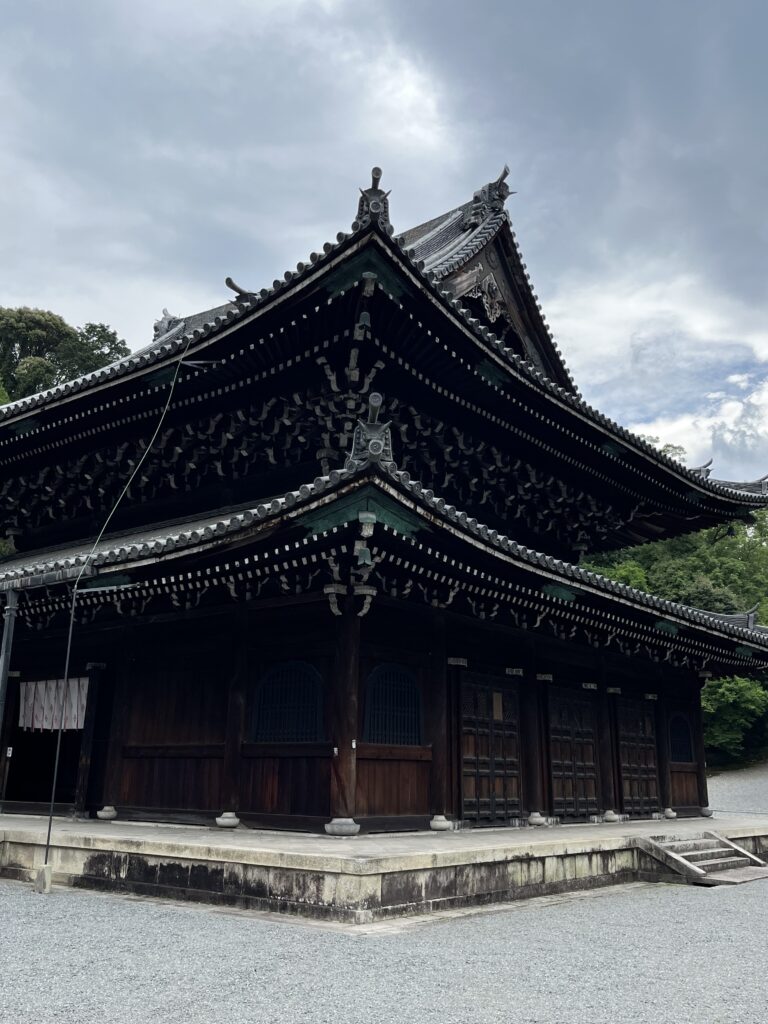
The Buddha Hall (Important Cultural Property) was rebuilt by Tokugawa Ietsuna and houses the three statues of Shakyamuni, Amida, and Maitreya, said to be the work of the Unkei school.
The dragon on the ceiling is said to be the work of Kano Tan’yu, and it also houses the largest Nirvana painting in Japan.

Location


Kyoto Imperial Palace (京都御所)

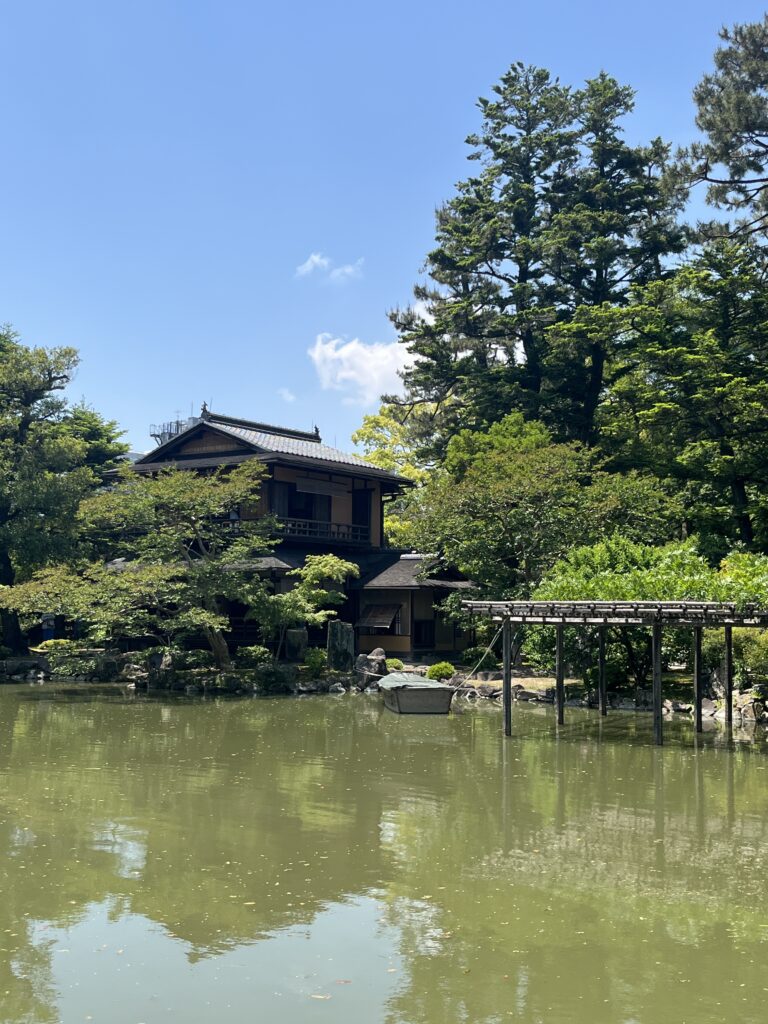
Located in the heart of Kyoto City, the Kyoto Imperial Palace and Kyoto Gyoen National Garden are situated on a large plot of land.
Here, visitors can admire the architectural style, screen paintings, furnishings, and gardens that convey the culture of the imperial court to the present day.

Location

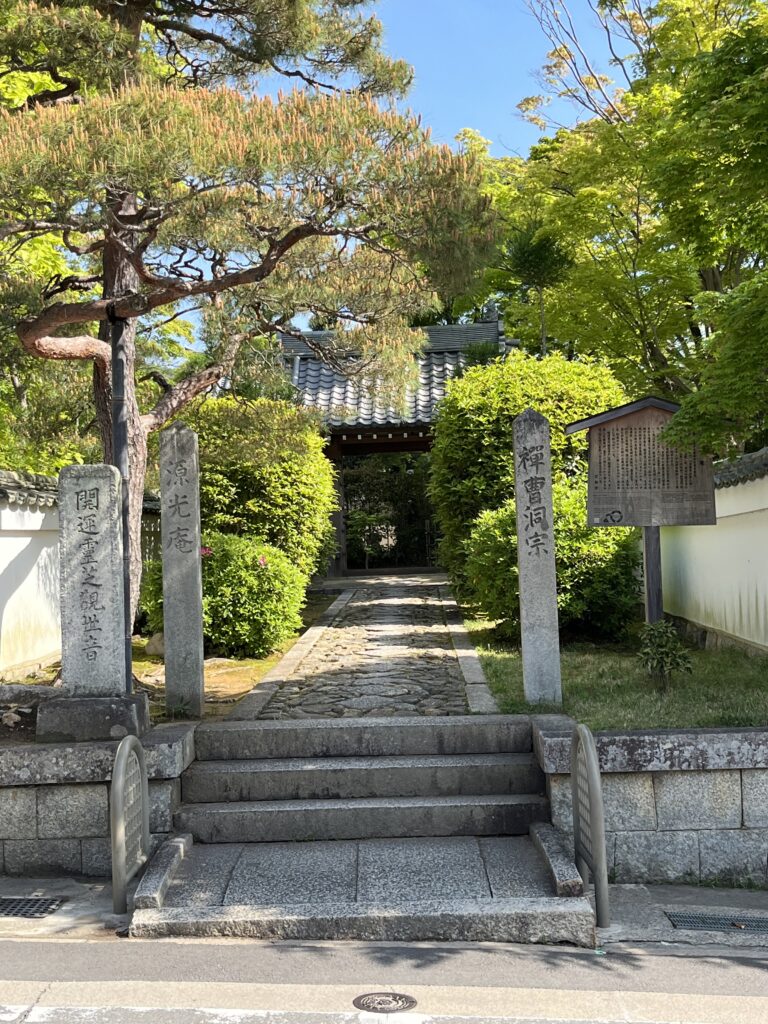
Genko-an Temple(源光庵)

Genko-an is a Zen Buddhist temple located in Takagamine, Kita-ward, Kyoto City.
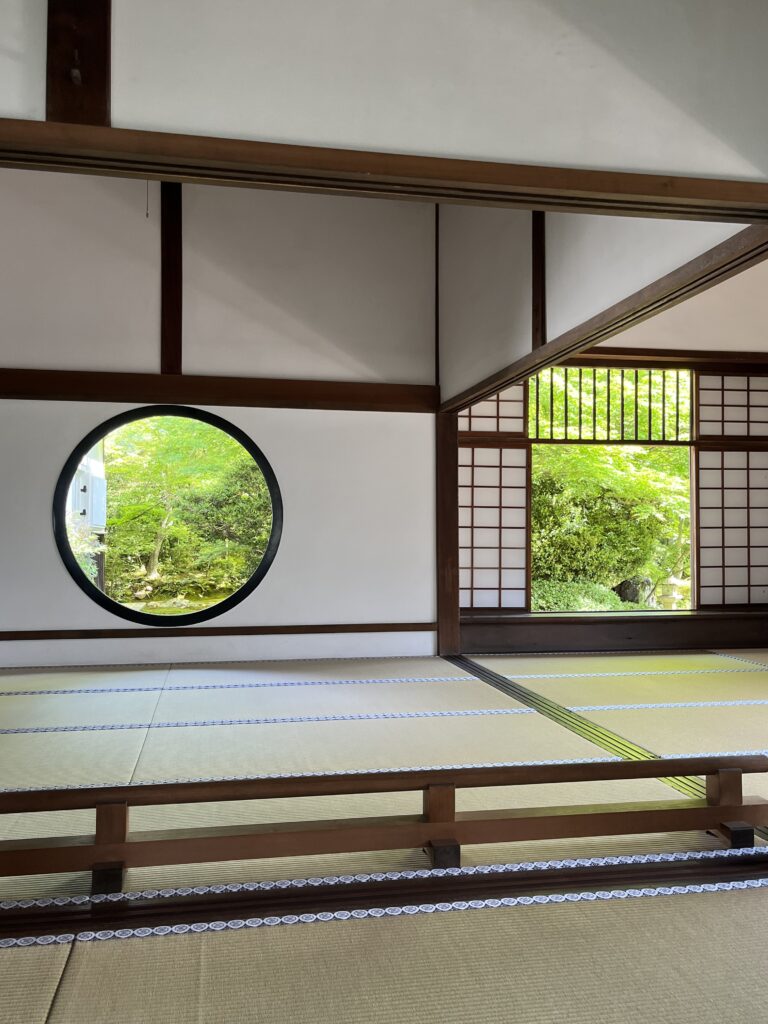
In the main hall of Genko-an, there is a round window called the “Window of Enlightenment” and a square window called the “Window of Delusion.”
The circular shape of the Window of Enlightenment represents the spirit of “Zen and perfect understanding,” and the circle represents the vast universe.
The square shape of the Window of Delusion is said to symbolize “human life,” representing the four sufferings and eight afflictions of birth, aging, sickness, and death.
Please enjoy this peaceful space.

a round window called the “Window of Enlightenment” and a square window called the “Window of Delusion.”

Location

The Aoi Festival(葵祭)

“The Aoi Festival is one of Kyoto’s oldest festivals, with a history of over 1400 years, and is one of Kyoto’s three major festivals (Gion Festival, Jidai Festival, and Aoi Festival).”
“The name of this festival comes from the hollyhock leaves worn by the participants in the procession, and more than 500 people parade from the Imperial Palace to Shimogamo and Kamigamo Shrines.
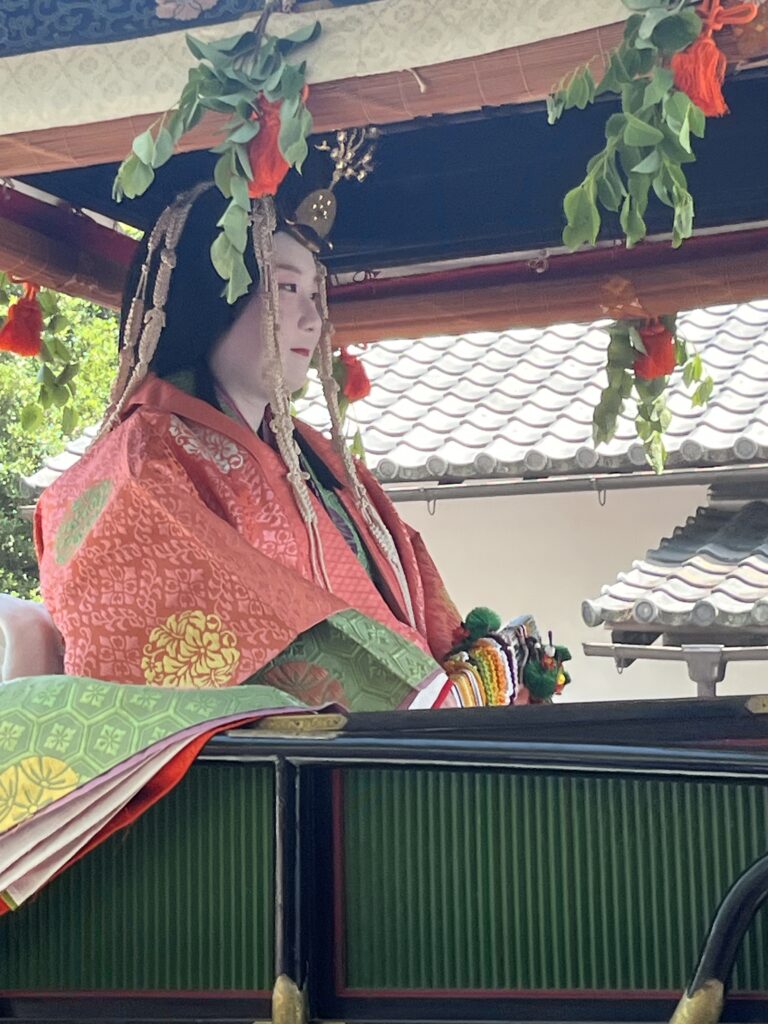
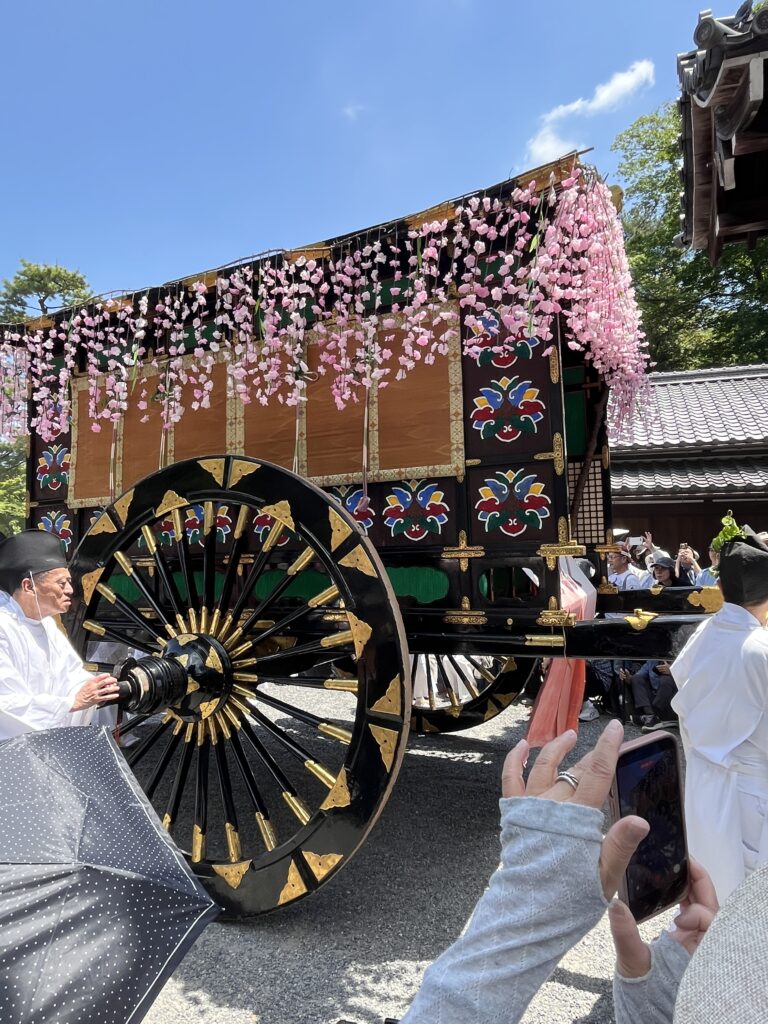
The Saio-dai (Imperial Princess’s representative) and the ox-drawn carriage, in particular, stand out against the fresh greenery and are representative and popular symbols of the festival.
This year (2026), many foreign tourists were once again watching the parade from the streets.

Saiodai (Representative of the Imperial Princess)


Imperial carriage

Location