Genko-an Temple

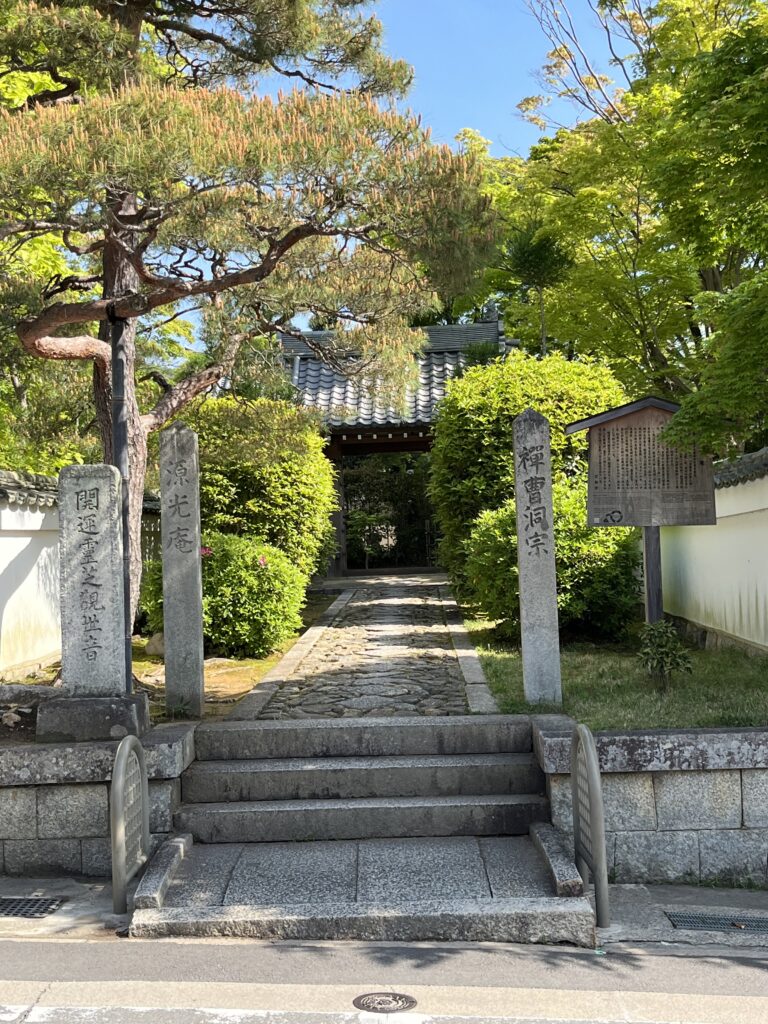
Genko-an is a Zen Buddhist temple located in Takagamine, Kita-ward, Kyoto City.
In the main hall of Genko-an, there is a round window called the “Window of Enlightenment” and a square window called the “Window of Delusion.”
The circular shape of the Window of Enlightenment represents the spirit of “Zen and perfect understanding,” and the circle represents the vast universe.
The square shape of the Window of Delusion is said to symbolize “human life,” representing the four sufferings and eight afflictions of birth, aging, sickness, and death.
Please enjoy this peaceful space.
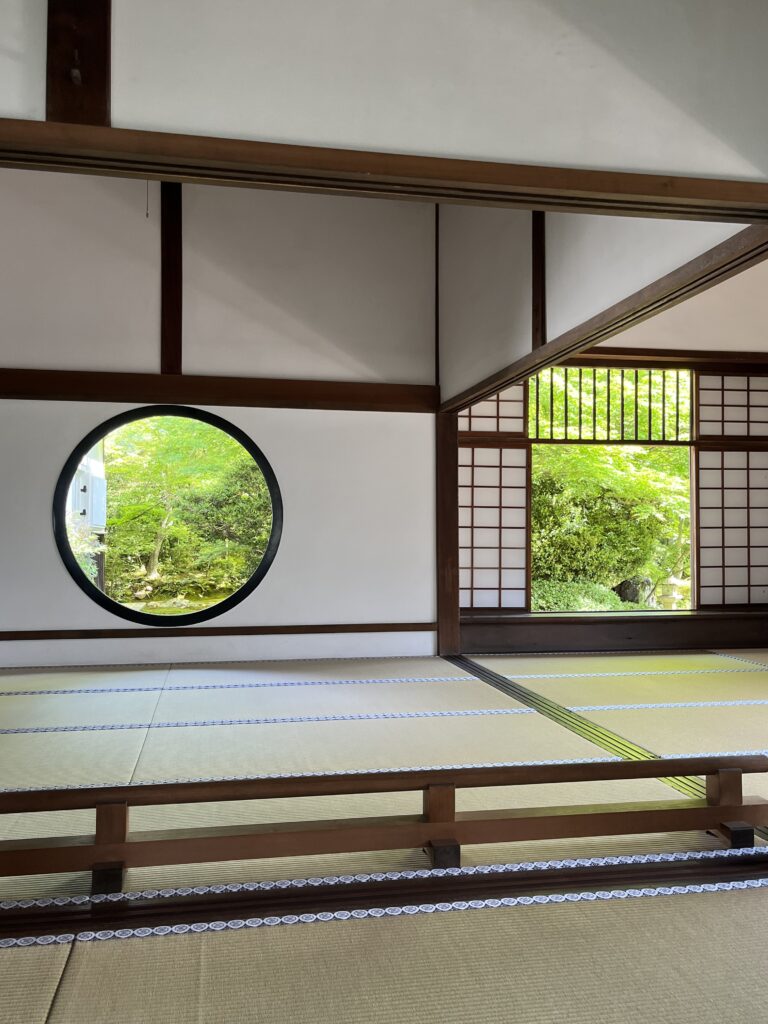
a round window called the “Window of Enlightenment” and a square window called the “Window of Delusion.”

Location
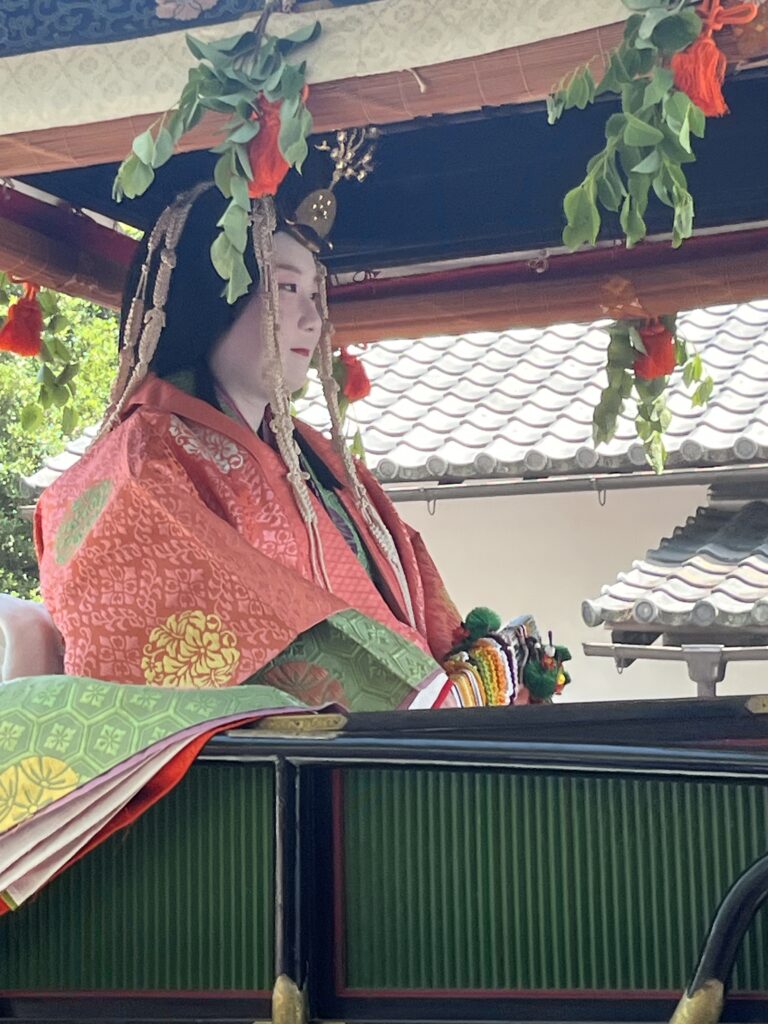
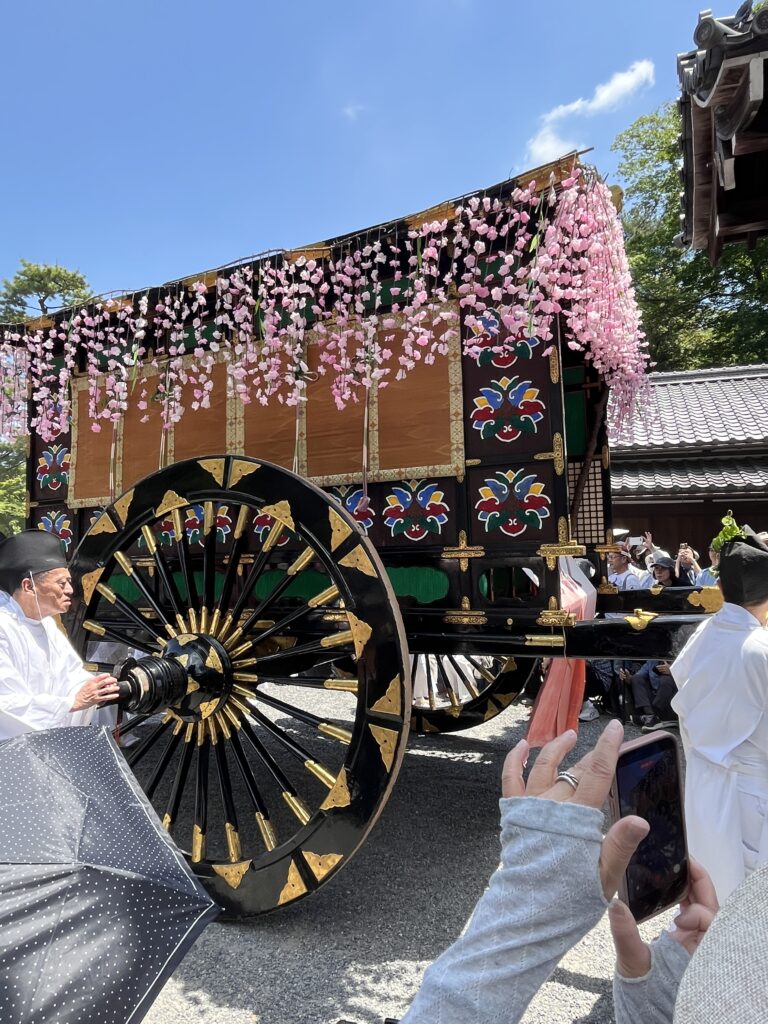
The Aoi Festival

“The Aoi Festival is one of Kyoto’s oldest festivals, with a history of over 1400 years, and is one of Kyoto’s three major festivals (Gion Festival, Jidai Festival, and Aoi Festival).”
“The name of this festival comes from the hollyhock leaves worn by the participants in the procession, and more than 500 people parade from the Imperial Palace to Shimogamo and Kamigamo Shrines.
The Saio-dai (Imperial Princess’s representative) and the ox-drawn carriage, in particular, stand out against the fresh greenery and are representative and popular symbols of the festival.
This year (2026), many foreign tourists were once again watching the parade from the streets.

Saiodai (Representative of the Imperial Princess)


Imperial carriage

Location


Kōsan-ji Temple(2)

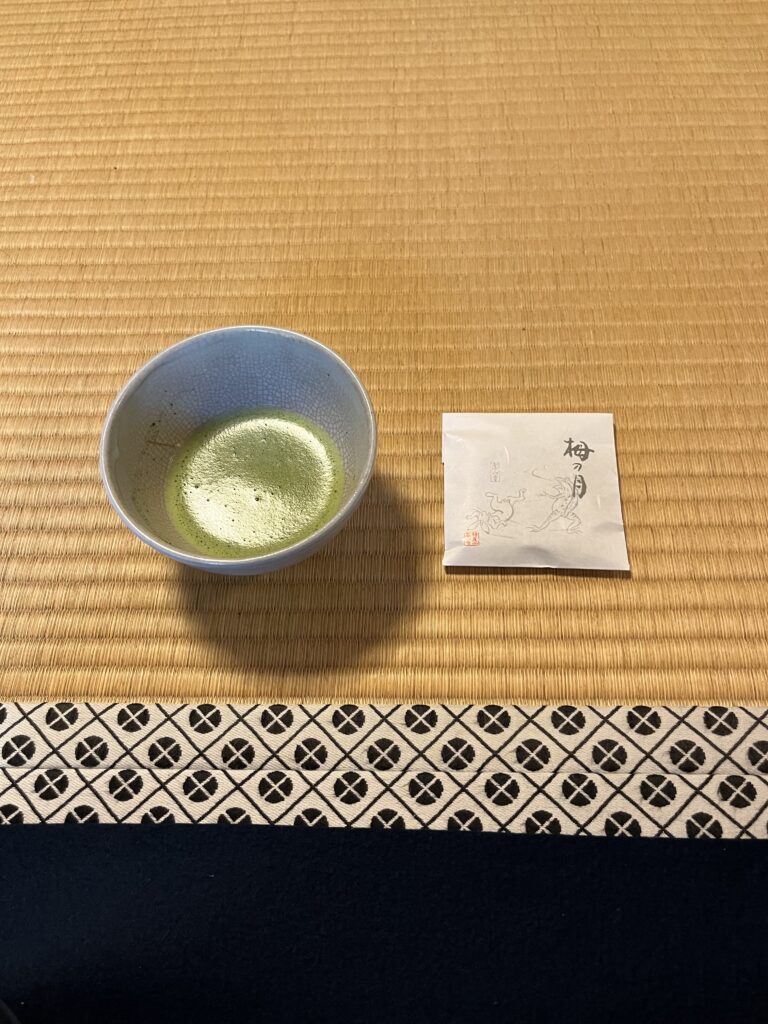
Kōsan-ji Temple is also famous as the first place in Japan where tea was cultivated, and there is a monument on the temple grounds that reads “Japan’s oldest tea plantation.” Visitors can also enjoy matcha green tea.

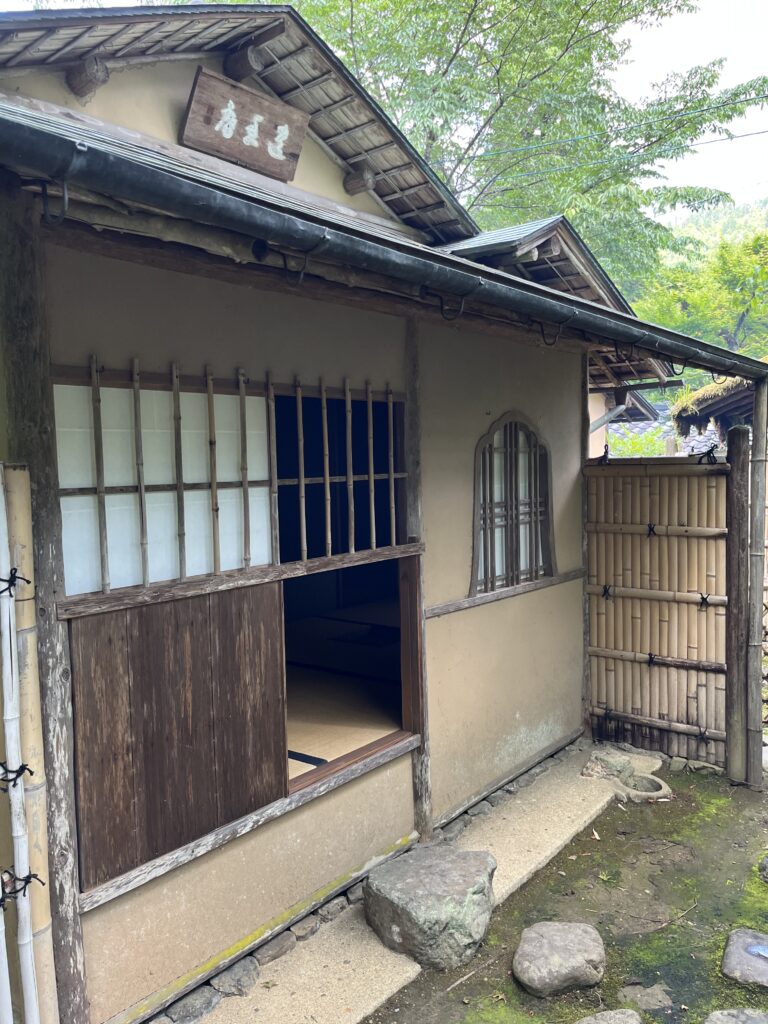
Tea Room


Matcha tea and Japanese sweets

Location


Kosan-ji Temple (1)

Kōzan-ji Temple is an ancient temple founded in 774.
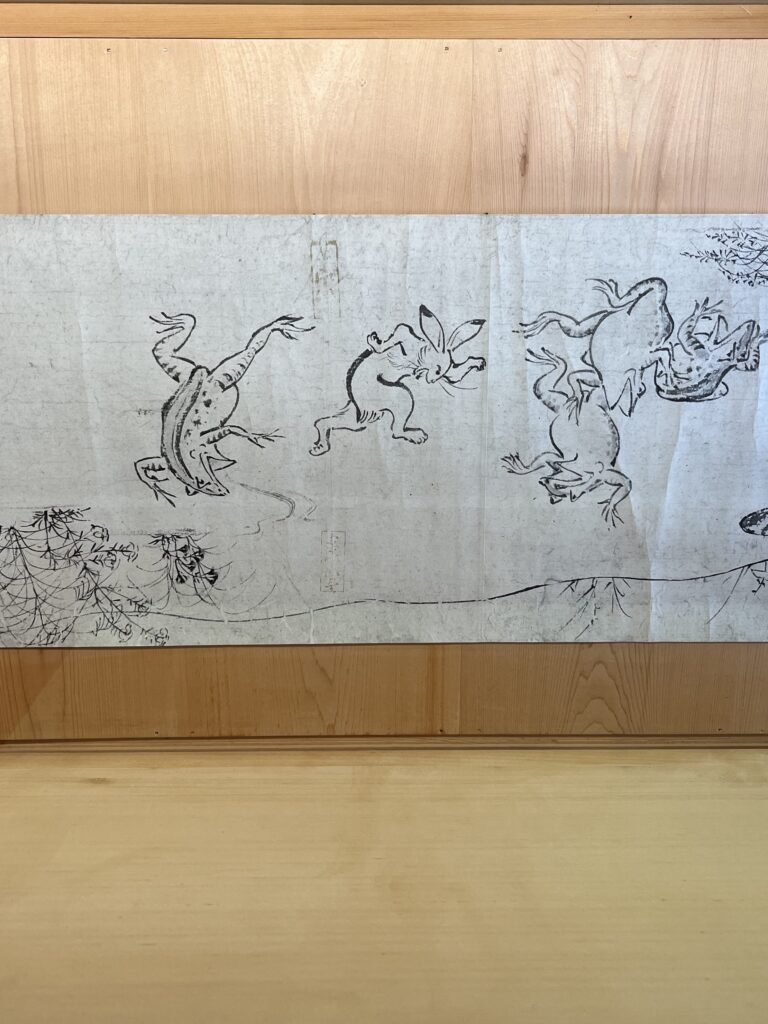
It possesses many treasures, including the “Chōjū-jinbutsu-giga” (Scrolls of Frolicking Animals and People), which is said to be the oldest Manga in Japan.
“Chōjū” refers to familiar animals such as birds and beasts, and “giga” means a picture drawn in a humorous or entertaining way.


“Chōjū-jinbutsu-giga”

Location

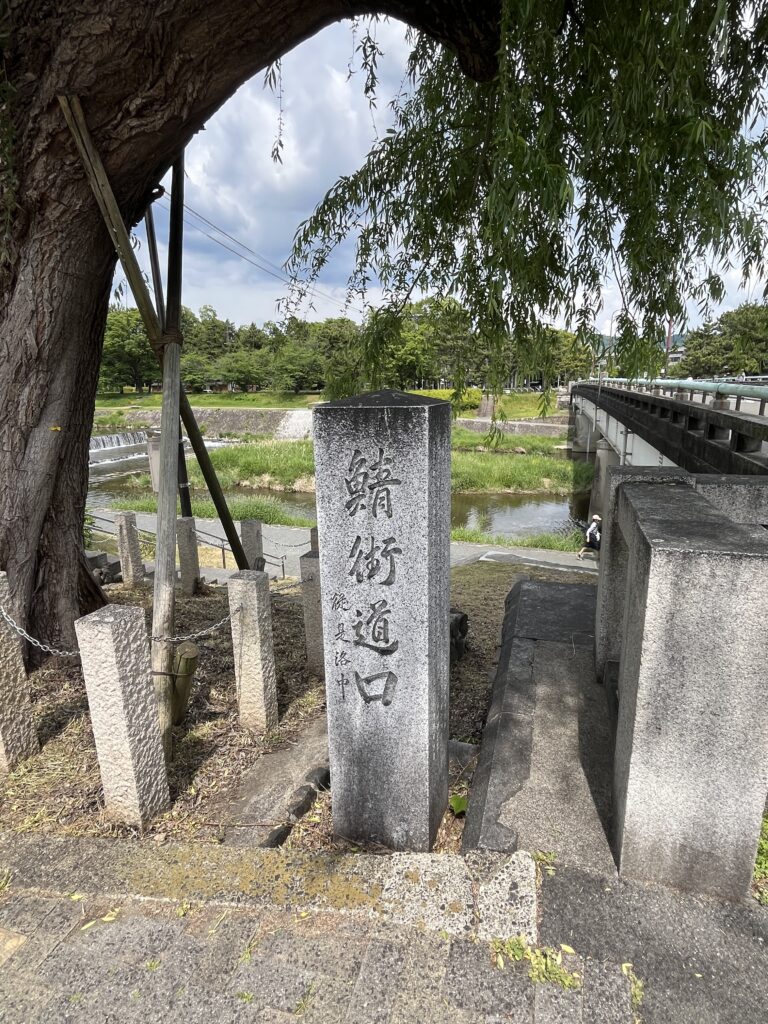
“Mackerel Road.”

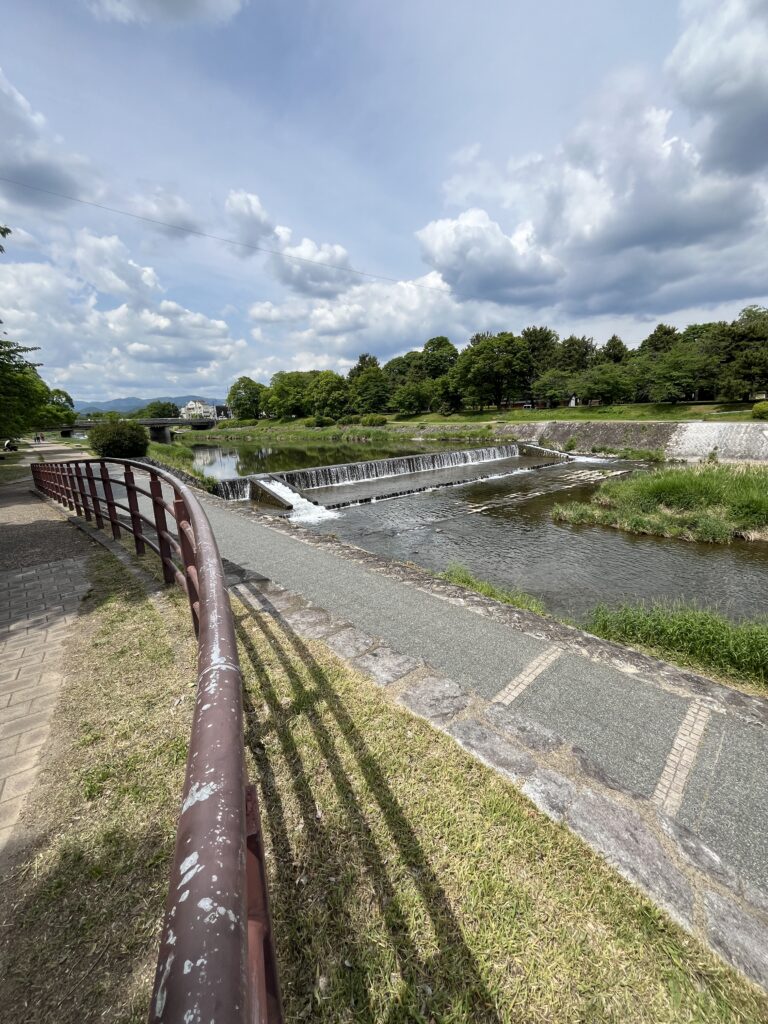
This is the Kamo River, which flows through the center of Kyoto City. Kyoto Prefecture has the Sea of Japan to its north, and there was a road that transported fish (mackerel) caught there to what is now Kyoto City, which was known as the “Mackerel Road.” Demachiyanagi is the final destination of that Mackerel Road.


Final Destination of “Mackerel Road.”

Location