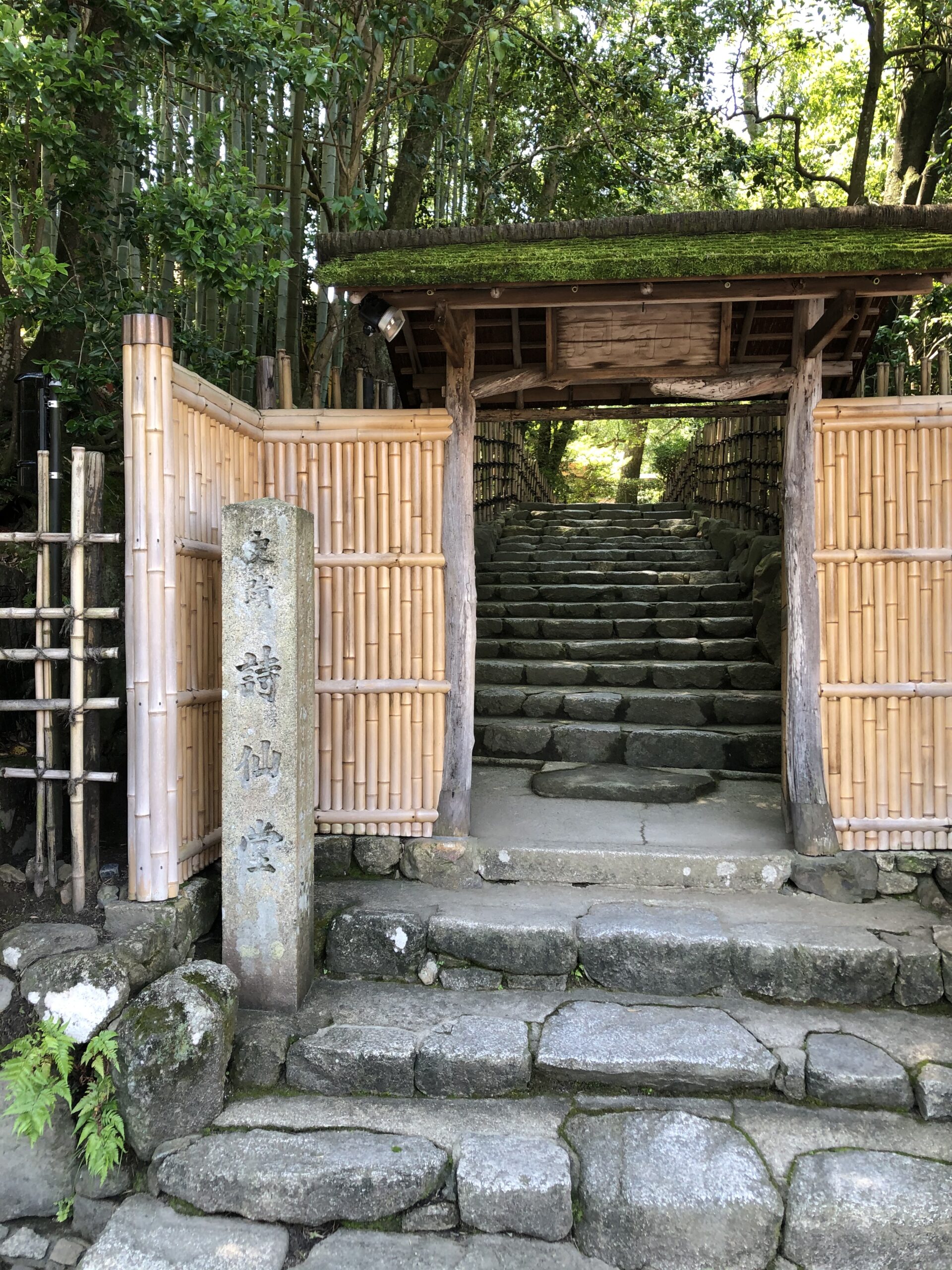
Daihikaku Senko-ji Temple(大悲閣 千光寺)

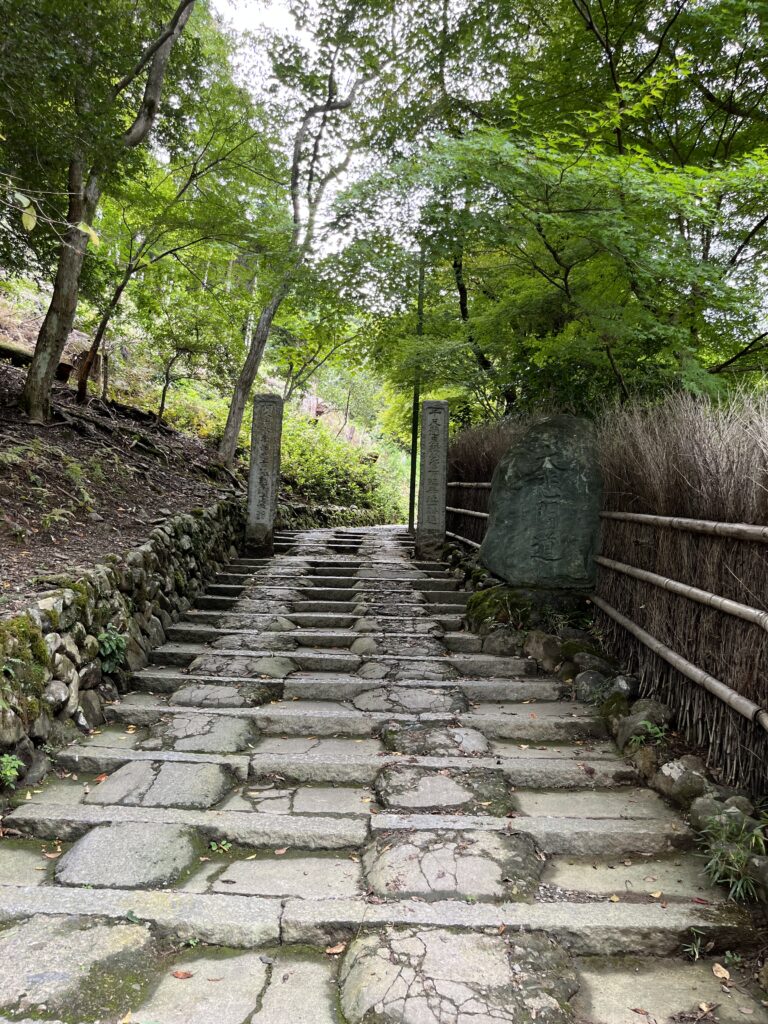
About a kilometer upstream along the Hozugawa River from the
Togetsukyo Bridge in Arashiyama, you can see a mystical landscape completely different from the hustle and bustle of Arashiyama.
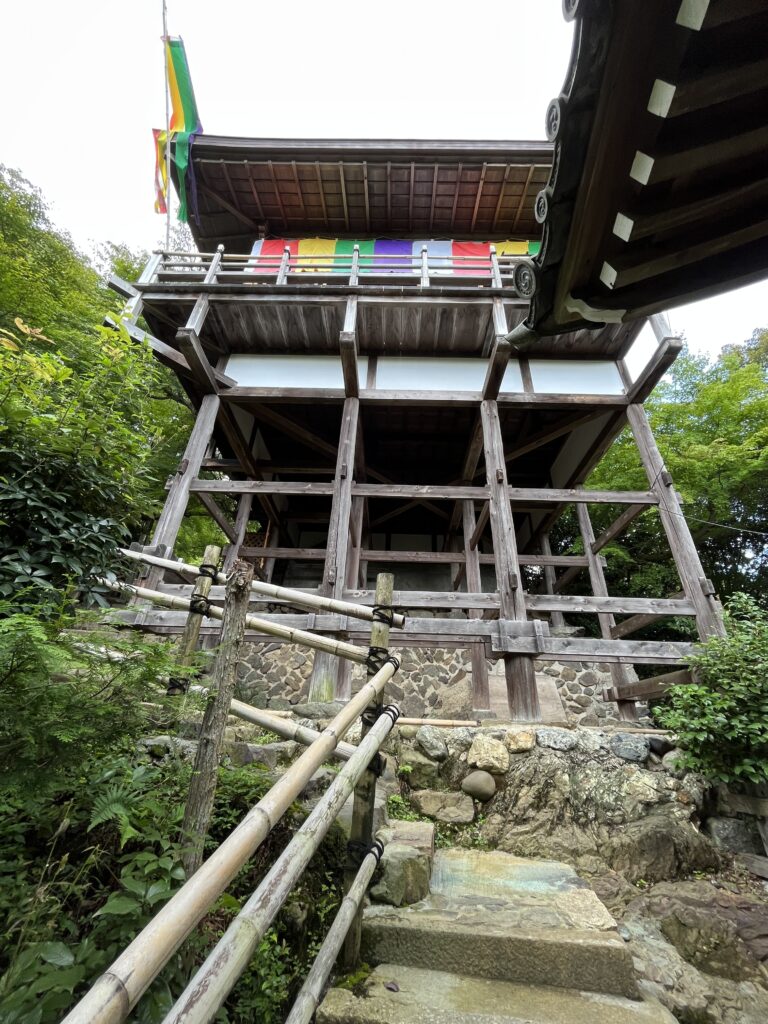
The temple built on a cliff overlooking the Hozugawa River is Daihikaku
Senko-ji Temple.
The founder of Senkoji Temple, Suminokura Ryōi (1554-1614), was
a wealthy merchant who invested his personal fortune in the development of the Ōi River and Takase River in Kyoto, making a significant contribution to the development of Kyoto’s economy.
Daihikaku Senko-ji Temple

Location
Green Maple Leaves (3) 青紅葉(瑠璃光院)

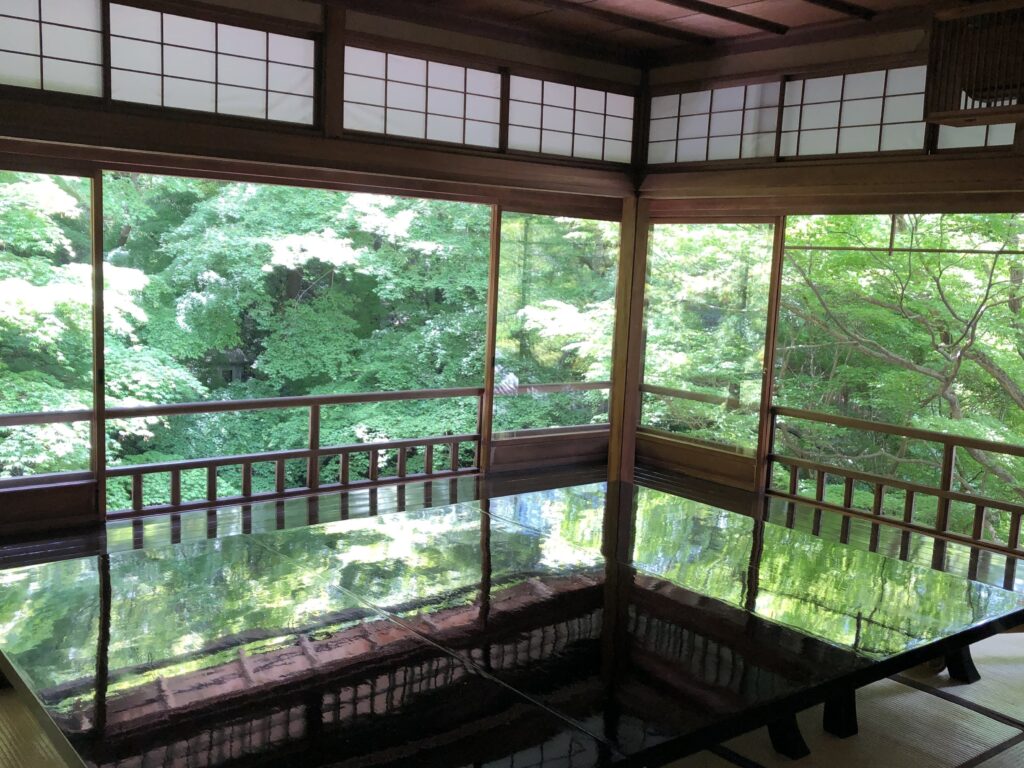
This is Ruriko In Temple, located in the northeastern part of Kyoto City,
at the foot of Mt. Hiei.
While it’s also famous as a place to admire the fresh greenery,
it’s particularly renowned for allowing visitors to simultaneously appreciate the reflections of the greenery on the floor and on the tables.


Ruriko In Temple

Location

Togetsu-Kyo Bridge(渡月橋)

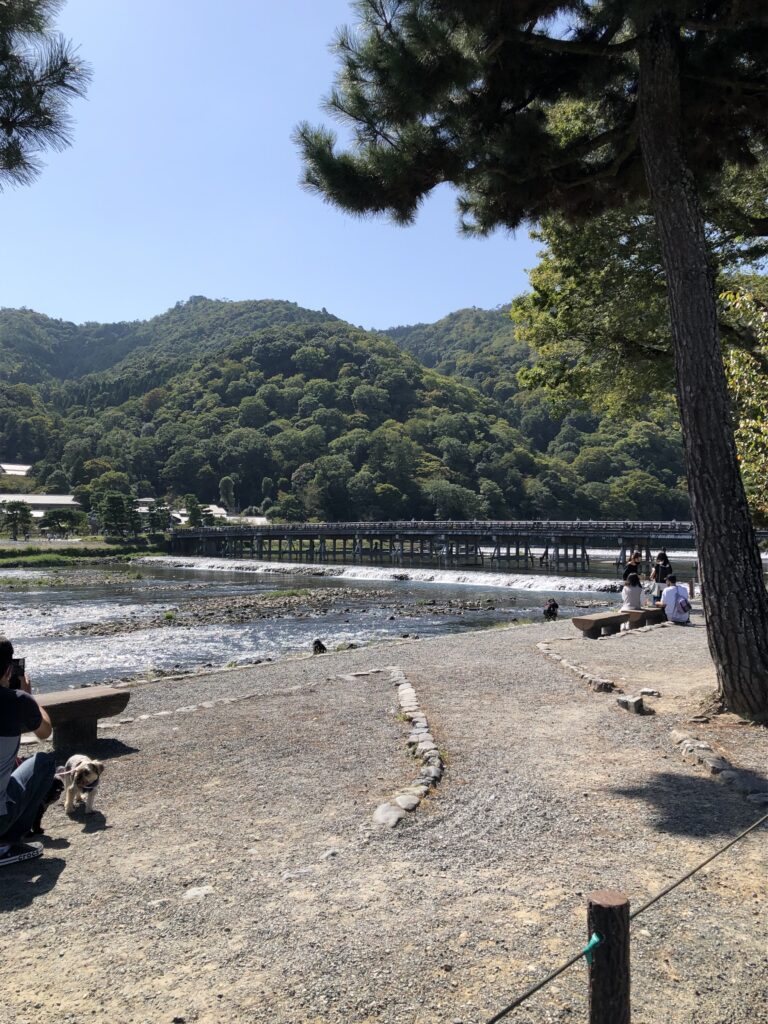
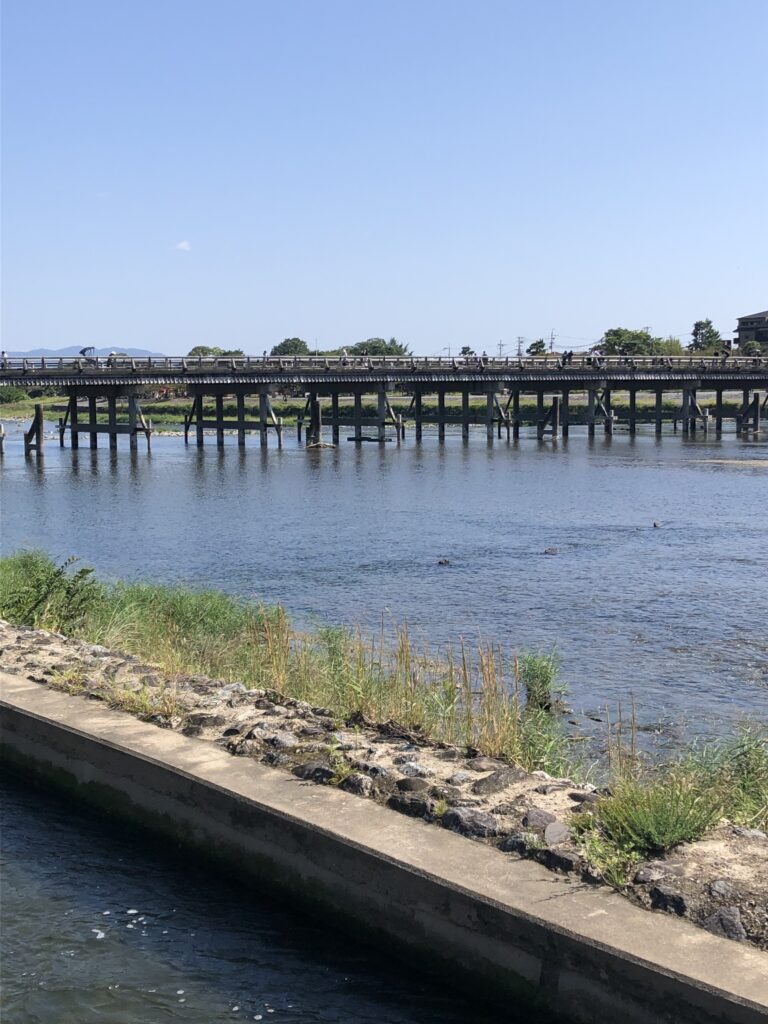
This photo shows Arashiyama, famous for its symbolic “Togetsukyo Bridge.”
The bridge was named after the emperor, who long ago saw the moon
appearing to cross it.
It’s a popular tourist spot that’s bustling with people during the day,
so early morning is recommended.


Togetsu-kyo Bridge


Location

Ryōan-ji Temple(龍安寺)

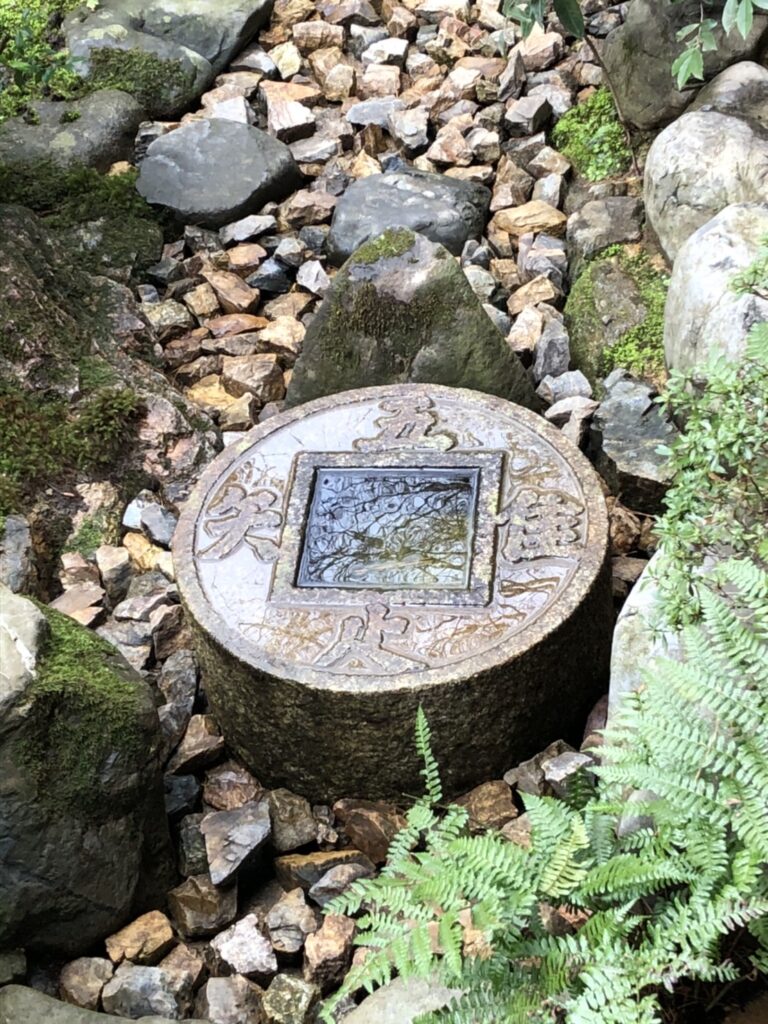
This is a tsukubai (stone basin) located at Ryōan-ji Temple, a Zen Buddhist temple in the northwest of Kyoto City.
A tsukubai is a stone basin filled with water used to purify one’s hands
and mouth before entering a tearoom.
The inscription here reads “吾唯足知,” which translates to “I learn only to be contented” or “I am content with what I have (am)” in English. This is a Zen teaching.
Ryoan-ji Temple

Location