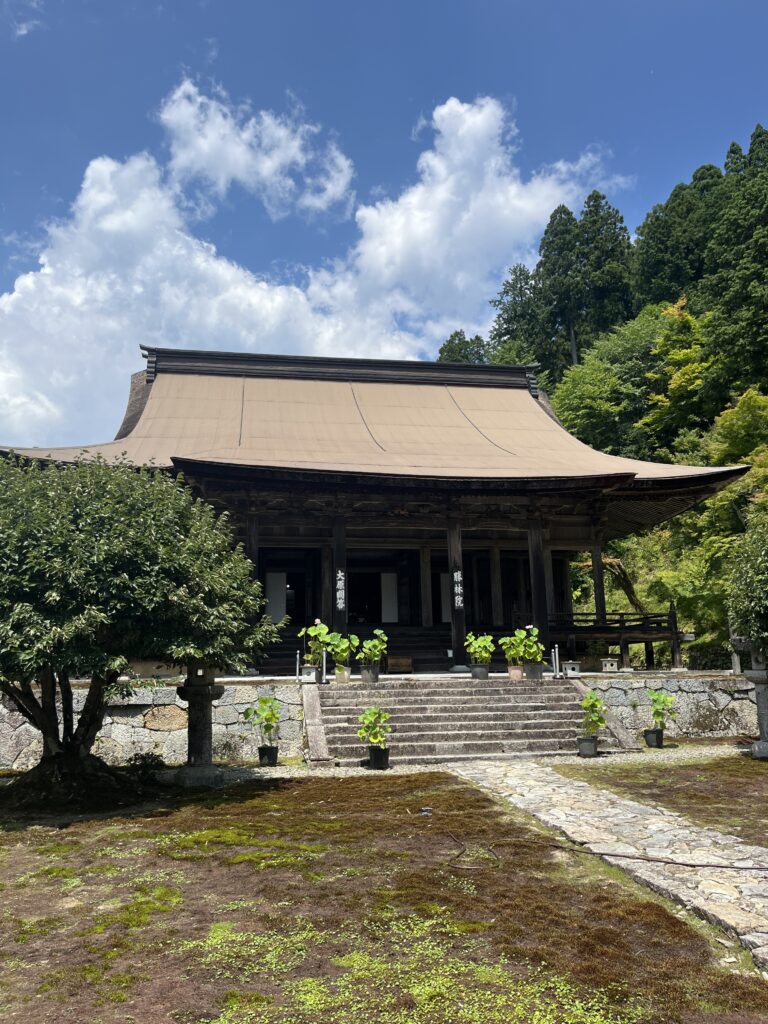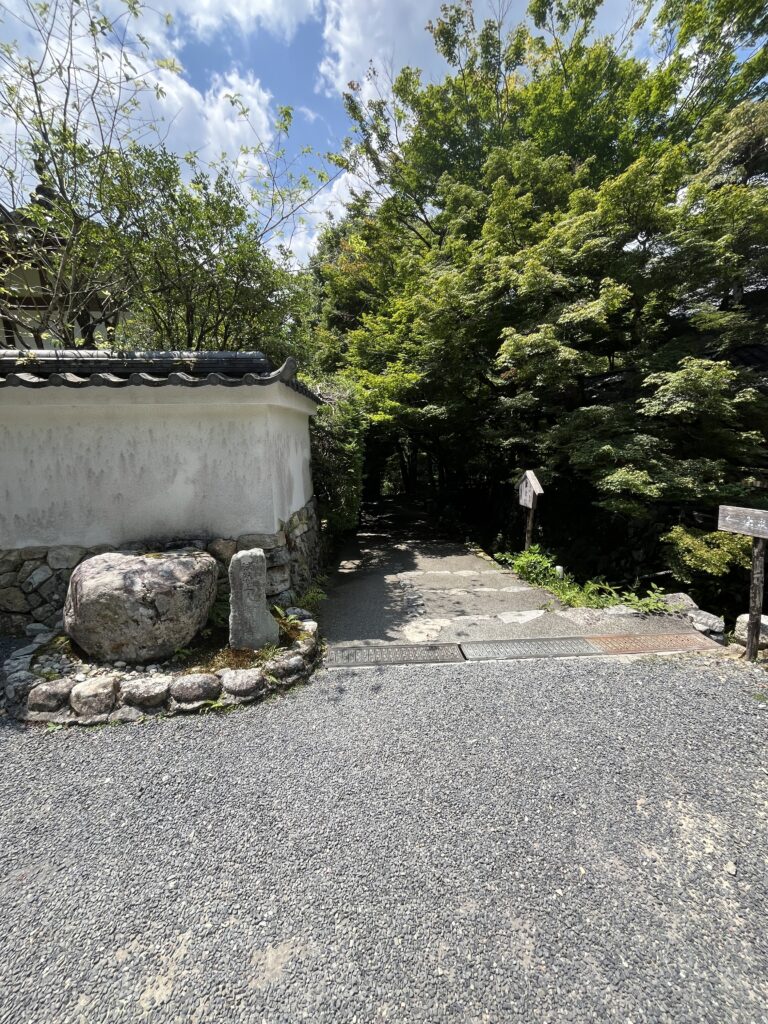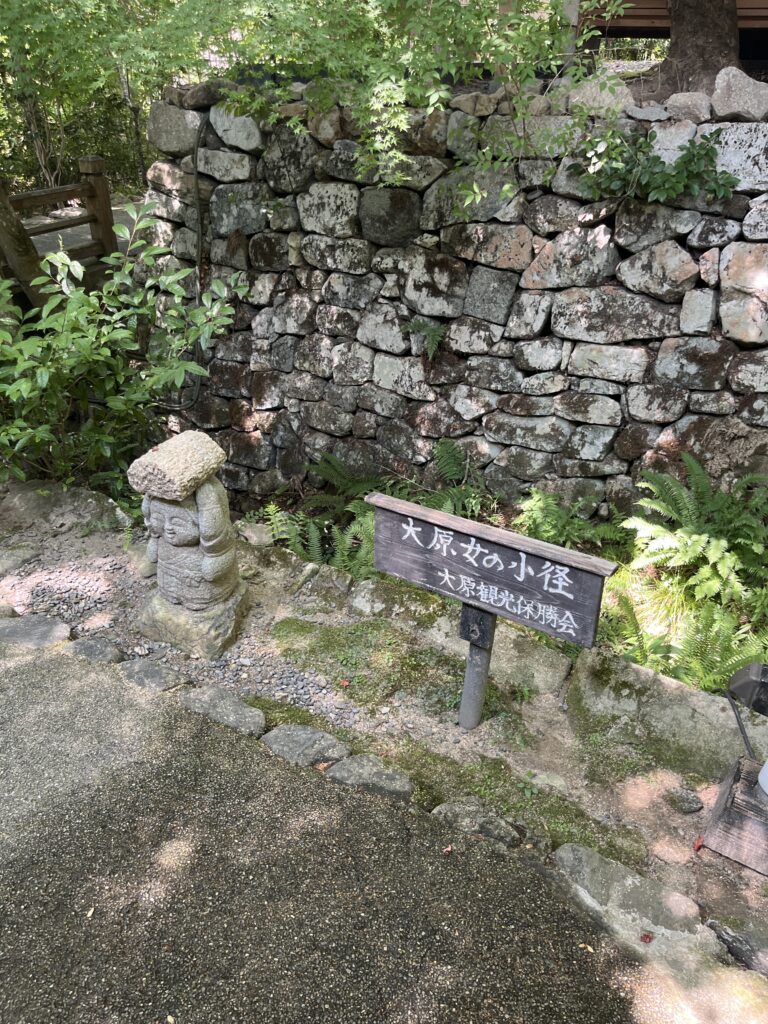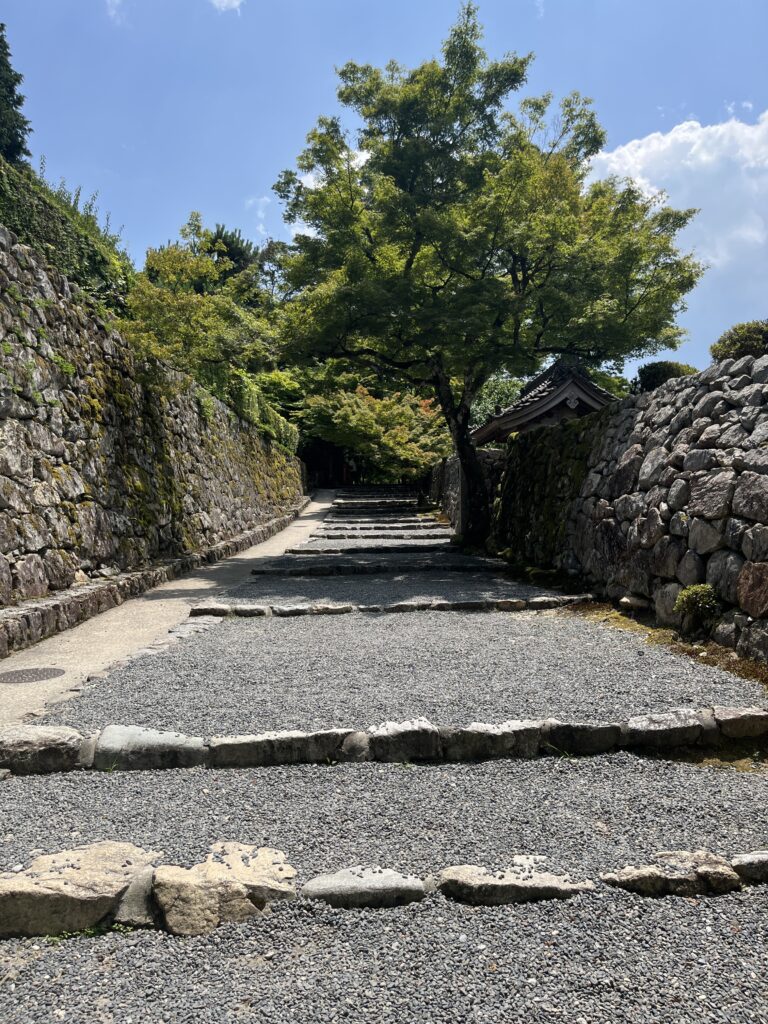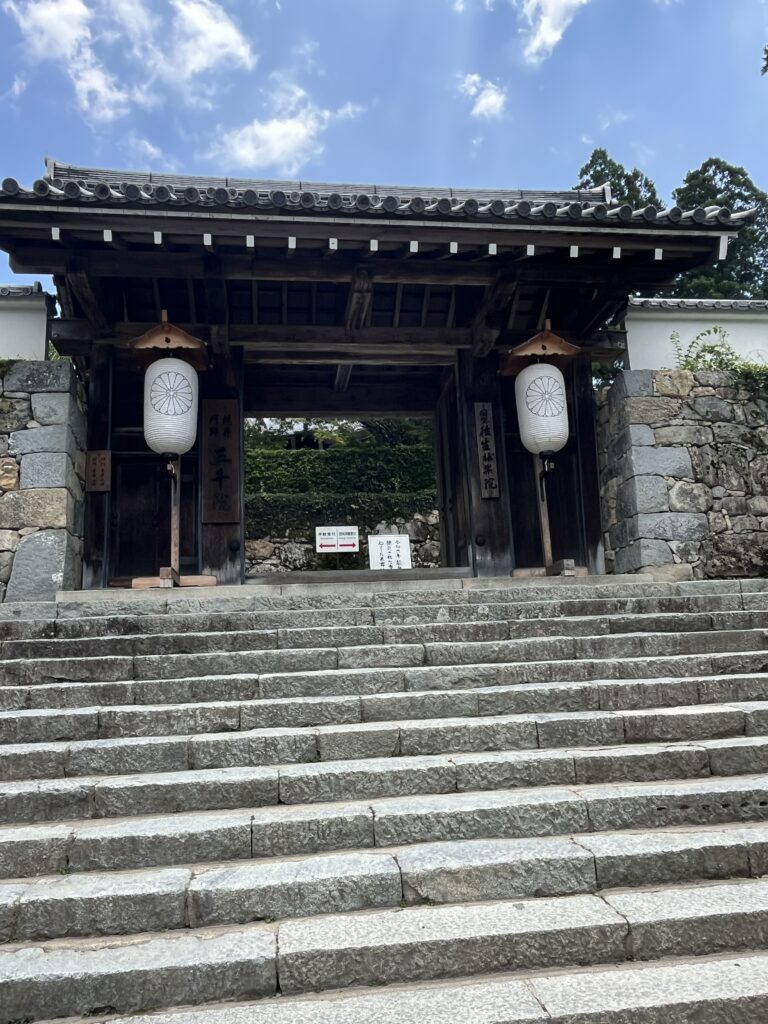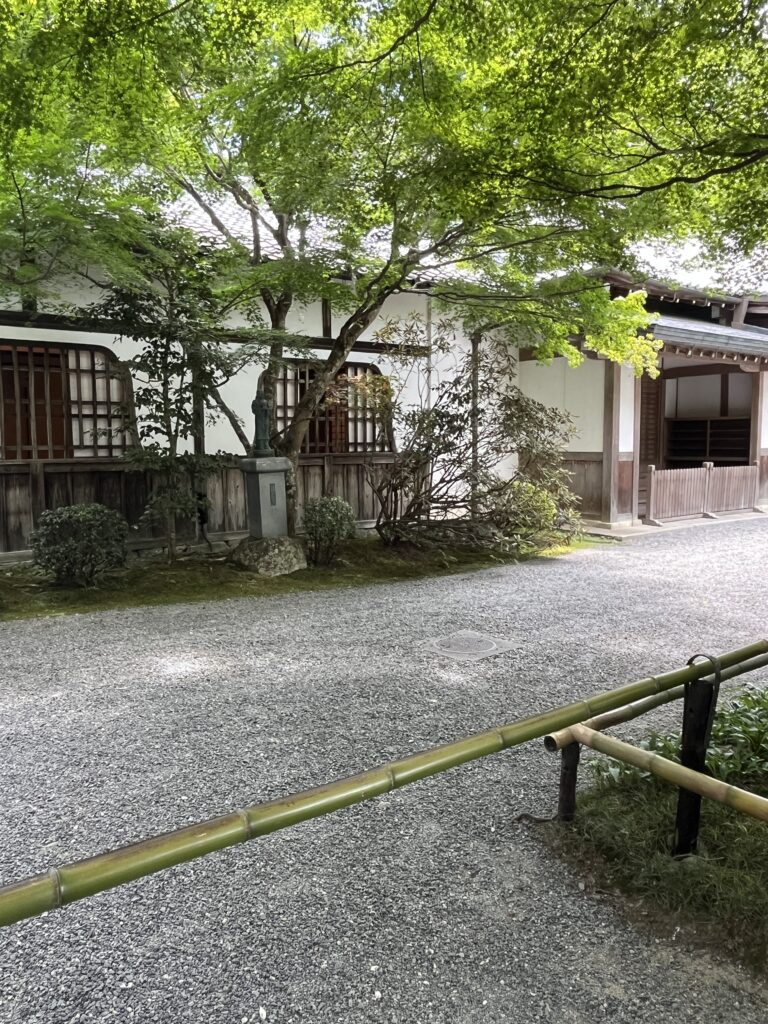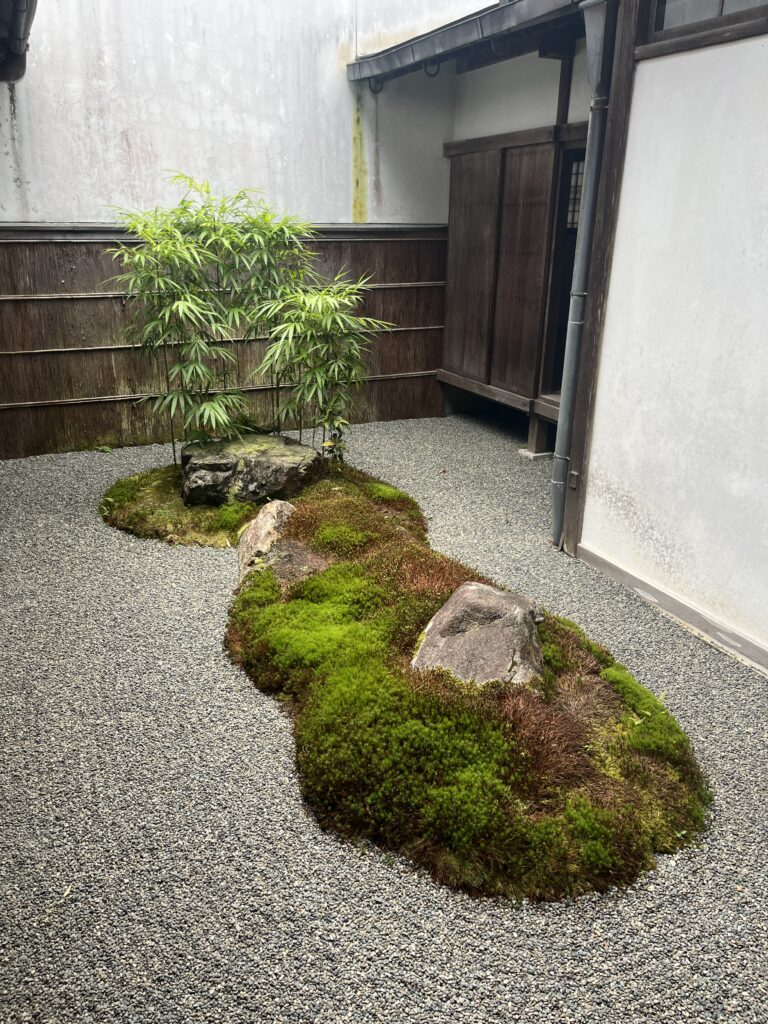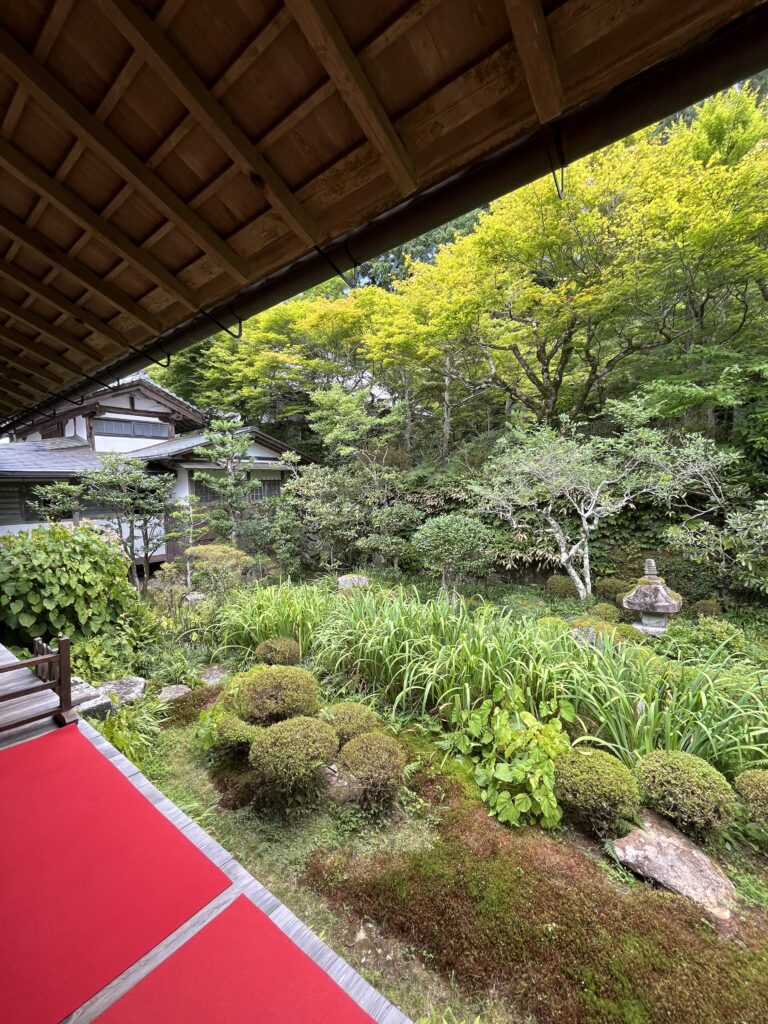
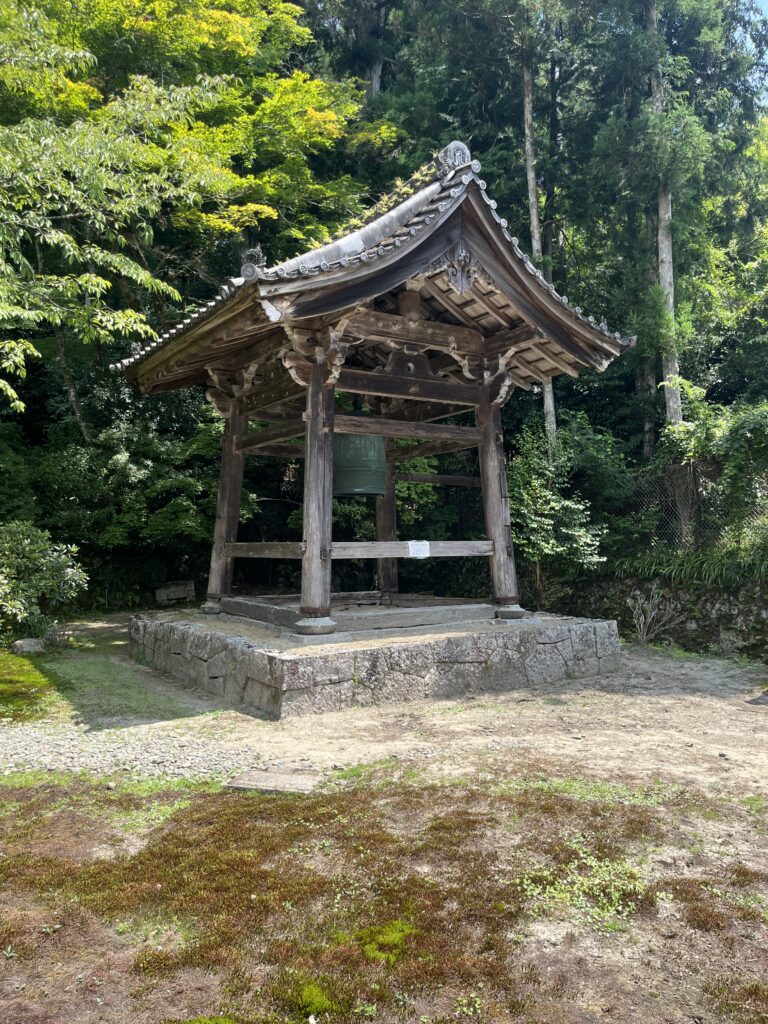
Syorinin Temple(勝林院)

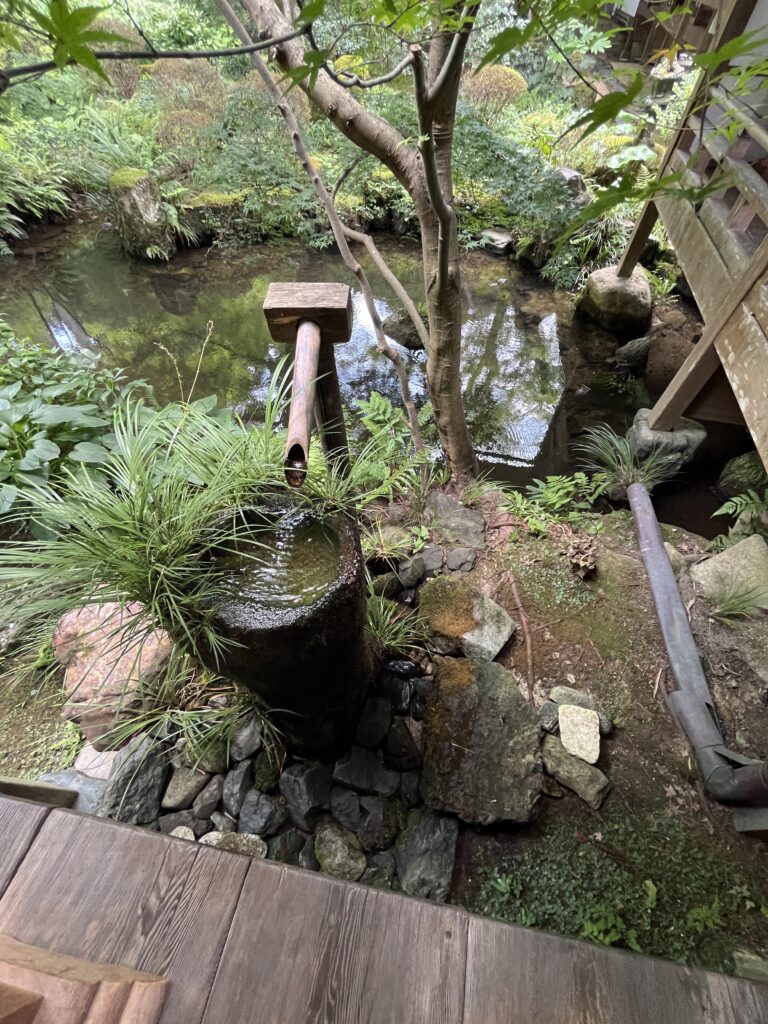
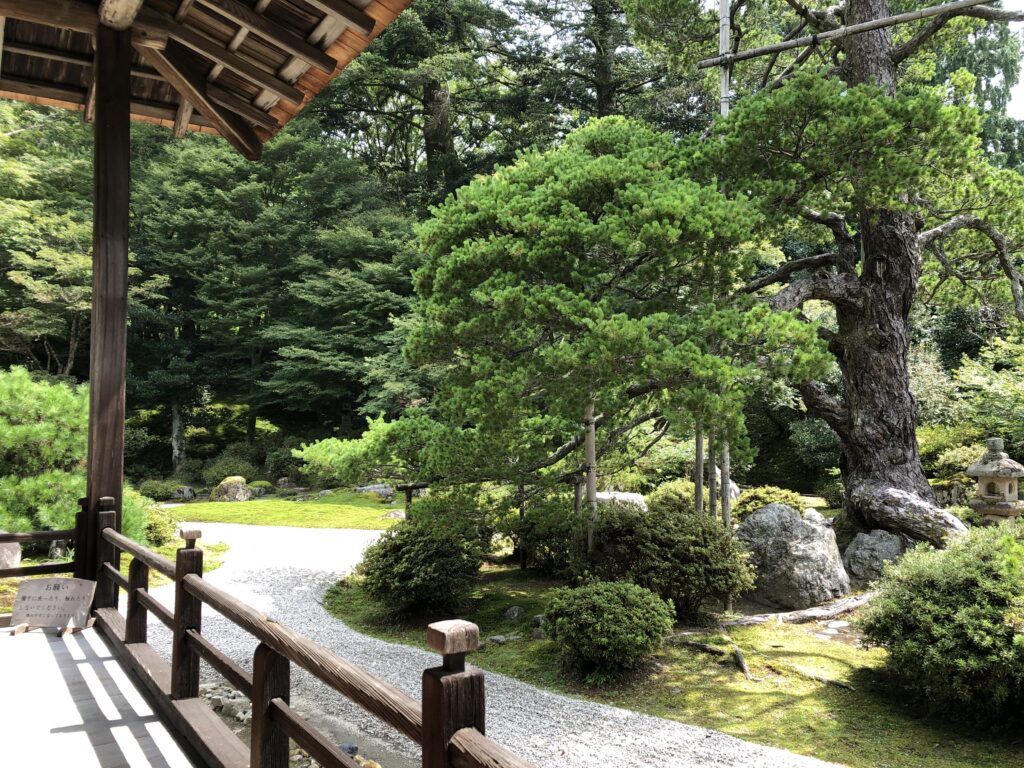
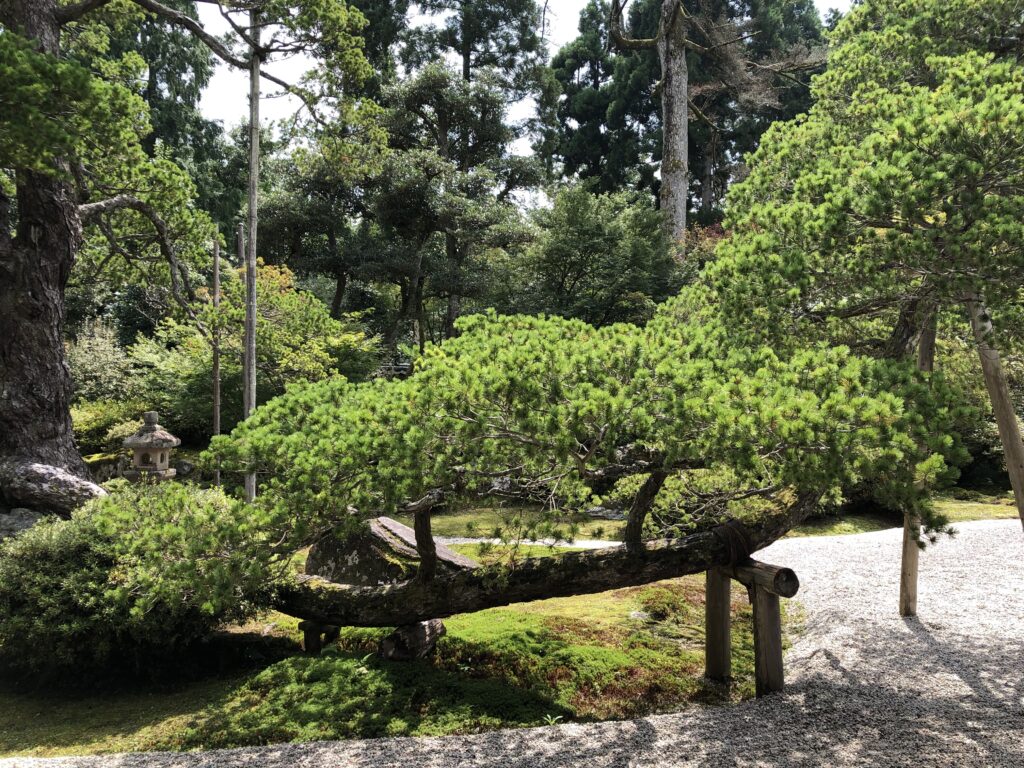
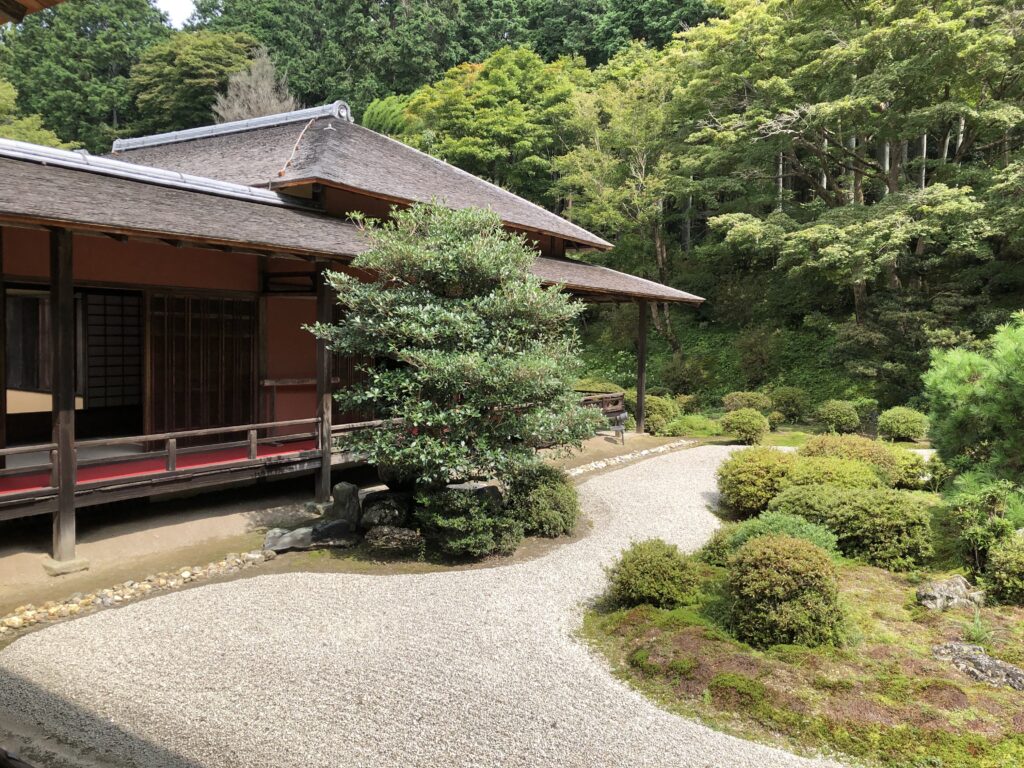
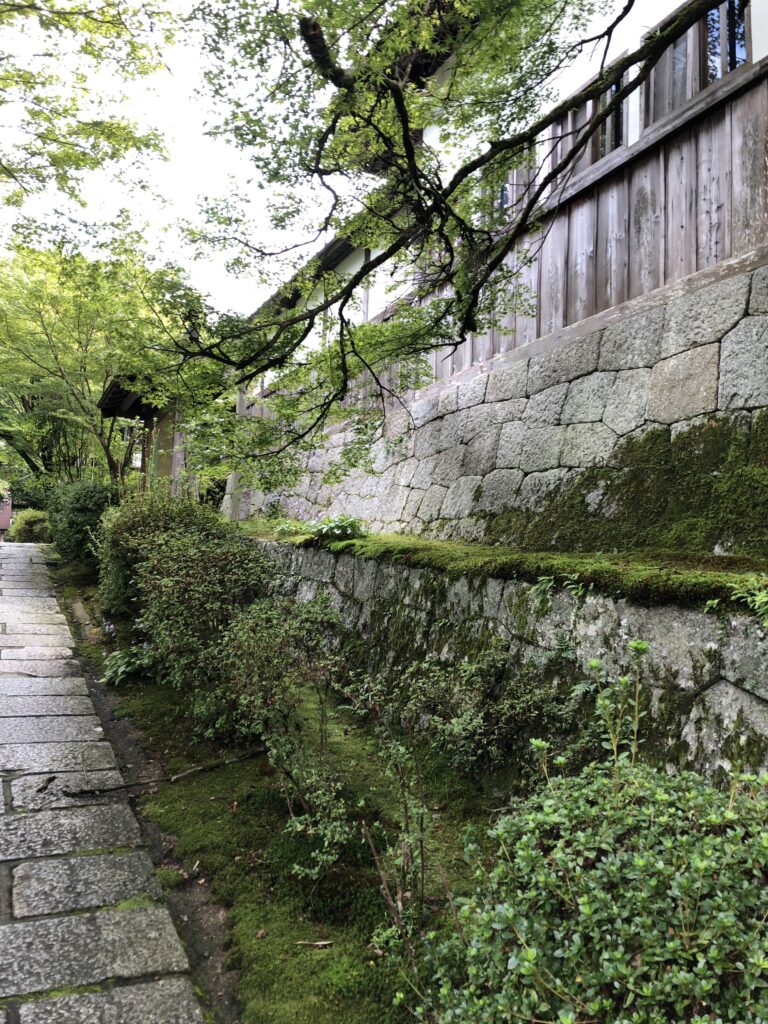
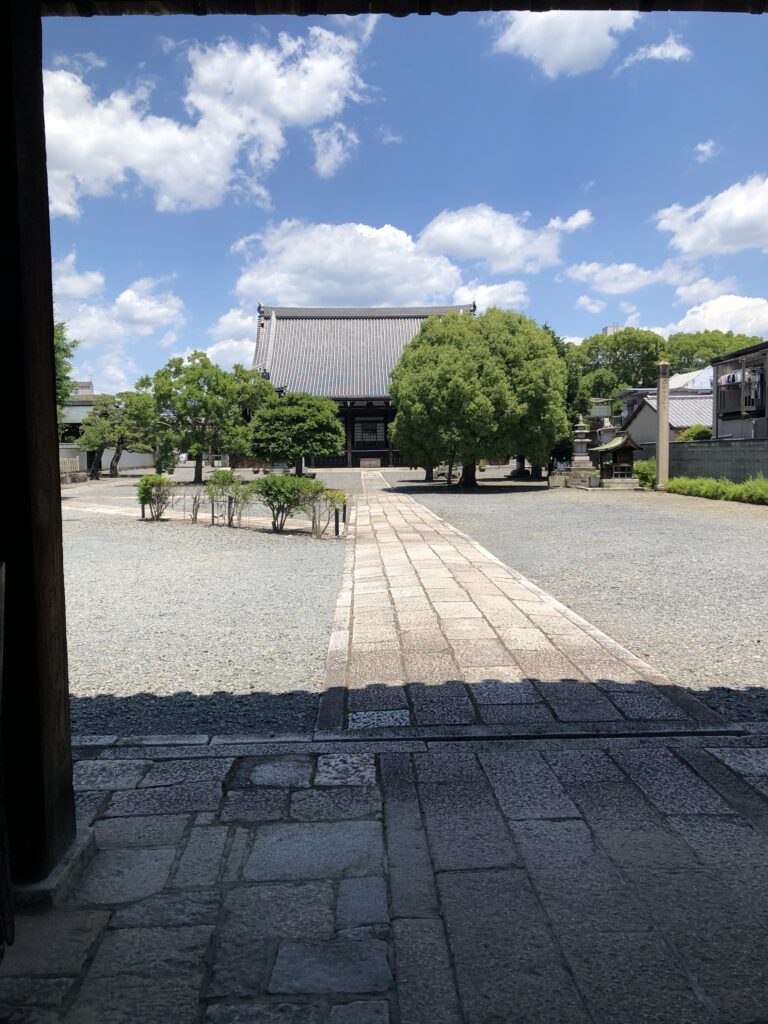
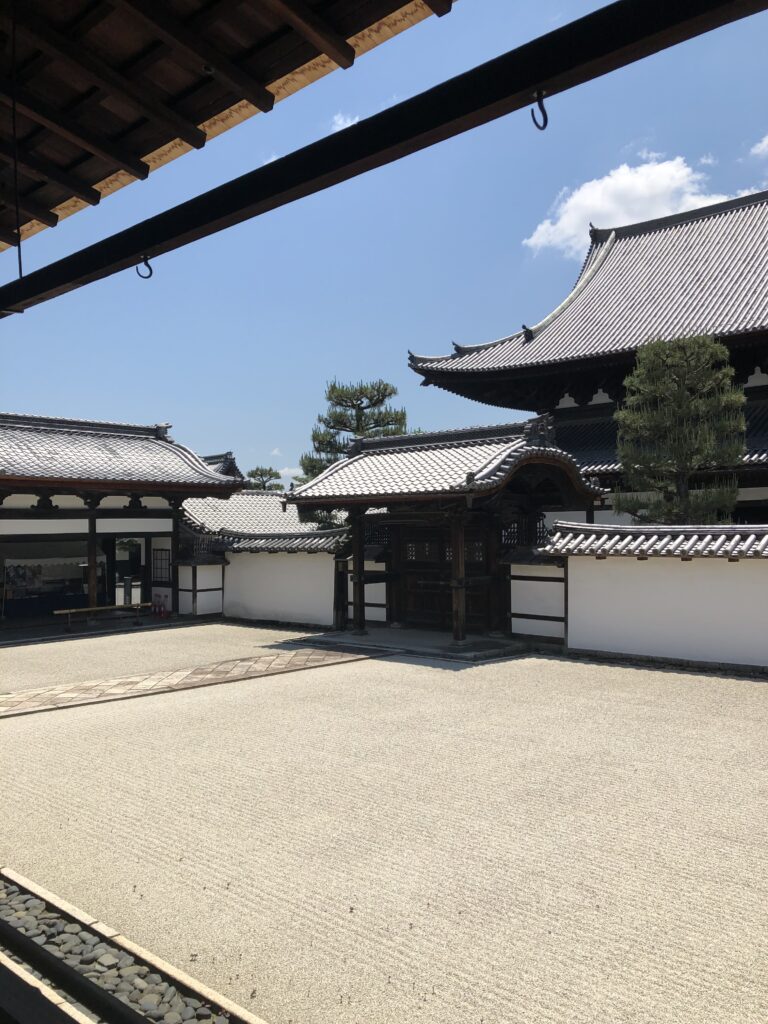
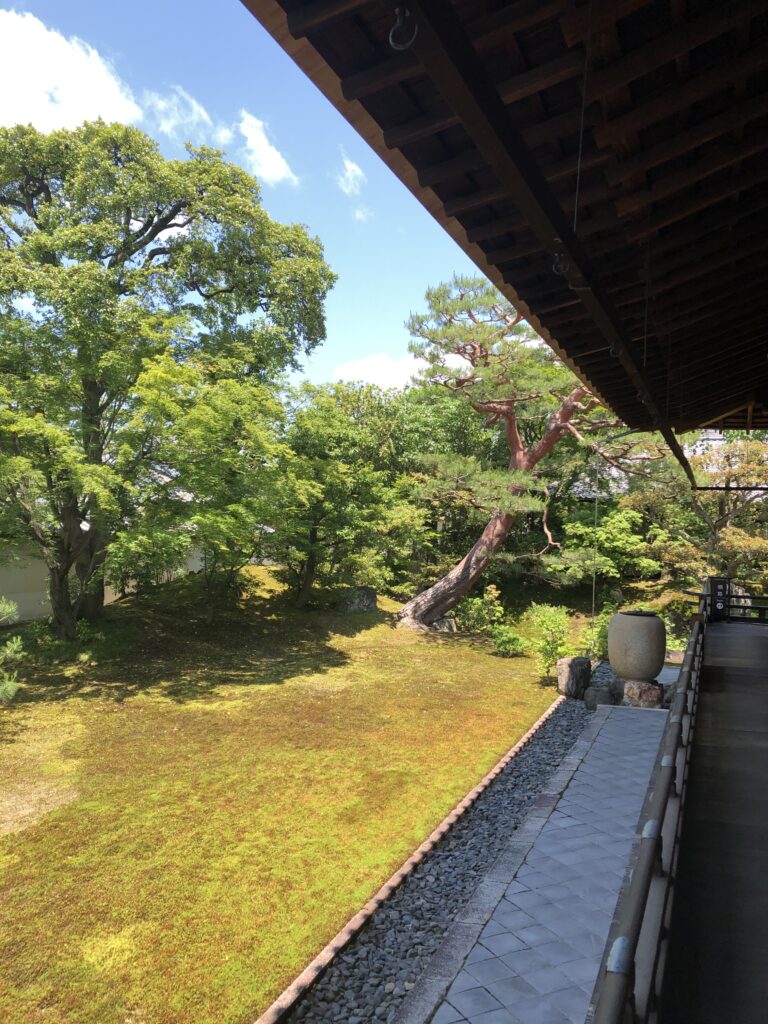
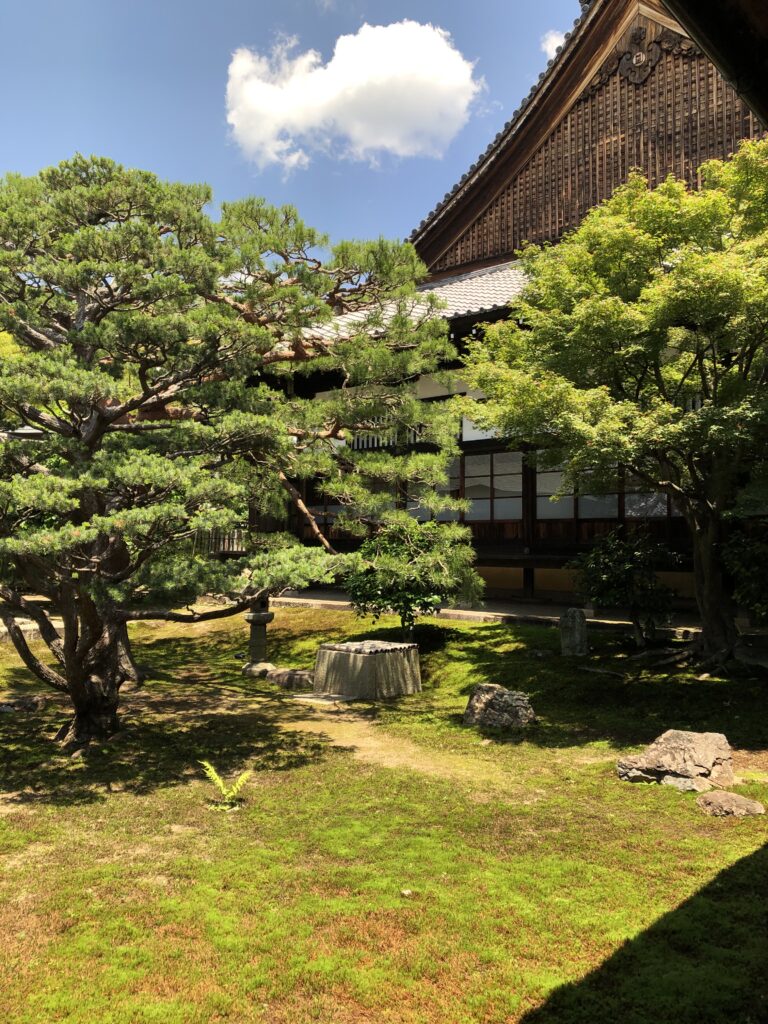
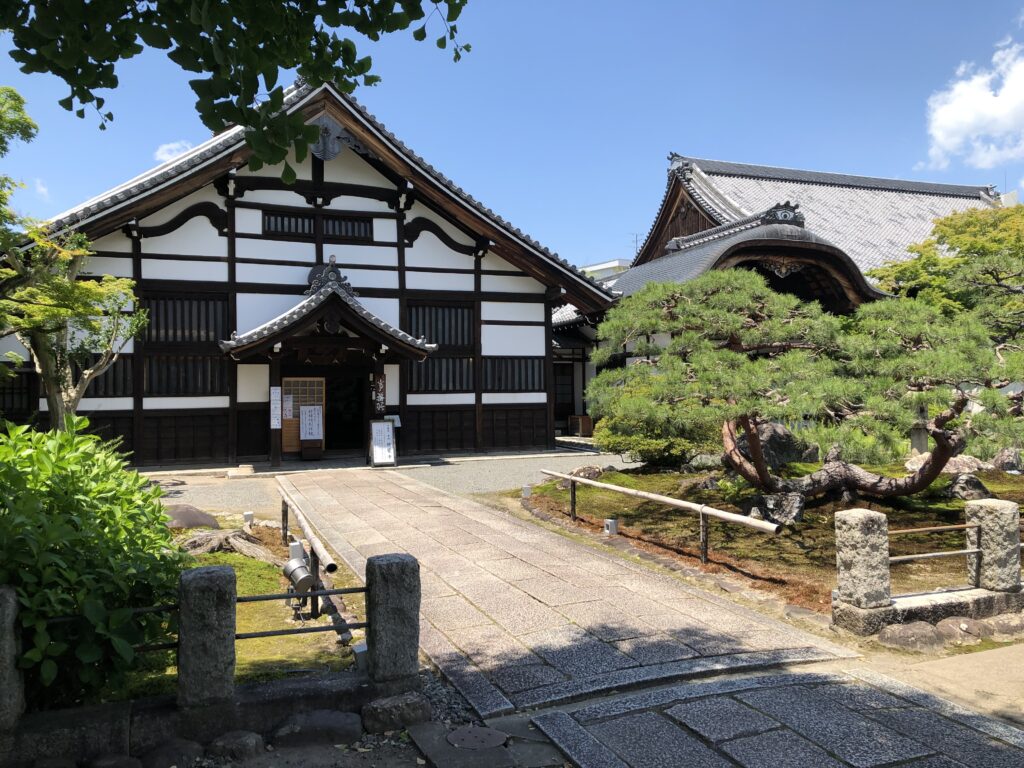
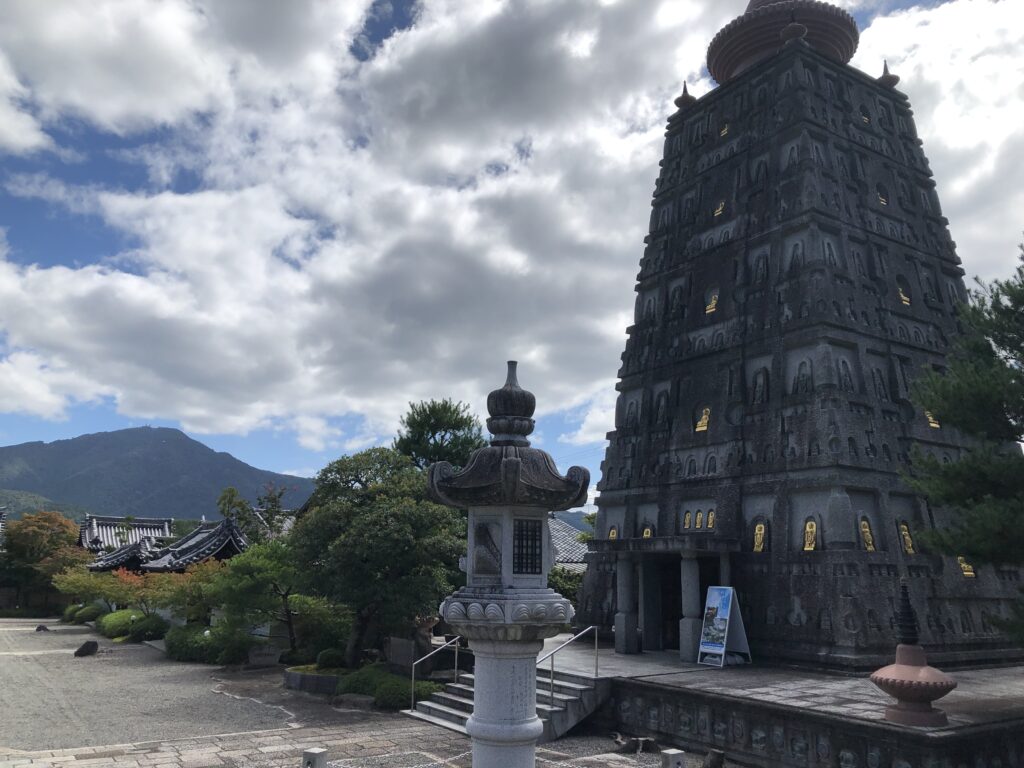
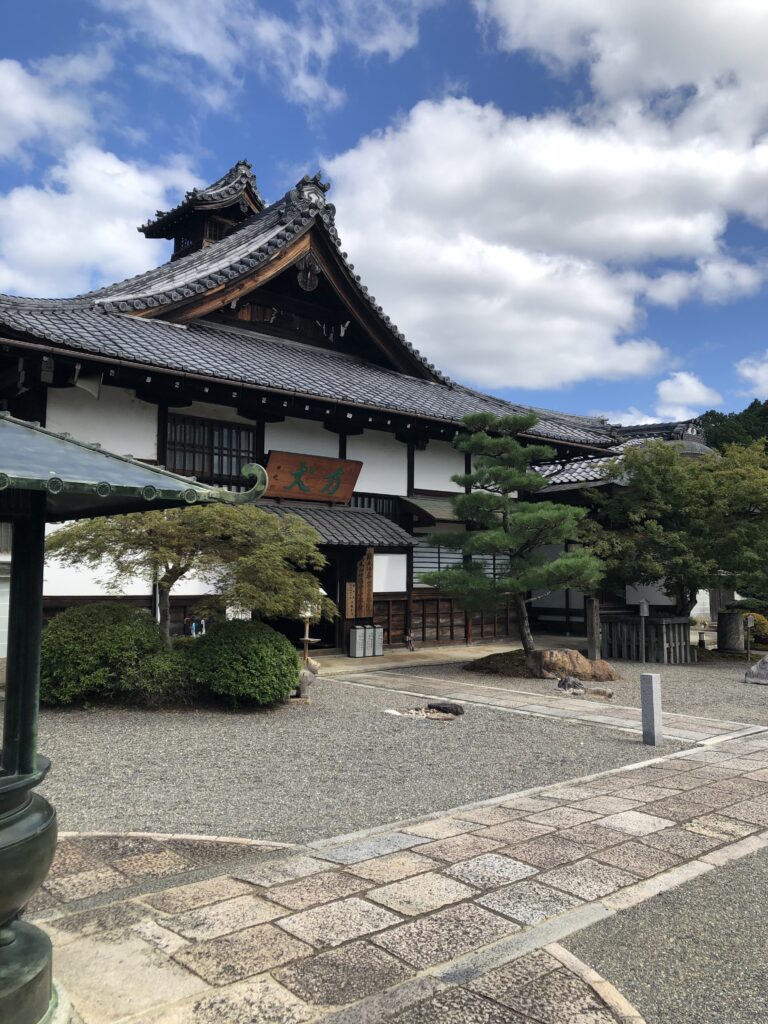
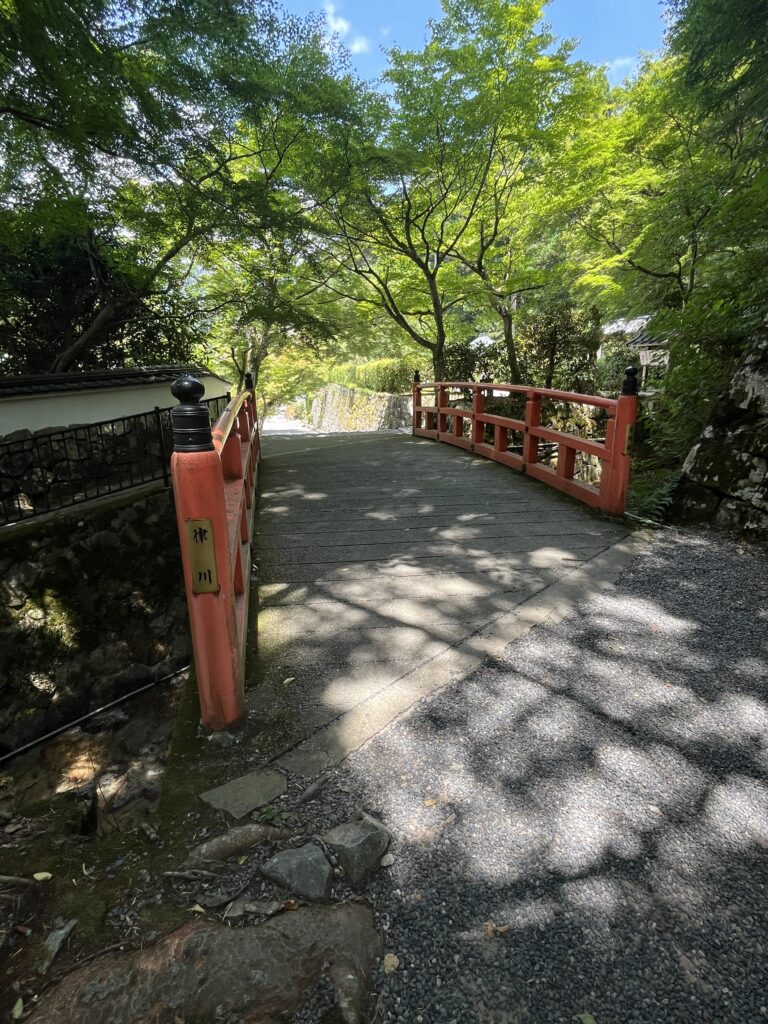
After leaving Sanzen-in Temple in Ohara and crossing the bridge over the Ritsu River, you will find Shorin-in Temple.
This temple is the birthplace of *Tendai Shomyo* (Buddhist chanting), which is considered the origin of Japanese music; it was established as a training ground for the Tendai sect’s *Nembutsu* practices involving this chanting. In the main hall, you can listen to *Shomyo* by pressing a button.
Nearby, there is also a stone known as the “Sitting Stone” of the priest Honen.
Location
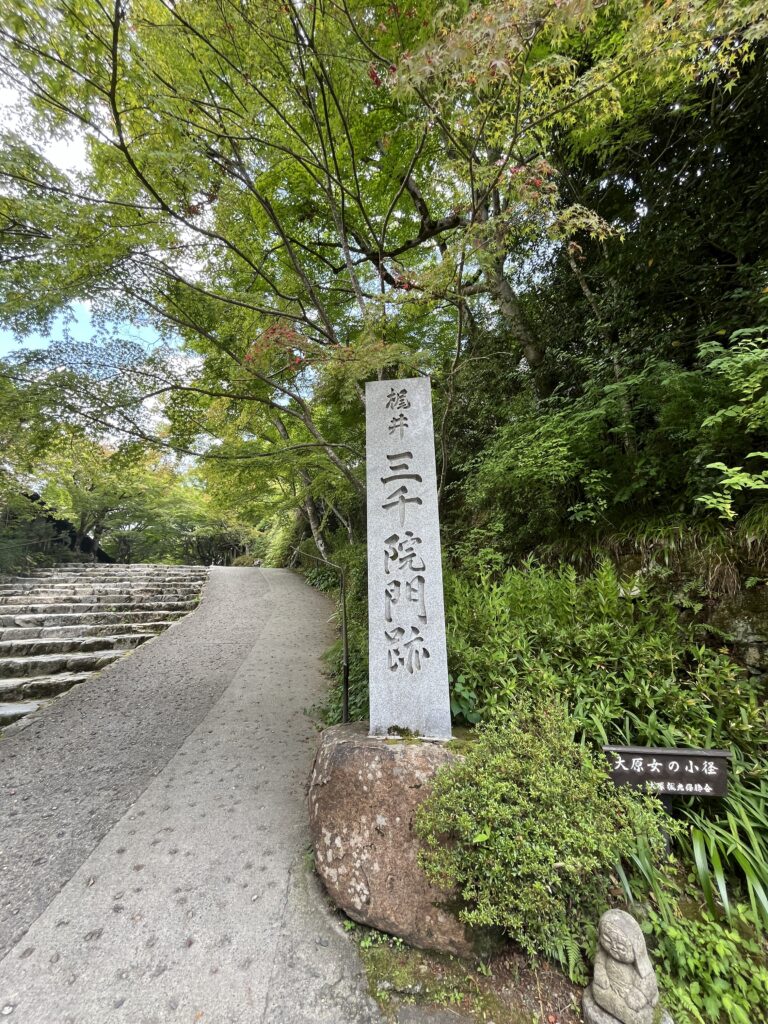
Sanzen-in Temple (三千院門跡)

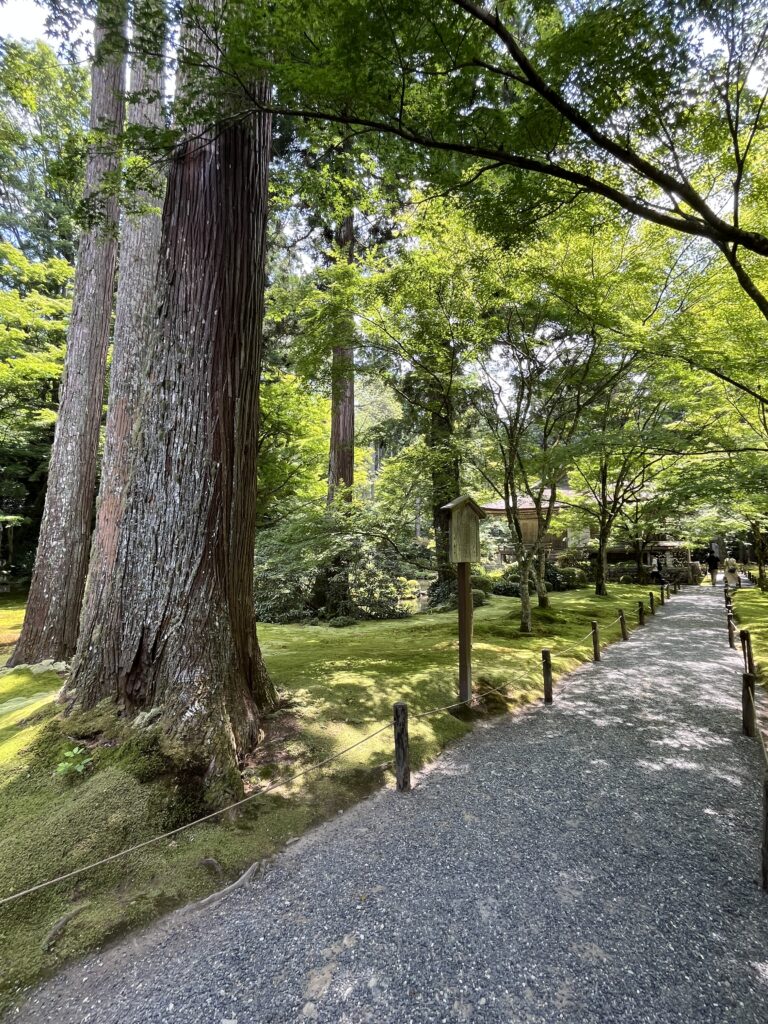
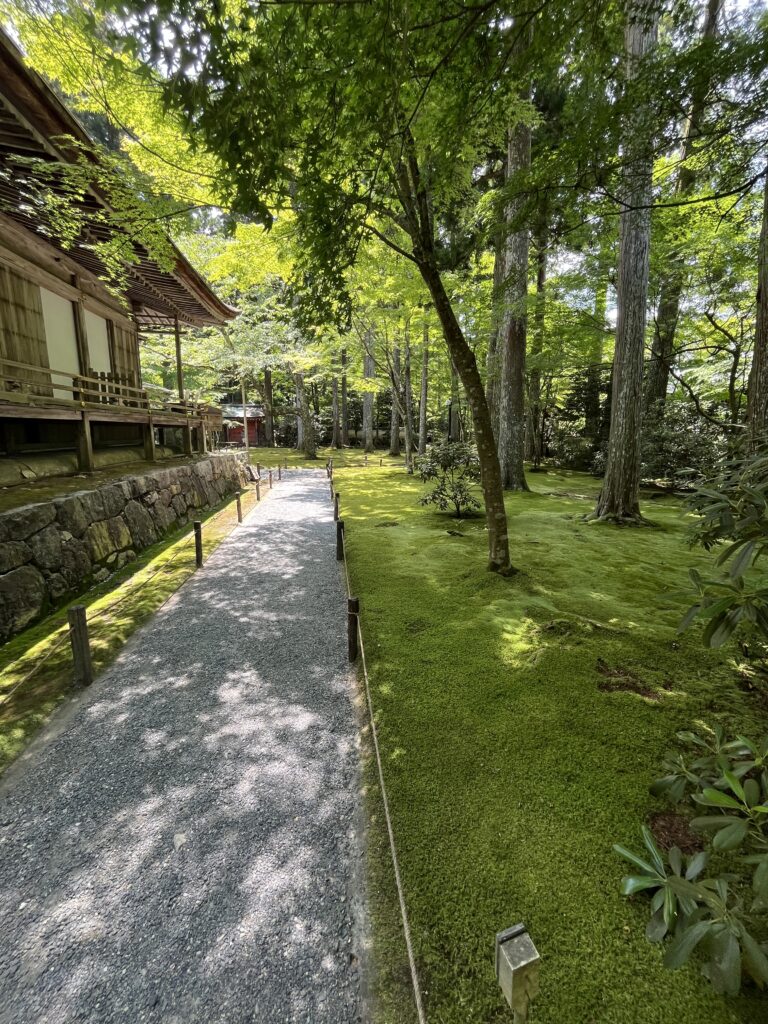
Sanzen-in is a Tendai sect temple located in Ohara, Sakyo Ward—about a 30-minute drive from central Kyoto—yet it is enveloped in tranquility, and the garden of cedar trees and moss spreading out before the Ojo Gokuraku-in Hall is truly beautiful.

Location
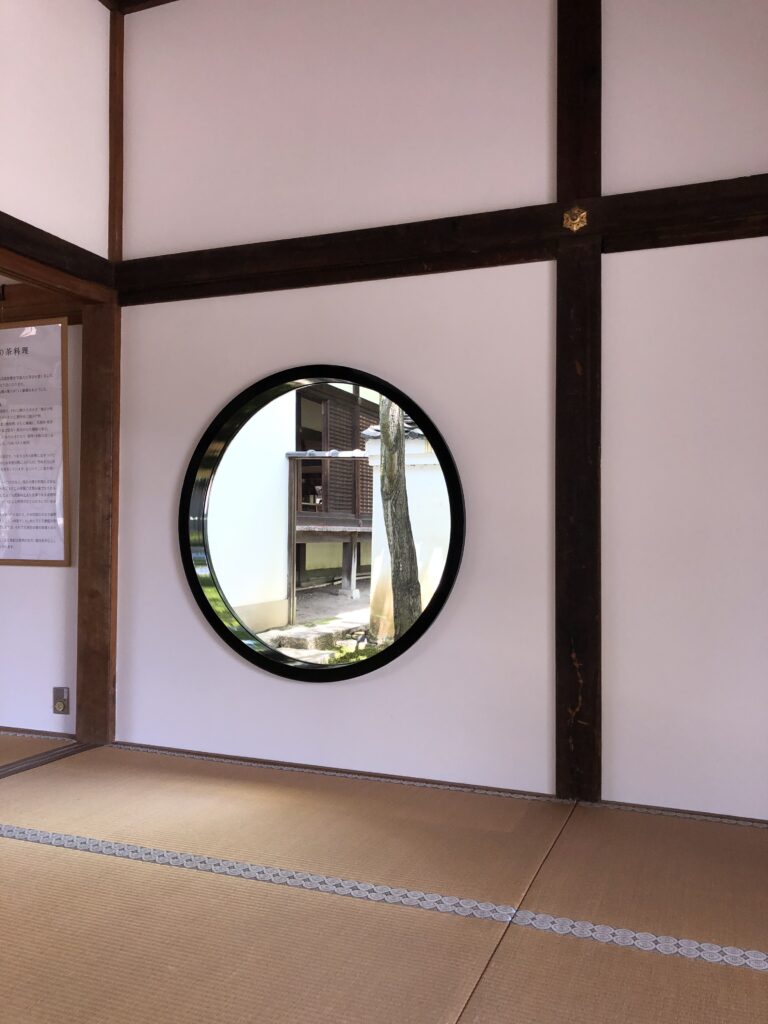
Mansyuin Temple(曼殊院)

Located in the Ichijoji area of ​​Kyoto’s Sakyo Ward, this Tendai sect temple traces its origins to a foundation established at the summit of Mount Hiei by Saicho, the founder of the sect.
It is a prestigious *monzeki* temple—one with a history of having members of the Imperial family serve as its head priests.
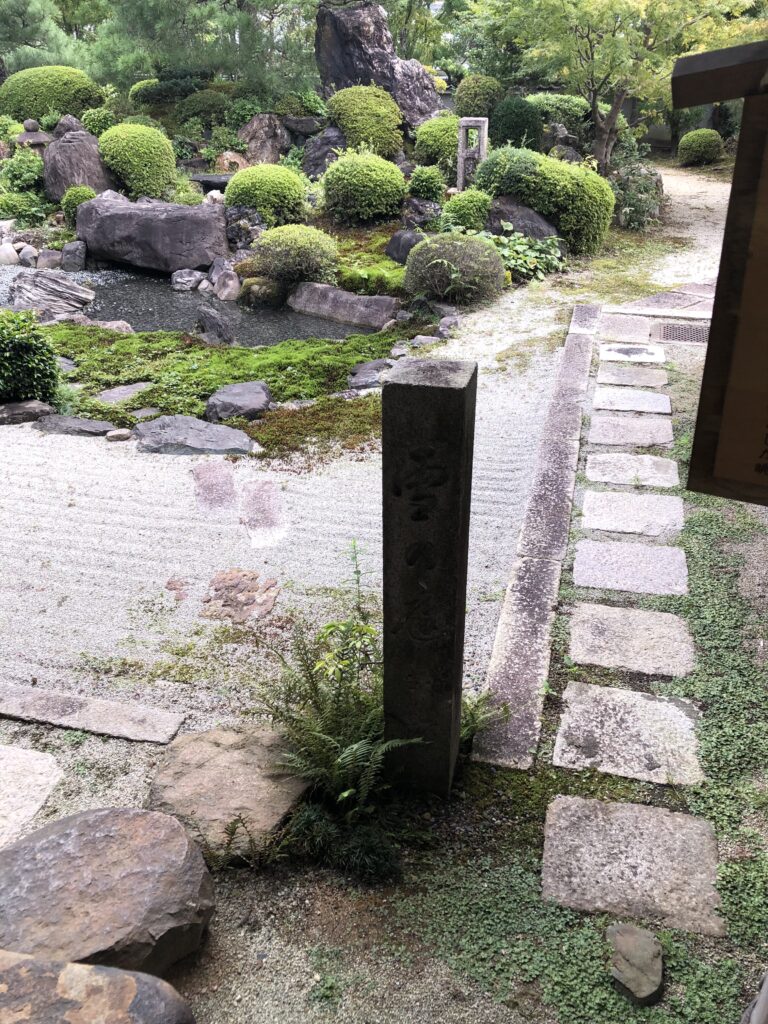
The temple offers many highlights, including gardens and sliding door paintings (*fusuma-e*) created by renowned artists.

Location
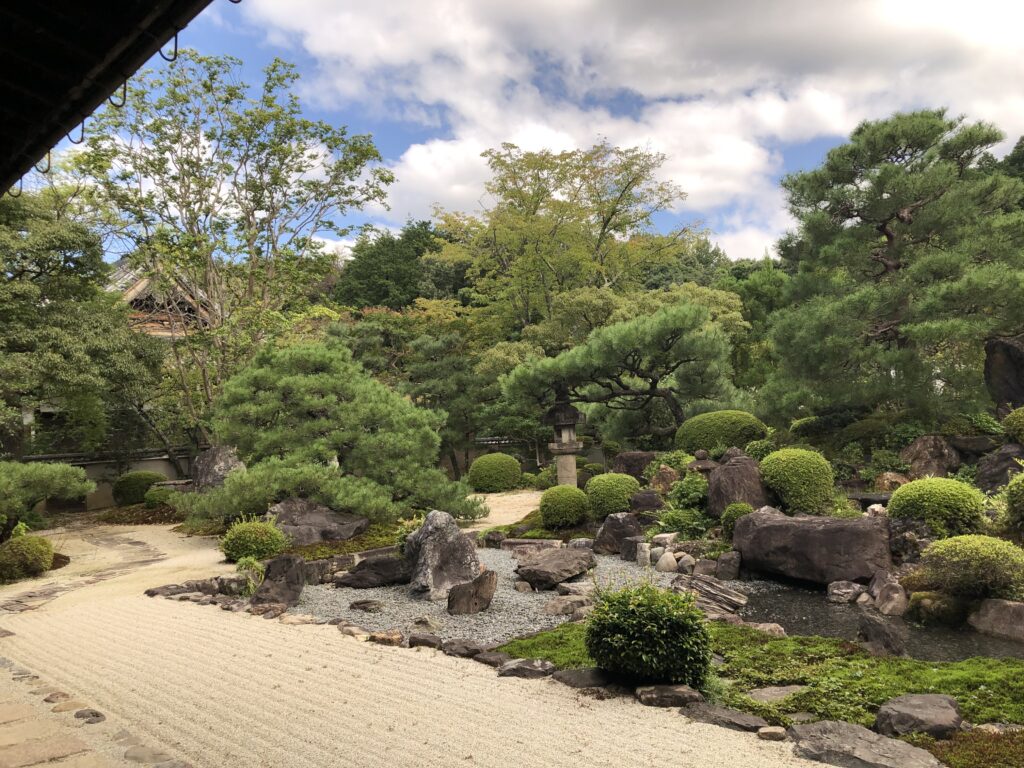
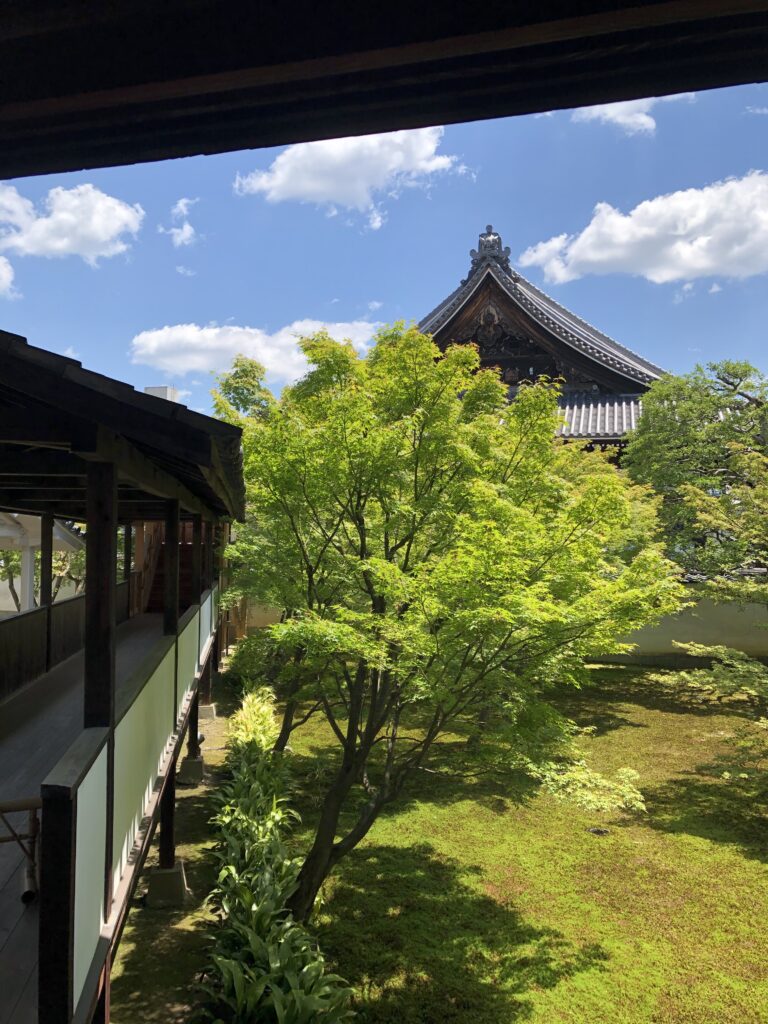
Myoukakuji-Temple (妙覚寺)

Myokaku-ji temple is a Nichiren-sect temple located in Kamigyo Ward; the Sengoku-period warlord Oda Nobunaga frequently stayed there when visiting Kyoto, and tea ceremonies hosted by Sen no Rikyu were also held on the premises.
It is a place where one can quietly experience the changing seasons, despite its location in the city.

Location
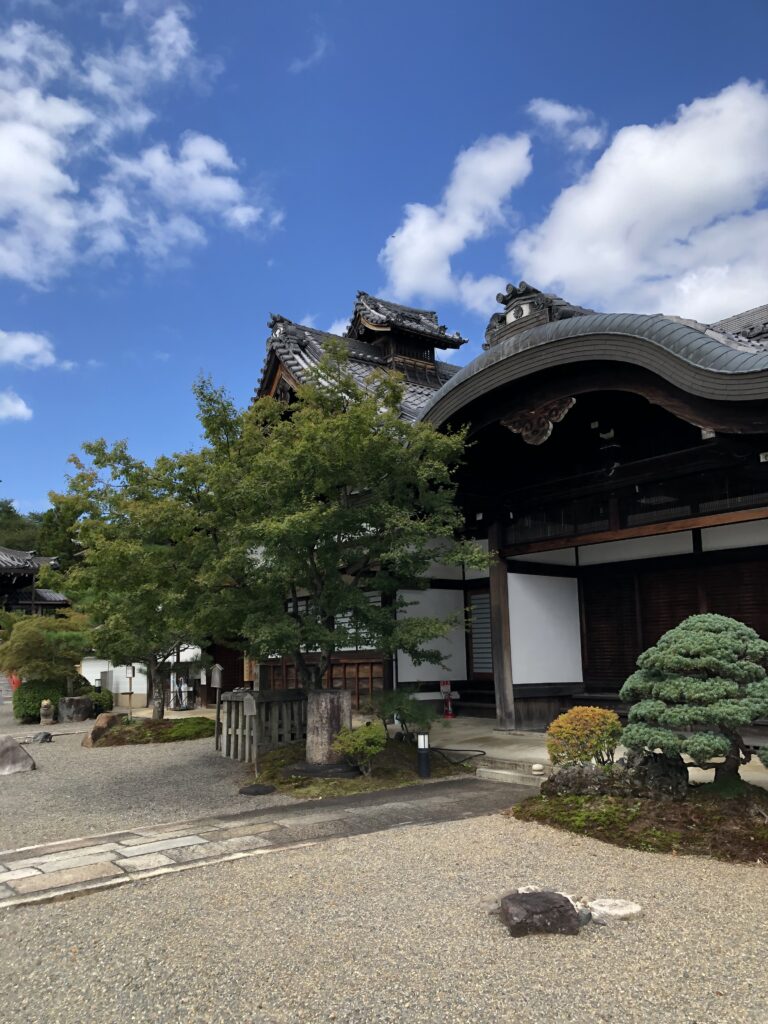
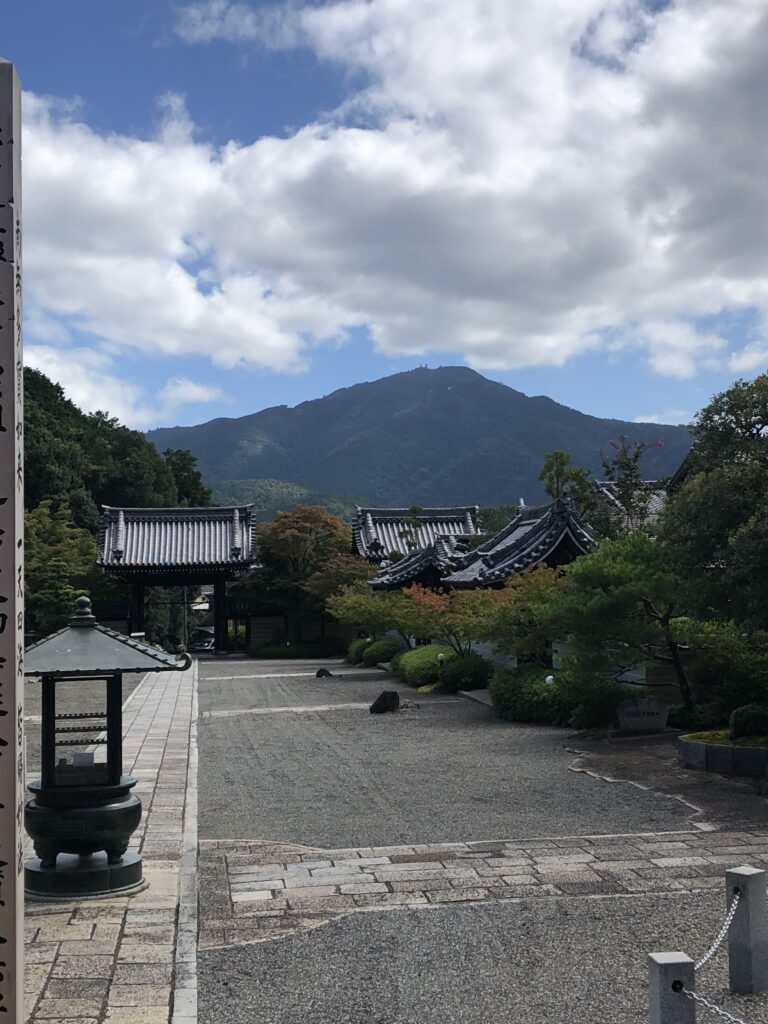
Myoumanji-Temple (妙満寺)

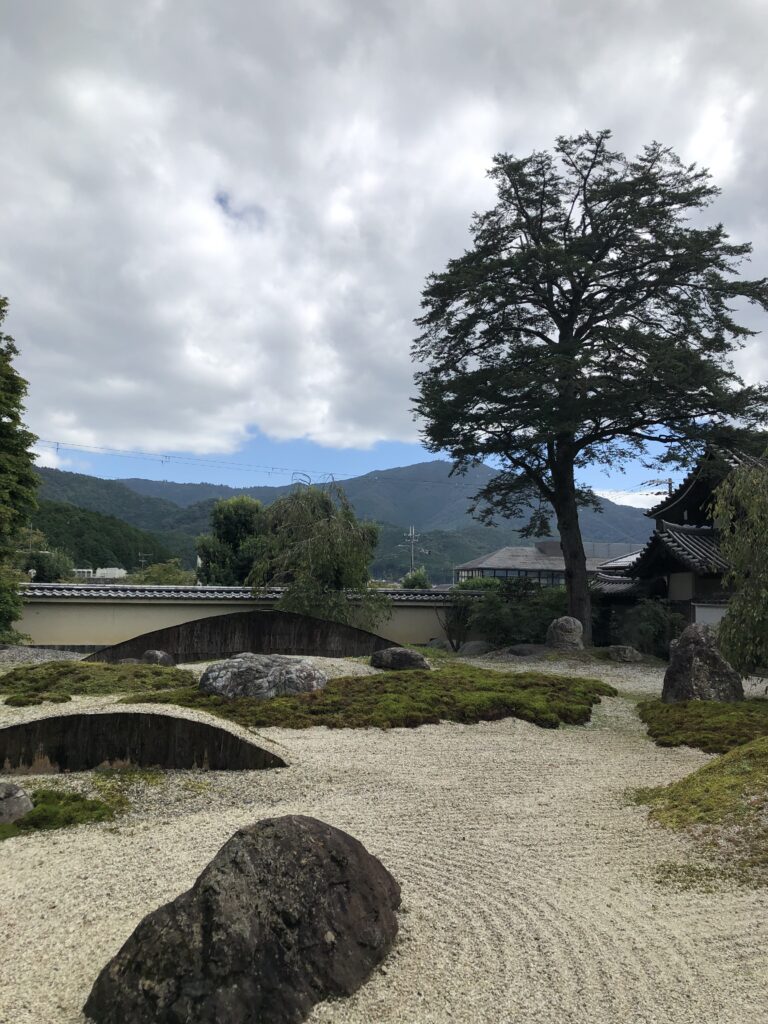
Myoman-ji Temple is located in the Iwakura area of ​​Sakyo Ward, Kyoto, and is famous for its “Snow Garden” (*Yuki no Niwa*). This is a dry landscape garden designed by Matsunaga Teitoku—considered the father of *haikai* poetry—and it offers a beautiful view that incorporates the snow-capped Mount Hiei as “borrowed scenery.”

Location