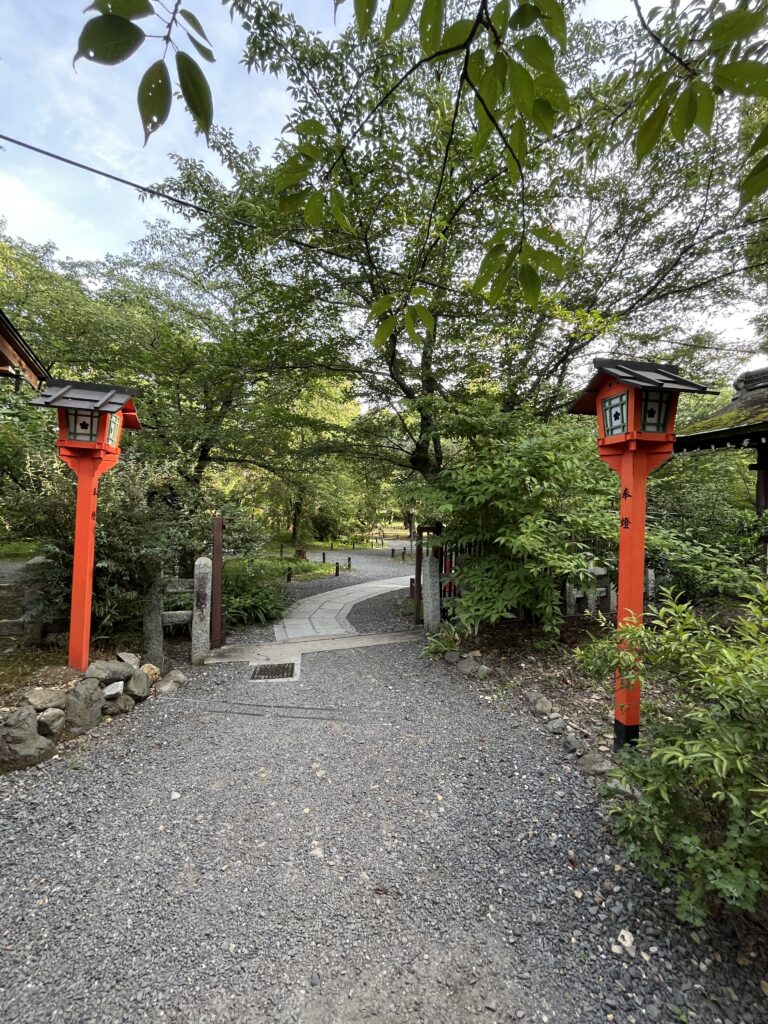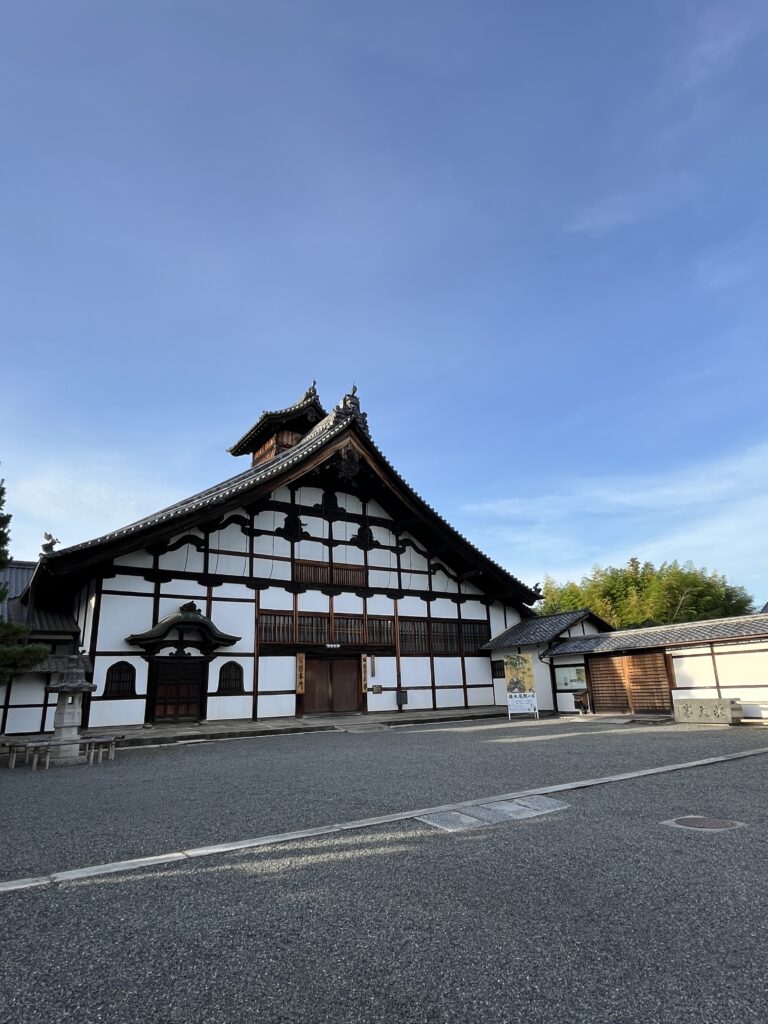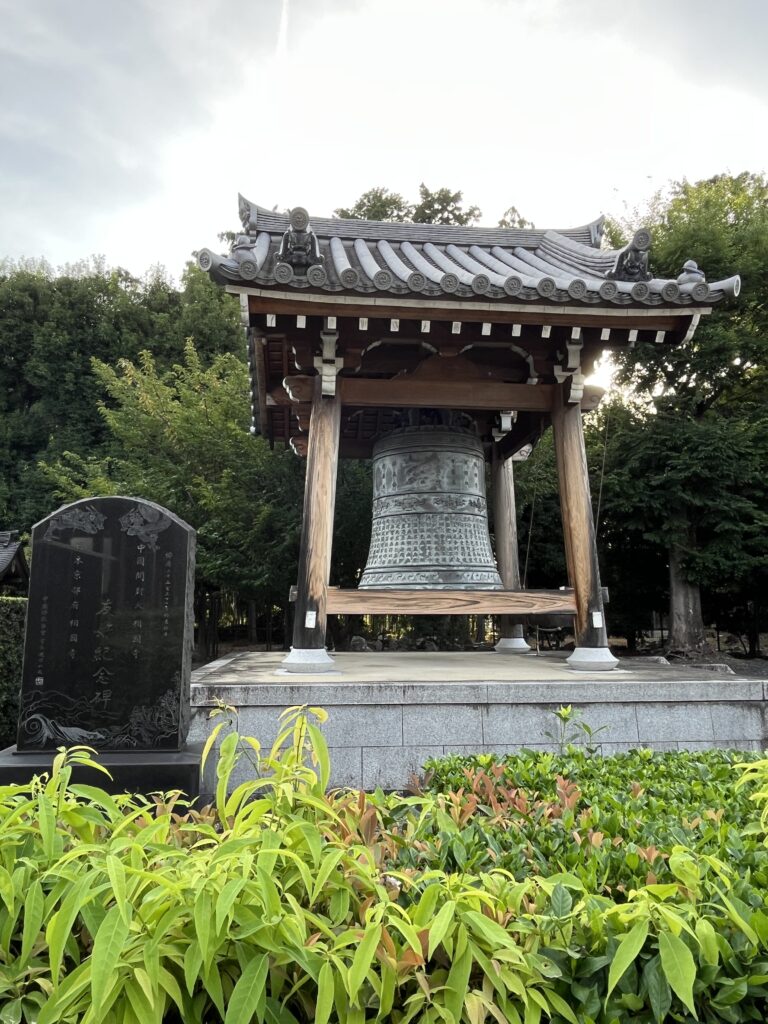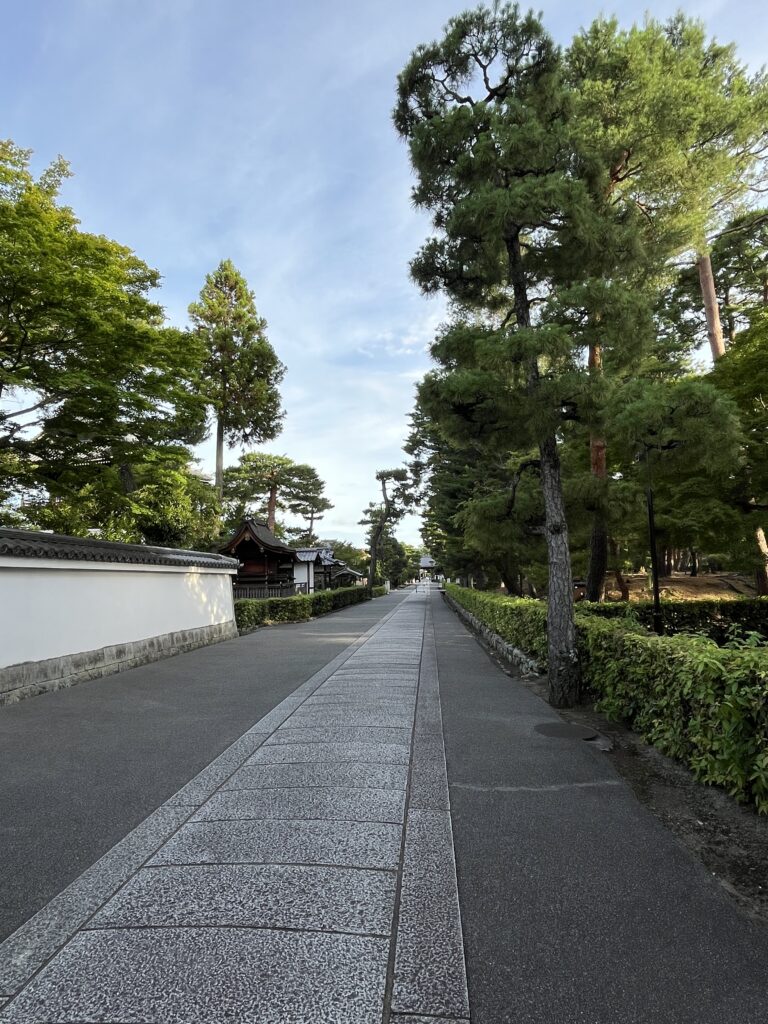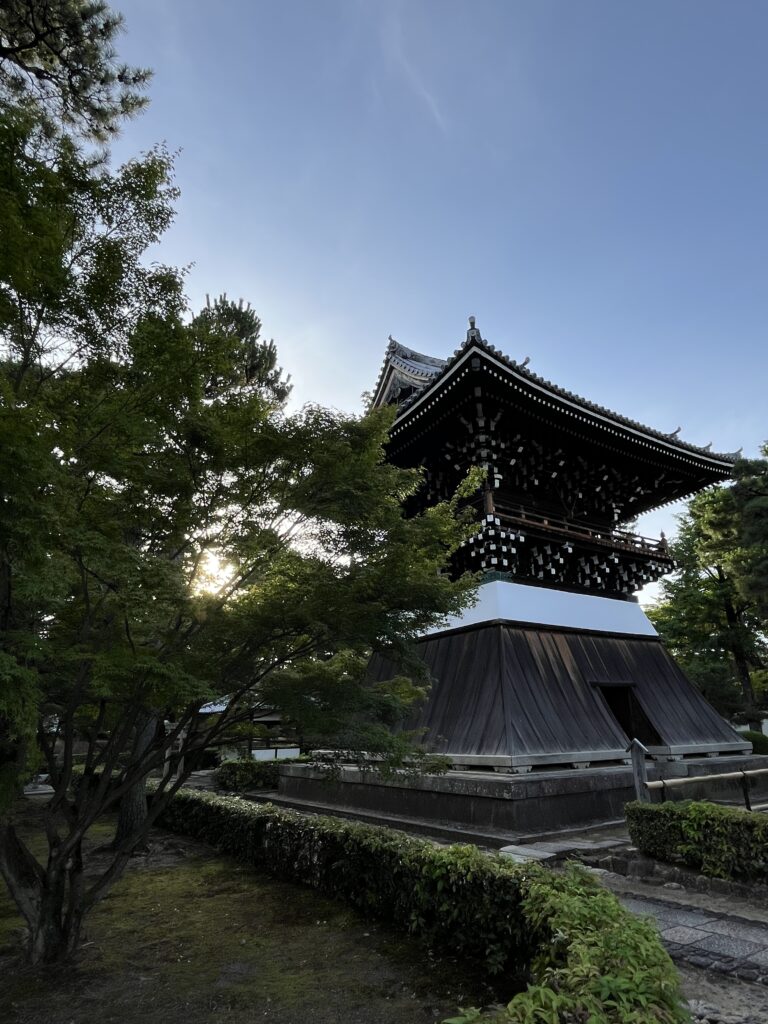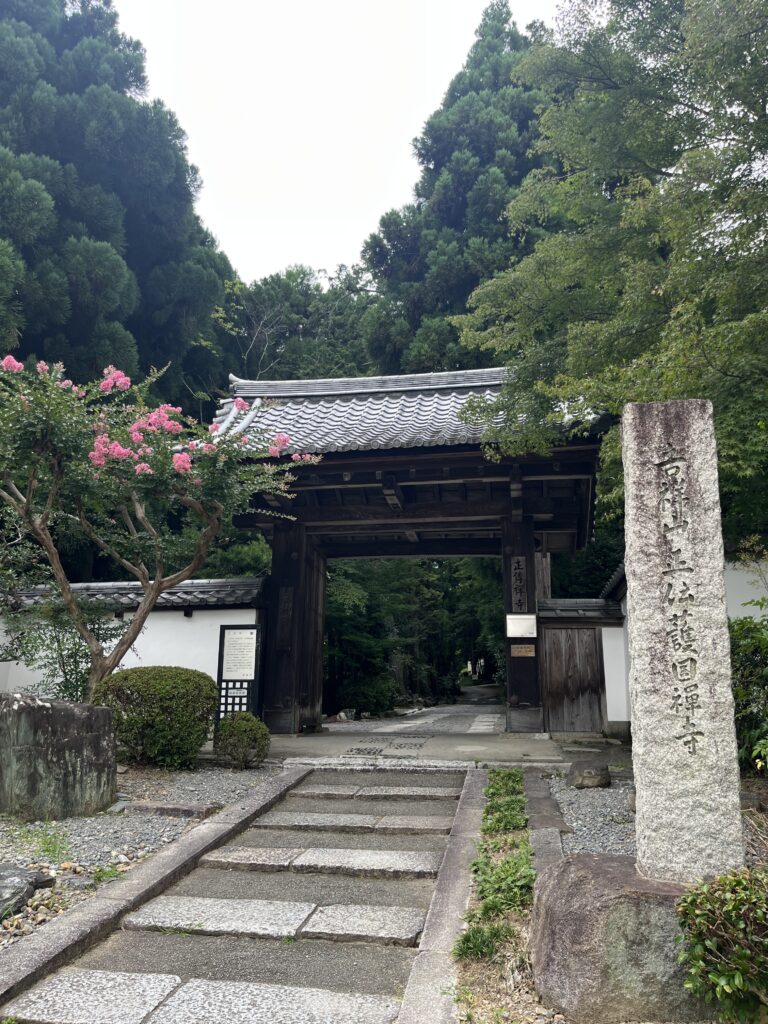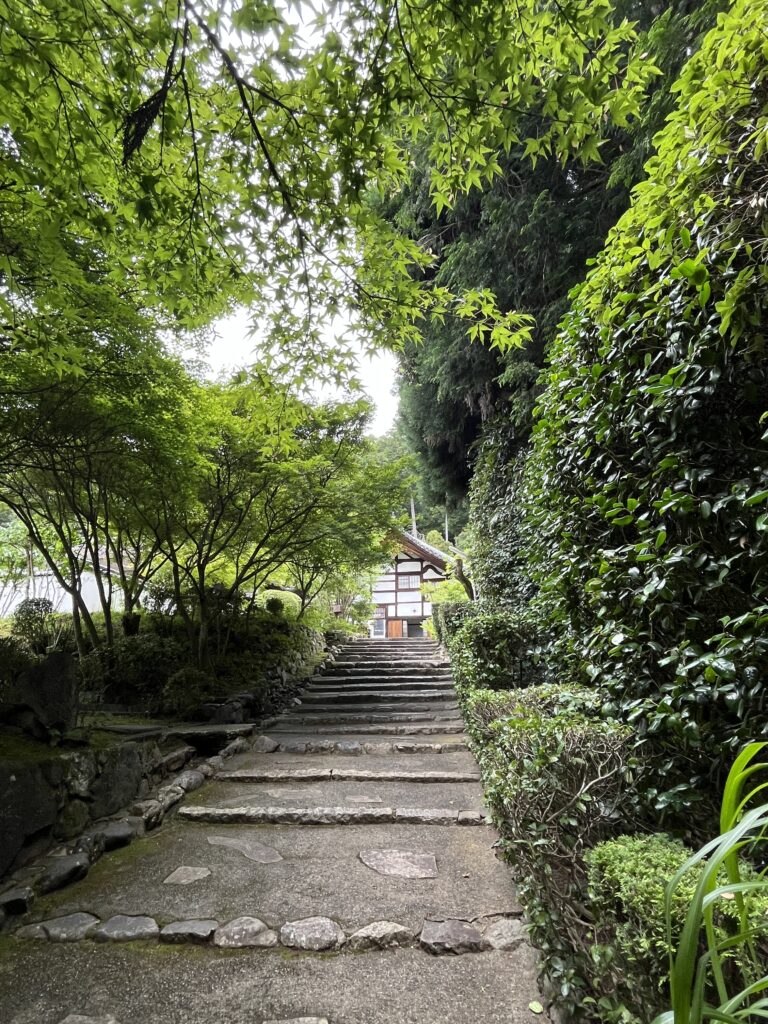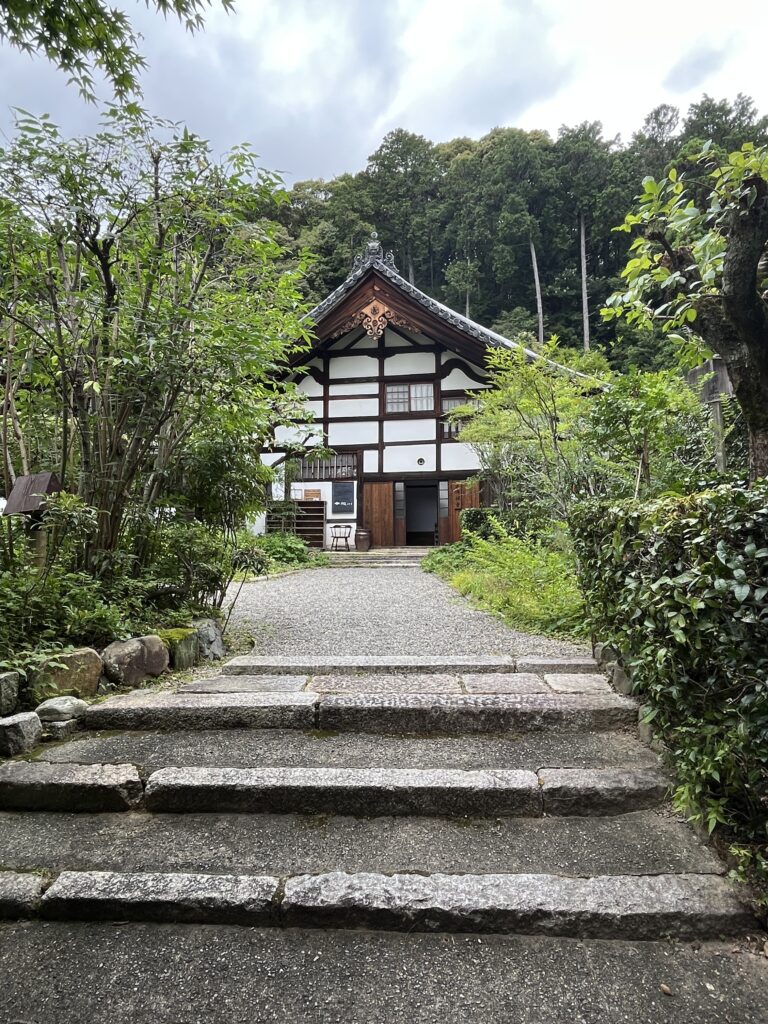
Jyojyu-ji Temple (浄住寺)

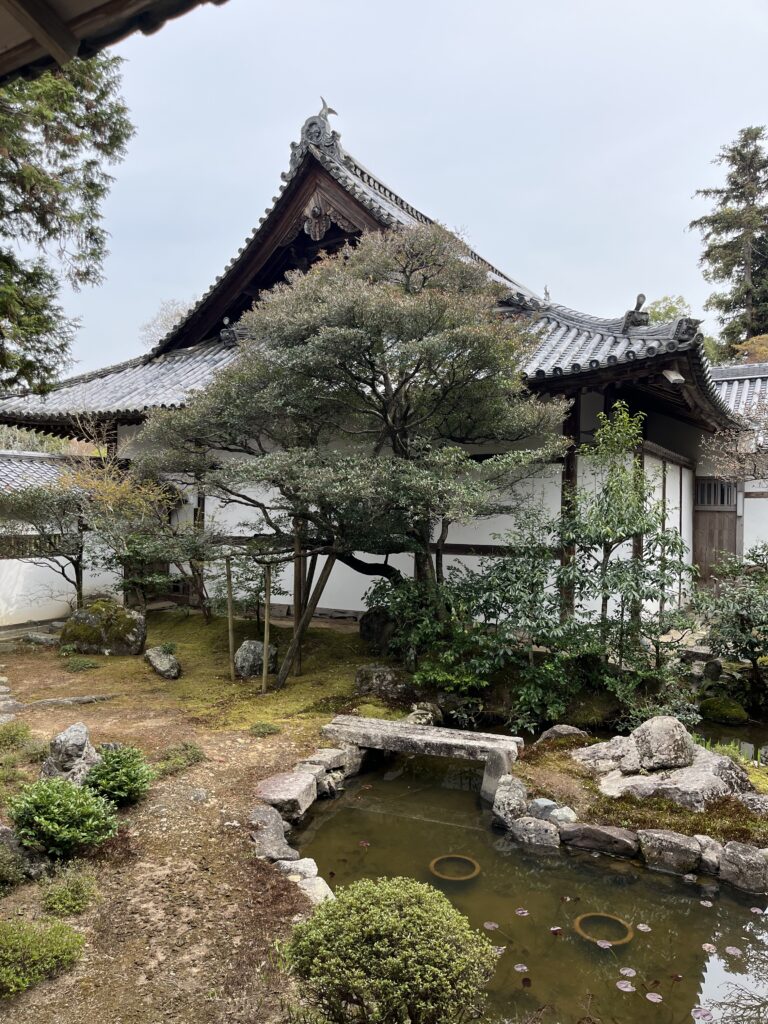
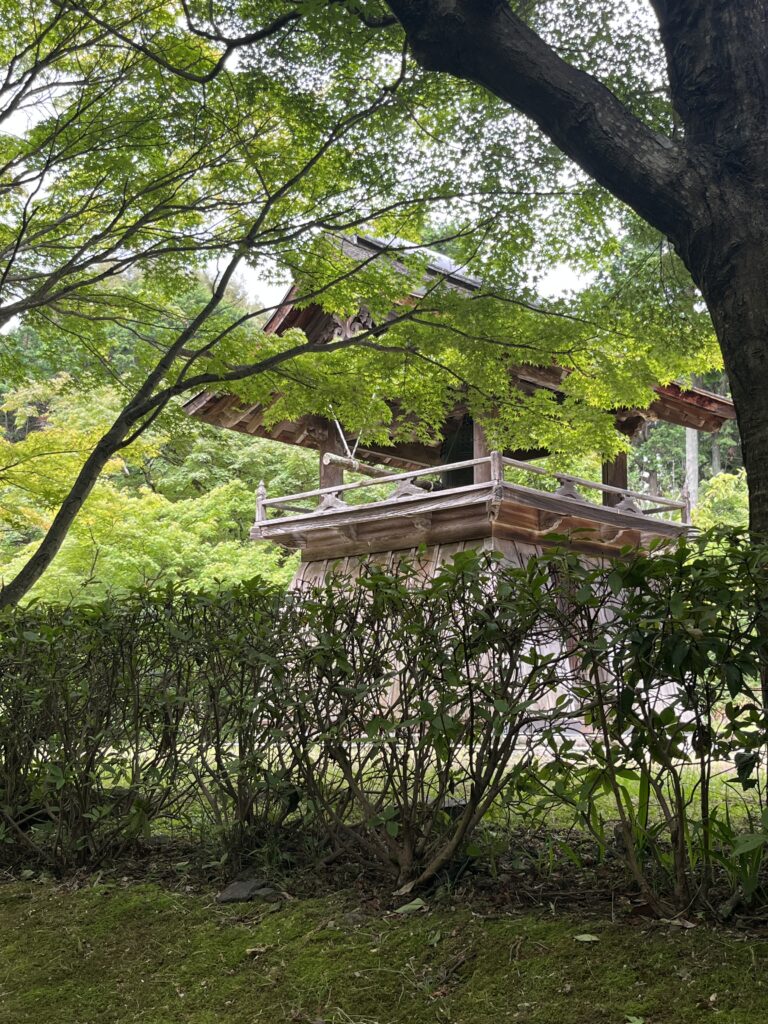
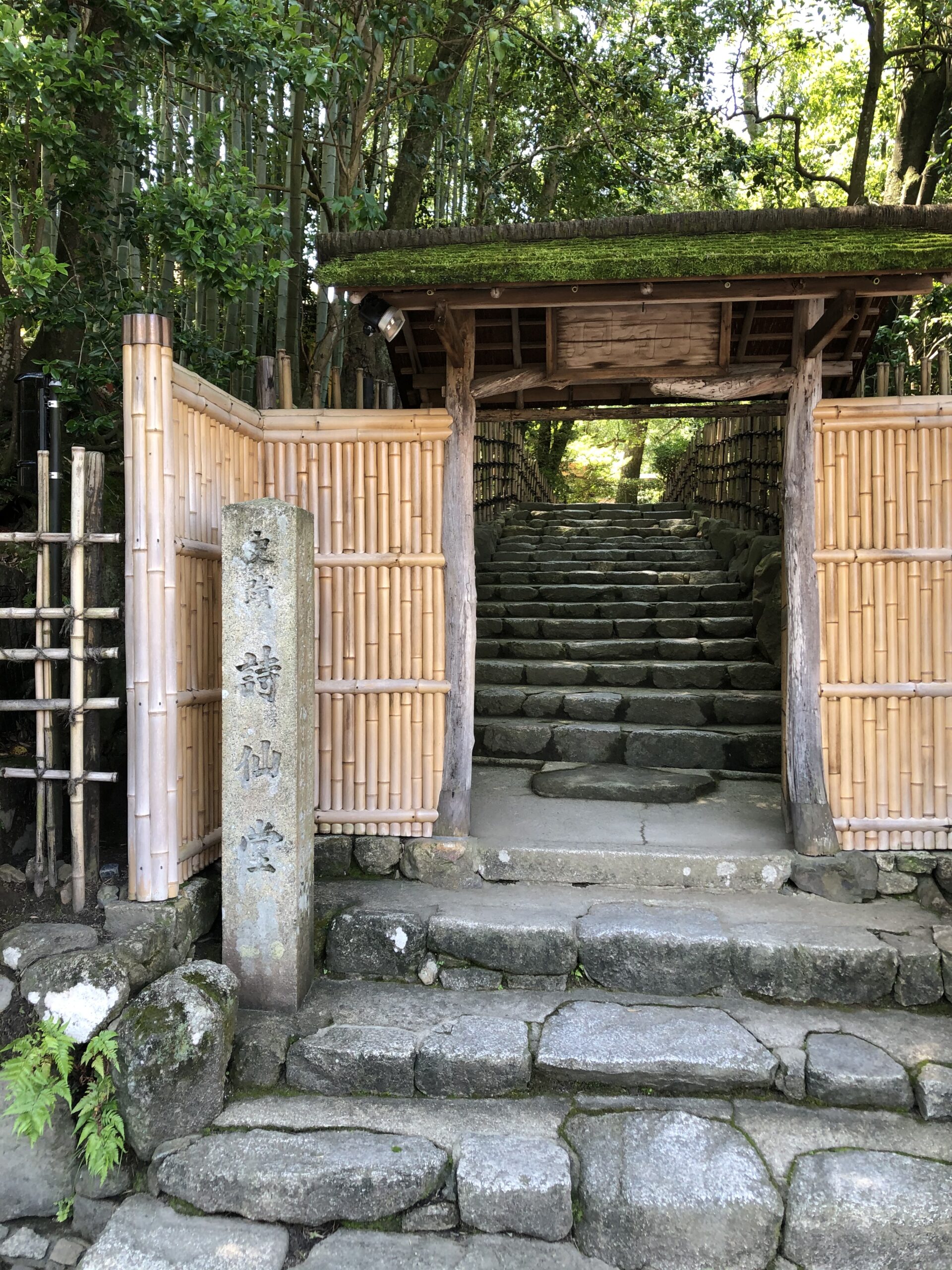
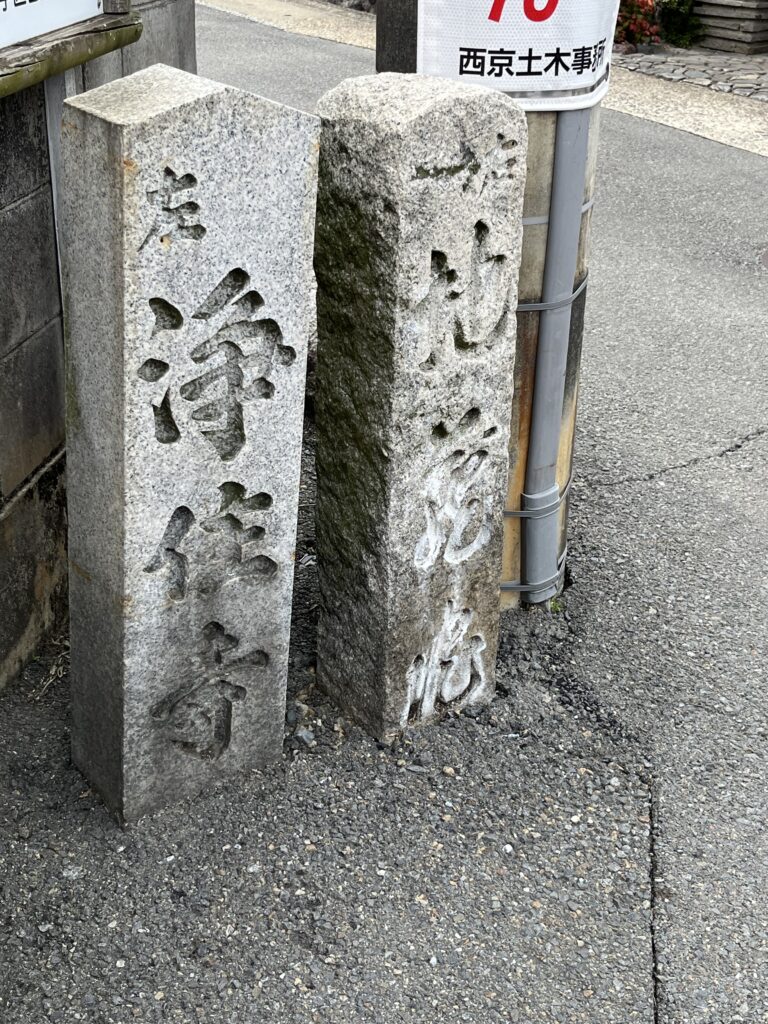
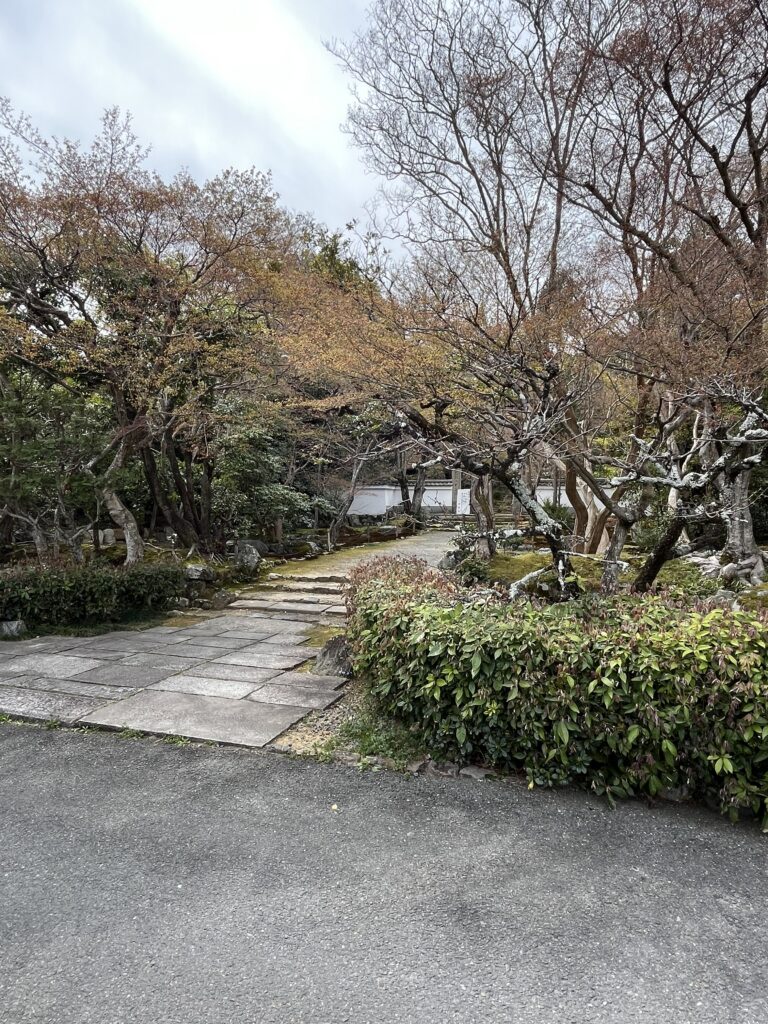
Joju-ji Temple is located in Kyoto City’s Nishikyo Ward, an area home to a cluster of temples—including Jizo-in (famous as the “Bamboo Temple”), Koke-dera (Moss Temple), and Suzumushi-dera.
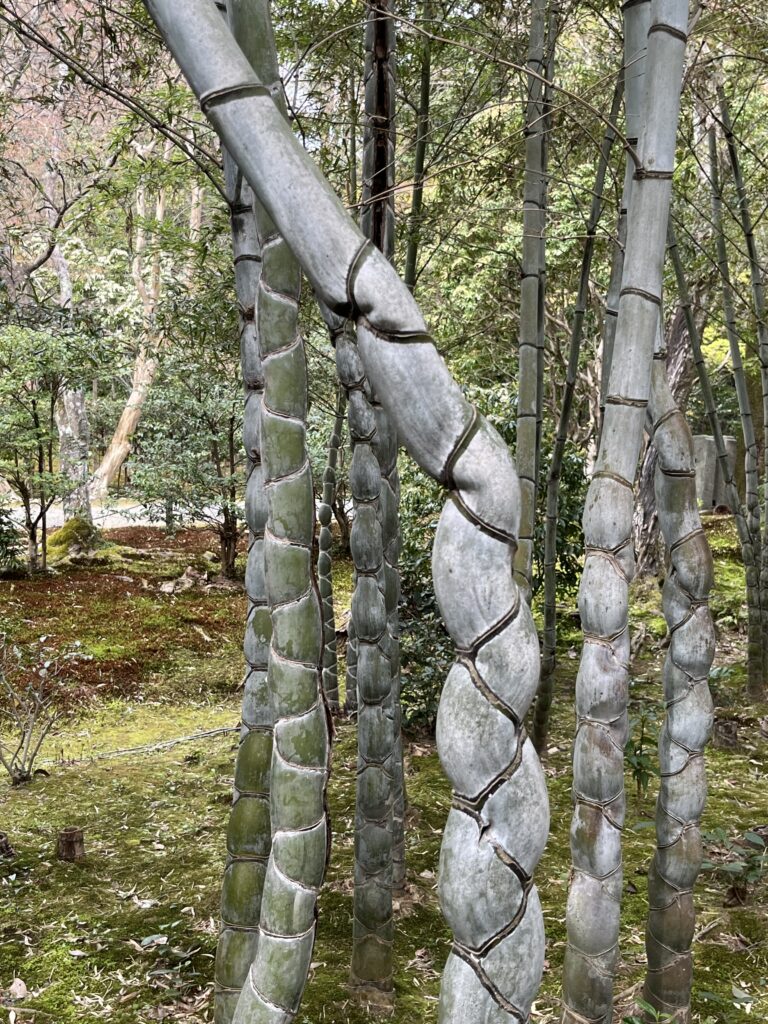
Within the temple grounds, visitors can view *kikkōchiku* (tortoiseshell bamboo), a rare variety of bamboo unique to Kyoto.
It is a place where you can enjoy a quiet, peaceful moment.
 

Location
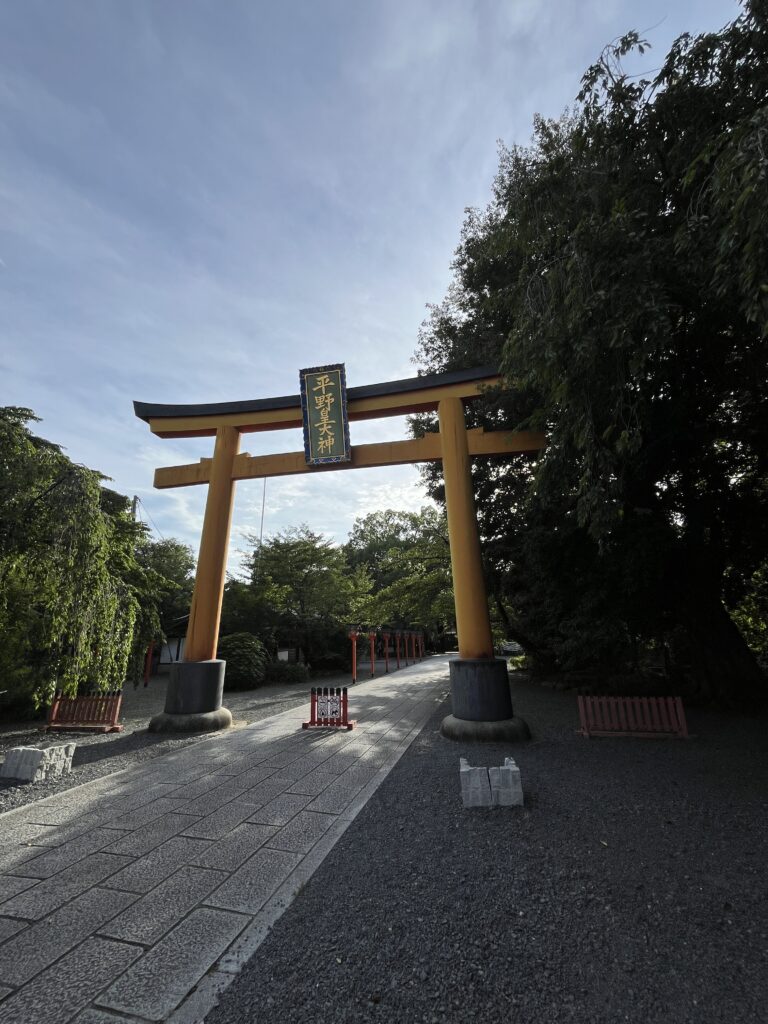
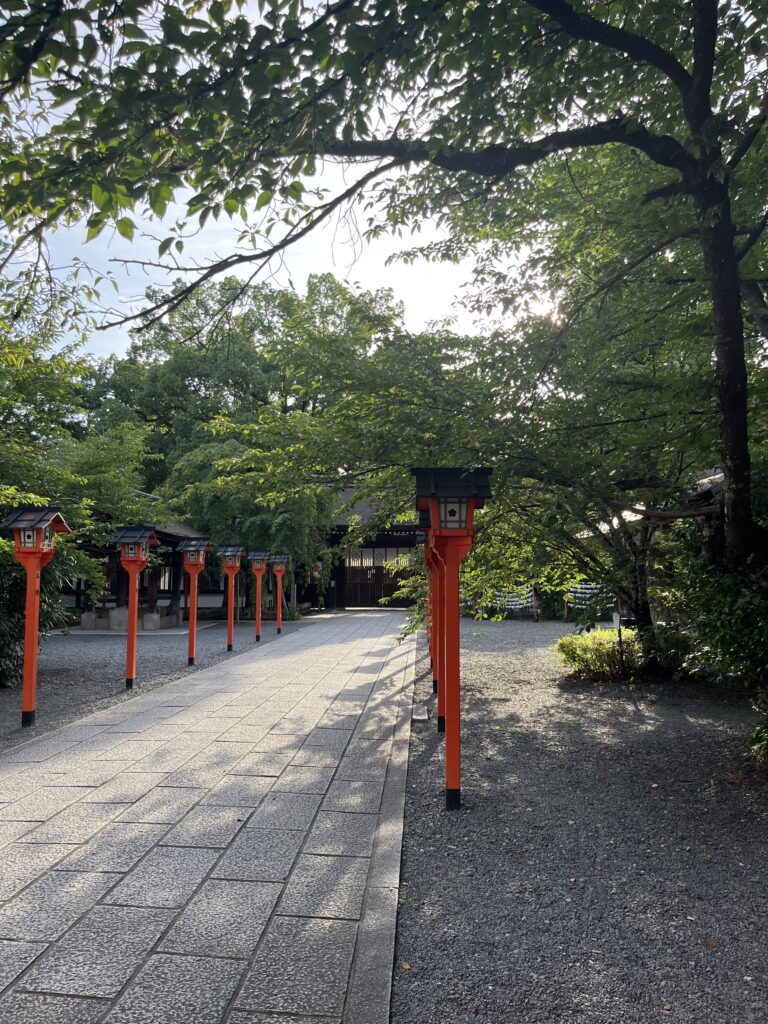
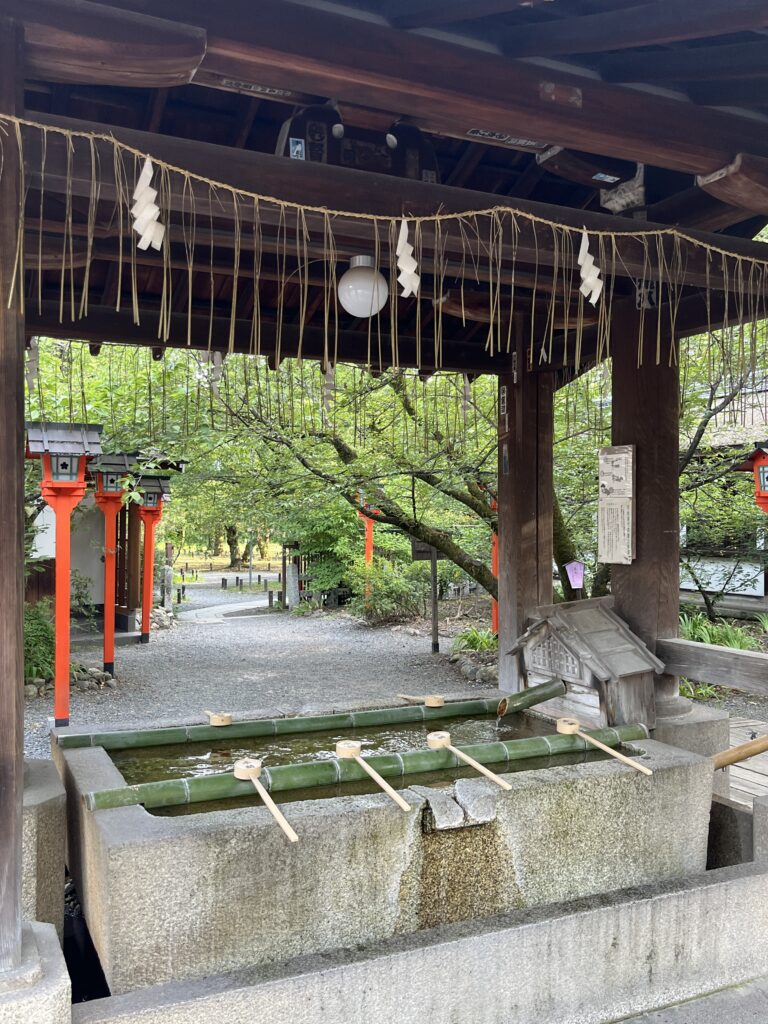
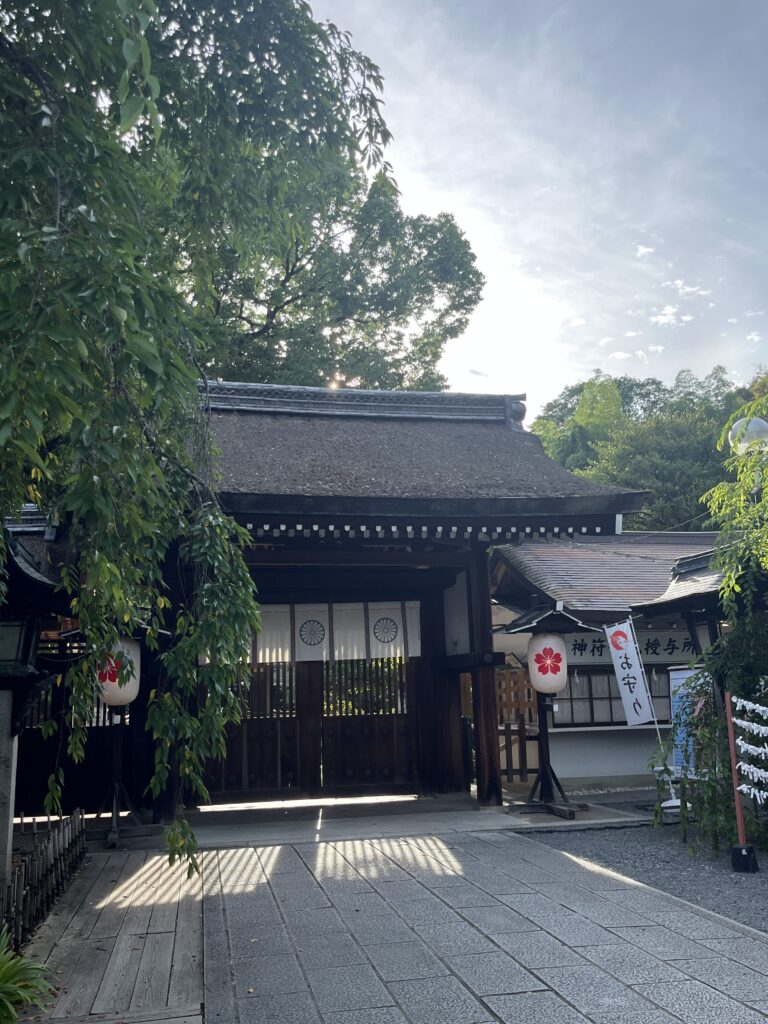
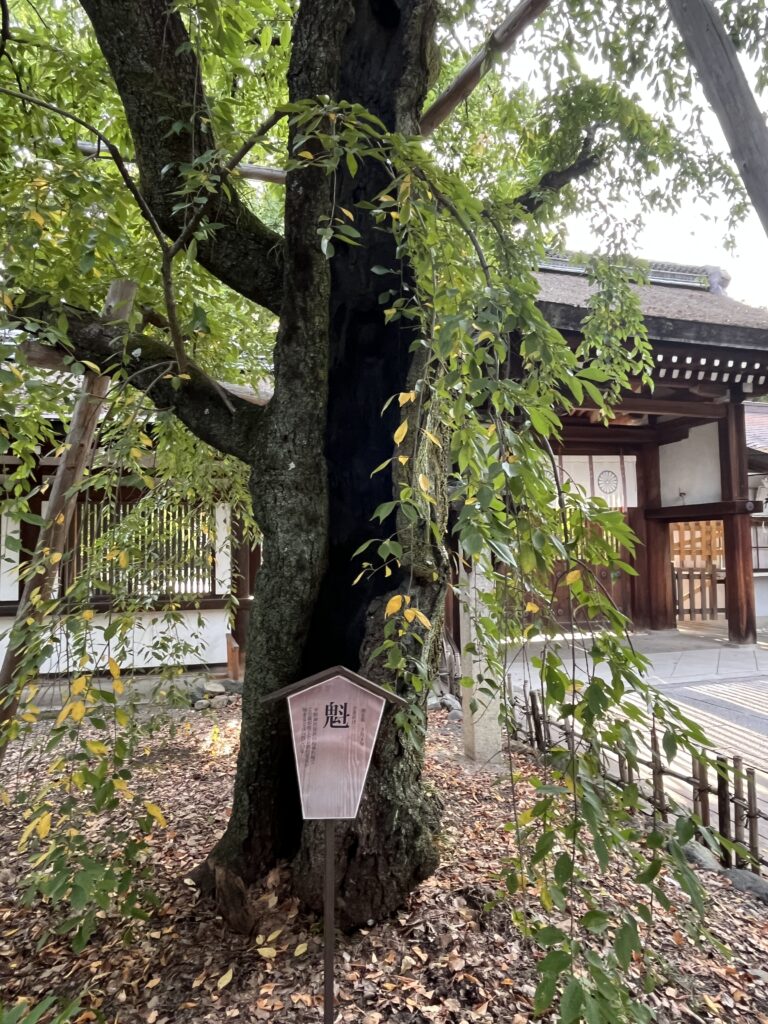
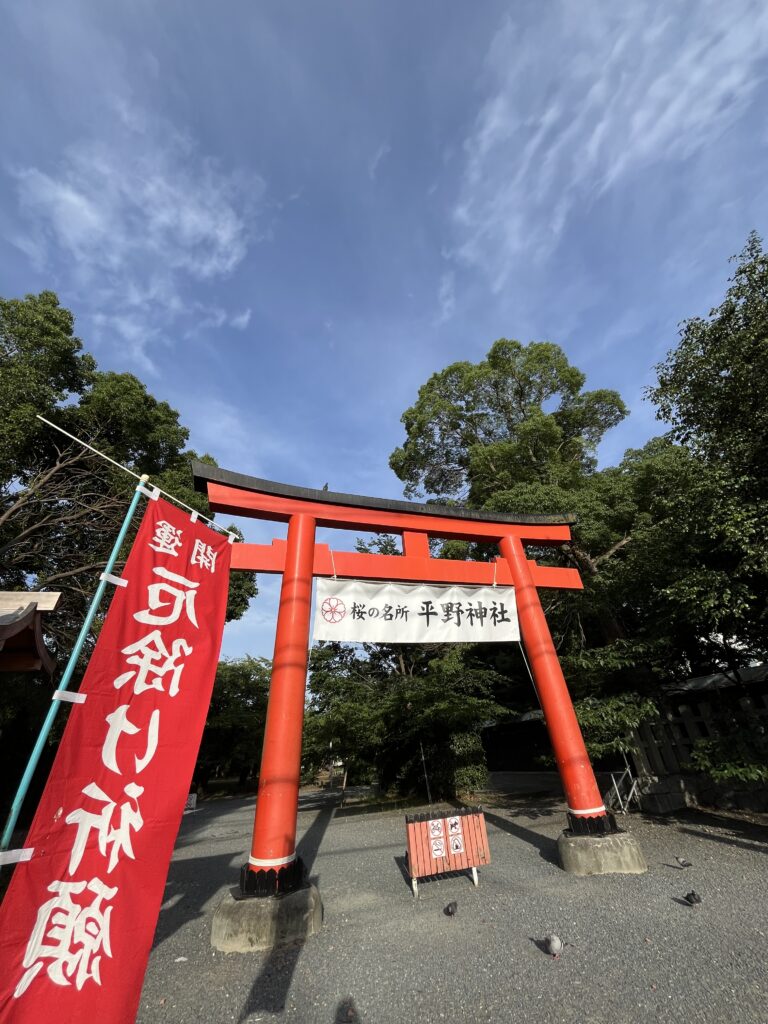
Hirano Jingya shrine(平野神社)

Located in Kyoto’s Kita Ward, Hirano Shrine is said to have been relocated from Heijo-kyo to Heian-kyo when the capital was moved there in 794; it is renowned for its cherry blossoms, particularly the night-time cherry blossoms.
The shrine’s main hall features a unique architectural style known as “Hirano-zukuri” and was built during the Kan’ei era of the Edo period.

Location

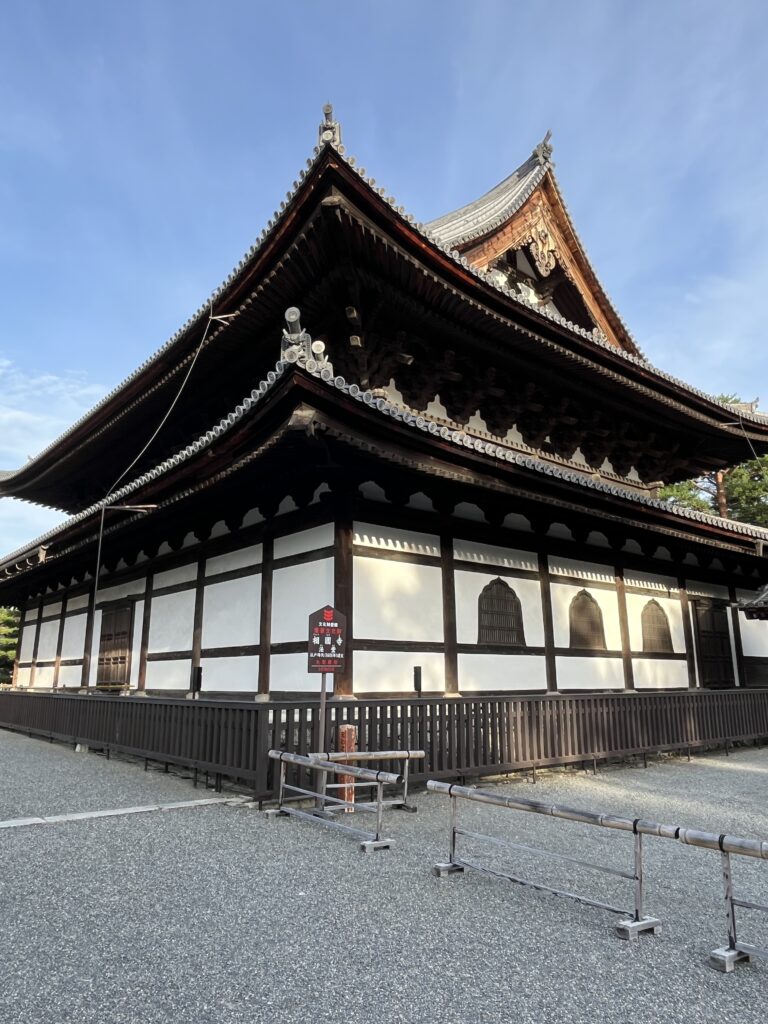
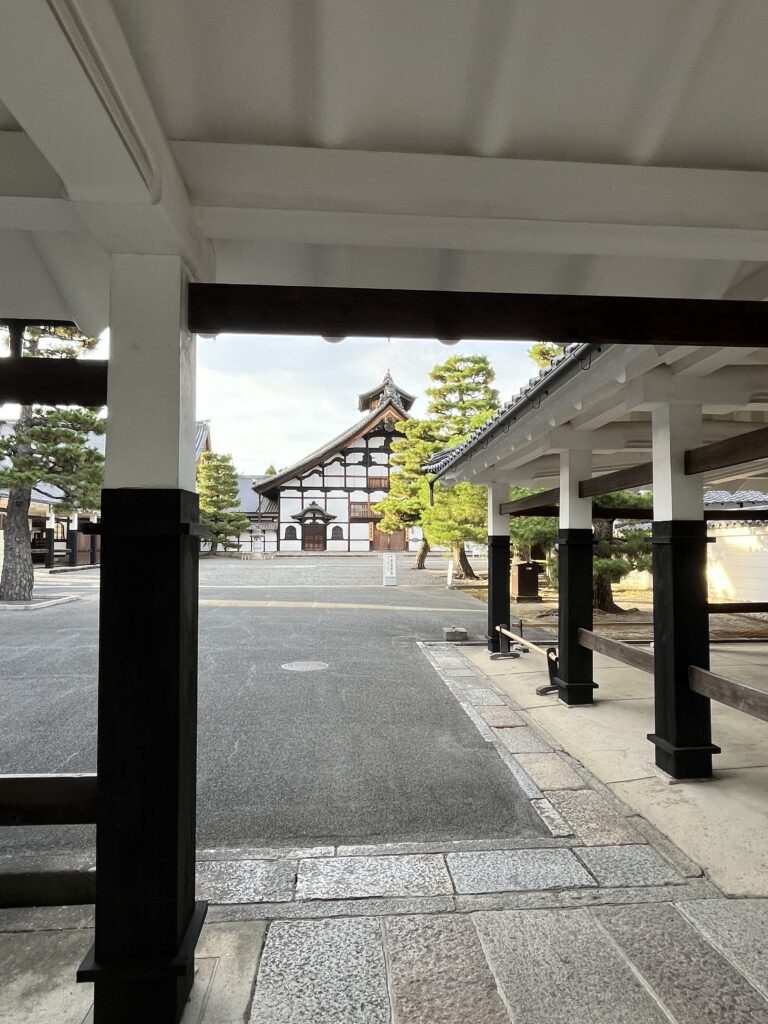
Shokoku-ji Temple(相国寺)

Shokoku-ji is the head temple of the Shokoku-ji branch of the Rinzai sect of Zen Buddhism; founded by Ashikaga Yoshimitsu, the third shogun of the Muromachi Shogunate, it is a temple of high prestige that counts Kinkaku-ji (the Golden Pavilion) and Ginkaku-ji (the Silver Pavilion) among its sub-temples.
The temple grounds are spacious and tranquil, and the complex houses the Jotenkaku Museum, where various artworks are exhibited from time to time.

Location

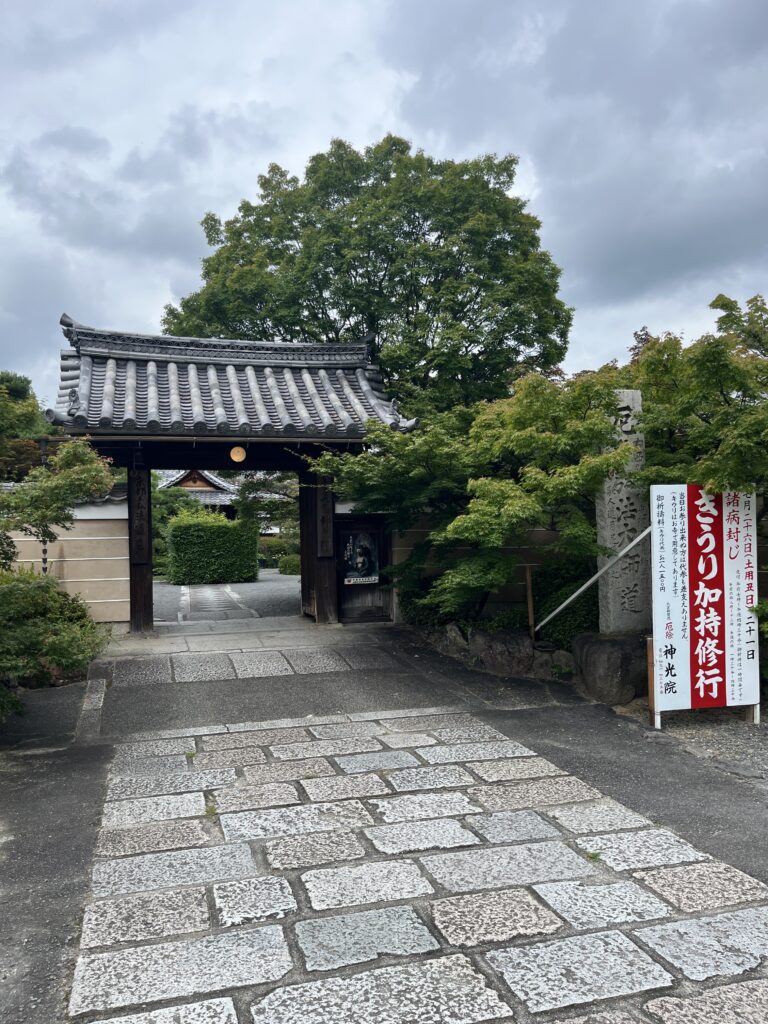
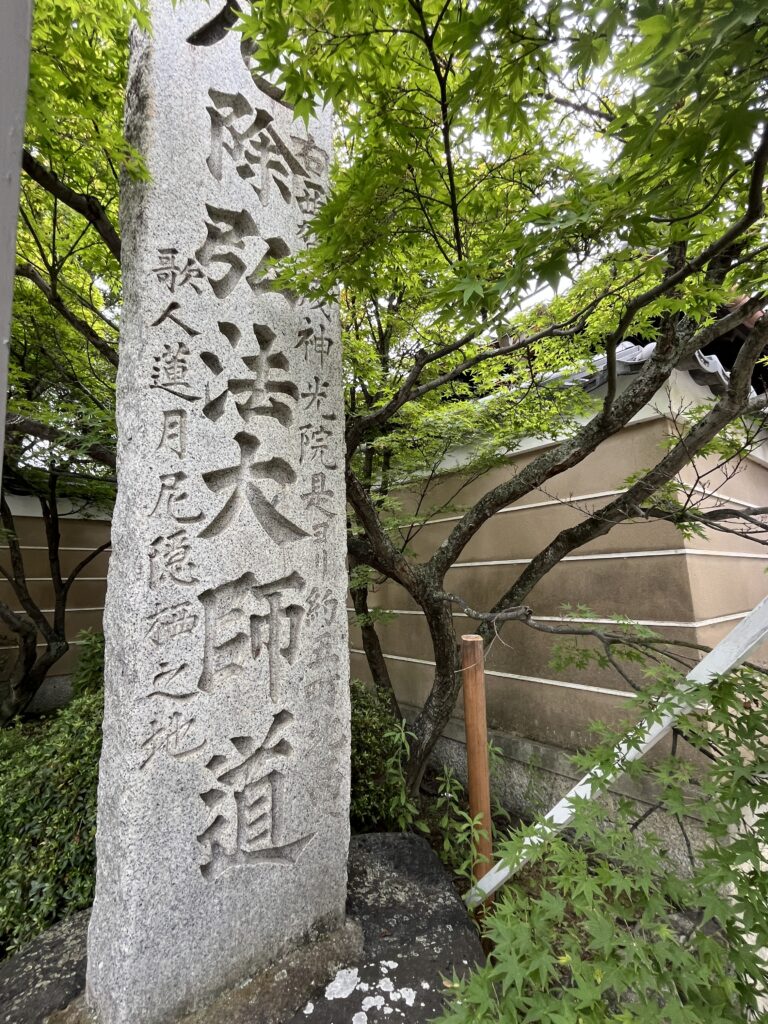
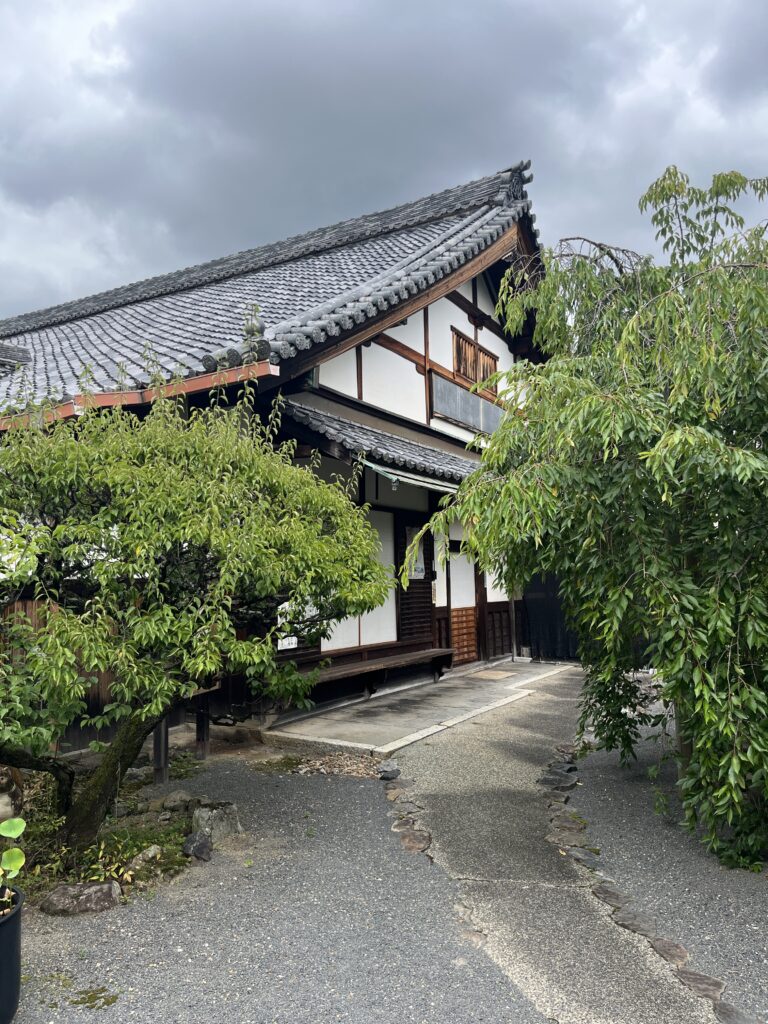
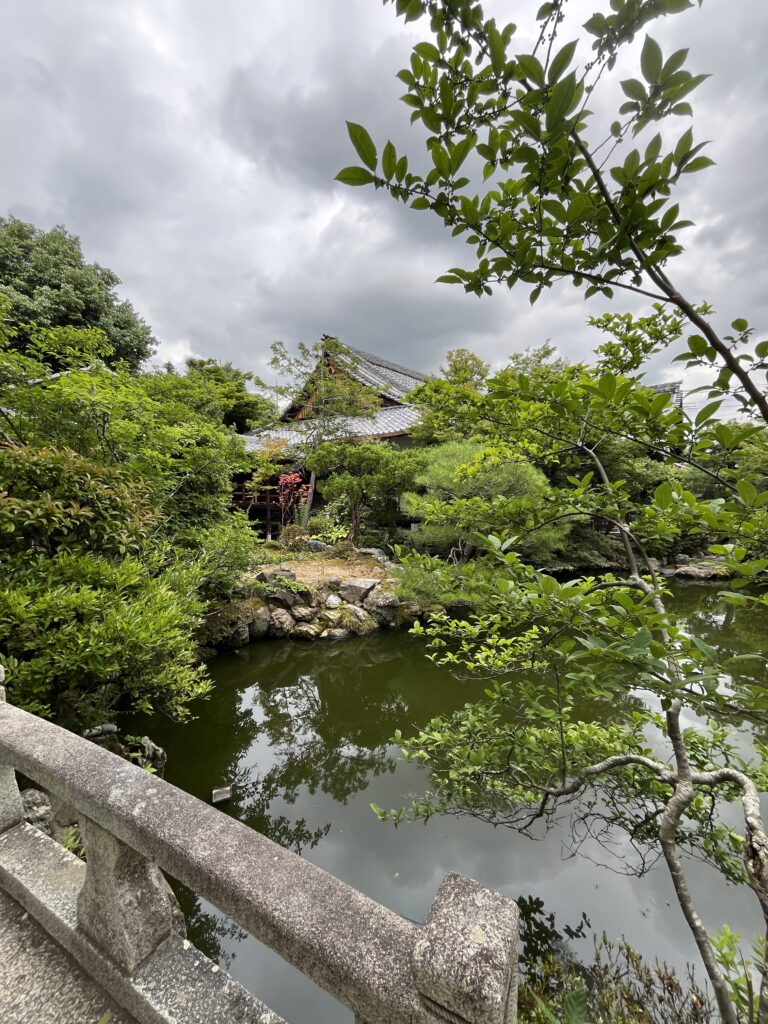
Jinko-in Temple (神光院)

Jinkō-in is a Shingon Buddhist temple located in Kyoto’s Kita Ward. Its principal image is a wooden statue of Kūkai (Kōbō Daishi), said to have been carved by the monk himself when he was 42 years old. Along with Tō-ji and Ninna-ji, it is known in Kyoto as one of the “Three Kōbō” temples; while it is not a typical tourist destination, it possesses a dignified and tranquil atmosphere.

Locatiom

Syodenji Temple (正伝寺)

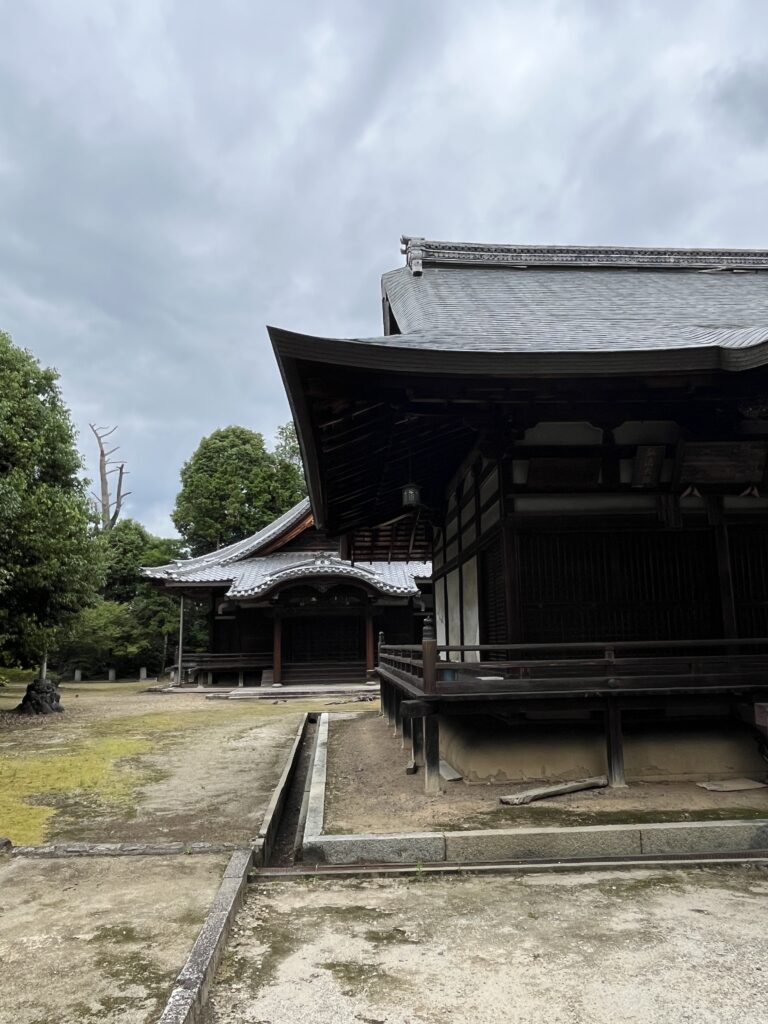
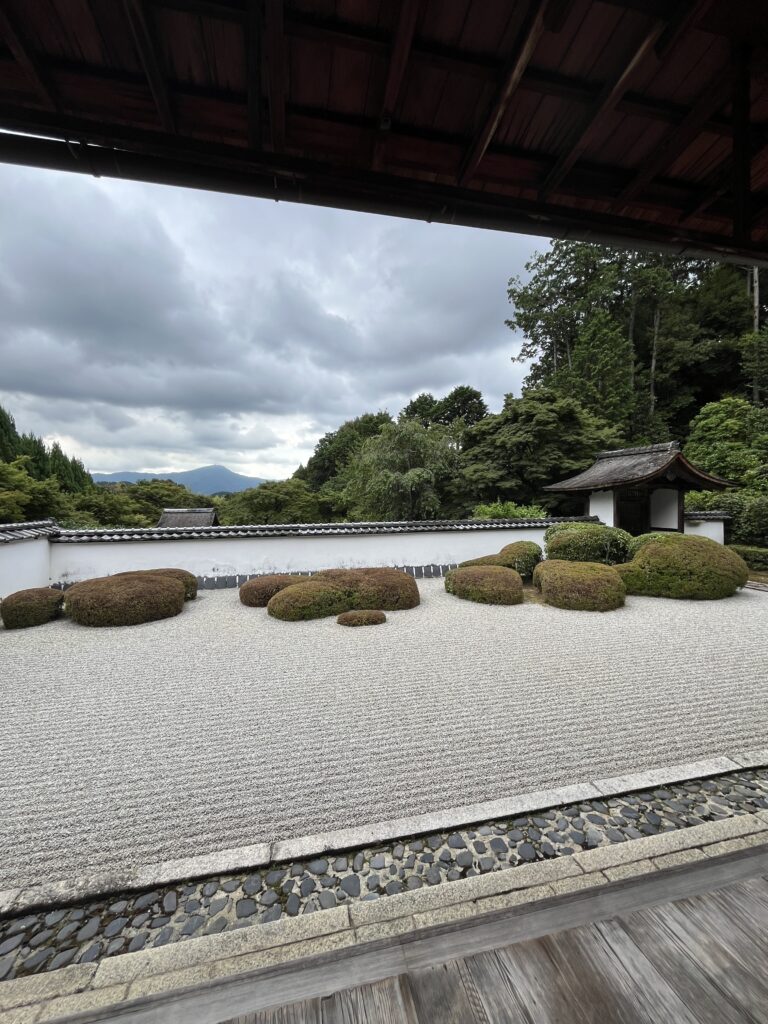
Located in the Nishigamo area of Kyoto City, this temple belongs to the Nanzen-ji school of the Rinzai sect; its main hall was relocated here from Fushimi Castle in 1652.
Its dry landscape garden features trimmed *satsuki* azaleas arranged in a 7-5-3 pattern and is known as the “Lion Cub Crossing Garden” (*Shishi no Ko Watashi Teien*). It offers a view of Mount Hiei as “borrowed scenery.”
It is a place where one can spend a quiet, peaceful moment.

Location