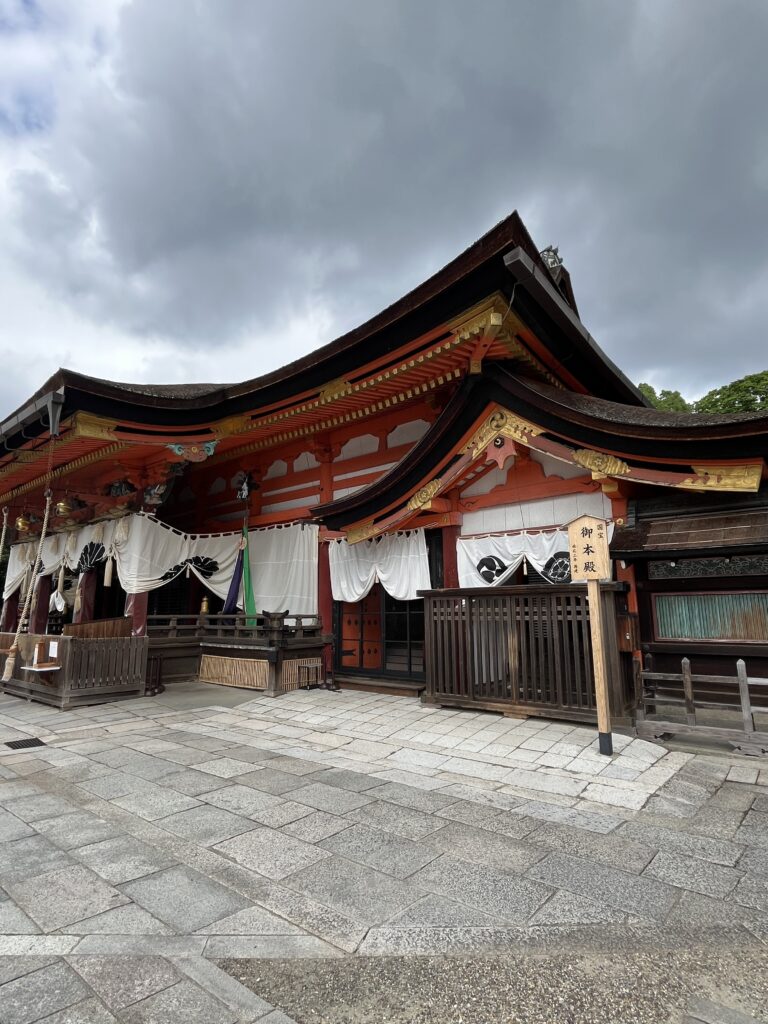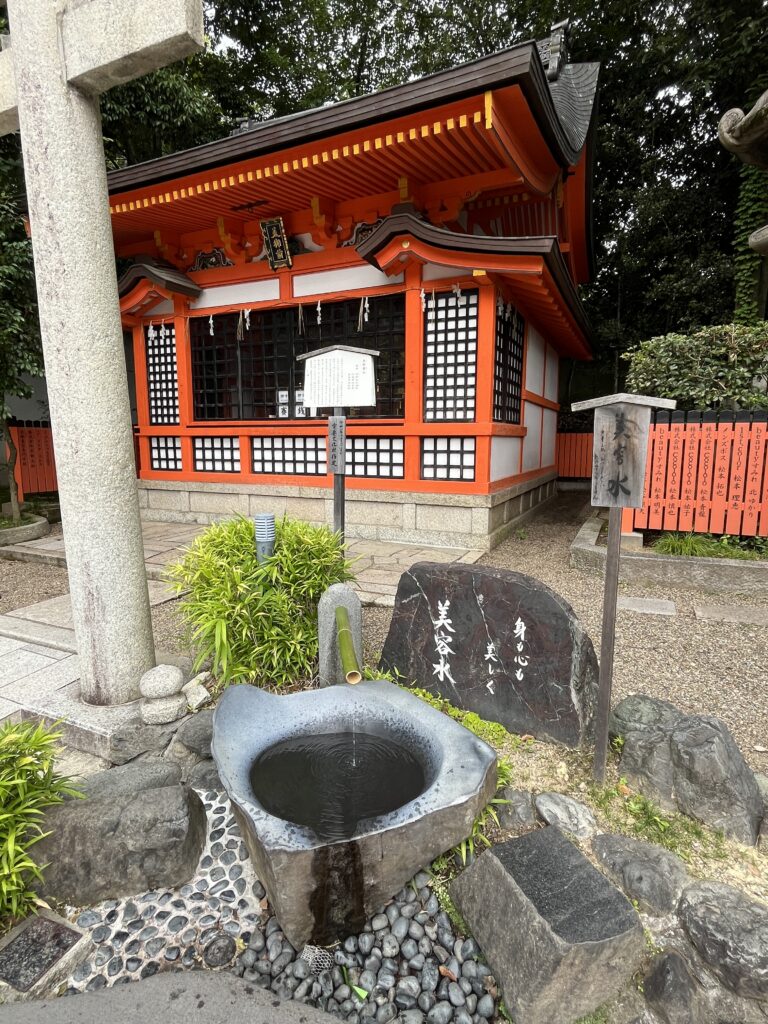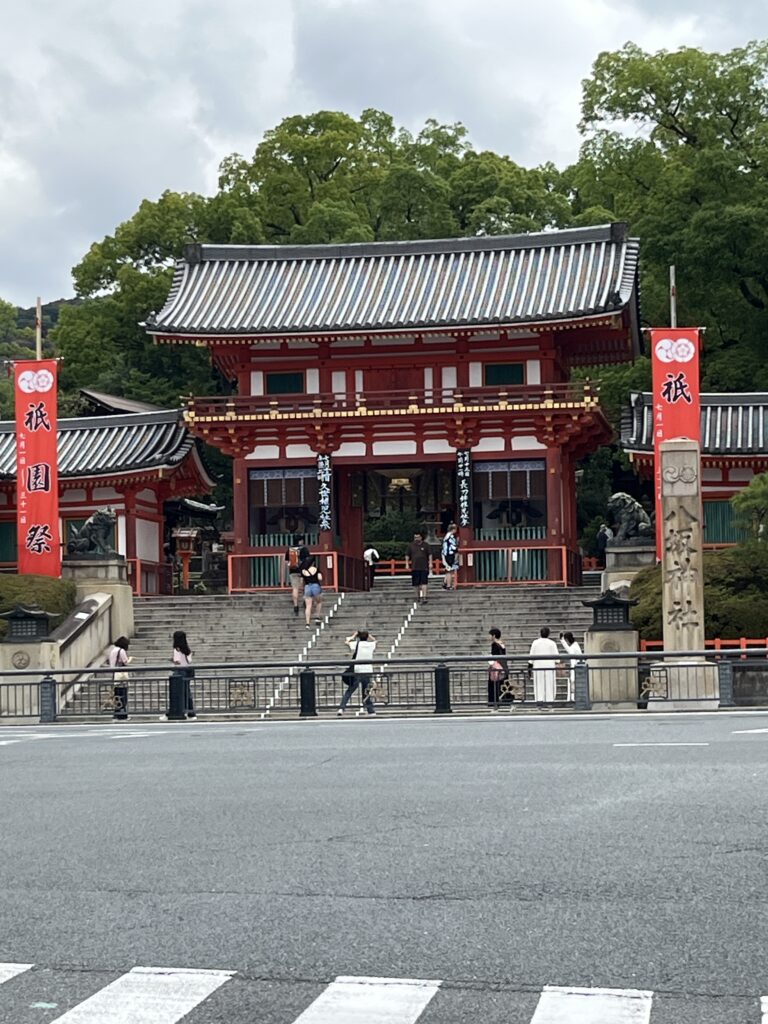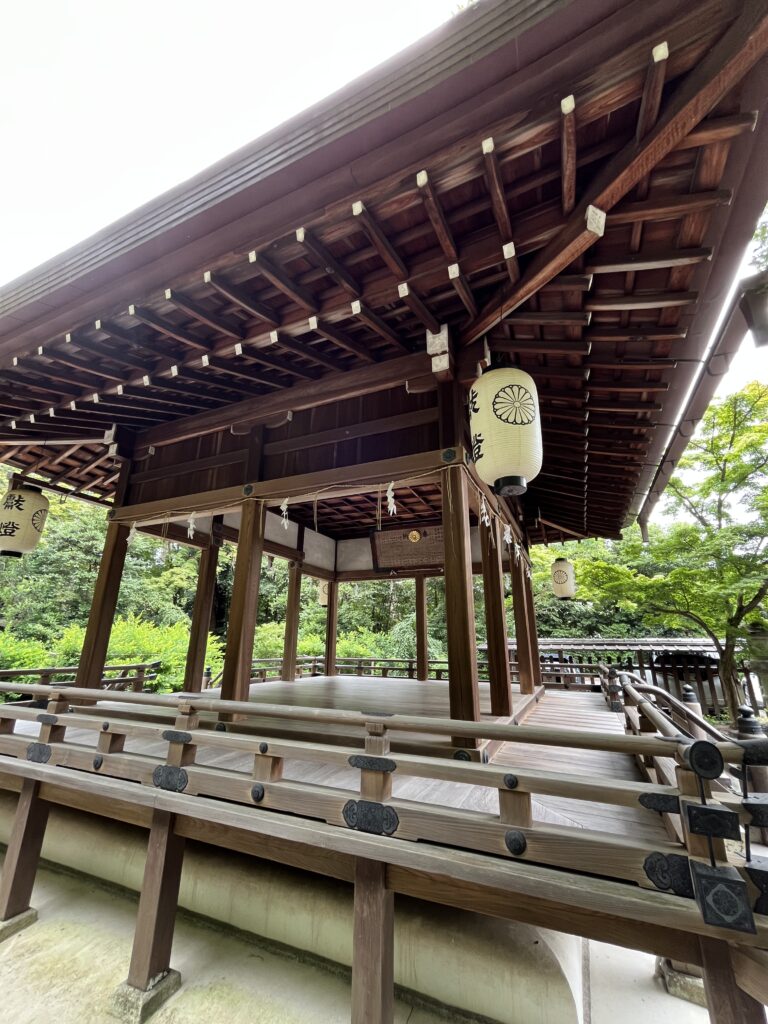
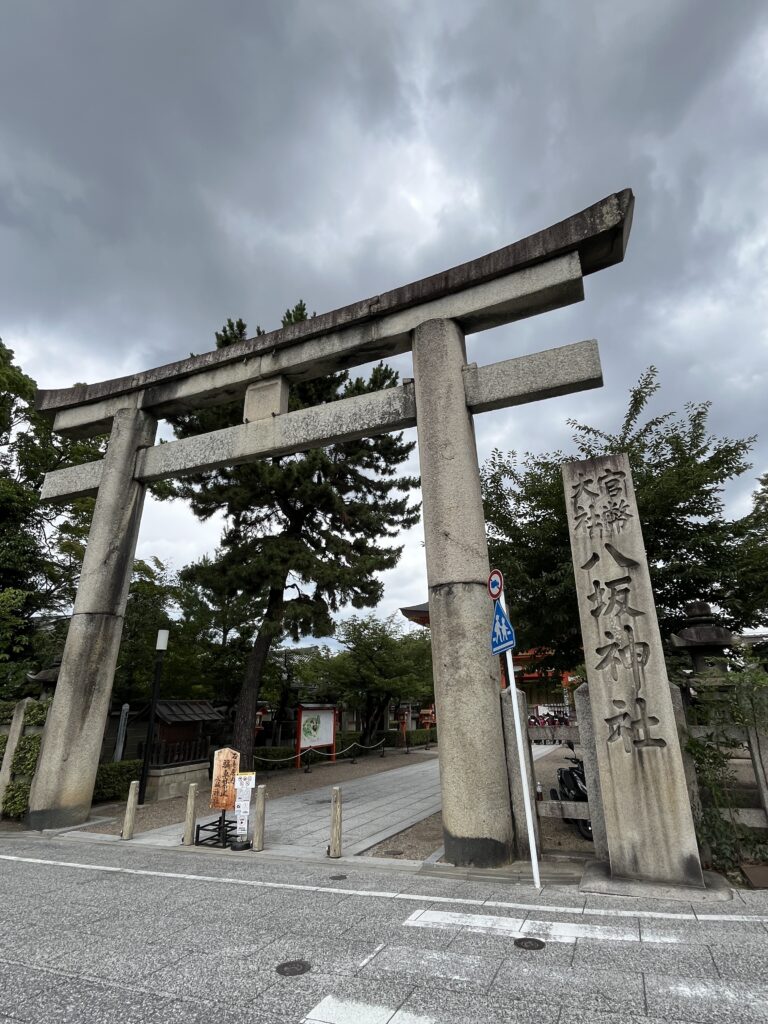
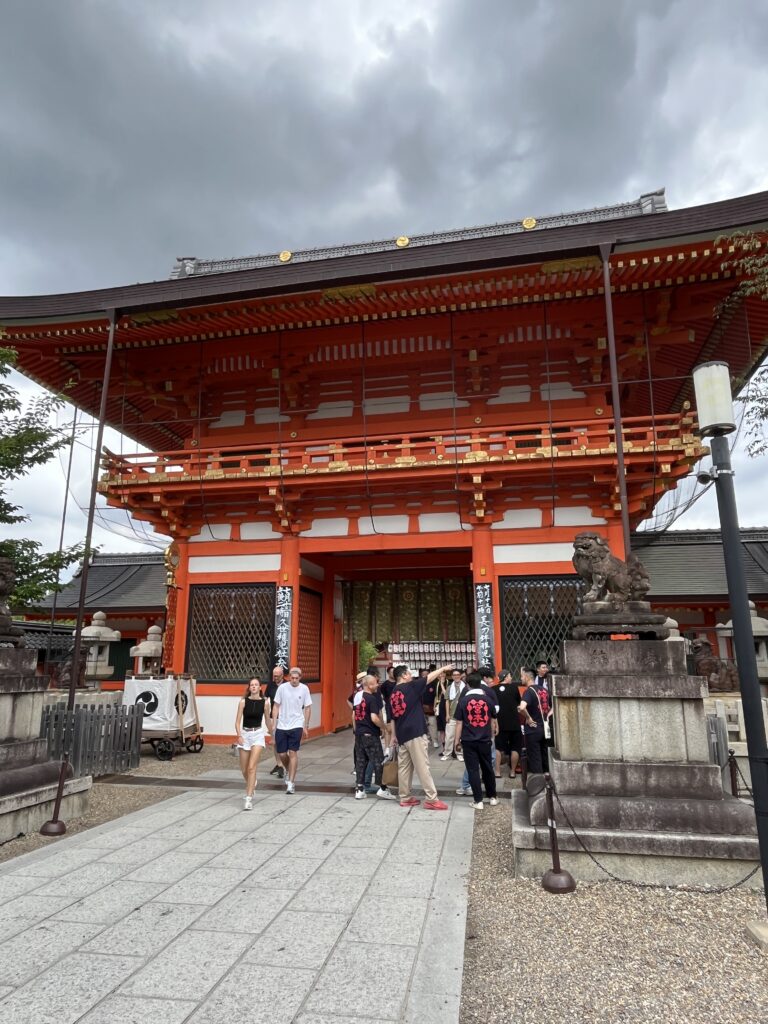
Yasaka Jinjya Shrine(八坂神社)

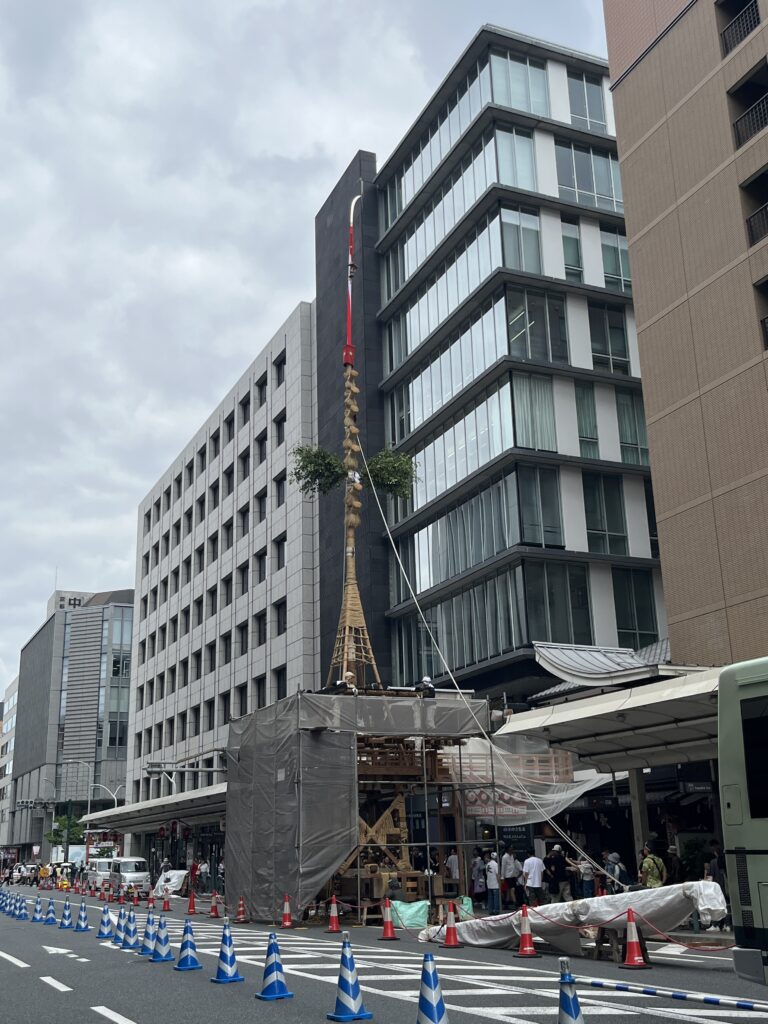
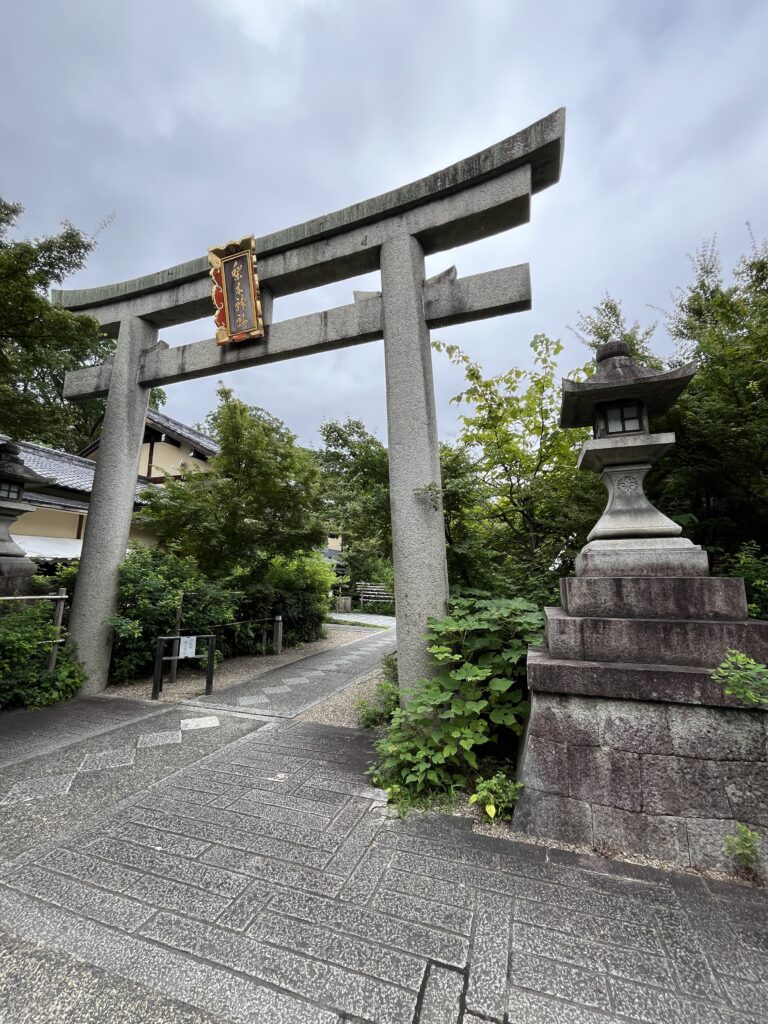
This shrine is located in Higashiyama Ward, Kyoto City, and is the home of the Gion Matsuri—one of Japan’s three major festivals. The festival begins on July 1st and features various events throughout the month.
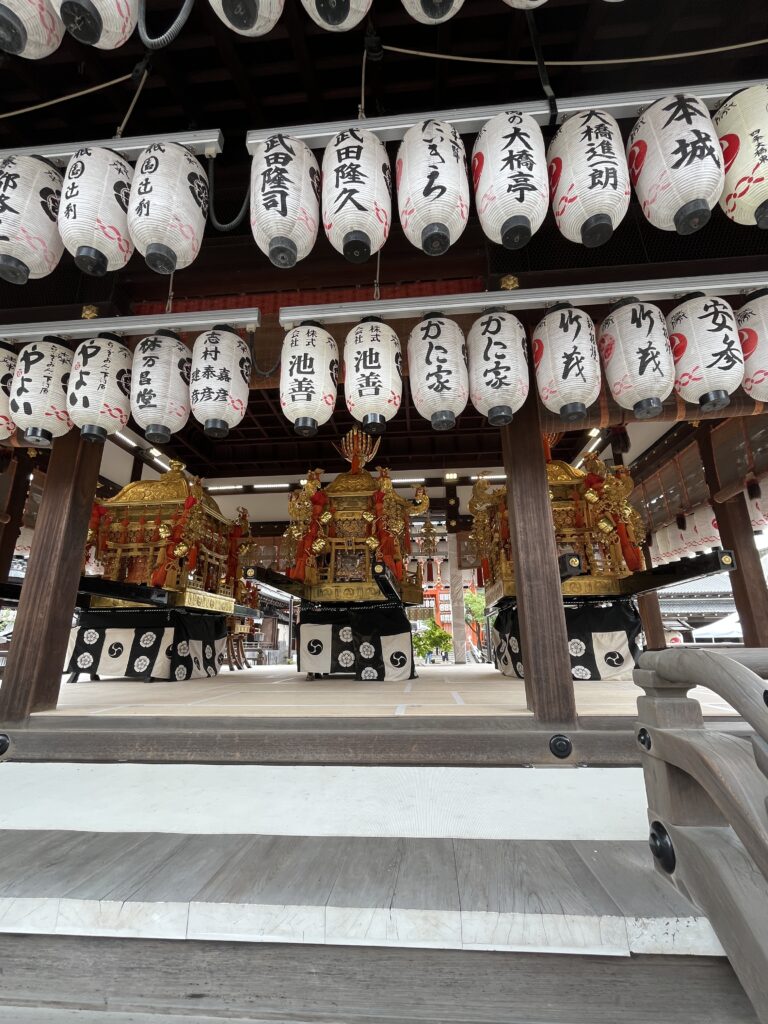
Today, July 11th, the *hoko* floats are being assembled for the festival’s procession.
They are being put together using traditional techniques.
Location
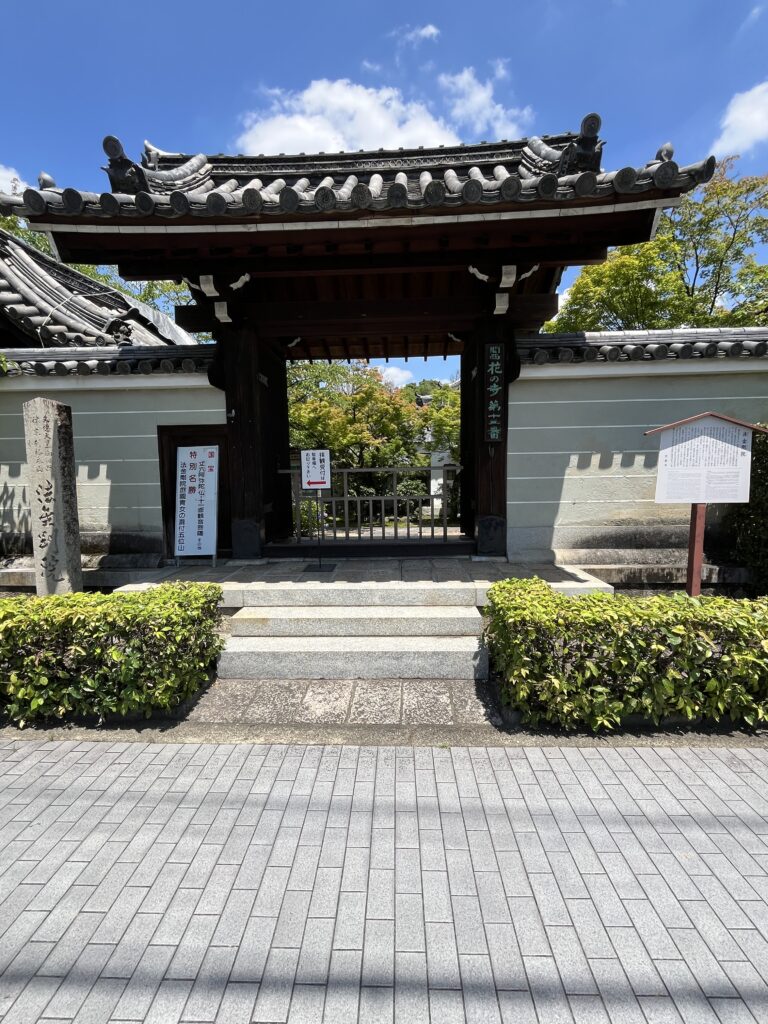
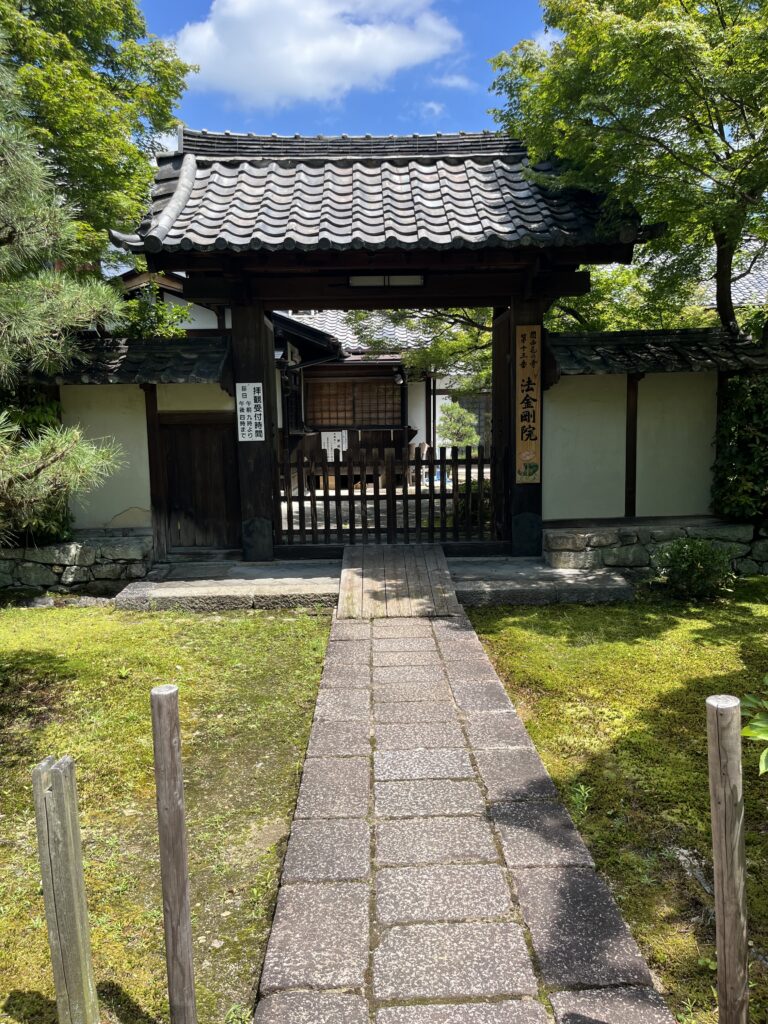
Hokongoin Temple(法金剛院)

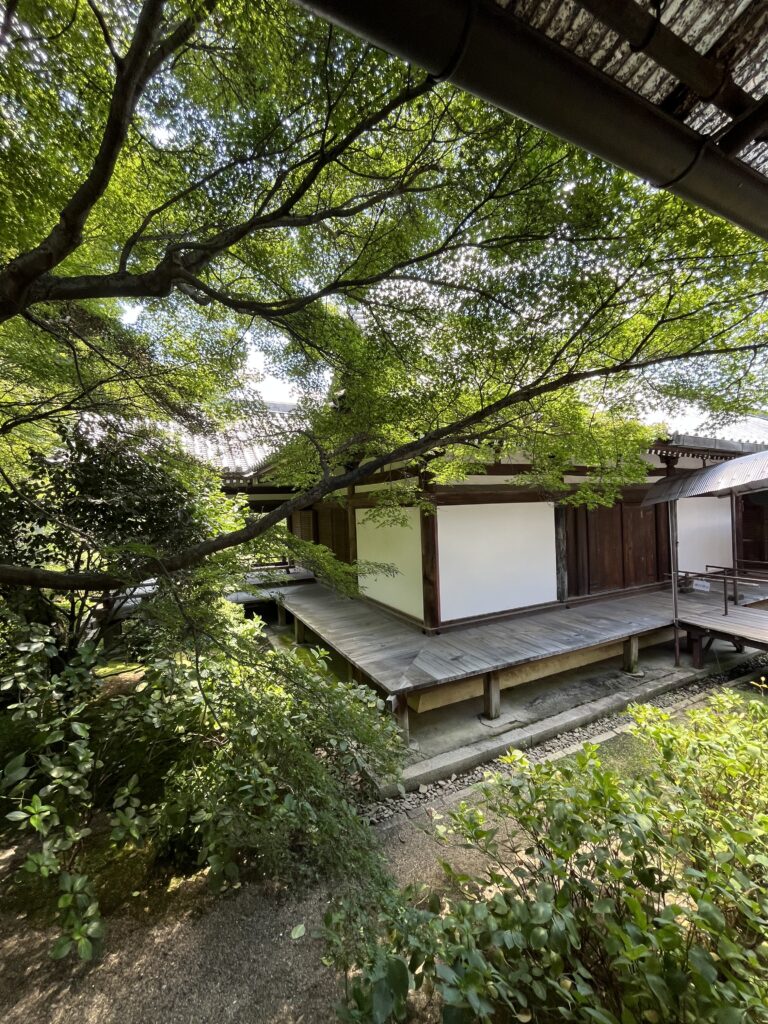
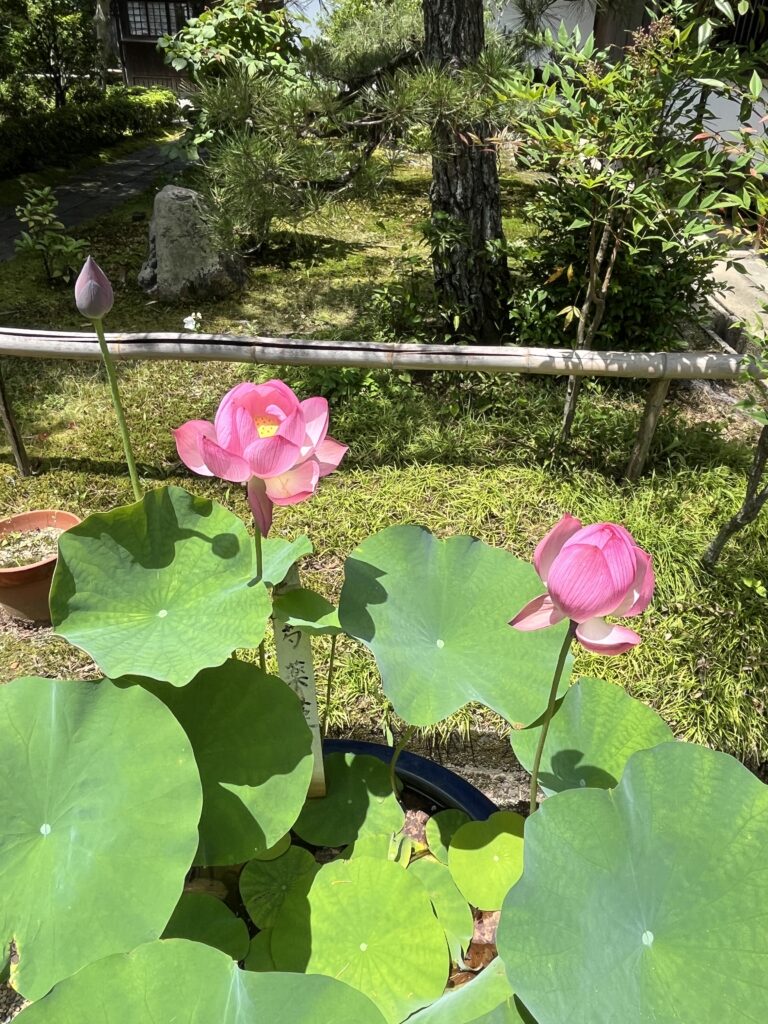
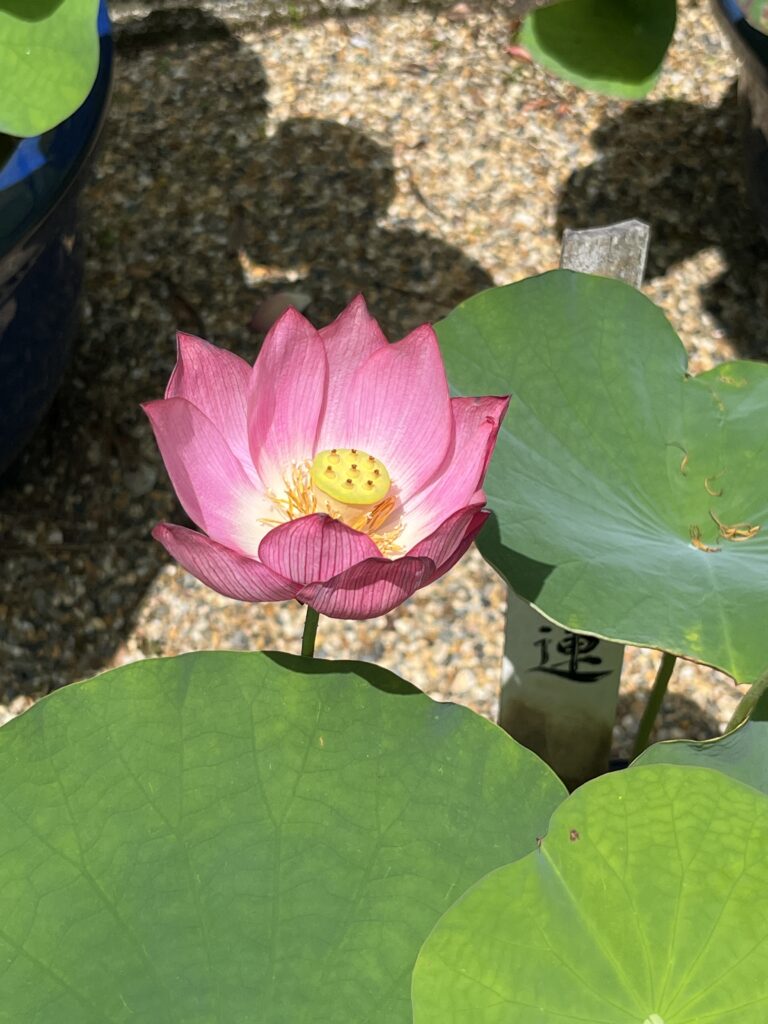
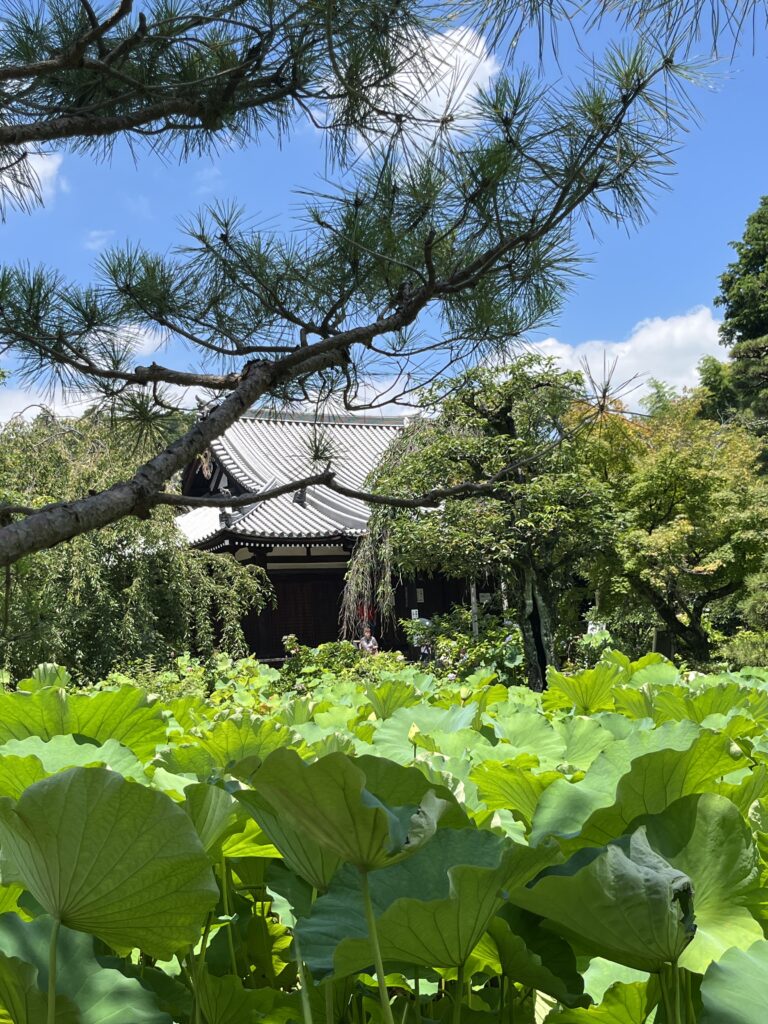
Hokongoin Temple is located in the Hanazono district of Kyoto and is known as a “Temple of Flowers.”
Its early-summer garden, designed to evoke the Pure Land, features beautiful lotus blossoms.
The temple also boasts stunning cherry blossoms in spring and vibrant autumn foliage, allowing visitors to admire seasonal flowers throughout the year.

Location
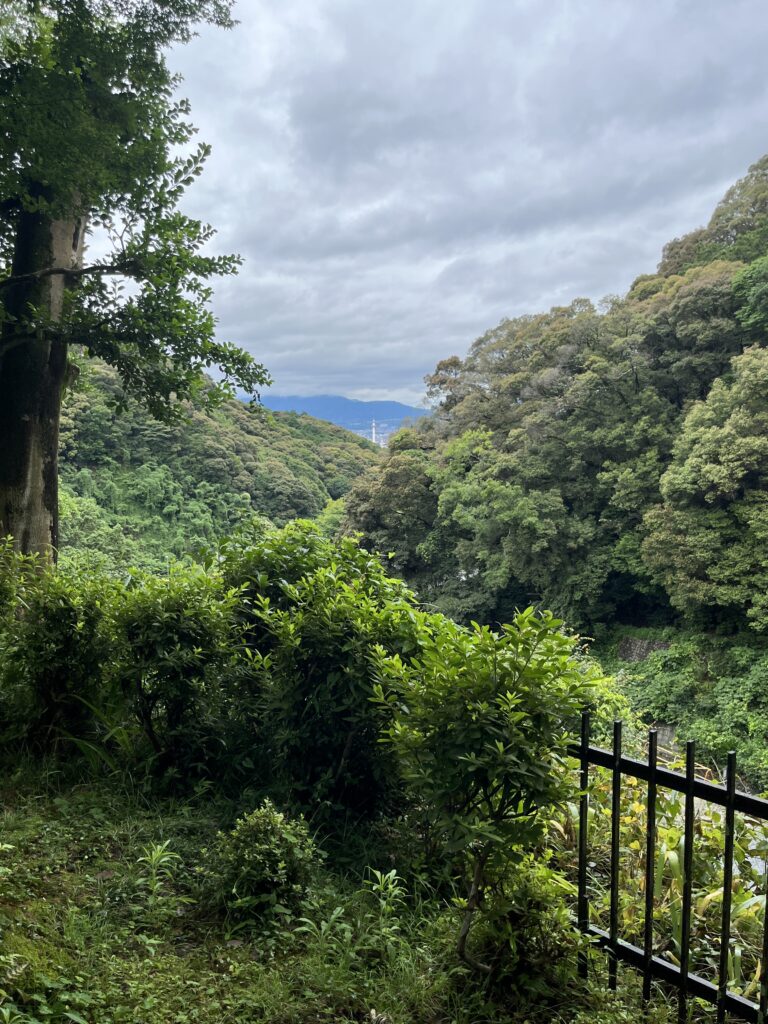
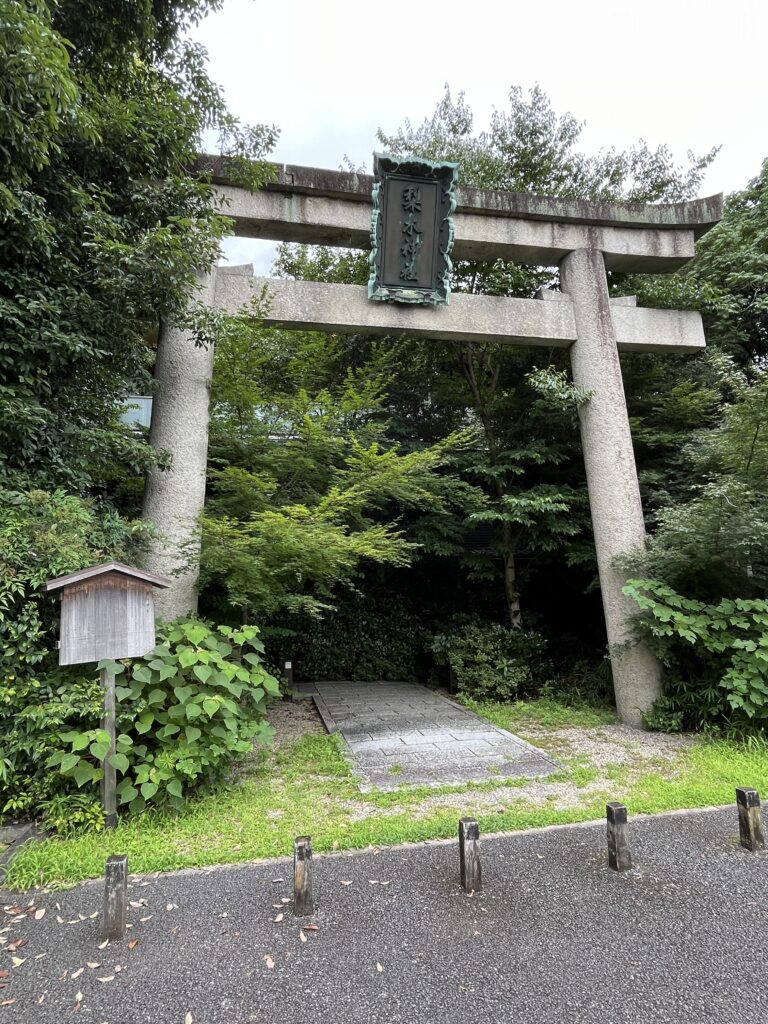
Nashinoki Shrine(梨木神社)

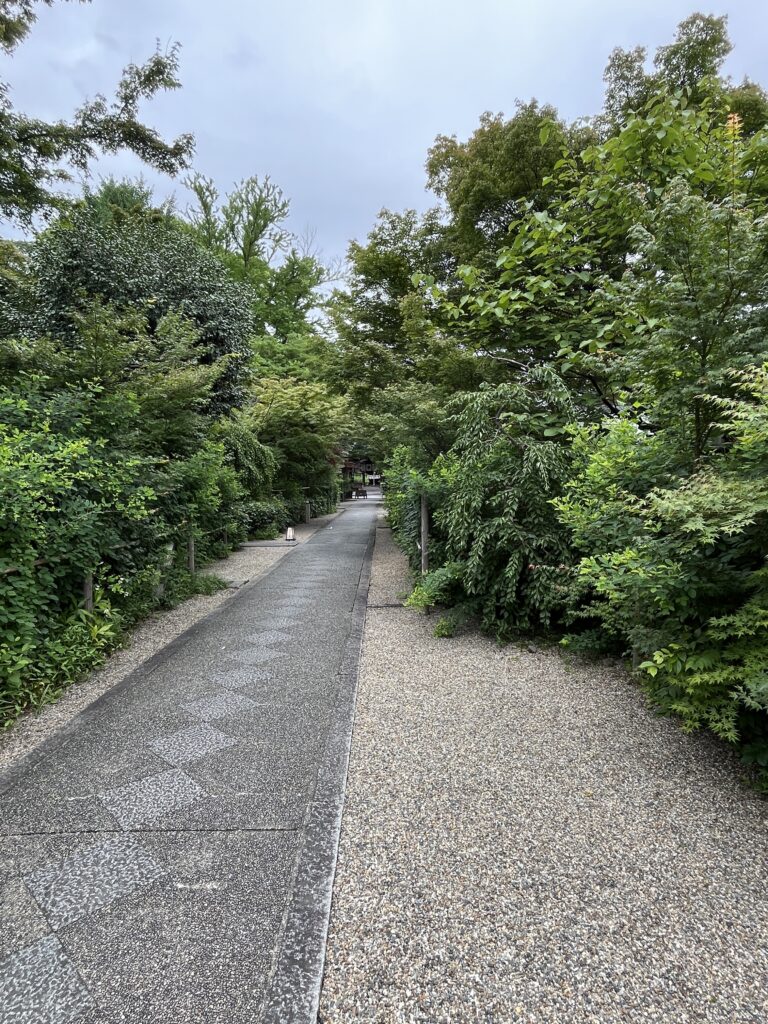
It is located to the east of the Kyoto Imperial Palace Park and is a shrine dedicated to those who played a pivotal role in the Meiji Restoration.

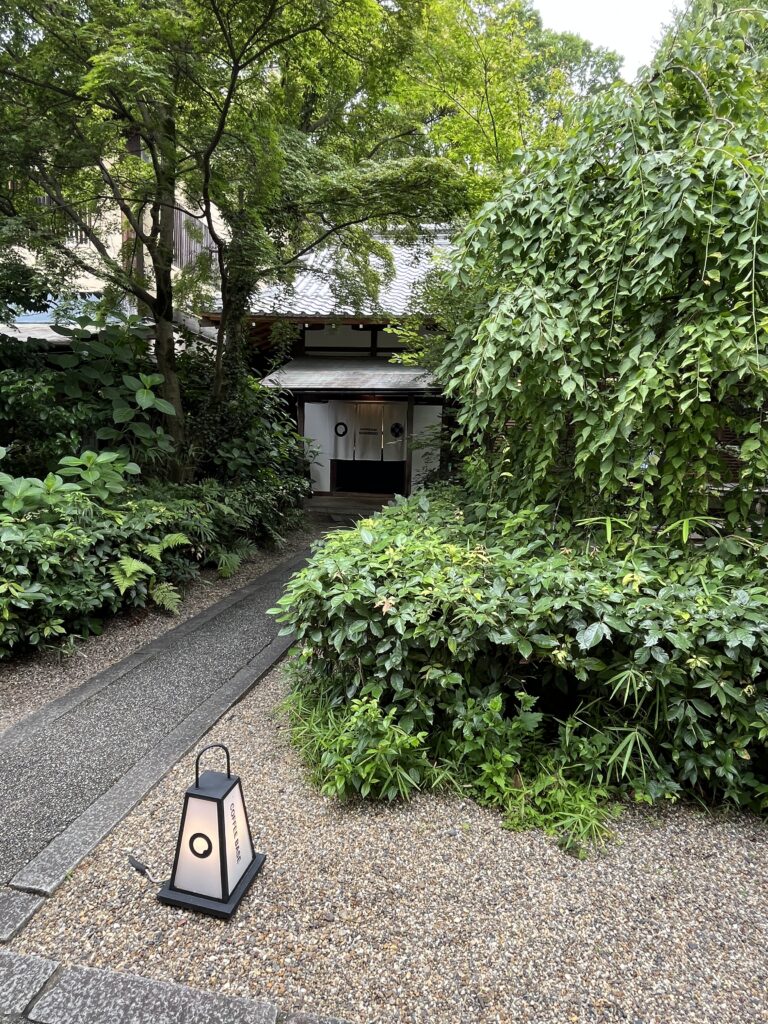
There is a café within the shrine grounds where you can enjoy coffee brewed using water from one of Kyoto’s three famous springs.
It is renowned as a prime spot for viewing bush clover (hagi), making it a place I would love to visit again in the autumn.


Location
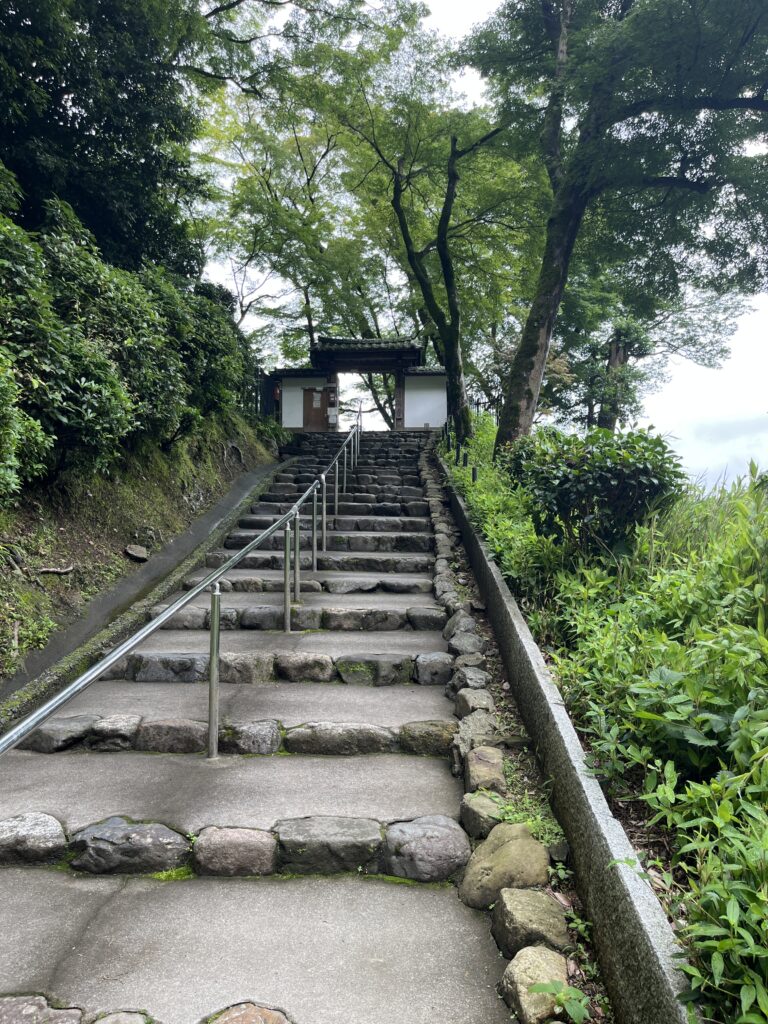
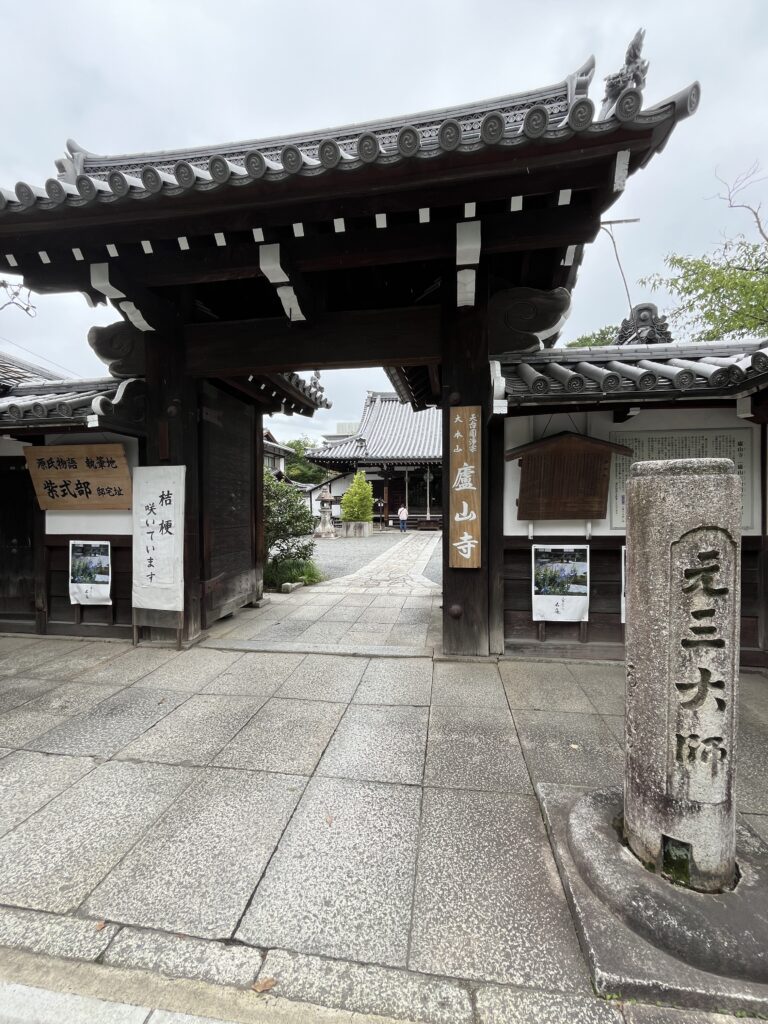
Rozanji Temple2(廬山寺)

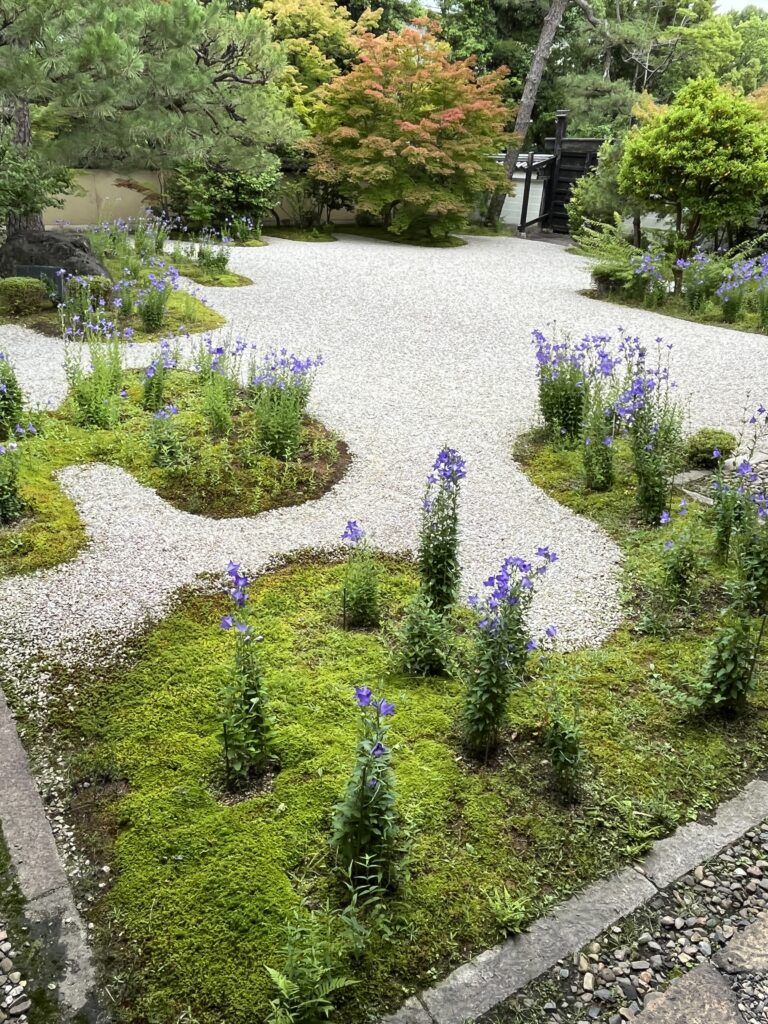
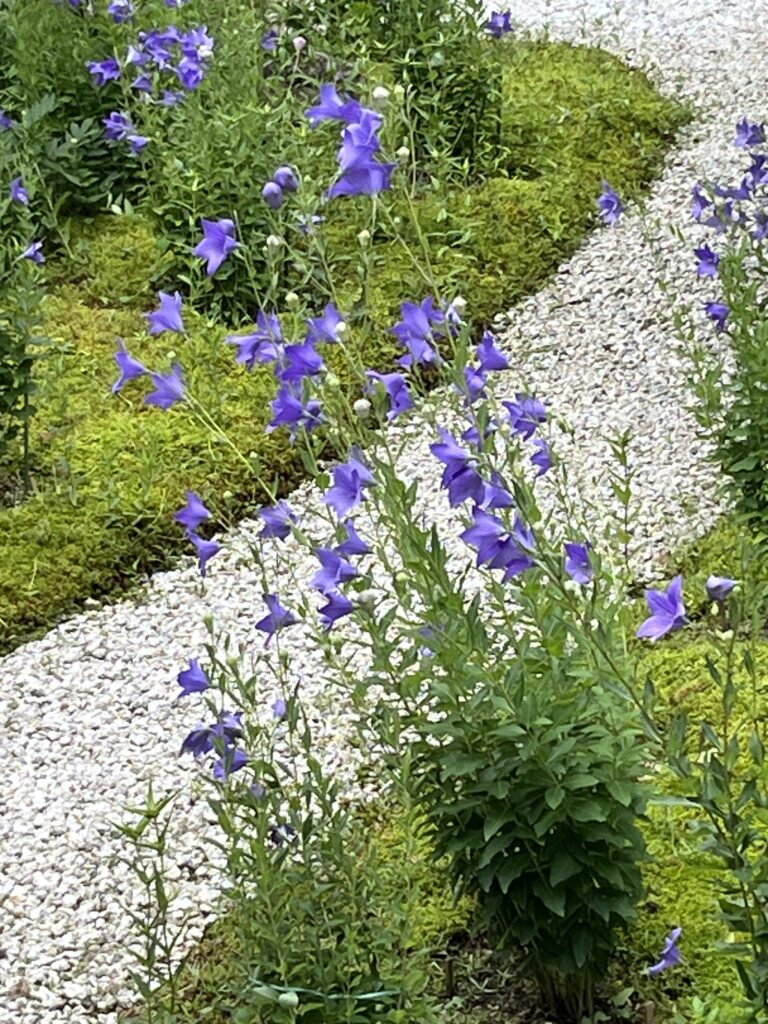
The Chinese bellflowers are blooming beautifully here as well.
Every year at this time, a sign appears at the temple gate announcing, “The Chinese bellflowers are in bloom.”
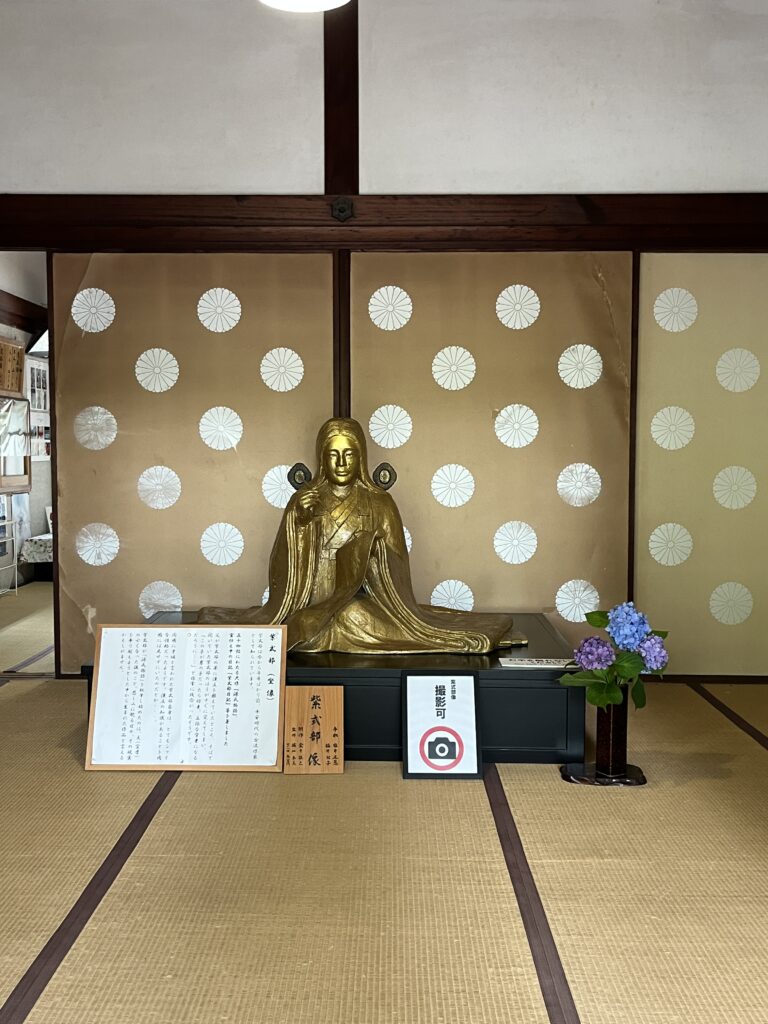
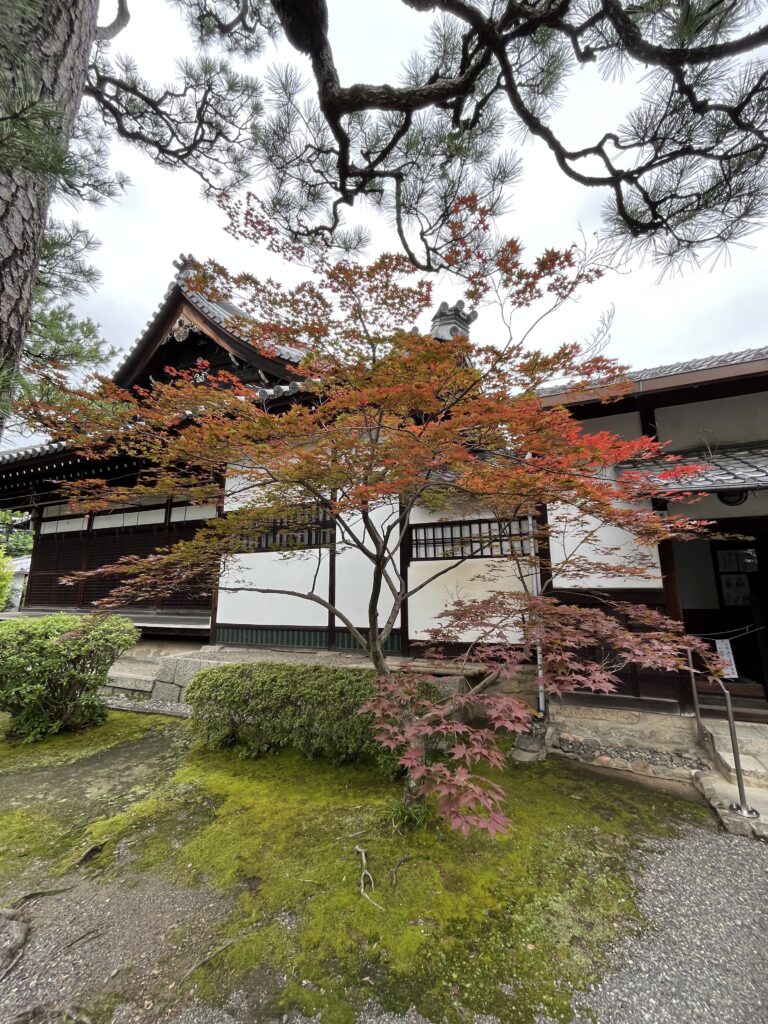
This temple is famous for these flowers, which are associated with *The Tale of Genji*; it is the site where Murasaki Shikibu, the tale’s author, once lived and wrote her masterpiece.
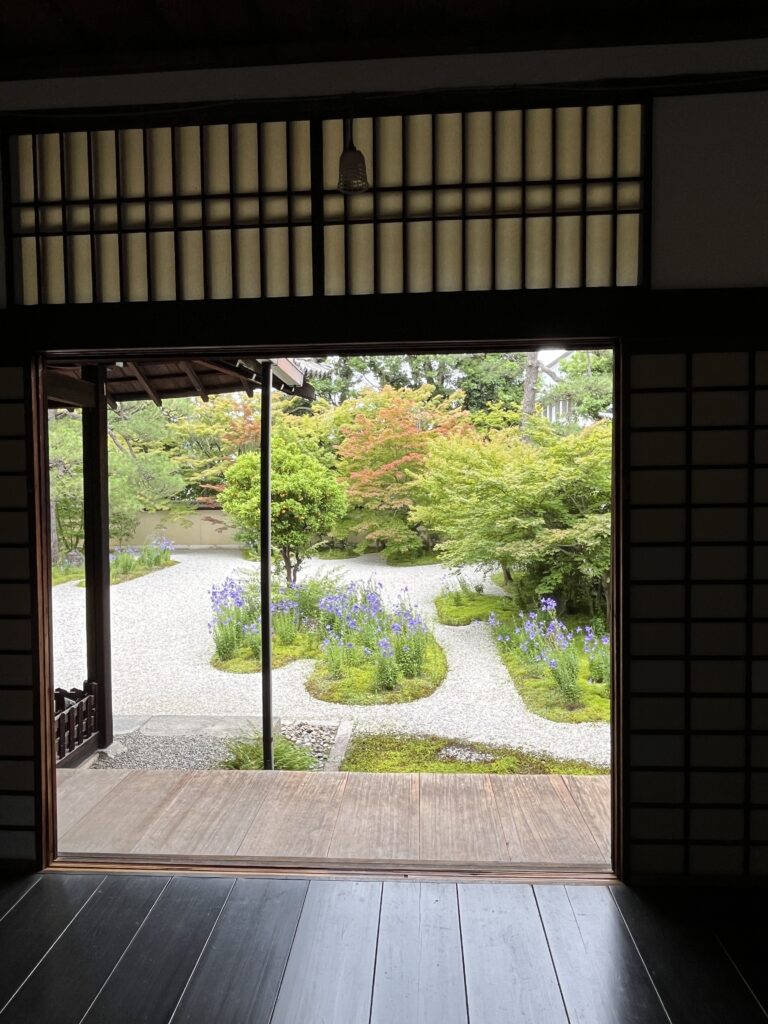
These lovely flowers are in full bloom in the garden known as the “Genji Garden.”

Location

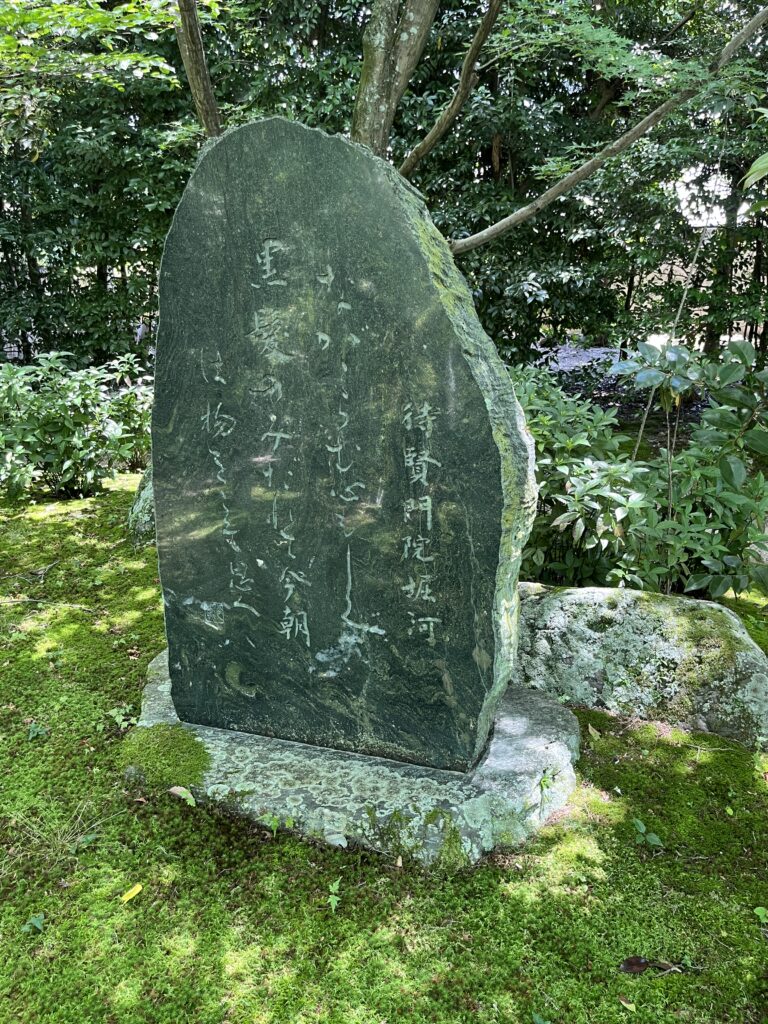
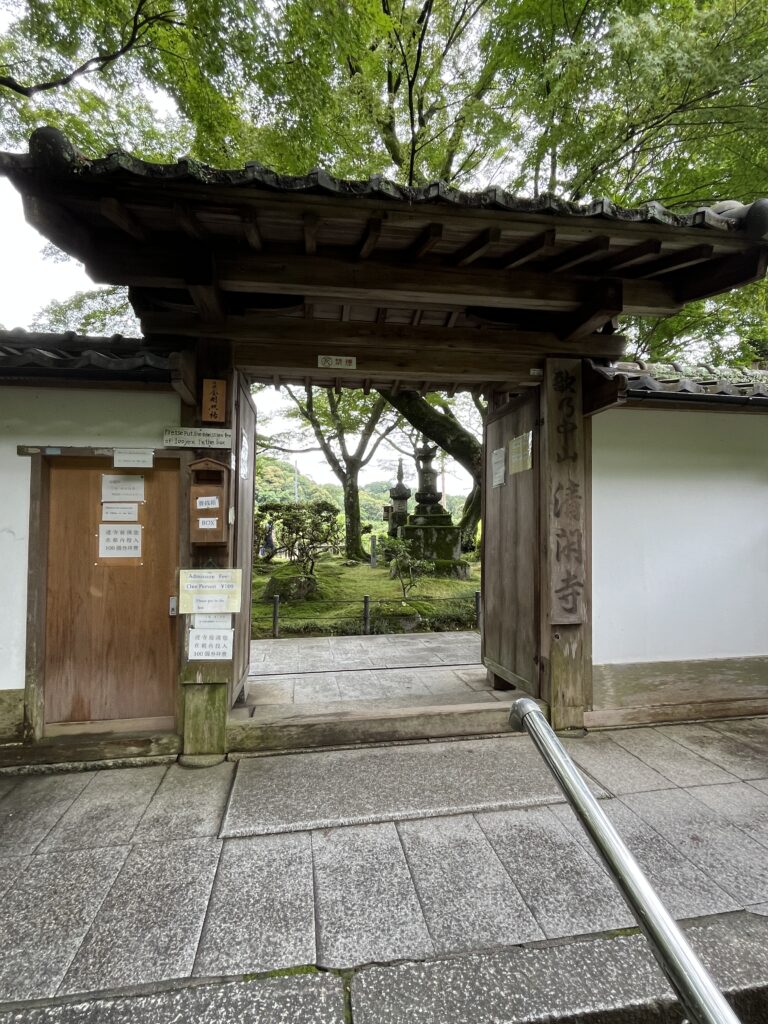
Seikan-ji Temple(清閑寺)

If you exit Kiyomizu-dera Temple through its East Gate, you will find Seikan-ji Temple right next door.
Renowned as “Uta no Nakayama Seikan-ji” (Seikan-ji of the Poetic Nakayama), the temple now attracts many tourists from overseas.
The temple grounds feature a spot offering a panoramic, fan-shaped view overlooking the city of Kyoto. A stone at this vantage point is named *Kaname-ishi* (Pivot Stone)—a name derived from the view, likening the stone to the pivot point of a folding fan.

Location