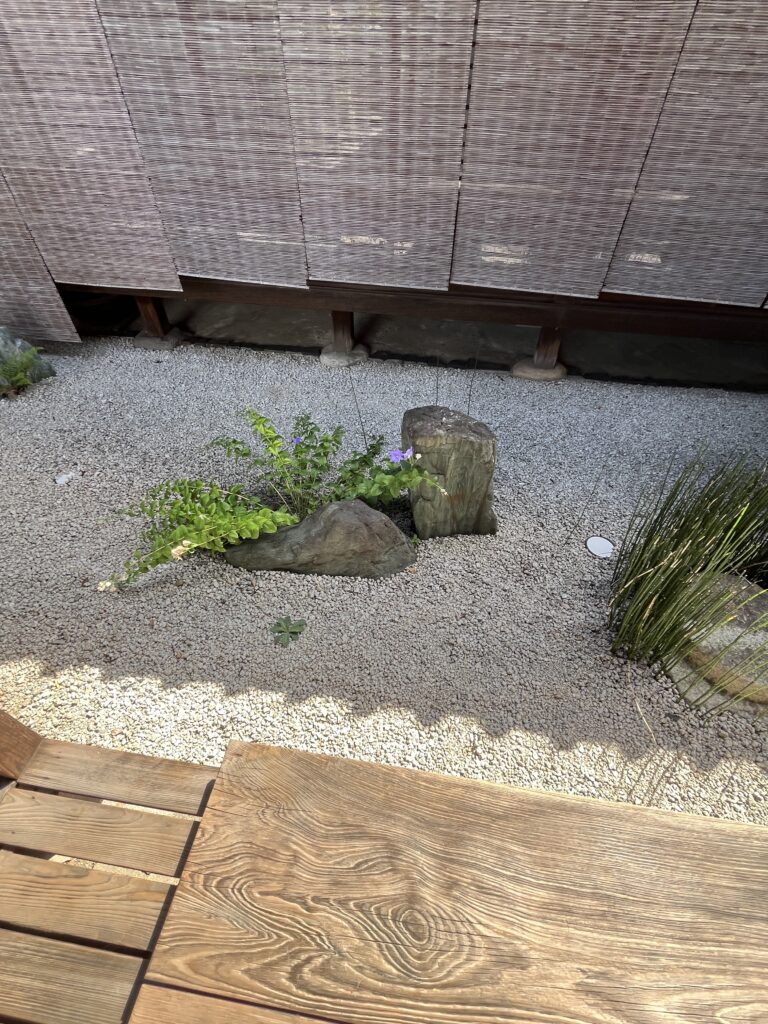
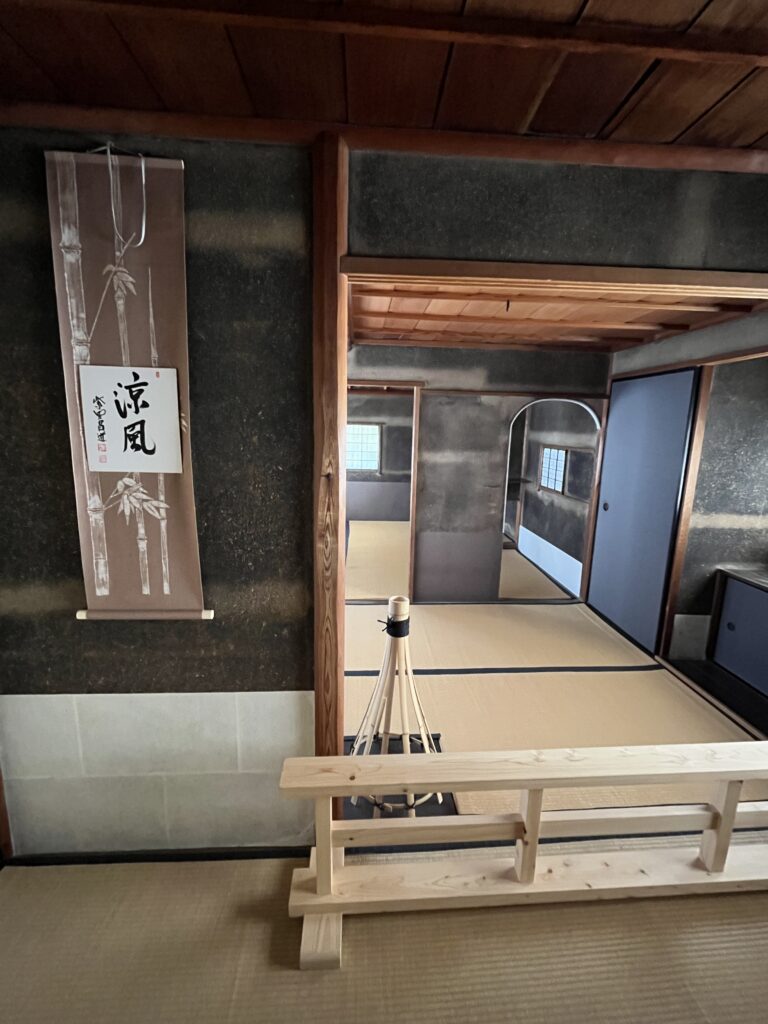
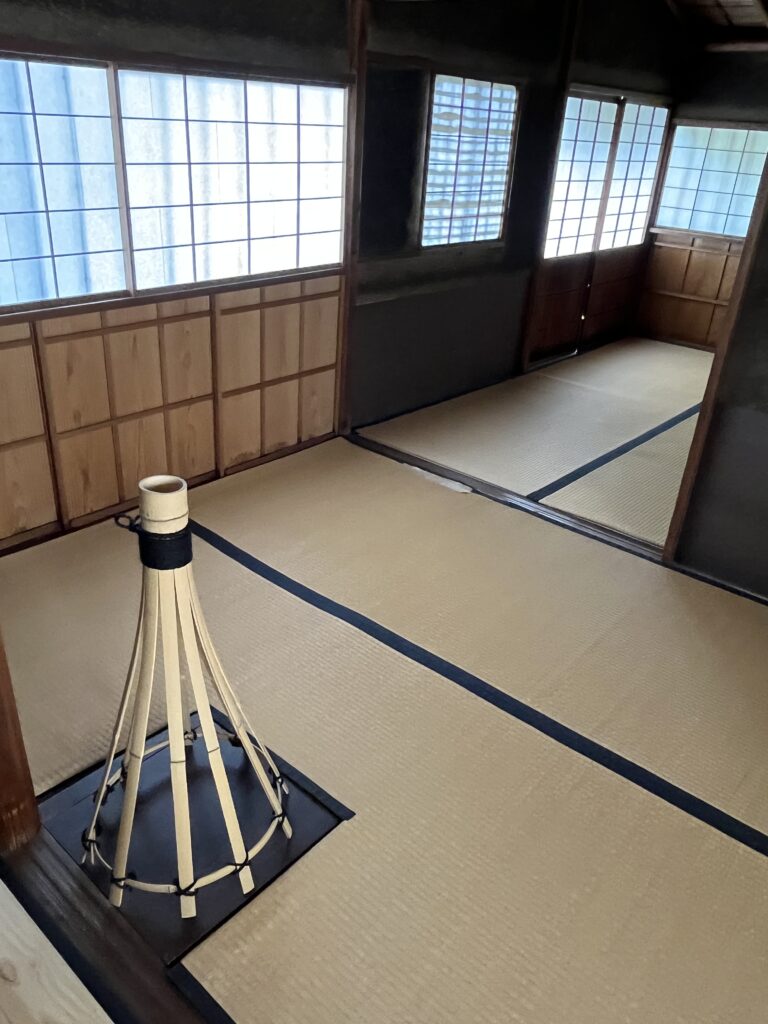
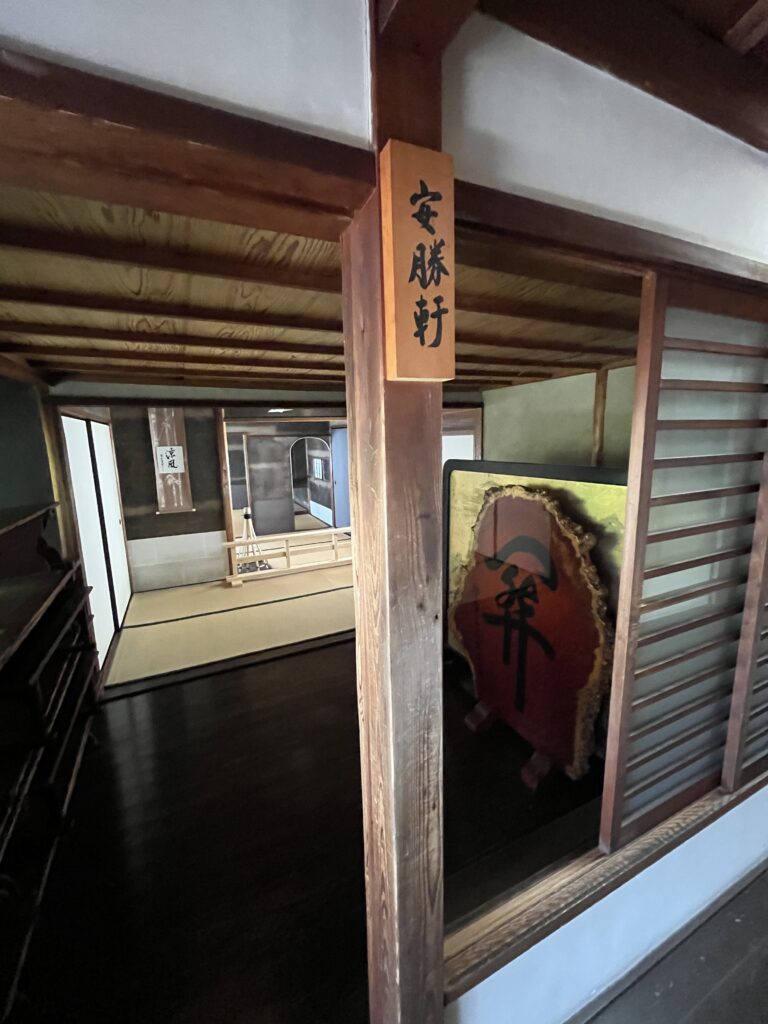
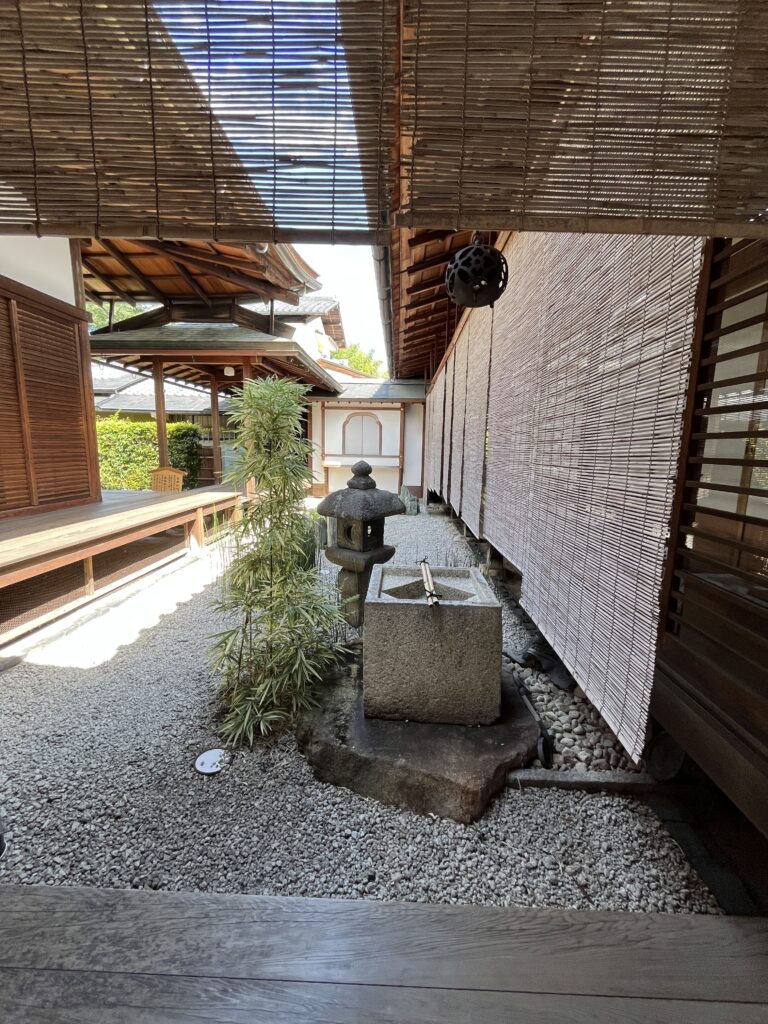
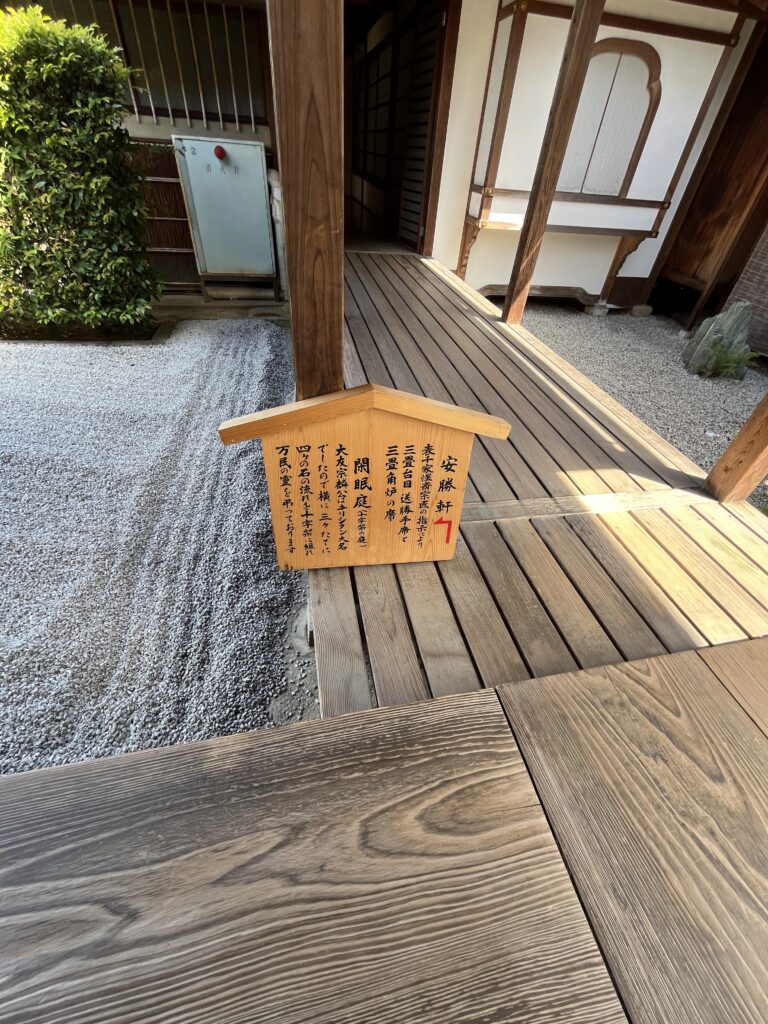
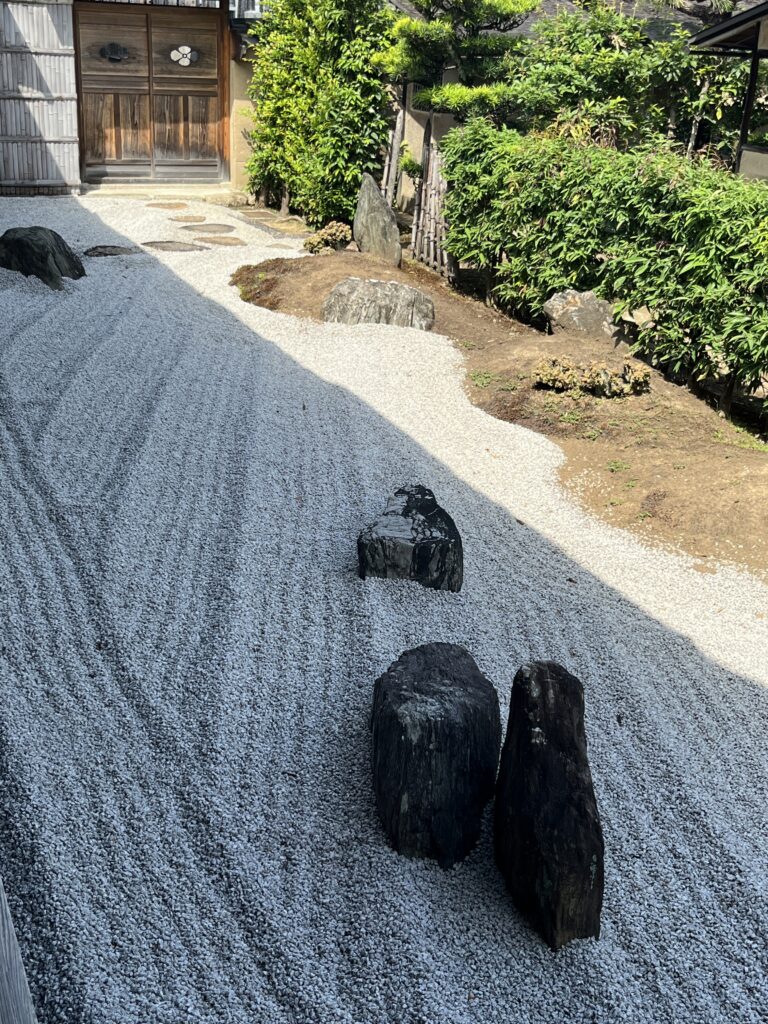
While Zuiho-in is noted for its two dry landscape gardens, visitors can also view the tea room known as Ansho-ken.
Discover a Quiet and Peaceful side of Kyoto
While Zuiho-in is noted for its two dry landscape gardens, visitors can also view the tea room known as Ansho-ken.
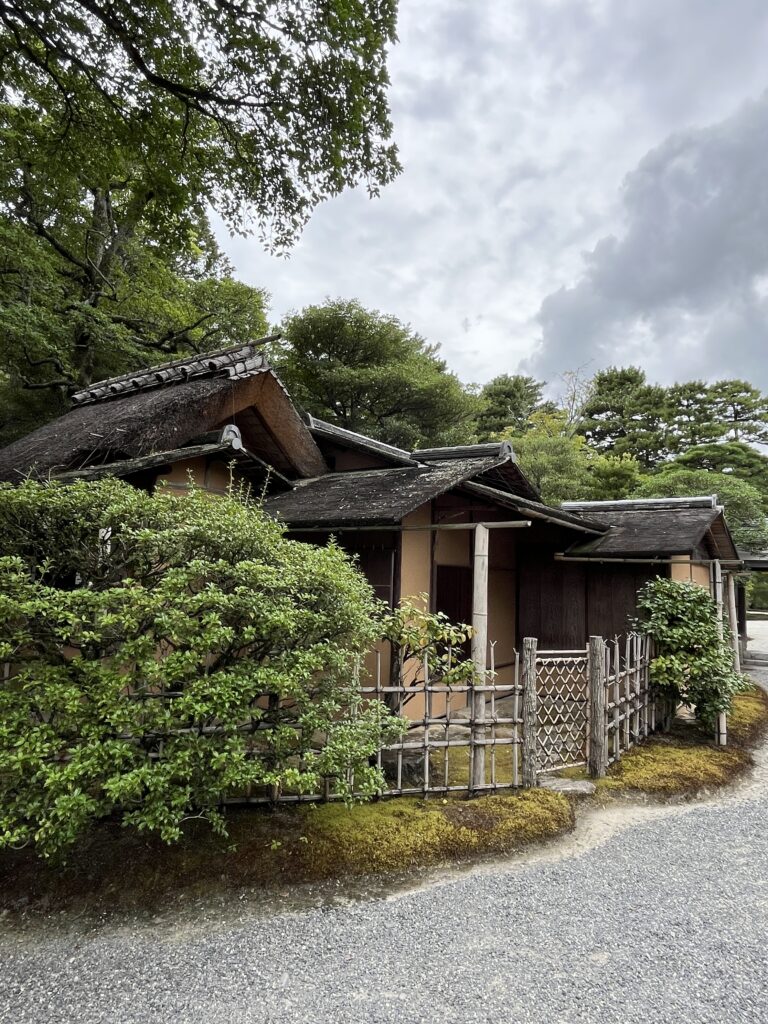
There is a tea house called “Yushin-tei” on the western shore of the North Pond. It is said that this tea house was relocated from the Konoe family’s estate.
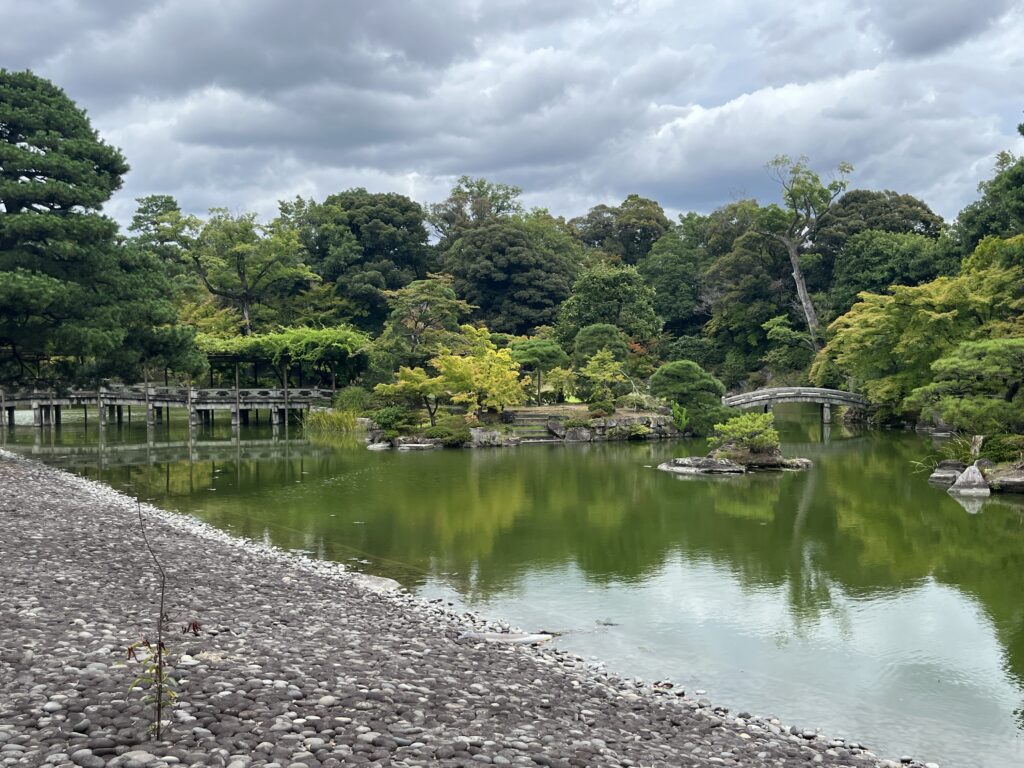
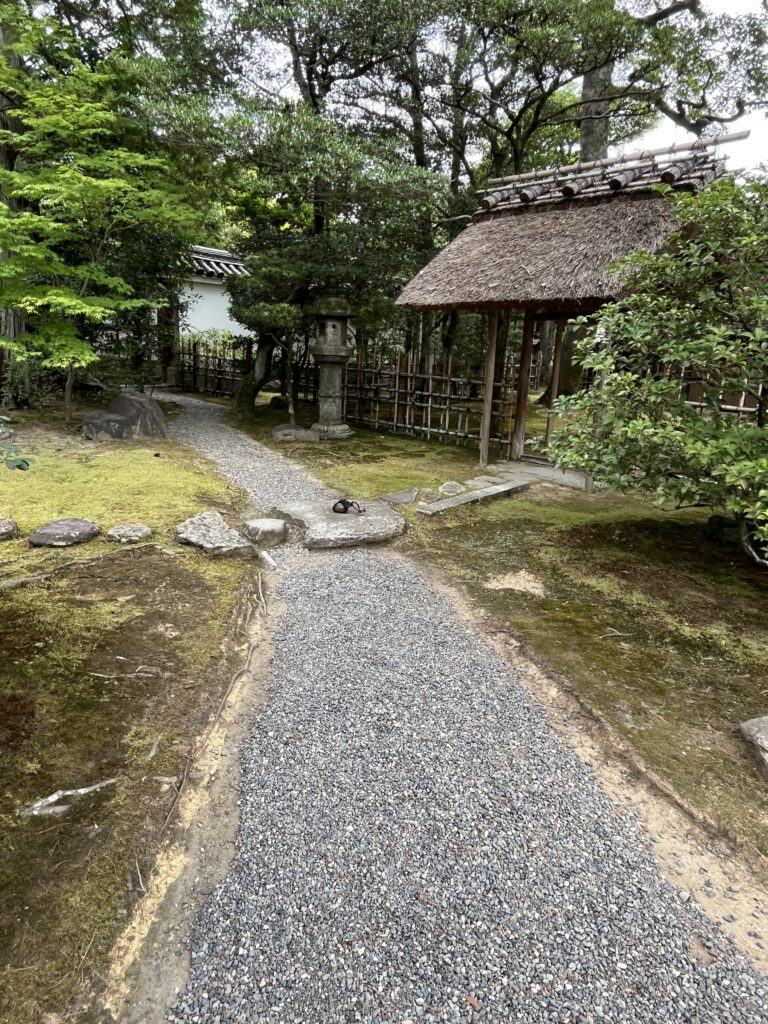
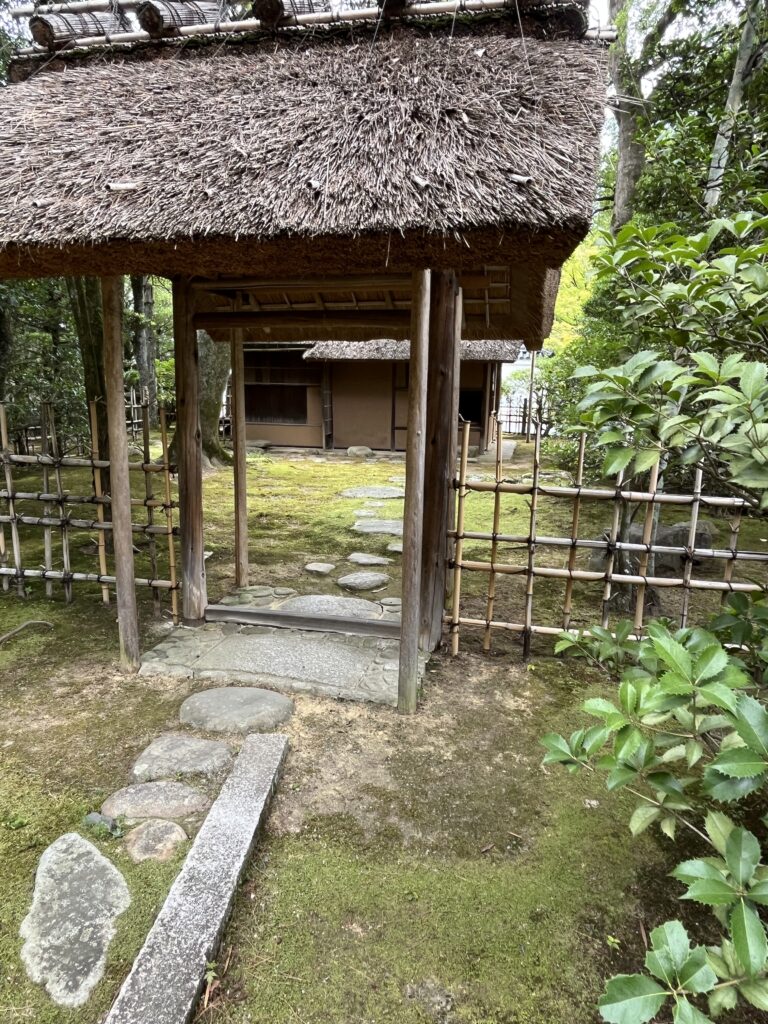
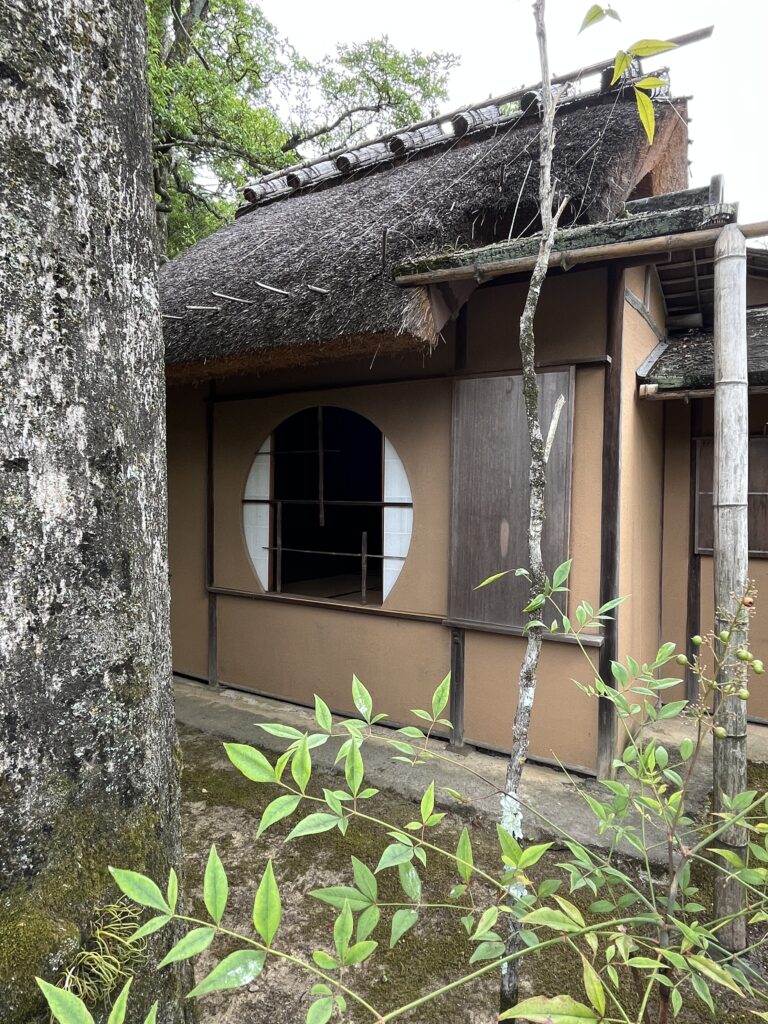
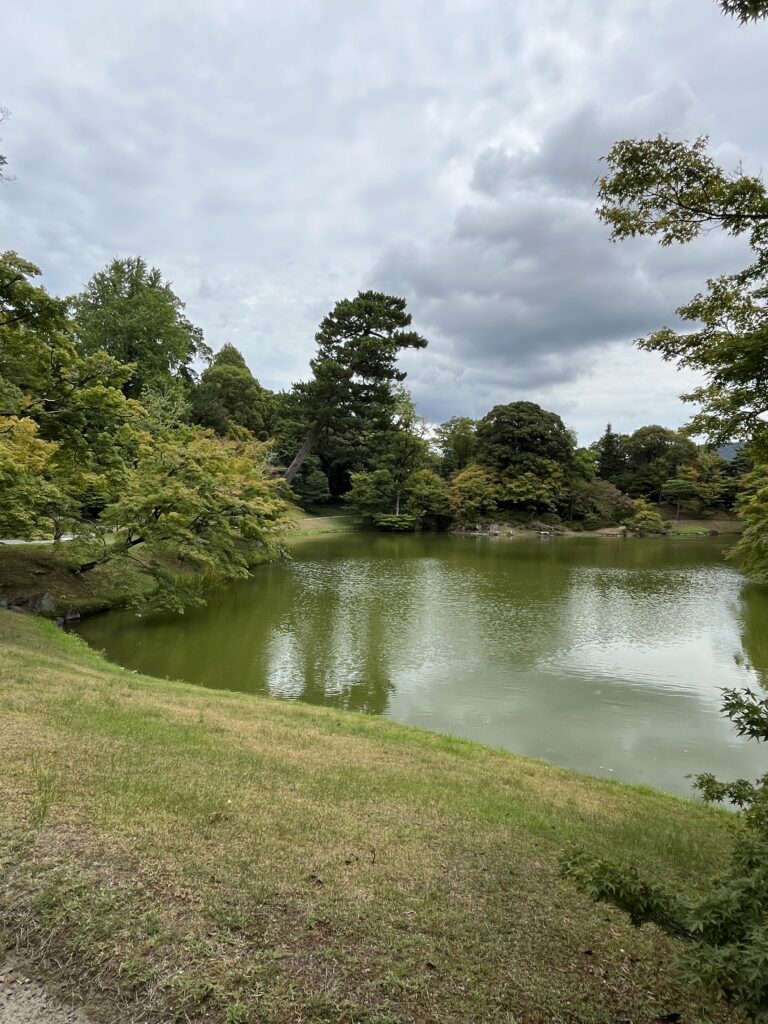
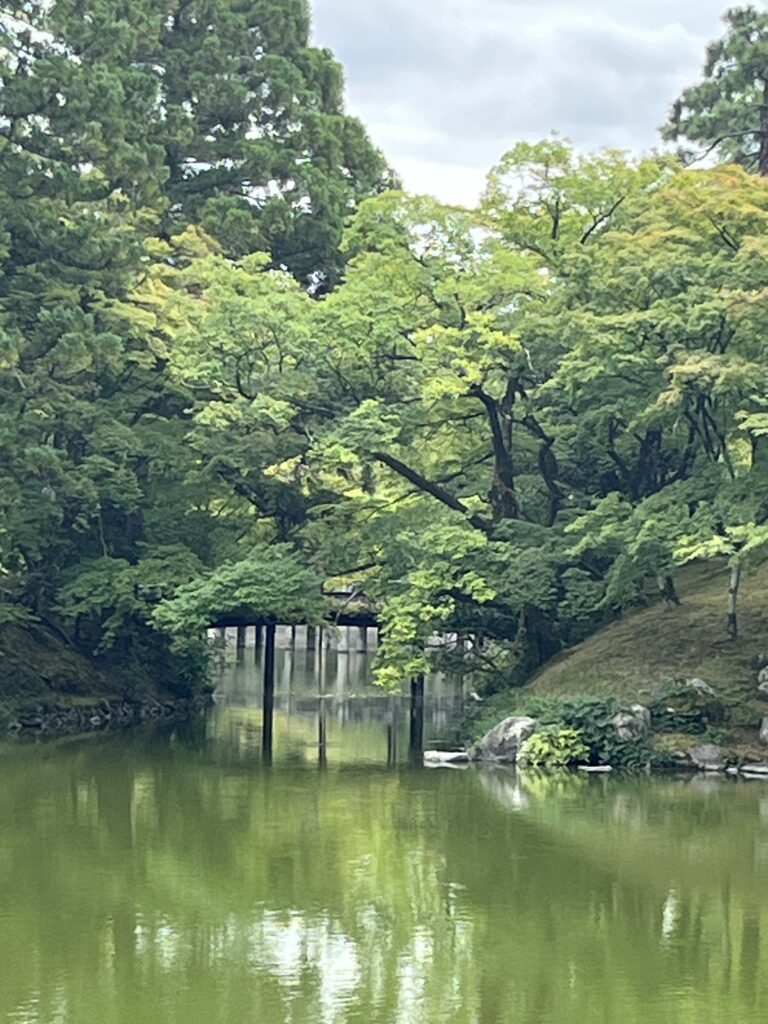
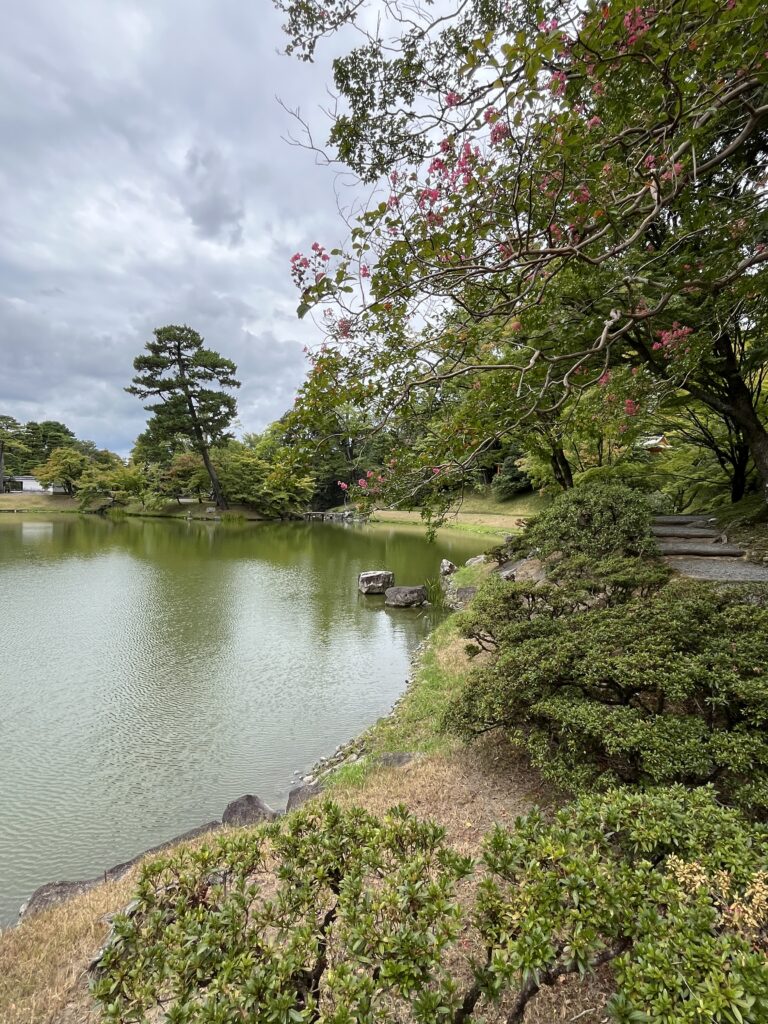
This strolling pond garden features both a North Pond and a South Pond; the North Pond incorporates Mount Higashiyama as borrowed scenery and boasts a stone bridge known as “Rokumai-bashi” (Six-Slab Bridge) as a highlight.
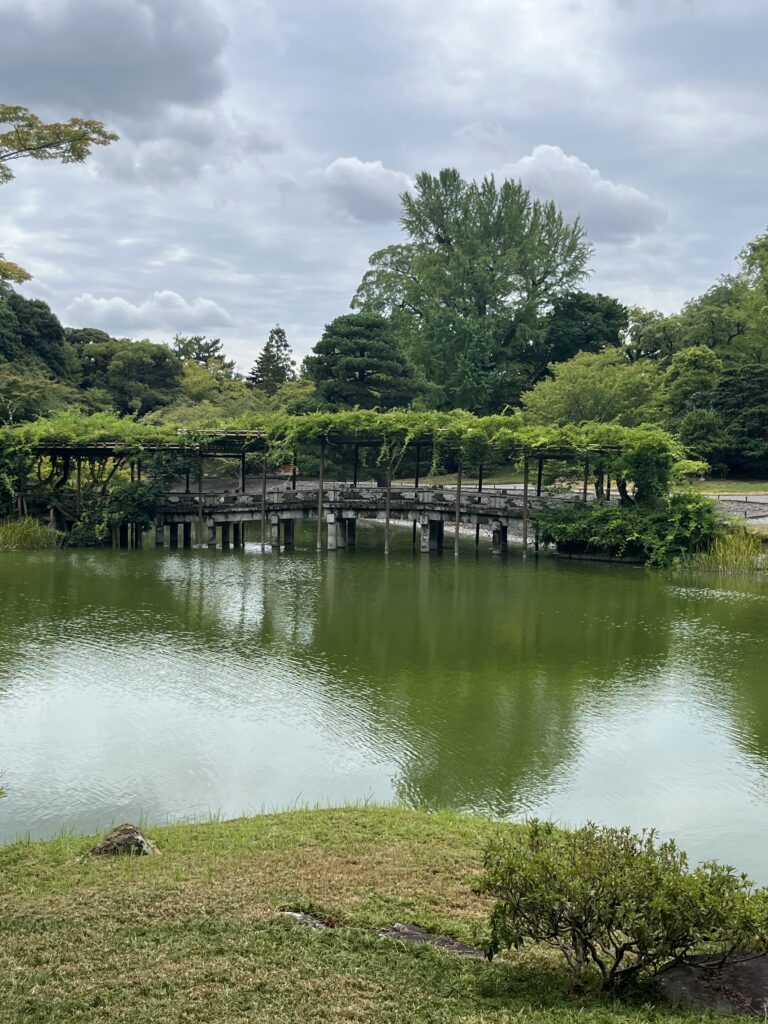
The South Pond is famous for its “suhama” (pebble-strewn beach area) and the “Yatsuhashi” (zigzag bridge) situated beneath a wisteria trellis.
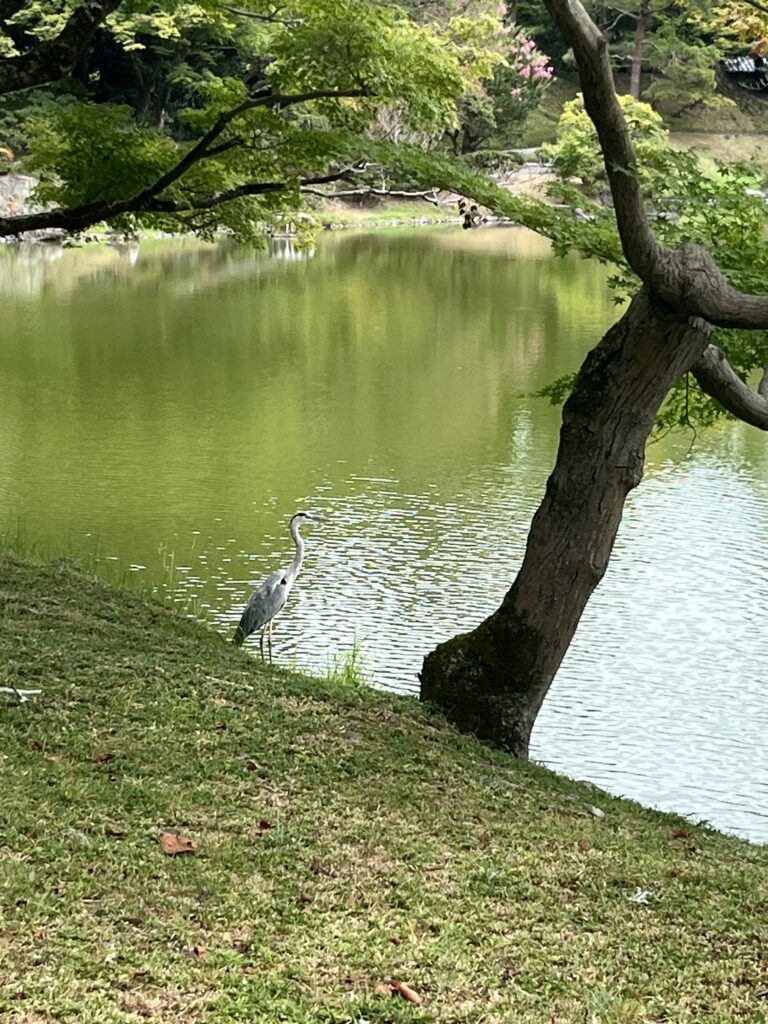
During my visit, a heron had come to spend time at the pond.
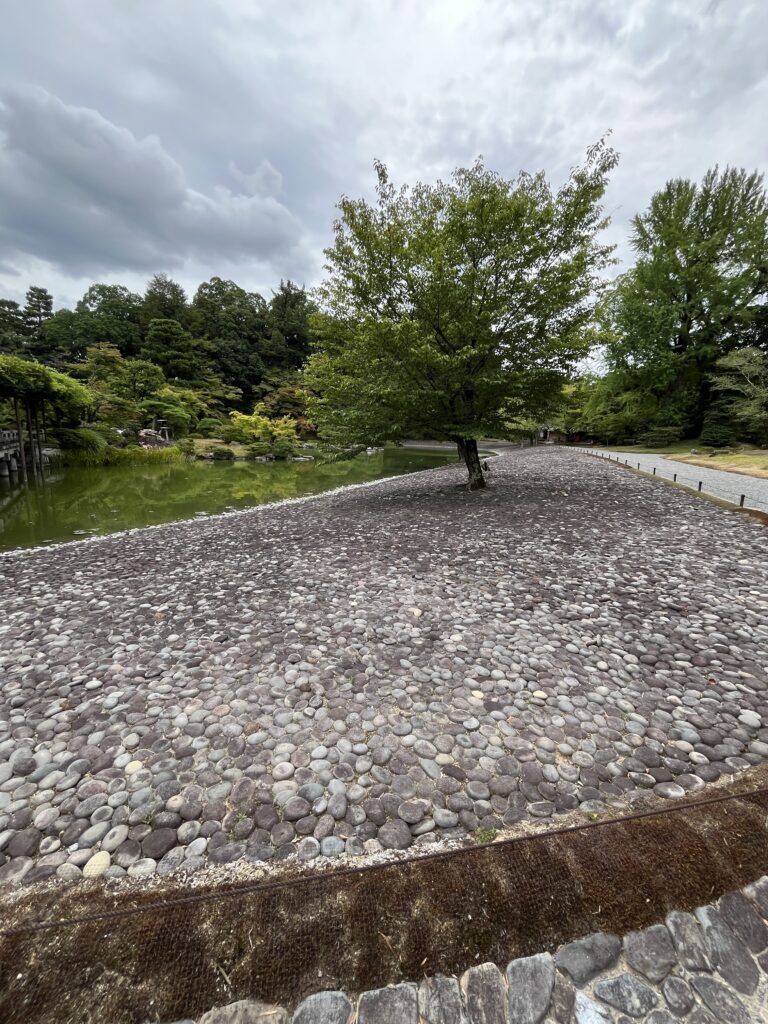
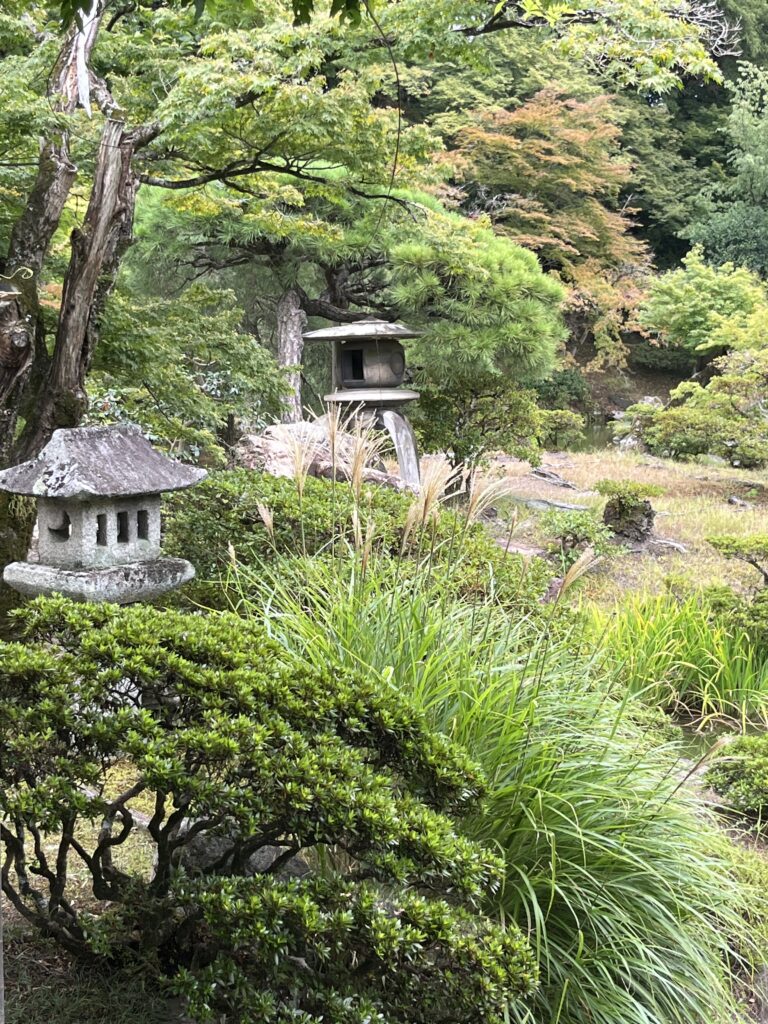
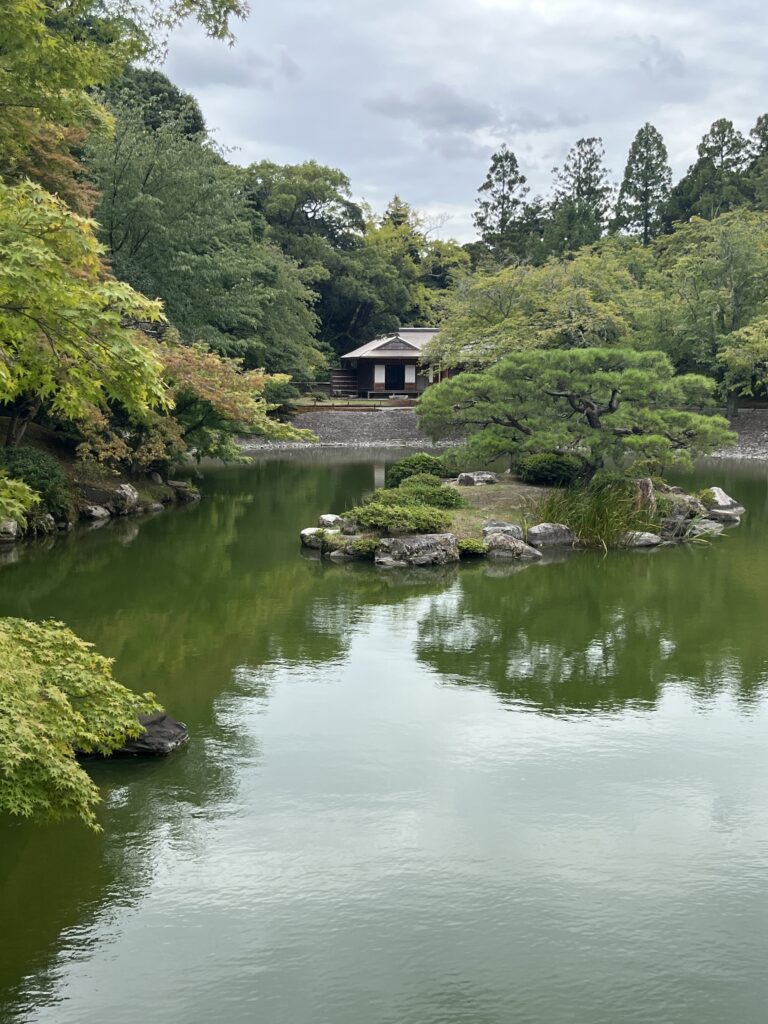
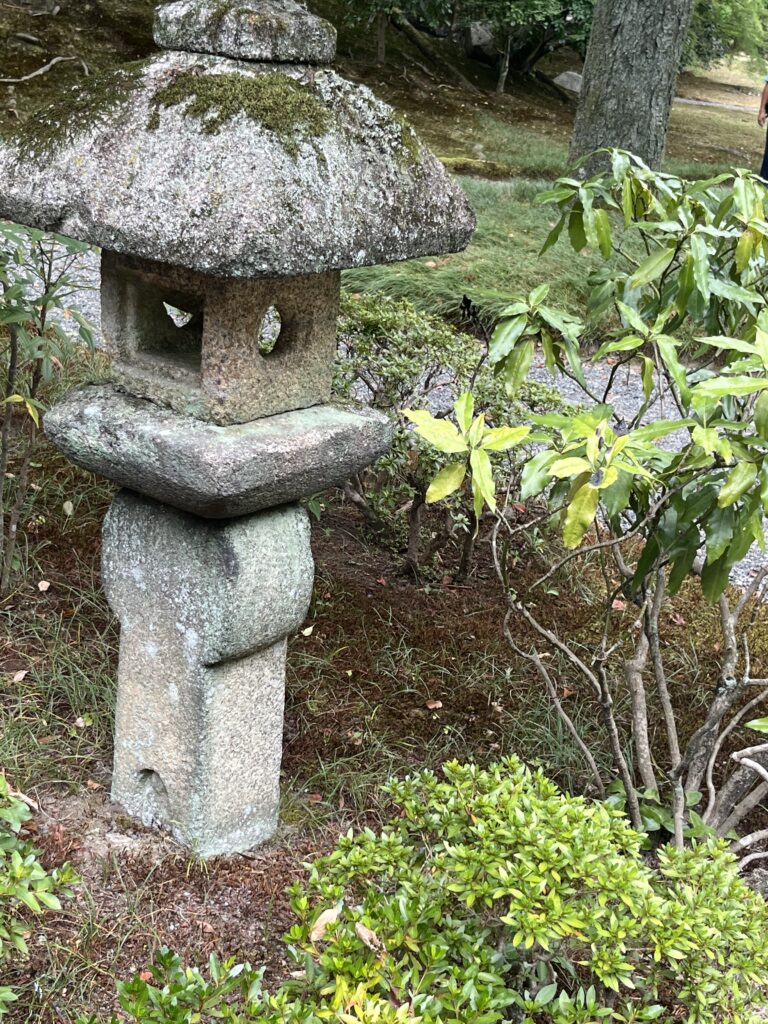
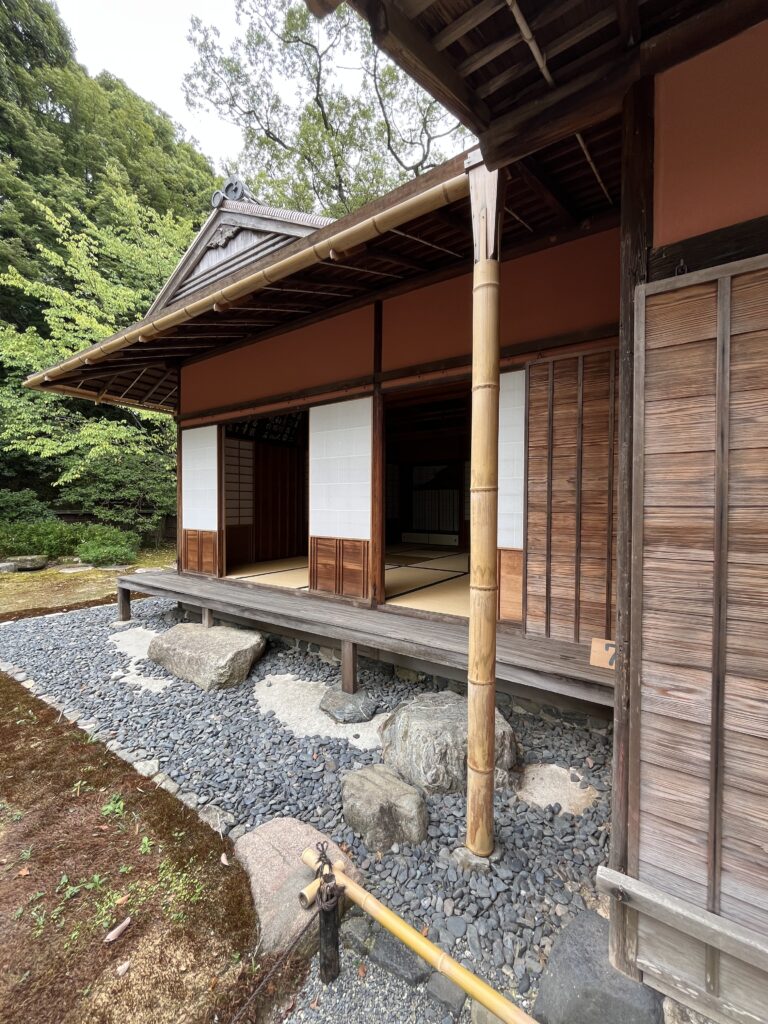
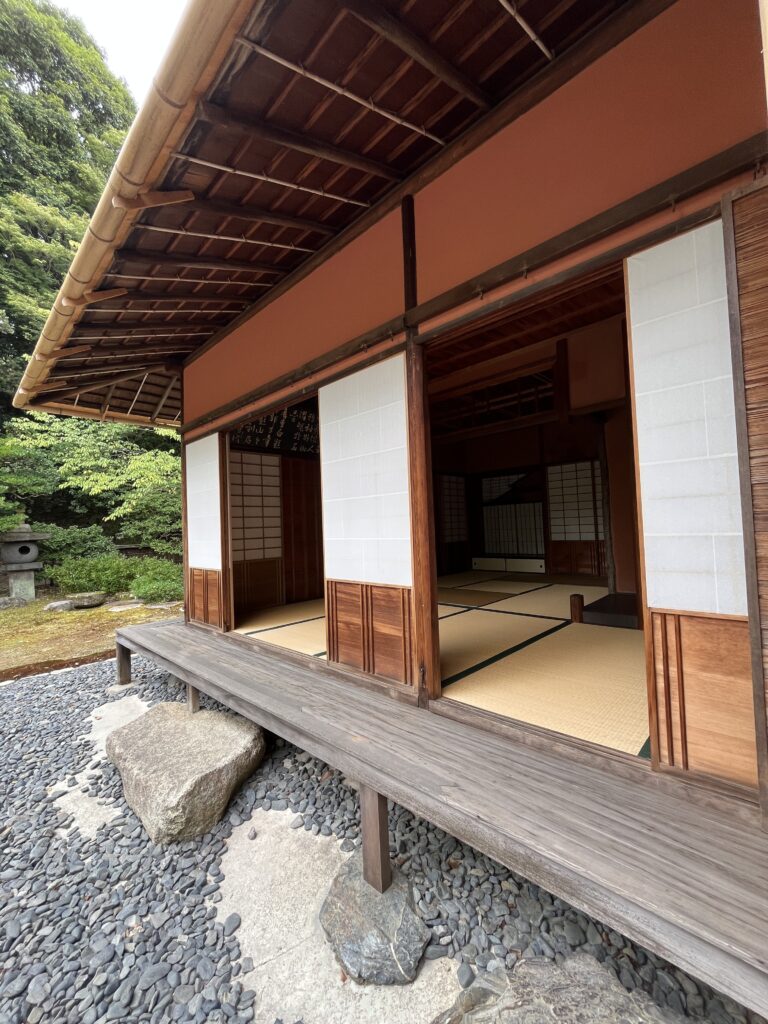
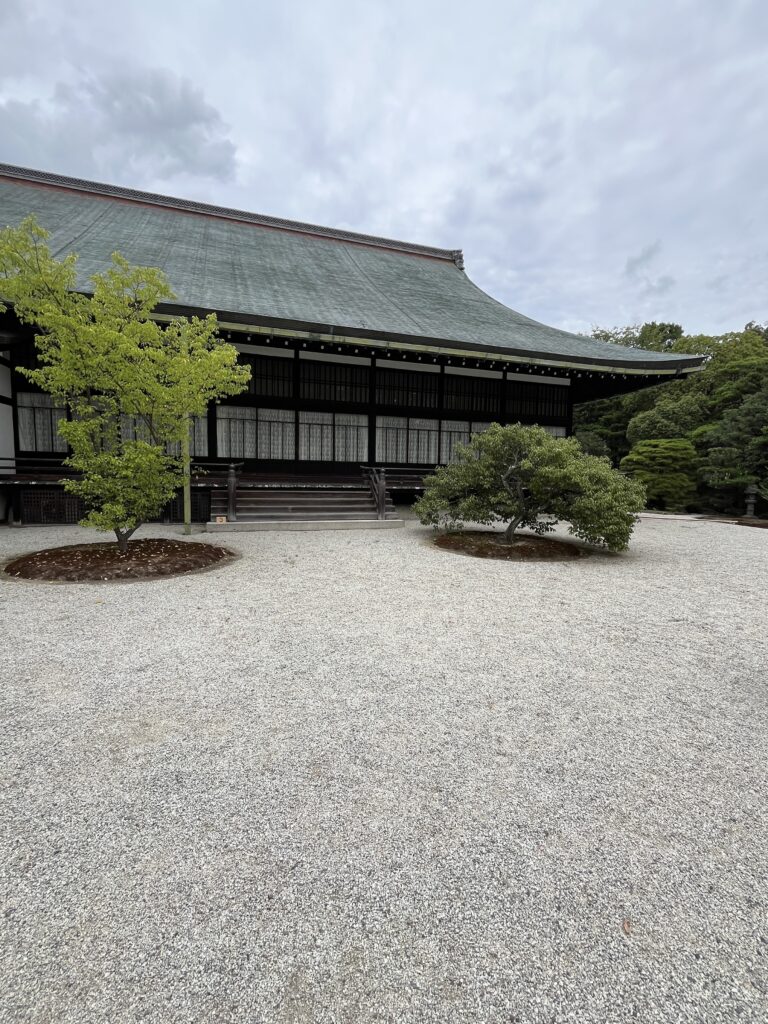
Located within the Kyoto Imperial Palace Park in Kamigyo Ward, Kyoto City, this site was constructed for the Retired Emperor Go-Mizunoo.
If you apply for a tour, you can walk around the strolling-style pond garden while receiving a guided explanation.
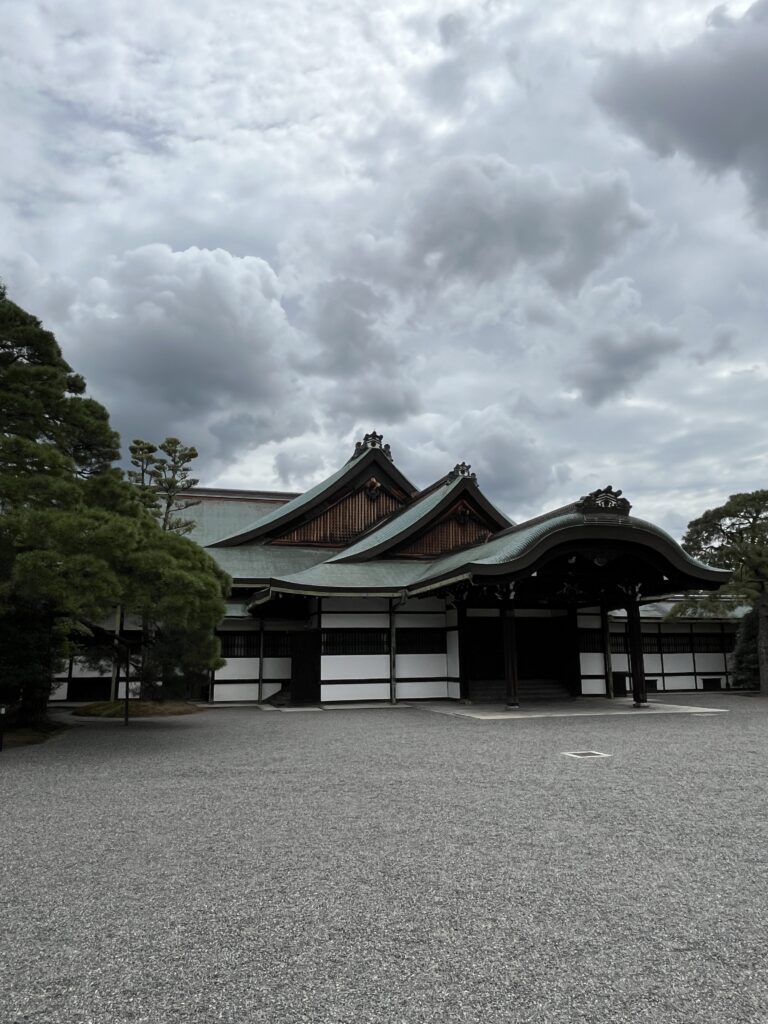
Location
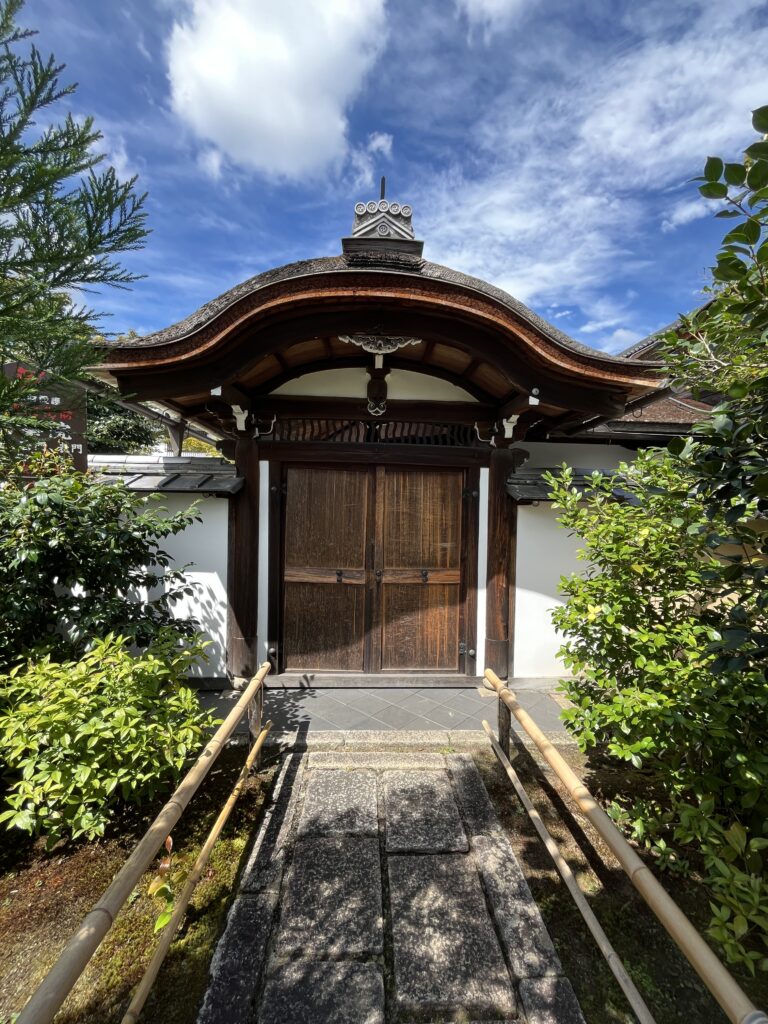
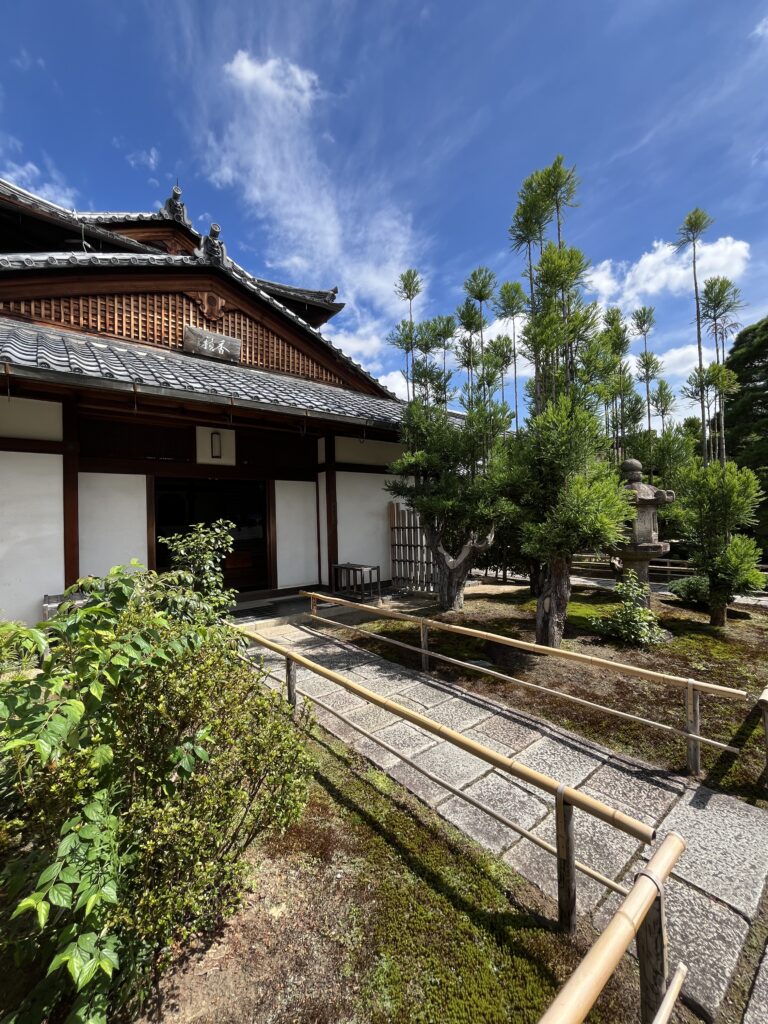
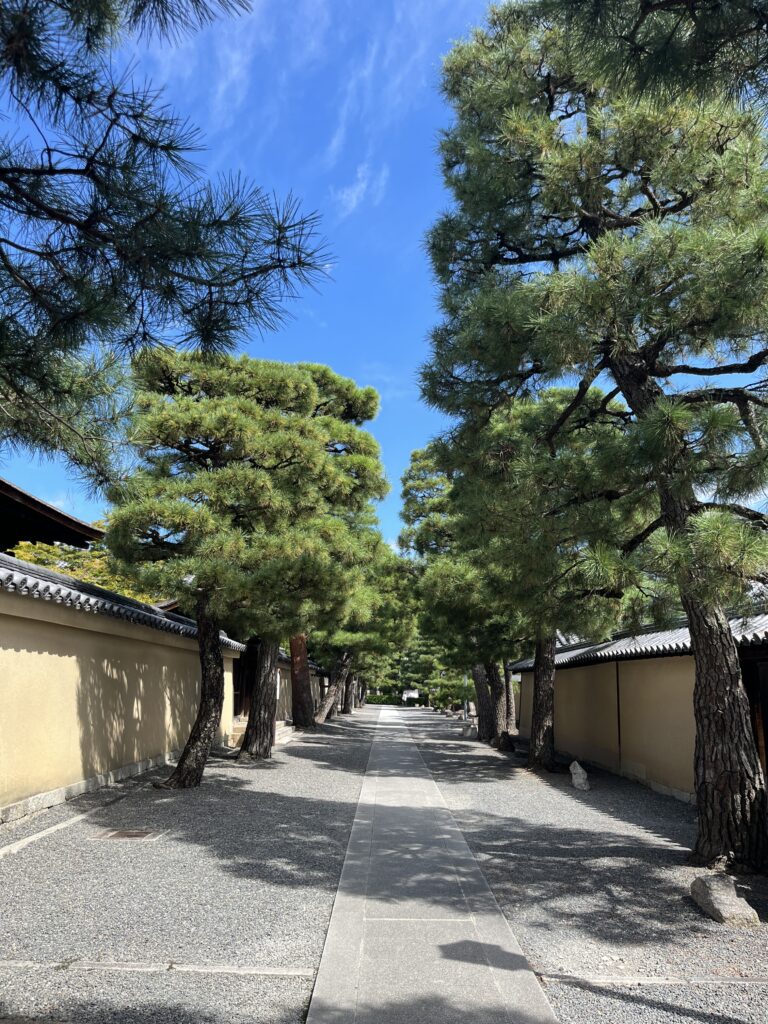
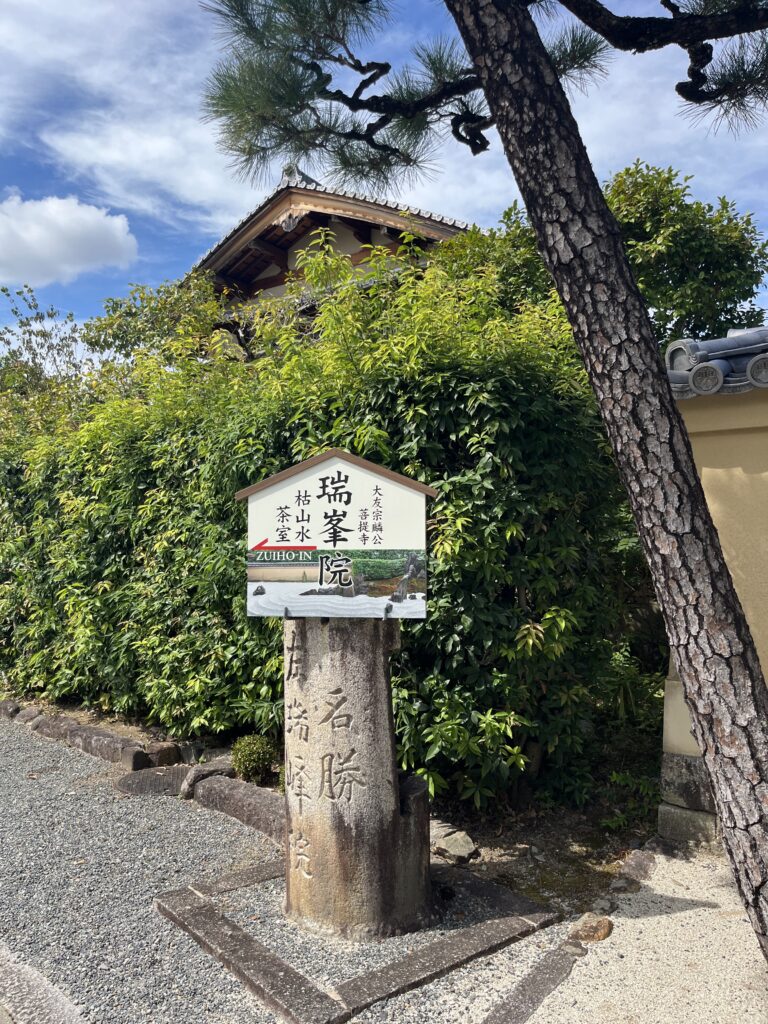
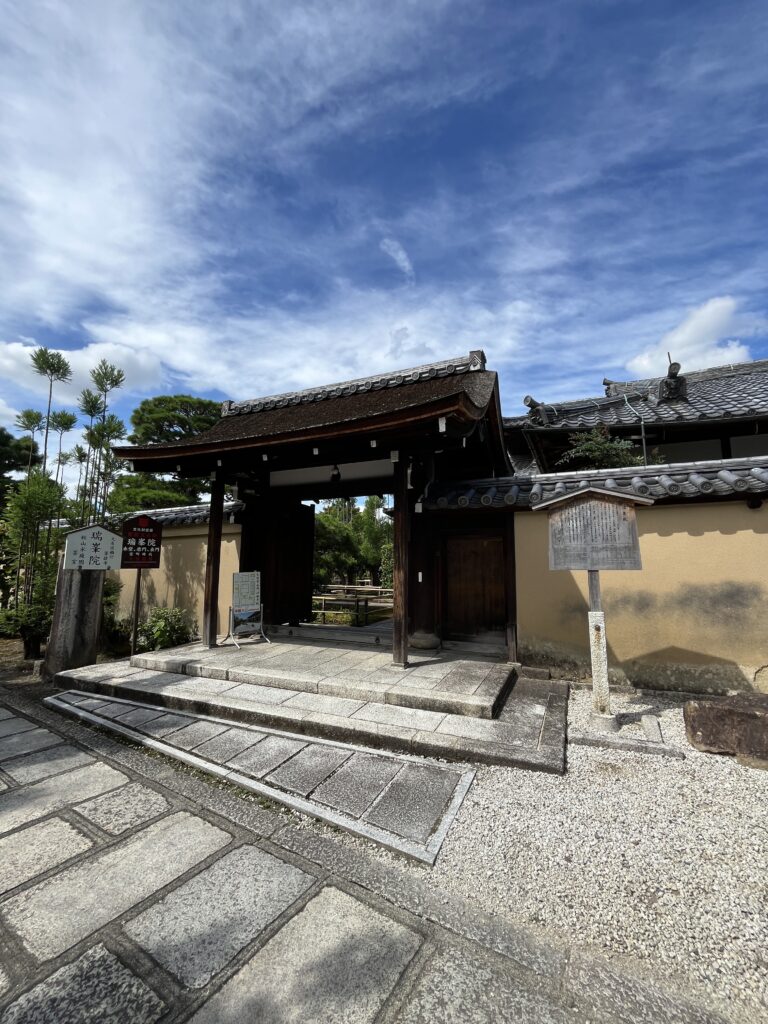
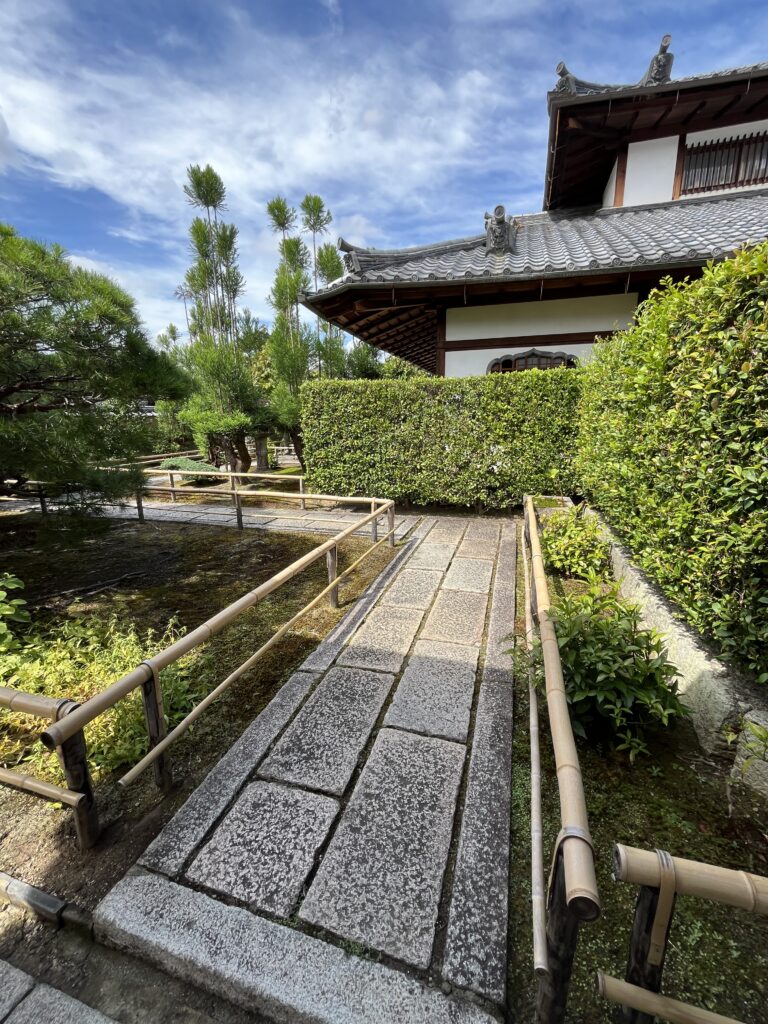
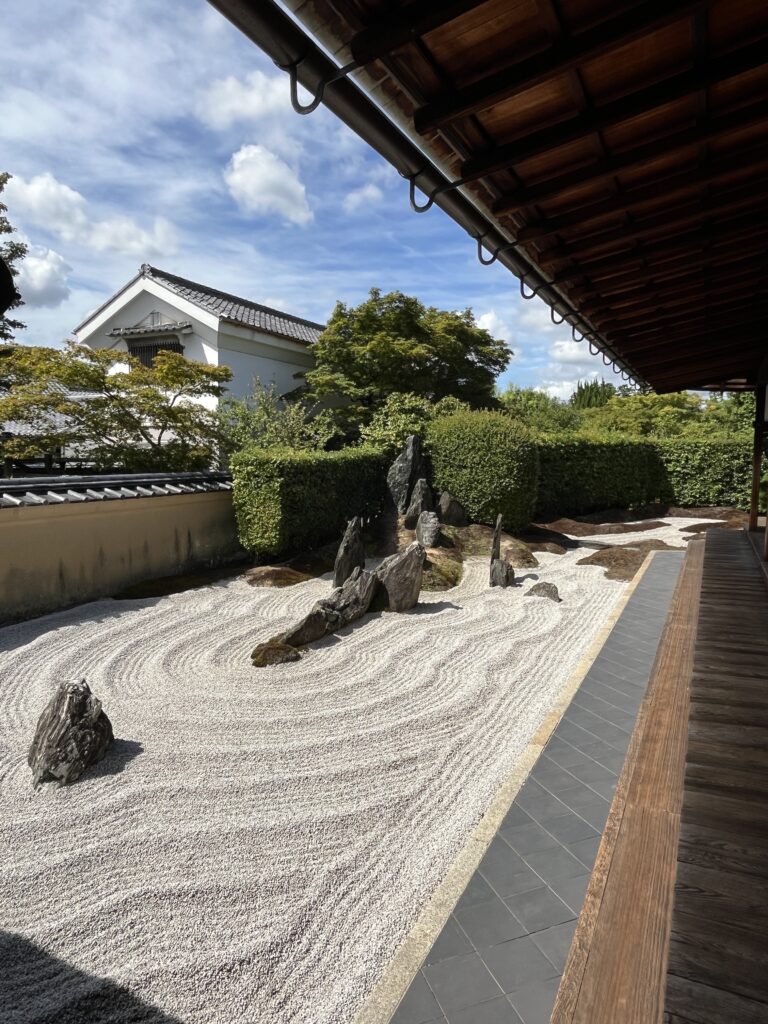
Zuiho-in is a sub-temple within the Daitoku-ji complex in Kyoto’s Kita Ward, offering a remarkably quiet and serene atmosphere. It features a *karesansui* (dry landscape) garden designed by the renowned Showa-era landscape architect Mirei Shigemori. The temple was founded by the Christian *daimyo* Otomo Sorin and is also famous for the “Kanmin-tei” garden, which contains a hidden stone arrangement shaped like a cross.
Location