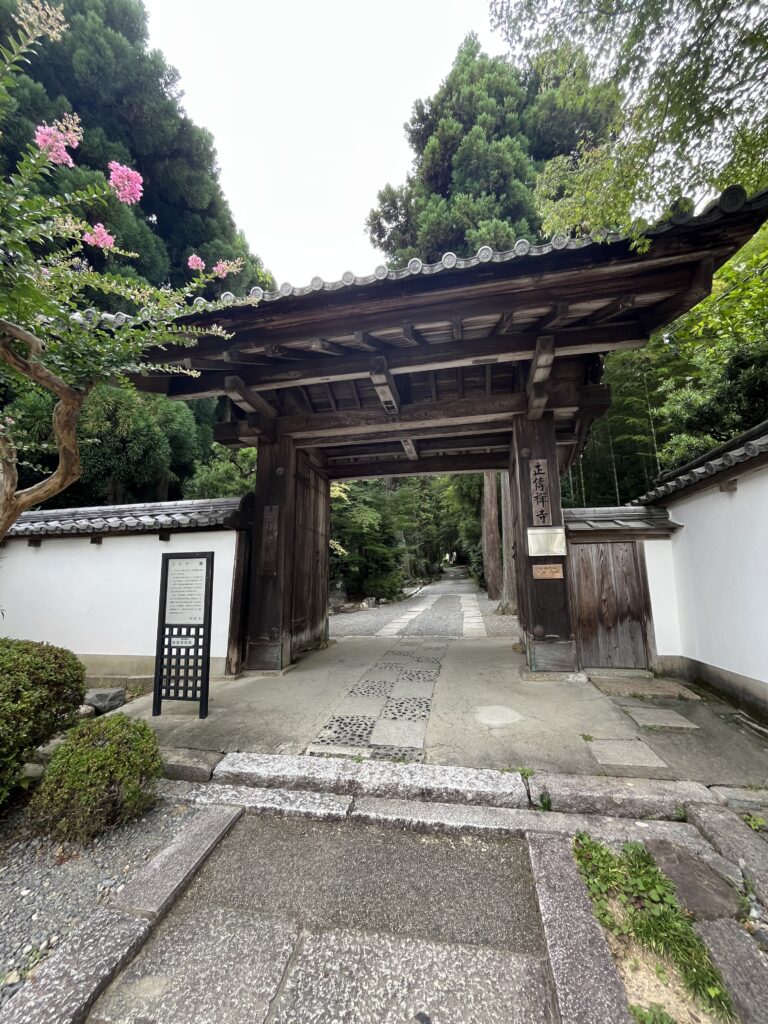
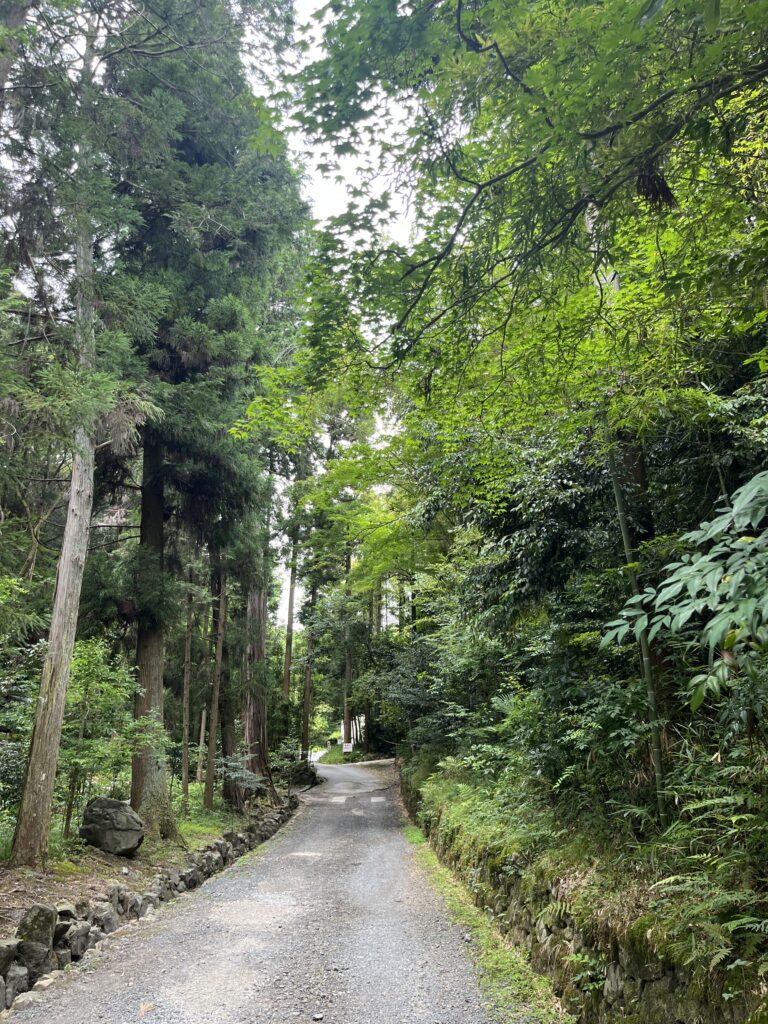
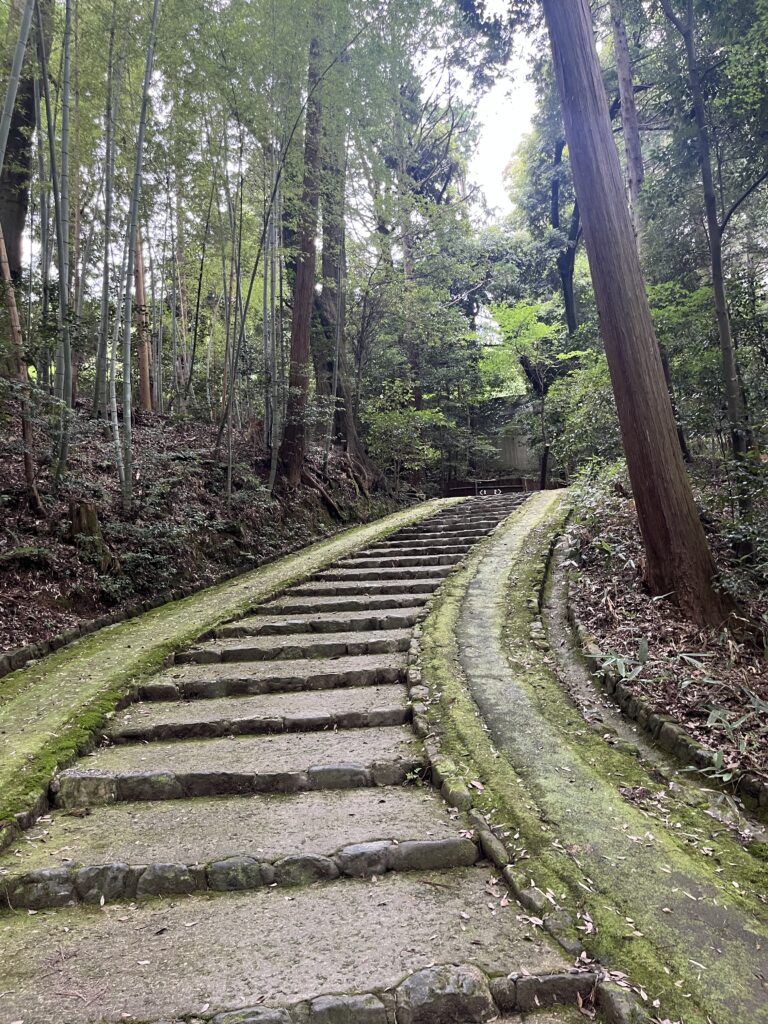
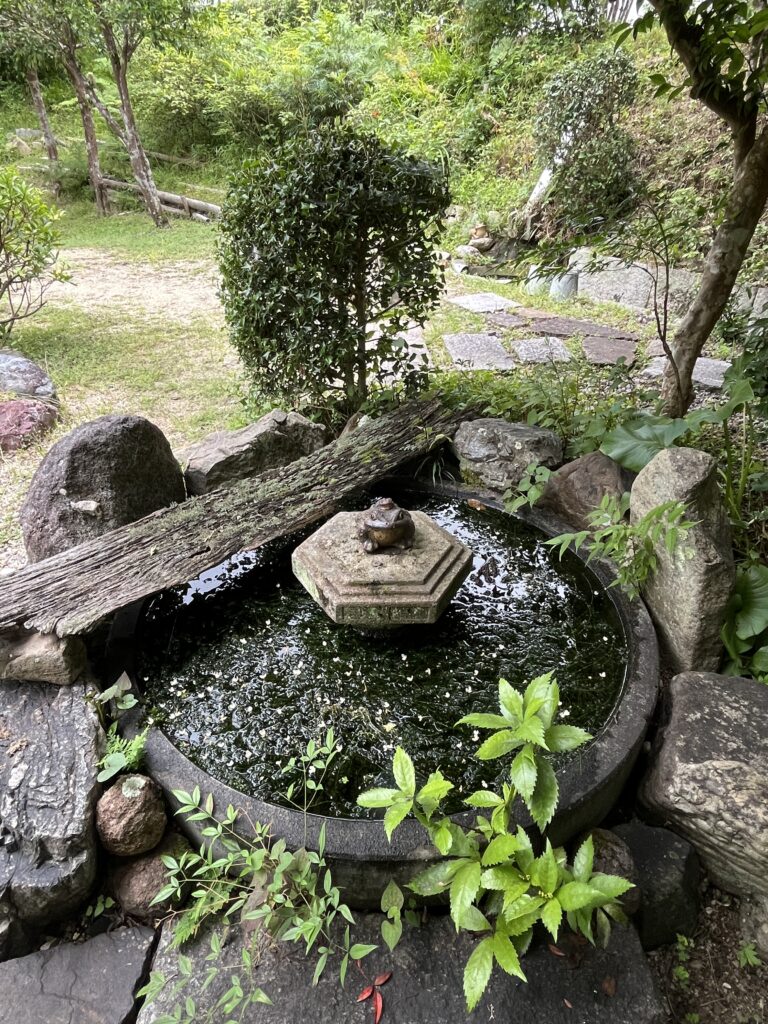
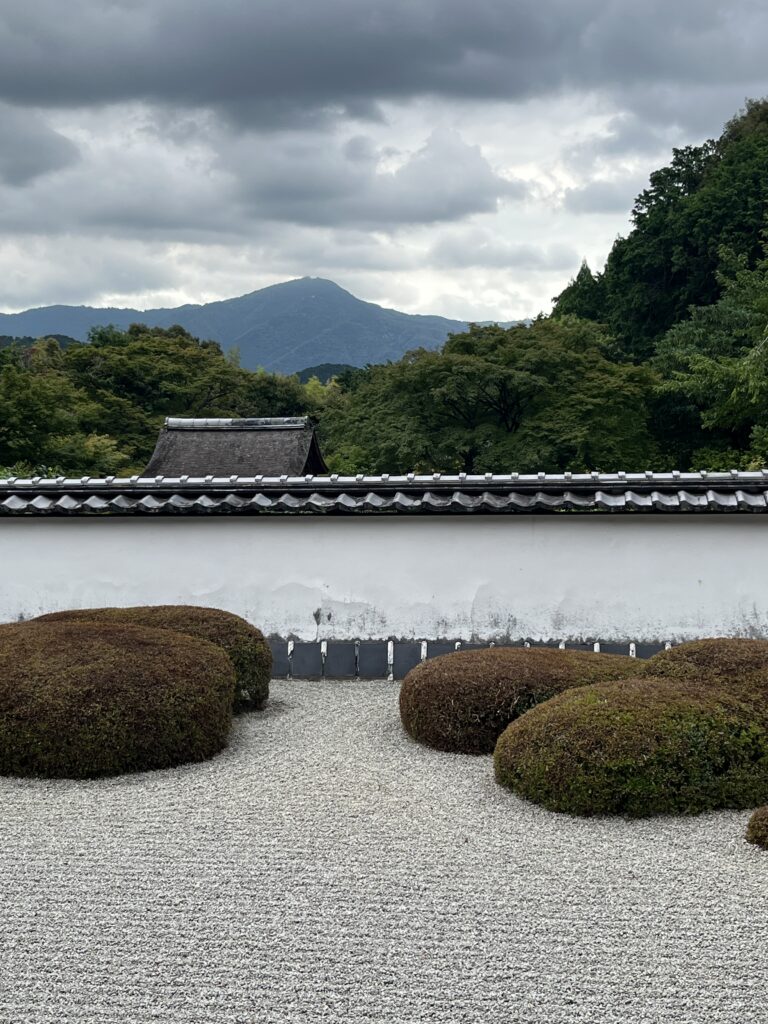
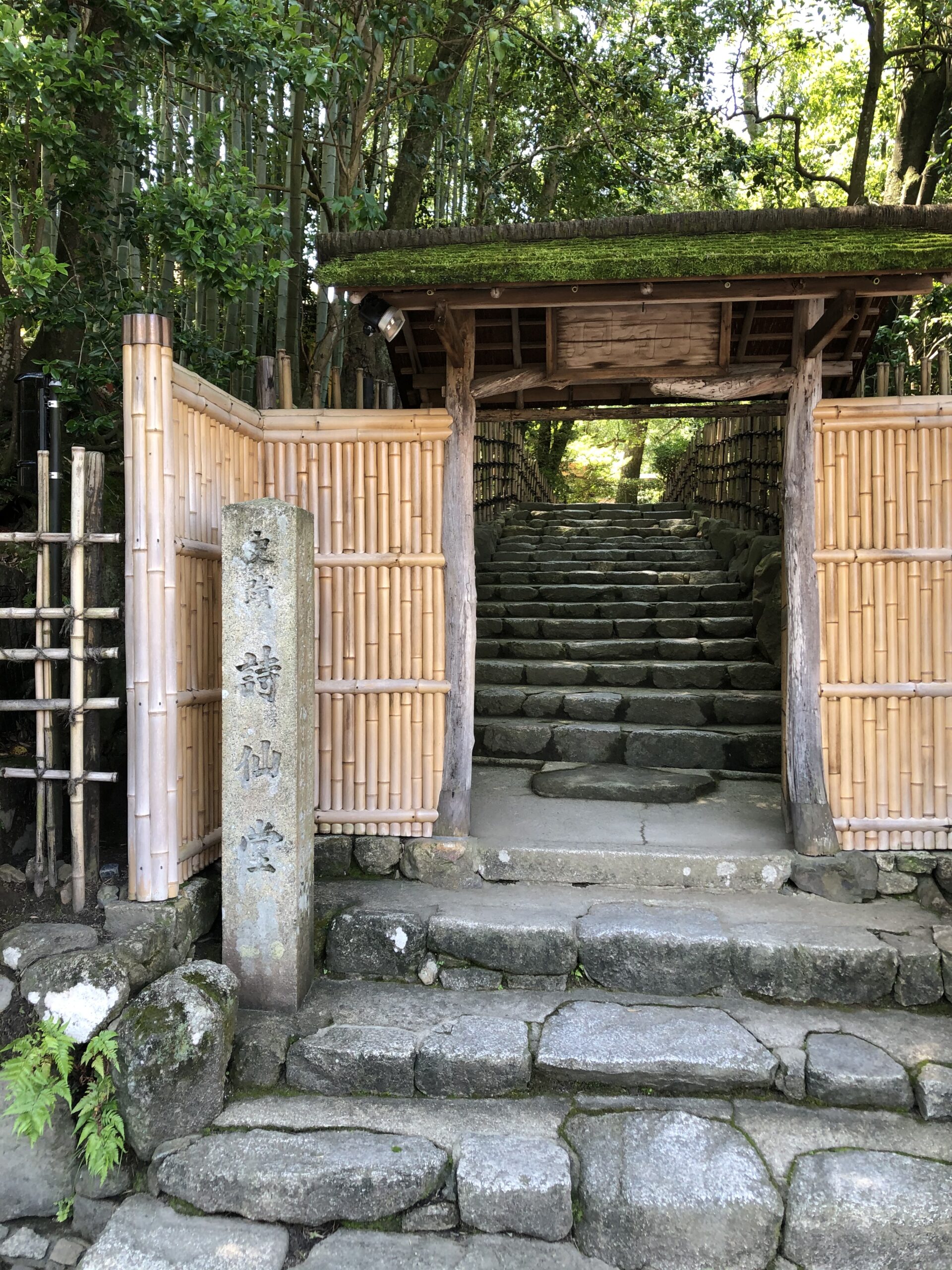
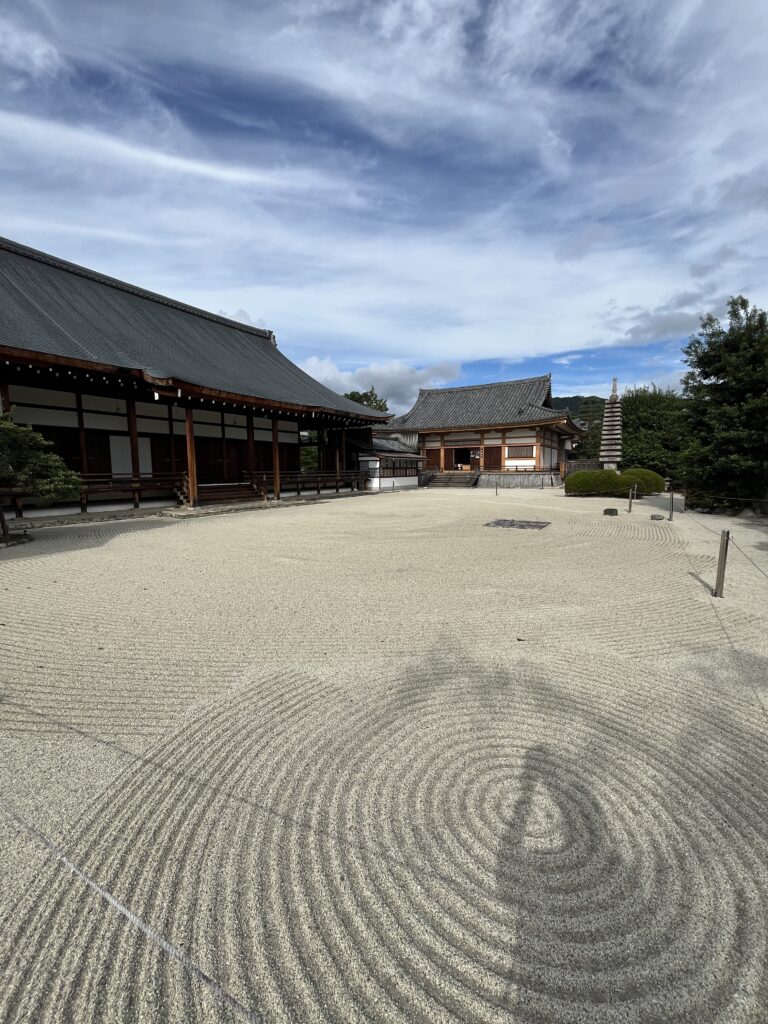
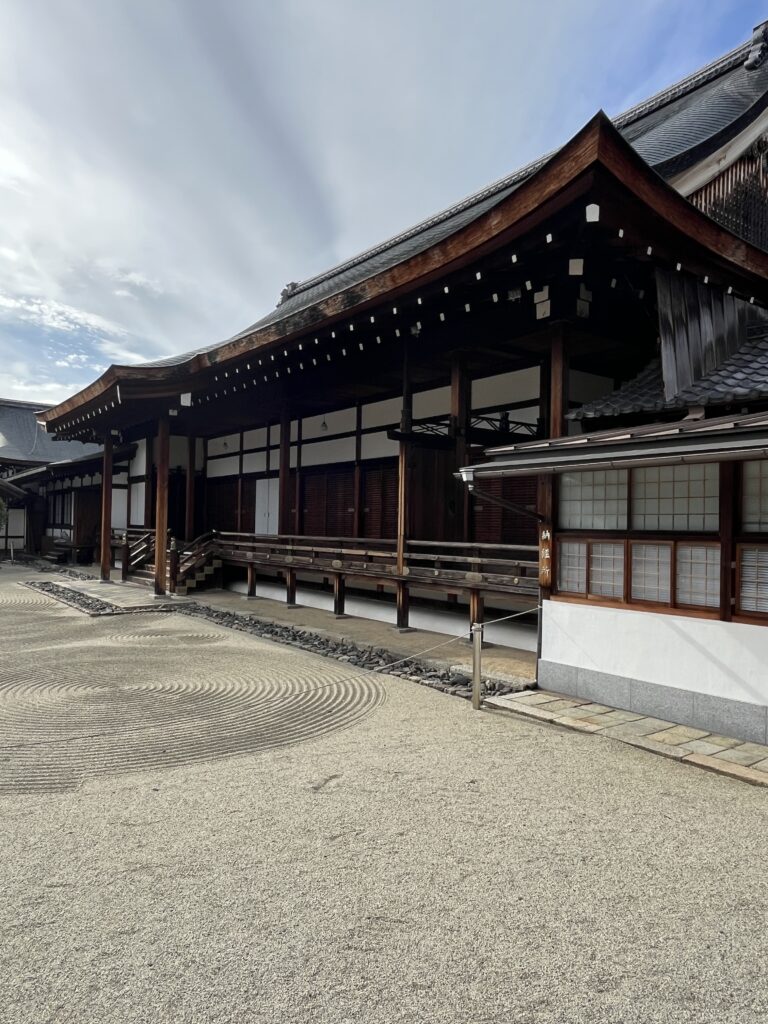
Shoden-ji Temple is particularly famous for its garden, which incorporates Mount Hiei into its scenery; however, the approach to the temple is always quiet and offers a wonderful sense of nature, making it highly recommended.
Location
Discover a Quiet and Peaceful side of Kyoto
Shoden-ji Temple is particularly famous for its garden, which incorporates Mount Hiei into its scenery; however, the approach to the temple is always quiet and offers a wonderful sense of nature, making it highly recommended.
Location
Shogoin Monzeki
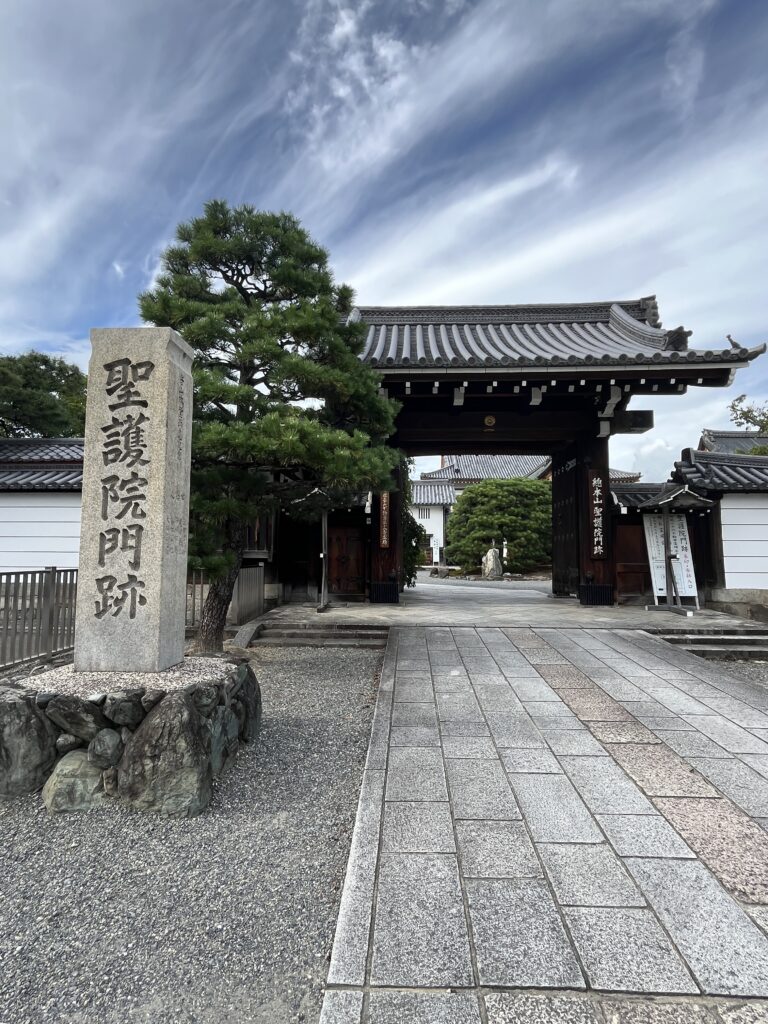
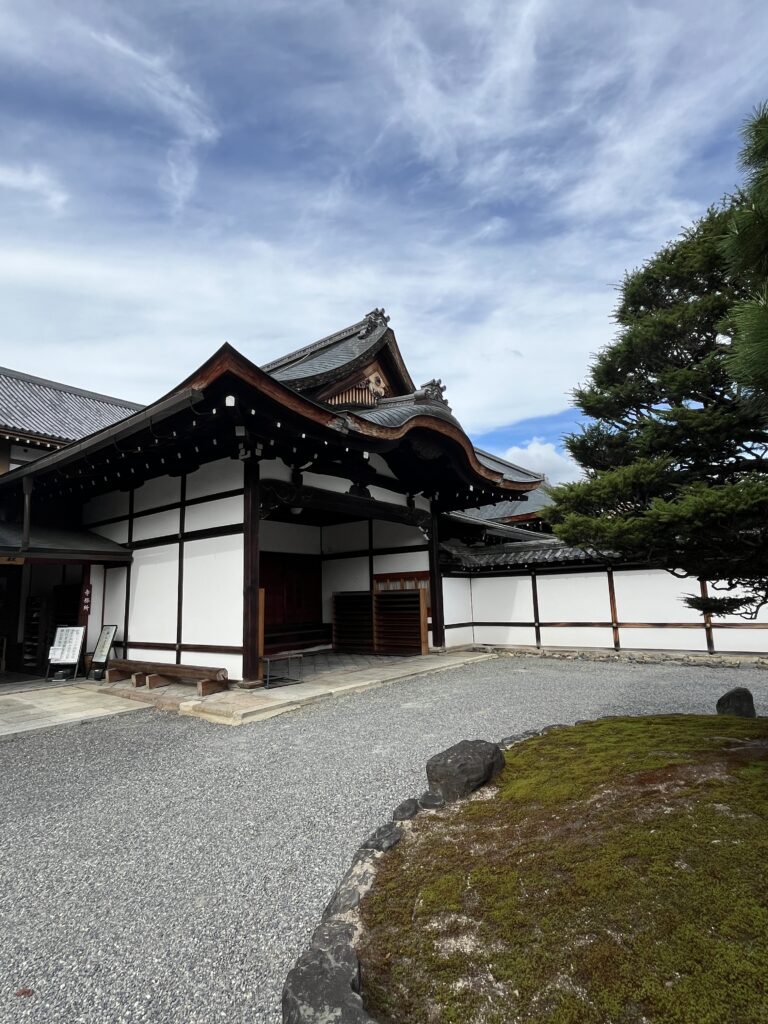
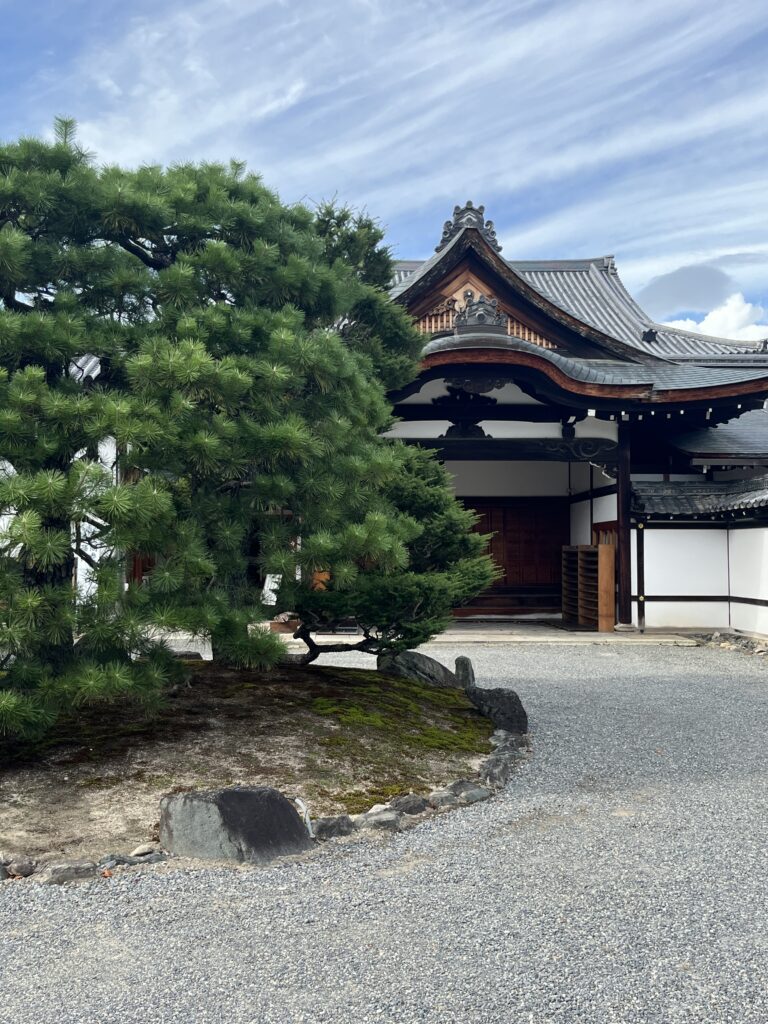
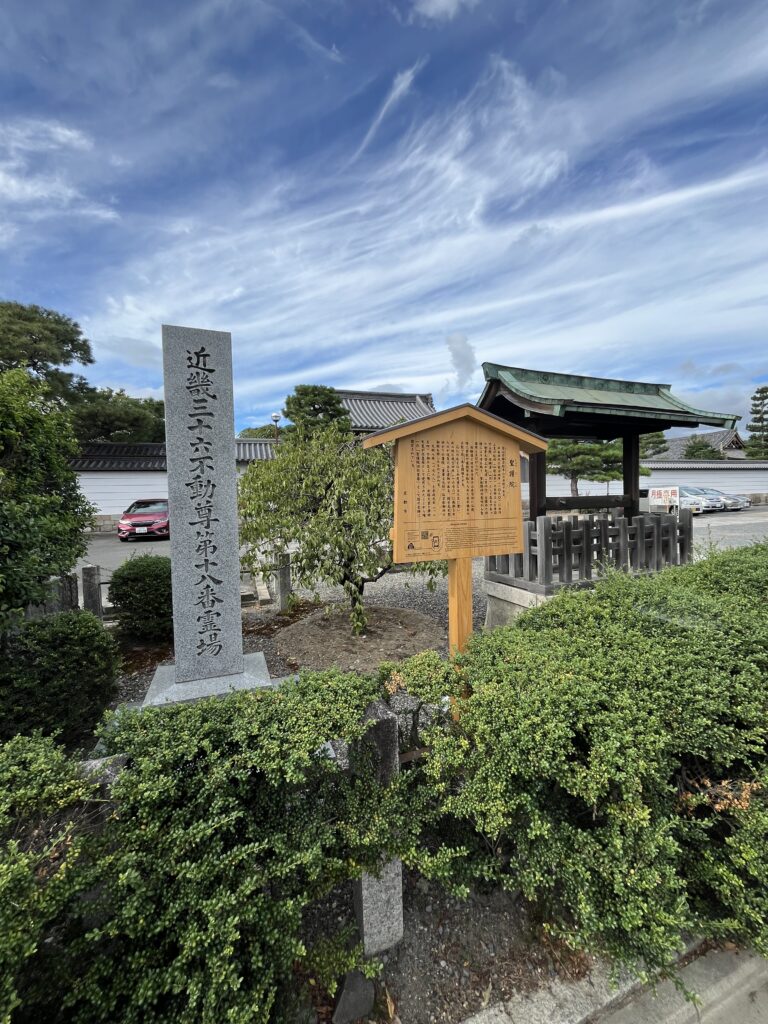
Located about a ten-minute walk north of Heian Shrine is Shogoin Monzeki, a temple of high prestige where members of the Imperial family and the Sekkan-ke (regent families) served as head priests, and which also once served as a temporary imperial palace.
Location
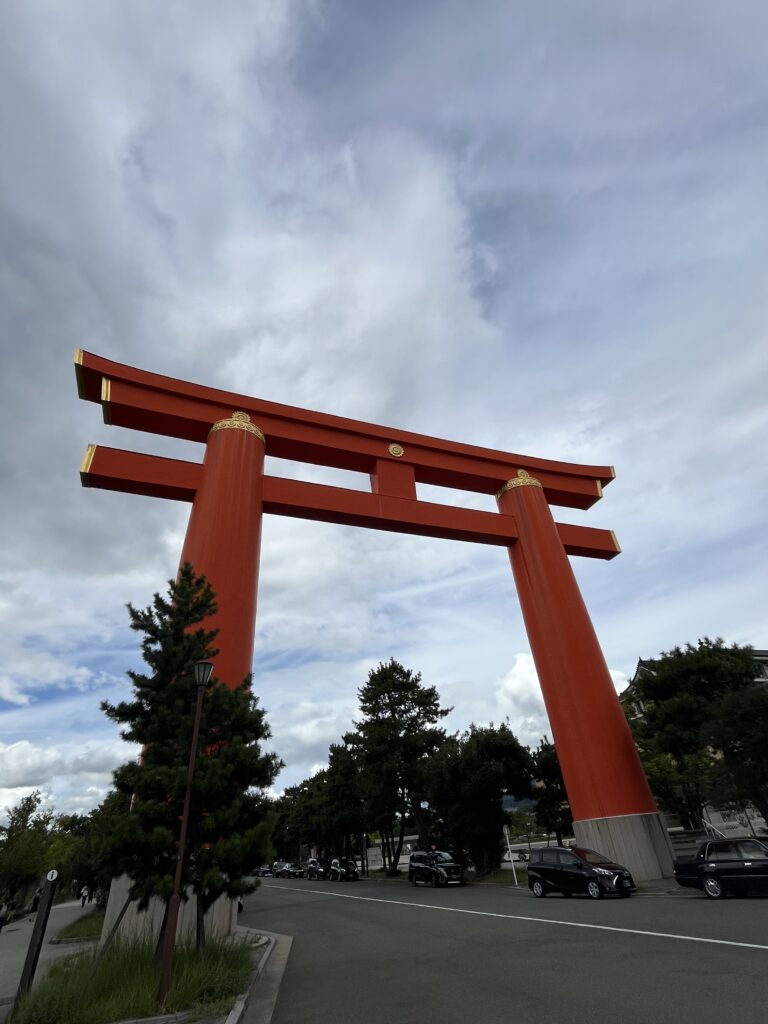
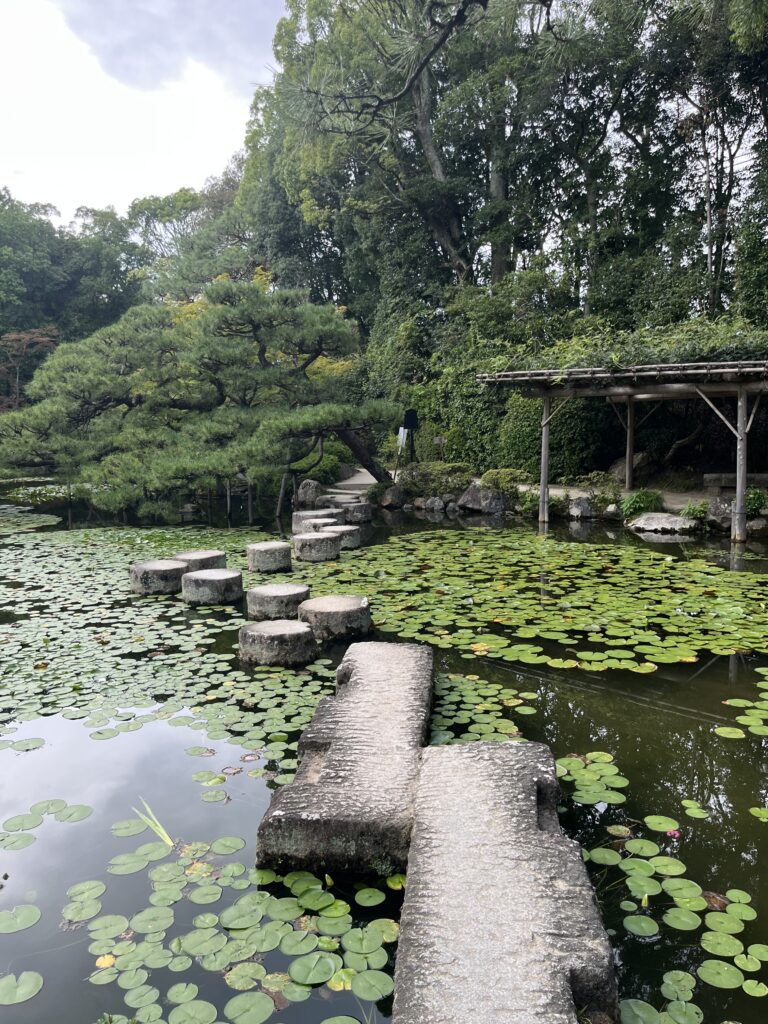
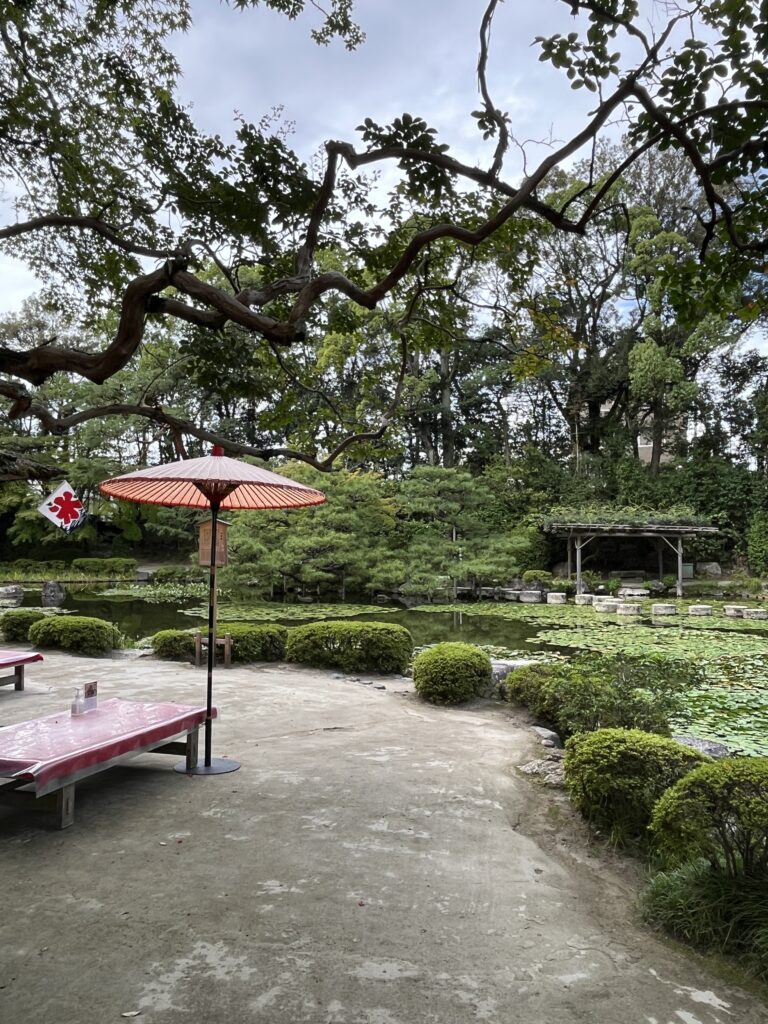
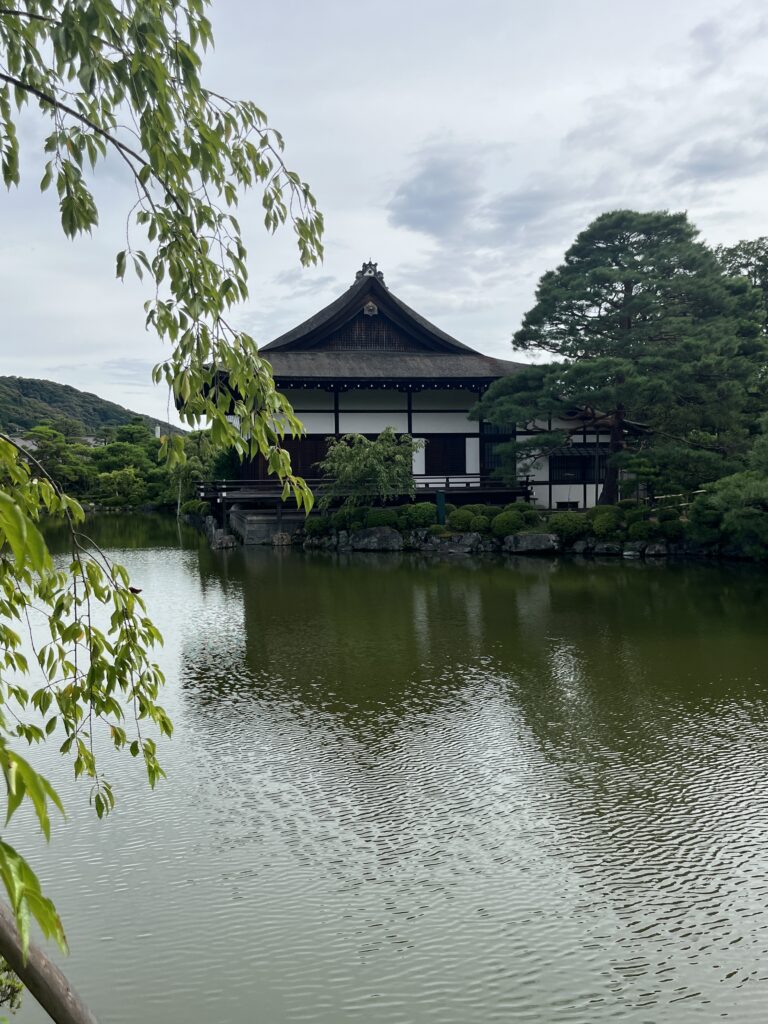
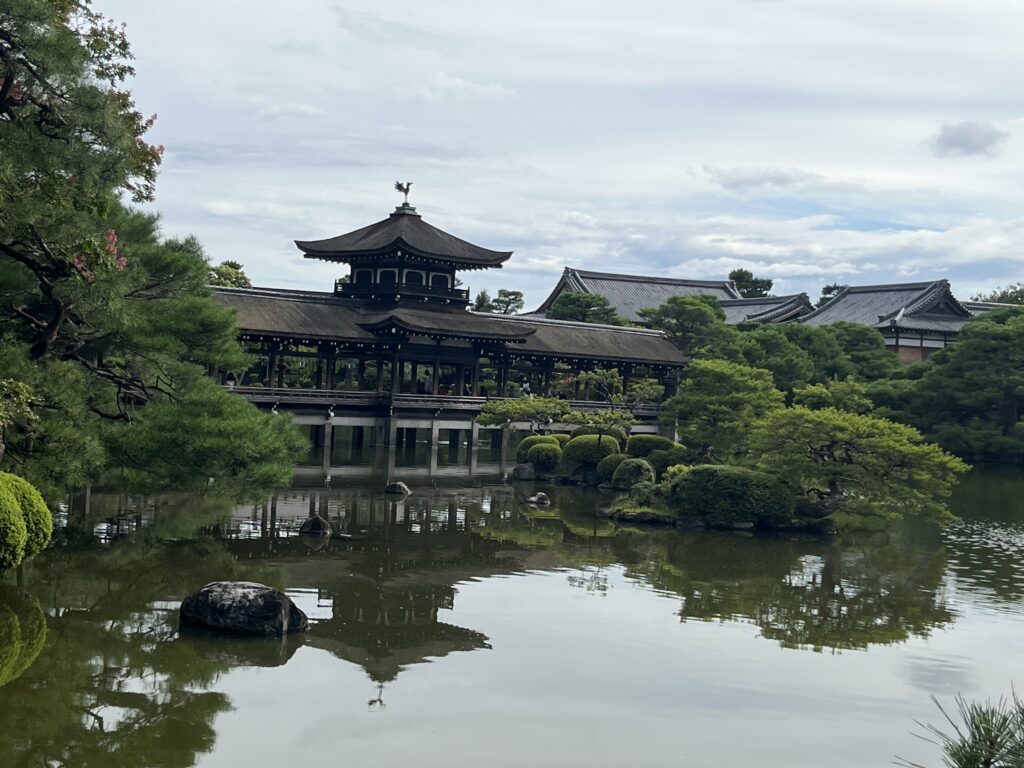
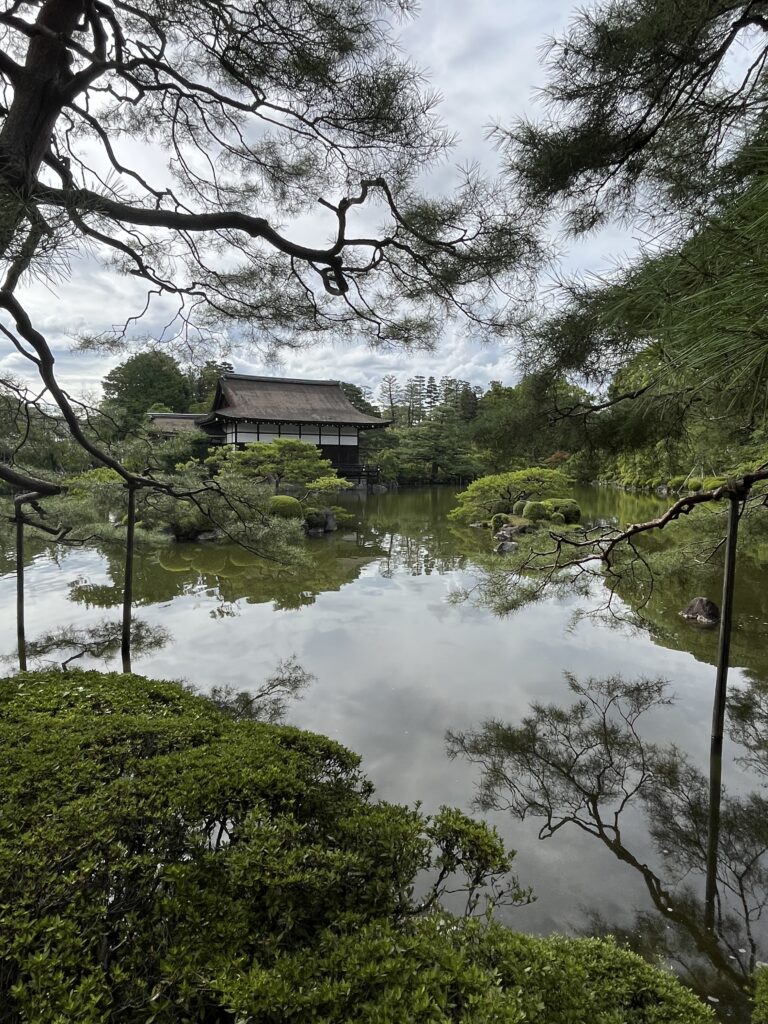
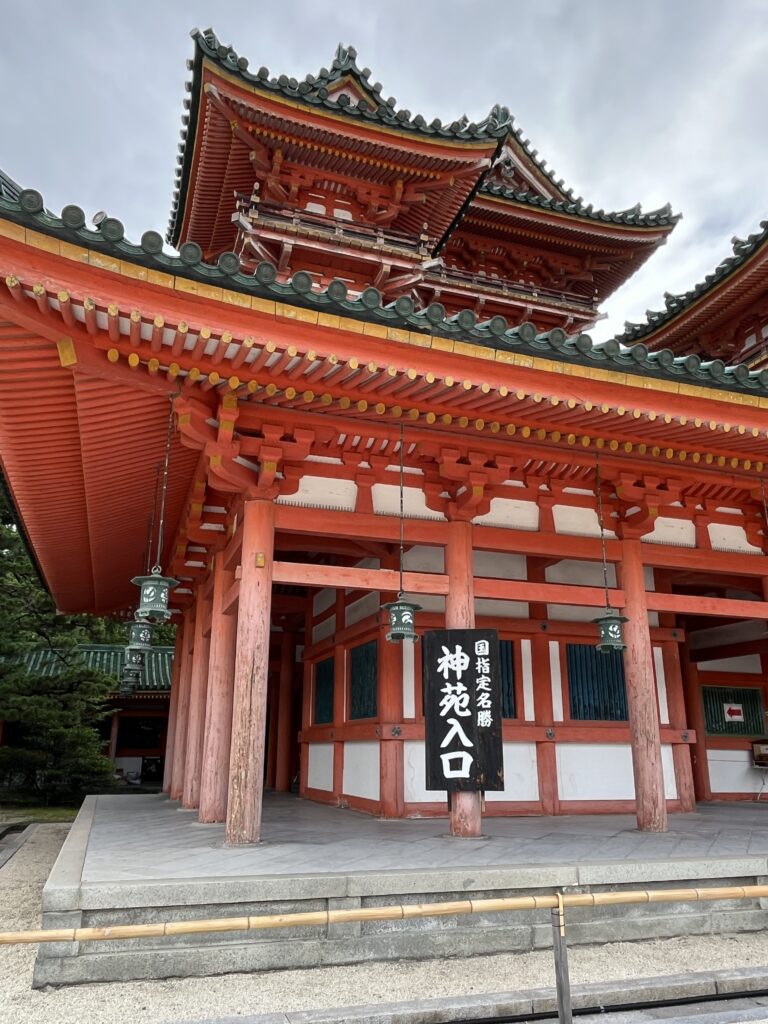
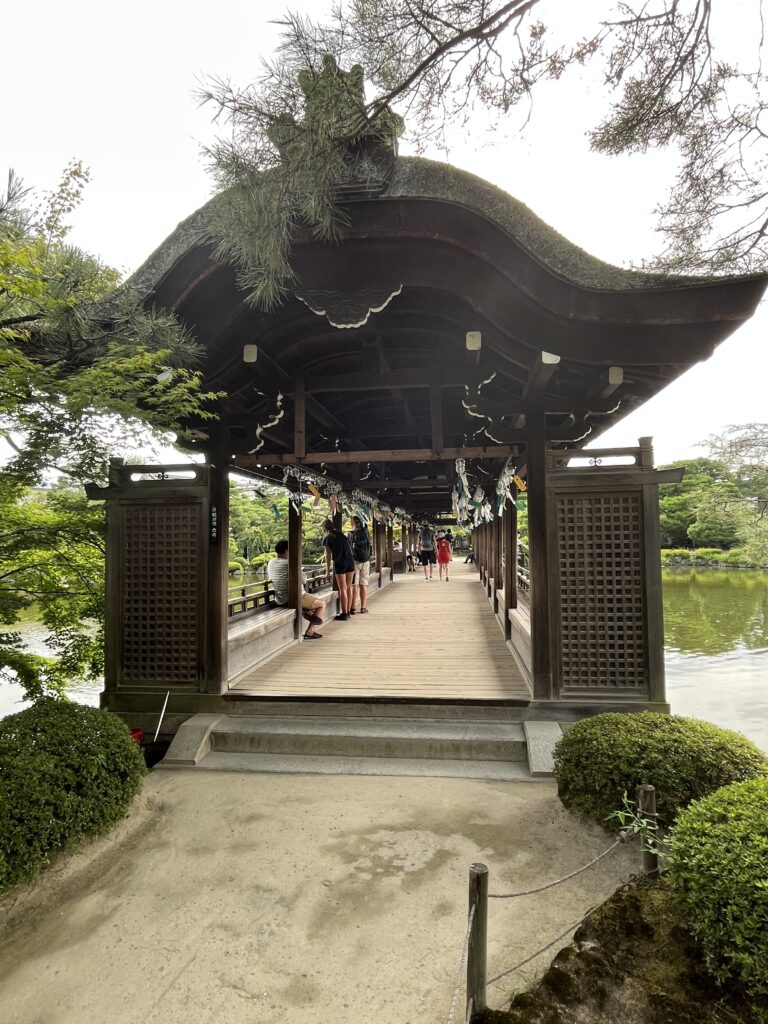
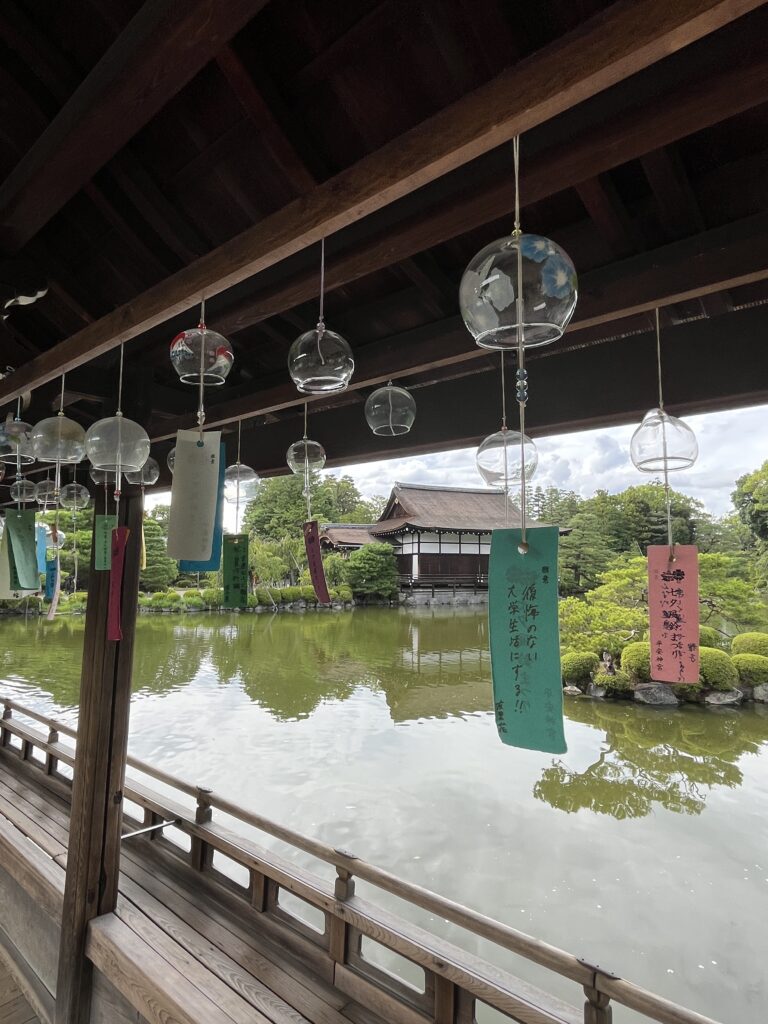
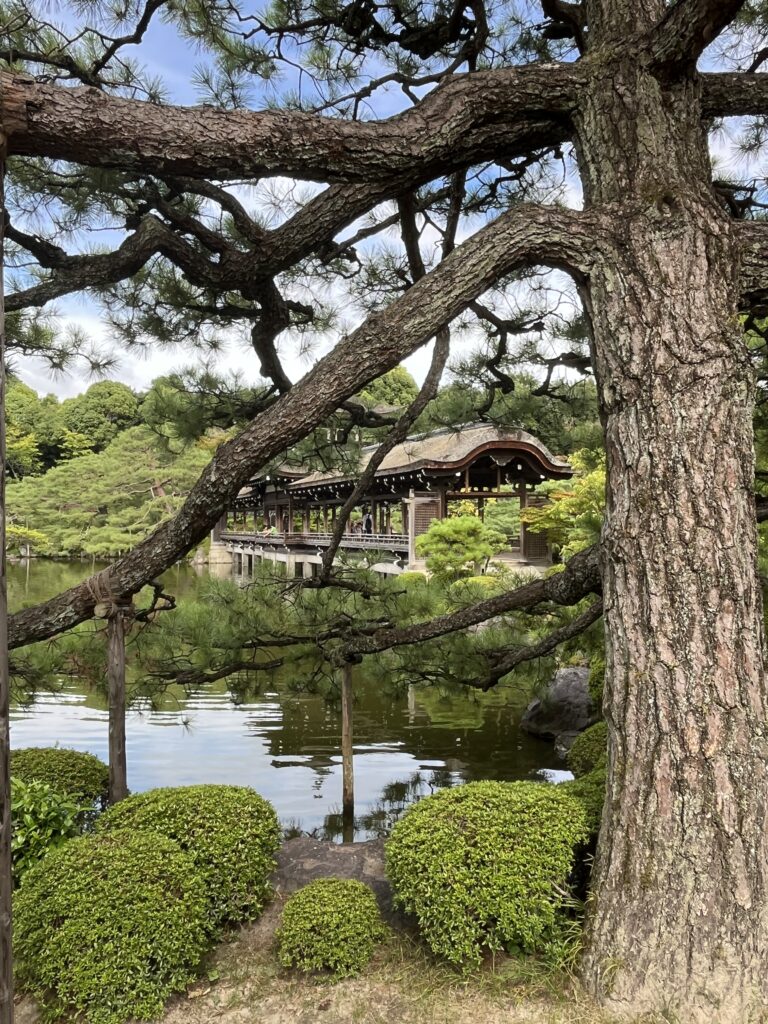
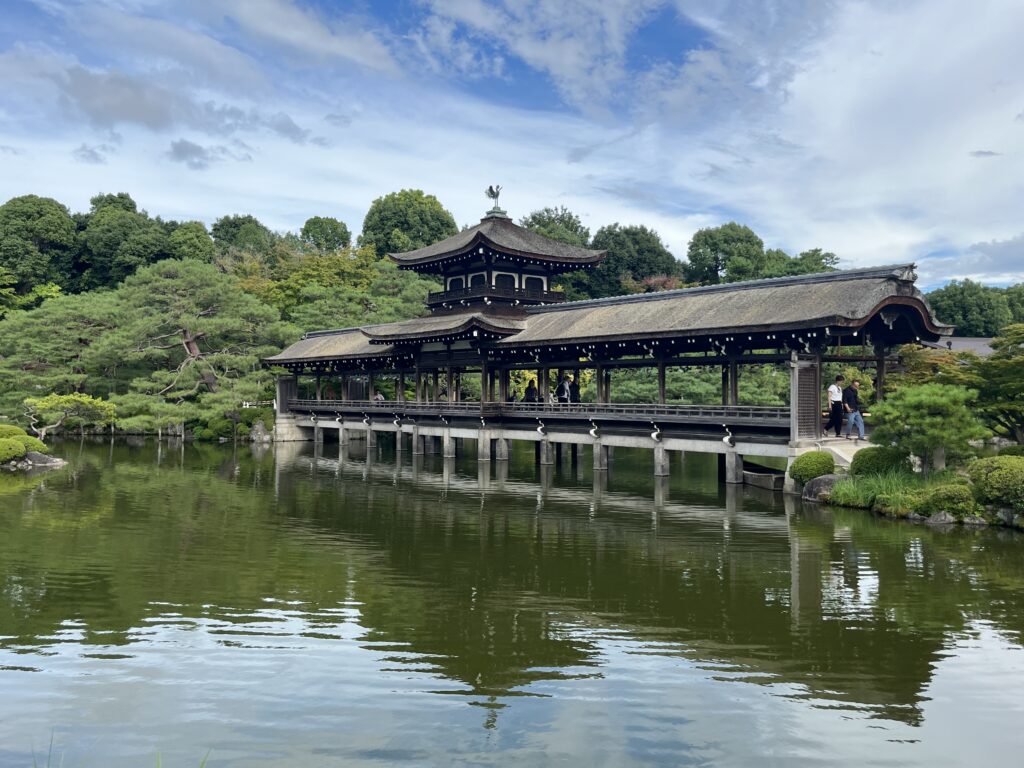
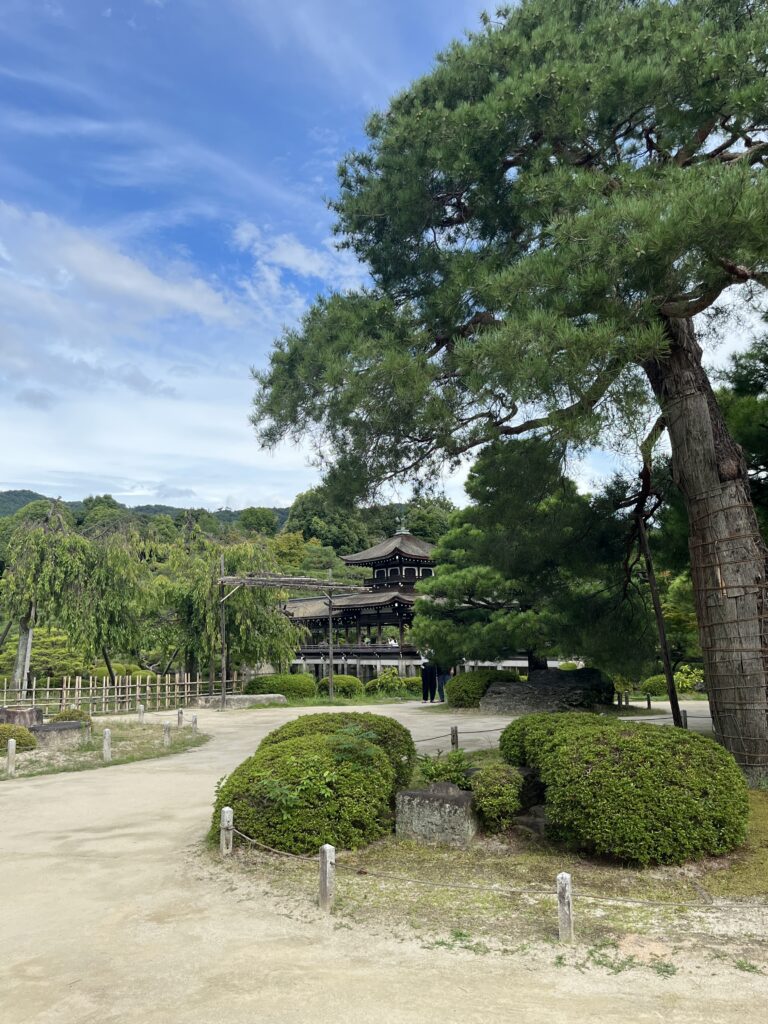
Heian-jingu Shrine, built to commemorate the 1,000th anniversary of the capital’s relocation to Heian-kyo, is dedicated to Emperor Kanmu—the founder of Kyoto. While the shrine is distinguished by its massive torii gate, its gardens offer beautiful scenery that changes with the seasons. Kyoto boasts many magnificent gardens, but this is one I highly recommend.
Location
Location
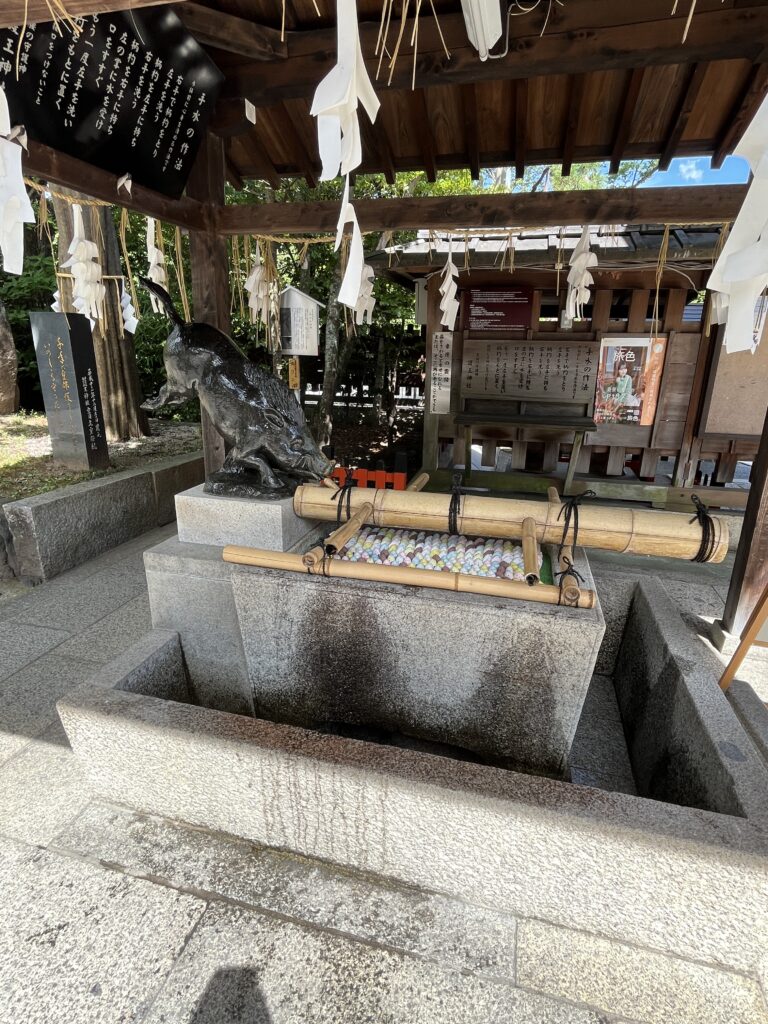
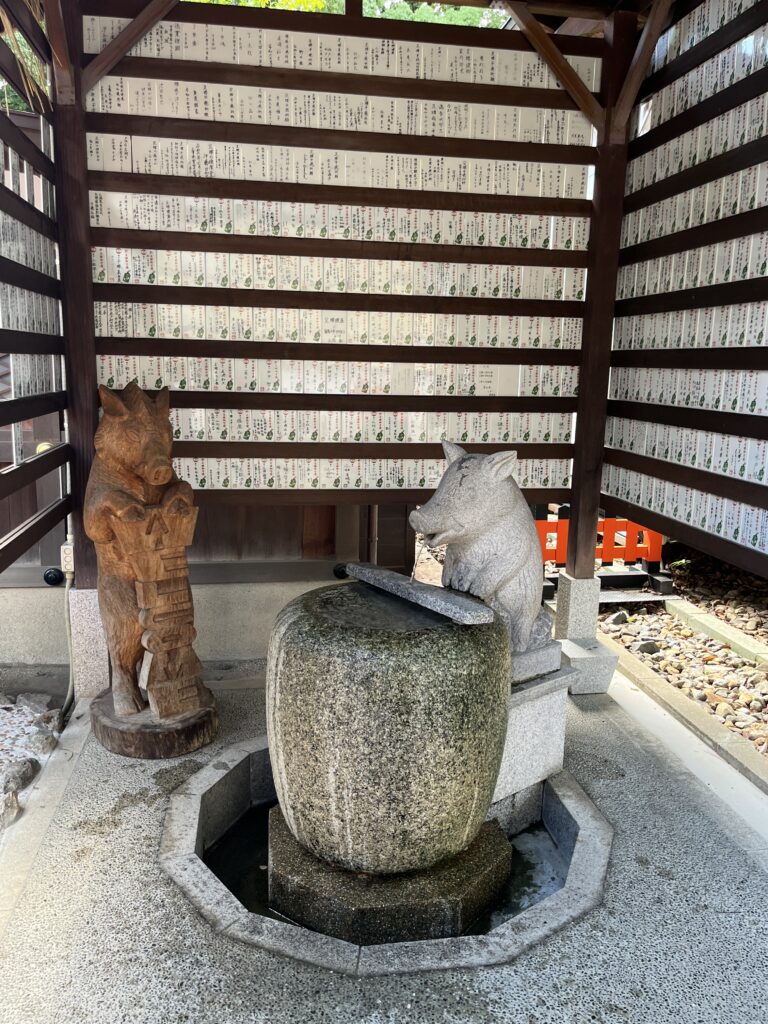
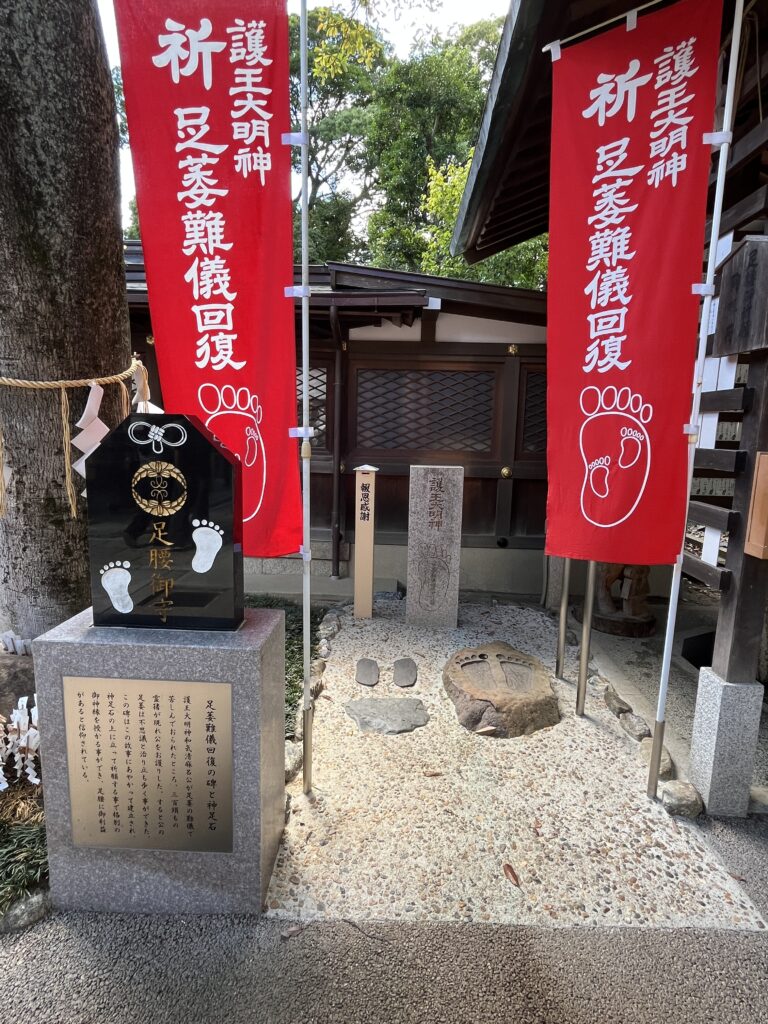
You can see wild boar statues in place of the usual guardian dogs, a boar-themed purification fountain, and boar figures scattered throughout the shrine grounds.
Location