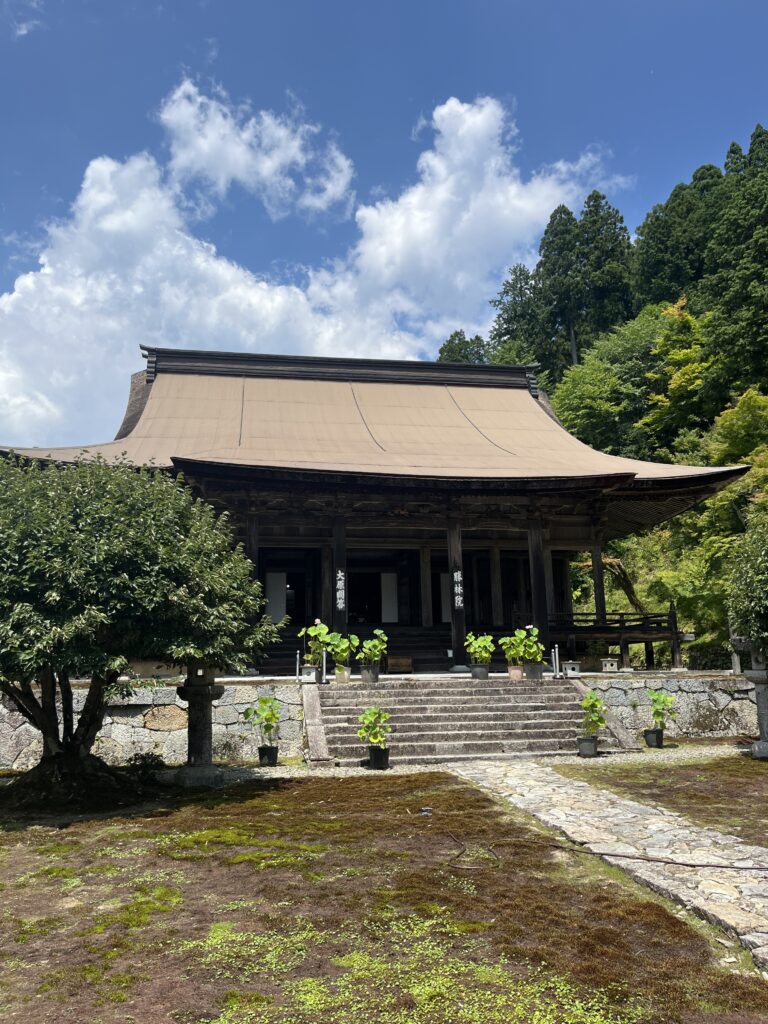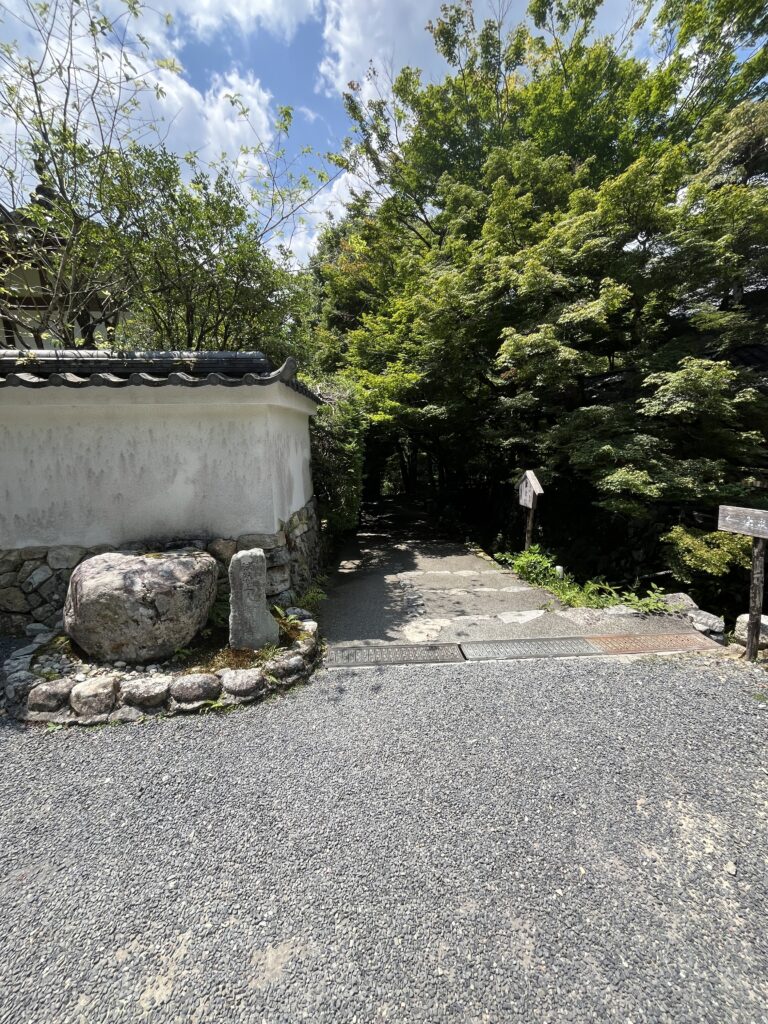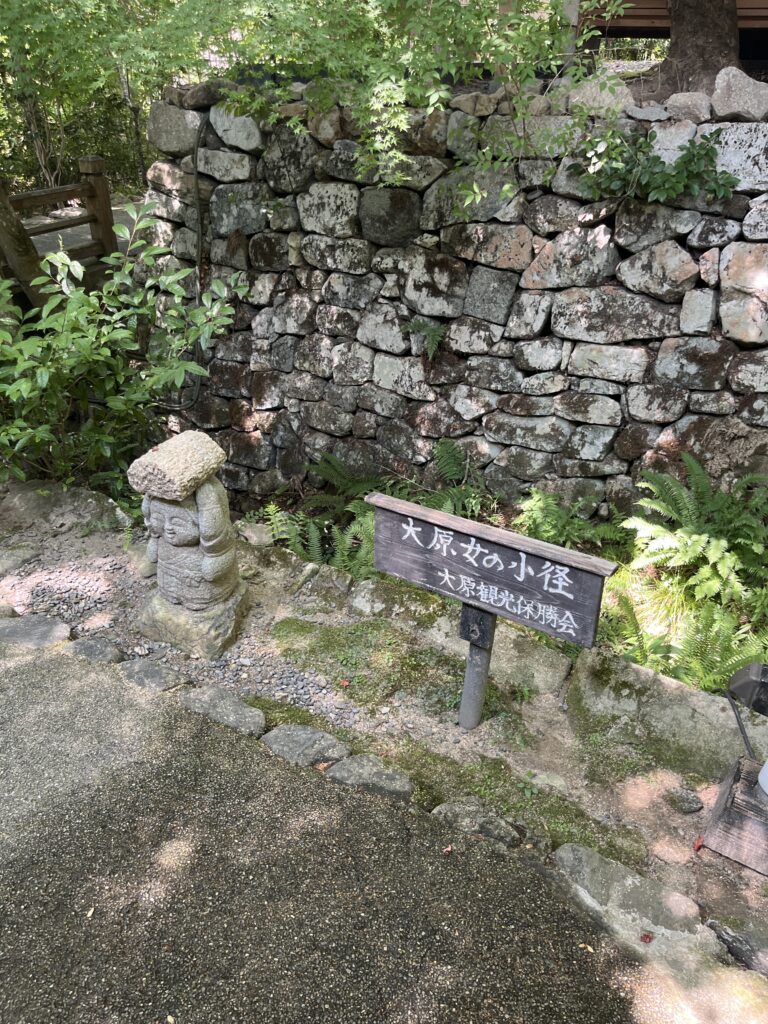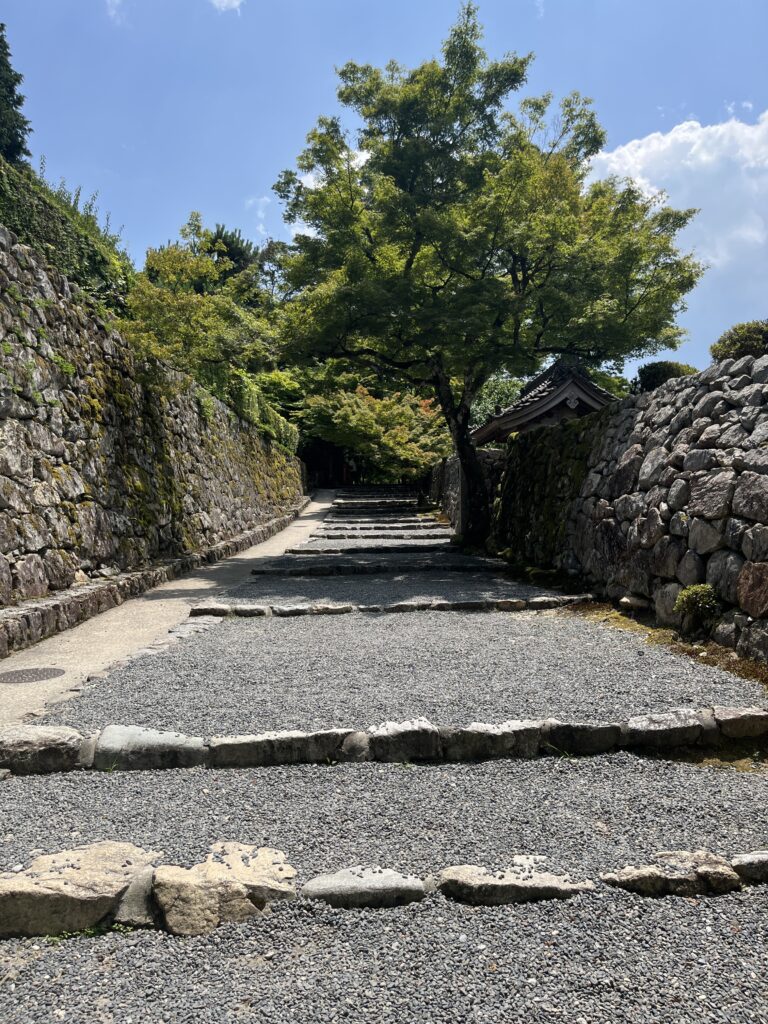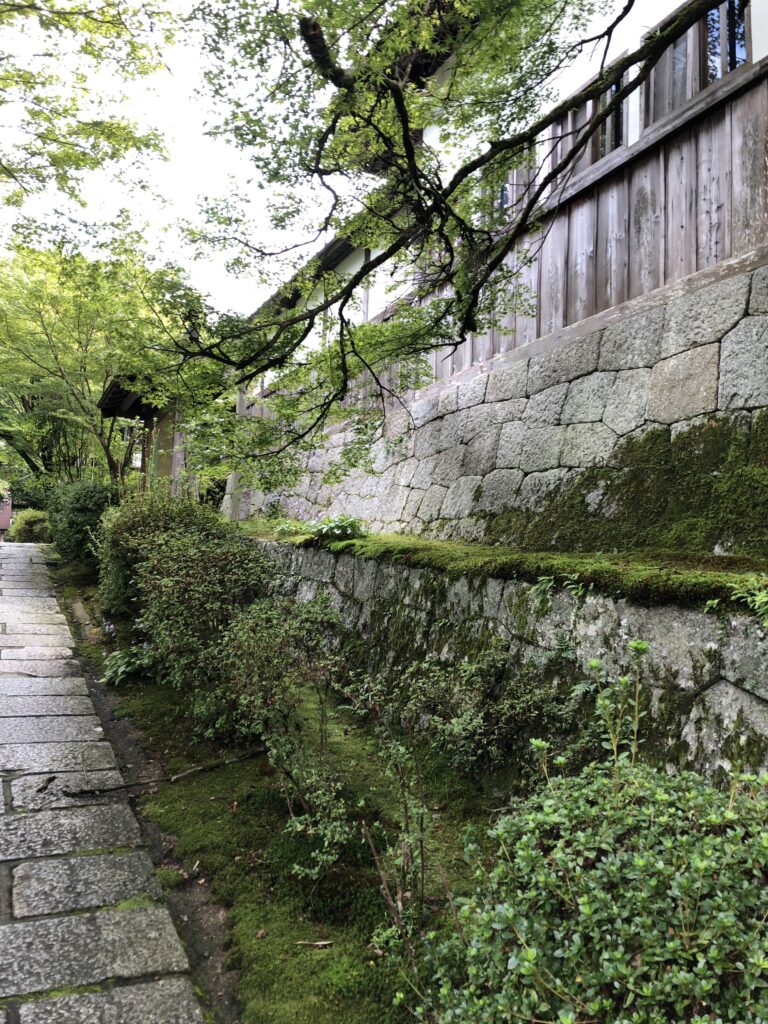
Rozan-ji Temple (廬山寺)

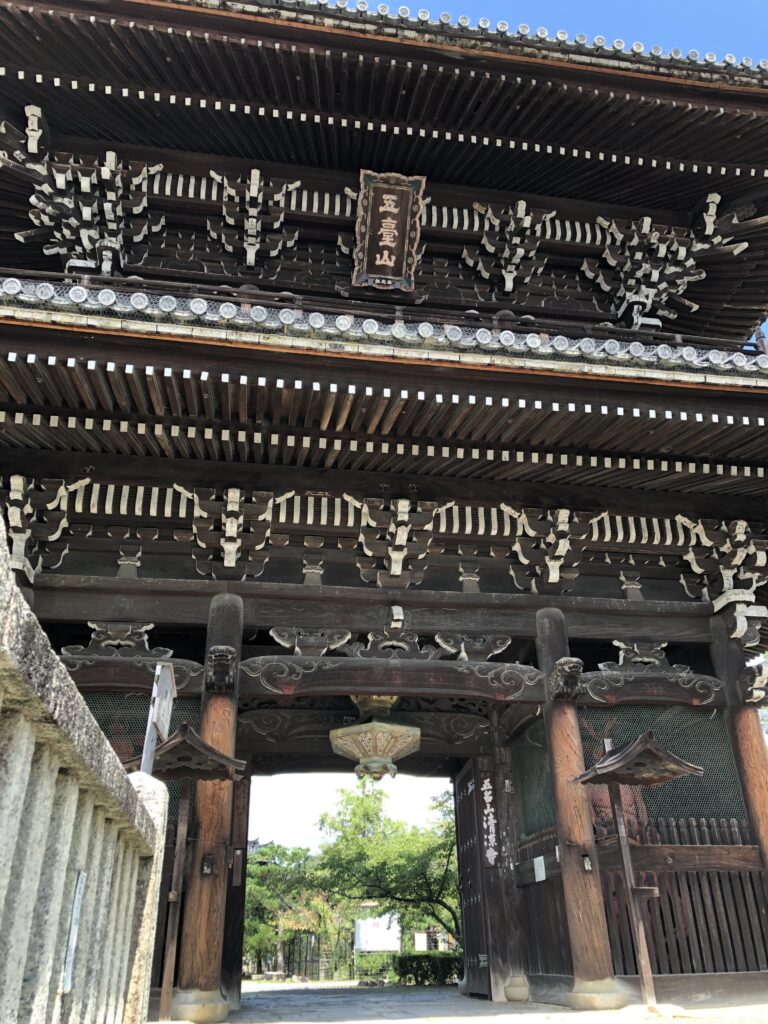
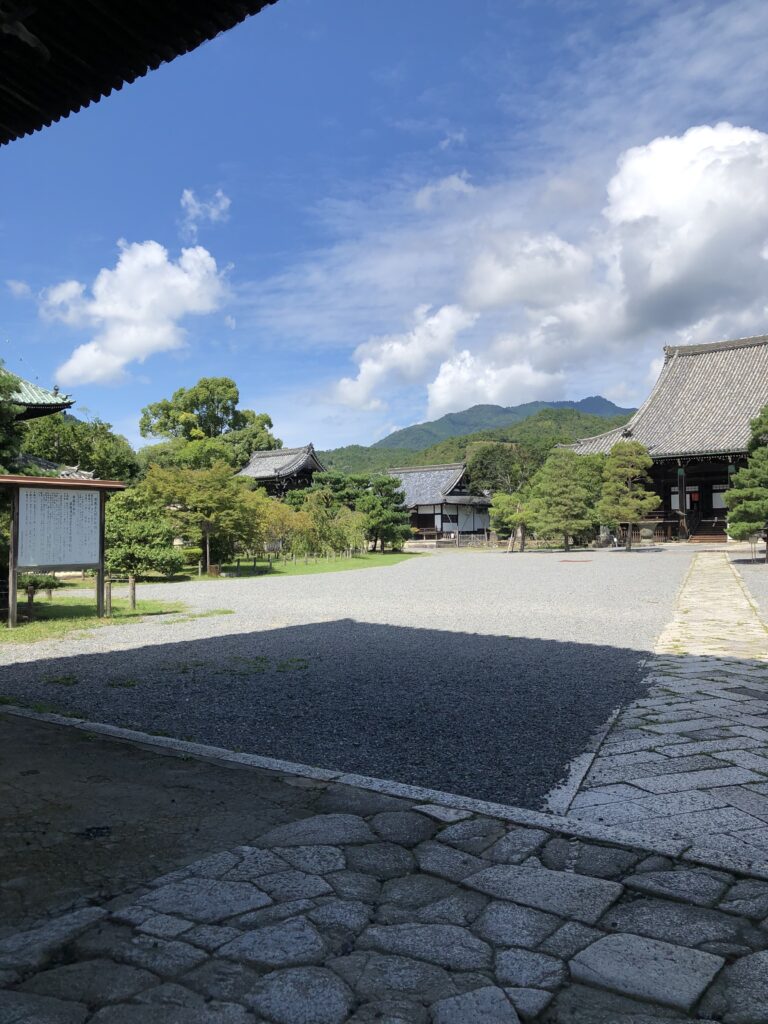
Rozan-ji Temple is located on Teramachi Street in Kamigyo Ward, Kyoto City, east of the Kyoto Imperial Palace.
It is said to be the site of Murasaki Shikibu’s residence and where “The Tale of Genji” was written.
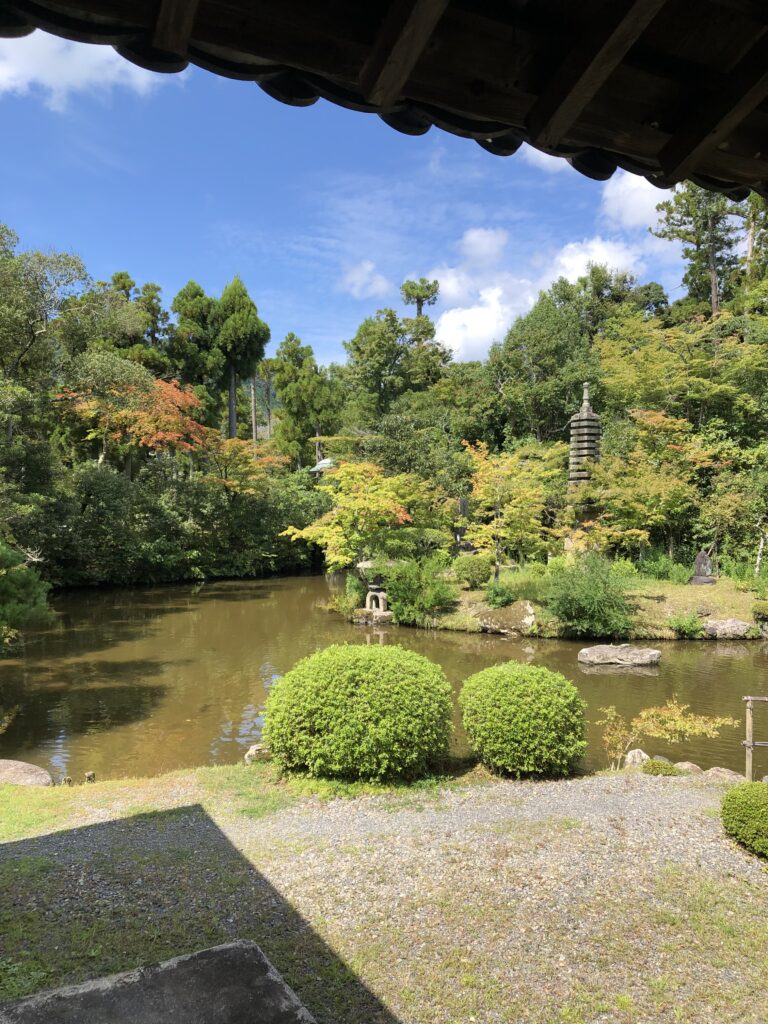
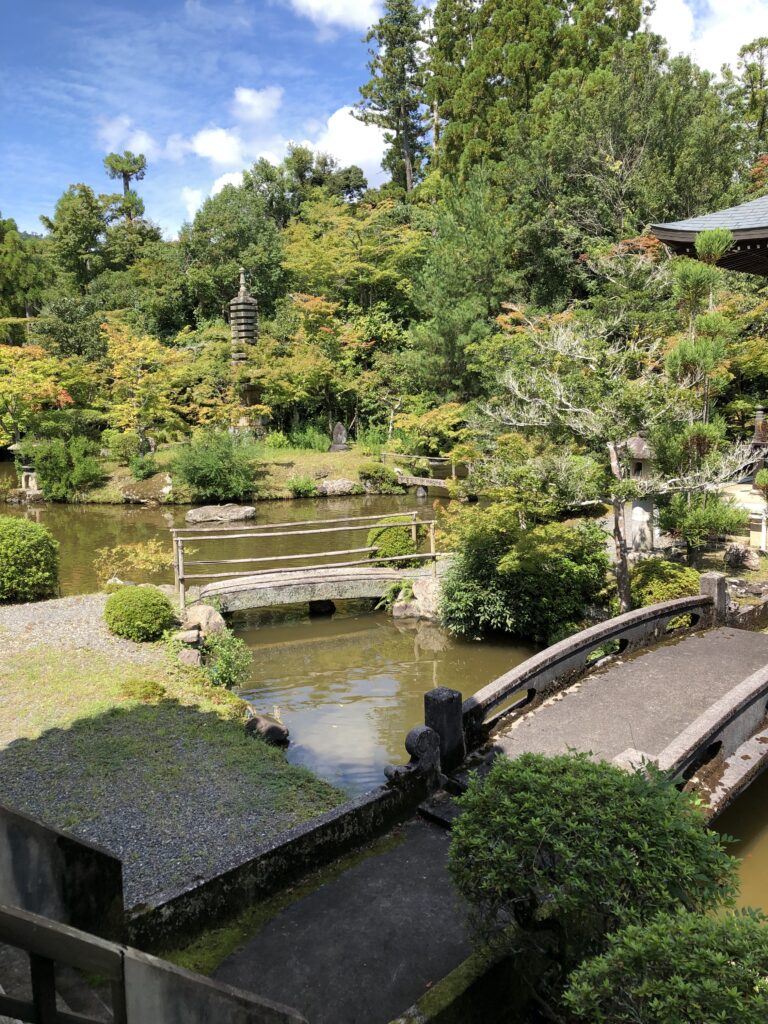
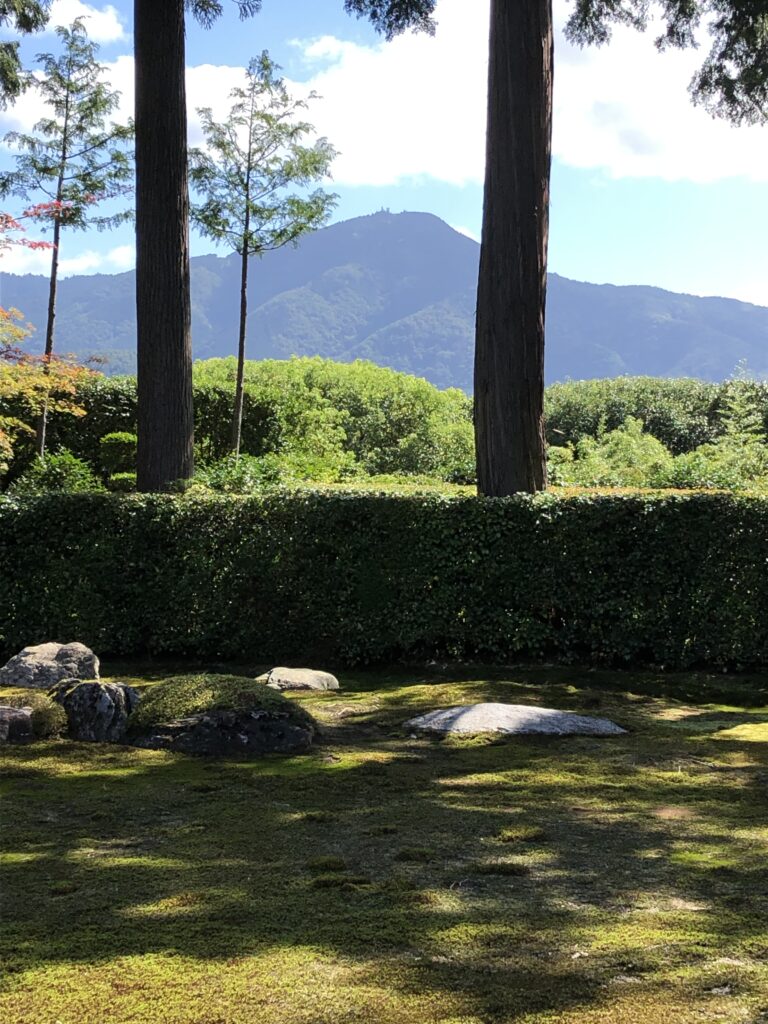
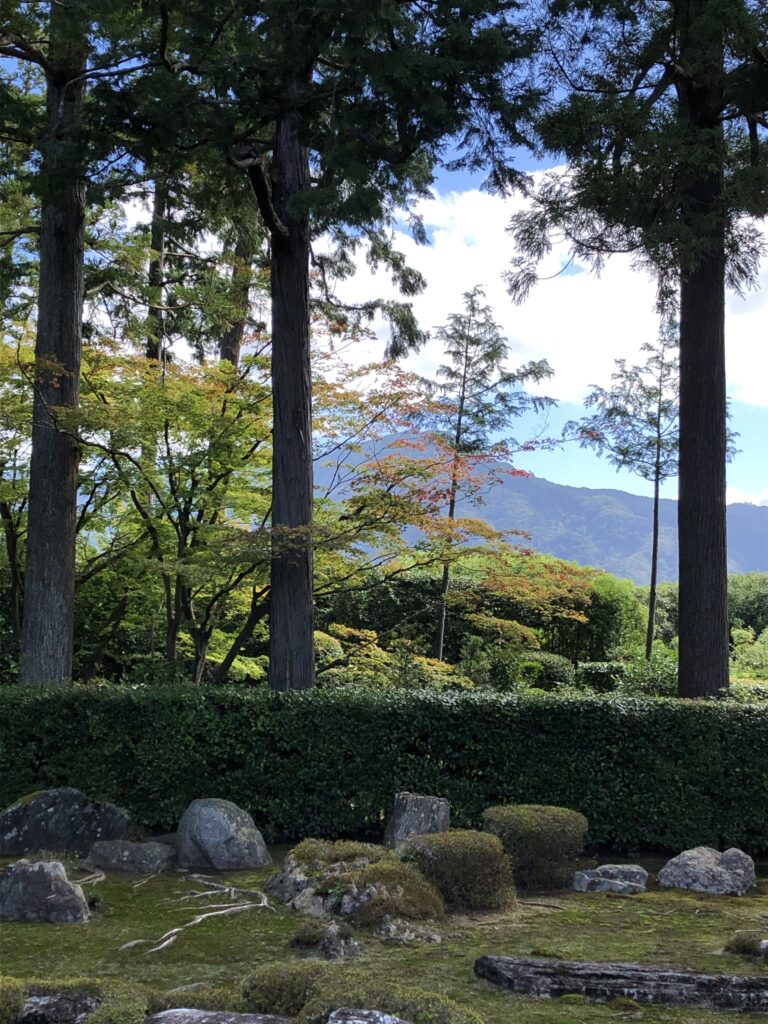
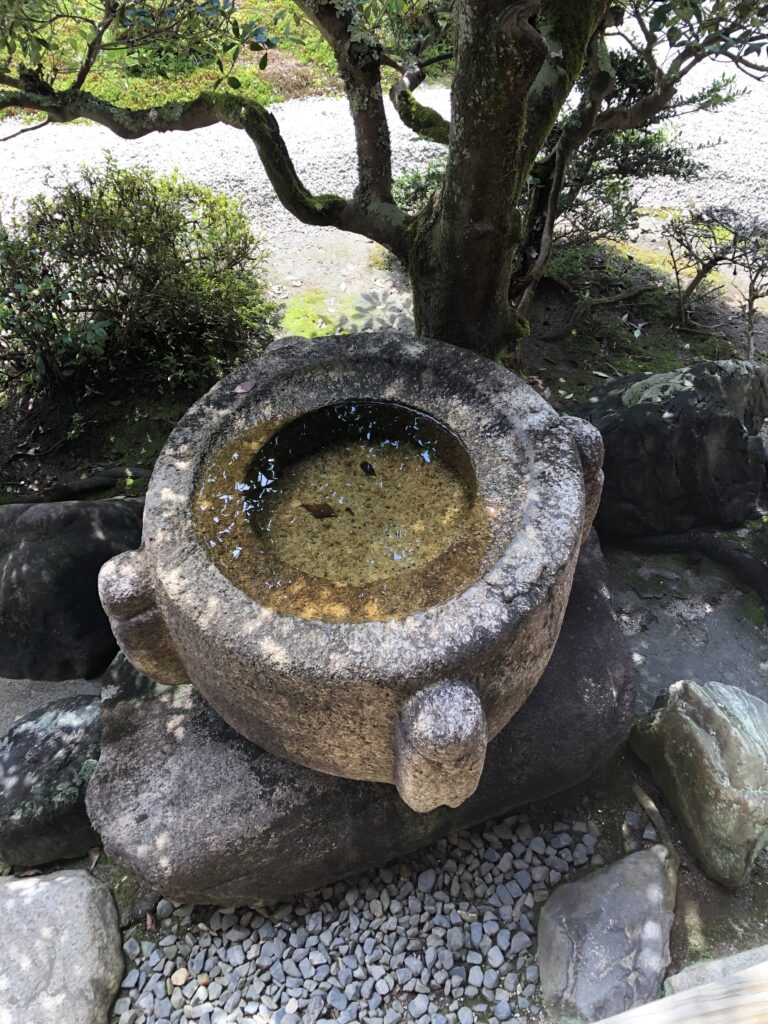
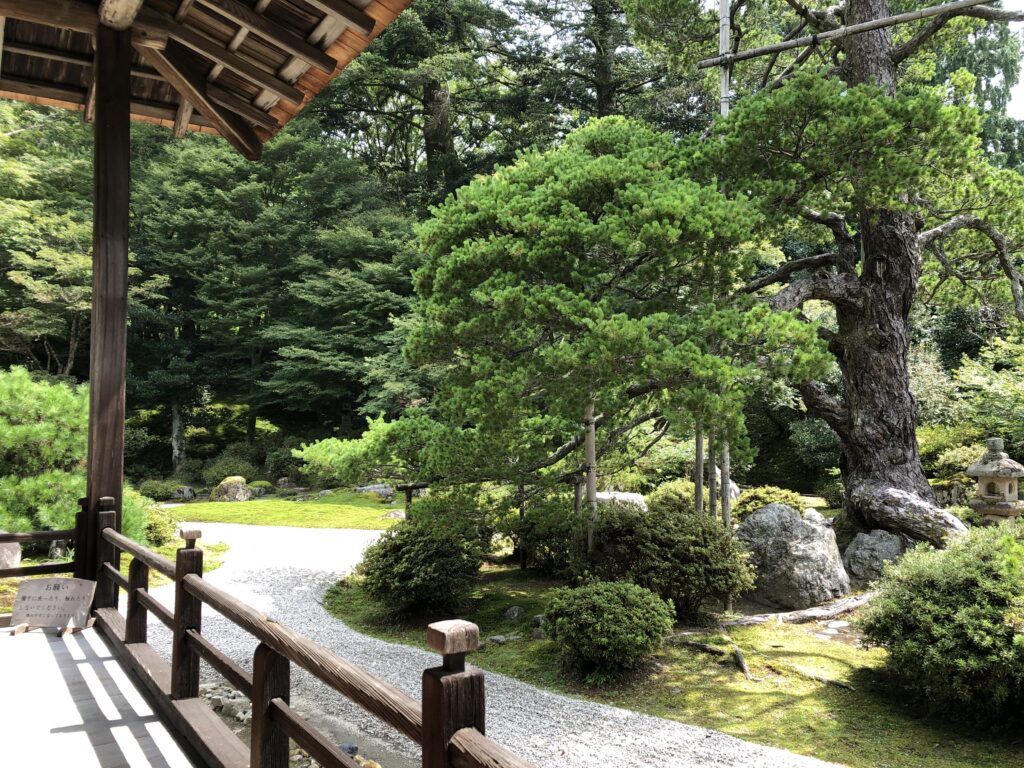
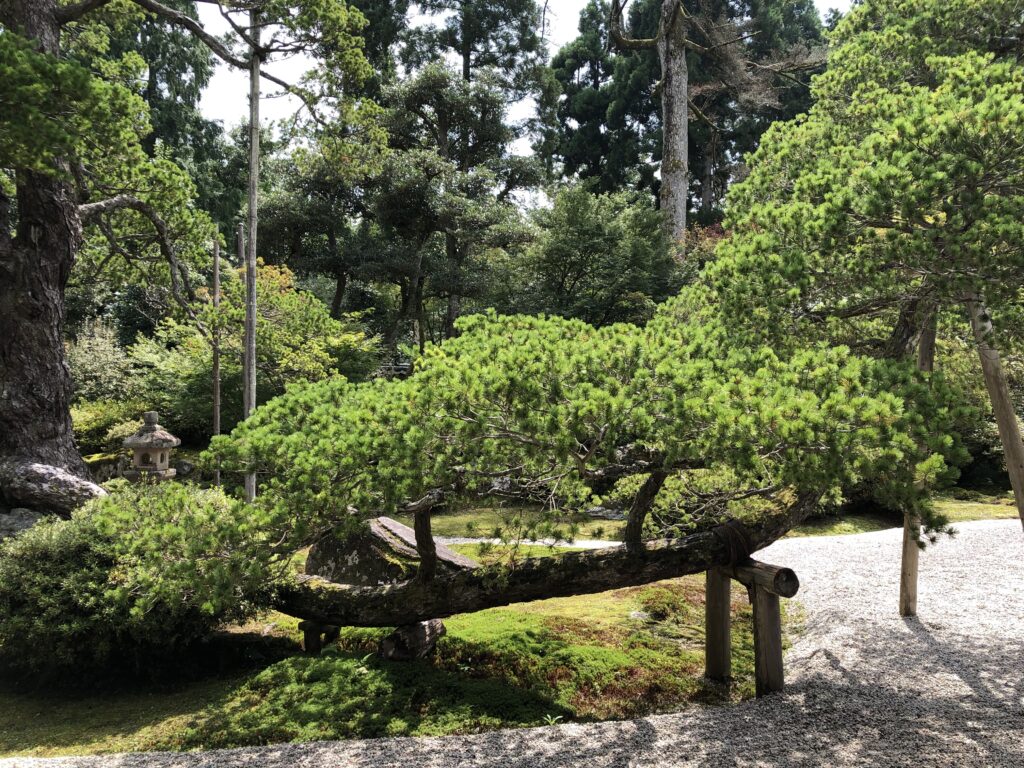
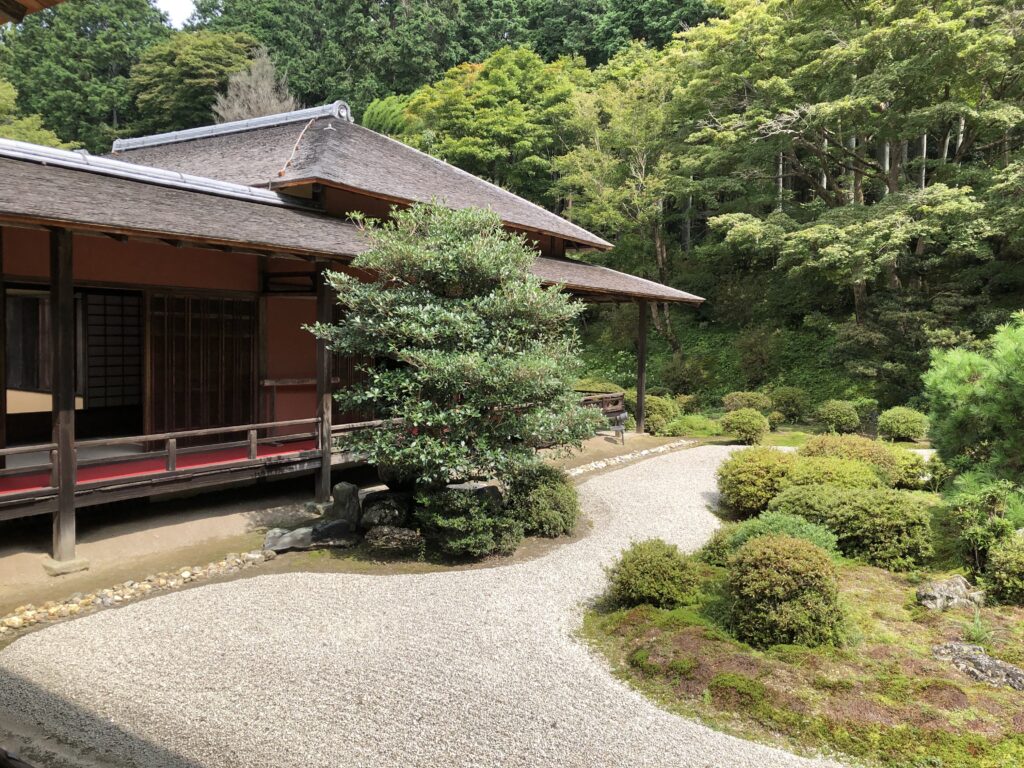
The garden of the main hall is called “Genji’s Garden,” a beautiful dry landscape garden with a vivid contrast of white sand and moss.
From the beginning of June to the beginning of September, the bellflowers are in full bloom.
A stone monument marking the “site of Murasaki Shikibu’s residence” stands here.
It is one of the places where you can appreciate the tranquility of Kyoto.

Location


Mt. Daimonji-yama (大文字山)

Kyoto has a tradition called Gozan no Okuribi (Five Mountains Bonfire), a ceremony held during the Obon festival to send off ancestors.
One of the mountains is Mt. Daimonji-yama, which is also a hiking trail.
Near the summit are the bonfire sites used for the Okuribi.
You can enjoy a panoramic view of Kyoto City and breathe in quiet, refreshing air.

Location

Toyokuni Shrine(豊国神社)

This is the head shrine of the Toyokuni Shrine, dedicated to Toyotomi Hideyoshi. Within the grounds is also the Teisho Shrine, dedicated to Kita-no-Mandokoro One, and is revered as a deity of career advancement, good fortune, and successful relationships.
The National Treasure Karamon Gate, believed to be a remnant of Fushimi Castle, stands majestically in front of the shrine.

Location

Daihoonji Temple(大報恩寺)

A Shingon sect Chizan school temple located in Kamigyo Ward, Kyoto City. It is known as “Senbon Shakado.”
The main hall, completed in 1227, survived numerous wars, including the Onin War, and is designated a National Treasure as the oldest wooden building in Rakuchu (Kyoto City).
It is a quiet place despite being in the middle of the city.

Location

Shisendo Temple(詩仙堂)

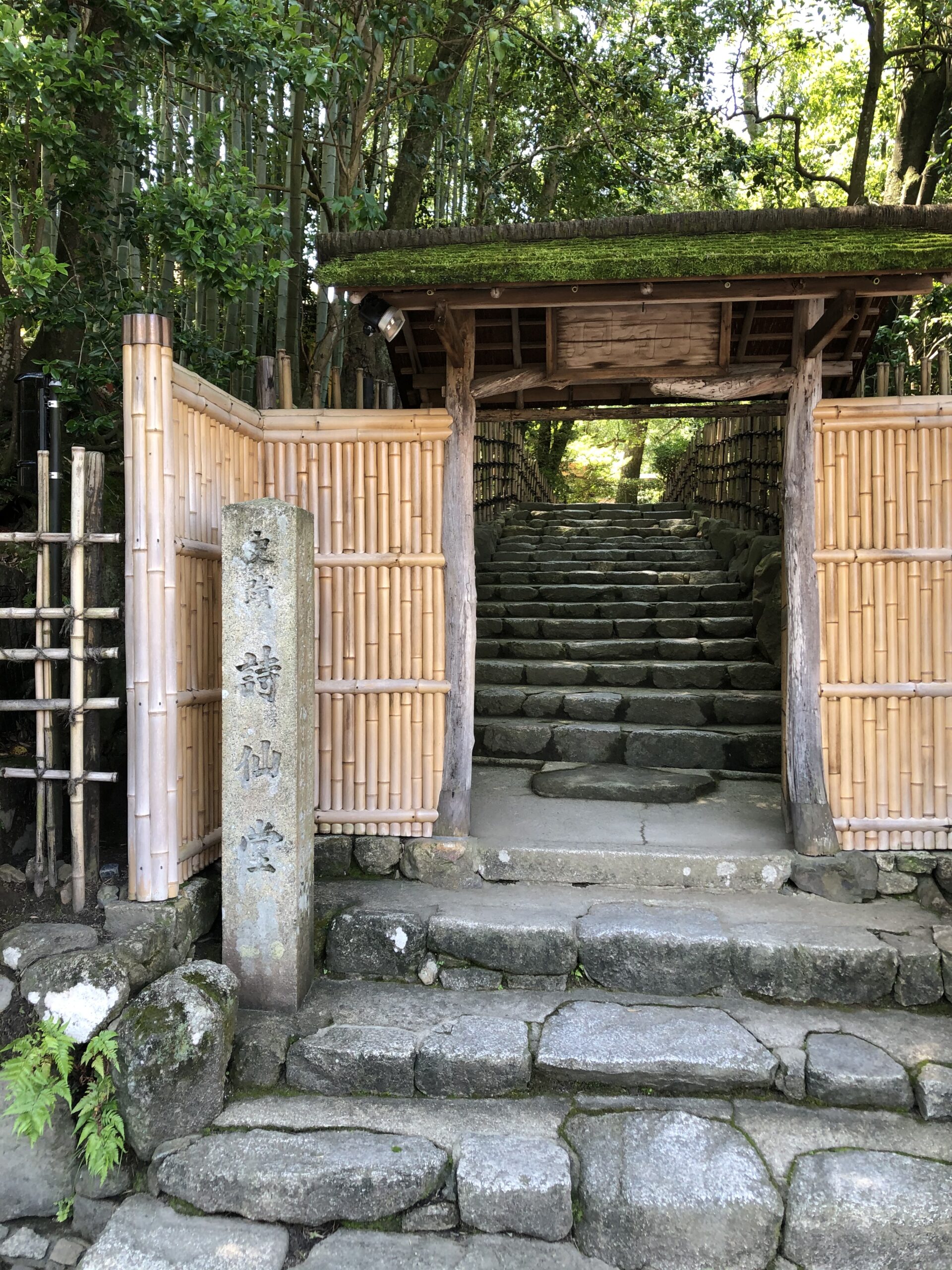
Shisendo Temple, located in Sakyo Ward, Kyoto City, is the place where Ishikawa Jozan, a literary figure of the Edo period and former retainer of Tokugawa Ieyasu, lived in seclusion. It is a Soto Zen temple where the sound of a shishi-odoshi (deer scarer) quietly resonates, and is famous for its space adorned with portraits of Chinese poets.
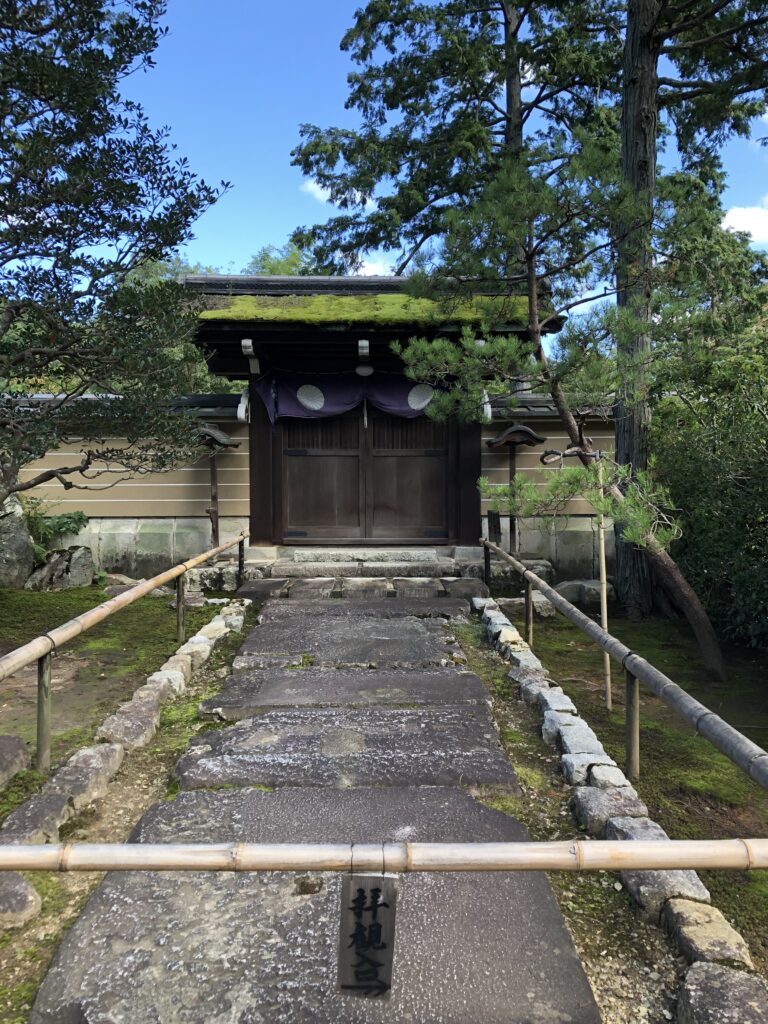
I have also used a photo of the entrance to Shisendo Temple on the cover of this blog.

Location