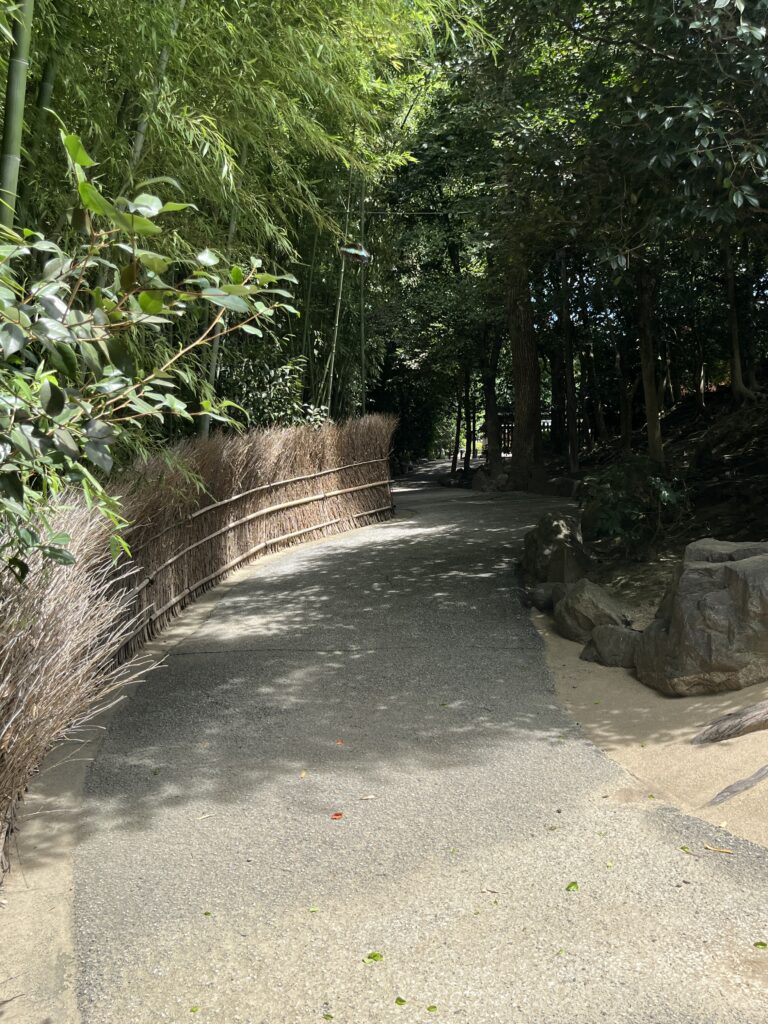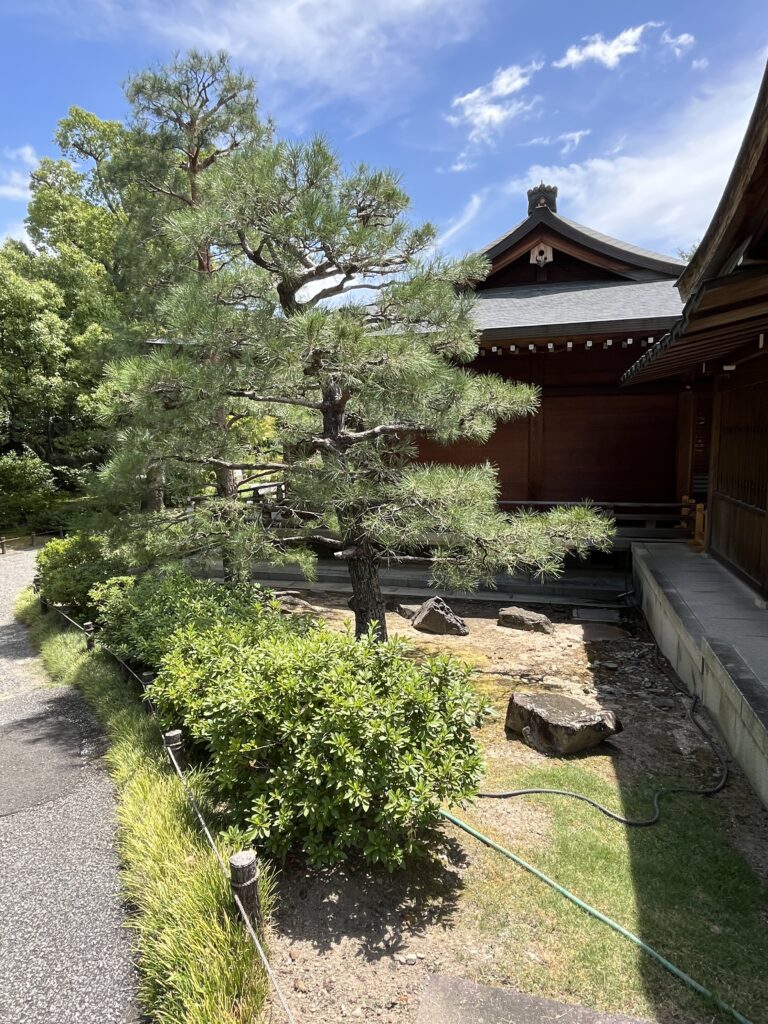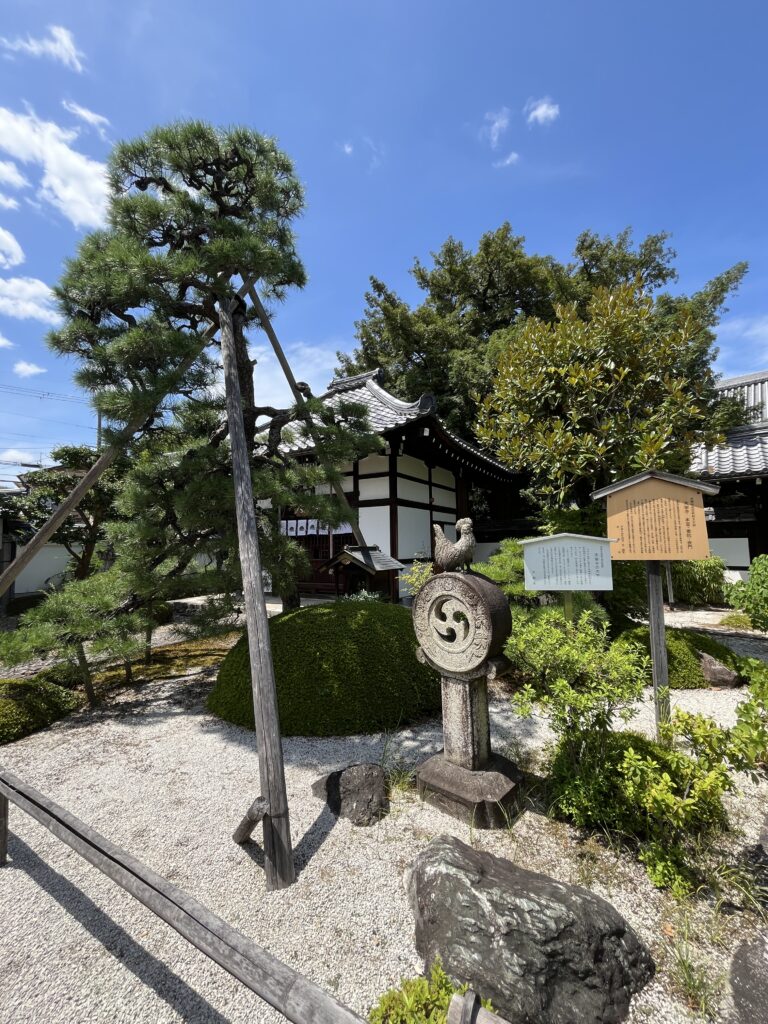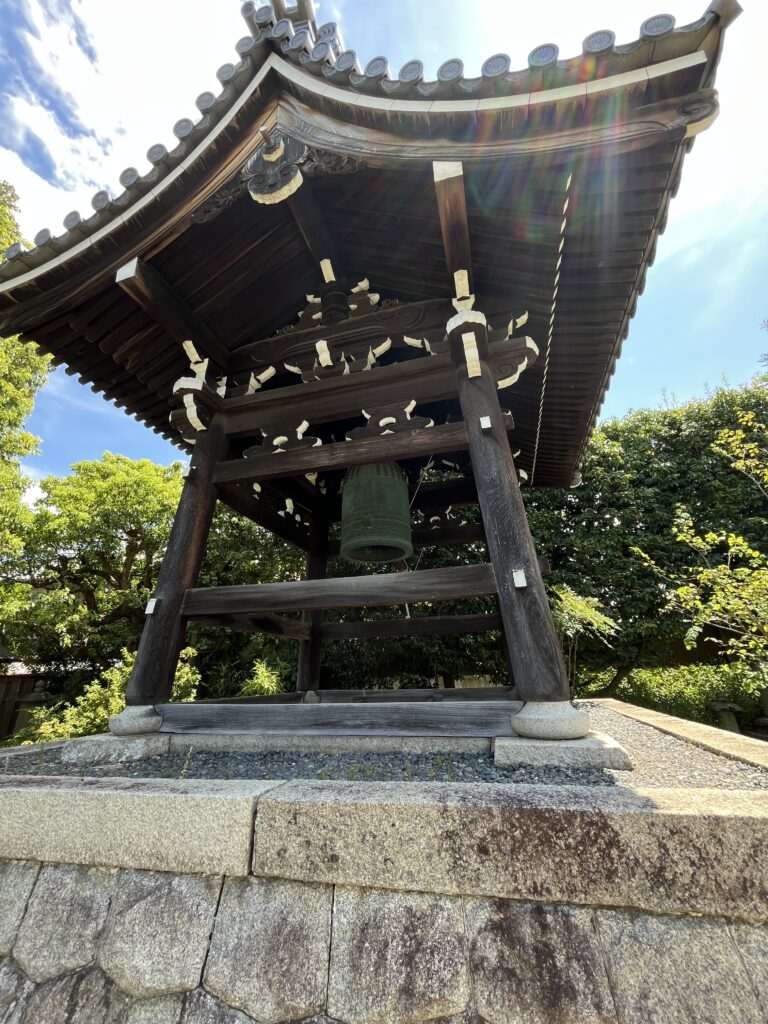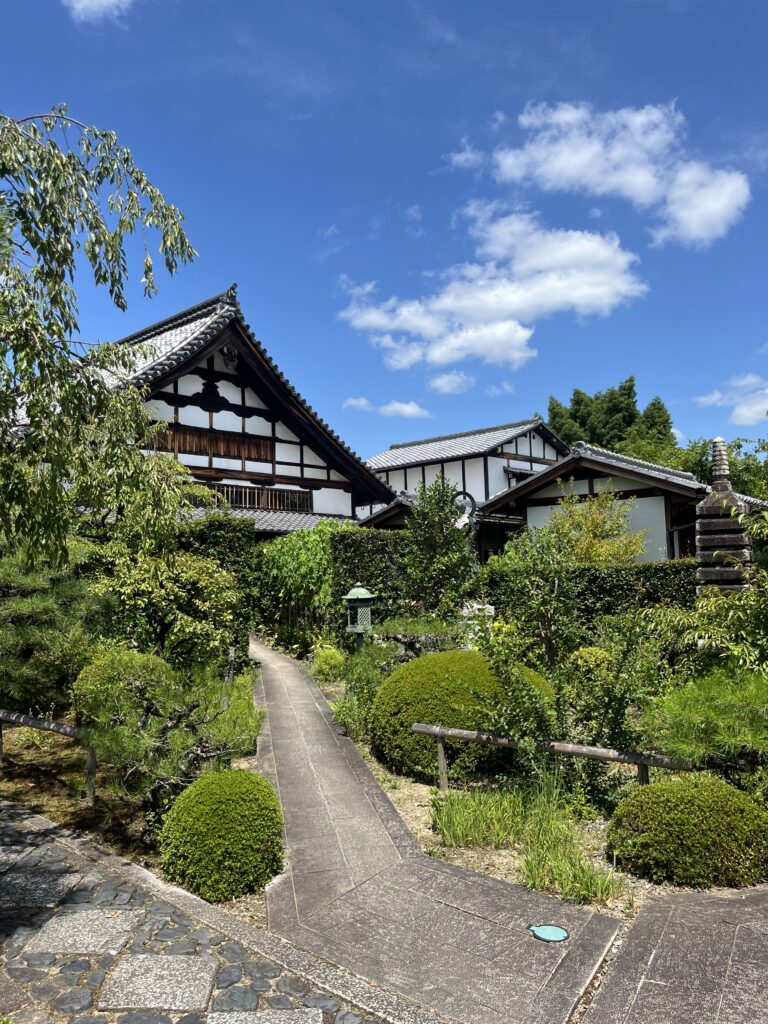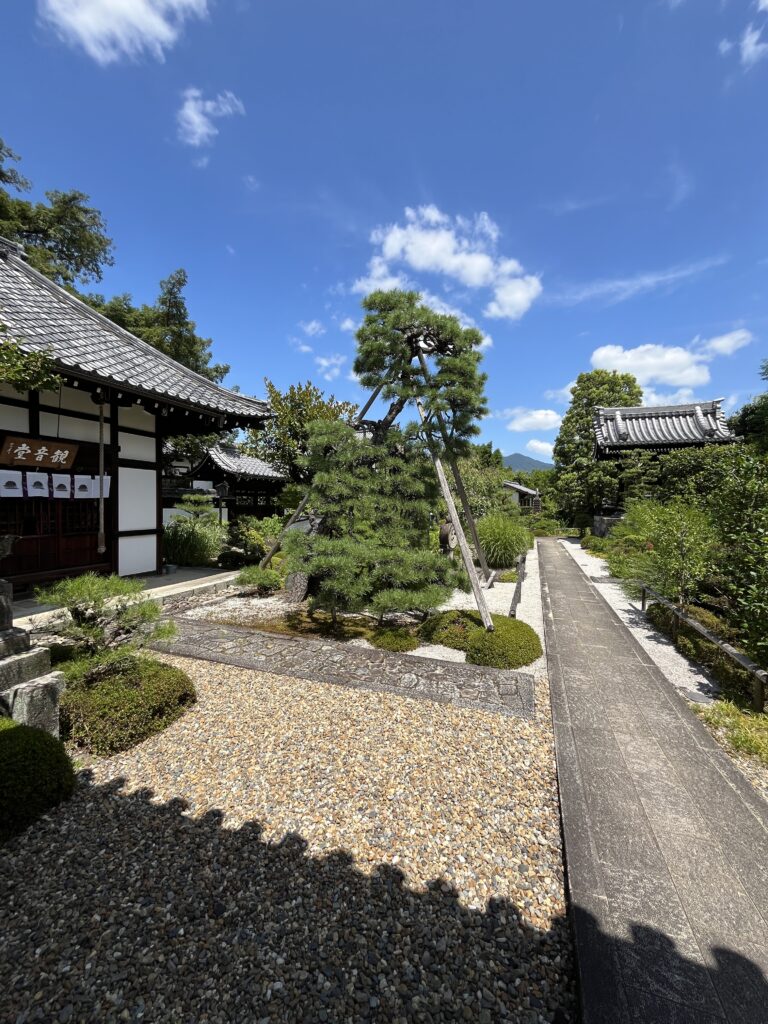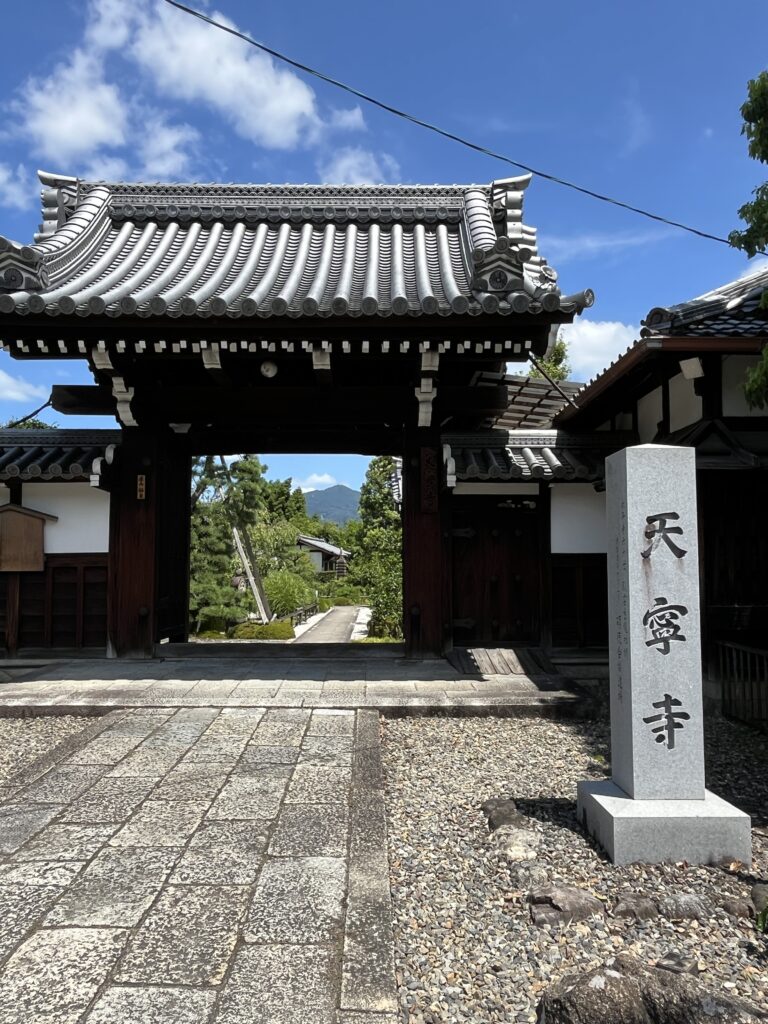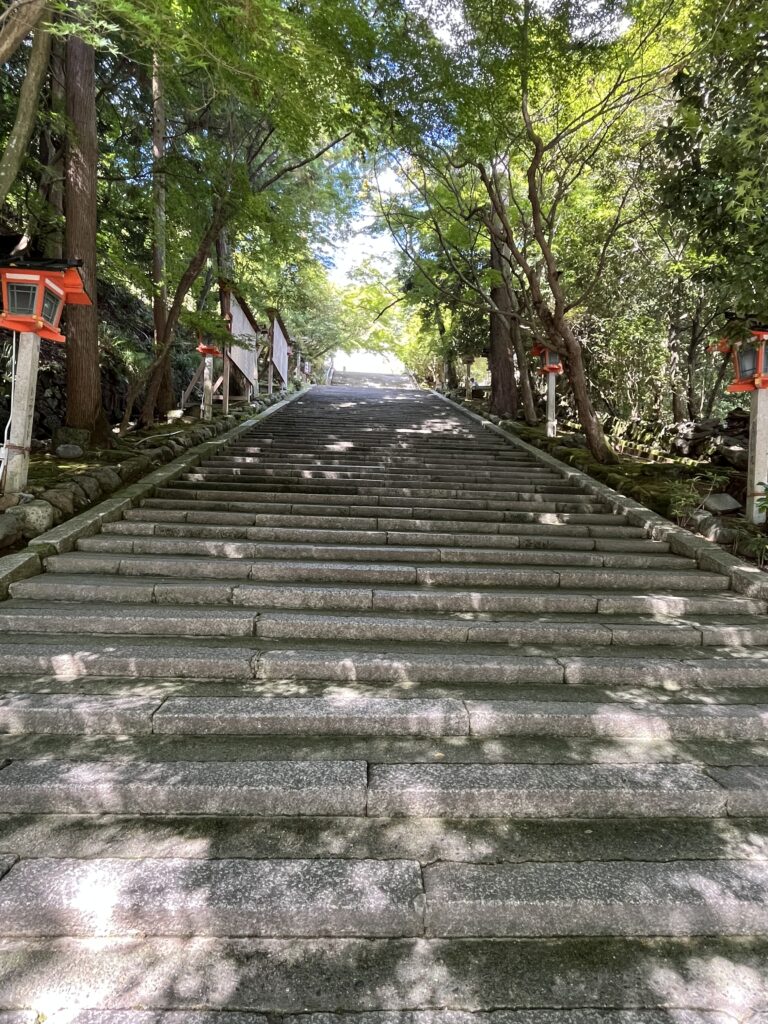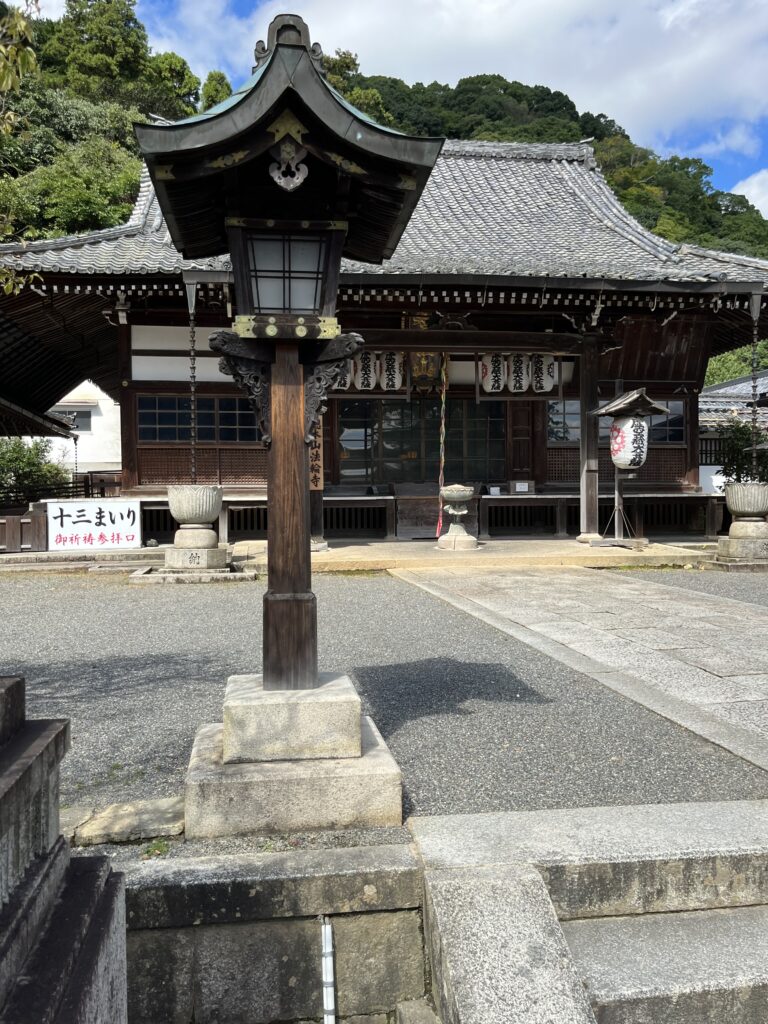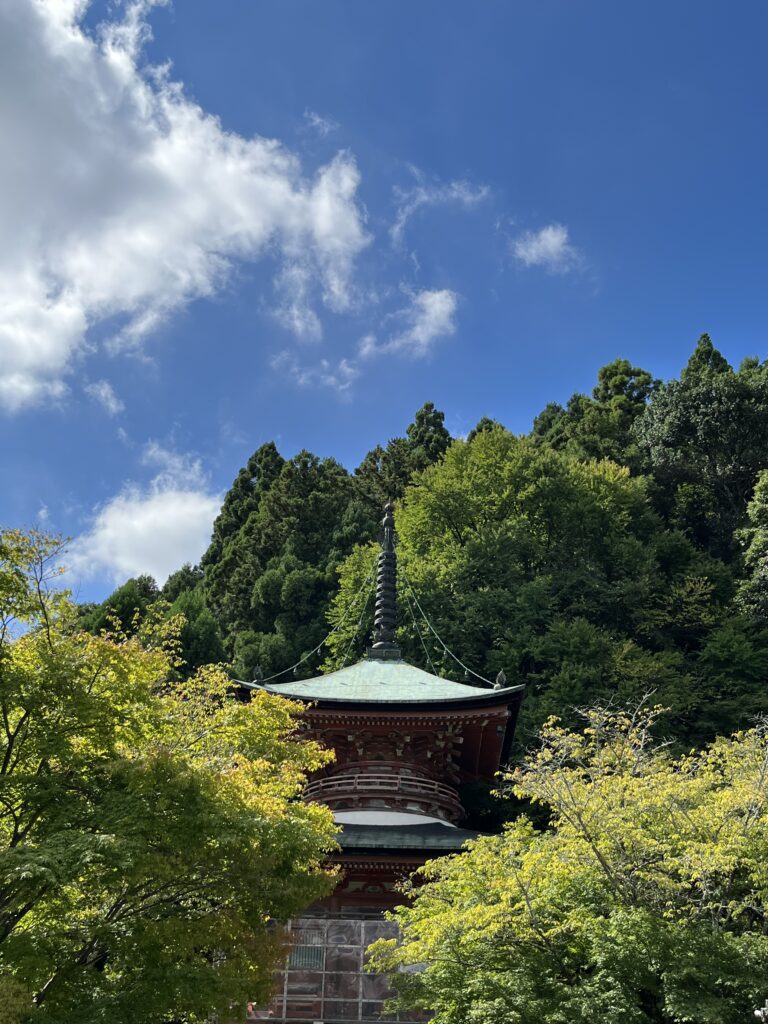
Daihikaku Senko-ji Temple

About a kilometer upstream along the Hozugawa River from the
Togetsukyo Bridge in Arashiyama, you can see a mystical landscape completely different from the hustle and bustle of Arashiyama.
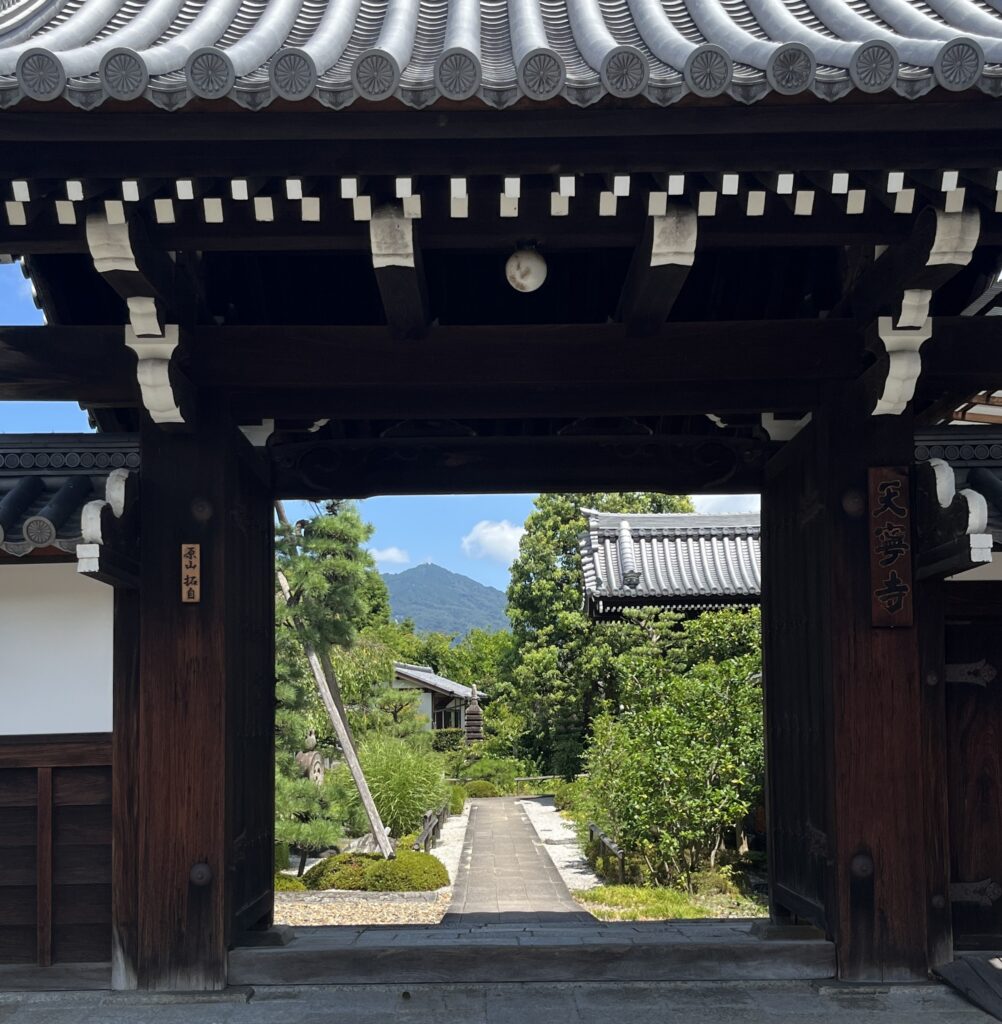
The temple built on a cliff overlooking the Hozugawa River is Daihikaku
Senko-ji Temple.
The founder of Senkoji Temple, Suminokura Ryōi (1554-1614), was
a wealthy merchant who invested his personal fortune in the development of the Ōi River and Takase River in Kyoto, making a significant contribution to the development of Kyoto’s economy.


Daihikaku Senko-ji Temple

Location
Green maple leaves (1)

This is Enko-ji Temple, located in the northeast of Kyoto City.
In May, the fresh green leaves are incredibly beautiful, known as “green maple leaves.”
This temple is said to have been founded by Tokugawa Ieyasu, who established the Edo Shogunate.
He established this Temple in Fushimi as a place of learning to promote the development of education within Japan,  and later moved it to this location.
Here, we can experience Zen meditation.


Enko-ji Temple

Location

Komai Family Residence

This building is the former residence of Professor Komai, known as the
“Dawin of Japan.”
It is located in a quiet area along the beautiful Shirakawa Canal.
In Kyoto, many historical buildings like this one, which were the residences of famous people, are preserved.


Komai Family Residence

Location

Senbon Enmado Dai Nenbutsu Kyogen

The performance held at Senbon Enmado Injo-ji Temple in Kamigyo Ward, Kyoto City, is called Senbon Enmado Dai Nenbutsu Kyogen.
Unlike Kabuki, Kyogen features simple costumes and focuses on humor and dialogue.
Furthermore, Dai Nenbutsu Kyogen is a performing art that has been passed down using temples as its stage, and unlike classical Kyogen, it is characterized by all performers wearing masks.


Senbon Enmado (Injo-ji Temple)

Location

Hidden gems

Recently, Kyoto has seen a large influx of foreign tourists, many of whom visit specific temples and shrines such as Kiyomizu-dera, Kinkaku-ji, and Fushimi Inari Taisha. While these are all popular tourist destinations, Kyoto is also home to many other historical sites that represent its rich history and Japanese culture.


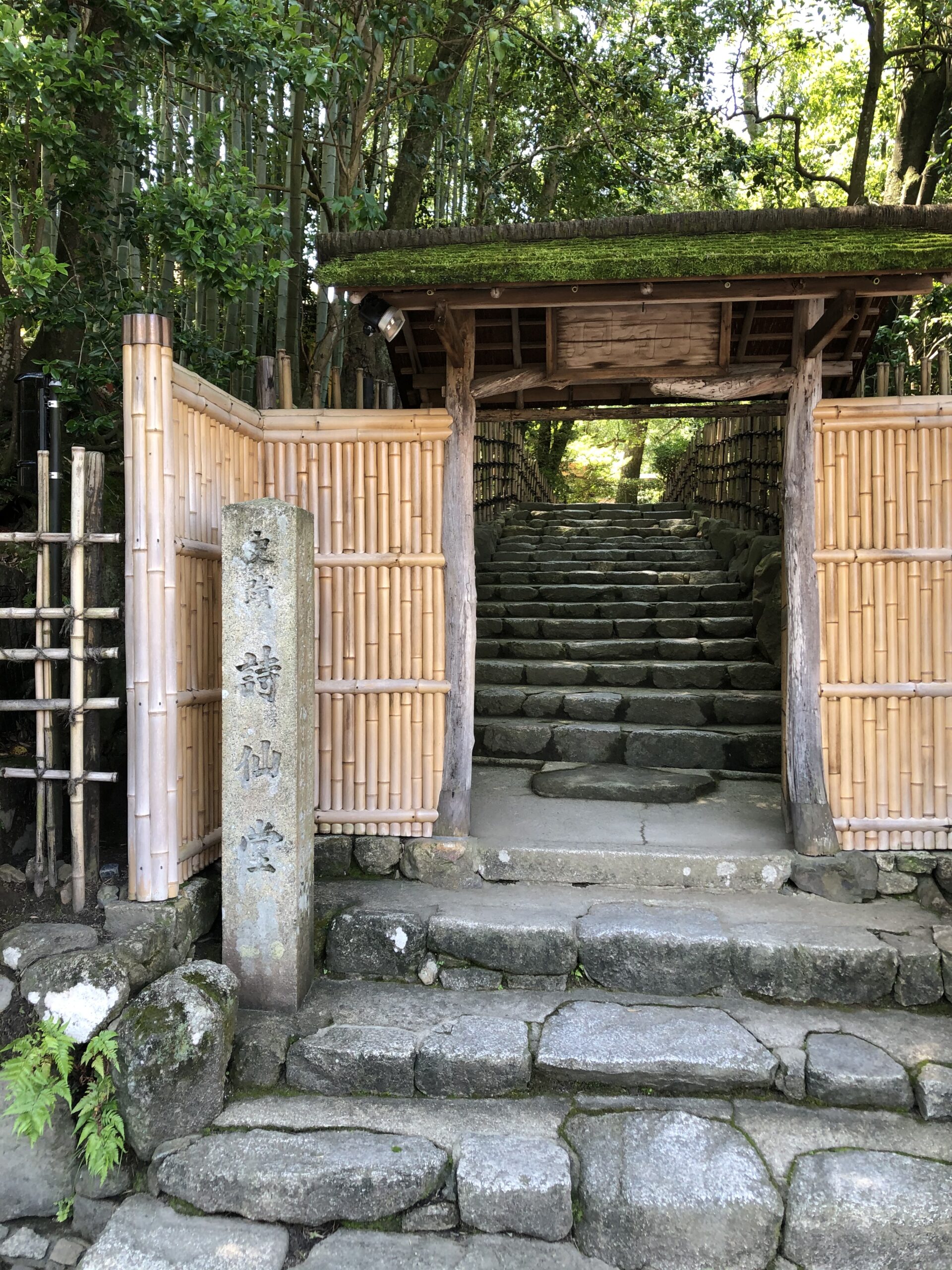
Shisendo Hermitage

Location


Rozan-ji Temple

Location