Genko-an Temple(源光庵)

Genko-an is a Zen Buddhist temple located in Takagamine, Kita-ward, Kyoto City.
In the main hall of Genko-an, there is a round window called the “Window of Enlightenment” and a square window called the “Window of Delusion.”
The circular shape of the Window of Enlightenment represents the spirit of “Zen and perfect understanding,” and the circle represents the vast universe.
The square shape of the Window of Delusion is said to symbolize “human life,” representing the four sufferings and eight afflictions of birth, aging, sickness, and death.
Please enjoy this peaceful space.
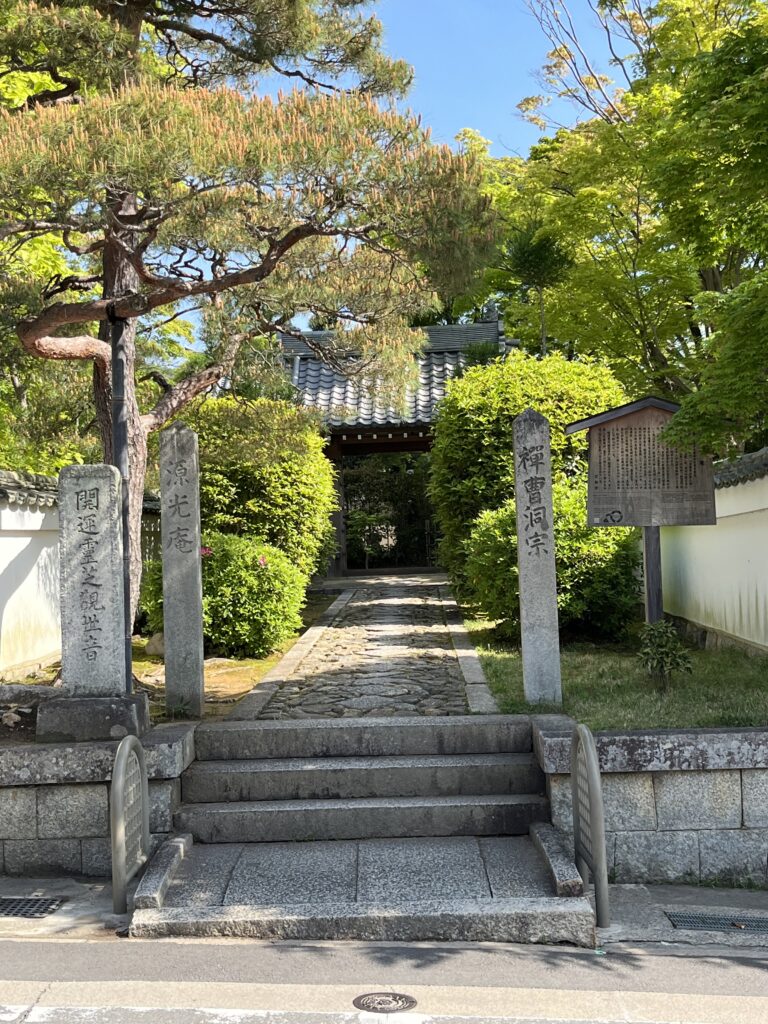
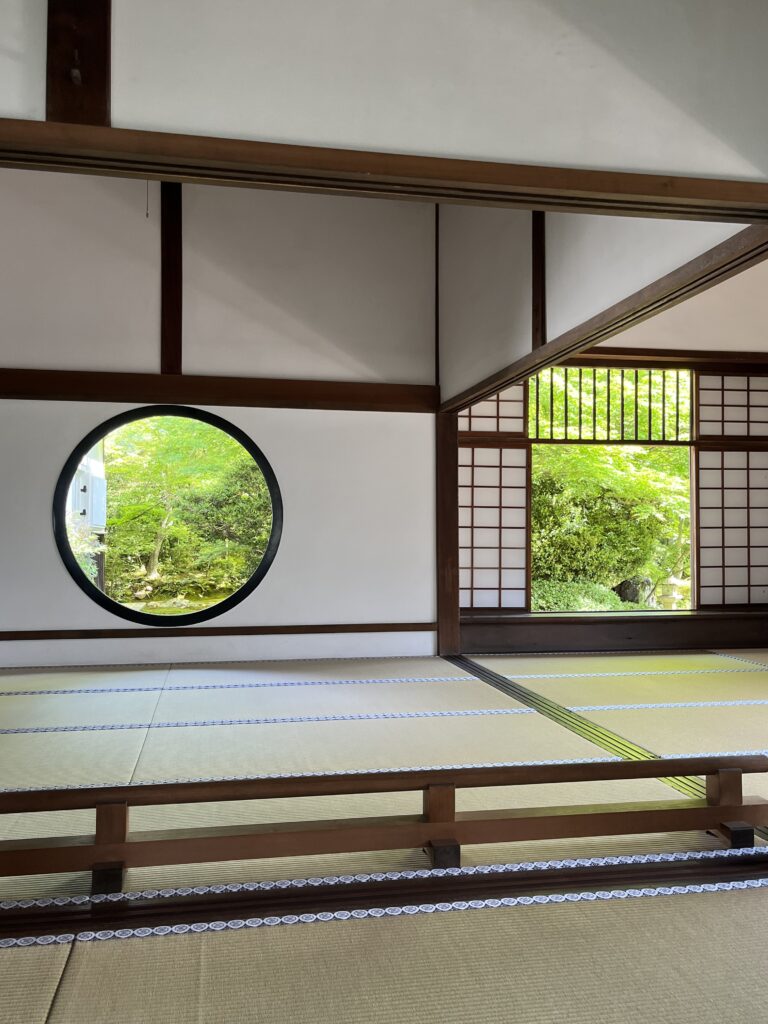
a round window called the “Window of Enlightenment” and a square window called the “Window of Delusion.”

Location
Kōsan-ji Temple(2)(高山寺)

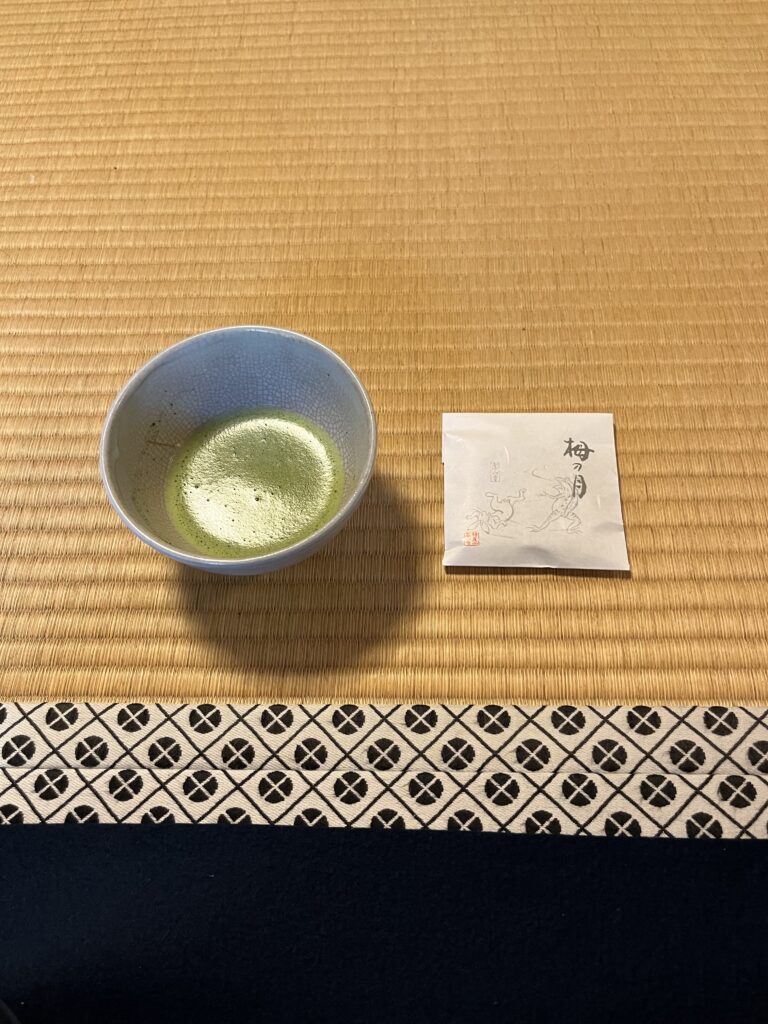
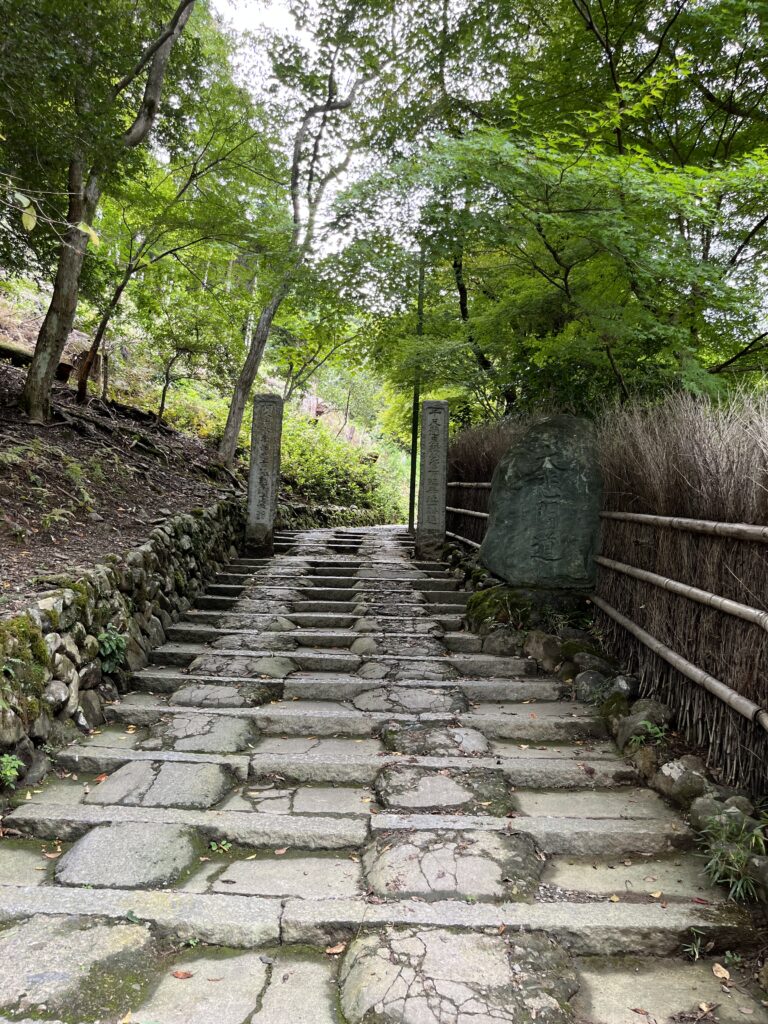
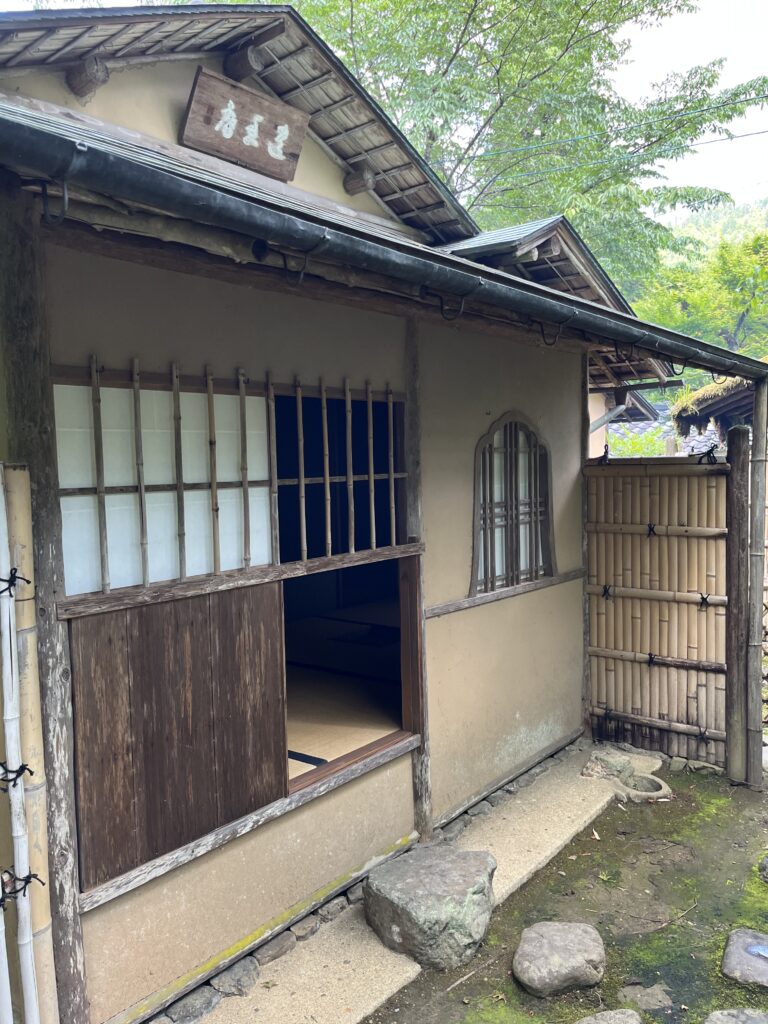
Kōsan-ji Temple is also famous as the first place in Japan where tea was cultivated, and there is a monument on the temple grounds that reads “Japan’s oldest tea plantation.” Visitors can also enjoy matcha green tea.

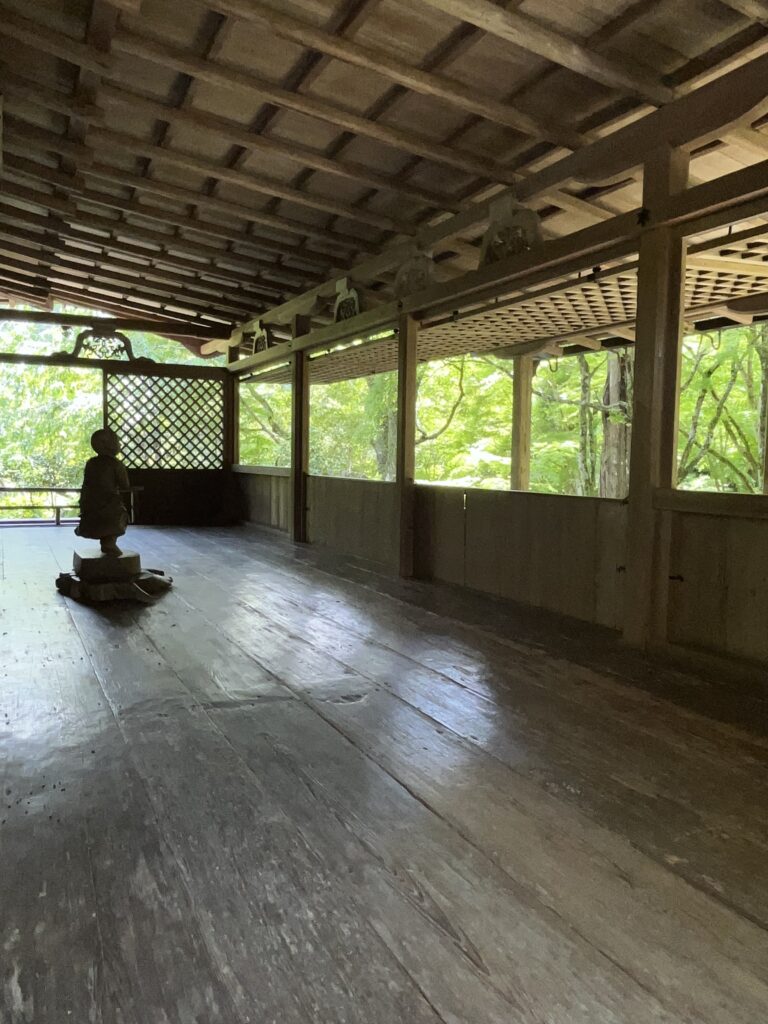
Tea Room


Matcha tea and Japanese sweets

Location


Kosan-ji Temple (1)(高山寺)

Kōzan-ji Temple is an ancient temple founded in 774.
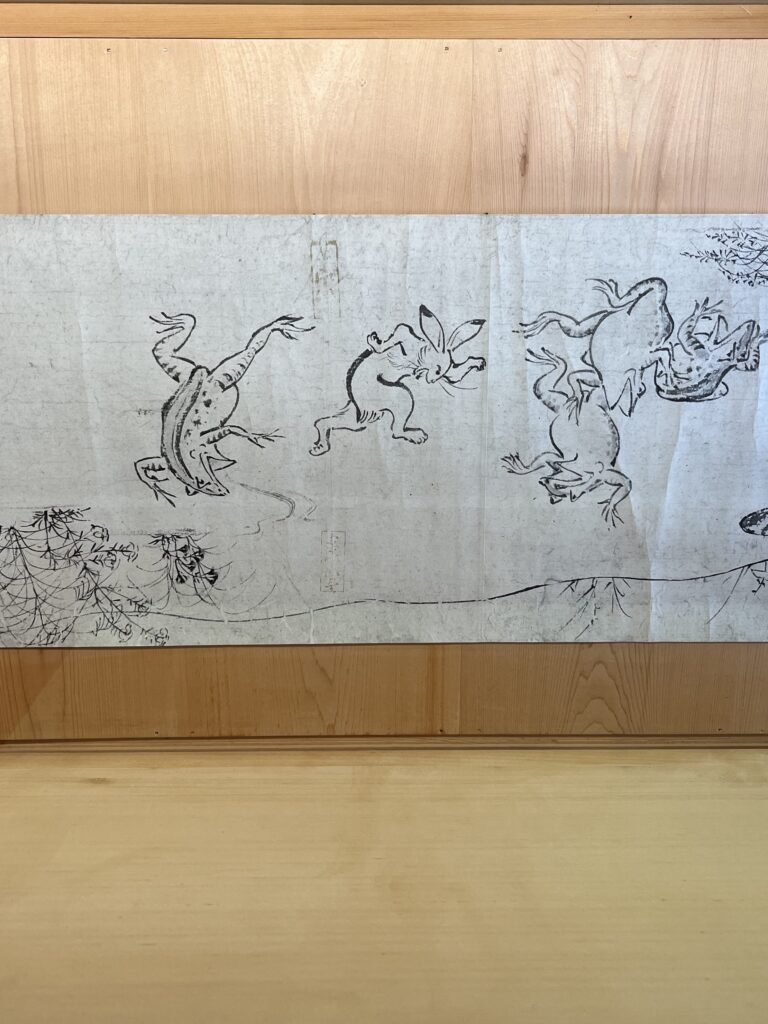
It possesses many treasures, including the “Chōjū-jinbutsu-giga” (Scrolls of Frolicking Animals and People), which is said to be the oldest Manga in Japan.
“Chōjū” refers to familiar animals such as birds and beasts, and “giga” means a picture drawn in a humorous or entertaining way.


“Chōjū-jinbutsu-giga”

Location

Daihikaku Senko-ji Temple(大悲閣 千光寺)

About a kilometer upstream along the Hozugawa River from the
Togetsukyo Bridge in Arashiyama, you can see a mystical landscape completely different from the hustle and bustle of Arashiyama.
The temple built on a cliff overlooking the Hozugawa River is Daihikaku
Senko-ji Temple.
The founder of Senkoji Temple, Suminokura Ryōi (1554-1614), was
a wealthy merchant who invested his personal fortune in the development of the Ōi River and Takase River in Kyoto, making a significant contribution to the development of Kyoto’s economy.


Daihikaku Senko-ji Temple

Location