Green Maple Leaves (3) 青紅葉(瑠璃光院)

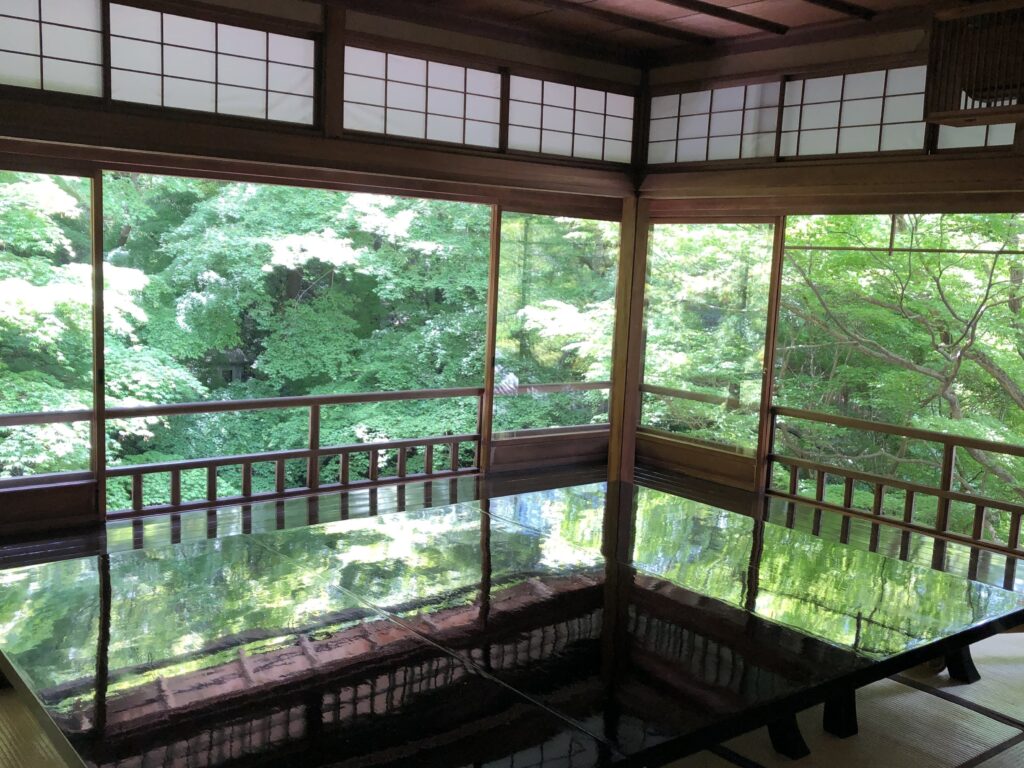
This is Ruriko In Temple, located in the northeastern part of Kyoto City,
at the foot of Mt. Hiei.
While it’s also famous as a place to admire the fresh greenery,
it’s particularly renowned for allowing visitors to simultaneously appreciate the reflections of the greenery on the floor and on the tables.

Ruriko In Temple

Location
Ryōan-ji Temple(龍安寺)

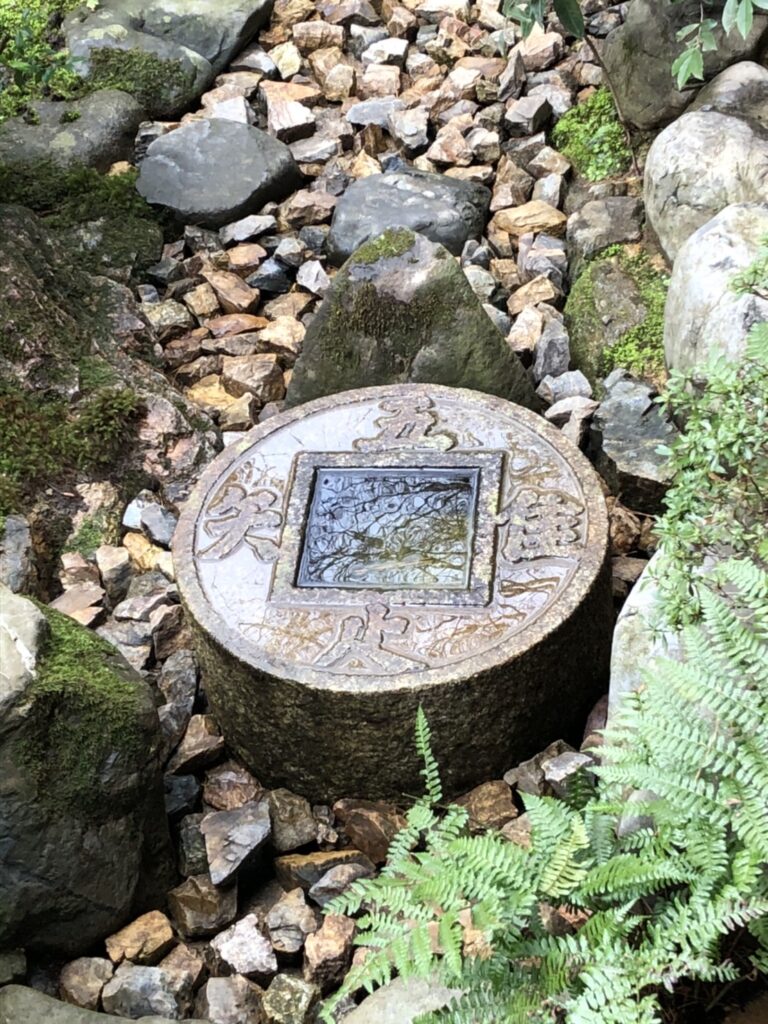
This is a tsukubai (stone basin) located at Ryōan-ji Temple, a Zen Buddhist temple in the northwest of Kyoto City.
A tsukubai is a stone basin filled with water used to purify one’s hands
and mouth before entering a tearoom.
The inscription here reads “吾唯足知,” which translates to “I learn only to be contented” or “I am content with what I have (am)” in English. This is a Zen teaching.
Ryoan-ji Temple

Location

Kamigamo Jinjya shrine(上賀茂神社)

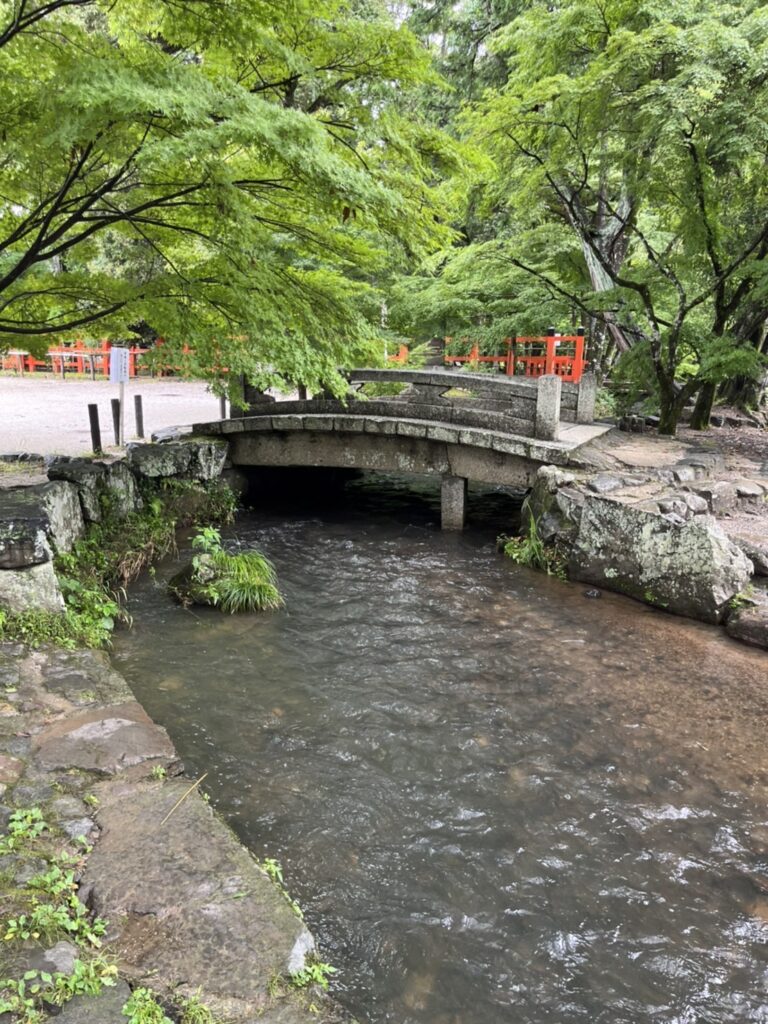
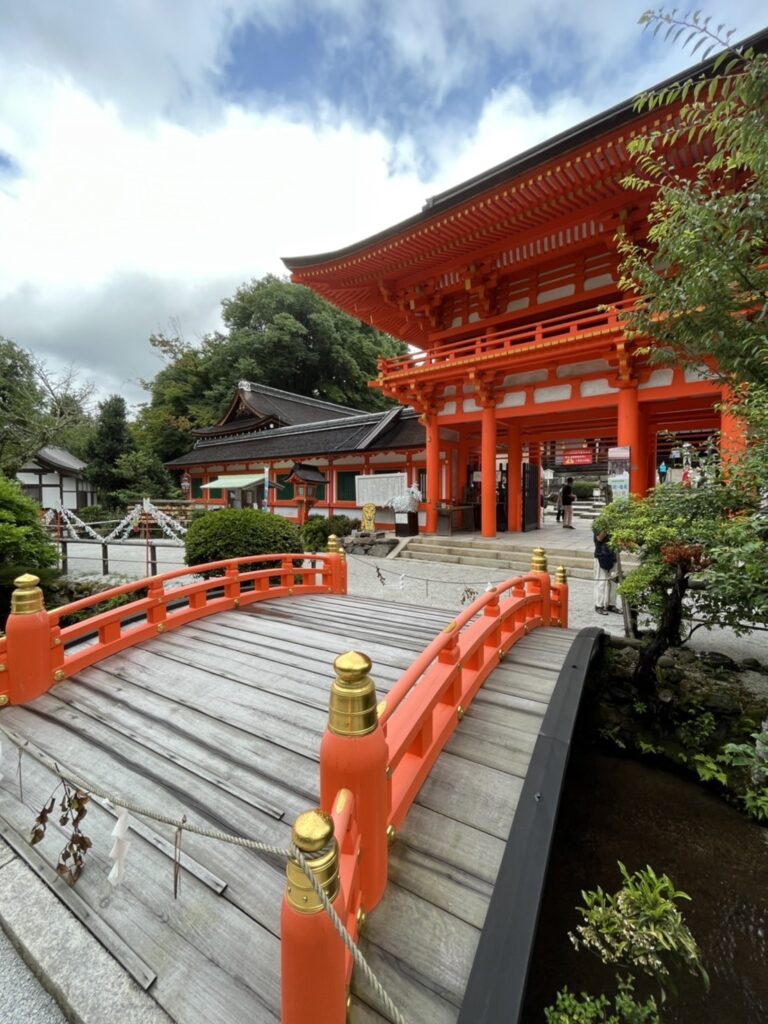
Kyoto has many ancient festivals, and one of the three major festivals of Kyoto is the Aoi Festival, which is held at Kamigamo Shrine and Shimogamo Shrine. This photo shows a stream that flows through the grounds of Kamigamo Shrine.


Kamigamo Jinjya Shrine


Location

Green maple leaves (2) 青紅葉(北野天満宮)

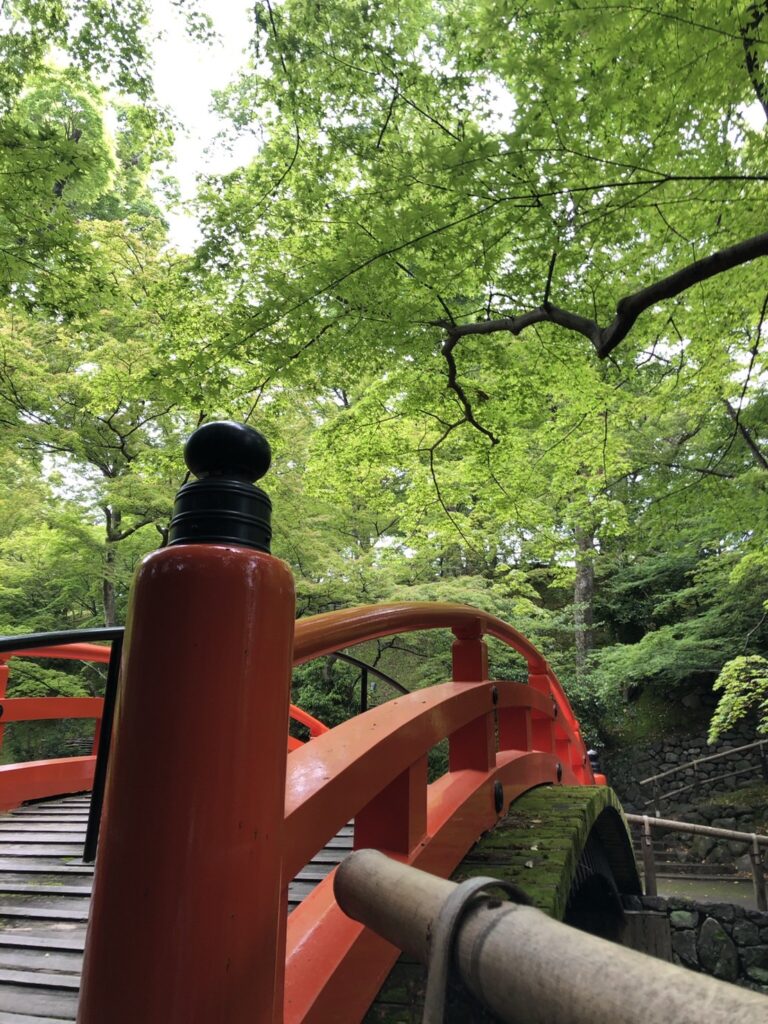
Alongside the cherry blossoms of spring and the autumn leaves, the green maple leaves of early summer are equally beautiful.
The season of being enveloped in fresh greenery along with a refreshing breeze is one of Kyoto’s charms.
This is a photo of the green maple leaves at Kitano Tenmangu Shrine.

Kitano Tenmangu  Shrine

Location

Green maple leaves (1) (青紅葉 圓光寺)

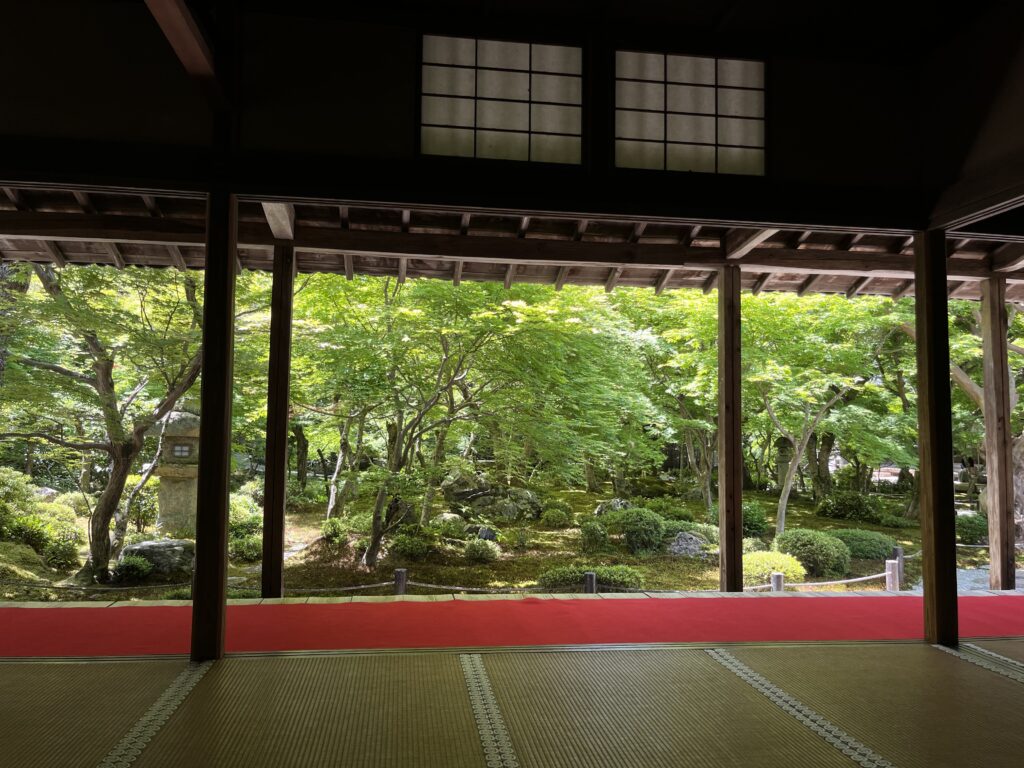
This is Enko-ji Temple, located in the northeast of Kyoto City.
In May, the fresh green leaves are incredibly beautiful, known as “green maple leaves.”
This temple is said to have been founded by Tokugawa Ieyasu, who established the Edo Shogunate.
He established this Temple in Fushimi as a place of learning to promote the development of education within Japan,  and later moved it to this location.
Here, we can experience Zen meditation.


Enko-ji Temple

Location