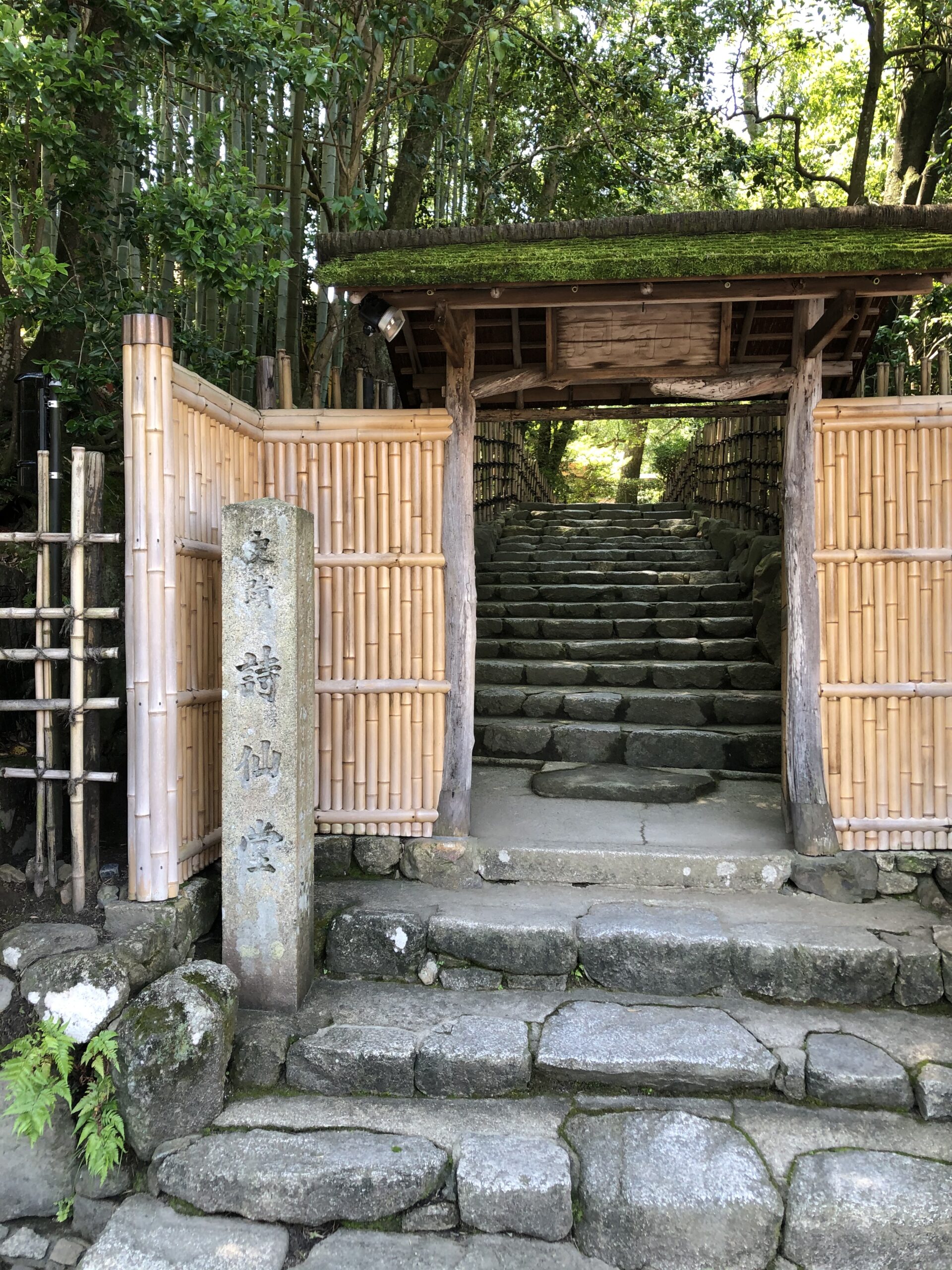
Imamiya Shrine(今宮神社)

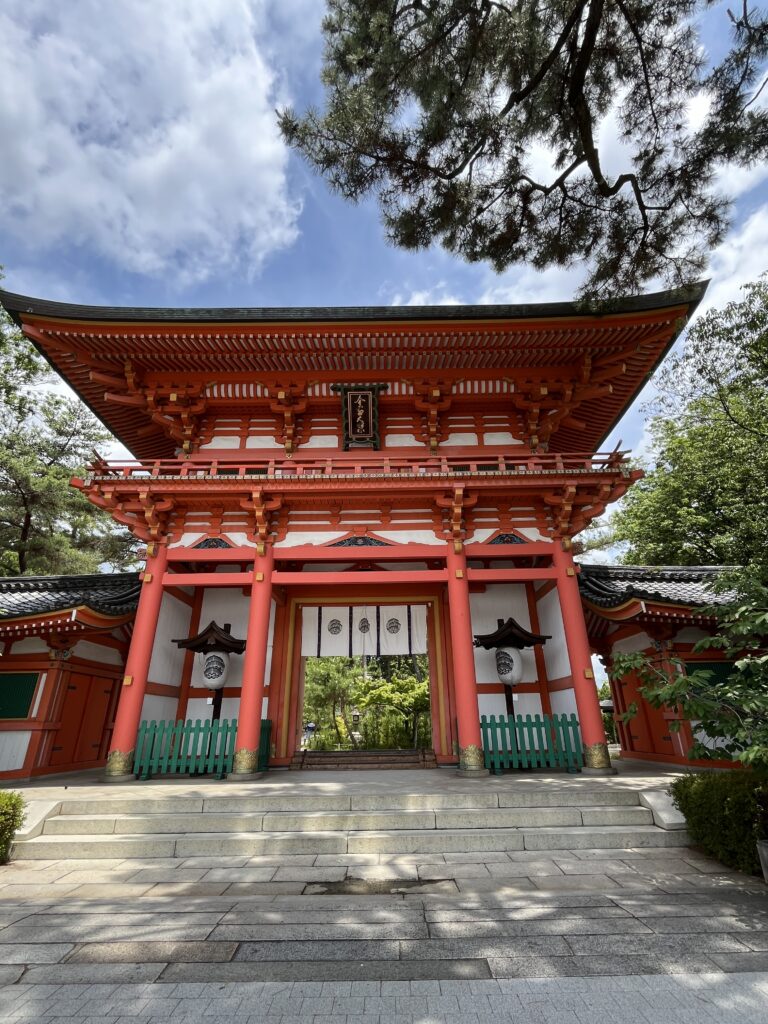
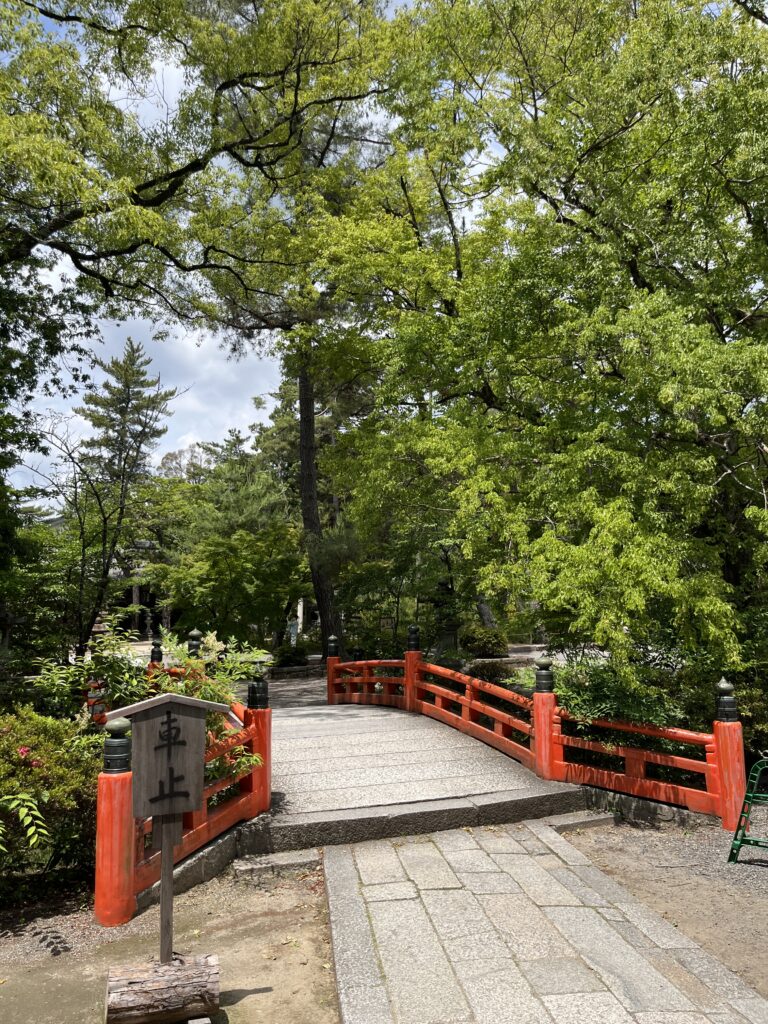
Imamiya Shrine is a shrine located in Murasakino Imamiya-cho, Kita-ku, Kyoto City.
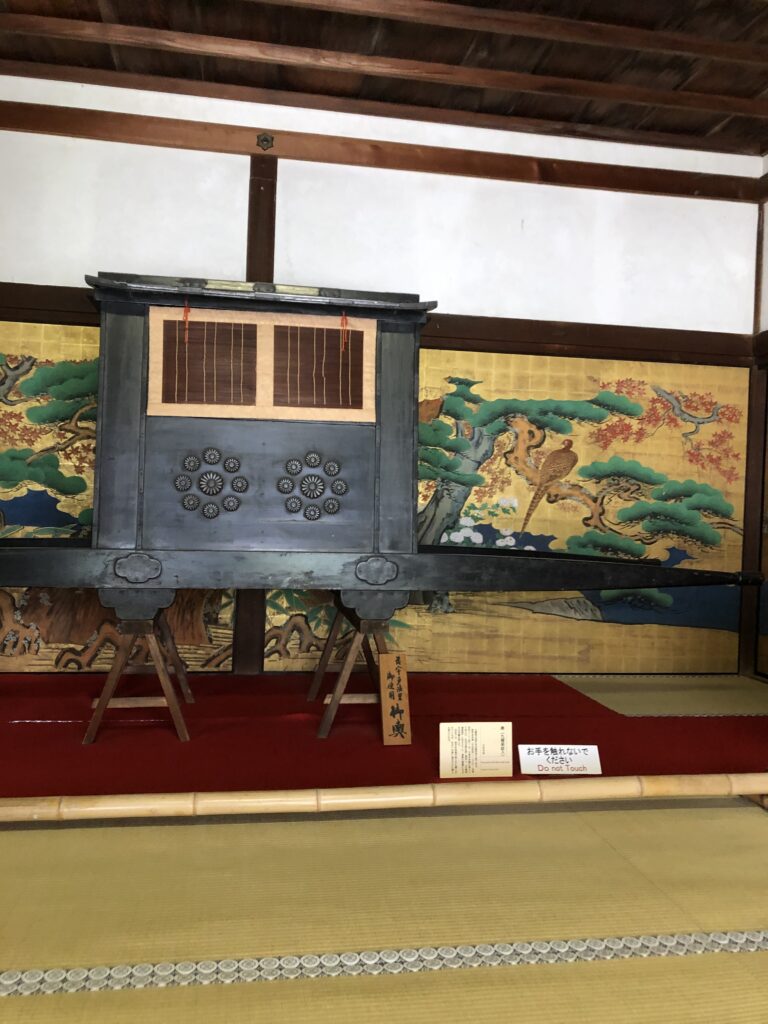
It is said that a shrine dedicated to the god of plague existed on the site even before the founding of Heian-kyo (Kyoto). In 994, a portable shrine was constructed and the Murasakino Goryo-e festival was held to pray for the eradication of plagues in the capital, which is considered the origin of Imamiya Shrine.
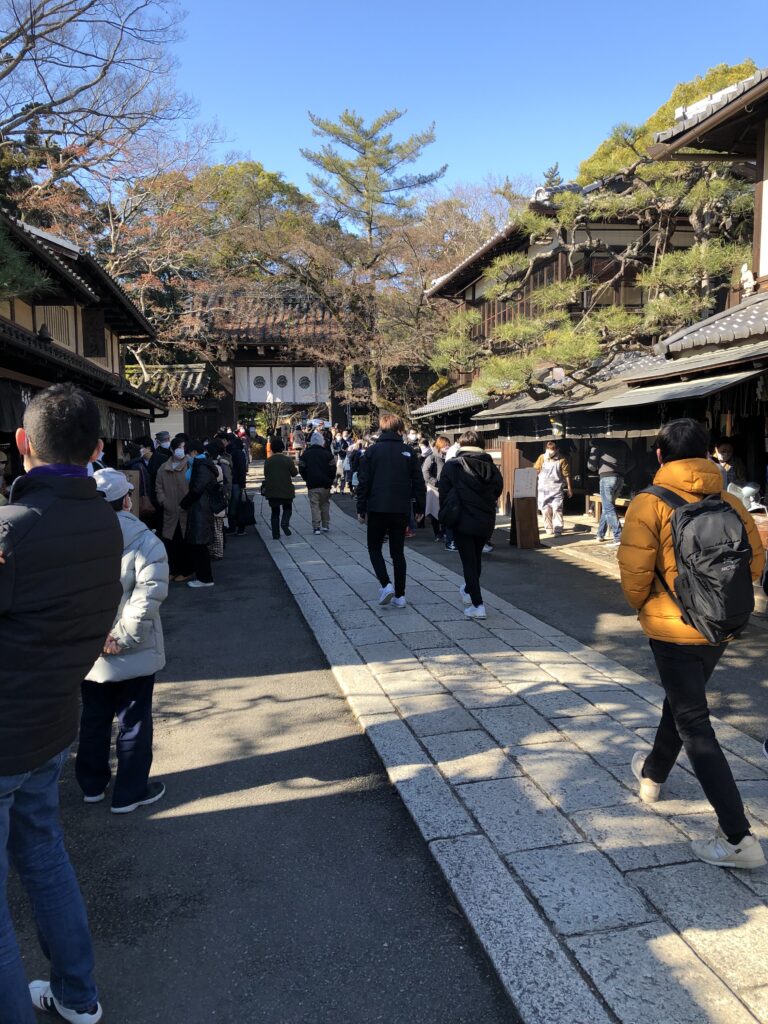
In front of the east gate, “Aburi Mochi,” a traditional gate-side confectionary that has been sold since the Heian period, is available.
“Ichiwa” is said to have been founded in the Heian period, around 1000 AD, and is considered one of the oldest Japanese confectionery shops.
Location
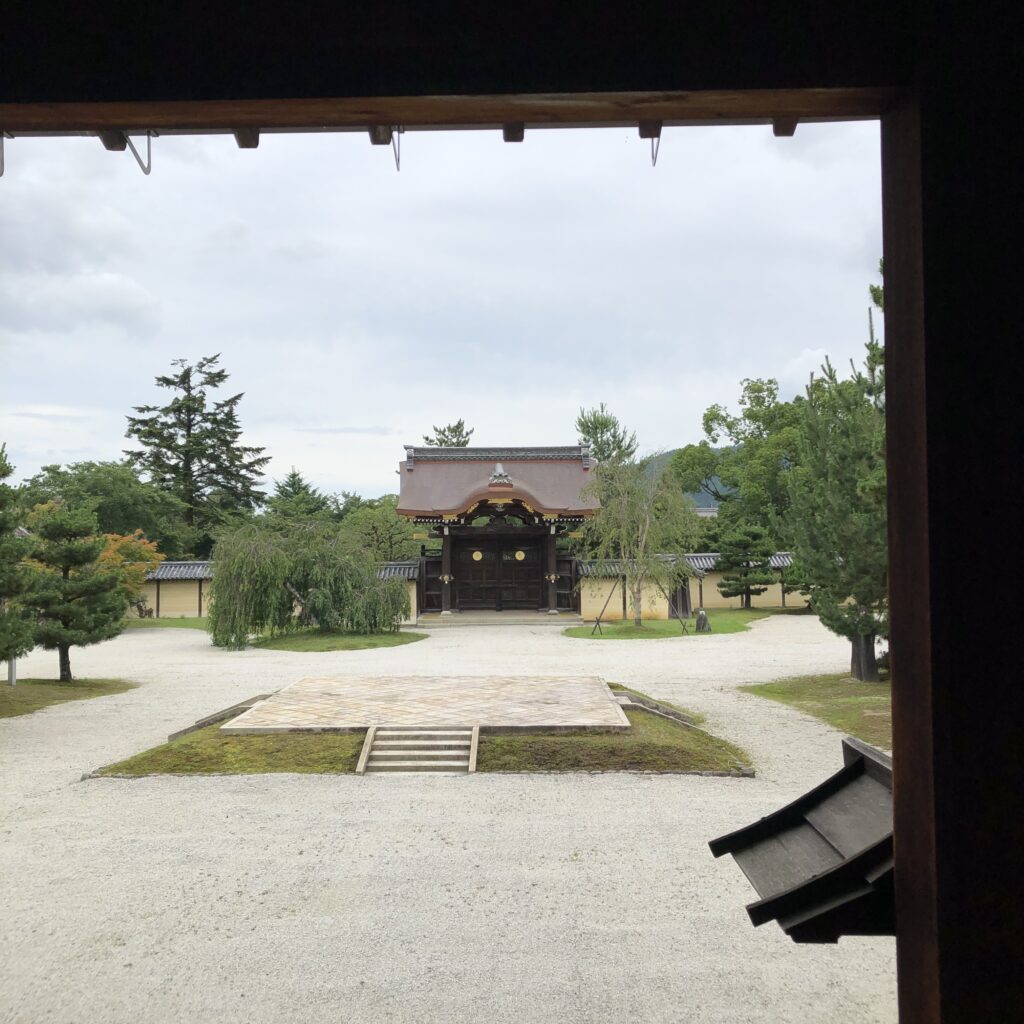
Daikaku-ji Temple(大覚寺)

Daikaku-ji Temple, located in Ukyo-ku, Kyoto City, was originally a detached palace built by Emperor Saga in the early Heian period.
Later converted into a temple, it is a prestigious monzeki temple with ties to the imperial family.
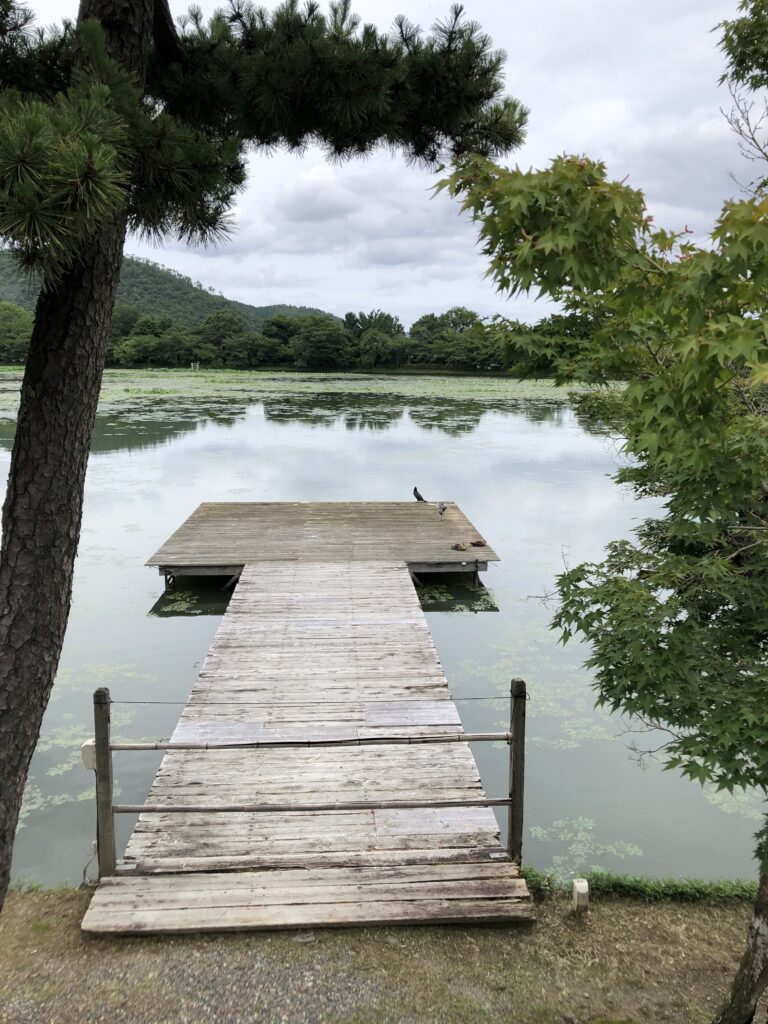
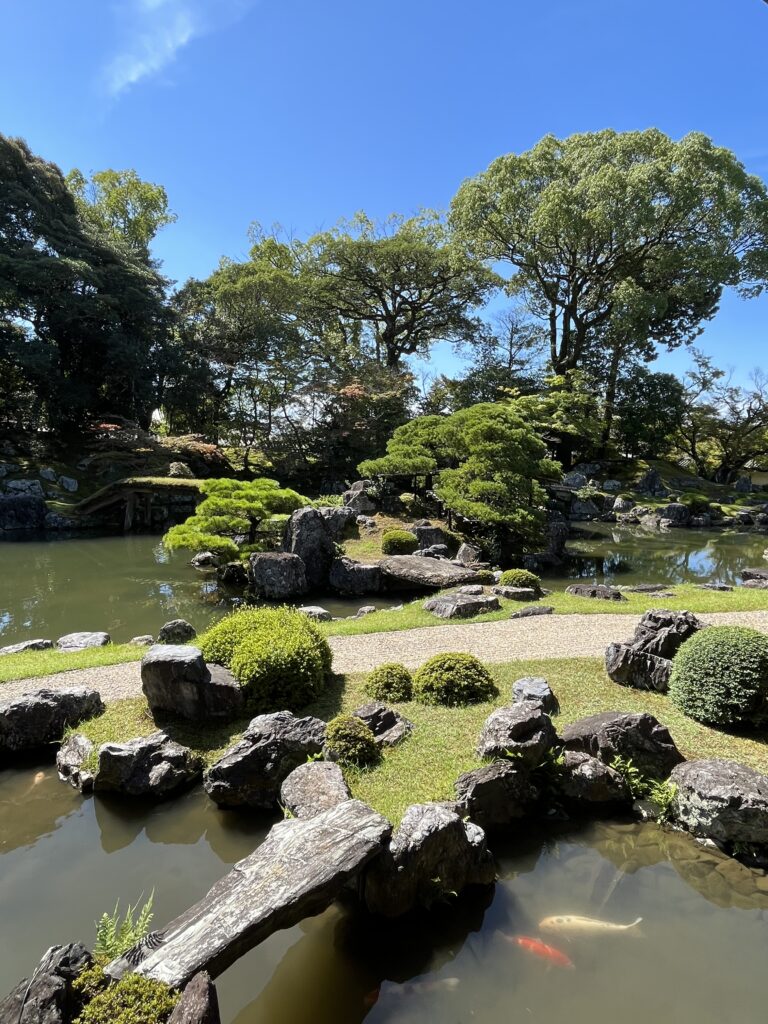
It is also famous as the birthplace of ikebana (Saga-goryu school) and for having Japan’s oldest artificial forest pond (Osawa Pond).

Location

Murin-anーgarden(無鄰菴)

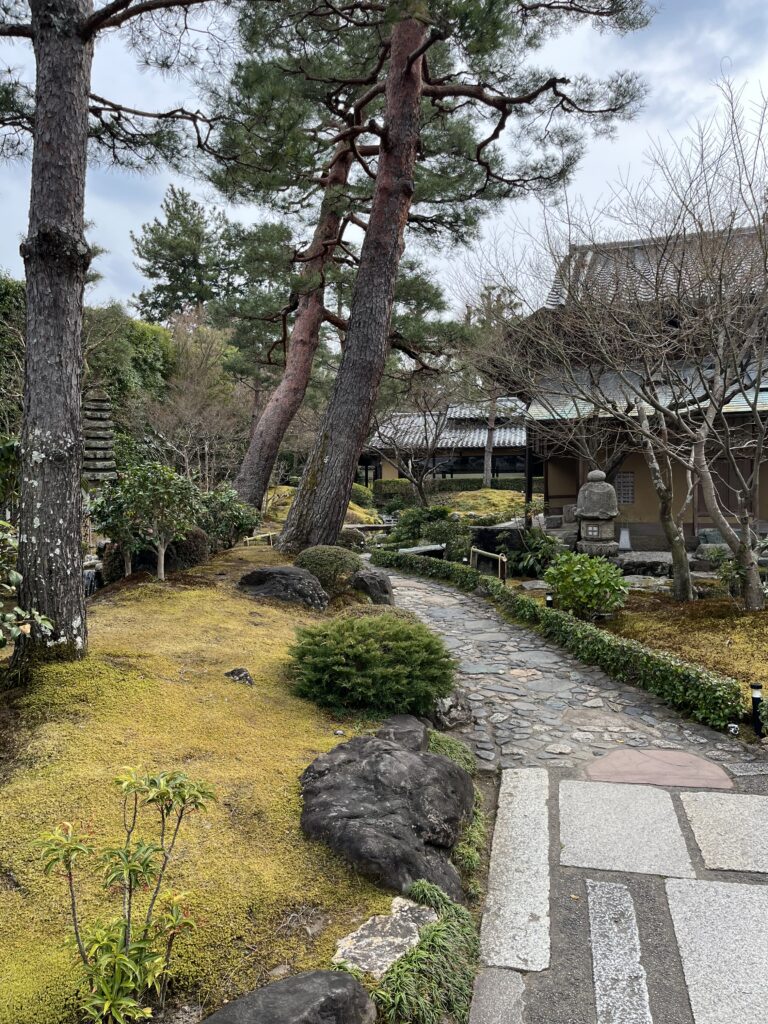
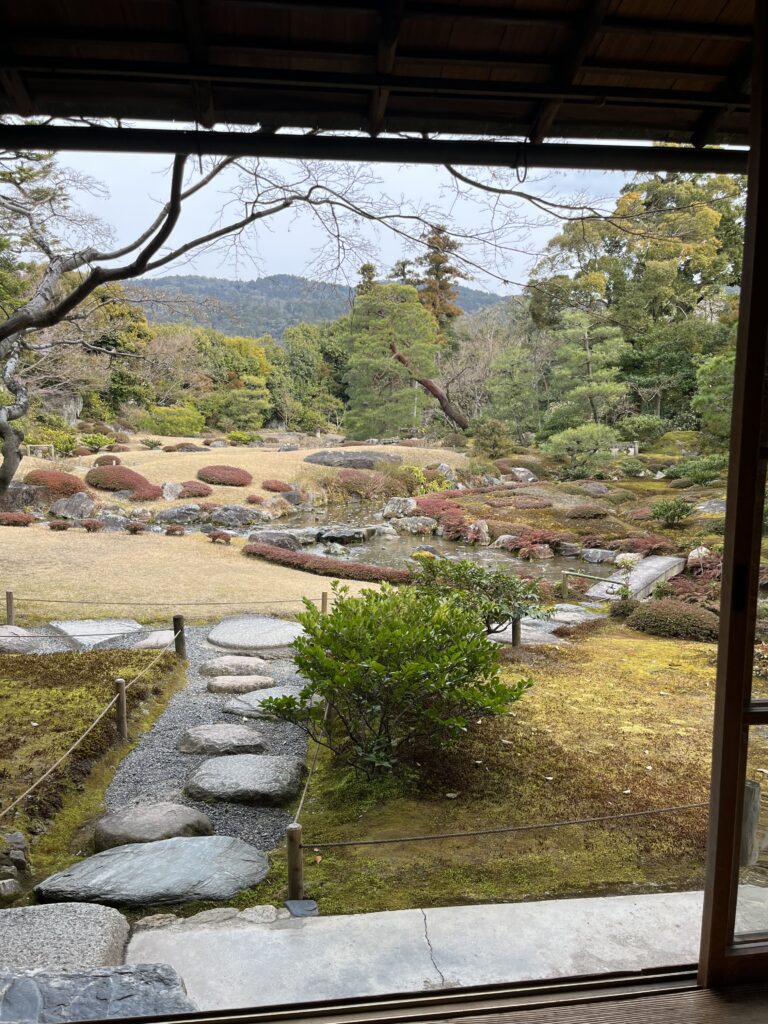
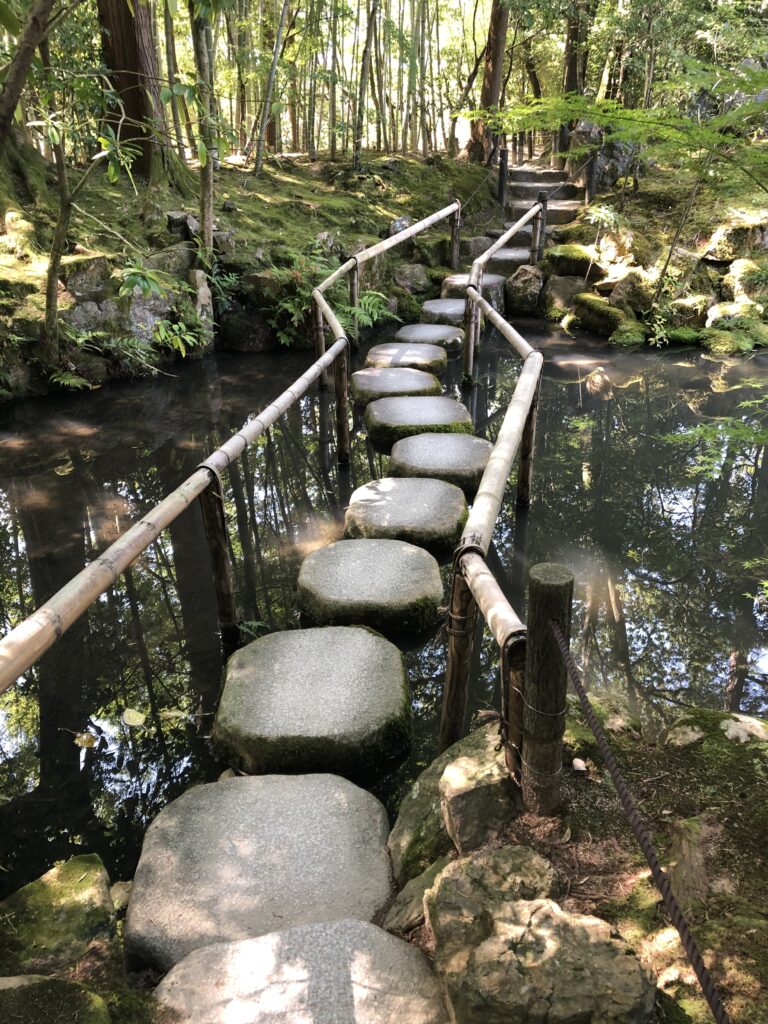
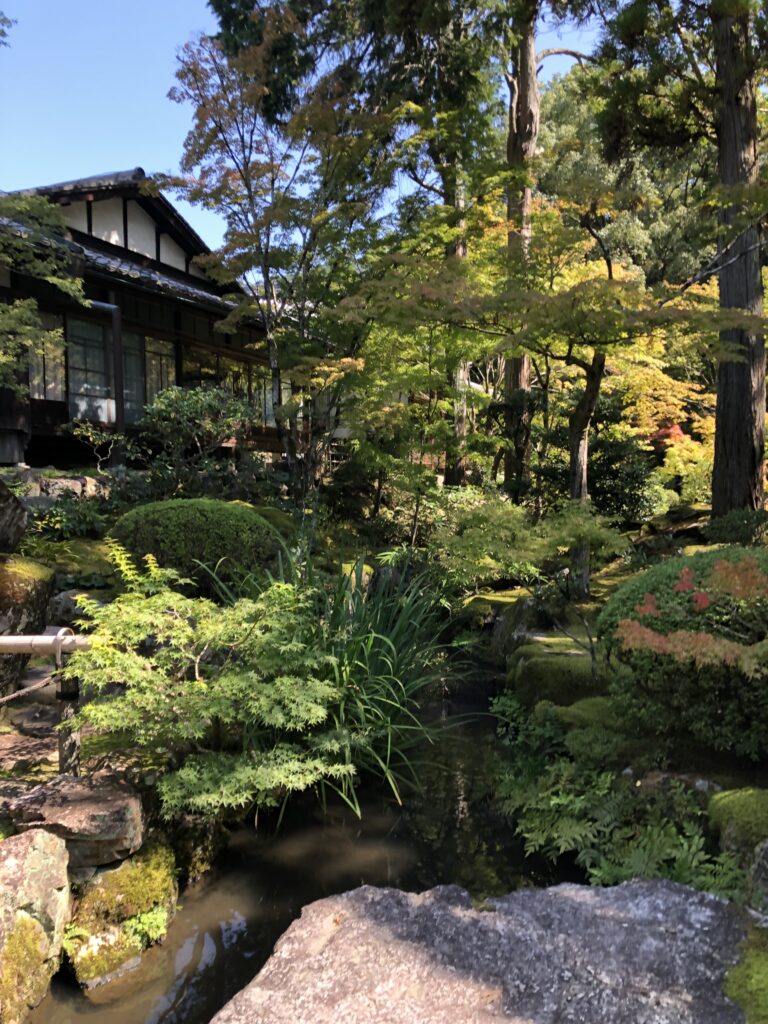
Following the opening of the Lake Biwa Canal during the Meiji era, many residences with gardens incorporating water from the canal were built around Nanzenji Temple. Murin-an is one such example. It was the villa of Yamagata Aritomo, a politician of the Meiji and Taisho periods, and is considered a masterpiece of modern Japanese garden design, created by the gardener Jihei Ogawa VII.
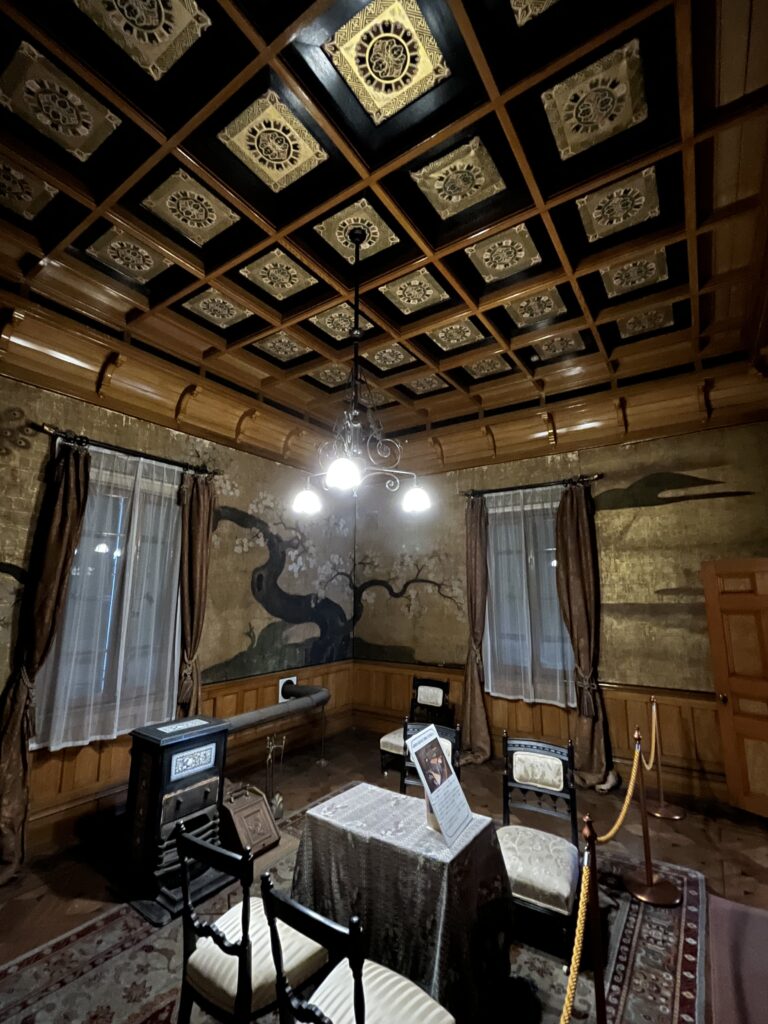
The room used for the “Murin-an Conference,” where diplomatic negotiations before the Russo-Japanese War were discussed, has been preserved as it was.


Location

Daigo-ji Temple(醍醐寺)

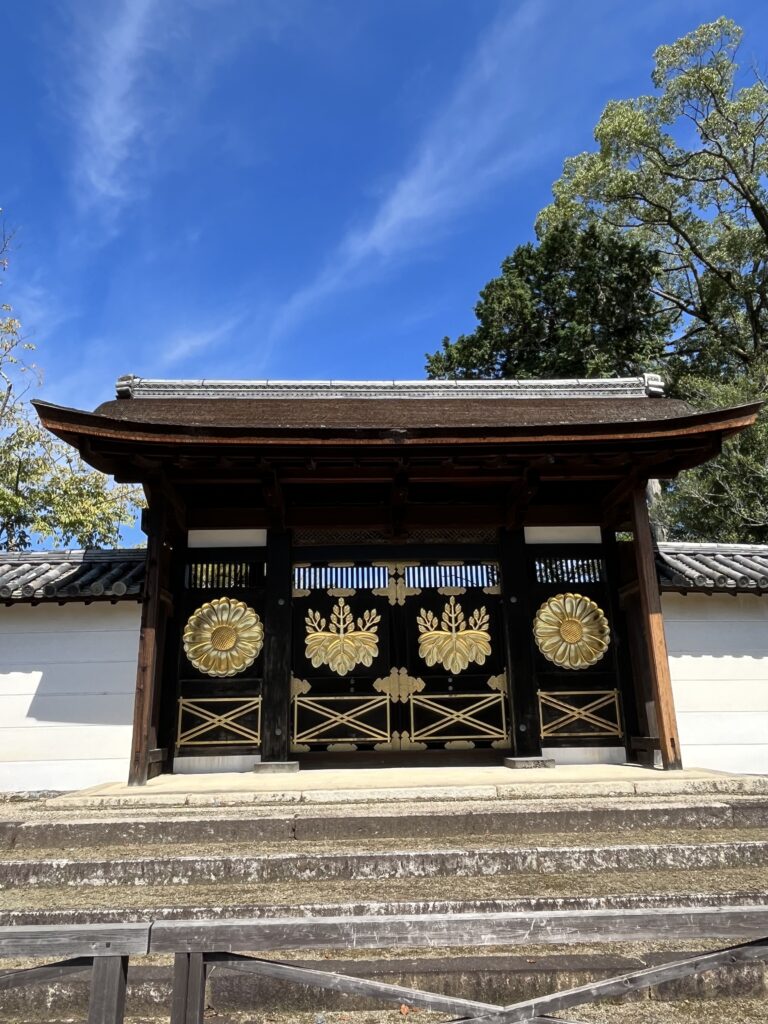
Daigo-ji Temple is a Shingon Buddhist temple located in Fushimi Ward, Kyoto City, and is one of Kyoto’s World Heritage Sites.
It houses a large collection of Buddhist statues, paintings, and historical documents, with an estimated 70,000 items designated as National Treasures and 100,000 as Important Cultural Properties.
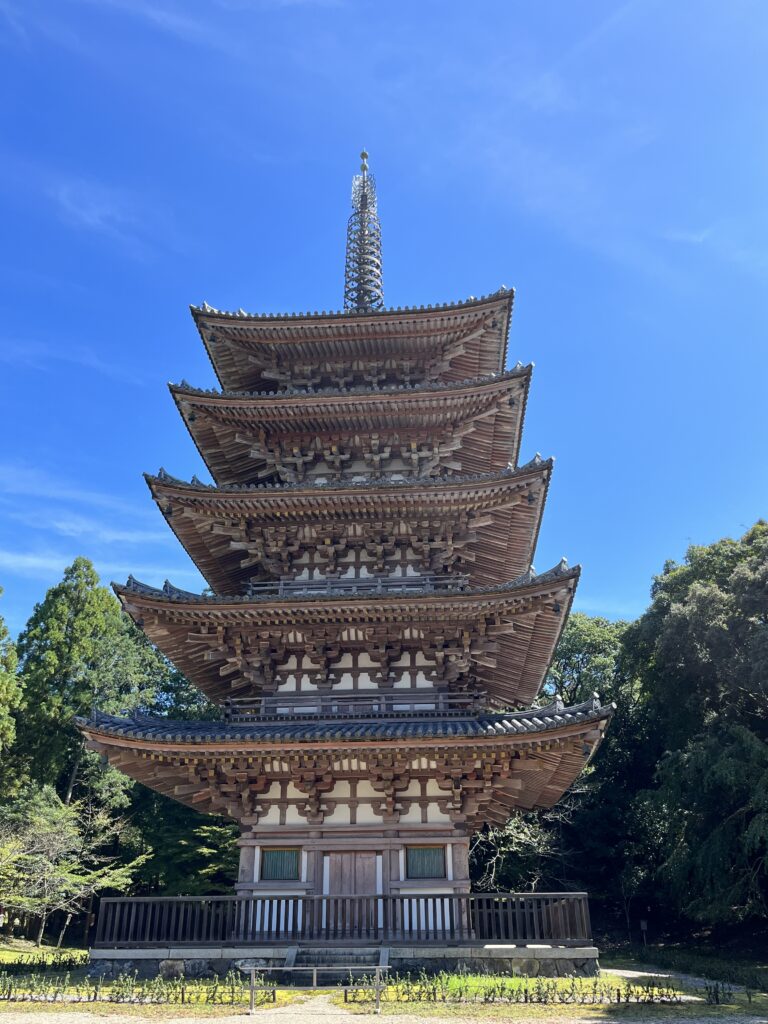
The five-story pagoda is the oldest wooden structure in Kyoto Prefecture, retaining its original form for over 1,000 years.
It is also famous for the “Daigo no Hanami” cherry blossom viewing event, once hosted by a renowned warlord.

Location

Nanzen-ji Temple(南禅寺)

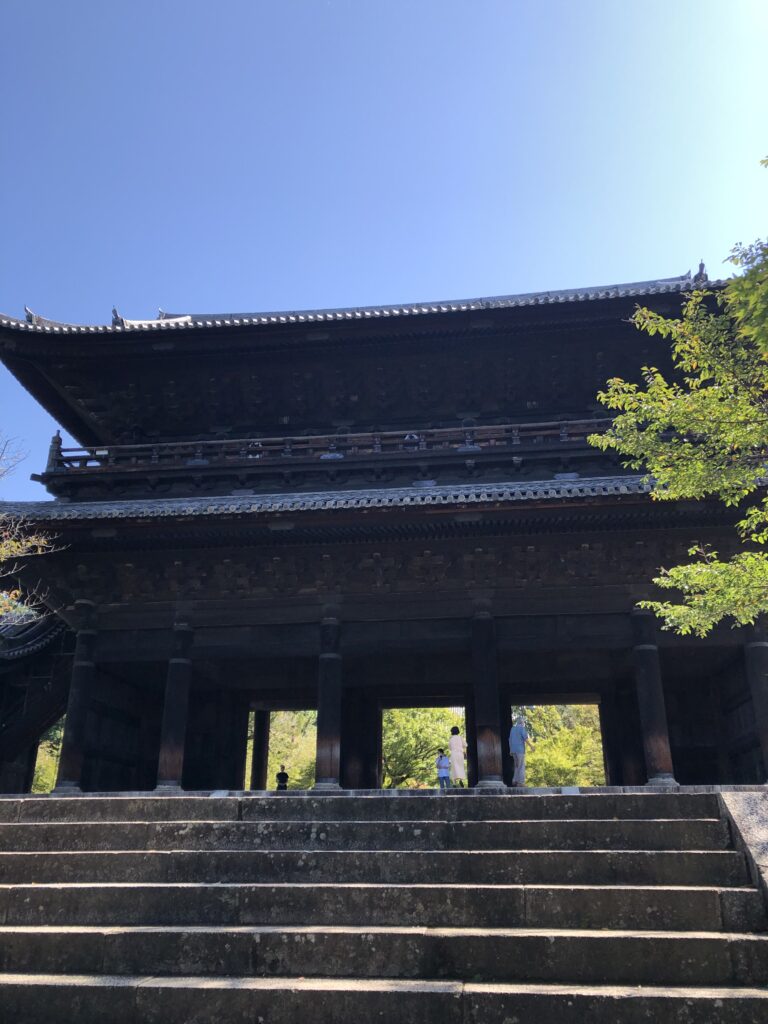
Nanzen-ji Temple, located in Sakyo-ku, Kyoto Prefecture, is the head temple of the Nanzen-ji branch of the Rinzai school of Zen Buddhism.
During the Muromachi period, it was ranked among the highest of the Kyoto Five Mountains and Kamakura Five Mountains, established by Shogun Ashikaga Yoshimitsu as a ranking system for Rinzai Zen temples.
The spacious temple grounds are surrounded by abundant nature, offering visitors the opportunity to enjoy the beauty of nature throughout the seasons.

Location