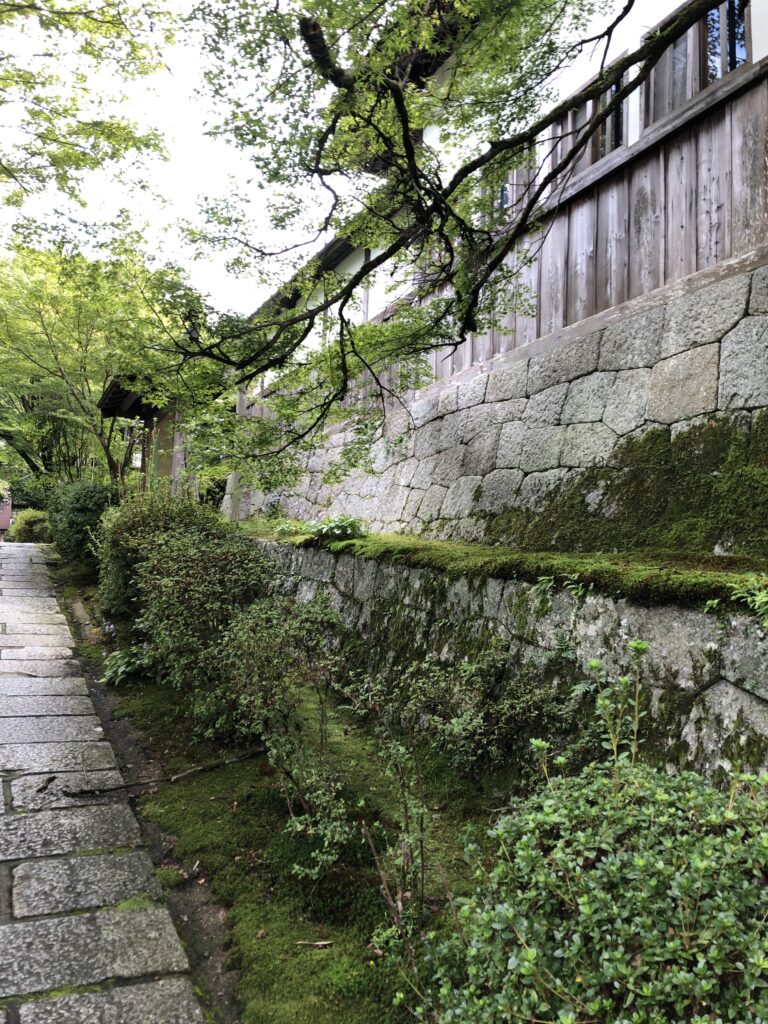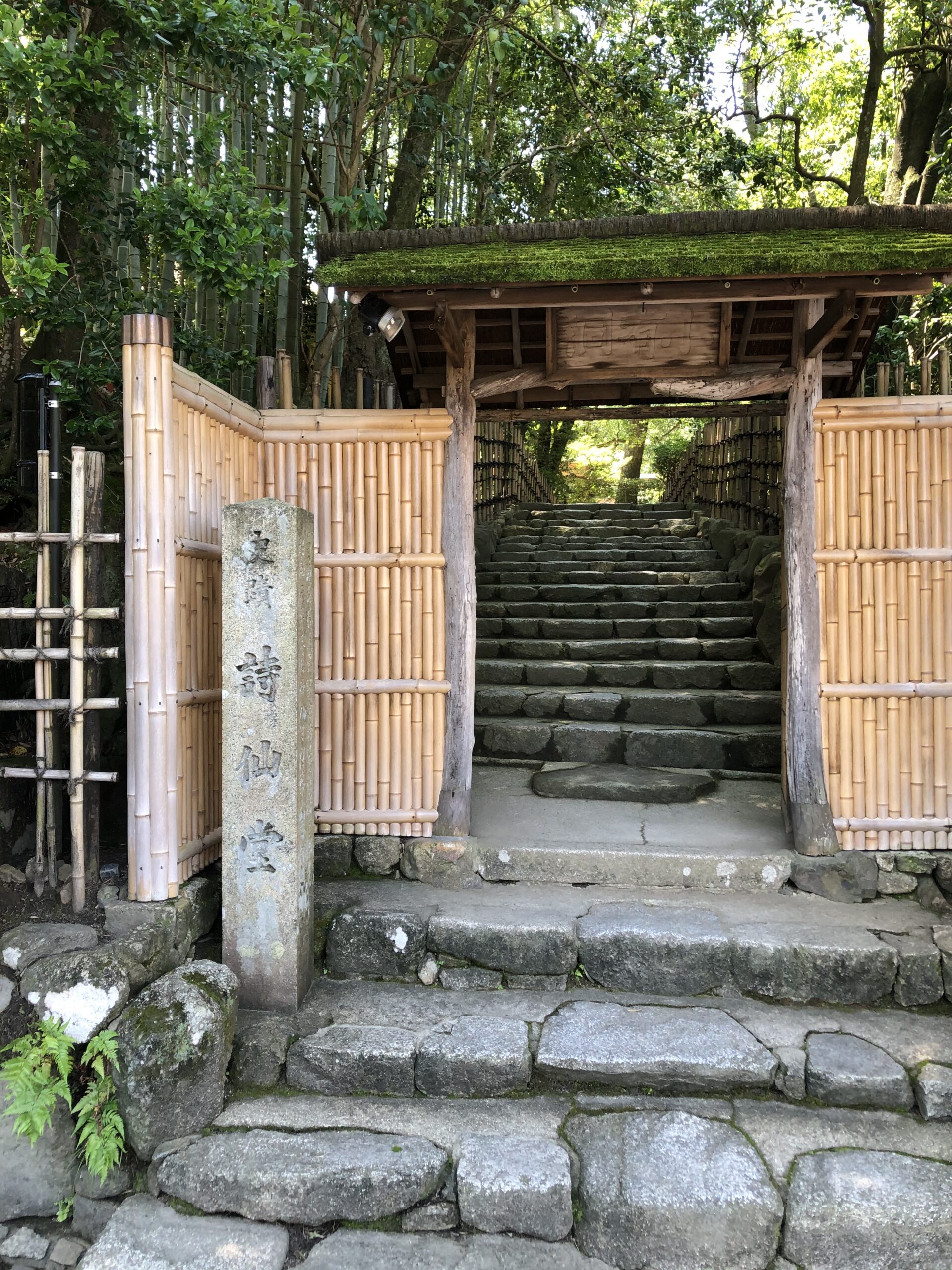
Rurikoin Temple(瑠璃光院)

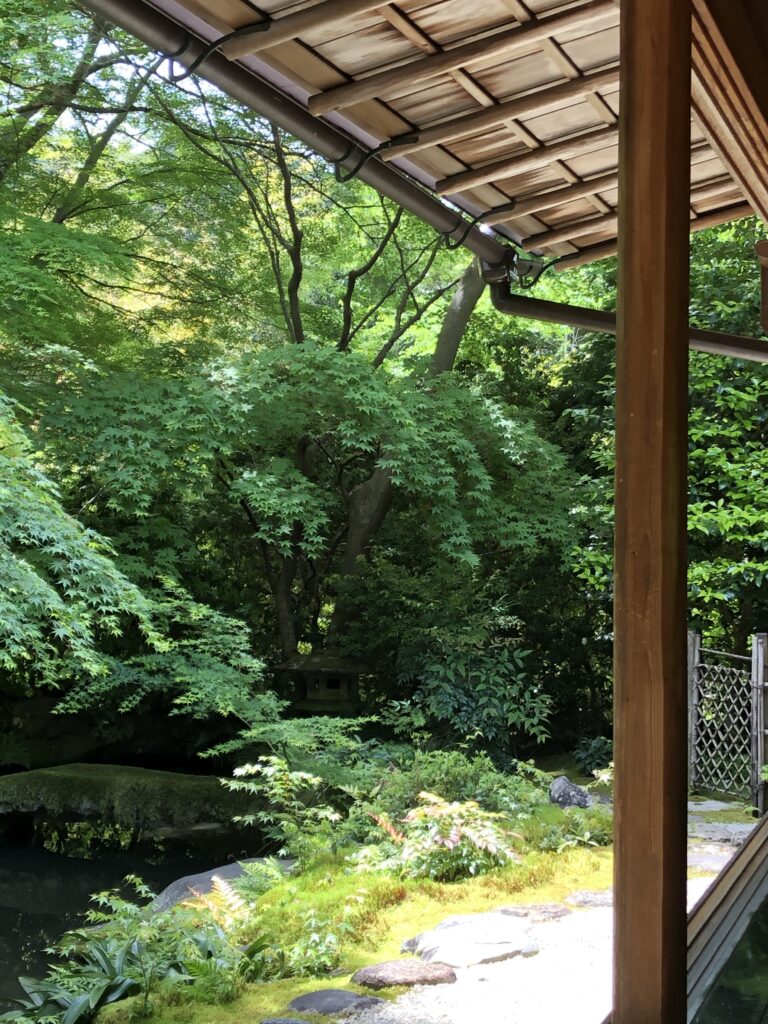
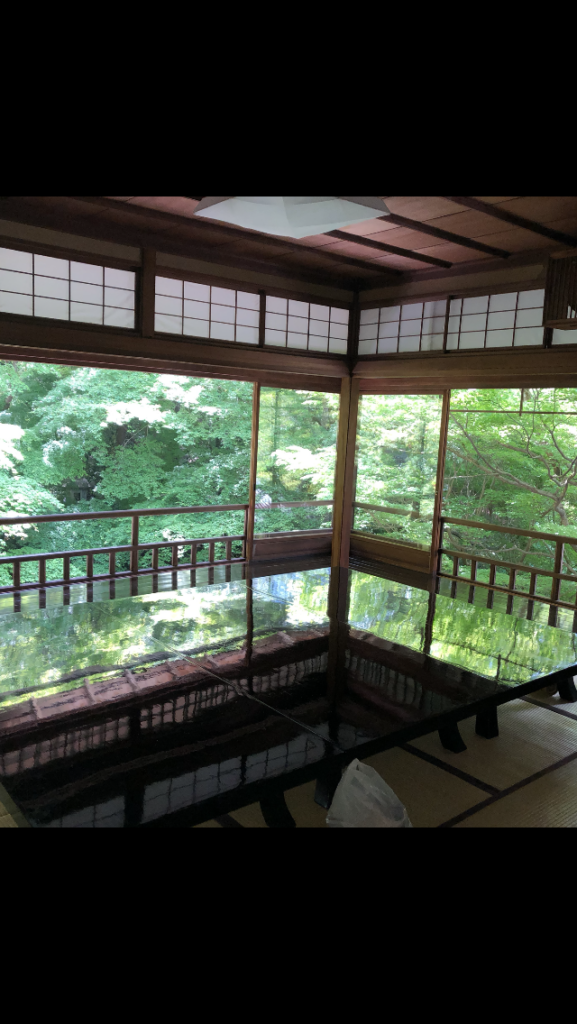
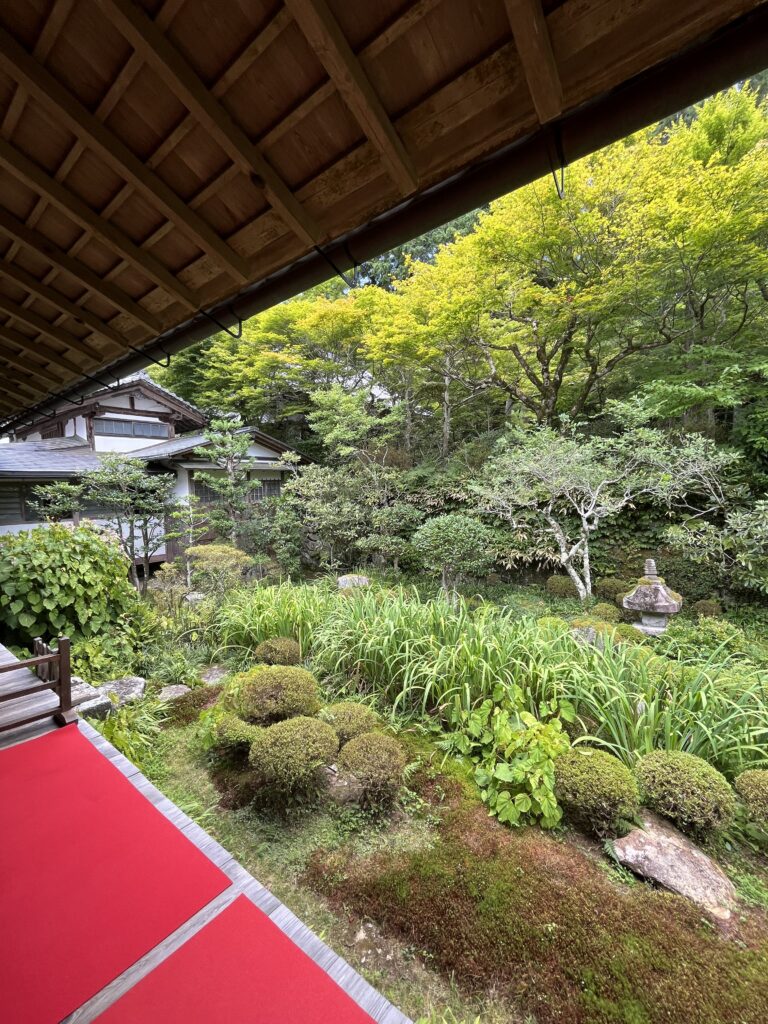
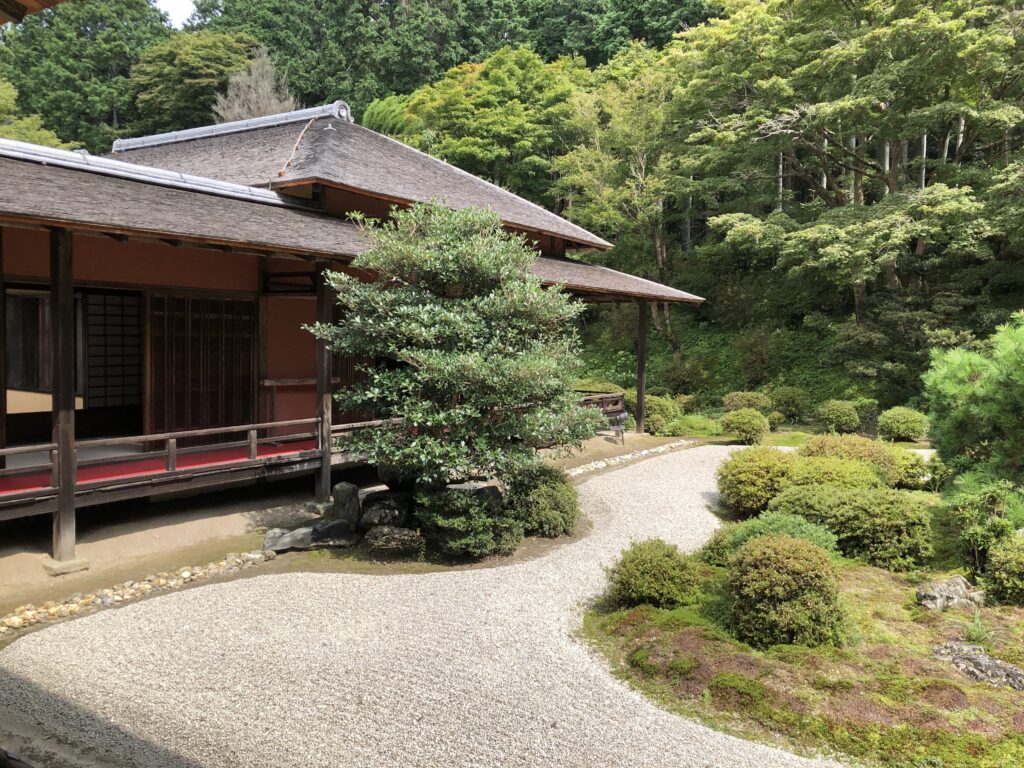
Located in Yase at the foot of Mount Hiei, this Jodo Shinshu temple offers a breathtaking sight: the fresh green maple leaves of the garden reflected on the floors and tables.
The temple building is renowned for its *sukiya-zukuri* style *shoin* (study hall).
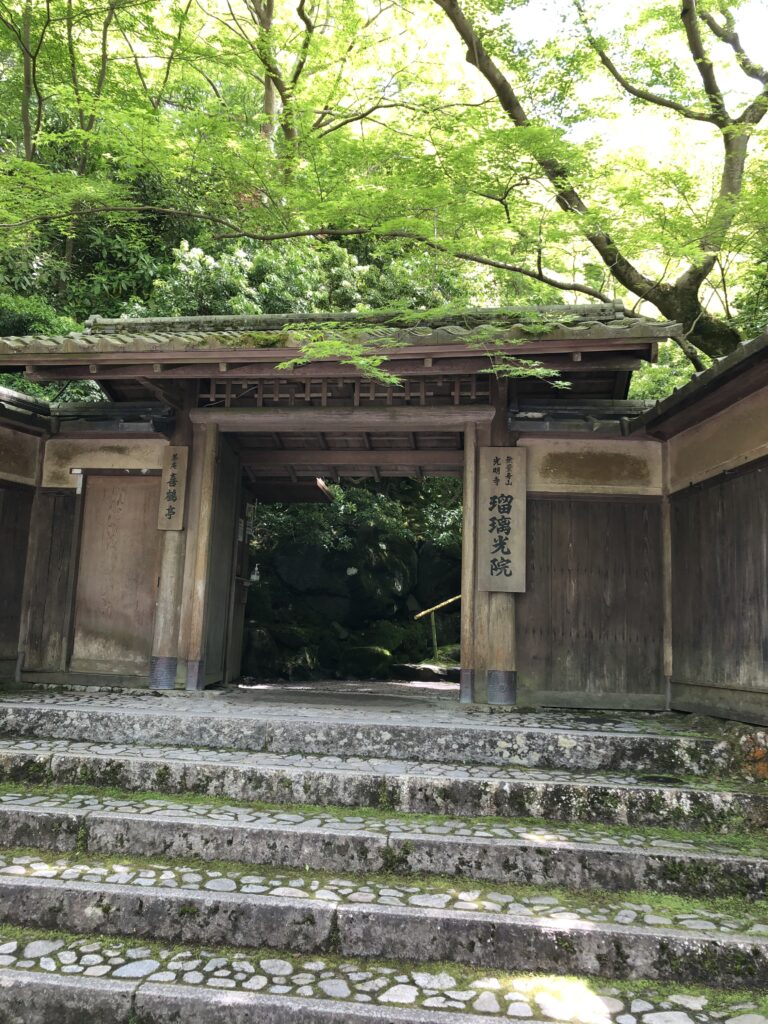
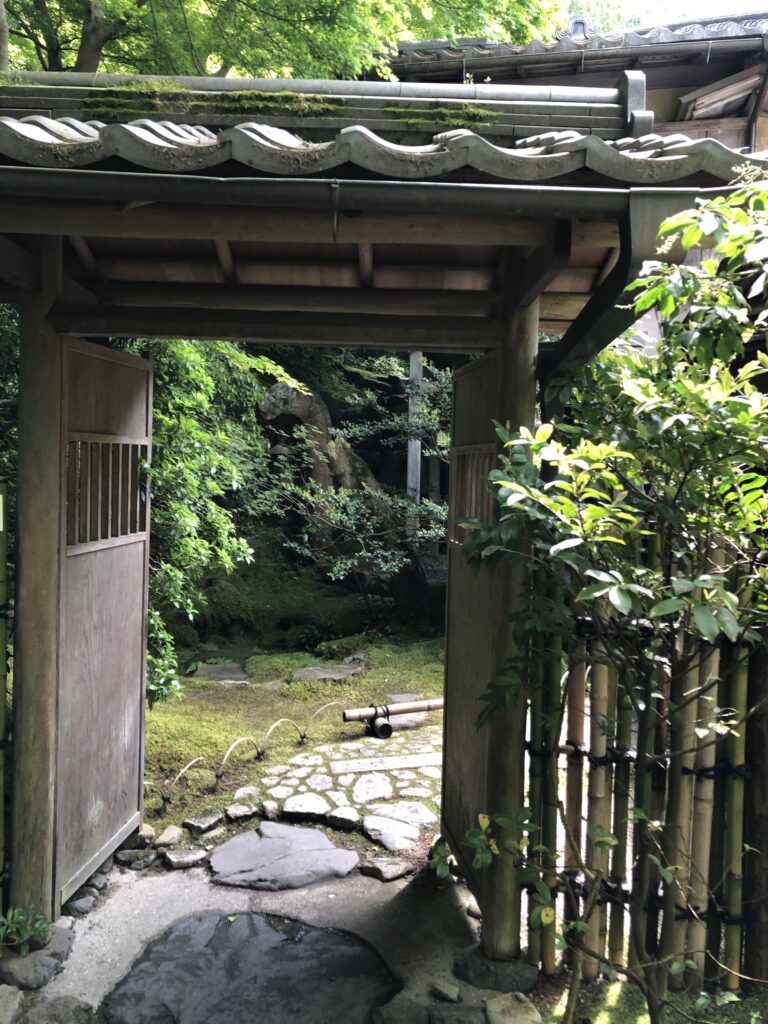
Location
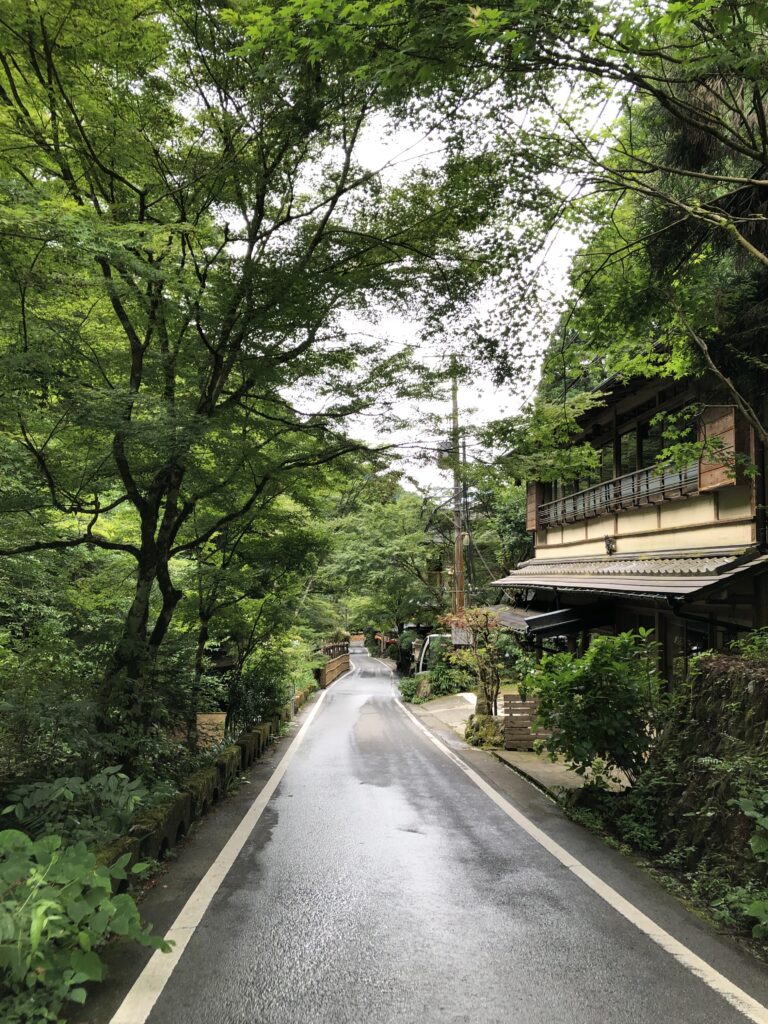
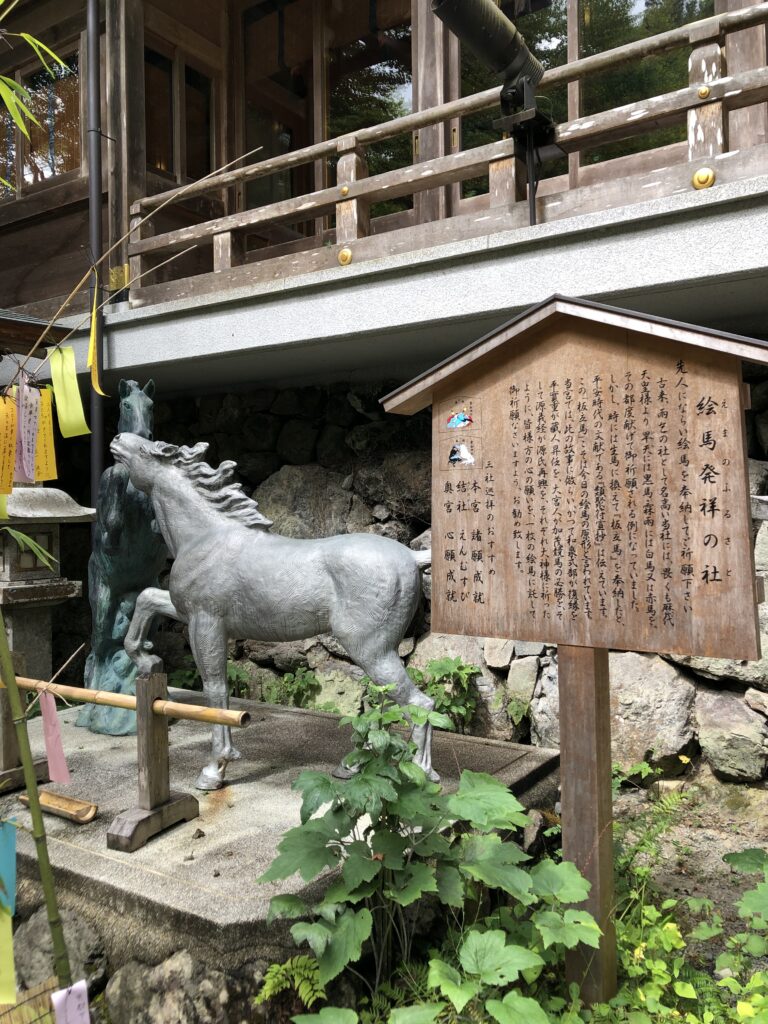
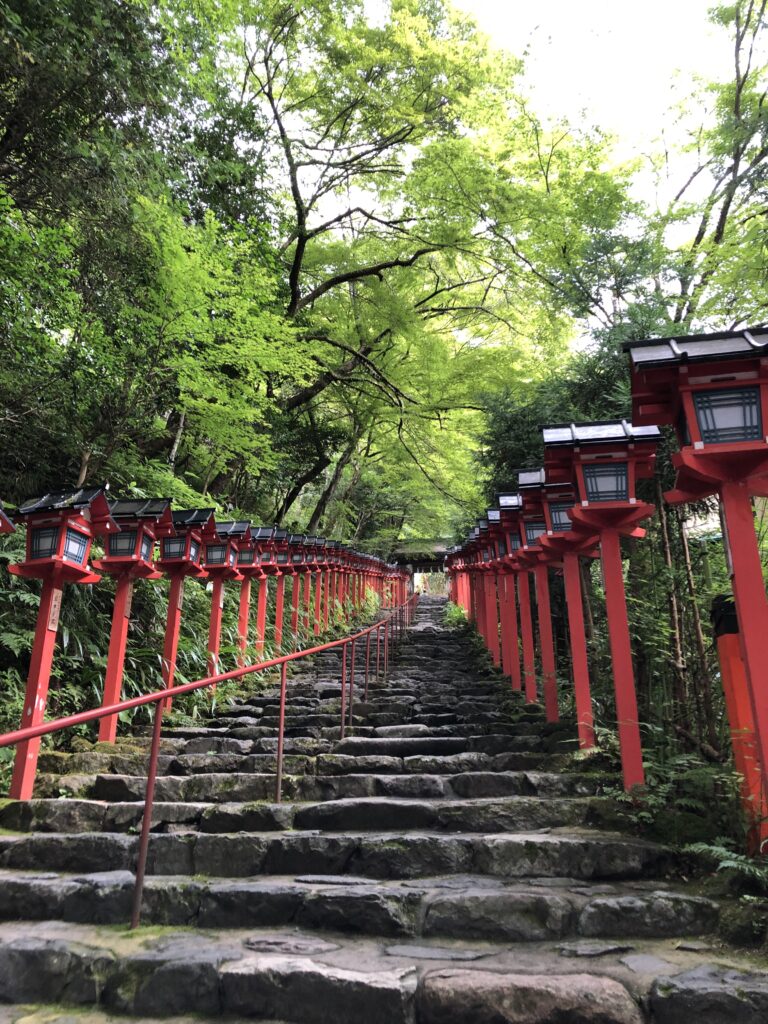
Kifune jinjya shrine (貴船神社)

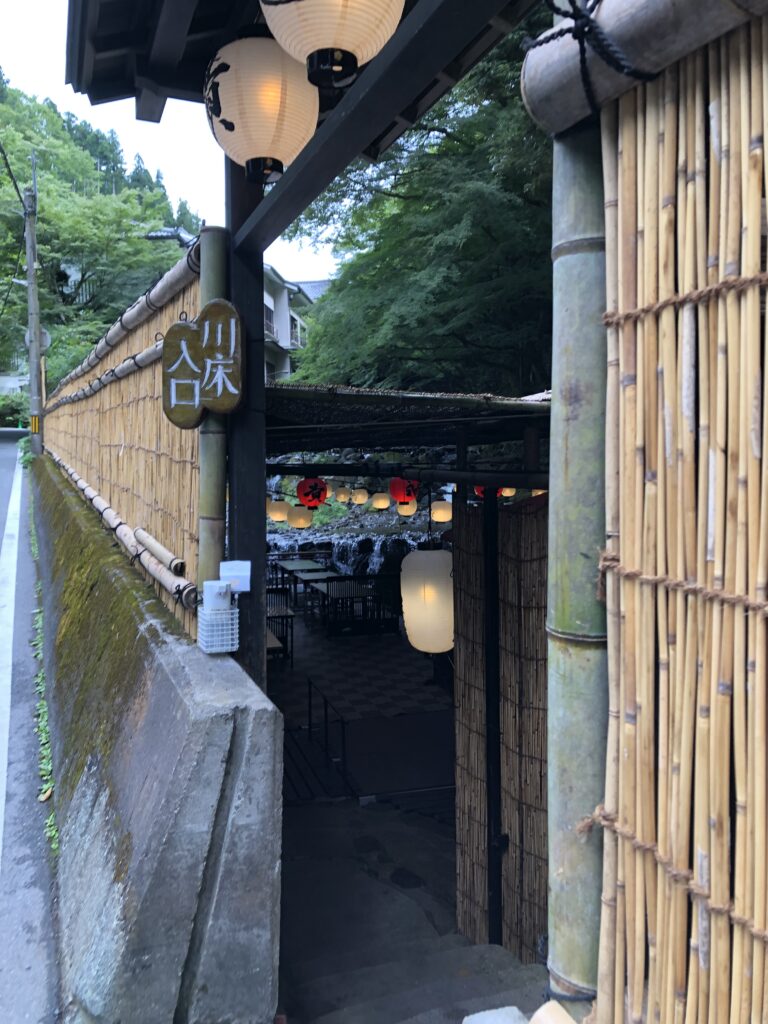
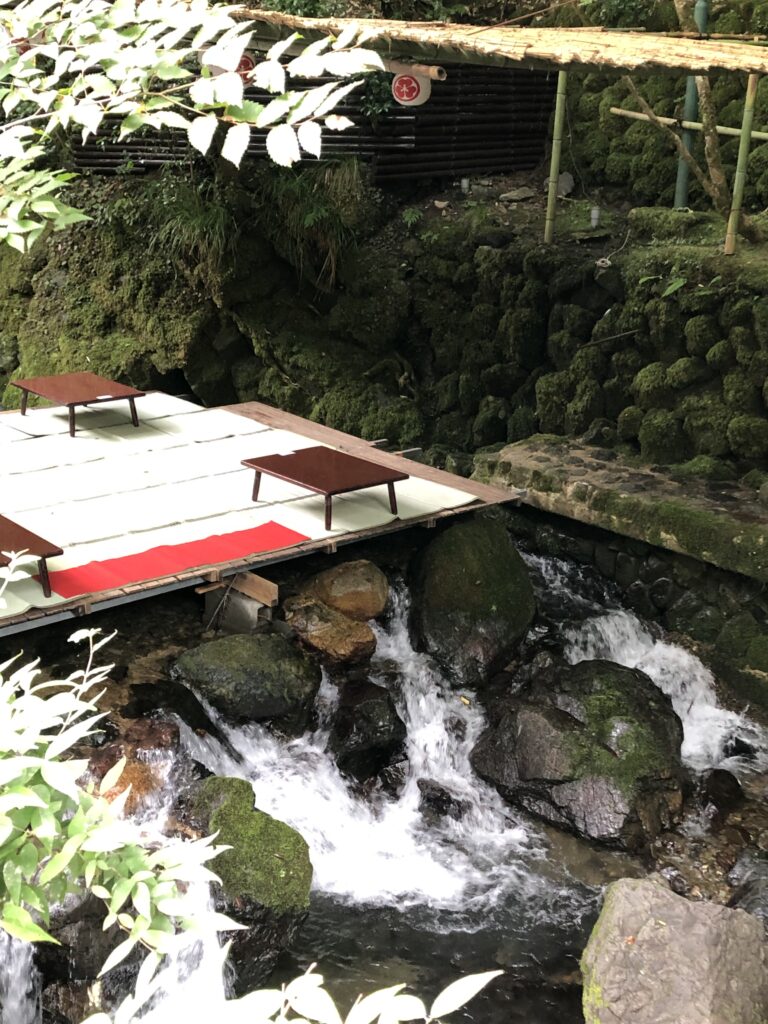
The Kibune area, a popular summer retreat, is located about 30 minutes from central Kyoto and features restaurants along the river that offer *kawadoko* dining—meals served on platforms built over the flowing water.
Kifune Shrine, dedicated to the deity of water, is considered one of the oldest shrines in Kyoto.

Location

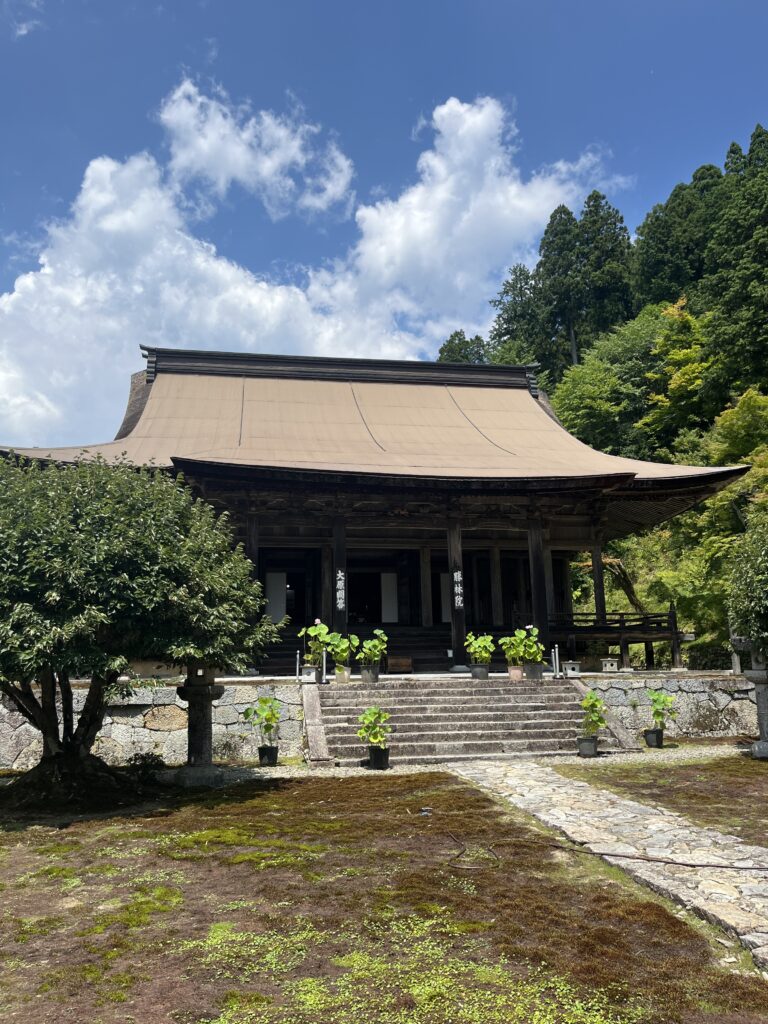
Syorinin Temple(勝林院)

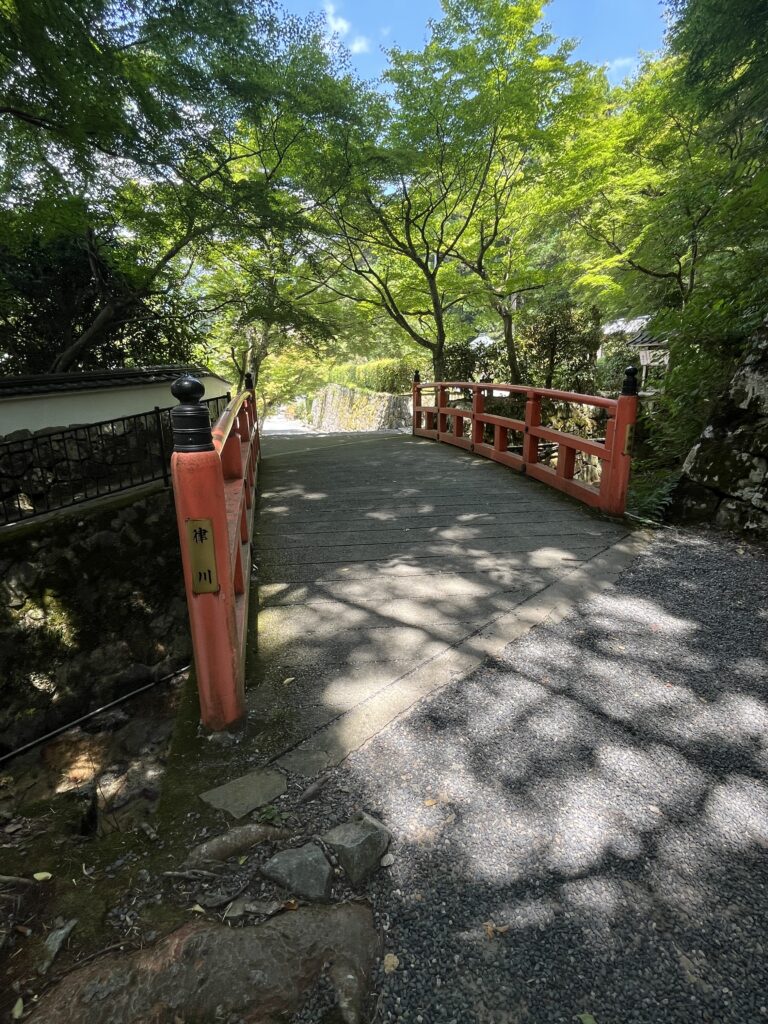
After leaving Sanzen-in Temple in Ohara and crossing the bridge over the Ritsu River, you will find Shorin-in Temple.
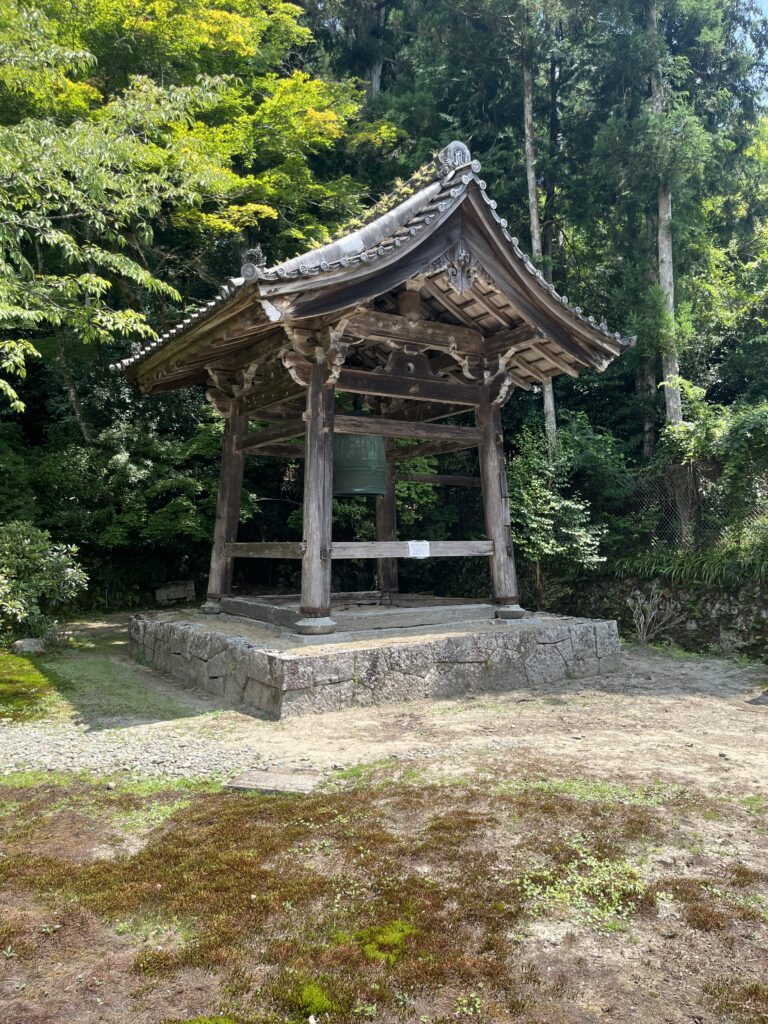
This temple is the birthplace of *Tendai Shomyo* (Buddhist chanting), which is considered the origin of Japanese music; it was established as a training ground for the Tendai sect’s *Nembutsu* practices involving this chanting. In the main hall, you can listen to *Shomyo* by pressing a button.
Nearby, there is also a stone known as the “Sitting Stone” of the priest Honen.

Location

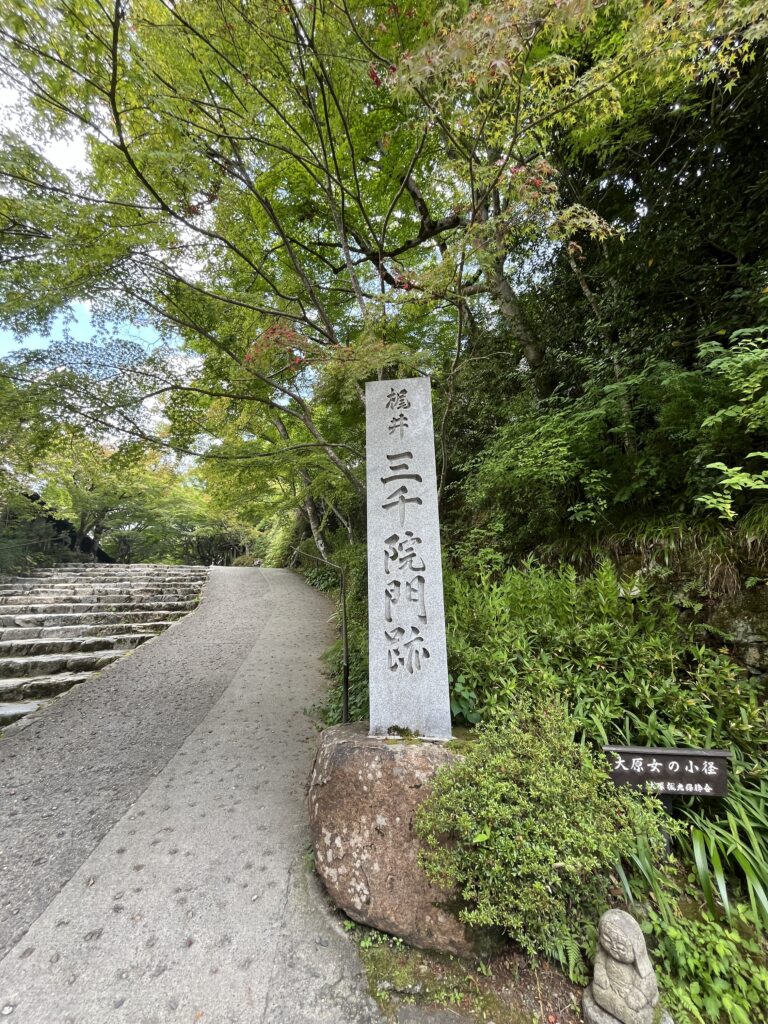
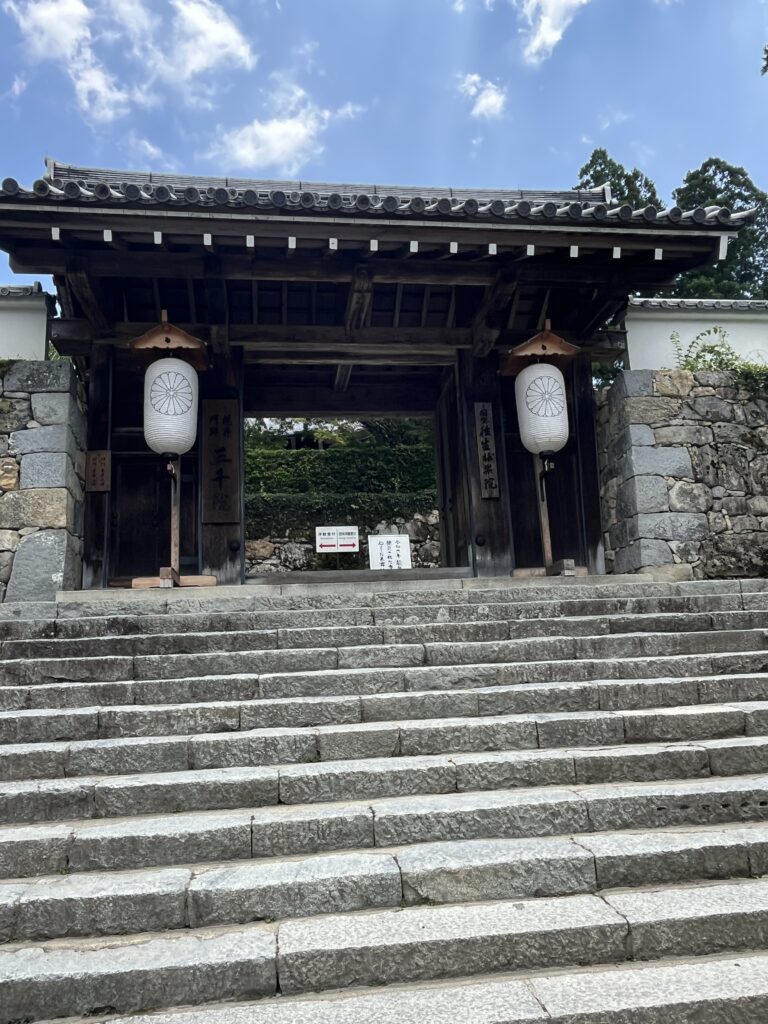
Sanzen-in Temple (三千院門跡)

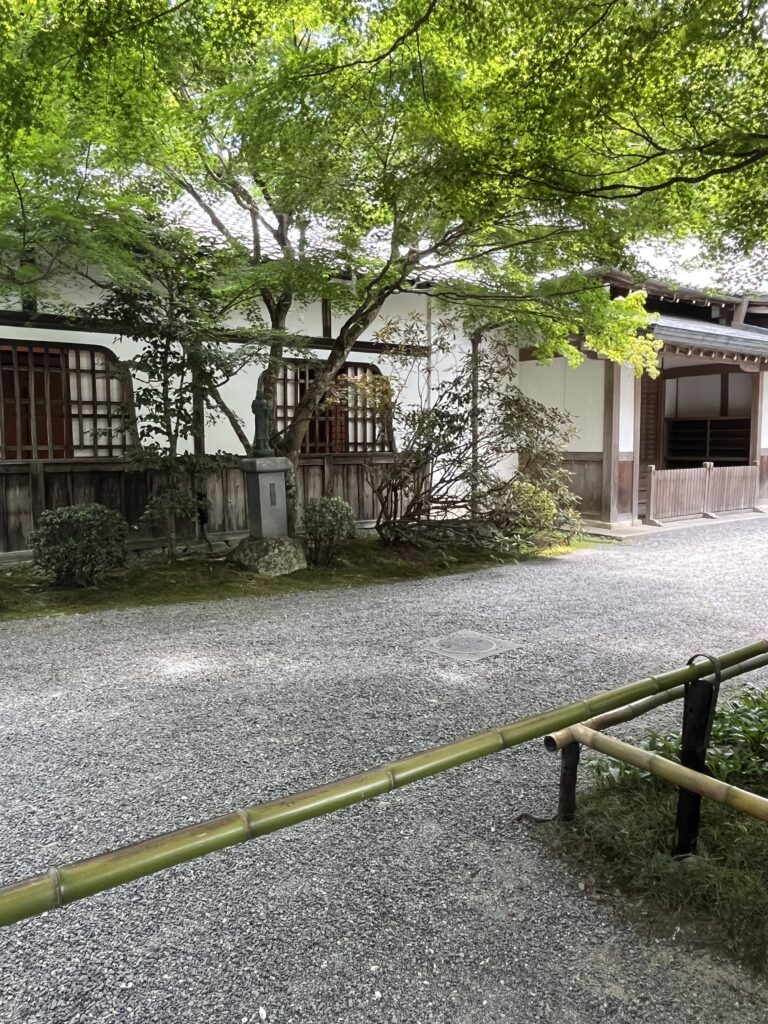
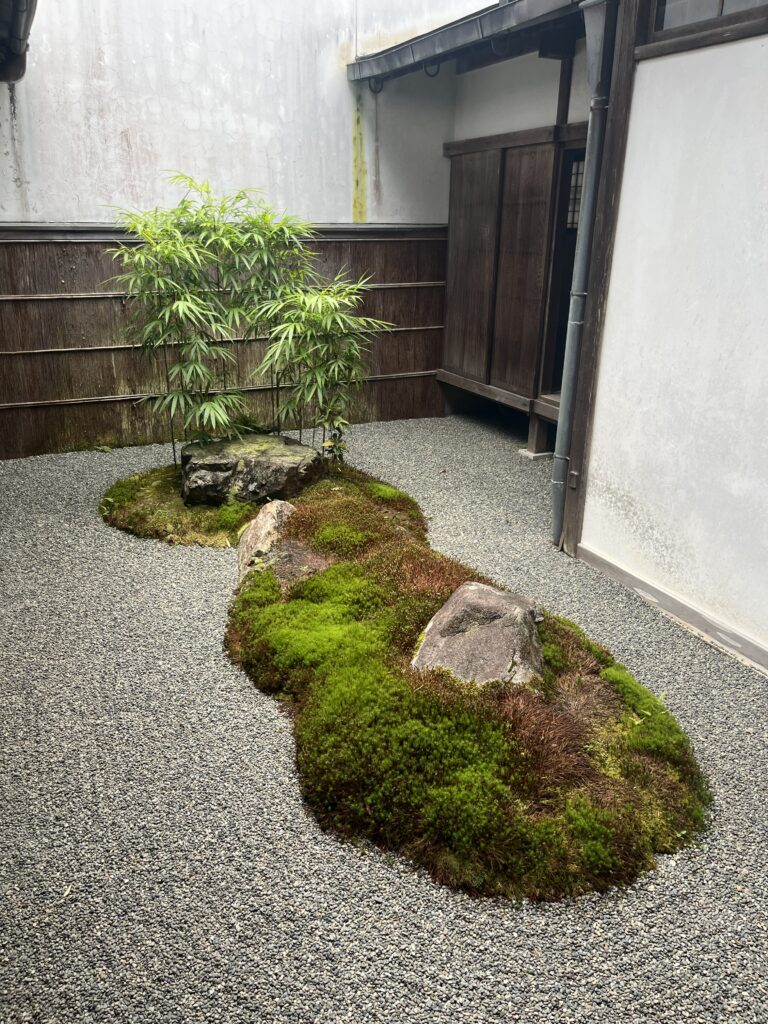
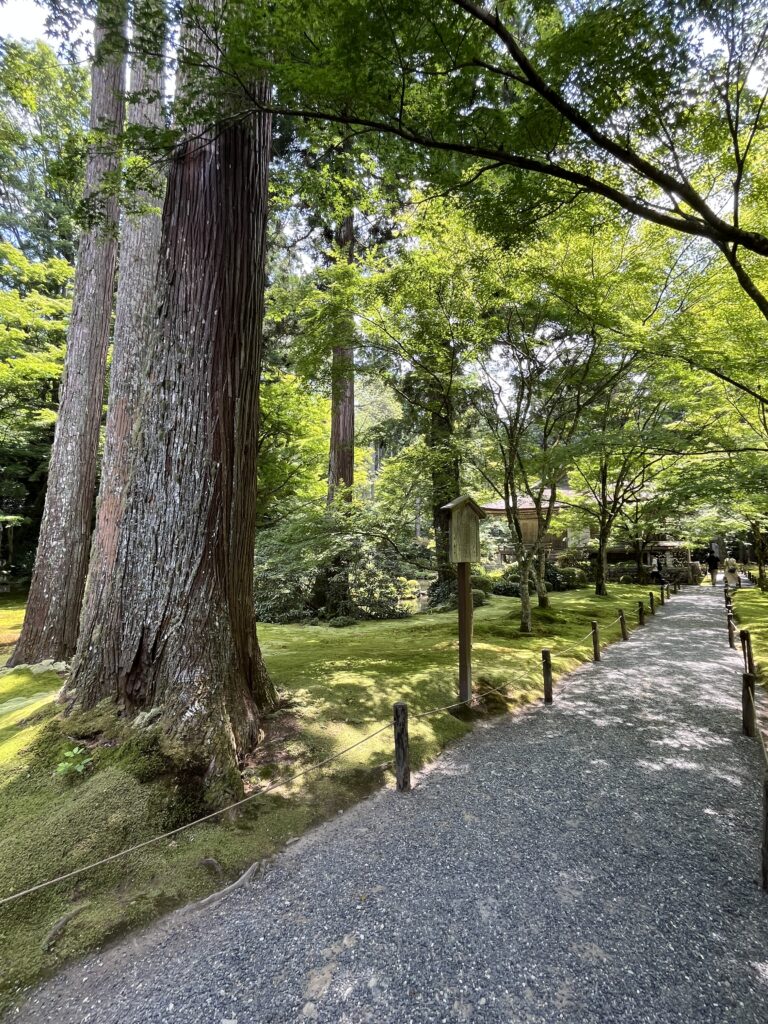
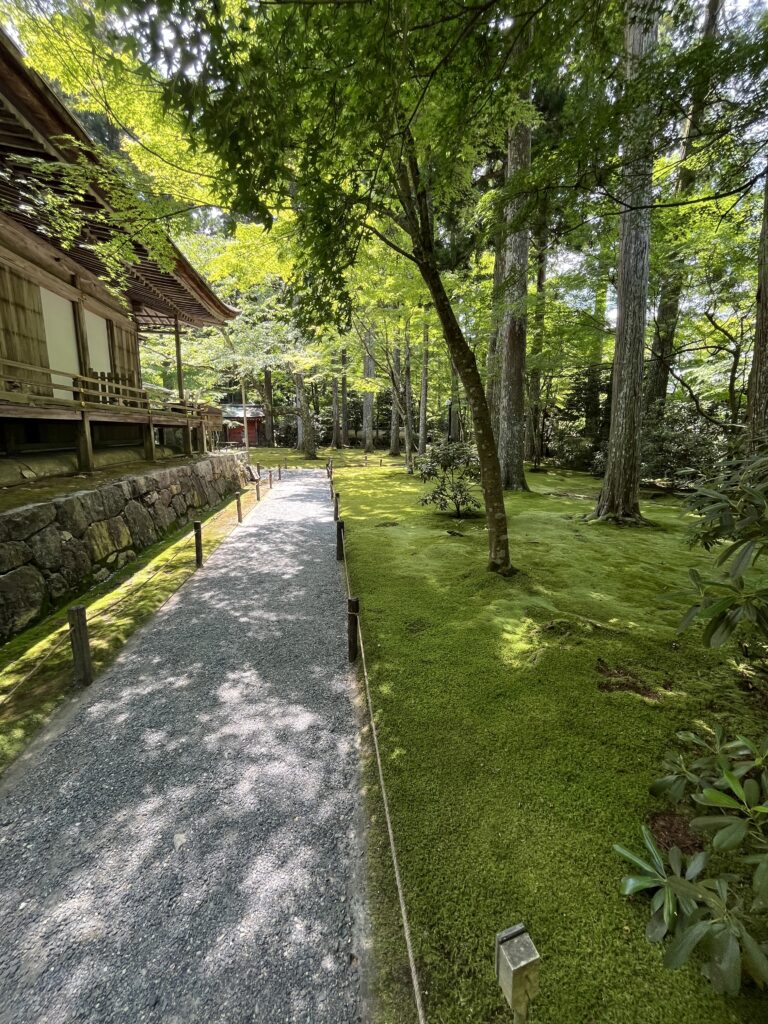
Sanzen-in is a Tendai sect temple located in Ohara, Sakyo Ward—about a 30-minute drive from central Kyoto—yet it is enveloped in tranquility, and the garden of cedar trees and moss spreading out before the Ojo Gokuraku-in Hall is truly beautiful.

Location

Mansyuin Temple(曼殊院)

Located in the Ichijoji area of ​​Kyoto’s Sakyo Ward, this Tendai sect temple traces its origins to a foundation established at the summit of Mount Hiei by Saicho, the founder of the sect.
It is a prestigious *monzeki* temple—one with a history of having members of the Imperial family serve as its head priests.
The temple offers many highlights, including gardens and sliding door paintings (*fusuma-e*) created by renowned artists.

Location