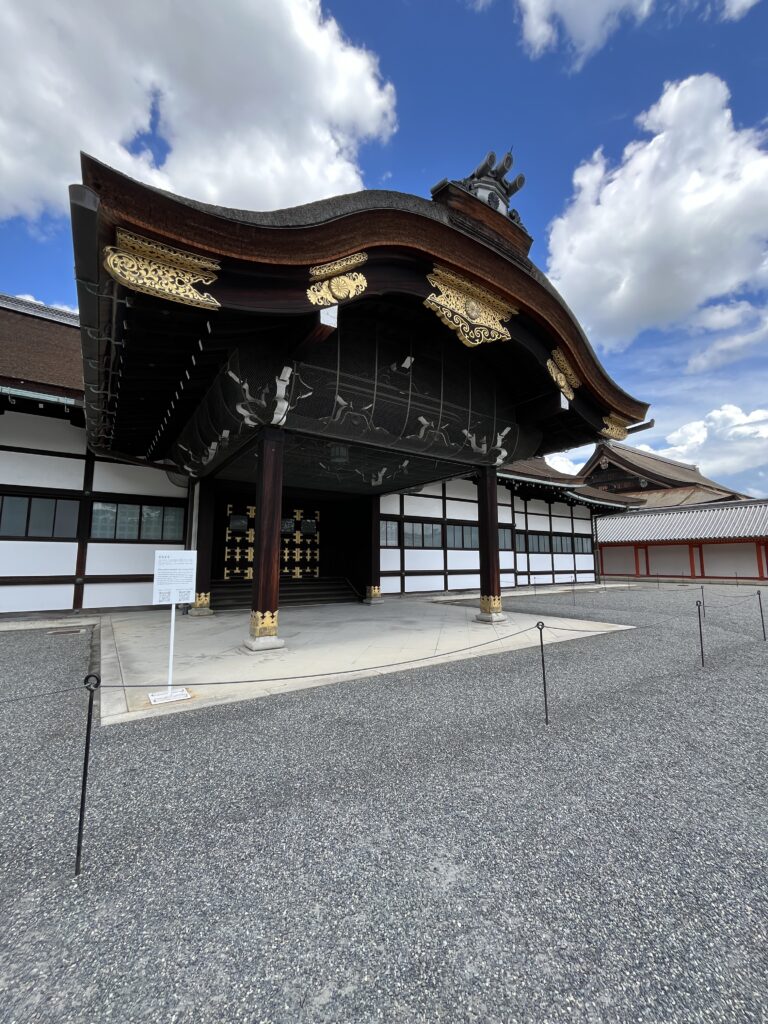
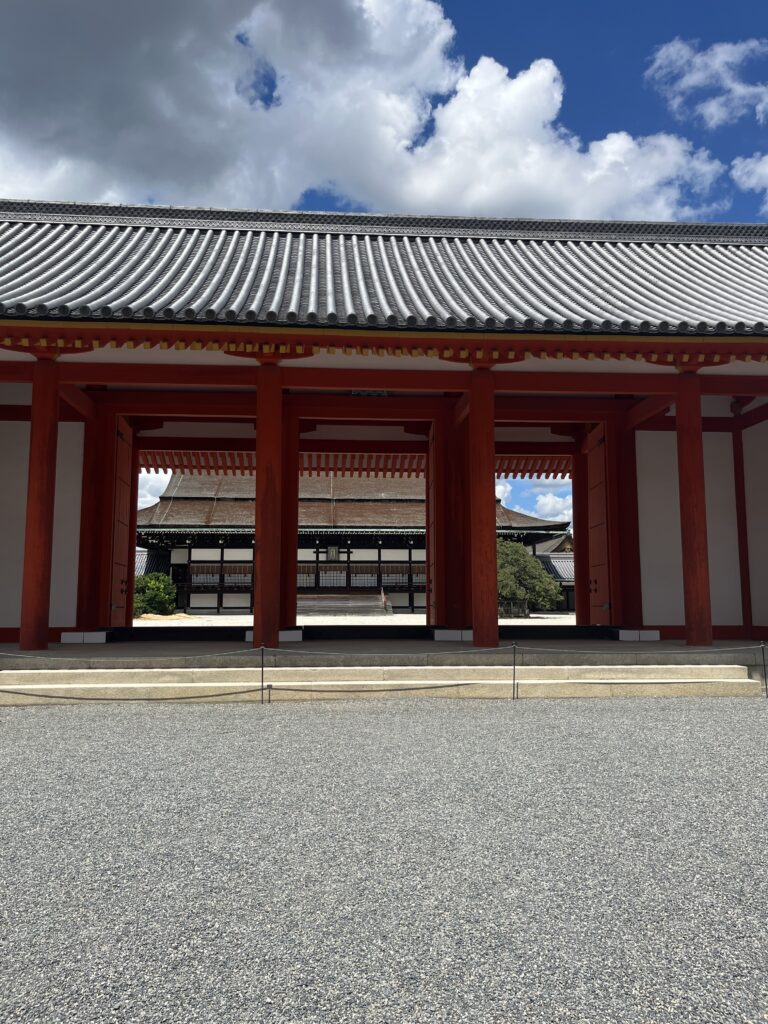
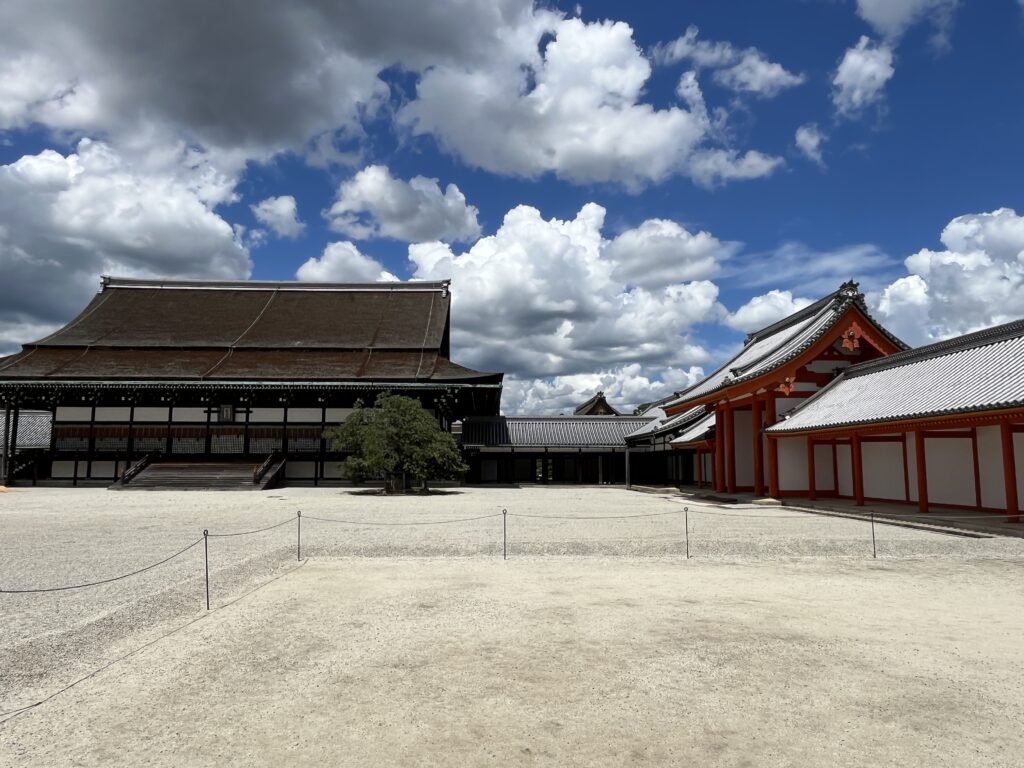
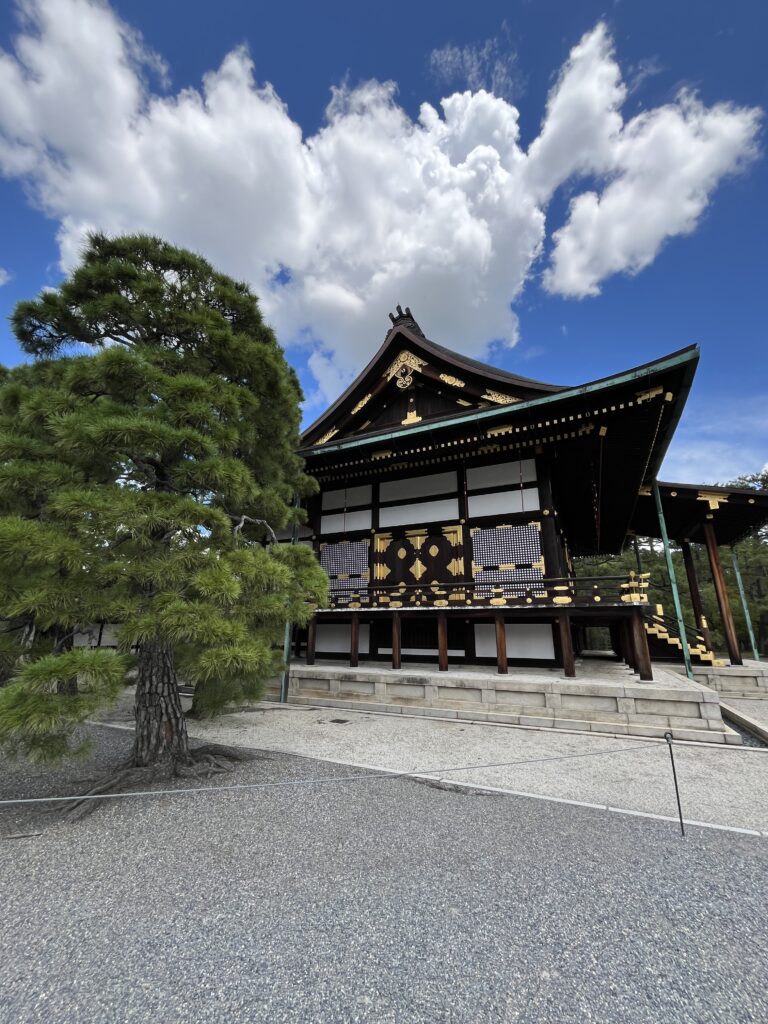
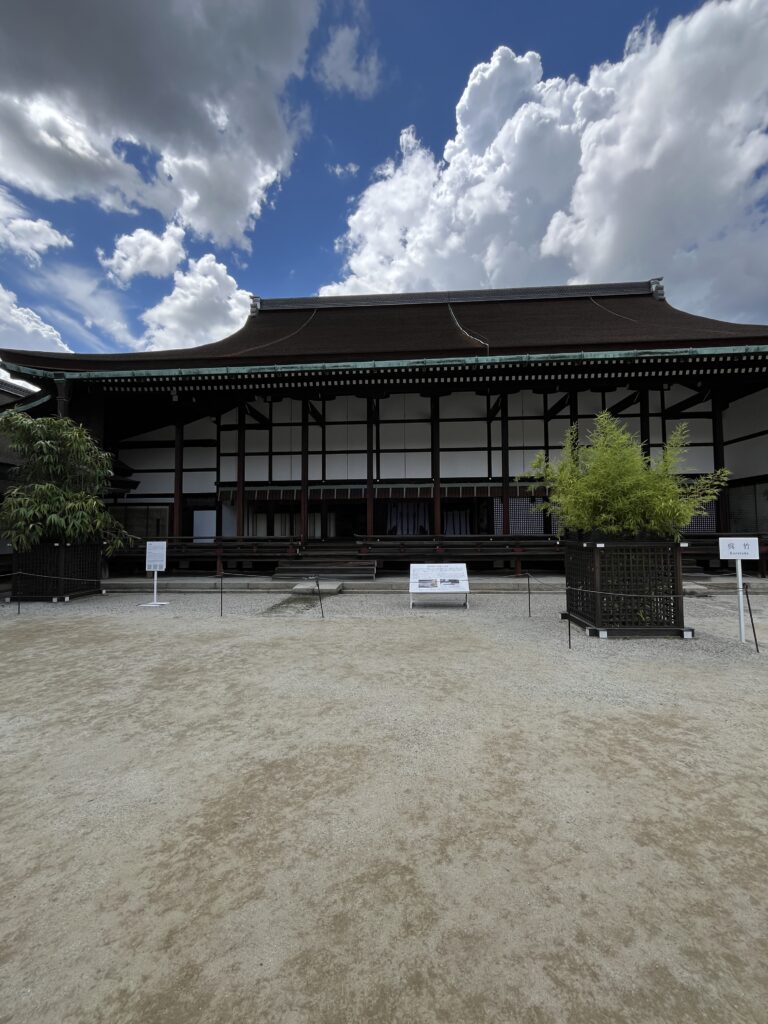
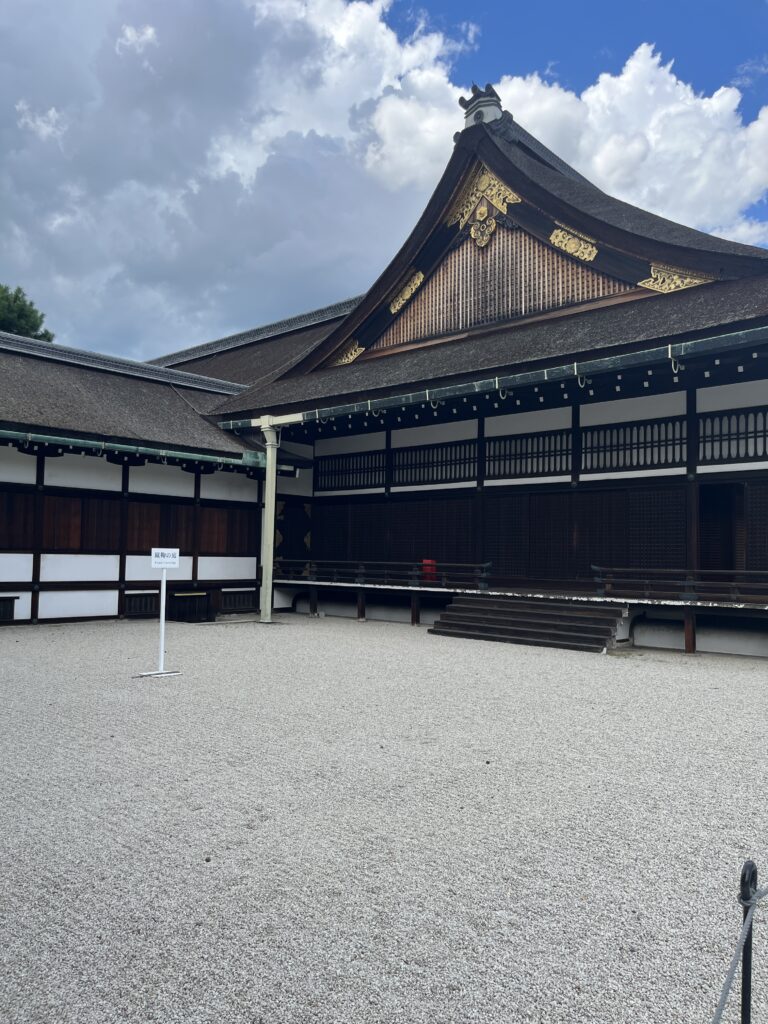
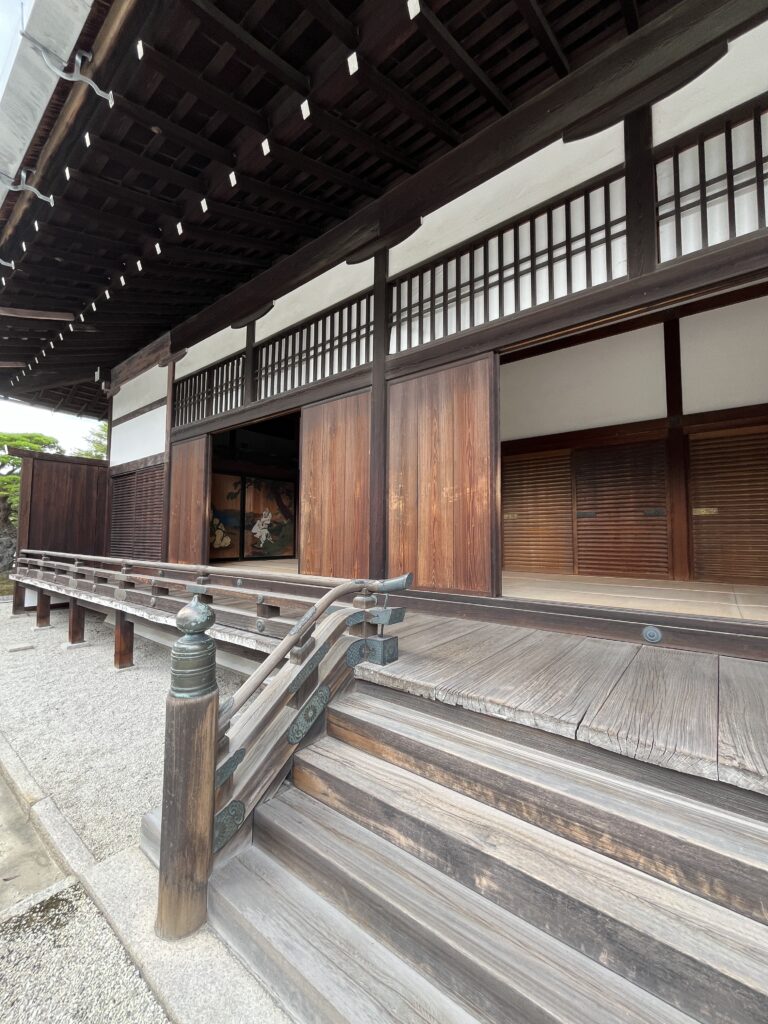
The buildings within the Kyoto Imperial Palace preserve the style of traditional Japanese court architecture, and visitors can tour structures such as the Shishinden, Seiryoden, Kogosho, and Ogakumonjo.
Location
Discover a Quiet and Peaceful side of Kyoto
The buildings within the Kyoto Imperial Palace preserve the style of traditional Japanese court architecture, and visitors can tour structures such as the Shishinden, Seiryoden, Kogosho, and Ogakumonjo.
Location
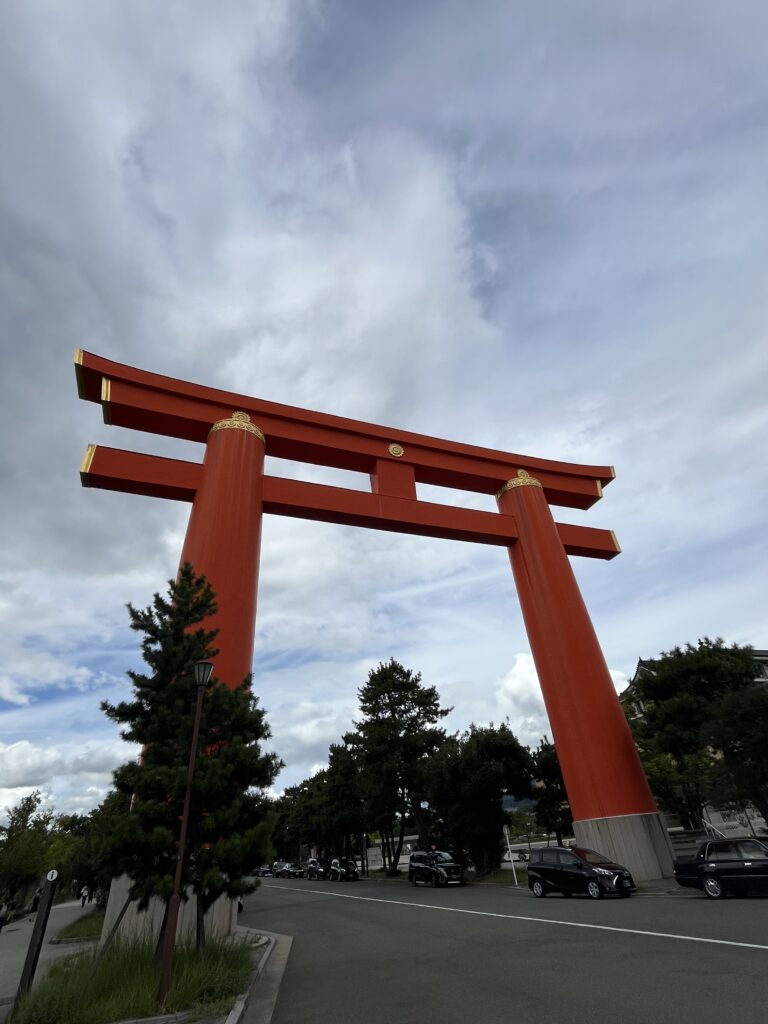
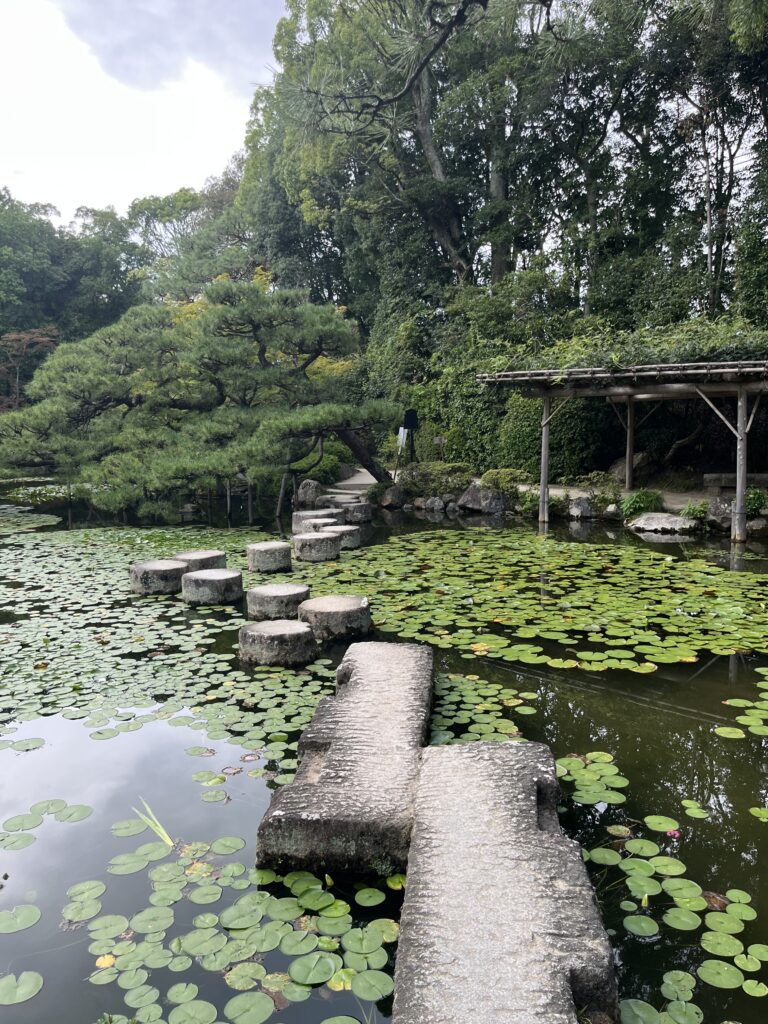
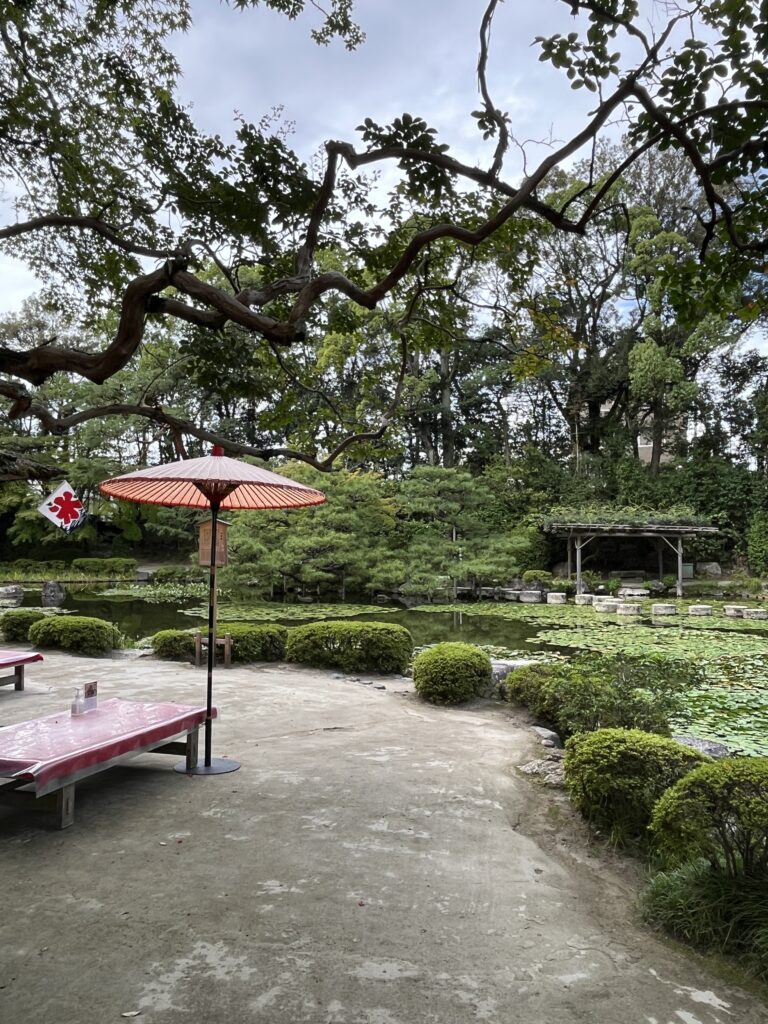
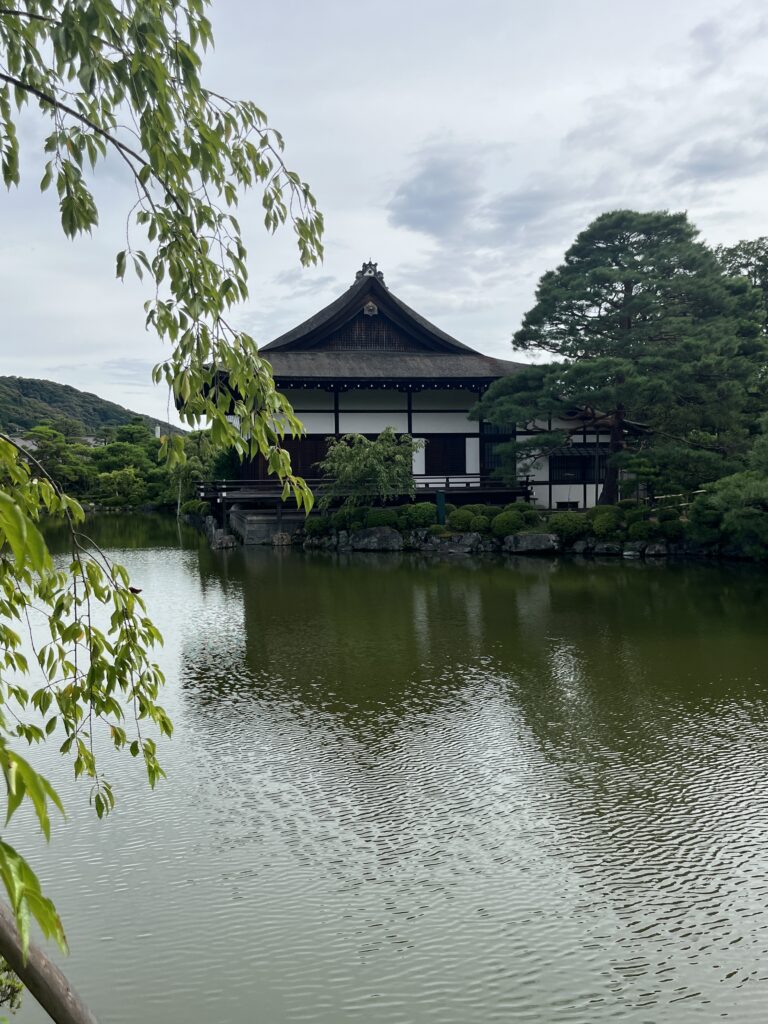
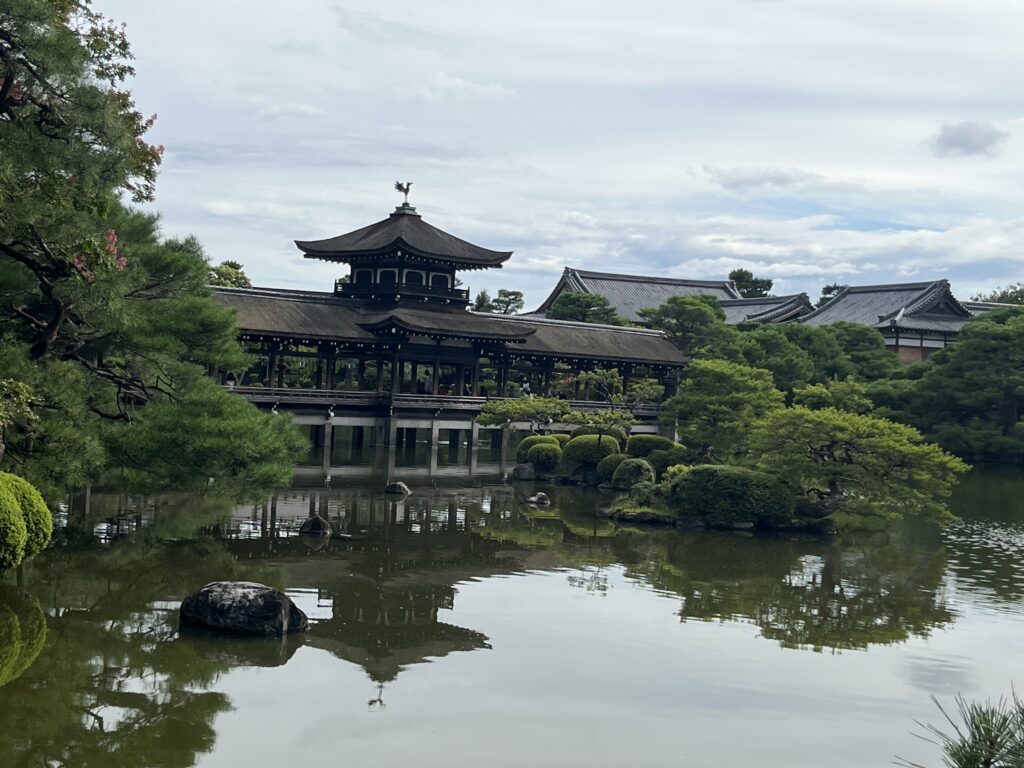
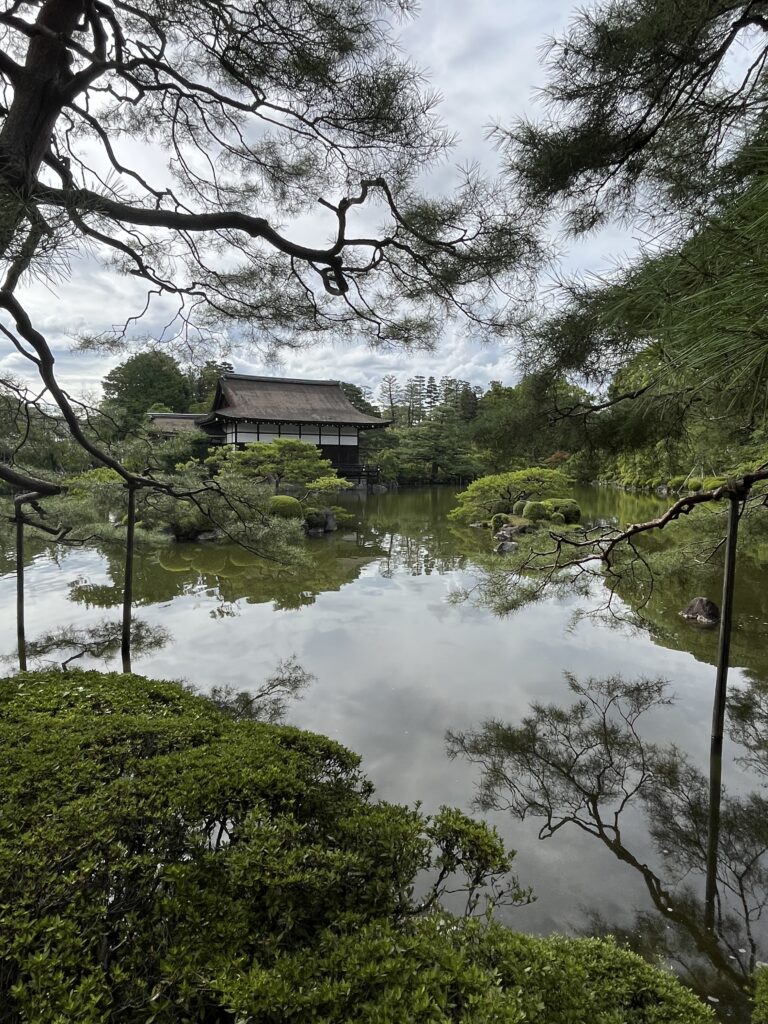
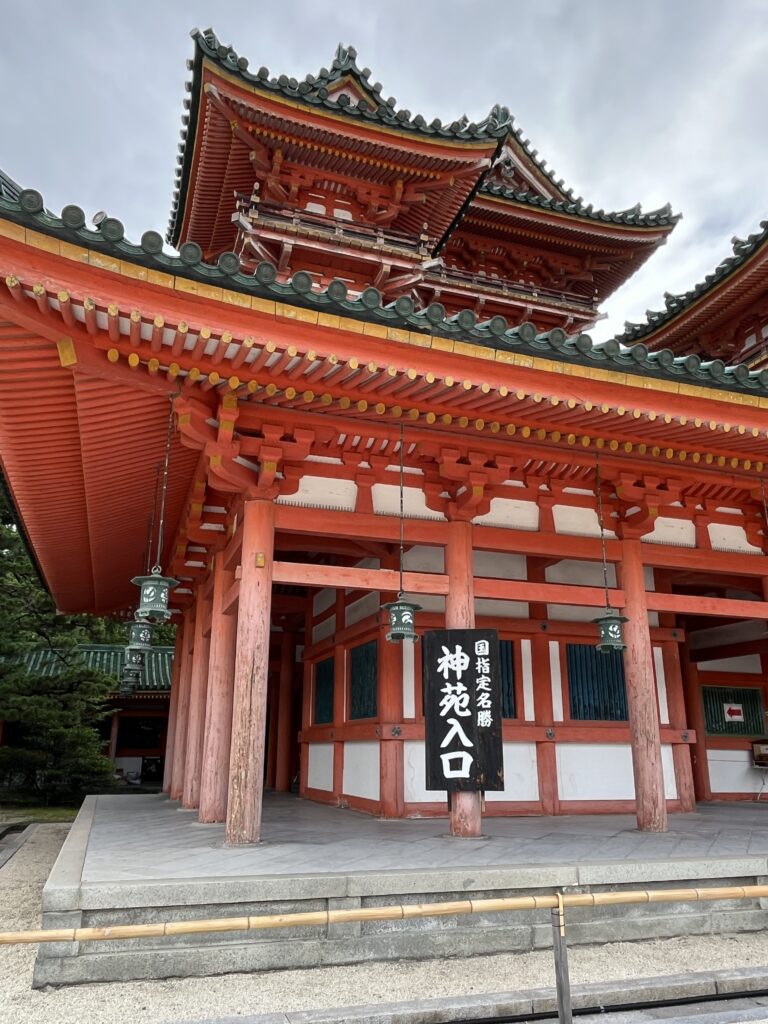
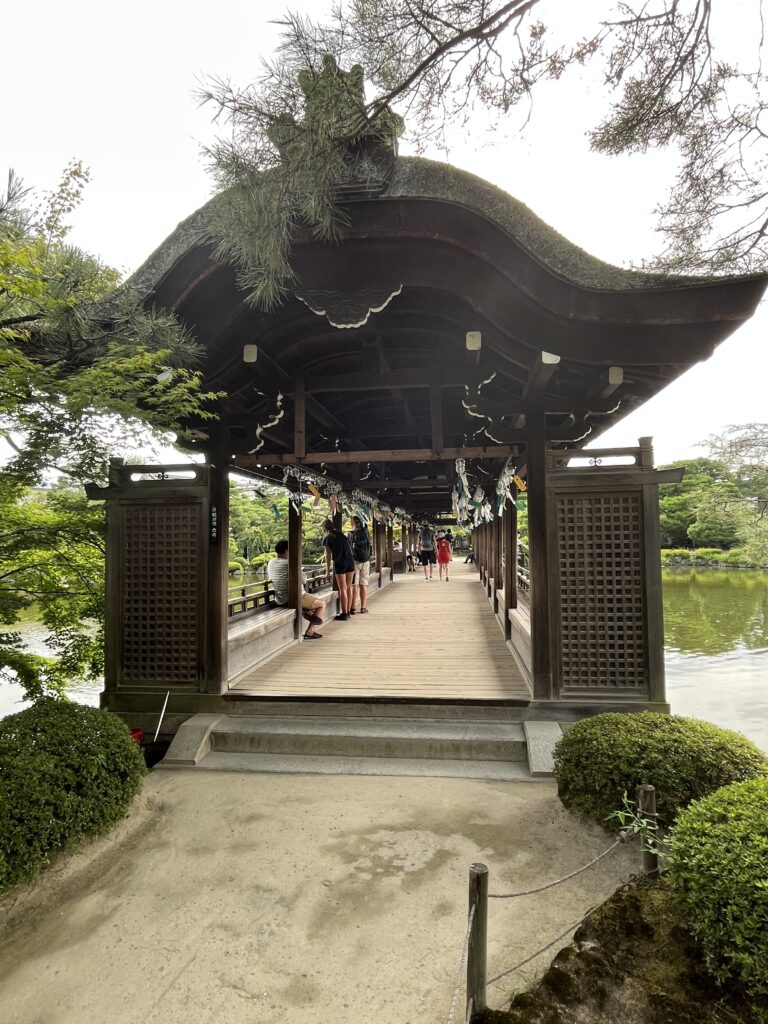
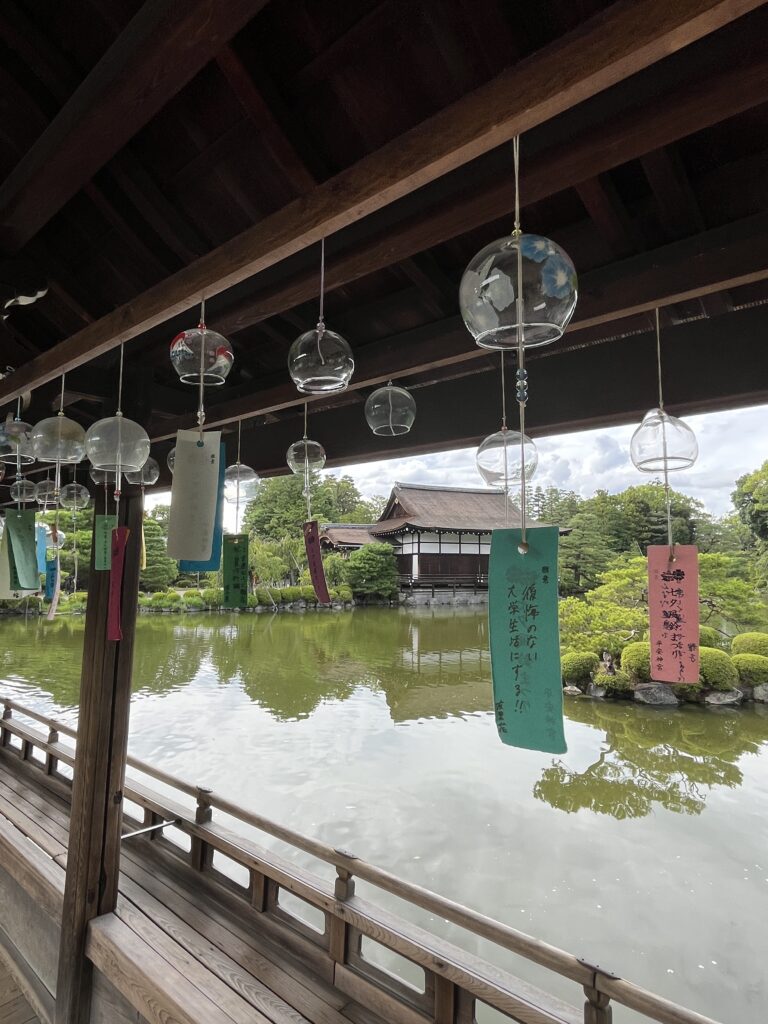
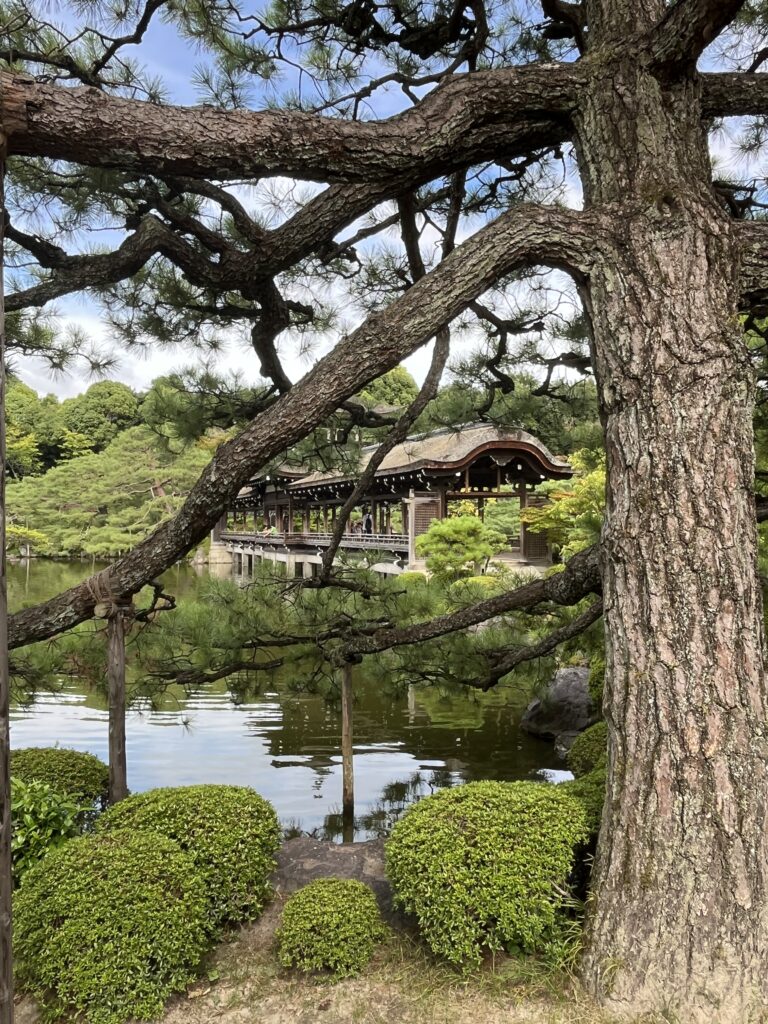
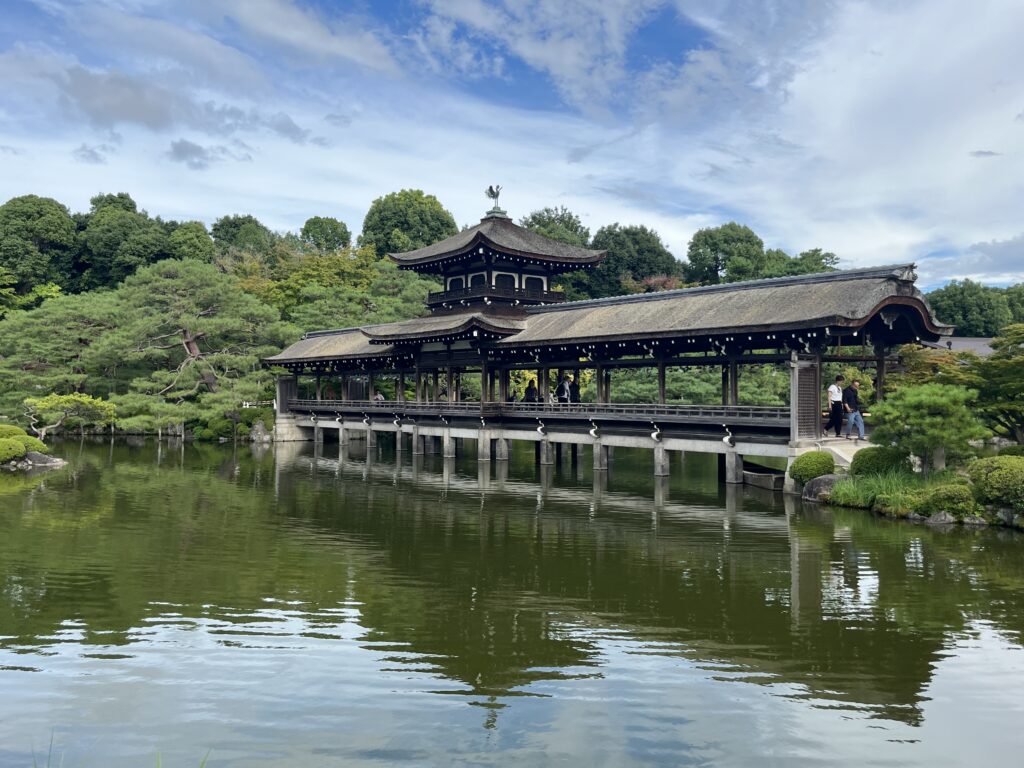
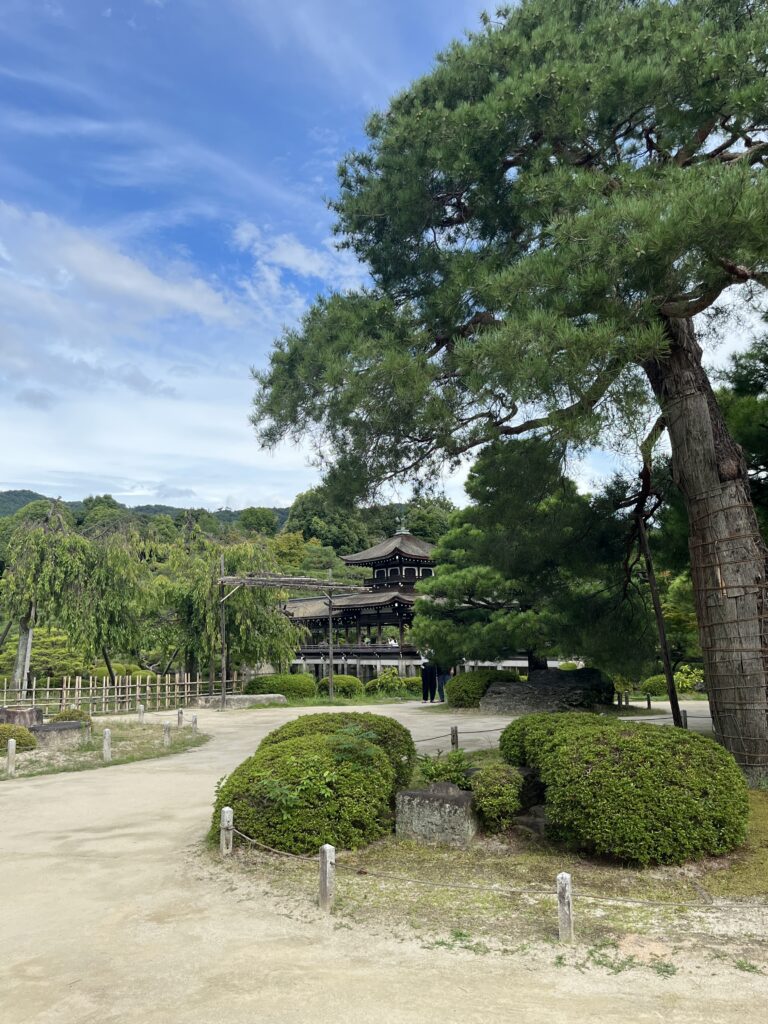
Heian-jingu Shrine, built to commemorate the 1,000th anniversary of the capital’s relocation to Heian-kyo, is dedicated to Emperor Kanmu—the founder of Kyoto. While the shrine is distinguished by its massive torii gate, its gardens offer beautiful scenery that changes with the seasons. Kyoto boasts many magnificent gardens, but this is one I highly recommend.
Location
Location
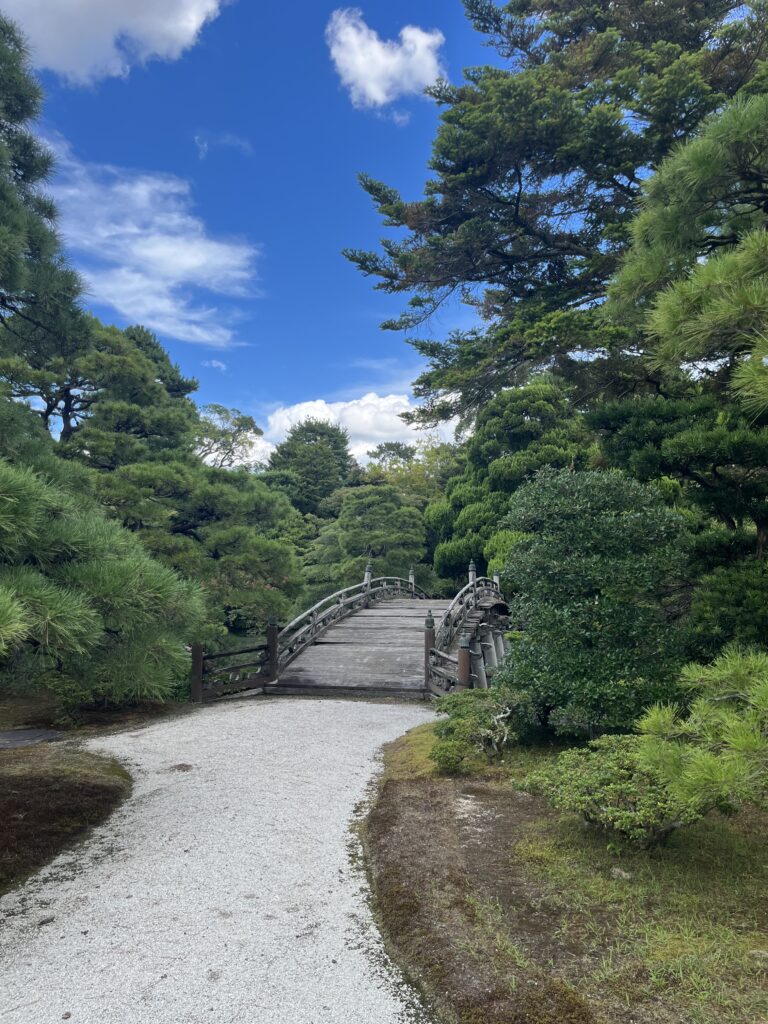
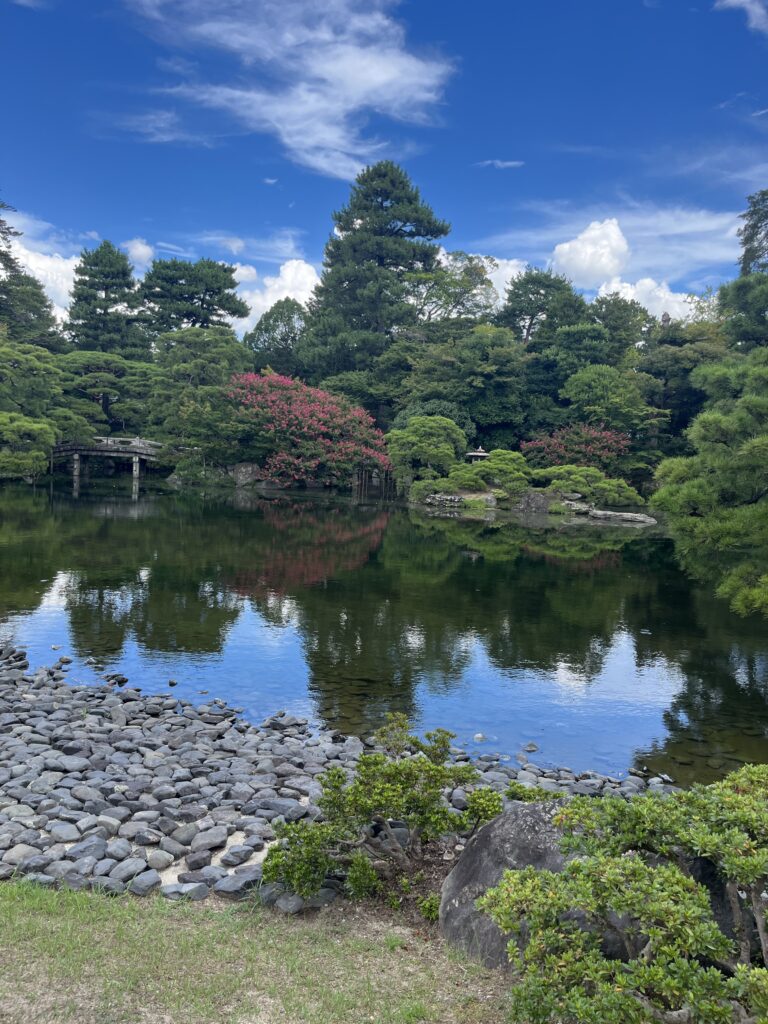
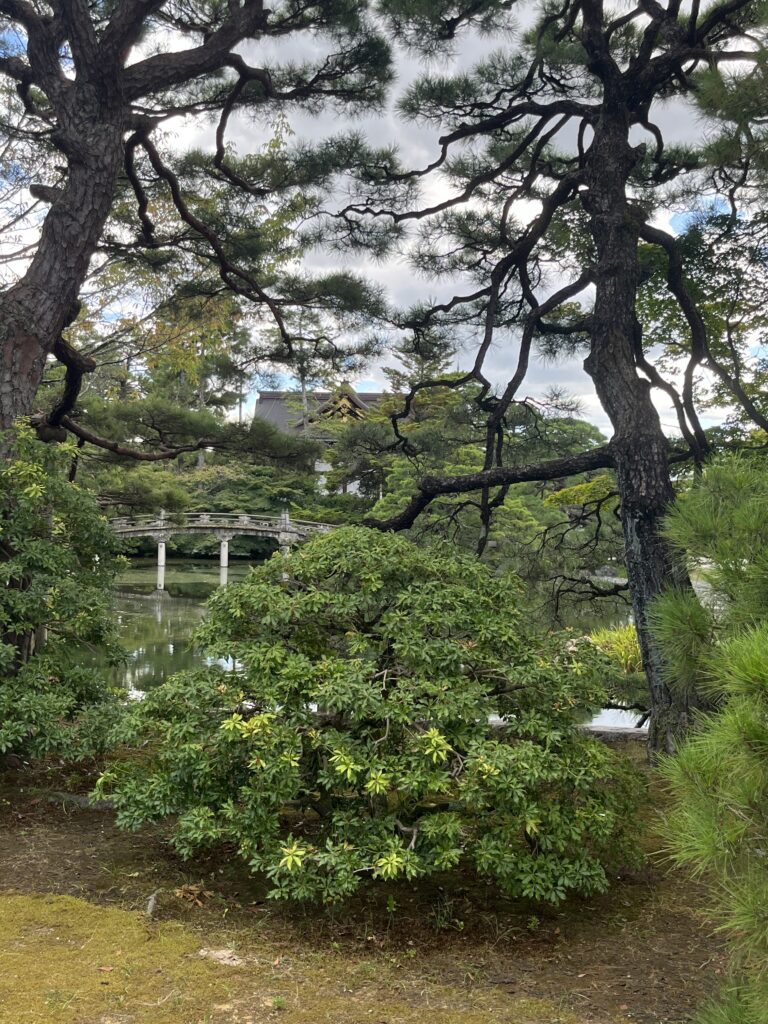
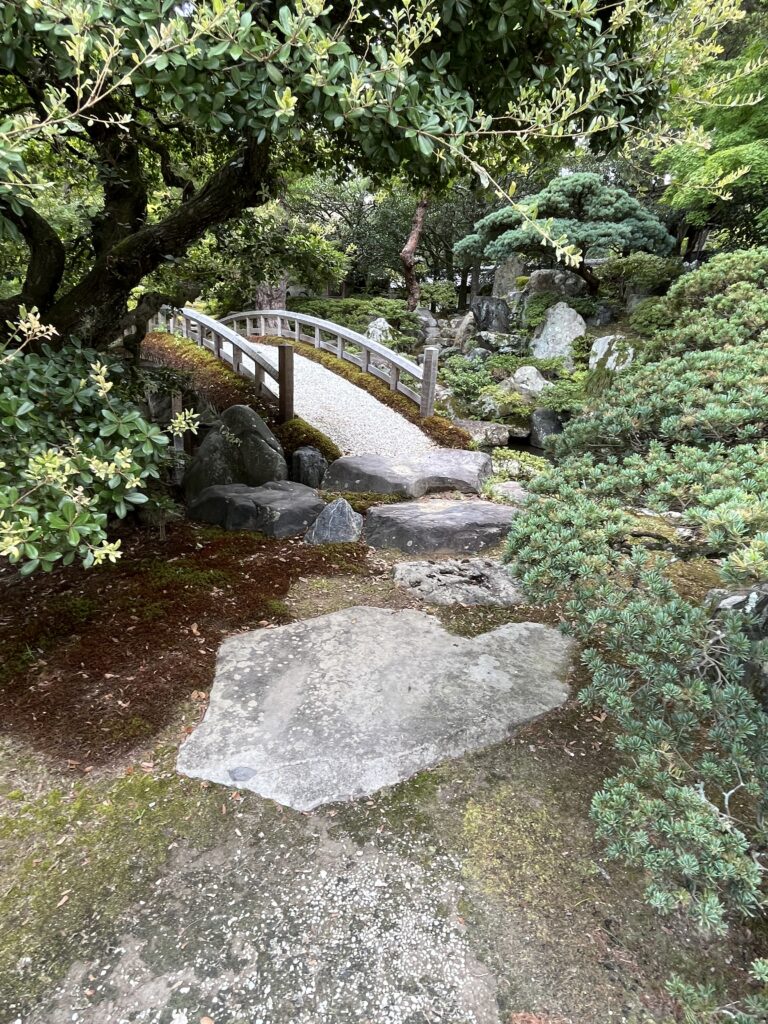
The white-sand garden situated in front of the Shishinden is the “South Garden” (Nantei); the strolling pond garden located east of the Kogosho and the Ogakumonjo is the “Oike-niwa” (Pond Garden); and there is also the “Gonai-tei” (Inner Garden), featuring a winding stream—all of them are magnificent.
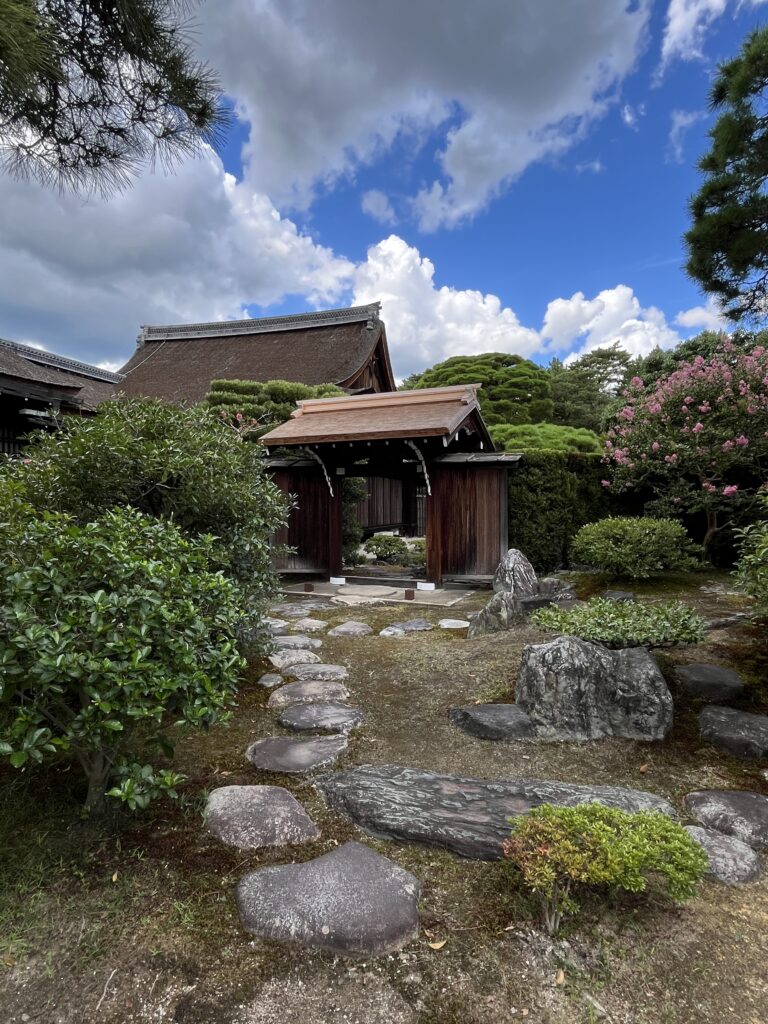
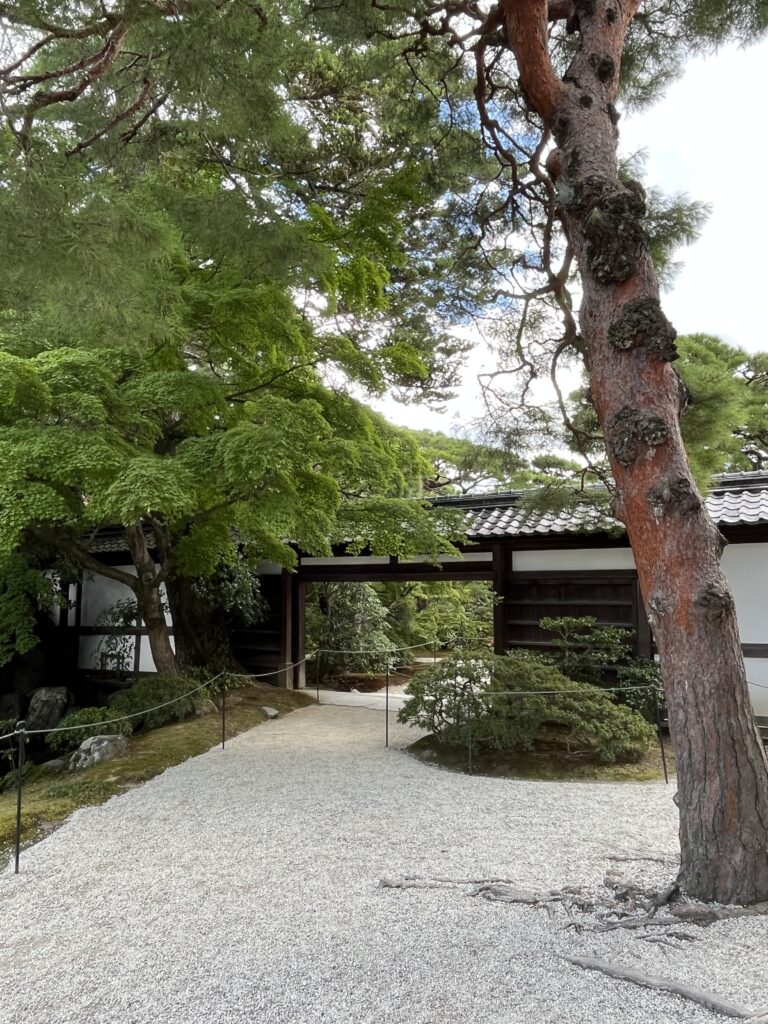
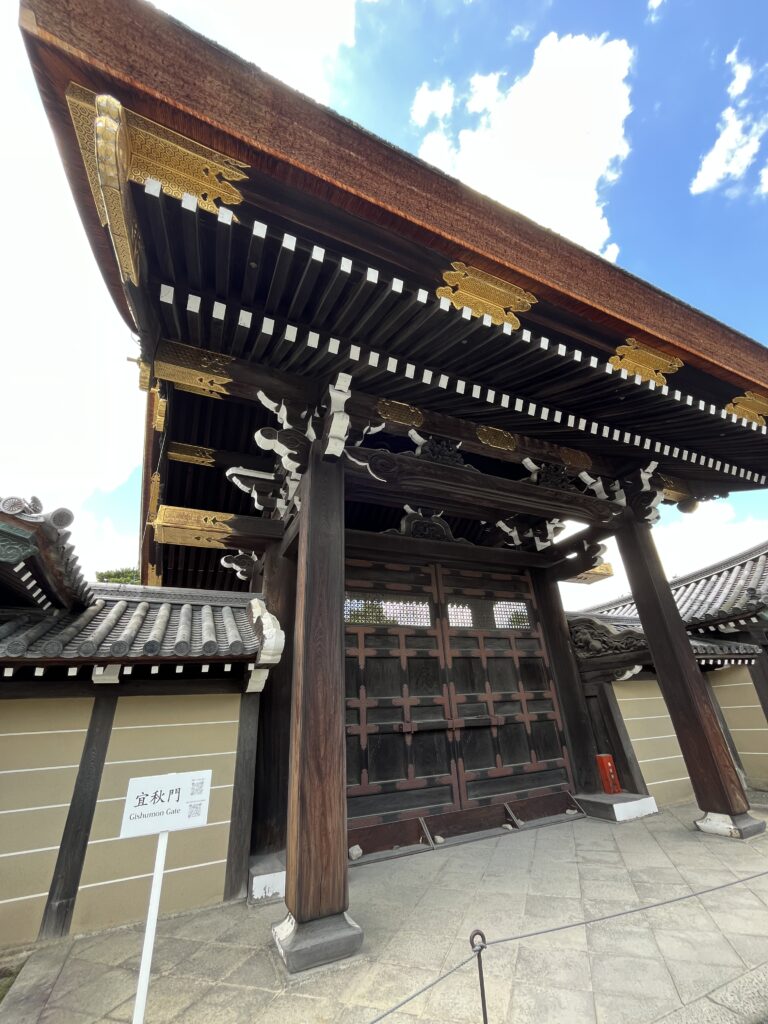
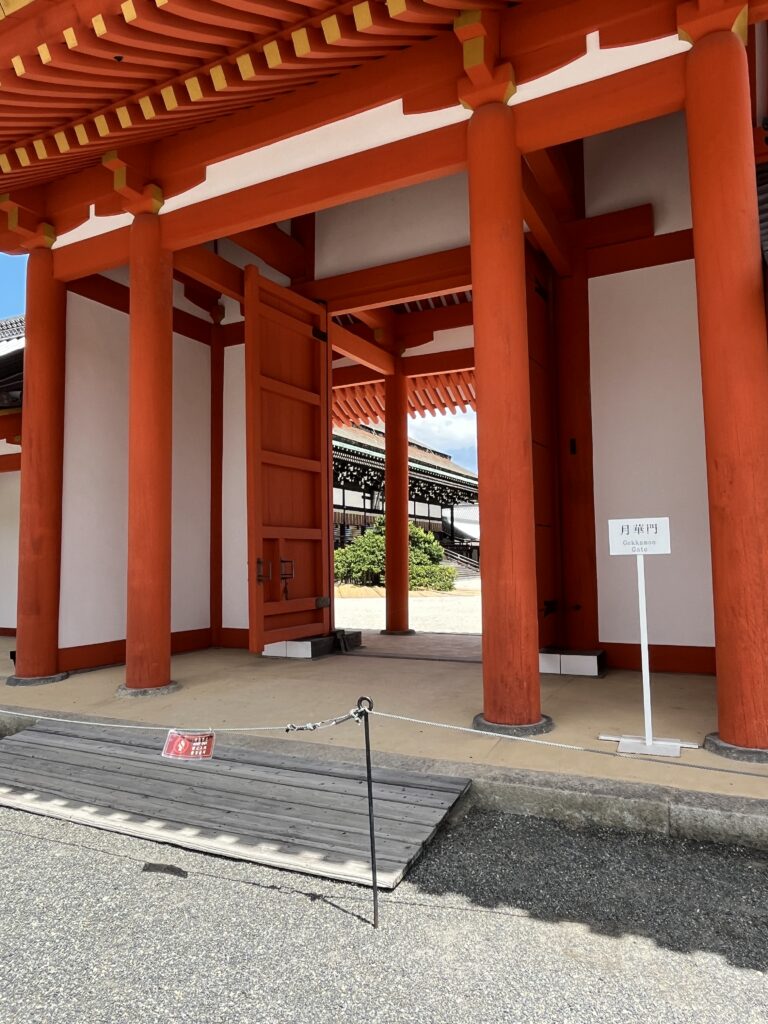
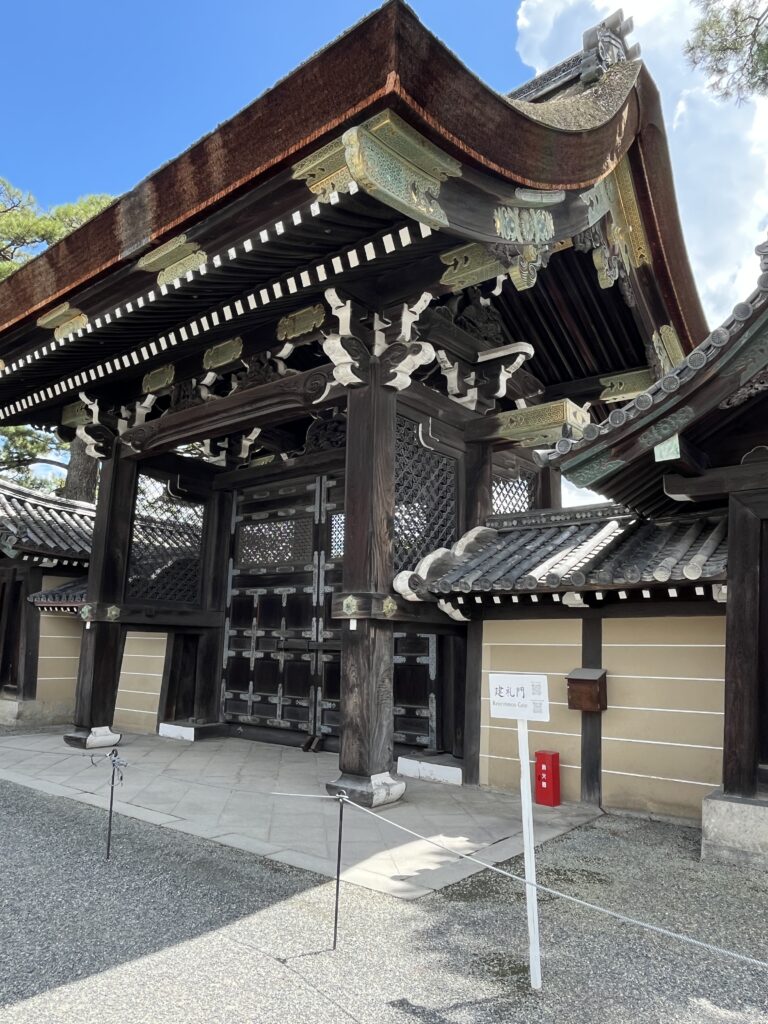
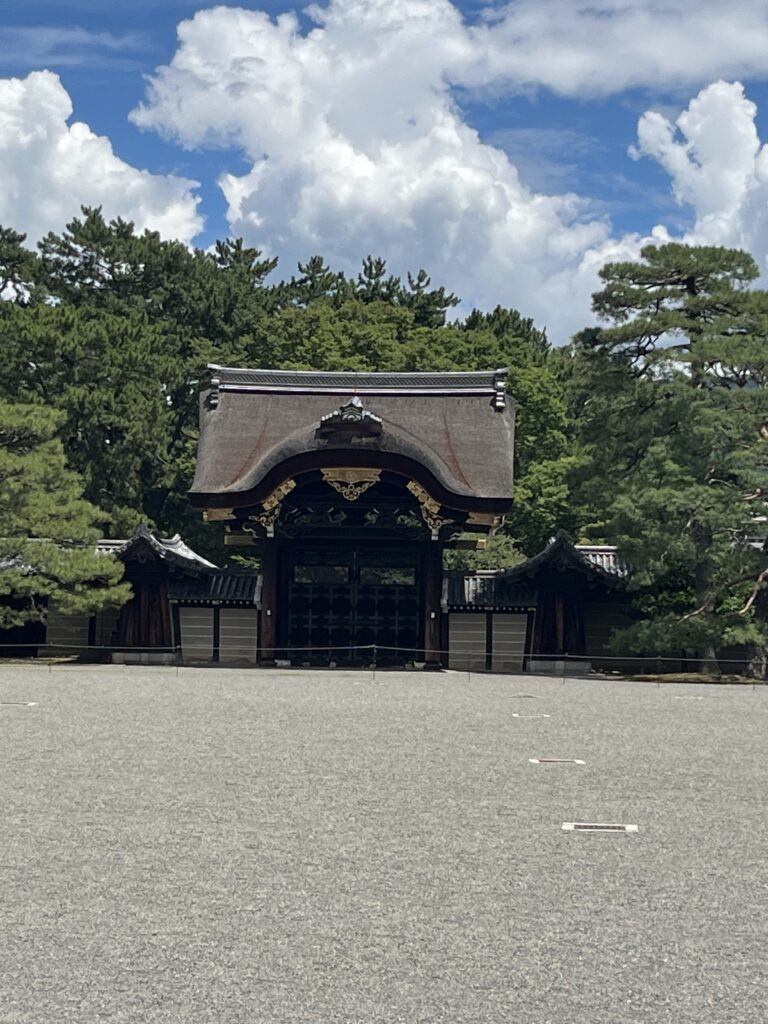
The Kyoto Imperial Palace features numerous gates; in the past, the specific gate one could use was strictly determined by social rank and purpose. There are many famous gates, each with its own distinctive character and charm—such as the Gishu-mon, Gekka-mon, and Kenrei-mon. The Seisho-mon serves as the entrance for public tours.