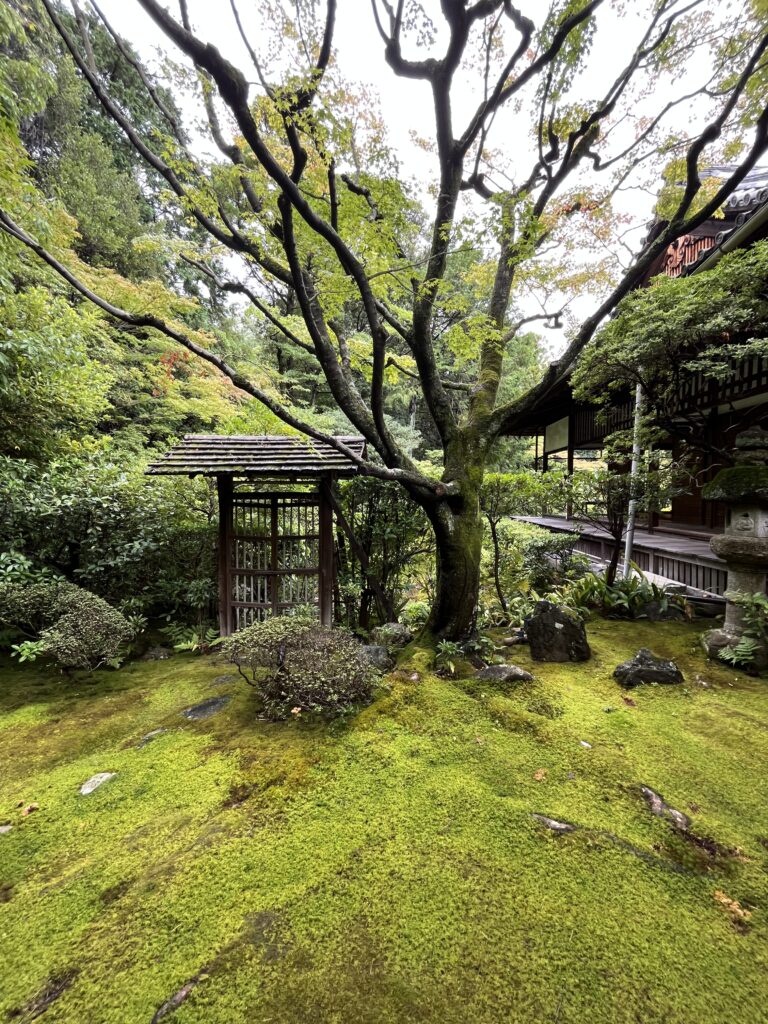
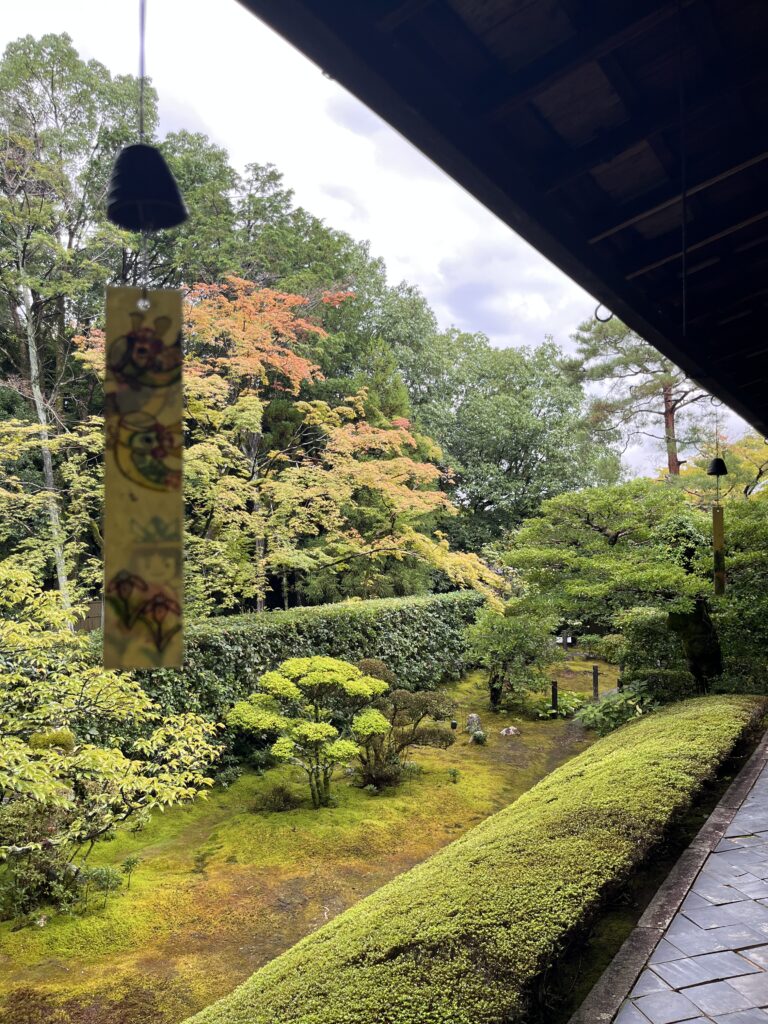
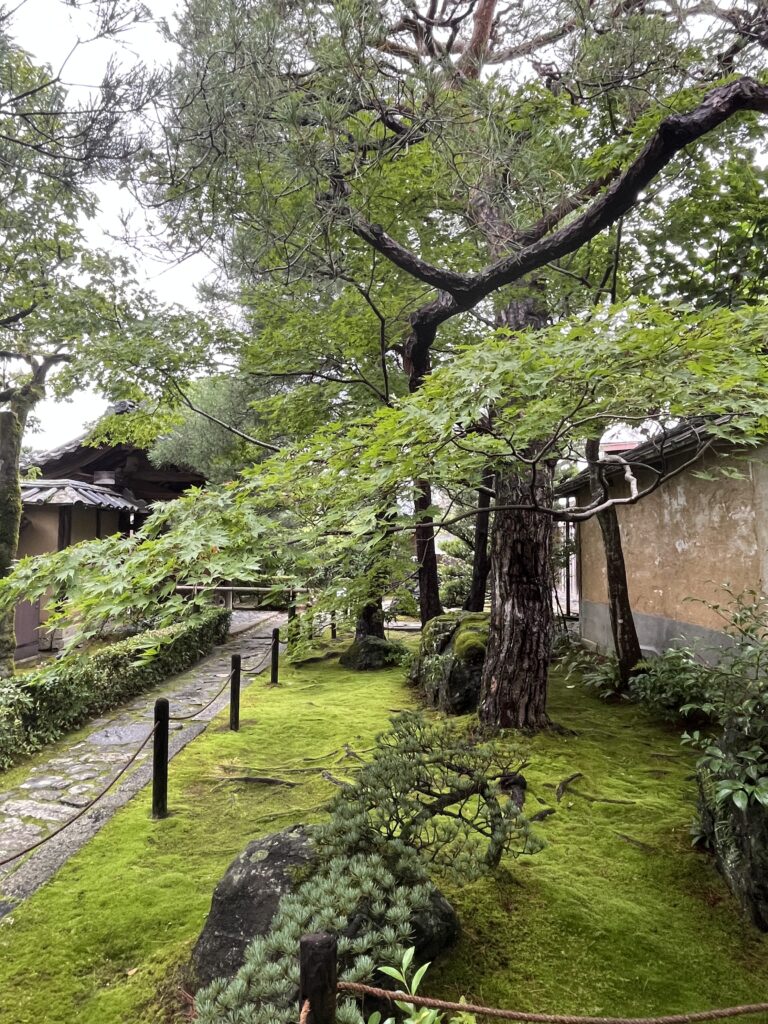
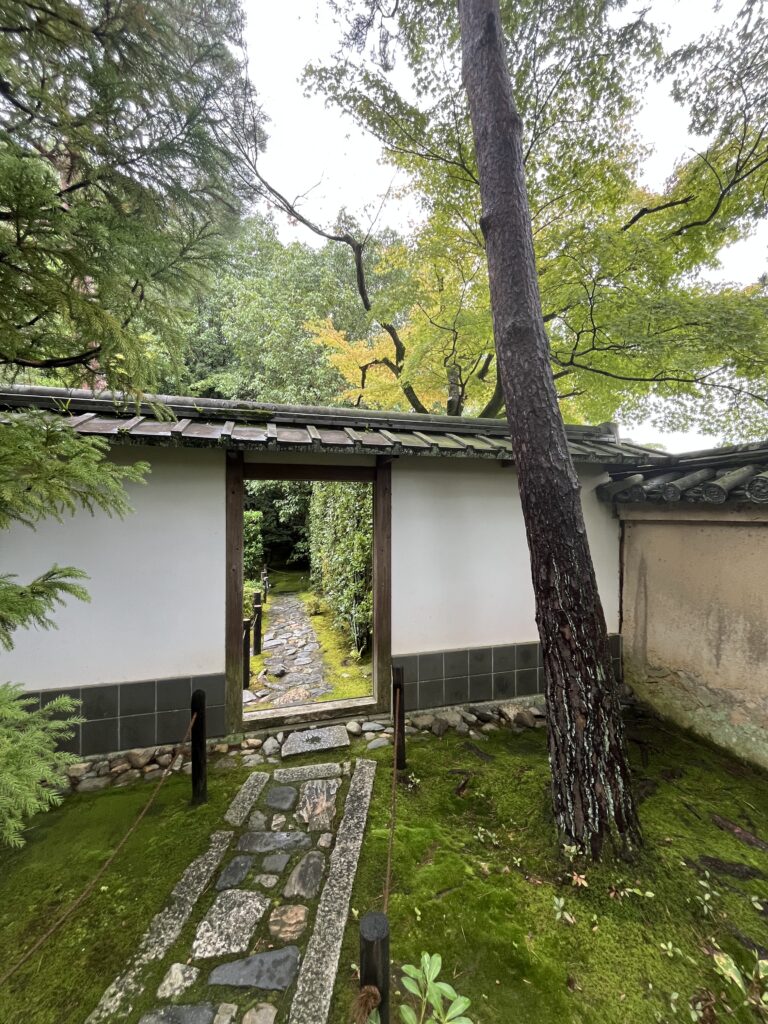
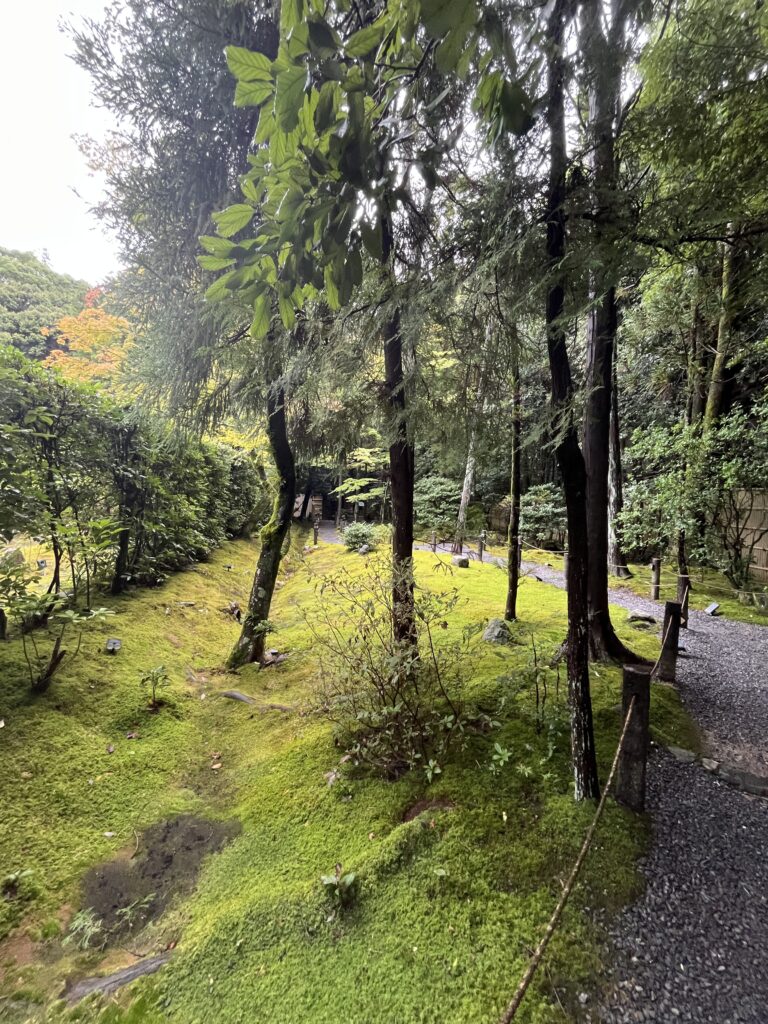
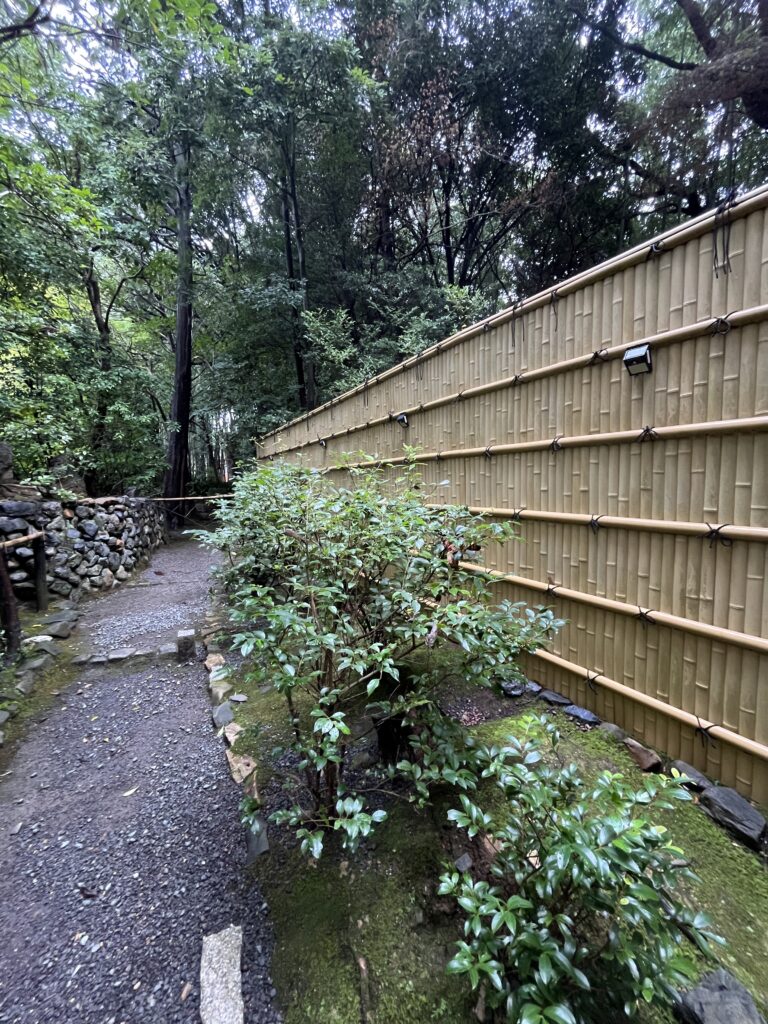
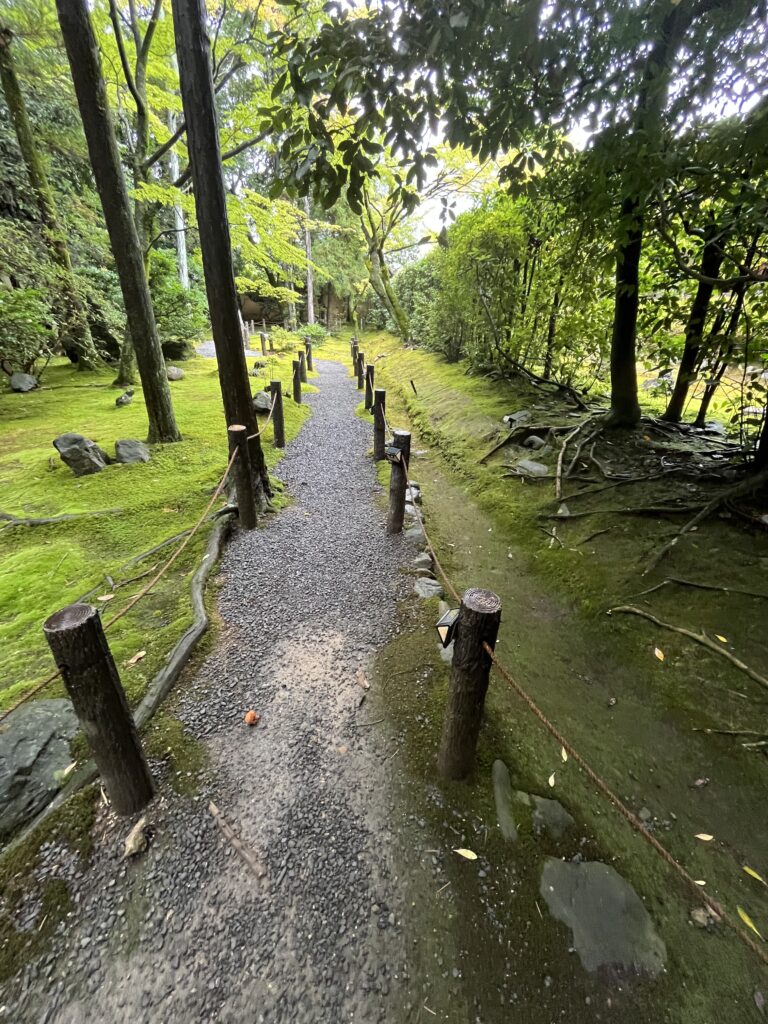
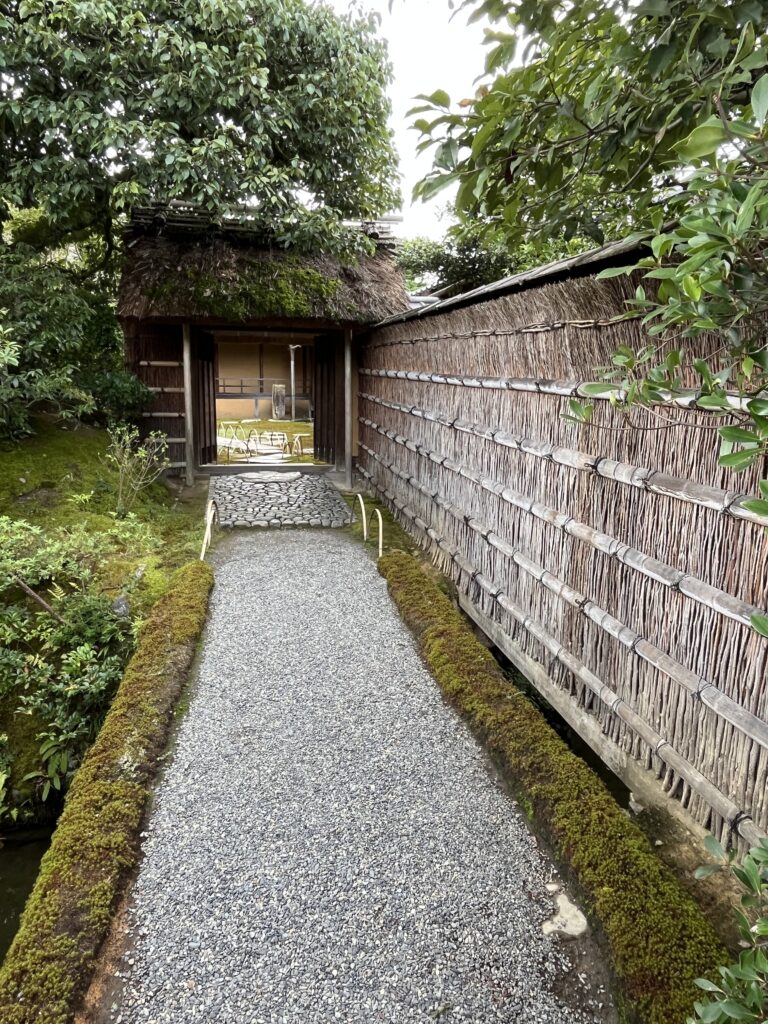
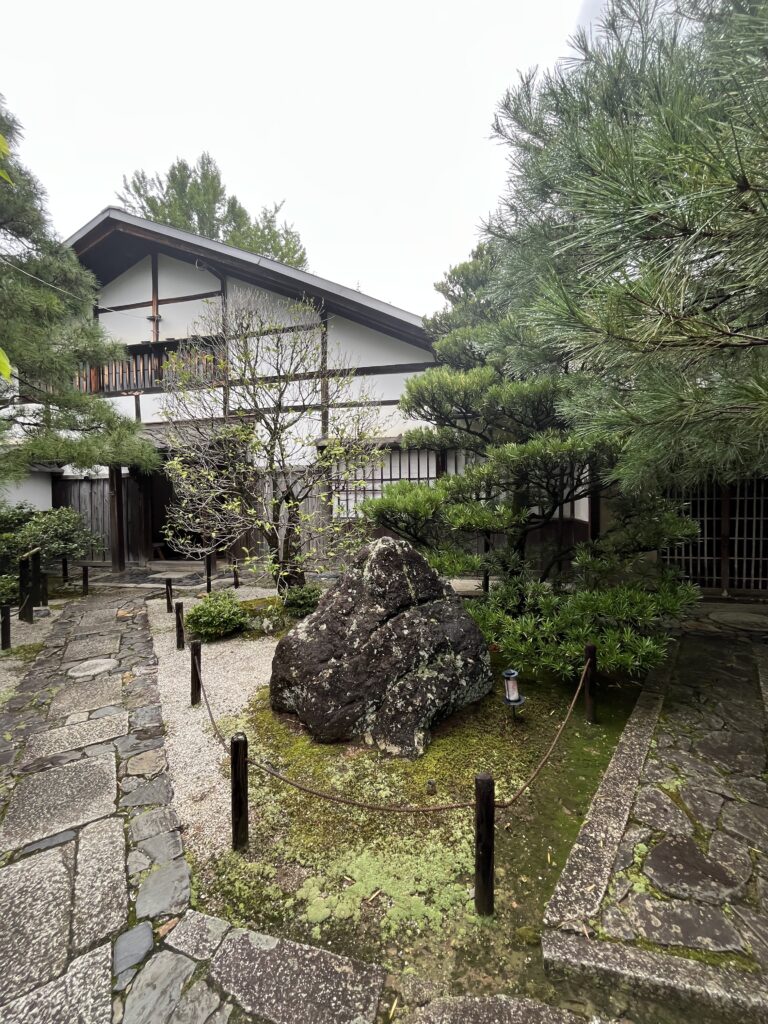
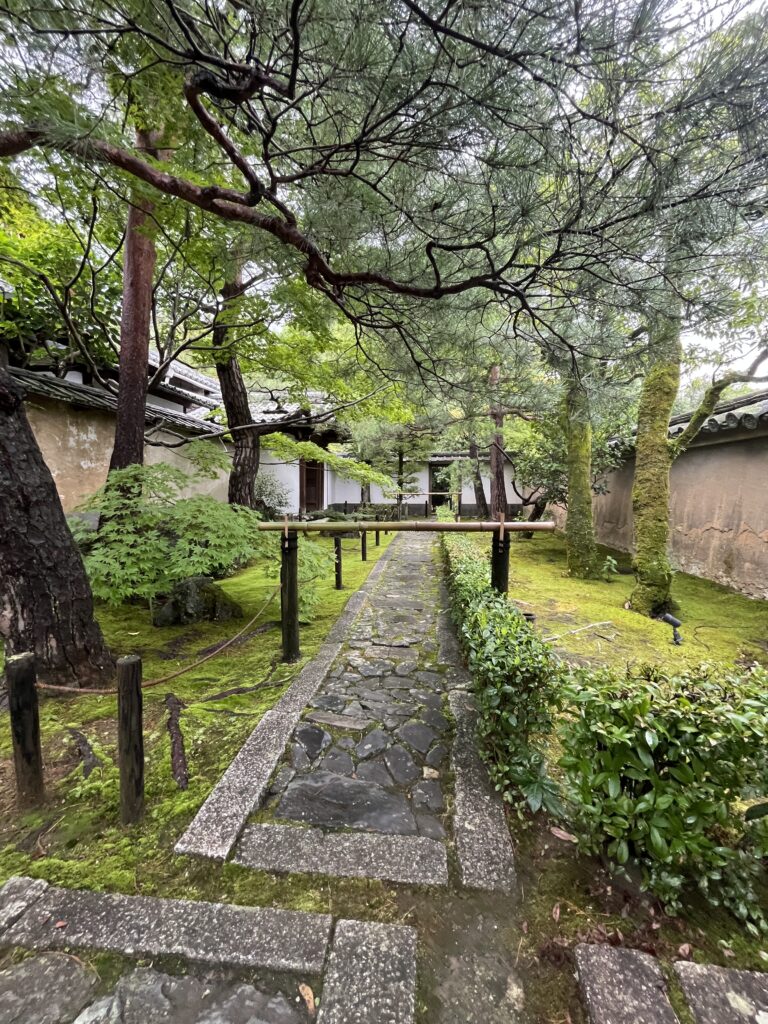
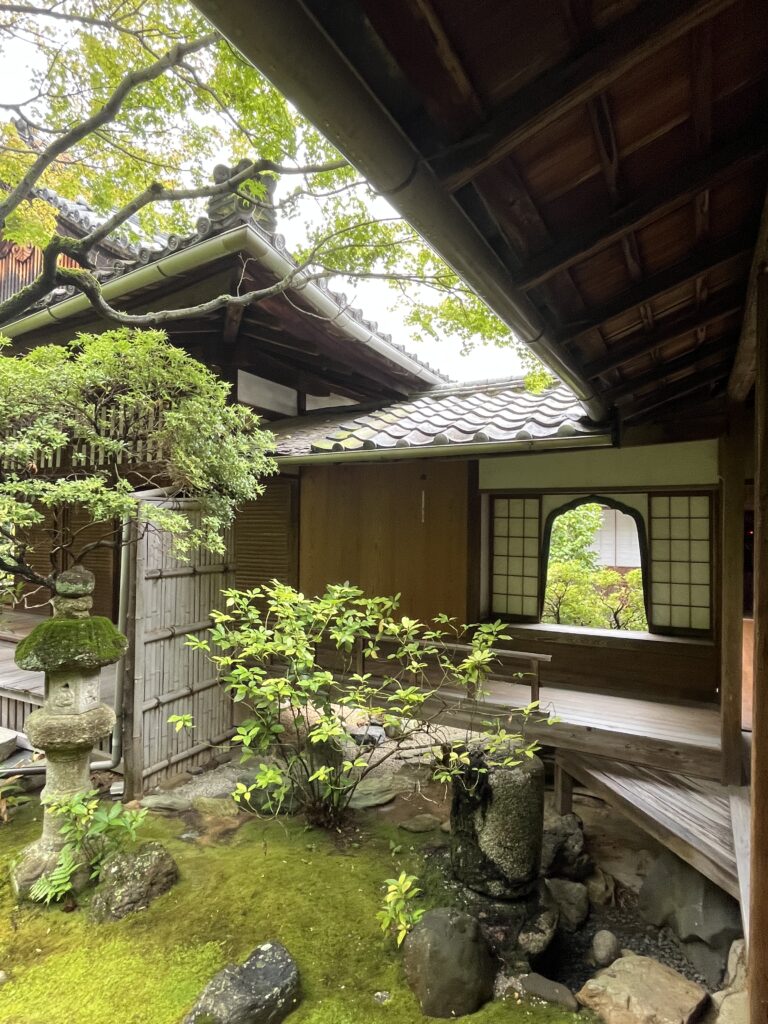
Keishun-in’s four gardens are named “Wabi” (Simplicity), “Seijo” (Purity), “Shii” (Contemplation), and “Shinnyo” (True Reality); visitors can stroll through them along the designated viewing route.
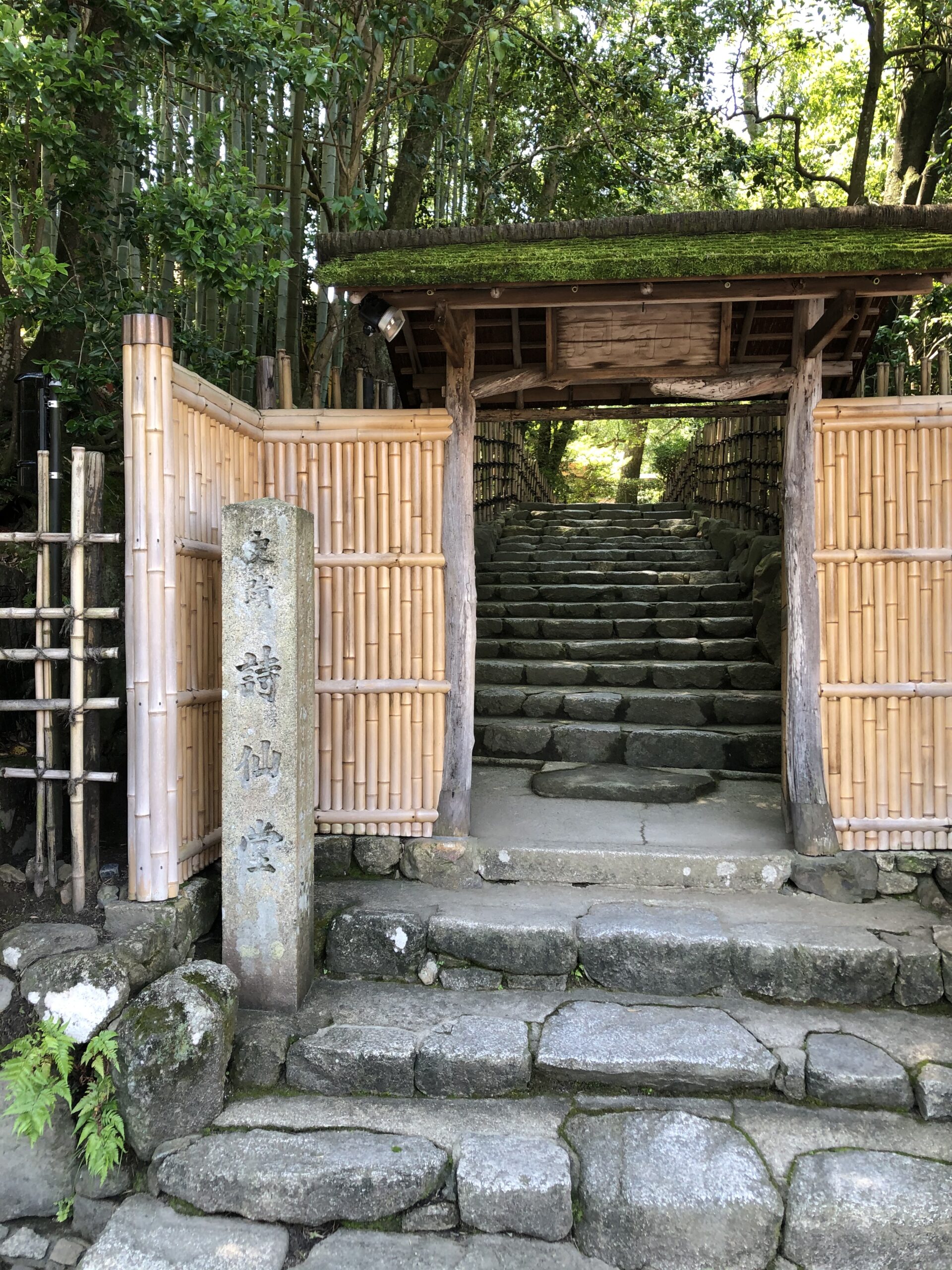
Discover a Quiet and Peaceful side of Kyoto
Keishun-in’s four gardens are named “Wabi” (Simplicity), “Seijo” (Purity), “Shii” (Contemplation), and “Shinnyo” (True Reality); visitors can stroll through them along the designated viewing route.
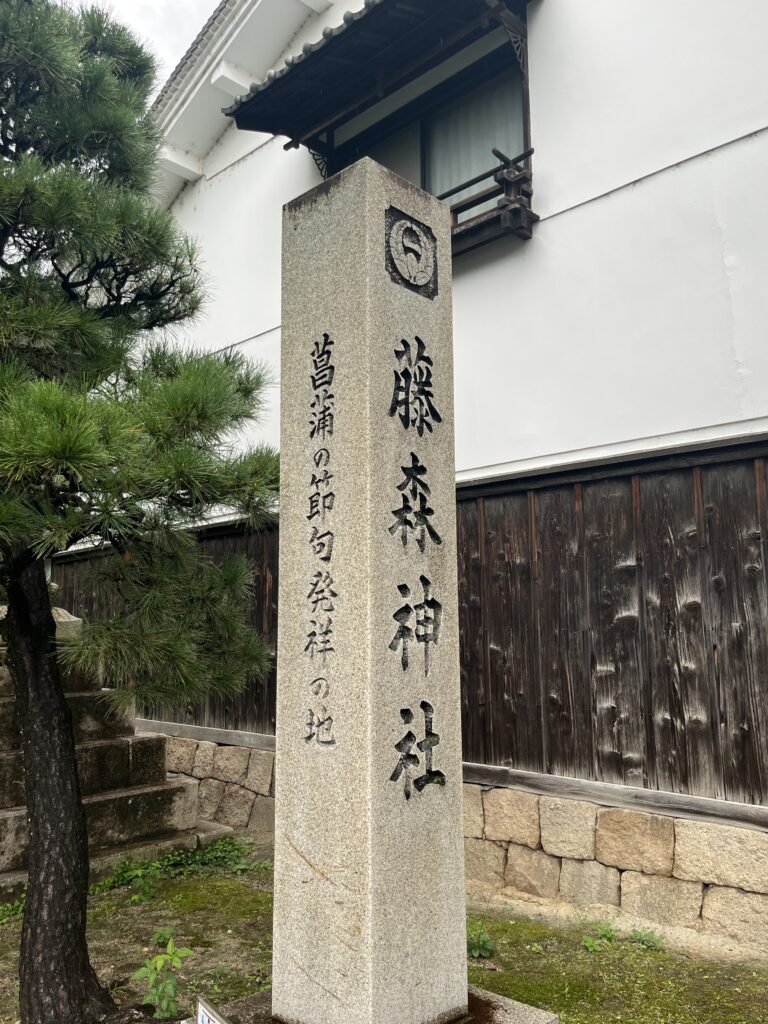
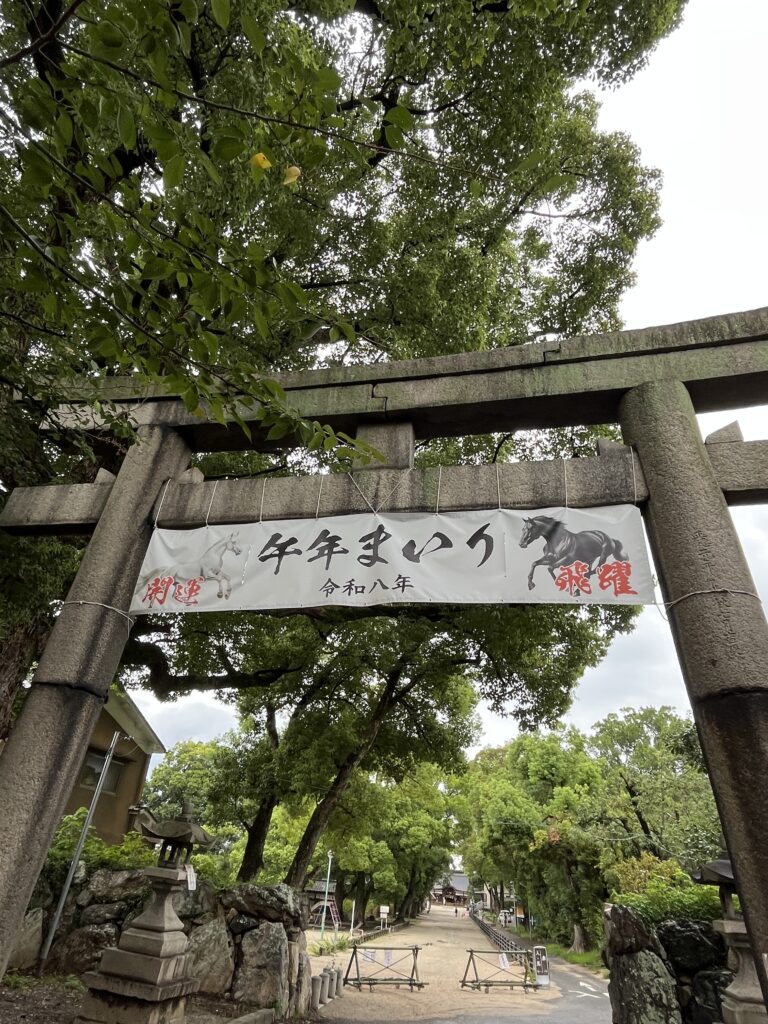
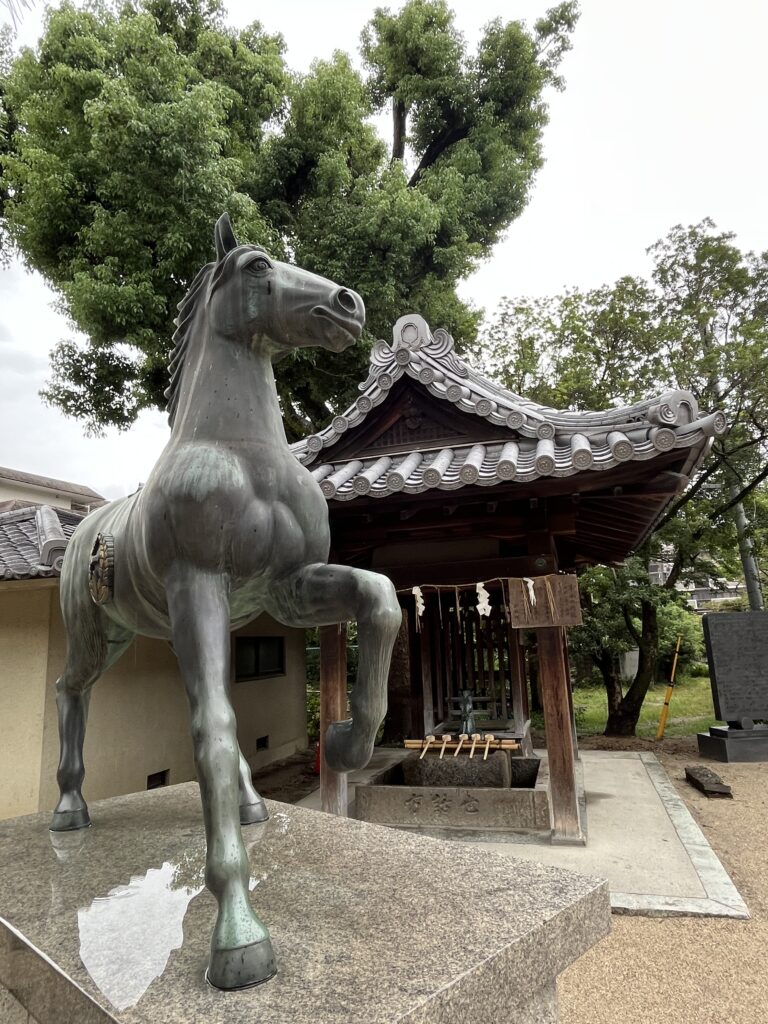
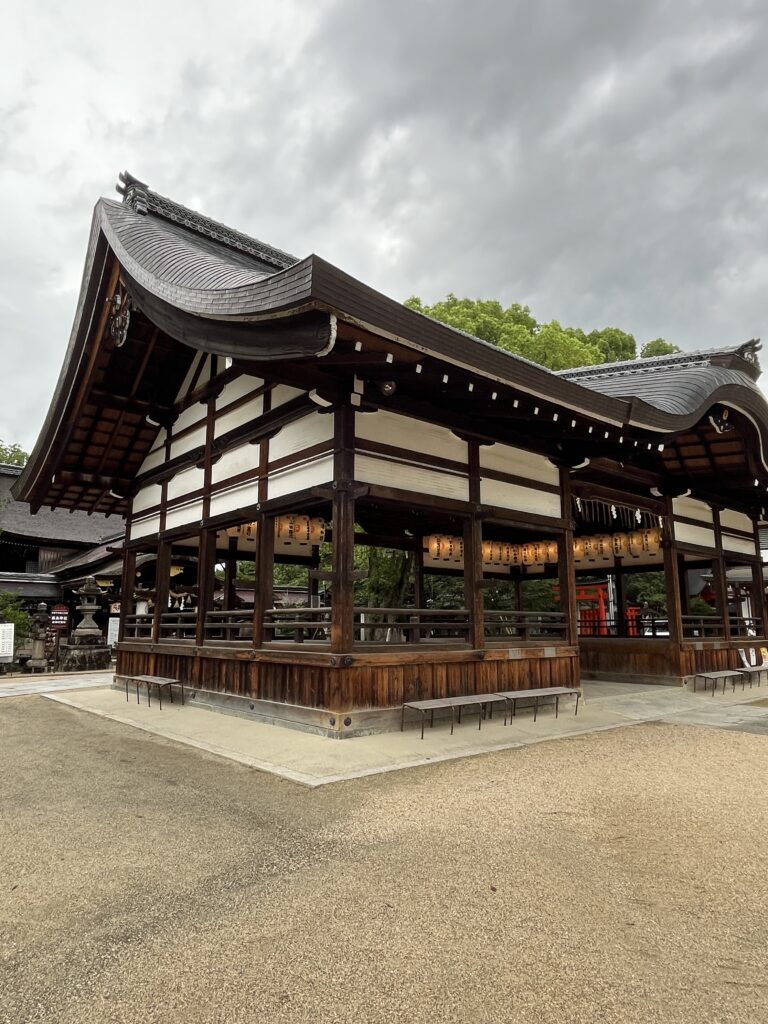
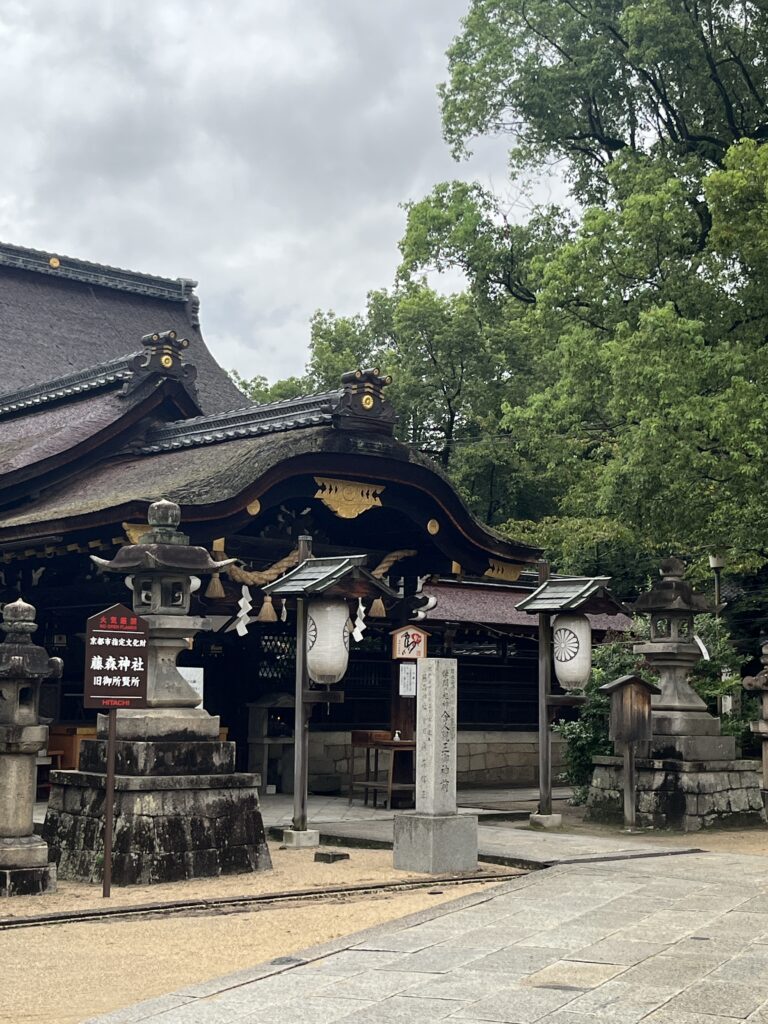
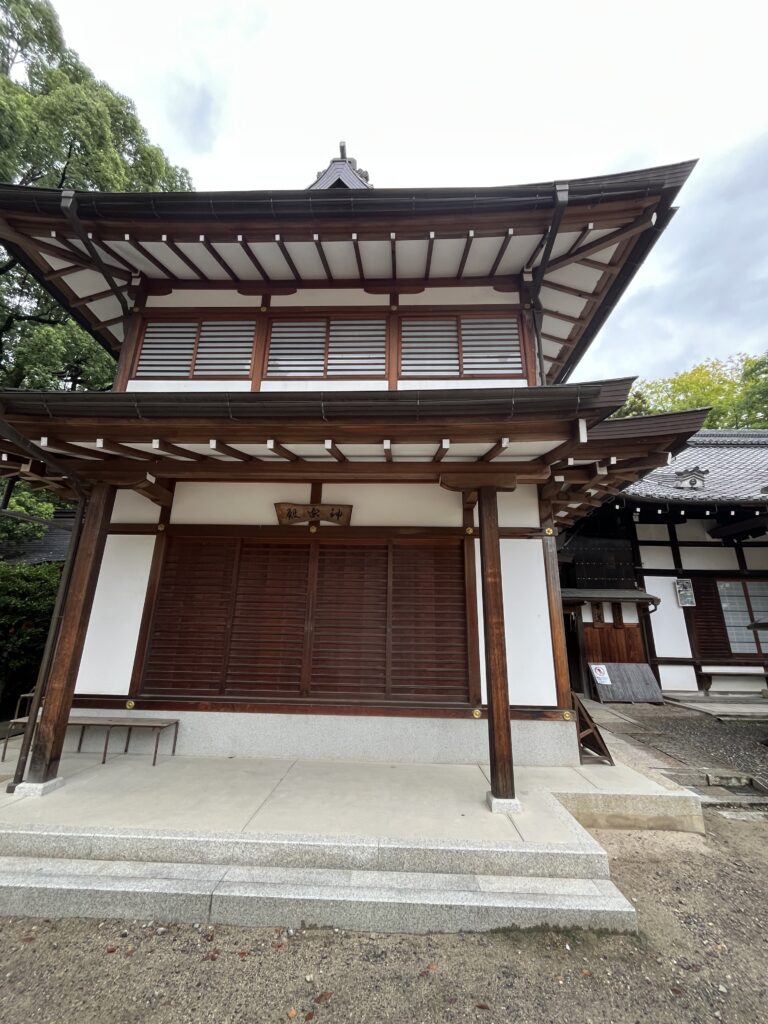
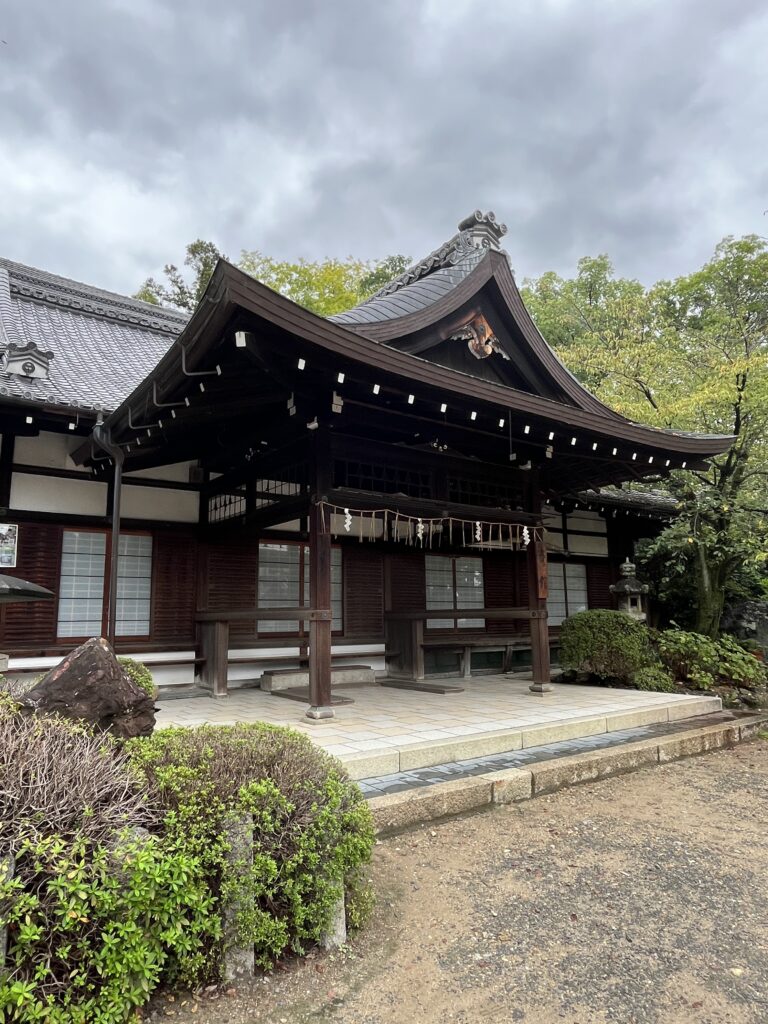
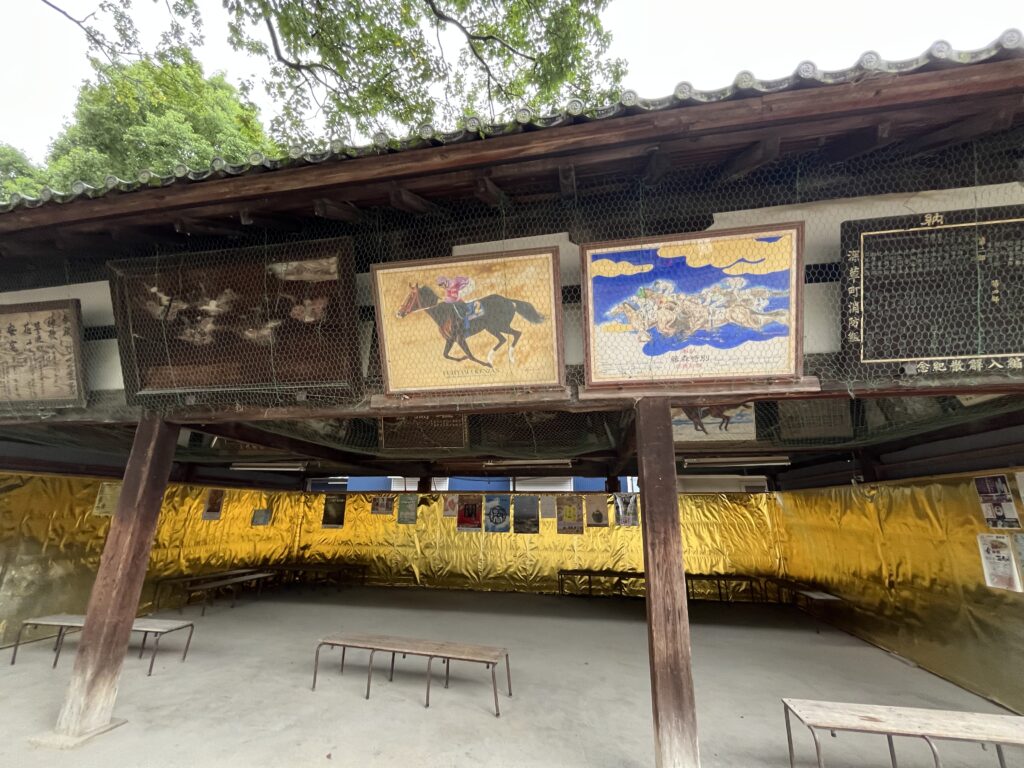
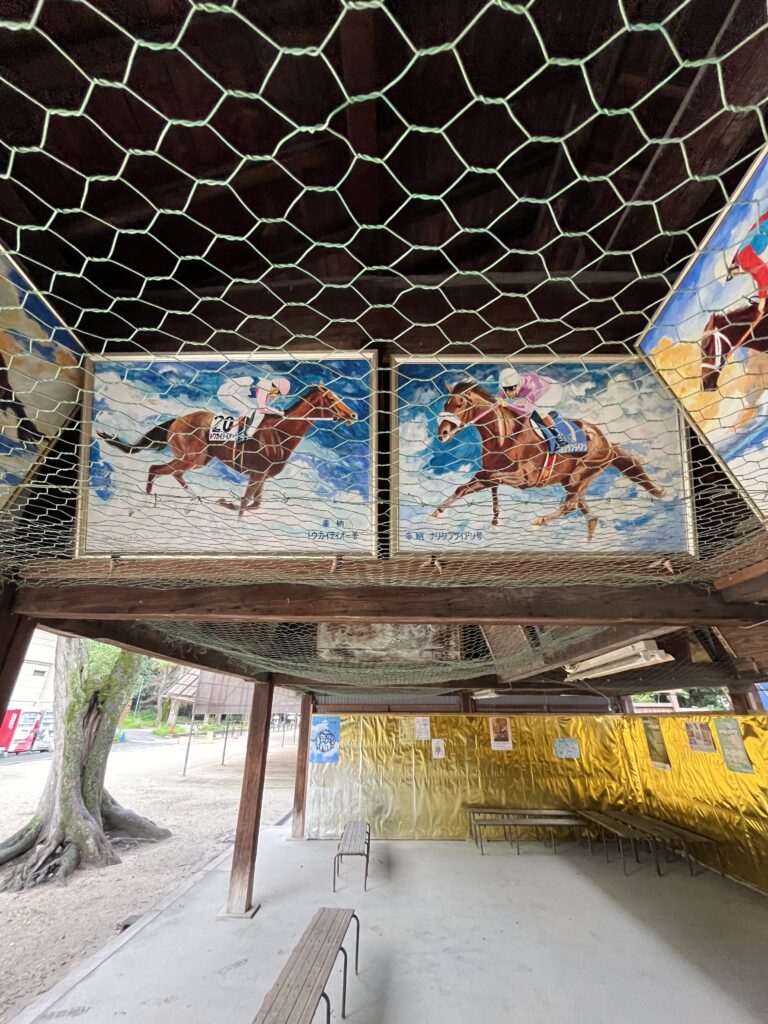
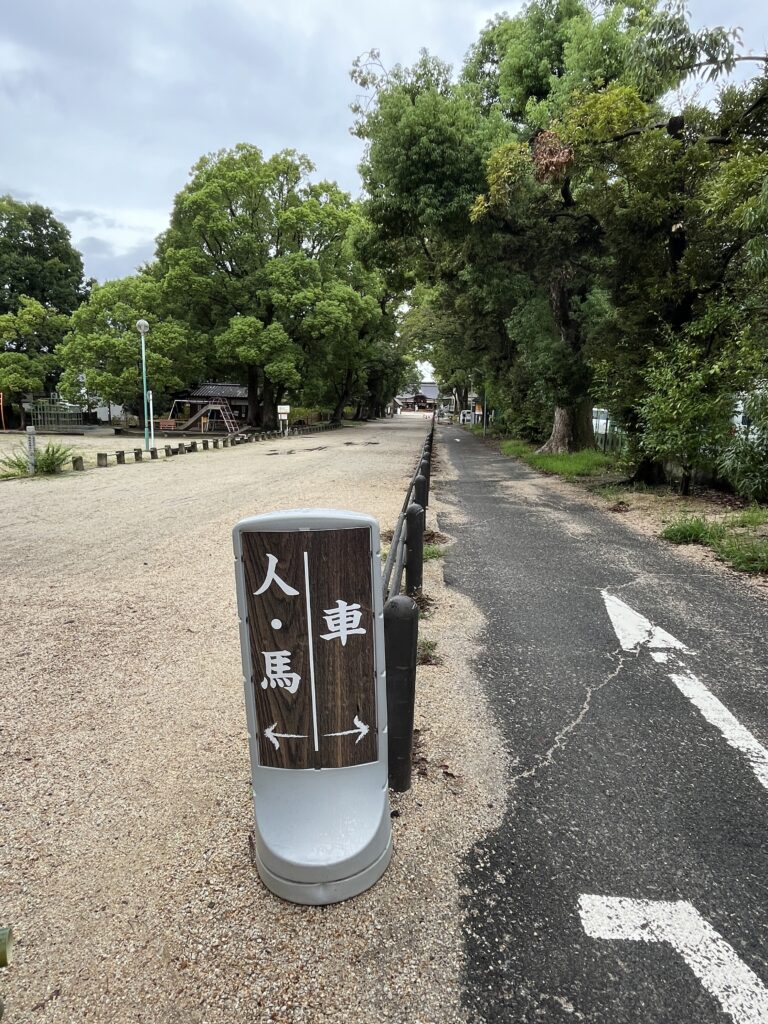
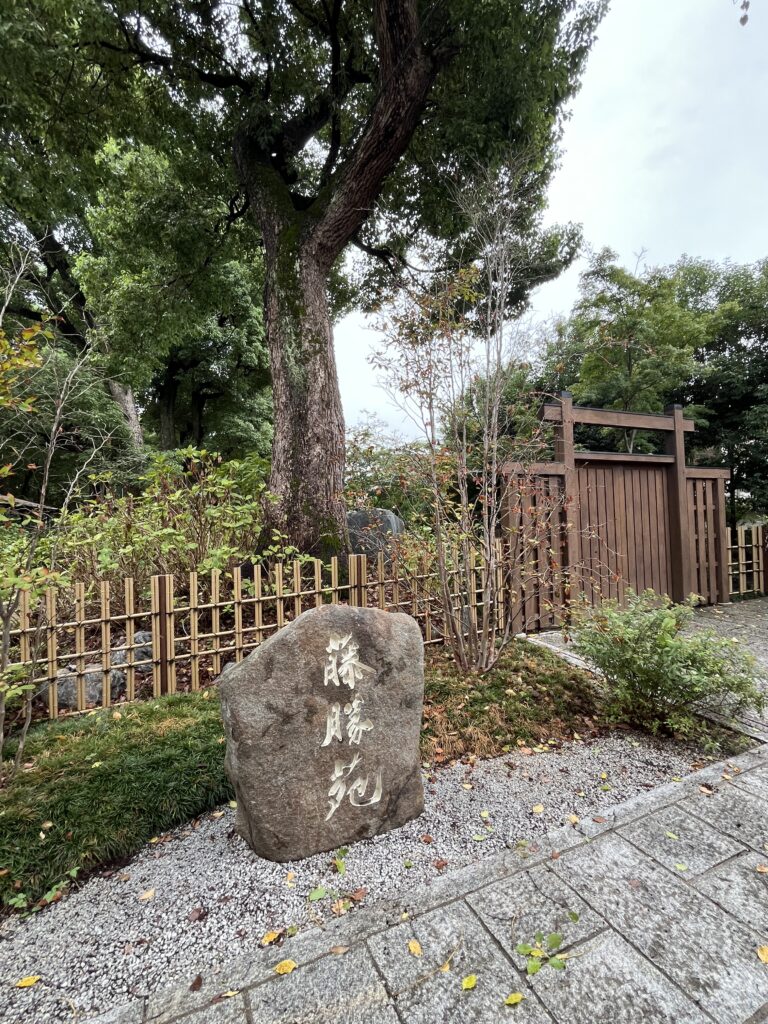
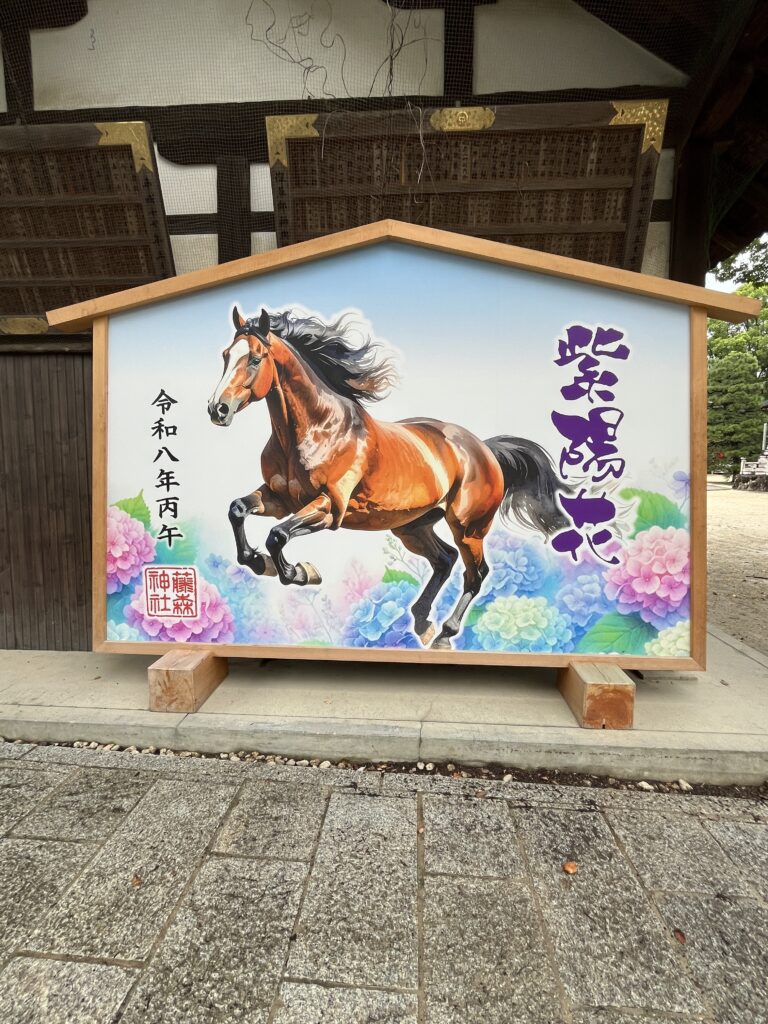
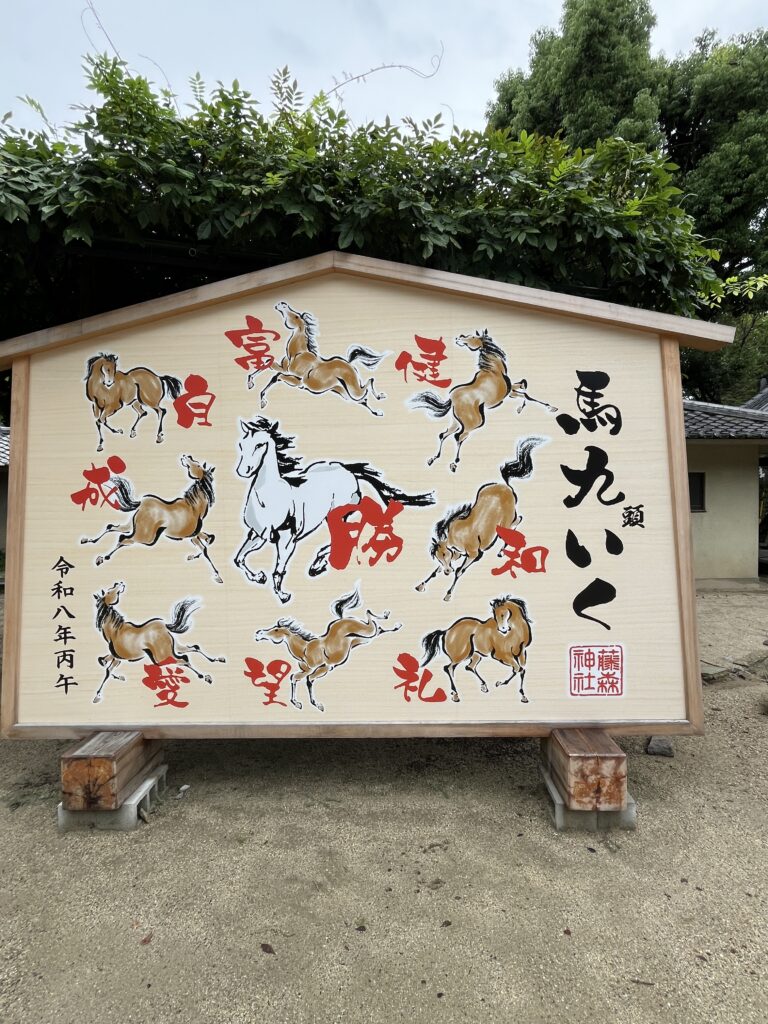
The year of my visit—2026—is the Year of the Horse in the Chinese zodiac, and indeed, we can see many things here that are particularly associated with horses.Fujinomori Shrine has long been revered as a guardian of southern Kyoto. Known as the birthplace of the *Shobu no Sekku* (Iris Festival), it is also widely celebrated as a shrine dedicated to the deity of victory and the guardian deity of horses; in the *Ema-do* (Votive Tablet Hall), one can see numerous *ema* (votive tablets) depicting famous racehorses that once achieved great renown.
Location
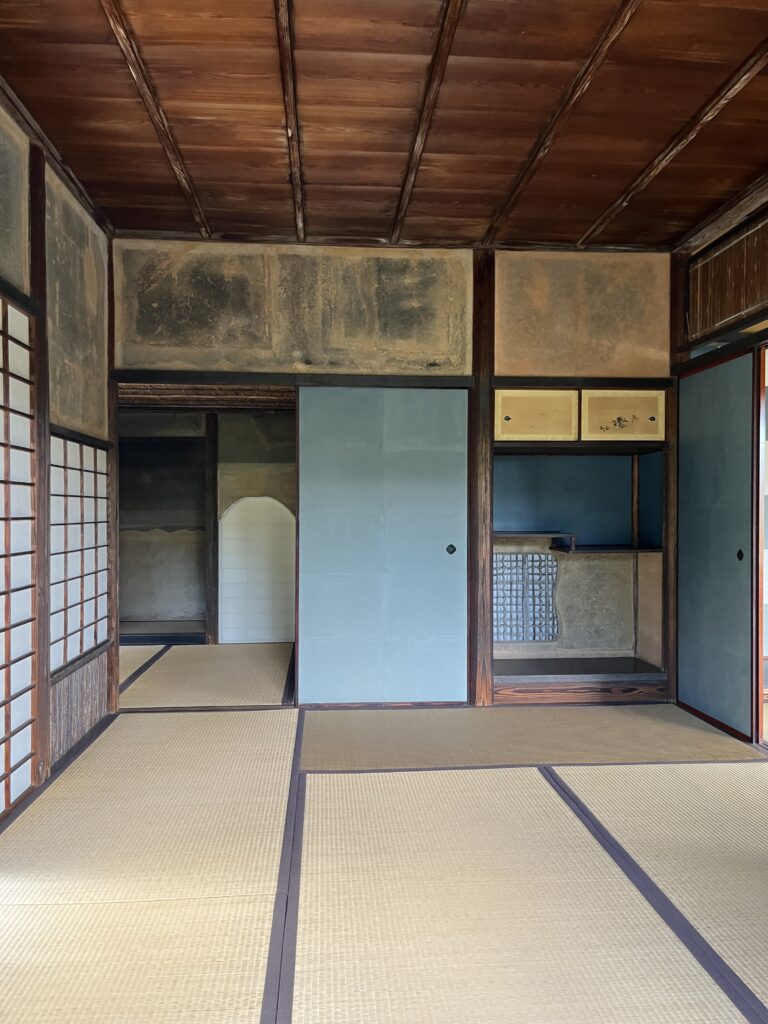
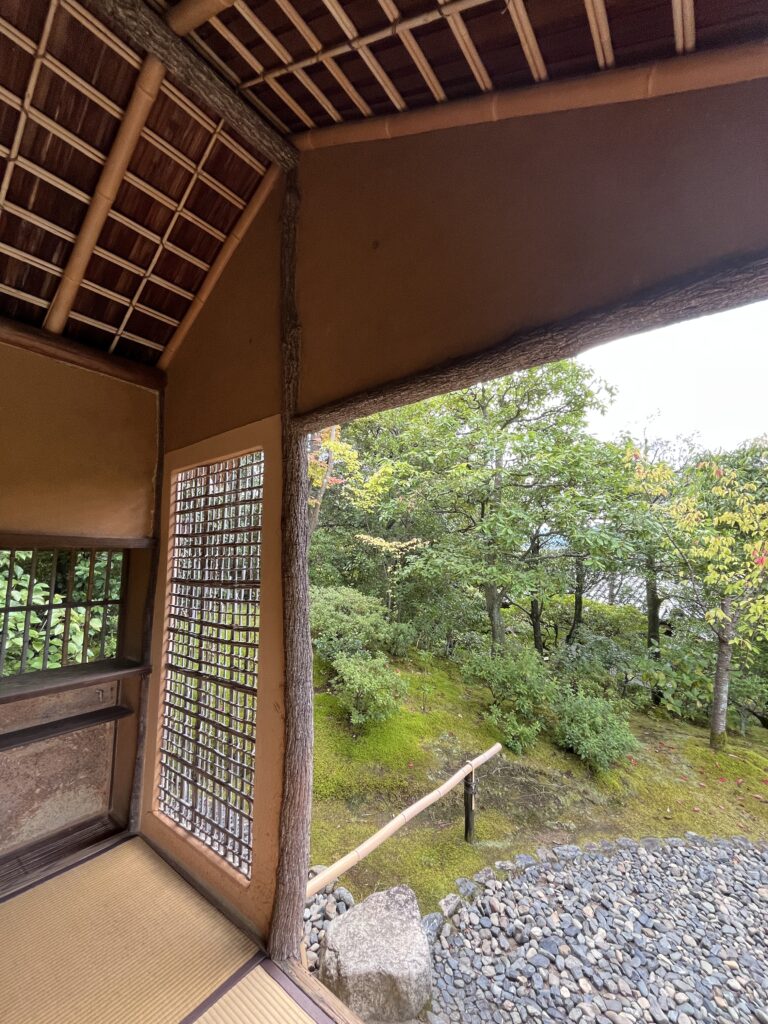
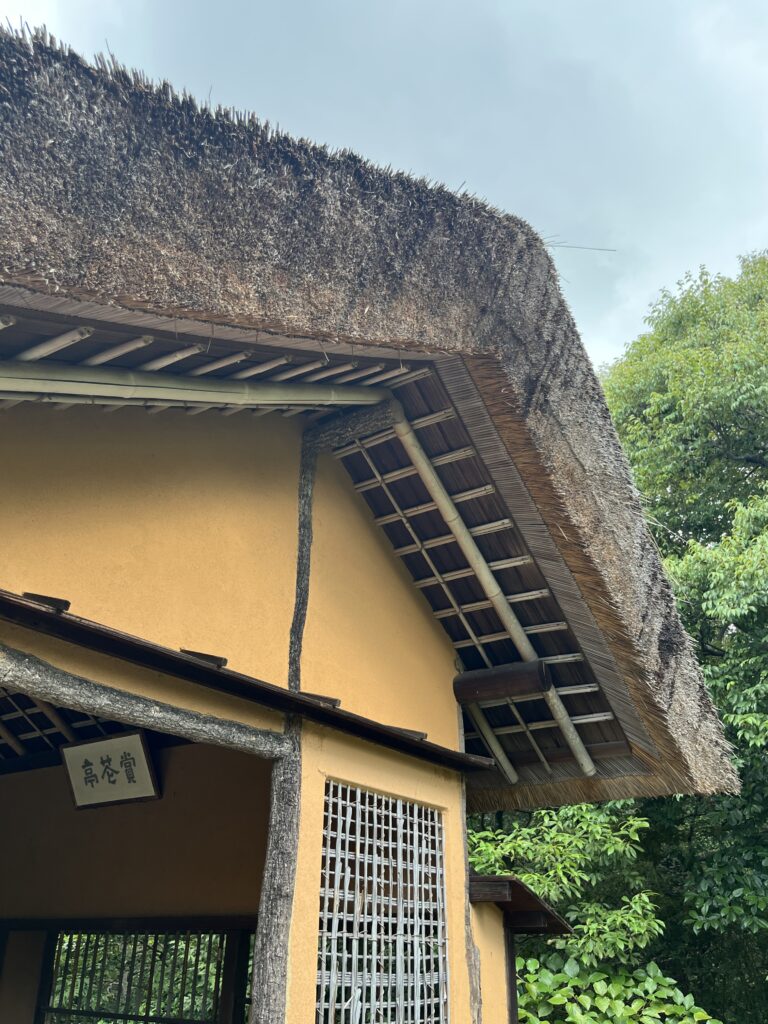
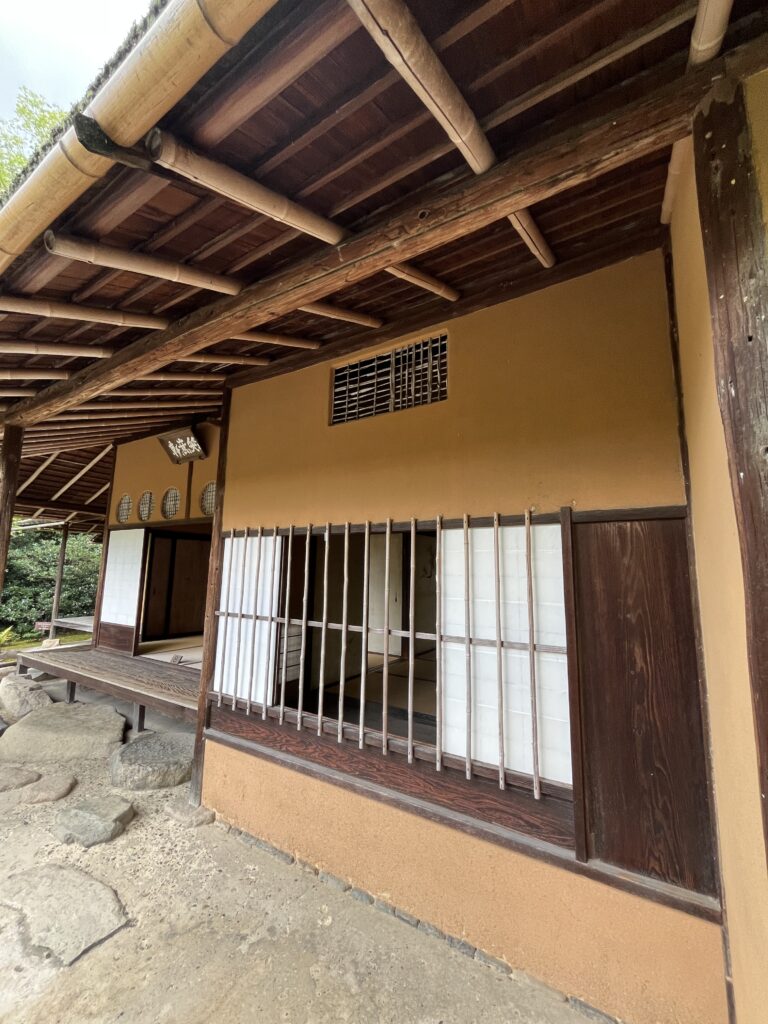
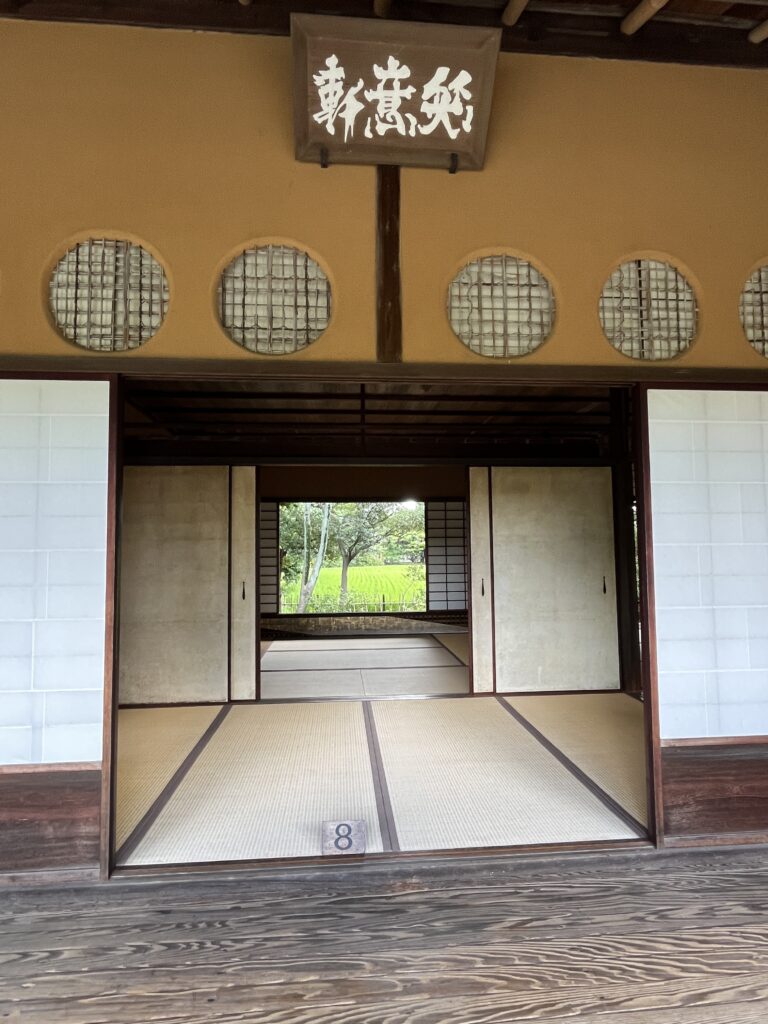
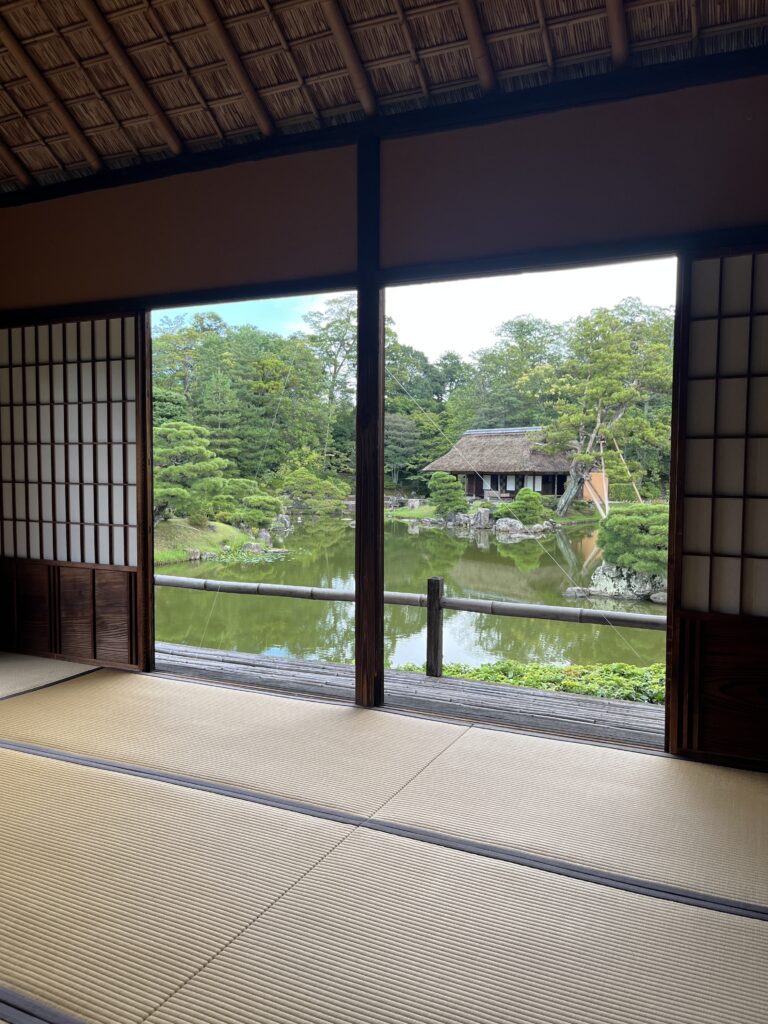
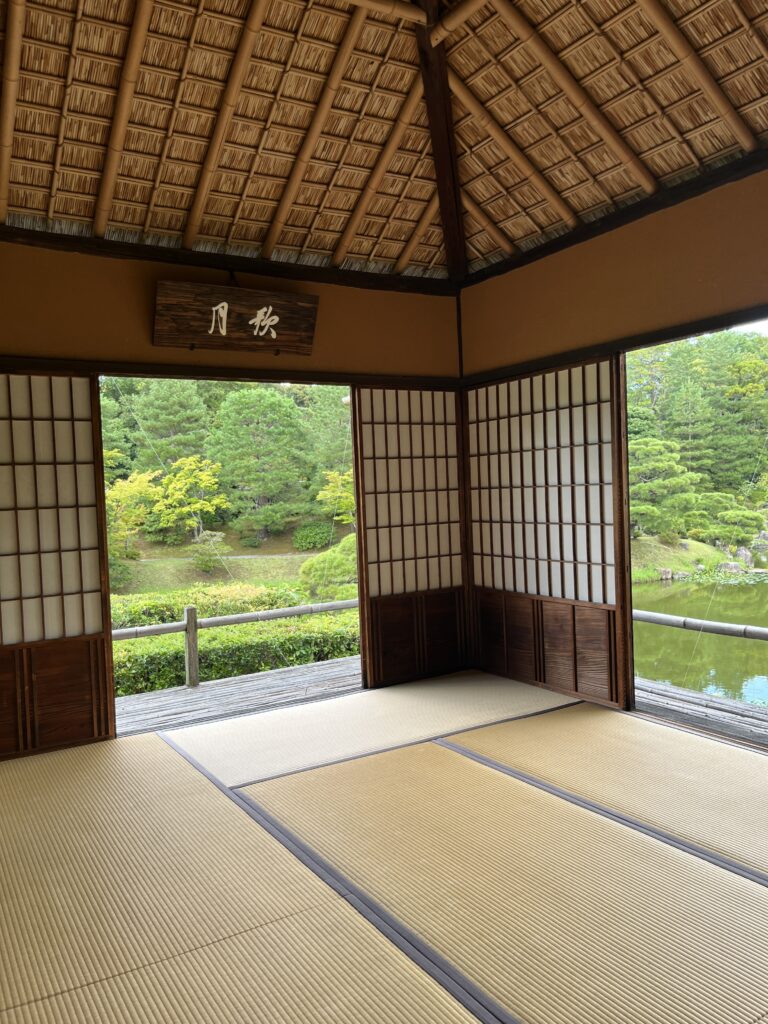
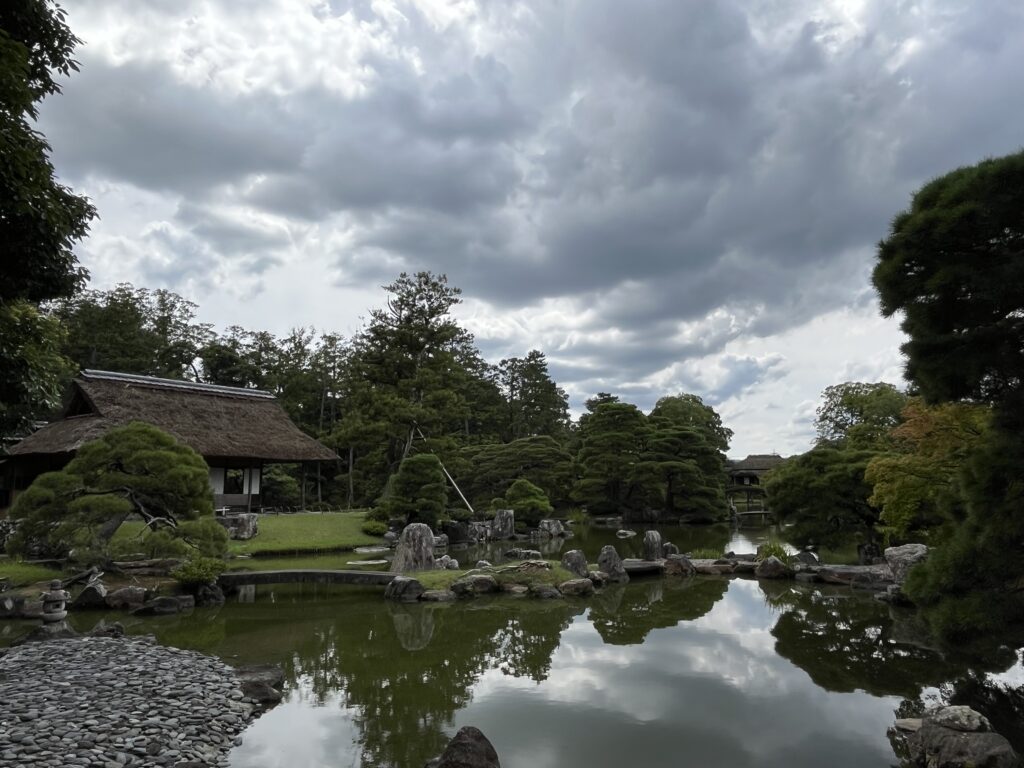
Katsura Imperial Villa features four teahouses, each with its own distinctive character; they include a teahouse designed for enjoying autumn moon-viewing, as well as others intended for appreciating the beauty of the changing seasons.
Location
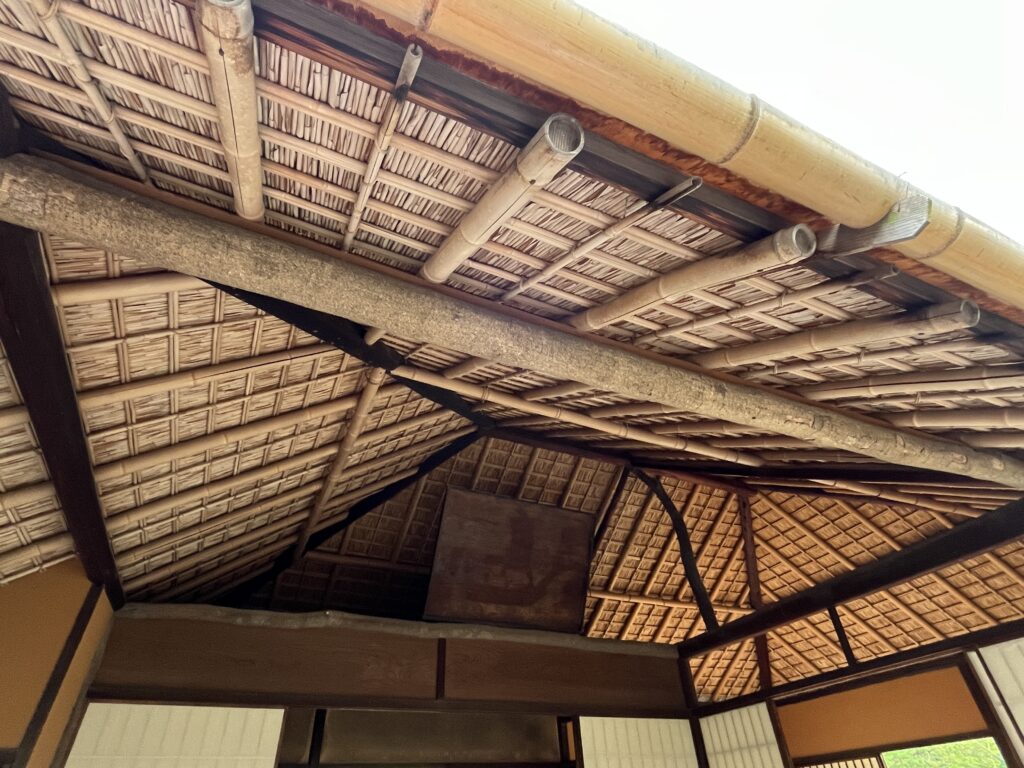
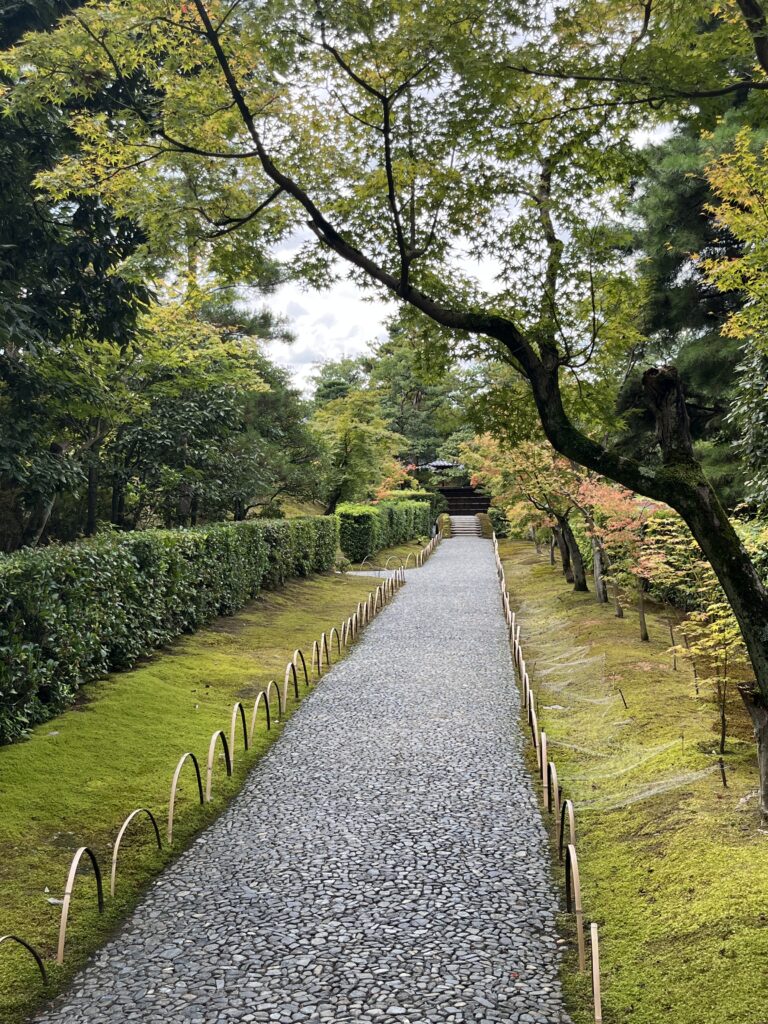
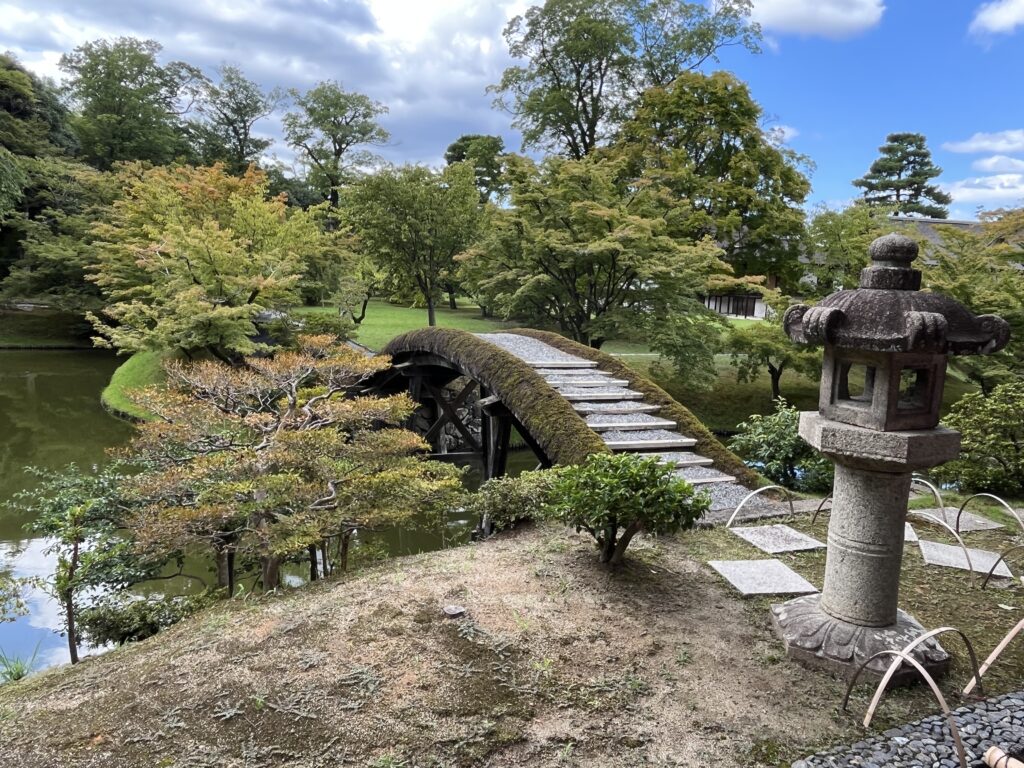
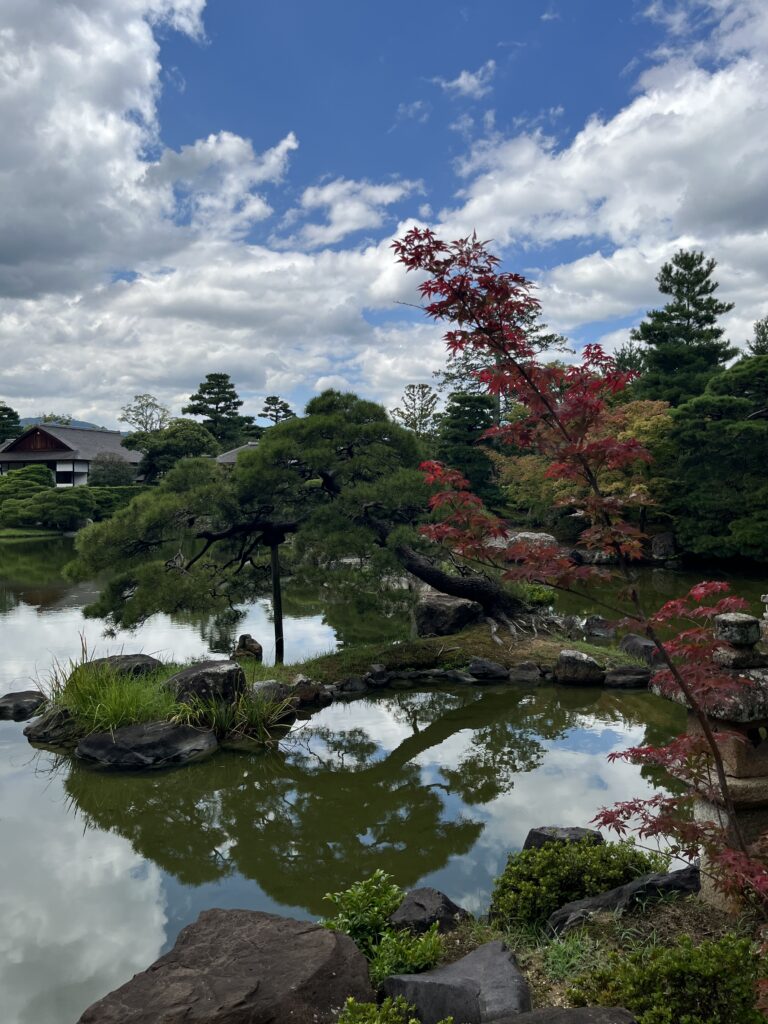
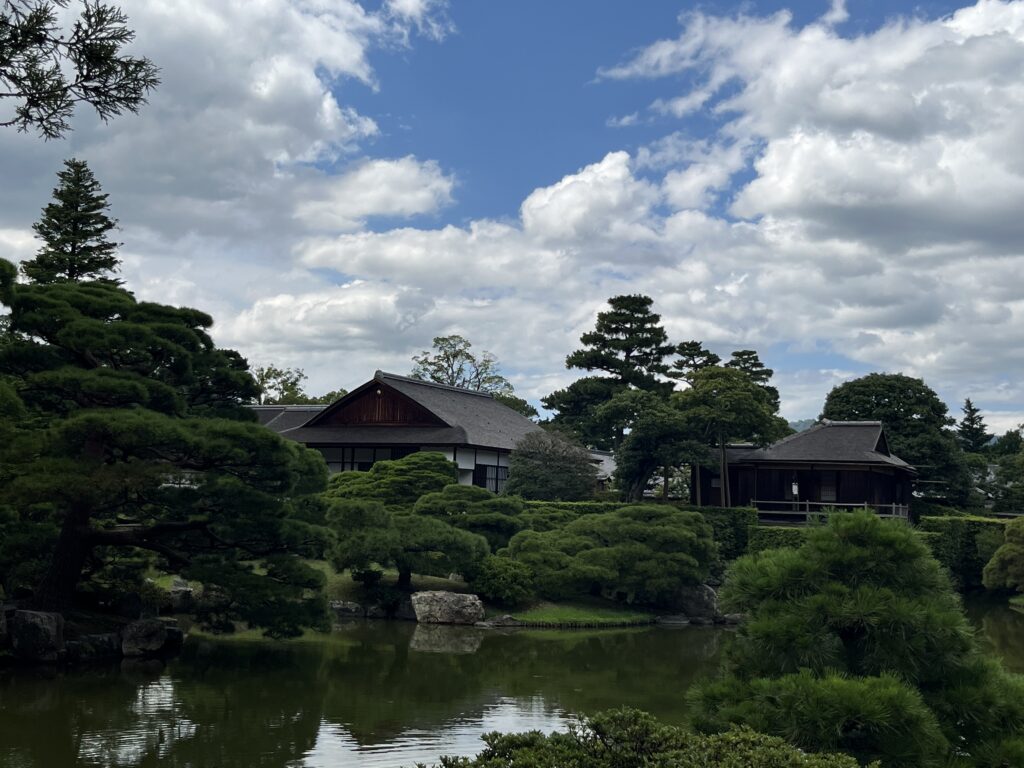
Located on the west bank of the Katsura River and originally a villa of the Hachijo-no-miya family, the Katsura Imperial Villa is a strolling-style garden featuring a pond surrounded by palace buildings and four teahouses, offering scenery that changes with the seasons.
Location
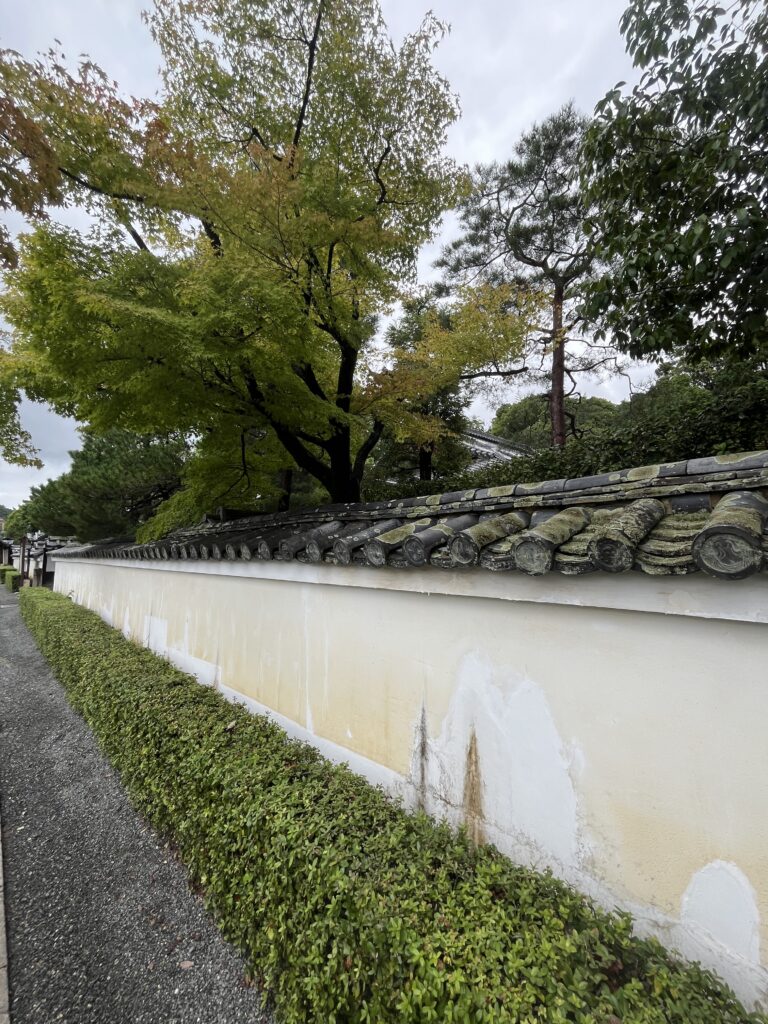
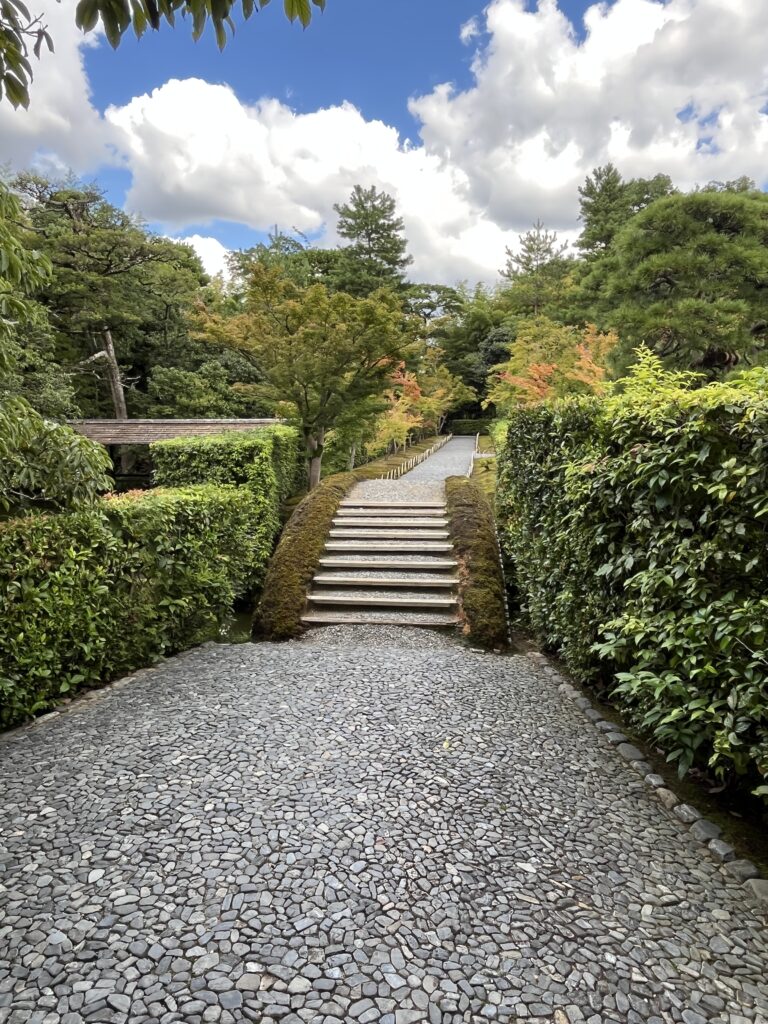
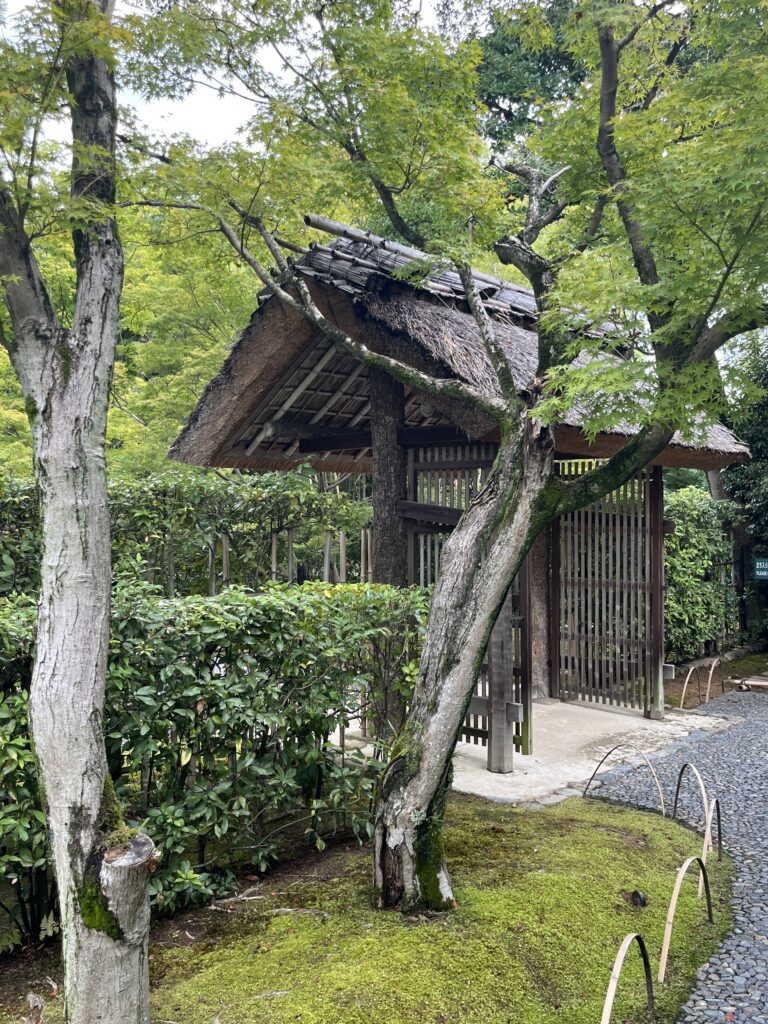
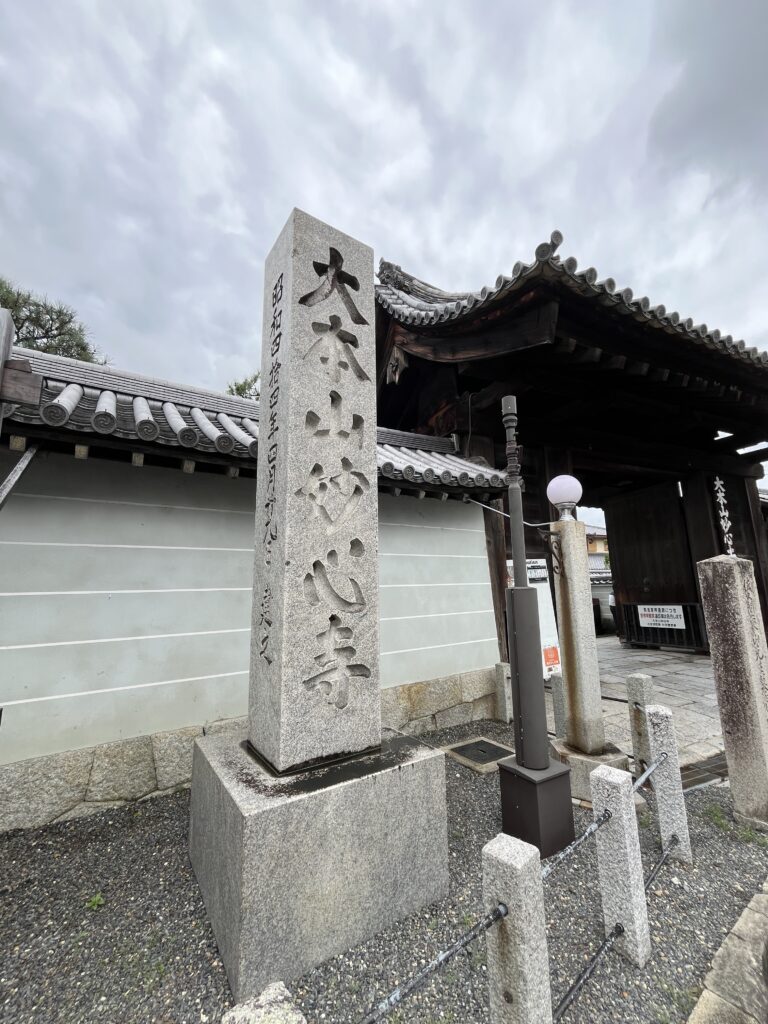
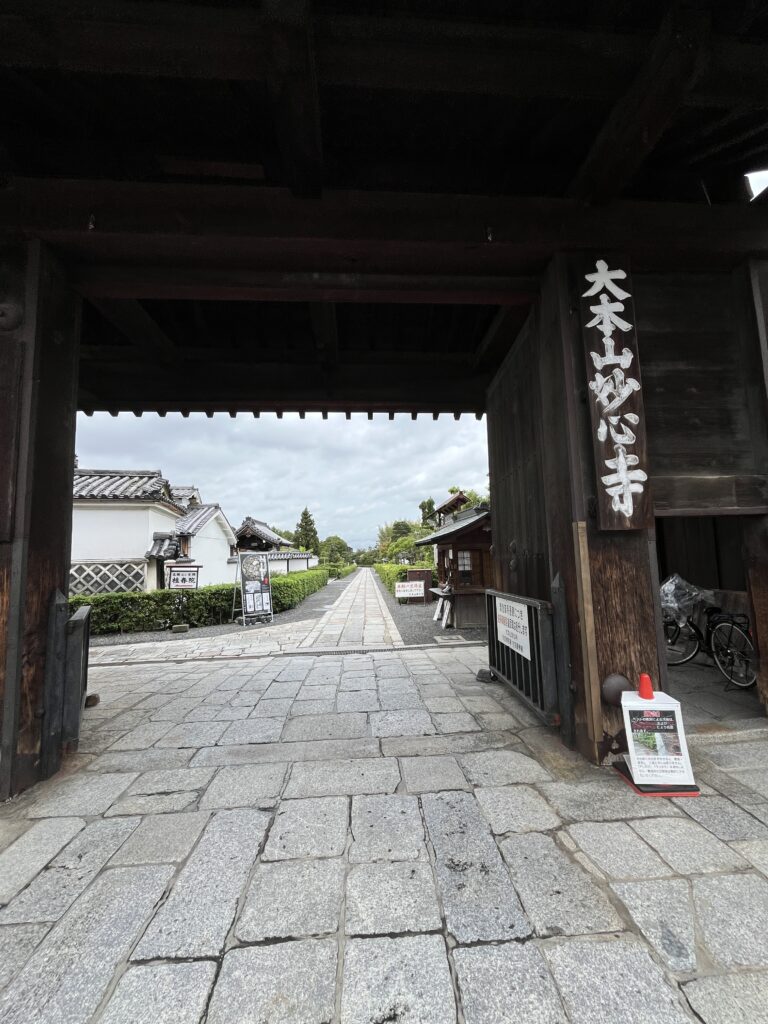
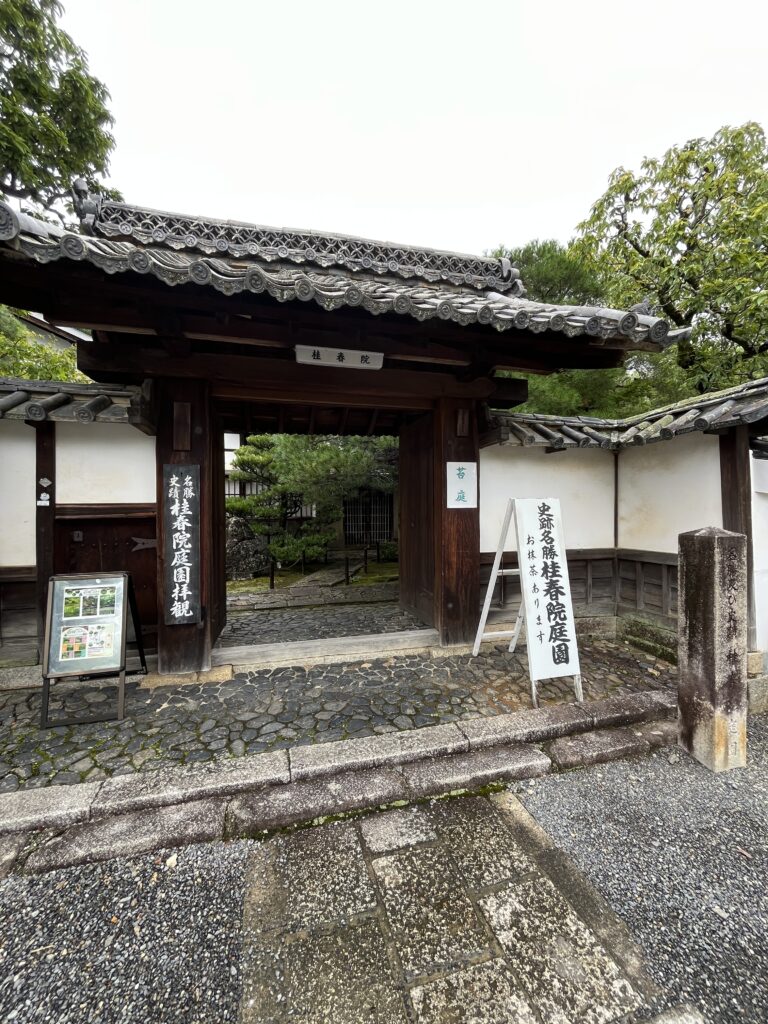
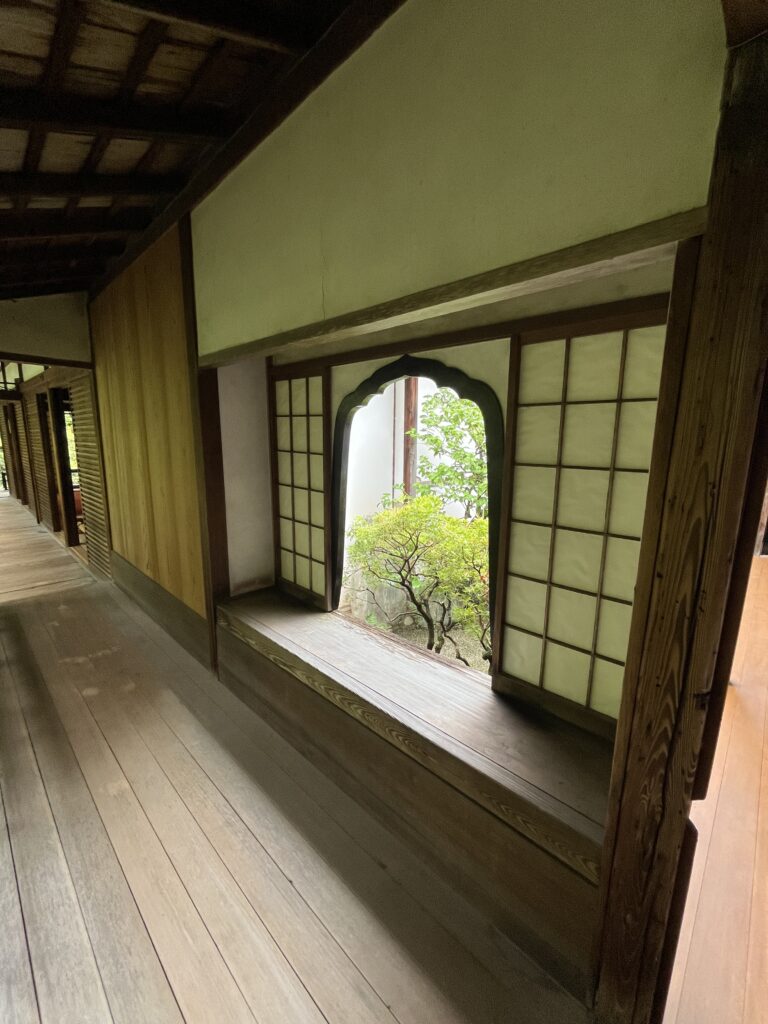
Keishun-in is a sub-temple of Myoshin-ji (a Rinzai Zen temple) in Kyoto’s Ukyo Ward, renowned for its four gardens, tea room, and sliding door paintings by Kano Sansetsu. When I visited, the rain had just stopped, making the moss in the gardens look particularly vibrant.
Location