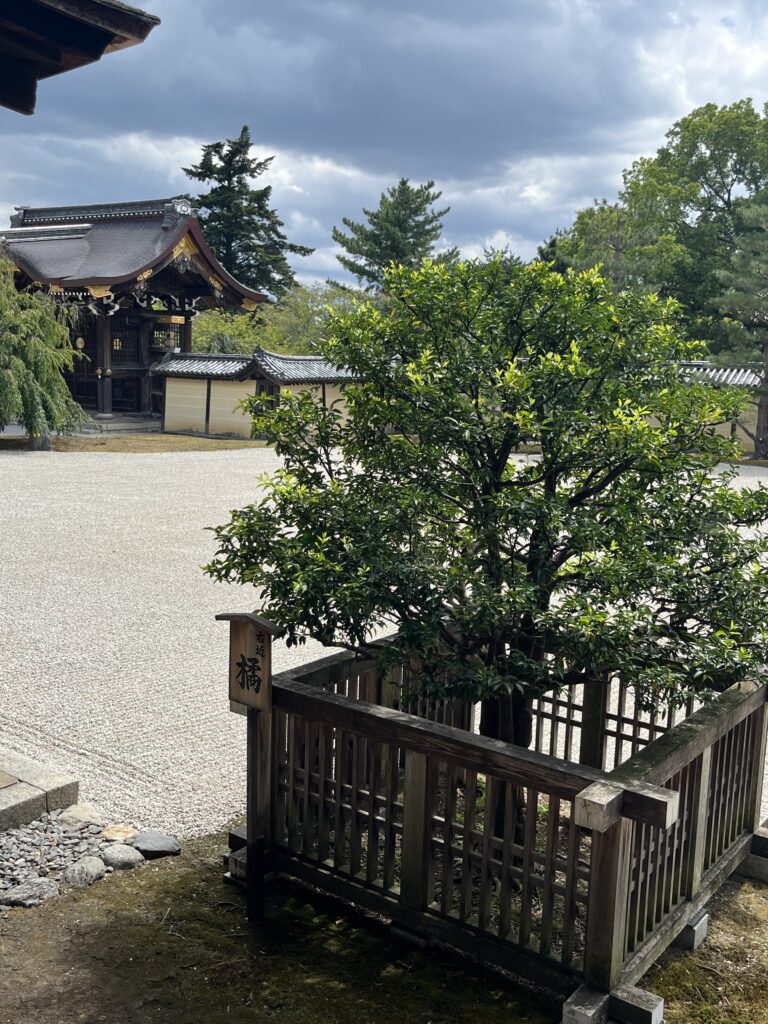
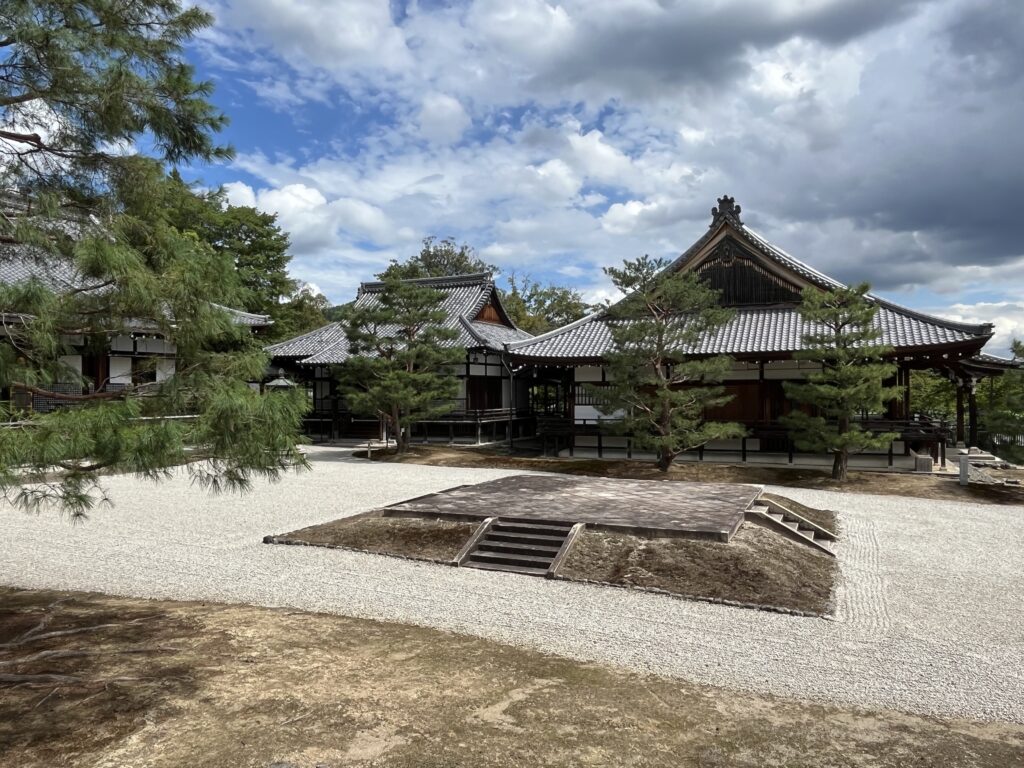
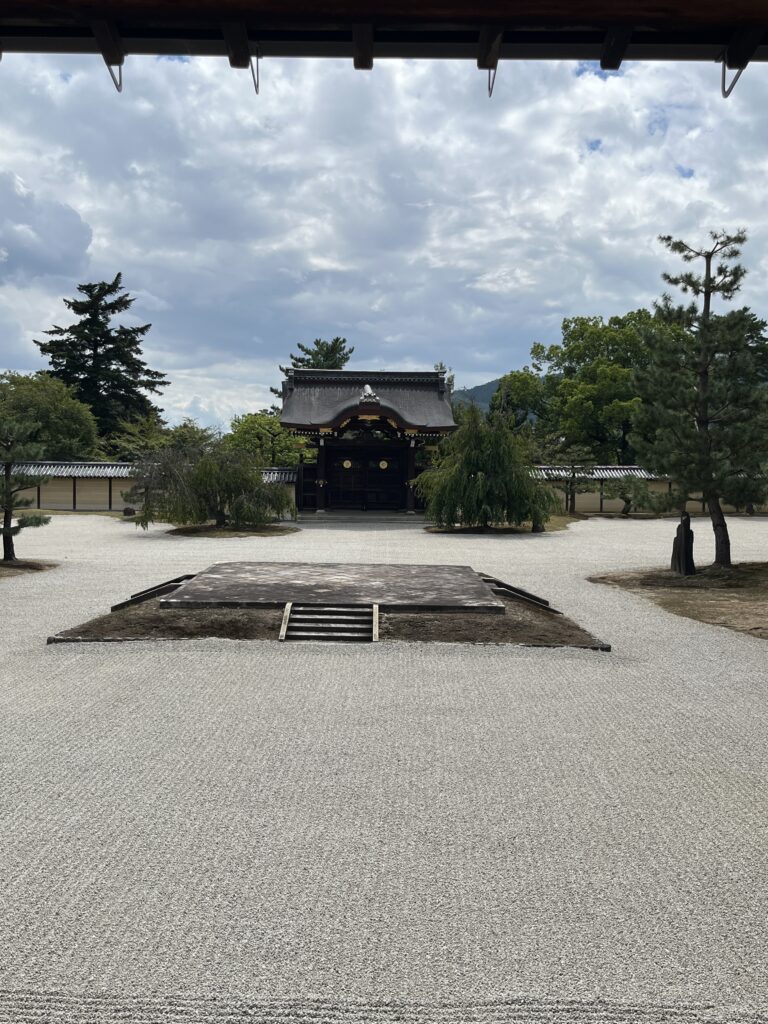
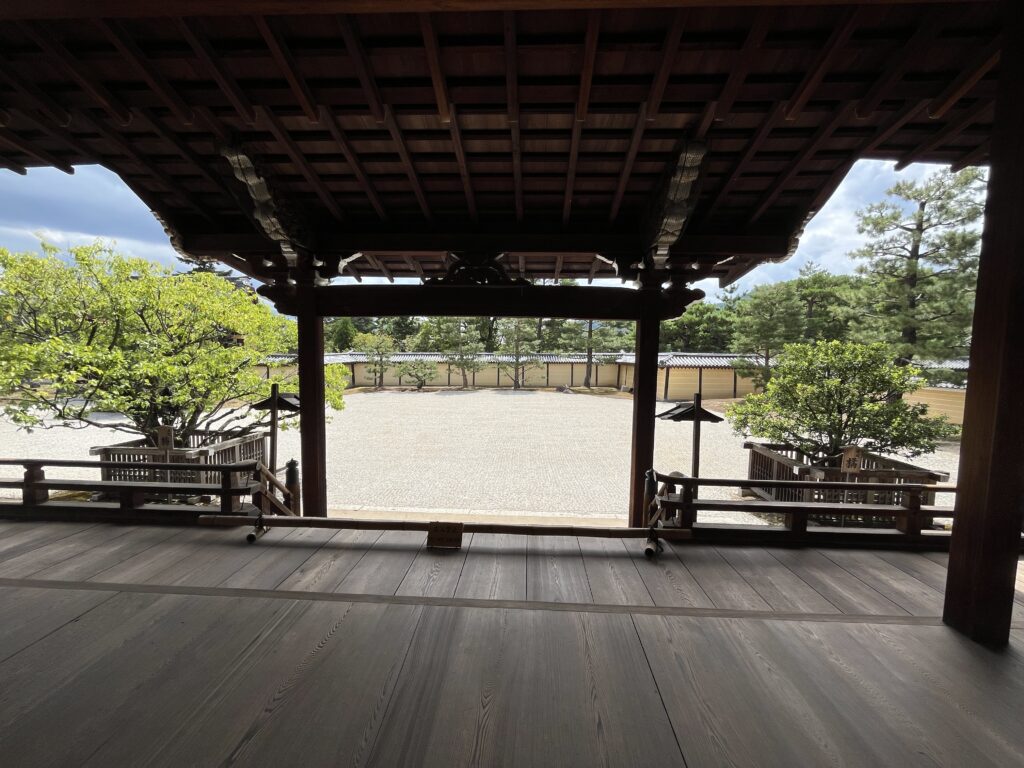
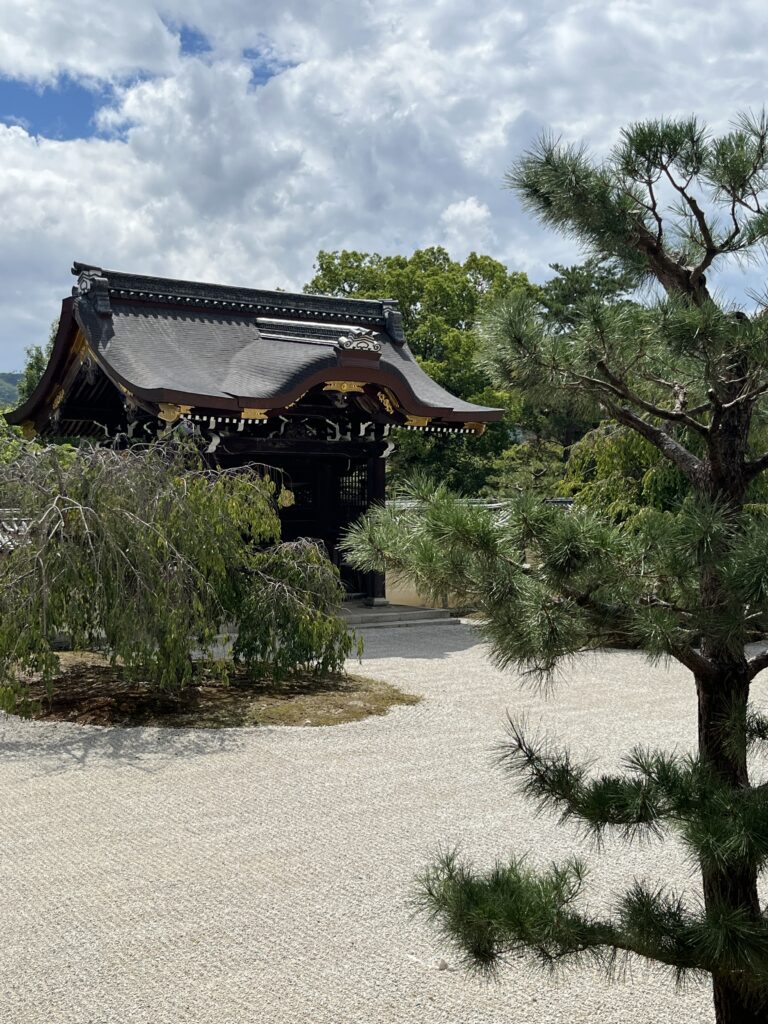
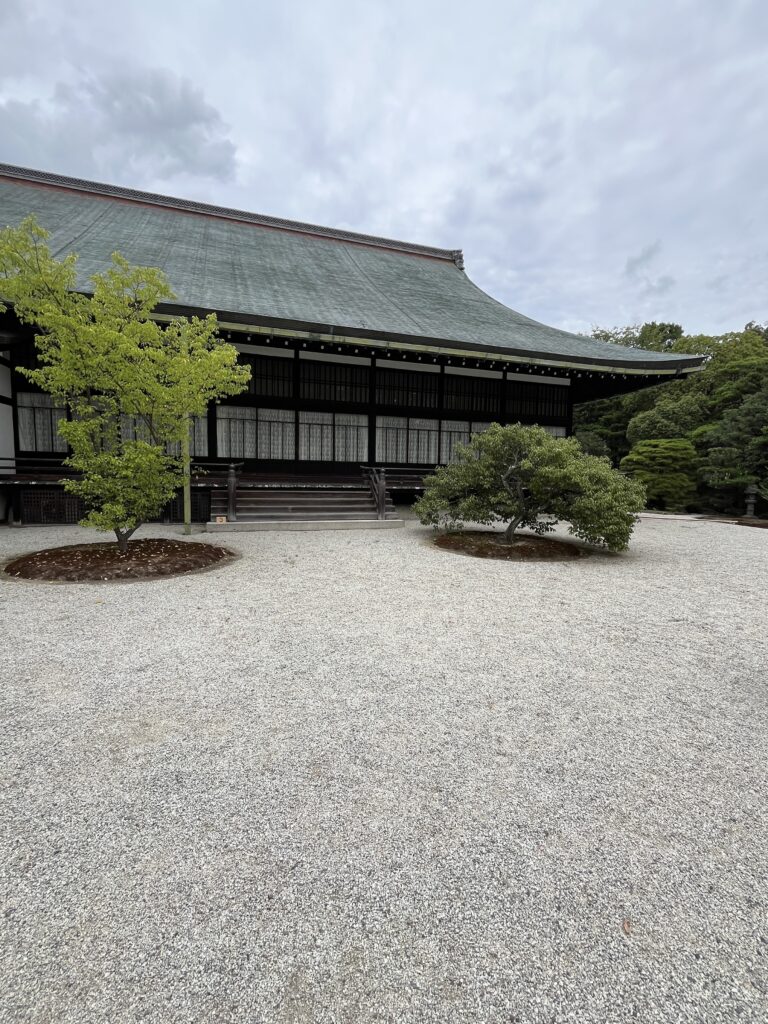
In front of the Shinden Hall lies a stone garden of white sand, featuring a *Tachibana* orange tree on the right and a plum tree on the left.
Location
Discover a Quiet and Peaceful side of Kyoto
In front of the Shinden Hall lies a stone garden of white sand, featuring a *Tachibana* orange tree on the right and a plum tree on the left.
Location
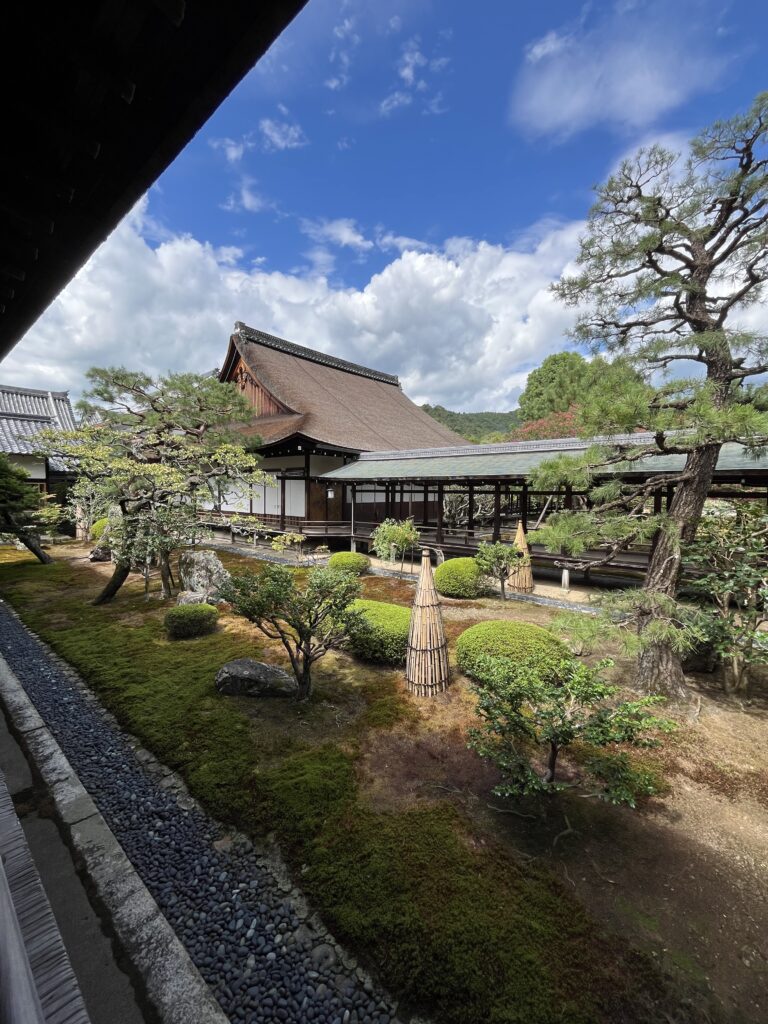
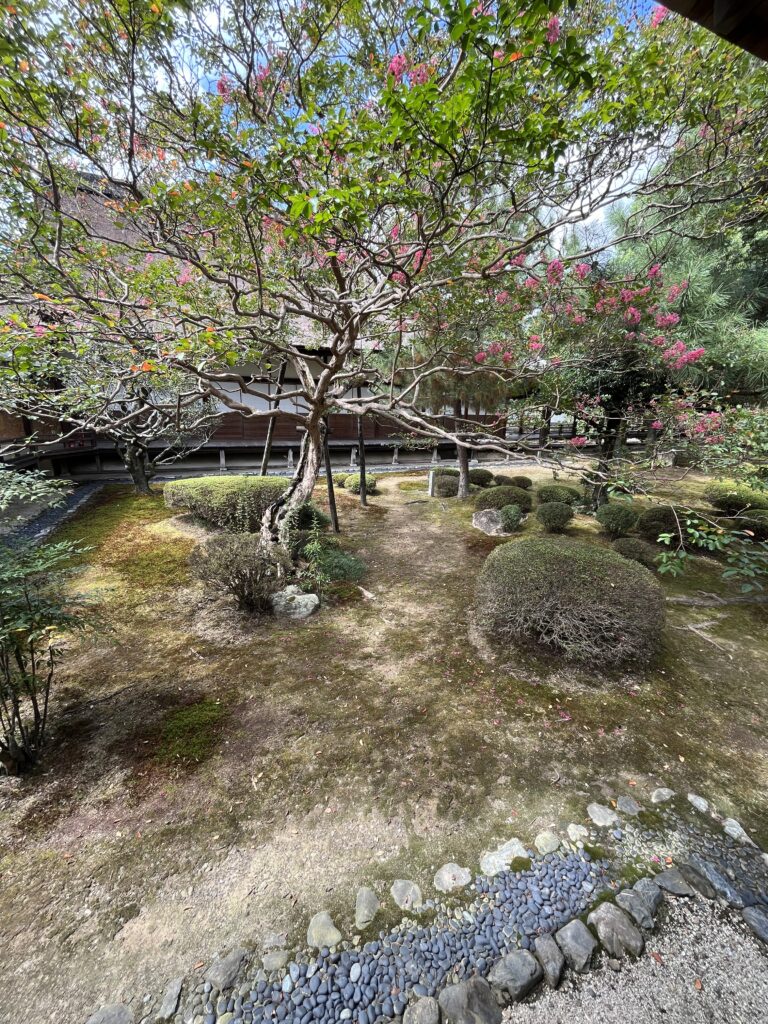
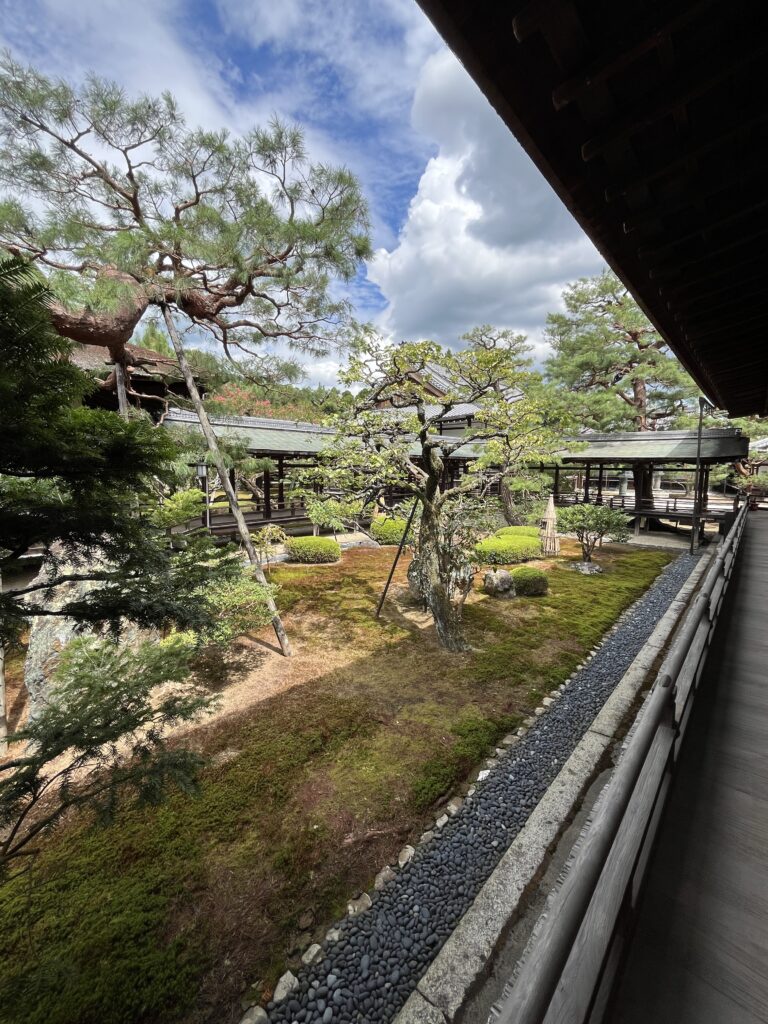
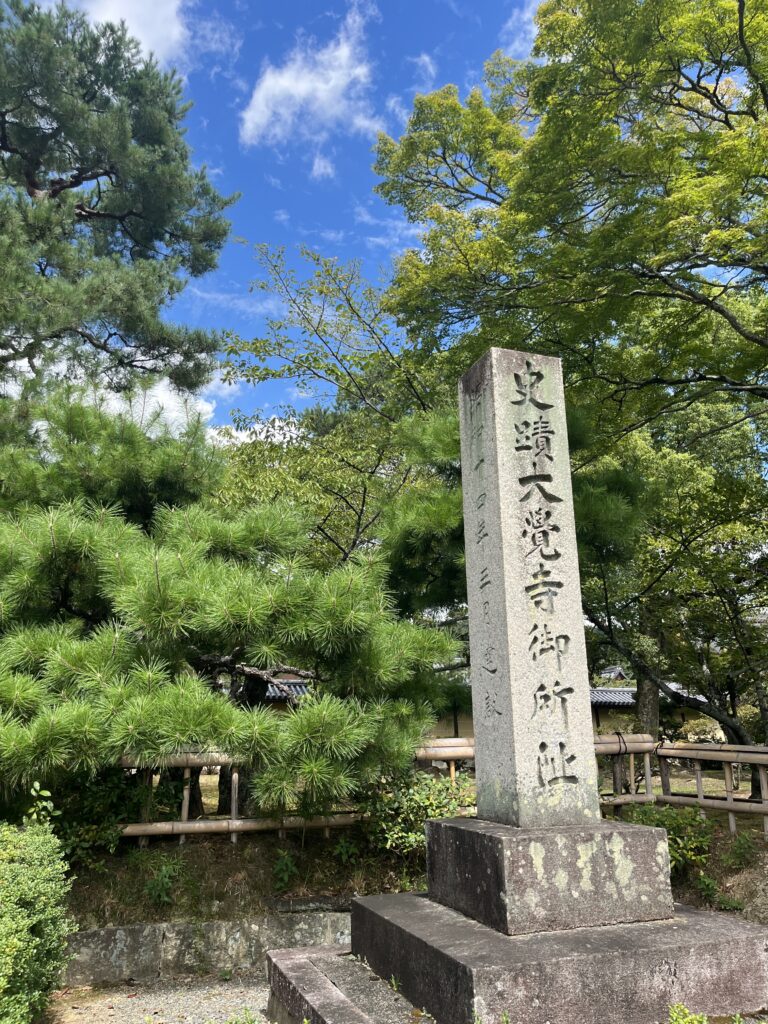
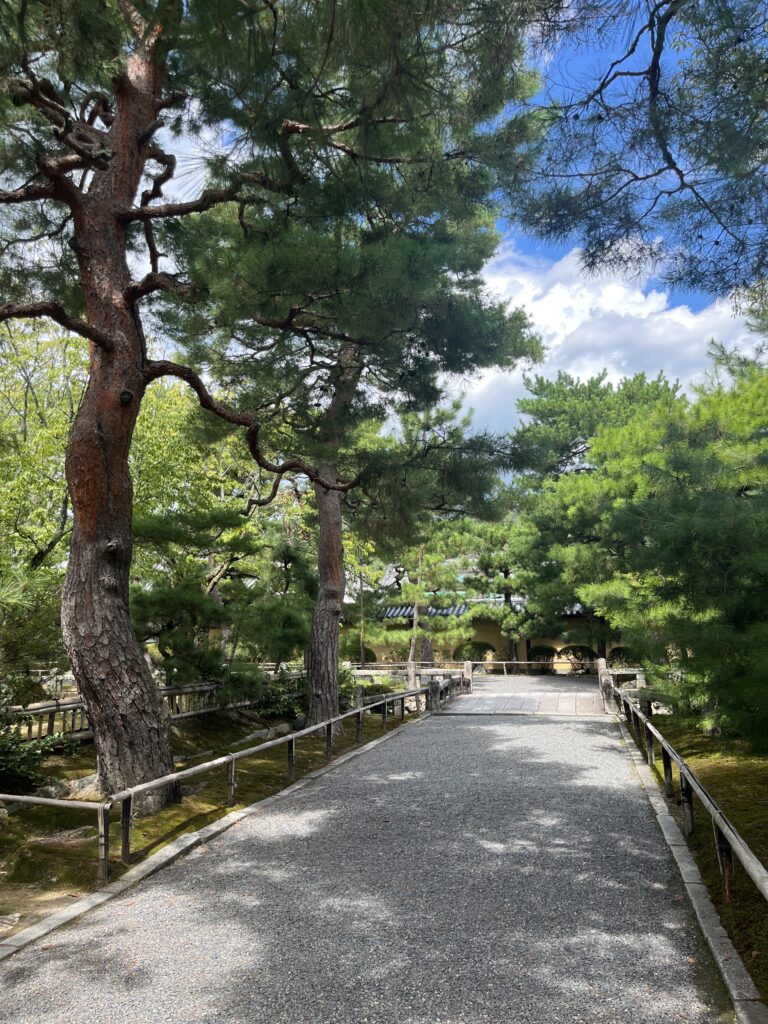
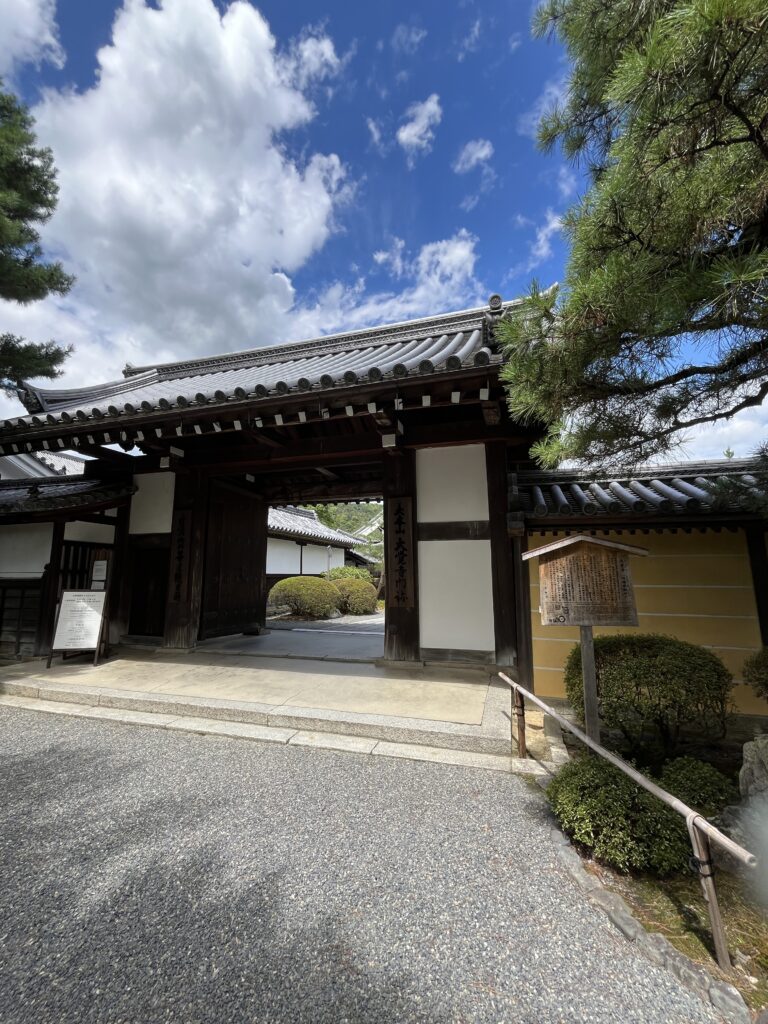
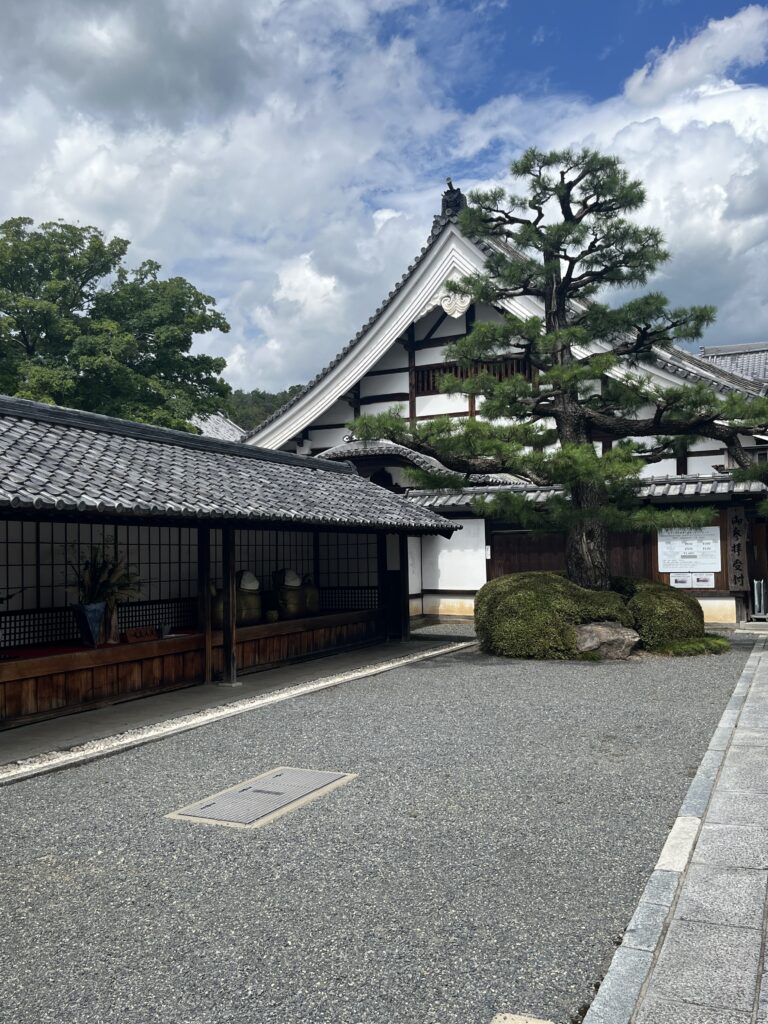
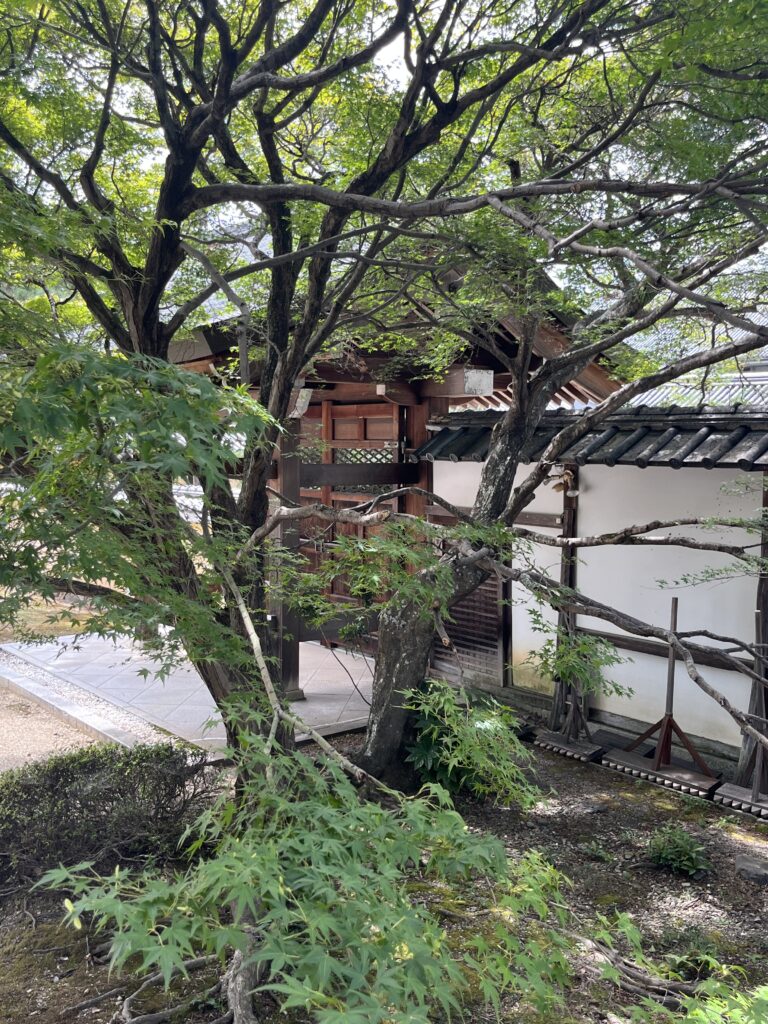
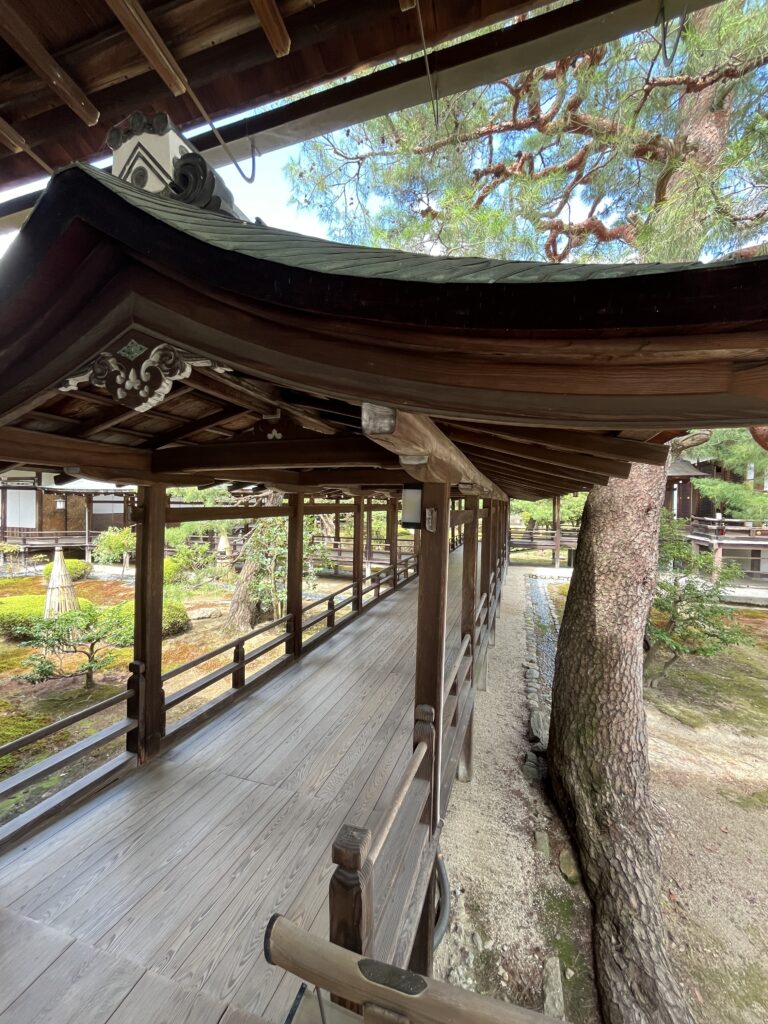
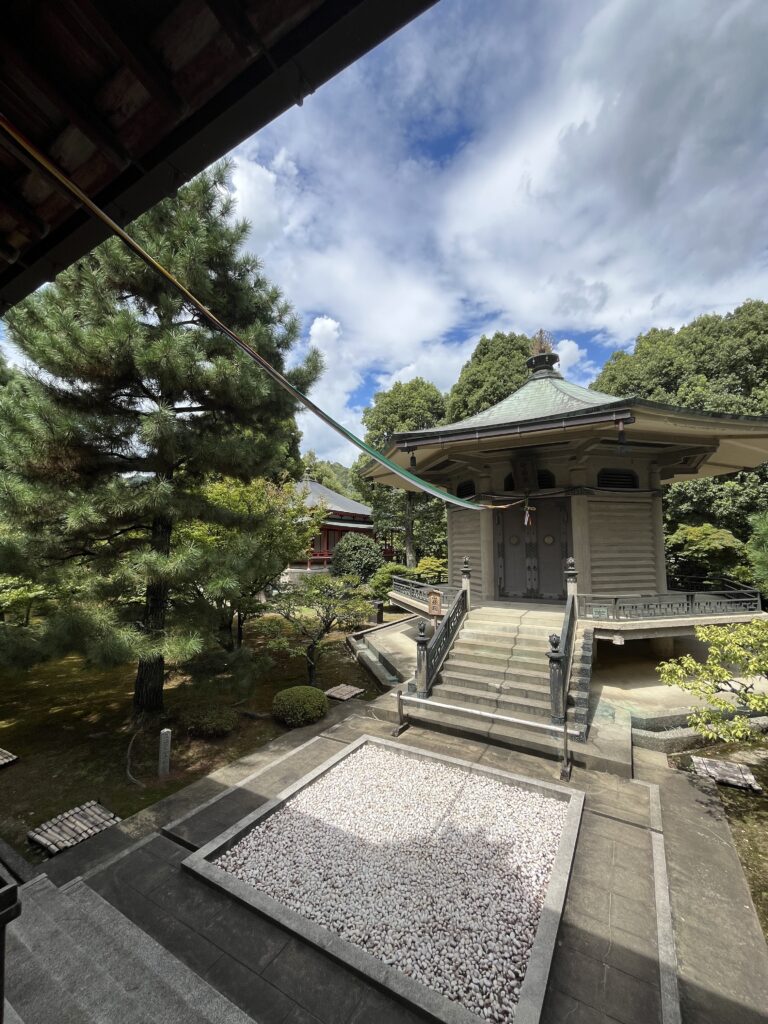
Daikaku-ji is the head temple of the Daikaku-ji branch of the Shingon sect; originally an imperial villa belonging to Emperor Saga in the early Heian period, it was later converted into a temple.
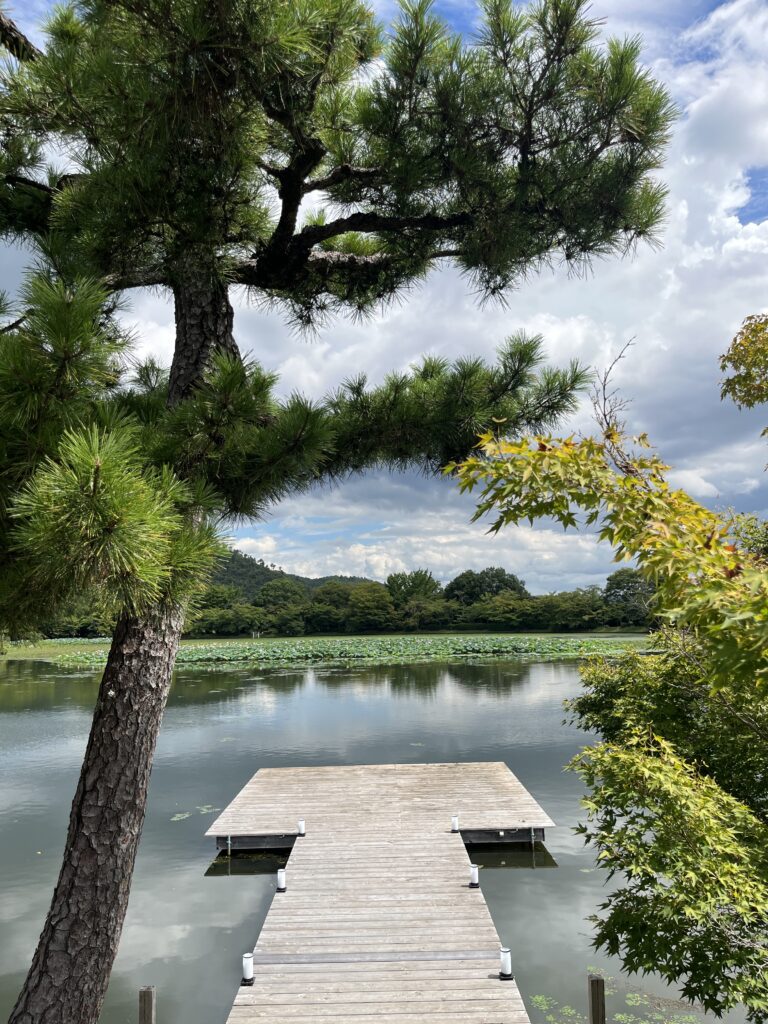
From the Main Hall, one can enjoy a view of Osawa Pond. Visitors can also view sliding-door paintings by artists of the Kano school and others in buildings such as the Shinden and Shōshinden.
It is a tranquil place with many sights to see.
Location
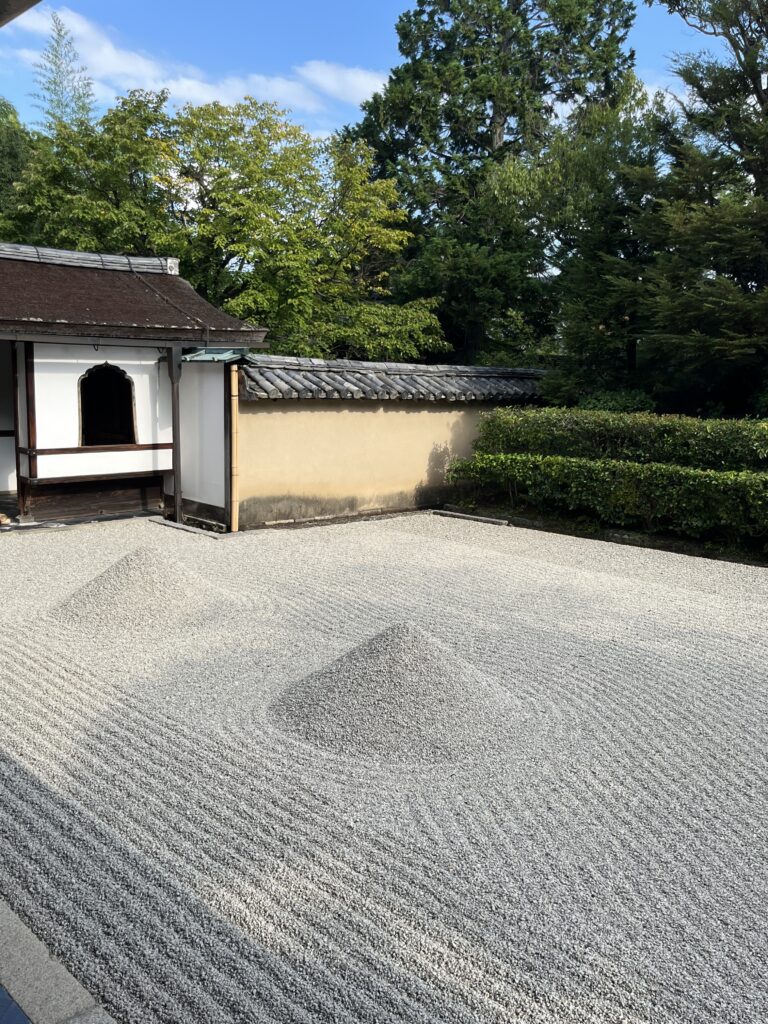
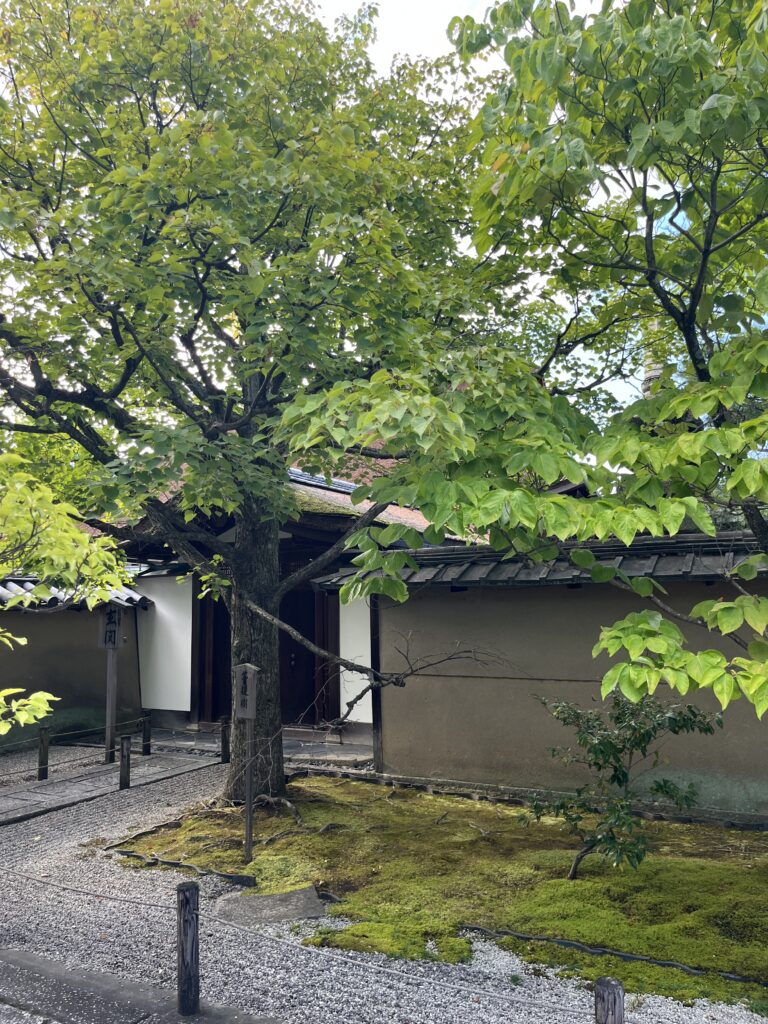
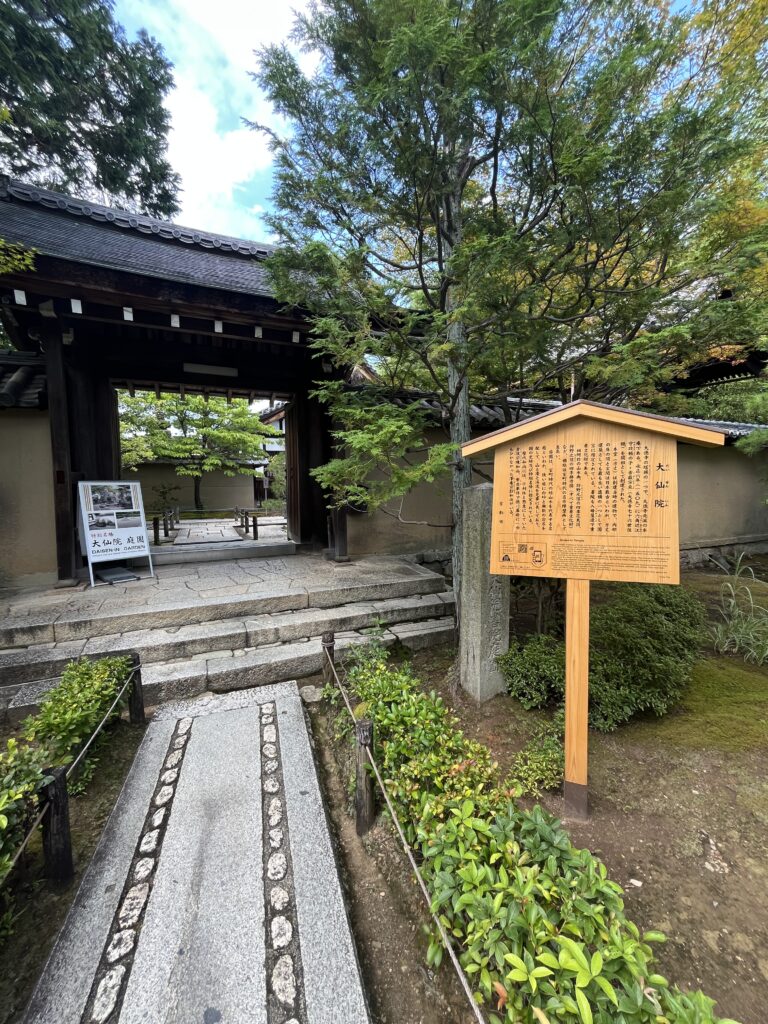
At Daisen-in, visitors can enjoy matcha tea for an additional fee.
You can also view famous sliding door paintings by the Kano school, although photography is not permitted.
Location
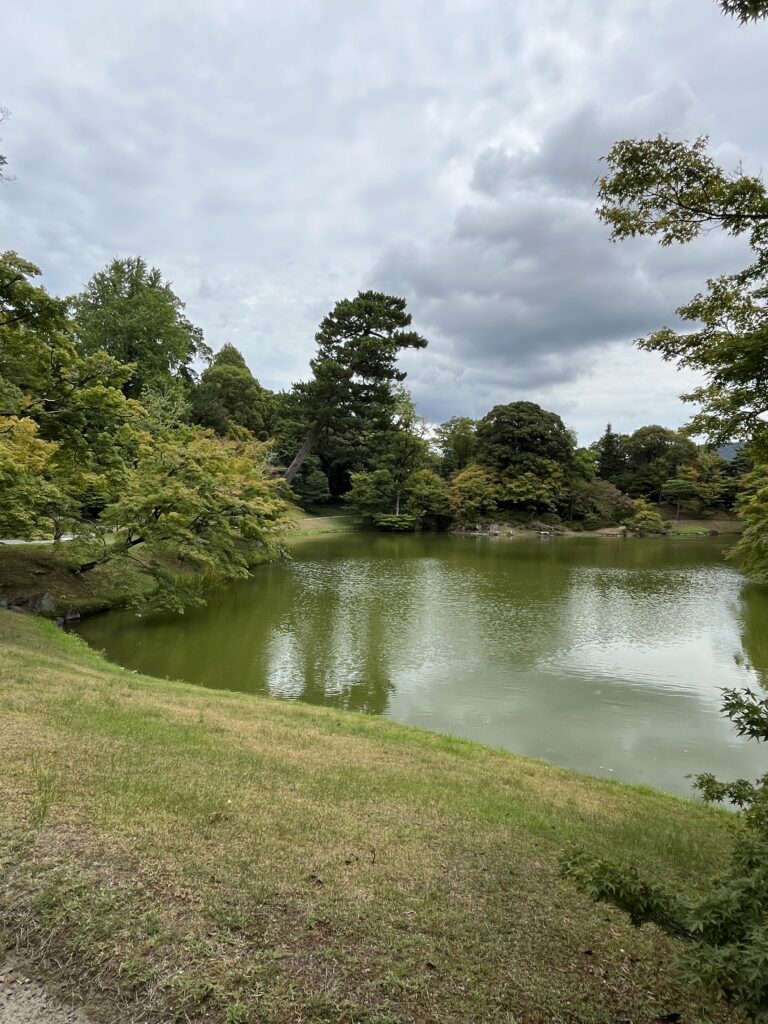
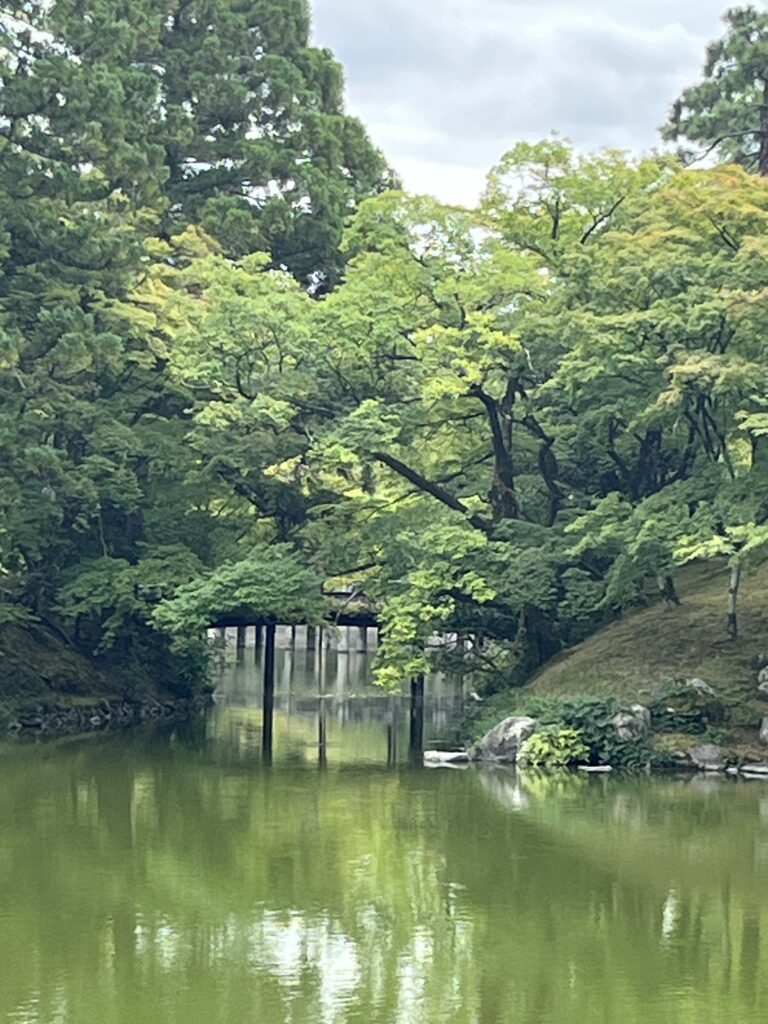
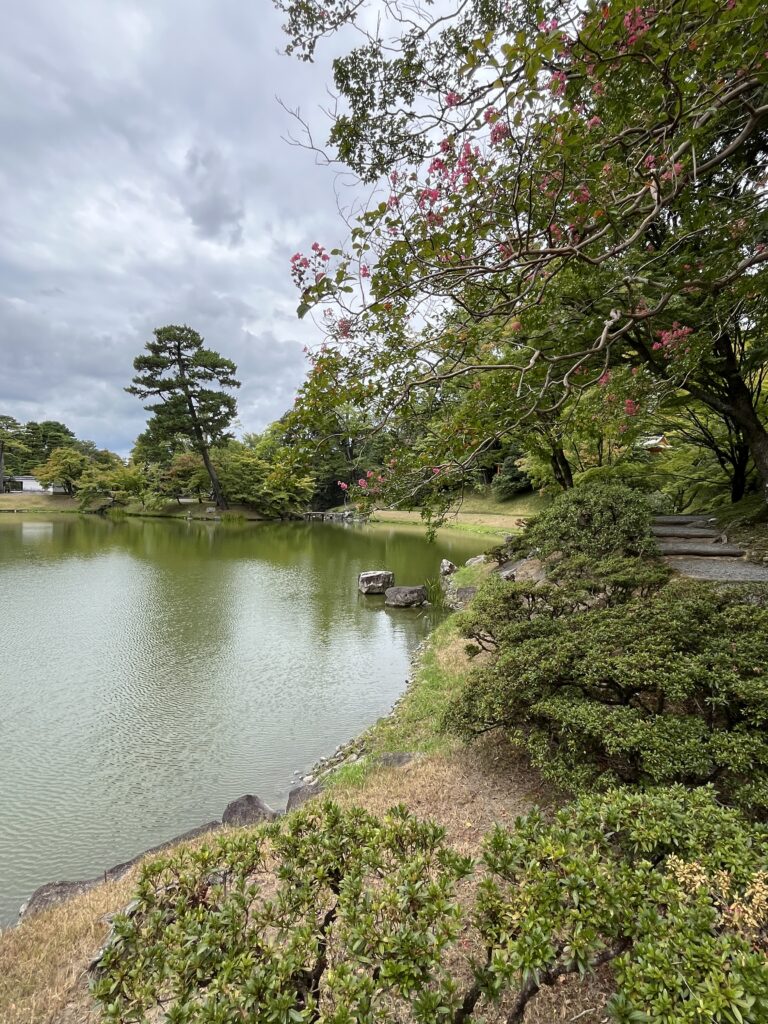
This strolling pond garden features both a North Pond and a South Pond; the North Pond incorporates Mount Higashiyama as borrowed scenery and boasts a stone bridge known as “Rokumai-bashi” (Six-Slab Bridge) as a highlight.
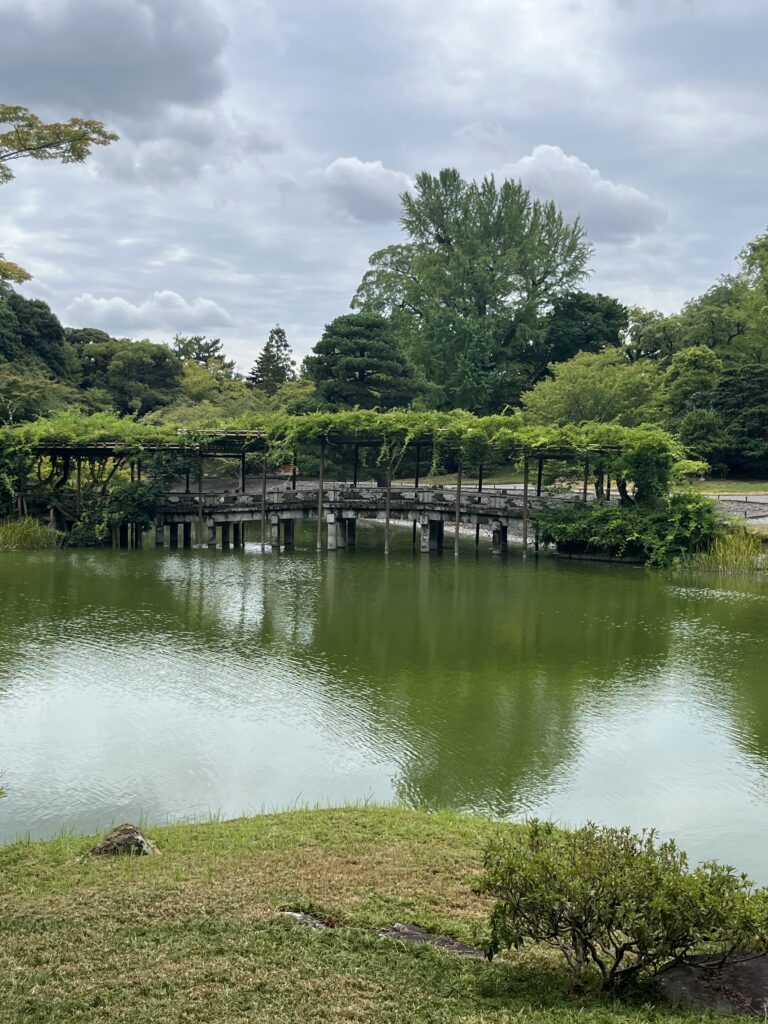
The South Pond is famous for its “suhama” (pebble-strewn beach area) and the “Yatsuhashi” (zigzag bridge) situated beneath a wisteria trellis.
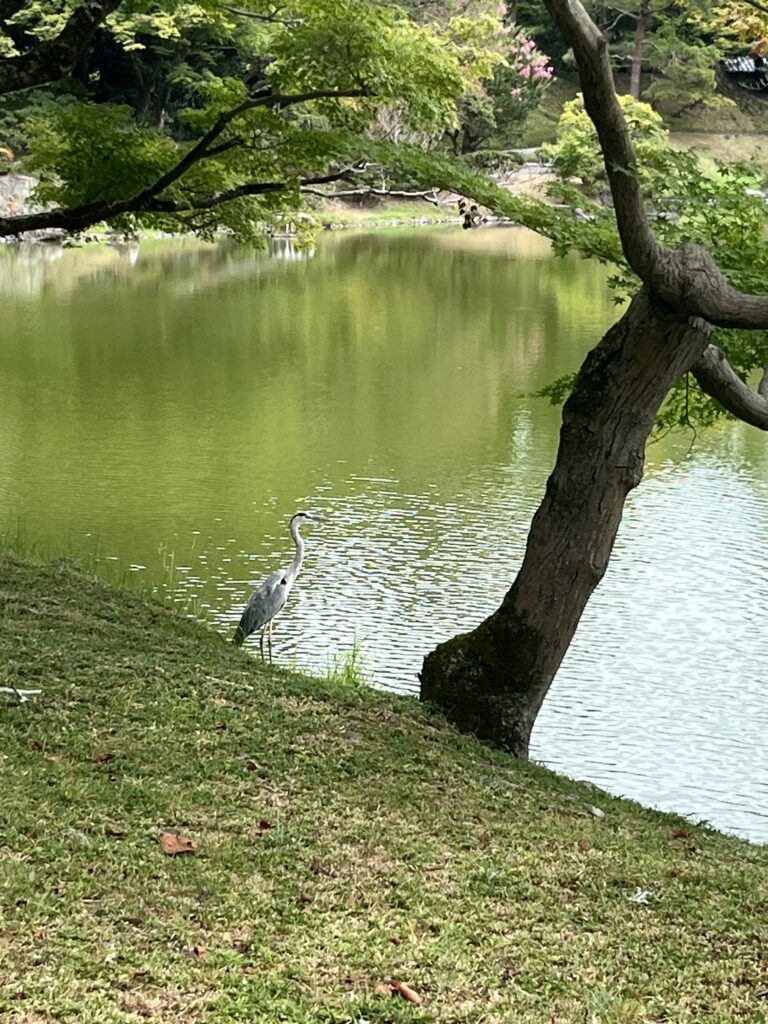
During my visit, a heron had come to spend time at the pond.
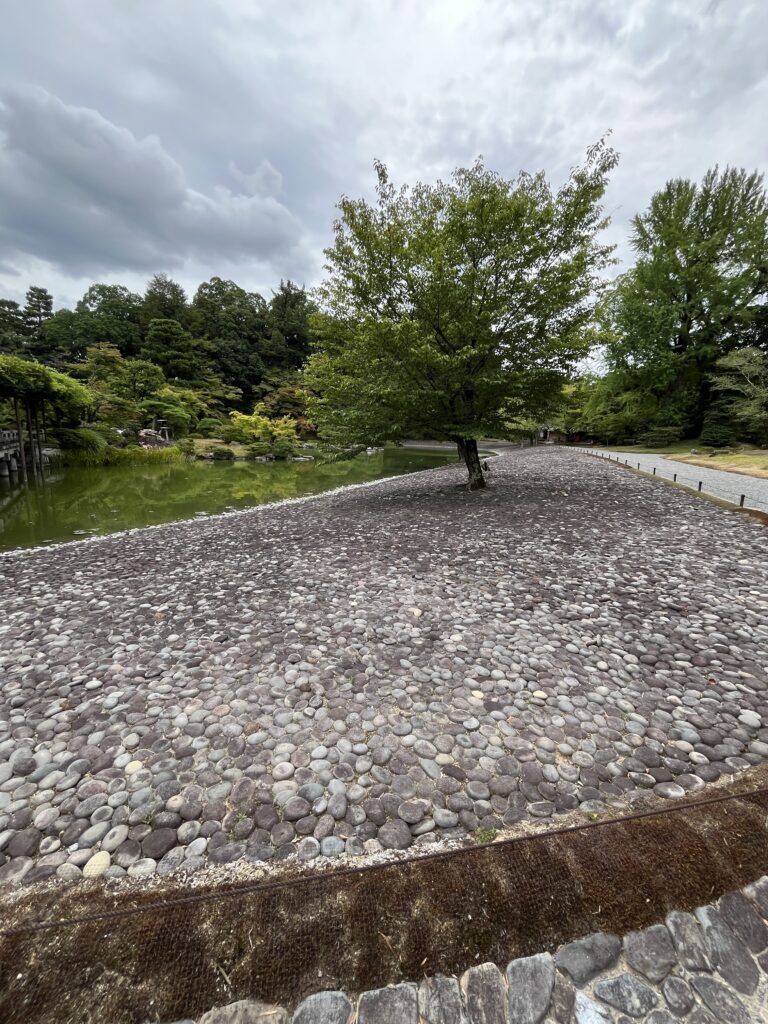
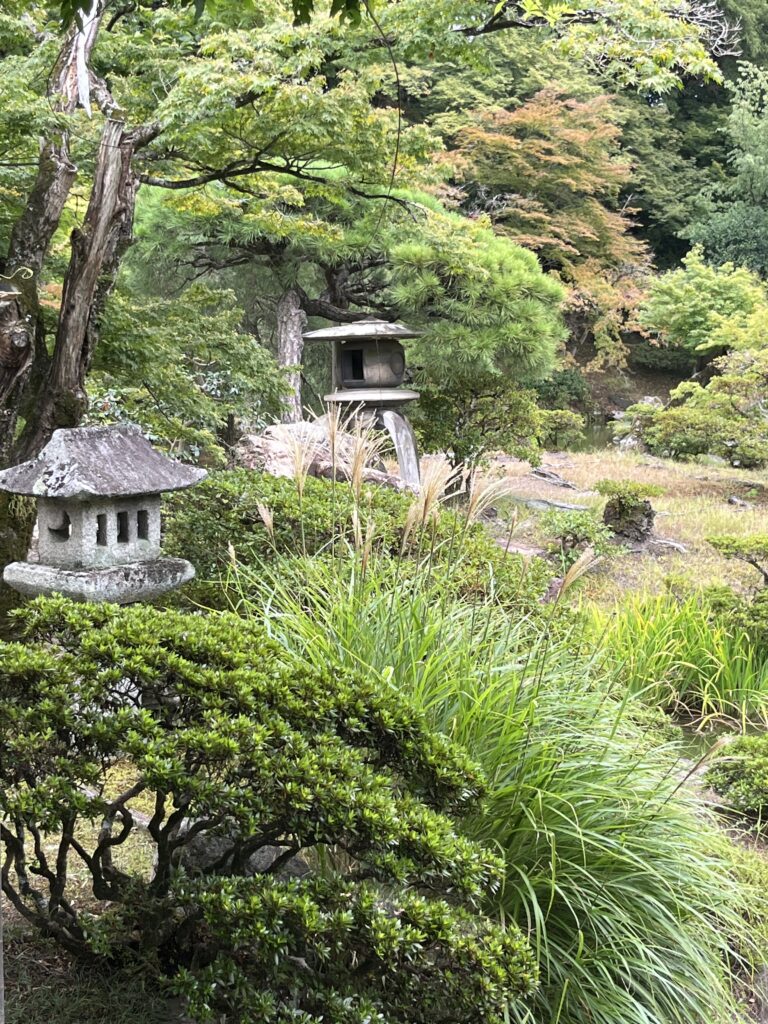
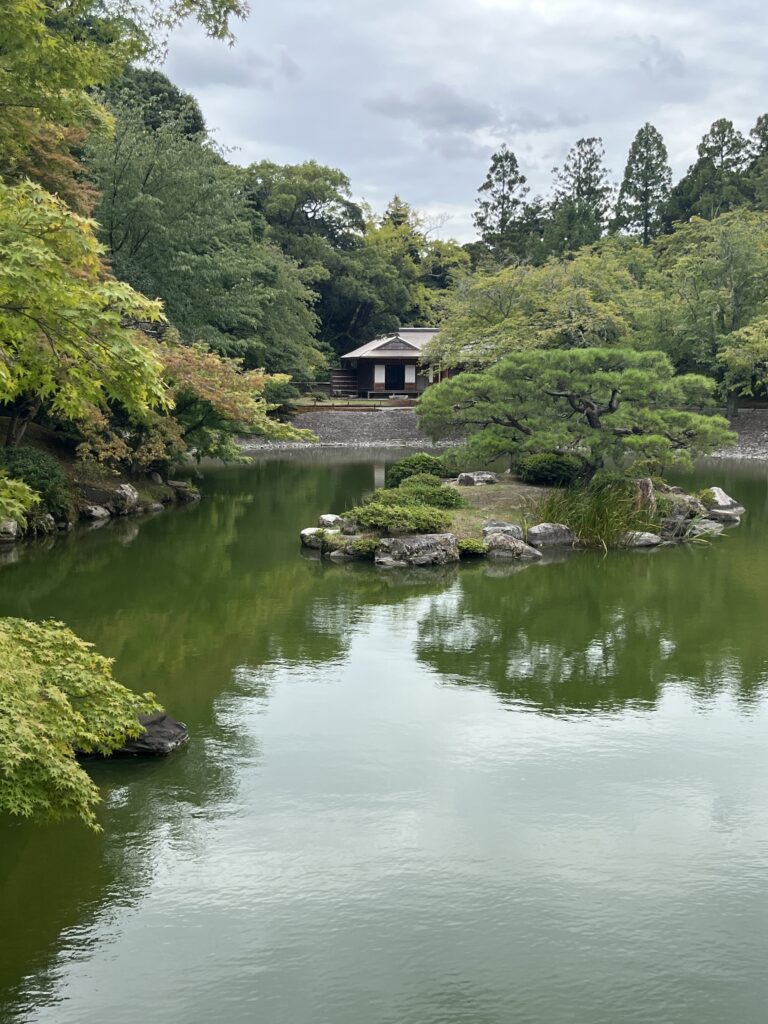
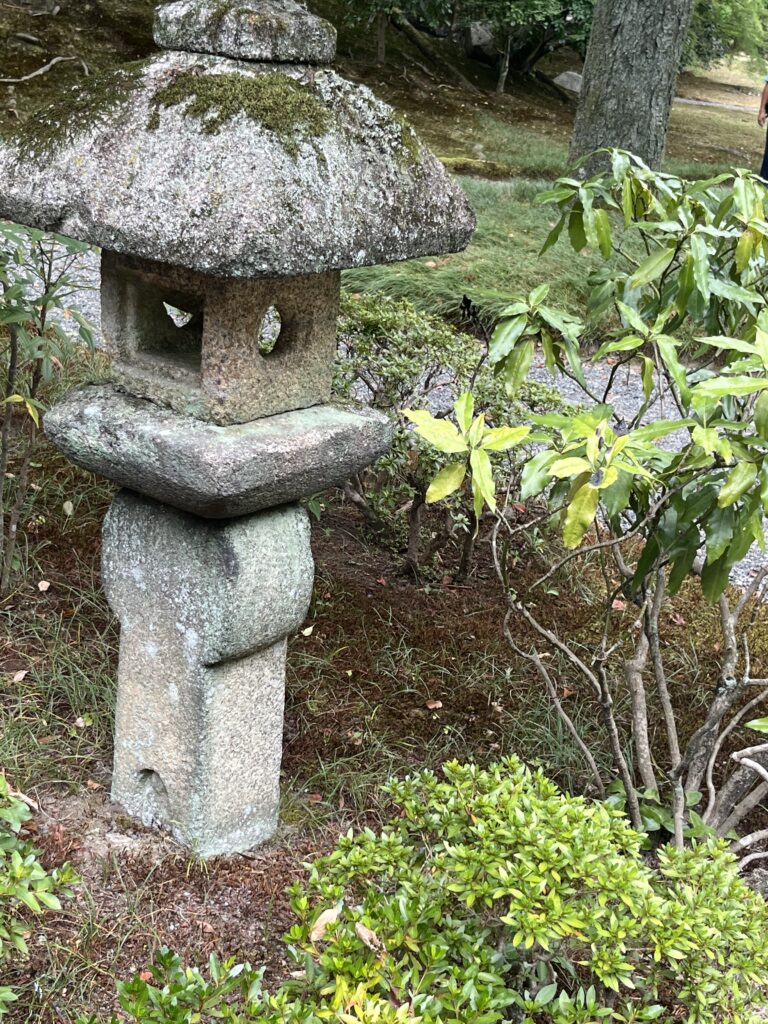
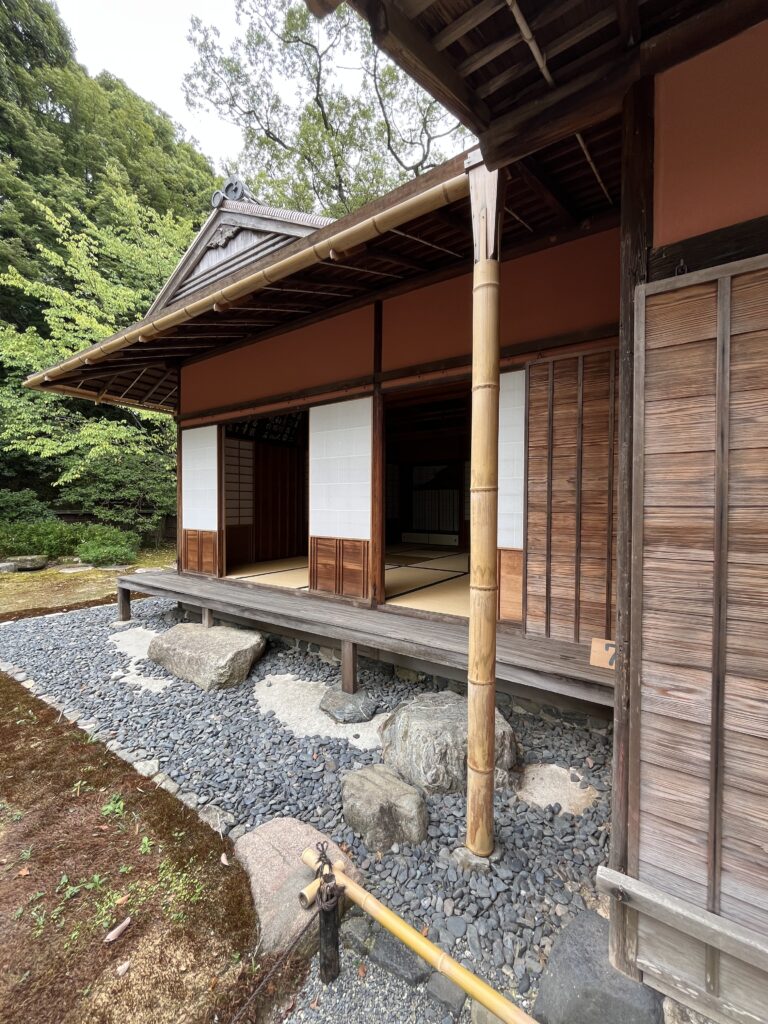
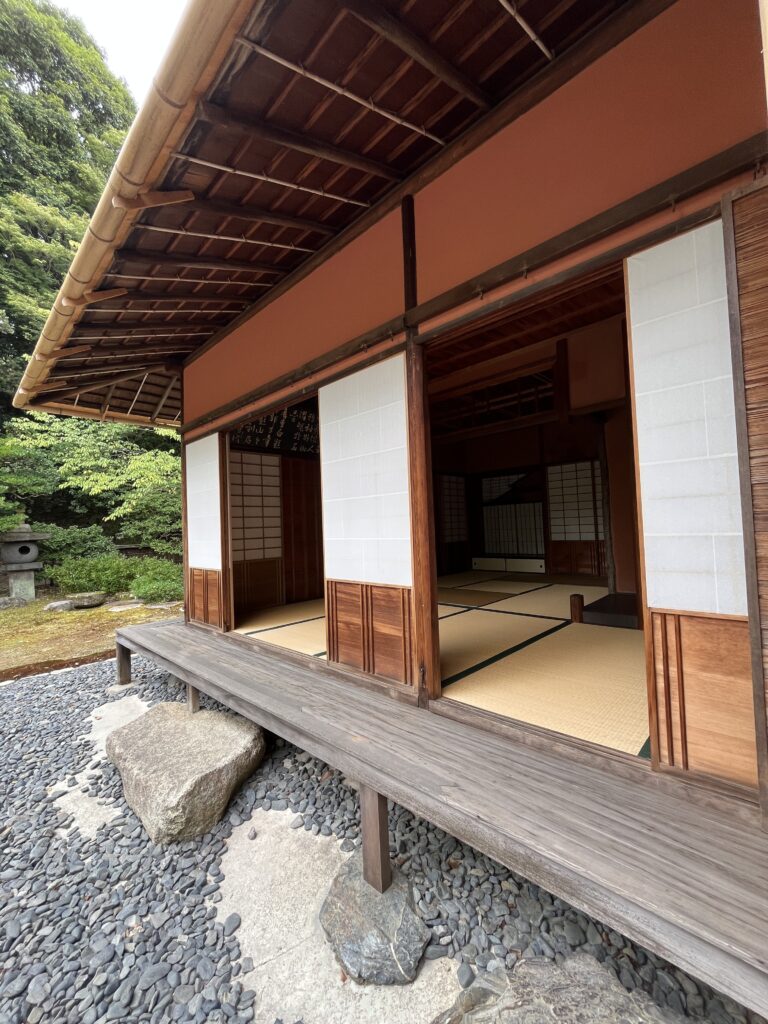
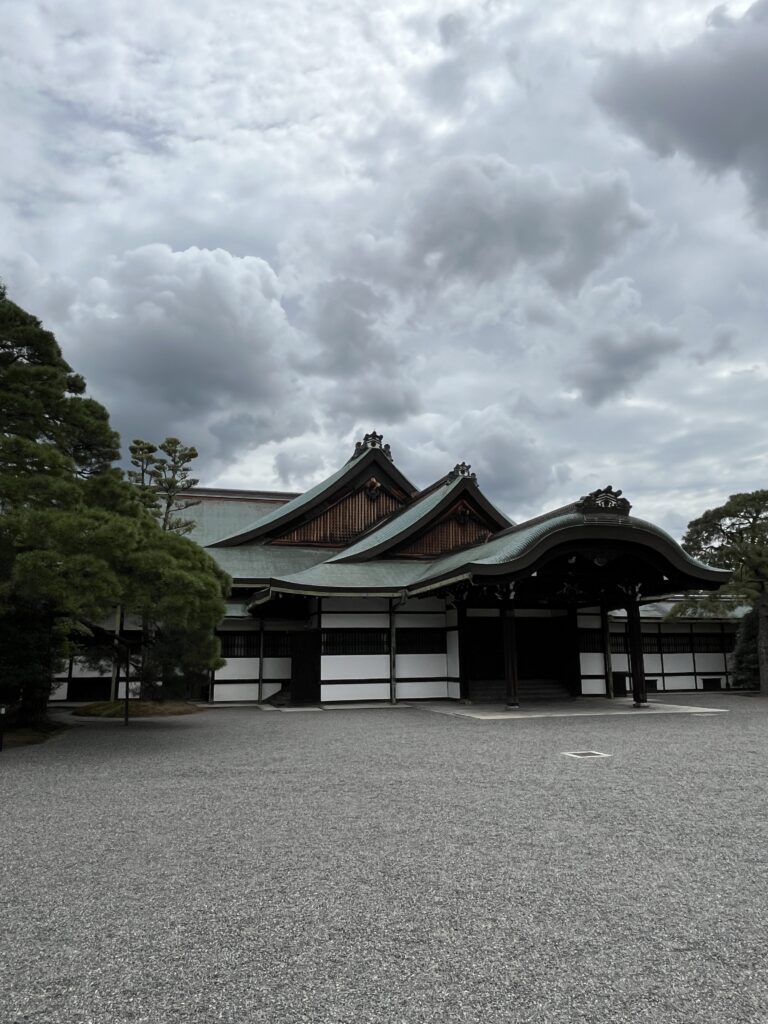
Located within the Kyoto Imperial Palace Park in Kamigyo Ward, Kyoto City, this site was constructed for the Retired Emperor Go-Mizunoo.
If you apply for a tour, you can walk around the strolling-style pond garden while receiving a guided explanation.
Location