The Aoi Festival(葵祭)

“The Aoi Festival is one of Kyoto’s oldest festivals, with a history of over 1400 years, and is one of Kyoto’s three major festivals (Gion Festival, Jidai Festival, and Aoi Festival).”
“The name of this festival comes from the hollyhock leaves worn by the participants in the procession, and more than 500 people parade from the Imperial Palace to Shimogamo and Kamigamo Shrines.
The Saio-dai (Imperial Princess’s representative) and the ox-drawn carriage, in particular, stand out against the fresh greenery and are representative and popular symbols of the festival.
This year (2026), many foreign tourists were once again watching the parade from the streets.

Saiodai (Representative of the Imperial Princess)


Imperial carriage

Location
 

Green Maple Leaves (3) 青紅葉(瑠璃光院)

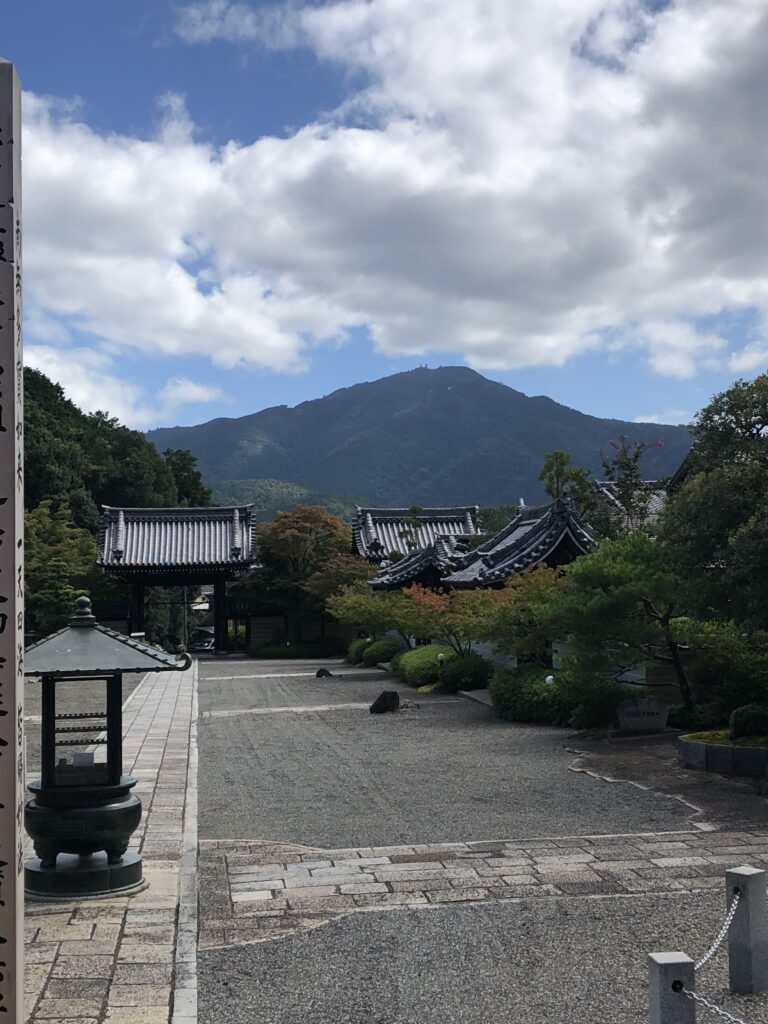
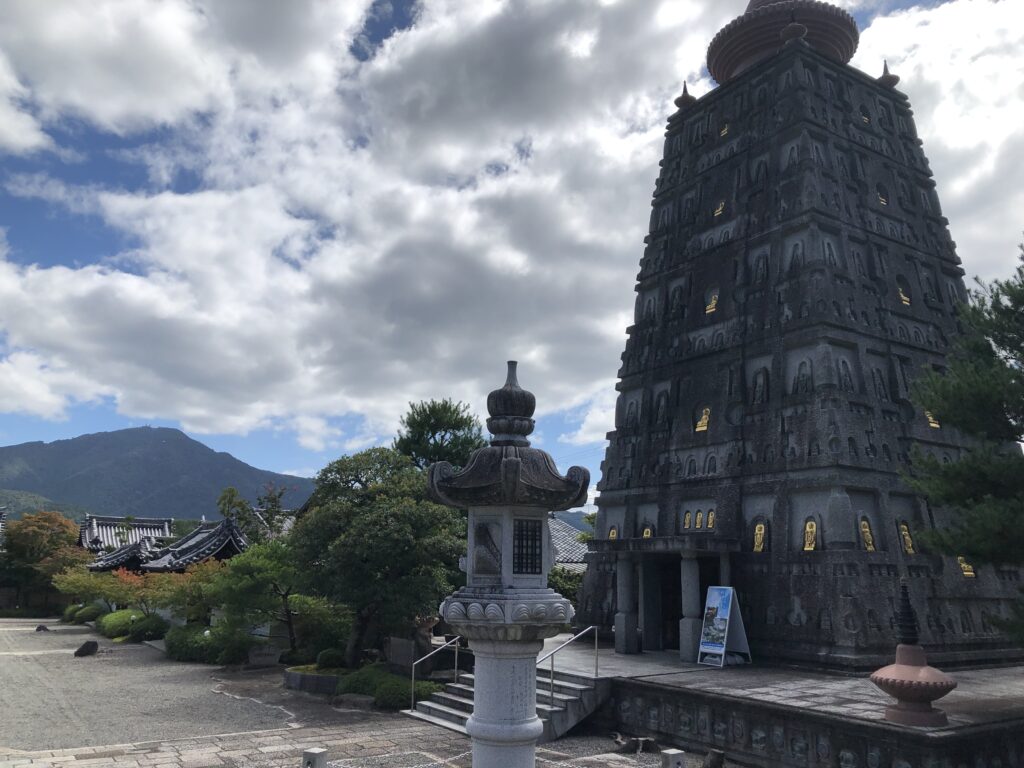
This is Ruriko In Temple, located in the northeastern part of Kyoto City,
at the foot of Mt. Hiei.
While it’s also famous as a place to admire the fresh greenery,
it’s particularly renowned for allowing visitors to simultaneously appreciate the reflections of the greenery on the floor and on the tables.


Ruriko In Temple

Location

Kamigamo Jinjya shrine(上賀茂神社)

Kyoto has many ancient festivals, and one of the three major festivals of Kyoto is the Aoi Festival, which is held at Kamigamo Shrine and Shimogamo Shrine. This photo shows a stream that flows through the grounds of Kamigamo Shrine.


Kamigamo Jinjya Shrine


Location

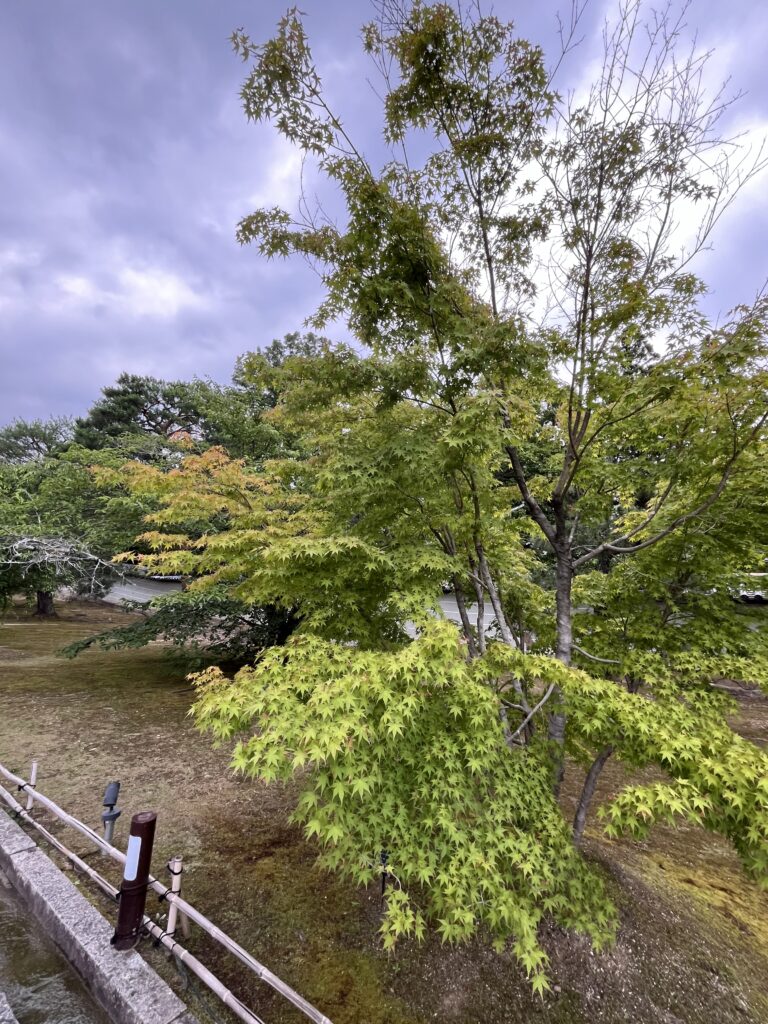
Green maple leaves (2) 青紅葉(北野天満宮)

Alongside the cherry blossoms of spring and the autumn leaves, the green maple leaves of early summer are equally beautiful.
The season of being enveloped in fresh greenery along with a refreshing breeze is one of Kyoto’s charms.
This is a photo of the green maple leaves at Kitano Tenmangu Shrine.

Kitano Tenmangu  Shrine

Location