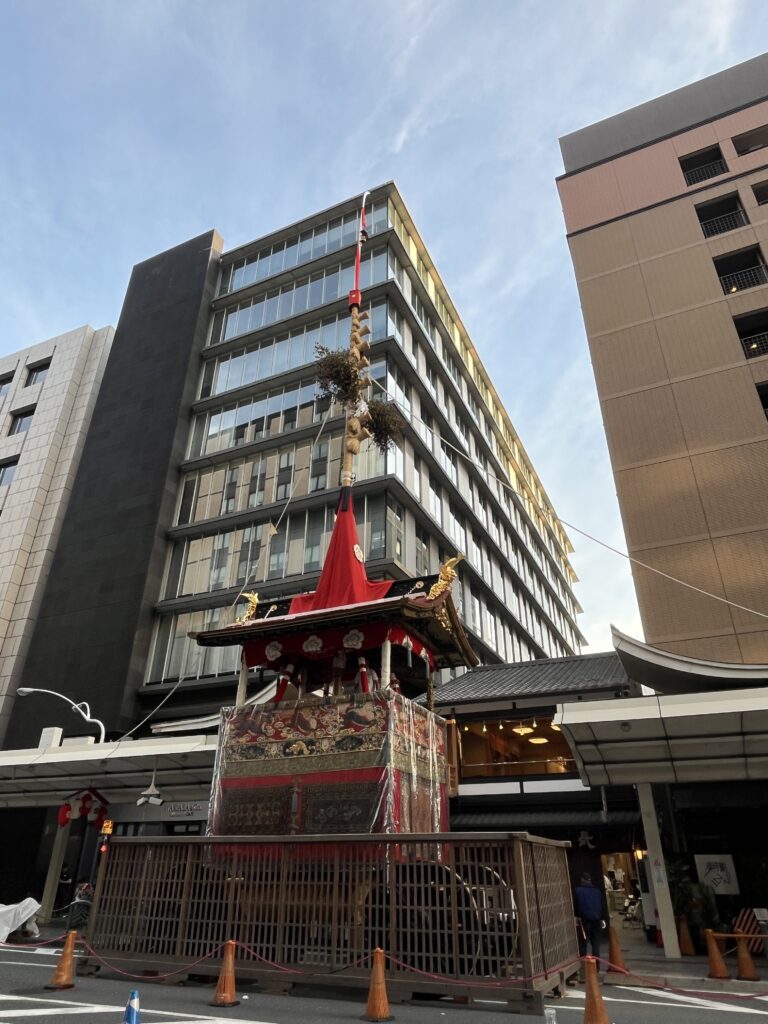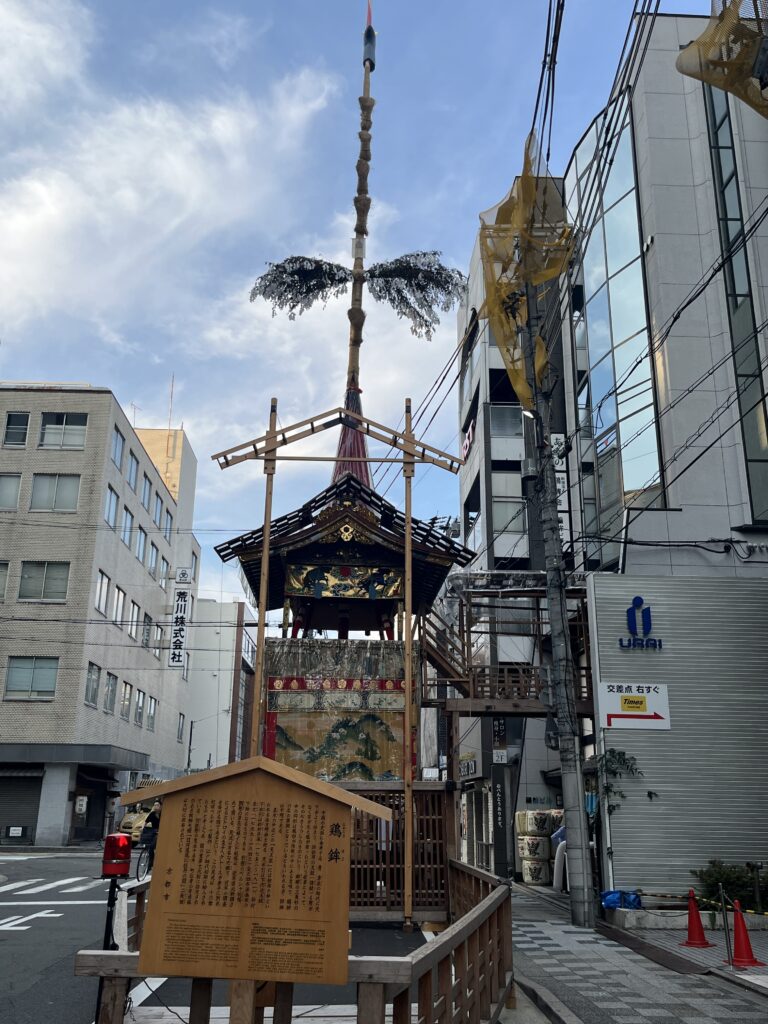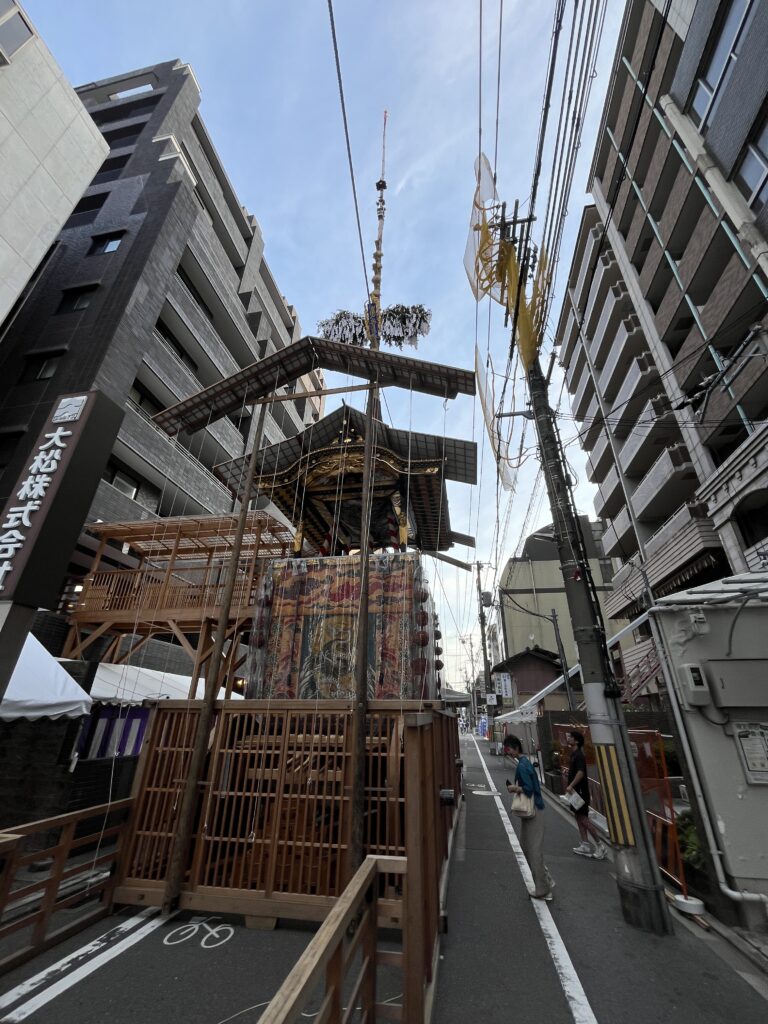
Gion Matsuri Festival (祇園祭り)

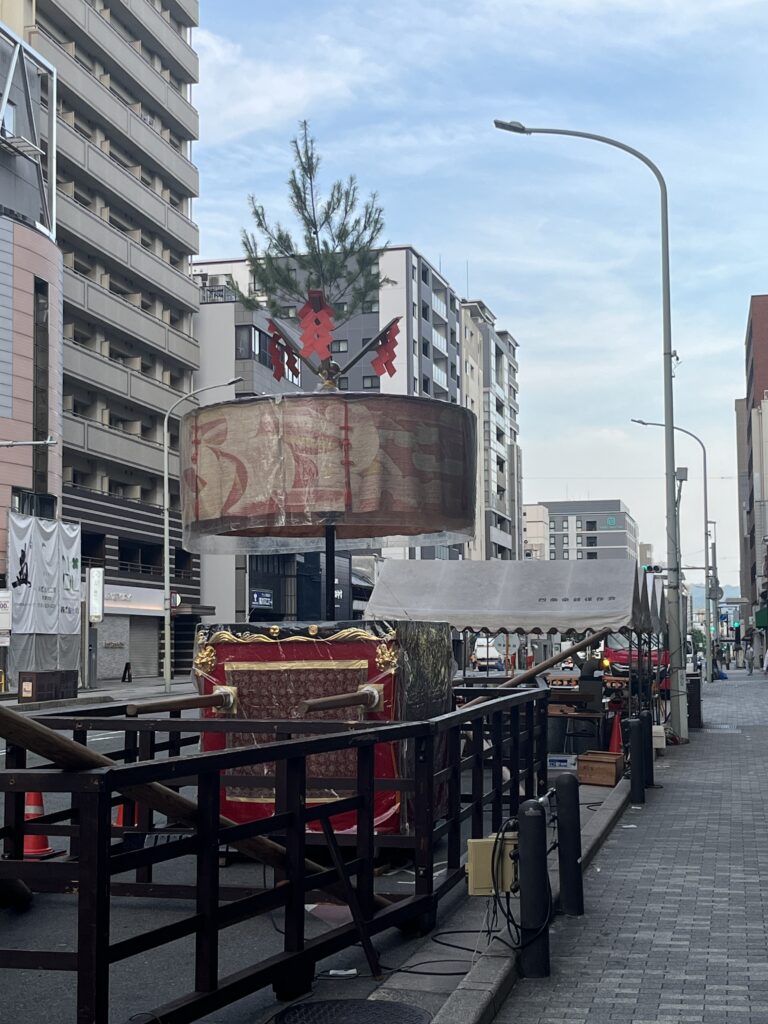
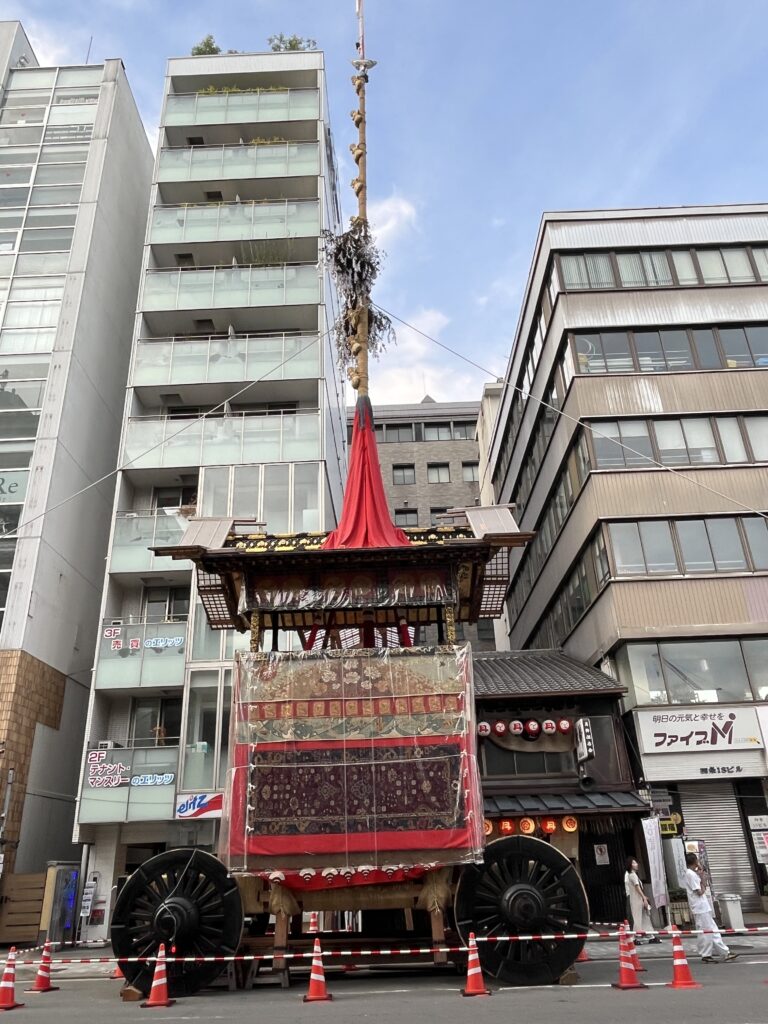
Today, July 17th, is the day of the Gion Festival’s Yamaboko float procession, and large crowds of spectators are expected; however, in the early morning, you can view each float quietly and at a leisurely pace.
The arrival of the Gion Festival marks the peak of summer in Kyoto.
 

Location
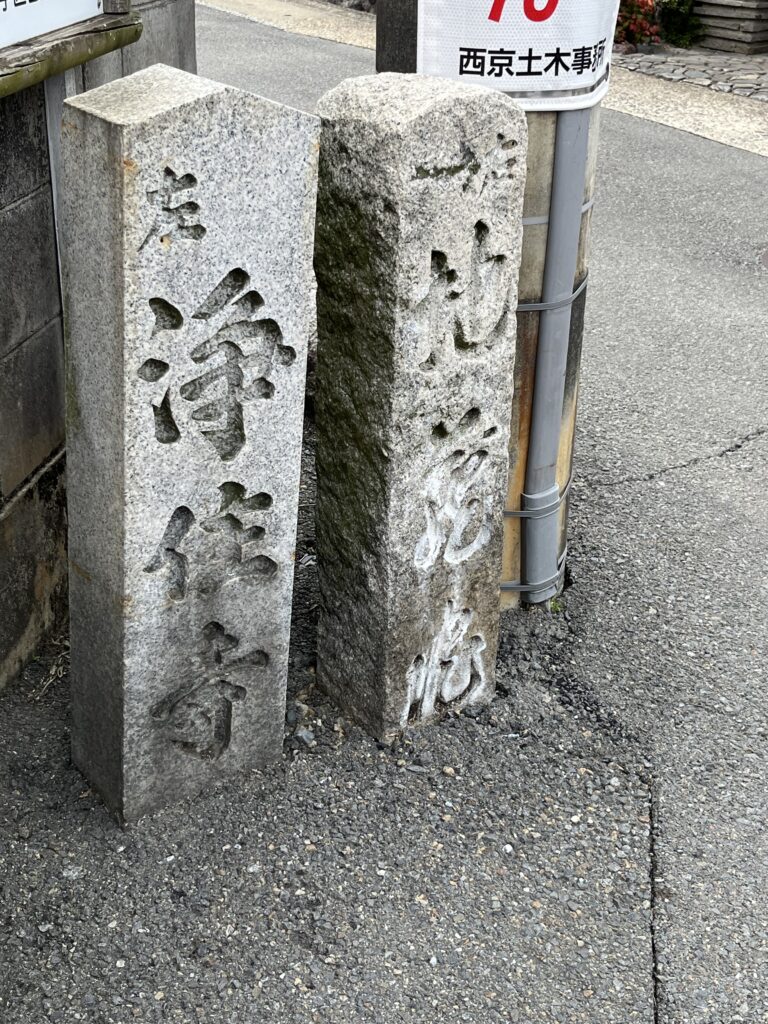
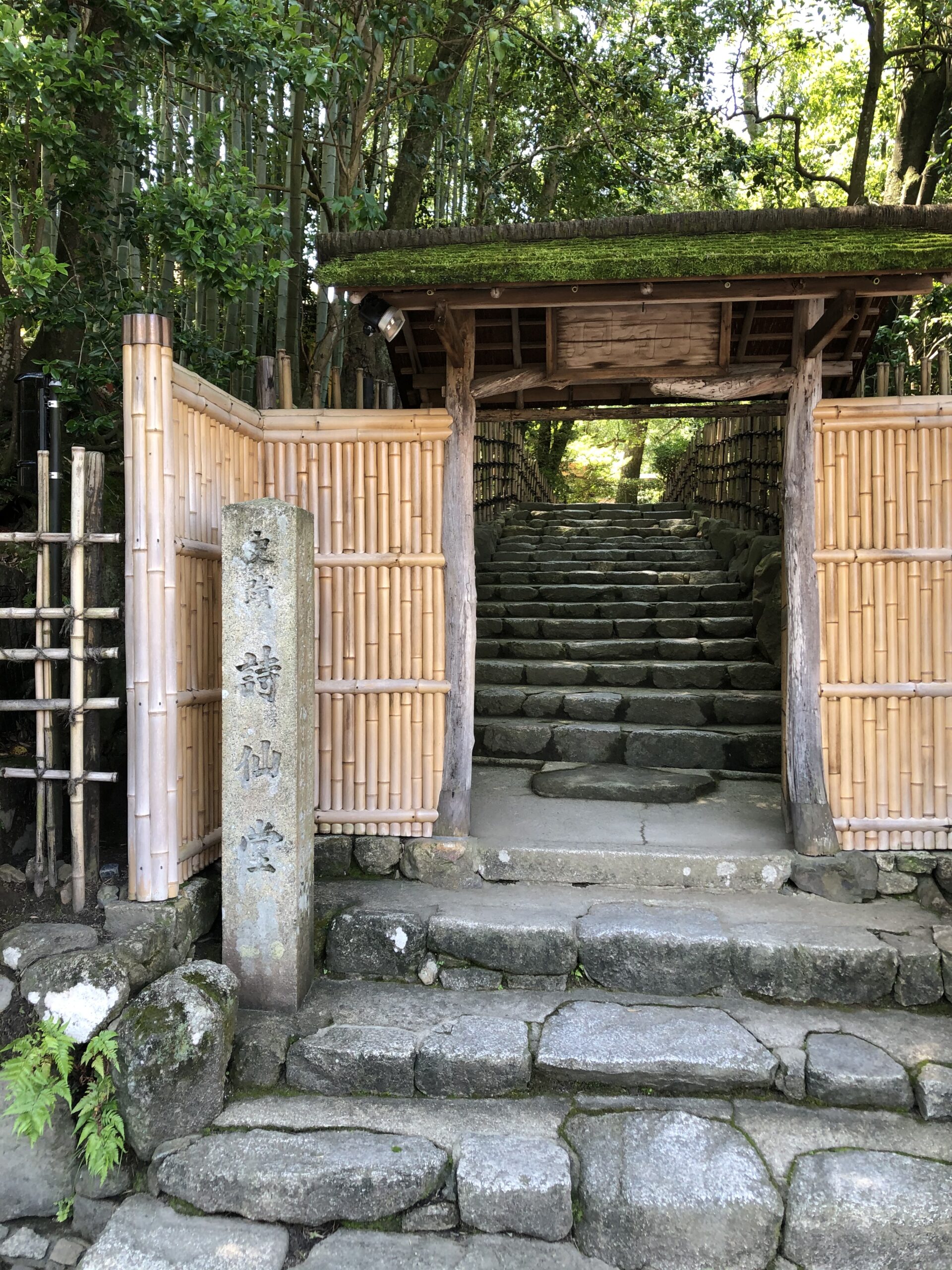
Jyojyu-ji Temple (浄住寺)

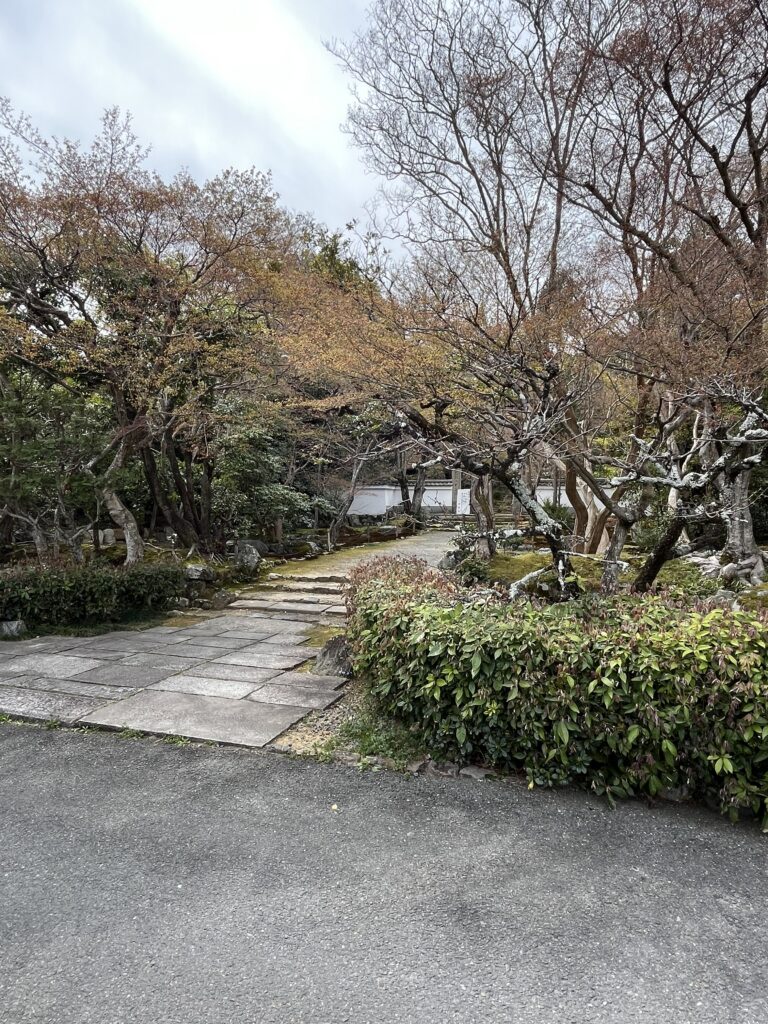
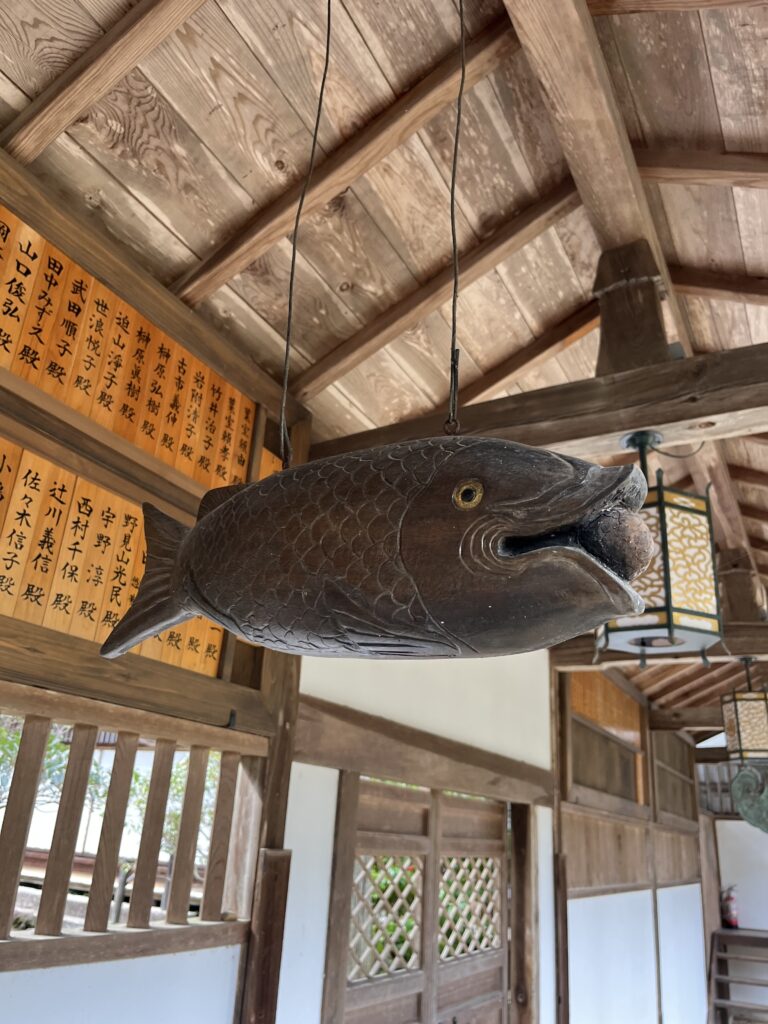
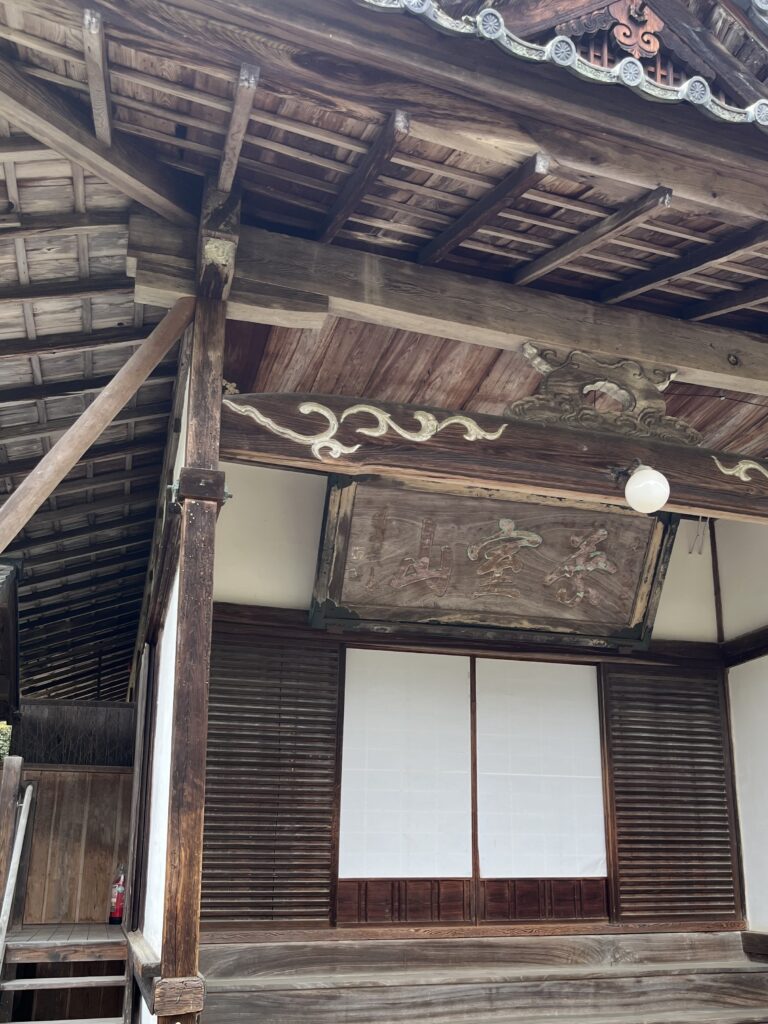
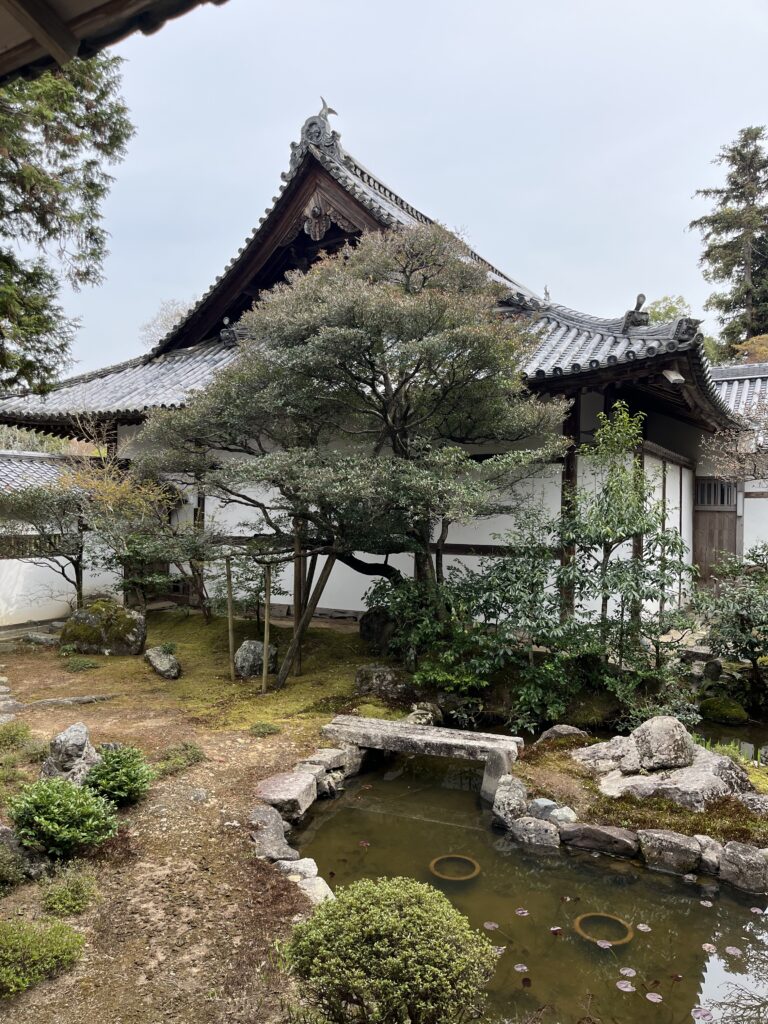
Joju-ji Temple is located in Kyoto City’s Nishikyo Ward, an area home to a cluster of temples—including Jizo-in (famous as the “Bamboo Temple”), Koke-dera (Moss Temple), and Suzumushi-dera.
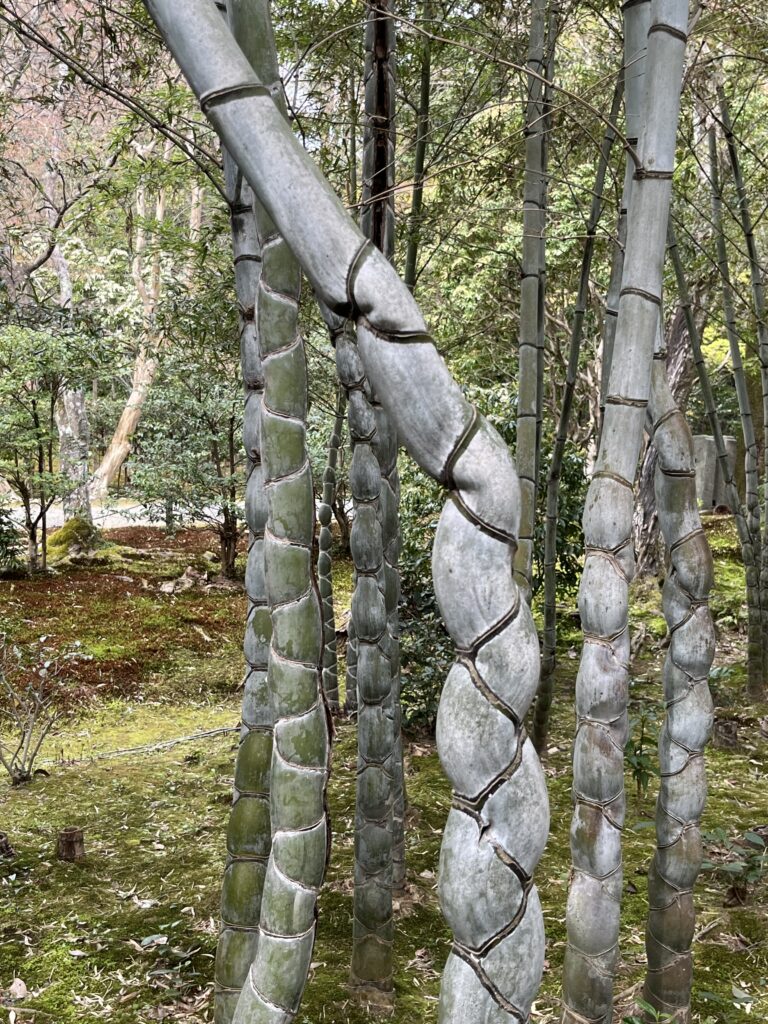
Within the temple grounds, visitors can view *kikkōchiku* (tortoiseshell bamboo), a rare variety of bamboo unique to Kyoto.
It is a place where you can enjoy a quiet, peaceful moment.


Location
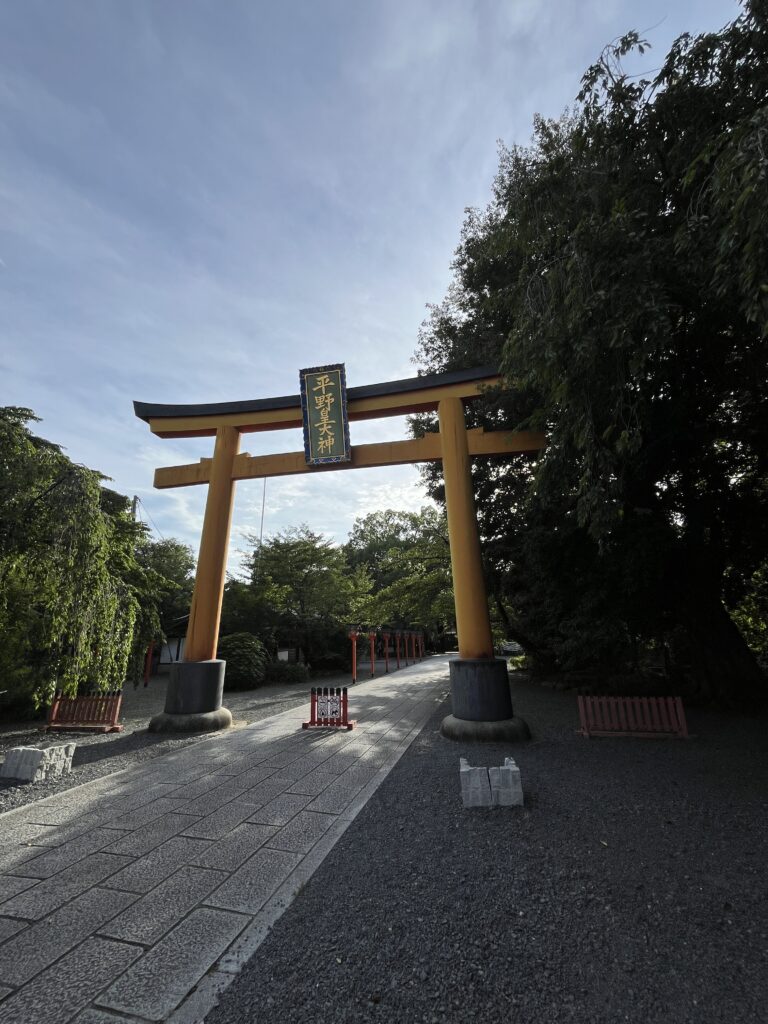
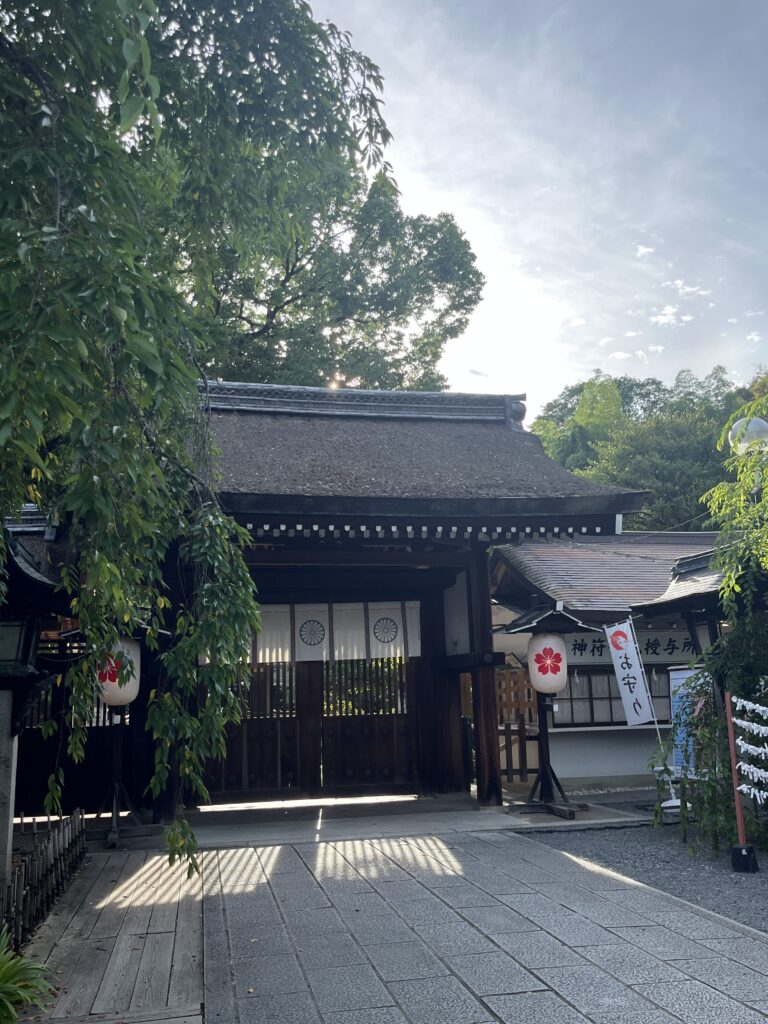
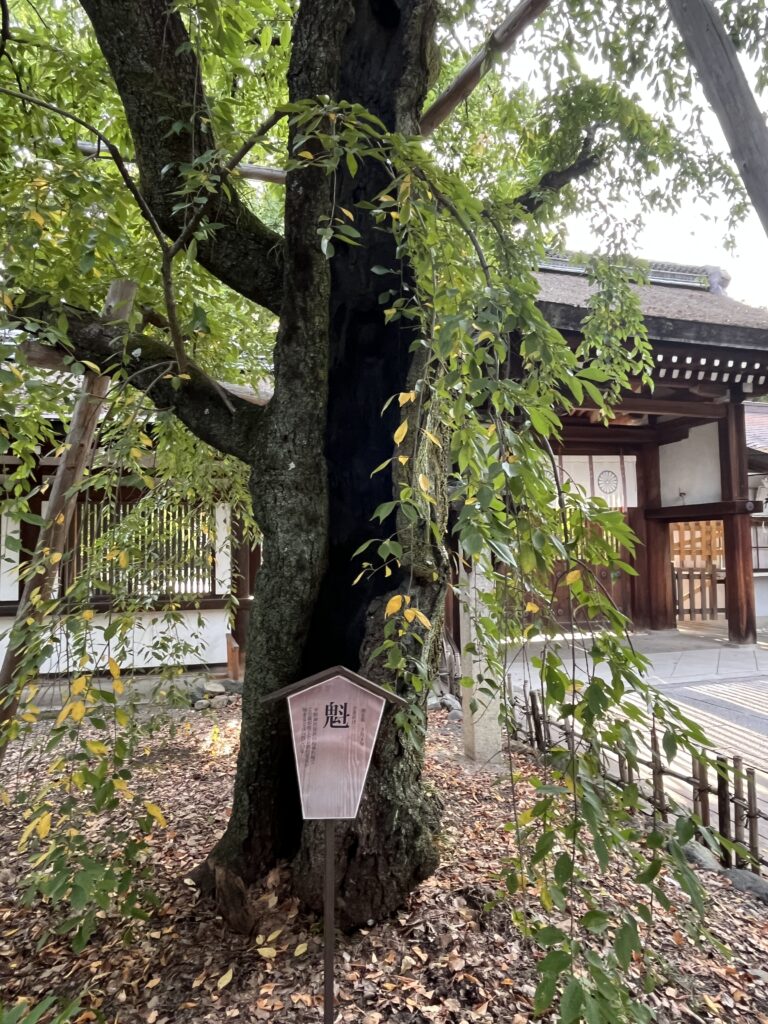
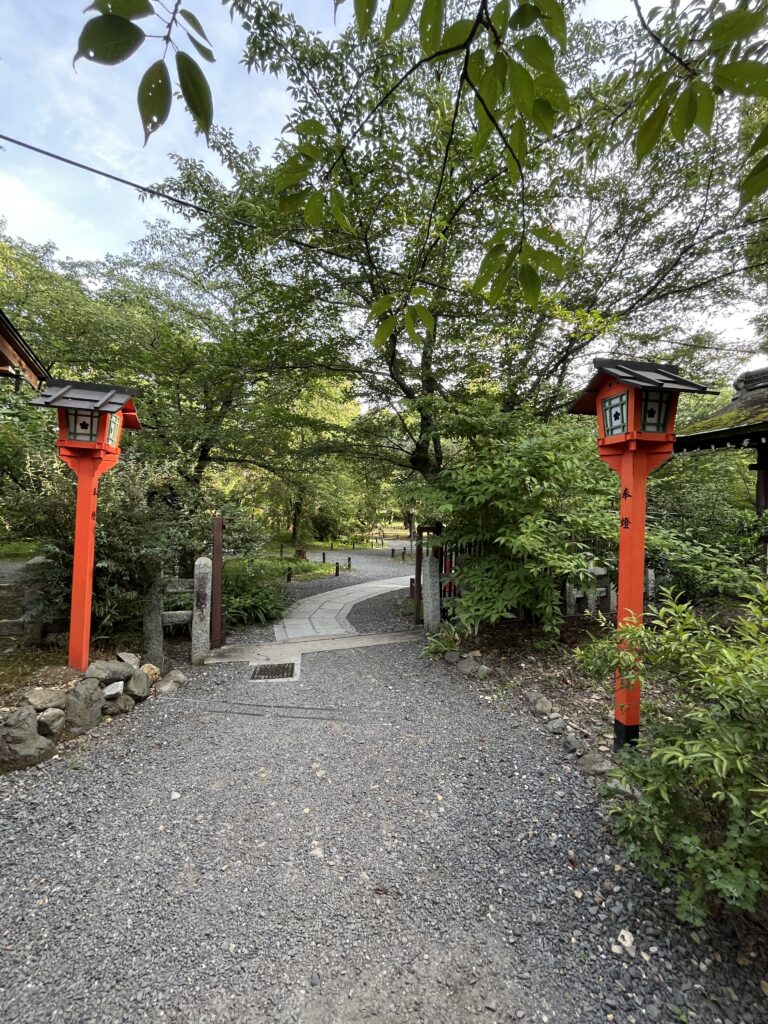
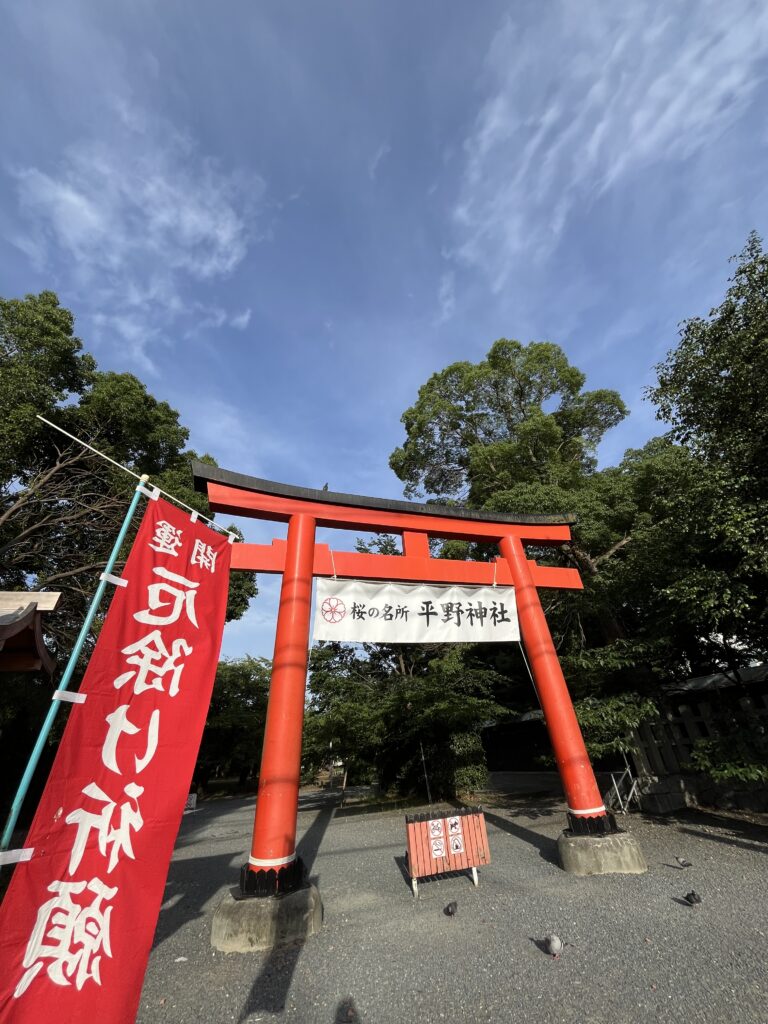
Hirano Jingya shrine(平野神社)

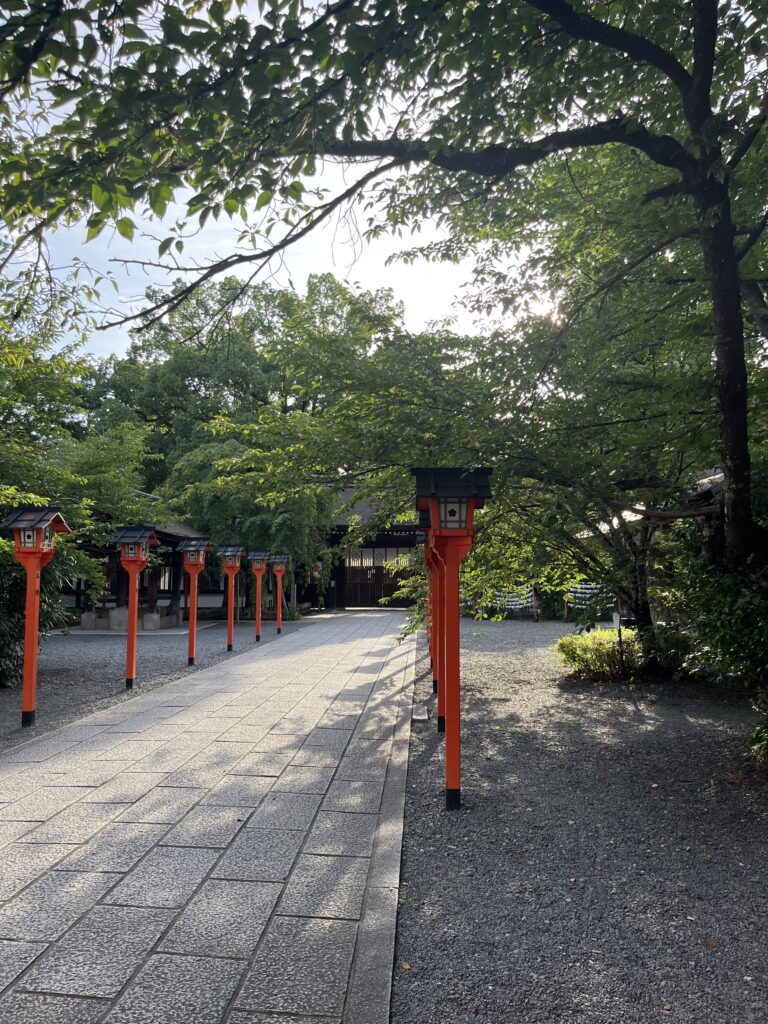
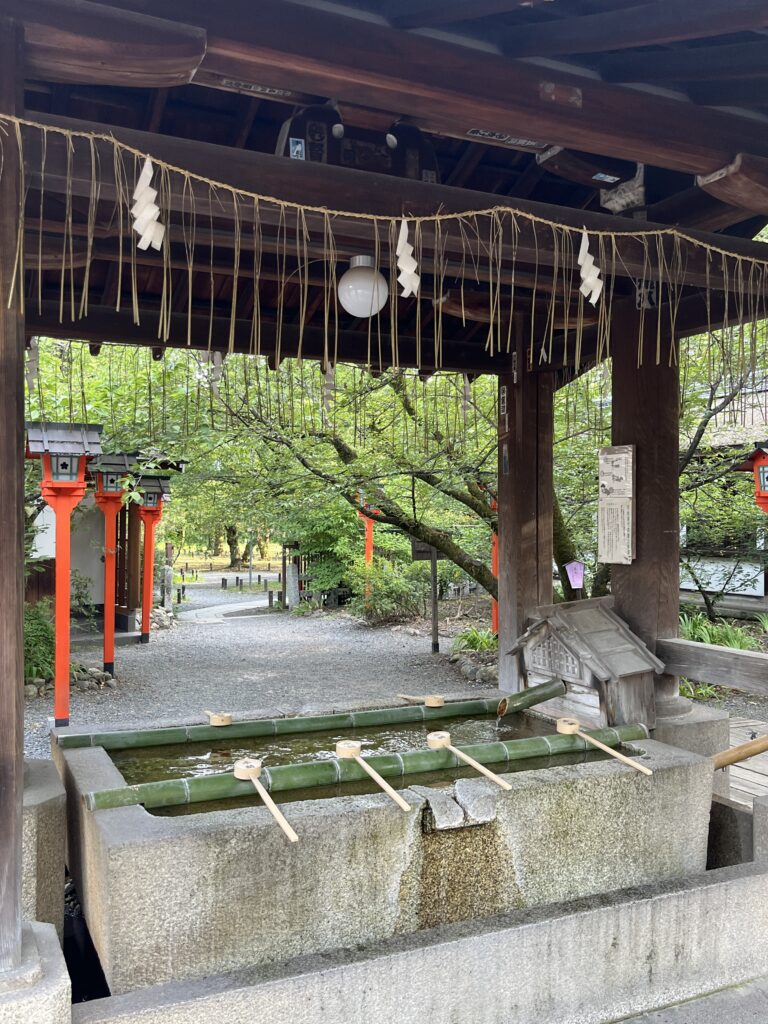
Located in Kyoto’s Kita Ward, Hirano Shrine is said to have been relocated from Heijo-kyo to Heian-kyo when the capital was moved there in 794; it is renowned for its cherry blossoms, particularly the night-time cherry blossoms.
The shrine’s main hall features a unique architectural style known as “Hirano-zukuri” and was built during the Kan’ei era of the Edo period.

Location
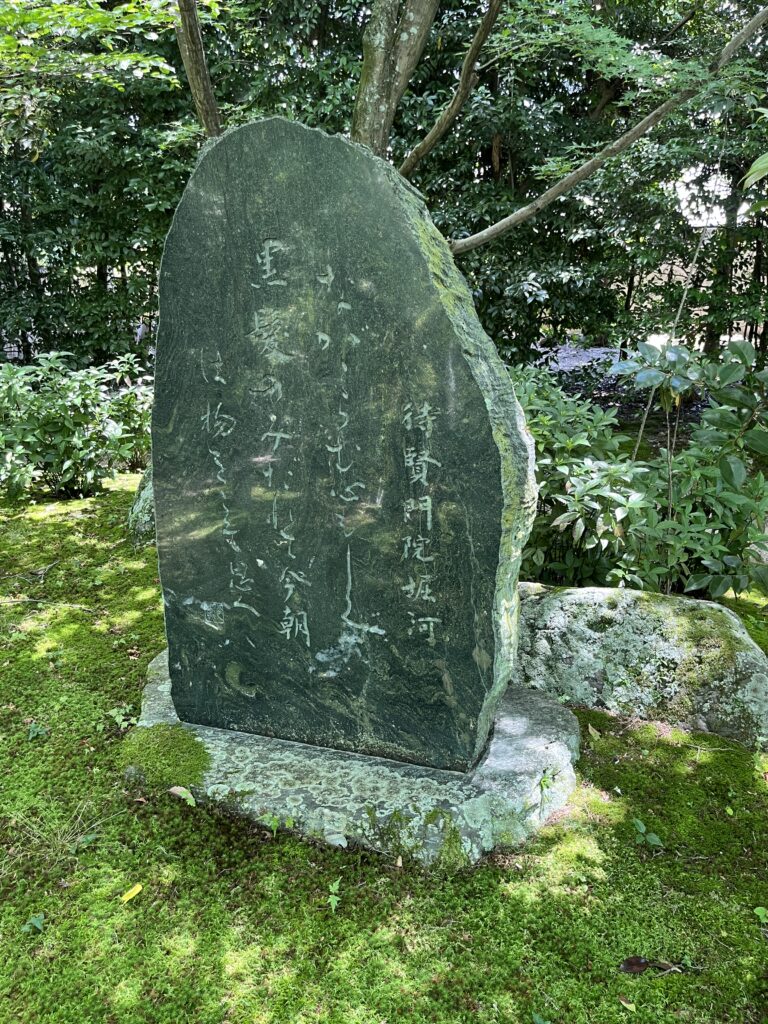
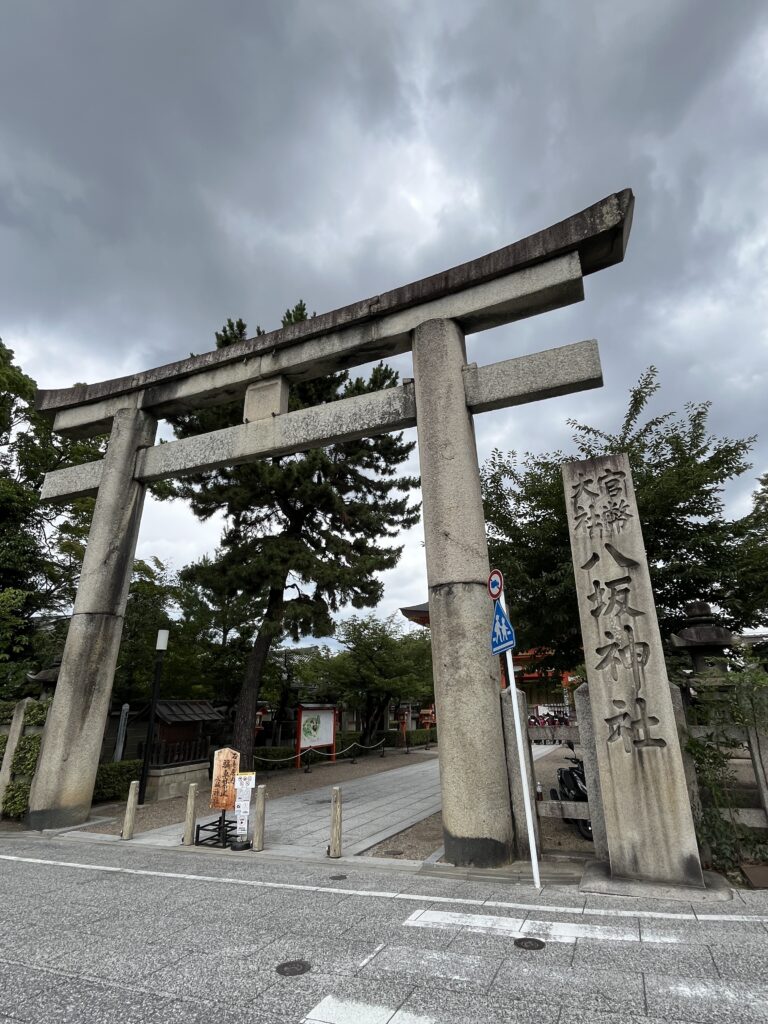
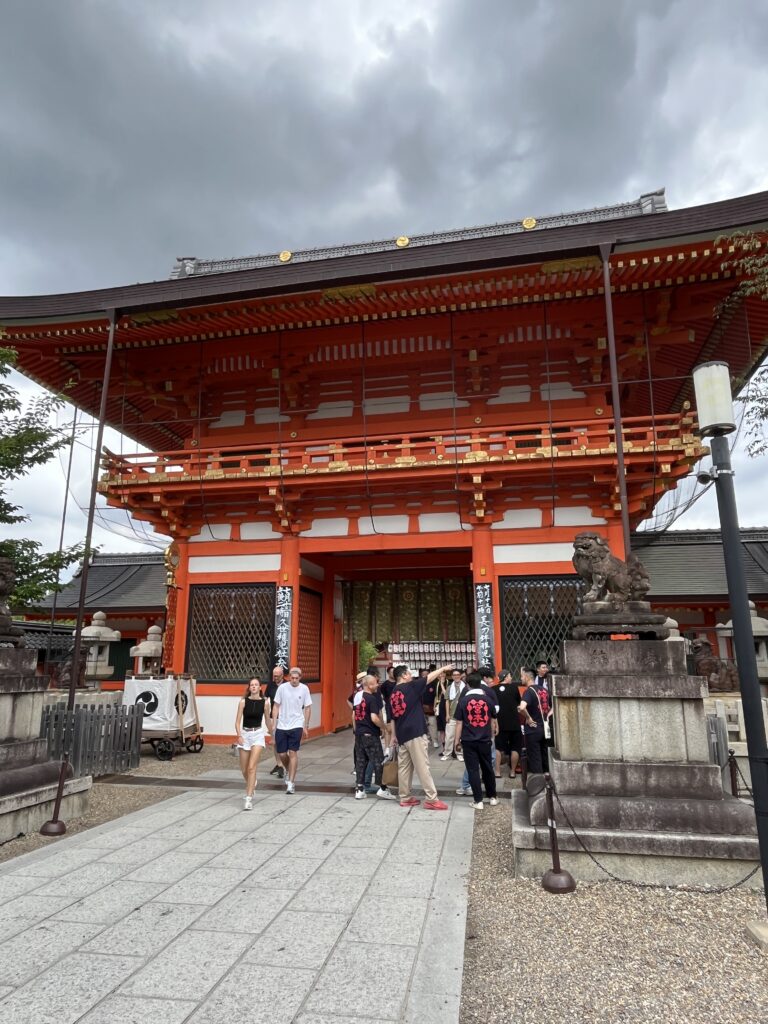
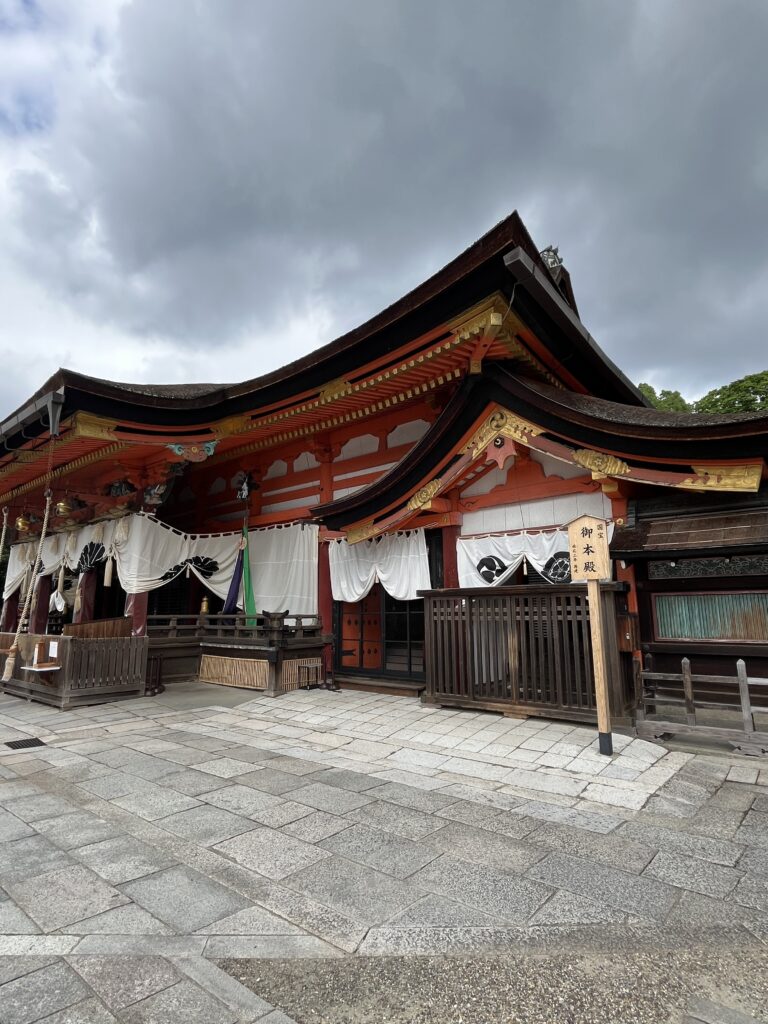
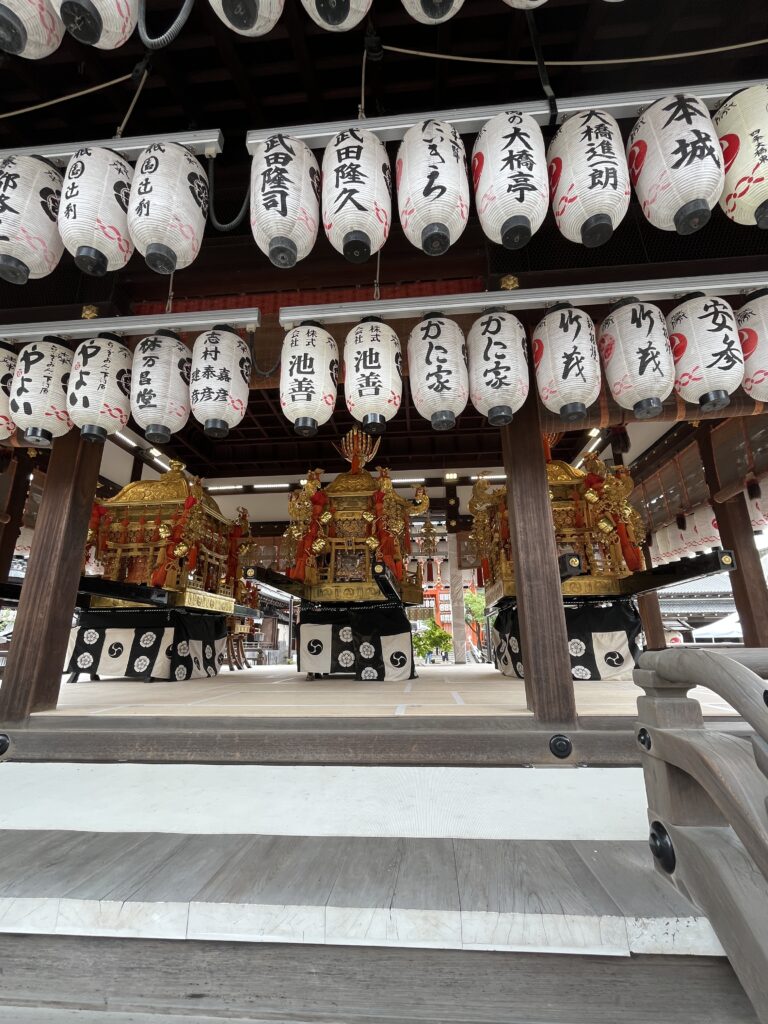
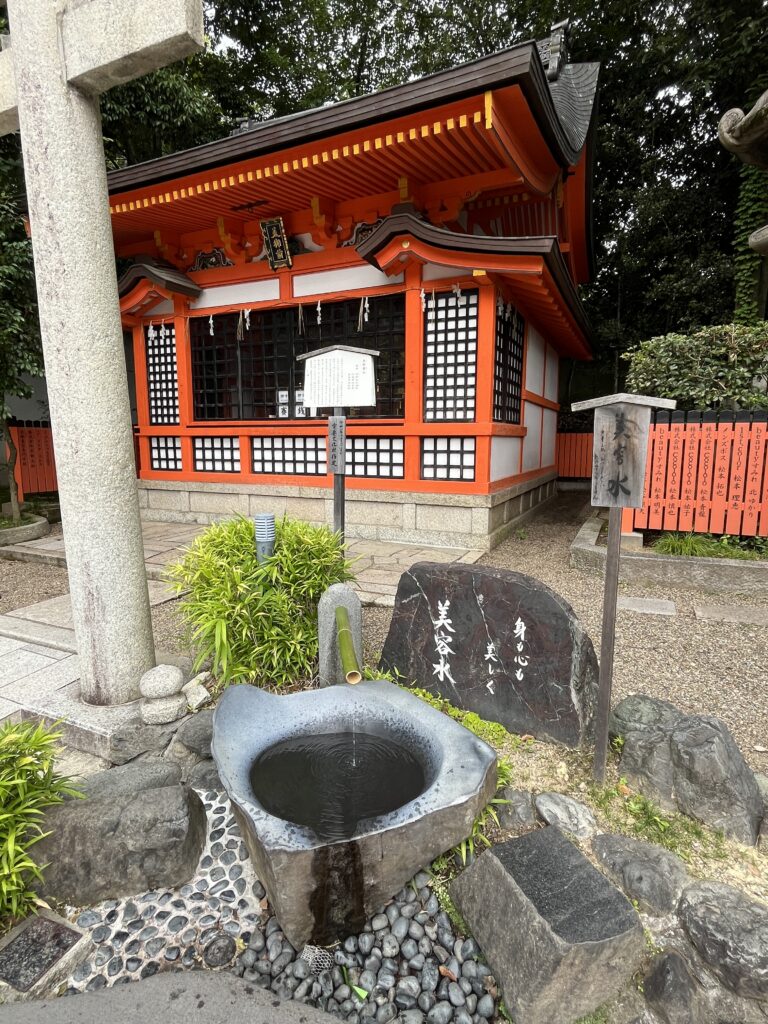
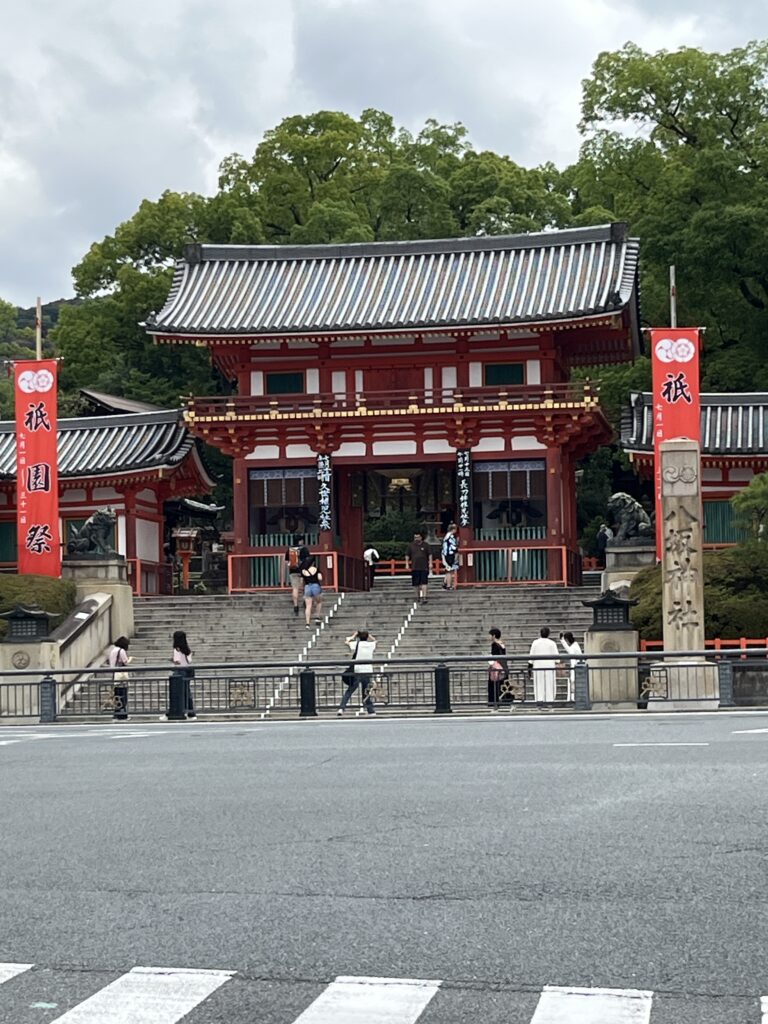
Yasaka Jinjya Shrine(八坂神社)

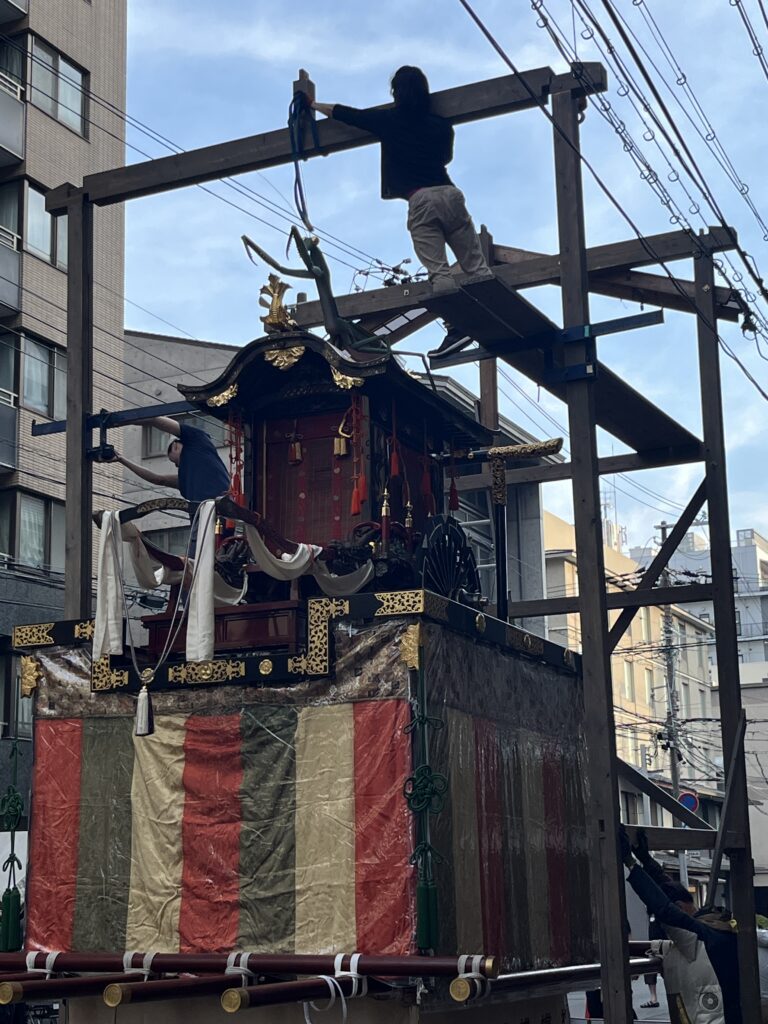
This shrine is located in Higashiyama Ward, Kyoto City, and is the home of the Gion Matsuri—one of Japan’s three major festivals. The festival begins on July 1st and features various events throughout the month.
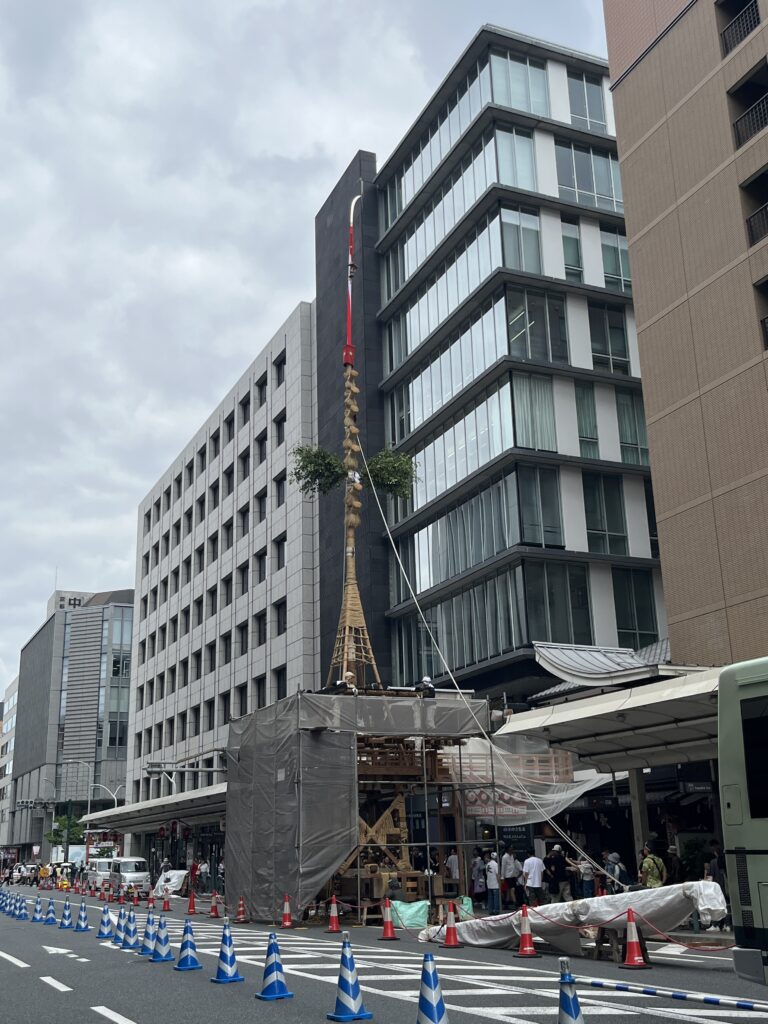
Today, July 11th, the *hoko* floats are being assembled for the festival’s procession.
They are being put together using traditional techniques.

Location
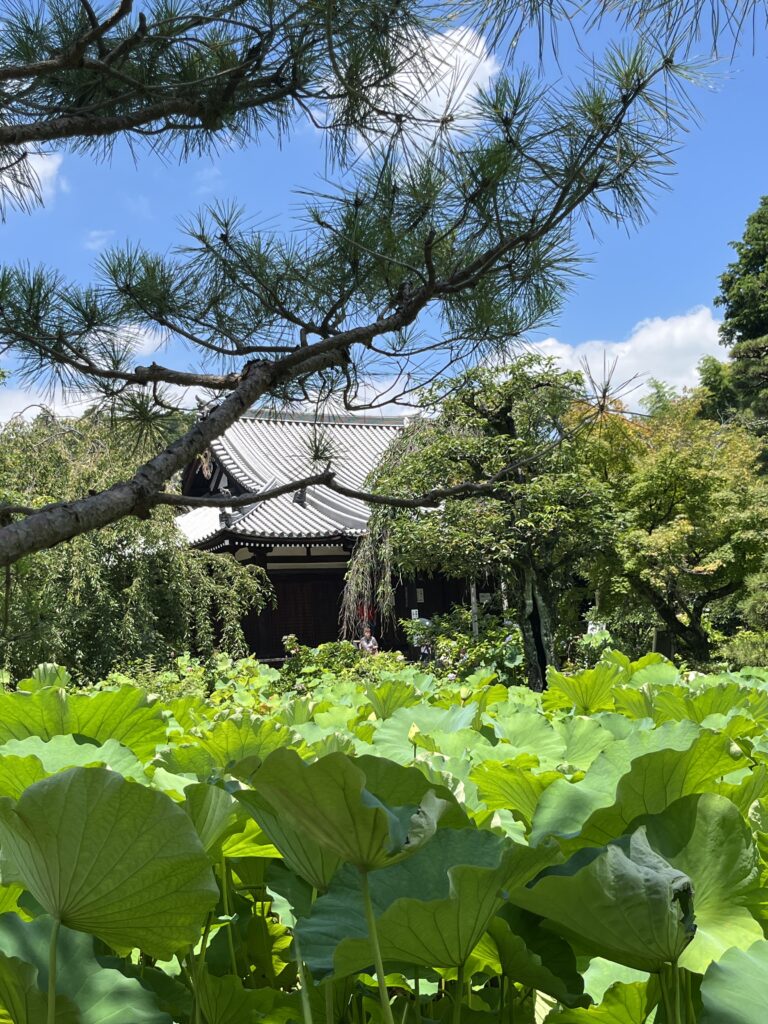
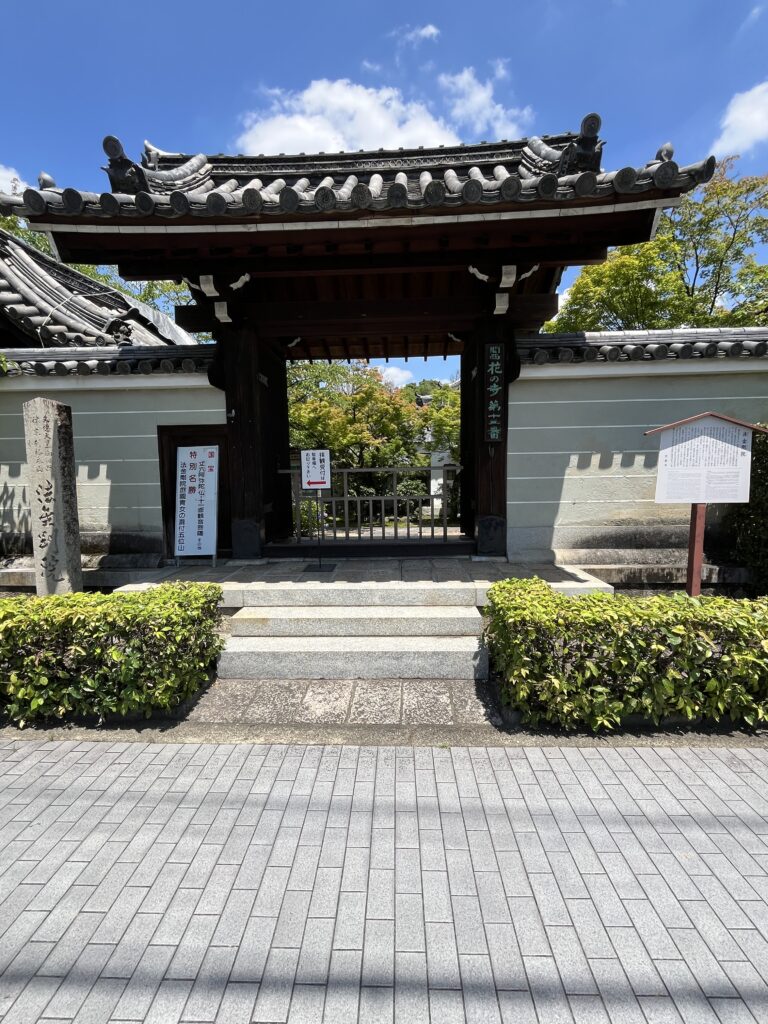
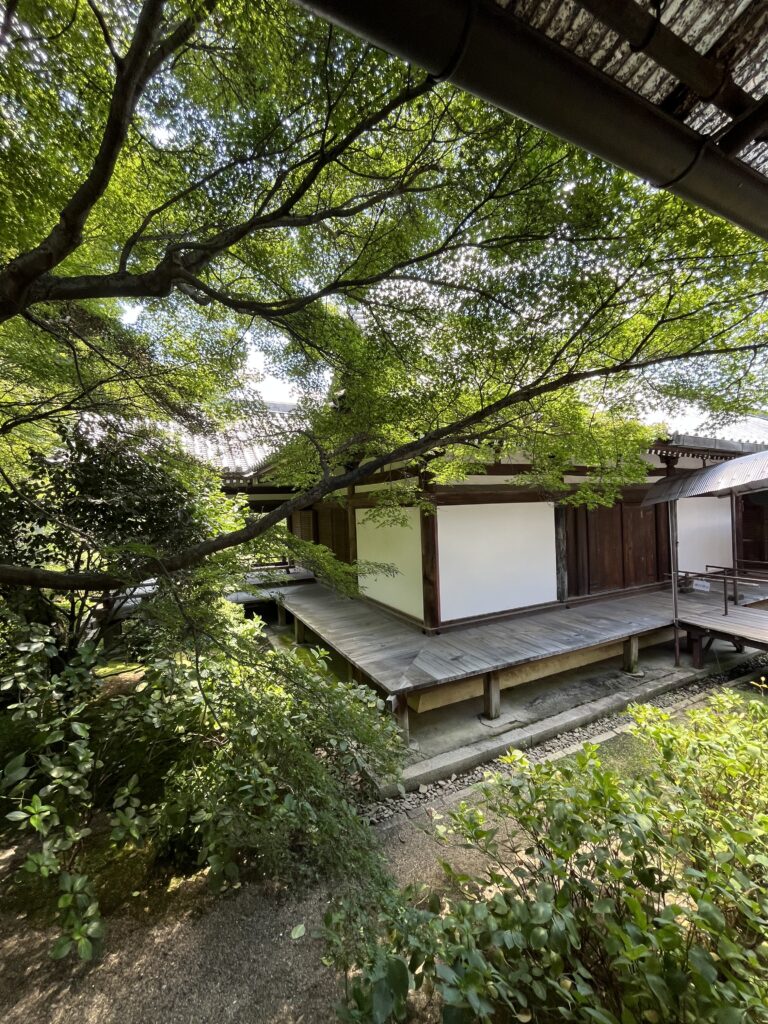
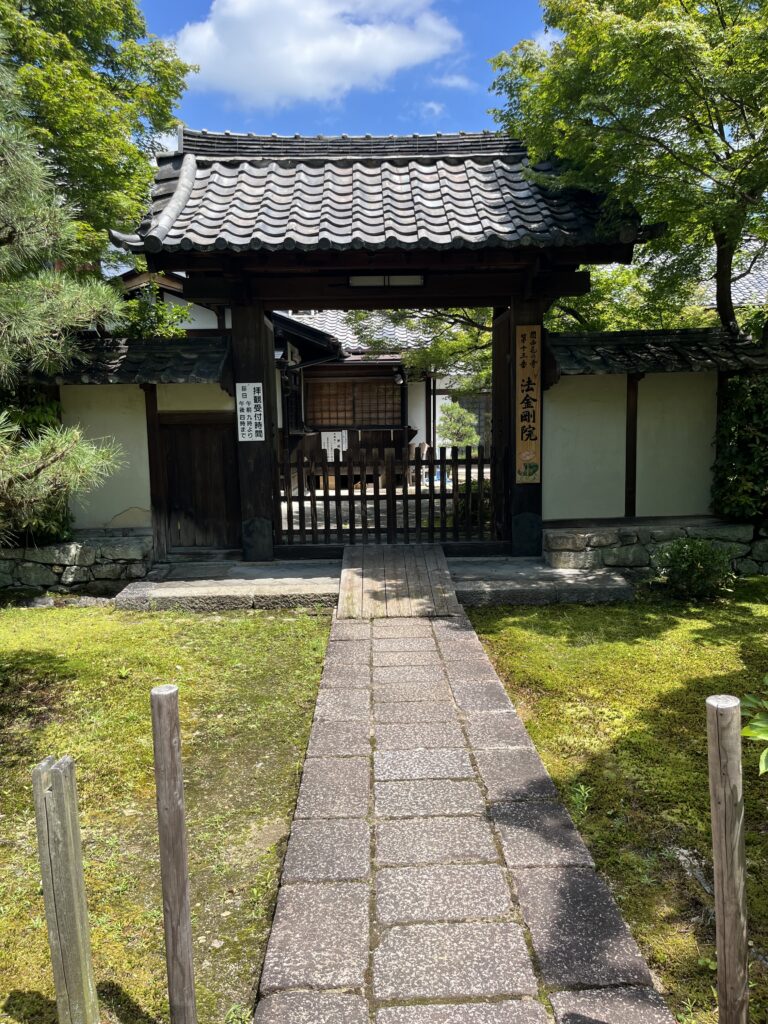
Hokongoin Temple(法金剛院)

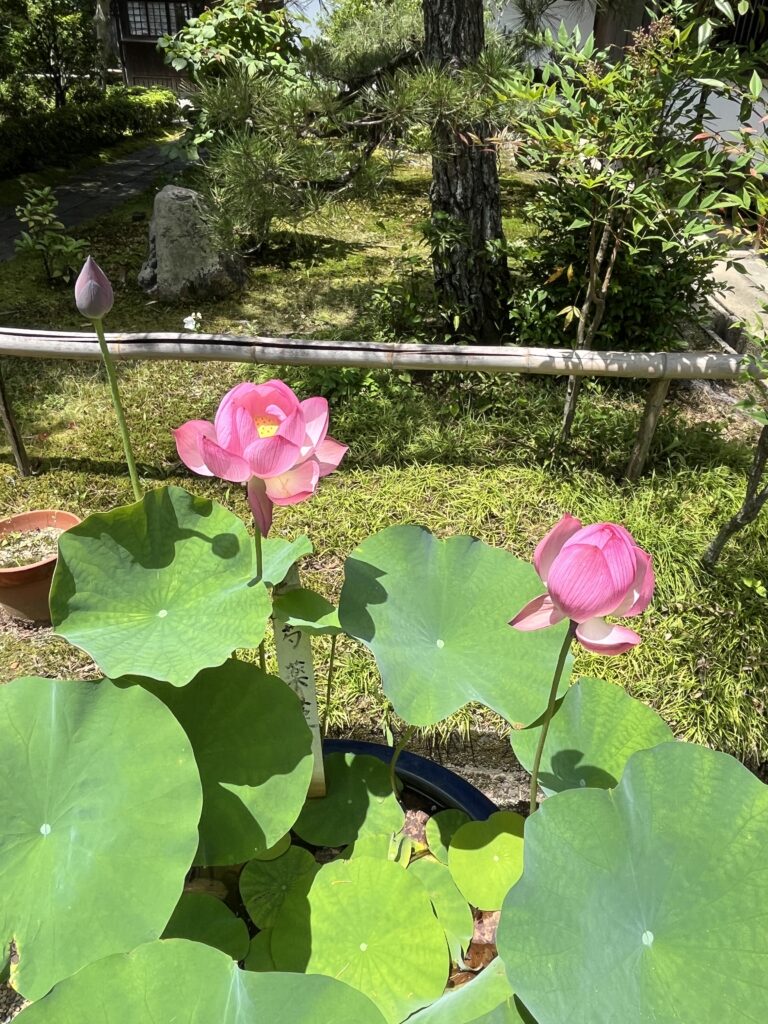
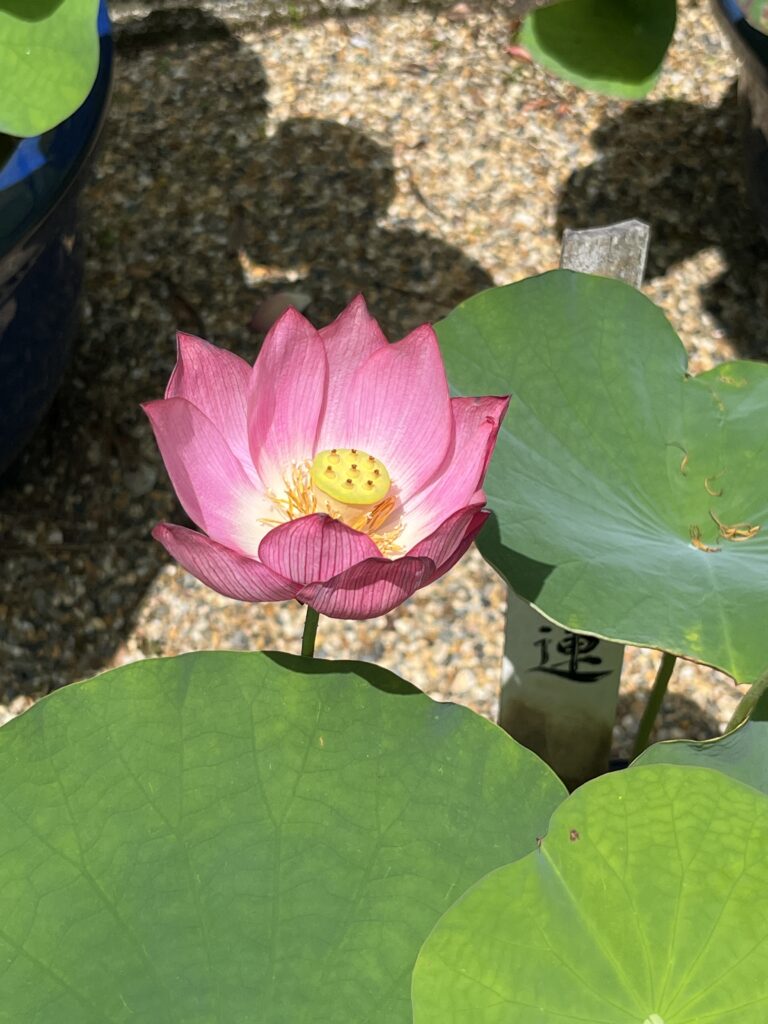
Hokongoin Temple is located in the Hanazono district of Kyoto and is known as a “Temple of Flowers.”
Its early-summer garden, designed to evoke the Pure Land, features beautiful lotus blossoms.
The temple also boasts stunning cherry blossoms in spring and vibrant autumn foliage, allowing visitors to admire seasonal flowers throughout the year.

Location