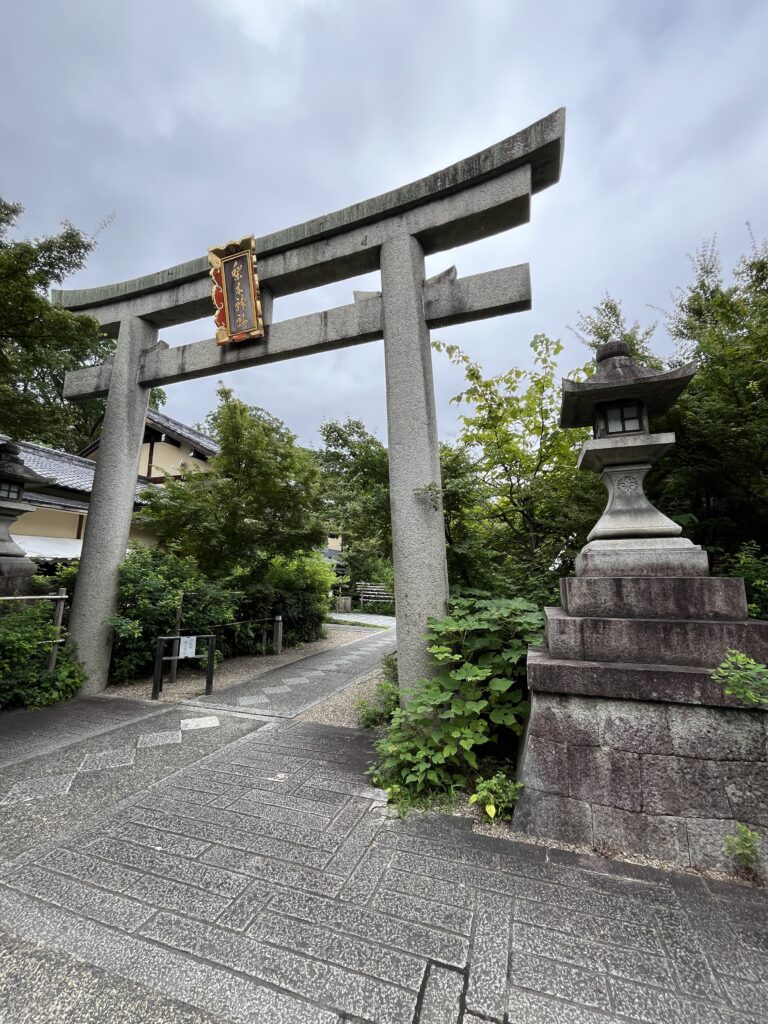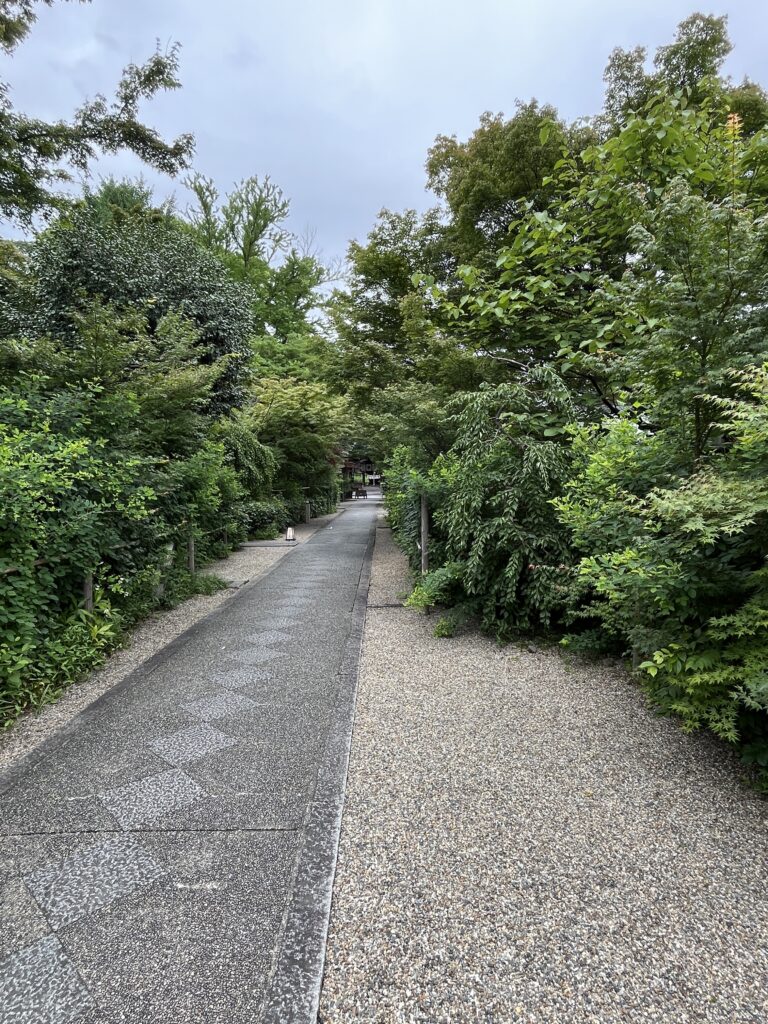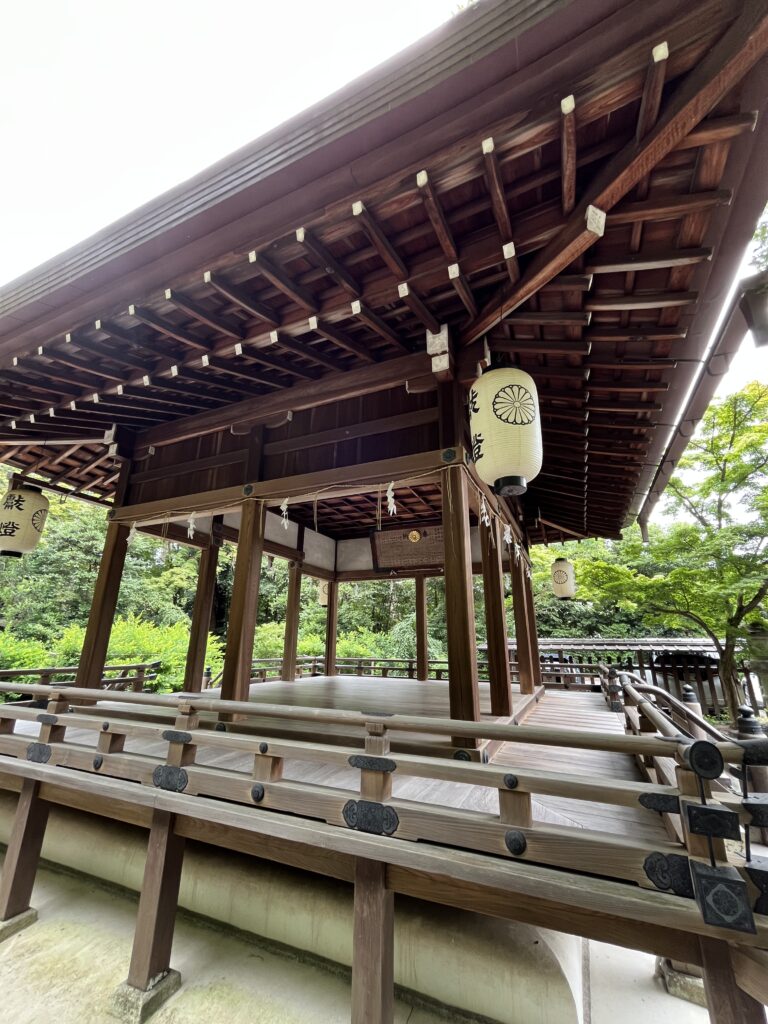
Nashinoki Shrine(梨木神社)

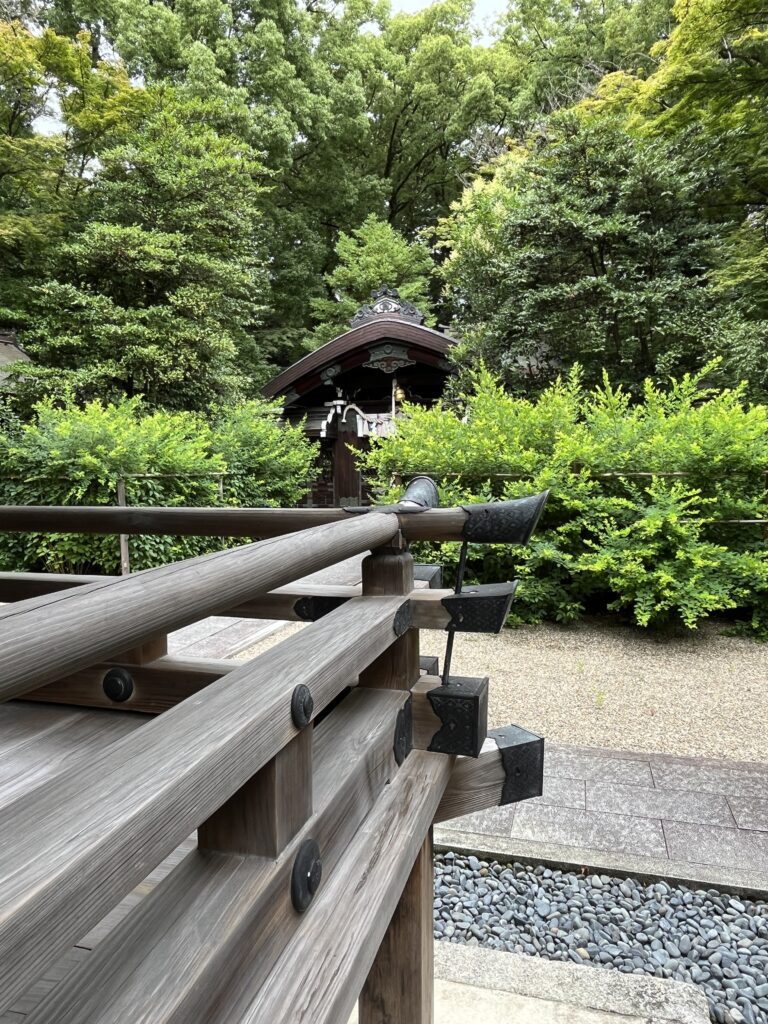
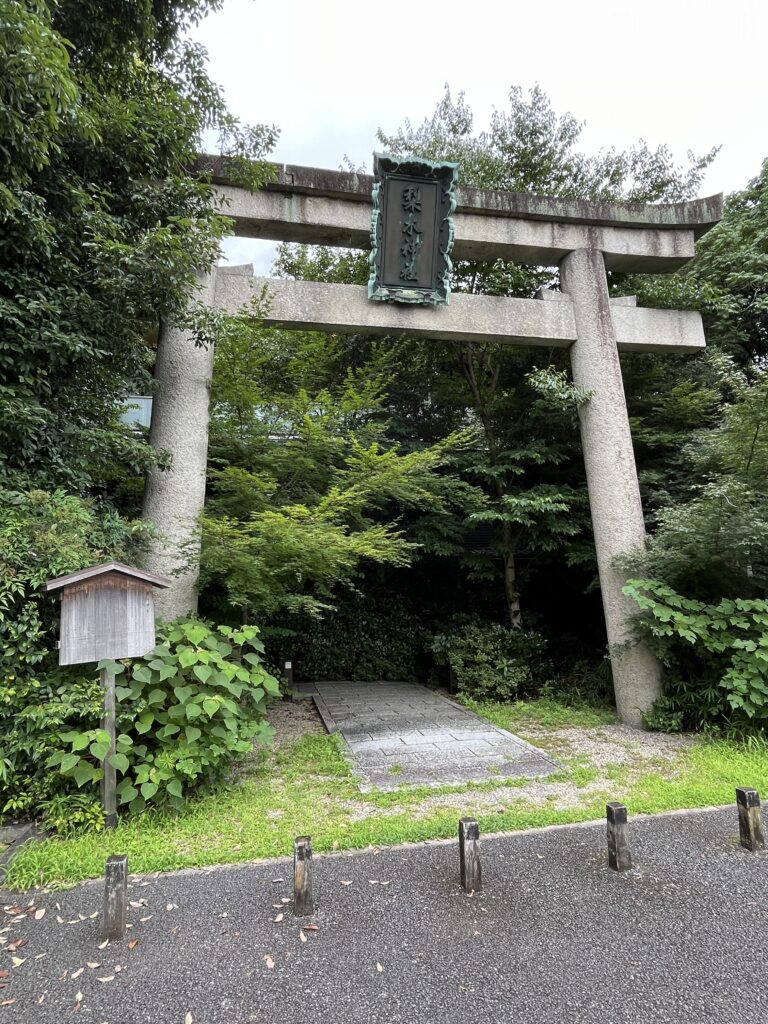
It is located to the east of the Kyoto Imperial Palace Park and is a shrine dedicated to those who played a pivotal role in the Meiji Restoration.

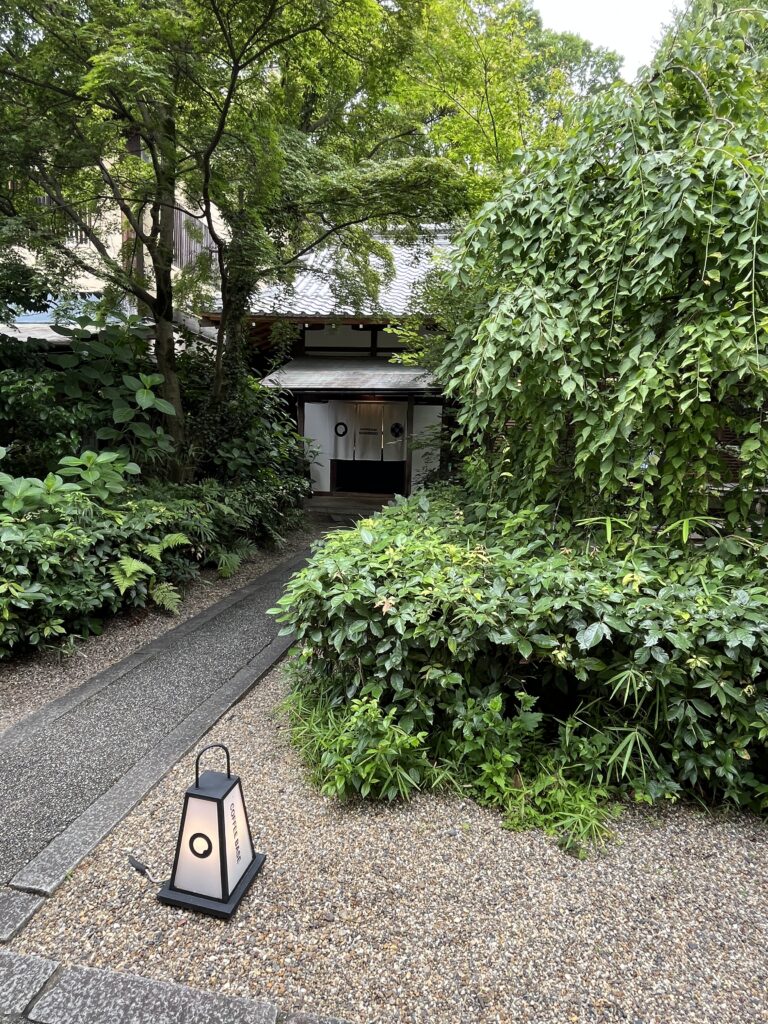
There is a café within the shrine grounds where you can enjoy coffee brewed using water from one of Kyoto’s three famous springs.
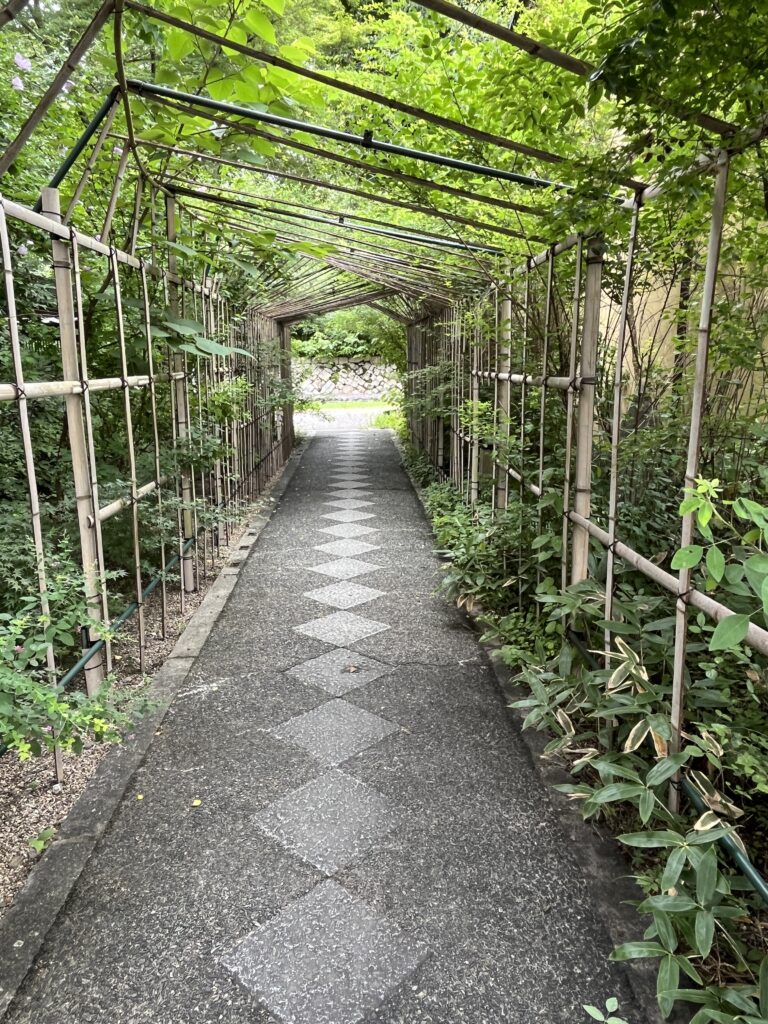
It is renowned as a prime spot for viewing bush clover (hagi), making it a place I would love to visit again in the autumn.
 

Location
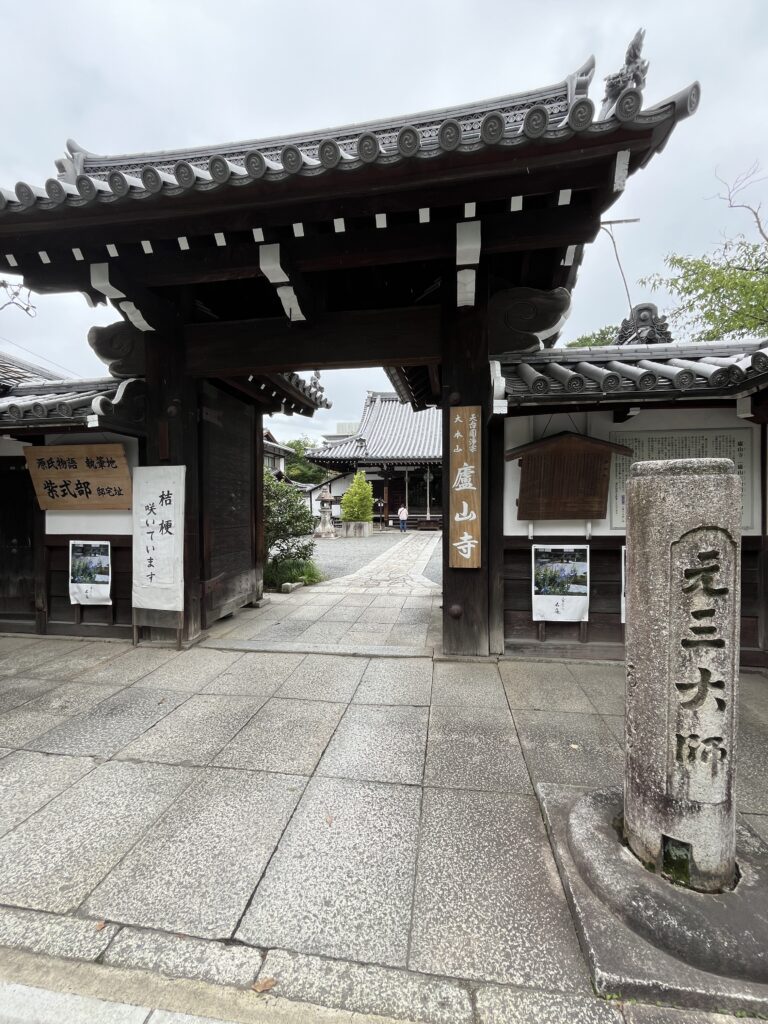
Rozanji Temple2(廬山寺)

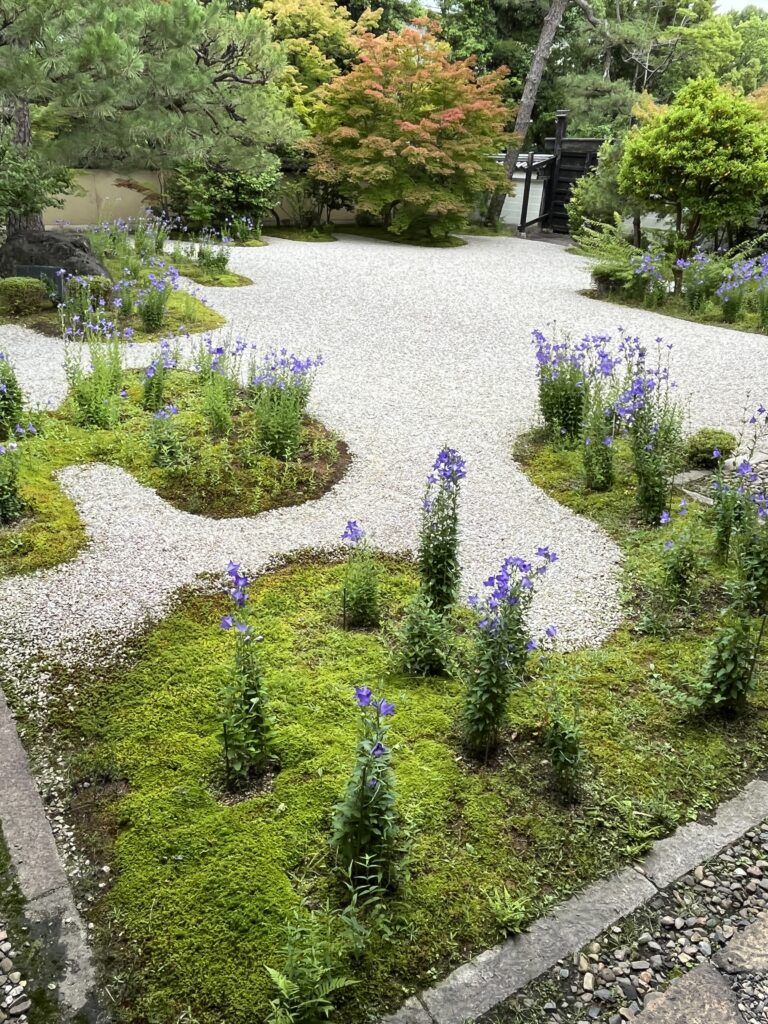
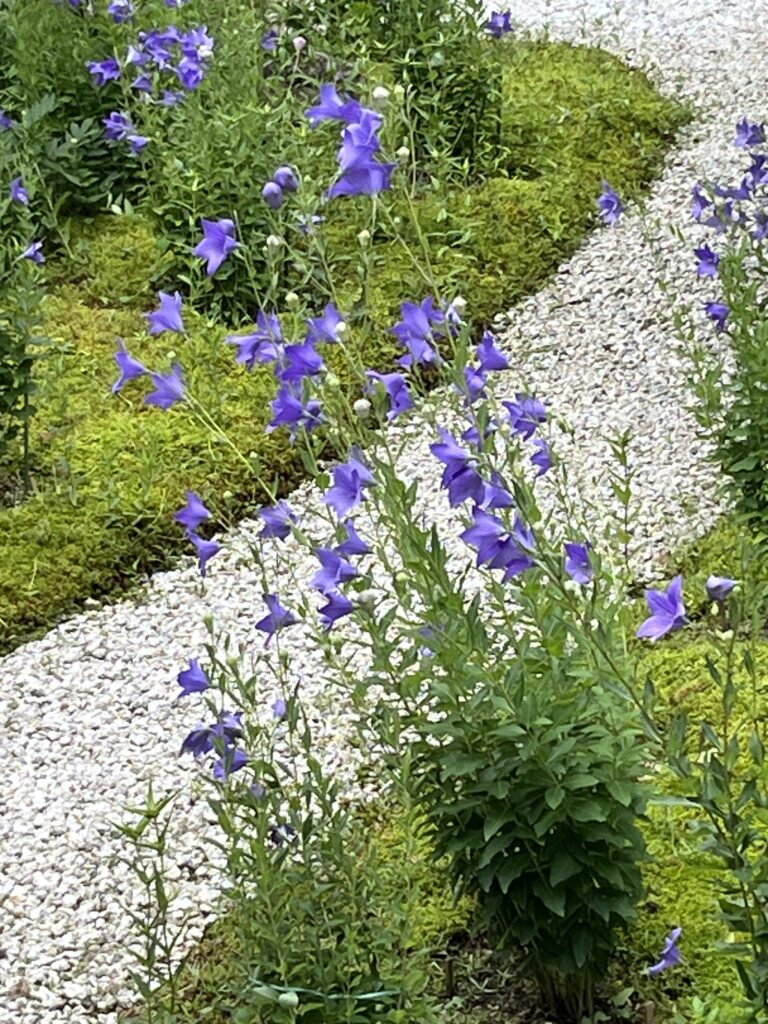
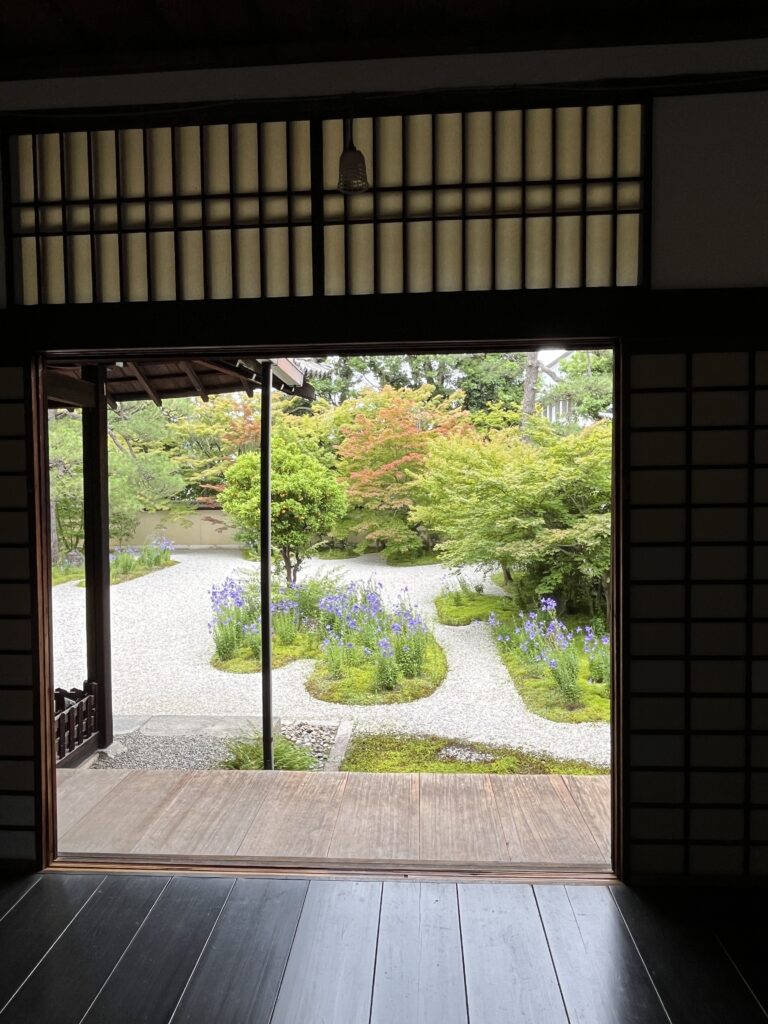
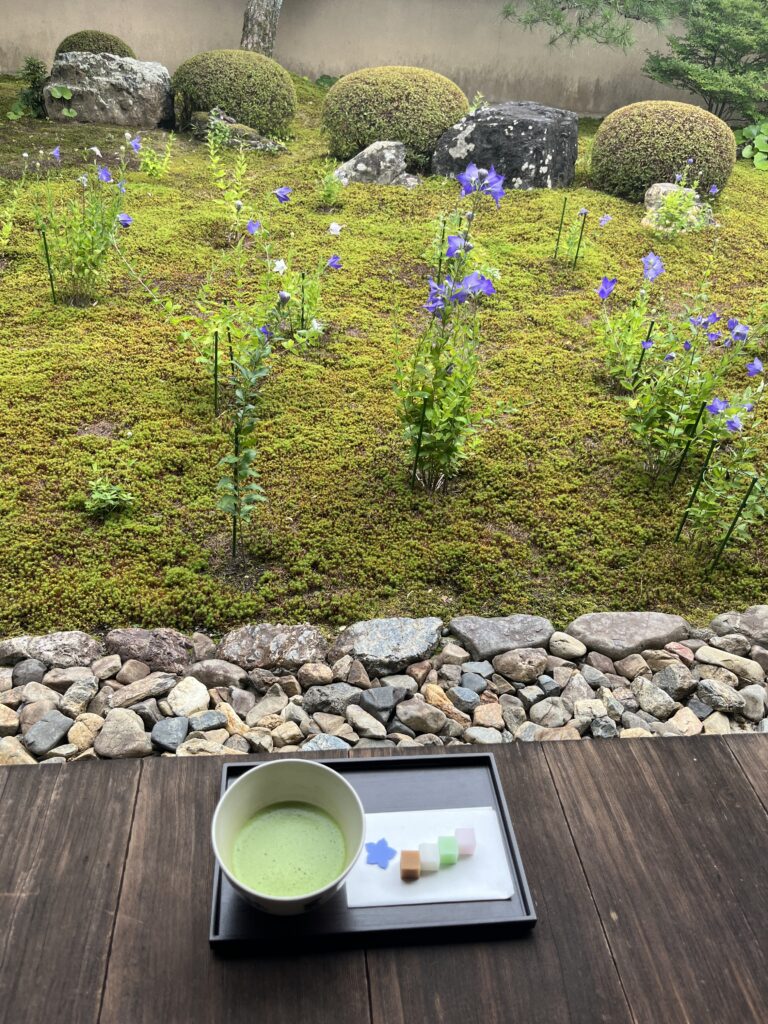
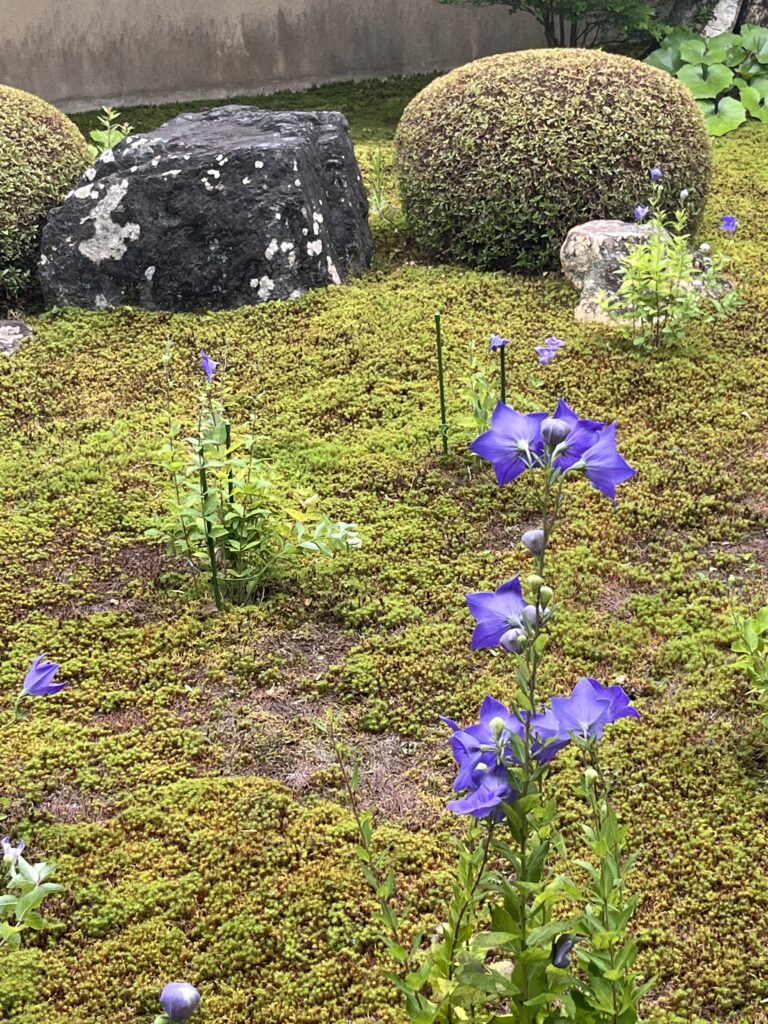
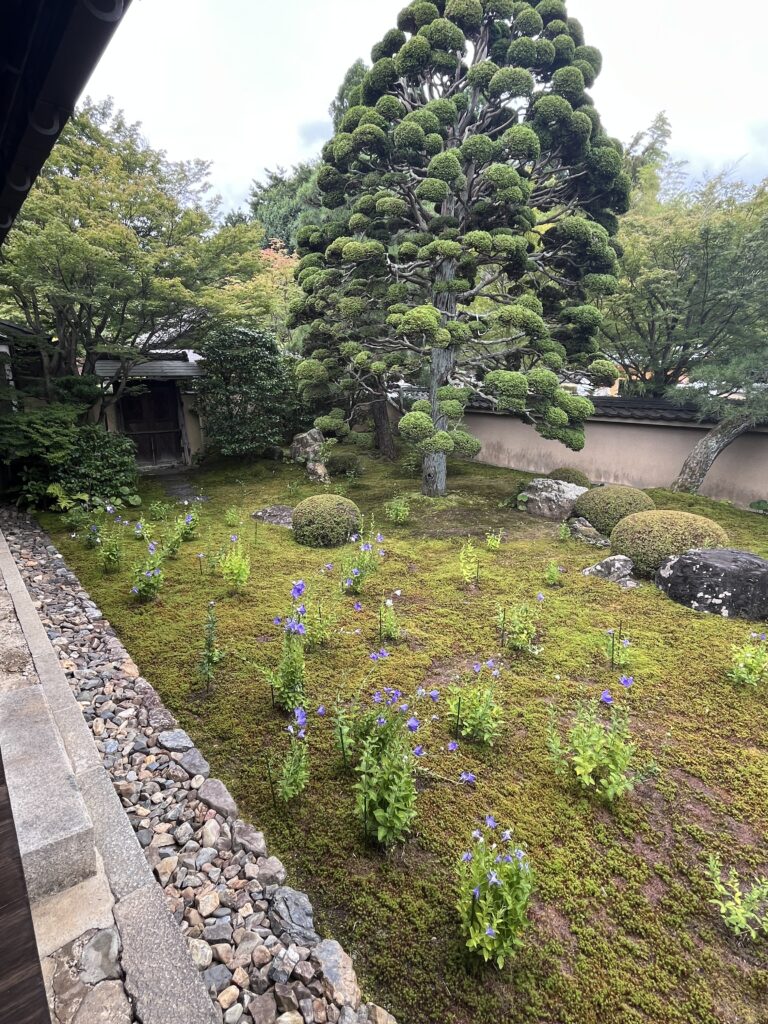
The Chinese bellflowers are blooming beautifully here as well.
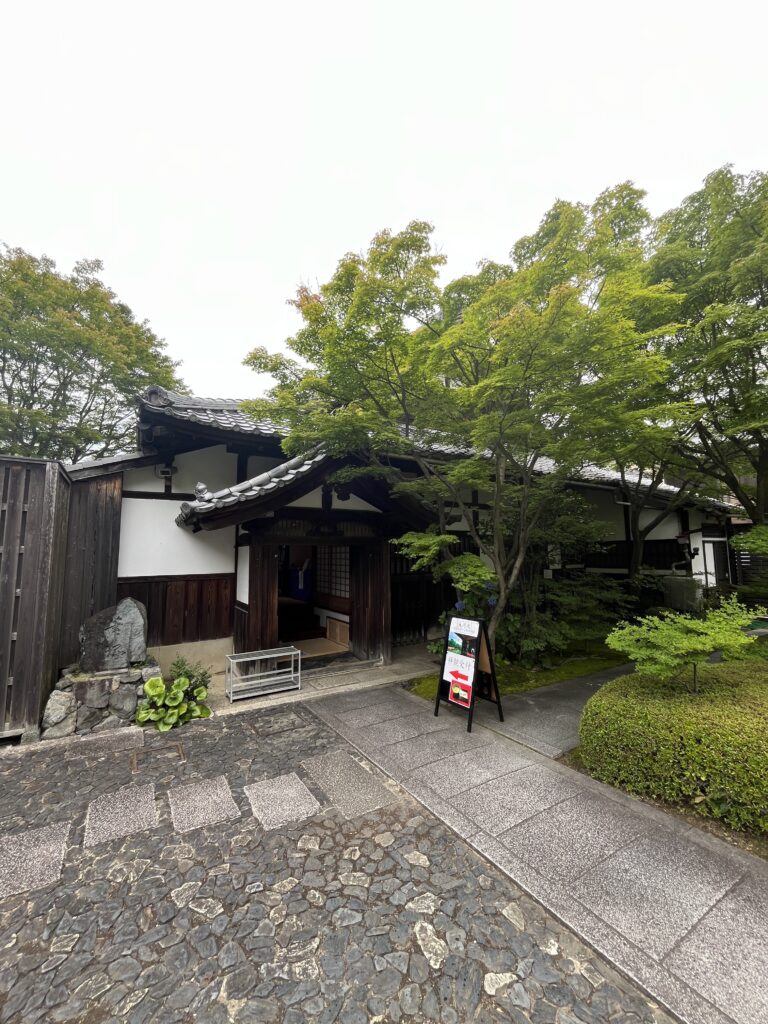
Every year at this time, a sign appears at the temple gate announcing, “The Chinese bellflowers are in bloom.”
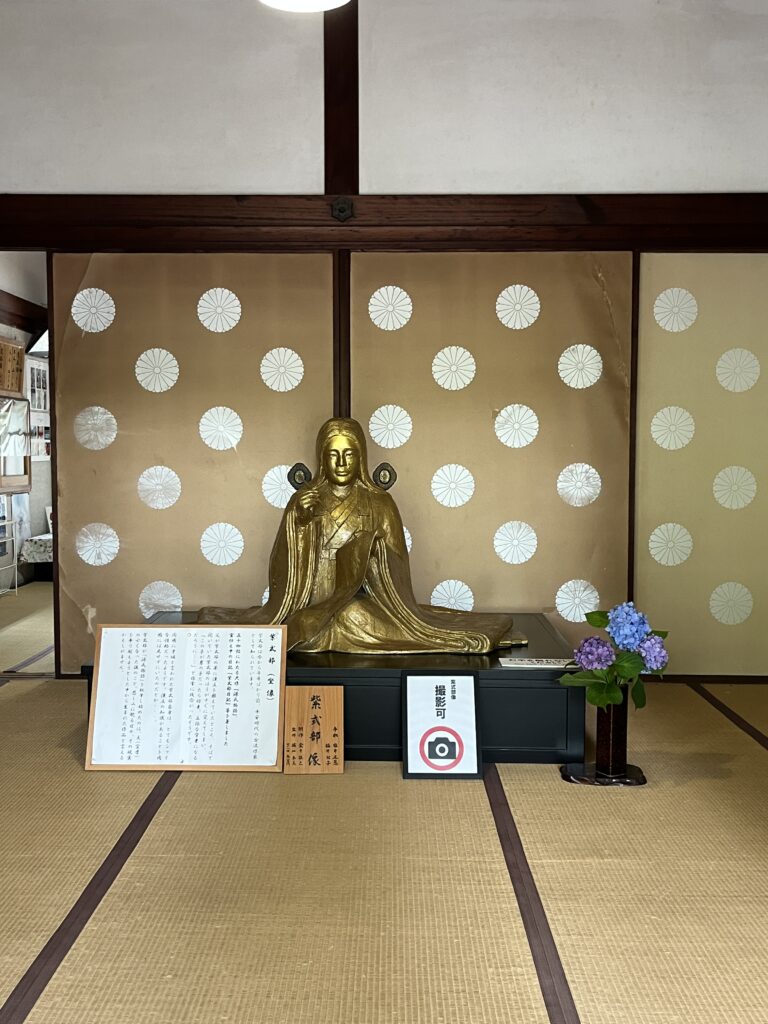
This temple is famous for these flowers, which are associated with *The Tale of Genji*; it is the site where Murasaki Shikibu, the tale’s author, once lived and wrote her masterpiece.
These lovely flowers are in full bloom in the garden known as the “Genji Garden.”

Location

Tofukuji Temple(3)(東福寺)

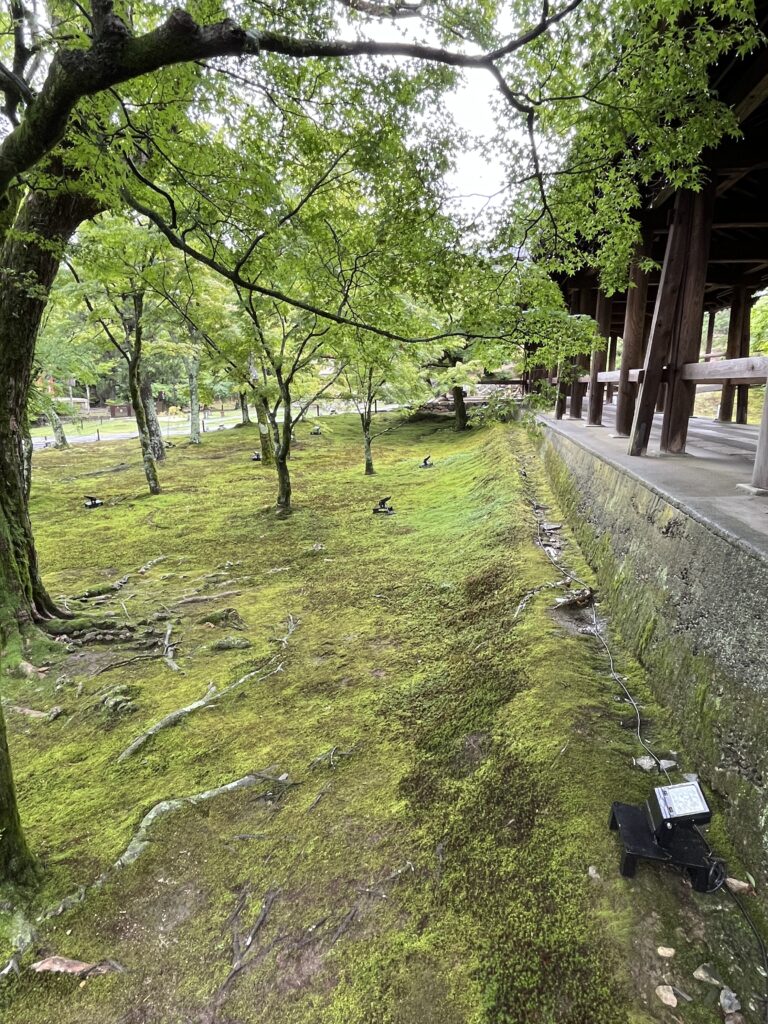
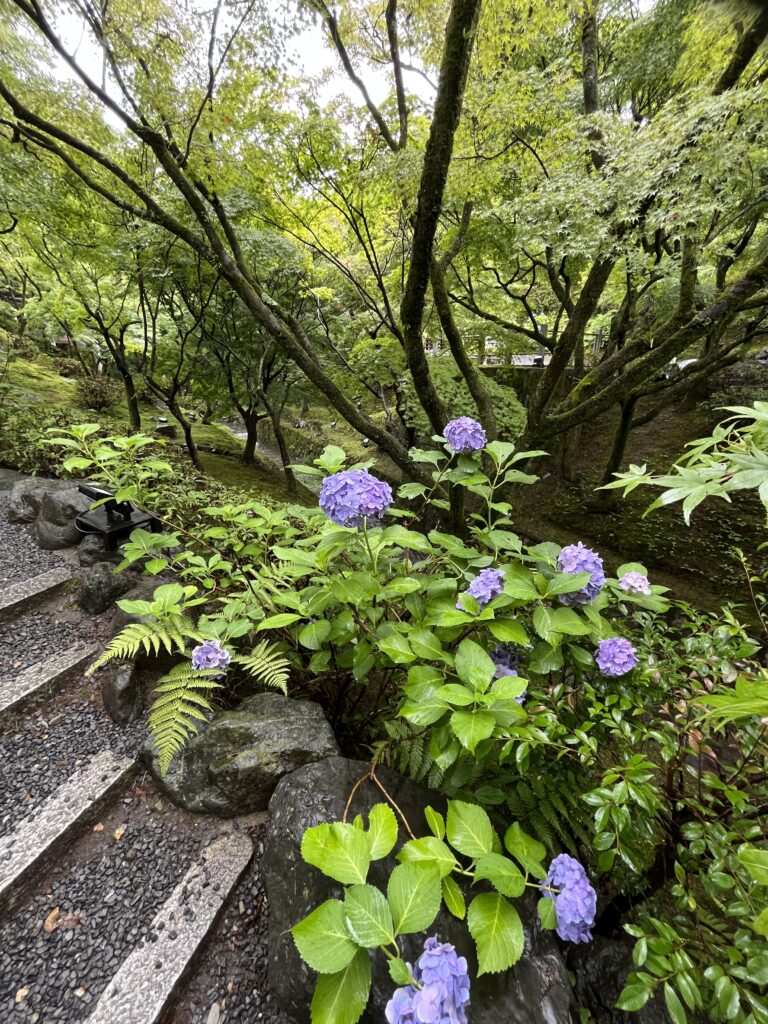
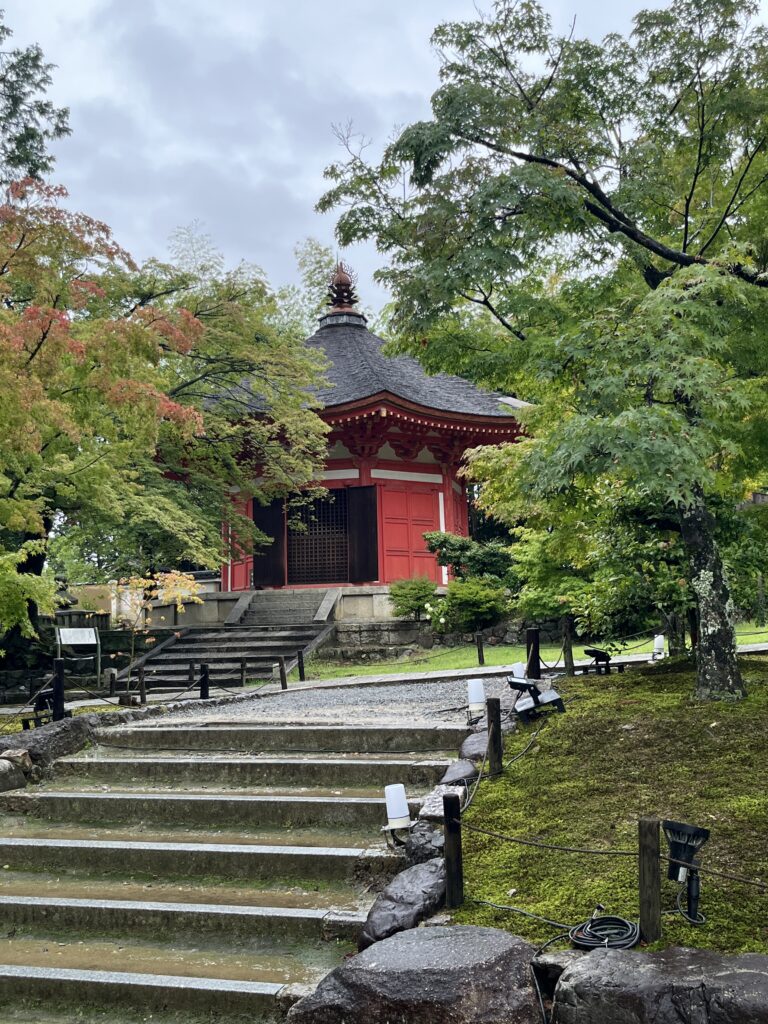
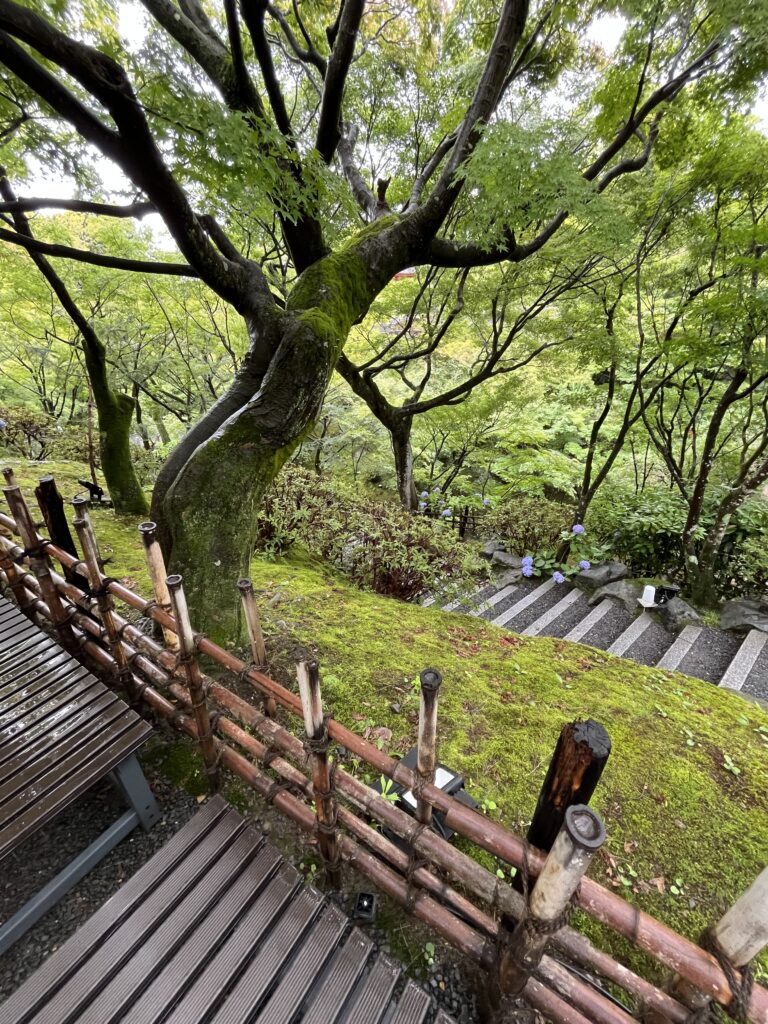
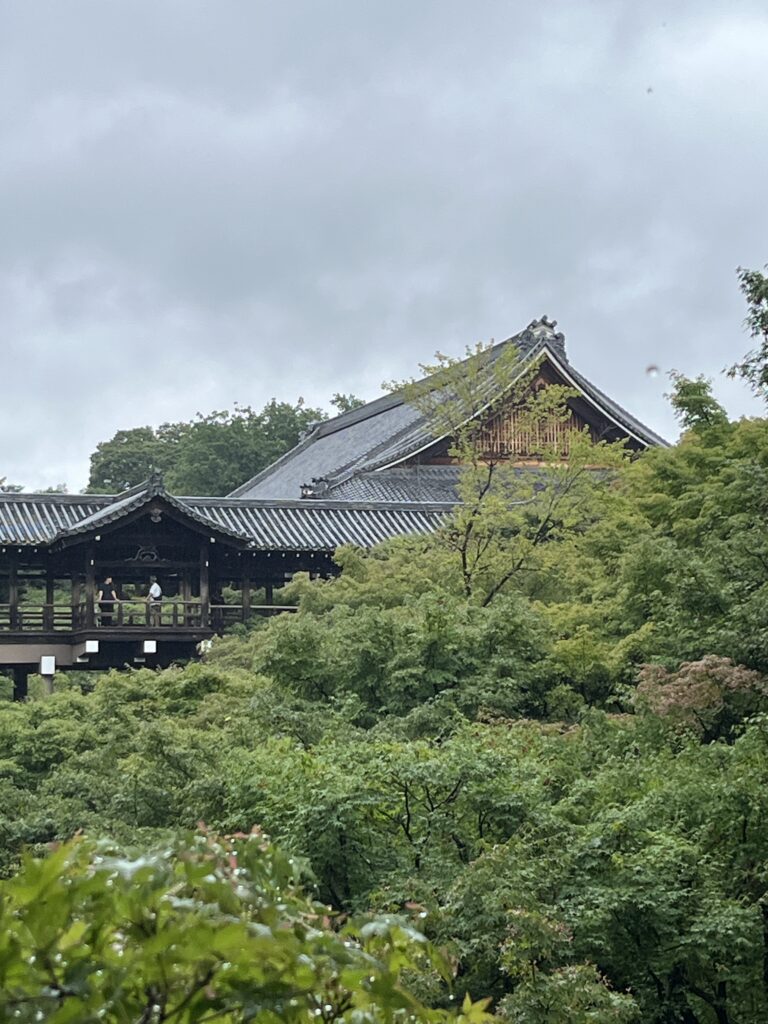
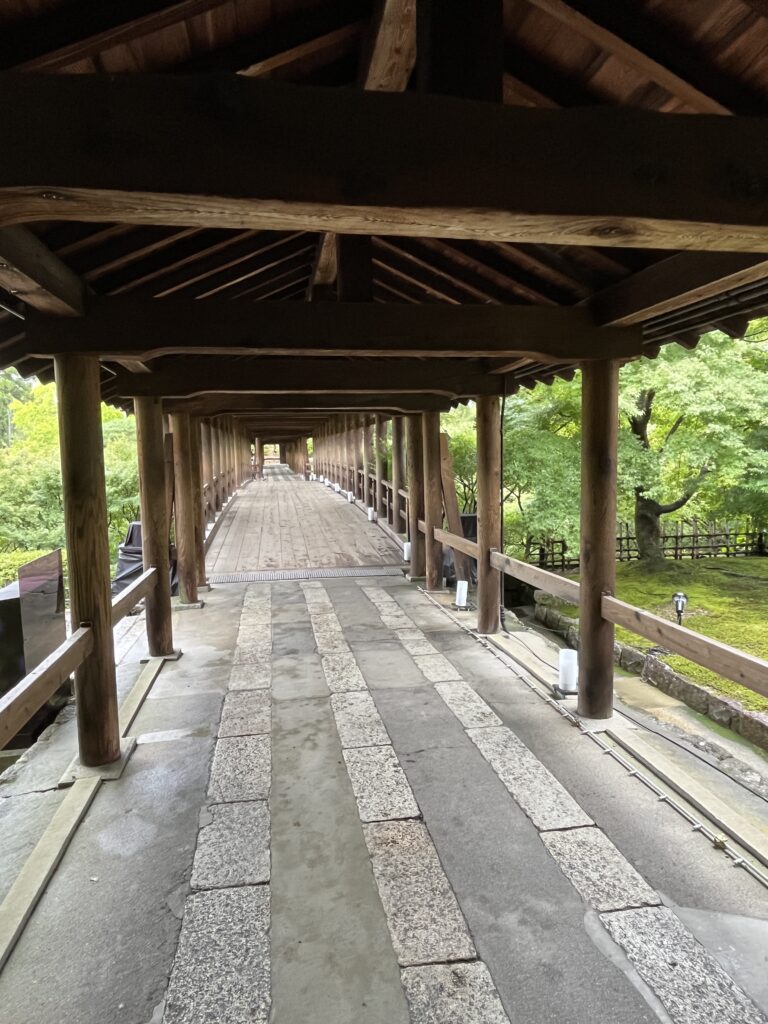
Here, we can enjoy a stroll through the gardens that extend from Tsutenkyo Bridge.
This area is surrounded by fresh green foliage, and the hydrangeas are beautiful as well.
Although there was still a bit of lingering rain, the conditions were perfect for the fresh greenery and moss gardens.


Location

Tofukuji Temple(2)(東福寺)

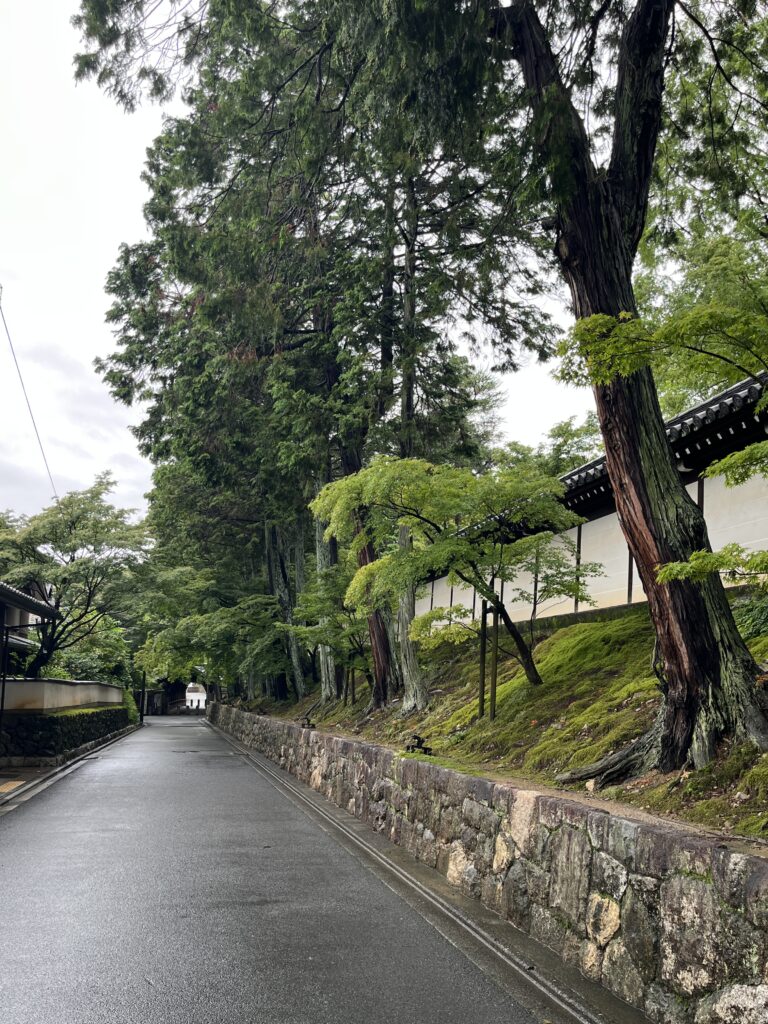
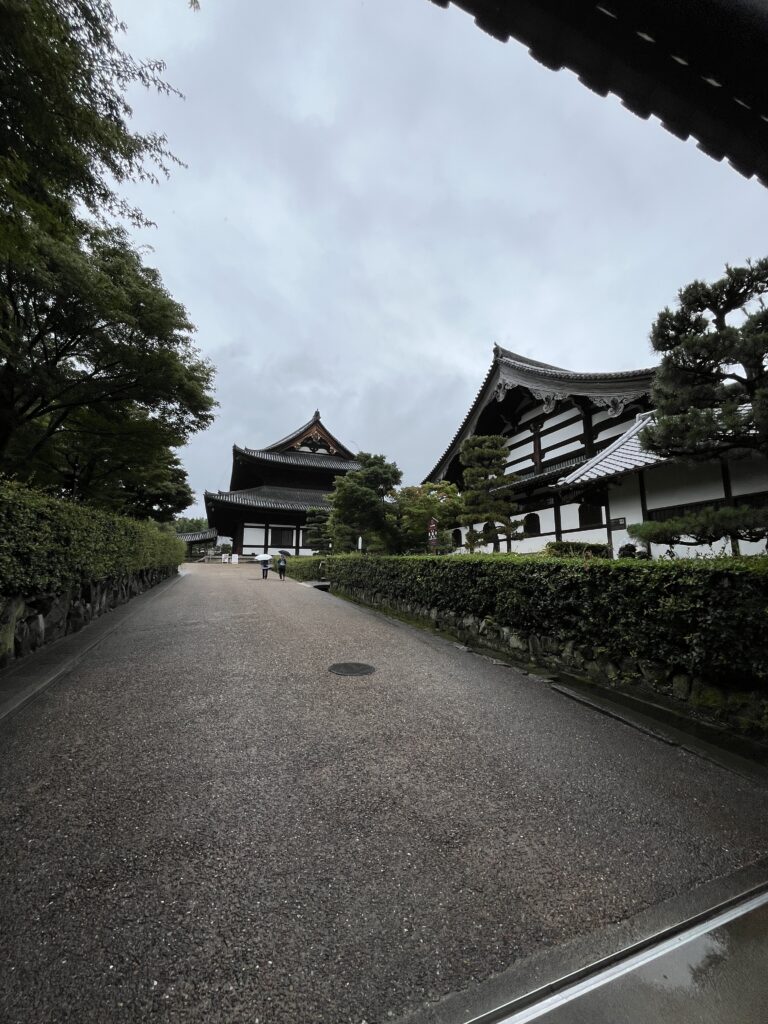
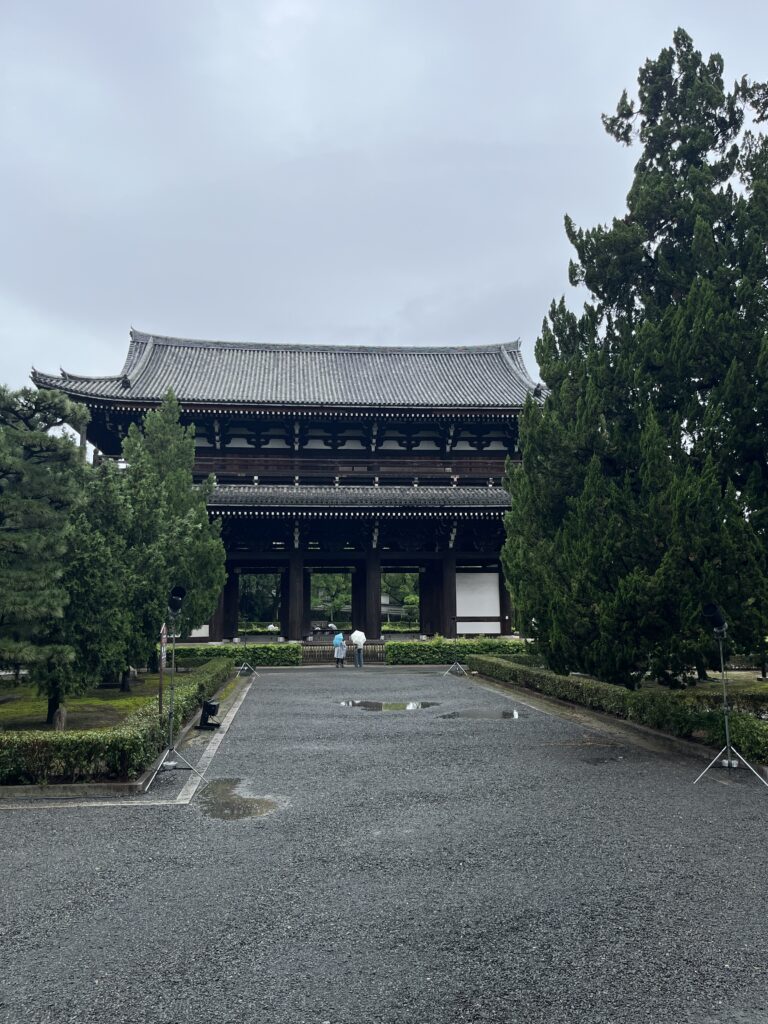
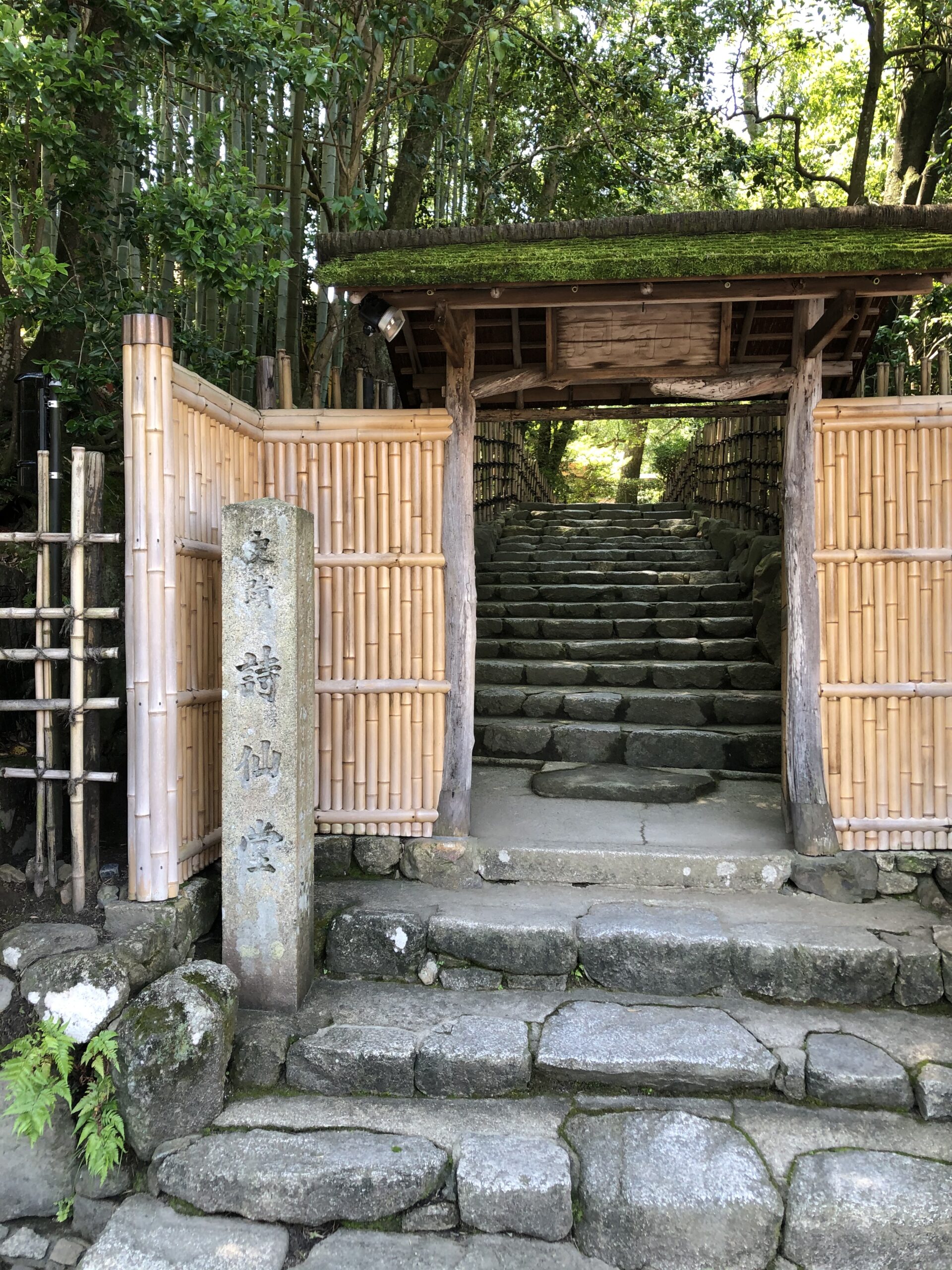
The following photos were also taken within the grounds of Tofuku-ji Temple.
Due to the impact of a typhoon, visits to one of the sub-temples (Tentoku-in Temple) had been suspended; since I was unable to view the *kikyo* (balloon flower) garden, I decided to visit again.
Nevertheless, I was able to enjoy the vibrant green scenery within the temple grounds.

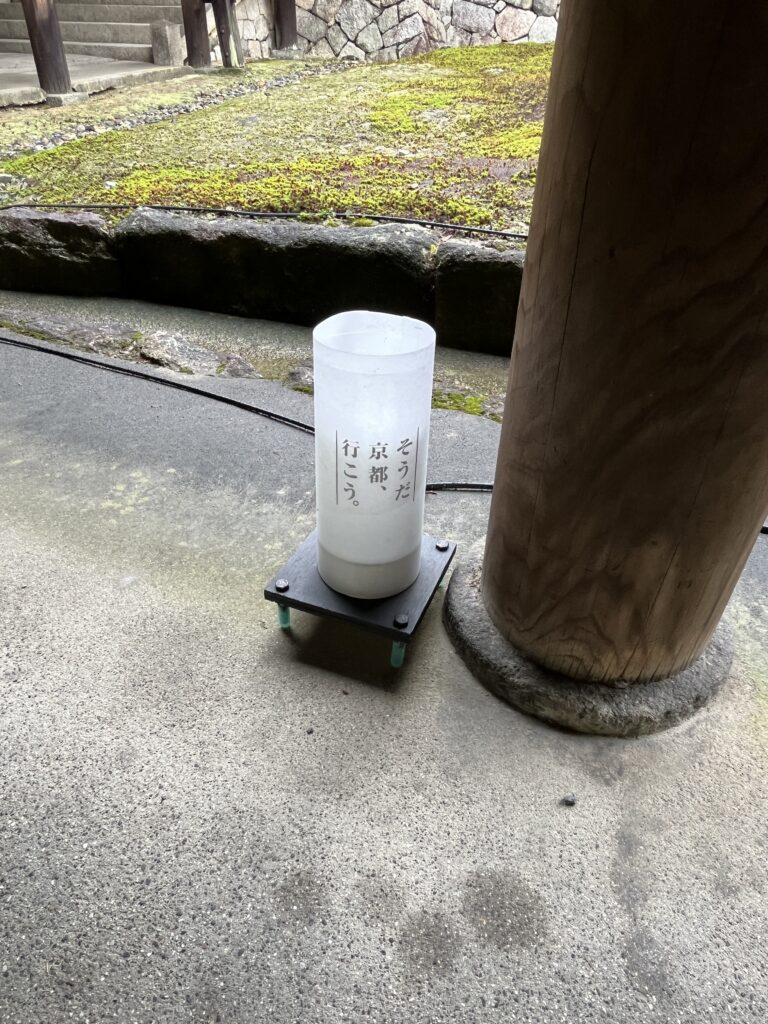
※The *andon* (paper lantern) at Tofuku-ji Temple bore the text of the once-famous catchphrase: “Yes, let’s go to Kyoto.”

Location