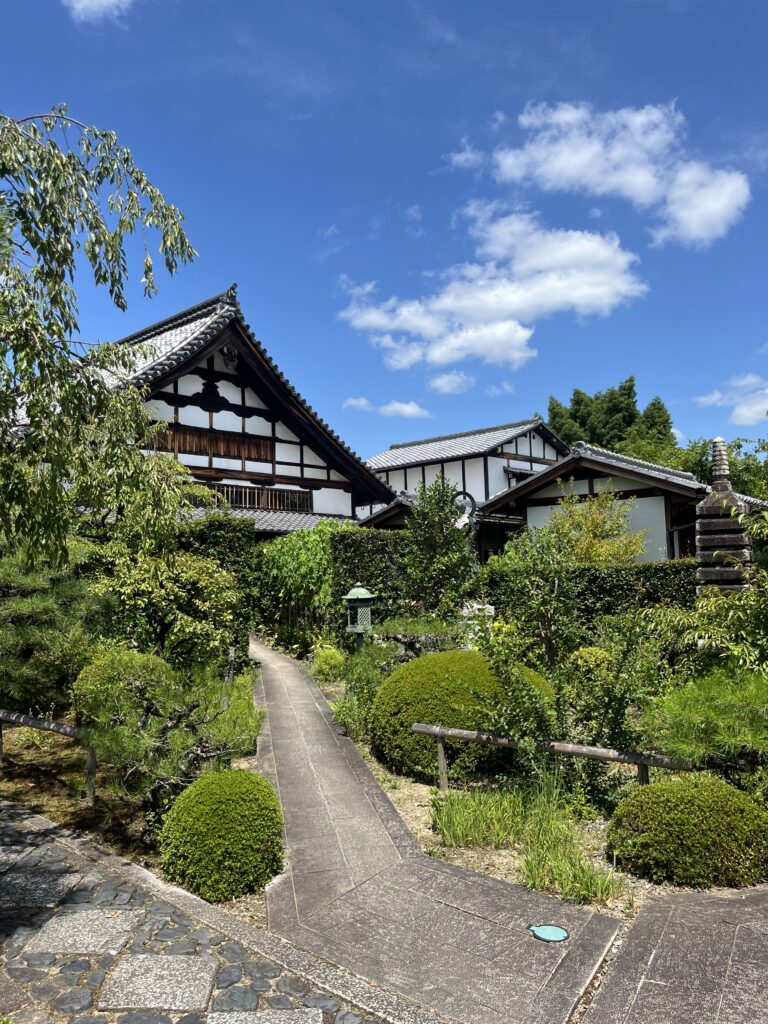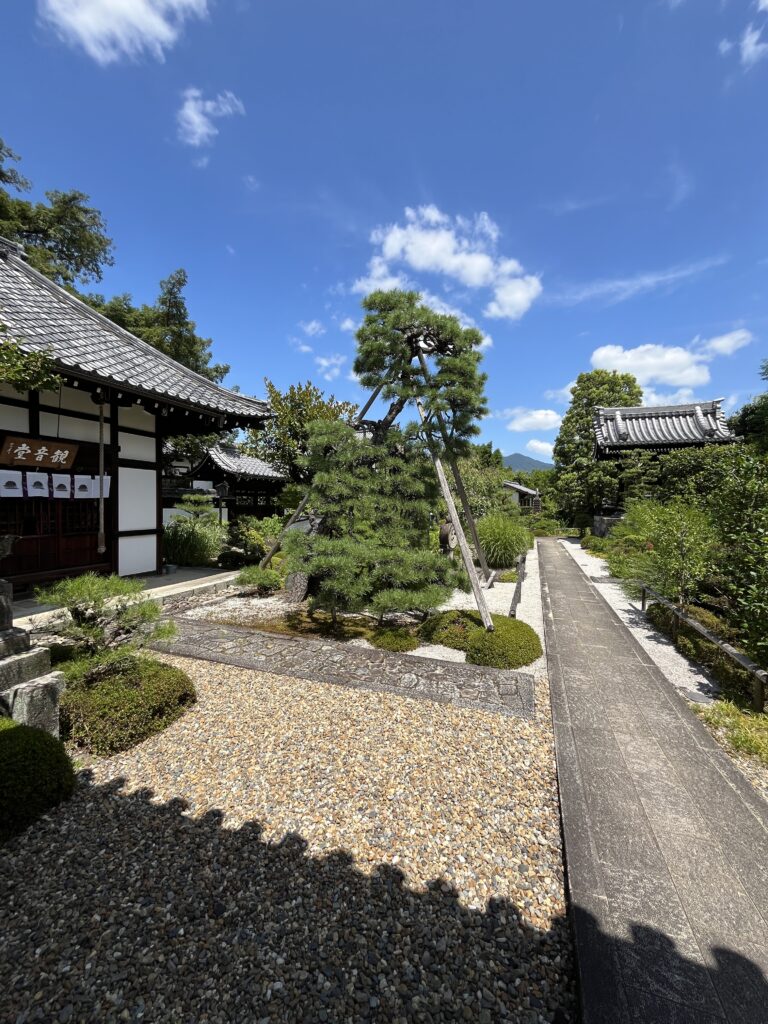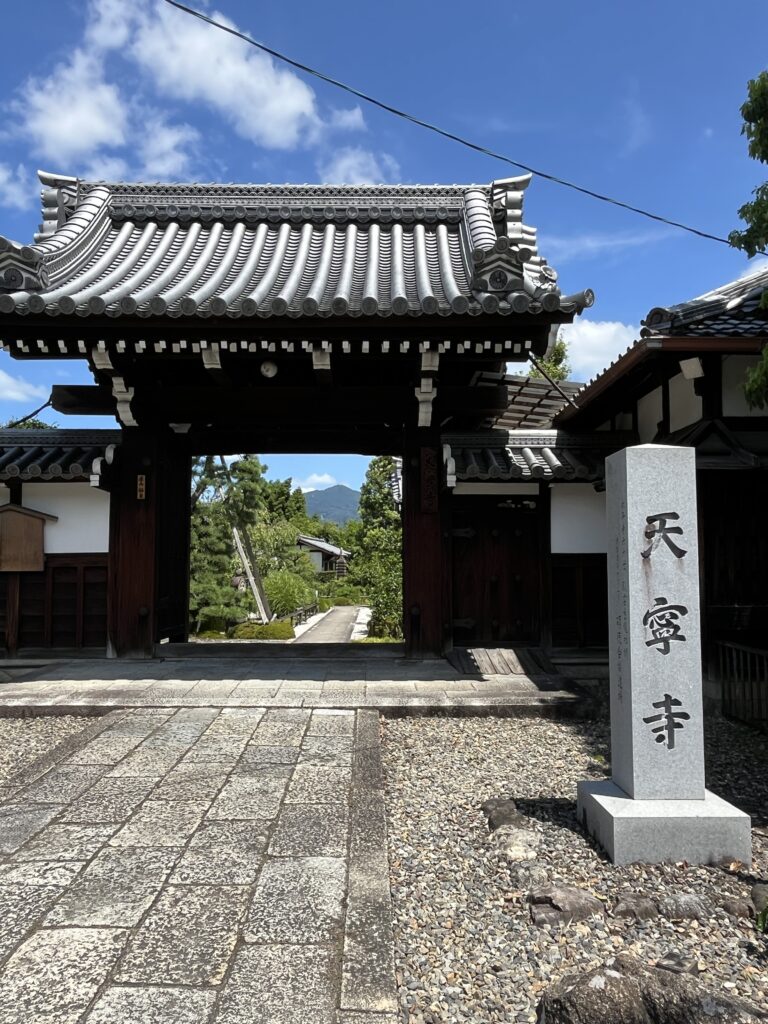
Kosan-ji Temple (1)

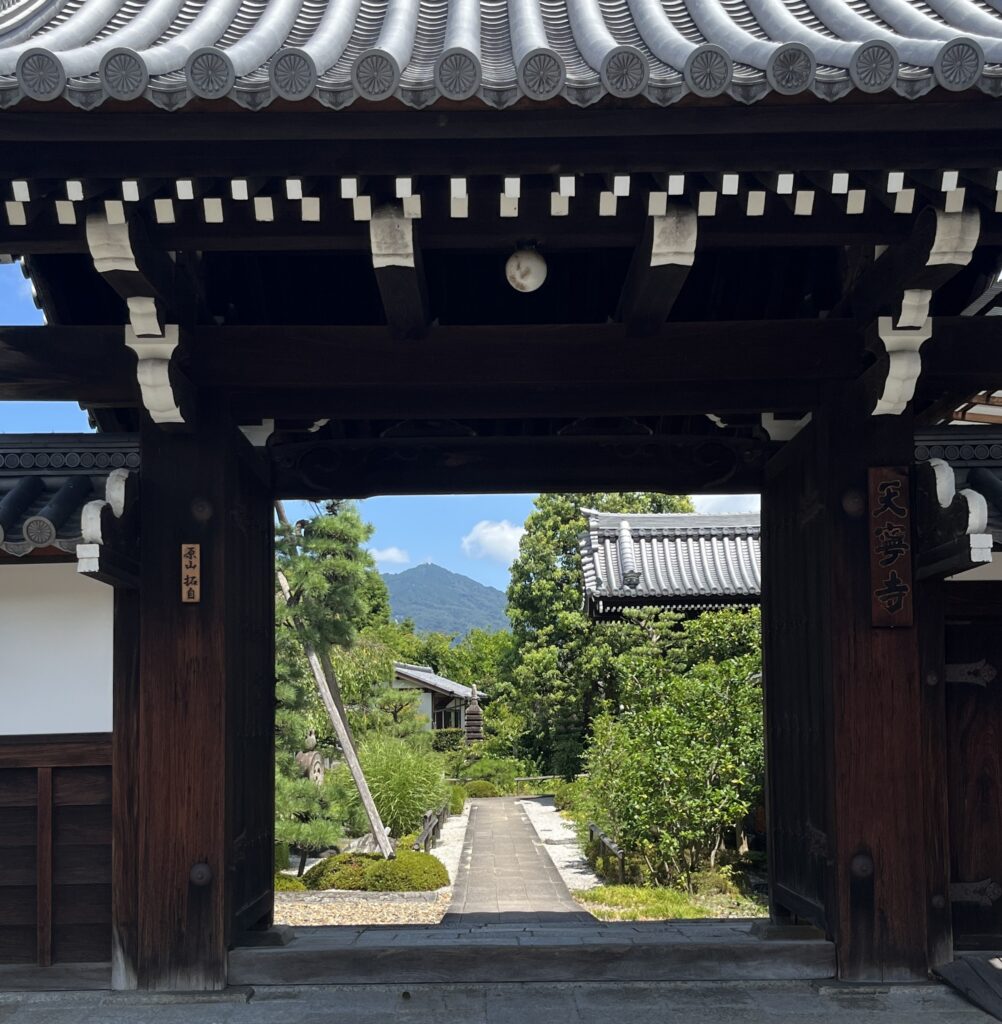
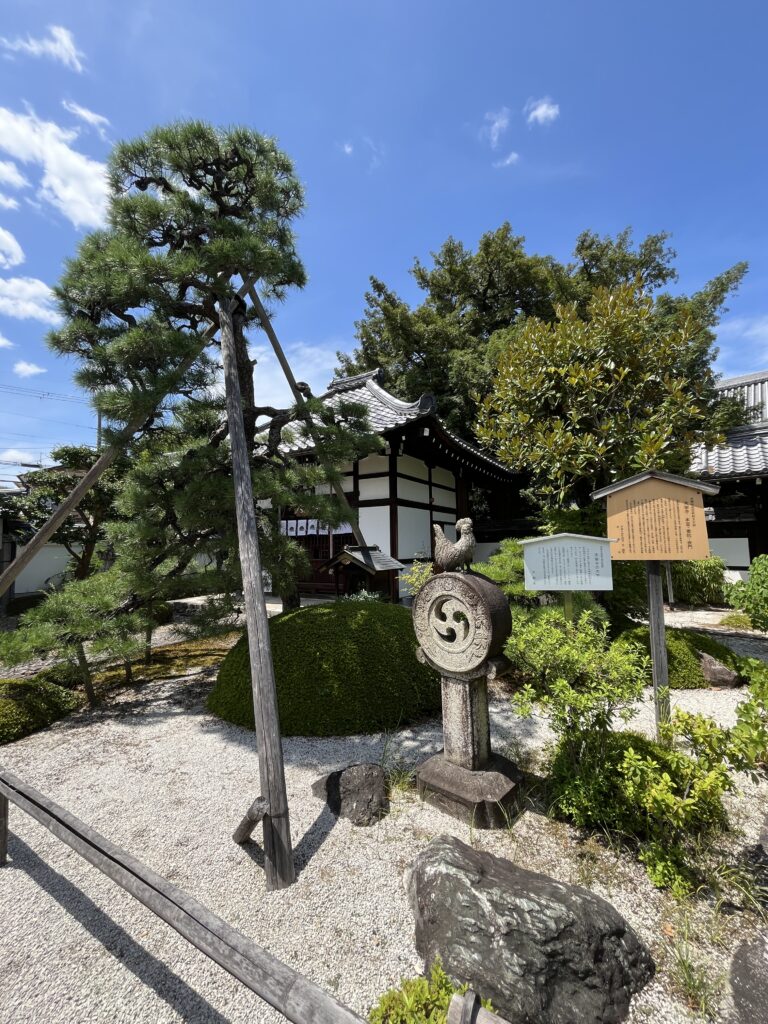
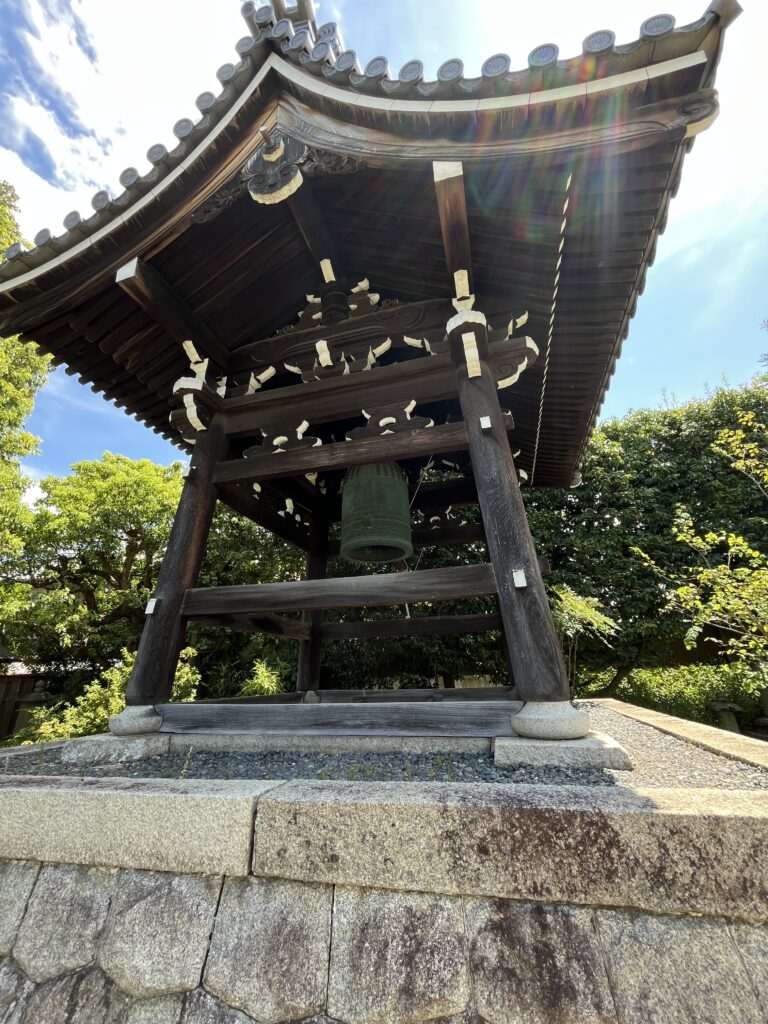
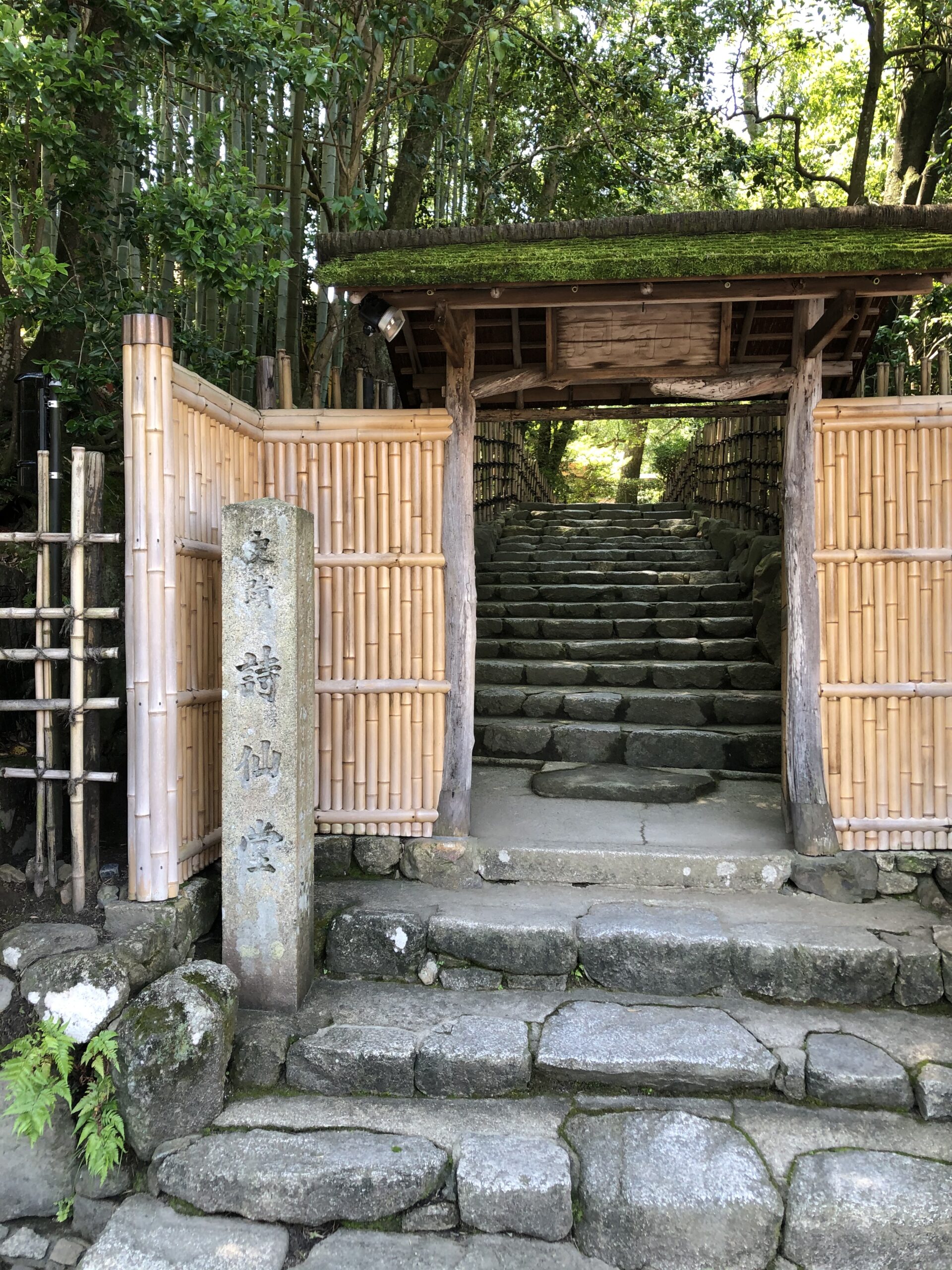
Kōzan-ji Temple is an ancient temple founded in 774.
It possesses many treasures, including the “Chōjū-jinbutsu-giga” (Scrolls of Frolicking Animals and People), which is said to be the oldest Manga in Japan.
“Chōjū” refers to familiar animals such as birds and beasts, and “giga” means a picture drawn in a humorous or entertaining way.


“Chōjū-jinbutsu-giga”

Location

“Mackerel Road.”

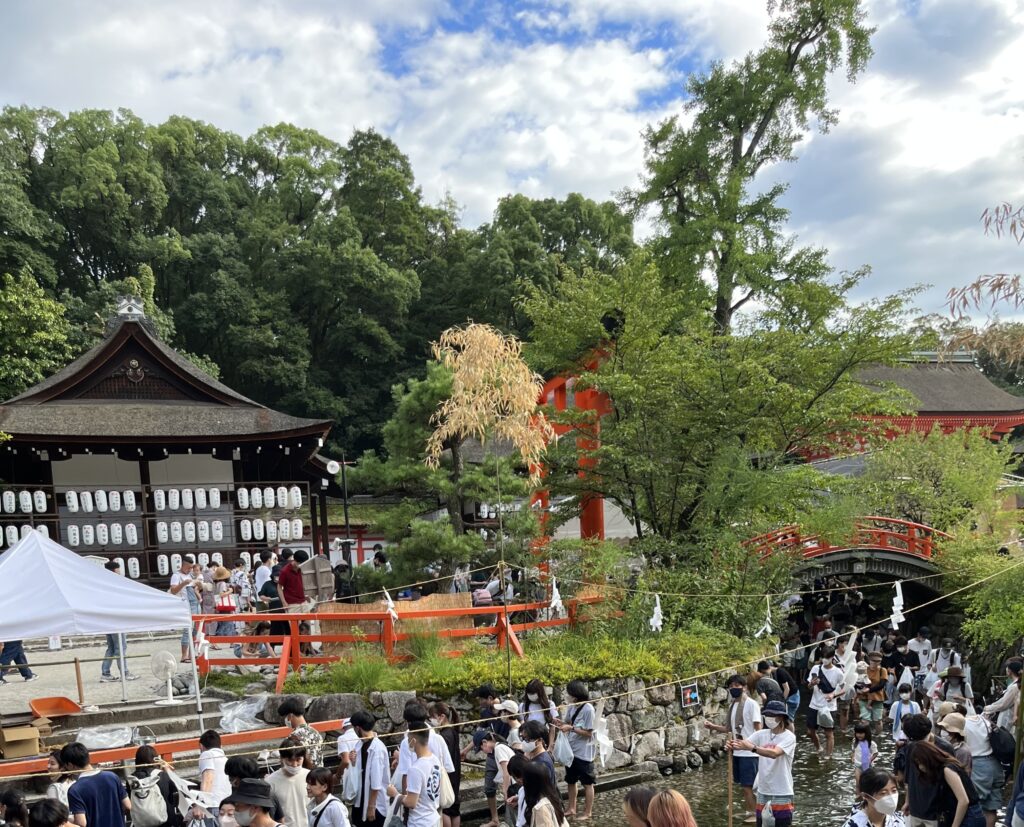
This is the Kamo River, which flows through the center of Kyoto City. Kyoto Prefecture has the Sea of Japan to its north, and there was a road that transported fish (mackerel) caught there to what is now Kyoto City, which was known as the “Mackerel Road.” Demachiyanagi is the final destination of that Mackerel Road.


Final Destination of “Mackerel Road.”

Location


Daihikaku Senko-ji Temple

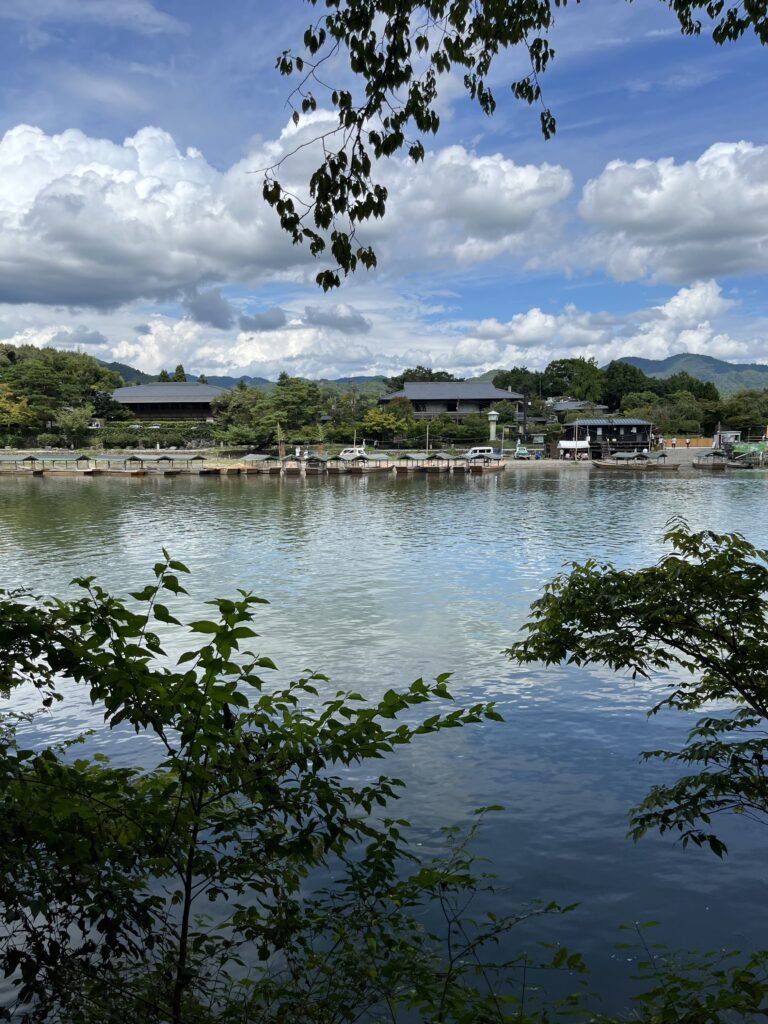
About a kilometer upstream along the Hozugawa River from the
Togetsukyo Bridge in Arashiyama, you can see a mystical landscape completely different from the hustle and bustle of Arashiyama.
The temple built on a cliff overlooking the Hozugawa River is Daihikaku
Senko-ji Temple.
The founder of Senkoji Temple, Suminokura Ryōi (1554-1614), was
a wealthy merchant who invested his personal fortune in the development of the Ōi River and Takase River in Kyoto, making a significant contribution to the development of Kyoto’s economy.


Daihikaku Senko-ji Temple

Location

Irises Shrine

Here, in “Ota-no-Sawa,” located on the approach to Ota Shrine,irises grow wild.
They are in full bloom from early to mid-May.
Ota Shrine is a subsidiary shrine of Kamigamo Shrine and is
located  in Kita Ward, Kyoto City.


Ota Shrine

Location

Green Maple Leaves (3)

This is Ruriko In Temple, located in the northeastern part of Kyoto City,
at the foot of Mt. Hiei.
While it’s also famous as a place to admire the fresh greenery,
it’s particularly renowned for allowing visitors to simultaneously appreciate the reflections of the greenery on the floor and on the tables.


Ruriko In Temple

Location