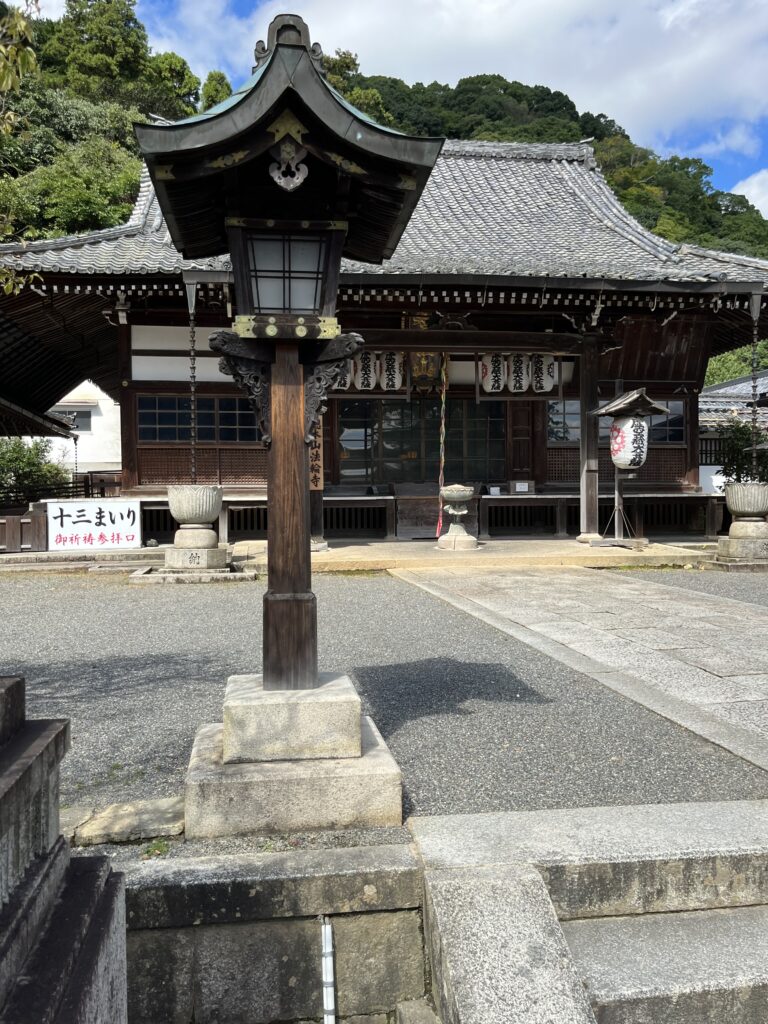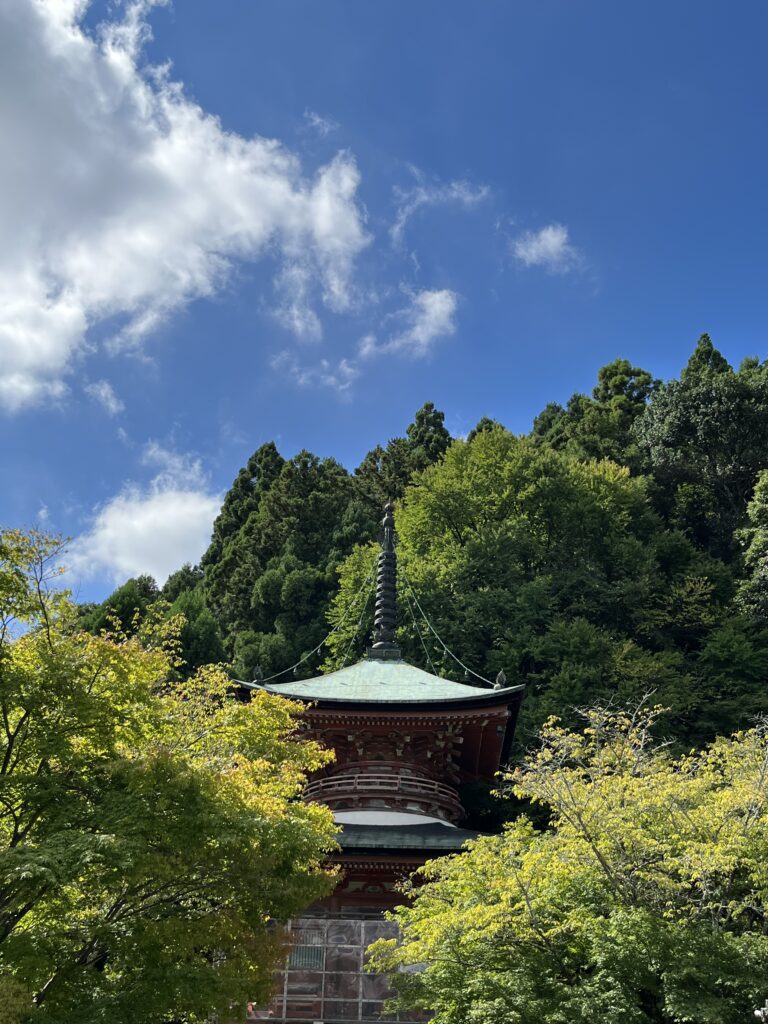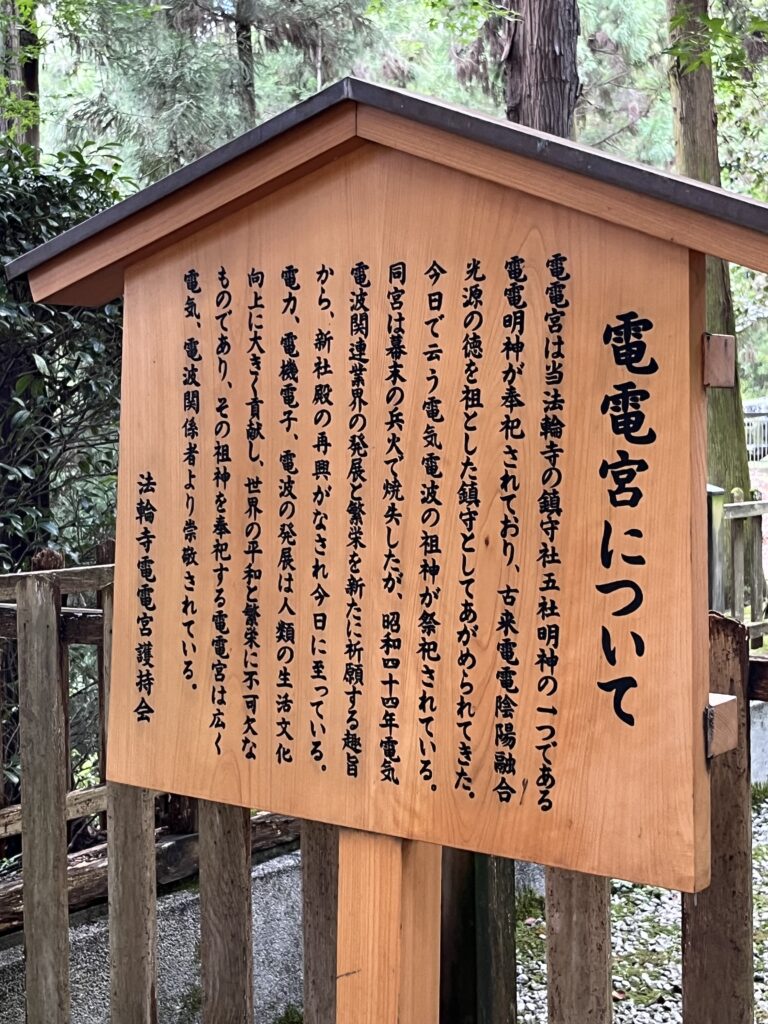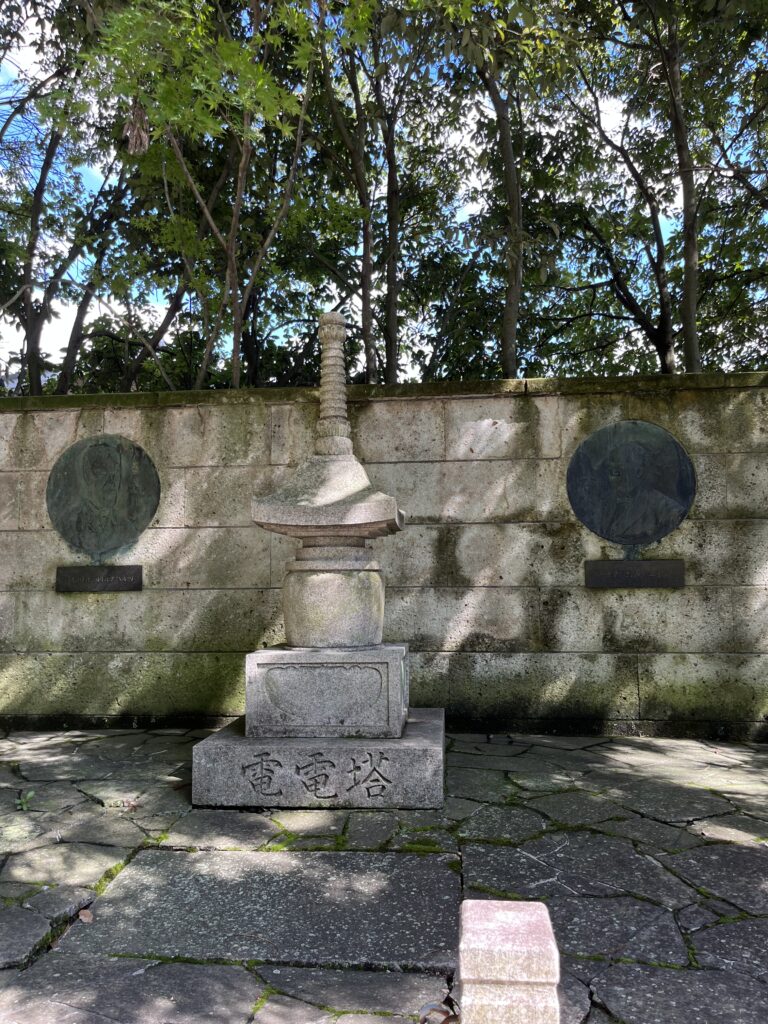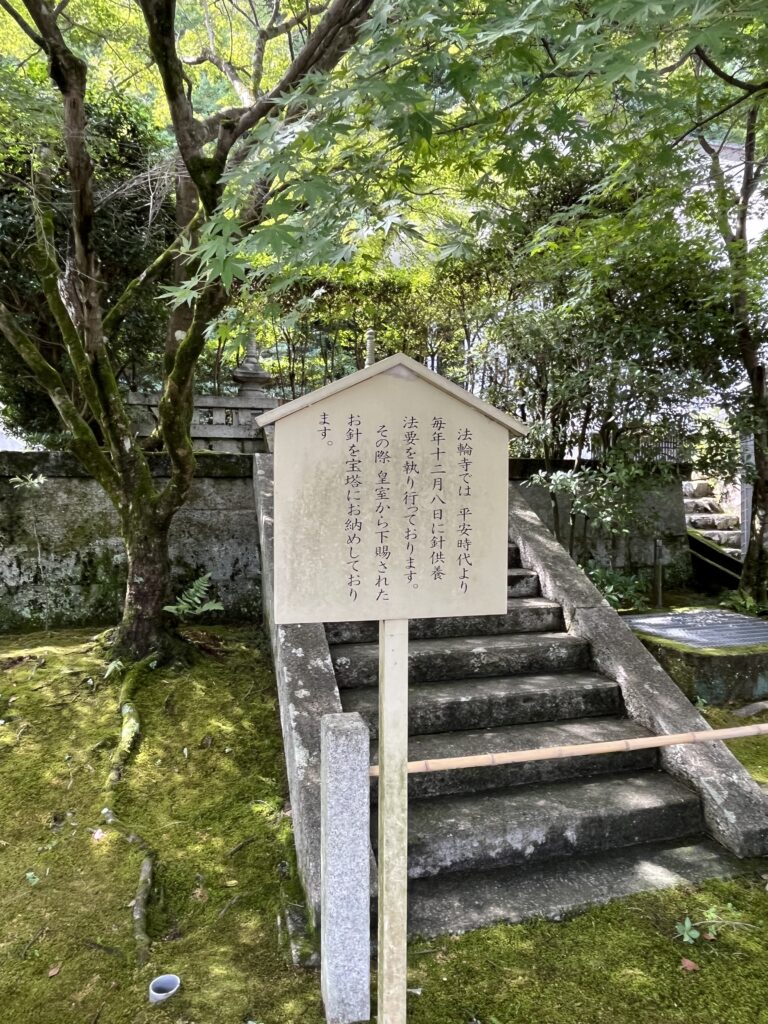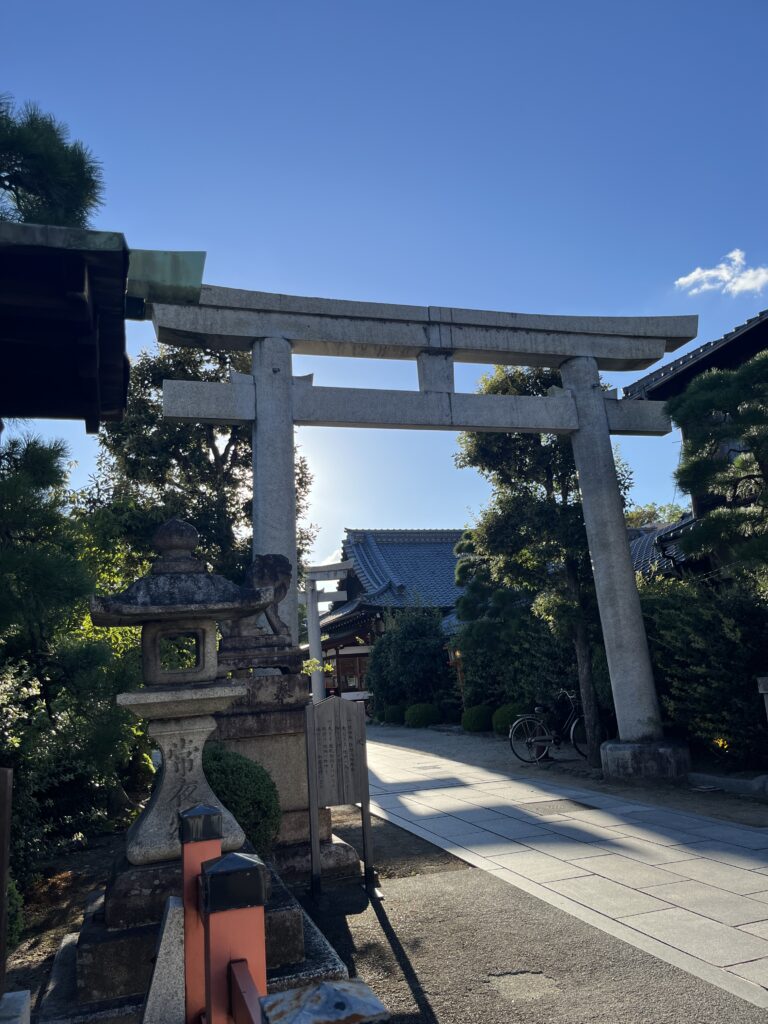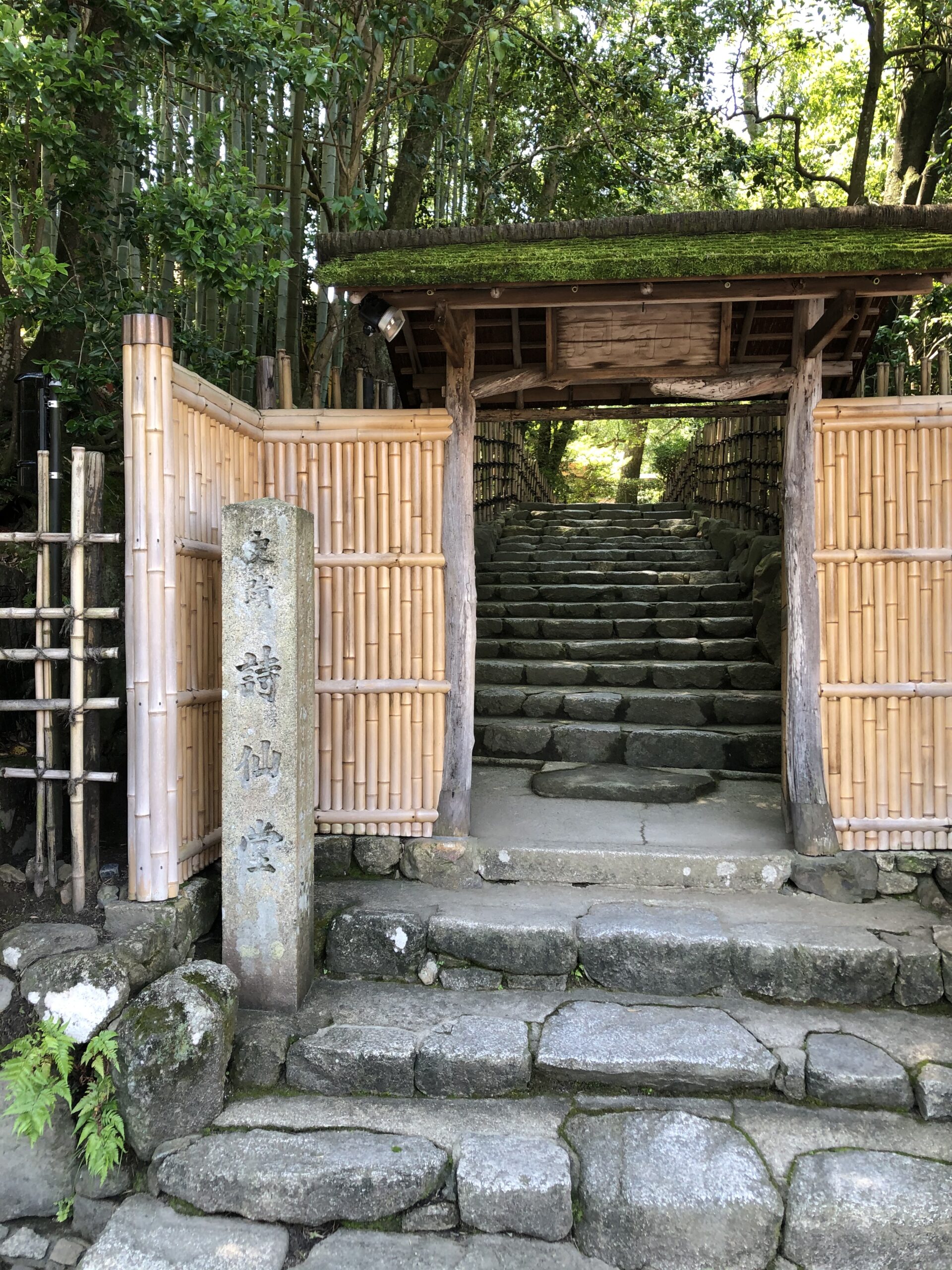
Hourinji Temple(法輪寺)

Horin-ji Temple in Arashiyama is particularly well-known for the “Jusan-mairi” (Thirteen-Year-Olds’ Pilgrimage), a coming-of-age ritual where boys and girls who have turned thirteen visit the temple to pray for the warding off of misfortune and the granting of wisdom.
Additionally, the Togetsukyo Bridge—a symbol of Arashiyama—was originally built by a monk from Horin-ji during river improvement works; it is said to have once been known as the Horin-ji Bridge.

Location

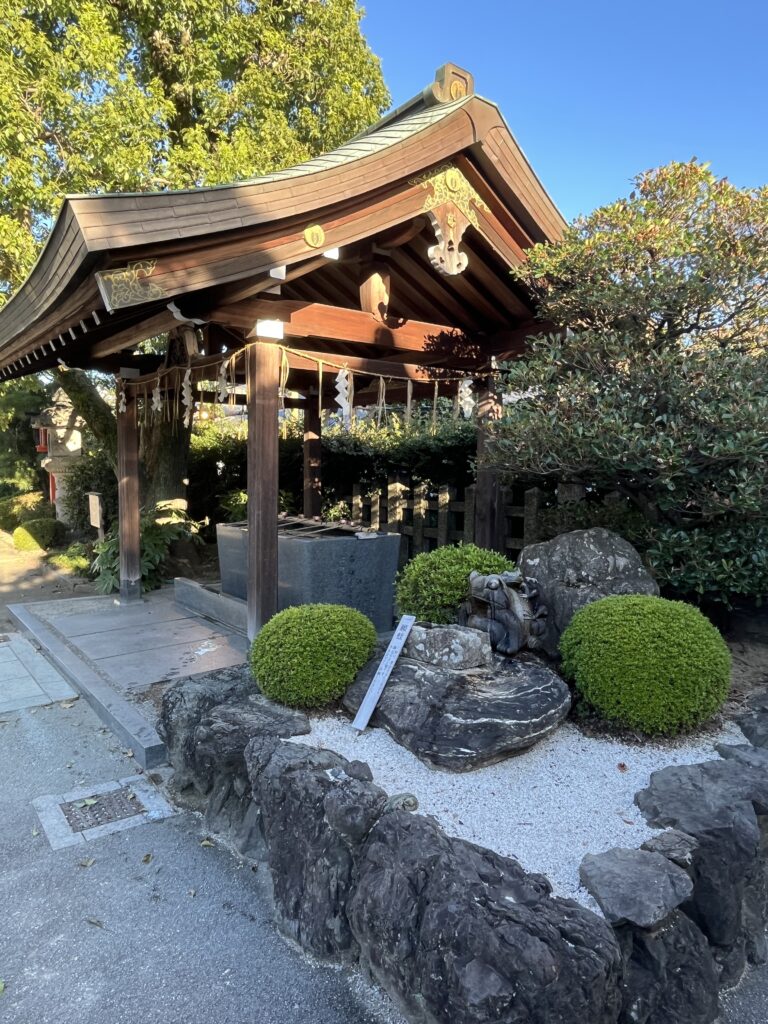
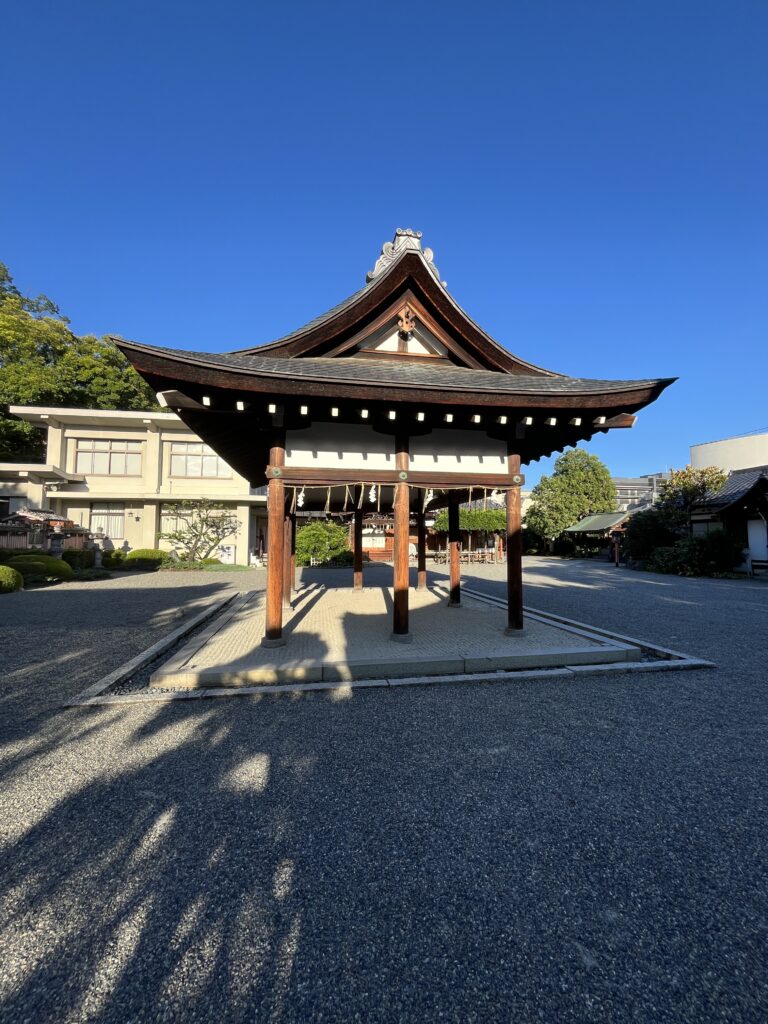
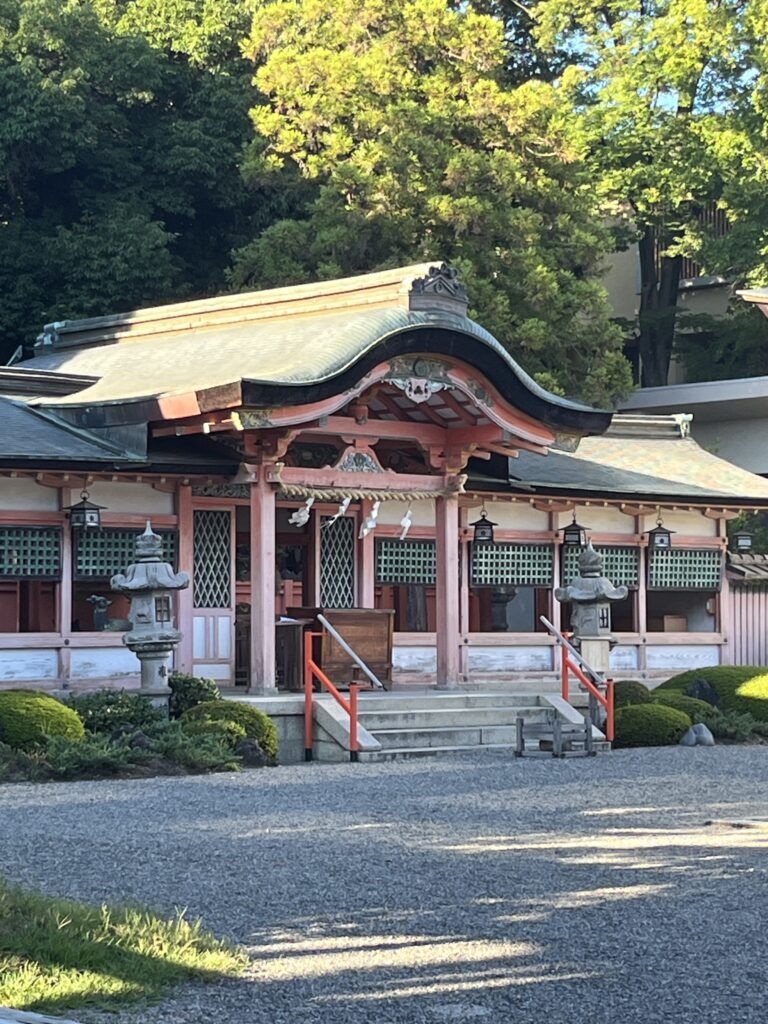
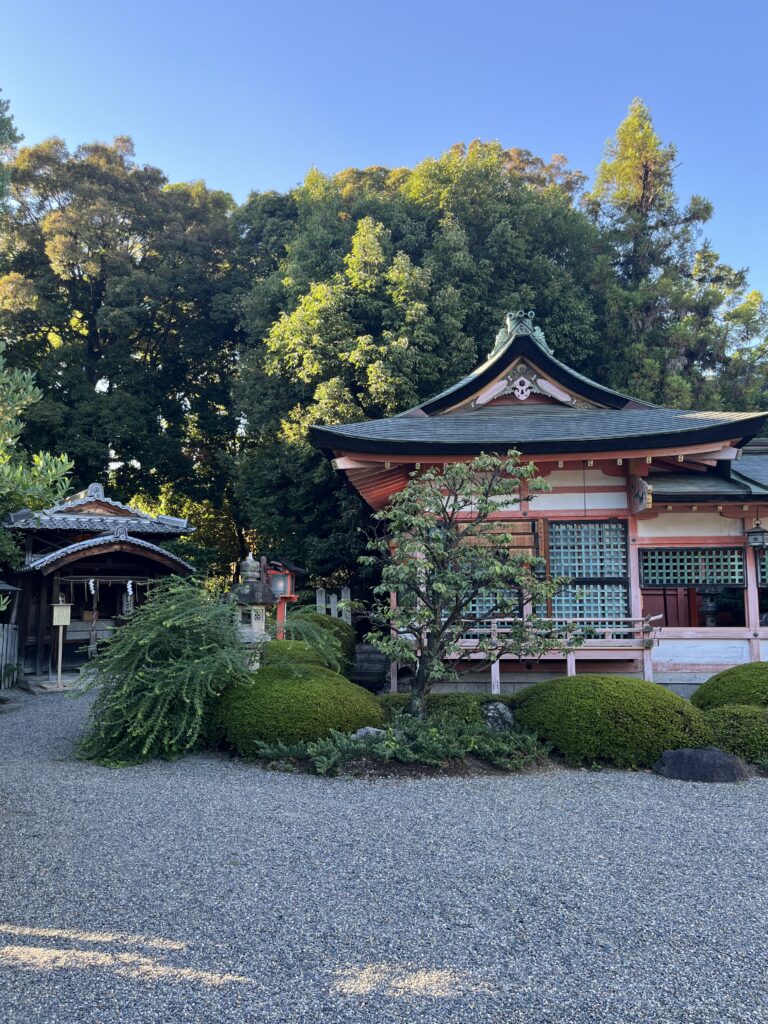
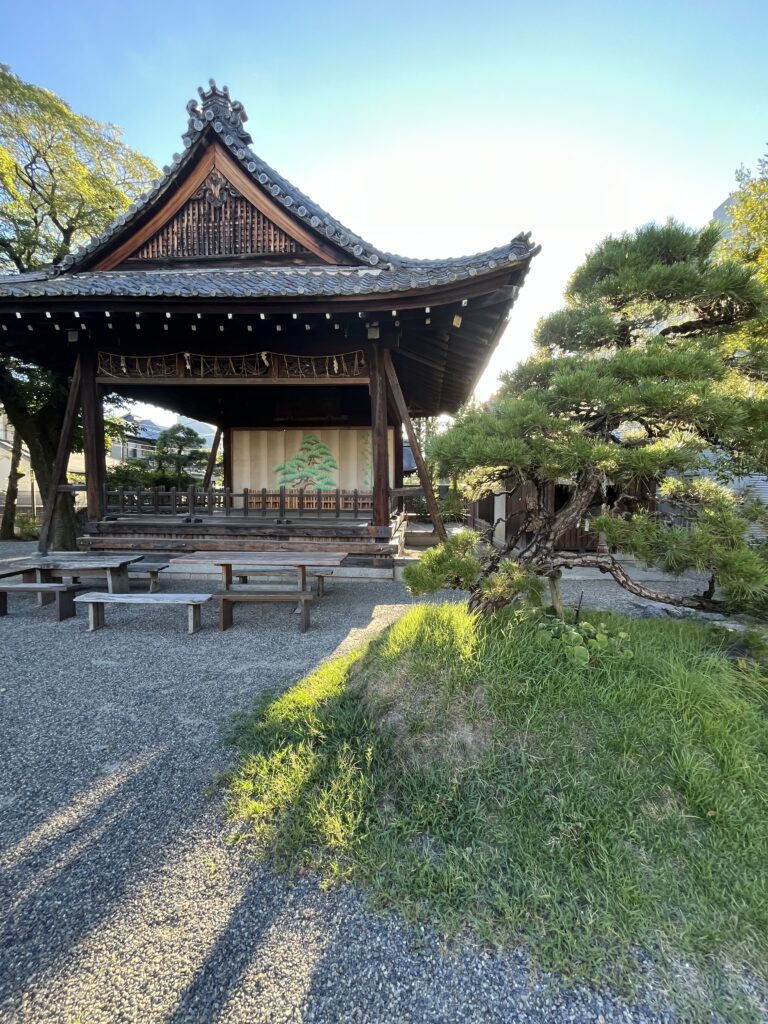
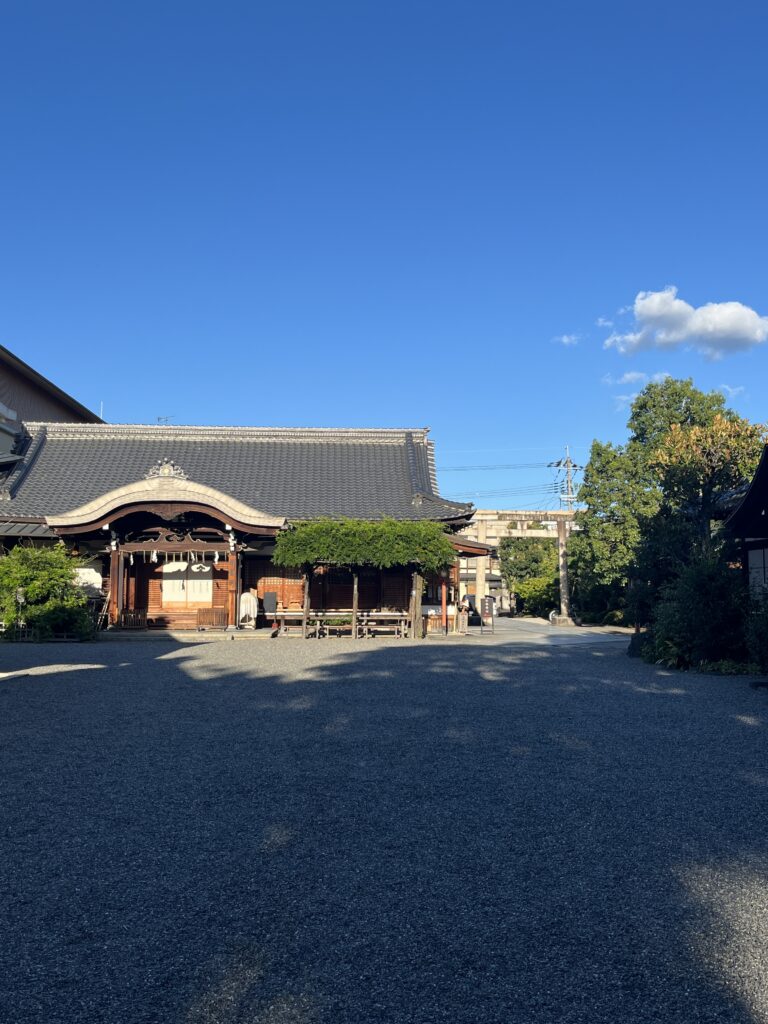
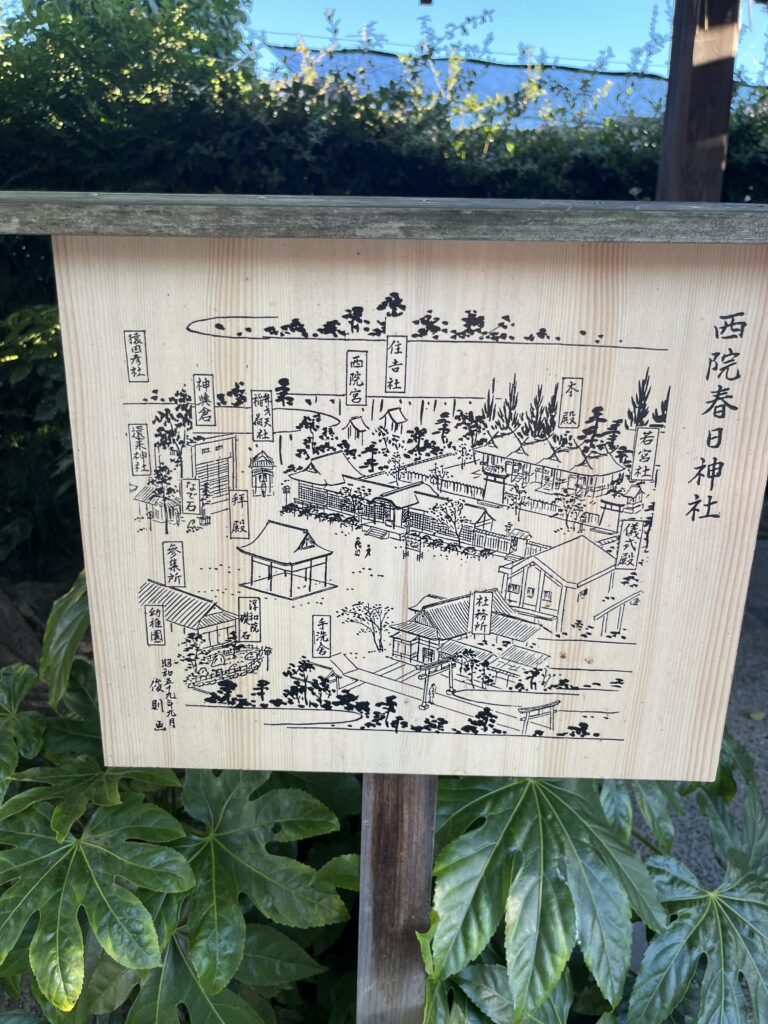
Saiin Kasuga Taisya Srine(西院 春日大社)

Its origins date back to 833 during the Heian period, when Emperor Junna moved to Junna-in (also known as Sai-in) and enshrined a divided spirit of the deity brought from Kasuga Taisha Shrine in Nara.
It is believed to bestow blessings such as protection against illness and misfortune, recovery from sickness, and safety in travel.

Location

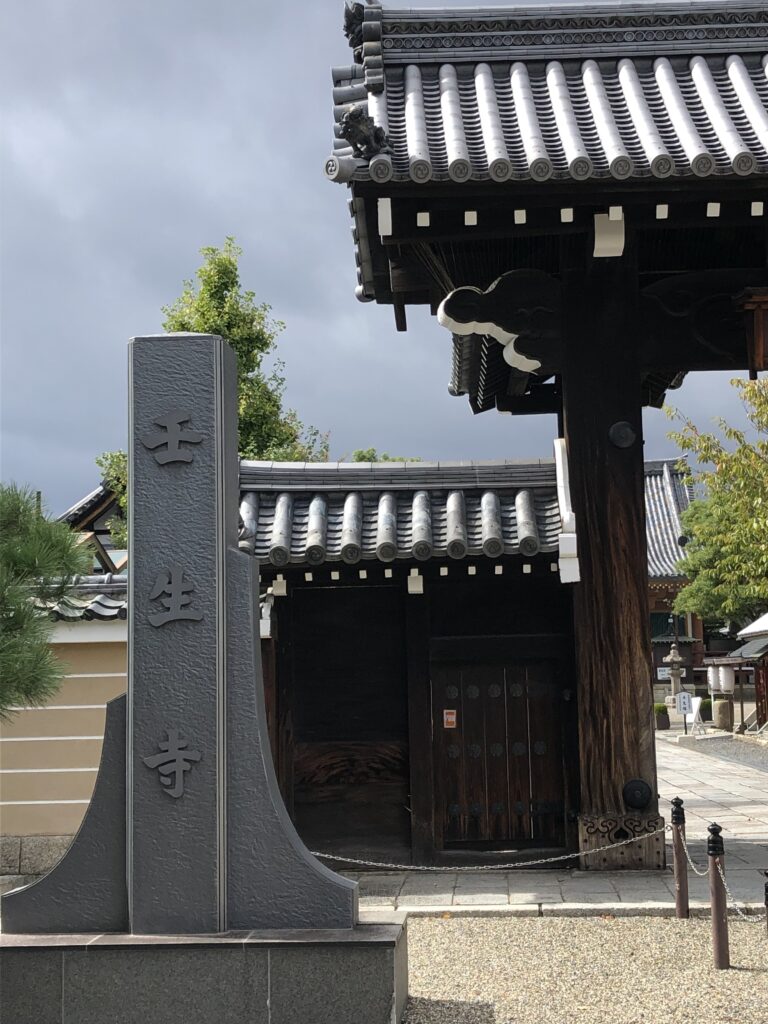
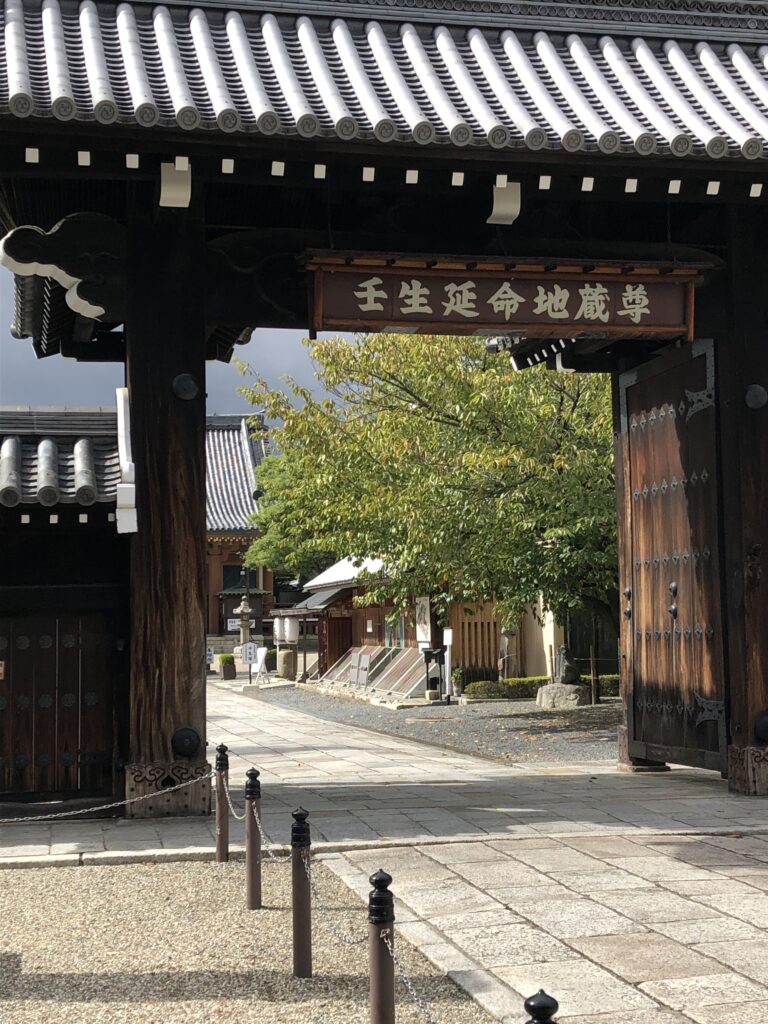
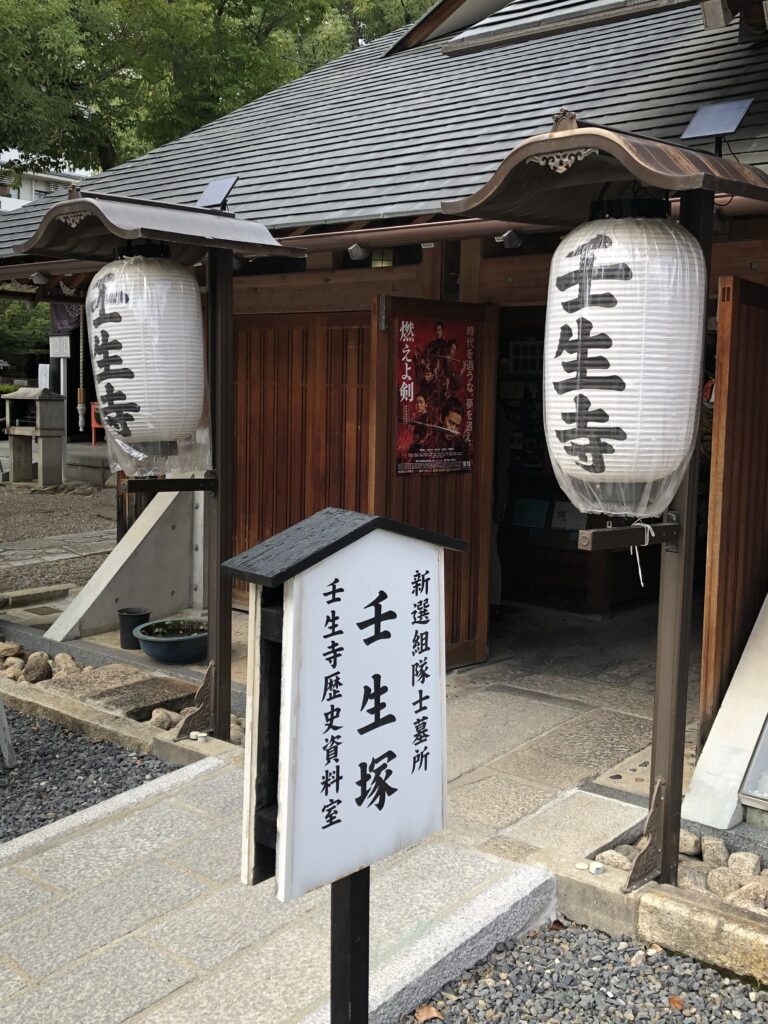
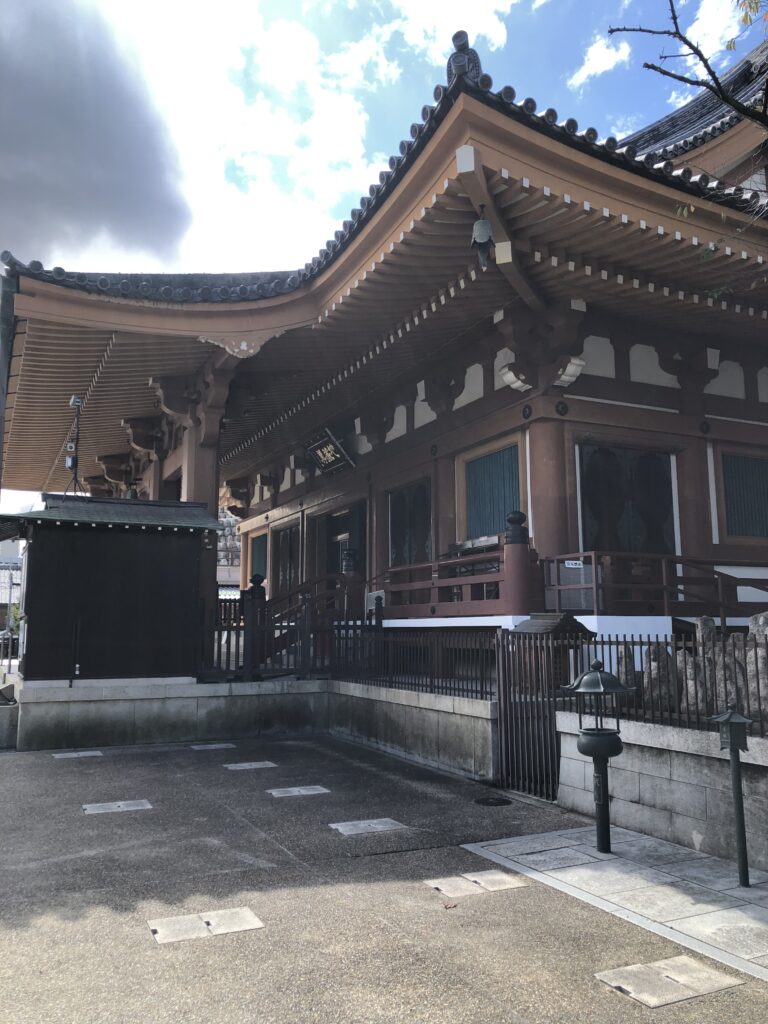
Mibu-dera Temple (壬生寺)

Located in the heart of Kyoto, Mibu-dera Temple is the site where the Shinsengumi—active during the final years of the Edo period—held their training sessions; it is also renowned for “Mibu Kyogen” (a silent pantomime tradition dating back to the Kamakura period) and for its Setsubun festival, which boasts a history spanning 900 years.

Location
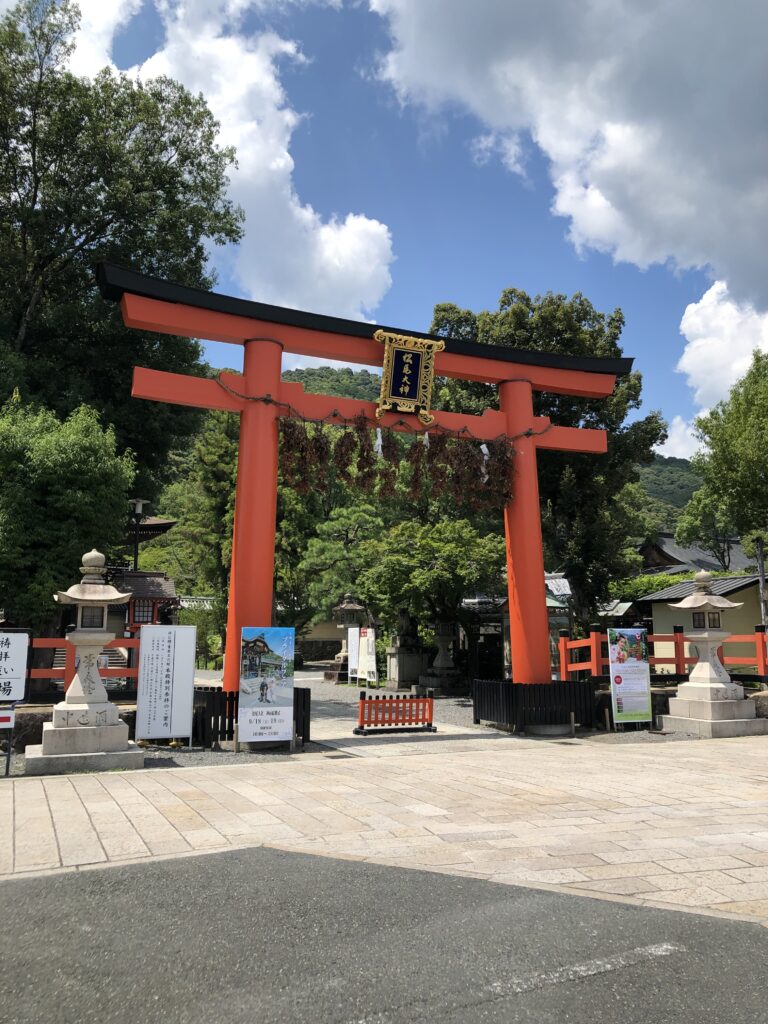
Matsunoo Taisha Shrine 2(松尾大社2)

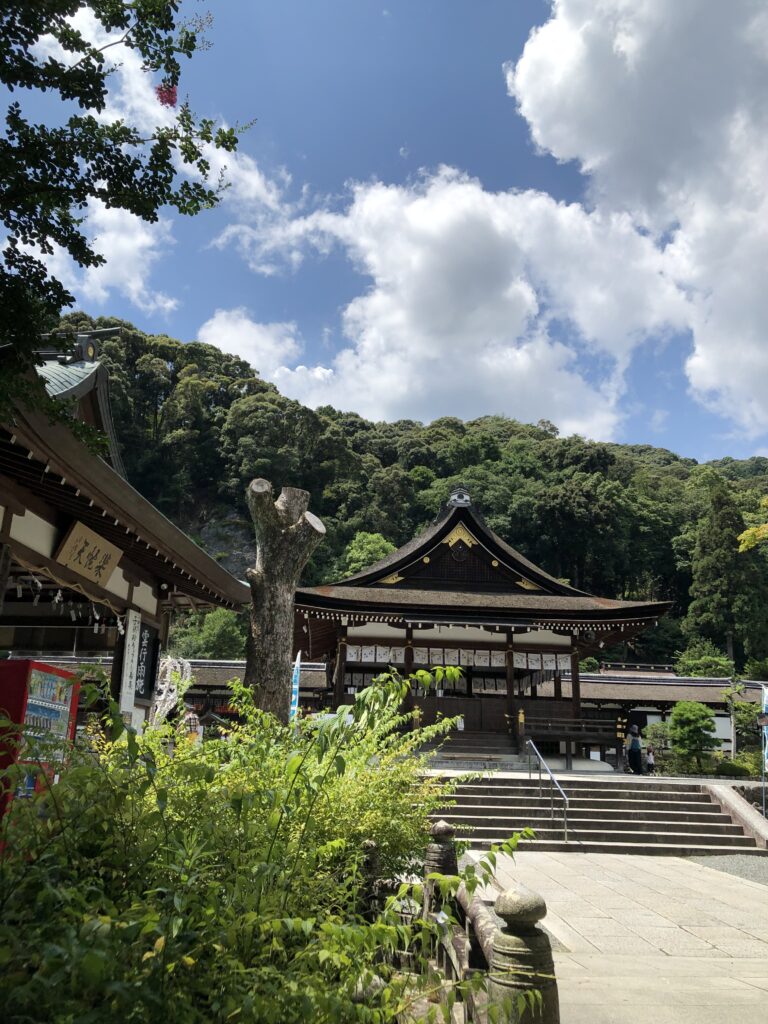
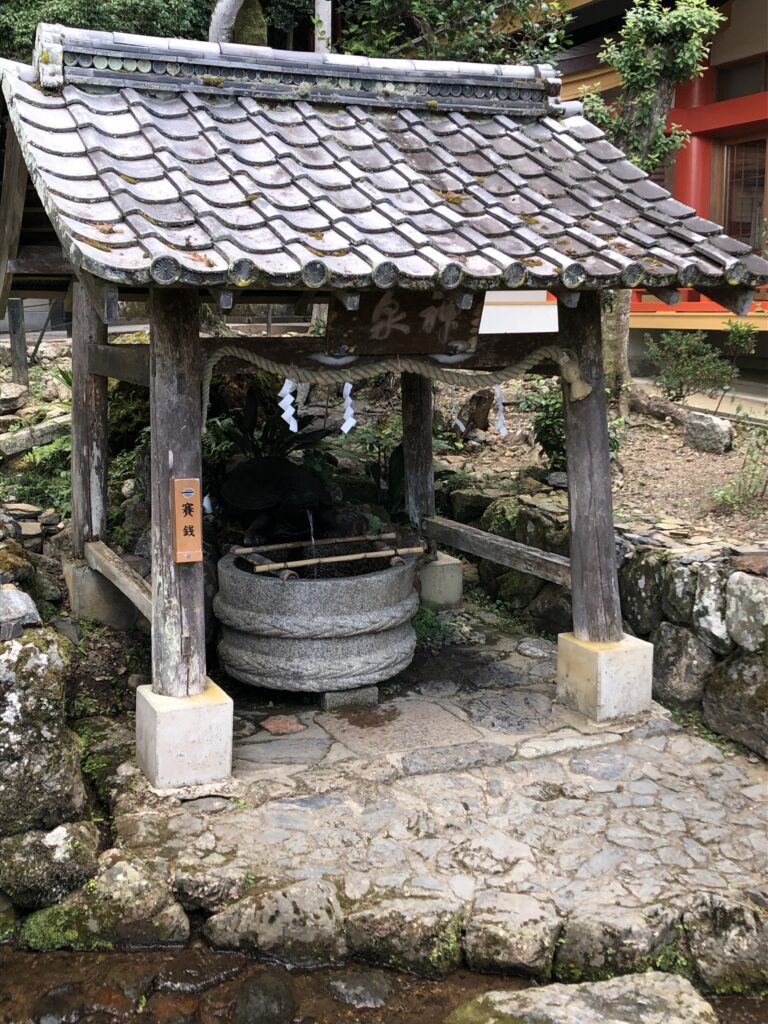
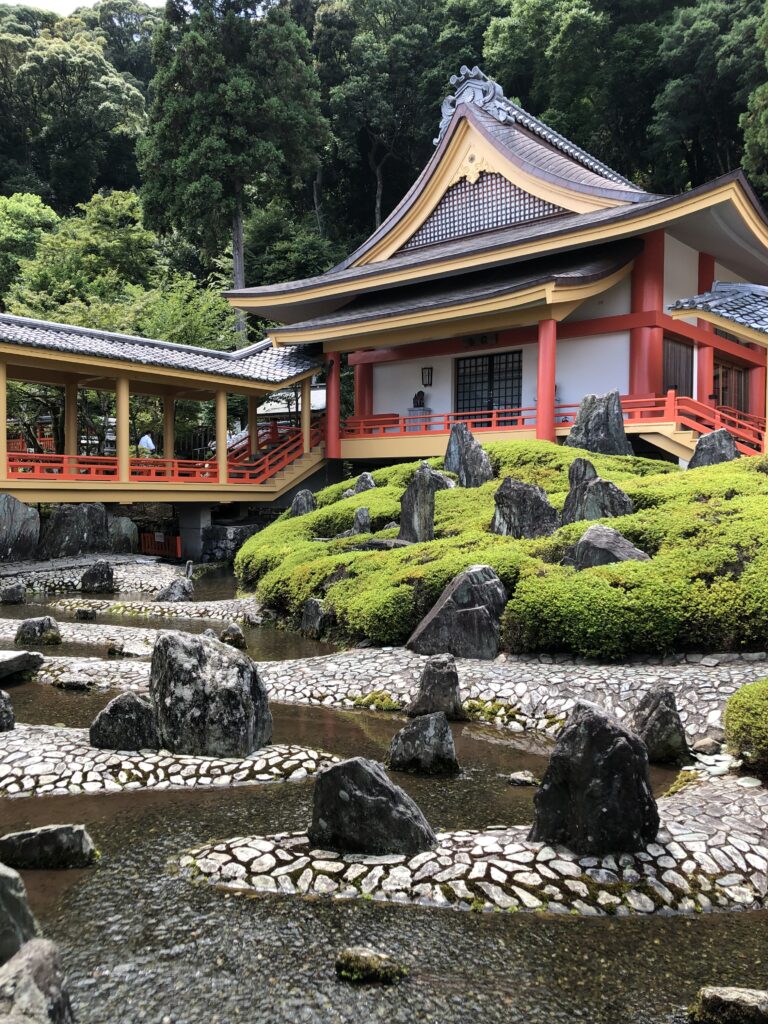
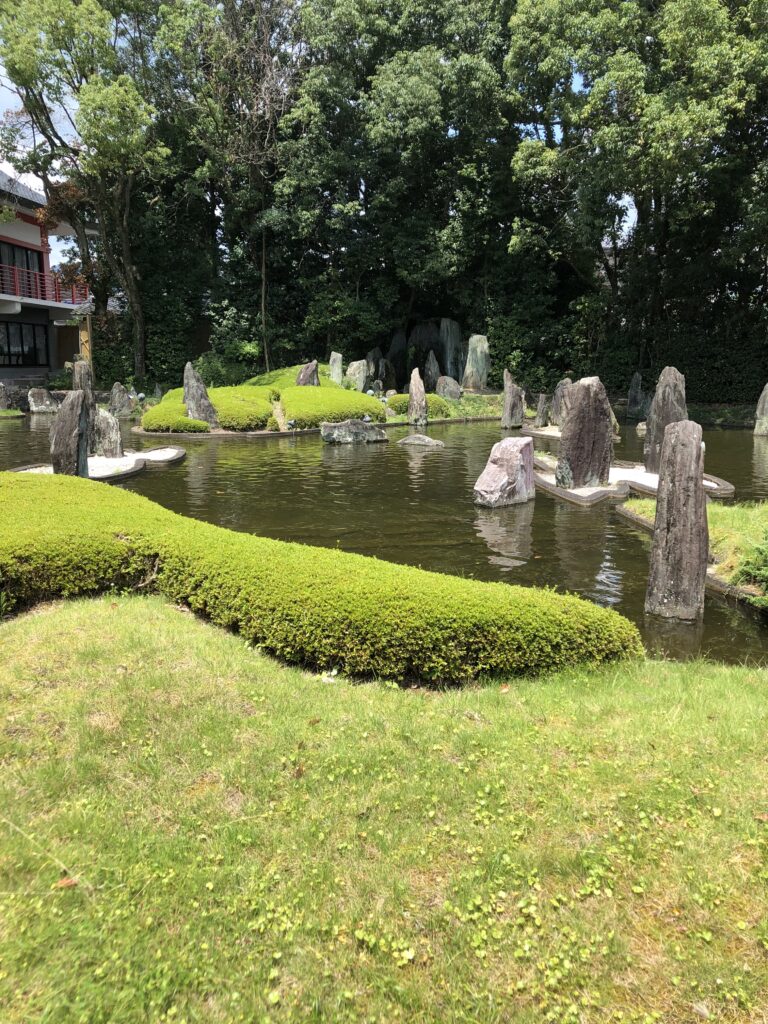
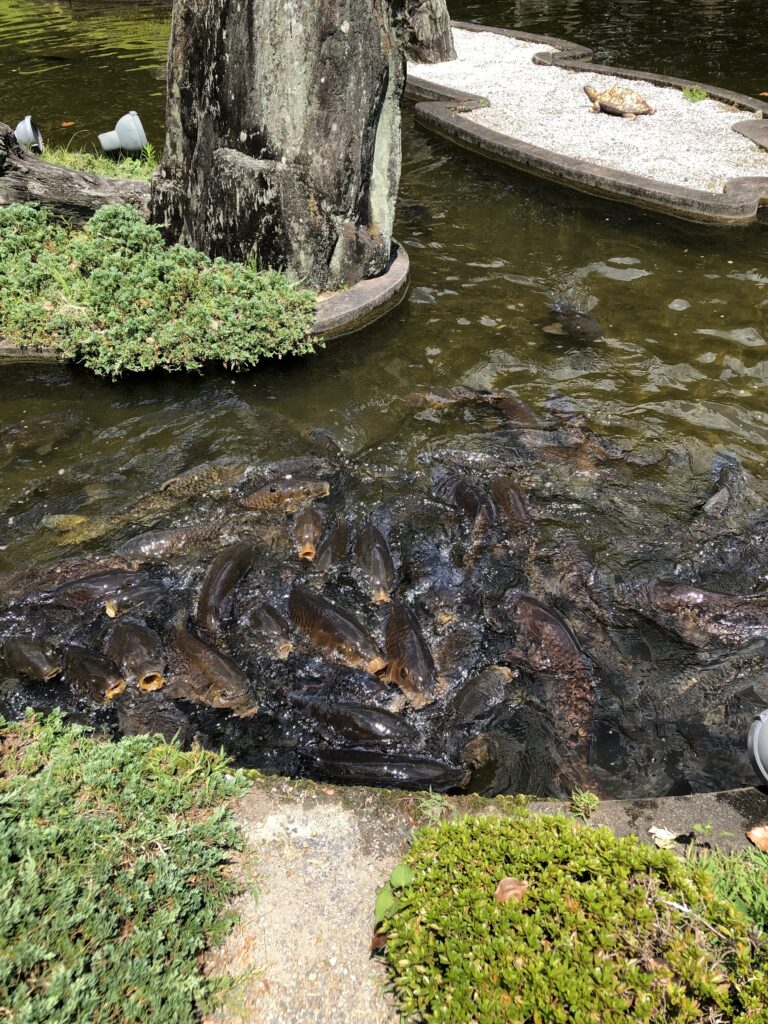
At Matsunoo Taisha Shrine, visitors can view the works of Mirei Shigemori known as the “Shofuen” trio of gardens within the shrine precincts.

These gardens are named the Garden of Antiquity, the Garden of the Meandering Stream, and the Garden of Mount Horai.

Location